See the monuments around you in AROpen chests in the app
Around Us is built for your phone — point your camera at the streets and discover the monuments and places around you in augmented reality.Around Us is built for your phone — chests unlock when you walk, explore and capture nearby places.
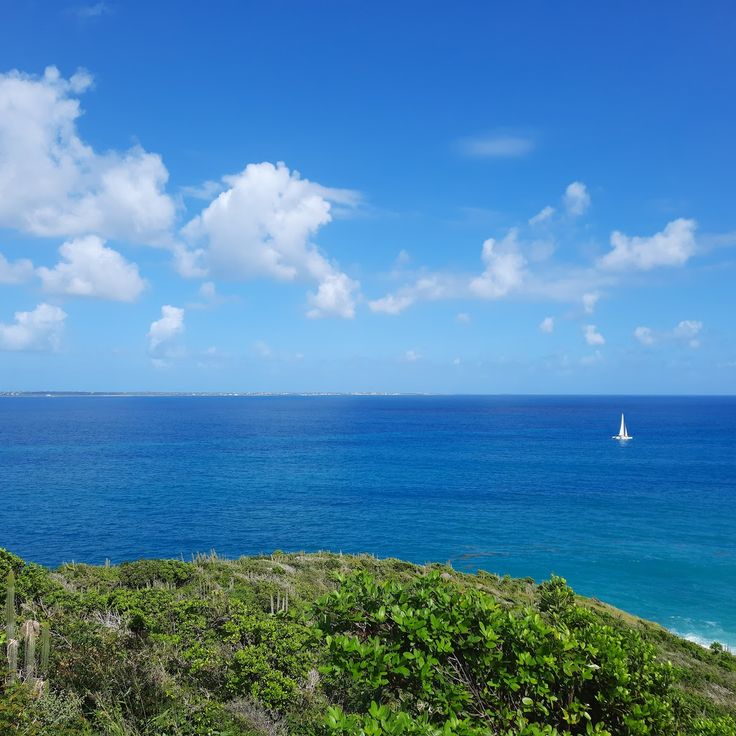
Saint-Martin is a Caribbean island divided between France and the Netherlands. The coastline features white sand beaches such as Orient Bay, Maho Beach, and Baie Rouge, while smaller islands like Pinel and Tintamarre sit just offshore. The interior rises to Pic Paradis, which stands 424 meters (1,391 feet) high, and is protected by land and marine nature reserves. Historic fortifications including Fort Louis and Fort Amsterdam date from the colonial period.
The island shows traces of pre-Columbian settlement, including the Moho petroglyphs and the Hope Estate archaeological site. Museums in Marigot and Philipsburg document the island's history, while the Marigot Market offers local produce and crafts. Grand Case is known for its restaurants, and places like the Butterfly Farm and Parotte Ville Bird Sanctuary provide encounters with wildlife.
Saint-Martin is a Caribbean island divided between France and the Netherlands. The coastline features white sand beaches such as Orient Bay, Maho Beach, and Baie Rouge, while smaller islands like Pinel and Tintamarre sit just offshore. The interior rises to Pic Paradis, which stands 424 meters (1,391 feet) high, and is protected by land and marine nature reserves. Historic fortifications including Fort Louis and Fort Amsterdam date from the colonial period.
The island shows traces of pre-Columbian settlement, including the Moho petroglyphs and the Hope Estate archaeological site. Museums in Marigot and Philipsburg document the island's history, while the Marigot Market offers local produce and crafts. Grand Case is known for its restaurants, and places like the Butterfly Farm and Parotte Ville Bird Sanctuary provide encounters with wildlife.
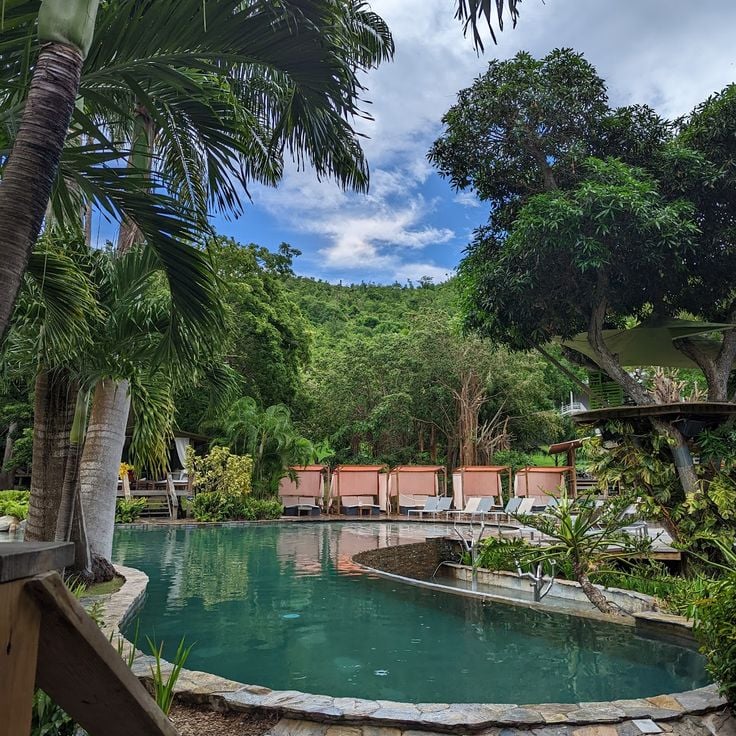
This private estate covers 54 hectares (133 acres) on the slopes of Pic Paradis and combines rainforest trails with outdoor recreational activities. Loterie Farm invites visitors to explore the natural side of Saint-Martin, either on foot along shaded paths or by gliding through the canopy on zip lines. Tiered pools at different levels offer a place to swim and rest, surrounded by dense vegetation and the sounds of the forest.
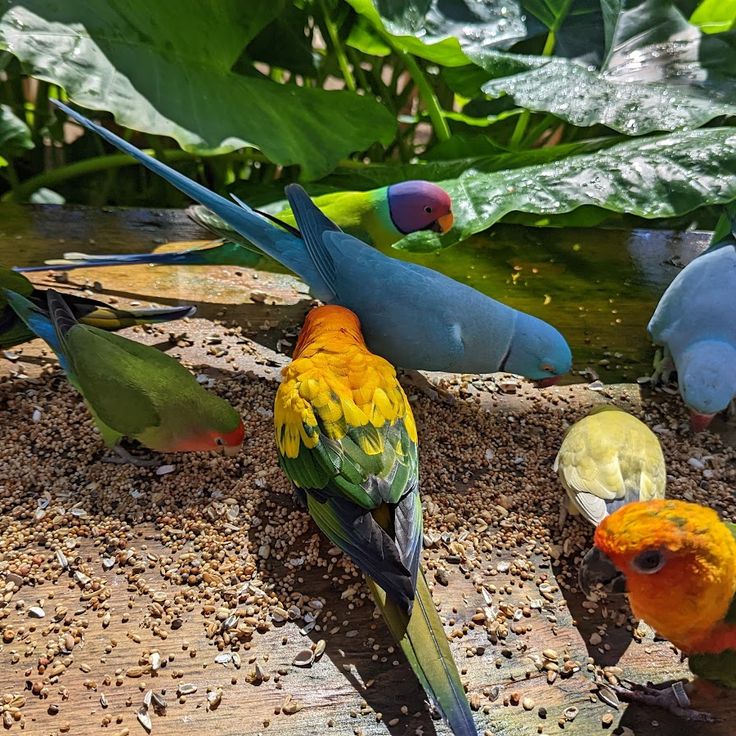
This bird protection center houses Caribbean parrot species in several aviaries and allows visitors to watch the animals being fed. The facility contributes to the conservation of local bird species on Saint-Martin and offers insight into the colorful birdlife of the region. Set amid tropical vegetation, the grounds create a quiet place for observing these feathered residents of the Caribbean.
This island sits off the coast of Orient Bay and can be reached by a short boat shuttle. Pinel Island offers several sandy beaches with palm trees, where visitors swim and snorkel. The island has a few restaurants serving local dishes, and it remains fairly quiet compared to other spots on Saint-Martin. Walking paths lead across the island, where you can see the ocean and surrounding waters. Many visitors come for the day to enjoy the beaches and rest under the trees.
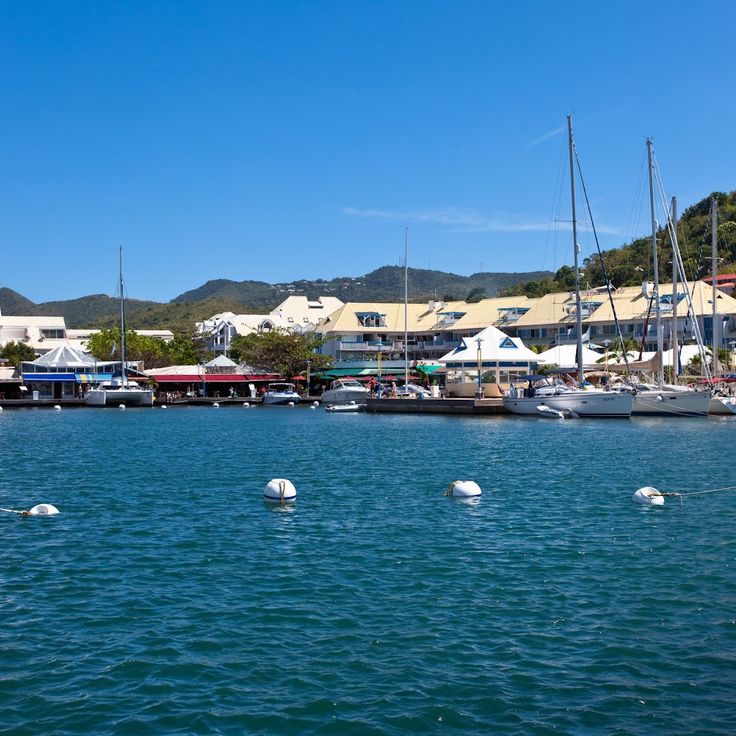
This marina sits in the center of Marigot, where shops, restaurants, and cafes line the walkways. Boats depart from here for trips to nearby islands and reefs. Sailboats and catamarans dock at the piers while visitors stroll along the waterfront or stop at the surrounding establishments. The harbor connects the busy town with sea excursions that lead to beaches, snorkeling spots, and the nearby islands of Pinel and Tintamarre.
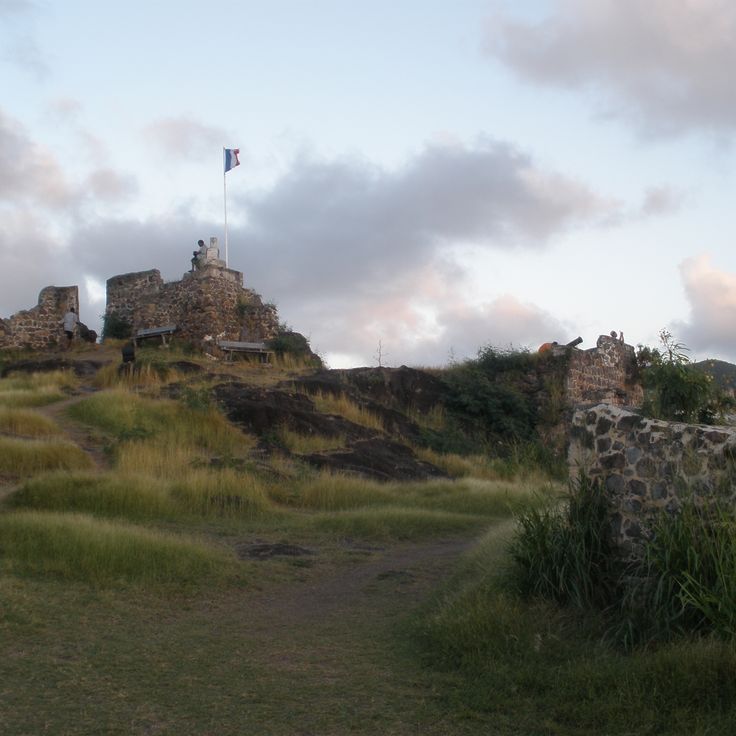
This fort stands on a hill above Marigot and was built in the late 18th century. From the walls, you look out over the bay, the harbor, and the nearby islands. The climb leads through quiet streets, and at the top a cool breeze often blows. The stones of the structure are marked by sun and rain. You see sailboats on the water and the rooftops of the town below. The fort once served to defend the island and is now a place where visitors take in the landscape and the sea.
This museum presents the natural world of the Caribbean through collections of shells, fossils, and marine life from the region. Visitors discover the connection between the beaches, reefs, and hills of Saint-Martin and the development of island ecology over long periods. The exhibition rooms guide you through the different habitats of the island and explain how plants and animals adapted to the tropical climate and the proximity to the sea.
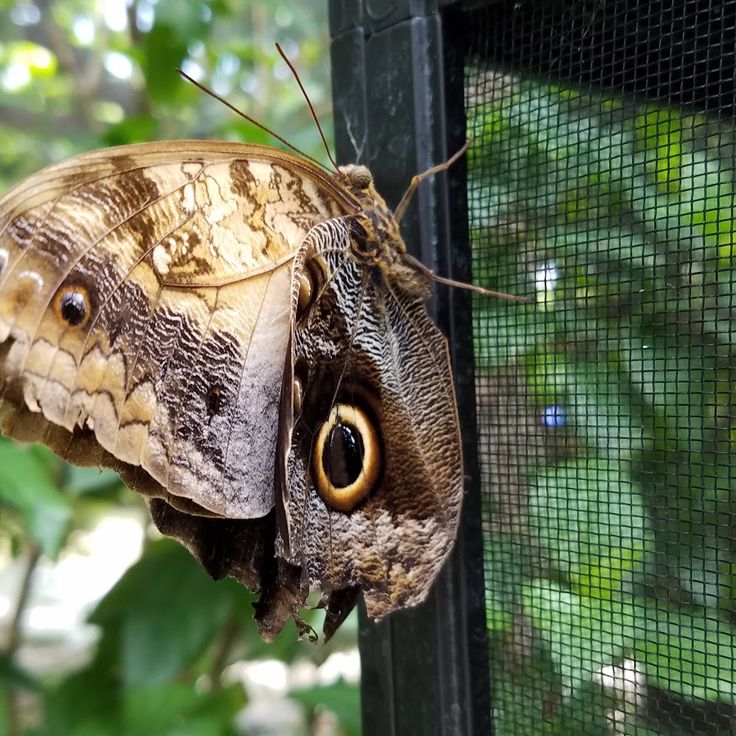
This garden creates a sheltered space with tropical plants where hundreds of butterflies from different species fly freely around visitors. The facility maintains host plants and allows observation of chrysalises at various stages of development. People walk among the vegetation and experience the flight patterns of these insects at close range. The covered structure keeps humidity and warmth steady so the animals can display their natural behavior. This place adds a quiet encounter with insect life and metamorphosis to the tourist sites of Saint-Martin.
This reserve protects coral reefs, seagrass meadows, mangrove forests, and ponds that shelter many bird species. The Nature Reserve covers coastal and marine areas around the island, safeguarding underwater life and shoreline habitats. Visitors can snorkel among sea turtles, colorful fish, and living coral formations. The waters around small offshore islands also fall within its boundaries. On land, salt-tolerant plants grow along the shore, and shallow lagoons serve as resting places for migratory birds. The reserve helps maintain the natural variety of Saint-Martin and keeps sensitive habitats safe from human impact.
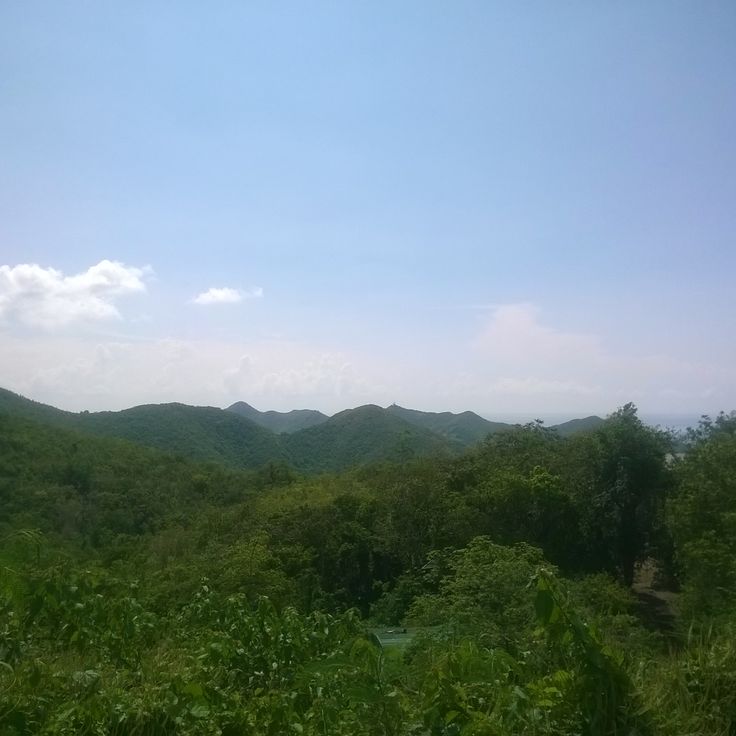
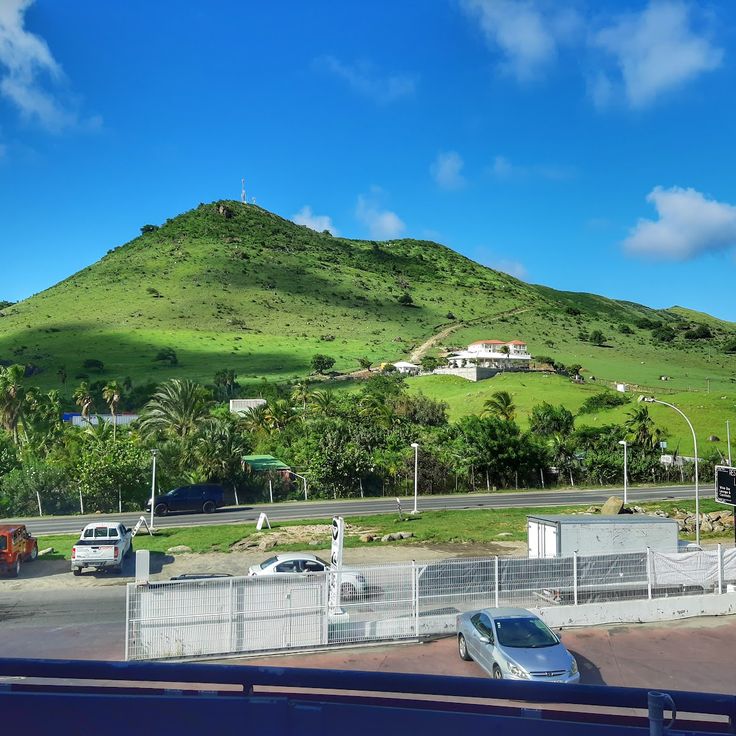
This mountain rises to 1,391 feet (424 meters), the highest point on Saint-Martin. Hiking trails climb through dry forest to the summit, where the entire island spreads out below. The vegetation consists of low trees and shrubs adapted to the warm climate. The ascent takes between one and two hours depending on the route. At the top, both sides of the island become visible, along with the surrounding small islands and the sea in shifting shades of blue.
This former fishing port has become a culinary center where restaurants serving French and Creole cuisine line the main street. Colorful wooden houses preserve the maritime character of the place, with traditional boats still anchored along the shore. Fishermen return with their daily catch in the late afternoon, and many restaurants open their doors around that time. Visitors walk along the waterfront, passing between palm trees and patches of white sand. In the evening, Grand Case turns into a gathering spot where locals and travelers sit at outdoor tables. The architecture reflects Caribbean traditions, with weathered facades and open verandas facing the sea. Waves lap gently against the hulls of small vessels, and the scent of grilled fish drifts through the warm air.
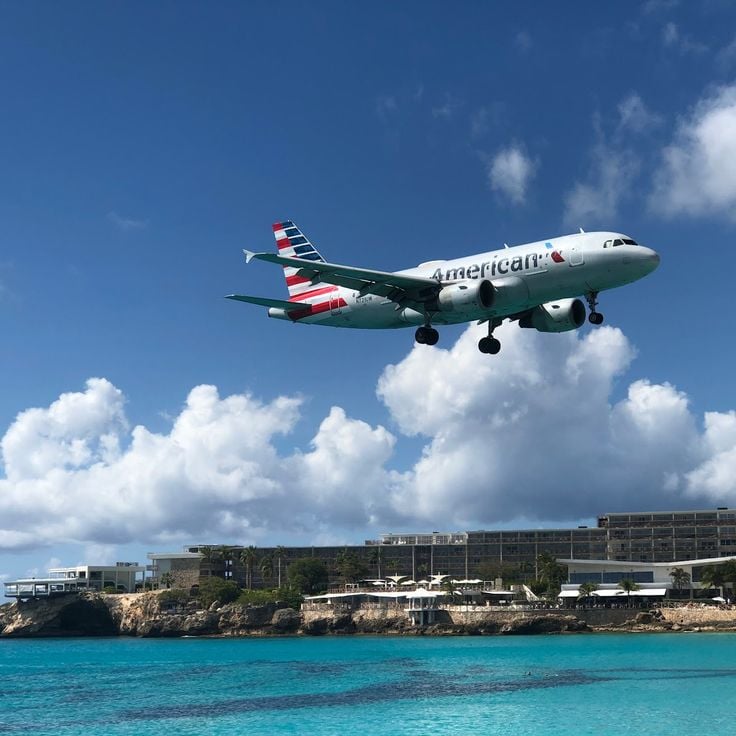
This beach lies directly beneath the approach path to Princess Juliana Airport, where planes descend just feet above the heads of people on the sand. The runway sits so close that arriving jets pass low enough for you to see details of their fuselages and landing gear. The sand is pale, the water clear, and signs along the shore road display flight schedules throughout the day. Many visitors gather here to watch this unusual spectacle, where beach time meets aviation in a way found almost nowhere else. The jet blast from departing aircraft can be strong enough to knock over lighter objects and push people off balance.
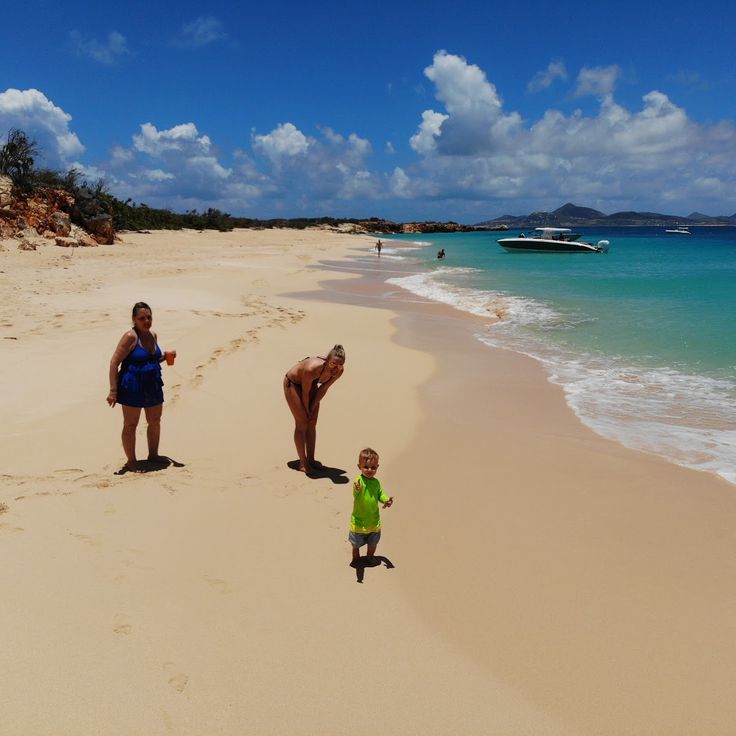
This uninhabited island is part of the nature reserve and offers a white sand beach along turquoise water. The remains of an old airstrip recall times when the islet served a different purpose. Today visitors come mainly to snorkel and swim. Vegetation grows freely and wild, while seabirds nest along the shoreline. The sea around the island is shallow and clear, making the sandy bottom easy to see. Boats anchor in the bay and bring guests for a day trip. The quiet is broken only by the sound of waves and the call of birds.
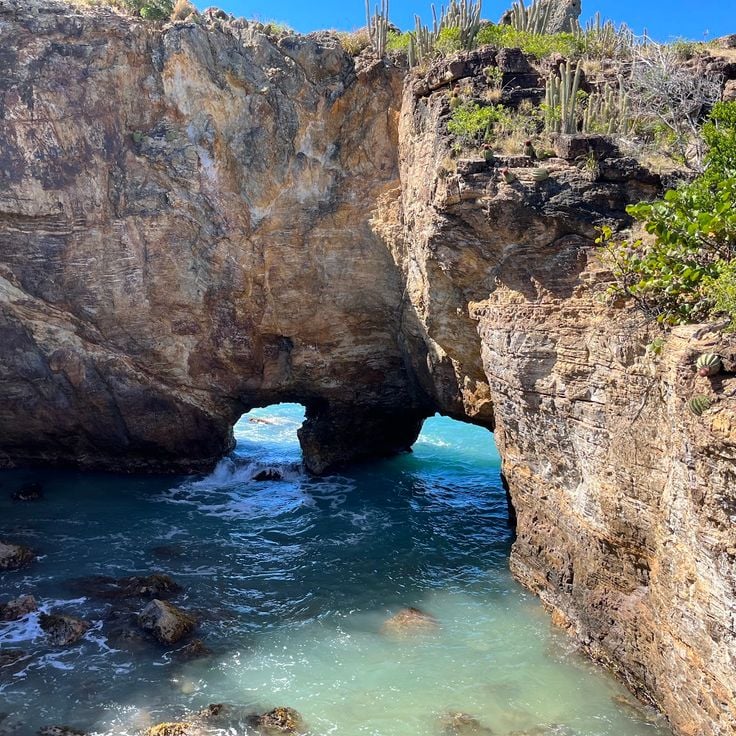
This coastal rock formation fills with seawater as waves crash against the shore, creating shallow pools among the boulders. The water rushes into the crevices with each wave and gathers in natural depressions carved by the ocean. The rocks here show how the sea has shaped the coastline over time. Visitors come to watch the spray and swim in the calmer pools between wave sets.
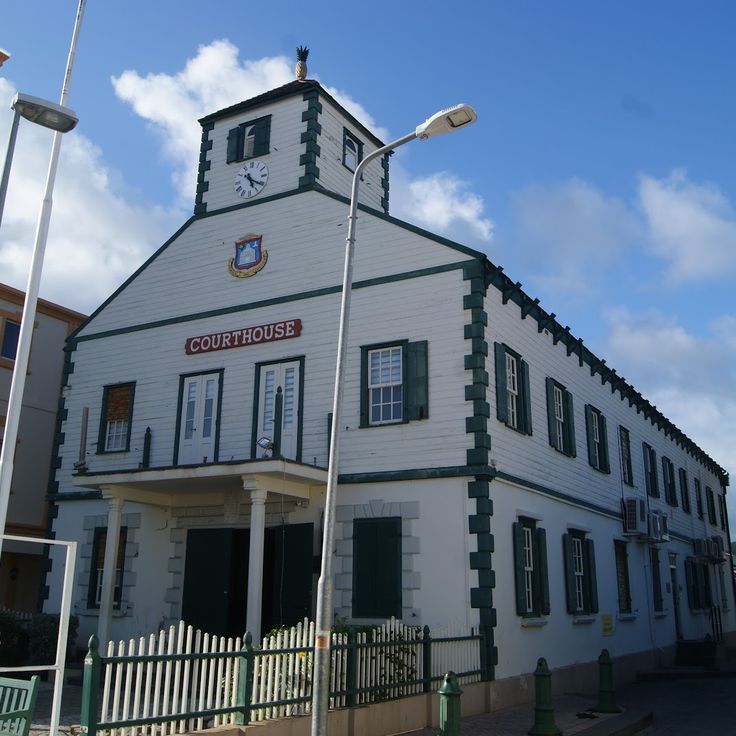
This courthouse was built in 1793 on Front Street and shows the features of Dutch colonial architecture. The clock tower stands above the entrance and can be seen from the harbor. The interior preserves woodwork and records from the time when the Dutch administration organized its judicial system here. Today, the Philipsburg Courthouse houses a small museum that tells the story of the island between European colonization and local development. The facade was restored after several hurricanes. Visitors can walk through the halls where judges and lawyers once worked and view documents about the judicial organization of the Dutch side of Saint-Martin.
This white sand beach sits between rocks and can only be reached by walking a coastal path that starts about half an hour from Anse Marcel. Petites Cayes Beach offers a quiet spot, accessed on foot through low vegetation and over uneven terrain. The water is clear, the surroundings are natural and rarely crowded, giving the cove a secluded character.
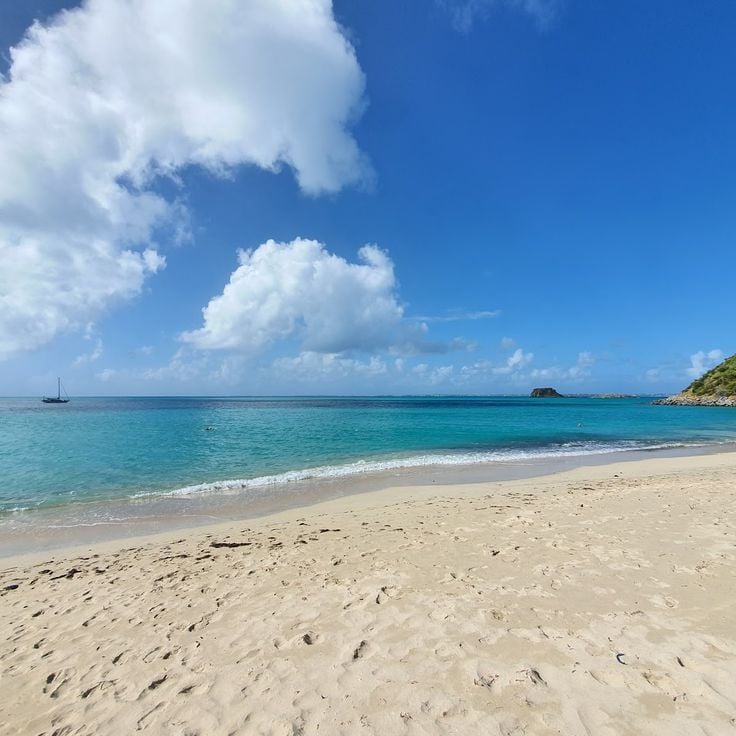
This beach sits in a sheltered bay with white sand stretching along the shore. A coral reef keeps the waves outside, so the water stays calm. Coconut trees line the beach and provide shade. Families come here to swim and spend time by the sea. The shallow coast makes it safe for children to wade.
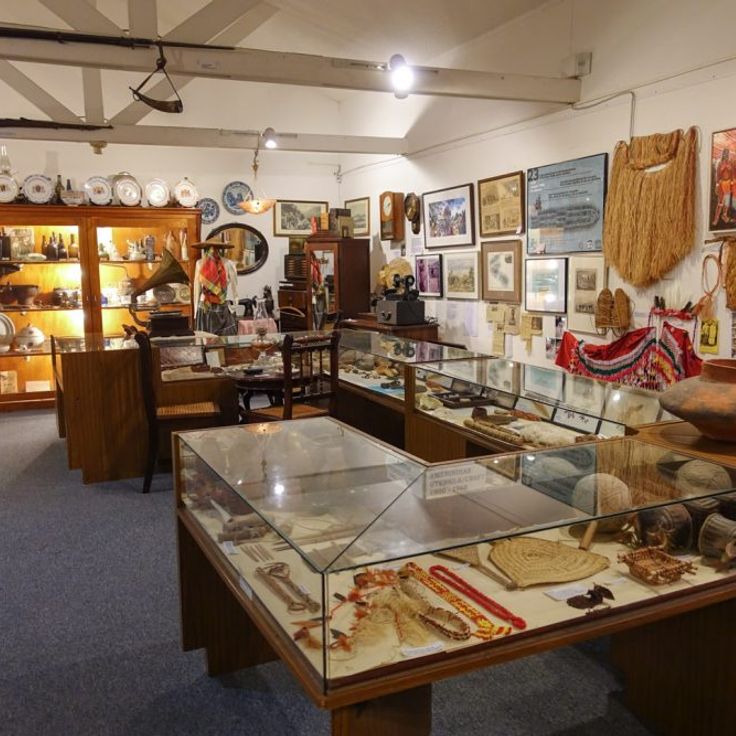
This museum holds finds from pre-Columbian times, photographs and documents that follow life on the island from the first inhabitants to the present day. It sits in Philipsburg and displays objects from daily life and trade, tools, pottery and historical records of colonial rule, salt production and seafaring. The collections help to understand the cultural development of Sint Maarten, from the Arawak and Carib peoples through European arrival to the social changes of recent centuries.
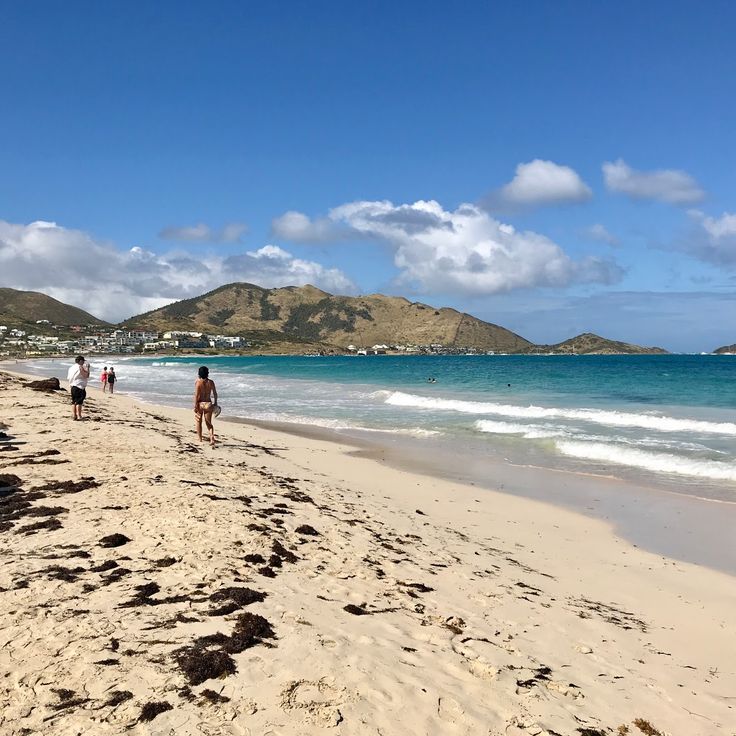
This beach on the eastern coast draws visitors with its white sand and clear waters. The bay invites snorkeling, and restaurants and bars line the shore. Orient Bay Beach belongs to those stretches where island life unfolds between relaxation by the sea and animated beachfront spots. The water suits swimming and observing underwater life well.
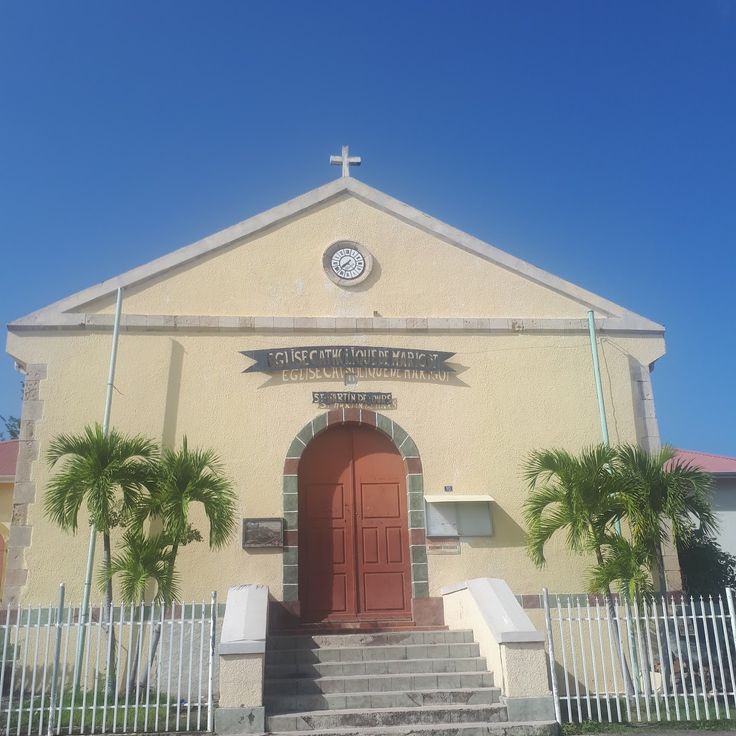
This church stands in the center of Marigot and was built in 1941. The stone walls and colored glass windows show the religious architecture of the island from the early years of the 20th century. The building combines elements of European tradition with local design. Today, worshippers visit the church for services and celebrations, while travelers explore the facade and the quiet interior. The windows let in colored light that makes the space especially bright in the morning. Around the building, the town center extends with shops and markets.
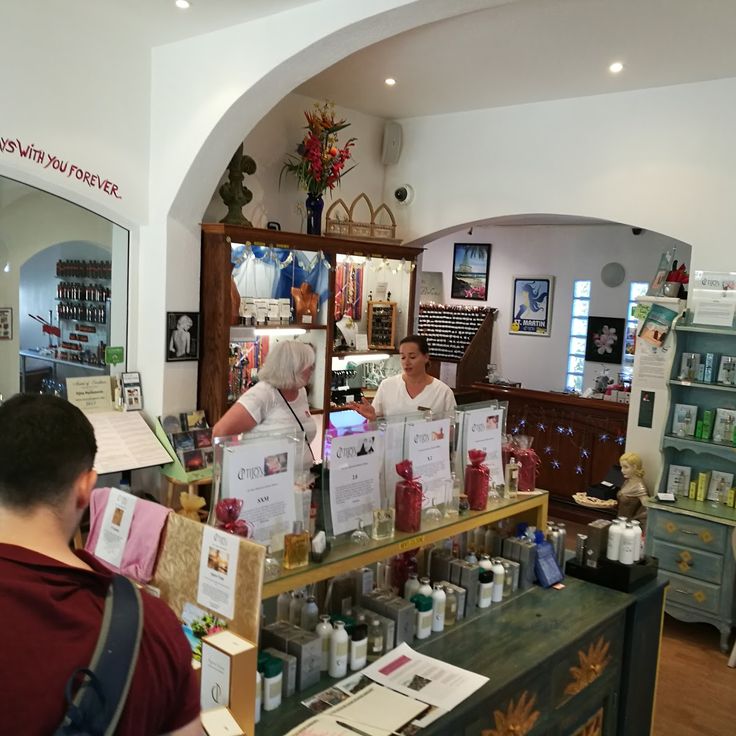
This perfumery in Grand Case introduces visitors to the craft of scent composition. Guests can join workshops to create their own perfume using local essences. The sessions teach how different notes work together and how tropical plants from the island become personal fragrances. The perfumery offers a hands-on look at perfume making and connects tradition with the natural resources of Saint-Martin.
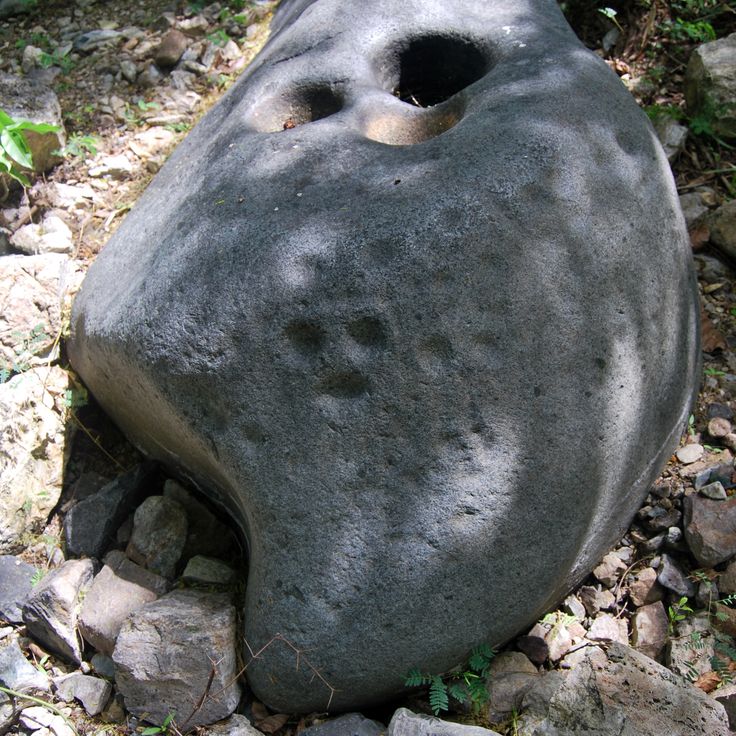
This pre-Columbian site preserves rock carvings made by Amerindians more than 1500 years ago. The engravings carved into the stone show the early settlement of the island by indigenous peoples long before European arrival. Visitors find here a direct connection to the prehistoric past of Saint-Martin and can observe the preserved symbols and motifs incised into the rock. The site lies away from the beaches and offers insight into Caribbean history before colonial times.
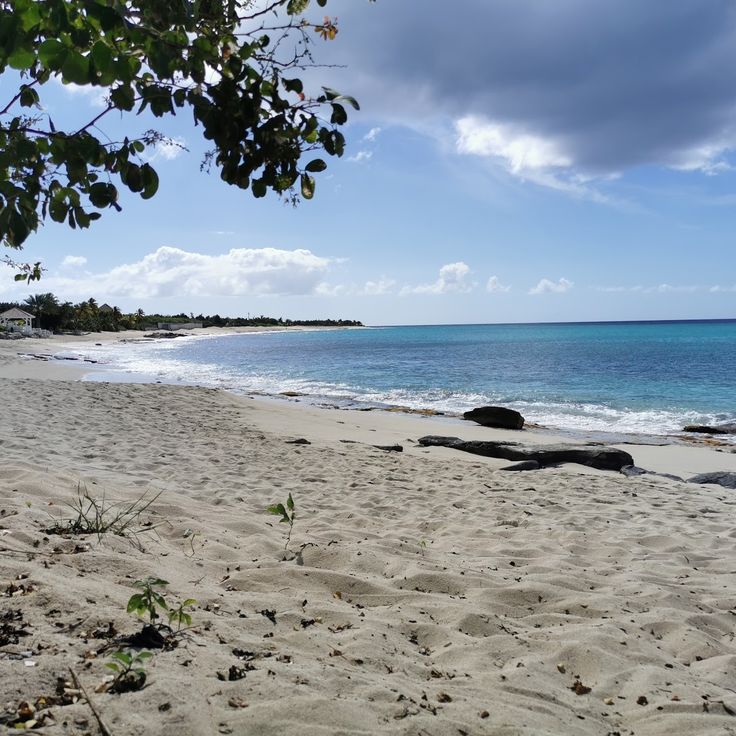
This beach is known for its white sand framed by rock formations along the shore. The water is clear enough to spot fish swimming between the stones near the coastline when wearing a snorkel mask. The beach sits on the western side of the island and draws people who want to swim and explore what lives beneath the surface. The rocks provide some shade at the edges, and the sea usually stays calm enough for wading. Families and snorkelers come here to enjoy the bay and see tropical species in the waters around the formations.
This beach sits between two rocky cliffs on the west coast and takes its name from the pink-tinted sand and red rock formations that frame the water. The ocean is clear and calm, especially in the morning. The cliffs provide natural shade in the early afternoon. People come here to swim and snorkel. The current remains moderate most days. The sand feels fine underfoot and shows different shades of pink depending on the light.
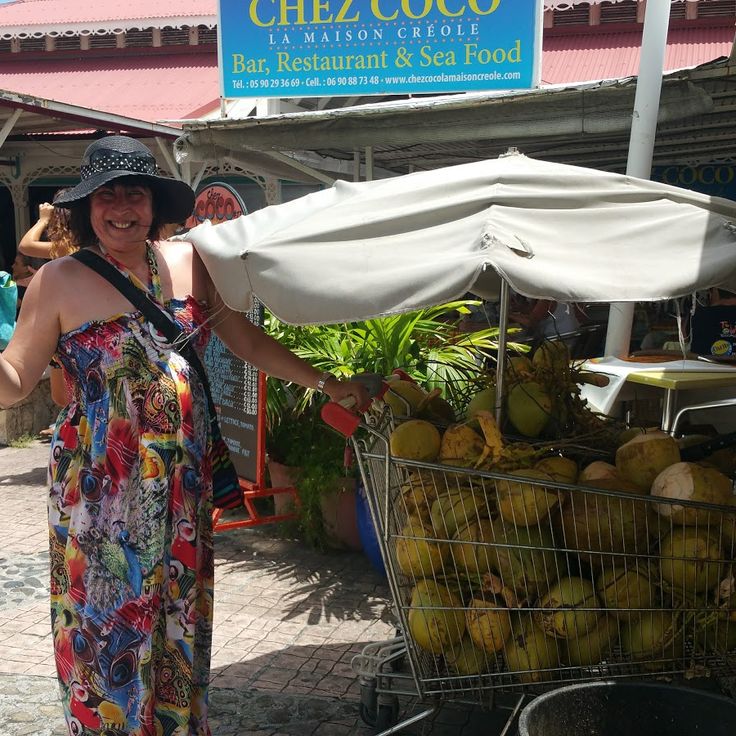
This market opens every morning along the waterfront in Marigot and offers produce from the Caribbean, spices, and seafood. Local vendors set up stalls selling tropical fruits, vegetables, dried seasonings, and freshly caught fish. The market sits directly by the water and serves as a meeting point for residents and travelers alike. You can find local specialties, prepared foods, and handmade goods. The busiest hours are in the morning when fishermen unload their catch and the stalls fill with fresh items.
This beach runs along a long coastal strip on the western shore, where white sand and rows of palm trees line the water. The protected bay makes swimming comfortable and waves stay gentle most of the time. Families come here to splash in the shallow water, while others spend the day under the palms. The beach sits close to several hotels and restaurants that rent chairs and umbrellas. In the early morning, the water is calm and clear, and you can often see small fish near the shore. By afternoon, the beach fills with visitors walking or trying water sports. Baie Nettlé Beach is among the popular bathing spots on the island of Saint-Martin.
This 17th-century fort stands on a peninsula between Great Bay and Little Bay. The military structure rises above Philipsburg and overlooks the harbor. Fort Amsterdam is among the early fortifications on the island. Visitors can walk through the stone walls that reflect Dutch heritage and take in views across the sea while lizards scurry between the old bricks.
This beach sits in a cove surrounded by green hills that shelter it from wind and rough water. The sea bottom slopes gently, so families with young children often gather here. The water is shallow for several yards from the shore, warm most of the year, and calm enough for safe swimming. A line of palm trees provides shade along the sand. Few currents disturb the bay, and the shape of the inlet keeps waves small even when the ocean beyond is choppy. Mornings are quiet; by midday more swimmers arrive to wade and relax in the sun. The surrounding slopes hold back breezes and frame the cove on three sides.
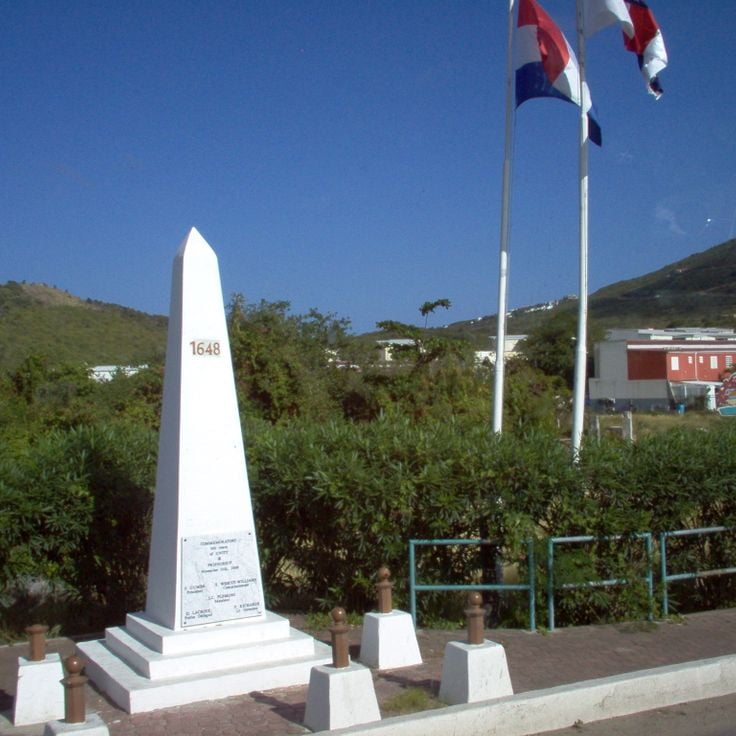
This stone monument stands where the French and Dutch sides of the island meet. The obelisk was erected to mark the border between the two territories. Its position recalls the division of Saint-Martin that continues today. Visitors can stand in both countries at the same time here.
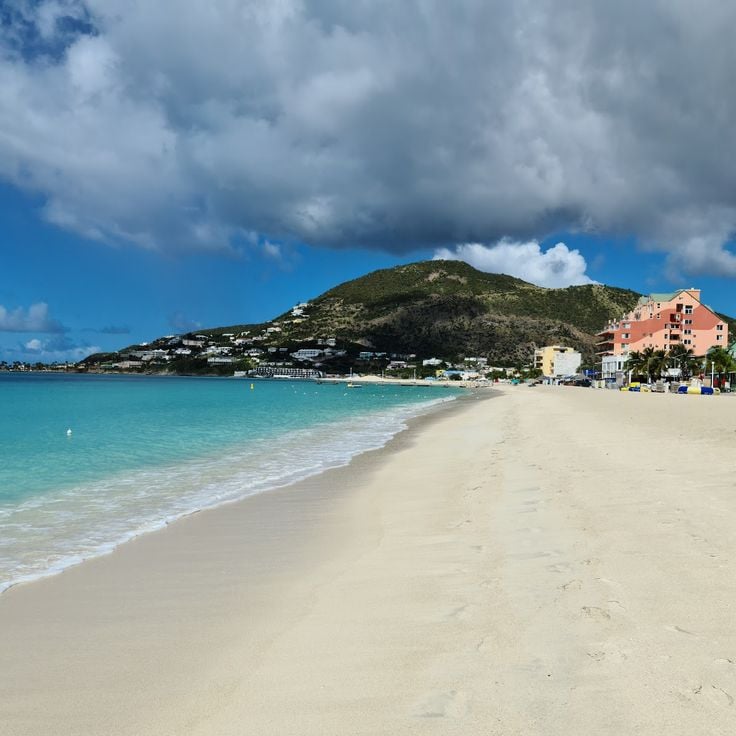
This beach runs for about 2 miles (3 kilometers) along the coast of Philipsburg in the Dutch part of the island. The sandy shore follows the main road, where shops, restaurants, and bars stand right by the water. Cruise ships dock in the bay, and passengers often walk along the waterfront. The sand is light, the sea usually calm, and the feel mixes beach life with the activity of the nearby town. Mornings tend to be quieter, while afternoons bring more visitors. Palm trees line parts of the shore, and the low buildings behind leave the view of the bay open.
This excavation area revealed traces of people who lived on the island about 2000 years ago. Archaeologists uncovered clay pots and tools that show how inhabitants worked and carried out daily tasks. The objects provide insight into Amerindian life before European sailors arrived in the Caribbean. This site connects the history of Saint-Martin with its earliest inhabitants and shows that the island was home to communities long before colonial times. Visitors can picture how people cooked, ate, and went about their routines here.
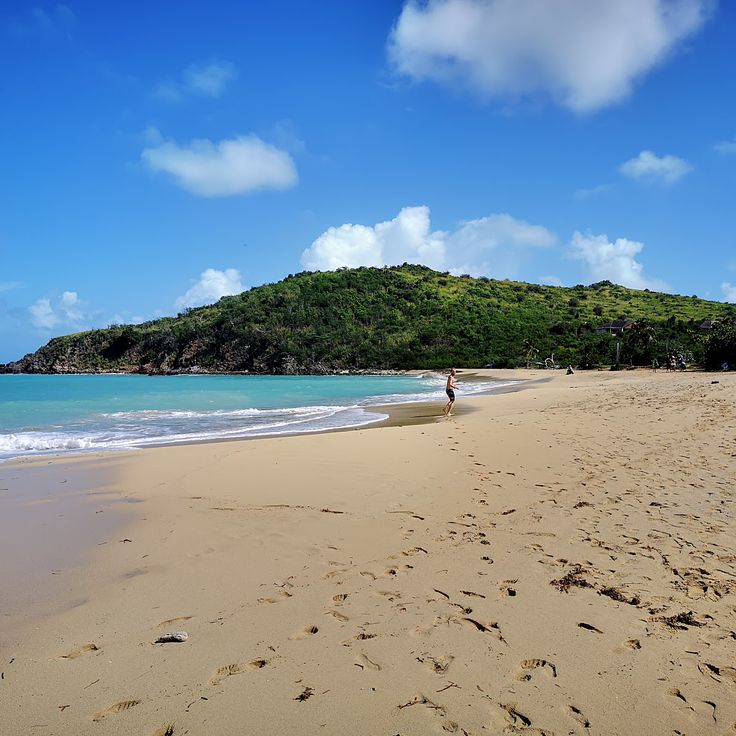
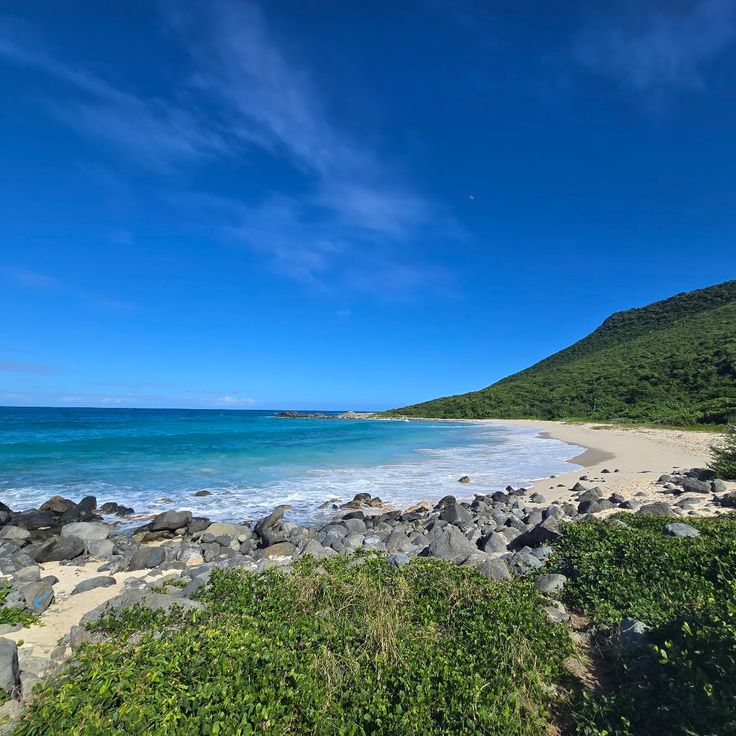
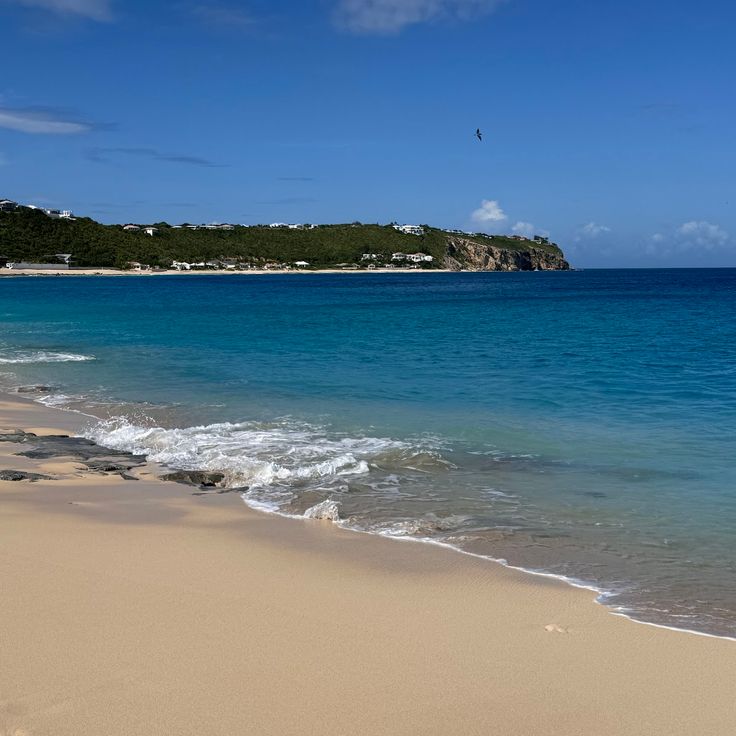
This beach sits on the northwest coast and can be reached by a footpath. Happy Bay Beach is one of the quieter stretches of coastline on Saint-Martin. The path leads through low vegetation and opens onto a cove with white sand. The water is clear and suitable for swimming. Few visitors make the trip because the access requires some effort. There are no facilities or shade, so most people bring everything they need. The cove faces west, making it a good spot for sunset.
This private estate covers 54 hectares (133 acres) on the slopes of Pic Paradis and combines rainforest trails with outdoor recreational activities. Loterie Farm invites visitors to explore the natural side of Saint-Martin, either on foot along shaded paths or by gliding through the canopy on zip lines. Tiered pools at different levels offer a place to swim and rest, surrounded by dense vegetation and the sounds of the forest.
This bird protection center houses Caribbean parrot species in several aviaries and allows visitors to watch the animals being fed. The facility contributes to the conservation of local bird species on Saint-Martin and offers insight into the colorful birdlife of the region. Set amid tropical vegetation, the grounds create a quiet place for observing these feathered residents of the Caribbean.
This island sits off the coast of Orient Bay and can be reached by a short boat shuttle. Pinel Island offers several sandy beaches with palm trees, where visitors swim and snorkel. The island has a few restaurants serving local dishes, and it remains fairly quiet compared to other spots on Saint-Martin. Walking paths lead across the island, where you can see the ocean and surrounding waters. Many visitors come for the day to enjoy the beaches and rest under the trees.
This marina sits in the center of Marigot, where shops, restaurants, and cafes line the walkways. Boats depart from here for trips to nearby islands and reefs. Sailboats and catamarans dock at the piers while visitors stroll along the waterfront or stop at the surrounding establishments. The harbor connects the busy town with sea excursions that lead to beaches, snorkeling spots, and the nearby islands of Pinel and Tintamarre.
This fort stands on a hill above Marigot and was built in the late 18th century. From the walls, you look out over the bay, the harbor, and the nearby islands. The climb leads through quiet streets, and at the top a cool breeze often blows. The stones of the structure are marked by sun and rain. You see sailboats on the water and the rooftops of the town below. The fort once served to defend the island and is now a place where visitors take in the landscape and the sea.
This museum presents the natural world of the Caribbean through collections of shells, fossils, and marine life from the region. Visitors discover the connection between the beaches, reefs, and hills of Saint-Martin and the development of island ecology over long periods. The exhibition rooms guide you through the different habitats of the island and explain how plants and animals adapted to the tropical climate and the proximity to the sea.
This garden creates a sheltered space with tropical plants where hundreds of butterflies from different species fly freely around visitors. The facility maintains host plants and allows observation of chrysalises at various stages of development. People walk among the vegetation and experience the flight patterns of these insects at close range. The covered structure keeps humidity and warmth steady so the animals can display their natural behavior. This place adds a quiet encounter with insect life and metamorphosis to the tourist sites of Saint-Martin.
This reserve protects coral reefs, seagrass meadows, mangrove forests, and ponds that shelter many bird species. The Nature Reserve covers coastal and marine areas around the island, safeguarding underwater life and shoreline habitats. Visitors can snorkel among sea turtles, colorful fish, and living coral formations. The waters around small offshore islands also fall within its boundaries. On land, salt-tolerant plants grow along the shore, and shallow lagoons serve as resting places for migratory birds. The reserve helps maintain the natural variety of Saint-Martin and keeps sensitive habitats safe from human impact.
This mountain rises to 1,391 feet (424 meters), the highest point on Saint-Martin. Hiking trails climb through dry forest to the summit, where the entire island spreads out below. The vegetation consists of low trees and shrubs adapted to the warm climate. The ascent takes between one and two hours depending on the route. At the top, both sides of the island become visible, along with the surrounding small islands and the sea in shifting shades of blue.
This former fishing port has become a culinary center where restaurants serving French and Creole cuisine line the main street. Colorful wooden houses preserve the maritime character of the place, with traditional boats still anchored along the shore. Fishermen return with their daily catch in the late afternoon, and many restaurants open their doors around that time. Visitors walk along the waterfront, passing between palm trees and patches of white sand. In the evening, Grand Case turns into a gathering spot where locals and travelers sit at outdoor tables. The architecture reflects Caribbean traditions, with weathered facades and open verandas facing the sea. Waves lap gently against the hulls of small vessels, and the scent of grilled fish drifts through the warm air.
This beach lies directly beneath the approach path to Princess Juliana Airport, where planes descend just feet above the heads of people on the sand. The runway sits so close that arriving jets pass low enough for you to see details of their fuselages and landing gear. The sand is pale, the water clear, and signs along the shore road display flight schedules throughout the day. Many visitors gather here to watch this unusual spectacle, where beach time meets aviation in a way found almost nowhere else. The jet blast from departing aircraft can be strong enough to knock over lighter objects and push people off balance.
This uninhabited island is part of the nature reserve and offers a white sand beach along turquoise water. The remains of an old airstrip recall times when the islet served a different purpose. Today visitors come mainly to snorkel and swim. Vegetation grows freely and wild, while seabirds nest along the shoreline. The sea around the island is shallow and clear, making the sandy bottom easy to see. Boats anchor in the bay and bring guests for a day trip. The quiet is broken only by the sound of waves and the call of birds.
This coastal rock formation fills with seawater as waves crash against the shore, creating shallow pools among the boulders. The water rushes into the crevices with each wave and gathers in natural depressions carved by the ocean. The rocks here show how the sea has shaped the coastline over time. Visitors come to watch the spray and swim in the calmer pools between wave sets.
This courthouse was built in 1793 on Front Street and shows the features of Dutch colonial architecture. The clock tower stands above the entrance and can be seen from the harbor. The interior preserves woodwork and records from the time when the Dutch administration organized its judicial system here. Today, the Philipsburg Courthouse houses a small museum that tells the story of the island between European colonization and local development. The facade was restored after several hurricanes. Visitors can walk through the halls where judges and lawyers once worked and view documents about the judicial organization of the Dutch side of Saint-Martin.
This white sand beach sits between rocks and can only be reached by walking a coastal path that starts about half an hour from Anse Marcel. Petites Cayes Beach offers a quiet spot, accessed on foot through low vegetation and over uneven terrain. The water is clear, the surroundings are natural and rarely crowded, giving the cove a secluded character.
This beach sits in a sheltered bay with white sand stretching along the shore. A coral reef keeps the waves outside, so the water stays calm. Coconut trees line the beach and provide shade. Families come here to swim and spend time by the sea. The shallow coast makes it safe for children to wade.
This museum holds finds from pre-Columbian times, photographs and documents that follow life on the island from the first inhabitants to the present day. It sits in Philipsburg and displays objects from daily life and trade, tools, pottery and historical records of colonial rule, salt production and seafaring. The collections help to understand the cultural development of Sint Maarten, from the Arawak and Carib peoples through European arrival to the social changes of recent centuries.
This beach on the eastern coast draws visitors with its white sand and clear waters. The bay invites snorkeling, and restaurants and bars line the shore. Orient Bay Beach belongs to those stretches where island life unfolds between relaxation by the sea and animated beachfront spots. The water suits swimming and observing underwater life well.
This church stands in the center of Marigot and was built in 1941. The stone walls and colored glass windows show the religious architecture of the island from the early years of the 20th century. The building combines elements of European tradition with local design. Today, worshippers visit the church for services and celebrations, while travelers explore the facade and the quiet interior. The windows let in colored light that makes the space especially bright in the morning. Around the building, the town center extends with shops and markets.
This perfumery in Grand Case introduces visitors to the craft of scent composition. Guests can join workshops to create their own perfume using local essences. The sessions teach how different notes work together and how tropical plants from the island become personal fragrances. The perfumery offers a hands-on look at perfume making and connects tradition with the natural resources of Saint-Martin.
This pre-Columbian site preserves rock carvings made by Amerindians more than 1500 years ago. The engravings carved into the stone show the early settlement of the island by indigenous peoples long before European arrival. Visitors find here a direct connection to the prehistoric past of Saint-Martin and can observe the preserved symbols and motifs incised into the rock. The site lies away from the beaches and offers insight into Caribbean history before colonial times.
This beach is known for its white sand framed by rock formations along the shore. The water is clear enough to spot fish swimming between the stones near the coastline when wearing a snorkel mask. The beach sits on the western side of the island and draws people who want to swim and explore what lives beneath the surface. The rocks provide some shade at the edges, and the sea usually stays calm enough for wading. Families and snorkelers come here to enjoy the bay and see tropical species in the waters around the formations.
This beach sits between two rocky cliffs on the west coast and takes its name from the pink-tinted sand and red rock formations that frame the water. The ocean is clear and calm, especially in the morning. The cliffs provide natural shade in the early afternoon. People come here to swim and snorkel. The current remains moderate most days. The sand feels fine underfoot and shows different shades of pink depending on the light.
This market opens every morning along the waterfront in Marigot and offers produce from the Caribbean, spices, and seafood. Local vendors set up stalls selling tropical fruits, vegetables, dried seasonings, and freshly caught fish. The market sits directly by the water and serves as a meeting point for residents and travelers alike. You can find local specialties, prepared foods, and handmade goods. The busiest hours are in the morning when fishermen unload their catch and the stalls fill with fresh items.
This beach runs along a long coastal strip on the western shore, where white sand and rows of palm trees line the water. The protected bay makes swimming comfortable and waves stay gentle most of the time. Families come here to splash in the shallow water, while others spend the day under the palms. The beach sits close to several hotels and restaurants that rent chairs and umbrellas. In the early morning, the water is calm and clear, and you can often see small fish near the shore. By afternoon, the beach fills with visitors walking or trying water sports. Baie Nettlé Beach is among the popular bathing spots on the island of Saint-Martin.
This 17th-century fort stands on a peninsula between Great Bay and Little Bay. The military structure rises above Philipsburg and overlooks the harbor. Fort Amsterdam is among the early fortifications on the island. Visitors can walk through the stone walls that reflect Dutch heritage and take in views across the sea while lizards scurry between the old bricks.
This beach sits in a cove surrounded by green hills that shelter it from wind and rough water. The sea bottom slopes gently, so families with young children often gather here. The water is shallow for several yards from the shore, warm most of the year, and calm enough for safe swimming. A line of palm trees provides shade along the sand. Few currents disturb the bay, and the shape of the inlet keeps waves small even when the ocean beyond is choppy. Mornings are quiet; by midday more swimmers arrive to wade and relax in the sun. The surrounding slopes hold back breezes and frame the cove on three sides.
This stone monument stands where the French and Dutch sides of the island meet. The obelisk was erected to mark the border between the two territories. Its position recalls the division of Saint-Martin that continues today. Visitors can stand in both countries at the same time here.
This beach runs for about 2 miles (3 kilometers) along the coast of Philipsburg in the Dutch part of the island. The sandy shore follows the main road, where shops, restaurants, and bars stand right by the water. Cruise ships dock in the bay, and passengers often walk along the waterfront. The sand is light, the sea usually calm, and the feel mixes beach life with the activity of the nearby town. Mornings tend to be quieter, while afternoons bring more visitors. Palm trees line parts of the shore, and the low buildings behind leave the view of the bay open.
This excavation area revealed traces of people who lived on the island about 2000 years ago. Archaeologists uncovered clay pots and tools that show how inhabitants worked and carried out daily tasks. The objects provide insight into Amerindian life before European sailors arrived in the Caribbean. This site connects the history of Saint-Martin with its earliest inhabitants and shows that the island was home to communities long before colonial times. Visitors can picture how people cooked, ate, and went about their routines here.
This beach sits on the northwest coast and can be reached by a footpath. Happy Bay Beach is one of the quieter stretches of coastline on Saint-Martin. The path leads through low vegetation and opens onto a cove with white sand. The water is clear and suitable for swimming. Few visitors make the trip because the access requires some effort. There are no facilities or shade, so most people bring everything they need. The cove faces west, making it a good spot for sunset.
This private estate covers 54 hectares (133 acres) on the slopes of Pic Paradis and combines rainforest trails with outdoor recreational activities. Loterie Farm invites visitors to explore the natural side of Saint-Martin, either on foot along shaded paths or by gliding through the canopy on zip lines. Tiered pools at different levels offer a place to swim and rest, surrounded by dense vegetation and the sounds of the forest.
This bird protection center houses Caribbean parrot species in several aviaries and allows visitors to watch the animals being fed. The facility contributes to the conservation of local bird species on Saint-Martin and offers insight into the colorful birdlife of the region. Set amid tropical vegetation, the grounds create a quiet place for observing these feathered residents of the Caribbean.
This island sits off the coast of Orient Bay and can be reached by a short boat shuttle. Pinel Island offers several sandy beaches with palm trees, where visitors swim and snorkel. The island has a few restaurants serving local dishes, and it remains fairly quiet compared to other spots on Saint-Martin. Walking paths lead across the island, where you can see the ocean and surrounding waters. Many visitors come for the day to enjoy the beaches and rest under the trees.
This marina sits in the center of Marigot, where shops, restaurants, and cafes line the walkways. Boats depart from here for trips to nearby islands and reefs. Sailboats and catamarans dock at the piers while visitors stroll along the waterfront or stop at the surrounding establishments. The harbor connects the busy town with sea excursions that lead to beaches, snorkeling spots, and the nearby islands of Pinel and Tintamarre.
This fort stands on a hill above Marigot and was built in the late 18th century. From the walls, you look out over the bay, the harbor, and the nearby islands. The climb leads through quiet streets, and at the top a cool breeze often blows. The stones of the structure are marked by sun and rain. You see sailboats on the water and the rooftops of the town below. The fort once served to defend the island and is now a place where visitors take in the landscape and the sea.
This museum presents the natural world of the Caribbean through collections of shells, fossils, and marine life from the region. Visitors discover the connection between the beaches, reefs, and hills of Saint-Martin and the development of island ecology over long periods. The exhibition rooms guide you through the different habitats of the island and explain how plants and animals adapted to the tropical climate and the proximity to the sea.
This garden creates a sheltered space with tropical plants where hundreds of butterflies from different species fly freely around visitors. The facility maintains host plants and allows observation of chrysalises at various stages of development. People walk among the vegetation and experience the flight patterns of these insects at close range. The covered structure keeps humidity and warmth steady so the animals can display their natural behavior. This place adds a quiet encounter with insect life and metamorphosis to the tourist sites of Saint-Martin.
This reserve protects coral reefs, seagrass meadows, mangrove forests, and ponds that shelter many bird species. The Nature Reserve covers coastal and marine areas around the island, safeguarding underwater life and shoreline habitats. Visitors can snorkel among sea turtles, colorful fish, and living coral formations. The waters around small offshore islands also fall within its boundaries. On land, salt-tolerant plants grow along the shore, and shallow lagoons serve as resting places for migratory birds. The reserve helps maintain the natural variety of Saint-Martin and keeps sensitive habitats safe from human impact.
This mountain rises to 1,391 feet (424 meters), the highest point on Saint-Martin. Hiking trails climb through dry forest to the summit, where the entire island spreads out below. The vegetation consists of low trees and shrubs adapted to the warm climate. The ascent takes between one and two hours depending on the route. At the top, both sides of the island become visible, along with the surrounding small islands and the sea in shifting shades of blue.
This former fishing port has become a culinary center where restaurants serving French and Creole cuisine line the main street. Colorful wooden houses preserve the maritime character of the place, with traditional boats still anchored along the shore. Fishermen return with their daily catch in the late afternoon, and many restaurants open their doors around that time. Visitors walk along the waterfront, passing between palm trees and patches of white sand. In the evening, Grand Case turns into a gathering spot where locals and travelers sit at outdoor tables. The architecture reflects Caribbean traditions, with weathered facades and open verandas facing the sea. Waves lap gently against the hulls of small vessels, and the scent of grilled fish drifts through the warm air.
This beach lies directly beneath the approach path to Princess Juliana Airport, where planes descend just feet above the heads of people on the sand. The runway sits so close that arriving jets pass low enough for you to see details of their fuselages and landing gear. The sand is pale, the water clear, and signs along the shore road display flight schedules throughout the day. Many visitors gather here to watch this unusual spectacle, where beach time meets aviation in a way found almost nowhere else. The jet blast from departing aircraft can be strong enough to knock over lighter objects and push people off balance.
This uninhabited island is part of the nature reserve and offers a white sand beach along turquoise water. The remains of an old airstrip recall times when the islet served a different purpose. Today visitors come mainly to snorkel and swim. Vegetation grows freely and wild, while seabirds nest along the shoreline. The sea around the island is shallow and clear, making the sandy bottom easy to see. Boats anchor in the bay and bring guests for a day trip. The quiet is broken only by the sound of waves and the call of birds.
This coastal rock formation fills with seawater as waves crash against the shore, creating shallow pools among the boulders. The water rushes into the crevices with each wave and gathers in natural depressions carved by the ocean. The rocks here show how the sea has shaped the coastline over time. Visitors come to watch the spray and swim in the calmer pools between wave sets.
This courthouse was built in 1793 on Front Street and shows the features of Dutch colonial architecture. The clock tower stands above the entrance and can be seen from the harbor. The interior preserves woodwork and records from the time when the Dutch administration organized its judicial system here. Today, the Philipsburg Courthouse houses a small museum that tells the story of the island between European colonization and local development. The facade was restored after several hurricanes. Visitors can walk through the halls where judges and lawyers once worked and view documents about the judicial organization of the Dutch side of Saint-Martin.
This white sand beach sits between rocks and can only be reached by walking a coastal path that starts about half an hour from Anse Marcel. Petites Cayes Beach offers a quiet spot, accessed on foot through low vegetation and over uneven terrain. The water is clear, the surroundings are natural and rarely crowded, giving the cove a secluded character.
This beach sits in a sheltered bay with white sand stretching along the shore. A coral reef keeps the waves outside, so the water stays calm. Coconut trees line the beach and provide shade. Families come here to swim and spend time by the sea. The shallow coast makes it safe for children to wade.
This museum holds finds from pre-Columbian times, photographs and documents that follow life on the island from the first inhabitants to the present day. It sits in Philipsburg and displays objects from daily life and trade, tools, pottery and historical records of colonial rule, salt production and seafaring. The collections help to understand the cultural development of Sint Maarten, from the Arawak and Carib peoples through European arrival to the social changes of recent centuries.
This beach on the eastern coast draws visitors with its white sand and clear waters. The bay invites snorkeling, and restaurants and bars line the shore. Orient Bay Beach belongs to those stretches where island life unfolds between relaxation by the sea and animated beachfront spots. The water suits swimming and observing underwater life well.
This church stands in the center of Marigot and was built in 1941. The stone walls and colored glass windows show the religious architecture of the island from the early years of the 20th century. The building combines elements of European tradition with local design. Today, worshippers visit the church for services and celebrations, while travelers explore the facade and the quiet interior. The windows let in colored light that makes the space especially bright in the morning. Around the building, the town center extends with shops and markets.
This perfumery in Grand Case introduces visitors to the craft of scent composition. Guests can join workshops to create their own perfume using local essences. The sessions teach how different notes work together and how tropical plants from the island become personal fragrances. The perfumery offers a hands-on look at perfume making and connects tradition with the natural resources of Saint-Martin.
This pre-Columbian site preserves rock carvings made by Amerindians more than 1500 years ago. The engravings carved into the stone show the early settlement of the island by indigenous peoples long before European arrival. Visitors find here a direct connection to the prehistoric past of Saint-Martin and can observe the preserved symbols and motifs incised into the rock. The site lies away from the beaches and offers insight into Caribbean history before colonial times.
This beach is known for its white sand framed by rock formations along the shore. The water is clear enough to spot fish swimming between the stones near the coastline when wearing a snorkel mask. The beach sits on the western side of the island and draws people who want to swim and explore what lives beneath the surface. The rocks provide some shade at the edges, and the sea usually stays calm enough for wading. Families and snorkelers come here to enjoy the bay and see tropical species in the waters around the formations.
This beach sits between two rocky cliffs on the west coast and takes its name from the pink-tinted sand and red rock formations that frame the water. The ocean is clear and calm, especially in the morning. The cliffs provide natural shade in the early afternoon. People come here to swim and snorkel. The current remains moderate most days. The sand feels fine underfoot and shows different shades of pink depending on the light.
This market opens every morning along the waterfront in Marigot and offers produce from the Caribbean, spices, and seafood. Local vendors set up stalls selling tropical fruits, vegetables, dried seasonings, and freshly caught fish. The market sits directly by the water and serves as a meeting point for residents and travelers alike. You can find local specialties, prepared foods, and handmade goods. The busiest hours are in the morning when fishermen unload their catch and the stalls fill with fresh items.
This beach runs along a long coastal strip on the western shore, where white sand and rows of palm trees line the water. The protected bay makes swimming comfortable and waves stay gentle most of the time. Families come here to splash in the shallow water, while others spend the day under the palms. The beach sits close to several hotels and restaurants that rent chairs and umbrellas. In the early morning, the water is calm and clear, and you can often see small fish near the shore. By afternoon, the beach fills with visitors walking or trying water sports. Baie Nettlé Beach is among the popular bathing spots on the island of Saint-Martin.
This 17th-century fort stands on a peninsula between Great Bay and Little Bay. The military structure rises above Philipsburg and overlooks the harbor. Fort Amsterdam is among the early fortifications on the island. Visitors can walk through the stone walls that reflect Dutch heritage and take in views across the sea while lizards scurry between the old bricks.
This beach sits in a cove surrounded by green hills that shelter it from wind and rough water. The sea bottom slopes gently, so families with young children often gather here. The water is shallow for several yards from the shore, warm most of the year, and calm enough for safe swimming. A line of palm trees provides shade along the sand. Few currents disturb the bay, and the shape of the inlet keeps waves small even when the ocean beyond is choppy. Mornings are quiet; by midday more swimmers arrive to wade and relax in the sun. The surrounding slopes hold back breezes and frame the cove on three sides.
This stone monument stands where the French and Dutch sides of the island meet. The obelisk was erected to mark the border between the two territories. Its position recalls the division of Saint-Martin that continues today. Visitors can stand in both countries at the same time here.
This beach runs for about 2 miles (3 kilometers) along the coast of Philipsburg in the Dutch part of the island. The sandy shore follows the main road, where shops, restaurants, and bars stand right by the water. Cruise ships dock in the bay, and passengers often walk along the waterfront. The sand is light, the sea usually calm, and the feel mixes beach life with the activity of the nearby town. Mornings tend to be quieter, while afternoons bring more visitors. Palm trees line parts of the shore, and the low buildings behind leave the view of the bay open.
This excavation area revealed traces of people who lived on the island about 2000 years ago. Archaeologists uncovered clay pots and tools that show how inhabitants worked and carried out daily tasks. The objects provide insight into Amerindian life before European sailors arrived in the Caribbean. This site connects the history of Saint-Martin with its earliest inhabitants and shows that the island was home to communities long before colonial times. Visitors can picture how people cooked, ate, and went about their routines here.
This beach sits on the northwest coast and can be reached by a footpath. Happy Bay Beach is one of the quieter stretches of coastline on Saint-Martin. The path leads through low vegetation and opens onto a cove with white sand. The water is clear and suitable for swimming. Few visitors make the trip because the access requires some effort. There are no facilities or shade, so most people bring everything they need. The cove faces west, making it a good spot for sunset.