See the monuments around you in AROpen chests in the app
Around Us is built for your phone — point your camera at the streets and discover the monuments and places around you in augmented reality.Around Us is built for your phone — chests unlock when you walk, explore and capture nearby places.
Discover the island of Lanzarote in the Canary archipelago
Lanzarote is an island in the Canaries shaped by its volcanic past. Timanfaya National Park spreads across a large part of the island, showing black lava fields, craters, and colored rock formations. Volcanoes like El Cuervo, Montaña Colorada, and Caldera Blanca can be hiked. Underground caves such as Cueva de los Verdes and Jameos del Agua lead through lava tunnels formed thousands of years ago. Along the coast, rocks and hardened lava shape coves like Los Hervideros and El Golfo with its green lagoon.
Beaches range from the protected bays of Papagayo with pale sand to the long stretch of Famara Beach backed by tall cliffs. In La Geria, vines grow in small hollows covered with volcanic ash, a farming method adapted to the dry conditions. The Cactus Garden near Guatiza displays hundreds of species in a former quarry. Museums like the César Manrique Foundation and LagOmar merge architecture with the landscape. Museo Atlántico sits underwater off Playa Blanca. Traditional sites include Santa Bárbara Castle and San Gabriel Castle, along with the Janubio Salt Flats where salt is still harvested today.
Discover the island of Lanzarote in the Canary archipelago
Lanzarote is an island in the Canaries shaped by its volcanic past. Timanfaya National Park spreads across a large part of the island, showing black lava fields, craters, and colored rock formations. Volcanoes like El Cuervo, Montaña Colorada, and Caldera Blanca can be hiked. Underground caves such as Cueva de los Verdes and Jameos del Agua lead through lava tunnels formed thousands of years ago. Along the coast, rocks and hardened lava shape coves like Los Hervideros and El Golfo with its green lagoon.
Beaches range from the protected bays of Papagayo with pale sand to the long stretch of Famara Beach backed by tall cliffs. In La Geria, vines grow in small hollows covered with volcanic ash, a farming method adapted to the dry conditions. The Cactus Garden near Guatiza displays hundreds of species in a former quarry. Museums like the César Manrique Foundation and LagOmar merge architecture with the landscape. Museo Atlántico sits underwater off Playa Blanca. Traditional sites include Santa Bárbara Castle and San Gabriel Castle, along with the Janubio Salt Flats where salt is still harvested today.
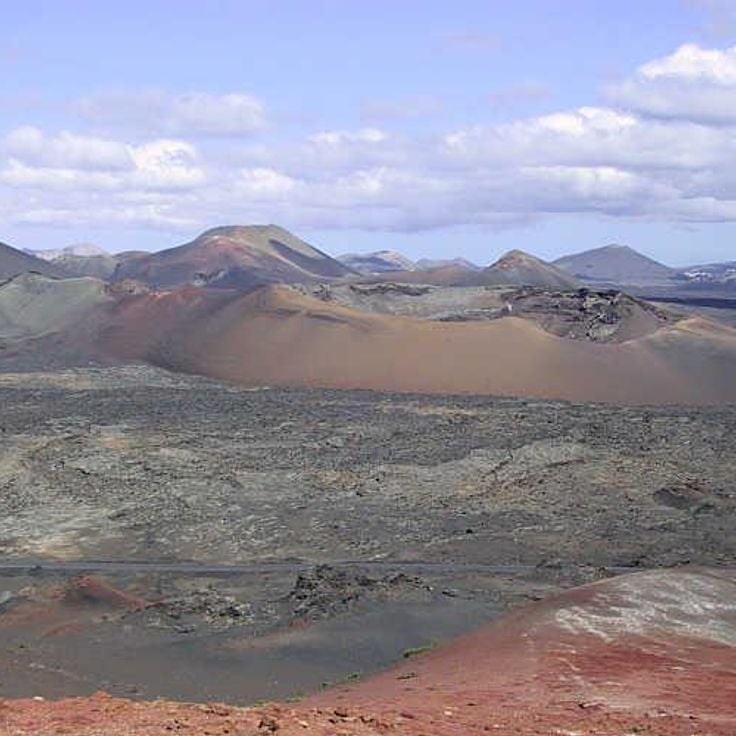
This national park covers a black volcanic field on Lanzarote, formed by successive eruptions in the 18th century. The lava flows hardened into an open landscape of dark rock, where more than 25 craters stand in rows. The terrain is dry and almost without plants. Trails lead through fields of frozen lava. The surface shows cracks, bubbles and folded shapes. Near the visitor center, park rangers demonstrate the residual heat still rising from below ground.
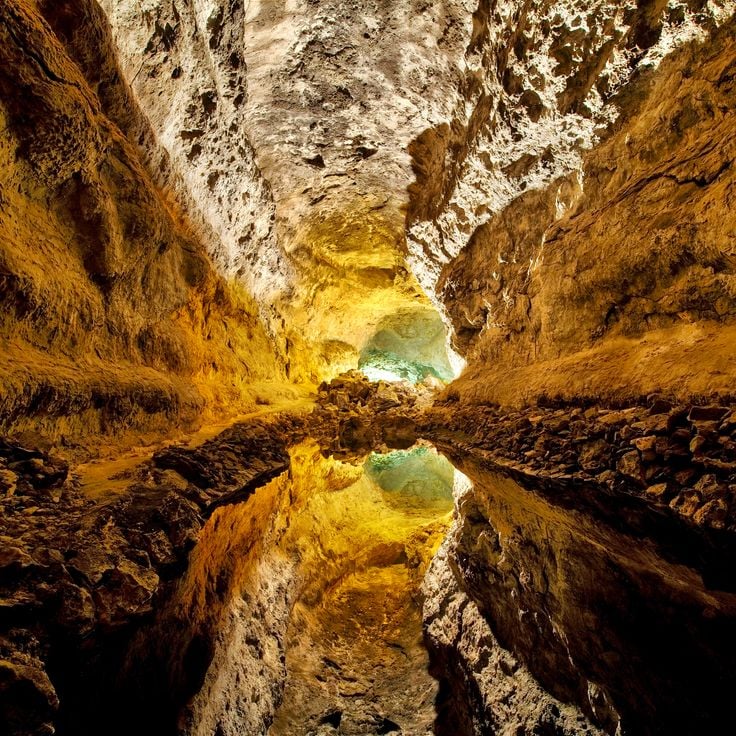
This cave runs through a lava flow that the La Corona volcano formed about 4,000 years ago. The tunnel reaches along 6 kilometers (about 4 miles) beneath the surface. The interior shows walls that molten rock once shaped, as the material moved through the earth and slowly cooled. Visitors walk through the passages and see how volcanic activity shaped the landscape of Lanzarote.
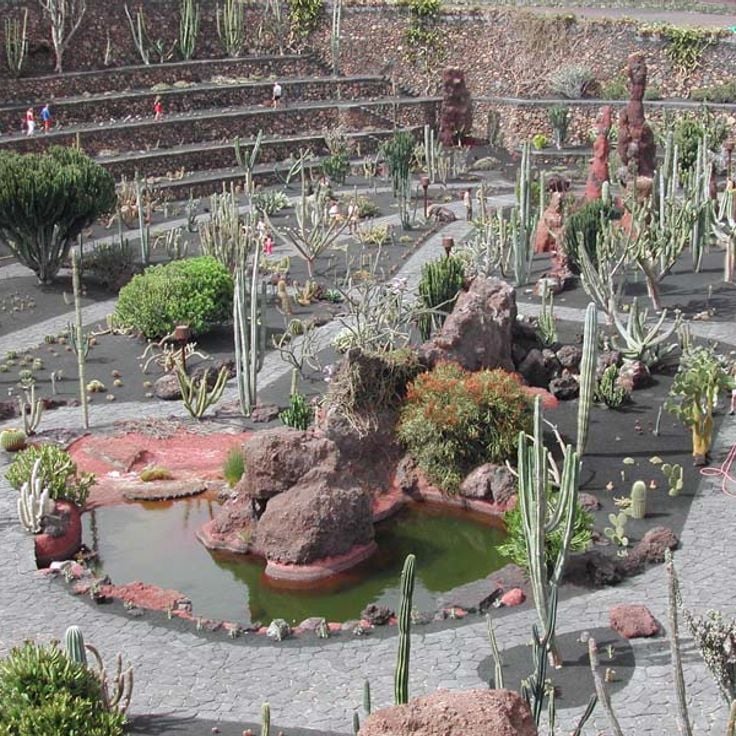
This garden sits in an old quarry where volcanic rock was once cut away. The terraces follow the natural steps of the ground. César Manrique designed this place and turned it into a space for cacti. Over a thousand species grow here among dark volcanic walls. Paths lead through the different levels, and you can look at the various shapes and sizes of the plants. The layout connects the volcanic landscape of Lanzarote with plant life from dry regions of the world. This garden is one of the shaped spaces Manrique created on the island.
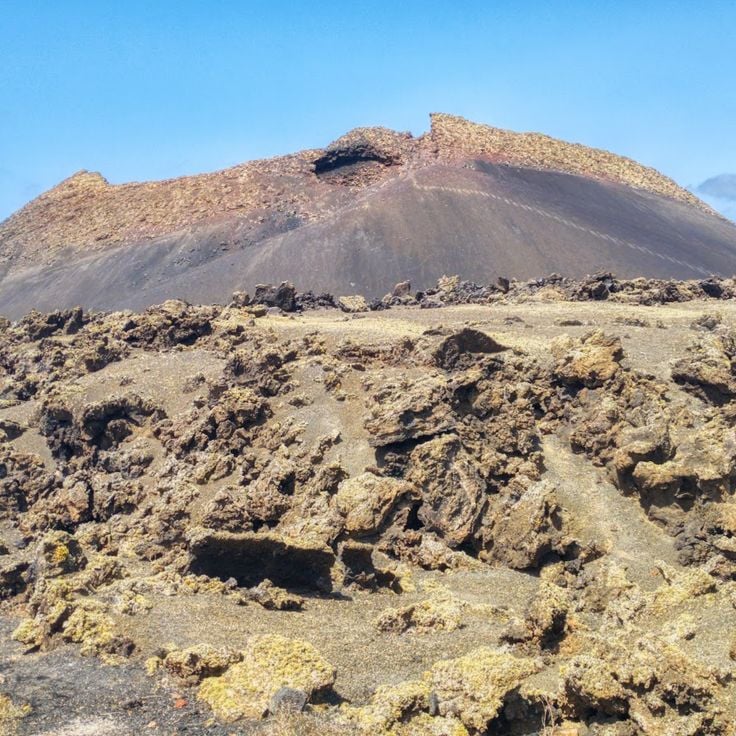
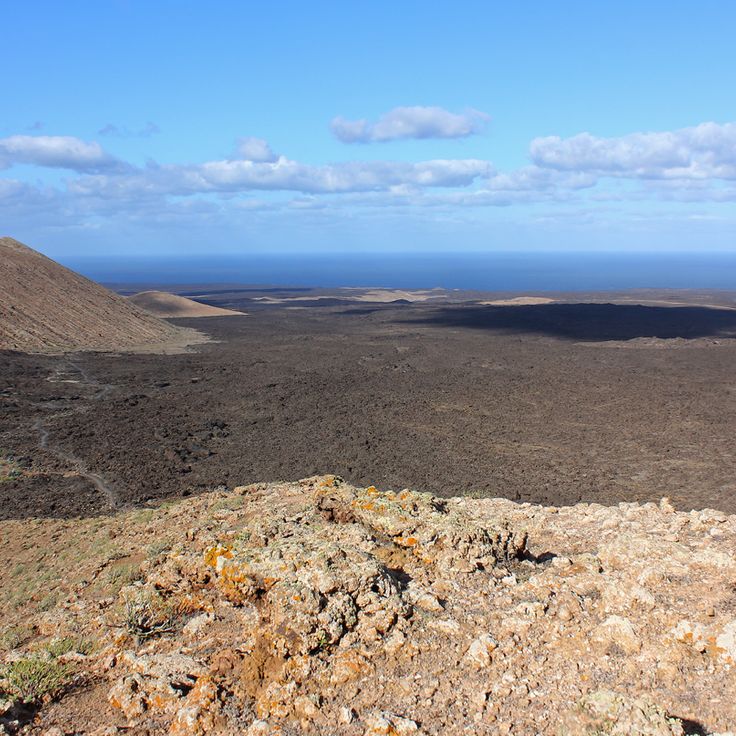
This volcano stands in the southern part of the island, within a protected area of solidified lava and ash cones. The ascent follows a circular trail through black basalt formations to the crater rim. From there, the view opens onto the inner hollow with its reddish-brown floor and the surrounding fields of volcanic slag. The slopes are covered with lichens that give the rock green and orange tones. The trail is easy and takes about half an hour.
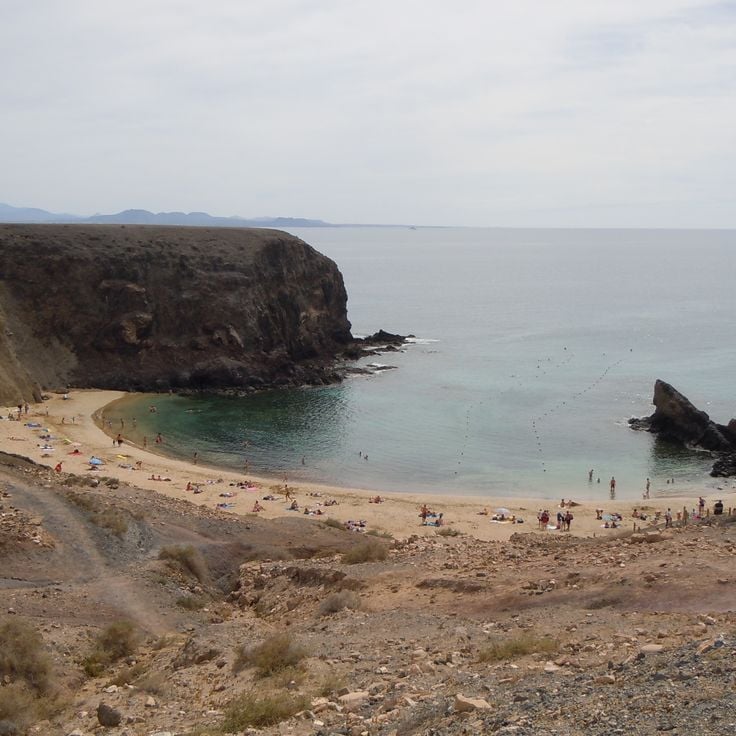
This beach is one of the most visited stretches of coast in southern Lanzarote and sits in a bay with pale sand between rocks of volcanic origin. The water shows a turquoise tint and often stays calm even when the wind picks up, as the bay offers shelter. Access is by a dirt road or on foot from the parking area. There are no permanent buildings on the beach, only an occasional mobile vendor during the busy season. Visitors usually bring umbrellas and supplies, as shade is scarce. The surroundings feel dry and bare, typical of this part of the island. Families and couples come here to swim and enjoy the quiet. At low tide the sandy area grows noticeably larger.
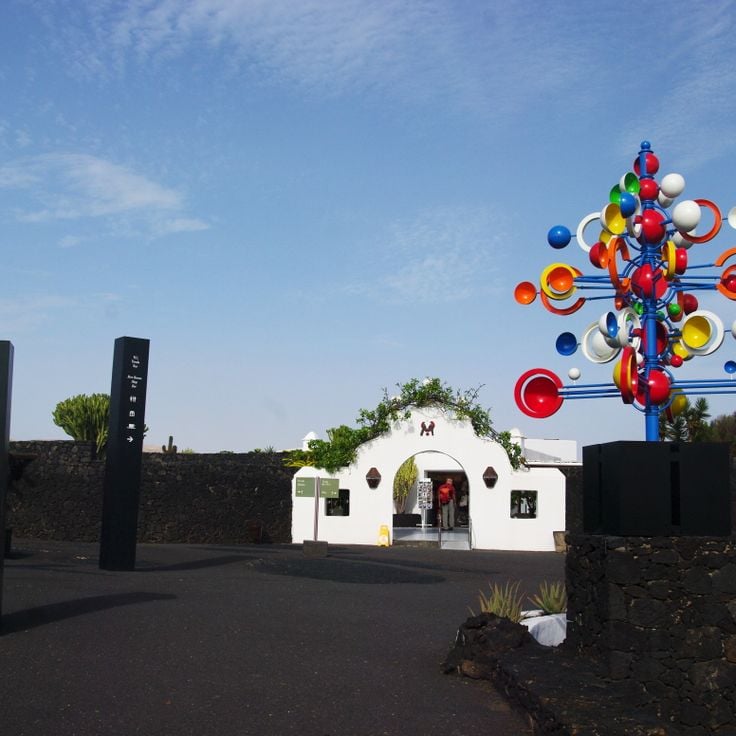
The César Manrique House Museum combines the former residence and workshop of the artist in a volcanic setting. The rooms display Manrique's works, furniture, and personal belongings. The architecture blends into the Lanzarote landscape and reflects his philosophy of harmony between art and nature. Visitors explore the private areas where he lived and worked, along with his collections and drawings. This museum provides insight into his life on the island.
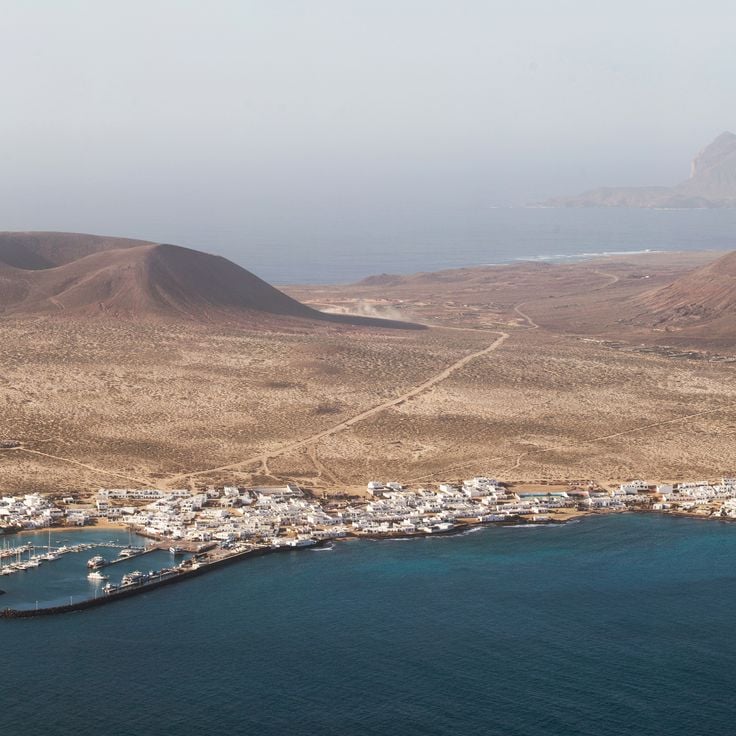
This island sits just off the northern coast of Lanzarote, away from the larger flows of visitors. Two small settlements mark the land: Caleta del Sebo as the main village with about 700 residents and the ferry landing, and Pedro Barba as a quiet holiday settlement. Beaches stretch along the coastline with fine, light sand and clear water. Paths cross plains of low vegetation and pass volcanic cones. Cars are rare here. People walk or cycle. The mood is calm, the facilities simple. A few restaurants and shops are found in Caleta del Sebo. The pace remains slow, and construction is limited to the two settlements. The rest of the island reveals open landscapes with views of the ocean and neighboring islands.
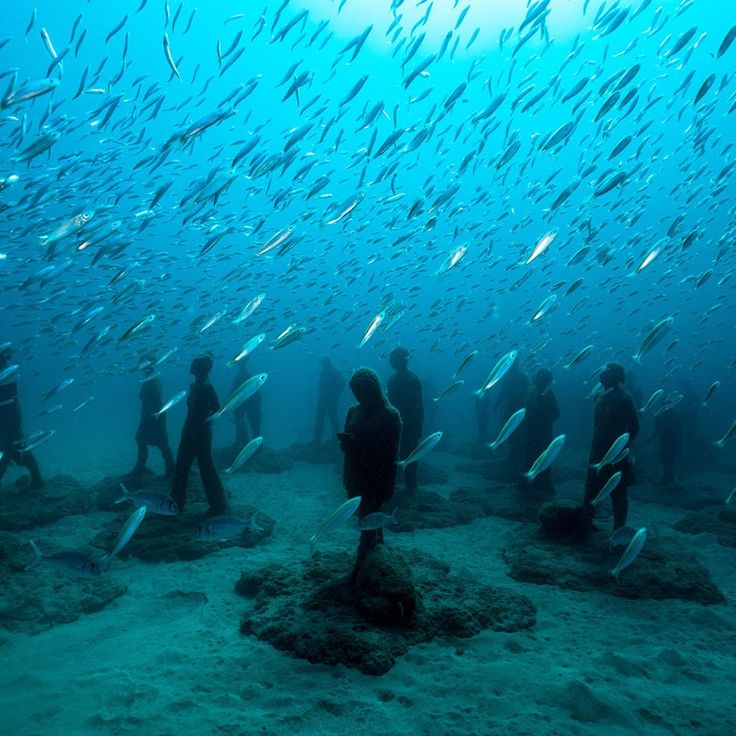
This museum sits about 40 feet (12 meters) below the surface off the coast of Playa Blanca. Around 300 sculptures made of neutral cement slowly form new underwater landscapes and attract fish and other sea creatures. The Museo Atlántico connects art with the ocean and allows divers and snorkelers to float between the figures while algae and shells settle on their surfaces.
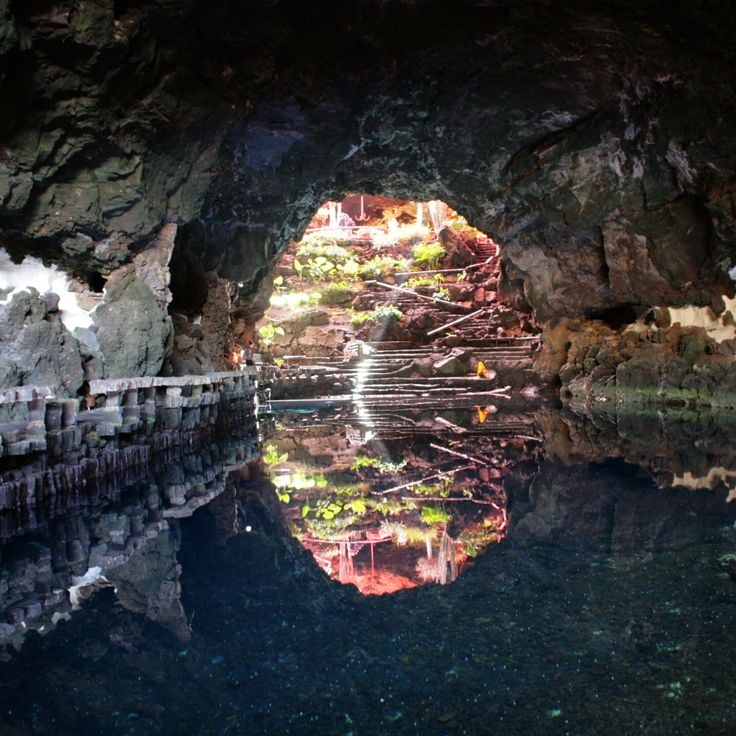
This place is a cultural center built inside an underground lava cave, contributing to the island's geological character. Part of the cave holds a quiet lake where small, white crabs live—a species normally found only at great ocean depths. Visitors find a concert hall, a pool, a restaurant, and exhibition rooms. The design follows the natural shape of the cave and leaves the volcanic structure visible. The mix of stone, water, and light creates a quiet mood beneath the earth. This site is one of the features that make the island's volcanic heritage accessible to those exploring Lanzarote.
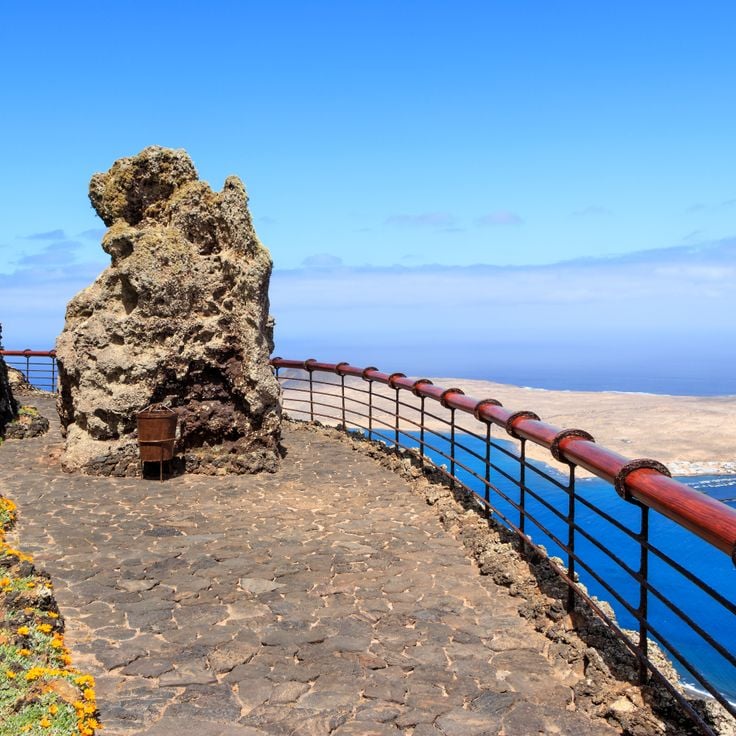
This viewpoint stands at the highest part of the Famara cliffs and opens views toward the island of La Graciosa and the Chinijo archipelago. The building fits into the rock, and the glass-enclosed rooms offer a wide outlook over the sea and the volcanic shores of Lanzarote. You can watch the water crossing the strait and see the outlines of the small islands on the horizon. The terraces let you feel the wind currents and the light over the Atlantic. Visitors come here to experience the openness of the sea and the stillness of the surrounding land, which extends to Timanfaya National Park and the La Geria vineyards.
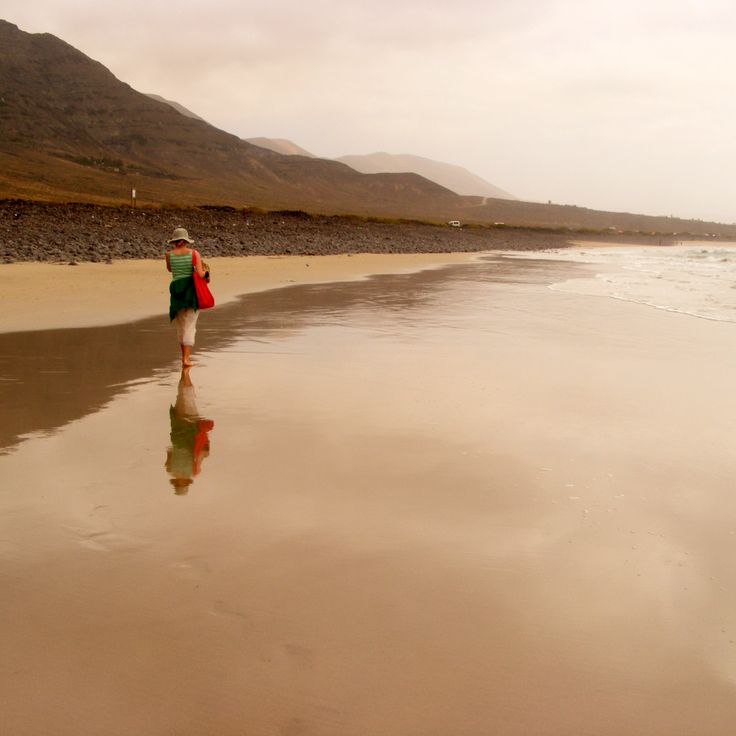
This beach stretches for six kilometers along the northern coast of the island. The water brings constant waves to the shore, which attract surfers and windsurfers from different regions. The cliffs behind form a natural boundary and create a backdrop of volcanic rock. The sand is light and fine, and the wind often blows strongly across the open expanse. People come here to watch the sea, walk along the water or ride the waves.
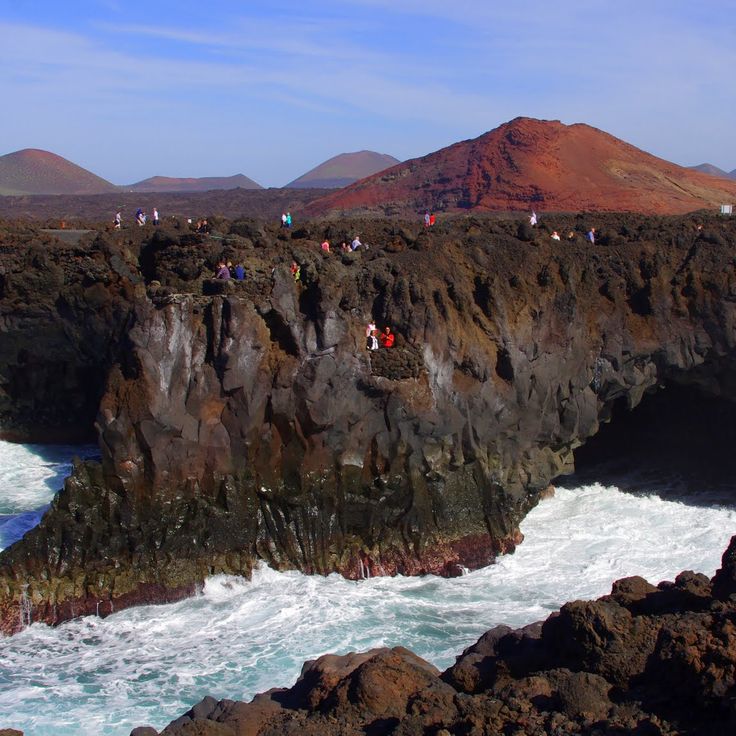
Los Hervideros is a stretch of jagged volcanic coastline where the sea rushes into caves and crevices carved between black basalt rocks. These tall walls formed when molten rock from Timanfaya met the Atlantic and cooled suddenly. Water enters the hollows and pulls back with loud noise and foam. Metal walkways and platforms follow the headland, allowing views into different openings. The name refers to the boiling motion of the waves. The coast is exposed, windy, and offers no shade.
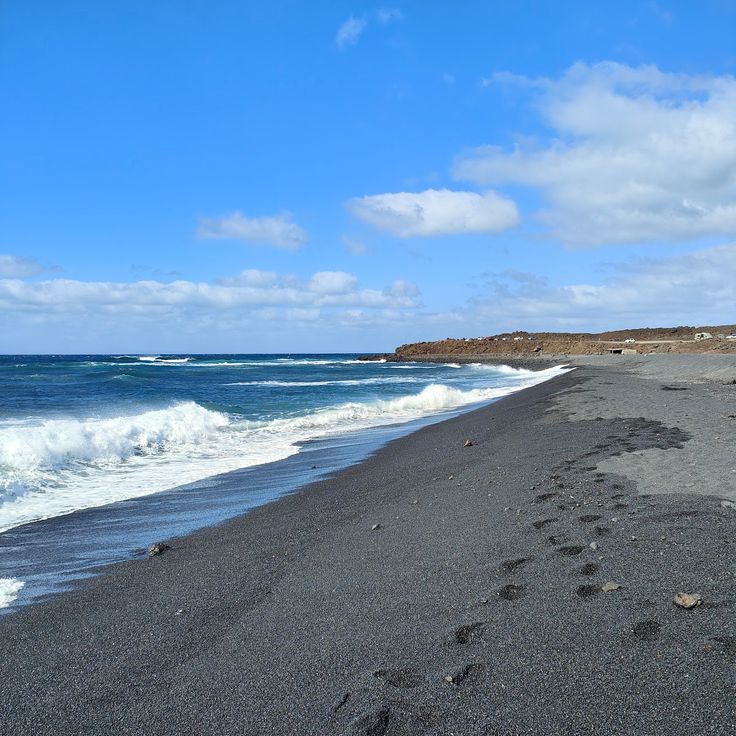
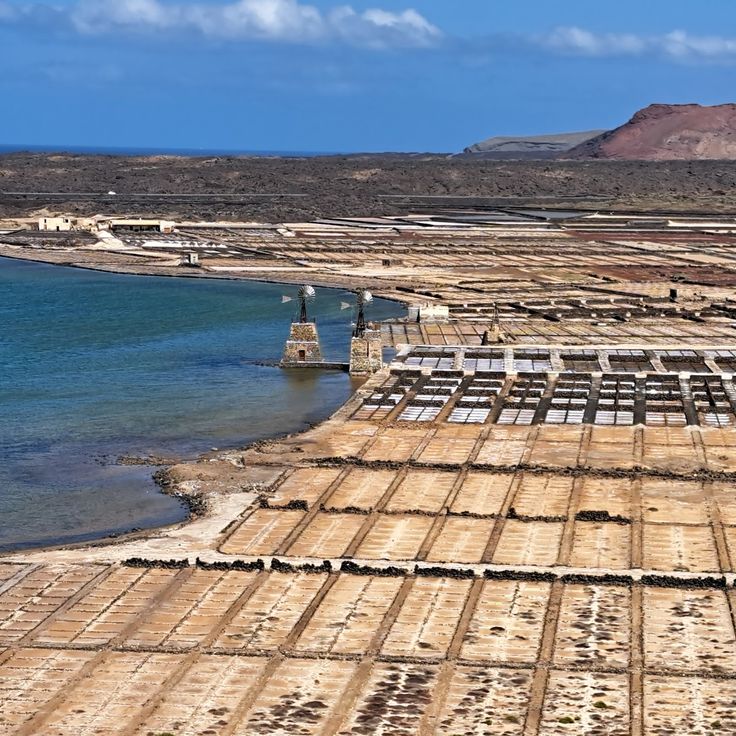
This beach brings together black sand with the traditional Janubio salt flats, which have been operating since the 19th century. The dark shoreline comes from volcanic eruptions that shaped Lanzarote. Salt pans stretch beside the coast, forming geometric patterns in pink and white tones. Waves break over basalt rocks scattered along the water's edge. Fishermen and walkers come here to see the connection between the sea and salt harvesting. Wind often blows strong from the open Atlantic side.
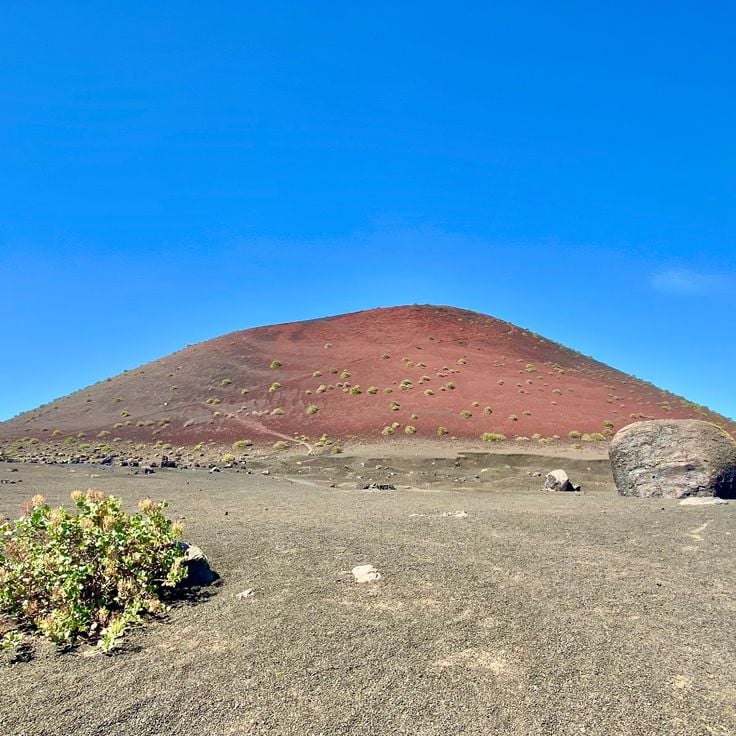
This volcano is one of the most colorful on Lanzarote. It formed during the great eruptions of the 18th century. Its name comes from the red and rust-brown tones that cover its slopes. The rock reflects light and changes color depending on the time of day. It stands about 350 meters tall and sits in the core zone of Timanfaya National Park. The landscape around it is barren and shaped by cooled lava. You see craters, black fields, and other volcanic cones nearby. The ground crunches underfoot. In some places, heat still rises from below. The shapes are round and soft, the result of molten rock that cooled slowly. This volcano shows how active the island once was.
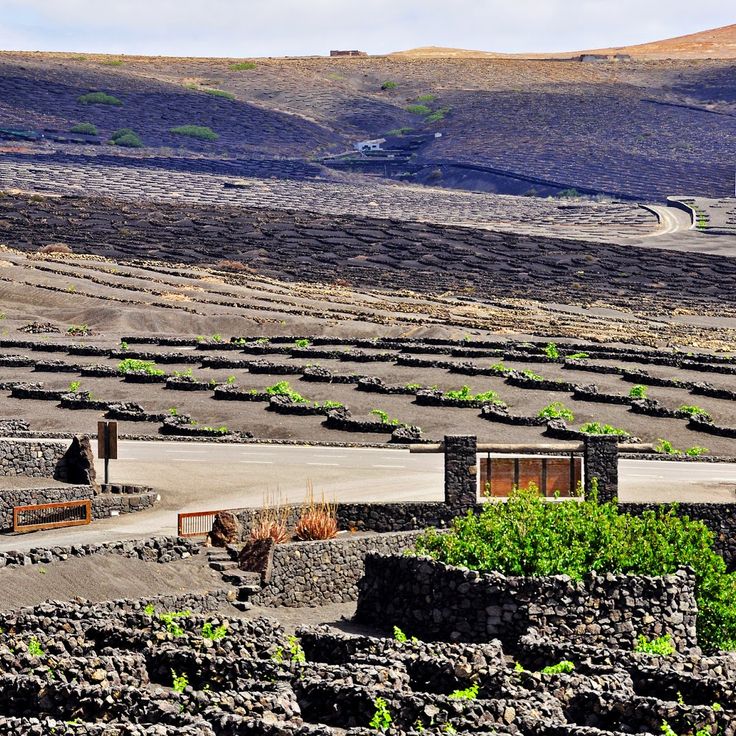
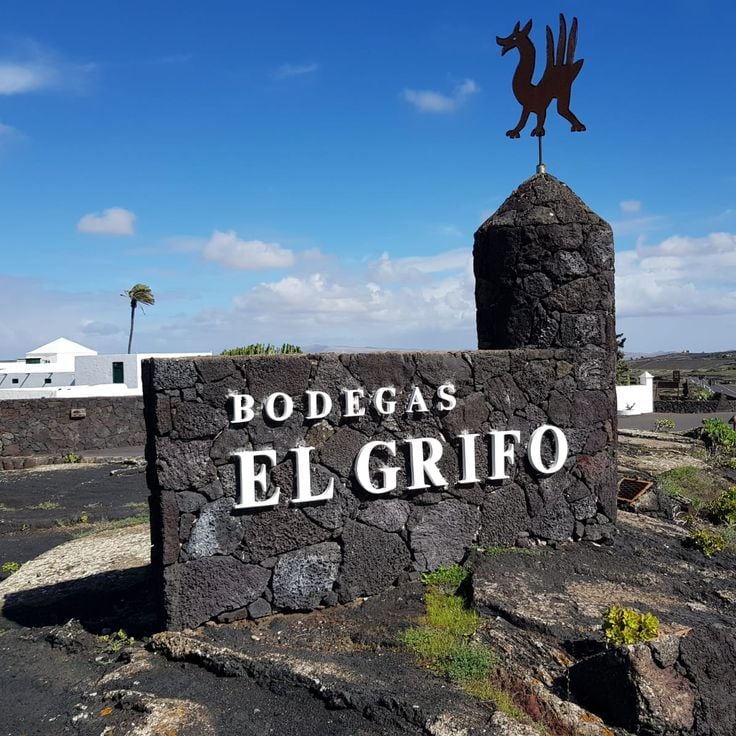
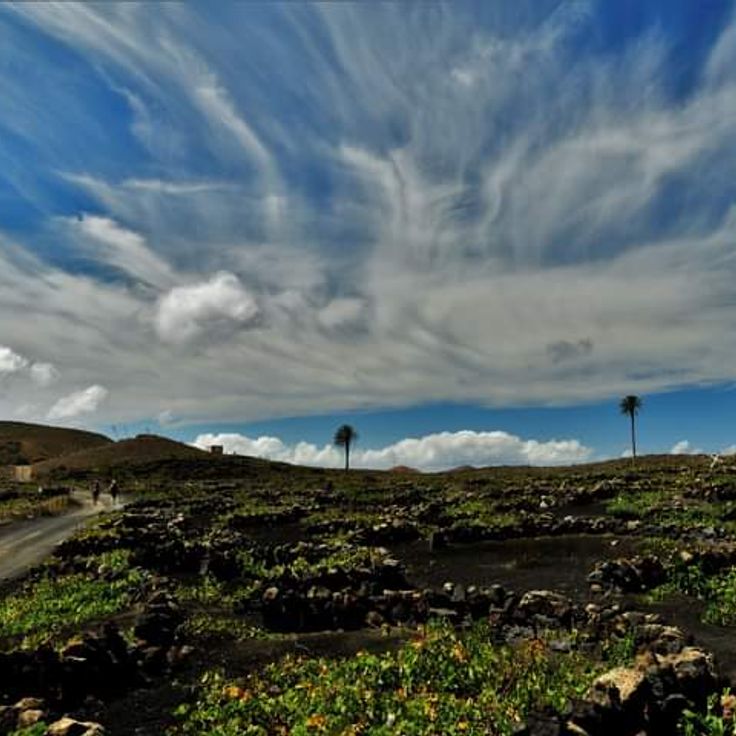
This wine region stretches across Lanzarote with a cultivation system adapted to the volcanic soil. In La Geria, each vine grows in an individual hole dug into the black ash. Semicircular stone walls protect the plants from the wind that sweeps across the island. The dark surface stores moisture from the night and releases it to the roots during the day. The landscape consists of thousands of these small black craters repeating themselves to the horizon.
This museum occupies a former winery from 1775 and displays tools, documents and objects connected to wine production on the island. Visitors see old presses, barrels and historic equipment that document winemaking in the volcanic landscape of La Geria. The exhibition explains how growers developed the special cultivation methods in the ash and how the operation functioned over the centuries.
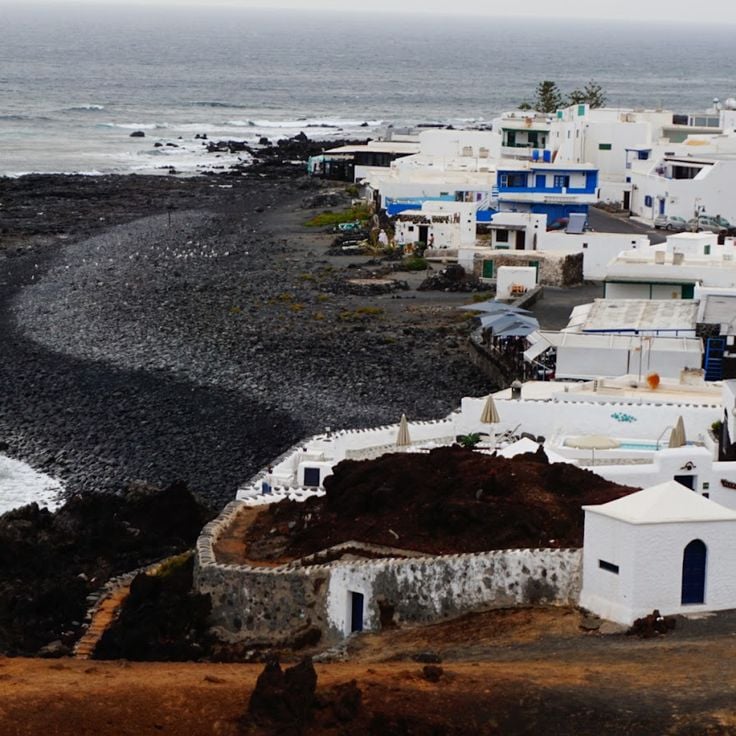
This volcanic crater opens to the sea and holds a green lagoon colored by minerals and algae in the water. Half the crater rim has collapsed into the ocean, while the other half forms a black sand cove with dark lava rock. The green water stands out against the red and black volcanic ground. You can view the lagoon from a lookout point above the cliffs. The site sits on the western coast of Lanzarote near the fishing village that shares the same name.
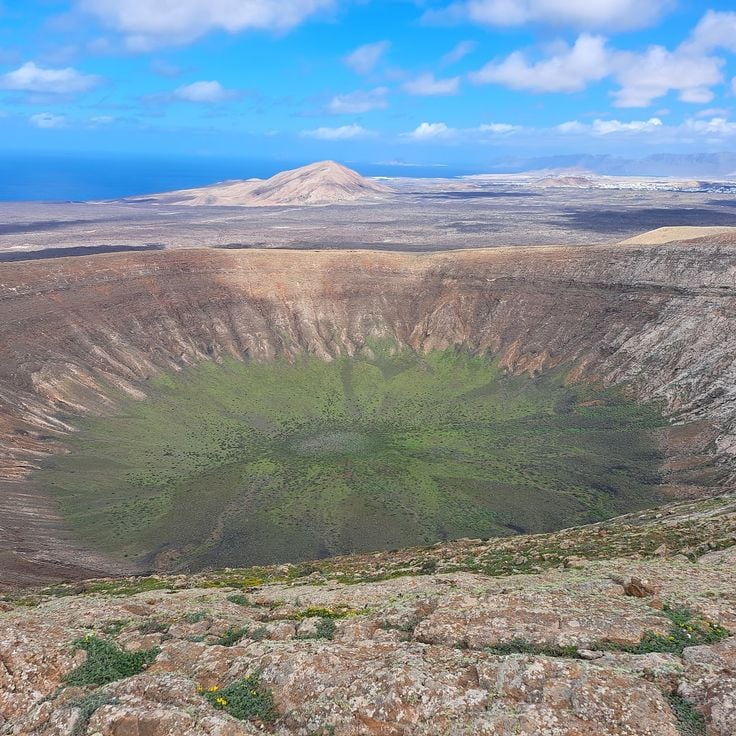
This volcano rises in the Natural Park of Volcanoes and reaches a height of about 1,750 feet (540 meters). Its crater measures roughly 0.75 miles (1.2 kilometers) across, forming one of the largest depressions on Lanzarote. The climb follows steep paths made of lapilli and volcanic ash that crunch underfoot. Once at the top, the view opens into the deep interior of the crater, whose walls glow in pale ochre tones. All around, the barren landscape spreads with black and reddish-brown lava fields. On clear days, the sight reaches the ocean and neighboring islands. Wind whistles constantly over the rim, adding to the sense of remoteness.
These craters in Timanfaya National Park formed during the eruptions between 1730 and 1736. The black volcanic rock rises about 100 meters (around 330 feet) above the surrounding landscape. Basalt formations at the crater rim show traces of the volcanic activity that shaped large parts of the island. The dark surface contrasts with the sky and the other volcanic cones nearby. Calderas Quemadas sits among the lava fields that spread across the national park, offering a view into the geological forces that formed Lanzarote.
This volcano rises about 470 feet (143 meters) above the surrounding plain and belongs to Timanfaya National Park. Montaña Rajada formed during the 1730s through the buildup of lava and volcanic material. The summit shows clear layers that developed during the eruptions, and the reddish and black colors of the rock define its appearance. From here, you can see the wide volcanic landscape made up of multiple craters and solidified lava flows.
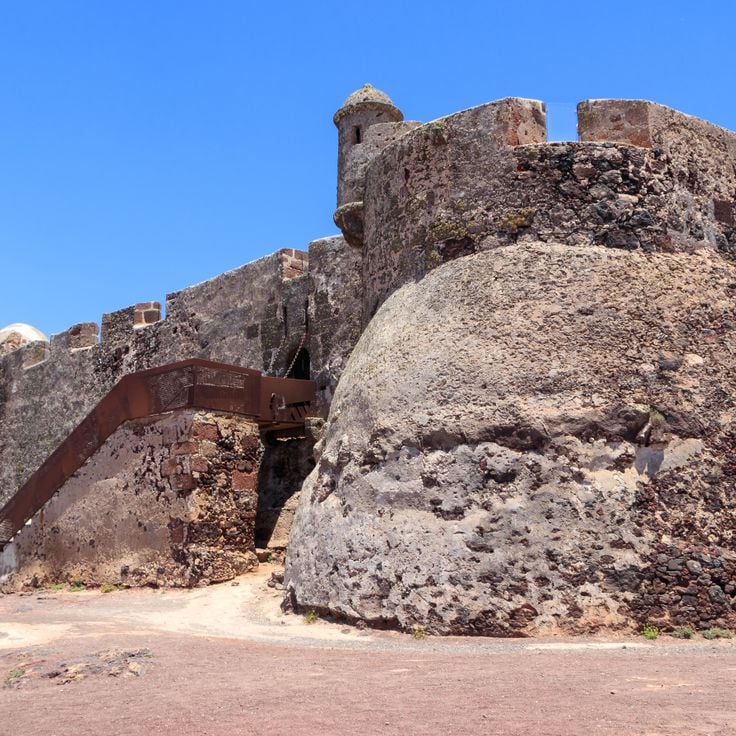
The Santa Bárbara Castle sits on top of the Guanapay volcano in Teguise and was built in the 16th century to protect the island from pirate raids. Soldiers kept watch over the coast and inland areas from this fortress. Today the building houses a museum about the history of Lanzarote and offers views across the island's landscape.
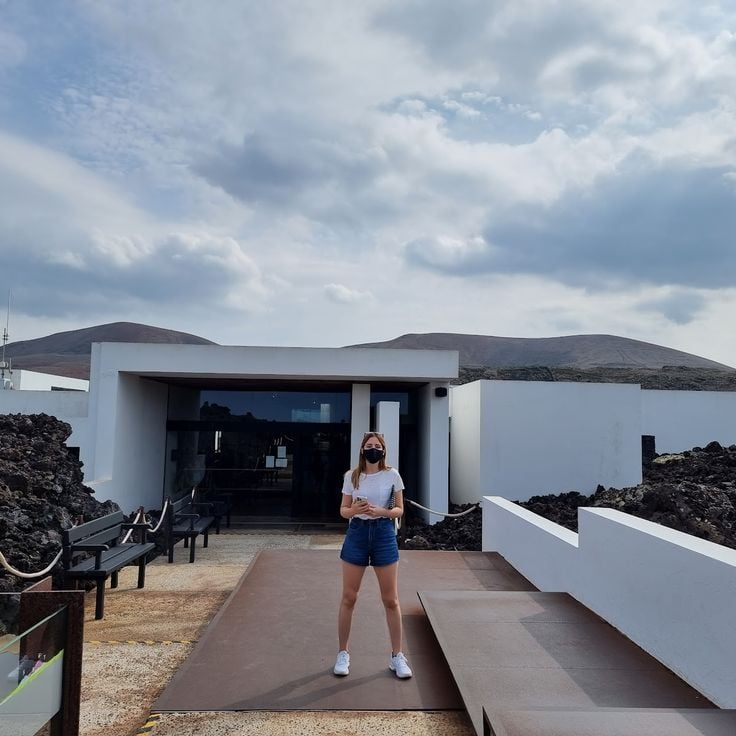
The visitor center serves as an introduction to Timanfaya National Park through models showing the geological structure of the volcanoes, an exhibition on the 18th-century eruptions, and films about how the island formed. It stands before the park entrance and explains how lava shaped the landscape.
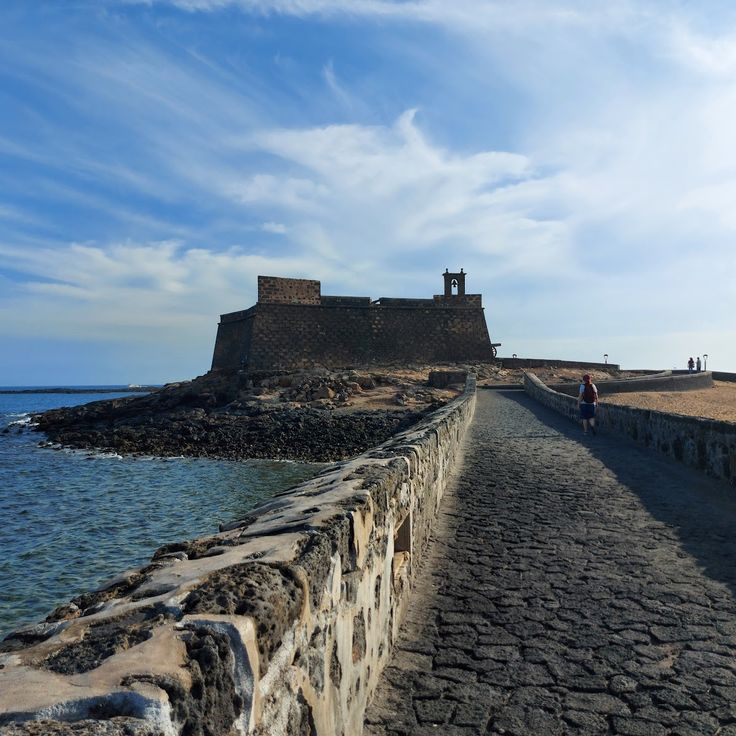
This castle rises on a small rocky island off the coast of Arrecife, connected to the town by two stone bridges. The thick walls and defensive towers were built in the late 16th century to protect the harbor from pirate raids. Today the fortress houses a museum that tells the story of the island, with exhibits on early inhabitants, conquest, and maritime heritage. From the battlements you can see the harbor and the volcanic hills beyond. The gray volcanic stone of the walls contrasts with the blue water all around.
The César Manrique Foundation occupies a lava field and opens the former home of the artist to visitors. Five large rooms display paintings and sculptures by César Manrique, who shaped the modern identity of Lanzarote. The living spaces are built into natural lava bubbles and connect the building directly to the volcanic ground beneath. White walls and open passages allow daylight to reach the lower levels. This museum forms part of the island's cultural sites and offers insight into the work of an artist who brought together architecture and nature.
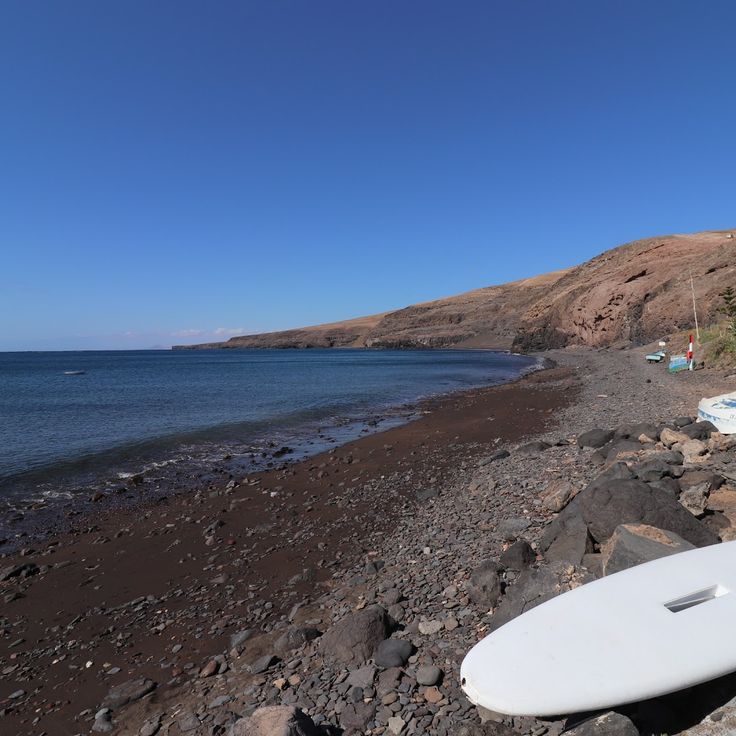
This beach is 400 meters (1,300 feet) long and made of dark volcanic sand, surrounded by basalt rocks that rise directly next to the sea. The water is calm because the bay is sheltered from the waves. Playa Quemada is part of a small fishing village where traditional boat sheds still stand by the shore and a few houses are built in whitewashed masonry. The landscape is dry, with little vegetation and open views of the ocean. There are no facilities on the beach, no umbrellas or chairs. Some fishermen still use the bay for their small boats. The atmosphere is quiet, with few visitors. The path to the beach runs through the village, past simple houses and parked boats.
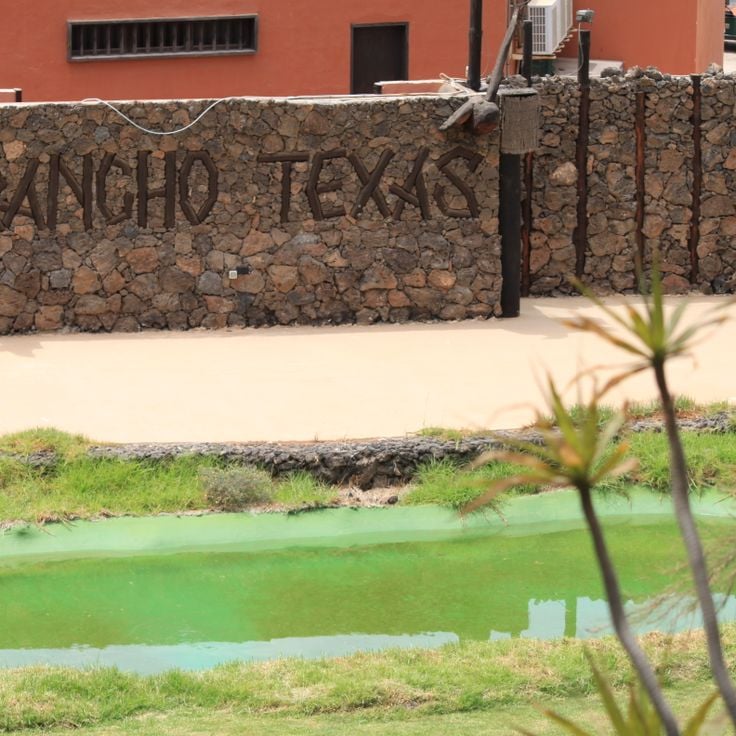
This theme park on Lanzarote covers several acres and features animal species from North and South America. The grounds include shows with birds of prey and areas with swimming pools. A section recreates life in the American West, with performances and decorations recalling that era. The park sits inland, between volcanic landscapes and the coast, combining animal observation with family entertainment. Paths lead through different zones where visitors see creatures from various climates. The park is part of the island's leisure offerings and complements the volcanic sites and beaches with an outing for children and adults.
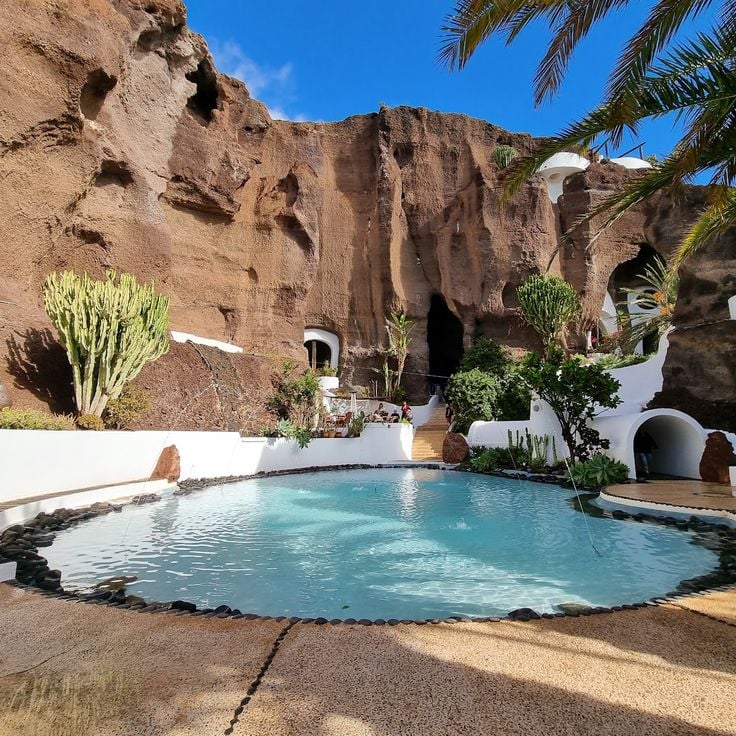
This museum sits within a volcanic rock formation and shows rooms carved directly into the stone. The architecture was created in the 1970s for actor Omar Sharif and connects living areas with natural caves. Passages lead through different levels, past an underground pool area surrounded by lava rock. The building now serves as a cultural space and restaurant, where visitors experience the merging of construction and volcanic landscape.
These salt flats have supplied salt for preserving fish in the Canary Islands since the 19th century. Seawater flows into shallow basins where sun and wind speed up evaporation. The salt concentration rises gradually until white crystals appear on the surface. Workers collect the salt by hand using traditional tools. The basins form a geometric pattern in shades of pink, white and gray that shifts with the sunlight and seasons. Birds use these flats as a stopping point during their migrations between Europe and Africa.
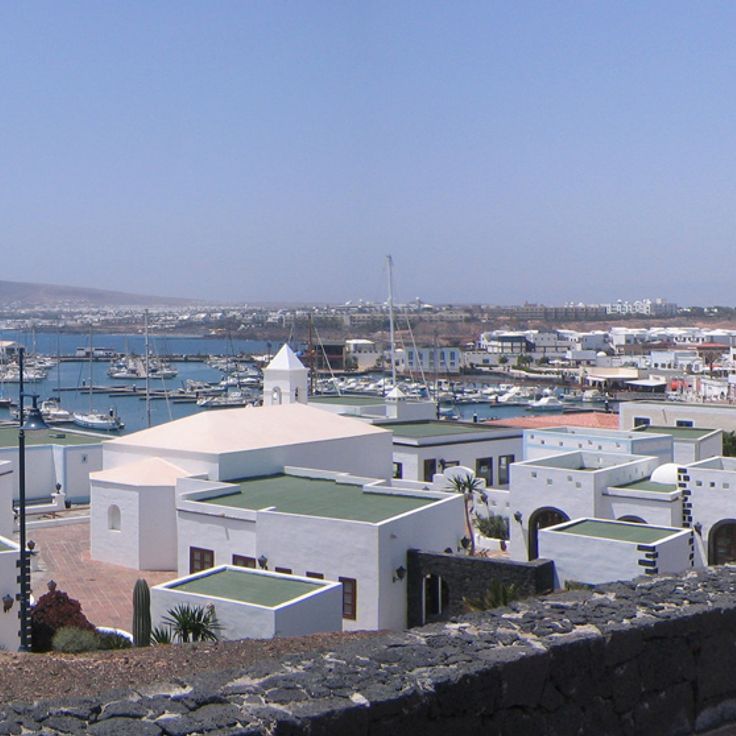
Playa Blanca is a coastal town on the southern tip of Lanzarote, extending for several miles along the shore. The 5.6-mile (9-kilometer) promenade connects different beach sections and runs from the old fishing harbor to the ferry docks for Fuerteventura. White houses with flat roofs shape the streets. Restaurants and shops line the waterfront road. From here, the Papagayo beaches are just a few minutes away. The water stays calm most days, as the coast faces south.
This beach in Playa Blanca offers golden sand and calm water for swimming. The short shoreline invites relaxed sunbathing, while the shallow sea is used for waterskiing and other activities. Umbrellas and lounge chairs are available along the beach. Families and those seeking rest come here to enjoy the sheltered location near the harbor.
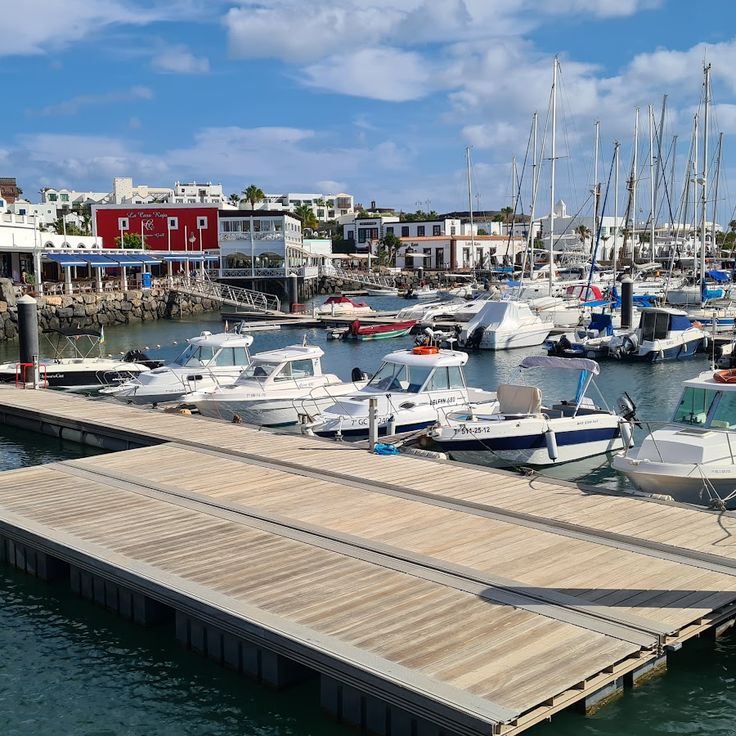
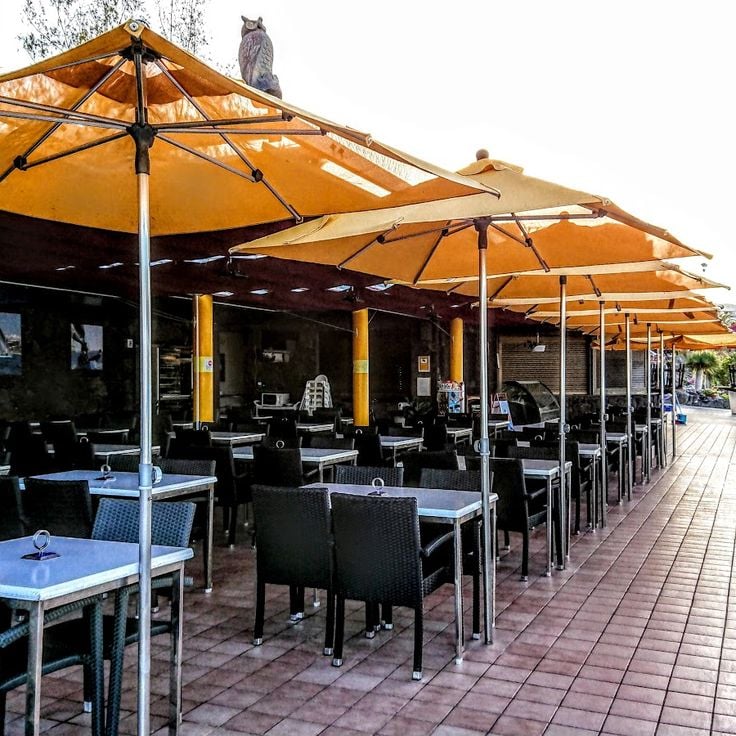
This marina opened in Playa Blanca in 2003 and provides space for about 500 boats. Shops and restaurants line the quays, where visitors sit at tables looking out over the water. Walkways run between the berths while sailboats and motor yachts rest at anchor. In the evening the restaurants fill with guests enjoying the view across the harbor.
This national park covers a black volcanic field on Lanzarote, formed by successive eruptions in the 18th century. The lava flows hardened into an open landscape of dark rock, where more than 25 craters stand in rows. The terrain is dry and almost without plants. Trails lead through fields of frozen lava. The surface shows cracks, bubbles and folded shapes. Near the visitor center, park rangers demonstrate the residual heat still rising from below ground.
This cave runs through a lava flow that the La Corona volcano formed about 4,000 years ago. The tunnel reaches along 6 kilometers (about 4 miles) beneath the surface. The interior shows walls that molten rock once shaped, as the material moved through the earth and slowly cooled. Visitors walk through the passages and see how volcanic activity shaped the landscape of Lanzarote.
This garden sits in an old quarry where volcanic rock was once cut away. The terraces follow the natural steps of the ground. César Manrique designed this place and turned it into a space for cacti. Over a thousand species grow here among dark volcanic walls. Paths lead through the different levels, and you can look at the various shapes and sizes of the plants. The layout connects the volcanic landscape of Lanzarote with plant life from dry regions of the world. This garden is one of the shaped spaces Manrique created on the island.
This volcano stands in the southern part of the island, within a protected area of solidified lava and ash cones. The ascent follows a circular trail through black basalt formations to the crater rim. From there, the view opens onto the inner hollow with its reddish-brown floor and the surrounding fields of volcanic slag. The slopes are covered with lichens that give the rock green and orange tones. The trail is easy and takes about half an hour.
This beach is one of the most visited stretches of coast in southern Lanzarote and sits in a bay with pale sand between rocks of volcanic origin. The water shows a turquoise tint and often stays calm even when the wind picks up, as the bay offers shelter. Access is by a dirt road or on foot from the parking area. There are no permanent buildings on the beach, only an occasional mobile vendor during the busy season. Visitors usually bring umbrellas and supplies, as shade is scarce. The surroundings feel dry and bare, typical of this part of the island. Families and couples come here to swim and enjoy the quiet. At low tide the sandy area grows noticeably larger.
The César Manrique House Museum combines the former residence and workshop of the artist in a volcanic setting. The rooms display Manrique's works, furniture, and personal belongings. The architecture blends into the Lanzarote landscape and reflects his philosophy of harmony between art and nature. Visitors explore the private areas where he lived and worked, along with his collections and drawings. This museum provides insight into his life on the island.
This island sits just off the northern coast of Lanzarote, away from the larger flows of visitors. Two small settlements mark the land: Caleta del Sebo as the main village with about 700 residents and the ferry landing, and Pedro Barba as a quiet holiday settlement. Beaches stretch along the coastline with fine, light sand and clear water. Paths cross plains of low vegetation and pass volcanic cones. Cars are rare here. People walk or cycle. The mood is calm, the facilities simple. A few restaurants and shops are found in Caleta del Sebo. The pace remains slow, and construction is limited to the two settlements. The rest of the island reveals open landscapes with views of the ocean and neighboring islands.
This museum sits about 40 feet (12 meters) below the surface off the coast of Playa Blanca. Around 300 sculptures made of neutral cement slowly form new underwater landscapes and attract fish and other sea creatures. The Museo Atlántico connects art with the ocean and allows divers and snorkelers to float between the figures while algae and shells settle on their surfaces.
This place is a cultural center built inside an underground lava cave, contributing to the island's geological character. Part of the cave holds a quiet lake where small, white crabs live—a species normally found only at great ocean depths. Visitors find a concert hall, a pool, a restaurant, and exhibition rooms. The design follows the natural shape of the cave and leaves the volcanic structure visible. The mix of stone, water, and light creates a quiet mood beneath the earth. This site is one of the features that make the island's volcanic heritage accessible to those exploring Lanzarote.
This viewpoint stands at the highest part of the Famara cliffs and opens views toward the island of La Graciosa and the Chinijo archipelago. The building fits into the rock, and the glass-enclosed rooms offer a wide outlook over the sea and the volcanic shores of Lanzarote. You can watch the water crossing the strait and see the outlines of the small islands on the horizon. The terraces let you feel the wind currents and the light over the Atlantic. Visitors come here to experience the openness of the sea and the stillness of the surrounding land, which extends to Timanfaya National Park and the La Geria vineyards.
This beach stretches for six kilometers along the northern coast of the island. The water brings constant waves to the shore, which attract surfers and windsurfers from different regions. The cliffs behind form a natural boundary and create a backdrop of volcanic rock. The sand is light and fine, and the wind often blows strongly across the open expanse. People come here to watch the sea, walk along the water or ride the waves.
Los Hervideros is a stretch of jagged volcanic coastline where the sea rushes into caves and crevices carved between black basalt rocks. These tall walls formed when molten rock from Timanfaya met the Atlantic and cooled suddenly. Water enters the hollows and pulls back with loud noise and foam. Metal walkways and platforms follow the headland, allowing views into different openings. The name refers to the boiling motion of the waves. The coast is exposed, windy, and offers no shade.
This beach brings together black sand with the traditional Janubio salt flats, which have been operating since the 19th century. The dark shoreline comes from volcanic eruptions that shaped Lanzarote. Salt pans stretch beside the coast, forming geometric patterns in pink and white tones. Waves break over basalt rocks scattered along the water's edge. Fishermen and walkers come here to see the connection between the sea and salt harvesting. Wind often blows strong from the open Atlantic side.
This volcano is one of the most colorful on Lanzarote. It formed during the great eruptions of the 18th century. Its name comes from the red and rust-brown tones that cover its slopes. The rock reflects light and changes color depending on the time of day. It stands about 350 meters tall and sits in the core zone of Timanfaya National Park. The landscape around it is barren and shaped by cooled lava. You see craters, black fields, and other volcanic cones nearby. The ground crunches underfoot. In some places, heat still rises from below. The shapes are round and soft, the result of molten rock that cooled slowly. This volcano shows how active the island once was.
This wine region stretches across Lanzarote with a cultivation system adapted to the volcanic soil. In La Geria, each vine grows in an individual hole dug into the black ash. Semicircular stone walls protect the plants from the wind that sweeps across the island. The dark surface stores moisture from the night and releases it to the roots during the day. The landscape consists of thousands of these small black craters repeating themselves to the horizon.
This museum occupies a former winery from 1775 and displays tools, documents and objects connected to wine production on the island. Visitors see old presses, barrels and historic equipment that document winemaking in the volcanic landscape of La Geria. The exhibition explains how growers developed the special cultivation methods in the ash and how the operation functioned over the centuries.
This volcanic crater opens to the sea and holds a green lagoon colored by minerals and algae in the water. Half the crater rim has collapsed into the ocean, while the other half forms a black sand cove with dark lava rock. The green water stands out against the red and black volcanic ground. You can view the lagoon from a lookout point above the cliffs. The site sits on the western coast of Lanzarote near the fishing village that shares the same name.
This volcano rises in the Natural Park of Volcanoes and reaches a height of about 1,750 feet (540 meters). Its crater measures roughly 0.75 miles (1.2 kilometers) across, forming one of the largest depressions on Lanzarote. The climb follows steep paths made of lapilli and volcanic ash that crunch underfoot. Once at the top, the view opens into the deep interior of the crater, whose walls glow in pale ochre tones. All around, the barren landscape spreads with black and reddish-brown lava fields. On clear days, the sight reaches the ocean and neighboring islands. Wind whistles constantly over the rim, adding to the sense of remoteness.
These craters in Timanfaya National Park formed during the eruptions between 1730 and 1736. The black volcanic rock rises about 100 meters (around 330 feet) above the surrounding landscape. Basalt formations at the crater rim show traces of the volcanic activity that shaped large parts of the island. The dark surface contrasts with the sky and the other volcanic cones nearby. Calderas Quemadas sits among the lava fields that spread across the national park, offering a view into the geological forces that formed Lanzarote.
This volcano rises about 470 feet (143 meters) above the surrounding plain and belongs to Timanfaya National Park. Montaña Rajada formed during the 1730s through the buildup of lava and volcanic material. The summit shows clear layers that developed during the eruptions, and the reddish and black colors of the rock define its appearance. From here, you can see the wide volcanic landscape made up of multiple craters and solidified lava flows.
The Santa Bárbara Castle sits on top of the Guanapay volcano in Teguise and was built in the 16th century to protect the island from pirate raids. Soldiers kept watch over the coast and inland areas from this fortress. Today the building houses a museum about the history of Lanzarote and offers views across the island's landscape.
The visitor center serves as an introduction to Timanfaya National Park through models showing the geological structure of the volcanoes, an exhibition on the 18th-century eruptions, and films about how the island formed. It stands before the park entrance and explains how lava shaped the landscape.
This castle rises on a small rocky island off the coast of Arrecife, connected to the town by two stone bridges. The thick walls and defensive towers were built in the late 16th century to protect the harbor from pirate raids. Today the fortress houses a museum that tells the story of the island, with exhibits on early inhabitants, conquest, and maritime heritage. From the battlements you can see the harbor and the volcanic hills beyond. The gray volcanic stone of the walls contrasts with the blue water all around.
The César Manrique Foundation occupies a lava field and opens the former home of the artist to visitors. Five large rooms display paintings and sculptures by César Manrique, who shaped the modern identity of Lanzarote. The living spaces are built into natural lava bubbles and connect the building directly to the volcanic ground beneath. White walls and open passages allow daylight to reach the lower levels. This museum forms part of the island's cultural sites and offers insight into the work of an artist who brought together architecture and nature.
This beach is 400 meters (1,300 feet) long and made of dark volcanic sand, surrounded by basalt rocks that rise directly next to the sea. The water is calm because the bay is sheltered from the waves. Playa Quemada is part of a small fishing village where traditional boat sheds still stand by the shore and a few houses are built in whitewashed masonry. The landscape is dry, with little vegetation and open views of the ocean. There are no facilities on the beach, no umbrellas or chairs. Some fishermen still use the bay for their small boats. The atmosphere is quiet, with few visitors. The path to the beach runs through the village, past simple houses and parked boats.
This theme park on Lanzarote covers several acres and features animal species from North and South America. The grounds include shows with birds of prey and areas with swimming pools. A section recreates life in the American West, with performances and decorations recalling that era. The park sits inland, between volcanic landscapes and the coast, combining animal observation with family entertainment. Paths lead through different zones where visitors see creatures from various climates. The park is part of the island's leisure offerings and complements the volcanic sites and beaches with an outing for children and adults.
This museum sits within a volcanic rock formation and shows rooms carved directly into the stone. The architecture was created in the 1970s for actor Omar Sharif and connects living areas with natural caves. Passages lead through different levels, past an underground pool area surrounded by lava rock. The building now serves as a cultural space and restaurant, where visitors experience the merging of construction and volcanic landscape.
These salt flats have supplied salt for preserving fish in the Canary Islands since the 19th century. Seawater flows into shallow basins where sun and wind speed up evaporation. The salt concentration rises gradually until white crystals appear on the surface. Workers collect the salt by hand using traditional tools. The basins form a geometric pattern in shades of pink, white and gray that shifts with the sunlight and seasons. Birds use these flats as a stopping point during their migrations between Europe and Africa.
Playa Blanca is a coastal town on the southern tip of Lanzarote, extending for several miles along the shore. The 5.6-mile (9-kilometer) promenade connects different beach sections and runs from the old fishing harbor to the ferry docks for Fuerteventura. White houses with flat roofs shape the streets. Restaurants and shops line the waterfront road. From here, the Papagayo beaches are just a few minutes away. The water stays calm most days, as the coast faces south.
This beach in Playa Blanca offers golden sand and calm water for swimming. The short shoreline invites relaxed sunbathing, while the shallow sea is used for waterskiing and other activities. Umbrellas and lounge chairs are available along the beach. Families and those seeking rest come here to enjoy the sheltered location near the harbor.
This marina opened in Playa Blanca in 2003 and provides space for about 500 boats. Shops and restaurants line the quays, where visitors sit at tables looking out over the water. Walkways run between the berths while sailboats and motor yachts rest at anchor. In the evening the restaurants fill with guests enjoying the view across the harbor.
This national park covers a black volcanic field on Lanzarote, formed by successive eruptions in the 18th century. The lava flows hardened into an open landscape of dark rock, where more than 25 craters stand in rows. The terrain is dry and almost without plants. Trails lead through fields of frozen lava. The surface shows cracks, bubbles and folded shapes. Near the visitor center, park rangers demonstrate the residual heat still rising from below ground.
This cave runs through a lava flow that the La Corona volcano formed about 4,000 years ago. The tunnel reaches along 6 kilometers (about 4 miles) beneath the surface. The interior shows walls that molten rock once shaped, as the material moved through the earth and slowly cooled. Visitors walk through the passages and see how volcanic activity shaped the landscape of Lanzarote.
This garden sits in an old quarry where volcanic rock was once cut away. The terraces follow the natural steps of the ground. César Manrique designed this place and turned it into a space for cacti. Over a thousand species grow here among dark volcanic walls. Paths lead through the different levels, and you can look at the various shapes and sizes of the plants. The layout connects the volcanic landscape of Lanzarote with plant life from dry regions of the world. This garden is one of the shaped spaces Manrique created on the island.
This volcano stands in the southern part of the island, within a protected area of solidified lava and ash cones. The ascent follows a circular trail through black basalt formations to the crater rim. From there, the view opens onto the inner hollow with its reddish-brown floor and the surrounding fields of volcanic slag. The slopes are covered with lichens that give the rock green and orange tones. The trail is easy and takes about half an hour.
This beach is one of the most visited stretches of coast in southern Lanzarote and sits in a bay with pale sand between rocks of volcanic origin. The water shows a turquoise tint and often stays calm even when the wind picks up, as the bay offers shelter. Access is by a dirt road or on foot from the parking area. There are no permanent buildings on the beach, only an occasional mobile vendor during the busy season. Visitors usually bring umbrellas and supplies, as shade is scarce. The surroundings feel dry and bare, typical of this part of the island. Families and couples come here to swim and enjoy the quiet. At low tide the sandy area grows noticeably larger.
The César Manrique House Museum combines the former residence and workshop of the artist in a volcanic setting. The rooms display Manrique's works, furniture, and personal belongings. The architecture blends into the Lanzarote landscape and reflects his philosophy of harmony between art and nature. Visitors explore the private areas where he lived and worked, along with his collections and drawings. This museum provides insight into his life on the island.
This island sits just off the northern coast of Lanzarote, away from the larger flows of visitors. Two small settlements mark the land: Caleta del Sebo as the main village with about 700 residents and the ferry landing, and Pedro Barba as a quiet holiday settlement. Beaches stretch along the coastline with fine, light sand and clear water. Paths cross plains of low vegetation and pass volcanic cones. Cars are rare here. People walk or cycle. The mood is calm, the facilities simple. A few restaurants and shops are found in Caleta del Sebo. The pace remains slow, and construction is limited to the two settlements. The rest of the island reveals open landscapes with views of the ocean and neighboring islands.
This museum sits about 40 feet (12 meters) below the surface off the coast of Playa Blanca. Around 300 sculptures made of neutral cement slowly form new underwater landscapes and attract fish and other sea creatures. The Museo Atlántico connects art with the ocean and allows divers and snorkelers to float between the figures while algae and shells settle on their surfaces.
This place is a cultural center built inside an underground lava cave, contributing to the island's geological character. Part of the cave holds a quiet lake where small, white crabs live—a species normally found only at great ocean depths. Visitors find a concert hall, a pool, a restaurant, and exhibition rooms. The design follows the natural shape of the cave and leaves the volcanic structure visible. The mix of stone, water, and light creates a quiet mood beneath the earth. This site is one of the features that make the island's volcanic heritage accessible to those exploring Lanzarote.
This viewpoint stands at the highest part of the Famara cliffs and opens views toward the island of La Graciosa and the Chinijo archipelago. The building fits into the rock, and the glass-enclosed rooms offer a wide outlook over the sea and the volcanic shores of Lanzarote. You can watch the water crossing the strait and see the outlines of the small islands on the horizon. The terraces let you feel the wind currents and the light over the Atlantic. Visitors come here to experience the openness of the sea and the stillness of the surrounding land, which extends to Timanfaya National Park and the La Geria vineyards.
This beach stretches for six kilometers along the northern coast of the island. The water brings constant waves to the shore, which attract surfers and windsurfers from different regions. The cliffs behind form a natural boundary and create a backdrop of volcanic rock. The sand is light and fine, and the wind often blows strongly across the open expanse. People come here to watch the sea, walk along the water or ride the waves.
Los Hervideros is a stretch of jagged volcanic coastline where the sea rushes into caves and crevices carved between black basalt rocks. These tall walls formed when molten rock from Timanfaya met the Atlantic and cooled suddenly. Water enters the hollows and pulls back with loud noise and foam. Metal walkways and platforms follow the headland, allowing views into different openings. The name refers to the boiling motion of the waves. The coast is exposed, windy, and offers no shade.
This beach brings together black sand with the traditional Janubio salt flats, which have been operating since the 19th century. The dark shoreline comes from volcanic eruptions that shaped Lanzarote. Salt pans stretch beside the coast, forming geometric patterns in pink and white tones. Waves break over basalt rocks scattered along the water's edge. Fishermen and walkers come here to see the connection between the sea and salt harvesting. Wind often blows strong from the open Atlantic side.
This volcano is one of the most colorful on Lanzarote. It formed during the great eruptions of the 18th century. Its name comes from the red and rust-brown tones that cover its slopes. The rock reflects light and changes color depending on the time of day. It stands about 350 meters tall and sits in the core zone of Timanfaya National Park. The landscape around it is barren and shaped by cooled lava. You see craters, black fields, and other volcanic cones nearby. The ground crunches underfoot. In some places, heat still rises from below. The shapes are round and soft, the result of molten rock that cooled slowly. This volcano shows how active the island once was.
This wine region stretches across Lanzarote with a cultivation system adapted to the volcanic soil. In La Geria, each vine grows in an individual hole dug into the black ash. Semicircular stone walls protect the plants from the wind that sweeps across the island. The dark surface stores moisture from the night and releases it to the roots during the day. The landscape consists of thousands of these small black craters repeating themselves to the horizon.
This museum occupies a former winery from 1775 and displays tools, documents and objects connected to wine production on the island. Visitors see old presses, barrels and historic equipment that document winemaking in the volcanic landscape of La Geria. The exhibition explains how growers developed the special cultivation methods in the ash and how the operation functioned over the centuries.
This volcanic crater opens to the sea and holds a green lagoon colored by minerals and algae in the water. Half the crater rim has collapsed into the ocean, while the other half forms a black sand cove with dark lava rock. The green water stands out against the red and black volcanic ground. You can view the lagoon from a lookout point above the cliffs. The site sits on the western coast of Lanzarote near the fishing village that shares the same name.
This volcano rises in the Natural Park of Volcanoes and reaches a height of about 1,750 feet (540 meters). Its crater measures roughly 0.75 miles (1.2 kilometers) across, forming one of the largest depressions on Lanzarote. The climb follows steep paths made of lapilli and volcanic ash that crunch underfoot. Once at the top, the view opens into the deep interior of the crater, whose walls glow in pale ochre tones. All around, the barren landscape spreads with black and reddish-brown lava fields. On clear days, the sight reaches the ocean and neighboring islands. Wind whistles constantly over the rim, adding to the sense of remoteness.
These craters in Timanfaya National Park formed during the eruptions between 1730 and 1736. The black volcanic rock rises about 100 meters (around 330 feet) above the surrounding landscape. Basalt formations at the crater rim show traces of the volcanic activity that shaped large parts of the island. The dark surface contrasts with the sky and the other volcanic cones nearby. Calderas Quemadas sits among the lava fields that spread across the national park, offering a view into the geological forces that formed Lanzarote.
This volcano rises about 470 feet (143 meters) above the surrounding plain and belongs to Timanfaya National Park. Montaña Rajada formed during the 1730s through the buildup of lava and volcanic material. The summit shows clear layers that developed during the eruptions, and the reddish and black colors of the rock define its appearance. From here, you can see the wide volcanic landscape made up of multiple craters and solidified lava flows.
The Santa Bárbara Castle sits on top of the Guanapay volcano in Teguise and was built in the 16th century to protect the island from pirate raids. Soldiers kept watch over the coast and inland areas from this fortress. Today the building houses a museum about the history of Lanzarote and offers views across the island's landscape.
The visitor center serves as an introduction to Timanfaya National Park through models showing the geological structure of the volcanoes, an exhibition on the 18th-century eruptions, and films about how the island formed. It stands before the park entrance and explains how lava shaped the landscape.
This castle rises on a small rocky island off the coast of Arrecife, connected to the town by two stone bridges. The thick walls and defensive towers were built in the late 16th century to protect the harbor from pirate raids. Today the fortress houses a museum that tells the story of the island, with exhibits on early inhabitants, conquest, and maritime heritage. From the battlements you can see the harbor and the volcanic hills beyond. The gray volcanic stone of the walls contrasts with the blue water all around.
The César Manrique Foundation occupies a lava field and opens the former home of the artist to visitors. Five large rooms display paintings and sculptures by César Manrique, who shaped the modern identity of Lanzarote. The living spaces are built into natural lava bubbles and connect the building directly to the volcanic ground beneath. White walls and open passages allow daylight to reach the lower levels. This museum forms part of the island's cultural sites and offers insight into the work of an artist who brought together architecture and nature.
This beach is 400 meters (1,300 feet) long and made of dark volcanic sand, surrounded by basalt rocks that rise directly next to the sea. The water is calm because the bay is sheltered from the waves. Playa Quemada is part of a small fishing village where traditional boat sheds still stand by the shore and a few houses are built in whitewashed masonry. The landscape is dry, with little vegetation and open views of the ocean. There are no facilities on the beach, no umbrellas or chairs. Some fishermen still use the bay for their small boats. The atmosphere is quiet, with few visitors. The path to the beach runs through the village, past simple houses and parked boats.
This theme park on Lanzarote covers several acres and features animal species from North and South America. The grounds include shows with birds of prey and areas with swimming pools. A section recreates life in the American West, with performances and decorations recalling that era. The park sits inland, between volcanic landscapes and the coast, combining animal observation with family entertainment. Paths lead through different zones where visitors see creatures from various climates. The park is part of the island's leisure offerings and complements the volcanic sites and beaches with an outing for children and adults.
This museum sits within a volcanic rock formation and shows rooms carved directly into the stone. The architecture was created in the 1970s for actor Omar Sharif and connects living areas with natural caves. Passages lead through different levels, past an underground pool area surrounded by lava rock. The building now serves as a cultural space and restaurant, where visitors experience the merging of construction and volcanic landscape.
These salt flats have supplied salt for preserving fish in the Canary Islands since the 19th century. Seawater flows into shallow basins where sun and wind speed up evaporation. The salt concentration rises gradually until white crystals appear on the surface. Workers collect the salt by hand using traditional tools. The basins form a geometric pattern in shades of pink, white and gray that shifts with the sunlight and seasons. Birds use these flats as a stopping point during their migrations between Europe and Africa.
Playa Blanca is a coastal town on the southern tip of Lanzarote, extending for several miles along the shore. The 5.6-mile (9-kilometer) promenade connects different beach sections and runs from the old fishing harbor to the ferry docks for Fuerteventura. White houses with flat roofs shape the streets. Restaurants and shops line the waterfront road. From here, the Papagayo beaches are just a few minutes away. The water stays calm most days, as the coast faces south.
This beach in Playa Blanca offers golden sand and calm water for swimming. The short shoreline invites relaxed sunbathing, while the shallow sea is used for waterskiing and other activities. Umbrellas and lounge chairs are available along the beach. Families and those seeking rest come here to enjoy the sheltered location near the harbor.
This marina opened in Playa Blanca in 2003 and provides space for about 500 boats. Shops and restaurants line the quays, where visitors sit at tables looking out over the water. Walkways run between the berths while sailboats and motor yachts rest at anchor. In the evening the restaurants fill with guests enjoying the view across the harbor.