See the monuments around you in AROpen chests in the app
Around Us is built for your phone — point your camera at the streets and discover the monuments and places around you in augmented reality.Around Us is built for your phone — chests unlock when you walk, explore and capture nearby places.
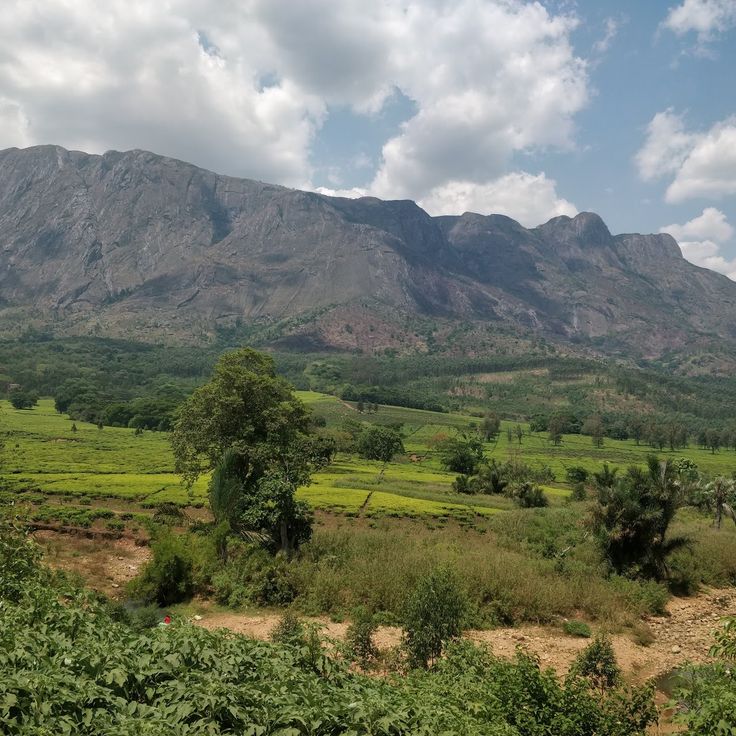
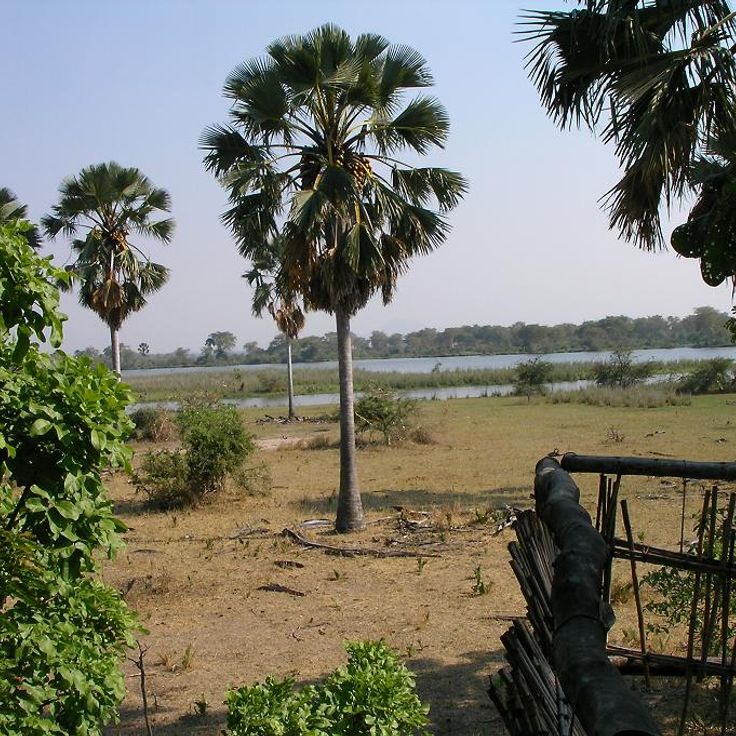
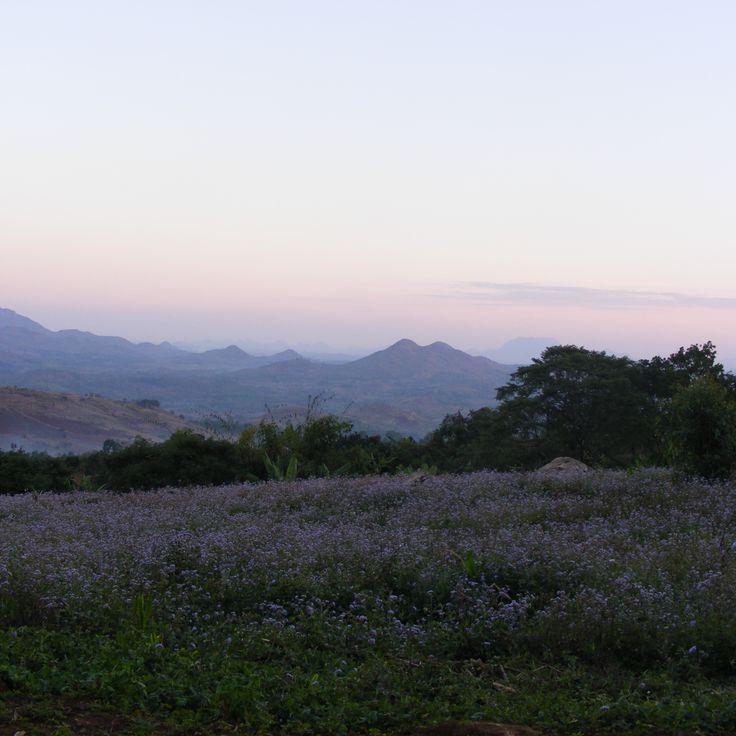
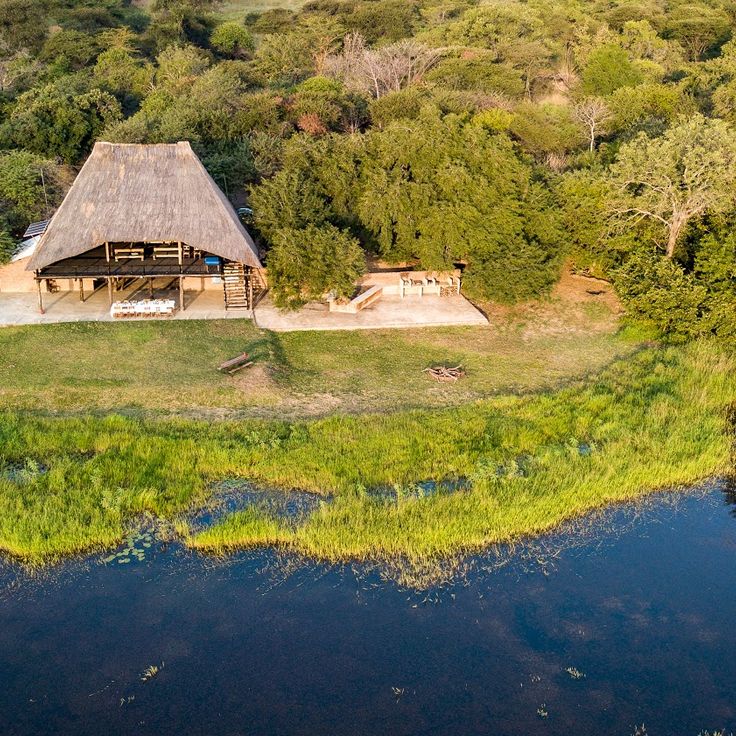
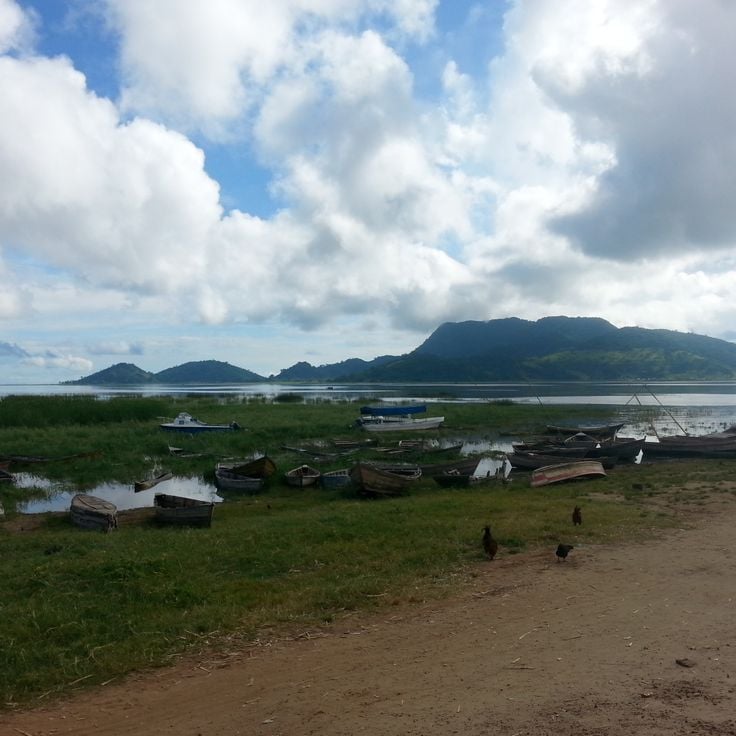
Malawi offers a landscape shaped by mountains, lakes, and savannahs. The country is home to several national parks where you can encounter African wildlife, including Lake Malawi National Park and Liwonde National Park. Mountains such as Mount Mulanje and Mount Nkhoma rise to about 3000 meters and dominate the terrain. Lake Malawi itself stretches across much of the country, filled with colorful fish species and bordered by beaches and small towns.
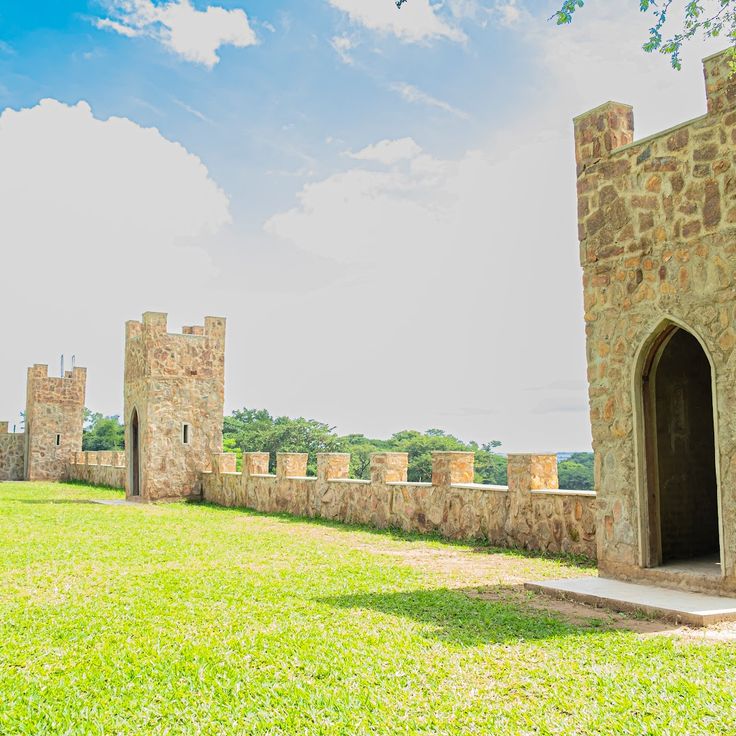
The culture and history of Malawi appear across the country in different ways. Chongoni Rock Art shows the artistic traditions of earlier peoples, while places like Kungoni Cultural Center and Kumbali Cultural Village display how local communities live today. Colonial buildings stand in Blantyre, including Mandala House and churches such as St Michael and All Angels Church. Historic tea plantations like Satemwa connect visitors to the country's agricultural past.
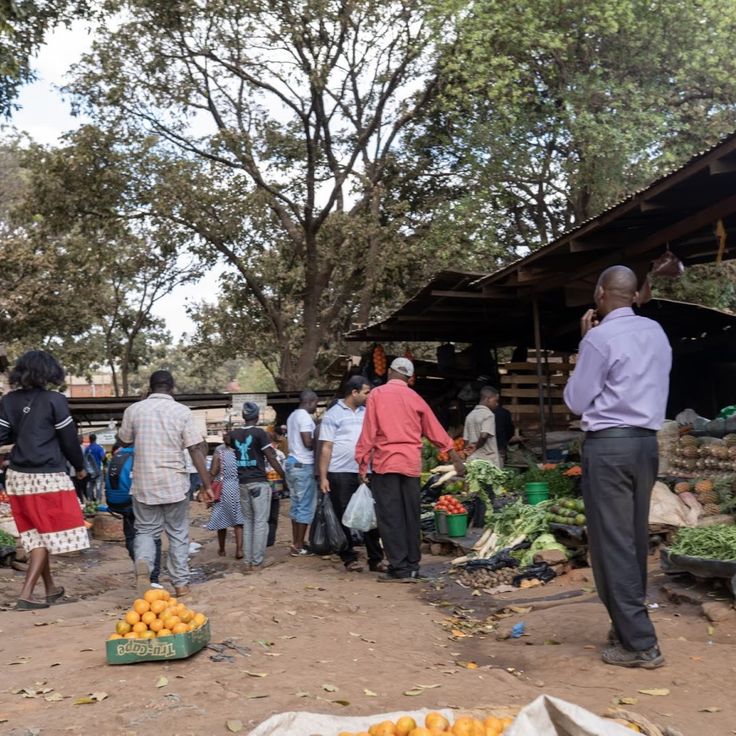
The land shifts between high plateaus, lakeside areas, and open grasslands. You can find large nature reserves alongside smaller destinations like Nkhata Bay and Kande Beach by the water. Markets such as Lizulu Market and Kanelolo Curios Market give you a look at how people shop and trade in their daily lives.
Malawi offers a landscape shaped by mountains, lakes, and savannahs. The country is home to several national parks where you can encounter African wildlife, including Lake Malawi National Park and Liwonde National Park. Mountains such as Mount Mulanje and Mount Nkhoma rise to about 3000 meters and dominate the terrain. Lake Malawi itself stretches across much of the country, filled with colorful fish species and bordered by beaches and small towns.
The culture and history of Malawi appear across the country in different ways. Chongoni Rock Art shows the artistic traditions of earlier peoples, while places like Kungoni Cultural Center and Kumbali Cultural Village display how local communities live today. Colonial buildings stand in Blantyre, including Mandala House and churches such as St Michael and All Angels Church. Historic tea plantations like Satemwa connect visitors to the country's agricultural past.
The land shifts between high plateaus, lakeside areas, and open grasslands. You can find large nature reserves alongside smaller destinations like Nkhata Bay and Kande Beach by the water. Markets such as Lizulu Market and Kanelolo Curios Market give you a look at how people shop and trade in their daily lives.
Lake Malawi National Park is the world's first freshwater national park, established in 1980. It protects rocky islands and more than 800 species of cichlid fish. This park exemplifies the collection's focus on Malawi's landscapes, where the lake and its colorful fish are a major attraction. Visitors can explore the unique underwater world and experience the natural beauty of this important ecosystem.
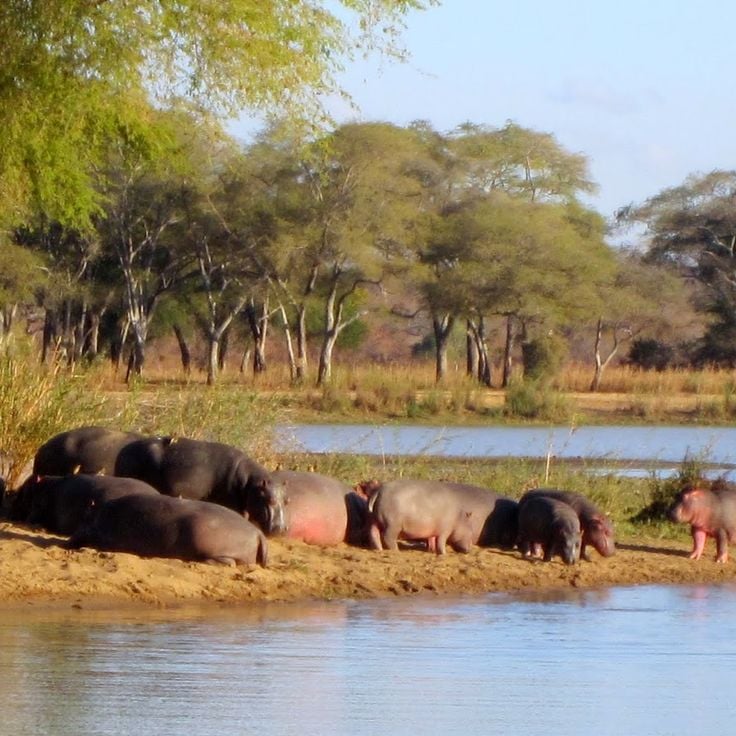
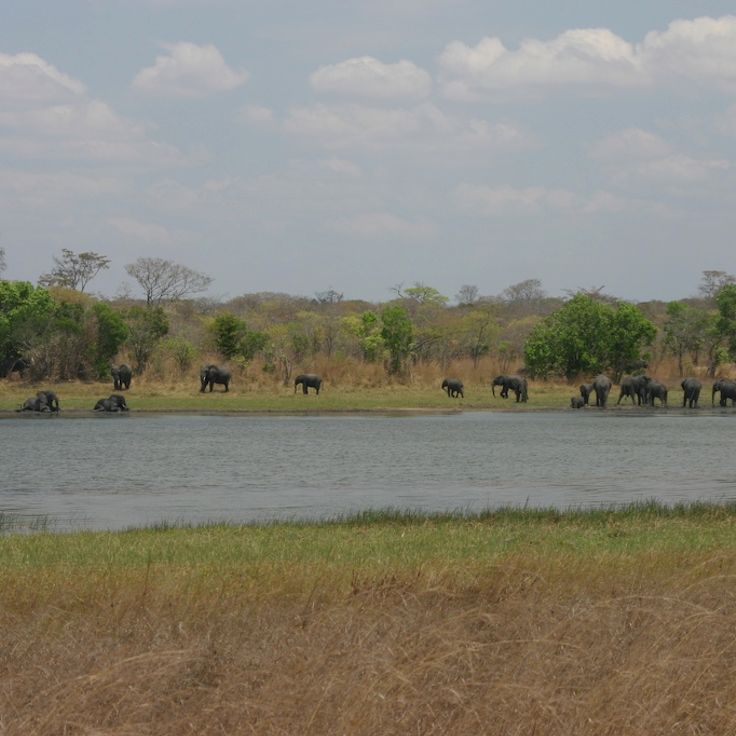
Vwaza Marsh Reserve is a protected area in Malawi that includes grasslands, marshes, and lakes. Elephants, buffalos, and hippopotamuses live here in their natural habitat. This reserve showcases one of the landscapes that define Malawi's appeal, alongside national parks rich with African wildlife, mountains reaching 3000 meters, and Lake Malawi with its colorful fish. The reserve represents part of the country's varied terrain, which shifts between mountainous plateaus, water areas, and savannahs.
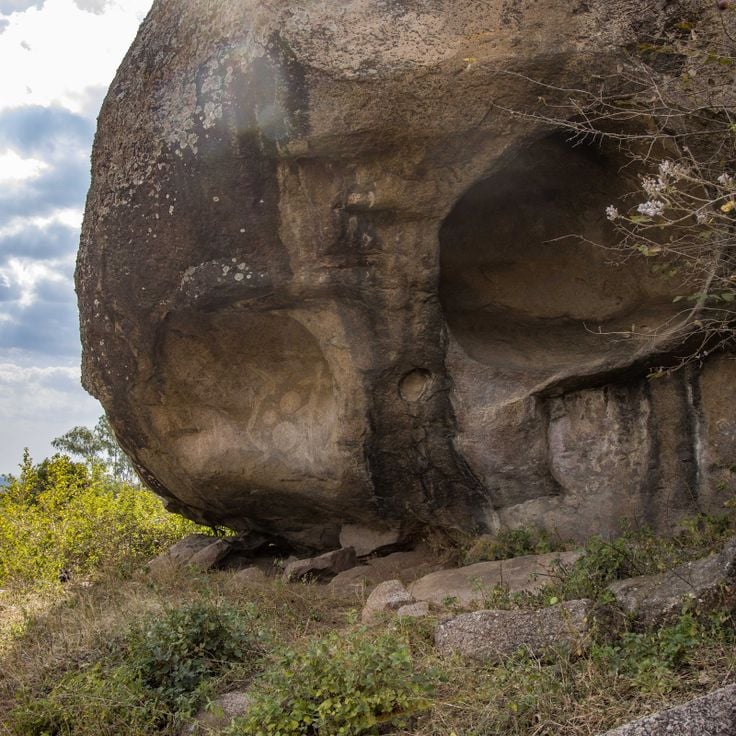
The Chongoni Rock Art Site reflects the cultural history of Malawi through its 127 rock locations. These paintings date from the late Paleolithic period through the 1800s and depict the lives of farming and hunter-gatherer communities. The site offers a window into how people lived, worked, and expressed themselves through art across different eras. This location helps visitors understand the traditions and daily practices of the region's earliest inhabitants.
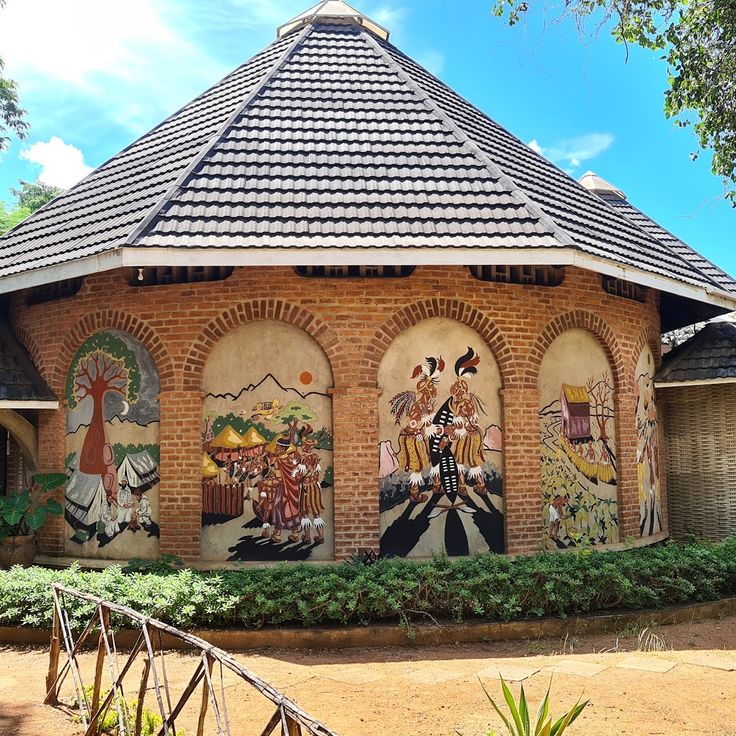
Kungoni Cultural Center is part of Malawi's rich cultural landscape and serves as a research and conservation center for Malawian traditions. The center displays collections of artworks, masks, and wooden sculptures that reflect the craftsmanship and artistic expressions of local communities.
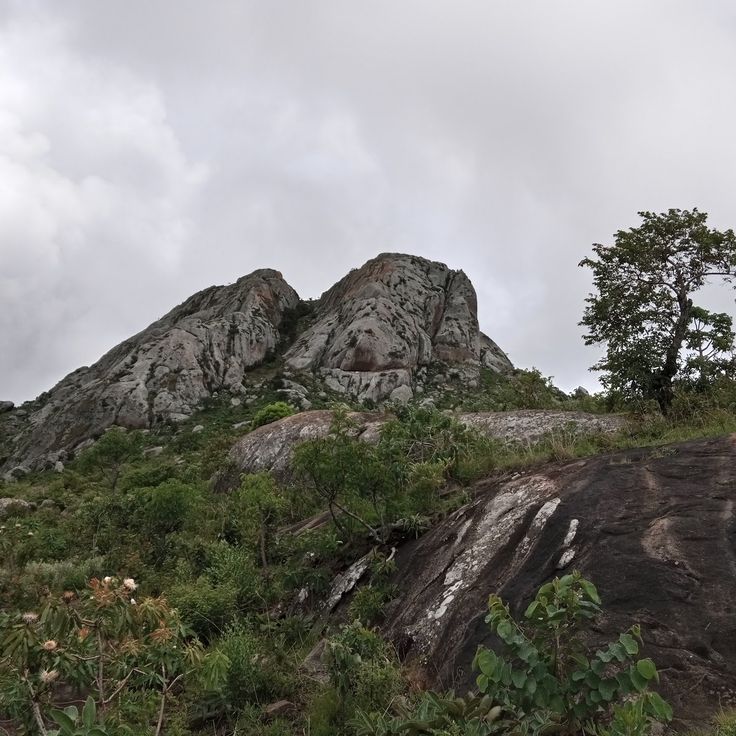
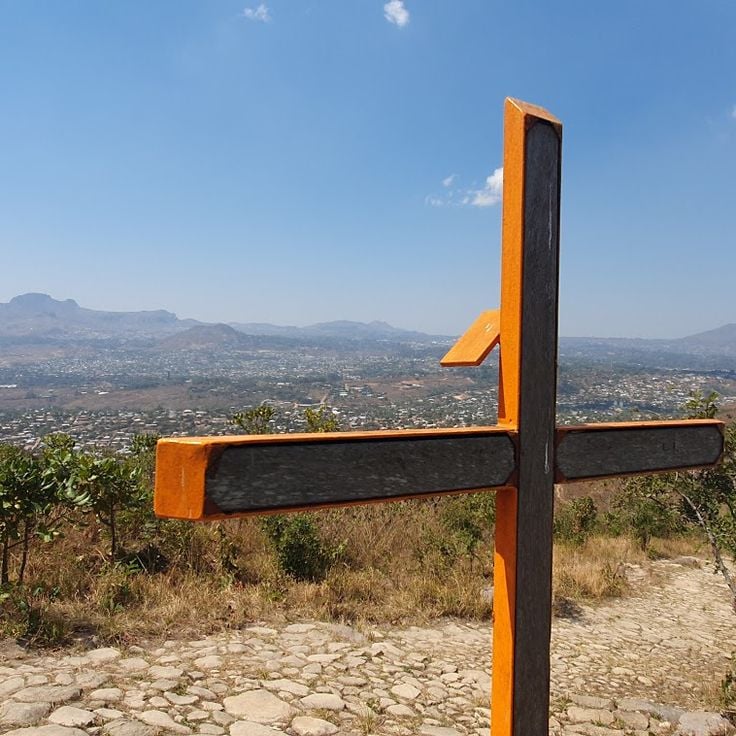
Mount Nkhoma is a granite formation near Lilongwe that fits into the mountainous landscapes of Malawi. Standing at 1750 meters, this peak shapes the terrain of the central region and offers visitors a place to experience the country's natural diversity. Mount Nkhoma represents one of the geographic features that showcase Malawi's variety of mountain plateaus, which alternate with lakes and savannahs.
Likoma Island is an island territory in Lake Malawi, shaped by its white sandy beaches and century-old baobabs. This island adds to Malawi's varied landscapes, where Lake Malawi is known for its colorful fish and mountainous plateaus alternate with savannahs.
The Marelli Islands Archipelago sits in Lake Malawi and showcases the country's varied natural character. This group of islands has coral reefs, colorful fish, and tropical vegetation. The waters are home to endemic cichlid species found nowhere else. The archipelago is part of Malawi's natural attractions, where lakes, mountains, and savannas mix throughout the landscape.
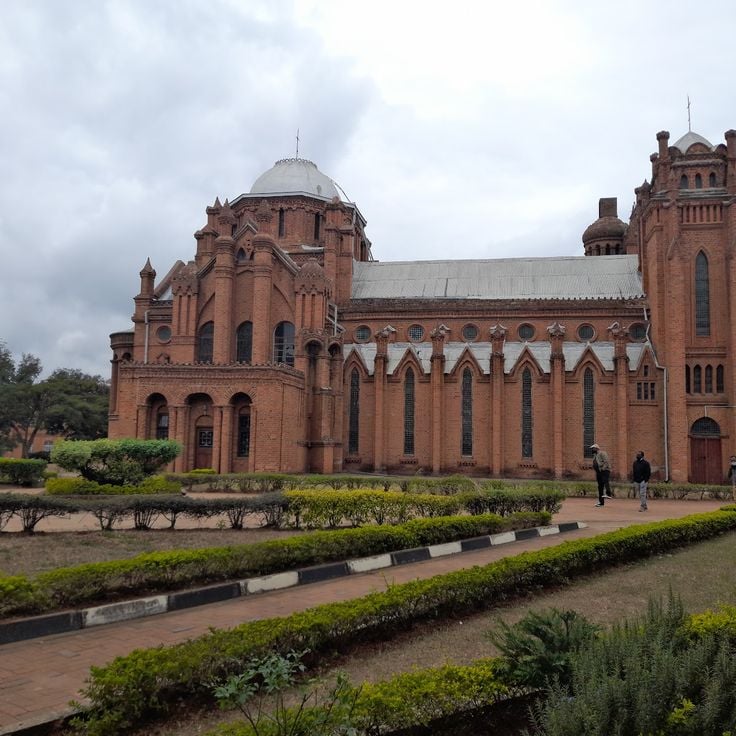
This church in Blantyre is a religious building from 1891 that shows the connection between Victorian and local architecture. Built with red bricks and a square tower, it reflects the blend of influences found across Malawi, where colonial sites, traditional markets, and natural landscapes tell the country's story.
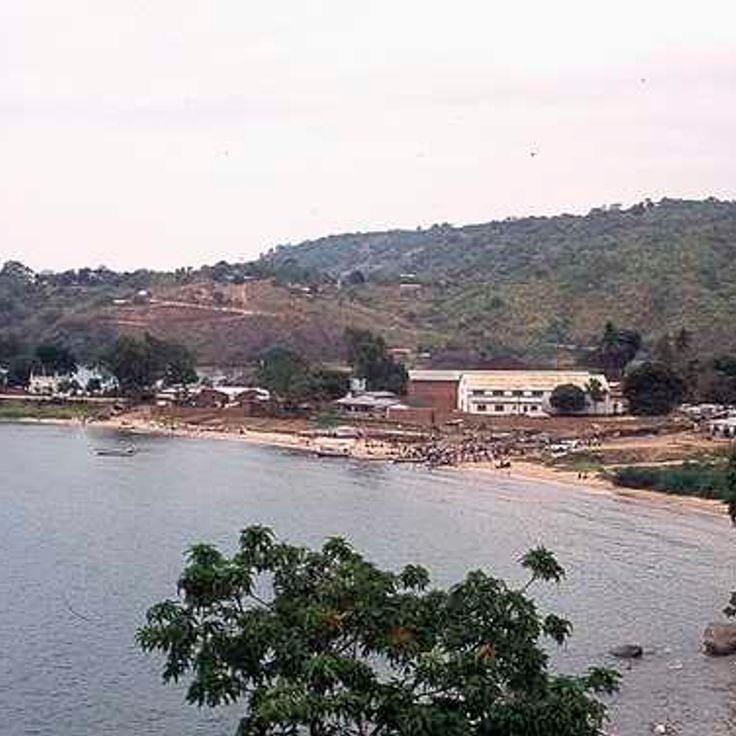
Cape Maclear is a fishing village on the Nankumba Peninsula, surrounded by the waters of Lake Malawi. This place fits perfectly into Malawi's landscape of water-based activities and colorful aquatic life. The village shows daily life by the lake and offers insight into traditional fishing practices and local culture.
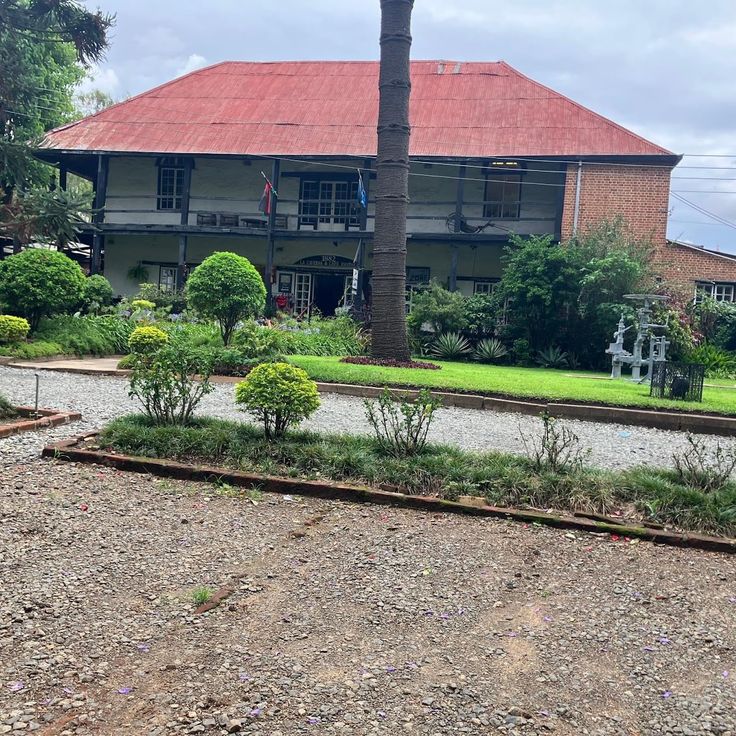
Mandala House is a two-story colonial building from 1882 in Victorian style that shows the architectural history of Blantyre. This site fits into Malawi's offer of historic places, as it represents the country's colonial past with its maintained gardens, a restaurant, and exhibition rooms where visitors can learn about the area's heritage.
Majete Reserve is a protected area in Malawi that showcases the country's rich wildlife and natural beauty. Spanning 70,000 hectares, this reserve is home to elephants, rhinos, lions, leopards, and buffalos living in their natural habitat. The reserve offers guided safari tours where visitors can observe these animals and experience the varied landscapes that define Malawi, from savannah to woodland areas.
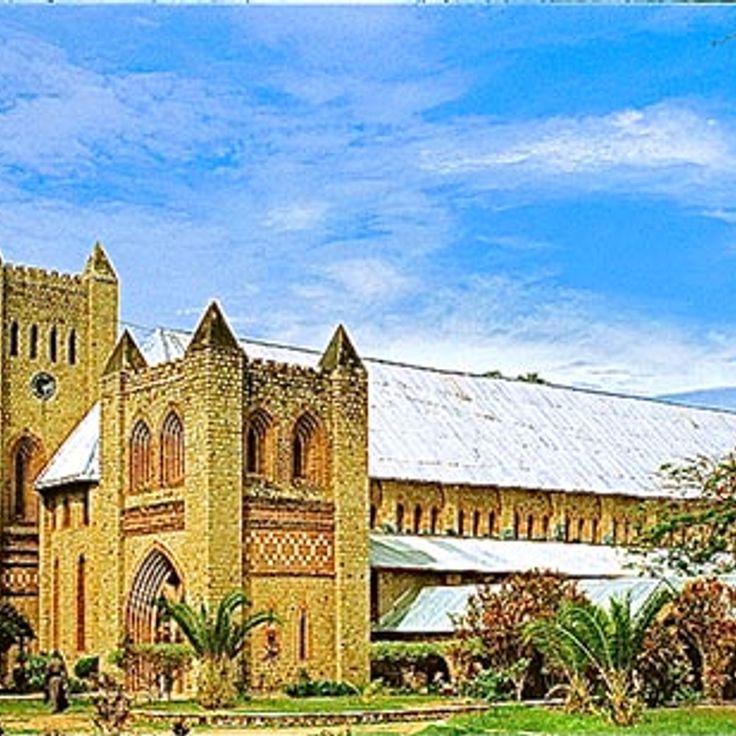
St Peter's Cathedral is an Anglican religious building built in 1903 on Likoma Island in Malawi. This stone structure reflects the colonial architecture found in major cities across the country. The cathedral stands as part of Malawi's cultural and historic sites, alongside natural wonders like Lake Malawi and the nation's mountain landscapes. The building showcases traditional religious architecture and represents the spiritual heritage preserved in the region.
Mount Mulanje is a granite mountain in southern Malawi with 20 peaks that rise prominently across the landscape. The highest peak, Sapitwa, reaches an altitude of 3002 meters and dominates this region. The mountain is part of Malawi's diverse landscapes, where mountain plateaus, lakes, and savannahs shape the country's geography. Hikers and nature lovers find here a dramatic setting with steep slopes and expansive views that reflect the natural beauty of Malawi.
Liwonde National Park is a nature reserve along the Shire River in Malawi that showcases the country's diverse wildlife. The park is home to elephants, hippos, antelopes, and over 400 bird species. As one of Malawi's national parks rich in African wildlife, this reserve offers visitors a chance to experience the natural world and rhythms of the region.
The Zomba Plateau is a geological formation at 1800 meters altitude that showcases the varied landscapes Malawi offers. It is covered with pine and eucalyptus forests and features numerous hiking trails and waterfalls. This plateau allows visitors to explore the mountainous terrain that characterizes much of the country and experience the natural environment directly.
The Lilongwe Wildlife Centre is a care and rehabilitation facility for injured and orphaned animals. It fits within Malawi's varied natural landscape of national parks and wildlife reserves. The centre offers educational programs on wildlife conservation and shows visitors how the country protects its animal life.
Kuti Reserve is a nature reserve in Salima that fits into Malawi's landscape of wildlife-rich parks and savannahs. This protected area is home to zebras, antelopes, and giraffes. Marked trails allow visitors to hike and bike through the reserve while observing the animals in their natural habitat.
Lizulu Market reflects the agricultural heart of Malawi. This rural market is where local farmers bring their fresh produce, vegetables, and fruits from the surrounding lands. It sits within Malawi's varied landscape of savannahs and mountainous plateaus. Visitors can see how communities depend on the fertile soil and seasons that shape daily life in this part of the country.
Kumbali Cultural Village in Lilongwe showcases the traditions and crafts of Malawi, complementing the country's diverse landscapes and cultural heritage. Visitors watch traditional dances performed by local dancers, participate in pottery and weaving workshops, and taste authentic Malawian food. The village offers a direct experience of how people live and work, with hands-on opportunities to learn age-old skills passed down through generations.
Lake Chilwa in Zomba is an endorheic lake surrounded by swamps and floodplains that forms part of Malawi's natural landscape. This body of water is home to many aquatic bird species and represents the lacustrine areas that characterize the country's varied terrain alongside its mountains and savannahs.
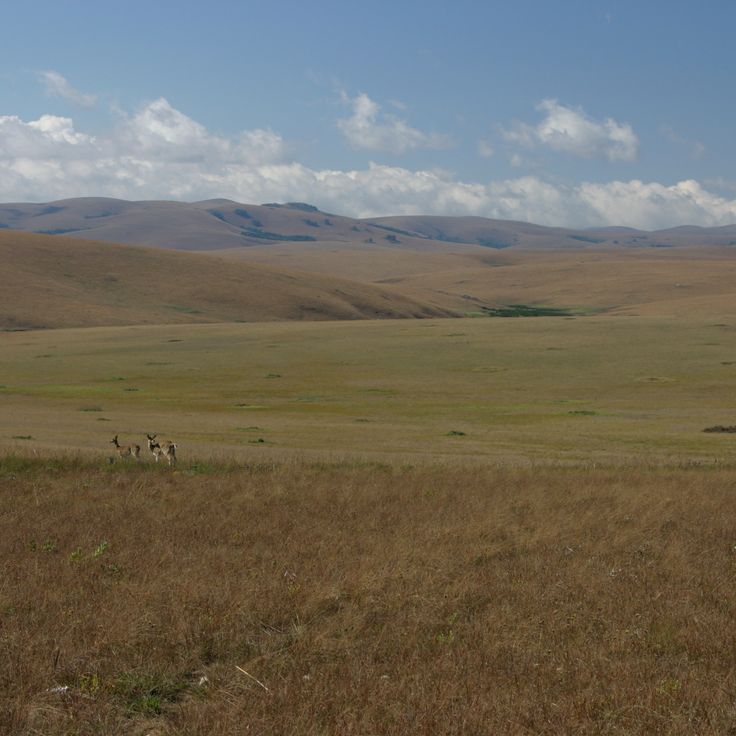
Nyika National Park is a nature reserve set in the mountains of Malawi at about 2500 meters elevation. The park is characterized by mountain grasslands where zebras and antelopes graze across open terrain. The rolling meadows offer views of the surrounding landscape. Visitors can experience African wildlife in a highland environment and explore the countryside that shifts between plateaus and savannahs.
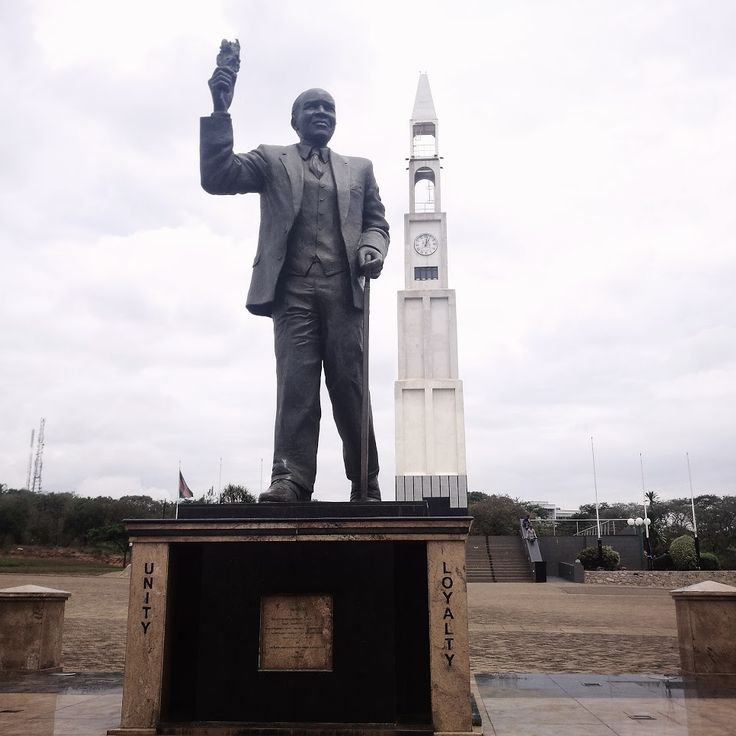
The Dr Hastings Kamuzu Banda Mausoleum is a marble building constructed in 2004 that houses the tomb of Malawi's first President, who led the country from 1964 to 1994. Located in Lilongwe, this site reflects Malawi's rich heritage, which extends beyond national parks filled with African wildlife, mountains reaching 3000 meters, and Lake Malawi to include important historical and cultural landmarks.
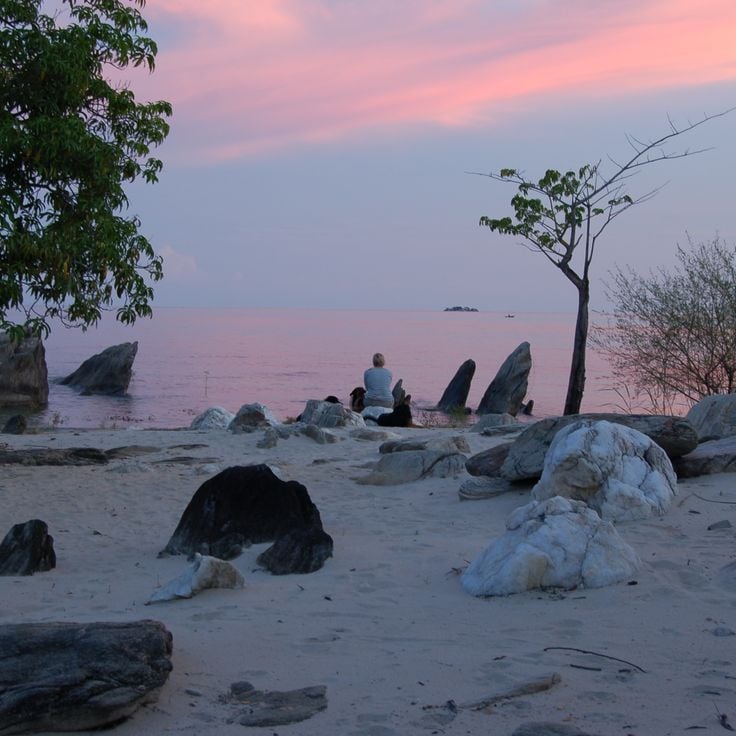
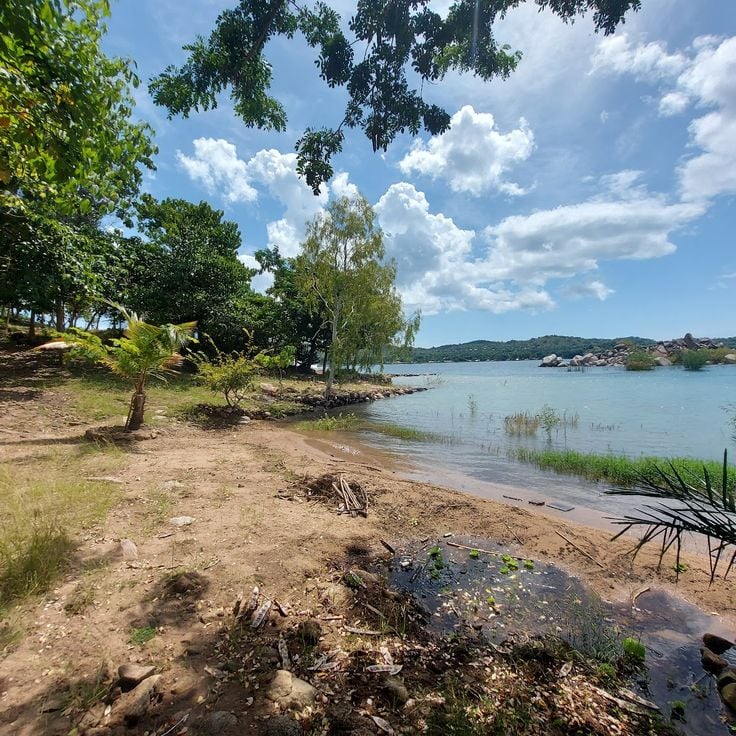
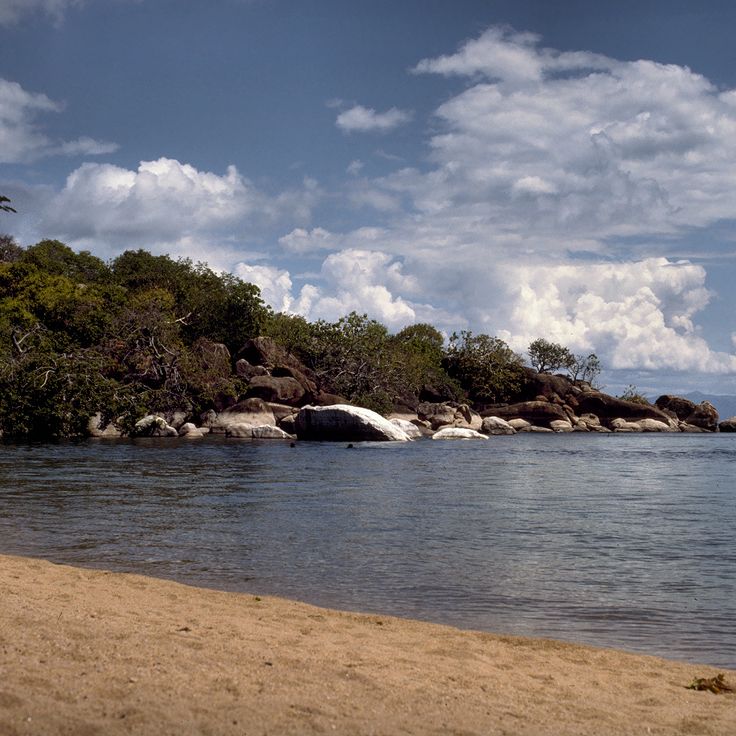
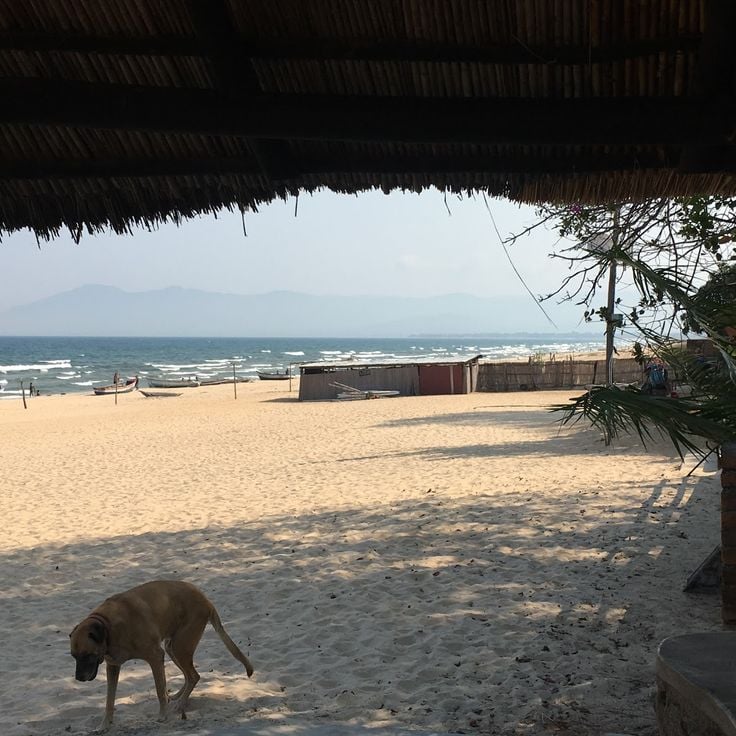
Kande Beach is a long stretch of white sand on Lake Malawi, lined with baobab trees. Visitors can dive and watch the colorful fish in the clear water. This beach fits well with Malawi's landscape, which shifts between lakes, mountains, and savannahs.
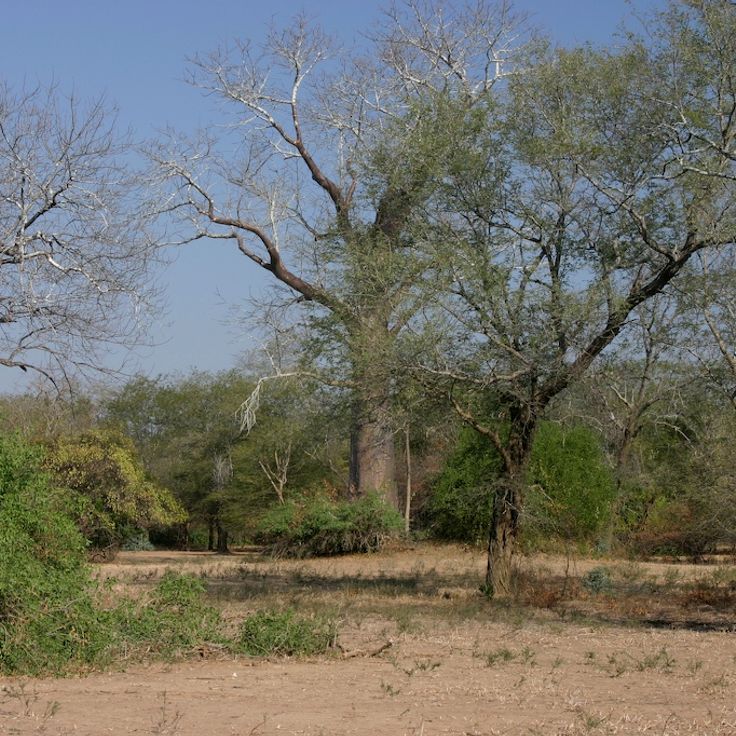
Kasungu National Park is part of Malawi's varied landscape and represents the country's wild nature. This park spreads across a large area of open savannah where herds of elephants, antelopes, and buffalos roam freely. Acacia trees dot the land and give shape to this expansive natural space. The park is one of the nature reserves that showcase the African wildlife central to Malawi's identity.
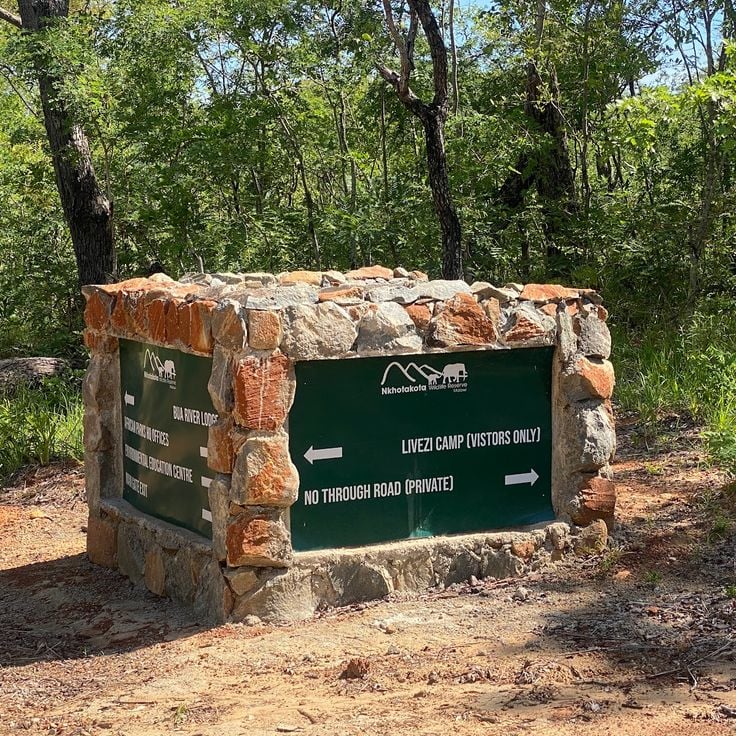
The Nkhotakota Reserve is a protected area in central Malawi, part of the country's diverse landscapes. Here, wooded hills are home to elephants and antelopes. The reserve shows the natural side of Malawi, where you can explore the space between plateaus, lakes, and savannahs while observing African wildlife.
Mount Michiru is a nature reserve near Blantyre that protects forests and offers hiking trails through its woodlands. Visitors can spot antelopes, monkeys, and various bird species while walking through this protected area. The reserve fits into Malawi's diverse landscapes, where mountains, lakes, and savannahs create different habitats for wildlife and offer visitors chances to experience African nature firsthand.
Lengwe National Park is a conservation area in southern Malawi and part of the country's natural heritage showcasing African wildlife. The park protects dry forests where nyalas and other antelopes roam. It represents the varied landscape of Malawi, with its mix of savannahs and forested areas.
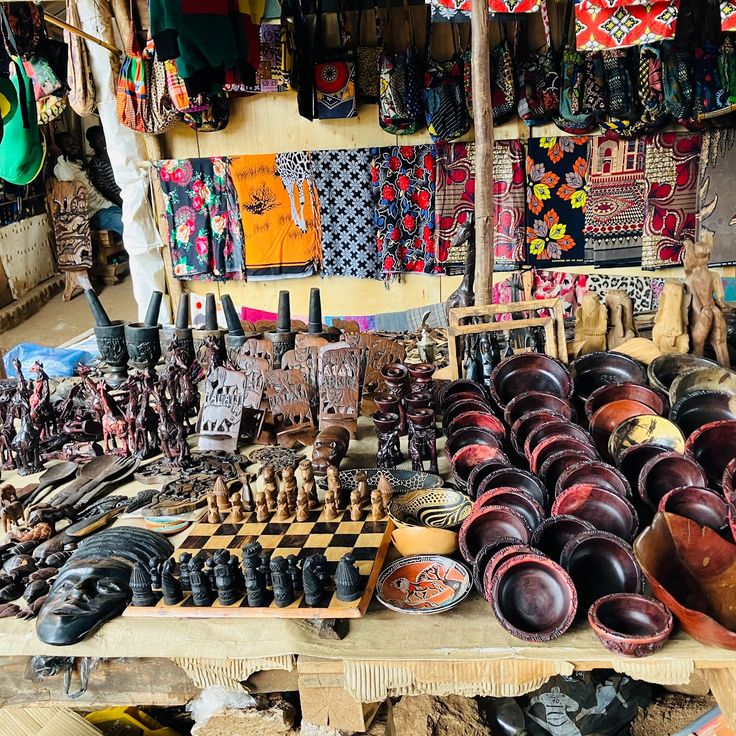
The Kanelolo Curios Market is a covered market in the capital Lilongwe where local craftspeople sell wood carvings, paintings, and traditional objects. This market shows how artisan traditions remain active in Malawi and reflect the country's cultural wealth. The market connects to the broader experience of Malawi, where colonial architecture, nature reserves, and cultural sites like Chongoni Rock Art tell the story of this diverse nation.
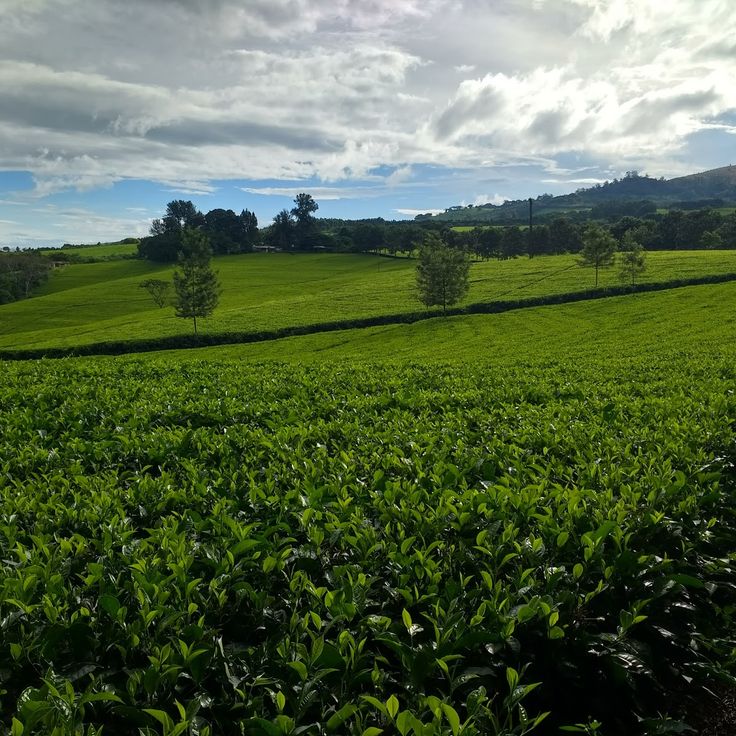
Satemwa Tea Plantation is a family-owned farm that has been operating since 1923 and demonstrates how tea and coffee are grown and processed in this region. The plantation offers guided tours where visitors can see the cultivation methods and production techniques firsthand. It complements Malawi's varied landscapes that shift between mountains, lakes, and savannahs, and adds to the experience of exploring the country's nature reserves and traditional sites.
Nkhata Bay on Lake Malawi is a fishing port with sandy beaches and clear waters. This location exemplifies the collection's focus on Malawi's natural landscapes, offering access to the lake's colorful endemic fish through diving activities. Visitors can explore the underwater world that makes this region distinctive.
Lake Malawi National Park is the world's first freshwater national park, established in 1980. It protects rocky islands and more than 800 species of cichlid fish. This park exemplifies the collection's focus on Malawi's landscapes, where the lake and its colorful fish are a major attraction. Visitors can explore the unique underwater world and experience the natural beauty of this important ecosystem.
Vwaza Marsh Reserve is a protected area in Malawi that includes grasslands, marshes, and lakes. Elephants, buffalos, and hippopotamuses live here in their natural habitat. This reserve showcases one of the landscapes that define Malawi's appeal, alongside national parks rich with African wildlife, mountains reaching 3000 meters, and Lake Malawi with its colorful fish. The reserve represents part of the country's varied terrain, which shifts between mountainous plateaus, water areas, and savannahs.
The Chongoni Rock Art Site reflects the cultural history of Malawi through its 127 rock locations. These paintings date from the late Paleolithic period through the 1800s and depict the lives of farming and hunter-gatherer communities. The site offers a window into how people lived, worked, and expressed themselves through art across different eras. This location helps visitors understand the traditions and daily practices of the region's earliest inhabitants.
Kungoni Cultural Center is part of Malawi's rich cultural landscape and serves as a research and conservation center for Malawian traditions. The center displays collections of artworks, masks, and wooden sculptures that reflect the craftsmanship and artistic expressions of local communities.
Mount Nkhoma is a granite formation near Lilongwe that fits into the mountainous landscapes of Malawi. Standing at 1750 meters, this peak shapes the terrain of the central region and offers visitors a place to experience the country's natural diversity. Mount Nkhoma represents one of the geographic features that showcase Malawi's variety of mountain plateaus, which alternate with lakes and savannahs.
Likoma Island is an island territory in Lake Malawi, shaped by its white sandy beaches and century-old baobabs. This island adds to Malawi's varied landscapes, where Lake Malawi is known for its colorful fish and mountainous plateaus alternate with savannahs.
The Marelli Islands Archipelago sits in Lake Malawi and showcases the country's varied natural character. This group of islands has coral reefs, colorful fish, and tropical vegetation. The waters are home to endemic cichlid species found nowhere else. The archipelago is part of Malawi's natural attractions, where lakes, mountains, and savannas mix throughout the landscape.
This church in Blantyre is a religious building from 1891 that shows the connection between Victorian and local architecture. Built with red bricks and a square tower, it reflects the blend of influences found across Malawi, where colonial sites, traditional markets, and natural landscapes tell the country's story.
Cape Maclear is a fishing village on the Nankumba Peninsula, surrounded by the waters of Lake Malawi. This place fits perfectly into Malawi's landscape of water-based activities and colorful aquatic life. The village shows daily life by the lake and offers insight into traditional fishing practices and local culture.
Mandala House is a two-story colonial building from 1882 in Victorian style that shows the architectural history of Blantyre. This site fits into Malawi's offer of historic places, as it represents the country's colonial past with its maintained gardens, a restaurant, and exhibition rooms where visitors can learn about the area's heritage.
Majete Reserve is a protected area in Malawi that showcases the country's rich wildlife and natural beauty. Spanning 70,000 hectares, this reserve is home to elephants, rhinos, lions, leopards, and buffalos living in their natural habitat. The reserve offers guided safari tours where visitors can observe these animals and experience the varied landscapes that define Malawi, from savannah to woodland areas.
St Peter's Cathedral is an Anglican religious building built in 1903 on Likoma Island in Malawi. This stone structure reflects the colonial architecture found in major cities across the country. The cathedral stands as part of Malawi's cultural and historic sites, alongside natural wonders like Lake Malawi and the nation's mountain landscapes. The building showcases traditional religious architecture and represents the spiritual heritage preserved in the region.
Mount Mulanje is a granite mountain in southern Malawi with 20 peaks that rise prominently across the landscape. The highest peak, Sapitwa, reaches an altitude of 3002 meters and dominates this region. The mountain is part of Malawi's diverse landscapes, where mountain plateaus, lakes, and savannahs shape the country's geography. Hikers and nature lovers find here a dramatic setting with steep slopes and expansive views that reflect the natural beauty of Malawi.
Liwonde National Park is a nature reserve along the Shire River in Malawi that showcases the country's diverse wildlife. The park is home to elephants, hippos, antelopes, and over 400 bird species. As one of Malawi's national parks rich in African wildlife, this reserve offers visitors a chance to experience the natural world and rhythms of the region.
The Zomba Plateau is a geological formation at 1800 meters altitude that showcases the varied landscapes Malawi offers. It is covered with pine and eucalyptus forests and features numerous hiking trails and waterfalls. This plateau allows visitors to explore the mountainous terrain that characterizes much of the country and experience the natural environment directly.
The Lilongwe Wildlife Centre is a care and rehabilitation facility for injured and orphaned animals. It fits within Malawi's varied natural landscape of national parks and wildlife reserves. The centre offers educational programs on wildlife conservation and shows visitors how the country protects its animal life.
Kuti Reserve is a nature reserve in Salima that fits into Malawi's landscape of wildlife-rich parks and savannahs. This protected area is home to zebras, antelopes, and giraffes. Marked trails allow visitors to hike and bike through the reserve while observing the animals in their natural habitat.
Lizulu Market reflects the agricultural heart of Malawi. This rural market is where local farmers bring their fresh produce, vegetables, and fruits from the surrounding lands. It sits within Malawi's varied landscape of savannahs and mountainous plateaus. Visitors can see how communities depend on the fertile soil and seasons that shape daily life in this part of the country.
Kumbali Cultural Village in Lilongwe showcases the traditions and crafts of Malawi, complementing the country's diverse landscapes and cultural heritage. Visitors watch traditional dances performed by local dancers, participate in pottery and weaving workshops, and taste authentic Malawian food. The village offers a direct experience of how people live and work, with hands-on opportunities to learn age-old skills passed down through generations.
Lake Chilwa in Zomba is an endorheic lake surrounded by swamps and floodplains that forms part of Malawi's natural landscape. This body of water is home to many aquatic bird species and represents the lacustrine areas that characterize the country's varied terrain alongside its mountains and savannahs.
Nyika National Park is a nature reserve set in the mountains of Malawi at about 2500 meters elevation. The park is characterized by mountain grasslands where zebras and antelopes graze across open terrain. The rolling meadows offer views of the surrounding landscape. Visitors can experience African wildlife in a highland environment and explore the countryside that shifts between plateaus and savannahs.
The Dr Hastings Kamuzu Banda Mausoleum is a marble building constructed in 2004 that houses the tomb of Malawi's first President, who led the country from 1964 to 1994. Located in Lilongwe, this site reflects Malawi's rich heritage, which extends beyond national parks filled with African wildlife, mountains reaching 3000 meters, and Lake Malawi to include important historical and cultural landmarks.
Kande Beach is a long stretch of white sand on Lake Malawi, lined with baobab trees. Visitors can dive and watch the colorful fish in the clear water. This beach fits well with Malawi's landscape, which shifts between lakes, mountains, and savannahs.
Kasungu National Park is part of Malawi's varied landscape and represents the country's wild nature. This park spreads across a large area of open savannah where herds of elephants, antelopes, and buffalos roam freely. Acacia trees dot the land and give shape to this expansive natural space. The park is one of the nature reserves that showcase the African wildlife central to Malawi's identity.
The Nkhotakota Reserve is a protected area in central Malawi, part of the country's diverse landscapes. Here, wooded hills are home to elephants and antelopes. The reserve shows the natural side of Malawi, where you can explore the space between plateaus, lakes, and savannahs while observing African wildlife.
Mount Michiru is a nature reserve near Blantyre that protects forests and offers hiking trails through its woodlands. Visitors can spot antelopes, monkeys, and various bird species while walking through this protected area. The reserve fits into Malawi's diverse landscapes, where mountains, lakes, and savannahs create different habitats for wildlife and offer visitors chances to experience African nature firsthand.
Lengwe National Park is a conservation area in southern Malawi and part of the country's natural heritage showcasing African wildlife. The park protects dry forests where nyalas and other antelopes roam. It represents the varied landscape of Malawi, with its mix of savannahs and forested areas.
The Kanelolo Curios Market is a covered market in the capital Lilongwe where local craftspeople sell wood carvings, paintings, and traditional objects. This market shows how artisan traditions remain active in Malawi and reflect the country's cultural wealth. The market connects to the broader experience of Malawi, where colonial architecture, nature reserves, and cultural sites like Chongoni Rock Art tell the story of this diverse nation.
Satemwa Tea Plantation is a family-owned farm that has been operating since 1923 and demonstrates how tea and coffee are grown and processed in this region. The plantation offers guided tours where visitors can see the cultivation methods and production techniques firsthand. It complements Malawi's varied landscapes that shift between mountains, lakes, and savannahs, and adds to the experience of exploring the country's nature reserves and traditional sites.
Nkhata Bay on Lake Malawi is a fishing port with sandy beaches and clear waters. This location exemplifies the collection's focus on Malawi's natural landscapes, offering access to the lake's colorful endemic fish through diving activities. Visitors can explore the underwater world that makes this region distinctive.
Lake Malawi National Park is the world's first freshwater national park, established in 1980. It protects rocky islands and more than 800 species of cichlid fish. This park exemplifies the collection's focus on Malawi's landscapes, where the lake and its colorful fish are a major attraction. Visitors can explore the unique underwater world and experience the natural beauty of this important ecosystem.
Vwaza Marsh Reserve is a protected area in Malawi that includes grasslands, marshes, and lakes. Elephants, buffalos, and hippopotamuses live here in their natural habitat. This reserve showcases one of the landscapes that define Malawi's appeal, alongside national parks rich with African wildlife, mountains reaching 3000 meters, and Lake Malawi with its colorful fish. The reserve represents part of the country's varied terrain, which shifts between mountainous plateaus, water areas, and savannahs.
The Chongoni Rock Art Site reflects the cultural history of Malawi through its 127 rock locations. These paintings date from the late Paleolithic period through the 1800s and depict the lives of farming and hunter-gatherer communities. The site offers a window into how people lived, worked, and expressed themselves through art across different eras. This location helps visitors understand the traditions and daily practices of the region's earliest inhabitants.
Kungoni Cultural Center is part of Malawi's rich cultural landscape and serves as a research and conservation center for Malawian traditions. The center displays collections of artworks, masks, and wooden sculptures that reflect the craftsmanship and artistic expressions of local communities.
Mount Nkhoma is a granite formation near Lilongwe that fits into the mountainous landscapes of Malawi. Standing at 1750 meters, this peak shapes the terrain of the central region and offers visitors a place to experience the country's natural diversity. Mount Nkhoma represents one of the geographic features that showcase Malawi's variety of mountain plateaus, which alternate with lakes and savannahs.
Likoma Island is an island territory in Lake Malawi, shaped by its white sandy beaches and century-old baobabs. This island adds to Malawi's varied landscapes, where Lake Malawi is known for its colorful fish and mountainous plateaus alternate with savannahs.
The Marelli Islands Archipelago sits in Lake Malawi and showcases the country's varied natural character. This group of islands has coral reefs, colorful fish, and tropical vegetation. The waters are home to endemic cichlid species found nowhere else. The archipelago is part of Malawi's natural attractions, where lakes, mountains, and savannas mix throughout the landscape.
This church in Blantyre is a religious building from 1891 that shows the connection between Victorian and local architecture. Built with red bricks and a square tower, it reflects the blend of influences found across Malawi, where colonial sites, traditional markets, and natural landscapes tell the country's story.
Cape Maclear is a fishing village on the Nankumba Peninsula, surrounded by the waters of Lake Malawi. This place fits perfectly into Malawi's landscape of water-based activities and colorful aquatic life. The village shows daily life by the lake and offers insight into traditional fishing practices and local culture.
Mandala House is a two-story colonial building from 1882 in Victorian style that shows the architectural history of Blantyre. This site fits into Malawi's offer of historic places, as it represents the country's colonial past with its maintained gardens, a restaurant, and exhibition rooms where visitors can learn about the area's heritage.
Majete Reserve is a protected area in Malawi that showcases the country's rich wildlife and natural beauty. Spanning 70,000 hectares, this reserve is home to elephants, rhinos, lions, leopards, and buffalos living in their natural habitat. The reserve offers guided safari tours where visitors can observe these animals and experience the varied landscapes that define Malawi, from savannah to woodland areas.
St Peter's Cathedral is an Anglican religious building built in 1903 on Likoma Island in Malawi. This stone structure reflects the colonial architecture found in major cities across the country. The cathedral stands as part of Malawi's cultural and historic sites, alongside natural wonders like Lake Malawi and the nation's mountain landscapes. The building showcases traditional religious architecture and represents the spiritual heritage preserved in the region.
Mount Mulanje is a granite mountain in southern Malawi with 20 peaks that rise prominently across the landscape. The highest peak, Sapitwa, reaches an altitude of 3002 meters and dominates this region. The mountain is part of Malawi's diverse landscapes, where mountain plateaus, lakes, and savannahs shape the country's geography. Hikers and nature lovers find here a dramatic setting with steep slopes and expansive views that reflect the natural beauty of Malawi.
Liwonde National Park is a nature reserve along the Shire River in Malawi that showcases the country's diverse wildlife. The park is home to elephants, hippos, antelopes, and over 400 bird species. As one of Malawi's national parks rich in African wildlife, this reserve offers visitors a chance to experience the natural world and rhythms of the region.
The Zomba Plateau is a geological formation at 1800 meters altitude that showcases the varied landscapes Malawi offers. It is covered with pine and eucalyptus forests and features numerous hiking trails and waterfalls. This plateau allows visitors to explore the mountainous terrain that characterizes much of the country and experience the natural environment directly.
The Lilongwe Wildlife Centre is a care and rehabilitation facility for injured and orphaned animals. It fits within Malawi's varied natural landscape of national parks and wildlife reserves. The centre offers educational programs on wildlife conservation and shows visitors how the country protects its animal life.
Kuti Reserve is a nature reserve in Salima that fits into Malawi's landscape of wildlife-rich parks and savannahs. This protected area is home to zebras, antelopes, and giraffes. Marked trails allow visitors to hike and bike through the reserve while observing the animals in their natural habitat.
Lizulu Market reflects the agricultural heart of Malawi. This rural market is where local farmers bring their fresh produce, vegetables, and fruits from the surrounding lands. It sits within Malawi's varied landscape of savannahs and mountainous plateaus. Visitors can see how communities depend on the fertile soil and seasons that shape daily life in this part of the country.
Kumbali Cultural Village in Lilongwe showcases the traditions and crafts of Malawi, complementing the country's diverse landscapes and cultural heritage. Visitors watch traditional dances performed by local dancers, participate in pottery and weaving workshops, and taste authentic Malawian food. The village offers a direct experience of how people live and work, with hands-on opportunities to learn age-old skills passed down through generations.
Lake Chilwa in Zomba is an endorheic lake surrounded by swamps and floodplains that forms part of Malawi's natural landscape. This body of water is home to many aquatic bird species and represents the lacustrine areas that characterize the country's varied terrain alongside its mountains and savannahs.
Nyika National Park is a nature reserve set in the mountains of Malawi at about 2500 meters elevation. The park is characterized by mountain grasslands where zebras and antelopes graze across open terrain. The rolling meadows offer views of the surrounding landscape. Visitors can experience African wildlife in a highland environment and explore the countryside that shifts between plateaus and savannahs.
The Dr Hastings Kamuzu Banda Mausoleum is a marble building constructed in 2004 that houses the tomb of Malawi's first President, who led the country from 1964 to 1994. Located in Lilongwe, this site reflects Malawi's rich heritage, which extends beyond national parks filled with African wildlife, mountains reaching 3000 meters, and Lake Malawi to include important historical and cultural landmarks.
Kande Beach is a long stretch of white sand on Lake Malawi, lined with baobab trees. Visitors can dive and watch the colorful fish in the clear water. This beach fits well with Malawi's landscape, which shifts between lakes, mountains, and savannahs.
Kasungu National Park is part of Malawi's varied landscape and represents the country's wild nature. This park spreads across a large area of open savannah where herds of elephants, antelopes, and buffalos roam freely. Acacia trees dot the land and give shape to this expansive natural space. The park is one of the nature reserves that showcase the African wildlife central to Malawi's identity.
The Nkhotakota Reserve is a protected area in central Malawi, part of the country's diverse landscapes. Here, wooded hills are home to elephants and antelopes. The reserve shows the natural side of Malawi, where you can explore the space between plateaus, lakes, and savannahs while observing African wildlife.
Mount Michiru is a nature reserve near Blantyre that protects forests and offers hiking trails through its woodlands. Visitors can spot antelopes, monkeys, and various bird species while walking through this protected area. The reserve fits into Malawi's diverse landscapes, where mountains, lakes, and savannahs create different habitats for wildlife and offer visitors chances to experience African nature firsthand.
Lengwe National Park is a conservation area in southern Malawi and part of the country's natural heritage showcasing African wildlife. The park protects dry forests where nyalas and other antelopes roam. It represents the varied landscape of Malawi, with its mix of savannahs and forested areas.
The Kanelolo Curios Market is a covered market in the capital Lilongwe where local craftspeople sell wood carvings, paintings, and traditional objects. This market shows how artisan traditions remain active in Malawi and reflect the country's cultural wealth. The market connects to the broader experience of Malawi, where colonial architecture, nature reserves, and cultural sites like Chongoni Rock Art tell the story of this diverse nation.
Satemwa Tea Plantation is a family-owned farm that has been operating since 1923 and demonstrates how tea and coffee are grown and processed in this region. The plantation offers guided tours where visitors can see the cultivation methods and production techniques firsthand. It complements Malawi's varied landscapes that shift between mountains, lakes, and savannahs, and adds to the experience of exploring the country's nature reserves and traditional sites.
Nkhata Bay on Lake Malawi is a fishing port with sandy beaches and clear waters. This location exemplifies the collection's focus on Malawi's natural landscapes, offering access to the lake's colorful endemic fish through diving activities. Visitors can explore the underwater world that makes this region distinctive.