See the monuments around you in AROpen chests in the app
Around Us is built for your phone — point your camera at the streets and discover the monuments and places around you in augmented reality.Around Us is built for your phone — chests unlock when you walk, explore and capture nearby places.
Mali's landscape tells stories through its buildings and nature. In cities like Timbuktu, Djenné, and Gao, you will find striking mud-brick structures that have stood for centuries. These are not just buildings—they are centers of learning, prayer, and daily life where communities have gathered for generations. The mosques here were constructed using earth and wood, materials that blend with the surrounding environment and have proven their durability through time.
Beyond the cities, Mali offers diverse natural wonders. Waterfalls cascade during the rainy season, ancient caves hold secrets in their rock walls, and the desert itself transforms with geological formations shaped by wind and time. National parks and reserves protect wildlife and offer visitors a chance to experience the country's natural character. The colonial period left its mark too, with forts and administrative buildings that reflect Mali's more recent history.
Whether you come to see the earthen mosques where scholars have studied Islamic texts for over a thousand years, to walk through villages built entirely of mud brick, to climb mountains with caves decorated by ancient hands, or to witness waterfalls and desert landscapes, Mali invites you to experience a place where history, architecture, and nature remain deeply connected to everyday life.
Mali's landscape tells stories through its buildings and nature. In cities like Timbuktu, Djenné, and Gao, you will find striking mud-brick structures that have stood for centuries. These are not just buildings—they are centers of learning, prayer, and daily life where communities have gathered for generations. The mosques here were constructed using earth and wood, materials that blend with the surrounding environment and have proven their durability through time.
Beyond the cities, Mali offers diverse natural wonders. Waterfalls cascade during the rainy season, ancient caves hold secrets in their rock walls, and the desert itself transforms with geological formations shaped by wind and time. National parks and reserves protect wildlife and offer visitors a chance to experience the country's natural character. The colonial period left its mark too, with forts and administrative buildings that reflect Mali's more recent history.
Whether you come to see the earthen mosques where scholars have studied Islamic texts for over a thousand years, to walk through villages built entirely of mud brick, to climb mountains with caves decorated by ancient hands, or to witness waterfalls and desert landscapes, Mali invites you to experience a place where history, architecture, and nature remain deeply connected to everyday life.
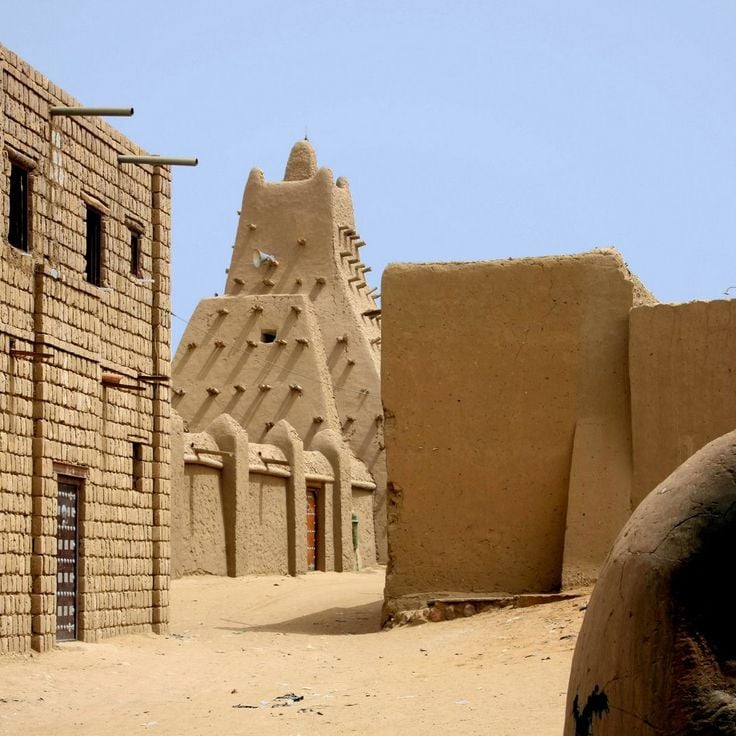
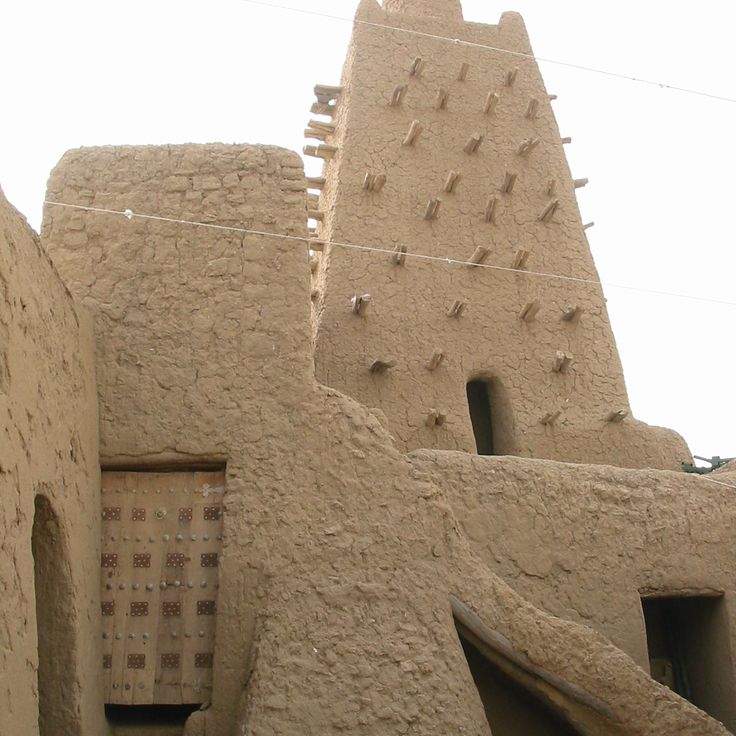
This Quranic university and Islamic study center in Timbuktu has educated thousands of students since its establishment in 988. The Sankore Mosque features sun-dried earth walls and palm wood beams built in the Sudano-Sahelian style. It represents Mali's profound connection between learning, architecture, and community life, standing as a testament to how earth and wood materials have endured through the centuries.
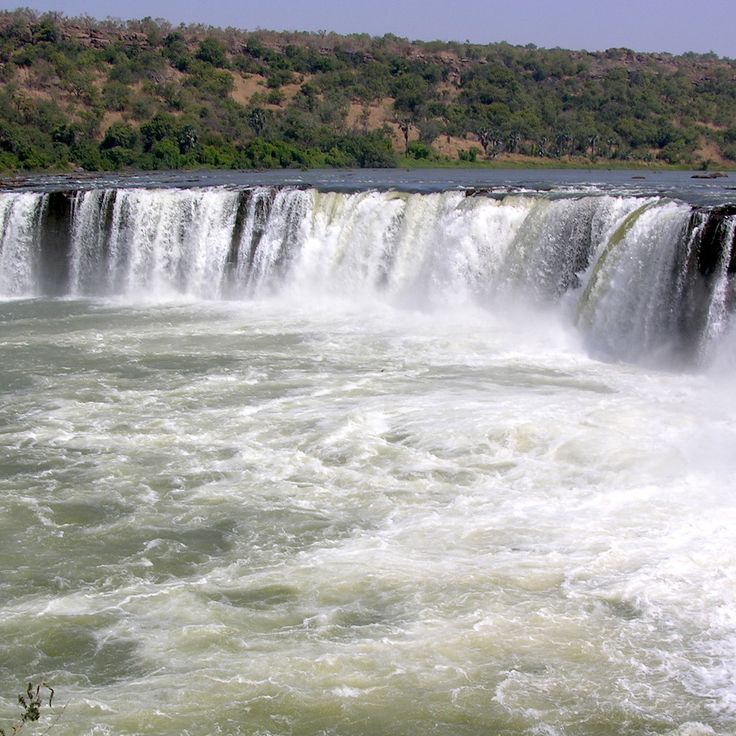
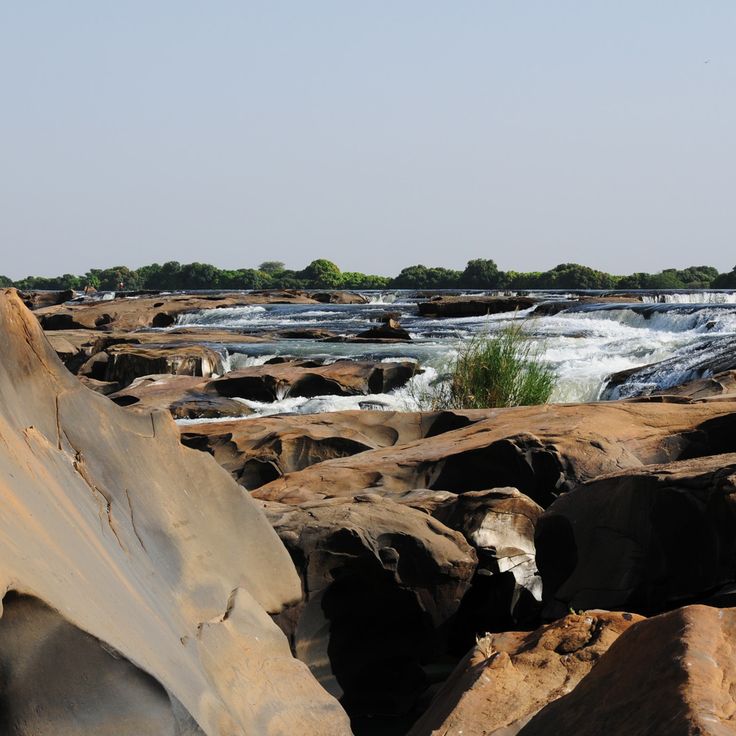
The Gouina Falls are part of Mali's diverse natural landscape that tells stories through waterfalls, deserts, and caves. Located on the Senegal River, this waterfall changes with the rainy season, showing how water shapes the land and the lives of people who depend on it. You can visit these falls to experience Mali's natural character and see how the country's geology and water systems remain connected to everyday life.
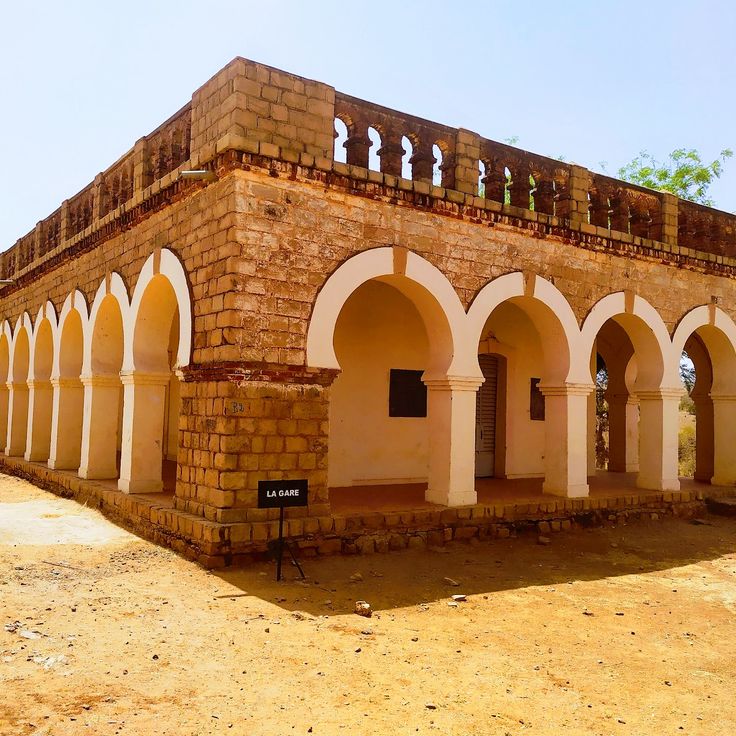
Fort de Médine is a French military structure built in 1855 near the Senegal River. The fort served as a control point for river commerce during the 19th century. It represents how the colonial period left its mark on Mali, with buildings that reflect this more recent chapter in the country's story alongside the ancient mud-brick mosques and villages that define its architectural heritage.
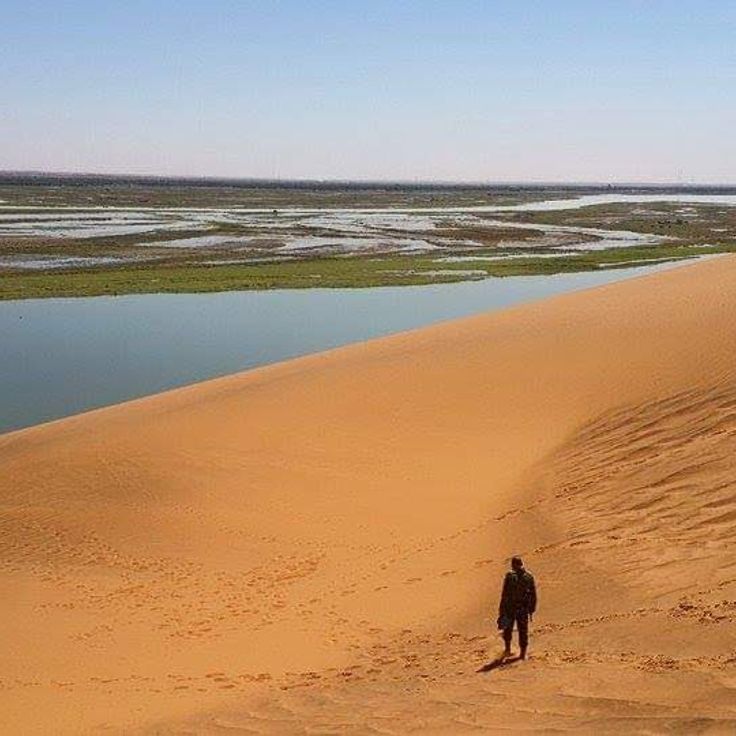
The Rose Dune is a pink sand formation in Mali shaped by wind erosion. Its color shifts with the changing sunlight, revealing how wind and time sculpt the desert landscape. Within Mali's natural wonders, this dune shows the slow but powerful forces that have transformed the terrain over centuries, connecting the country's geological story to the daily experience of those who live in these regions.
The Djingareiber Mosque in Timbuktu is a religious center built in 1325 that shows how communities gathered to study and pray together. The building was constructed using earthen bricks and reinforced with palm wood, demonstrating how these materials have lasted for centuries. This mosque is part of Mali's story, where architecture and daily life remain deeply connected.
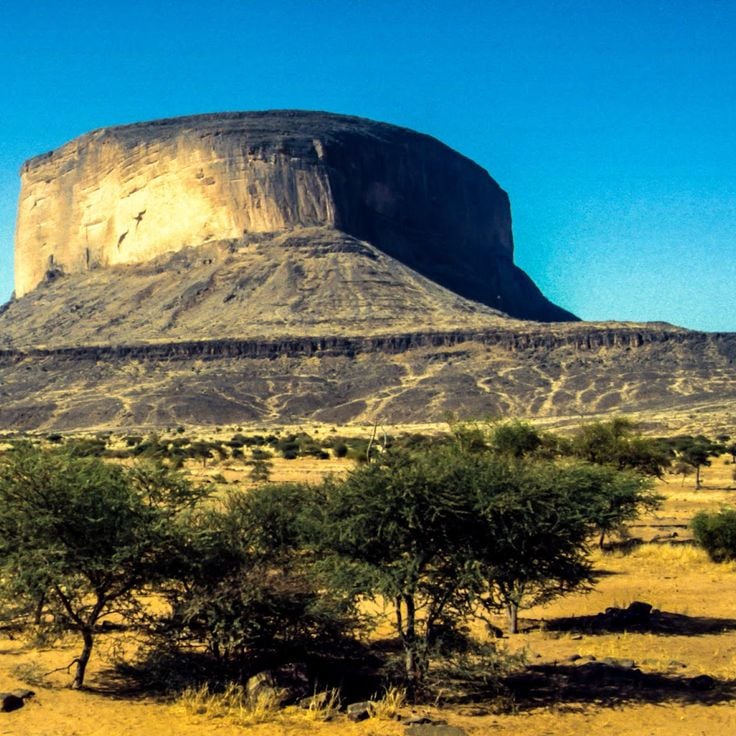
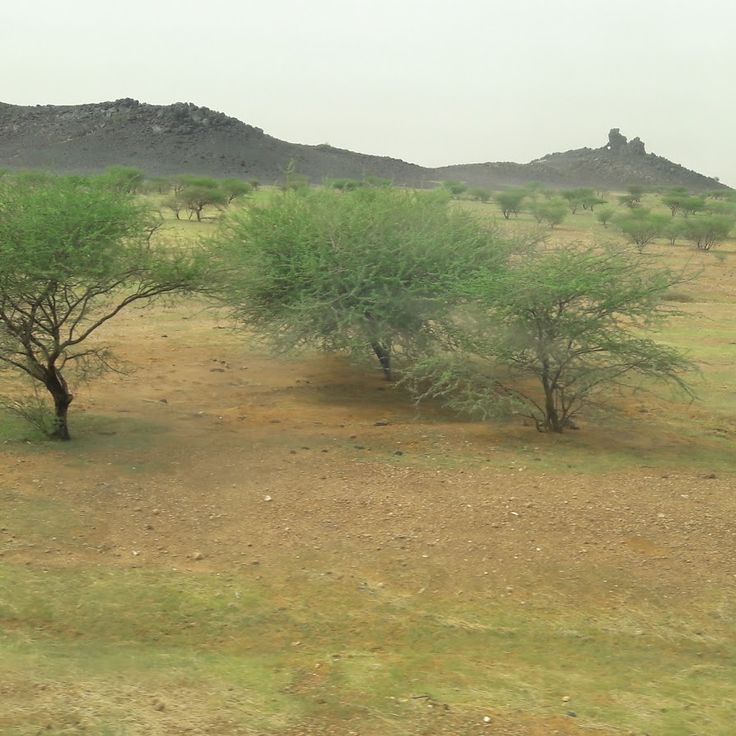
Mount Hombori stands as Mali's highest mountain, rising from the desert landscape. Its caves hold rock paintings left by people who lived here long ago. The mountain shows how closely history and nature are woven into Mali's identity. Visitors can climb to experience both the natural views and the ancient artwork preserved in the caves.
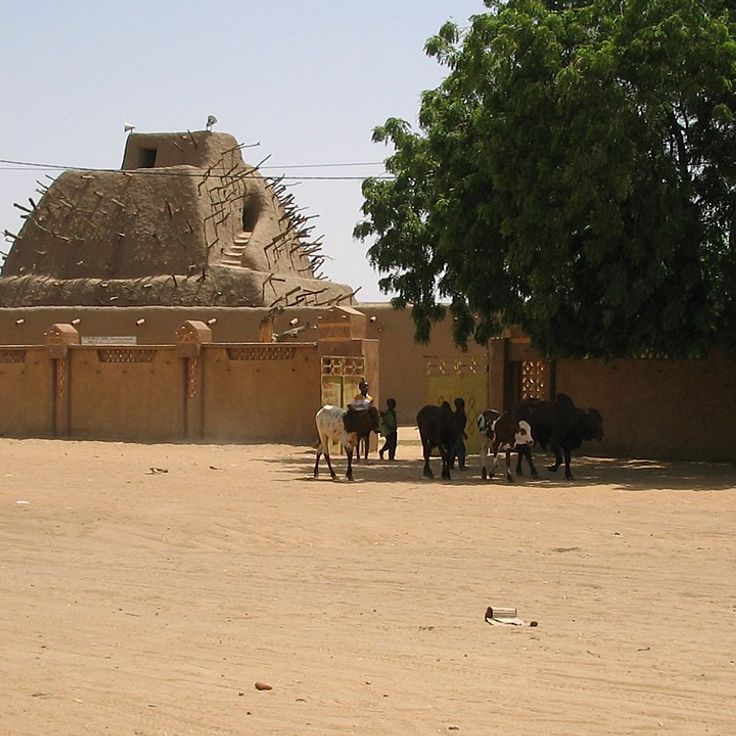
The Tomb of Askia in Gao is a pyramidal mud-brick structure built in 1495 for Emperor Askia Mohamed. Located in the heart of the city, this monument displays the craftsmanship that has defined Mali for centuries. The complex includes a prayer room, a cemetery, and a viewing terrace. This tomb embodies the spiritual and political history of Gao and connects architecture with the everyday life of the community.
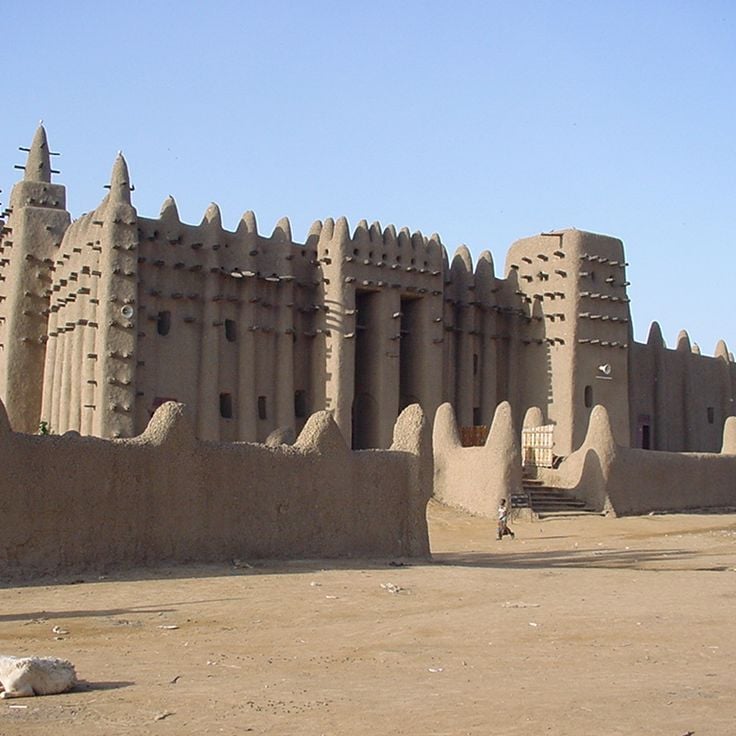
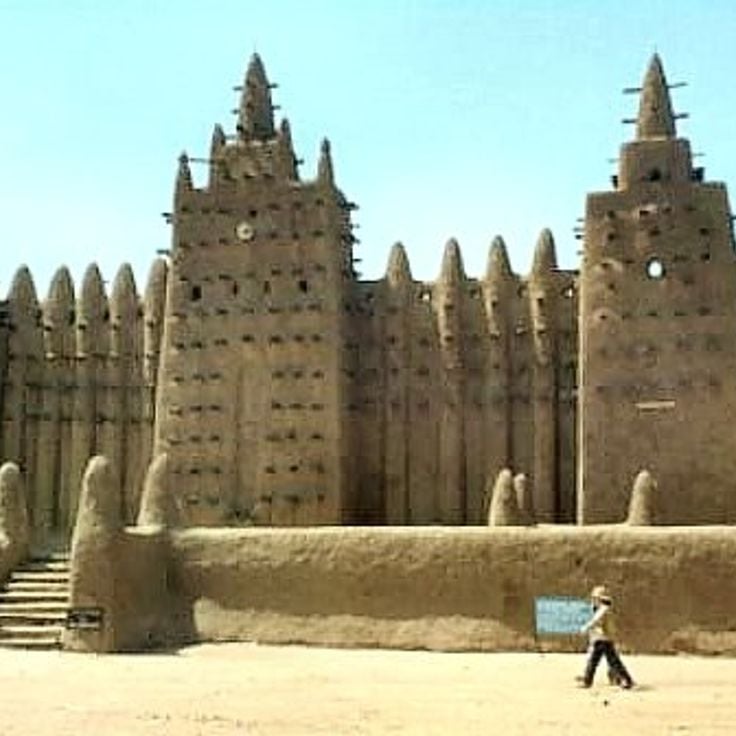
The Great Mosque of Djenné is an earthen building constructed in 1907 that continues to serve as a center of prayer and community life. Built from earth and wood—materials that blend with the surrounding environment and have proven their durability over generations—this mosque stands as a living example of Mali's architectural traditions. The wooden beams that protrude from the walls serve maintenance purposes and give the structure its distinctive character. In Djenné, this mosque embodies the connection between history, architecture, and the daily rhythm of the community.
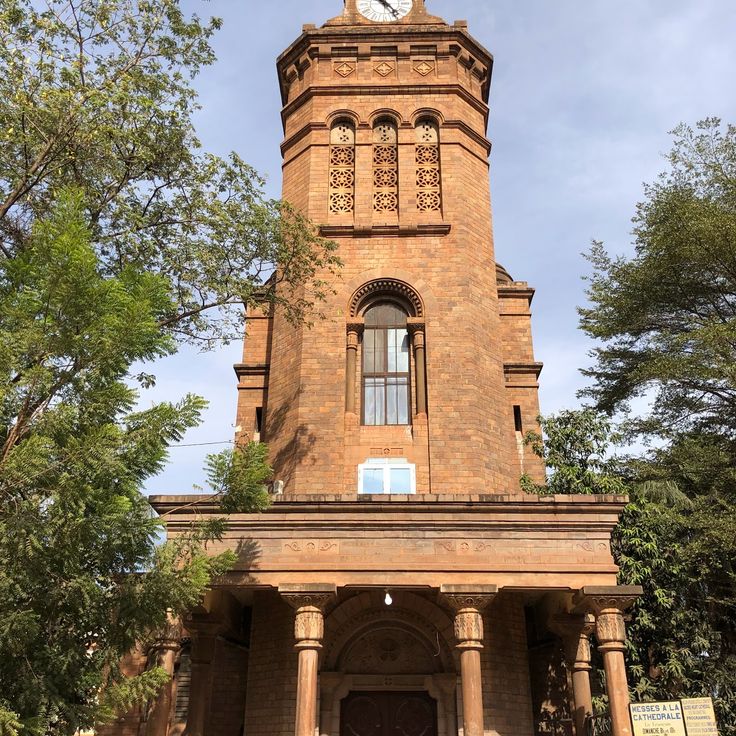
Bamako Cathedral is a Catholic church built in neo-Roman style during the French colonial period. The building stands out in the city with its two towers and central nave. The cathedral shows how religious architecture from outside Mali has shaped the urban landscape alongside the earthen structures that have been built here for centuries. Within Mali's rich architectural heritage, this cathedral represents a different historical layer, reflecting the period when European design influenced the country's development.
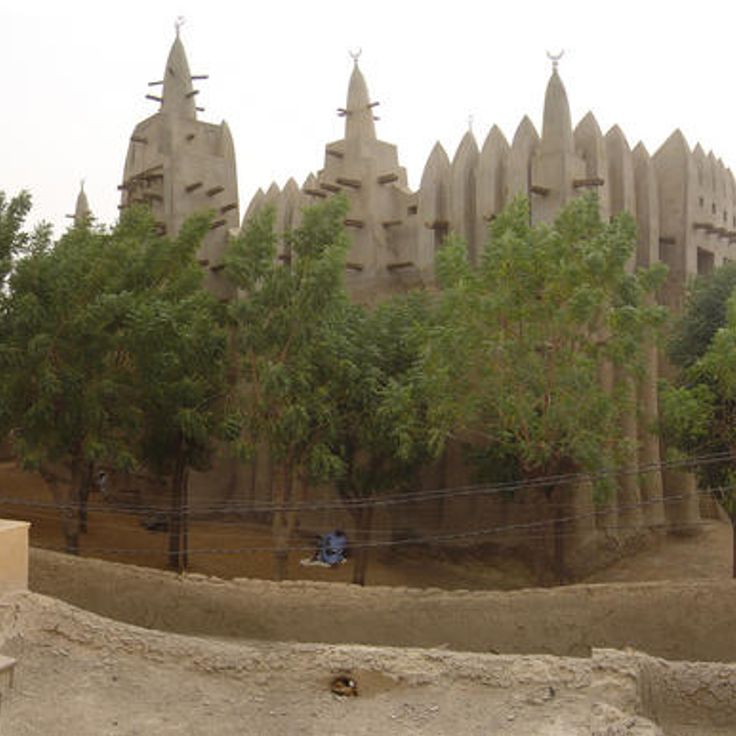
The Great Mosque of Mopti was built between 1933 and 1935 following traditional Sudanese architecture with earthen walls and palm wood pillars. It represents Mali's craftsmanship and communal spaces where people have gathered for prayer and learning. This building demonstrates how local materials and inherited construction methods create structures that endure through time. The mosque stands alongside other earthen buildings across Mali, embodying the connection between architecture, nature, and daily life that defines the country.
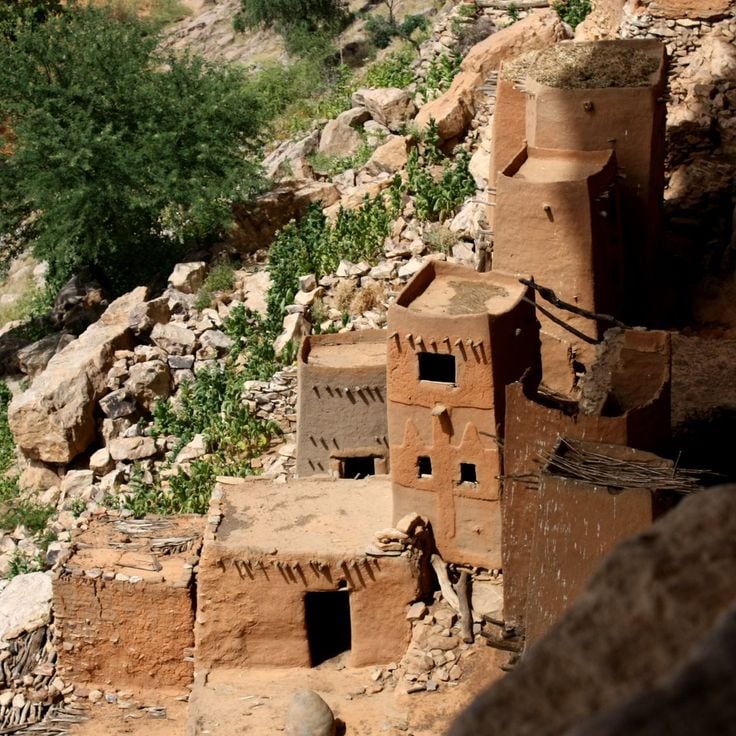
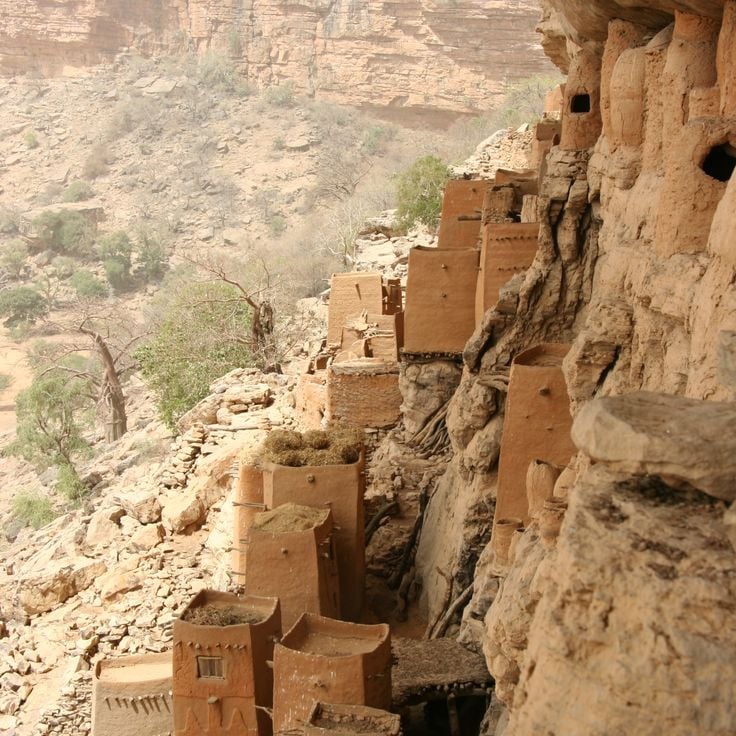
The Bandiagara Escarpment is a striking sandstone cliff formation that stretches across Mali's landscape for about 150 kilometers. Listed as a UNESCO World Heritage Site, it reflects the deep connection between nature and human history that defines Mali. The Dogon people have made their home along these cliffs for generations, building villages into the rock face and placing their ancestors in burials within the stone walls. This escarpment is more than a geological formation—it is a living place where ancient traditions, burial practices, and the daily rhythms of Dogon communities continue today. The rocks themselves hold the memory of these people and their bond with the land.
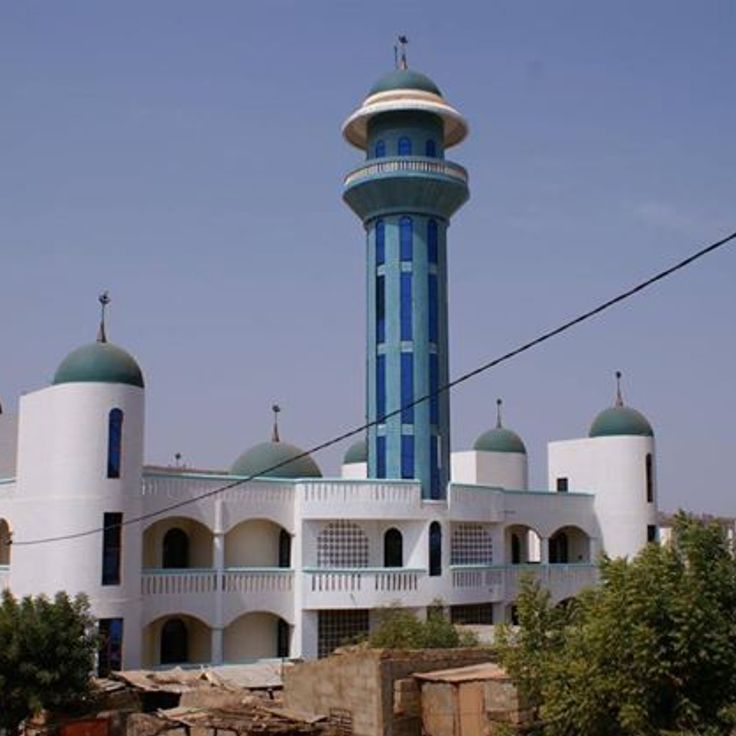
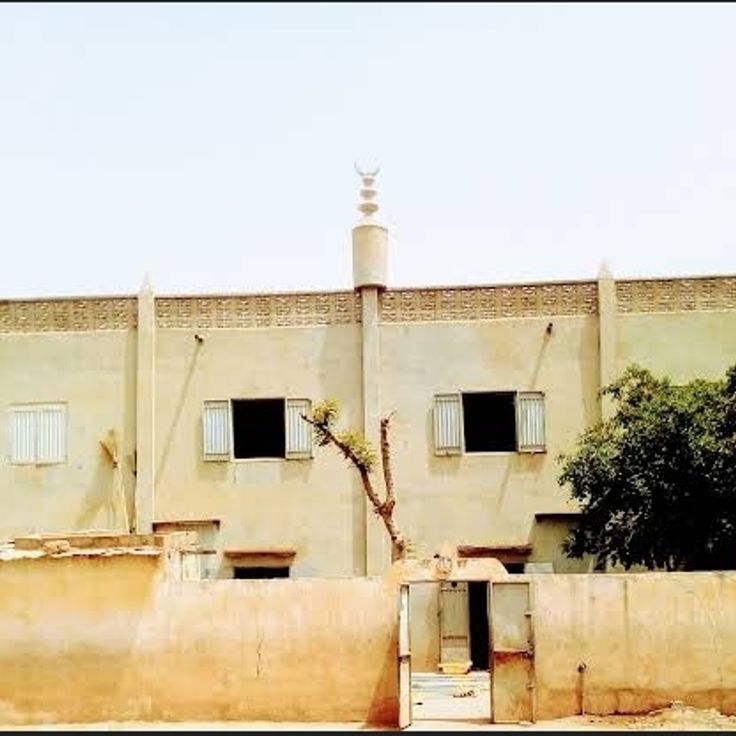
The Great Mosque of Bamako is a central place of worship in the city's commercial district and exemplifies the architecture that shapes Mali's story. Built from earth and wood, materials that blend with the surrounding environment and have proven their durability over generations, the mosque features minarets and rooms that accommodate thousands of worshipers. It serves as a center for prayer and learning where communities have gathered for centuries.
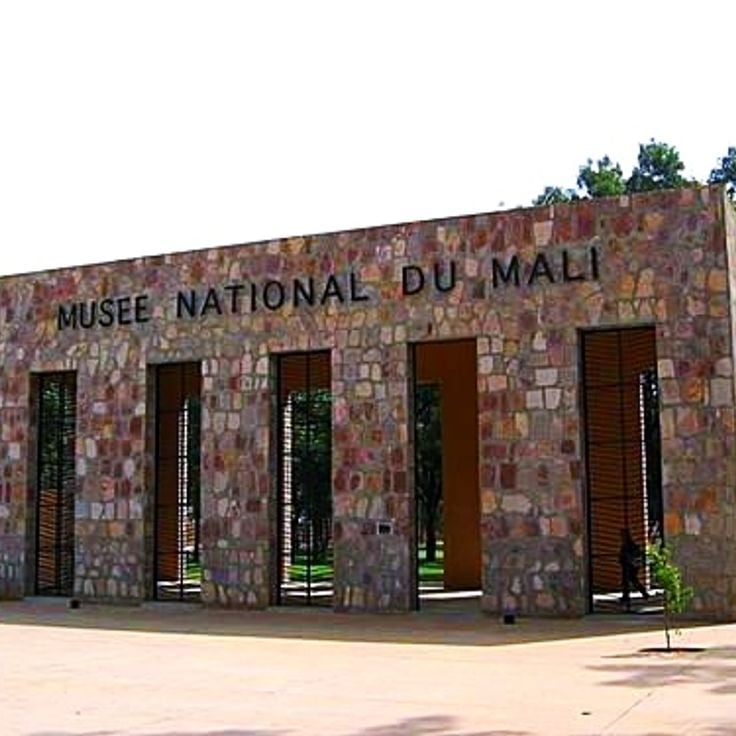
The National Museum of Bamako holds collections that tell the story of Mali's peoples and cultures. Within its walls, you will find traditional masks, ancient textiles, and archaeological objects that reveal how communities across Mali have lived and created over centuries. The museum preserves everyday items and artistic works that show the skills and beliefs of past generations. Walking through these galleries, you encounter the material history of Mali—objects that people once used, wore, and valued in their daily lives.
Tellem Cave is home to pottery, textiles, and sculptures that date back to the 11th century, offering a window into how people lived in this region centuries ago. Archaeologists discovered burials and ritual objects here, revealing the spiritual and daily practices of ancient communities. The cave stands as a physical link between Mali's human history and the natural landscape, where geology and culture have intersected for more than a thousand years.
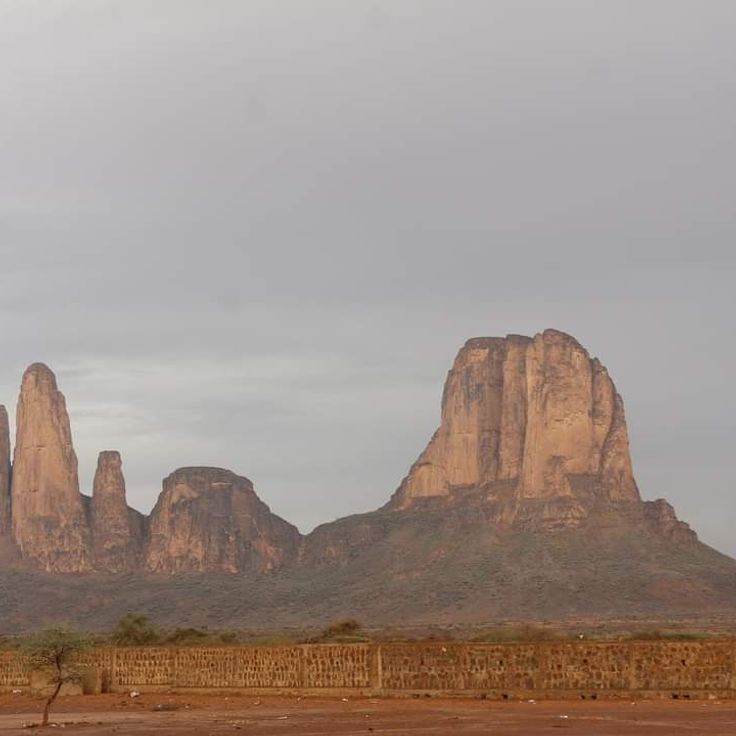
The Hand of Fatima near Mopti consists of five sandstone peaks rising 600 meters above the desert landscape. This geological formation resembles an outstretched hand reaching toward the sky. It is one of Mali's diverse natural wonders, where the desert creates landscapes shaped by wind and time. The Hand of Fatima shows how nature and landscape tell stories as important as those found in the mud-brick cities.
The Jenne-Jeno Archaeological Site shows the remains of an ancient Malian city founded in the 3rd century BCE. This place reveals how people first settled and lived in the Inner Niger Delta region. The excavations here display the foundations of houses, pottery, and tools that communities used in their daily lives. By walking through this site, visitors can see how early inhabitants built their homes and organized their settlements along the river. The Jenne-Jeno Archaeological Site helps us understand the deep roots of Mali's history and how human presence shaped this landscape for over two thousand years.
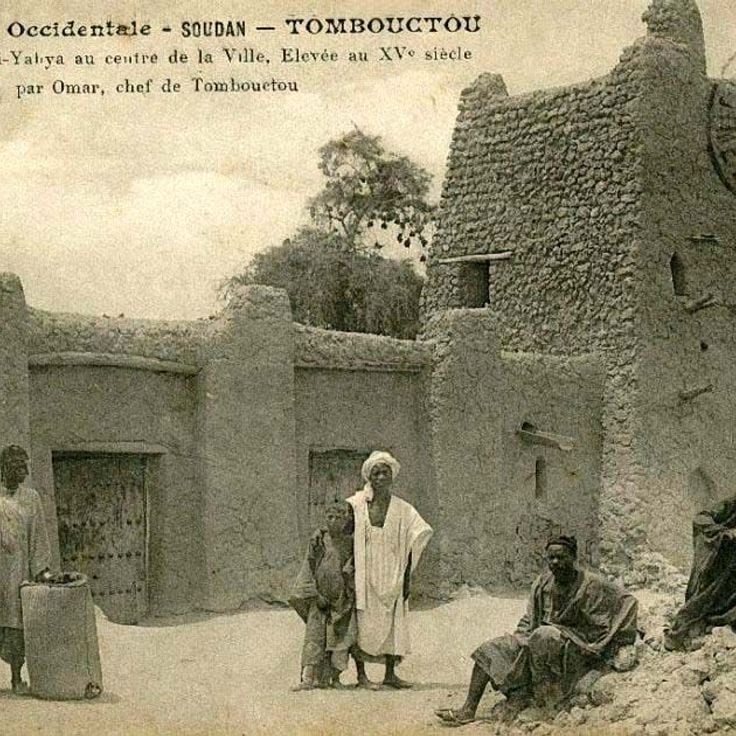
The Sidi Yahya Mosque in Timbuktu stands as part of Mali's story where mud-brick structures have served for centuries as centers of learning and prayer. Built between 1400 and 1440, this mosque displays three minarets and an inner courtyard. It functions as a religious education center with its adjoining madrasa, embodying the deep connection between architecture and daily life that defines Mali's heritage.
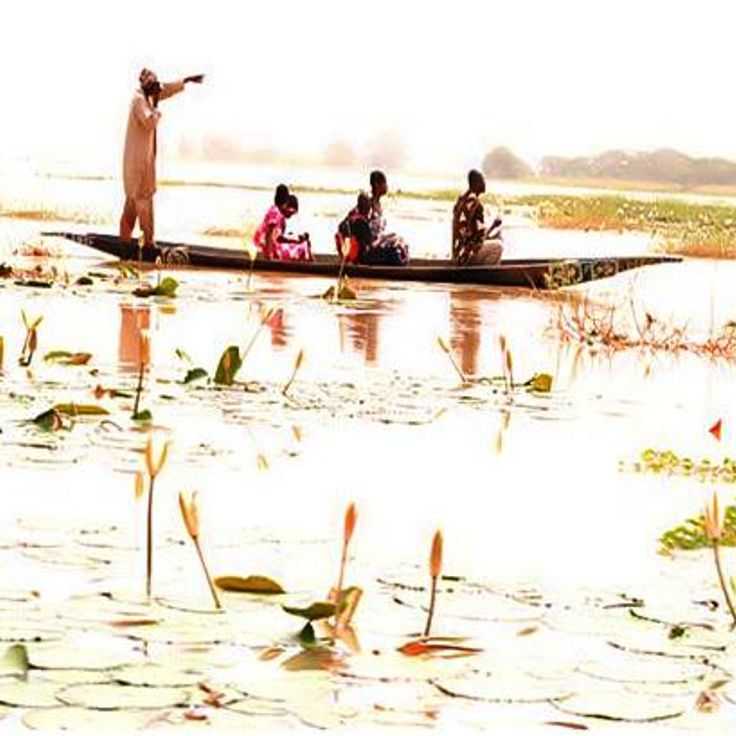
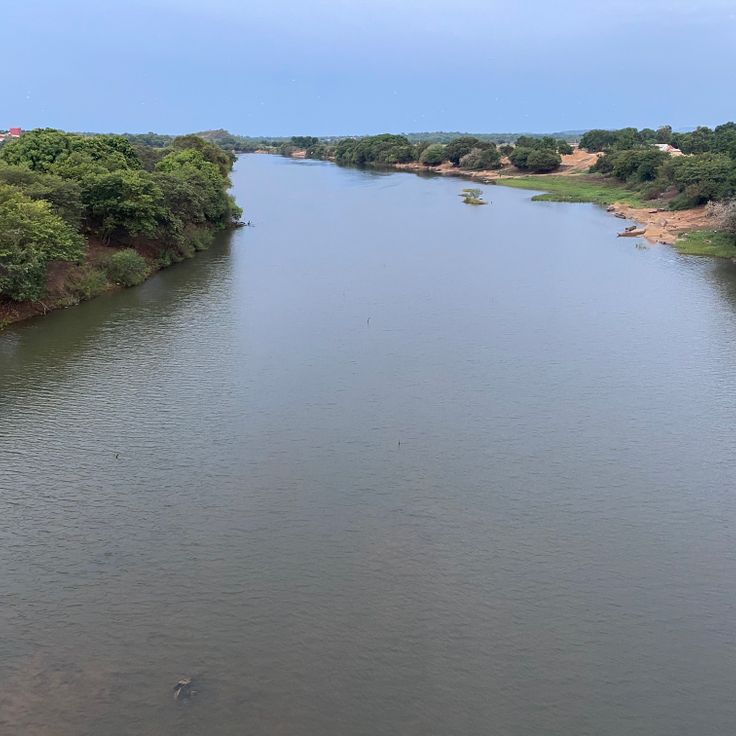
The Niger River flows through Mali and shapes the life of communities along its path. It creates a fertile region where water sustains multiple areas of the country. The river connects different parts of Mali, allowing people to live, work, and maintain their settlements. Towns and villages have grown along its banks, depending on the water and resources it provides. The Niger is more than a geographical feature—it is central to the culture and daily life of Mali's people.
The Sirimou Mosque in Mopti stands as an example of Mali's connection between architecture and history. Its walls are built with puddled clay, a traditional technique using compacted raw earth. The building features buttresses characteristic of regional religious architecture. This mosque embodies the craftsmanship and materials that have been used in Mali for generations.
Dandan Falls is part of Mali's diverse natural character, which tells stories through its landscapes. This series of waterfalls on the Baoulé River in southern Mali showcases the country's natural beauty beyond its renowned mud-brick structures. The falls form natural pools surrounded by rock formations and local vegetation, inviting visitors to experience Mali's geological variety, where history, architecture, and nature remain deeply connected to everyday life.
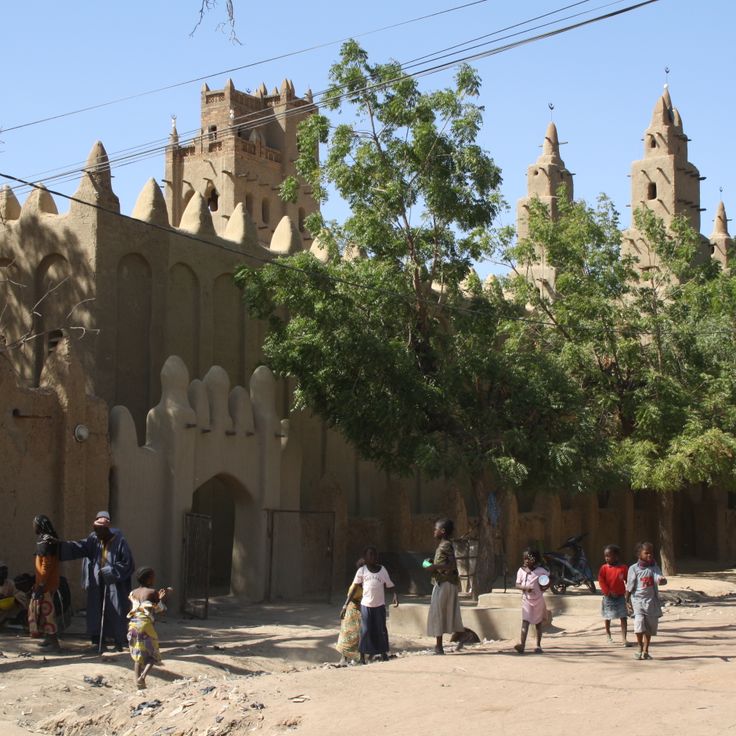
The Niono Mosque in Ségou represents Sudanese architecture found throughout Mali. Built in 1948, this structure features mud-brick walls and exposed wooden beams, hallmarks of the region's building traditions. The mosque can hold several hundred worshipers and serves as a gathering place where the community comes together for prayer. It exemplifies the craftsmanship of earthen construction, a technique practiced for generations in Mali that works in harmony with the local environment.
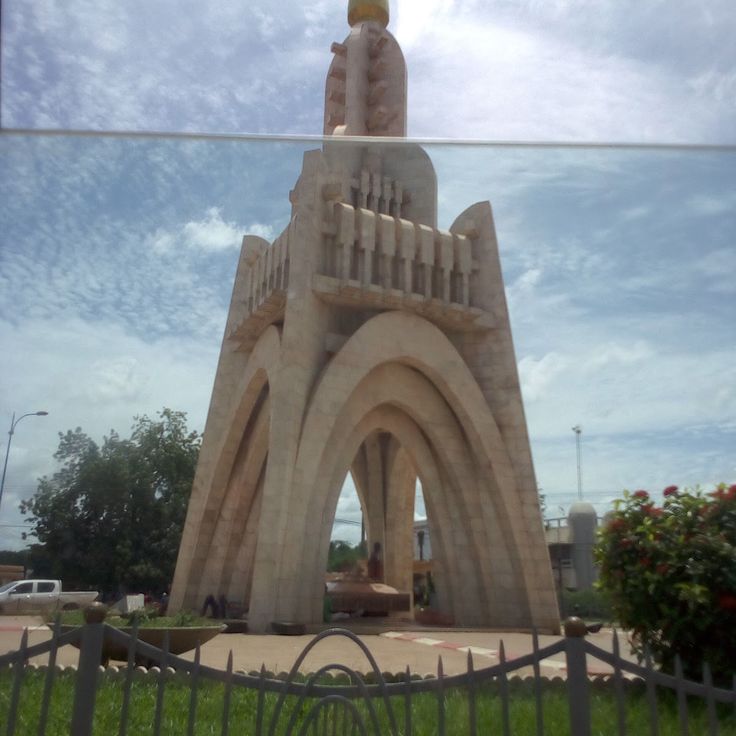
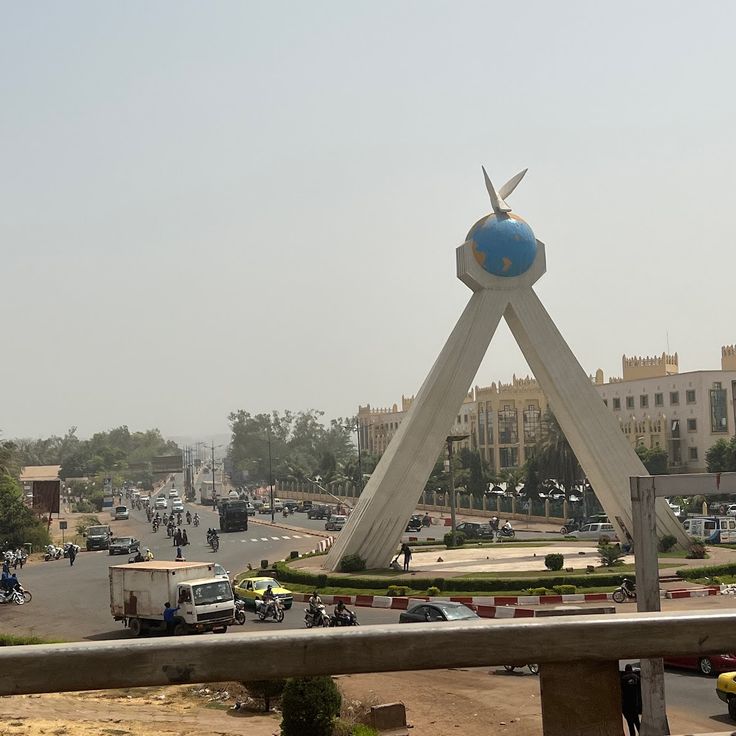
The Independence Monument in Bamako was built in 1960 to mark Mali's independence. Located on Republic Square in the heart of the city's administrative center, this commemorative structure stands as a gathering place for the community. The monument reflects a turning point in the nation's history and connects the past with everyday life today. It forms part of Bamako's living history, where architecture and time remain deeply woven into the fabric of daily experience.
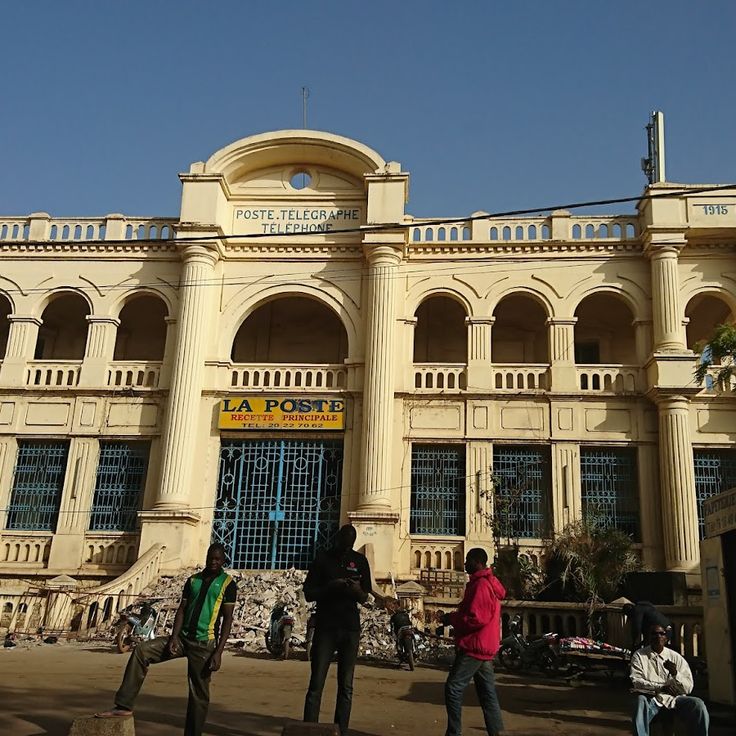
The Central Post Office of Bamako is a colonial building from 1930 that houses the main postal services of Mali's capital. Its architecture reflects the building styles of that era and stands as a testament to Bamako's recent history. The structure combines European influences with its local surroundings and shows how Mali developed during this period. It is a place where daily activities take place and visitors can discover the architectural features of this historical time.
Félou Falls is a natural rock formation on the Senegal River, roughly 15 kilometers from Kayes. Water tumbles over multiple levels, creating a striking cascade that becomes especially powerful during the rainy season. A hydroelectric plant operates at this site, harnessing the river's force. These falls represent part of Mali's diverse natural character, where water and stone have shaped the land for centuries and continue to connect communities to the rhythms of nature.
Hamdallahi was the capital of the Macina Fulani Empire, founded in 1820 by Sékou Amadou. This historical city embodies the connection between history and architecture that defines Mali. The remains of Hamdallahi consist of walls and earthen structures that speak to the region's past. The city represents a significant chapter in Mali's cultural heritage, where history comes alive through buildings made from earth.
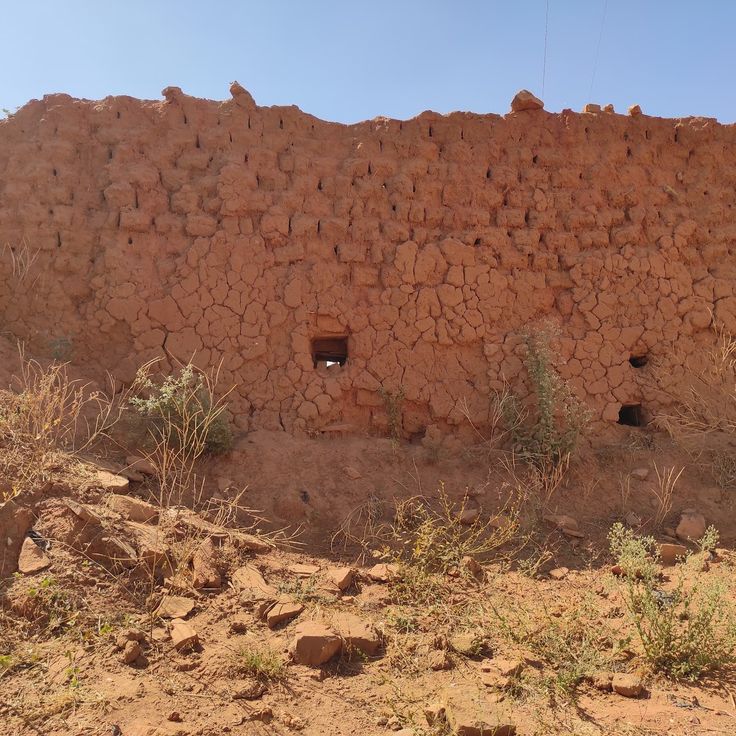
This wall of Sikasso is an impressive earthen structure built in the 19th century under the reign of Tiéba Traoré. It rises 9 meters high and surrounds the entire town. The wall shows how people in Mali protected their communities through skilled building with earth. It is part of Mali's collection of buildings and natural wonders that connect history and craftsmanship, and continues to tell the story of the durability of this mud-brick architecture.
The Bafing Makana Park Biodiversity Reserve is a natural reserve in the Bafing region that protects different species of plants and animals in their natural habitats along the Bafing River. As part of Mali's diverse natural wonders, this reserve shows how the country's landscape tells stories through both its buildings and nature. Like the earthen mosques and mud-brick villages scattered across cities such as Timbuktu and Djenné, this protected area demonstrates how history, architecture, and nature remain deeply connected to everyday life in Mali.
Lake Magui in Mali is a natural water body that serves as a vital resource for local populations. This lake provides a habitat for numerous species of aquatic birds and represents how nature sustains communities across Mali. By visiting this lake, you can observe the wildlife that depends on it and understand how natural places like this are woven into the everyday life of the people who live nearby.
This Quranic university and Islamic study center in Timbuktu has educated thousands of students since its establishment in 988. The Sankore Mosque features sun-dried earth walls and palm wood beams built in the Sudano-Sahelian style. It represents Mali's profound connection between learning, architecture, and community life, standing as a testament to how earth and wood materials have endured through the centuries.
The Gouina Falls are part of Mali's diverse natural landscape that tells stories through waterfalls, deserts, and caves. Located on the Senegal River, this waterfall changes with the rainy season, showing how water shapes the land and the lives of people who depend on it. You can visit these falls to experience Mali's natural character and see how the country's geology and water systems remain connected to everyday life.
Fort de Médine is a French military structure built in 1855 near the Senegal River. The fort served as a control point for river commerce during the 19th century. It represents how the colonial period left its mark on Mali, with buildings that reflect this more recent chapter in the country's story alongside the ancient mud-brick mosques and villages that define its architectural heritage.
The Rose Dune is a pink sand formation in Mali shaped by wind erosion. Its color shifts with the changing sunlight, revealing how wind and time sculpt the desert landscape. Within Mali's natural wonders, this dune shows the slow but powerful forces that have transformed the terrain over centuries, connecting the country's geological story to the daily experience of those who live in these regions.
The Djingareiber Mosque in Timbuktu is a religious center built in 1325 that shows how communities gathered to study and pray together. The building was constructed using earthen bricks and reinforced with palm wood, demonstrating how these materials have lasted for centuries. This mosque is part of Mali's story, where architecture and daily life remain deeply connected.
Mount Hombori stands as Mali's highest mountain, rising from the desert landscape. Its caves hold rock paintings left by people who lived here long ago. The mountain shows how closely history and nature are woven into Mali's identity. Visitors can climb to experience both the natural views and the ancient artwork preserved in the caves.
The Tomb of Askia in Gao is a pyramidal mud-brick structure built in 1495 for Emperor Askia Mohamed. Located in the heart of the city, this monument displays the craftsmanship that has defined Mali for centuries. The complex includes a prayer room, a cemetery, and a viewing terrace. This tomb embodies the spiritual and political history of Gao and connects architecture with the everyday life of the community.
The Great Mosque of Djenné is an earthen building constructed in 1907 that continues to serve as a center of prayer and community life. Built from earth and wood—materials that blend with the surrounding environment and have proven their durability over generations—this mosque stands as a living example of Mali's architectural traditions. The wooden beams that protrude from the walls serve maintenance purposes and give the structure its distinctive character. In Djenné, this mosque embodies the connection between history, architecture, and the daily rhythm of the community.
Bamako Cathedral is a Catholic church built in neo-Roman style during the French colonial period. The building stands out in the city with its two towers and central nave. The cathedral shows how religious architecture from outside Mali has shaped the urban landscape alongside the earthen structures that have been built here for centuries. Within Mali's rich architectural heritage, this cathedral represents a different historical layer, reflecting the period when European design influenced the country's development.
The Great Mosque of Mopti was built between 1933 and 1935 following traditional Sudanese architecture with earthen walls and palm wood pillars. It represents Mali's craftsmanship and communal spaces where people have gathered for prayer and learning. This building demonstrates how local materials and inherited construction methods create structures that endure through time. The mosque stands alongside other earthen buildings across Mali, embodying the connection between architecture, nature, and daily life that defines the country.
The Bandiagara Escarpment is a striking sandstone cliff formation that stretches across Mali's landscape for about 150 kilometers. Listed as a UNESCO World Heritage Site, it reflects the deep connection between nature and human history that defines Mali. The Dogon people have made their home along these cliffs for generations, building villages into the rock face and placing their ancestors in burials within the stone walls. This escarpment is more than a geological formation—it is a living place where ancient traditions, burial practices, and the daily rhythms of Dogon communities continue today. The rocks themselves hold the memory of these people and their bond with the land.
The Great Mosque of Bamako is a central place of worship in the city's commercial district and exemplifies the architecture that shapes Mali's story. Built from earth and wood, materials that blend with the surrounding environment and have proven their durability over generations, the mosque features minarets and rooms that accommodate thousands of worshipers. It serves as a center for prayer and learning where communities have gathered for centuries.
The National Museum of Bamako holds collections that tell the story of Mali's peoples and cultures. Within its walls, you will find traditional masks, ancient textiles, and archaeological objects that reveal how communities across Mali have lived and created over centuries. The museum preserves everyday items and artistic works that show the skills and beliefs of past generations. Walking through these galleries, you encounter the material history of Mali—objects that people once used, wore, and valued in their daily lives.
Tellem Cave is home to pottery, textiles, and sculptures that date back to the 11th century, offering a window into how people lived in this region centuries ago. Archaeologists discovered burials and ritual objects here, revealing the spiritual and daily practices of ancient communities. The cave stands as a physical link between Mali's human history and the natural landscape, where geology and culture have intersected for more than a thousand years.
The Hand of Fatima near Mopti consists of five sandstone peaks rising 600 meters above the desert landscape. This geological formation resembles an outstretched hand reaching toward the sky. It is one of Mali's diverse natural wonders, where the desert creates landscapes shaped by wind and time. The Hand of Fatima shows how nature and landscape tell stories as important as those found in the mud-brick cities.
The Jenne-Jeno Archaeological Site shows the remains of an ancient Malian city founded in the 3rd century BCE. This place reveals how people first settled and lived in the Inner Niger Delta region. The excavations here display the foundations of houses, pottery, and tools that communities used in their daily lives. By walking through this site, visitors can see how early inhabitants built their homes and organized their settlements along the river. The Jenne-Jeno Archaeological Site helps us understand the deep roots of Mali's history and how human presence shaped this landscape for over two thousand years.
The Sidi Yahya Mosque in Timbuktu stands as part of Mali's story where mud-brick structures have served for centuries as centers of learning and prayer. Built between 1400 and 1440, this mosque displays three minarets and an inner courtyard. It functions as a religious education center with its adjoining madrasa, embodying the deep connection between architecture and daily life that defines Mali's heritage.
The Niger River flows through Mali and shapes the life of communities along its path. It creates a fertile region where water sustains multiple areas of the country. The river connects different parts of Mali, allowing people to live, work, and maintain their settlements. Towns and villages have grown along its banks, depending on the water and resources it provides. The Niger is more than a geographical feature—it is central to the culture and daily life of Mali's people.
The Sirimou Mosque in Mopti stands as an example of Mali's connection between architecture and history. Its walls are built with puddled clay, a traditional technique using compacted raw earth. The building features buttresses characteristic of regional religious architecture. This mosque embodies the craftsmanship and materials that have been used in Mali for generations.
Dandan Falls is part of Mali's diverse natural character, which tells stories through its landscapes. This series of waterfalls on the Baoulé River in southern Mali showcases the country's natural beauty beyond its renowned mud-brick structures. The falls form natural pools surrounded by rock formations and local vegetation, inviting visitors to experience Mali's geological variety, where history, architecture, and nature remain deeply connected to everyday life.
The Niono Mosque in Ségou represents Sudanese architecture found throughout Mali. Built in 1948, this structure features mud-brick walls and exposed wooden beams, hallmarks of the region's building traditions. The mosque can hold several hundred worshipers and serves as a gathering place where the community comes together for prayer. It exemplifies the craftsmanship of earthen construction, a technique practiced for generations in Mali that works in harmony with the local environment.
The Independence Monument in Bamako was built in 1960 to mark Mali's independence. Located on Republic Square in the heart of the city's administrative center, this commemorative structure stands as a gathering place for the community. The monument reflects a turning point in the nation's history and connects the past with everyday life today. It forms part of Bamako's living history, where architecture and time remain deeply woven into the fabric of daily experience.
The Central Post Office of Bamako is a colonial building from 1930 that houses the main postal services of Mali's capital. Its architecture reflects the building styles of that era and stands as a testament to Bamako's recent history. The structure combines European influences with its local surroundings and shows how Mali developed during this period. It is a place where daily activities take place and visitors can discover the architectural features of this historical time.
Félou Falls is a natural rock formation on the Senegal River, roughly 15 kilometers from Kayes. Water tumbles over multiple levels, creating a striking cascade that becomes especially powerful during the rainy season. A hydroelectric plant operates at this site, harnessing the river's force. These falls represent part of Mali's diverse natural character, where water and stone have shaped the land for centuries and continue to connect communities to the rhythms of nature.
Hamdallahi was the capital of the Macina Fulani Empire, founded in 1820 by Sékou Amadou. This historical city embodies the connection between history and architecture that defines Mali. The remains of Hamdallahi consist of walls and earthen structures that speak to the region's past. The city represents a significant chapter in Mali's cultural heritage, where history comes alive through buildings made from earth.
This wall of Sikasso is an impressive earthen structure built in the 19th century under the reign of Tiéba Traoré. It rises 9 meters high and surrounds the entire town. The wall shows how people in Mali protected their communities through skilled building with earth. It is part of Mali's collection of buildings and natural wonders that connect history and craftsmanship, and continues to tell the story of the durability of this mud-brick architecture.
The Bafing Makana Park Biodiversity Reserve is a natural reserve in the Bafing region that protects different species of plants and animals in their natural habitats along the Bafing River. As part of Mali's diverse natural wonders, this reserve shows how the country's landscape tells stories through both its buildings and nature. Like the earthen mosques and mud-brick villages scattered across cities such as Timbuktu and Djenné, this protected area demonstrates how history, architecture, and nature remain deeply connected to everyday life in Mali.
Lake Magui in Mali is a natural water body that serves as a vital resource for local populations. This lake provides a habitat for numerous species of aquatic birds and represents how nature sustains communities across Mali. By visiting this lake, you can observe the wildlife that depends on it and understand how natural places like this are woven into the everyday life of the people who live nearby.
This Quranic university and Islamic study center in Timbuktu has educated thousands of students since its establishment in 988. The Sankore Mosque features sun-dried earth walls and palm wood beams built in the Sudano-Sahelian style. It represents Mali's profound connection between learning, architecture, and community life, standing as a testament to how earth and wood materials have endured through the centuries.
The Gouina Falls are part of Mali's diverse natural landscape that tells stories through waterfalls, deserts, and caves. Located on the Senegal River, this waterfall changes with the rainy season, showing how water shapes the land and the lives of people who depend on it. You can visit these falls to experience Mali's natural character and see how the country's geology and water systems remain connected to everyday life.
Fort de Médine is a French military structure built in 1855 near the Senegal River. The fort served as a control point for river commerce during the 19th century. It represents how the colonial period left its mark on Mali, with buildings that reflect this more recent chapter in the country's story alongside the ancient mud-brick mosques and villages that define its architectural heritage.
The Rose Dune is a pink sand formation in Mali shaped by wind erosion. Its color shifts with the changing sunlight, revealing how wind and time sculpt the desert landscape. Within Mali's natural wonders, this dune shows the slow but powerful forces that have transformed the terrain over centuries, connecting the country's geological story to the daily experience of those who live in these regions.
The Djingareiber Mosque in Timbuktu is a religious center built in 1325 that shows how communities gathered to study and pray together. The building was constructed using earthen bricks and reinforced with palm wood, demonstrating how these materials have lasted for centuries. This mosque is part of Mali's story, where architecture and daily life remain deeply connected.
Mount Hombori stands as Mali's highest mountain, rising from the desert landscape. Its caves hold rock paintings left by people who lived here long ago. The mountain shows how closely history and nature are woven into Mali's identity. Visitors can climb to experience both the natural views and the ancient artwork preserved in the caves.
The Tomb of Askia in Gao is a pyramidal mud-brick structure built in 1495 for Emperor Askia Mohamed. Located in the heart of the city, this monument displays the craftsmanship that has defined Mali for centuries. The complex includes a prayer room, a cemetery, and a viewing terrace. This tomb embodies the spiritual and political history of Gao and connects architecture with the everyday life of the community.
The Great Mosque of Djenné is an earthen building constructed in 1907 that continues to serve as a center of prayer and community life. Built from earth and wood—materials that blend with the surrounding environment and have proven their durability over generations—this mosque stands as a living example of Mali's architectural traditions. The wooden beams that protrude from the walls serve maintenance purposes and give the structure its distinctive character. In Djenné, this mosque embodies the connection between history, architecture, and the daily rhythm of the community.
Bamako Cathedral is a Catholic church built in neo-Roman style during the French colonial period. The building stands out in the city with its two towers and central nave. The cathedral shows how religious architecture from outside Mali has shaped the urban landscape alongside the earthen structures that have been built here for centuries. Within Mali's rich architectural heritage, this cathedral represents a different historical layer, reflecting the period when European design influenced the country's development.
The Great Mosque of Mopti was built between 1933 and 1935 following traditional Sudanese architecture with earthen walls and palm wood pillars. It represents Mali's craftsmanship and communal spaces where people have gathered for prayer and learning. This building demonstrates how local materials and inherited construction methods create structures that endure through time. The mosque stands alongside other earthen buildings across Mali, embodying the connection between architecture, nature, and daily life that defines the country.
The Bandiagara Escarpment is a striking sandstone cliff formation that stretches across Mali's landscape for about 150 kilometers. Listed as a UNESCO World Heritage Site, it reflects the deep connection between nature and human history that defines Mali. The Dogon people have made their home along these cliffs for generations, building villages into the rock face and placing their ancestors in burials within the stone walls. This escarpment is more than a geological formation—it is a living place where ancient traditions, burial practices, and the daily rhythms of Dogon communities continue today. The rocks themselves hold the memory of these people and their bond with the land.
The Great Mosque of Bamako is a central place of worship in the city's commercial district and exemplifies the architecture that shapes Mali's story. Built from earth and wood, materials that blend with the surrounding environment and have proven their durability over generations, the mosque features minarets and rooms that accommodate thousands of worshipers. It serves as a center for prayer and learning where communities have gathered for centuries.
The National Museum of Bamako holds collections that tell the story of Mali's peoples and cultures. Within its walls, you will find traditional masks, ancient textiles, and archaeological objects that reveal how communities across Mali have lived and created over centuries. The museum preserves everyday items and artistic works that show the skills and beliefs of past generations. Walking through these galleries, you encounter the material history of Mali—objects that people once used, wore, and valued in their daily lives.
Tellem Cave is home to pottery, textiles, and sculptures that date back to the 11th century, offering a window into how people lived in this region centuries ago. Archaeologists discovered burials and ritual objects here, revealing the spiritual and daily practices of ancient communities. The cave stands as a physical link between Mali's human history and the natural landscape, where geology and culture have intersected for more than a thousand years.
The Hand of Fatima near Mopti consists of five sandstone peaks rising 600 meters above the desert landscape. This geological formation resembles an outstretched hand reaching toward the sky. It is one of Mali's diverse natural wonders, where the desert creates landscapes shaped by wind and time. The Hand of Fatima shows how nature and landscape tell stories as important as those found in the mud-brick cities.
The Jenne-Jeno Archaeological Site shows the remains of an ancient Malian city founded in the 3rd century BCE. This place reveals how people first settled and lived in the Inner Niger Delta region. The excavations here display the foundations of houses, pottery, and tools that communities used in their daily lives. By walking through this site, visitors can see how early inhabitants built their homes and organized their settlements along the river. The Jenne-Jeno Archaeological Site helps us understand the deep roots of Mali's history and how human presence shaped this landscape for over two thousand years.
The Sidi Yahya Mosque in Timbuktu stands as part of Mali's story where mud-brick structures have served for centuries as centers of learning and prayer. Built between 1400 and 1440, this mosque displays three minarets and an inner courtyard. It functions as a religious education center with its adjoining madrasa, embodying the deep connection between architecture and daily life that defines Mali's heritage.
The Niger River flows through Mali and shapes the life of communities along its path. It creates a fertile region where water sustains multiple areas of the country. The river connects different parts of Mali, allowing people to live, work, and maintain their settlements. Towns and villages have grown along its banks, depending on the water and resources it provides. The Niger is more than a geographical feature—it is central to the culture and daily life of Mali's people.
The Sirimou Mosque in Mopti stands as an example of Mali's connection between architecture and history. Its walls are built with puddled clay, a traditional technique using compacted raw earth. The building features buttresses characteristic of regional religious architecture. This mosque embodies the craftsmanship and materials that have been used in Mali for generations.
Dandan Falls is part of Mali's diverse natural character, which tells stories through its landscapes. This series of waterfalls on the Baoulé River in southern Mali showcases the country's natural beauty beyond its renowned mud-brick structures. The falls form natural pools surrounded by rock formations and local vegetation, inviting visitors to experience Mali's geological variety, where history, architecture, and nature remain deeply connected to everyday life.
The Niono Mosque in Ségou represents Sudanese architecture found throughout Mali. Built in 1948, this structure features mud-brick walls and exposed wooden beams, hallmarks of the region's building traditions. The mosque can hold several hundred worshipers and serves as a gathering place where the community comes together for prayer. It exemplifies the craftsmanship of earthen construction, a technique practiced for generations in Mali that works in harmony with the local environment.
The Independence Monument in Bamako was built in 1960 to mark Mali's independence. Located on Republic Square in the heart of the city's administrative center, this commemorative structure stands as a gathering place for the community. The monument reflects a turning point in the nation's history and connects the past with everyday life today. It forms part of Bamako's living history, where architecture and time remain deeply woven into the fabric of daily experience.
The Central Post Office of Bamako is a colonial building from 1930 that houses the main postal services of Mali's capital. Its architecture reflects the building styles of that era and stands as a testament to Bamako's recent history. The structure combines European influences with its local surroundings and shows how Mali developed during this period. It is a place where daily activities take place and visitors can discover the architectural features of this historical time.
Félou Falls is a natural rock formation on the Senegal River, roughly 15 kilometers from Kayes. Water tumbles over multiple levels, creating a striking cascade that becomes especially powerful during the rainy season. A hydroelectric plant operates at this site, harnessing the river's force. These falls represent part of Mali's diverse natural character, where water and stone have shaped the land for centuries and continue to connect communities to the rhythms of nature.
Hamdallahi was the capital of the Macina Fulani Empire, founded in 1820 by Sékou Amadou. This historical city embodies the connection between history and architecture that defines Mali. The remains of Hamdallahi consist of walls and earthen structures that speak to the region's past. The city represents a significant chapter in Mali's cultural heritage, where history comes alive through buildings made from earth.
This wall of Sikasso is an impressive earthen structure built in the 19th century under the reign of Tiéba Traoré. It rises 9 meters high and surrounds the entire town. The wall shows how people in Mali protected their communities through skilled building with earth. It is part of Mali's collection of buildings and natural wonders that connect history and craftsmanship, and continues to tell the story of the durability of this mud-brick architecture.
The Bafing Makana Park Biodiversity Reserve is a natural reserve in the Bafing region that protects different species of plants and animals in their natural habitats along the Bafing River. As part of Mali's diverse natural wonders, this reserve shows how the country's landscape tells stories through both its buildings and nature. Like the earthen mosques and mud-brick villages scattered across cities such as Timbuktu and Djenné, this protected area demonstrates how history, architecture, and nature remain deeply connected to everyday life in Mali.
Lake Magui in Mali is a natural water body that serves as a vital resource for local populations. This lake provides a habitat for numerous species of aquatic birds and represents how nature sustains communities across Mali. By visiting this lake, you can observe the wildlife that depends on it and understand how natural places like this are woven into the everyday life of the people who live nearby.