See the monuments around you in AROpen chests in the app
Around Us is built for your phone — point your camera at the streets and discover the monuments and places around you in augmented reality.Around Us is built for your phone — chests unlock when you walk, explore and capture nearby places.
Solar farms and wind parks around the world show how communities produce energy from the sun and the wind.
This article shows the large renewable energy sites around the world. It highlights how solar farms and wind parks fit into different landscapes. From California to China, these sites show how modern energy is made. There are wind farms in the North Sea, solar panels scattered in the Rajasthan desert, and wind turbines turning on Scottish moors. The locations range from flat plains in Texas to high plateaus in China.
Visitors to these sites see energy being made directly. They notice how the technology fits into the surroundings. Some sites stand out in the environment, while others blend in more quietly. Each place shows a different way to collect the sun’s light and the wind’s power on a large scale.
These sites tell about countries investing in renewable energy. They show how communities change their ways of making power, showing real examples of moving away from fossil fuels.
Solar farms and wind parks around the world show how communities produce energy from the sun and the wind.
This article shows the large renewable energy sites around the world. It highlights how solar farms and wind parks fit into different landscapes. From California to China, these sites show how modern energy is made. There are wind farms in the North Sea, solar panels scattered in the Rajasthan desert, and wind turbines turning on Scottish moors. The locations range from flat plains in Texas to high plateaus in China.
Visitors to these sites see energy being made directly. They notice how the technology fits into the surroundings. Some sites stand out in the environment, while others blend in more quietly. Each place shows a different way to collect the sun’s light and the wind’s power on a large scale.
These sites tell about countries investing in renewable energy. They show how communities change their ways of making power, showing real examples of moving away from fossil fuels.
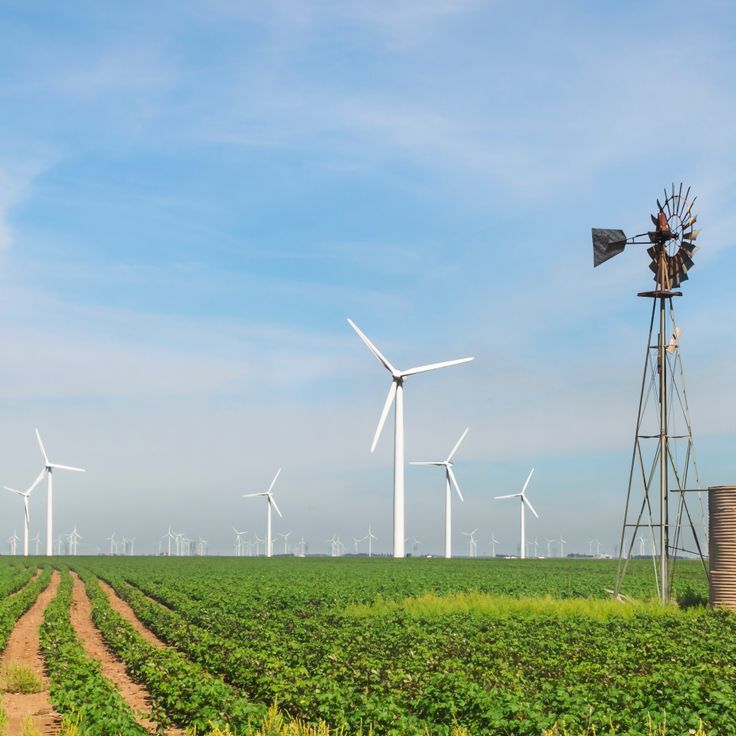
This wind farm in Texas demonstrates how wind energy is integrated into the American landscape at a large scale. With 627 turbines spread across four counties, Roscoe generates power for approximately 260000 Texas households and shows the practical application of modern wind technology featured in this collection of renewable energy sites worldwide.
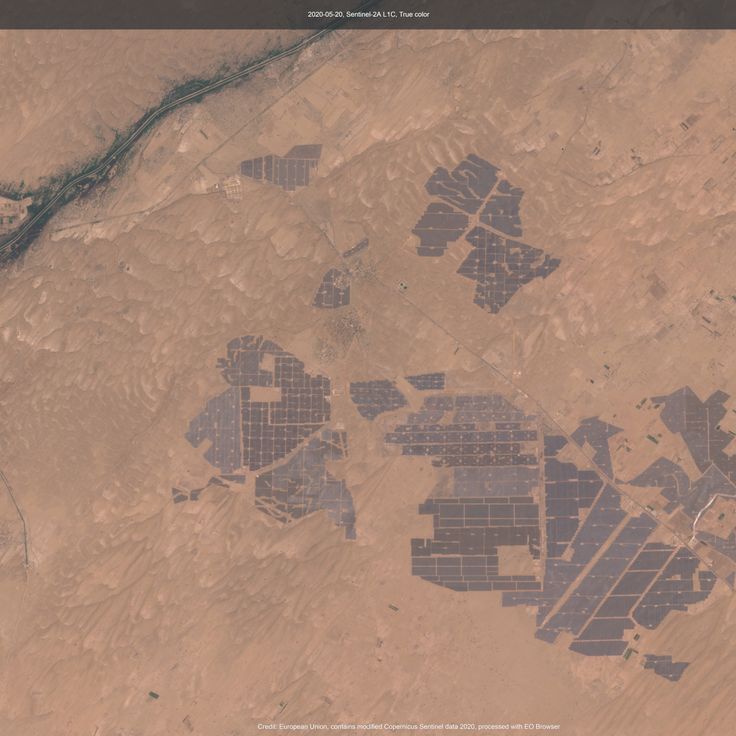
The Bhadla Solar Park demonstrates how solar energy integrates into desert landscapes. Located in the Rajasthan desert, this park operates across vast expanses of arid land with millions of solar modules generating power at scale. The site exemplifies how renewable energy installations adapt to different terrain and climate conditions.
The Hornsea Wind Farm is part of a worldwide collection of renewable energy sites. This offshore wind installation consists of 174 turbines positioned far off the coast in the North Sea. The farm demonstrates how wind turbine technology integrates into marine environments and contributes to regional energy needs.
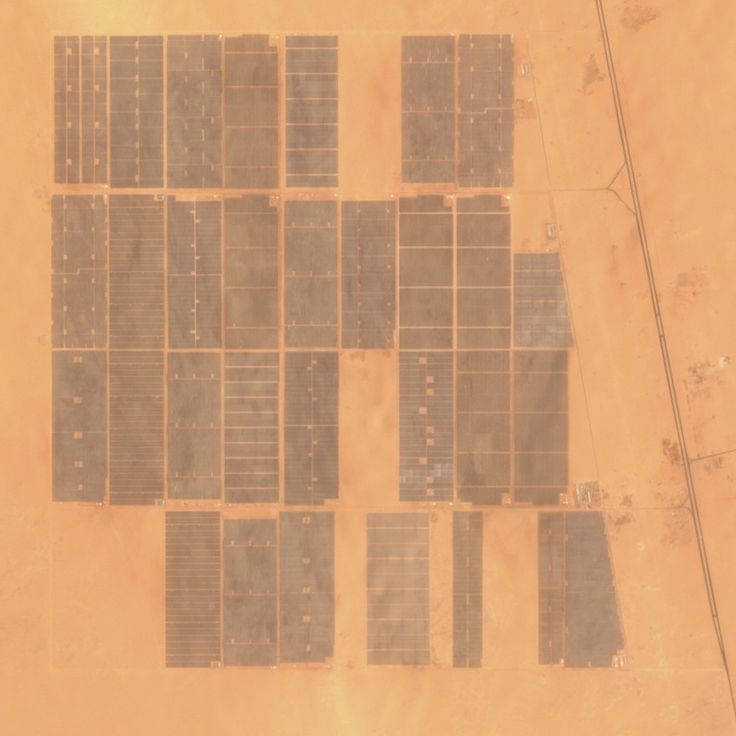
The Benban Solar Park demonstrates how large-scale solar installations work. Located near Aswan in Egypt, this park takes advantage of the desert's intense sunlight. Thousands of solar panels generate electricity for the region and show how solar energy can be harnessed in dry landscapes. The site is part of this collection of places where renewable energy has been integrated into different types of terrain.
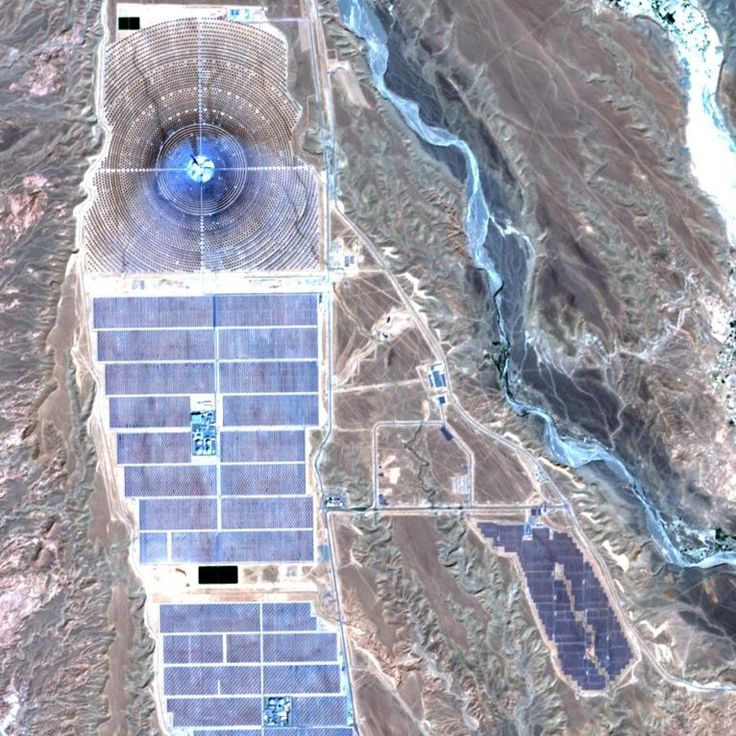
The Noor Complex Solar Power Plant in Ouarzazate demonstrates how mirror technology and thermal storage generate renewable energy. This installation produces electricity even after sunset and shows how large solar arrays integrate into desert landscapes. The site represents a major solar facility that combines advanced technology with natural geography.
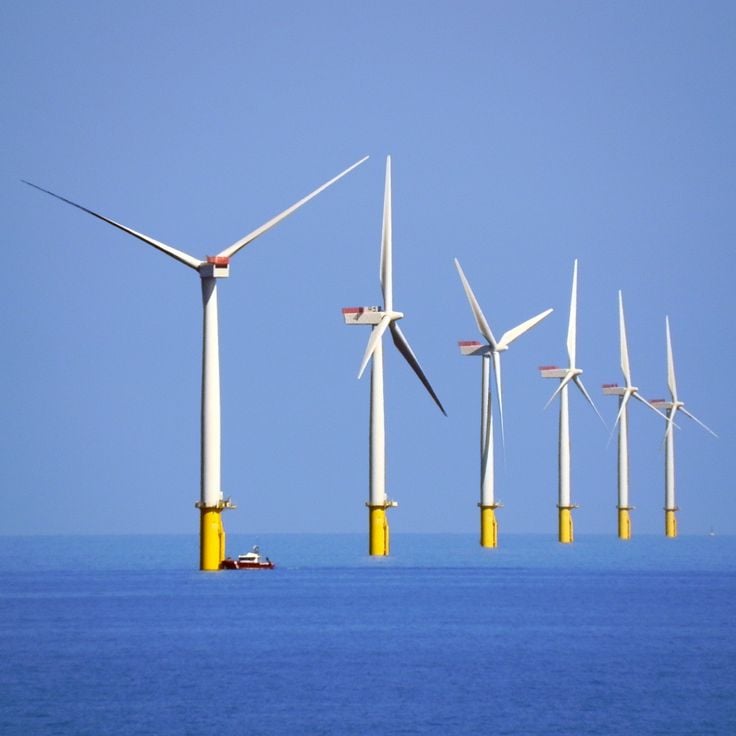
The Walney Extension is an offshore wind farm in the North Sea near the United Kingdom and demonstrates how wind turbines are built in ocean waters. With 87 turbines, the Walney Extension generates large amounts of power from the wind and supplies renewable electricity to hundreds of thousands of households. This installation shows how wind energy works at sea to produce clean electricity.
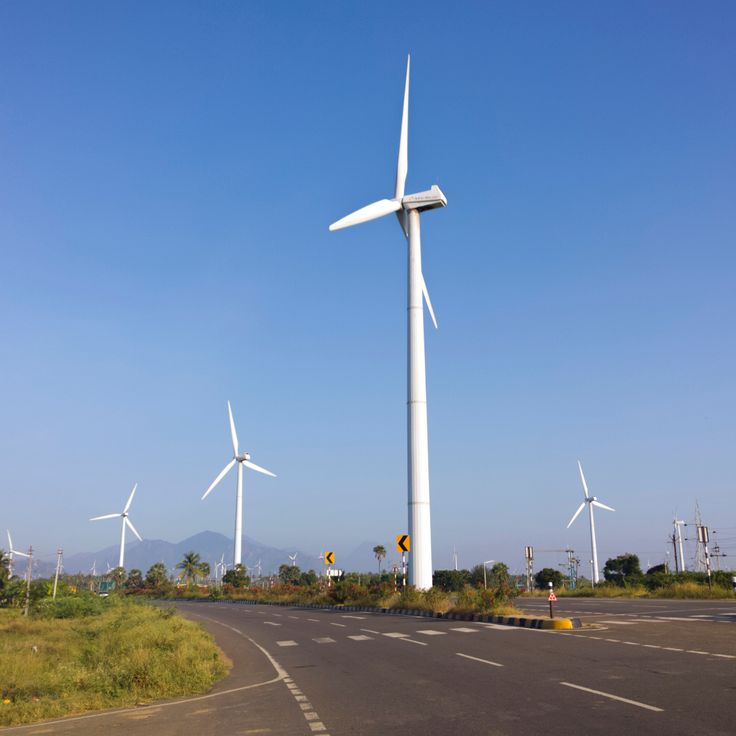
Muppandal Wind Park shows how wind energy integrates into Indian landscapes. This installation uses thousands of wind turbines to generate electricity in the Kanyakumari region. The wind park is part of this worldwide collection of energy production sites that demonstrate how renewable technology works in different environments. Muppandal Wind Park represents the use of wind resources in a densely populated nation.
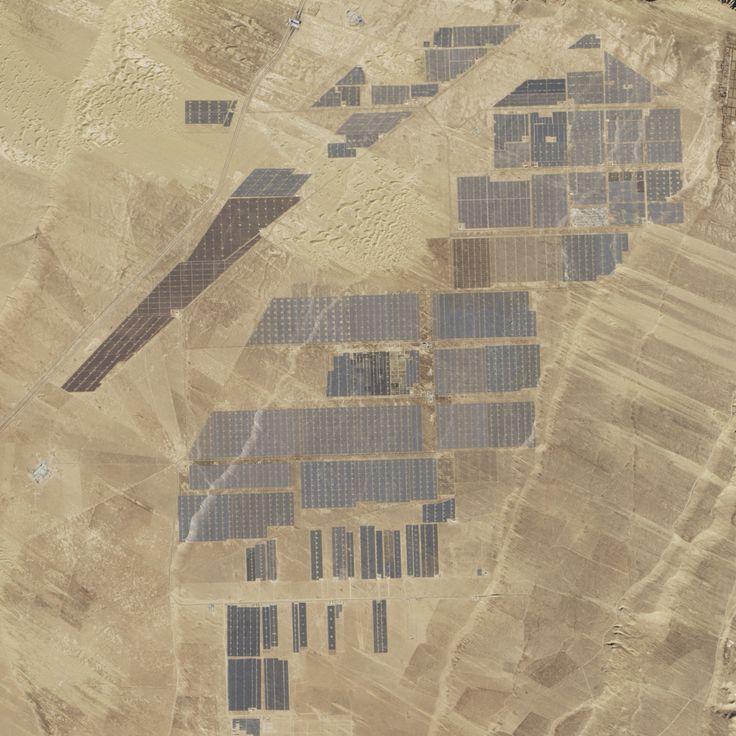
The Longyangxia solar facility in Gonghe combines hydroelectric and solar power in a single installation. A reservoir generates electricity while millions of photovoltaic panels simultaneously capture sunlight. This site shows how different renewable energy sources can work together on the same land. The integration of hydroelectric and solar technology makes this location in Qinghai an important example of how energy infrastructure adapts to local conditions.
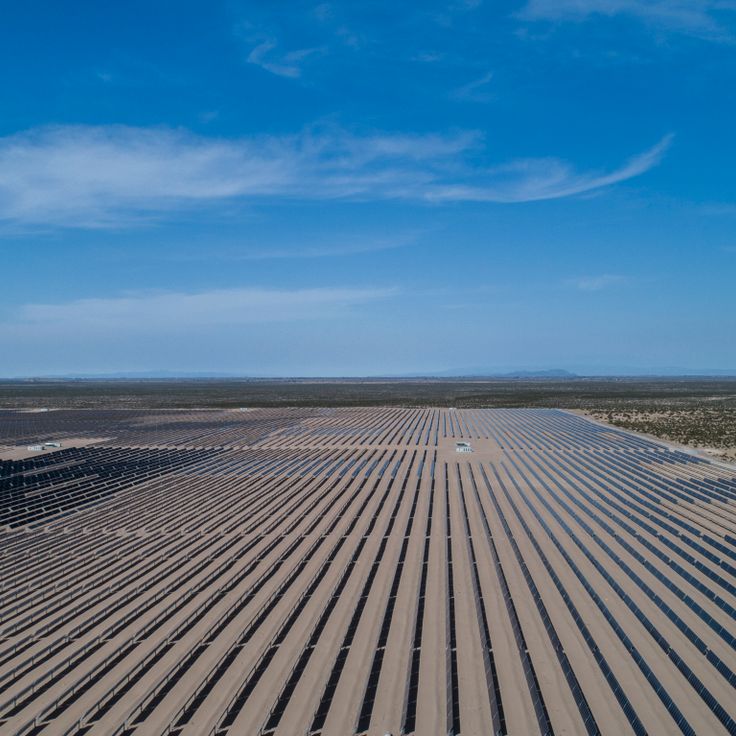
The Villanueva Solar Station is part of this collection of renewable energy sites that extends from California to China. Located in the Chihuahuan Desert, this installation uses millions of solar panels to generate electricity in one of Mexico's sunniest regions. It demonstrates how solar technology integrates into desert landscapes to produce energy for local and regional use.
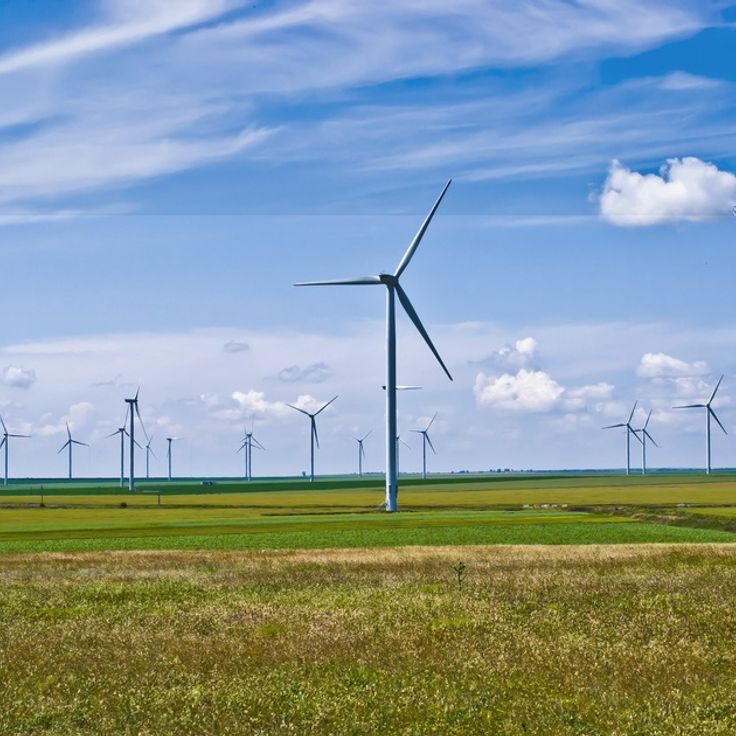
The Fântânele-Cogealac Wind Station is a major wind power facility in the Dobrogea region that demonstrates how wind energy can be generated across flat European landscapes. With hundreds of turbines, this installation harnesses the strong winds of the Black Sea coast to produce electricity.
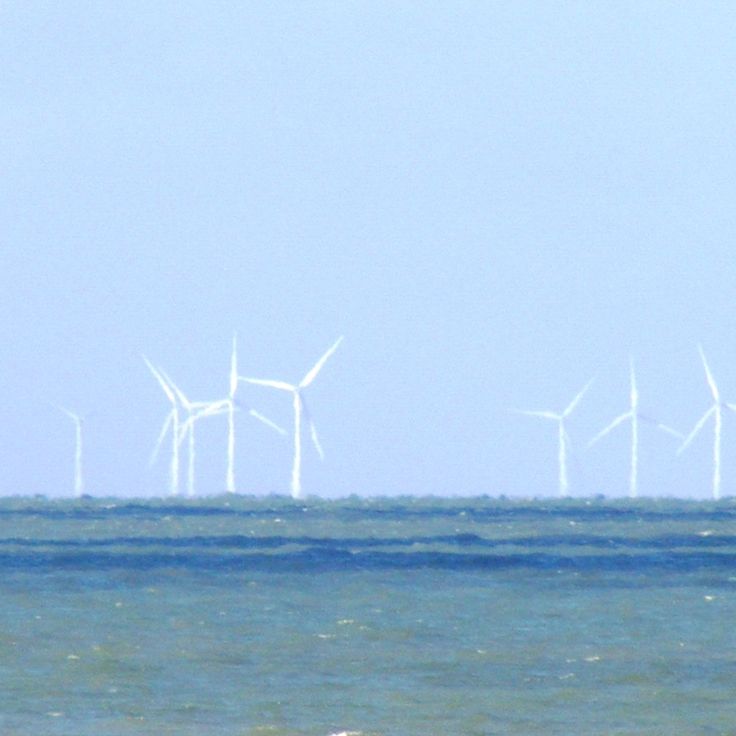
Thanet Wind Station is a wind farm in the North Sea off the coast of Kent. It has 100 turbines that generate electricity for about 200000 homes. This site shows how wind energy is captured in marine environments and is part of a collection of large solar and wind farms around the world.
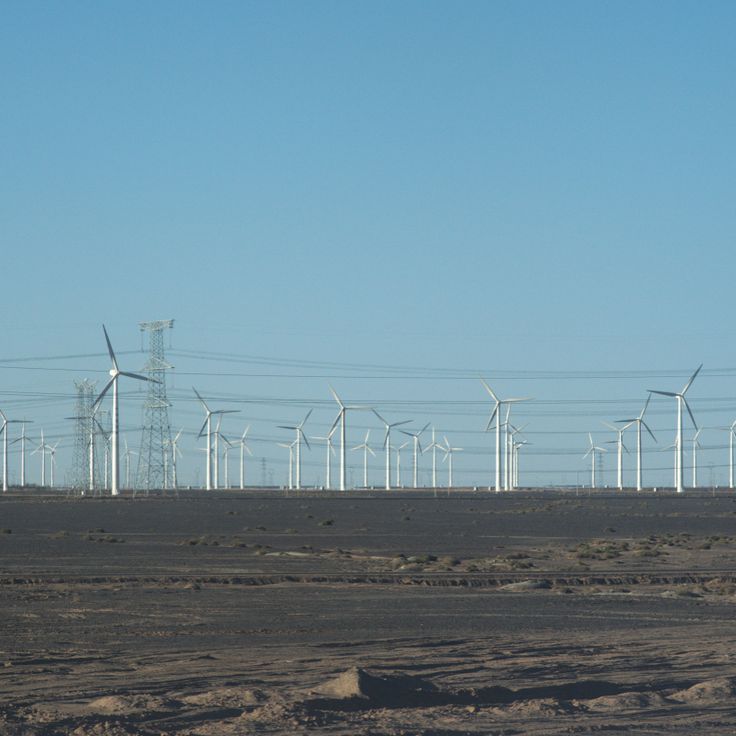
The Jiuquan Wind Power Base is a wind facility in Gansu, China that shows how renewable energy can be integrated into desert landscapes. Turbines stand across the flat, open terrain of the Gobi Desert, harnessing the region's strong winds to generate electricity. This installation demonstrates how wind technology works in different landscape types, from Scottish moorlands to Chinese desert regions.
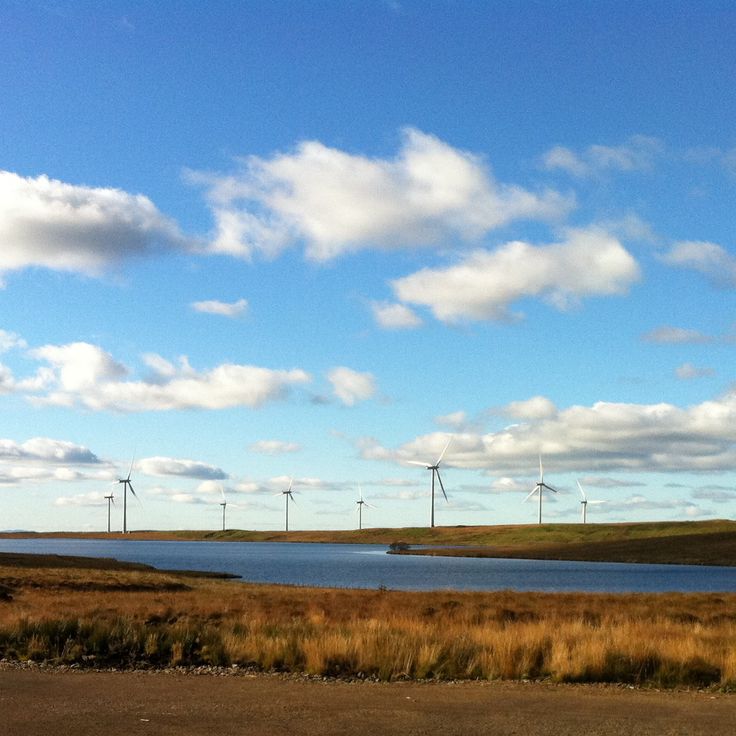
The Whitelee wind farm shows how wind turbines fit into the Scottish moorland. This site in the global collection of renewable energy installations demonstrates how wind energy works on uneven terrain. The park generates electricity for households in the region and illustrates how wind energy adapts to different types of landscape.
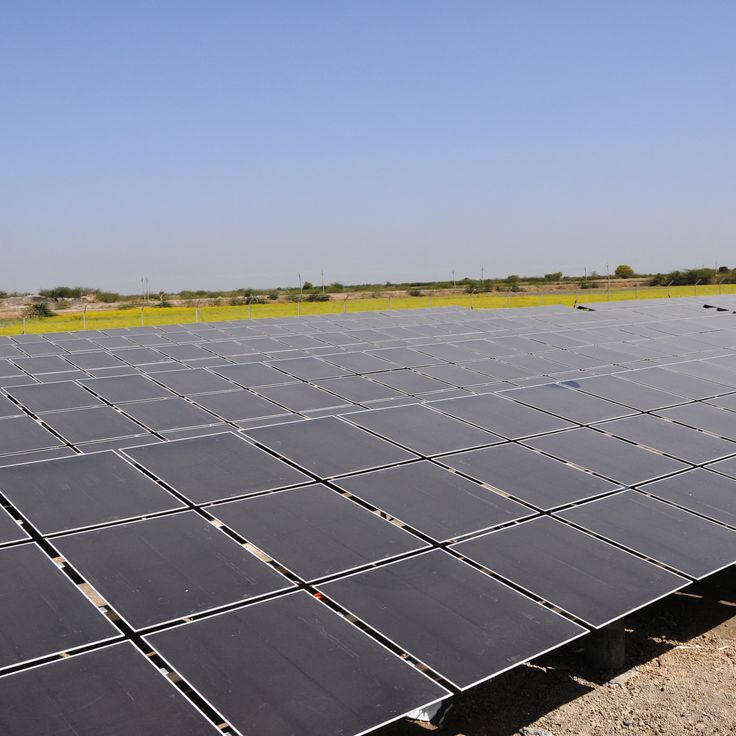
The Gujarat Solar Park is a large solar installation in India that converts sunlight into electricity. The park demonstrates how solar energy can be used in arid regions to produce power for communities. The installation is part of a global effort to use renewable energy sources to meet energy needs without dependence on fossil fuels. This site shows how modern energy production integrates into different landscapes and how countries adapt their energy systems toward a transition away from fossil fuels.
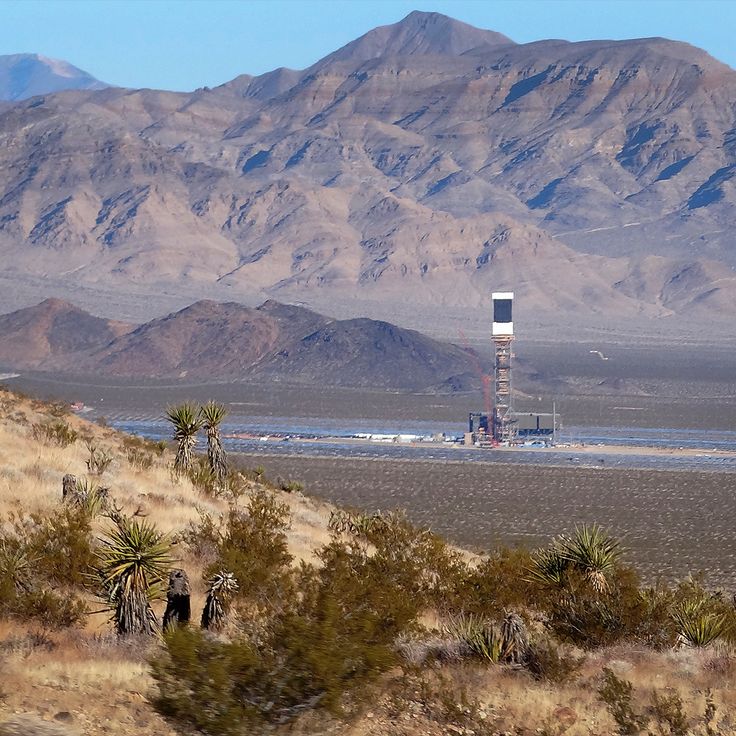
The Ivanpah Solar Power Facility uses approximately 347,000 sun-tracking mirrors to generate electricity for about 140,000 households. This large solar plant in California shows how mirror technology works in desert landscapes to convert sunlight into power. The facility is part of the global effort to use renewable energy sources and demonstrates how solar energy can be harnessed at scale.
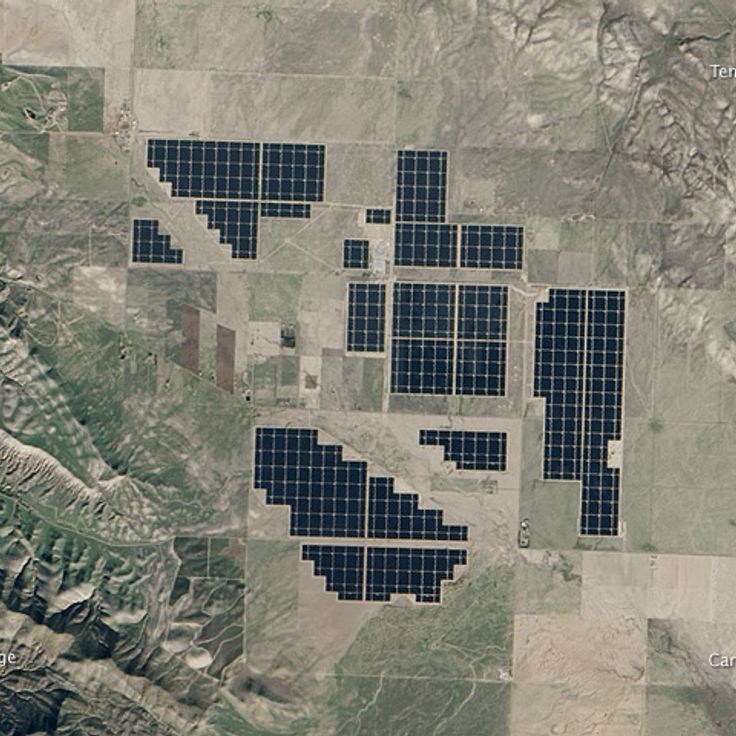
The Topaz Solar Farm is a solar installation in California that generates electricity for approximately 160,000 households. Located in San Luis Obispo County, it covers about 19 square kilometers and demonstrates how solar energy can be integrated into desert landscapes on a large scale. This installation is part of a global collection of sites showing renewable energy technology - ranging from solar arrays in the Rajasthan desert to wind turbines in Scottish moorlands and offshore installations in the North Sea.
This wind farm in Texas demonstrates how wind energy is integrated into the American landscape at a large scale. With 627 turbines spread across four counties, Roscoe generates power for approximately 260000 Texas households and shows the practical application of modern wind technology featured in this collection of renewable energy sites worldwide.
The Bhadla Solar Park demonstrates how solar energy integrates into desert landscapes. Located in the Rajasthan desert, this park operates across vast expanses of arid land with millions of solar modules generating power at scale. The site exemplifies how renewable energy installations adapt to different terrain and climate conditions.
The Hornsea Wind Farm is part of a worldwide collection of renewable energy sites. This offshore wind installation consists of 174 turbines positioned far off the coast in the North Sea. The farm demonstrates how wind turbine technology integrates into marine environments and contributes to regional energy needs.
The Benban Solar Park demonstrates how large-scale solar installations work. Located near Aswan in Egypt, this park takes advantage of the desert's intense sunlight. Thousands of solar panels generate electricity for the region and show how solar energy can be harnessed in dry landscapes. The site is part of this collection of places where renewable energy has been integrated into different types of terrain.
The Noor Complex Solar Power Plant in Ouarzazate demonstrates how mirror technology and thermal storage generate renewable energy. This installation produces electricity even after sunset and shows how large solar arrays integrate into desert landscapes. The site represents a major solar facility that combines advanced technology with natural geography.
The Walney Extension is an offshore wind farm in the North Sea near the United Kingdom and demonstrates how wind turbines are built in ocean waters. With 87 turbines, the Walney Extension generates large amounts of power from the wind and supplies renewable electricity to hundreds of thousands of households. This installation shows how wind energy works at sea to produce clean electricity.
Muppandal Wind Park shows how wind energy integrates into Indian landscapes. This installation uses thousands of wind turbines to generate electricity in the Kanyakumari region. The wind park is part of this worldwide collection of energy production sites that demonstrate how renewable technology works in different environments. Muppandal Wind Park represents the use of wind resources in a densely populated nation.
The Longyangxia solar facility in Gonghe combines hydroelectric and solar power in a single installation. A reservoir generates electricity while millions of photovoltaic panels simultaneously capture sunlight. This site shows how different renewable energy sources can work together on the same land. The integration of hydroelectric and solar technology makes this location in Qinghai an important example of how energy infrastructure adapts to local conditions.
The Villanueva Solar Station is part of this collection of renewable energy sites that extends from California to China. Located in the Chihuahuan Desert, this installation uses millions of solar panels to generate electricity in one of Mexico's sunniest regions. It demonstrates how solar technology integrates into desert landscapes to produce energy for local and regional use.
The Fântânele-Cogealac Wind Station is a major wind power facility in the Dobrogea region that demonstrates how wind energy can be generated across flat European landscapes. With hundreds of turbines, this installation harnesses the strong winds of the Black Sea coast to produce electricity.
Thanet Wind Station is a wind farm in the North Sea off the coast of Kent. It has 100 turbines that generate electricity for about 200000 homes. This site shows how wind energy is captured in marine environments and is part of a collection of large solar and wind farms around the world.
The Jiuquan Wind Power Base is a wind facility in Gansu, China that shows how renewable energy can be integrated into desert landscapes. Turbines stand across the flat, open terrain of the Gobi Desert, harnessing the region's strong winds to generate electricity. This installation demonstrates how wind technology works in different landscape types, from Scottish moorlands to Chinese desert regions.
The Whitelee wind farm shows how wind turbines fit into the Scottish moorland. This site in the global collection of renewable energy installations demonstrates how wind energy works on uneven terrain. The park generates electricity for households in the region and illustrates how wind energy adapts to different types of landscape.
The Gujarat Solar Park is a large solar installation in India that converts sunlight into electricity. The park demonstrates how solar energy can be used in arid regions to produce power for communities. The installation is part of a global effort to use renewable energy sources to meet energy needs without dependence on fossil fuels. This site shows how modern energy production integrates into different landscapes and how countries adapt their energy systems toward a transition away from fossil fuels.
The Ivanpah Solar Power Facility uses approximately 347,000 sun-tracking mirrors to generate electricity for about 140,000 households. This large solar plant in California shows how mirror technology works in desert landscapes to convert sunlight into power. The facility is part of the global effort to use renewable energy sources and demonstrates how solar energy can be harnessed at scale.
The Topaz Solar Farm is a solar installation in California that generates electricity for approximately 160,000 households. Located in San Luis Obispo County, it covers about 19 square kilometers and demonstrates how solar energy can be integrated into desert landscapes on a large scale. This installation is part of a global collection of sites showing renewable energy technology - ranging from solar arrays in the Rajasthan desert to wind turbines in Scottish moorlands and offshore installations in the North Sea.
This wind farm in Texas demonstrates how wind energy is integrated into the American landscape at a large scale. With 627 turbines spread across four counties, Roscoe generates power for approximately 260000 Texas households and shows the practical application of modern wind technology featured in this collection of renewable energy sites worldwide.
The Bhadla Solar Park demonstrates how solar energy integrates into desert landscapes. Located in the Rajasthan desert, this park operates across vast expanses of arid land with millions of solar modules generating power at scale. The site exemplifies how renewable energy installations adapt to different terrain and climate conditions.
The Hornsea Wind Farm is part of a worldwide collection of renewable energy sites. This offshore wind installation consists of 174 turbines positioned far off the coast in the North Sea. The farm demonstrates how wind turbine technology integrates into marine environments and contributes to regional energy needs.
The Benban Solar Park demonstrates how large-scale solar installations work. Located near Aswan in Egypt, this park takes advantage of the desert's intense sunlight. Thousands of solar panels generate electricity for the region and show how solar energy can be harnessed in dry landscapes. The site is part of this collection of places where renewable energy has been integrated into different types of terrain.
The Noor Complex Solar Power Plant in Ouarzazate demonstrates how mirror technology and thermal storage generate renewable energy. This installation produces electricity even after sunset and shows how large solar arrays integrate into desert landscapes. The site represents a major solar facility that combines advanced technology with natural geography.
The Walney Extension is an offshore wind farm in the North Sea near the United Kingdom and demonstrates how wind turbines are built in ocean waters. With 87 turbines, the Walney Extension generates large amounts of power from the wind and supplies renewable electricity to hundreds of thousands of households. This installation shows how wind energy works at sea to produce clean electricity.
Muppandal Wind Park shows how wind energy integrates into Indian landscapes. This installation uses thousands of wind turbines to generate electricity in the Kanyakumari region. The wind park is part of this worldwide collection of energy production sites that demonstrate how renewable technology works in different environments. Muppandal Wind Park represents the use of wind resources in a densely populated nation.
The Longyangxia solar facility in Gonghe combines hydroelectric and solar power in a single installation. A reservoir generates electricity while millions of photovoltaic panels simultaneously capture sunlight. This site shows how different renewable energy sources can work together on the same land. The integration of hydroelectric and solar technology makes this location in Qinghai an important example of how energy infrastructure adapts to local conditions.
The Villanueva Solar Station is part of this collection of renewable energy sites that extends from California to China. Located in the Chihuahuan Desert, this installation uses millions of solar panels to generate electricity in one of Mexico's sunniest regions. It demonstrates how solar technology integrates into desert landscapes to produce energy for local and regional use.
The Fântânele-Cogealac Wind Station is a major wind power facility in the Dobrogea region that demonstrates how wind energy can be generated across flat European landscapes. With hundreds of turbines, this installation harnesses the strong winds of the Black Sea coast to produce electricity.
Thanet Wind Station is a wind farm in the North Sea off the coast of Kent. It has 100 turbines that generate electricity for about 200000 homes. This site shows how wind energy is captured in marine environments and is part of a collection of large solar and wind farms around the world.
The Jiuquan Wind Power Base is a wind facility in Gansu, China that shows how renewable energy can be integrated into desert landscapes. Turbines stand across the flat, open terrain of the Gobi Desert, harnessing the region's strong winds to generate electricity. This installation demonstrates how wind technology works in different landscape types, from Scottish moorlands to Chinese desert regions.
The Whitelee wind farm shows how wind turbines fit into the Scottish moorland. This site in the global collection of renewable energy installations demonstrates how wind energy works on uneven terrain. The park generates electricity for households in the region and illustrates how wind energy adapts to different types of landscape.
The Gujarat Solar Park is a large solar installation in India that converts sunlight into electricity. The park demonstrates how solar energy can be used in arid regions to produce power for communities. The installation is part of a global effort to use renewable energy sources to meet energy needs without dependence on fossil fuels. This site shows how modern energy production integrates into different landscapes and how countries adapt their energy systems toward a transition away from fossil fuels.
The Ivanpah Solar Power Facility uses approximately 347,000 sun-tracking mirrors to generate electricity for about 140,000 households. This large solar plant in California shows how mirror technology works in desert landscapes to convert sunlight into power. The facility is part of the global effort to use renewable energy sources and demonstrates how solar energy can be harnessed at scale.
The Topaz Solar Farm is a solar installation in California that generates electricity for approximately 160,000 households. Located in San Luis Obispo County, it covers about 19 square kilometers and demonstrates how solar energy can be integrated into desert landscapes on a large scale. This installation is part of a global collection of sites showing renewable energy technology - ranging from solar arrays in the Rajasthan desert to wind turbines in Scottish moorlands and offshore installations in the North Sea.
Visiting these sites gives a new view on how the world makes its energy. You see landscapes changed by technology, deserts with solar panels, coasts with wind turbines. Before you go, check the rules for visiting. Not all sites have guided tours. Think about the weather: Rajasthan in winter, the northern coasts in summer. These places remind you that the shift to new energy is a real thing you can see and touch.