See the monuments around you in AROpen chests in the app
Around Us is built for your phone — point your camera at the streets and discover the monuments and places around you in augmented reality.Around Us is built for your phone — chests unlock when you walk, explore and capture nearby places.
Italy preserves numerous historical sites away from standard tourist routes, ranging from medieval hill towns to Etruscan burial grounds. These locations document different periods of Italian history through architecture, art and natural settings. The collection includes Roman archaeological sites such as Palazzo Valentini Domus Romane, where ancient townhouses remain beneath modern streets, and Basilica di San Clemente, which displays three construction phases built one above another. In southern Italy, the Sassi of Matera show cave dwellings from prehistoric times, while the Crypt of the Original Sin presents early Christian frescoes from the 8th century.
The architectural variety ranges from the conical trulli houses in Alberobello to the Moorish inspired rooms of Sammezzano Castle. Civita di Bagnoregio sits on a tufa rock plateau separated from surrounding land by erosion. The Greek Theatre of Taormina and the Temple of Concordia in Agrigento document the ancient Greek presence in Sicily. Natural formations such as Grotta Azzurra on Capri and the thermal springs of Saturnia complement the historical structures. The sites spread across the entire country, from the Alps to the Aeolian Islands.
Italy preserves numerous historical sites away from standard tourist routes, ranging from medieval hill towns to Etruscan burial grounds. These locations document different periods of Italian history through architecture, art and natural settings. The collection includes Roman archaeological sites such as Palazzo Valentini Domus Romane, where ancient townhouses remain beneath modern streets, and Basilica di San Clemente, which displays three construction phases built one above another. In southern Italy, the Sassi of Matera show cave dwellings from prehistoric times, while the Crypt of the Original Sin presents early Christian frescoes from the 8th century.
The architectural variety ranges from the conical trulli houses in Alberobello to the Moorish inspired rooms of Sammezzano Castle. Civita di Bagnoregio sits on a tufa rock plateau separated from surrounding land by erosion. The Greek Theatre of Taormina and the Temple of Concordia in Agrigento document the ancient Greek presence in Sicily. Natural formations such as Grotta Azzurra on Capri and the thermal springs of Saturnia complement the historical structures. The sites spread across the entire country, from the Alps to the Aeolian Islands.
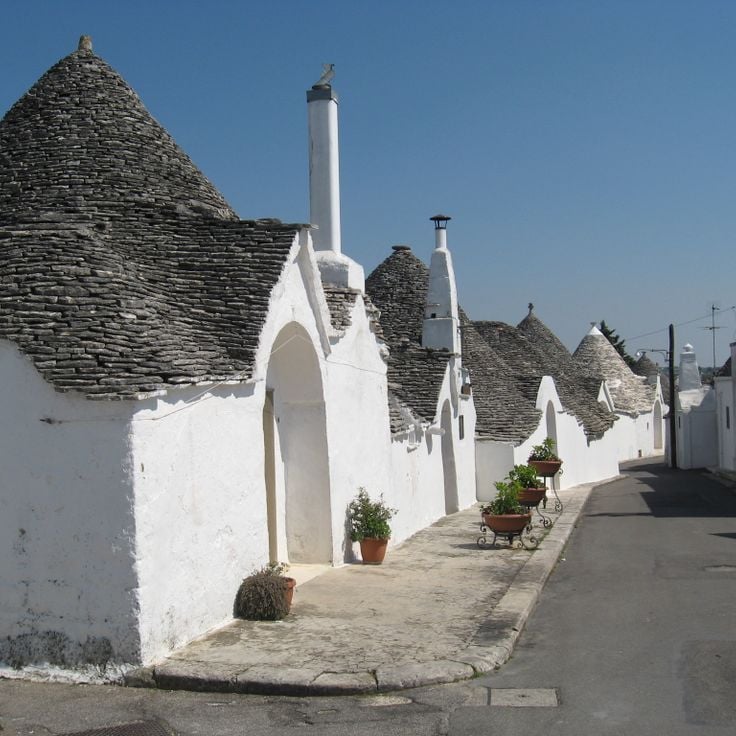
These traditional limestone houses with cone-shaped roofs have been part of UNESCO World Heritage since 1996. Alberobello preserves more than 1,500 of these trulli structures, built mainly in the 14th century from local materials without mortar. The roofs consist of concentric stone rings rising to a pointed shape. The Rione Monti district holds the highest concentration of these buildings, while Aia Piccola remains less visited. The whitewashed walls contrast with the gray roofs, creating a distinct townscape in the Apulian countryside.
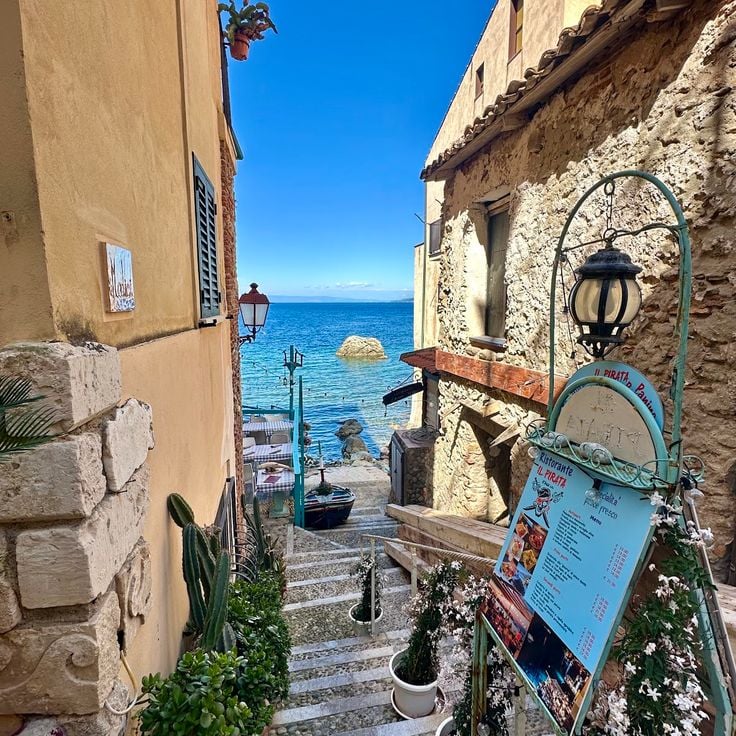
This historic fishing quarter on the Calabrian coast consists of houses built directly onto rocks at the water's edge. Residents store their boats in lower floors while living spaces occupy upper levels. Narrow alleys run between the buildings, and some structures extend into the water. The district documents traditional fishing construction methods, where residents combined their homes and workplaces in one location. The architecture follows the natural contours of the coast and shows adaptation to life by the sea over several centuries.
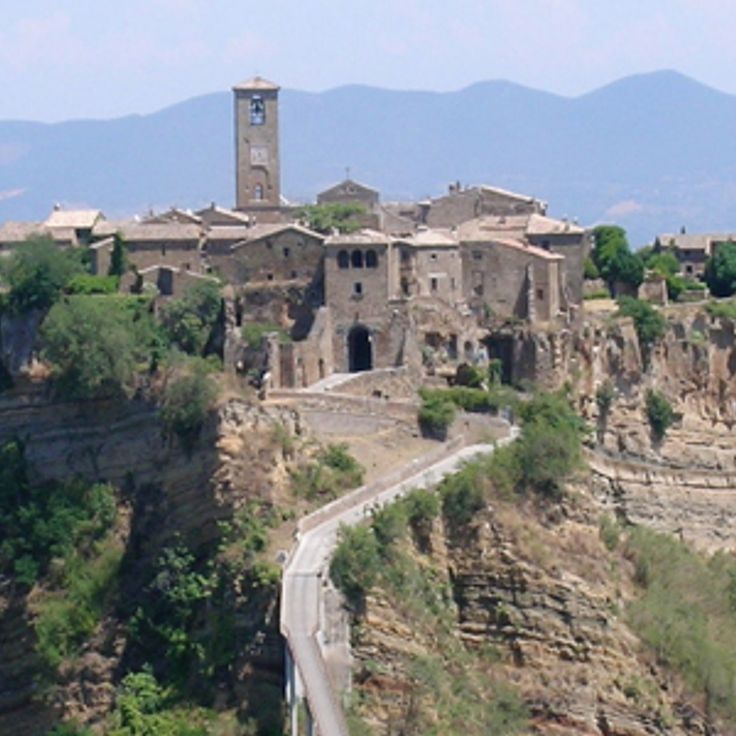
Civita di Bagnoregio stands on a tufa plateau that has receded over centuries due to erosion. The town is accessible only by a 1,000-foot (300-meter) pedestrian bridge linking modern Bagnoregio to the historic settlement. Medieval houses line narrow streets, while the edges of the plateau continue to face geological decay. The Etruscans established a settlement here before Romans and later residents shaped the architecture. Fewer than a dozen people now live year round in this town, which has maintained its isolation through the ongoing erosion of the surrounding rock.
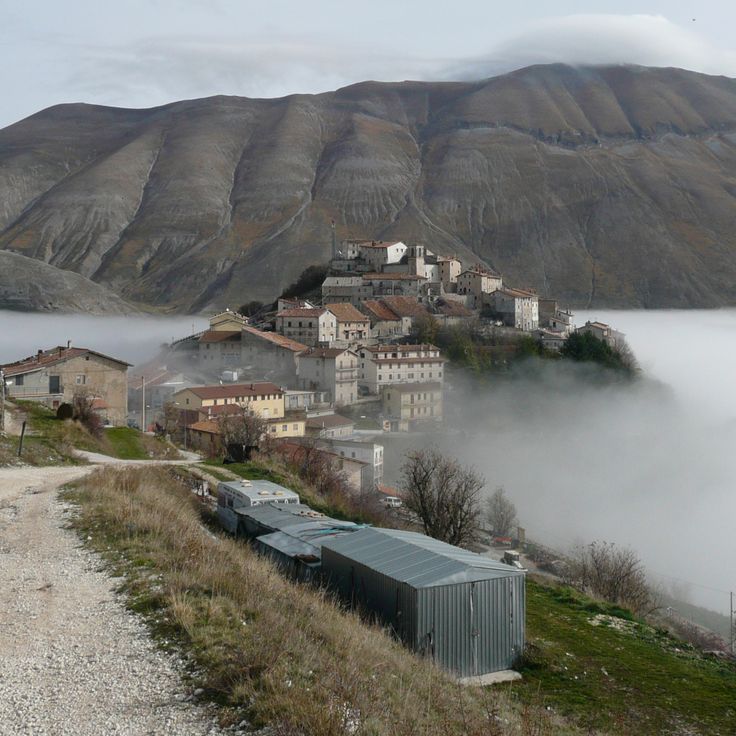
This village sits at 4,764 feet (1,452 meters) and ranks as the highest settlement in the Apennines. Castelluccio is surrounded by extensive lentil fields that create a mosaic of colors during the late spring flowering season. The landscape is defined by the Piano Grande, a high plateau that forms part of the Monti Sibillini National Park. The remote location away from major tourist routes has preserved the authentic character of the place, though a 2016 earthquake caused substantial damage.
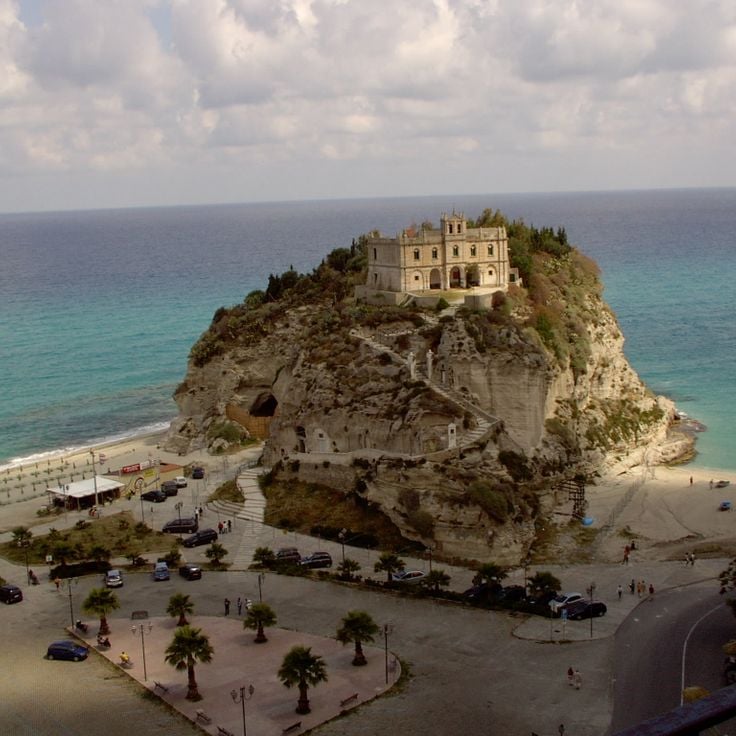
This 12th century monastery stands on a rocky promontory above the Tyrrhenian Sea and displays Romanesque architecture with a square cloister and a small church. The position above Tropea provides views across the Calabrian coastline. Benedictine monks founded the complex on a rock island later connected to the mainland by a footpath. Restoration work in the 20th century preserved the medieval structures and the surrounding garden with Mediterranean vegetation. The ascent via stone steps leads from the beach to the monastery terrace. The Romanesque arches and the position above the sea document medieval monastic construction along the southern Italian coast.
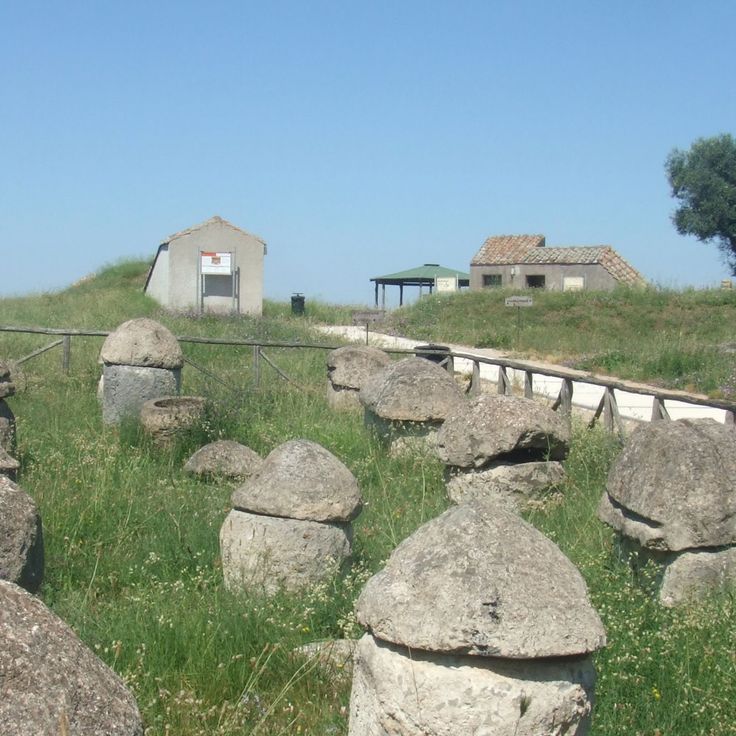
This necropolis contains 6000 tombs dating from the 6th century BC, with painted walls documenting daily life, religious rites and social customs of the Etruscans. The frescoes in the underground chambers show banquet scenes, dancers, athletes and mythological subjects in well preserved colors. The site lies away from standard tourist routes and provides direct insight into a culture that preceded Rome. Archaeologists have gathered information here about Etruscan burial practices, artistic techniques and social structures. The necropolis at Tarquinia ranks among the most important testimonies of Etruscan civilization in central Italy.
This 6th century religious complex sits atop Monte Soratte, a limestone mountain north of Rome. The hermitage began when Benedictine monks retreated into natural caves and carved out a network of underground tunnels and chambers. The monks used these spaces as living quarters and refuges during Lombard invasions and later conflicts. The complex includes multiple levels with chapels, sleeping quarters and storage rooms cut directly into the rock. Visitors today can explore the cave passages and see remnants of the medieval monastery buildings. The Monte Soratte Hermitage documents monastic life in early medieval Italy and shows how religious communities adapted natural features for their spiritual purposes.
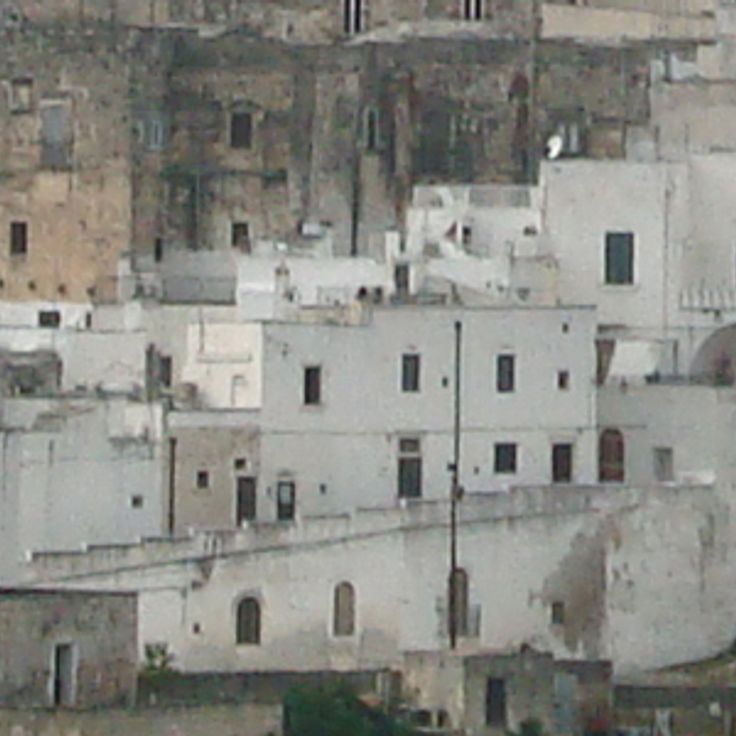
This hilltop town in Puglia preserves its medieval structure through whitewashed limestone buildings dating from the 15th century. Ostuni documents the architecture of that era with narrow alleys and staircases threading between houses. Located away from primary tourist routes, the town presents an authentic example of Puglian settlement history, where white facades served both climatic and cultural functions. The compact historic center maintains its original layout, offering insight into southern Italian urban planning from the late medieval period.
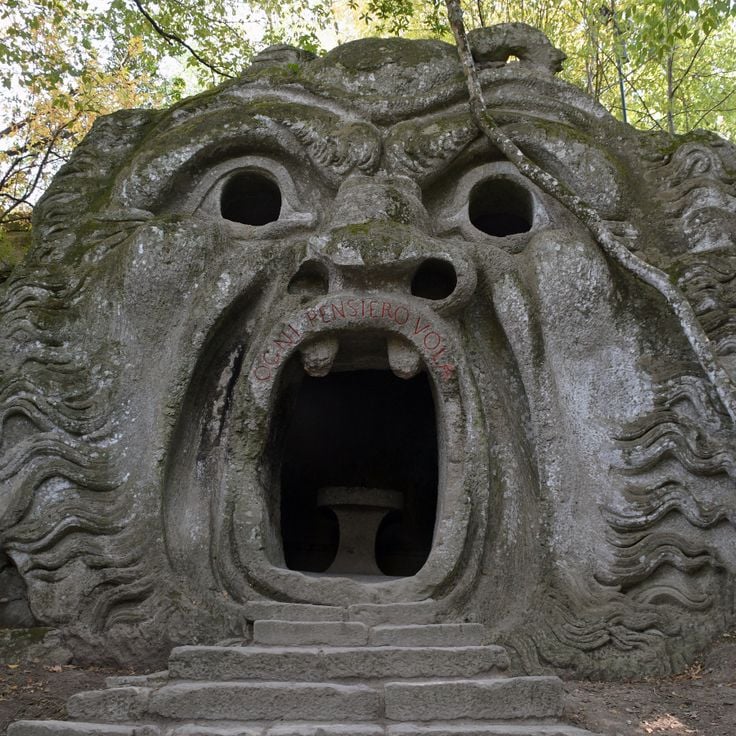
This garden from the sixteenth century was commissioned by Pier Francesco Orsini and documents the Mannerist period in Italy. The grounds contain over twenty stone sculptures depicting mythological figures, animals and architectural forms. The statues were carved directly from bedrock and form a circuit through different thematic areas. A tilted house, a temple and figures including a giant mouth belong to the site. The Sacro Bosco differs from the symmetrical Renaissance gardens of its time and shows experimental design. Visitors follow a path between the sculptures through the forest.
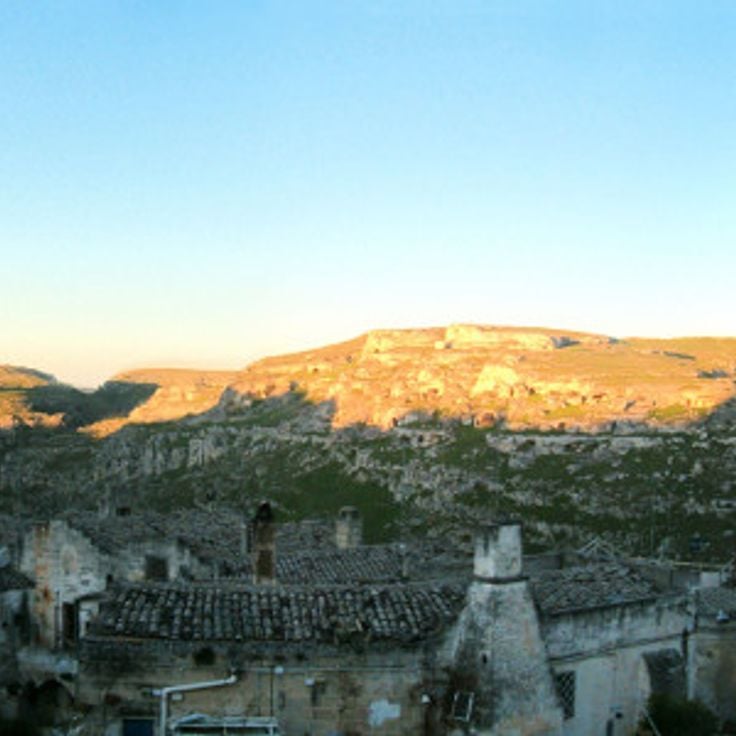
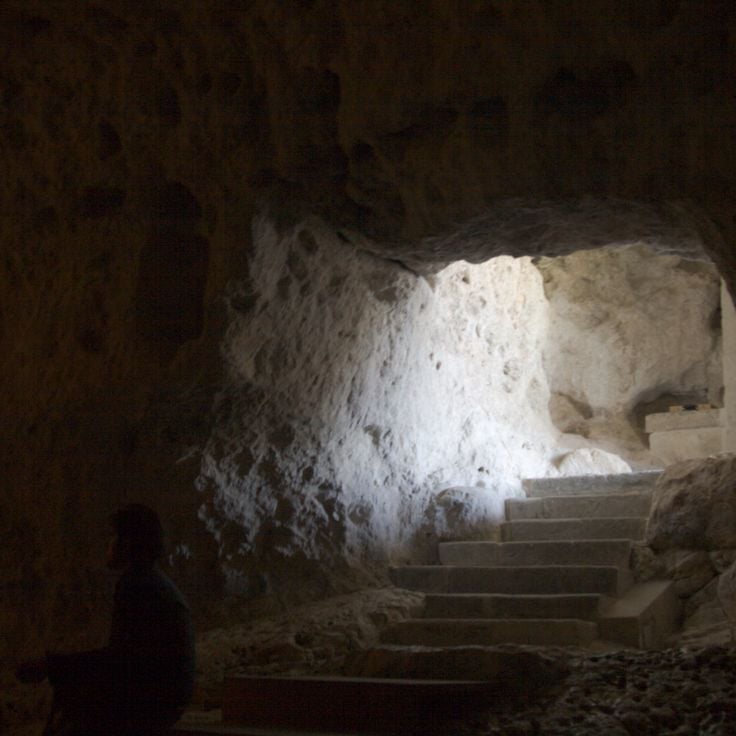
The Sassi di Matera consists of dwellings carved into rock and stone structures inhabited since the Paleolithic era. These ancient cave settlements spread across the slopes of a ravine in southern Italy's Basilicata region and document thousands of years of continuous human occupation. The structures were carved directly into the calcareous tufa stone and form an interconnected system of houses, churches and cisterns. While parts of the Sassi remained inhabited until the 1950s, restoration work over recent decades has transformed many of the cave dwellings into museums, accommodations and cultural spaces. The Sassi di Matera holds UNESCO World Heritage status and provides insight into prehistoric and medieval ways of life away from Italy's standard tourist routes.
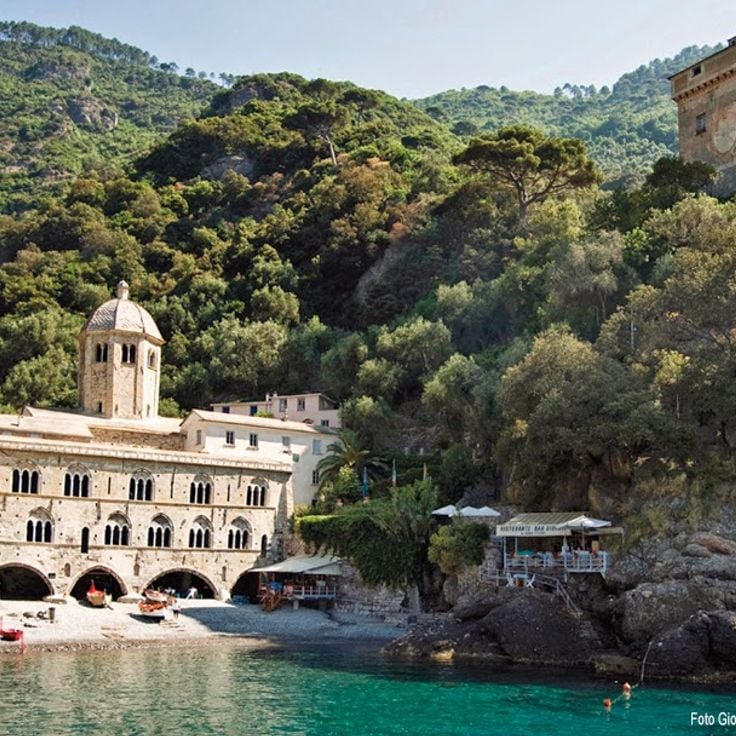
This abbey stands in a wooded cove on the Gulf of Genoa, surrounded by steep slopes and accessible only by hiking trail or boat. Benedictine monks founded the complex in the 10th century before it passed to the Doria family. The monastery preserves the tombs of several family members, Romanesque cloisters and an octagonal tower from the 13th century. The Torre Doria served as defense against pirate raids along the Ligurian coast. Underwater visitors find a bronze Christ statue dating to 1954 off the beach. The location away from regular routes and the historical architecture make San Fruttuoso an example of Italy's hidden medieval monuments.
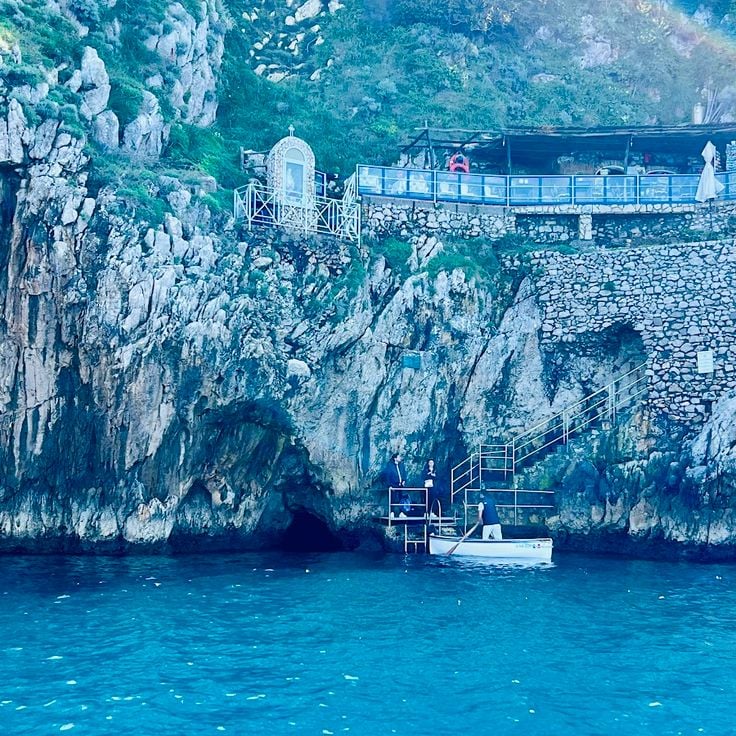
This sea cave on Capri's coastline displays an unusual natural phenomenon where sunlight enters through an underwater opening and makes the water appear in intense blue tones. The entrance sits just 4 feet (1.3 meters) above sea level, requiring visitors to duck while entering in small rowboats. The cave measures approximately 200 feet (60 meters) in length and 80 feet (25 meters) in width. Roman statues and structural remains on the seafloor suggest this grotto served as a nymphaeum or bathing site in antiquity.
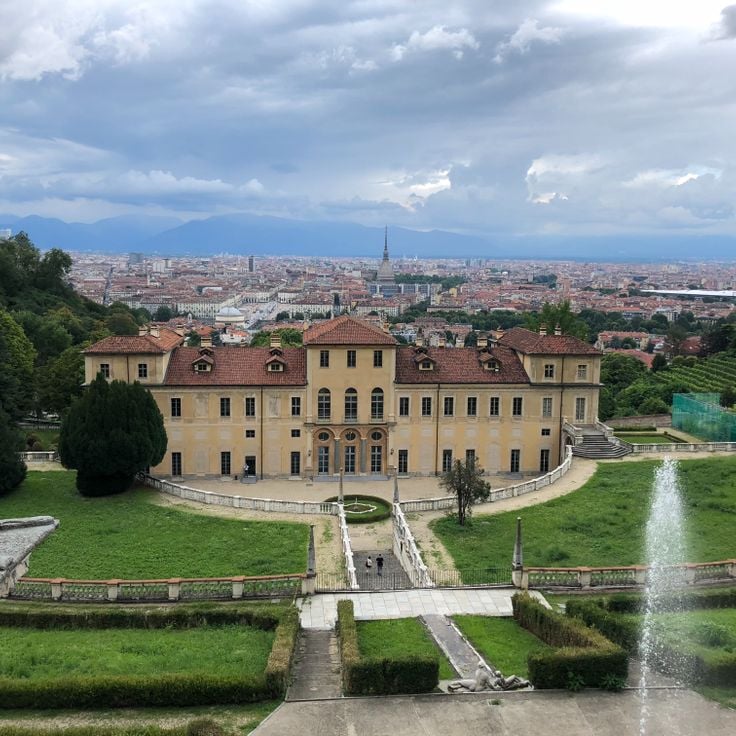
This 17th century residence sits on a hillside above Turin, combining baroque architecture with terraced gardens. Villa della Regina was built between 1615 and 1620 and served as a summer residence for the princesses of Savoy. The complex includes a main building with frescoes and decorated rooms, along with gardens designed in French and Italian styles. Inside, a collection of Chinese artworks documents the European nobility's fascination with East Asian culture during the 18th century. The vineyards and pavilions across the terraces show the connection between ceremonial architecture and agricultural use. The villa stands away from Turin's well-known attractions and provides insight into the history of the House of Savoy.
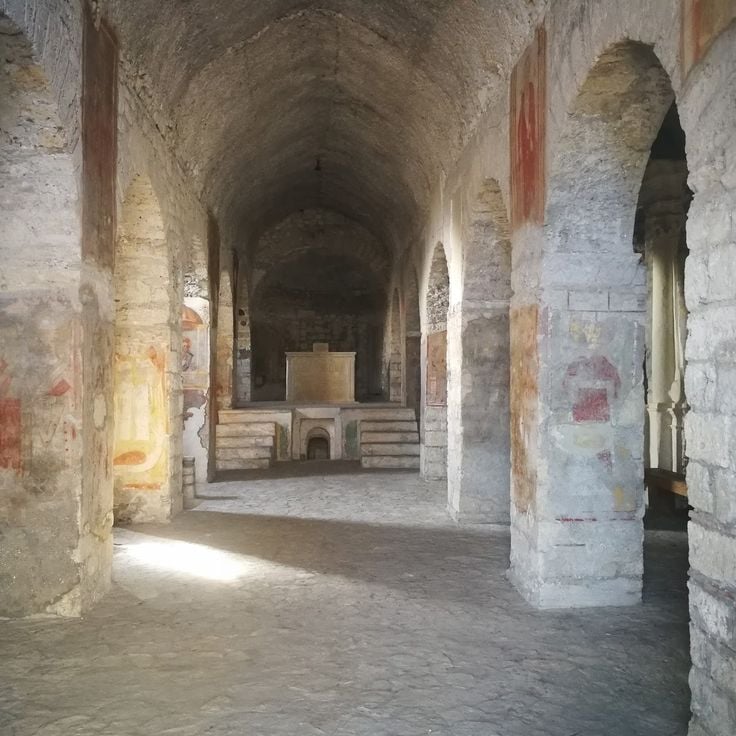
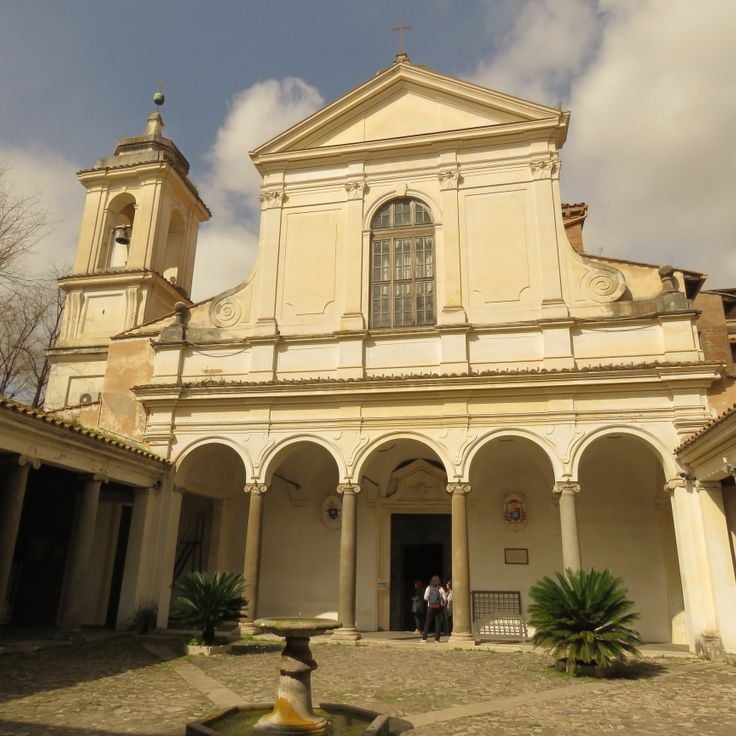
This basilica stands on three levels built one above the other, documenting different historical periods. The upper level shows a 12th-century medieval church with mosaics and a cloister. Below lies a 4th-century early Christian basilica, and the lowest level contains 1st-century Roman buildings, including a Mithras temple. The different layers illustrate the architectural evolution of Rome across two millennia and provide insight into religious practices from the Roman imperial period through the Middle Ages.
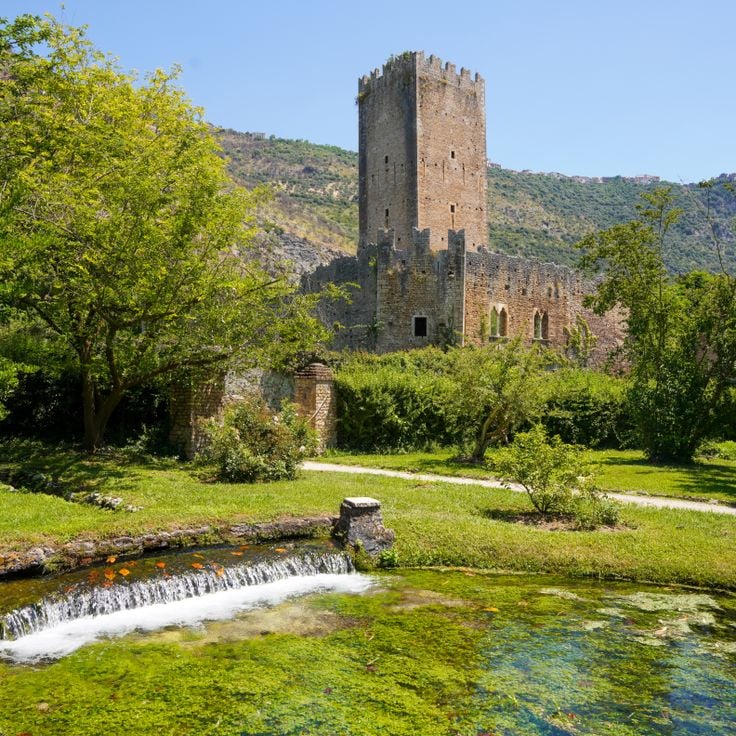
These gardens were established on the ruins of the medieval town of Ninfa, which was abandoned in the 14th century. The remains of churches, towers and town walls stand among waterways and plantings. Over 1300 plant species from different climate zones grow here, including roses, magnolias and Asian trees. The Caetani family began creating the gardens in the 20th century, using the medieval structures as a framework for the plantings. The site documents both the history of the abandoned settlement and the botanical collection of several generations.
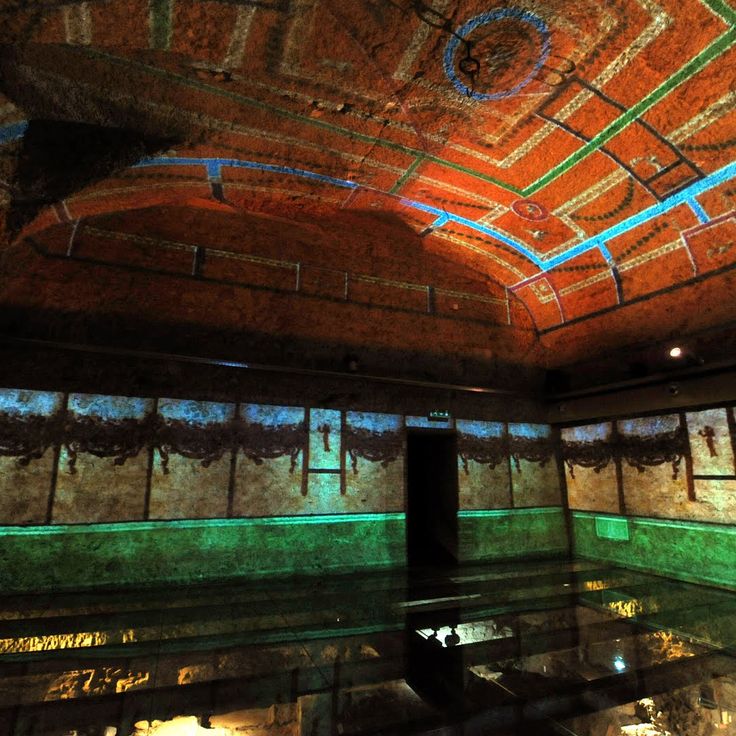
This archaeological site lies beneath a Renaissance palace in central Rome and reveals two Roman villas dating from the 2nd to 4th centuries AD. The excavations expose mosaic floors, marble cladding and fragments of wall paintings. An underground route passes through living quarters, baths with hypocaust heating and an external area with fountains. Digital projections reconstruct the original appearance of the rooms and illustrate domestic life among the Roman upper classes. The Domus Romane document urban residential architecture during an era when Rome served as the administrative and cultural capital of the empire.
This 9th century church carved into rock ranks among Italy's historical sites away from regular tourist destinations. The crypt preserves Romanesque frescoes depicting biblical scenes that cover its walls and ceiling. The paintings show representations from the Old and New Testament in a style that combines Byzantine and Western influences. This cave church sits in the Gravina ravine near Matera and documents early medieval Christian art in southern Italy. Access follows a path through the ravine, and visits require a guided tour.
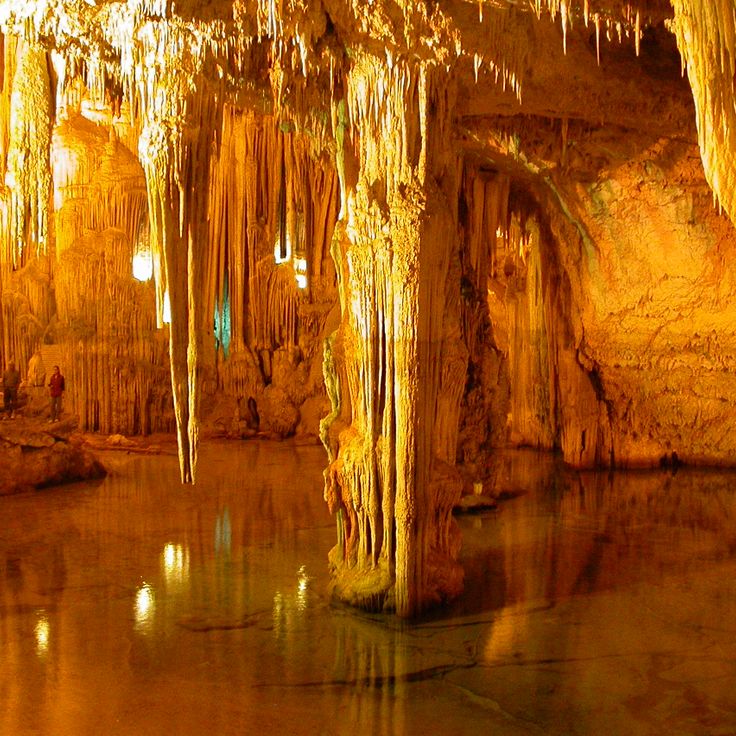
Neptune's Grotto extends through the cliffs of Capo Caccia, leading visitors through chambers lined with stalactites and stalagmites that reflect in underground lakes. Sardinian fishermen used the cave for centuries before it opened to visitors in the 18th century. A stairway of 654 steps connects the entrance to sea level, while the chambers maintain a constant temperature of approximately 61 degrees Fahrenheit (16 degrees Celsius).
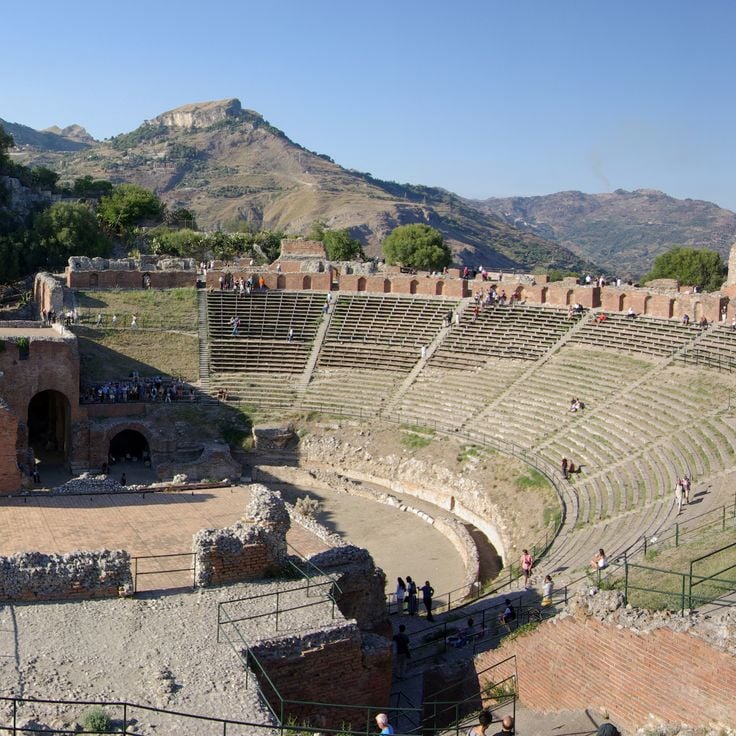
This ancient theater dates to the 3rd century BC when the Greeks built it before the Romans modified its structure. Measuring 394 feet (120 meters) in diameter, it accommodated around 5,400 spectators. The cavea was carved partially into the rock face while the standing columns and arches date from the Roman period. The backdrop features the Gulf of Naxos with Mount Etna beyond. Though less isolated than other historical sites in Italy, this Greek theater remains a significant example of ancient architecture in Sicily due to its scale and location.
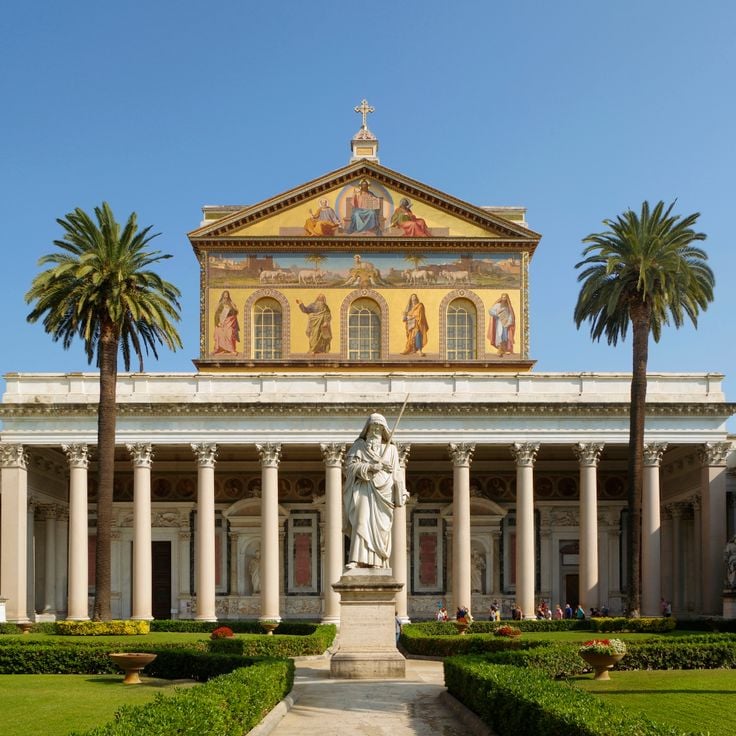
This fourth-century papal basilica stands over the burial site of Saint Paul the Apostle and ranks among Rome's four major papal churches. The structure demonstrates early Christian architecture through its five-nave interior supported by 80 granite columns. The triumphal arch displays fifth-century mosaics, while the apse contains thirteenth-century Byzantine work. The medieval cloister features paired columns with Cosmatesque inlay decoration. Following an 1823 fire, reconstruction preserved original elements including the confessio and portions of the ancient mosaics. The site offers insight into Christian architectural development beyond Rome's central tourist areas.
This historic district of Rome maintains its traditional Roman identity away from regular tourist destinations. The Testaccio neighborhood developed over centuries around an artificial hill called Monte Testaccio, composed of millions of broken amphorae from Roman times. These pottery fragments document ancient Rome's trade history, when olive oil and wine arrived here from across the Mediterranean. The district houses a traditional market where locals shop daily, along with artisan workshops and restaurants serving Roman cuisine. The architecture combines nineteenth-century working-class housing with modern buildings, while archaeological sites between the streets reveal the ancient past.
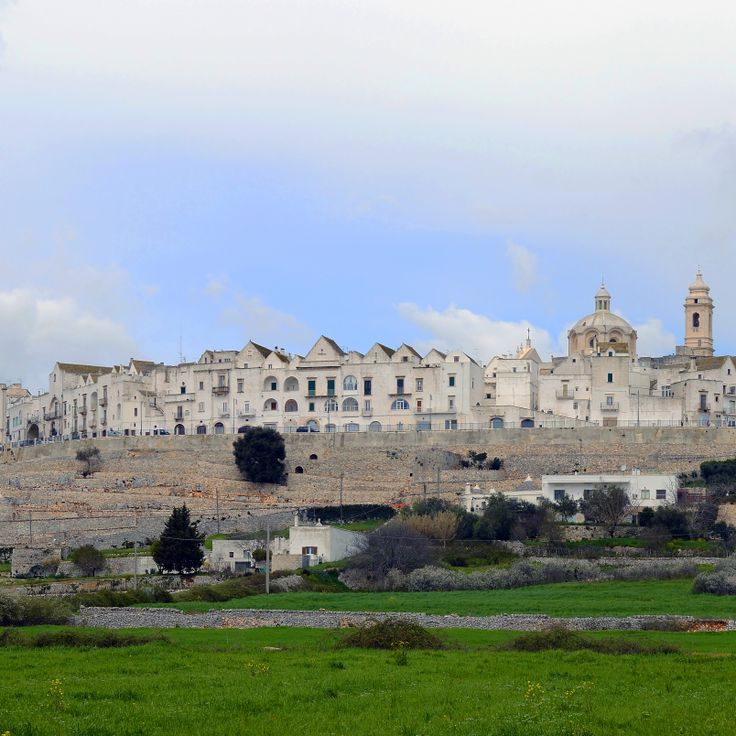
The village of Locorotondo sits at an elevation of 1,300 feet (400 meters) in the Itria Valley and presents Renaissance architecture through its churches, noble palaces and whitewashed alleyways. The central Chiesa Madre San Giorgio from the 17th century contains a gilded high altar and baroque side chapels. Along Via Vittorio Emanuele, palazzi with iron balconies and stone portals form a continuous line. The circular old town follows the original medieval layout, with characteristic cummerse roofs of sloping stone slabs crowning the buildings. From viewpoints at the town's edge, visitors see vineyards and olive groves spreading across the surrounding countryside.
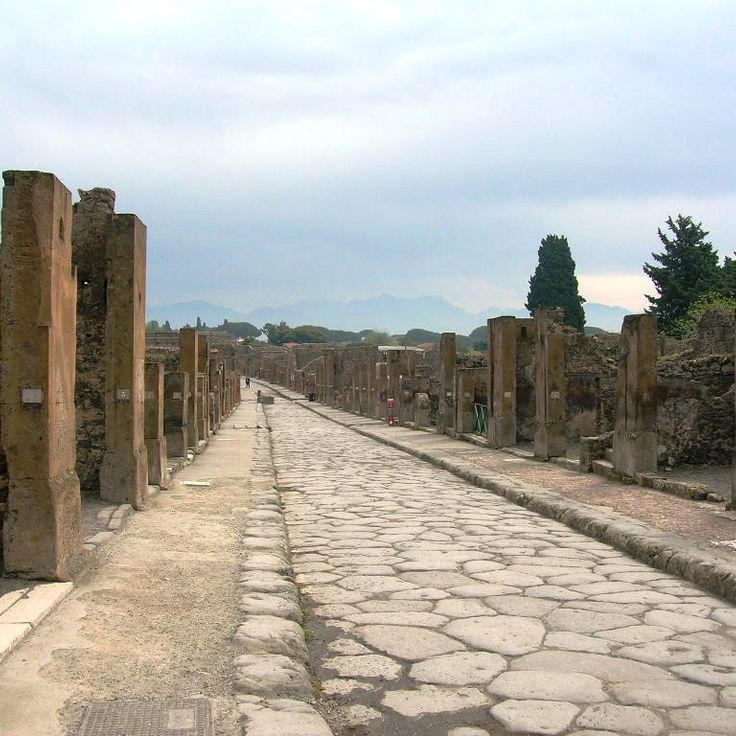
The archaeological site of Pompeii presents a Roman city buried under volcanic ash since AD 79. Streets, houses and public buildings with frescoes and mosaics document life before the eruption of Mount Vesuvius. Forums, theaters and baths complete the picture of this ancient settlement, whose preserved structures provide insights into Roman architecture and daily routines. For travelers exploring Italian history beyond the usual routes, this site offers a comprehensive view of Roman urban planning and culture in the first century.
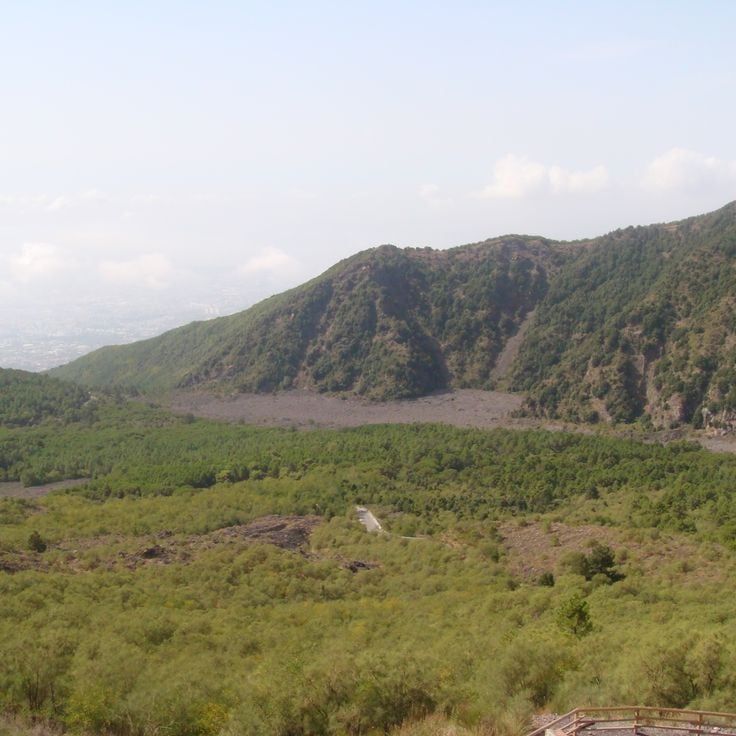
This historical volcano offers hiking trails across its slopes, which are cultivated with hazelnut groves and vineyards producing Lacrima Christi wine. Mount Vesuvius stands away from regular Italian destinations and documents geological history through its formation and agricultural tradition. The trails lead through vegetation zones that developed after the last eruption in 1944, while the crater area provides insights into volcanic activity.
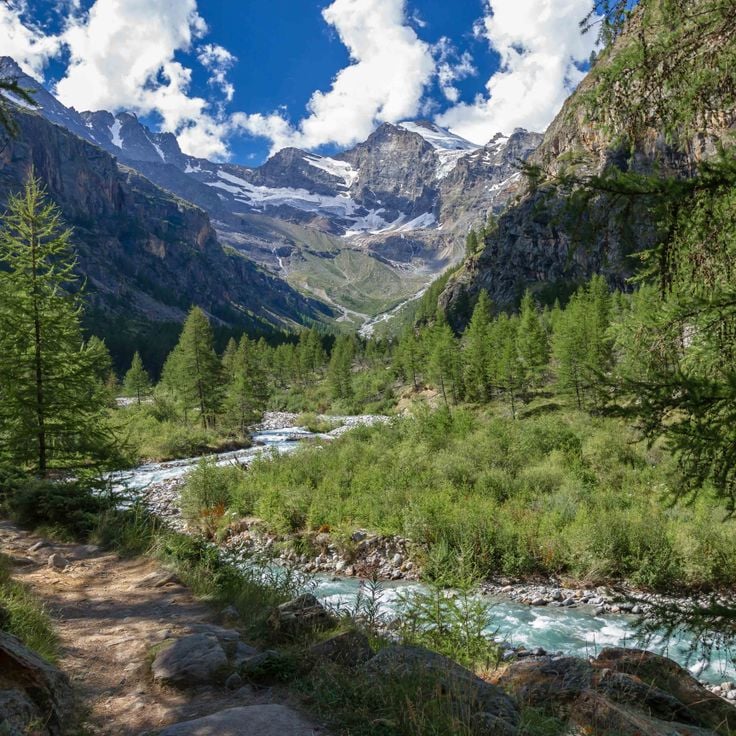
This national park stretches across the western Alps in Piedmont and Aosta Valley. Around 300 miles (500 km) of trails cross five valleys with alpine vegetation and glacial landscapes. Ibex and chamois inhabit the mountain regions, while historic hunting paths and mountain huts mark the territory. As Italy's first national park since 1922, it preserves alpine nature and wildlife away from standard tourist routes in the region.
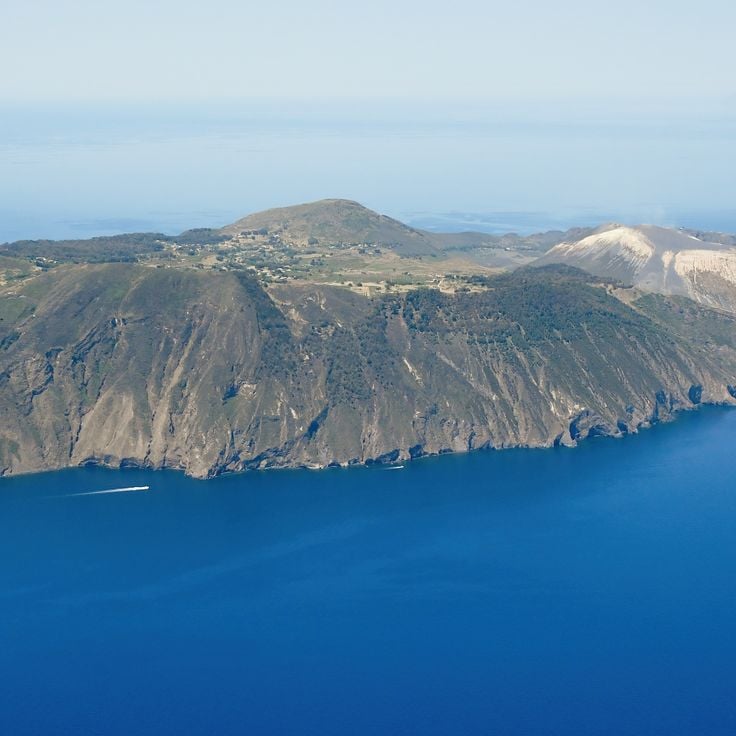
This island of the Aeolian archipelago lies northeast of Sicily and presents active geothermal phenomena from its volcanic history. The sulfurous thermal baths along the coastline attract visitors, while black sand beaches line the shore. Rock formations of volcanic origin rise from the sea, and the Gran Cratere offers hiking trails to the crater rim. The island documents volcanic processes through visible fumaroles and sulfur deposits that have been known since ancient times.
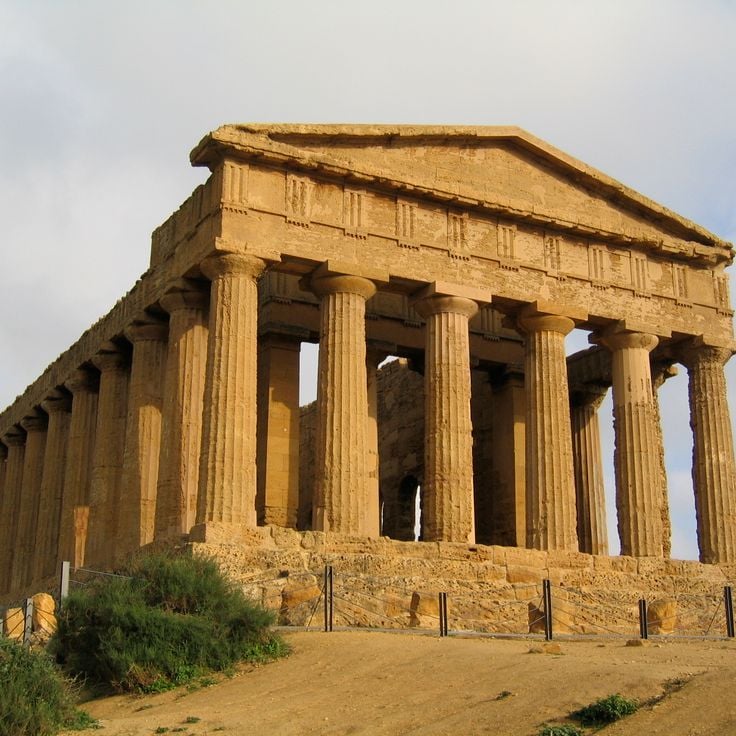
This 5th century BC temple stands among the best preserved Greek monuments in the world. The Doric columns and complete floor plan demonstrate classical Greek architecture in the Valley of the Temples. The structure was later converted into a Christian church, which contributed to its exceptional preservation. The Temple of Concordia documents the Greek presence in Sicily and serves as an example of ancient construction far from Italy's regular tourist destinations.
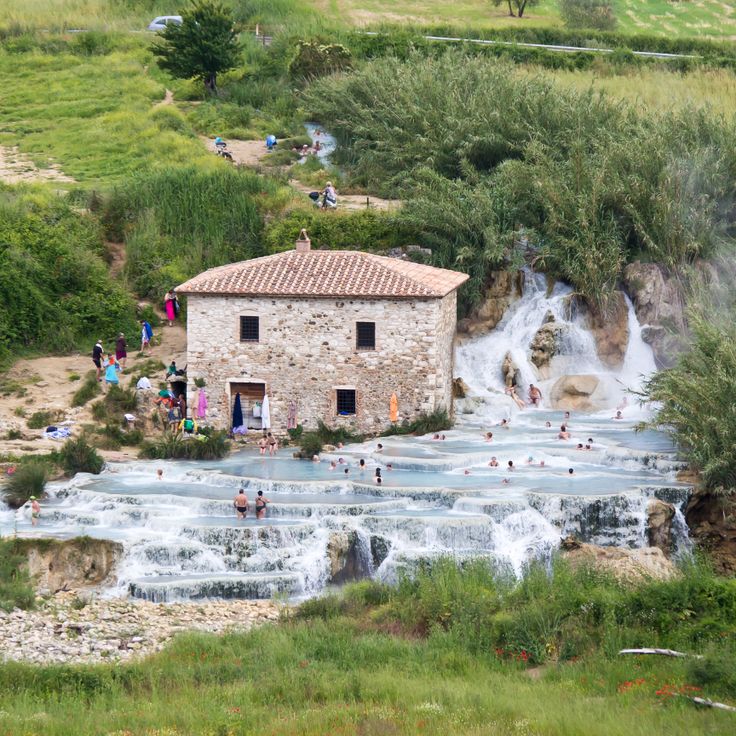
These natural thermal pools form where sulfurous springs emerge from the ground at a constant temperature of around 99 degrees Fahrenheit (37 degrees Celsius). The water flows over terraced limestone formations, creating several pools where visitors can bathe year-round. The thermal springs were used by the Etruscans and Romans, who valued their healing properties. The Saturnia Thermal Baths sit in southern Tuscany, away from regular tourist routes, and remain freely accessible to the public. Minerals in the water have shaped the white limestone rock over centuries, leaving characteristic deposits along the pool edges.
This business district documents Milan's contemporary urban planning with high-rises and planted facades. The two towers of Bosco Verticale carry approximately 900 trees and 20,000 plants on their balconies, an attempt at urban forestry in vertical architecture. The Garibaldi Tower and other office buildings from the 2010s define the skyline of the district. Pedestrian zones and public squares connect the structures. Porta Nuova documents Italian architectural tendencies of the early 2000s away from historical centers.
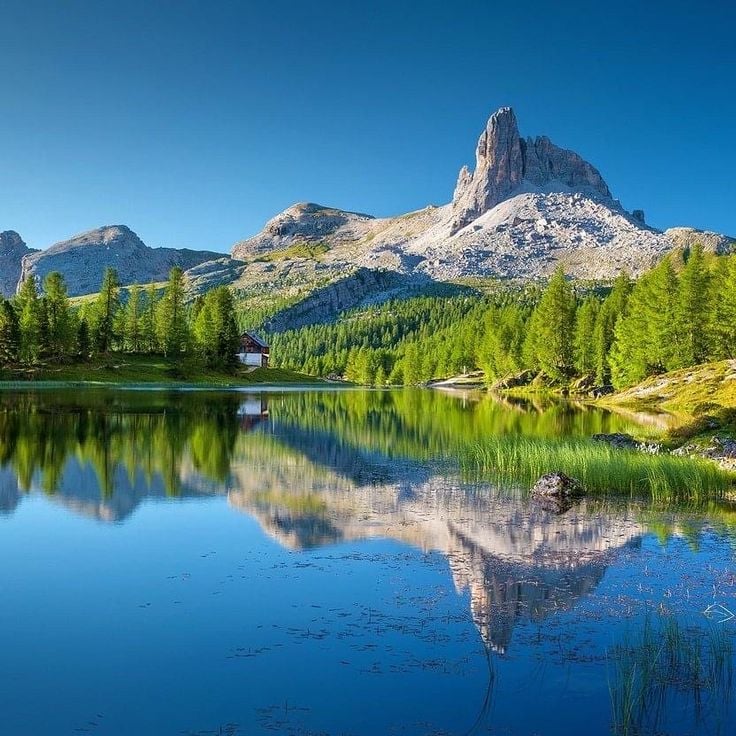
Lake Federa sits at 6,680 feet (2,038 m) in the Venetian Dolomites and is reached via hiking trails from the Croda da Lago refuge. The lake fills a glacial basin below the rock faces of Becco di Mezzodì and Croda da Lago. The trail passes through alpine meadows and stands of larch, with the lake reached in approximately 45 minutes. The surrounding peaks belong to the Dolomites UNESCO World Heritage site and display the characteristic sequence of Triassic sedimentary rocks. This alpine lake serves as a starting point for further routes to Col Roan or the Forcella Ambrizzola pass. The reflection of surrounding mountain formations in the water makes the lake a documented photographic subject in the region.
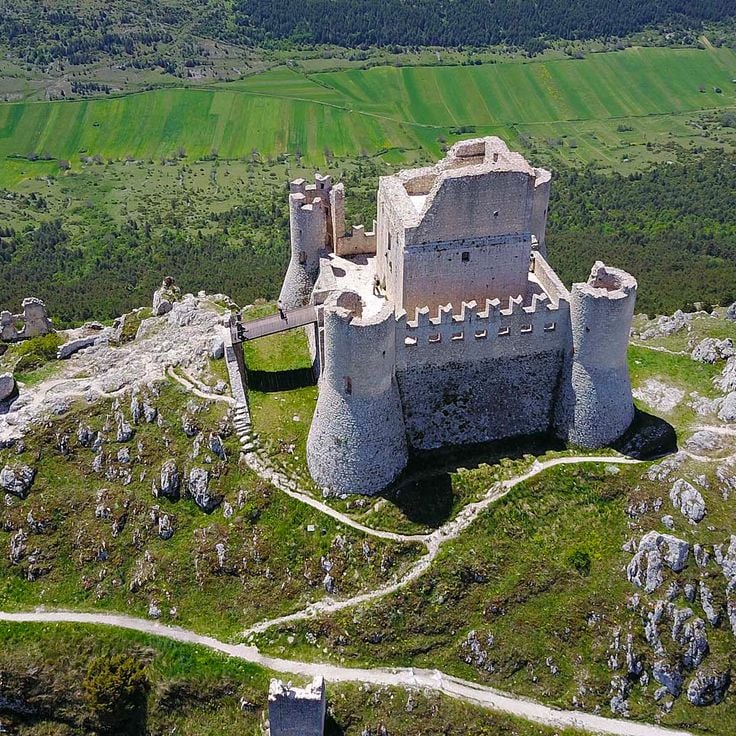
This military fortress stands at 4790 feet (1460 meters) in the Apennines and was built during the 12th century. Rocca Calascio Castle served to monitor trade routes between the Tyrrhenian Sea and the Adriatic. The structure consists of a central tower and four cylindrical corner towers added in the 15th century. After an earthquake in 1703, the site was abandoned and fell into ruin. Today the remains document medieval military architecture in the region and offer views across the surrounding mountain ranges. The nearby village of Santo Stefano di Sessanio preserves its historical layout.
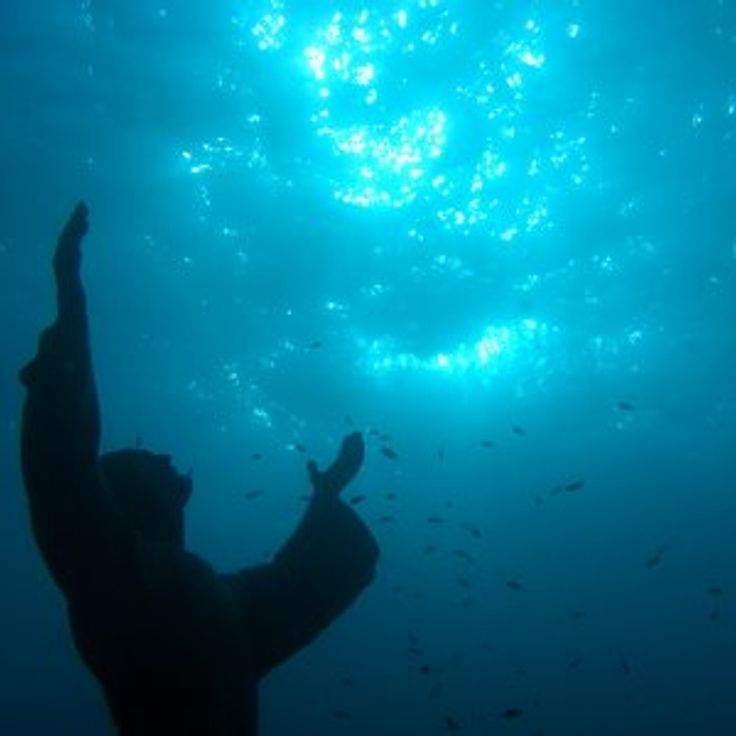
This bronze statue of Christ stands in approximately 50 feet (15 meters) of water on the seabed of San Fruttuoso Bay, marking an unusual site of remembrance away from Italy's regular tourist circuits. Placed in 1954 to commemorate diver Dario Gonzatti and all those lost at sea, the sculpture has become a destination for divers exploring the protected waters of this Ligurian cove. The statue's upward facing arms and hands have developed a natural patina from algae and marine organisms over the decades. Divers can approach the figure closely, while snorkelers may glimpse it from the surface in clear conditions. The bay sits on the coast between Camogli and Portofino, accessible by boat or hiking trail.
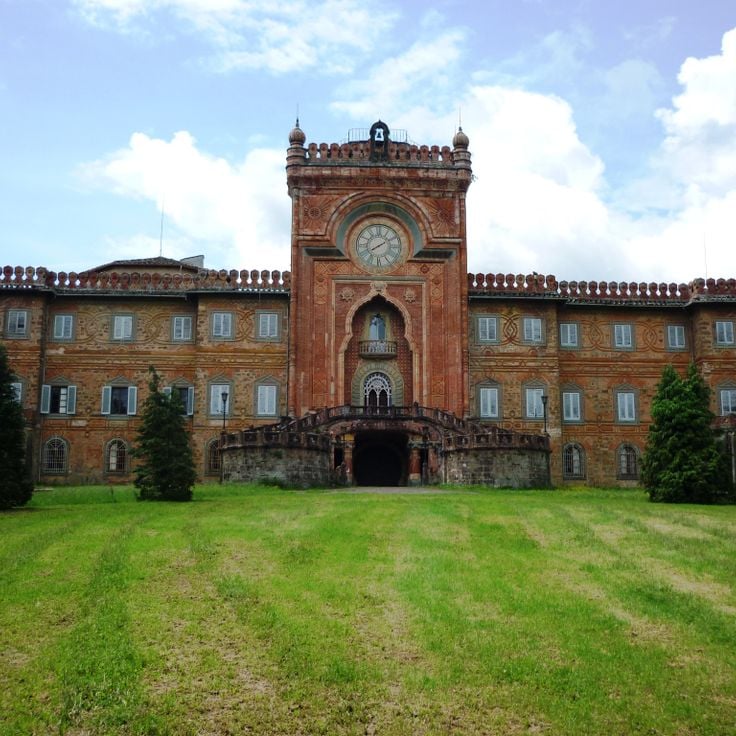
This castle sits in the hills east of Florence and displays 19th-century Moorish Revival architecture. Ferdinando Panciatichi Ximenes d'Aragona transformed the original building between 1853 and 1889 into an Oriental palace with more than 365 rooms. The interiors feature intricate stuccowork, geometric patterns and colored tiles in various styles. The surrounding park extends across 460 acres (185 hectares) with exotic tree species including sequoias, cedars and palms. The building has stood empty since 1999 and documents Orientalism in 19th-century Italian cultural heritage.
This fortress was built in the late 19th century by Count Cesare Mattei on a hillside in the Bolognese Apennines. The structure combines Moorish arches, Gothic towers and medieval elements into an unusual architectural ensemble. The count founded a medical practice called electrohomeopathy and used the fortress as both residence and laboratory. The interior spaces display elaborate majolica work, Arabic-inspired decorations and several courtyards, including one modeled after the Court of the Lions in Granada. The fortress remained largely inaccessible after Mattei's death in 1896 and underwent restoration beginning in 2005. The complex documents the eclectic architectural trends of late 19th-century Italy and stands away from the usual tourist routes in Emilia-Romagna.
These traditional limestone houses with cone-shaped roofs have been part of UNESCO World Heritage since 1996. Alberobello preserves more than 1,500 of these trulli structures, built mainly in the 14th century from local materials without mortar. The roofs consist of concentric stone rings rising to a pointed shape. The Rione Monti district holds the highest concentration of these buildings, while Aia Piccola remains less visited. The whitewashed walls contrast with the gray roofs, creating a distinct townscape in the Apulian countryside.
This historic fishing quarter on the Calabrian coast consists of houses built directly onto rocks at the water's edge. Residents store their boats in lower floors while living spaces occupy upper levels. Narrow alleys run between the buildings, and some structures extend into the water. The district documents traditional fishing construction methods, where residents combined their homes and workplaces in one location. The architecture follows the natural contours of the coast and shows adaptation to life by the sea over several centuries.
Civita di Bagnoregio stands on a tufa plateau that has receded over centuries due to erosion. The town is accessible only by a 1,000-foot (300-meter) pedestrian bridge linking modern Bagnoregio to the historic settlement. Medieval houses line narrow streets, while the edges of the plateau continue to face geological decay. The Etruscans established a settlement here before Romans and later residents shaped the architecture. Fewer than a dozen people now live year round in this town, which has maintained its isolation through the ongoing erosion of the surrounding rock.
This village sits at 4,764 feet (1,452 meters) and ranks as the highest settlement in the Apennines. Castelluccio is surrounded by extensive lentil fields that create a mosaic of colors during the late spring flowering season. The landscape is defined by the Piano Grande, a high plateau that forms part of the Monti Sibillini National Park. The remote location away from major tourist routes has preserved the authentic character of the place, though a 2016 earthquake caused substantial damage.
This 12th century monastery stands on a rocky promontory above the Tyrrhenian Sea and displays Romanesque architecture with a square cloister and a small church. The position above Tropea provides views across the Calabrian coastline. Benedictine monks founded the complex on a rock island later connected to the mainland by a footpath. Restoration work in the 20th century preserved the medieval structures and the surrounding garden with Mediterranean vegetation. The ascent via stone steps leads from the beach to the monastery terrace. The Romanesque arches and the position above the sea document medieval monastic construction along the southern Italian coast.
This necropolis contains 6000 tombs dating from the 6th century BC, with painted walls documenting daily life, religious rites and social customs of the Etruscans. The frescoes in the underground chambers show banquet scenes, dancers, athletes and mythological subjects in well preserved colors. The site lies away from standard tourist routes and provides direct insight into a culture that preceded Rome. Archaeologists have gathered information here about Etruscan burial practices, artistic techniques and social structures. The necropolis at Tarquinia ranks among the most important testimonies of Etruscan civilization in central Italy.
This 6th century religious complex sits atop Monte Soratte, a limestone mountain north of Rome. The hermitage began when Benedictine monks retreated into natural caves and carved out a network of underground tunnels and chambers. The monks used these spaces as living quarters and refuges during Lombard invasions and later conflicts. The complex includes multiple levels with chapels, sleeping quarters and storage rooms cut directly into the rock. Visitors today can explore the cave passages and see remnants of the medieval monastery buildings. The Monte Soratte Hermitage documents monastic life in early medieval Italy and shows how religious communities adapted natural features for their spiritual purposes.
This hilltop town in Puglia preserves its medieval structure through whitewashed limestone buildings dating from the 15th century. Ostuni documents the architecture of that era with narrow alleys and staircases threading between houses. Located away from primary tourist routes, the town presents an authentic example of Puglian settlement history, where white facades served both climatic and cultural functions. The compact historic center maintains its original layout, offering insight into southern Italian urban planning from the late medieval period.
This garden from the sixteenth century was commissioned by Pier Francesco Orsini and documents the Mannerist period in Italy. The grounds contain over twenty stone sculptures depicting mythological figures, animals and architectural forms. The statues were carved directly from bedrock and form a circuit through different thematic areas. A tilted house, a temple and figures including a giant mouth belong to the site. The Sacro Bosco differs from the symmetrical Renaissance gardens of its time and shows experimental design. Visitors follow a path between the sculptures through the forest.
The Sassi di Matera consists of dwellings carved into rock and stone structures inhabited since the Paleolithic era. These ancient cave settlements spread across the slopes of a ravine in southern Italy's Basilicata region and document thousands of years of continuous human occupation. The structures were carved directly into the calcareous tufa stone and form an interconnected system of houses, churches and cisterns. While parts of the Sassi remained inhabited until the 1950s, restoration work over recent decades has transformed many of the cave dwellings into museums, accommodations and cultural spaces. The Sassi di Matera holds UNESCO World Heritage status and provides insight into prehistoric and medieval ways of life away from Italy's standard tourist routes.
This abbey stands in a wooded cove on the Gulf of Genoa, surrounded by steep slopes and accessible only by hiking trail or boat. Benedictine monks founded the complex in the 10th century before it passed to the Doria family. The monastery preserves the tombs of several family members, Romanesque cloisters and an octagonal tower from the 13th century. The Torre Doria served as defense against pirate raids along the Ligurian coast. Underwater visitors find a bronze Christ statue dating to 1954 off the beach. The location away from regular routes and the historical architecture make San Fruttuoso an example of Italy's hidden medieval monuments.
This sea cave on Capri's coastline displays an unusual natural phenomenon where sunlight enters through an underwater opening and makes the water appear in intense blue tones. The entrance sits just 4 feet (1.3 meters) above sea level, requiring visitors to duck while entering in small rowboats. The cave measures approximately 200 feet (60 meters) in length and 80 feet (25 meters) in width. Roman statues and structural remains on the seafloor suggest this grotto served as a nymphaeum or bathing site in antiquity.
This 17th century residence sits on a hillside above Turin, combining baroque architecture with terraced gardens. Villa della Regina was built between 1615 and 1620 and served as a summer residence for the princesses of Savoy. The complex includes a main building with frescoes and decorated rooms, along with gardens designed in French and Italian styles. Inside, a collection of Chinese artworks documents the European nobility's fascination with East Asian culture during the 18th century. The vineyards and pavilions across the terraces show the connection between ceremonial architecture and agricultural use. The villa stands away from Turin's well-known attractions and provides insight into the history of the House of Savoy.
This basilica stands on three levels built one above the other, documenting different historical periods. The upper level shows a 12th-century medieval church with mosaics and a cloister. Below lies a 4th-century early Christian basilica, and the lowest level contains 1st-century Roman buildings, including a Mithras temple. The different layers illustrate the architectural evolution of Rome across two millennia and provide insight into religious practices from the Roman imperial period through the Middle Ages.
These gardens were established on the ruins of the medieval town of Ninfa, which was abandoned in the 14th century. The remains of churches, towers and town walls stand among waterways and plantings. Over 1300 plant species from different climate zones grow here, including roses, magnolias and Asian trees. The Caetani family began creating the gardens in the 20th century, using the medieval structures as a framework for the plantings. The site documents both the history of the abandoned settlement and the botanical collection of several generations.
This archaeological site lies beneath a Renaissance palace in central Rome and reveals two Roman villas dating from the 2nd to 4th centuries AD. The excavations expose mosaic floors, marble cladding and fragments of wall paintings. An underground route passes through living quarters, baths with hypocaust heating and an external area with fountains. Digital projections reconstruct the original appearance of the rooms and illustrate domestic life among the Roman upper classes. The Domus Romane document urban residential architecture during an era when Rome served as the administrative and cultural capital of the empire.
This 9th century church carved into rock ranks among Italy's historical sites away from regular tourist destinations. The crypt preserves Romanesque frescoes depicting biblical scenes that cover its walls and ceiling. The paintings show representations from the Old and New Testament in a style that combines Byzantine and Western influences. This cave church sits in the Gravina ravine near Matera and documents early medieval Christian art in southern Italy. Access follows a path through the ravine, and visits require a guided tour.
Neptune's Grotto extends through the cliffs of Capo Caccia, leading visitors through chambers lined with stalactites and stalagmites that reflect in underground lakes. Sardinian fishermen used the cave for centuries before it opened to visitors in the 18th century. A stairway of 654 steps connects the entrance to sea level, while the chambers maintain a constant temperature of approximately 61 degrees Fahrenheit (16 degrees Celsius).
This ancient theater dates to the 3rd century BC when the Greeks built it before the Romans modified its structure. Measuring 394 feet (120 meters) in diameter, it accommodated around 5,400 spectators. The cavea was carved partially into the rock face while the standing columns and arches date from the Roman period. The backdrop features the Gulf of Naxos with Mount Etna beyond. Though less isolated than other historical sites in Italy, this Greek theater remains a significant example of ancient architecture in Sicily due to its scale and location.
This fourth-century papal basilica stands over the burial site of Saint Paul the Apostle and ranks among Rome's four major papal churches. The structure demonstrates early Christian architecture through its five-nave interior supported by 80 granite columns. The triumphal arch displays fifth-century mosaics, while the apse contains thirteenth-century Byzantine work. The medieval cloister features paired columns with Cosmatesque inlay decoration. Following an 1823 fire, reconstruction preserved original elements including the confessio and portions of the ancient mosaics. The site offers insight into Christian architectural development beyond Rome's central tourist areas.
This historic district of Rome maintains its traditional Roman identity away from regular tourist destinations. The Testaccio neighborhood developed over centuries around an artificial hill called Monte Testaccio, composed of millions of broken amphorae from Roman times. These pottery fragments document ancient Rome's trade history, when olive oil and wine arrived here from across the Mediterranean. The district houses a traditional market where locals shop daily, along with artisan workshops and restaurants serving Roman cuisine. The architecture combines nineteenth-century working-class housing with modern buildings, while archaeological sites between the streets reveal the ancient past.
The village of Locorotondo sits at an elevation of 1,300 feet (400 meters) in the Itria Valley and presents Renaissance architecture through its churches, noble palaces and whitewashed alleyways. The central Chiesa Madre San Giorgio from the 17th century contains a gilded high altar and baroque side chapels. Along Via Vittorio Emanuele, palazzi with iron balconies and stone portals form a continuous line. The circular old town follows the original medieval layout, with characteristic cummerse roofs of sloping stone slabs crowning the buildings. From viewpoints at the town's edge, visitors see vineyards and olive groves spreading across the surrounding countryside.
The archaeological site of Pompeii presents a Roman city buried under volcanic ash since AD 79. Streets, houses and public buildings with frescoes and mosaics document life before the eruption of Mount Vesuvius. Forums, theaters and baths complete the picture of this ancient settlement, whose preserved structures provide insights into Roman architecture and daily routines. For travelers exploring Italian history beyond the usual routes, this site offers a comprehensive view of Roman urban planning and culture in the first century.
This historical volcano offers hiking trails across its slopes, which are cultivated with hazelnut groves and vineyards producing Lacrima Christi wine. Mount Vesuvius stands away from regular Italian destinations and documents geological history through its formation and agricultural tradition. The trails lead through vegetation zones that developed after the last eruption in 1944, while the crater area provides insights into volcanic activity.
This national park stretches across the western Alps in Piedmont and Aosta Valley. Around 300 miles (500 km) of trails cross five valleys with alpine vegetation and glacial landscapes. Ibex and chamois inhabit the mountain regions, while historic hunting paths and mountain huts mark the territory. As Italy's first national park since 1922, it preserves alpine nature and wildlife away from standard tourist routes in the region.
This island of the Aeolian archipelago lies northeast of Sicily and presents active geothermal phenomena from its volcanic history. The sulfurous thermal baths along the coastline attract visitors, while black sand beaches line the shore. Rock formations of volcanic origin rise from the sea, and the Gran Cratere offers hiking trails to the crater rim. The island documents volcanic processes through visible fumaroles and sulfur deposits that have been known since ancient times.
This 5th century BC temple stands among the best preserved Greek monuments in the world. The Doric columns and complete floor plan demonstrate classical Greek architecture in the Valley of the Temples. The structure was later converted into a Christian church, which contributed to its exceptional preservation. The Temple of Concordia documents the Greek presence in Sicily and serves as an example of ancient construction far from Italy's regular tourist destinations.
These natural thermal pools form where sulfurous springs emerge from the ground at a constant temperature of around 99 degrees Fahrenheit (37 degrees Celsius). The water flows over terraced limestone formations, creating several pools where visitors can bathe year-round. The thermal springs were used by the Etruscans and Romans, who valued their healing properties. The Saturnia Thermal Baths sit in southern Tuscany, away from regular tourist routes, and remain freely accessible to the public. Minerals in the water have shaped the white limestone rock over centuries, leaving characteristic deposits along the pool edges.
This business district documents Milan's contemporary urban planning with high-rises and planted facades. The two towers of Bosco Verticale carry approximately 900 trees and 20,000 plants on their balconies, an attempt at urban forestry in vertical architecture. The Garibaldi Tower and other office buildings from the 2010s define the skyline of the district. Pedestrian zones and public squares connect the structures. Porta Nuova documents Italian architectural tendencies of the early 2000s away from historical centers.
Lake Federa sits at 6,680 feet (2,038 m) in the Venetian Dolomites and is reached via hiking trails from the Croda da Lago refuge. The lake fills a glacial basin below the rock faces of Becco di Mezzodì and Croda da Lago. The trail passes through alpine meadows and stands of larch, with the lake reached in approximately 45 minutes. The surrounding peaks belong to the Dolomites UNESCO World Heritage site and display the characteristic sequence of Triassic sedimentary rocks. This alpine lake serves as a starting point for further routes to Col Roan or the Forcella Ambrizzola pass. The reflection of surrounding mountain formations in the water makes the lake a documented photographic subject in the region.
This military fortress stands at 4790 feet (1460 meters) in the Apennines and was built during the 12th century. Rocca Calascio Castle served to monitor trade routes between the Tyrrhenian Sea and the Adriatic. The structure consists of a central tower and four cylindrical corner towers added in the 15th century. After an earthquake in 1703, the site was abandoned and fell into ruin. Today the remains document medieval military architecture in the region and offer views across the surrounding mountain ranges. The nearby village of Santo Stefano di Sessanio preserves its historical layout.
This bronze statue of Christ stands in approximately 50 feet (15 meters) of water on the seabed of San Fruttuoso Bay, marking an unusual site of remembrance away from Italy's regular tourist circuits. Placed in 1954 to commemorate diver Dario Gonzatti and all those lost at sea, the sculpture has become a destination for divers exploring the protected waters of this Ligurian cove. The statue's upward facing arms and hands have developed a natural patina from algae and marine organisms over the decades. Divers can approach the figure closely, while snorkelers may glimpse it from the surface in clear conditions. The bay sits on the coast between Camogli and Portofino, accessible by boat or hiking trail.
This castle sits in the hills east of Florence and displays 19th-century Moorish Revival architecture. Ferdinando Panciatichi Ximenes d'Aragona transformed the original building between 1853 and 1889 into an Oriental palace with more than 365 rooms. The interiors feature intricate stuccowork, geometric patterns and colored tiles in various styles. The surrounding park extends across 460 acres (185 hectares) with exotic tree species including sequoias, cedars and palms. The building has stood empty since 1999 and documents Orientalism in 19th-century Italian cultural heritage.
This fortress was built in the late 19th century by Count Cesare Mattei on a hillside in the Bolognese Apennines. The structure combines Moorish arches, Gothic towers and medieval elements into an unusual architectural ensemble. The count founded a medical practice called electrohomeopathy and used the fortress as both residence and laboratory. The interior spaces display elaborate majolica work, Arabic-inspired decorations and several courtyards, including one modeled after the Court of the Lions in Granada. The fortress remained largely inaccessible after Mattei's death in 1896 and underwent restoration beginning in 2005. The complex documents the eclectic architectural trends of late 19th-century Italy and stands away from the usual tourist routes in Emilia-Romagna.
These traditional limestone houses with cone-shaped roofs have been part of UNESCO World Heritage since 1996. Alberobello preserves more than 1,500 of these trulli structures, built mainly in the 14th century from local materials without mortar. The roofs consist of concentric stone rings rising to a pointed shape. The Rione Monti district holds the highest concentration of these buildings, while Aia Piccola remains less visited. The whitewashed walls contrast with the gray roofs, creating a distinct townscape in the Apulian countryside.
This historic fishing quarter on the Calabrian coast consists of houses built directly onto rocks at the water's edge. Residents store their boats in lower floors while living spaces occupy upper levels. Narrow alleys run between the buildings, and some structures extend into the water. The district documents traditional fishing construction methods, where residents combined their homes and workplaces in one location. The architecture follows the natural contours of the coast and shows adaptation to life by the sea over several centuries.
Civita di Bagnoregio stands on a tufa plateau that has receded over centuries due to erosion. The town is accessible only by a 1,000-foot (300-meter) pedestrian bridge linking modern Bagnoregio to the historic settlement. Medieval houses line narrow streets, while the edges of the plateau continue to face geological decay. The Etruscans established a settlement here before Romans and later residents shaped the architecture. Fewer than a dozen people now live year round in this town, which has maintained its isolation through the ongoing erosion of the surrounding rock.
This village sits at 4,764 feet (1,452 meters) and ranks as the highest settlement in the Apennines. Castelluccio is surrounded by extensive lentil fields that create a mosaic of colors during the late spring flowering season. The landscape is defined by the Piano Grande, a high plateau that forms part of the Monti Sibillini National Park. The remote location away from major tourist routes has preserved the authentic character of the place, though a 2016 earthquake caused substantial damage.
This 12th century monastery stands on a rocky promontory above the Tyrrhenian Sea and displays Romanesque architecture with a square cloister and a small church. The position above Tropea provides views across the Calabrian coastline. Benedictine monks founded the complex on a rock island later connected to the mainland by a footpath. Restoration work in the 20th century preserved the medieval structures and the surrounding garden with Mediterranean vegetation. The ascent via stone steps leads from the beach to the monastery terrace. The Romanesque arches and the position above the sea document medieval monastic construction along the southern Italian coast.
This necropolis contains 6000 tombs dating from the 6th century BC, with painted walls documenting daily life, religious rites and social customs of the Etruscans. The frescoes in the underground chambers show banquet scenes, dancers, athletes and mythological subjects in well preserved colors. The site lies away from standard tourist routes and provides direct insight into a culture that preceded Rome. Archaeologists have gathered information here about Etruscan burial practices, artistic techniques and social structures. The necropolis at Tarquinia ranks among the most important testimonies of Etruscan civilization in central Italy.
This 6th century religious complex sits atop Monte Soratte, a limestone mountain north of Rome. The hermitage began when Benedictine monks retreated into natural caves and carved out a network of underground tunnels and chambers. The monks used these spaces as living quarters and refuges during Lombard invasions and later conflicts. The complex includes multiple levels with chapels, sleeping quarters and storage rooms cut directly into the rock. Visitors today can explore the cave passages and see remnants of the medieval monastery buildings. The Monte Soratte Hermitage documents monastic life in early medieval Italy and shows how religious communities adapted natural features for their spiritual purposes.
This hilltop town in Puglia preserves its medieval structure through whitewashed limestone buildings dating from the 15th century. Ostuni documents the architecture of that era with narrow alleys and staircases threading between houses. Located away from primary tourist routes, the town presents an authentic example of Puglian settlement history, where white facades served both climatic and cultural functions. The compact historic center maintains its original layout, offering insight into southern Italian urban planning from the late medieval period.
This garden from the sixteenth century was commissioned by Pier Francesco Orsini and documents the Mannerist period in Italy. The grounds contain over twenty stone sculptures depicting mythological figures, animals and architectural forms. The statues were carved directly from bedrock and form a circuit through different thematic areas. A tilted house, a temple and figures including a giant mouth belong to the site. The Sacro Bosco differs from the symmetrical Renaissance gardens of its time and shows experimental design. Visitors follow a path between the sculptures through the forest.
The Sassi di Matera consists of dwellings carved into rock and stone structures inhabited since the Paleolithic era. These ancient cave settlements spread across the slopes of a ravine in southern Italy's Basilicata region and document thousands of years of continuous human occupation. The structures were carved directly into the calcareous tufa stone and form an interconnected system of houses, churches and cisterns. While parts of the Sassi remained inhabited until the 1950s, restoration work over recent decades has transformed many of the cave dwellings into museums, accommodations and cultural spaces. The Sassi di Matera holds UNESCO World Heritage status and provides insight into prehistoric and medieval ways of life away from Italy's standard tourist routes.
This abbey stands in a wooded cove on the Gulf of Genoa, surrounded by steep slopes and accessible only by hiking trail or boat. Benedictine monks founded the complex in the 10th century before it passed to the Doria family. The monastery preserves the tombs of several family members, Romanesque cloisters and an octagonal tower from the 13th century. The Torre Doria served as defense against pirate raids along the Ligurian coast. Underwater visitors find a bronze Christ statue dating to 1954 off the beach. The location away from regular routes and the historical architecture make San Fruttuoso an example of Italy's hidden medieval monuments.
This sea cave on Capri's coastline displays an unusual natural phenomenon where sunlight enters through an underwater opening and makes the water appear in intense blue tones. The entrance sits just 4 feet (1.3 meters) above sea level, requiring visitors to duck while entering in small rowboats. The cave measures approximately 200 feet (60 meters) in length and 80 feet (25 meters) in width. Roman statues and structural remains on the seafloor suggest this grotto served as a nymphaeum or bathing site in antiquity.
This 17th century residence sits on a hillside above Turin, combining baroque architecture with terraced gardens. Villa della Regina was built between 1615 and 1620 and served as a summer residence for the princesses of Savoy. The complex includes a main building with frescoes and decorated rooms, along with gardens designed in French and Italian styles. Inside, a collection of Chinese artworks documents the European nobility's fascination with East Asian culture during the 18th century. The vineyards and pavilions across the terraces show the connection between ceremonial architecture and agricultural use. The villa stands away from Turin's well-known attractions and provides insight into the history of the House of Savoy.
This basilica stands on three levels built one above the other, documenting different historical periods. The upper level shows a 12th-century medieval church with mosaics and a cloister. Below lies a 4th-century early Christian basilica, and the lowest level contains 1st-century Roman buildings, including a Mithras temple. The different layers illustrate the architectural evolution of Rome across two millennia and provide insight into religious practices from the Roman imperial period through the Middle Ages.
These gardens were established on the ruins of the medieval town of Ninfa, which was abandoned in the 14th century. The remains of churches, towers and town walls stand among waterways and plantings. Over 1300 plant species from different climate zones grow here, including roses, magnolias and Asian trees. The Caetani family began creating the gardens in the 20th century, using the medieval structures as a framework for the plantings. The site documents both the history of the abandoned settlement and the botanical collection of several generations.
This archaeological site lies beneath a Renaissance palace in central Rome and reveals two Roman villas dating from the 2nd to 4th centuries AD. The excavations expose mosaic floors, marble cladding and fragments of wall paintings. An underground route passes through living quarters, baths with hypocaust heating and an external area with fountains. Digital projections reconstruct the original appearance of the rooms and illustrate domestic life among the Roman upper classes. The Domus Romane document urban residential architecture during an era when Rome served as the administrative and cultural capital of the empire.
This 9th century church carved into rock ranks among Italy's historical sites away from regular tourist destinations. The crypt preserves Romanesque frescoes depicting biblical scenes that cover its walls and ceiling. The paintings show representations from the Old and New Testament in a style that combines Byzantine and Western influences. This cave church sits in the Gravina ravine near Matera and documents early medieval Christian art in southern Italy. Access follows a path through the ravine, and visits require a guided tour.
Neptune's Grotto extends through the cliffs of Capo Caccia, leading visitors through chambers lined with stalactites and stalagmites that reflect in underground lakes. Sardinian fishermen used the cave for centuries before it opened to visitors in the 18th century. A stairway of 654 steps connects the entrance to sea level, while the chambers maintain a constant temperature of approximately 61 degrees Fahrenheit (16 degrees Celsius).
This ancient theater dates to the 3rd century BC when the Greeks built it before the Romans modified its structure. Measuring 394 feet (120 meters) in diameter, it accommodated around 5,400 spectators. The cavea was carved partially into the rock face while the standing columns and arches date from the Roman period. The backdrop features the Gulf of Naxos with Mount Etna beyond. Though less isolated than other historical sites in Italy, this Greek theater remains a significant example of ancient architecture in Sicily due to its scale and location.
This fourth-century papal basilica stands over the burial site of Saint Paul the Apostle and ranks among Rome's four major papal churches. The structure demonstrates early Christian architecture through its five-nave interior supported by 80 granite columns. The triumphal arch displays fifth-century mosaics, while the apse contains thirteenth-century Byzantine work. The medieval cloister features paired columns with Cosmatesque inlay decoration. Following an 1823 fire, reconstruction preserved original elements including the confessio and portions of the ancient mosaics. The site offers insight into Christian architectural development beyond Rome's central tourist areas.
This historic district of Rome maintains its traditional Roman identity away from regular tourist destinations. The Testaccio neighborhood developed over centuries around an artificial hill called Monte Testaccio, composed of millions of broken amphorae from Roman times. These pottery fragments document ancient Rome's trade history, when olive oil and wine arrived here from across the Mediterranean. The district houses a traditional market where locals shop daily, along with artisan workshops and restaurants serving Roman cuisine. The architecture combines nineteenth-century working-class housing with modern buildings, while archaeological sites between the streets reveal the ancient past.
The village of Locorotondo sits at an elevation of 1,300 feet (400 meters) in the Itria Valley and presents Renaissance architecture through its churches, noble palaces and whitewashed alleyways. The central Chiesa Madre San Giorgio from the 17th century contains a gilded high altar and baroque side chapels. Along Via Vittorio Emanuele, palazzi with iron balconies and stone portals form a continuous line. The circular old town follows the original medieval layout, with characteristic cummerse roofs of sloping stone slabs crowning the buildings. From viewpoints at the town's edge, visitors see vineyards and olive groves spreading across the surrounding countryside.
The archaeological site of Pompeii presents a Roman city buried under volcanic ash since AD 79. Streets, houses and public buildings with frescoes and mosaics document life before the eruption of Mount Vesuvius. Forums, theaters and baths complete the picture of this ancient settlement, whose preserved structures provide insights into Roman architecture and daily routines. For travelers exploring Italian history beyond the usual routes, this site offers a comprehensive view of Roman urban planning and culture in the first century.
This historical volcano offers hiking trails across its slopes, which are cultivated with hazelnut groves and vineyards producing Lacrima Christi wine. Mount Vesuvius stands away from regular Italian destinations and documents geological history through its formation and agricultural tradition. The trails lead through vegetation zones that developed after the last eruption in 1944, while the crater area provides insights into volcanic activity.
This national park stretches across the western Alps in Piedmont and Aosta Valley. Around 300 miles (500 km) of trails cross five valleys with alpine vegetation and glacial landscapes. Ibex and chamois inhabit the mountain regions, while historic hunting paths and mountain huts mark the territory. As Italy's first national park since 1922, it preserves alpine nature and wildlife away from standard tourist routes in the region.
This island of the Aeolian archipelago lies northeast of Sicily and presents active geothermal phenomena from its volcanic history. The sulfurous thermal baths along the coastline attract visitors, while black sand beaches line the shore. Rock formations of volcanic origin rise from the sea, and the Gran Cratere offers hiking trails to the crater rim. The island documents volcanic processes through visible fumaroles and sulfur deposits that have been known since ancient times.
This 5th century BC temple stands among the best preserved Greek monuments in the world. The Doric columns and complete floor plan demonstrate classical Greek architecture in the Valley of the Temples. The structure was later converted into a Christian church, which contributed to its exceptional preservation. The Temple of Concordia documents the Greek presence in Sicily and serves as an example of ancient construction far from Italy's regular tourist destinations.
These natural thermal pools form where sulfurous springs emerge from the ground at a constant temperature of around 99 degrees Fahrenheit (37 degrees Celsius). The water flows over terraced limestone formations, creating several pools where visitors can bathe year-round. The thermal springs were used by the Etruscans and Romans, who valued their healing properties. The Saturnia Thermal Baths sit in southern Tuscany, away from regular tourist routes, and remain freely accessible to the public. Minerals in the water have shaped the white limestone rock over centuries, leaving characteristic deposits along the pool edges.
This business district documents Milan's contemporary urban planning with high-rises and planted facades. The two towers of Bosco Verticale carry approximately 900 trees and 20,000 plants on their balconies, an attempt at urban forestry in vertical architecture. The Garibaldi Tower and other office buildings from the 2010s define the skyline of the district. Pedestrian zones and public squares connect the structures. Porta Nuova documents Italian architectural tendencies of the early 2000s away from historical centers.
Lake Federa sits at 6,680 feet (2,038 m) in the Venetian Dolomites and is reached via hiking trails from the Croda da Lago refuge. The lake fills a glacial basin below the rock faces of Becco di Mezzodì and Croda da Lago. The trail passes through alpine meadows and stands of larch, with the lake reached in approximately 45 minutes. The surrounding peaks belong to the Dolomites UNESCO World Heritage site and display the characteristic sequence of Triassic sedimentary rocks. This alpine lake serves as a starting point for further routes to Col Roan or the Forcella Ambrizzola pass. The reflection of surrounding mountain formations in the water makes the lake a documented photographic subject in the region.
This military fortress stands at 4790 feet (1460 meters) in the Apennines and was built during the 12th century. Rocca Calascio Castle served to monitor trade routes between the Tyrrhenian Sea and the Adriatic. The structure consists of a central tower and four cylindrical corner towers added in the 15th century. After an earthquake in 1703, the site was abandoned and fell into ruin. Today the remains document medieval military architecture in the region and offer views across the surrounding mountain ranges. The nearby village of Santo Stefano di Sessanio preserves its historical layout.
This bronze statue of Christ stands in approximately 50 feet (15 meters) of water on the seabed of San Fruttuoso Bay, marking an unusual site of remembrance away from Italy's regular tourist circuits. Placed in 1954 to commemorate diver Dario Gonzatti and all those lost at sea, the sculpture has become a destination for divers exploring the protected waters of this Ligurian cove. The statue's upward facing arms and hands have developed a natural patina from algae and marine organisms over the decades. Divers can approach the figure closely, while snorkelers may glimpse it from the surface in clear conditions. The bay sits on the coast between Camogli and Portofino, accessible by boat or hiking trail.
This castle sits in the hills east of Florence and displays 19th-century Moorish Revival architecture. Ferdinando Panciatichi Ximenes d'Aragona transformed the original building between 1853 and 1889 into an Oriental palace with more than 365 rooms. The interiors feature intricate stuccowork, geometric patterns and colored tiles in various styles. The surrounding park extends across 460 acres (185 hectares) with exotic tree species including sequoias, cedars and palms. The building has stood empty since 1999 and documents Orientalism in 19th-century Italian cultural heritage.
This fortress was built in the late 19th century by Count Cesare Mattei on a hillside in the Bolognese Apennines. The structure combines Moorish arches, Gothic towers and medieval elements into an unusual architectural ensemble. The count founded a medical practice called electrohomeopathy and used the fortress as both residence and laboratory. The interior spaces display elaborate majolica work, Arabic-inspired decorations and several courtyards, including one modeled after the Court of the Lions in Granada. The fortress remained largely inaccessible after Mattei's death in 1896 and underwent restoration beginning in 2005. The complex documents the eclectic architectural trends of late 19th-century Italy and stands away from the usual tourist routes in Emilia-Romagna.