See the monuments around you in AROpen chests in the app
Around Us is built for your phone — point your camera at the streets and discover the monuments and places around you in augmented reality.Around Us is built for your phone — chests unlock when you walk, explore and capture nearby places.
Brunei is a small sultanate on the northern coast of Borneo, a nation that gained its wealth from oil reserves and has preserved its Malay Islamic culture. The capital, Bandar Seri Begawan, blends modern mosques with traditional water villages, while the interior remains largely covered in rainforest. Visitors will find gilded domes next to stilt houses, royal collections next to local markets, and tropical trails at the edges of the city.
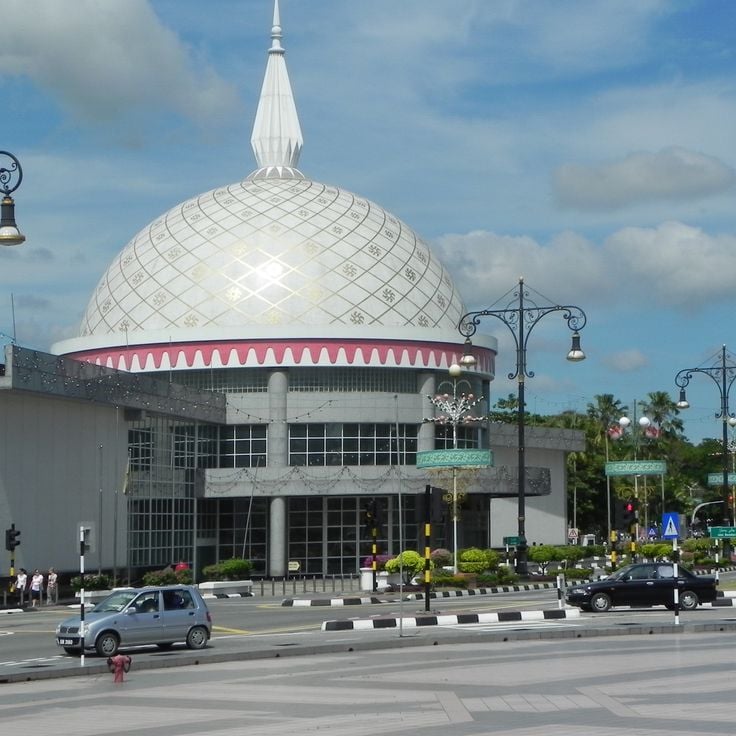
Places to see include the Omar Ali Saifuddien Mosque with its man-made lagoon, the sprawling Kampong Ayer with its wooden walkways over the water, and Ulu Temburong National Park, accessible only by boat and through dense jungle. The Royal Regalia Museum displays crowns and ceremonial chariots of the Sultan's family. Gadong Night Market serves local food at open stalls in the evening. Beaches like Serasa lie quietly along the coast, and temples such as Teng Yun Temple add to the religiously diverse cityscape.
Brunei is a small sultanate on the northern coast of Borneo, a nation that gained its wealth from oil reserves and has preserved its Malay Islamic culture. The capital, Bandar Seri Begawan, blends modern mosques with traditional water villages, while the interior remains largely covered in rainforest. Visitors will find gilded domes next to stilt houses, royal collections next to local markets, and tropical trails at the edges of the city.
Places to see include the Omar Ali Saifuddien Mosque with its man-made lagoon, the sprawling Kampong Ayer with its wooden walkways over the water, and Ulu Temburong National Park, accessible only by boat and through dense jungle. The Royal Regalia Museum displays crowns and ceremonial chariots of the Sultan's family. Gadong Night Market serves local food at open stalls in the evening. Beaches like Serasa lie quietly along the coast, and temples such as Teng Yun Temple add to the religiously diverse cityscape.
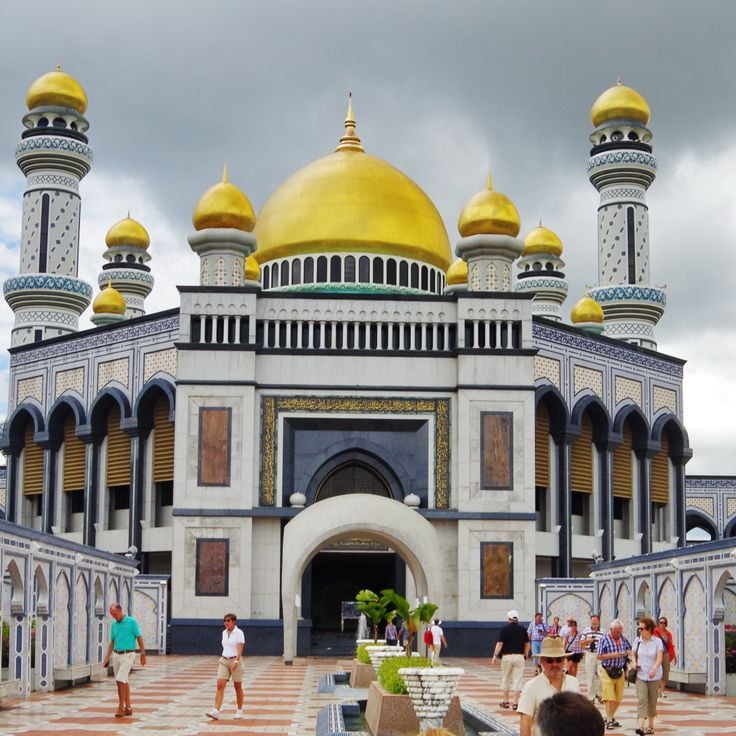
This mosque in Gadong was built in the late 20th century and stands as one of the largest places of worship in the country. Its golden domes shine in the sunlight and shape the skyline from a distance. The complex consists of several buildings connected by courtyards and gardens. Minarets rise at the corners and call people to prayer. The interior feels spacious and bright, with polished marble surfaces and chandeliers hanging from the ceiling. On Friday prayers, people gather here from different parts of the city. Visitors can view the architecture outside prayer times and walk through the well-kept grounds.
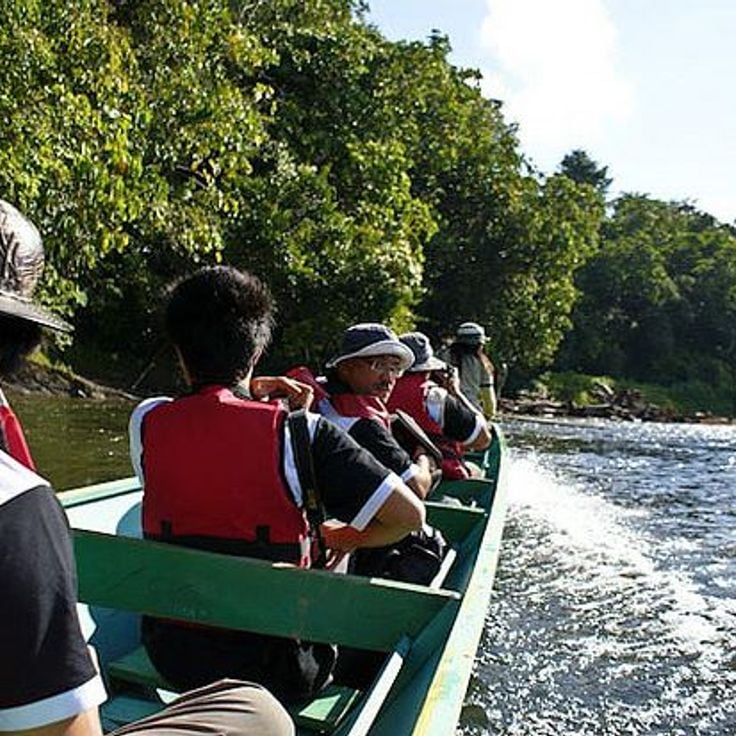
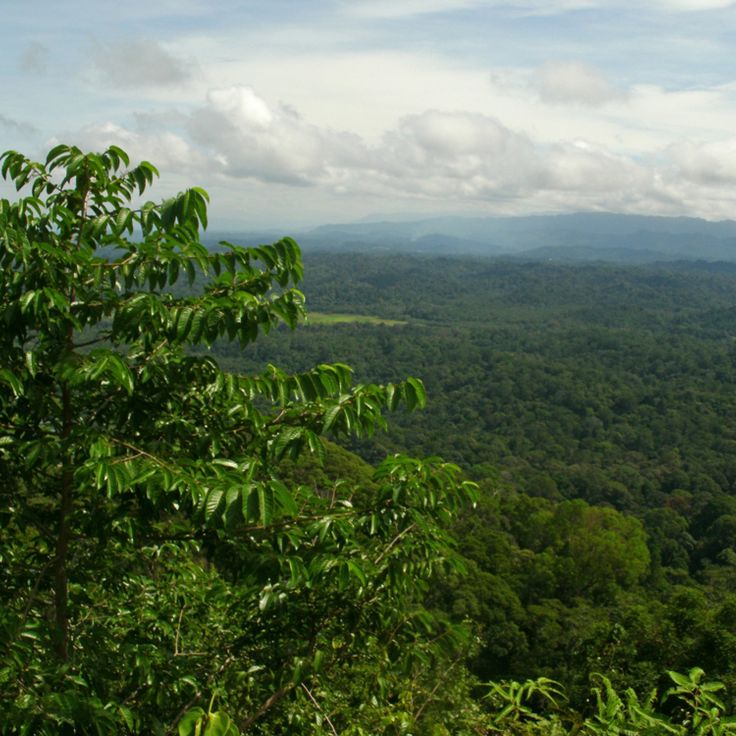
This national park covers dense rainforest in the Temburong district and is one of Brunei's protected natural areas. You reach the area by boat, as no roads lead there. The landscape is mountainous and covered with old-growth trees, streams, and a wide variety of animal and plant species. Visitors can walk on canopy walkways through the treetops and see the view over the forest. The area is remote and barely developed, so nature here feels mostly untouched.
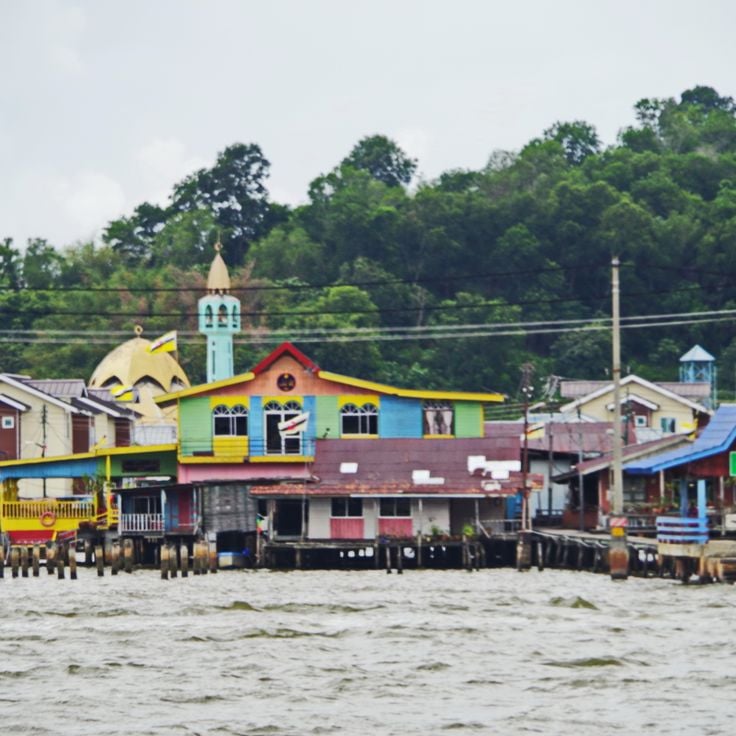
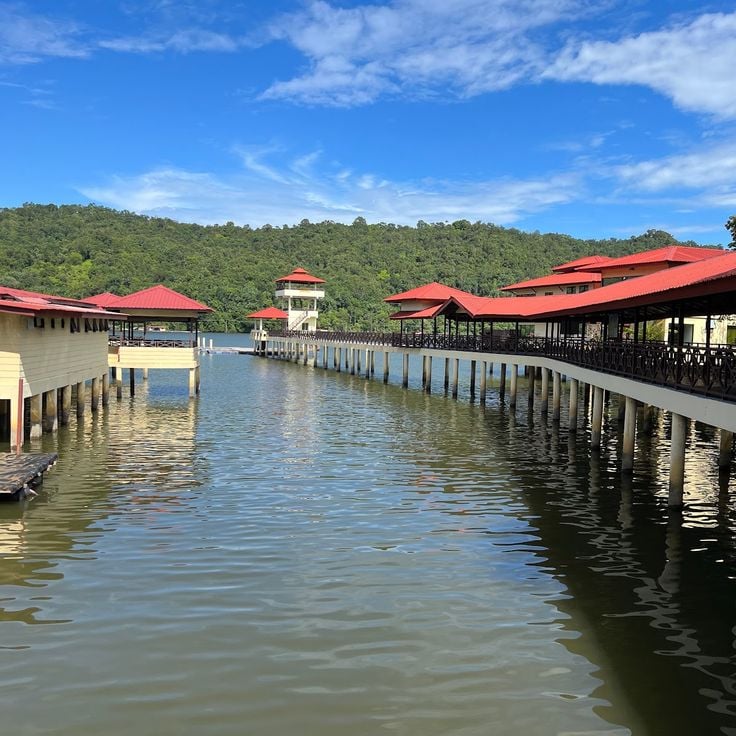
This stilt village spreads across the waters of the Brunei River and consists of more than forty settlements connected by wooden walkways. Over 30,000 people live here in houses built on stilts above the river. Mosques, schools, shops and restaurants all sit on the water. Boats travel back and forth between the houses while children play on the walkways. Life follows the rhythm of the tides. Some families have lived here for generations. You can walk through the passages, watch daily routines and sometimes visit residents who offer tea. The busiest times are early morning and late afternoon.
This museum displays crowns, jewels, ceremonial carriages, and precious objects used at royal events in Brunei since 1967. The galleries recall coronations, jubilees, and state visits. You see silk and gold robes, thrones, photographs, and gifts from other countries. The building stands in the center of the capital and entry is free. Many local families visit on holidays to understand the history of the sultanate.
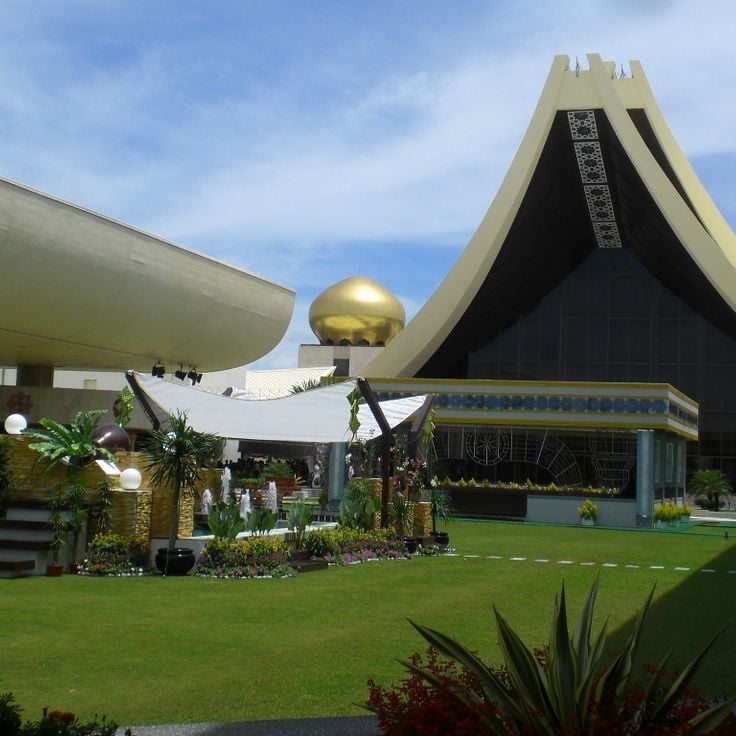
This palace stands in the capital and serves as the official residence of the sultan. The building dates from the nineteen eighties and spreads across several hills along the riverbank, combining elements of Islamic architecture with modern construction in marble and gold. The interior remains closed throughout the year but opens its doors during Ramadan for visitors who wish to greet the sultan. From outside, you see the golden domes and the gardens that reach down to the water.
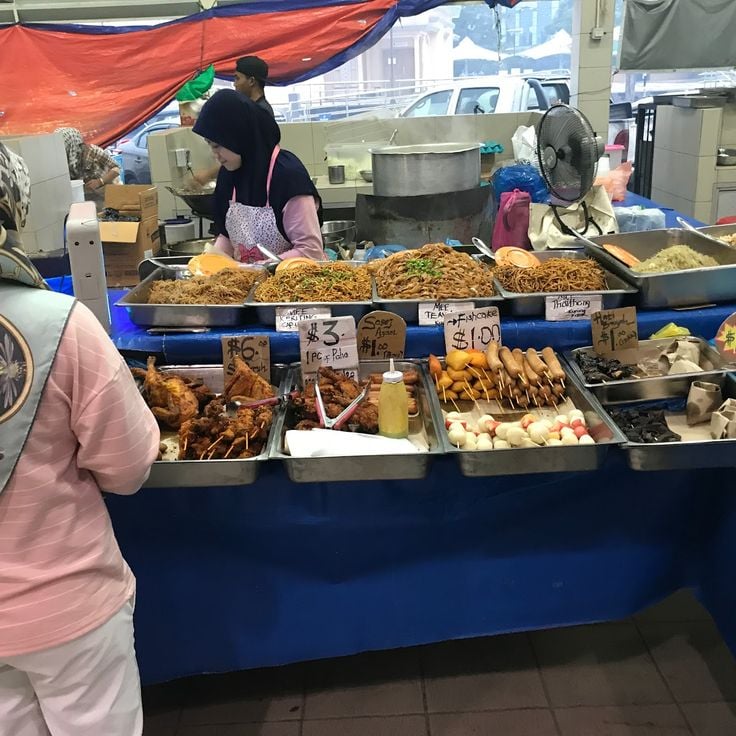
This night market comes to life after sunset, when more than one hundred fifty stalls begin cooking dishes fresh for the evening crowd. Grilled fish sits on open flames, satay skewers turn over charcoal, and bowls of local sweets fill the tables. The cooking draws from Malay recipes as well as Chinese and Indian traditions, and the scent of spices and grilled meat drifts through the aisles between the stalls.
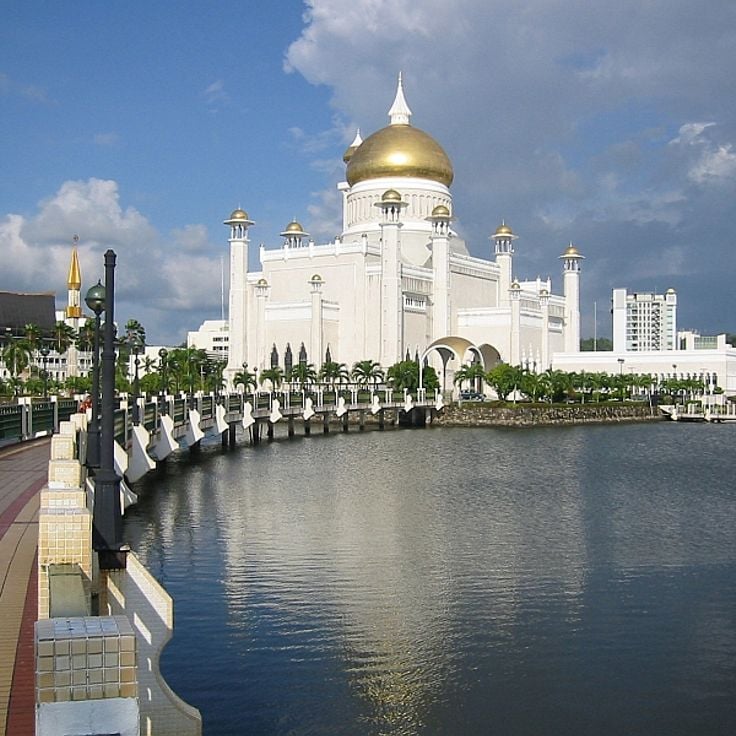
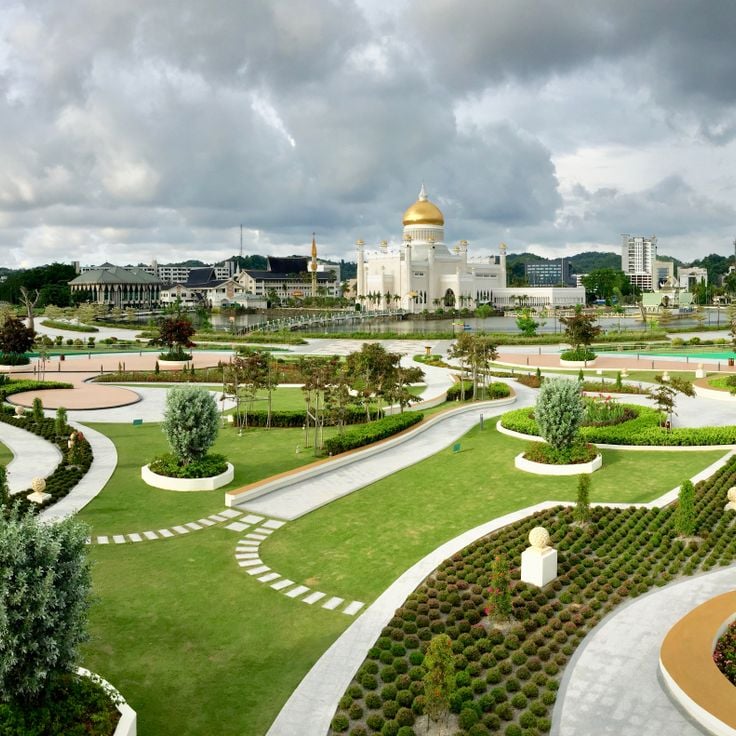
This mosque stands in the heart of the capital and has shaped the city skyline since 1958. The dome is covered with gold leaf, and the main tower rises 52 meters (171 feet) high. Marble minarets frame the building, which sits beside an artificial lagoon. Inside, high ceilings and open spaces let light play across the surfaces. In the evening, the structure reflects in the still water. Locals come to pray, and visitors walk quietly through the outer areas. The mosque is one of the landmarks of Brunei and shows the importance of faith in daily life.
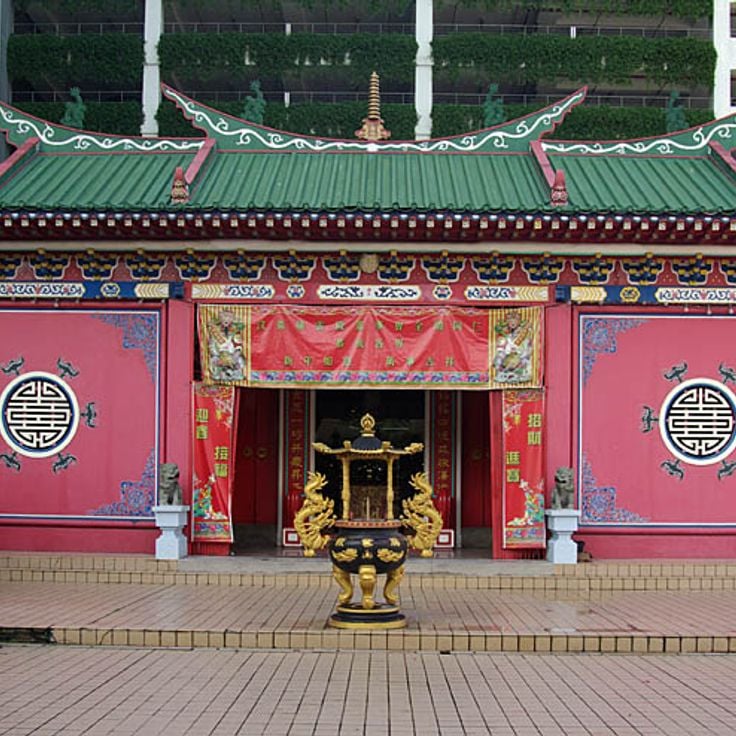
This Buddhist temple was built in 1918 by the local Chinese community and houses statues of Buddha in prayer halls decorated with red lanterns. The simple halls invite quiet contemplation. Visitors find a place of worship where incense sticks burn and the air smells spicy. You can observe believers at prayer and experience traditional rituals of Chinese Buddhists in Brunei. The temple remains an active center of faith, where community members gather for ceremonies and festivals.
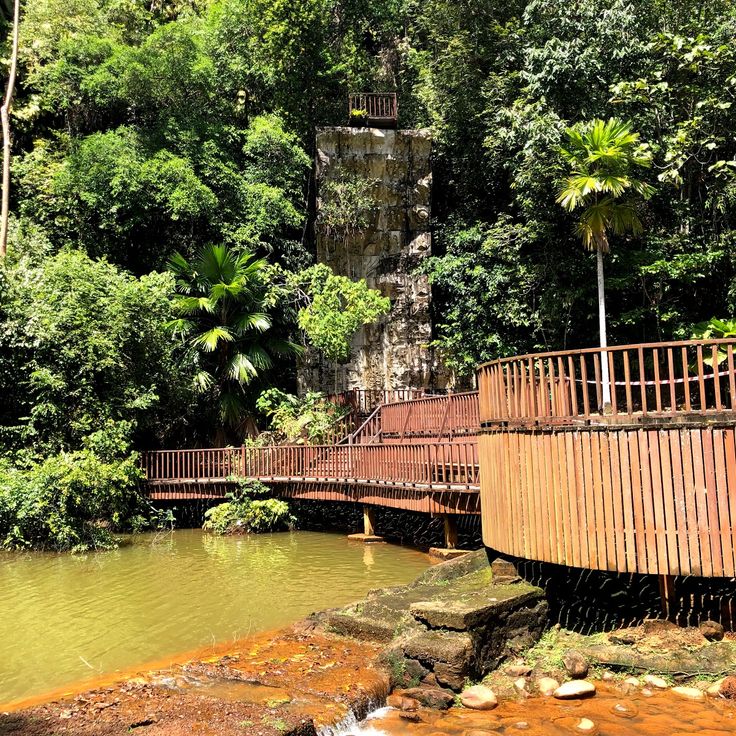
This public park sits in the capital and offers paths through tropical forest leading to a waterfall. There are also areas for jogging and sports. Locals come here in the mornings and evenings to exercise or rest. The forest is dense and shady, the air moist. The waterfall is small, but the water is cool and clear. On the way there you hear birds and insects. The paths are easy to walk, with stairs and markers. The park is a retreat in the middle of the city.
This museum preserves tools and objects used by people in Brunei for fishing, rice farming and crafts over several centuries. The collection spans from the 16th to the 20th century and shows how boats were built, nets were woven and metal was worked. Visitors see old fishing gear, farming instruments and traditional looms that shaped daily life in Malay villages.
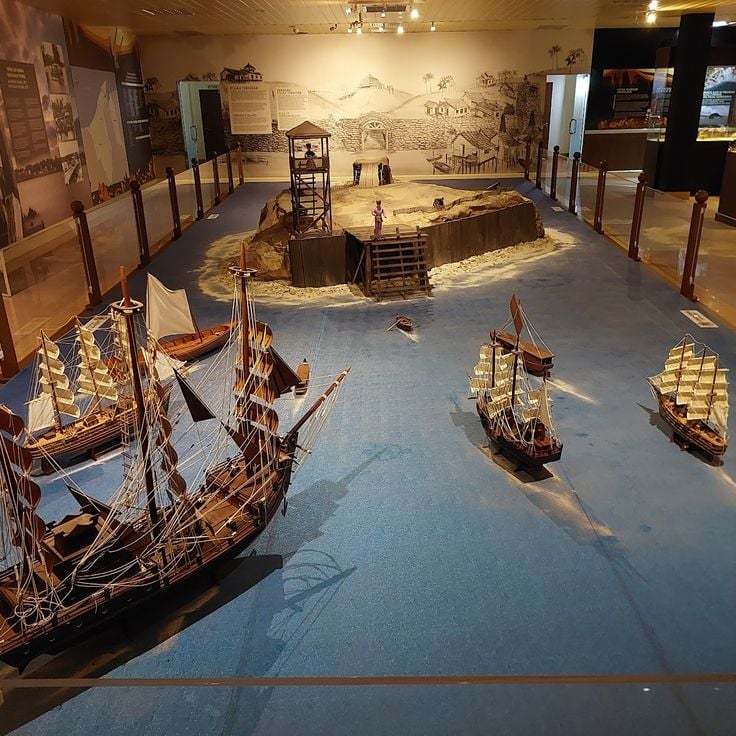
This museum traces the history of seafaring in the sultanate. Ship models from different centuries show how trade worked across the sea. Navigation instruments and documents offer insight into the trade routes that connected Brunei with other regions. The exhibition explains what role the sea played in the development of the country.
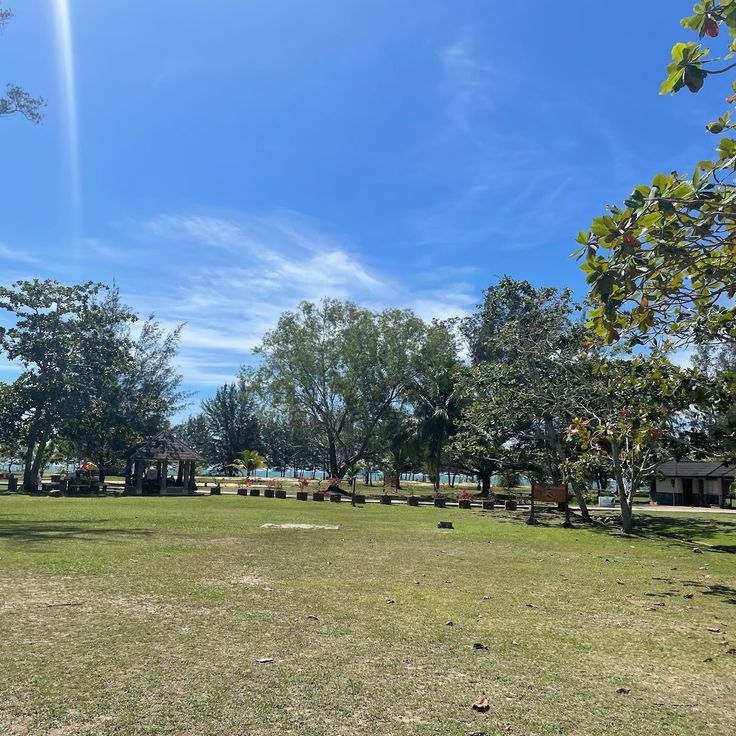
This beach in Muara stretches along two kilometers of coastline and offers light sand that draws families and water sports enthusiasts. Visitors come here to sail, ride jet skis, or simply walk along the shore. Sports facilities sit nearby, and shaded areas invite picnicking. On weekends, locals gather here to enjoy the sea breeze and spend time outdoors. The shallow waters make this beach a comfortable spot for different seaside activities.
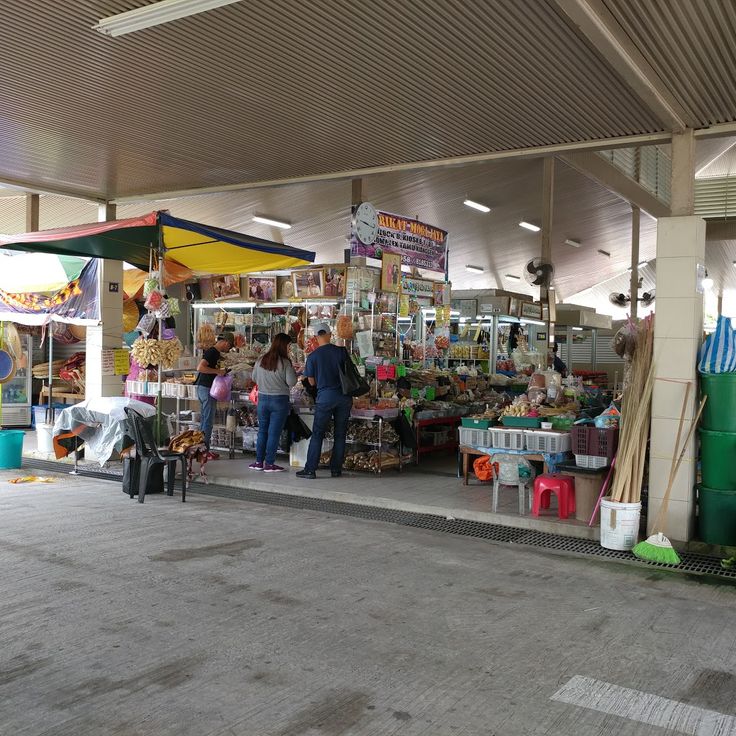
This market along the Kianggeh River opens early in the morning when vendors set up their stalls and offer fruits, vegetables, spices, and fresh fish. Locals gather here to shop and chat. You smell the spices in the air, see the colorful displays, and hear conversations between sellers and customers. Tamu Kianggeh is a place to experience daily life in the city and discover local products.
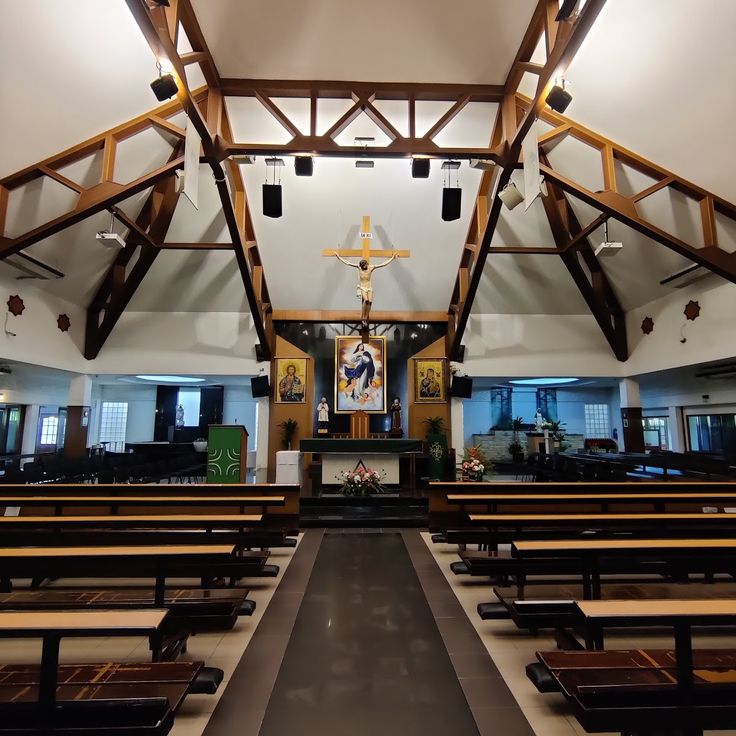
This chapel in the Bandar Seri Begawan district has stood since 1959 and welcomes the faithful to prayer and Sunday Mass. Inside, a central nave leads to two side altars. The wooden pews are simple, the walls painted in light colors. In front of the chapel there is a small forecourt where the congregation gathers after service. The architecture is plain, without major decoration, but the air is calm and you can sense the devotion of the visitors. On Sundays and feast days, the chapel fills with people singing hymns and praying together.
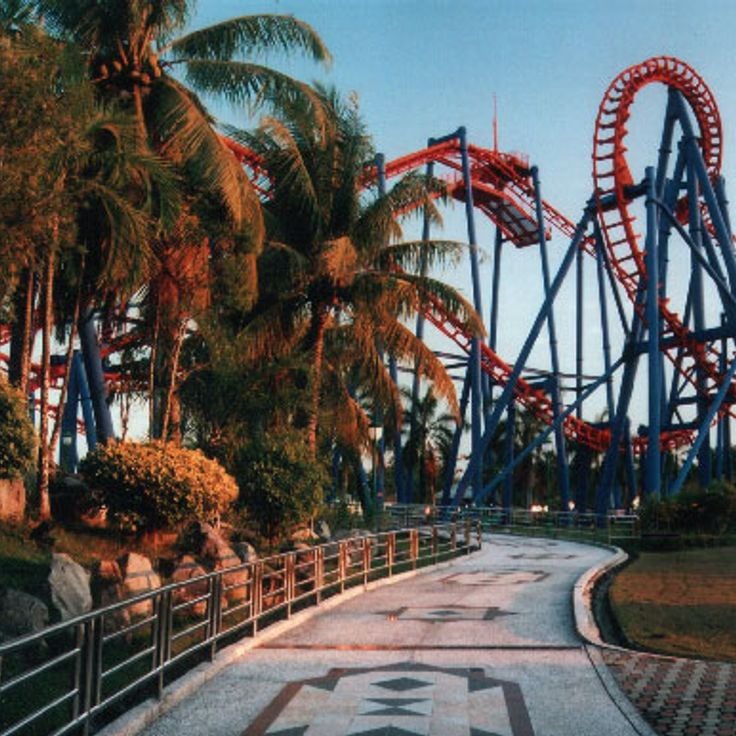
This park opened in 1994 as a leisure complex and brings families together with rides, arcade games, and a carousel. The grounds cover a wide area and connect modern attractions with open spaces for play. Visitors find several restaurants here and separate zones for children. The park shows how Brunei shapes its recreation offerings and draws many people from the surrounding area on weekends.
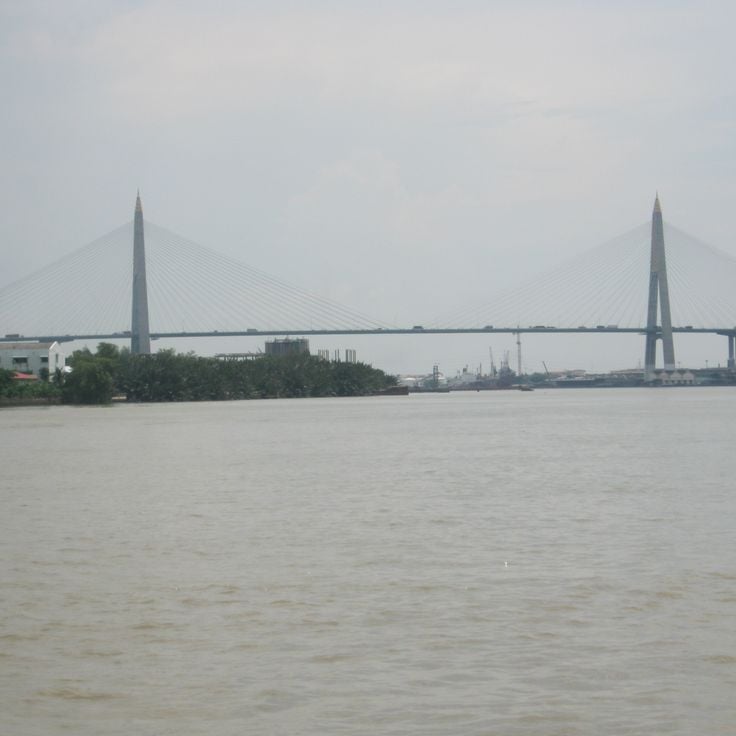
This bridge has connected Bandar Seri Begawan to the Temburong region since 2020, crossing Brunei Bay on four lanes. The roadway runs over the water and shortens travel time between the two parts of the country considerably. Driving across, you see the sea on both sides and experience the shift from the urban center to a sparsely populated coastal landscape. The structure reaches a length of about 19 miles (30 kilometers) and is considered one of the longest coastal bridges in Southeast Asia.
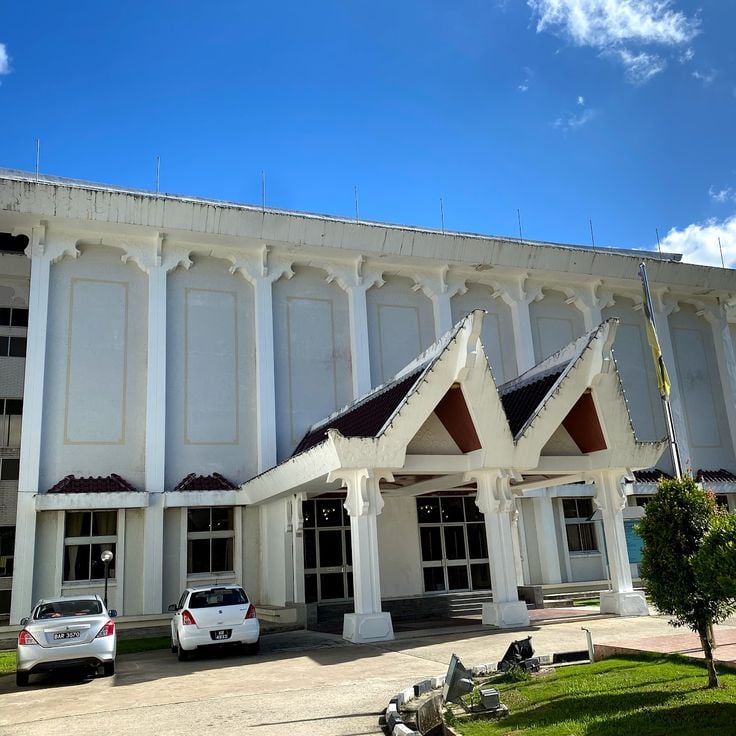
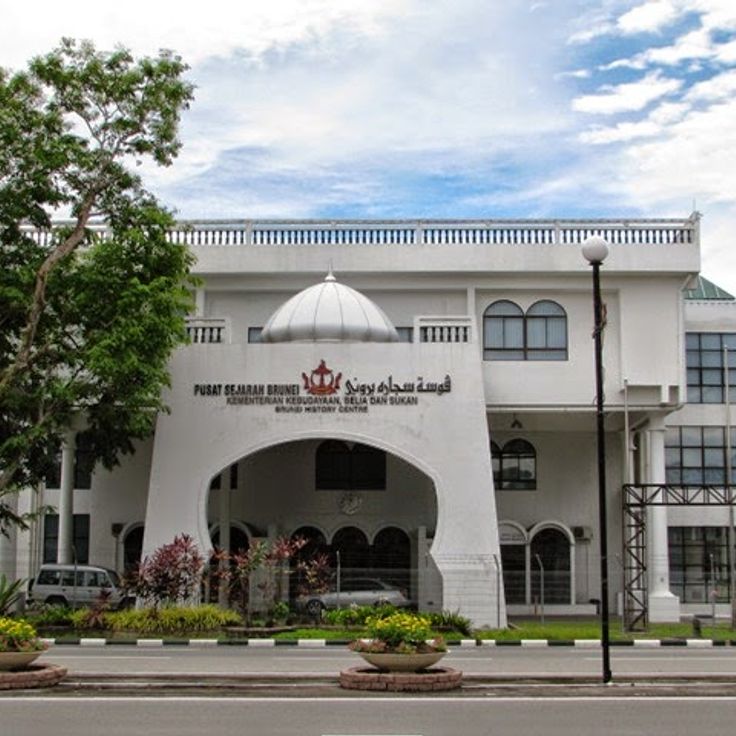
This museum tells the story of the Sultanate from its founding to the present day. The exhibition shows how people lived, worked, and celebrated through the centuries. You see everyday objects once used in homes, along with traditional clothing and tools. The Brunei History Center gives a sense of how society changed while old customs continued.
This park covers six hectares along the Kedayan River and offers lawns, shaded areas, and a 1,640-foot (500-meter) riverside walkway with benches. Local people come here to walk, jog, or rest. The observation spots provide views of the river and surrounding neighborhoods. The park is used by families during the day and by walkers in the evening.
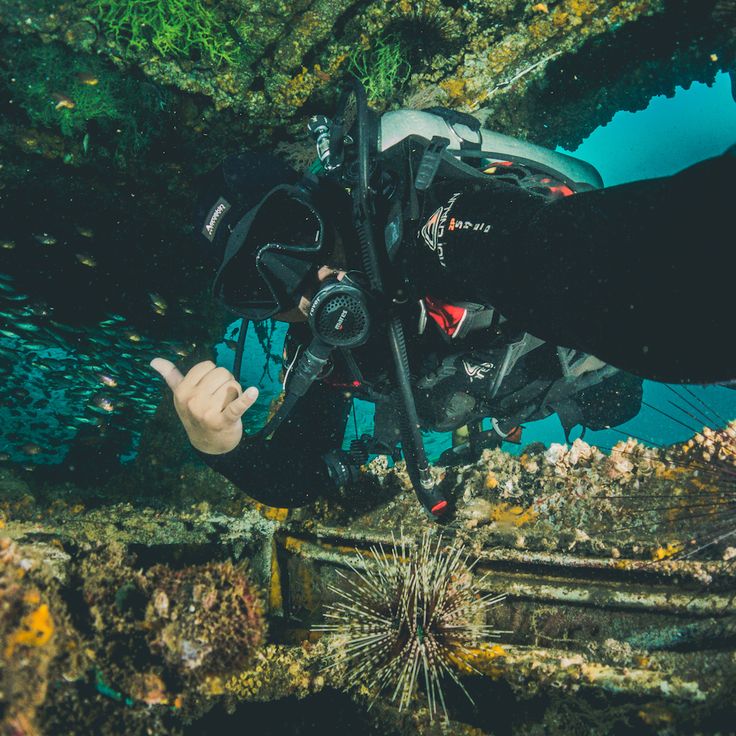
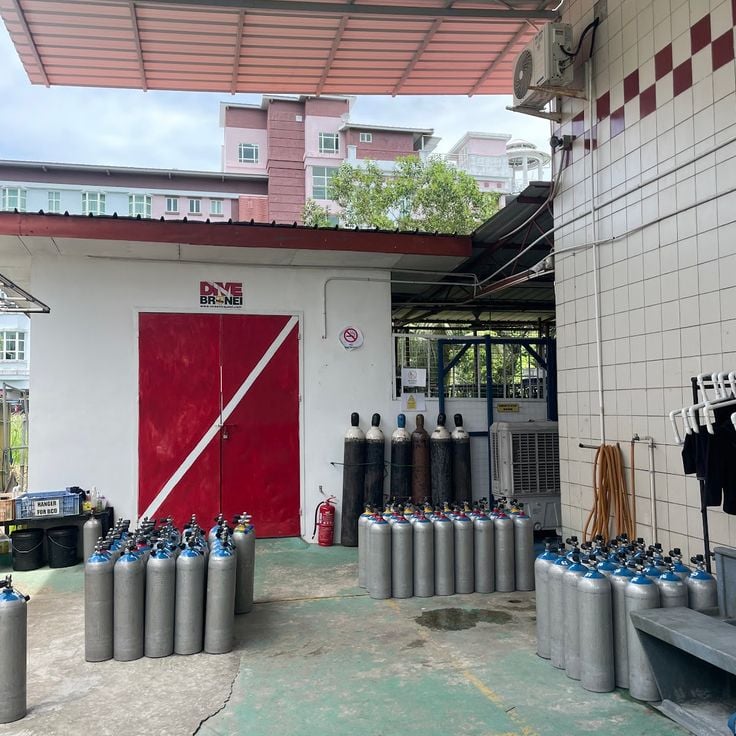
The Poni Divers Diving Center organizes trips to coral reefs and shipwrecks off the coast of Brunei. This diving center offers excursions for beginners and experienced divers, with equipment available for rent. Training courses run regularly to introduce visitors to the underwater world of the South China Sea. Tours reach different reefs and sunken vessels, where divers can see tropical fish, corals, and maritime remains.
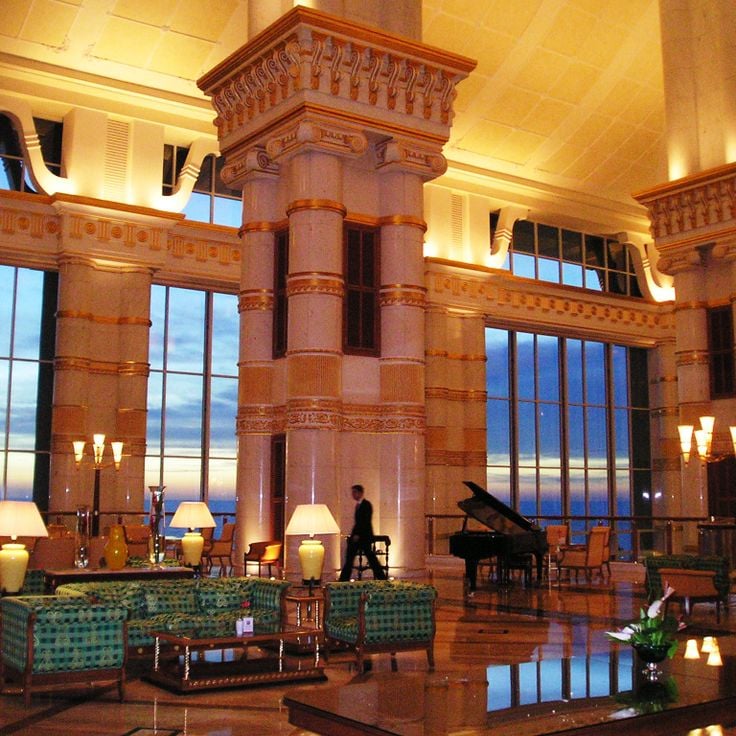
This hotel has stood on the coast since 1997 and ranks among the largest properties in the country. Guest rooms occupy several buildings overlooking tropical gardens or the sea. The grounds include a stretch of beach with fine sand, an 18-hole golf course, multiple dining rooms, and a cinema. The architecture combines classical elements with regional touches. Palm trees line the paths between pavilions. In the evening the facades glow with warm light.
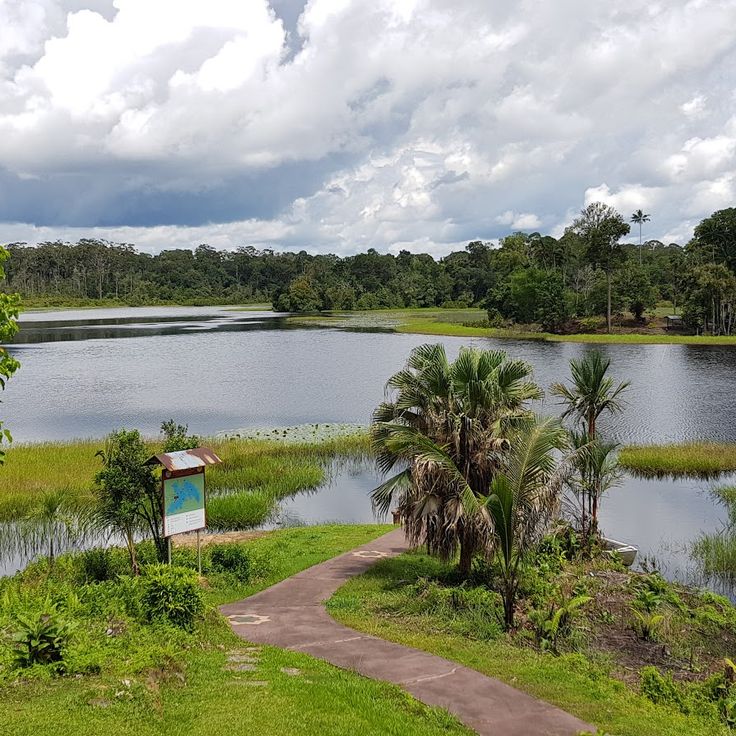
This lake sits deep in the rainforest and is the largest in the country. The water appears dark, almost black, because dead leaves and plant matter settle on the bottom. Wooden walkways lead through the wetland, passing swamp palms and dense greenery. In the morning you hear the calls of different bird species nesting in the surrounding trees. The place lies away from the usual routes and can only be reached by a narrow road that winds through farmland.
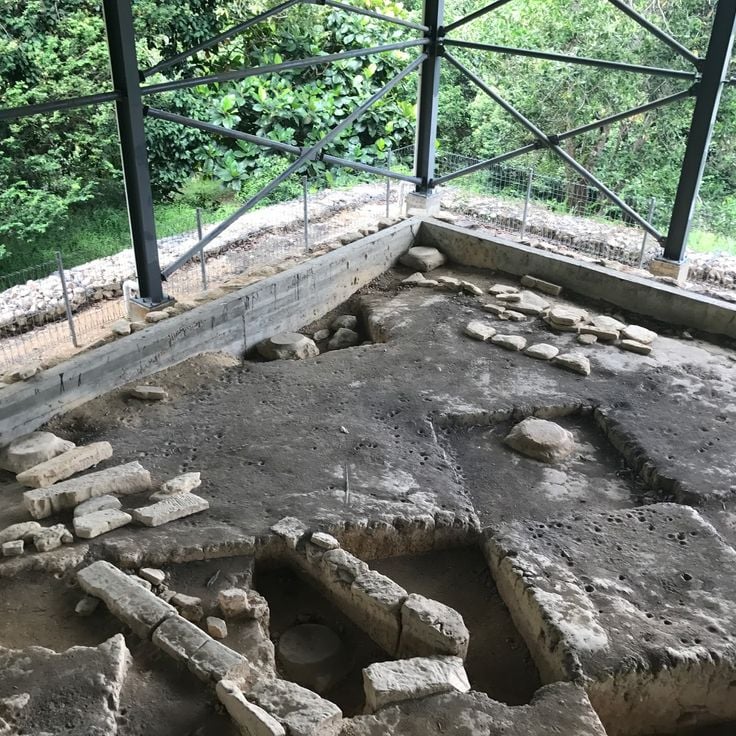
This archaeological site reveals the remains of the sultanate's old capital from the 15th century. The grounds contain foundations of former palaces, ceramic fragments, and other traces of Brunei's early history. Visitors can walk through excavated areas, where signs explain the story of the royal settlement. The site sits near the present-day city and offers insight into the beginnings of the sultanate, long before modern neighborhoods took shape.
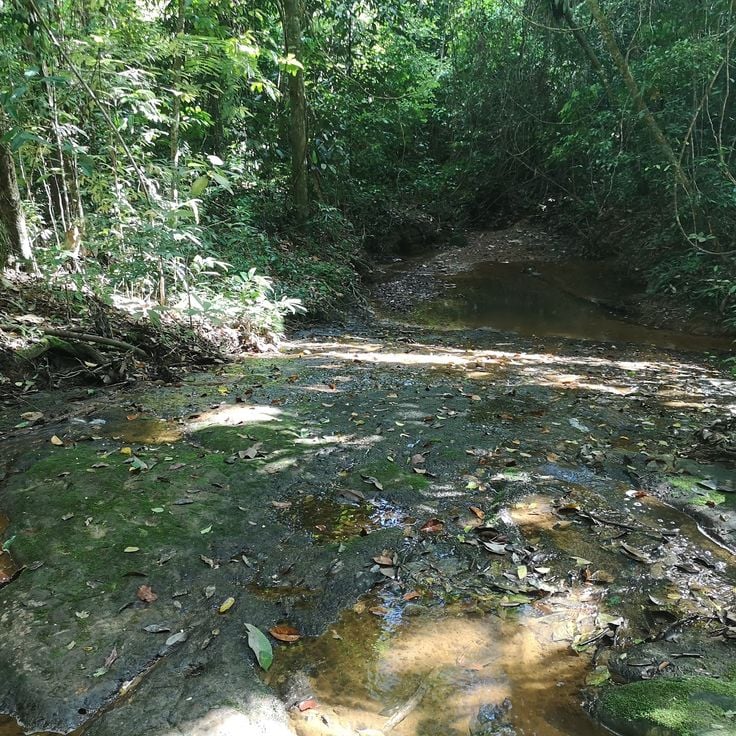
This nature reserve is home to local tree species and animals that live only in this region. Trails wind through the rainforest toward the Air Terjun-Menyusop waterfalls. Visitors walk among dense vegetation and listen to the sounds of the forest. The Wasai Kandal Nature Reserve offers a direct look at Brunei's tropical environment, with its rivers, rocks, and plant life. The paths allow travelers to see how the forest grows and changes along the way.
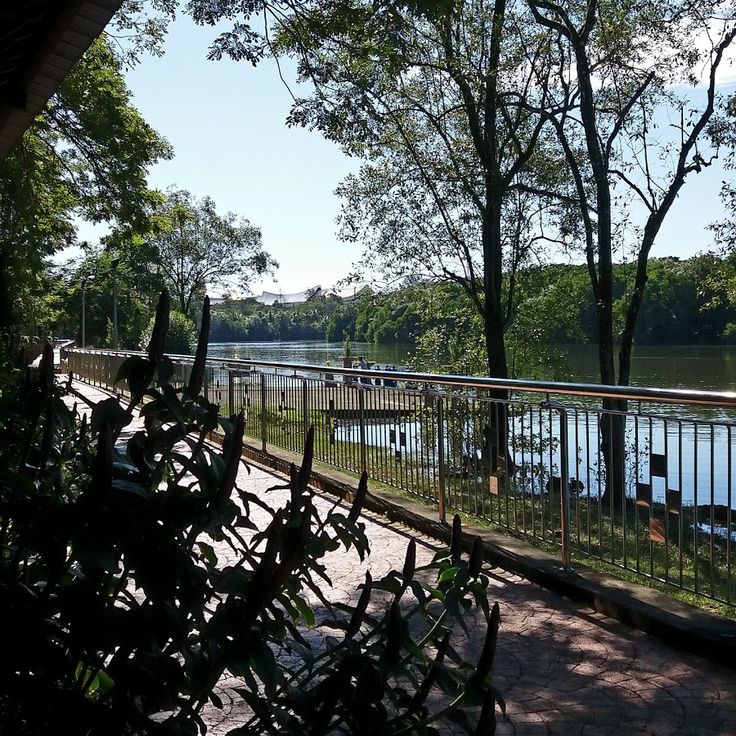
This waterfront path runs along the Brunei River as a wooden and concrete walkway, giving visitors a way to experience the city from the water's edge. Restaurants and cafés line the route. From here you can see the river, the houses along the shore, and the activity on the water. For those wanting to see the river and daily life in Bandar Seri Begawan, this path offers a starting point.
This reserve lies along the water and protects dense mangrove forests. The trees stand directly in the salt water and form a branching network of roots and channels. Macaques move through the branches, saltwater crocodiles rest on the banks, and many water birds nest in the trees or search for food in the shallow water. Visitors can walk on wooden boardwalks through the mangroves or travel in small boats through the narrow waterways. The air is humid, and the sounds of the animals are clearly audible.
This dive site preserves the wreck of an American minesweeper from World War II. The ship lies at a depth of about 100 feet (30 meters) on the seabed and now serves as an artificial reef. Divers explore the remains of the warship while tropical fish swim between the coral-covered steel plates. The wreck attracts photographers and history enthusiasts interested in maritime relics.
This protected area covers hills and dense forest in the interior, with walking trails winding through the jungle. Bukit Patoi rises as the highest point, offering visitors who make the climb a wide view over the treetops. Monkeys move through the branches while birds call between the trees. The paths are marked, but the ground can be slippery after rain. Those seeking quiet and who enjoy walking on foot will find here a chance to go deeper into the nature of Brunei.
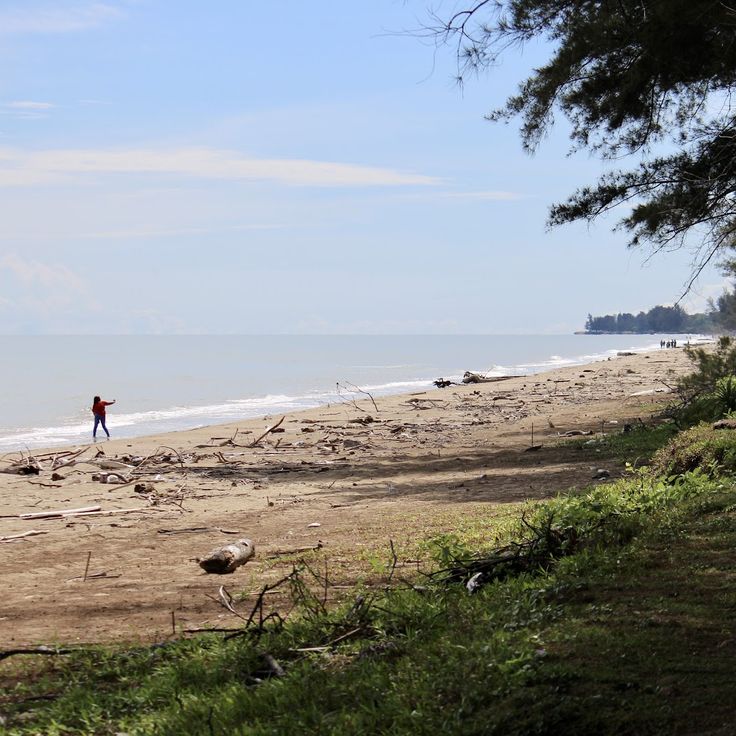
This beach sits where the South China Sea meets the freshwater of the Tutong River. The sand carries an orange tint that shifts with different light conditions. Fishermen come here to dock their boats, while families walk along the shoreline on weekends. The water changes with the tides, and the river mouth draws birds that forage in the shallow areas. Palms line some parts of the coast, and the wind often blows strong from the sea. The beach remains quiet on weekdays, but becomes more active when locals arrive for picnics.
This white building dates from 1906 and was built during the British colonial era as the residence of the British Resident. Today it serves as a museum dedicated to the administrative history of Brunei. Inside, visitors find documents, photographs, and objects that offer insight into the colonial past of the country. The name refers to the twelve roofs that characterize the structure. The rooms have been arranged to show how the building functioned during its time as a colonial headquarters.
This park runs along the Brunei River and offers walking paths that pass by nine sculptures. Artists from ASEAN countries created these works. Early in the morning, proboscis monkeys can be seen in the trees. The river flows quietly past, and visitors can watch the sunrise over the water. The sculptures stand outdoors and show different styles and subjects. People come here to walk and to see the animals.
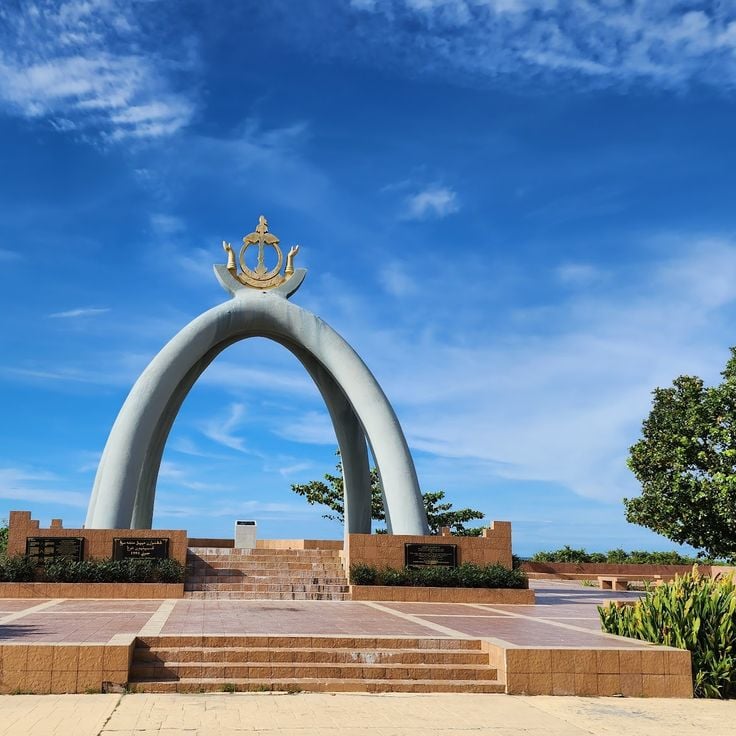
The Billionth Barrel Monument marks a historic moment in Brunei's oil industry, when Shell produced its billionth barrel of oil in 1991. This monument stands in Seria, a town that grew with the oil industry. The metal sculpture shows a derrick with stylized flames. The monument sits in a landscaped park and serves as a gathering spot for families and as a symbol of how the country developed since the first oil discoveries in the 1920s.
This mosque in Gadong was built in the late 20th century and stands as one of the largest places of worship in the country. Its golden domes shine in the sunlight and shape the skyline from a distance. The complex consists of several buildings connected by courtyards and gardens. Minarets rise at the corners and call people to prayer. The interior feels spacious and bright, with polished marble surfaces and chandeliers hanging from the ceiling. On Friday prayers, people gather here from different parts of the city. Visitors can view the architecture outside prayer times and walk through the well-kept grounds.
This national park covers dense rainforest in the Temburong district and is one of Brunei's protected natural areas. You reach the area by boat, as no roads lead there. The landscape is mountainous and covered with old-growth trees, streams, and a wide variety of animal and plant species. Visitors can walk on canopy walkways through the treetops and see the view over the forest. The area is remote and barely developed, so nature here feels mostly untouched.
This stilt village spreads across the waters of the Brunei River and consists of more than forty settlements connected by wooden walkways. Over 30,000 people live here in houses built on stilts above the river. Mosques, schools, shops and restaurants all sit on the water. Boats travel back and forth between the houses while children play on the walkways. Life follows the rhythm of the tides. Some families have lived here for generations. You can walk through the passages, watch daily routines and sometimes visit residents who offer tea. The busiest times are early morning and late afternoon.
This museum displays crowns, jewels, ceremonial carriages, and precious objects used at royal events in Brunei since 1967. The galleries recall coronations, jubilees, and state visits. You see silk and gold robes, thrones, photographs, and gifts from other countries. The building stands in the center of the capital and entry is free. Many local families visit on holidays to understand the history of the sultanate.
This palace stands in the capital and serves as the official residence of the sultan. The building dates from the nineteen eighties and spreads across several hills along the riverbank, combining elements of Islamic architecture with modern construction in marble and gold. The interior remains closed throughout the year but opens its doors during Ramadan for visitors who wish to greet the sultan. From outside, you see the golden domes and the gardens that reach down to the water.
This night market comes to life after sunset, when more than one hundred fifty stalls begin cooking dishes fresh for the evening crowd. Grilled fish sits on open flames, satay skewers turn over charcoal, and bowls of local sweets fill the tables. The cooking draws from Malay recipes as well as Chinese and Indian traditions, and the scent of spices and grilled meat drifts through the aisles between the stalls.
This mosque stands in the heart of the capital and has shaped the city skyline since 1958. The dome is covered with gold leaf, and the main tower rises 52 meters (171 feet) high. Marble minarets frame the building, which sits beside an artificial lagoon. Inside, high ceilings and open spaces let light play across the surfaces. In the evening, the structure reflects in the still water. Locals come to pray, and visitors walk quietly through the outer areas. The mosque is one of the landmarks of Brunei and shows the importance of faith in daily life.
This Buddhist temple was built in 1918 by the local Chinese community and houses statues of Buddha in prayer halls decorated with red lanterns. The simple halls invite quiet contemplation. Visitors find a place of worship where incense sticks burn and the air smells spicy. You can observe believers at prayer and experience traditional rituals of Chinese Buddhists in Brunei. The temple remains an active center of faith, where community members gather for ceremonies and festivals.
This public park sits in the capital and offers paths through tropical forest leading to a waterfall. There are also areas for jogging and sports. Locals come here in the mornings and evenings to exercise or rest. The forest is dense and shady, the air moist. The waterfall is small, but the water is cool and clear. On the way there you hear birds and insects. The paths are easy to walk, with stairs and markers. The park is a retreat in the middle of the city.
This museum preserves tools and objects used by people in Brunei for fishing, rice farming and crafts over several centuries. The collection spans from the 16th to the 20th century and shows how boats were built, nets were woven and metal was worked. Visitors see old fishing gear, farming instruments and traditional looms that shaped daily life in Malay villages.
This museum traces the history of seafaring in the sultanate. Ship models from different centuries show how trade worked across the sea. Navigation instruments and documents offer insight into the trade routes that connected Brunei with other regions. The exhibition explains what role the sea played in the development of the country.
This beach in Muara stretches along two kilometers of coastline and offers light sand that draws families and water sports enthusiasts. Visitors come here to sail, ride jet skis, or simply walk along the shore. Sports facilities sit nearby, and shaded areas invite picnicking. On weekends, locals gather here to enjoy the sea breeze and spend time outdoors. The shallow waters make this beach a comfortable spot for different seaside activities.
This market along the Kianggeh River opens early in the morning when vendors set up their stalls and offer fruits, vegetables, spices, and fresh fish. Locals gather here to shop and chat. You smell the spices in the air, see the colorful displays, and hear conversations between sellers and customers. Tamu Kianggeh is a place to experience daily life in the city and discover local products.
This chapel in the Bandar Seri Begawan district has stood since 1959 and welcomes the faithful to prayer and Sunday Mass. Inside, a central nave leads to two side altars. The wooden pews are simple, the walls painted in light colors. In front of the chapel there is a small forecourt where the congregation gathers after service. The architecture is plain, without major decoration, but the air is calm and you can sense the devotion of the visitors. On Sundays and feast days, the chapel fills with people singing hymns and praying together.
This park opened in 1994 as a leisure complex and brings families together with rides, arcade games, and a carousel. The grounds cover a wide area and connect modern attractions with open spaces for play. Visitors find several restaurants here and separate zones for children. The park shows how Brunei shapes its recreation offerings and draws many people from the surrounding area on weekends.
This bridge has connected Bandar Seri Begawan to the Temburong region since 2020, crossing Brunei Bay on four lanes. The roadway runs over the water and shortens travel time between the two parts of the country considerably. Driving across, you see the sea on both sides and experience the shift from the urban center to a sparsely populated coastal landscape. The structure reaches a length of about 19 miles (30 kilometers) and is considered one of the longest coastal bridges in Southeast Asia.
This museum tells the story of the Sultanate from its founding to the present day. The exhibition shows how people lived, worked, and celebrated through the centuries. You see everyday objects once used in homes, along with traditional clothing and tools. The Brunei History Center gives a sense of how society changed while old customs continued.
This park covers six hectares along the Kedayan River and offers lawns, shaded areas, and a 1,640-foot (500-meter) riverside walkway with benches. Local people come here to walk, jog, or rest. The observation spots provide views of the river and surrounding neighborhoods. The park is used by families during the day and by walkers in the evening.
The Poni Divers Diving Center organizes trips to coral reefs and shipwrecks off the coast of Brunei. This diving center offers excursions for beginners and experienced divers, with equipment available for rent. Training courses run regularly to introduce visitors to the underwater world of the South China Sea. Tours reach different reefs and sunken vessels, where divers can see tropical fish, corals, and maritime remains.
This hotel has stood on the coast since 1997 and ranks among the largest properties in the country. Guest rooms occupy several buildings overlooking tropical gardens or the sea. The grounds include a stretch of beach with fine sand, an 18-hole golf course, multiple dining rooms, and a cinema. The architecture combines classical elements with regional touches. Palm trees line the paths between pavilions. In the evening the facades glow with warm light.
This lake sits deep in the rainforest and is the largest in the country. The water appears dark, almost black, because dead leaves and plant matter settle on the bottom. Wooden walkways lead through the wetland, passing swamp palms and dense greenery. In the morning you hear the calls of different bird species nesting in the surrounding trees. The place lies away from the usual routes and can only be reached by a narrow road that winds through farmland.
This archaeological site reveals the remains of the sultanate's old capital from the 15th century. The grounds contain foundations of former palaces, ceramic fragments, and other traces of Brunei's early history. Visitors can walk through excavated areas, where signs explain the story of the royal settlement. The site sits near the present-day city and offers insight into the beginnings of the sultanate, long before modern neighborhoods took shape.
This nature reserve is home to local tree species and animals that live only in this region. Trails wind through the rainforest toward the Air Terjun-Menyusop waterfalls. Visitors walk among dense vegetation and listen to the sounds of the forest. The Wasai Kandal Nature Reserve offers a direct look at Brunei's tropical environment, with its rivers, rocks, and plant life. The paths allow travelers to see how the forest grows and changes along the way.
This waterfront path runs along the Brunei River as a wooden and concrete walkway, giving visitors a way to experience the city from the water's edge. Restaurants and cafés line the route. From here you can see the river, the houses along the shore, and the activity on the water. For those wanting to see the river and daily life in Bandar Seri Begawan, this path offers a starting point.
This reserve lies along the water and protects dense mangrove forests. The trees stand directly in the salt water and form a branching network of roots and channels. Macaques move through the branches, saltwater crocodiles rest on the banks, and many water birds nest in the trees or search for food in the shallow water. Visitors can walk on wooden boardwalks through the mangroves or travel in small boats through the narrow waterways. The air is humid, and the sounds of the animals are clearly audible.
This dive site preserves the wreck of an American minesweeper from World War II. The ship lies at a depth of about 100 feet (30 meters) on the seabed and now serves as an artificial reef. Divers explore the remains of the warship while tropical fish swim between the coral-covered steel plates. The wreck attracts photographers and history enthusiasts interested in maritime relics.
This protected area covers hills and dense forest in the interior, with walking trails winding through the jungle. Bukit Patoi rises as the highest point, offering visitors who make the climb a wide view over the treetops. Monkeys move through the branches while birds call between the trees. The paths are marked, but the ground can be slippery after rain. Those seeking quiet and who enjoy walking on foot will find here a chance to go deeper into the nature of Brunei.
This beach sits where the South China Sea meets the freshwater of the Tutong River. The sand carries an orange tint that shifts with different light conditions. Fishermen come here to dock their boats, while families walk along the shoreline on weekends. The water changes with the tides, and the river mouth draws birds that forage in the shallow areas. Palms line some parts of the coast, and the wind often blows strong from the sea. The beach remains quiet on weekdays, but becomes more active when locals arrive for picnics.
This white building dates from 1906 and was built during the British colonial era as the residence of the British Resident. Today it serves as a museum dedicated to the administrative history of Brunei. Inside, visitors find documents, photographs, and objects that offer insight into the colonial past of the country. The name refers to the twelve roofs that characterize the structure. The rooms have been arranged to show how the building functioned during its time as a colonial headquarters.
This park runs along the Brunei River and offers walking paths that pass by nine sculptures. Artists from ASEAN countries created these works. Early in the morning, proboscis monkeys can be seen in the trees. The river flows quietly past, and visitors can watch the sunrise over the water. The sculptures stand outdoors and show different styles and subjects. People come here to walk and to see the animals.
The Billionth Barrel Monument marks a historic moment in Brunei's oil industry, when Shell produced its billionth barrel of oil in 1991. This monument stands in Seria, a town that grew with the oil industry. The metal sculpture shows a derrick with stylized flames. The monument sits in a landscaped park and serves as a gathering spot for families and as a symbol of how the country developed since the first oil discoveries in the 1920s.
This mosque in Gadong was built in the late 20th century and stands as one of the largest places of worship in the country. Its golden domes shine in the sunlight and shape the skyline from a distance. The complex consists of several buildings connected by courtyards and gardens. Minarets rise at the corners and call people to prayer. The interior feels spacious and bright, with polished marble surfaces and chandeliers hanging from the ceiling. On Friday prayers, people gather here from different parts of the city. Visitors can view the architecture outside prayer times and walk through the well-kept grounds.
This national park covers dense rainforest in the Temburong district and is one of Brunei's protected natural areas. You reach the area by boat, as no roads lead there. The landscape is mountainous and covered with old-growth trees, streams, and a wide variety of animal and plant species. Visitors can walk on canopy walkways through the treetops and see the view over the forest. The area is remote and barely developed, so nature here feels mostly untouched.
This stilt village spreads across the waters of the Brunei River and consists of more than forty settlements connected by wooden walkways. Over 30,000 people live here in houses built on stilts above the river. Mosques, schools, shops and restaurants all sit on the water. Boats travel back and forth between the houses while children play on the walkways. Life follows the rhythm of the tides. Some families have lived here for generations. You can walk through the passages, watch daily routines and sometimes visit residents who offer tea. The busiest times are early morning and late afternoon.
This museum displays crowns, jewels, ceremonial carriages, and precious objects used at royal events in Brunei since 1967. The galleries recall coronations, jubilees, and state visits. You see silk and gold robes, thrones, photographs, and gifts from other countries. The building stands in the center of the capital and entry is free. Many local families visit on holidays to understand the history of the sultanate.
This palace stands in the capital and serves as the official residence of the sultan. The building dates from the nineteen eighties and spreads across several hills along the riverbank, combining elements of Islamic architecture with modern construction in marble and gold. The interior remains closed throughout the year but opens its doors during Ramadan for visitors who wish to greet the sultan. From outside, you see the golden domes and the gardens that reach down to the water.
This night market comes to life after sunset, when more than one hundred fifty stalls begin cooking dishes fresh for the evening crowd. Grilled fish sits on open flames, satay skewers turn over charcoal, and bowls of local sweets fill the tables. The cooking draws from Malay recipes as well as Chinese and Indian traditions, and the scent of spices and grilled meat drifts through the aisles between the stalls.
This mosque stands in the heart of the capital and has shaped the city skyline since 1958. The dome is covered with gold leaf, and the main tower rises 52 meters (171 feet) high. Marble minarets frame the building, which sits beside an artificial lagoon. Inside, high ceilings and open spaces let light play across the surfaces. In the evening, the structure reflects in the still water. Locals come to pray, and visitors walk quietly through the outer areas. The mosque is one of the landmarks of Brunei and shows the importance of faith in daily life.
This Buddhist temple was built in 1918 by the local Chinese community and houses statues of Buddha in prayer halls decorated with red lanterns. The simple halls invite quiet contemplation. Visitors find a place of worship where incense sticks burn and the air smells spicy. You can observe believers at prayer and experience traditional rituals of Chinese Buddhists in Brunei. The temple remains an active center of faith, where community members gather for ceremonies and festivals.
This public park sits in the capital and offers paths through tropical forest leading to a waterfall. There are also areas for jogging and sports. Locals come here in the mornings and evenings to exercise or rest. The forest is dense and shady, the air moist. The waterfall is small, but the water is cool and clear. On the way there you hear birds and insects. The paths are easy to walk, with stairs and markers. The park is a retreat in the middle of the city.
This museum preserves tools and objects used by people in Brunei for fishing, rice farming and crafts over several centuries. The collection spans from the 16th to the 20th century and shows how boats were built, nets were woven and metal was worked. Visitors see old fishing gear, farming instruments and traditional looms that shaped daily life in Malay villages.
This museum traces the history of seafaring in the sultanate. Ship models from different centuries show how trade worked across the sea. Navigation instruments and documents offer insight into the trade routes that connected Brunei with other regions. The exhibition explains what role the sea played in the development of the country.
This beach in Muara stretches along two kilometers of coastline and offers light sand that draws families and water sports enthusiasts. Visitors come here to sail, ride jet skis, or simply walk along the shore. Sports facilities sit nearby, and shaded areas invite picnicking. On weekends, locals gather here to enjoy the sea breeze and spend time outdoors. The shallow waters make this beach a comfortable spot for different seaside activities.
This market along the Kianggeh River opens early in the morning when vendors set up their stalls and offer fruits, vegetables, spices, and fresh fish. Locals gather here to shop and chat. You smell the spices in the air, see the colorful displays, and hear conversations between sellers and customers. Tamu Kianggeh is a place to experience daily life in the city and discover local products.
This chapel in the Bandar Seri Begawan district has stood since 1959 and welcomes the faithful to prayer and Sunday Mass. Inside, a central nave leads to two side altars. The wooden pews are simple, the walls painted in light colors. In front of the chapel there is a small forecourt where the congregation gathers after service. The architecture is plain, without major decoration, but the air is calm and you can sense the devotion of the visitors. On Sundays and feast days, the chapel fills with people singing hymns and praying together.
This park opened in 1994 as a leisure complex and brings families together with rides, arcade games, and a carousel. The grounds cover a wide area and connect modern attractions with open spaces for play. Visitors find several restaurants here and separate zones for children. The park shows how Brunei shapes its recreation offerings and draws many people from the surrounding area on weekends.
This bridge has connected Bandar Seri Begawan to the Temburong region since 2020, crossing Brunei Bay on four lanes. The roadway runs over the water and shortens travel time between the two parts of the country considerably. Driving across, you see the sea on both sides and experience the shift from the urban center to a sparsely populated coastal landscape. The structure reaches a length of about 19 miles (30 kilometers) and is considered one of the longest coastal bridges in Southeast Asia.
This museum tells the story of the Sultanate from its founding to the present day. The exhibition shows how people lived, worked, and celebrated through the centuries. You see everyday objects once used in homes, along with traditional clothing and tools. The Brunei History Center gives a sense of how society changed while old customs continued.
This park covers six hectares along the Kedayan River and offers lawns, shaded areas, and a 1,640-foot (500-meter) riverside walkway with benches. Local people come here to walk, jog, or rest. The observation spots provide views of the river and surrounding neighborhoods. The park is used by families during the day and by walkers in the evening.
The Poni Divers Diving Center organizes trips to coral reefs and shipwrecks off the coast of Brunei. This diving center offers excursions for beginners and experienced divers, with equipment available for rent. Training courses run regularly to introduce visitors to the underwater world of the South China Sea. Tours reach different reefs and sunken vessels, where divers can see tropical fish, corals, and maritime remains.
This hotel has stood on the coast since 1997 and ranks among the largest properties in the country. Guest rooms occupy several buildings overlooking tropical gardens or the sea. The grounds include a stretch of beach with fine sand, an 18-hole golf course, multiple dining rooms, and a cinema. The architecture combines classical elements with regional touches. Palm trees line the paths between pavilions. In the evening the facades glow with warm light.
This lake sits deep in the rainforest and is the largest in the country. The water appears dark, almost black, because dead leaves and plant matter settle on the bottom. Wooden walkways lead through the wetland, passing swamp palms and dense greenery. In the morning you hear the calls of different bird species nesting in the surrounding trees. The place lies away from the usual routes and can only be reached by a narrow road that winds through farmland.
This archaeological site reveals the remains of the sultanate's old capital from the 15th century. The grounds contain foundations of former palaces, ceramic fragments, and other traces of Brunei's early history. Visitors can walk through excavated areas, where signs explain the story of the royal settlement. The site sits near the present-day city and offers insight into the beginnings of the sultanate, long before modern neighborhoods took shape.
This nature reserve is home to local tree species and animals that live only in this region. Trails wind through the rainforest toward the Air Terjun-Menyusop waterfalls. Visitors walk among dense vegetation and listen to the sounds of the forest. The Wasai Kandal Nature Reserve offers a direct look at Brunei's tropical environment, with its rivers, rocks, and plant life. The paths allow travelers to see how the forest grows and changes along the way.
This waterfront path runs along the Brunei River as a wooden and concrete walkway, giving visitors a way to experience the city from the water's edge. Restaurants and cafés line the route. From here you can see the river, the houses along the shore, and the activity on the water. For those wanting to see the river and daily life in Bandar Seri Begawan, this path offers a starting point.
This reserve lies along the water and protects dense mangrove forests. The trees stand directly in the salt water and form a branching network of roots and channels. Macaques move through the branches, saltwater crocodiles rest on the banks, and many water birds nest in the trees or search for food in the shallow water. Visitors can walk on wooden boardwalks through the mangroves or travel in small boats through the narrow waterways. The air is humid, and the sounds of the animals are clearly audible.
This dive site preserves the wreck of an American minesweeper from World War II. The ship lies at a depth of about 100 feet (30 meters) on the seabed and now serves as an artificial reef. Divers explore the remains of the warship while tropical fish swim between the coral-covered steel plates. The wreck attracts photographers and history enthusiasts interested in maritime relics.
This protected area covers hills and dense forest in the interior, with walking trails winding through the jungle. Bukit Patoi rises as the highest point, offering visitors who make the climb a wide view over the treetops. Monkeys move through the branches while birds call between the trees. The paths are marked, but the ground can be slippery after rain. Those seeking quiet and who enjoy walking on foot will find here a chance to go deeper into the nature of Brunei.
This beach sits where the South China Sea meets the freshwater of the Tutong River. The sand carries an orange tint that shifts with different light conditions. Fishermen come here to dock their boats, while families walk along the shoreline on weekends. The water changes with the tides, and the river mouth draws birds that forage in the shallow areas. Palms line some parts of the coast, and the wind often blows strong from the sea. The beach remains quiet on weekdays, but becomes more active when locals arrive for picnics.
This white building dates from 1906 and was built during the British colonial era as the residence of the British Resident. Today it serves as a museum dedicated to the administrative history of Brunei. Inside, visitors find documents, photographs, and objects that offer insight into the colonial past of the country. The name refers to the twelve roofs that characterize the structure. The rooms have been arranged to show how the building functioned during its time as a colonial headquarters.
This park runs along the Brunei River and offers walking paths that pass by nine sculptures. Artists from ASEAN countries created these works. Early in the morning, proboscis monkeys can be seen in the trees. The river flows quietly past, and visitors can watch the sunrise over the water. The sculptures stand outdoors and show different styles and subjects. People come here to walk and to see the animals.
The Billionth Barrel Monument marks a historic moment in Brunei's oil industry, when Shell produced its billionth barrel of oil in 1991. This monument stands in Seria, a town that grew with the oil industry. The metal sculpture shows a derrick with stylized flames. The monument sits in a landscaped park and serves as a gathering spot for families and as a symbol of how the country developed since the first oil discoveries in the 1920s.