Libya is home to many Roman, Greek, and Berber archaeological sites such as Leptis Magna and Cyrene. The country features ancient Saharan cities like Ghadames, religious monuments, and museums with historical collections. The territory also includes significant natural sites with rock carvings, oases, lakes, and mountain ranges.
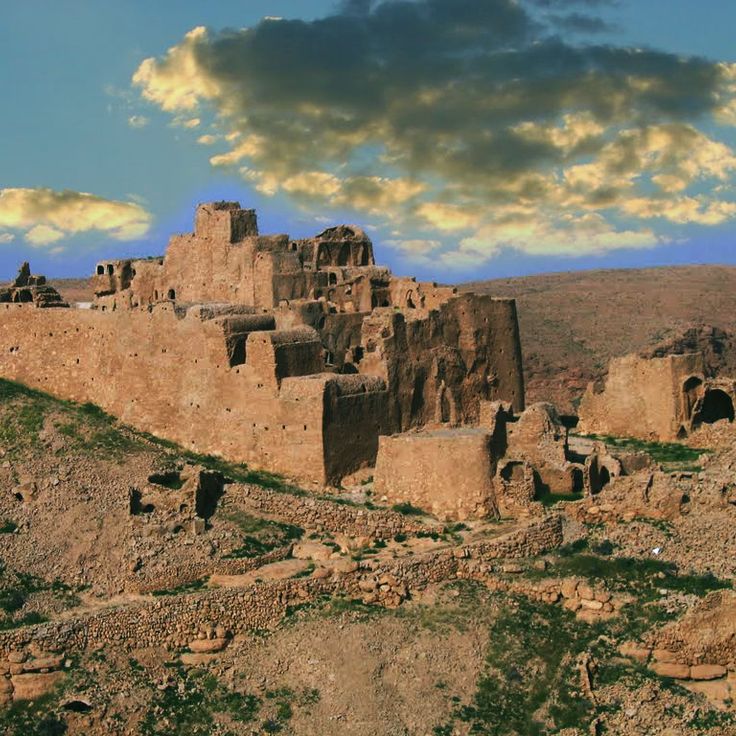
Nalut, Libya
Stone defensive constructions dating from the 12th century, including fortified granaries and traditional Berber mountain dwellings.
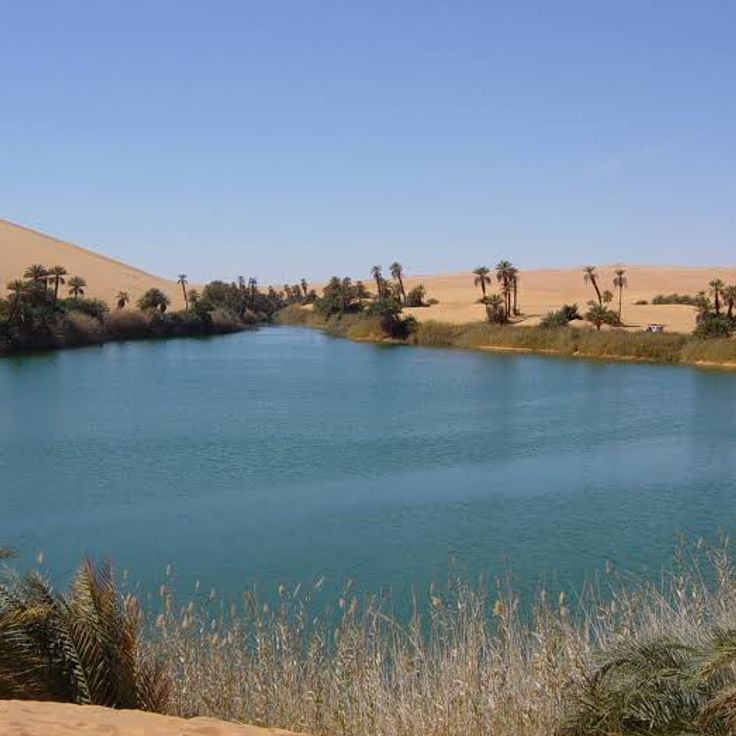
Wadi al Hayaat, Libya
Area of lakes in the middle of the Sahara desert, surrounded by sand dunes and palm trees, traditional territory of the Tuareg people.
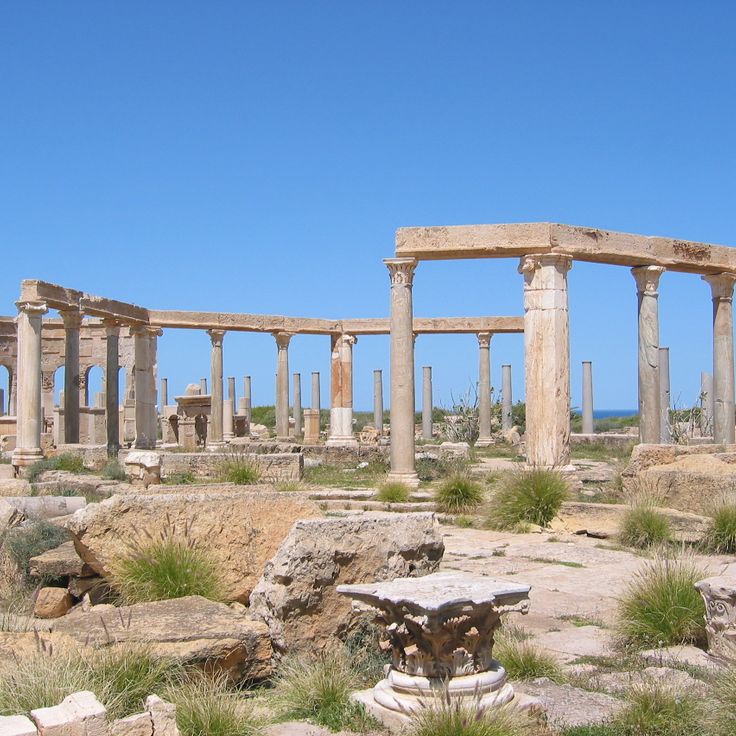
Al Khums, Libya
2nd-century Roman city with a forum, market, baths, a 16,000-seat amphitheater, and an ancient Mediterranean port.
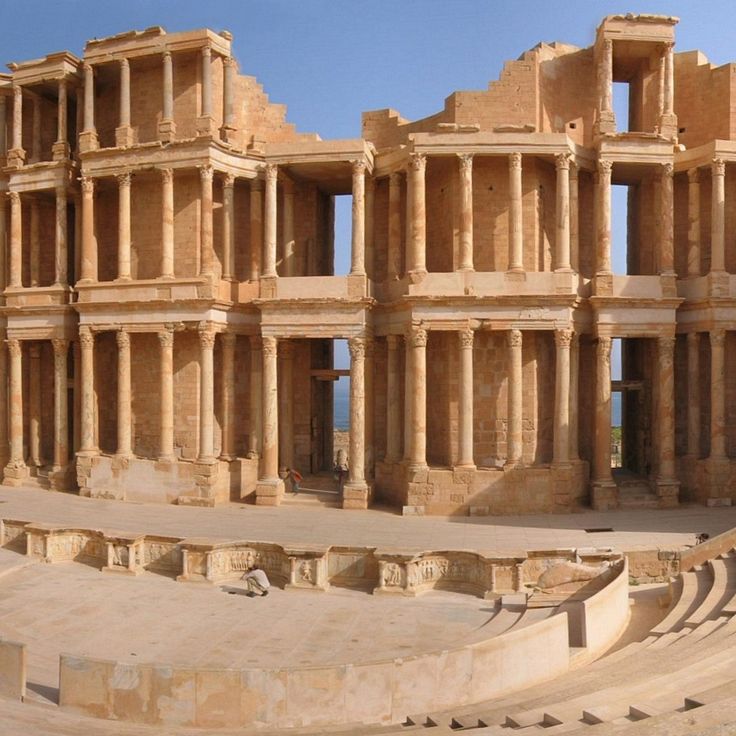
Sabratha, Libya
3rd-century Roman city with a three-story theater, temples, a forum, and colorful mosaics depicting maritime scenes.
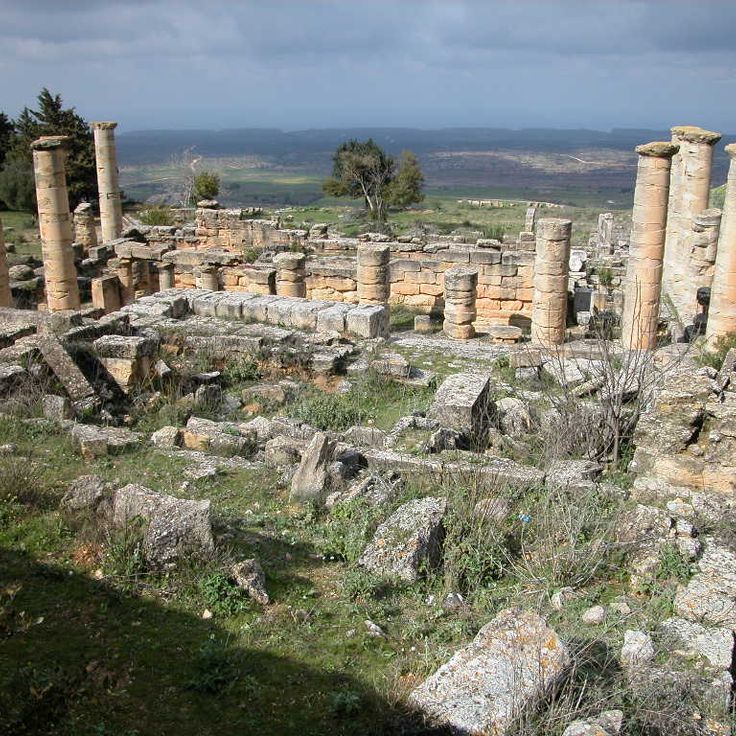
Shahhat, Libya
Ancient Greek site founded in the 7th century BC, comprising Roman monuments, an acropolis, an agora, and a theater.
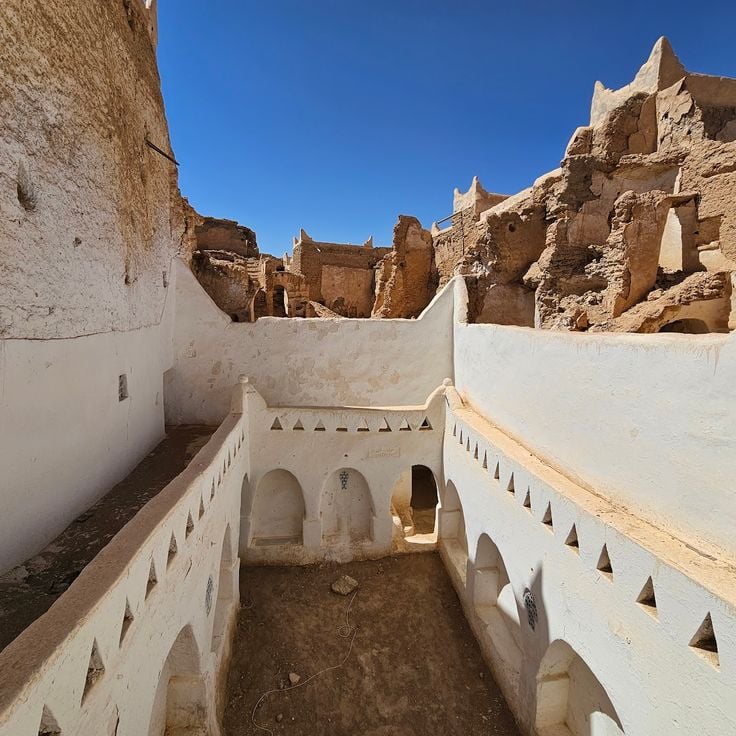
Ghadames, Libya
Fortified desert town with earthen vernacular architecture, covered alleys, and a traditional irrigation system dating back to the 7th century.
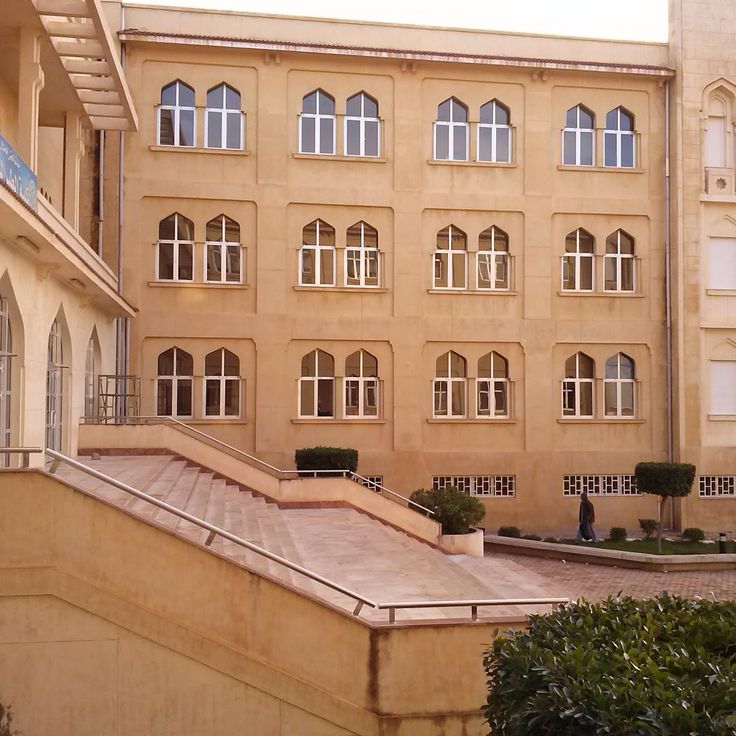
Al Bayda, Libya
Institution displaying personal items, documents, and photographs relating to the life of the Libyan resistance leader against Italian occupation.
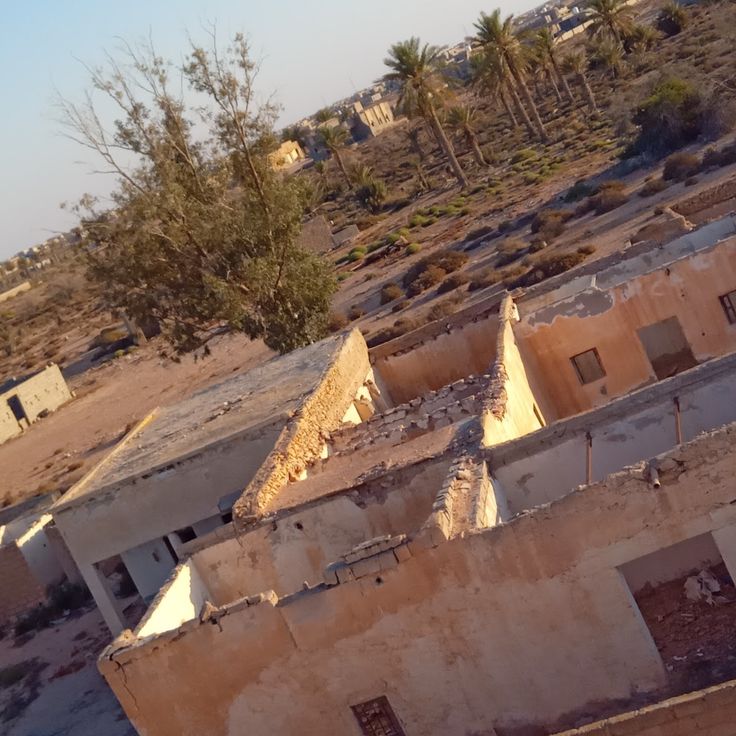
Zliten, Libya
Collection of Roman mosaics, sculptures, and archaeological objects discovered in the Tripolitania region, dating from the 2nd to 4th centuries.
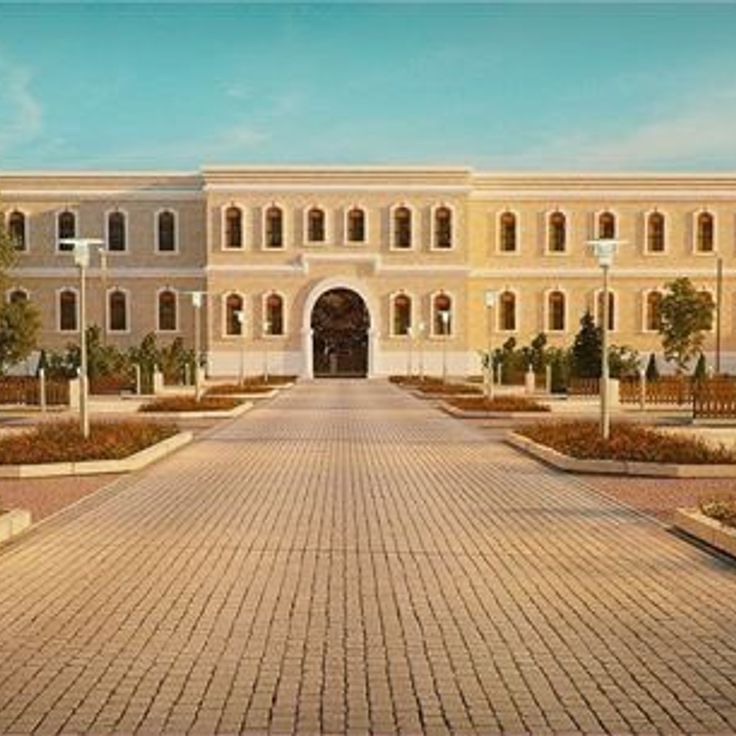
Benghazi, Libya
The museum exhibits ancient artifacts, coins, pottery, and sculptures discovered during excavations in eastern Libya since 1920.
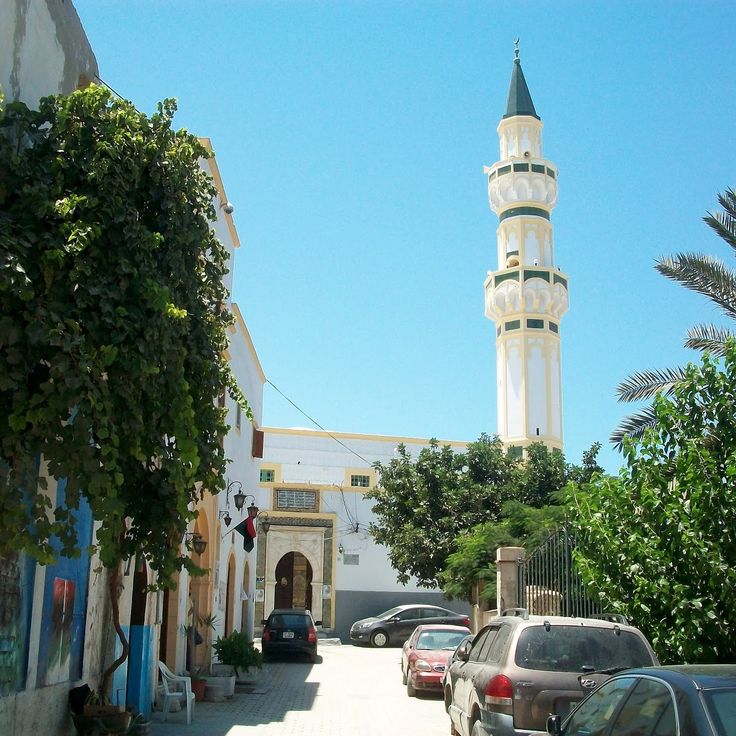
Tripoli, Libya
18th-century religious building with a minaret decorated with Ottoman motifs, Italian marble columns, and Turkish tile decorations.
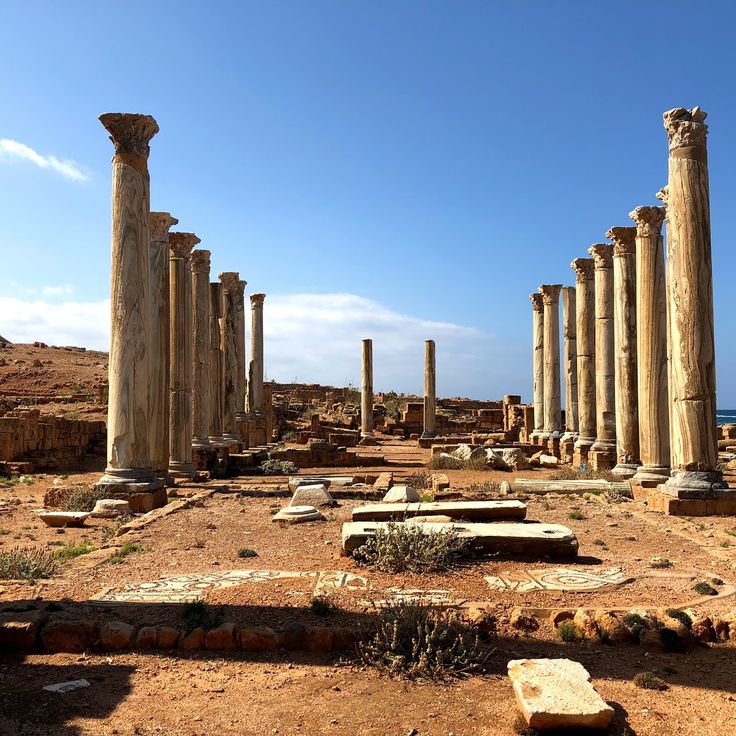
Susa, Libya
Greek maritime site founded in the 7th century BC including Roman baths, Byzantine basilicas, and an ancient theater facing the sea.
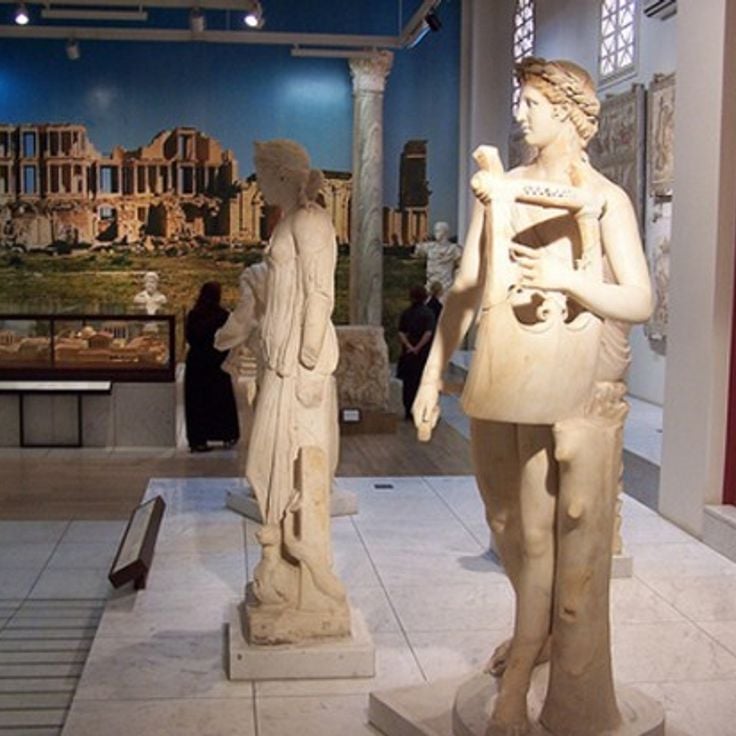
Tripoli, Libya
Archaeological collections exhibited within a 16th-century military construction, showcasing objects from prehistory to the Islamic era.
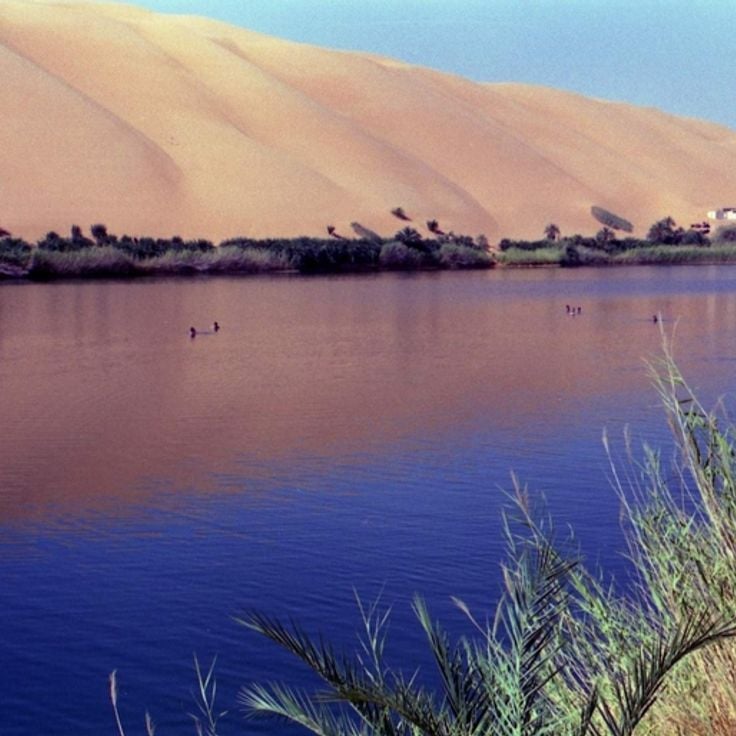
Sebha, Libya
Salt lake surrounded by date palm trees on the edge of the Sahara desert. The lake's sediments contain red minerals and salt deposits.
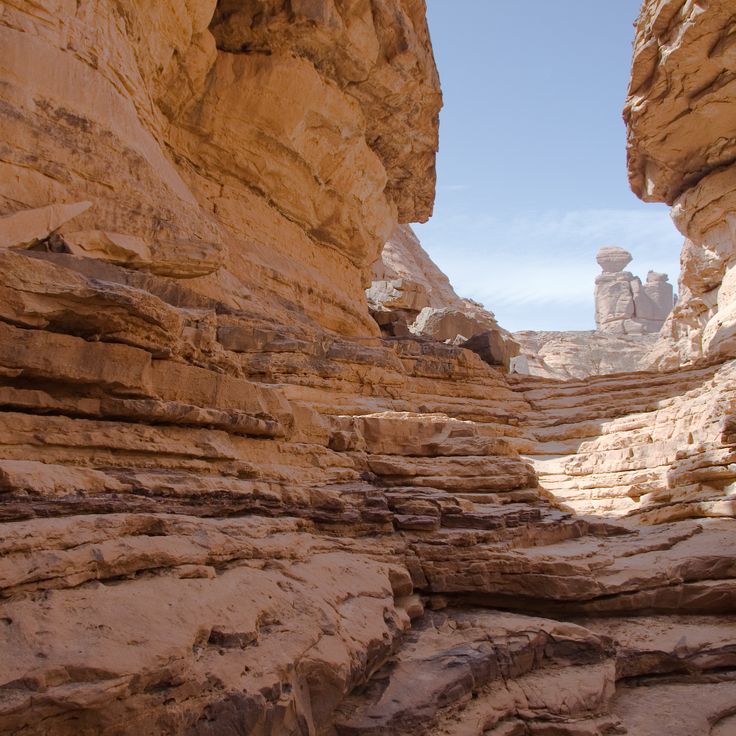
Murzuq, Libya
Mountain range in the Sahara desert with thousands of rock paintings dating from 12000 to 100 BCE.
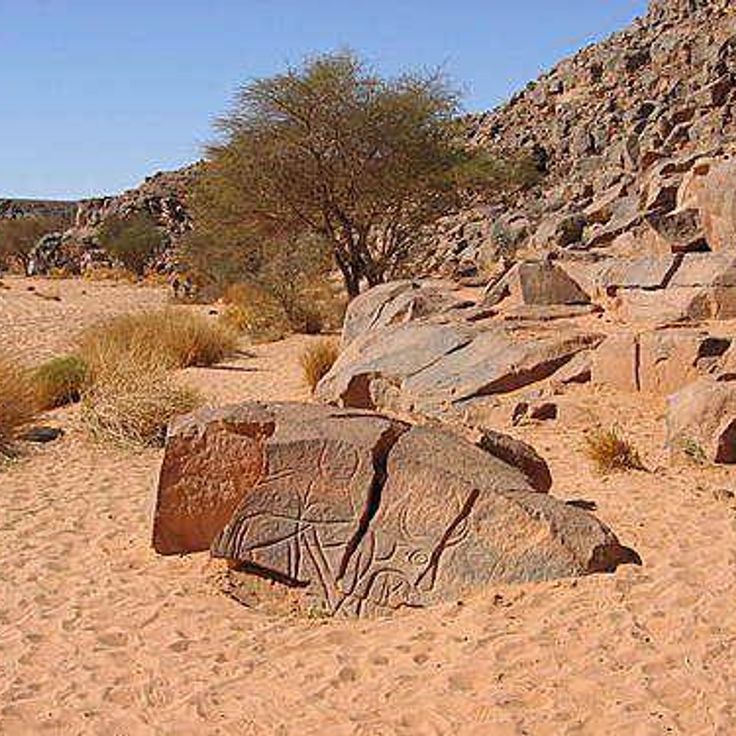
Wadi al Hayaat, Libya
Valley on the Messak Settafet plateau with rock engravings depicting elephants, giraffes, and other Neolithic animals.
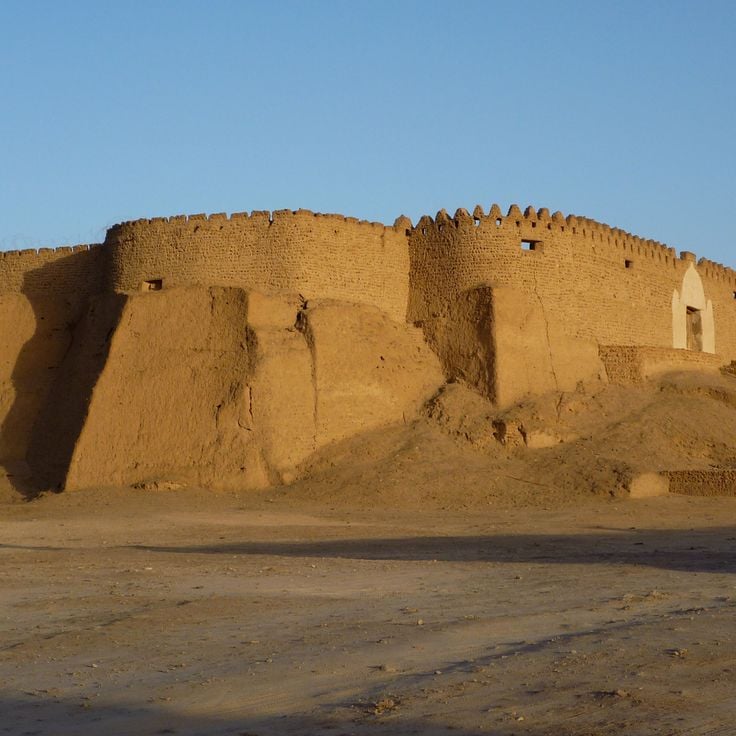
Murzuq, Libya
Archaeological site with temples, necropolises, and remains of houses from the Garamantian civilization that flourished from the 5th century BC to the 7th century AD.
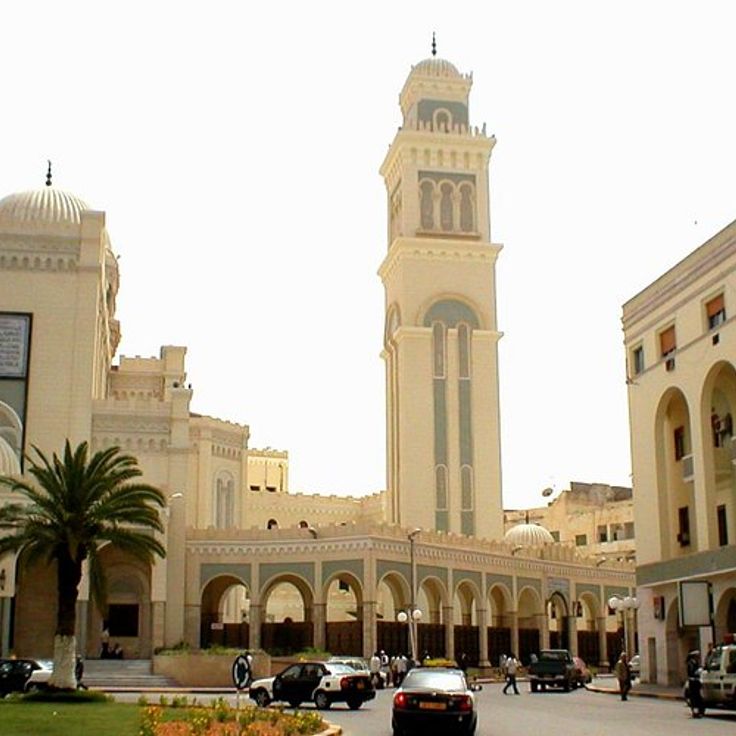
Tripoli, Libya
Religious monument built in the 19th century in Ottoman style with a minaret and an inner courtyard adorned with marble columns.
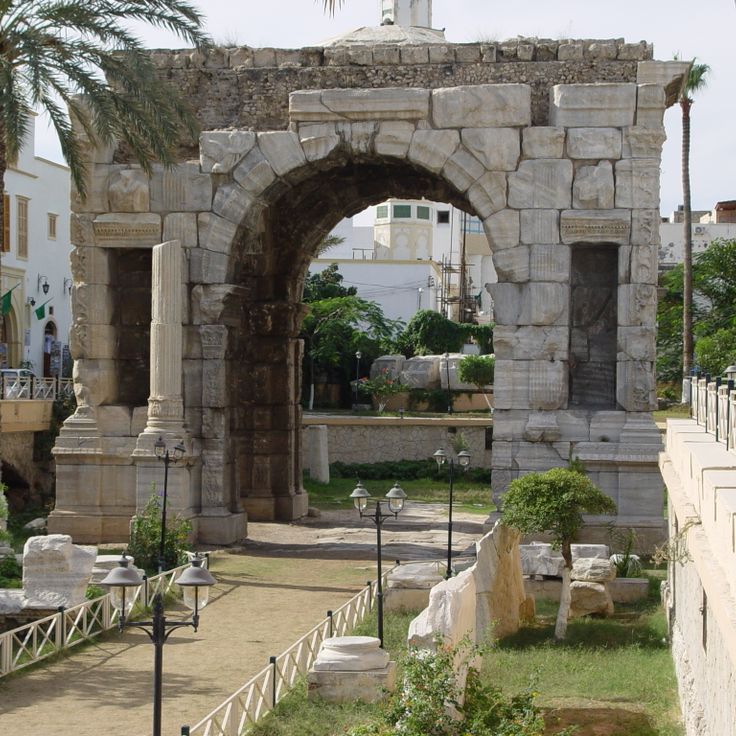
Tripoli, Libya
Roman monument erected in 163 made of white limestone, composed of four pillars supporting an arch decorated with mythological reliefs.
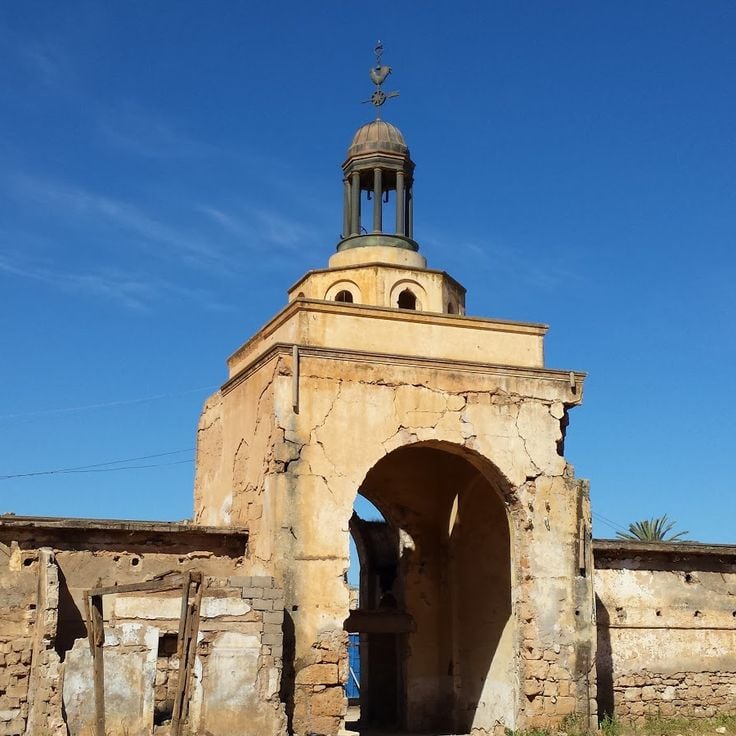
Al Marj, Libya
Remains of an ancient city founded in the 6th century BC, including a theater, baths, and Roman mosaics.
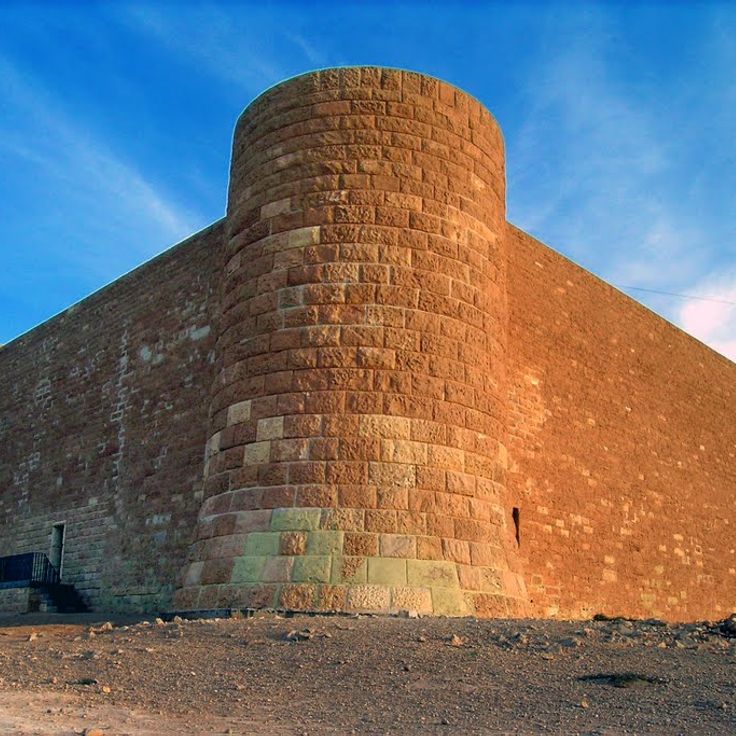
Tobruk, Libya
Commemorative site established in 1943 where 2282 Commonwealth soldiers who died during the North African battles of 1941-1942 are buried.
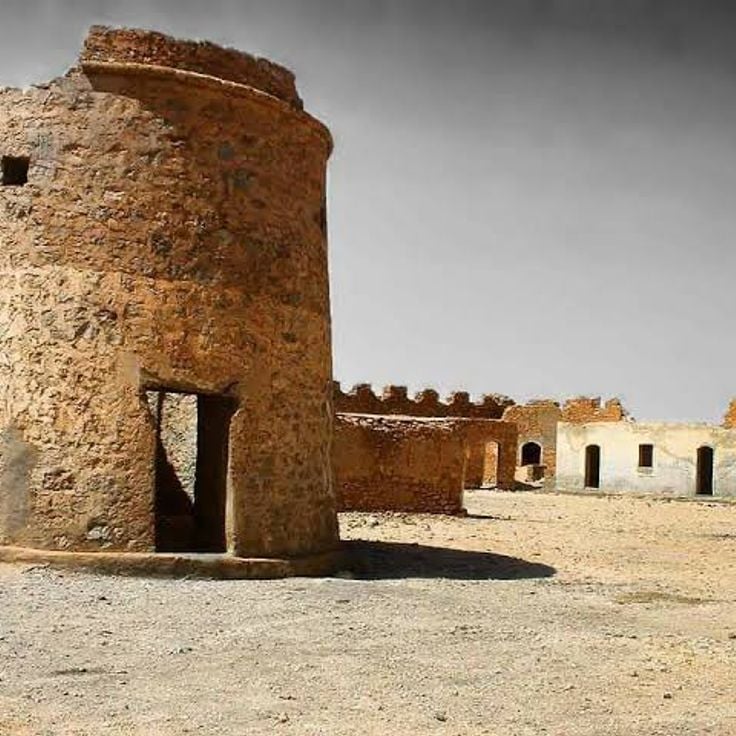
Murzuq, Libya
16th-century military construction located in the town of Murzuq. The earthen walls once protected the Sahara trade route.
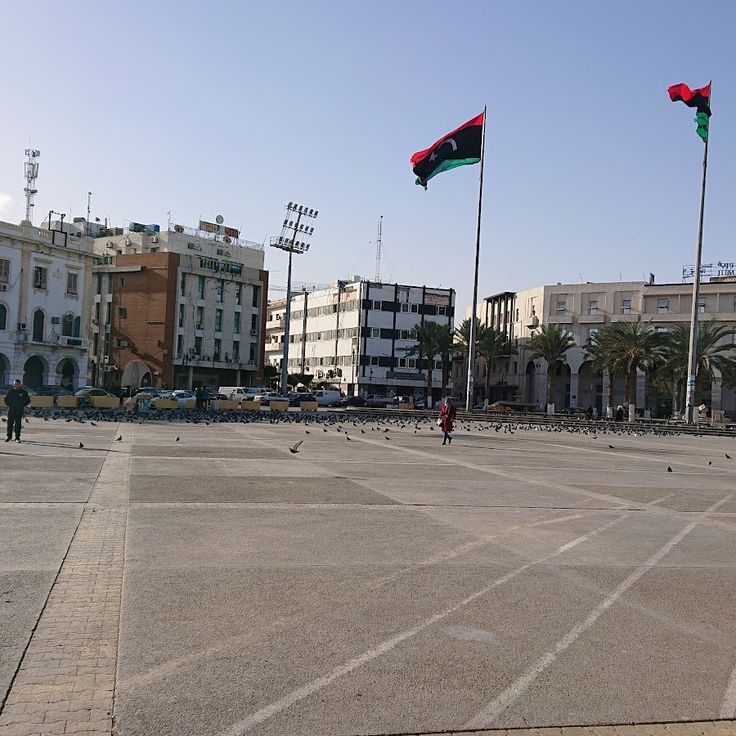
Tripoli, Libya
Large public square in central Tripoli, renamed in 2011. It hosts commemorative monuments and important administrative buildings.
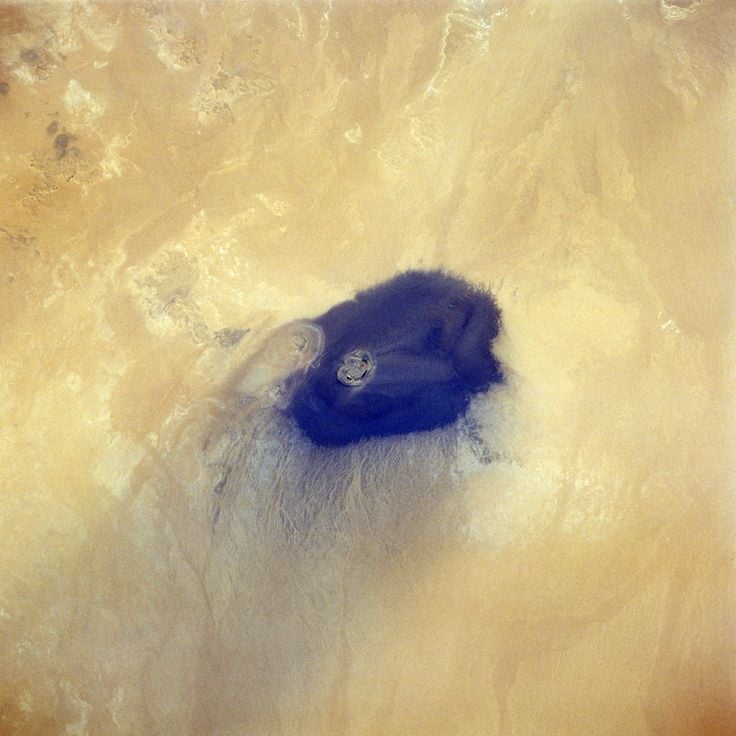
Fezzan, Libya
Volcanic formation in the Sahara containing three lakes of different colors. The crater measures 4 kilometers in diameter.
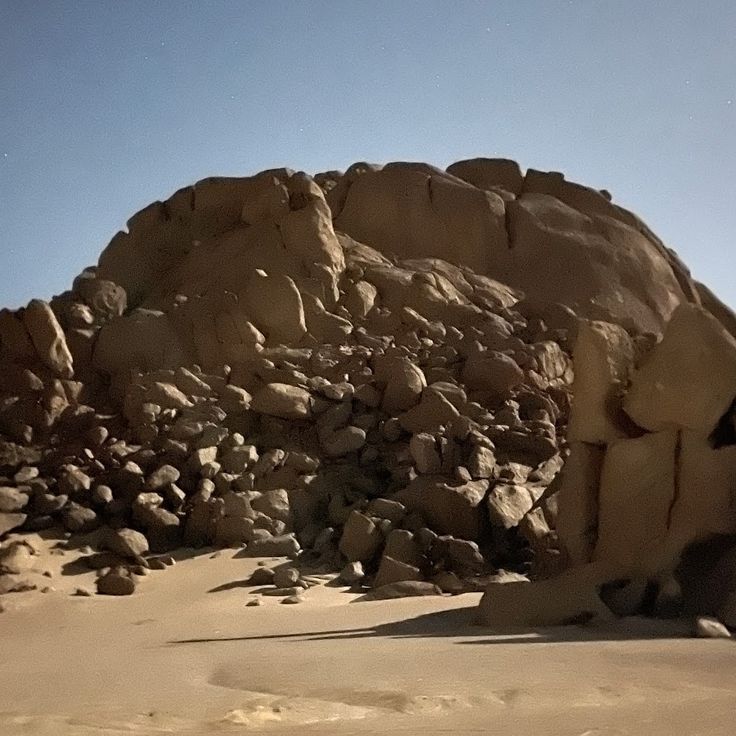
Al Koufrah, Libya
Mountain relief reaching 1934 meters altitude at the junction of three countries. The site contains prehistoric rock paintings.
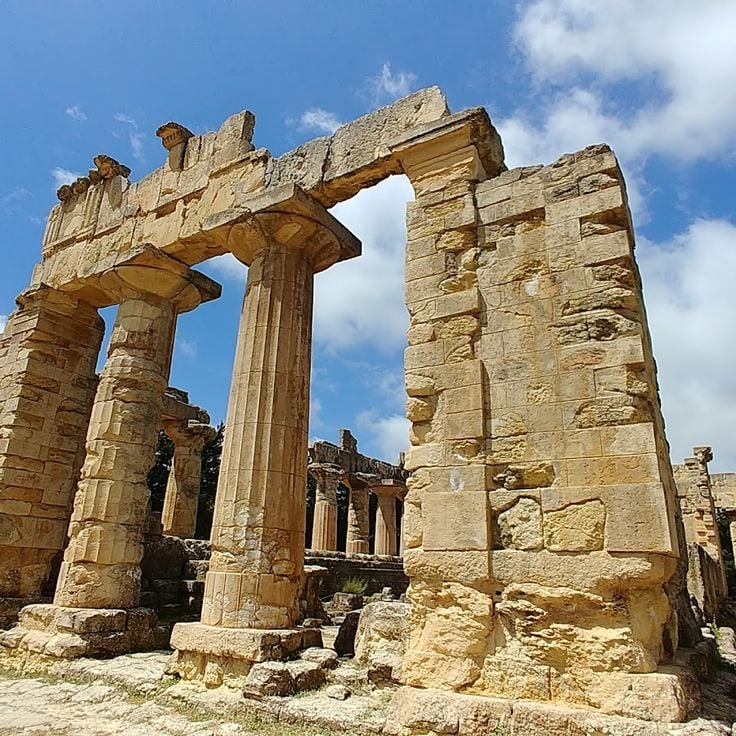
Shahhat, Libya
Ancient Greek temple located in the archaeological complex of Cyrene.
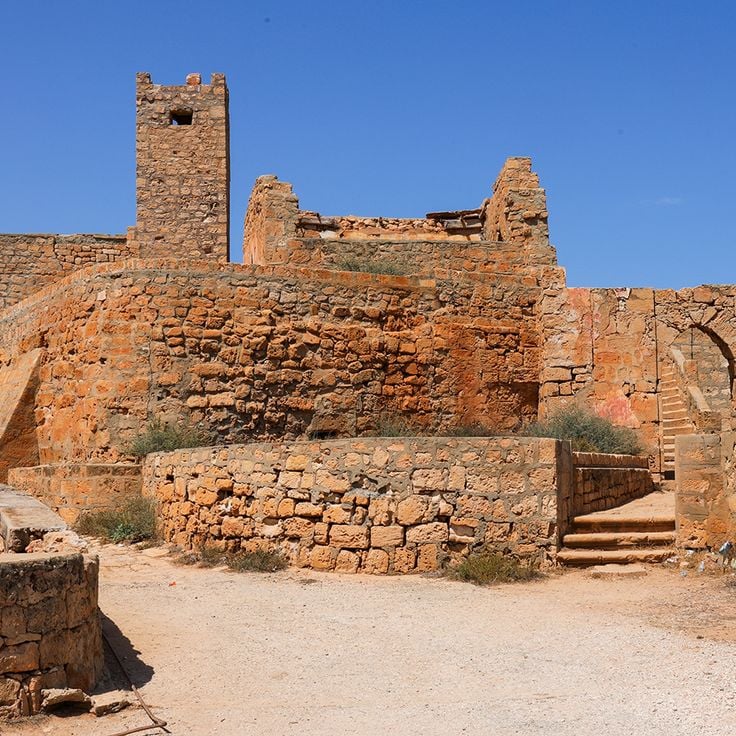
Tokrah, Libya
Ancient Greek ruins dating from the 7th century BC.
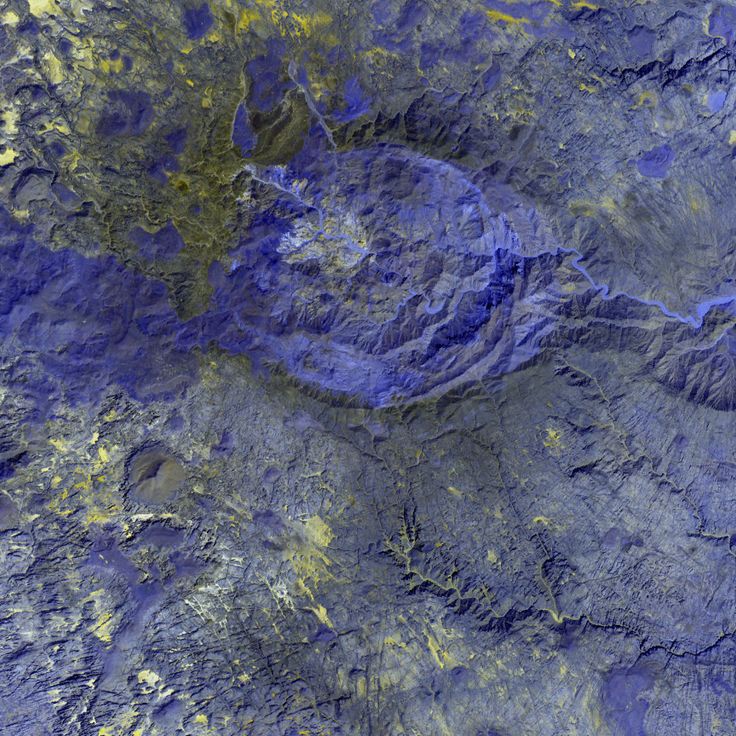
Al Koufrah, Libya
Highest point in Libya at 2267 meters altitude.
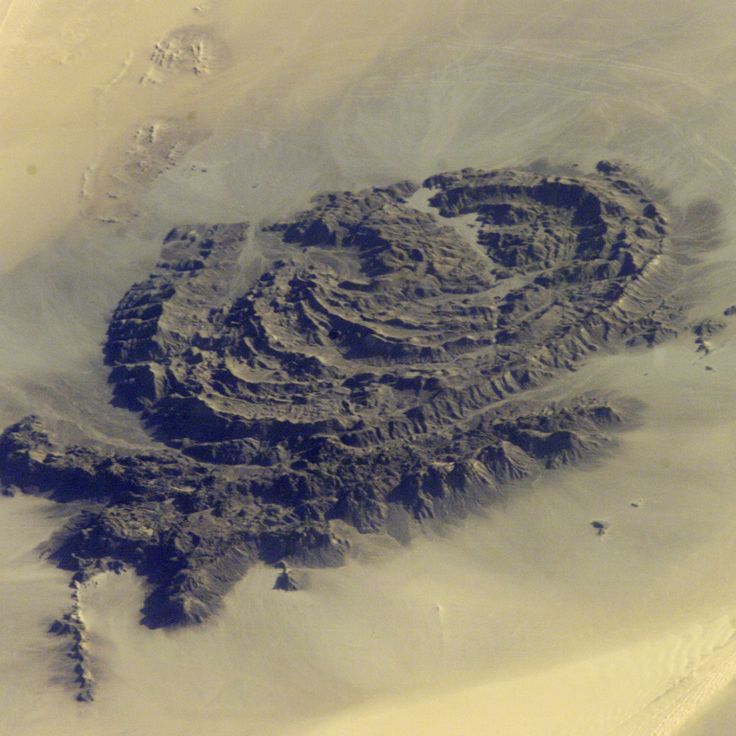
Al Koufrah, Libya
Mountain massif in the Libyan desert with vertical rock formations and rock engravings. Its highest point reaches 1435 meters altitude.