Alsace offers visitors medieval castles, botanical gardens, and village squares that tell many years of history.
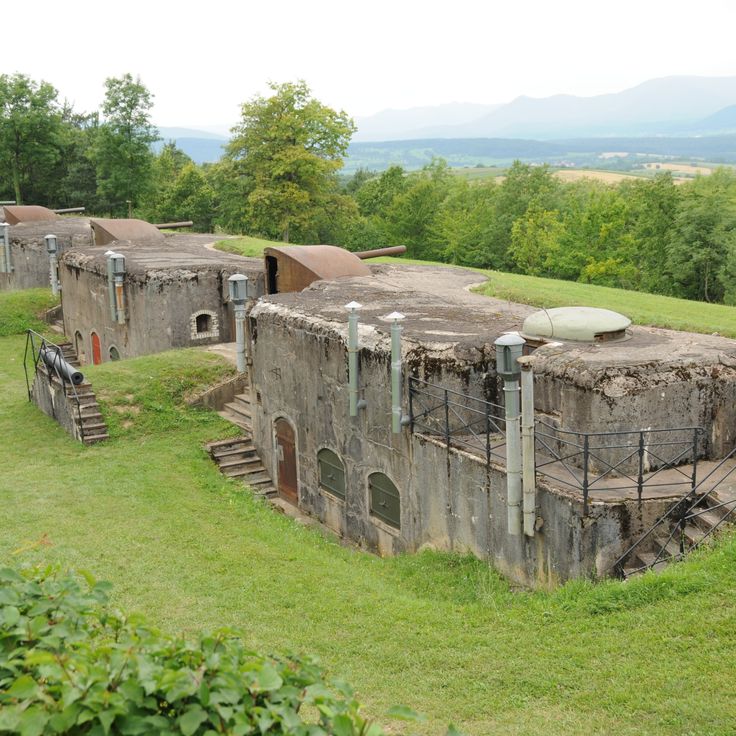
Alsace has preserved its historical structures through the centuries. The region extends from Rhine valley vineyards to forested Vosges heights and displays its past through castles, abbeys and museums. Château du Haut-Kœnigsbourg stands above the Rhine plain, while Fort de Mutzig demonstrates early 20th-century German military architecture. Abbaye de Murbach ranks among the region's significant Romanesque buildings.
Alsatian gardens combine botanical collections with historical grounds. Jardin Botanique Universitaire de Strasbourg presents over 6,000 plant species, Parc de Wesserling documents textile history through its grounds. Roseraie de Saverne displays more than 500 rose varieties. In the Vosges, Sentier des Roches crosses rock formations and mountain ridges, while Route des Crêtes connects summits over 50 miles (80 kilometers).
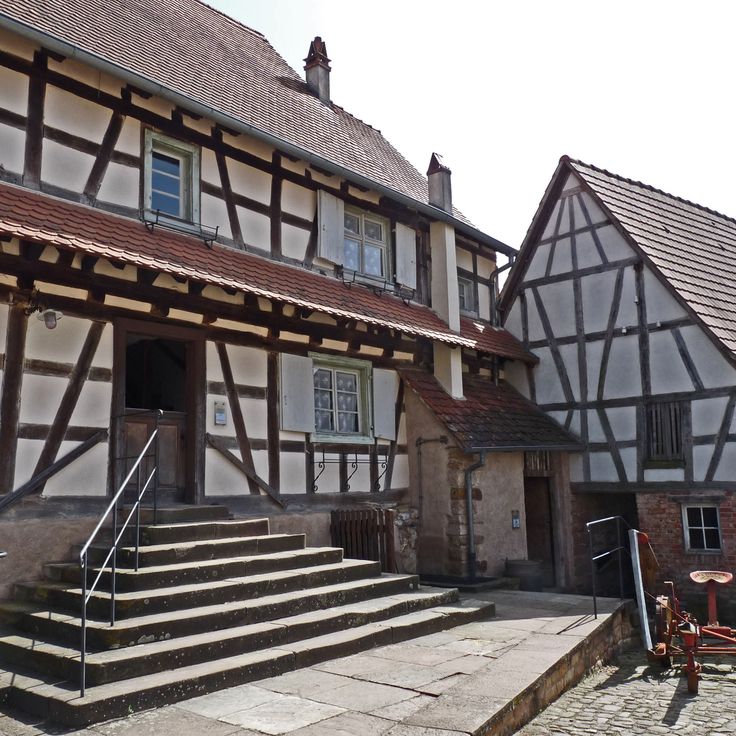
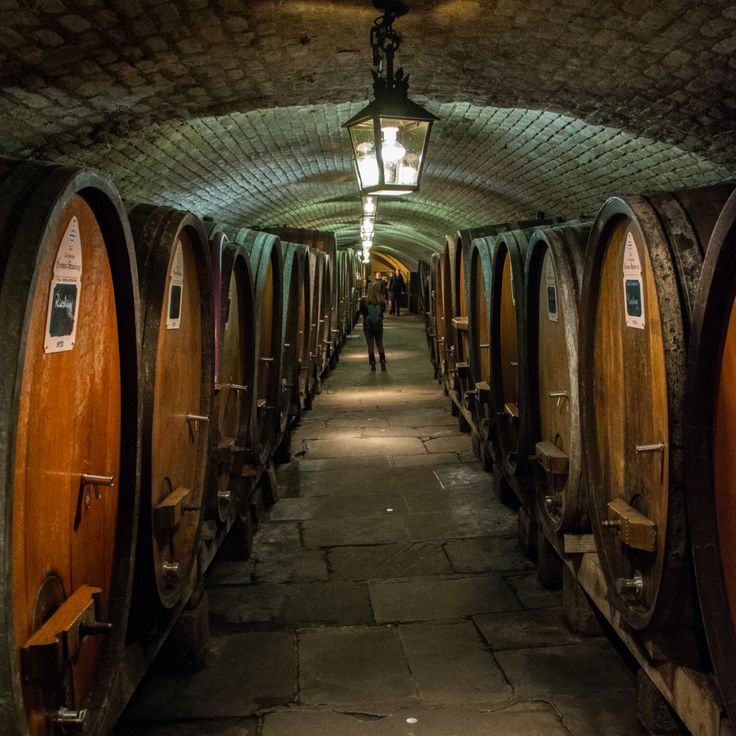
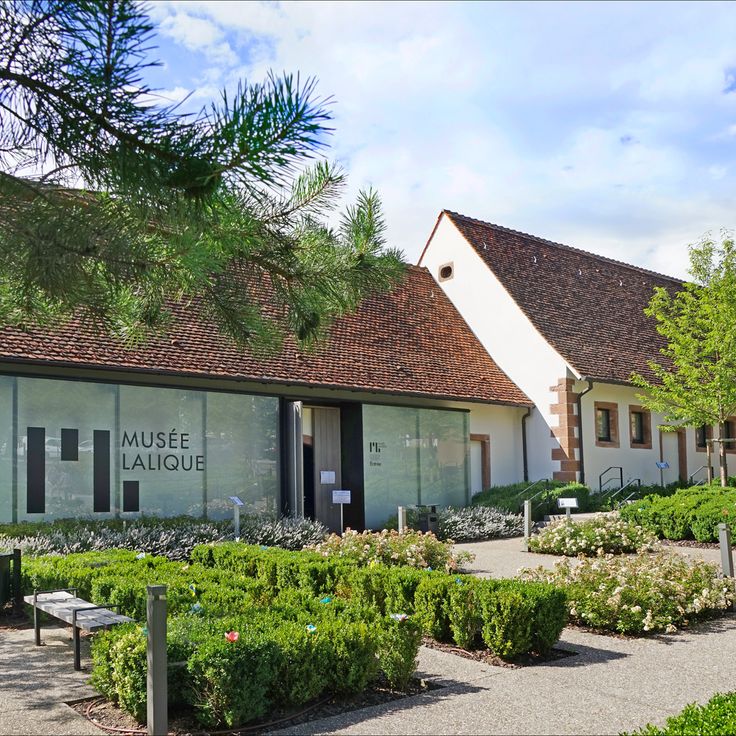
Cultural heritage appears in village squares like Place de la Dîme in Eguisheim and in specialized collections. Musée Lalique in Wingen-sur-Moder exhibits glass art, Cave Historique des Hospices de Strasbourg has stored wines since the 16th century. Maison Rurale de l'Outre-Forêt documents rural life, while Observatoire Astronomique de Strasbourg counts among France's oldest university observatories.
Alsace offers visitors medieval castles, botanical gardens, and village squares that tell many years of history.
Alsace has preserved its historical structures through the centuries. The region extends from Rhine valley vineyards to forested Vosges heights and displays its past through castles, abbeys and museums. Château du Haut-Kœnigsbourg stands above the Rhine plain, while Fort de Mutzig demonstrates early 20th-century German military architecture. Abbaye de Murbach ranks among the region's significant Romanesque buildings.
Alsatian gardens combine botanical collections with historical grounds. Jardin Botanique Universitaire de Strasbourg presents over 6,000 plant species, Parc de Wesserling documents textile history through its grounds. Roseraie de Saverne displays more than 500 rose varieties. In the Vosges, Sentier des Roches crosses rock formations and mountain ridges, while Route des Crêtes connects summits over 50 miles (80 kilometers).
Cultural heritage appears in village squares like Place de la Dîme in Eguisheim and in specialized collections. Musée Lalique in Wingen-sur-Moder exhibits glass art, Cave Historique des Hospices de Strasbourg has stored wines since the 16th century. Maison Rurale de l'Outre-Forêt documents rural life, while Observatoire Astronomique de Strasbourg counts among France's oldest university observatories.
The Jardin des Papillons in Hunawihr houses a greenhouse that maintains a tropical climate where several hundred butterflies from different continents fly freely among visitors. The facility presents the diversity of these insects in a controlled environment, allowing visitors to observe development stages from egg through caterpillar to adult butterfly. This greenhouse offers insights into the habitats and behaviors of tropical butterfly species, complementing the region's historical and botanical heritage with a natural history focus.
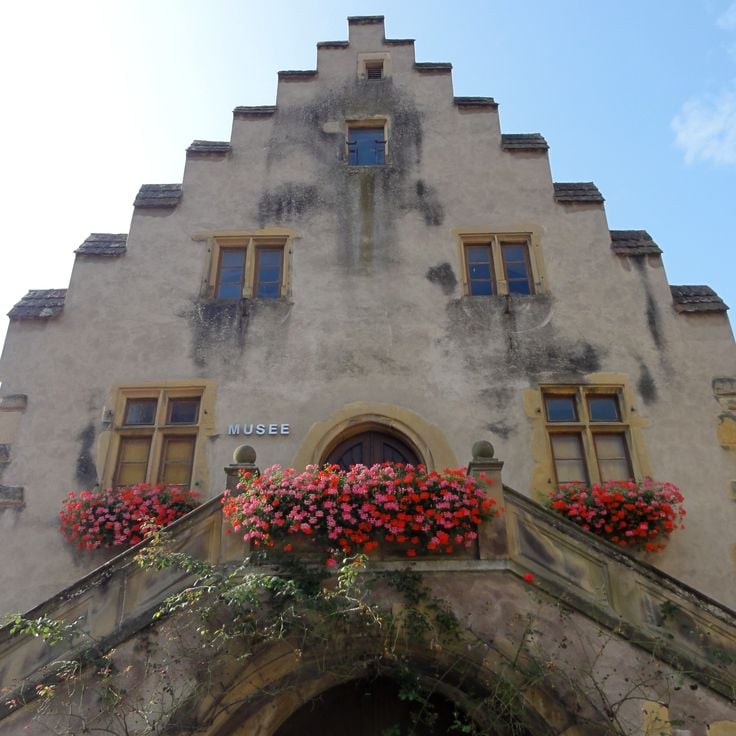
The Musée du Pays de Hanau in Bouxwiller documents the material culture of the historic Hanau region through collections of local artwork, furniture and textiles from the 18th and 19th centuries. The museum presents everyday objects and craftwork that provide insight into the lives of rural and urban populations in this Alsatian area. Exhibits include traditional costumes, painted furniture and utilitarian ceramics that preserve and make accessible the cultural heritage of the former Hanau-Lichtenberg territory.
The Château de Lichtenberg is a 13th-century fortress that rises on a sandstone outcrop above the village. The complex underwent numerous modifications over the centuries and now hosts contemporary art exhibitions within its historic halls. Visitors can explore the defensive structures, casemates and keep. The walls provide wide views across the forested hills of the Northern Vosges and surrounding villages. The castle documents the region's military architecture and combines medieval construction with later additions.
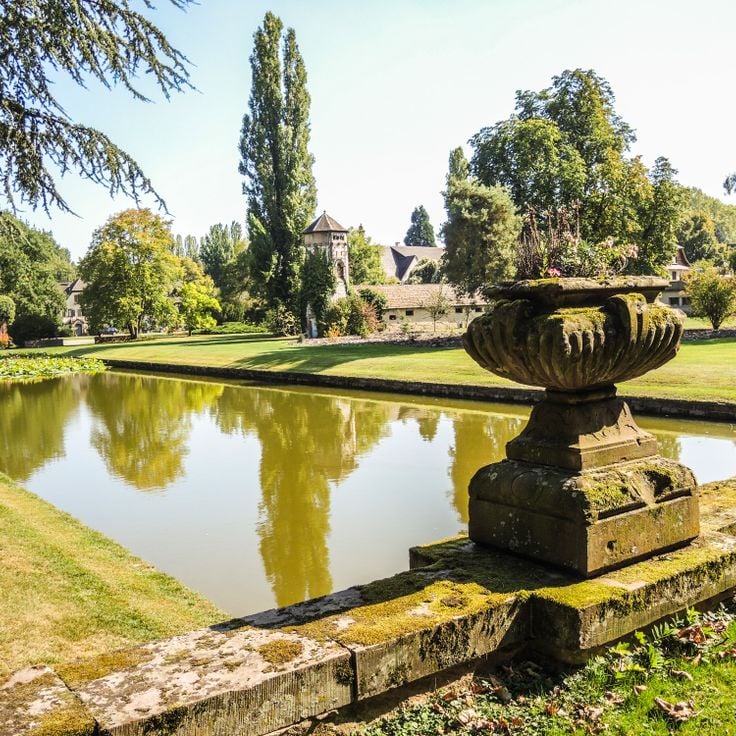
This landscaped park extends across 40 hectares (100 acres) and preserves mature tree specimens, ponds and wildflower meadows laid out in English garden style. The estate dates to the 18th century and maintains its original design with curving paths that lead through varied vegetation zones. The collection includes cedars, oaks and beeches that are several centuries old. Water channels connect the ponds and create habitats for native bird species. Located in the Alsatian vineyards between Colmar and Sélestat, the park complements the region's historic heritage through its naturalistic approach to landscape design.
The Fort de Mutzig sits west of Mutzig on a forested ridge and covers about 620 acres. Built by the German Empire starting in 1893 and named after Emperor Wilhelm II, this fortification system became one of the largest of its era. Underground passages link barracks, ammunition stores and artillery positions. The complex featured electric lighting, fresh water supply and functioning infrastructure for up to one thousand soldiers. Today the fort displays artillery pieces, defensive systems and preserved military installations from the early twentieth century.
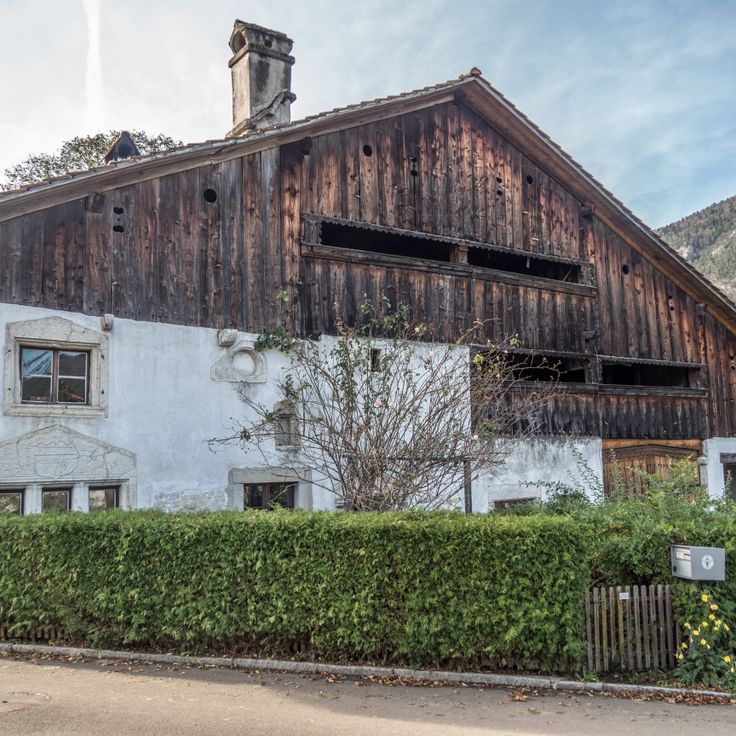
This museum presents traditional crafts and agricultural work within preserved 19th-century buildings. The Maison Rurale de l'Outre-Forêt maintains the rural heritage of the region through authentic workshops and living spaces. Visitors explore the historical structures and learn how residents of Alsace lived and worked over a century ago. The collection includes tools, furniture and household items from this period.
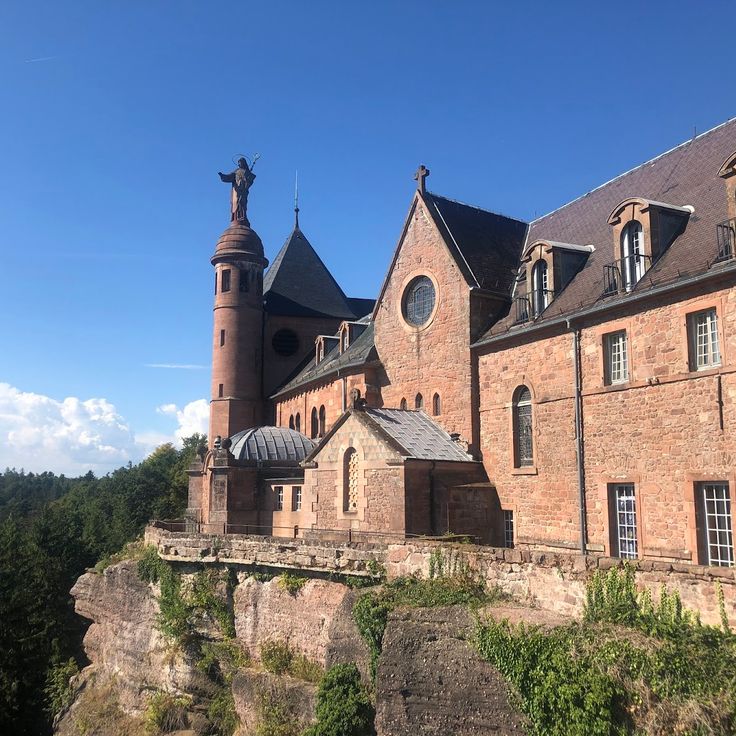
Mont Sainte-Odile rises 2,500 feet (764 meters) above the Rhine plain and houses a monastery founded by Saint Odilia in the 7th century. The 12th-century Romanesque chapel contains an 8th-century sarcophagus, while the neo-Gothic convent church from the 19th century draws pilgrims year-round. From the terraces, views extend across the Vosges mountains, the Alsatian plain and into Germany's Black Forest. A pre-Christian wall built from megalithic stone blocks encircles the plateau for about 6 miles (10 kilometers). The site sits within the historic Alsace wine region and documents the area's religious history from the early Middle Ages to the present.
This 18th century mill stands on the riverbank in La Wantzenau, a few miles north of Strasbourg. The building was converted from a working water mill into a hotel with a restaurant, preserving parts of the original mill structure. Its location on the Ill River provides access to walking paths along the waterway and connects the region's industrial past with contemporary hospitality. The property demonstrates how historic industrial buildings in Alsace have been adapted for new uses while maintaining their architectural identity.
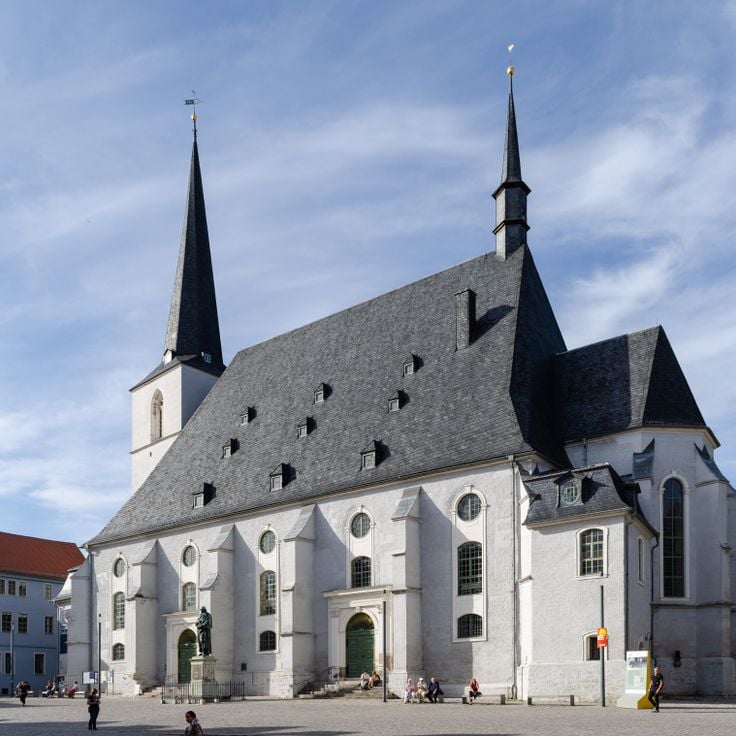
Built between 1866 and 1872, the Church of Saint-Pierre-et-Saint-Paul stands on the site of an earlier medieval structure and displays neo-Gothic architecture with three aisles and ribbed vaults. Colored stained glass windows from the late 19th century fill the interior with light. A slender tower with a pointed spire marks the silhouette of the church in the historic center of Obernai. The organ was built by the Alsatian workshop Merklin and represents a significant example of regional instrument craftsmanship. Visitors find here a representative place of worship from the Second Empire era that reflects the Catholic tradition of the region.
Place de la Dîme forms the historic center of Eguisheim and demonstrates the architectural development of Alsatian wine villages. The medieval square features half-timbered houses from the 16th century lining its edges. A stone Renaissance fountain marks the center and served for centuries as the water source for residents and visitors. The building facades preserve their traditional wooden beams and regional details. The square documents the economic importance of the wine trade in the region and functioned as a gathering point for merchants and winemakers.
The Musée du Bailliage documents the mining and textile history of Sainte-Marie-aux-Mines. The collection includes ore samples from the valley's silver mines along with historical tools used in metal extraction. Textile exhibits feature fabrics and weaving equipment from the local cloth industry that gained economic importance after mining declined. The museum illustrates two major economic periods that shaped the valley.
This vaulted cellar from the 14th century lies beneath the city hospital and preserves historic wines in underground galleries. The collection includes a barrel from 1472, among the oldest surviving wines in Europe. The facility originally stored wine donations that helped finance the hospital's operations. Visitors see the medieval vaults and learn about centuries of wine storage tradition. The Cave Historique connects Strasbourg's medical history with Alsatian wine heritage and demonstrates the economic importance of viticulture to religious and social institutions.
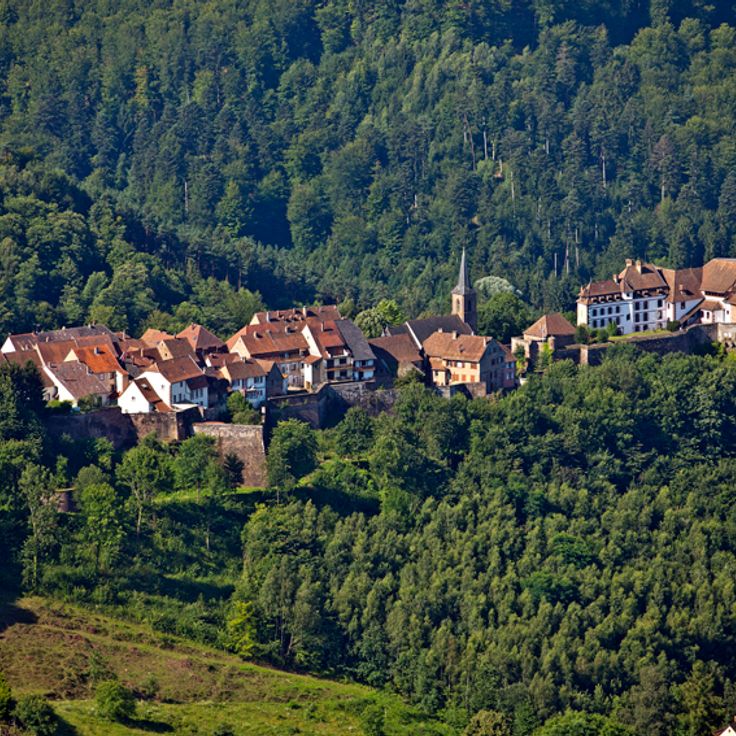
La Petite Pierre rises among pine forests in northern Alsace, preserving a 13th-century castle that now houses a museum on nature reserves. The village serves as a gateway to the Northern Vosges Regional Nature Park, where marked trails lead through wooded valleys and past sandstone formations. Red sandstone fortifications dating from the Vauban era overlook the surrounding ridges. Half-timbered houses line the narrow streets below the castle walls, while information centers provide guidance on local ecosystems and hiking routes.
The Musée Lalique in Wingen-sur-Moder presents over 650 glass objects and jewelry pieces created by French artist René Lalique between the 1890s and his death in 1945. The collection spans Art Nouveau jewelry from his Paris period, perfume bottles designed for leading fragrance houses, and Art Deco vases, table lamps and automobile mascots. Opened in 2011, this museum sits in the industrial heart of Alsace's glass-making region, a few miles from the Lalique crystal factory that continues to produce glass objects based on historical designs.
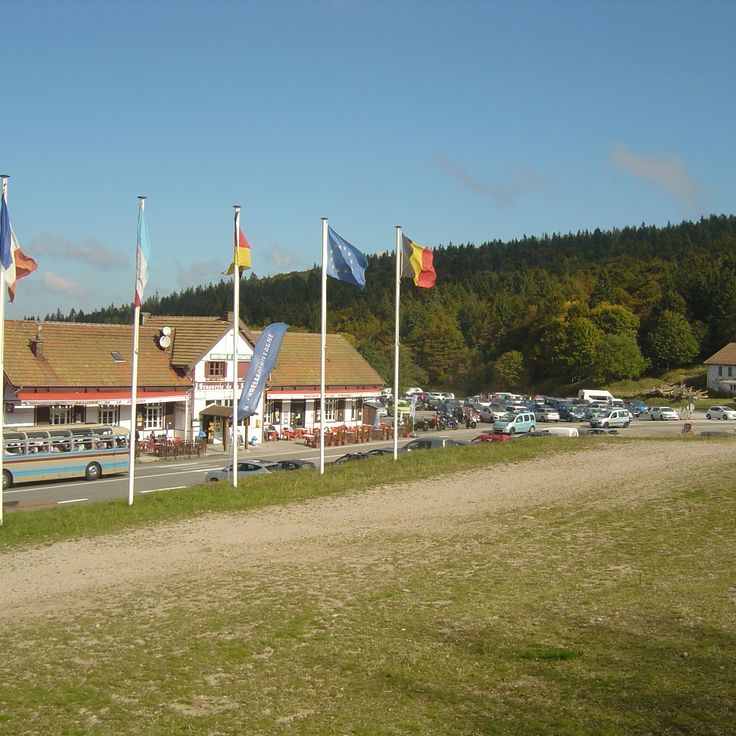
This mountain pass at 3,737 feet (1,139 meters) connects Alsace with Lorraine and marks an important route through the Vosges ridge. The road over the Col de la Schlucht runs through forests and alpine meadows and provides access to several hiking trails, including paths to Hohneck and other peaks in the area. In winter the site serves as a base for skiing, with groomed cross-country tracks and downhill slopes nearby. The pass sits on the border between the Haut-Rhin and Vosges departments and serves as a starting point for tours into the surrounding valleys.
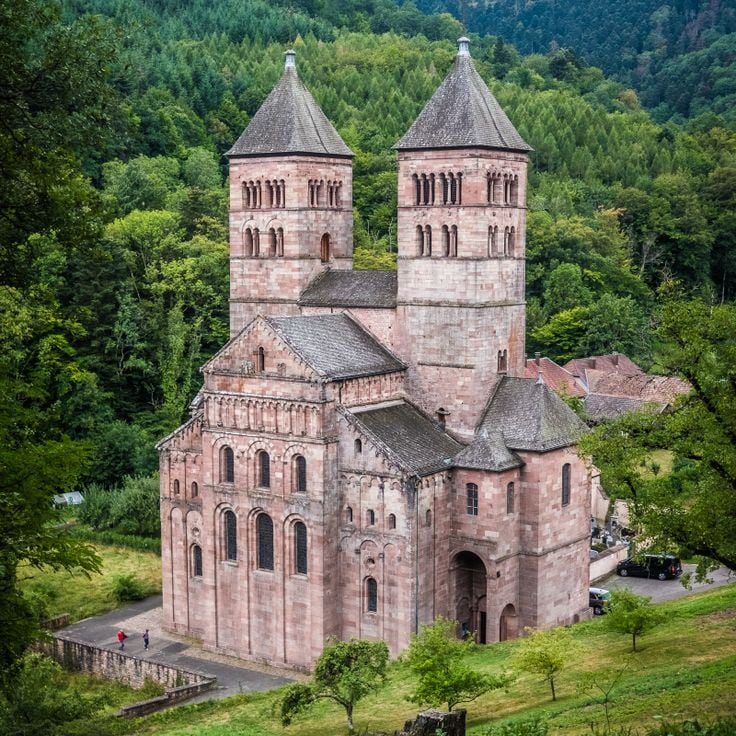
The Abbey of Murbach ranks among the most important Romanesque structures in Alsace and preserves its original 12th-century west facade with two towers reaching approximately 130 feet (40 meters) in height. This former Benedictine abbey sits in a secluded valley and documents monastic architecture of the Romanesque period. Visitors see the preserved transept and choir, while the nave was demolished in the 18th century. Sculptures on the portals and capitals display typical Romanesque motifs.
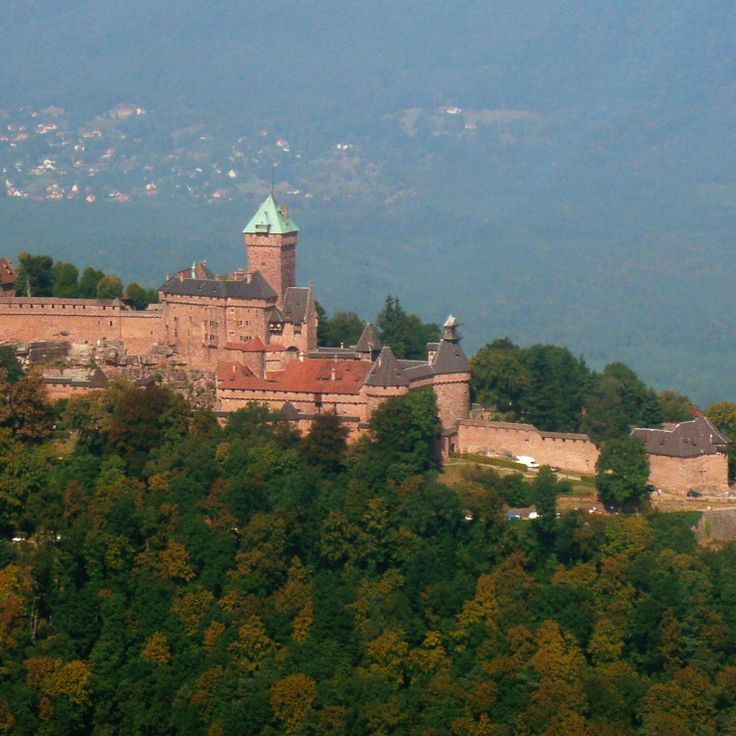
The Château du Haut-Kœnigsbourg stands at 2,484 feet (757 meters) above Orschwiller and provides insight into medieval fortification design. Founded in the 12th century, the complex was reconstructed in the early 20th century following historical plans and displays ramparts, living quarters and an arms collection. From the walls, views extend across the Rhine Valley and the surrounding Vosges mountains. The castle ranks among the notable historical sites of the Alsatian region and draws visitors interested in military history and medieval architecture.
The Botanical Garden of the University of Strasbourg contains 6,000 plant species across 3.5 acres (1.4 hectares) and has served research and teaching since 1619. The grounds present regional flora alongside exotic specimens and maintain organized collections for botanical studies. Visitors can explore thematic sections representing different climate zones and plant groups. The garden contributes to the region's scientific heritage through its historic role in academic botany.
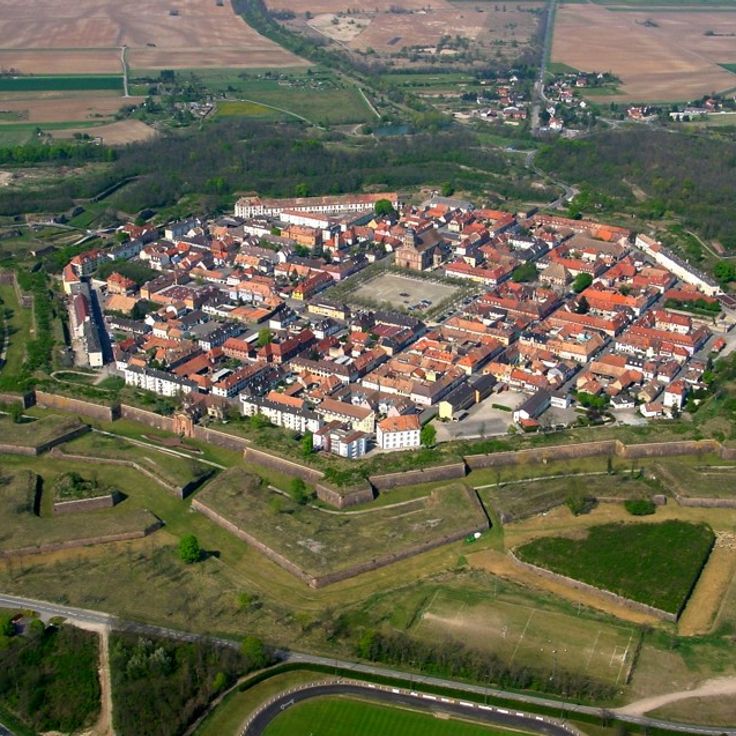
This town was built in 1699 according to military plans. The octagonal fortification with its bastions measures approximately 1,300 feet (400 meters) in diameter. As an example of 17th-century fortification design, Neuf-Brisach demonstrates the systematic planning of that era. The site represents part of Alsace's military architectural heritage and illustrates the strategic importance of the region.
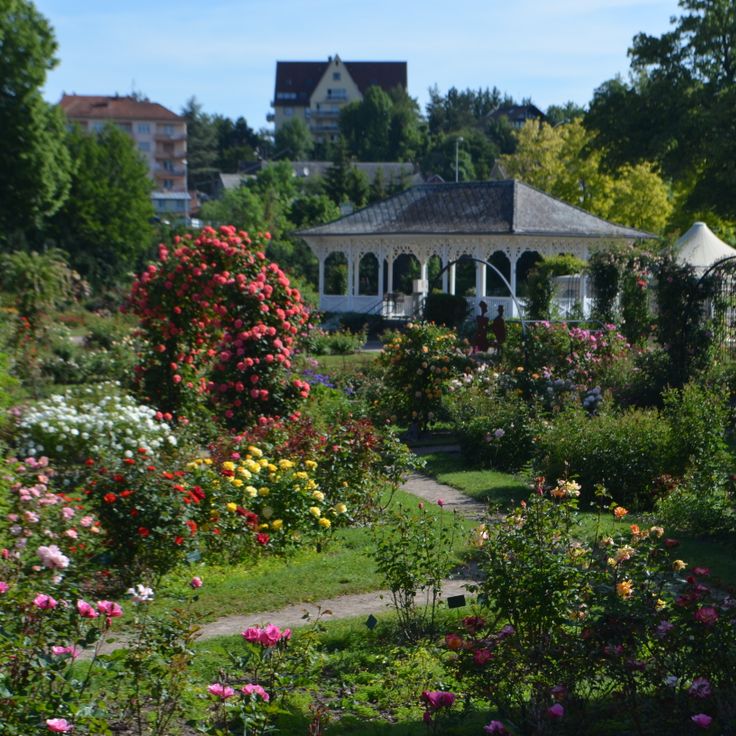
The Saverne Rose Garden spreads across multiple levels and displays more than 550 rose varieties in different colors and fragrances. This botanical collection fits into the heritage of Alsace, a region known for its maintained green spaces and historic gardens. The layout allows visitors to discover the various rose groups on terraced surfaces. Located in Saverne, a town at the foot of the Vosges, the garden serves as a stopping point between the medieval fortresses of the area and the traditional village squares.
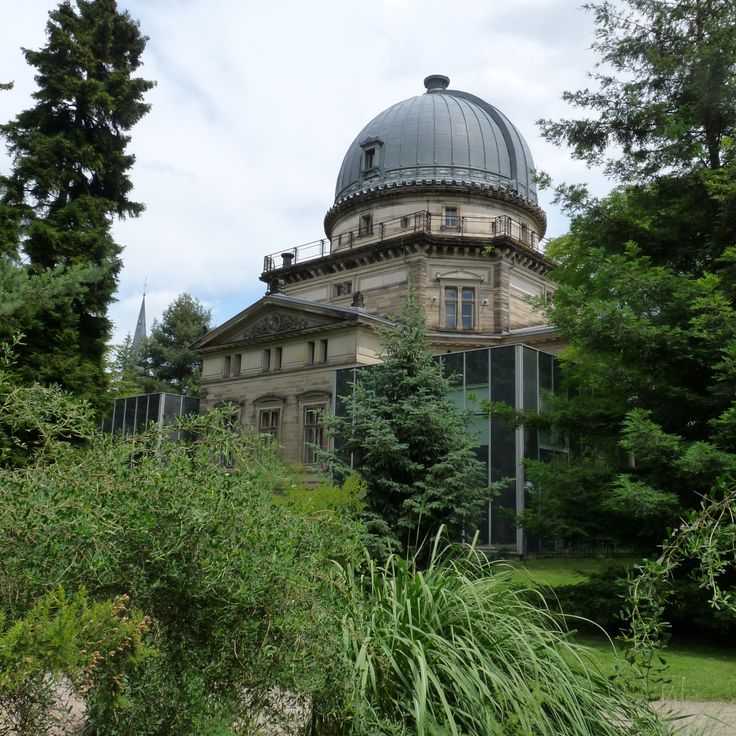
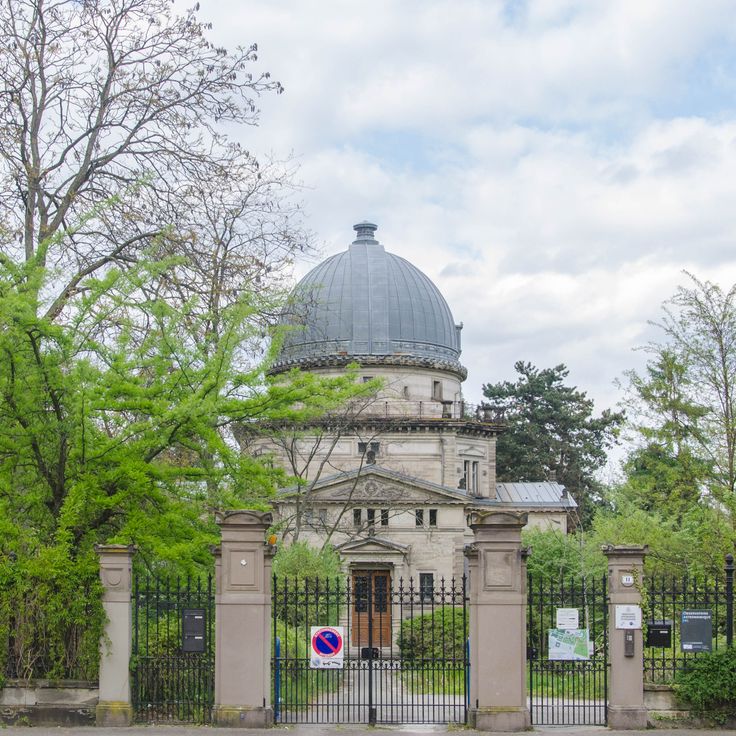
The Observatoire Astronomique de Strasbourg was built in 1881 and has served as a research institute since then. The facility houses a library containing approximately 100,000 astronomical documents available to specialists and researchers. This observatory contributes to the scientific heritage of the region and documents over a century of astronomical observation and research in Alsace.
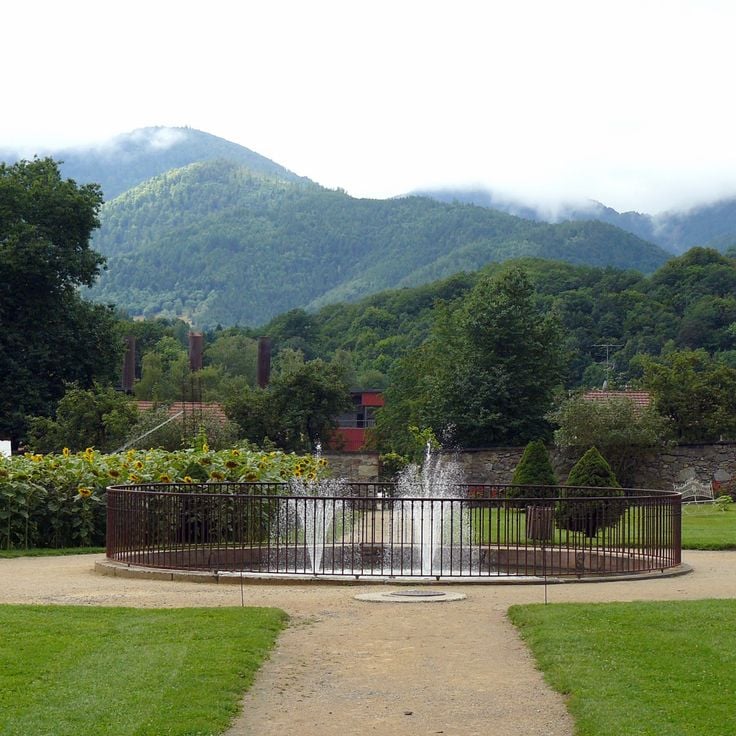
This park documents 250 years of textile production in Alsace through preserved factory buildings, historical machinery and fabric collections. The grounds include four distinct gardens spread across 100 acres (42 hectares) at the foot of the Vosges Mountains. Visitors find an 18th-century French garden, a Mediterranean garden, a potager and a contemporary garden. The former royal manufactory produced printed cotton fabrics and employed up to 5,000 workers. The museum displays printing blocks, fabric samples and looms within the restored industrial buildings.
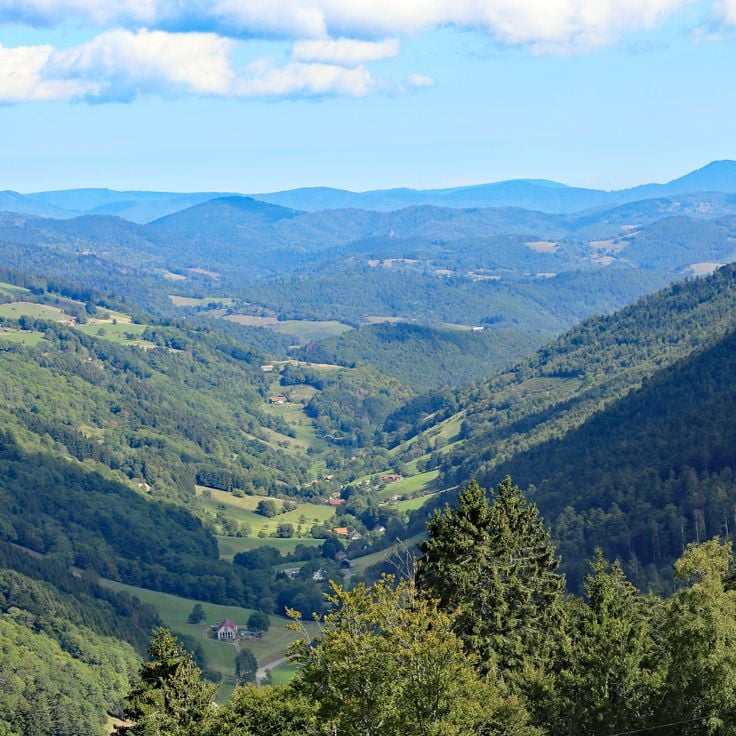
The Route des Crêtes connects the Col du Bonhomme to the Grand Ballon over a distance of 48 miles (77 kilometers), passing through the highest peaks of the Vosges. This mountain road was built during World War I as a strategic supply route and now provides access to hiking and ski areas along the ridge. The route reveals several viewpoints overlooking the Alsatian plain and the Black Forest to the east, as well as the valleys of the Vosges. Along the road lie historical sites from World War I, including memorials and remnants of military installations.
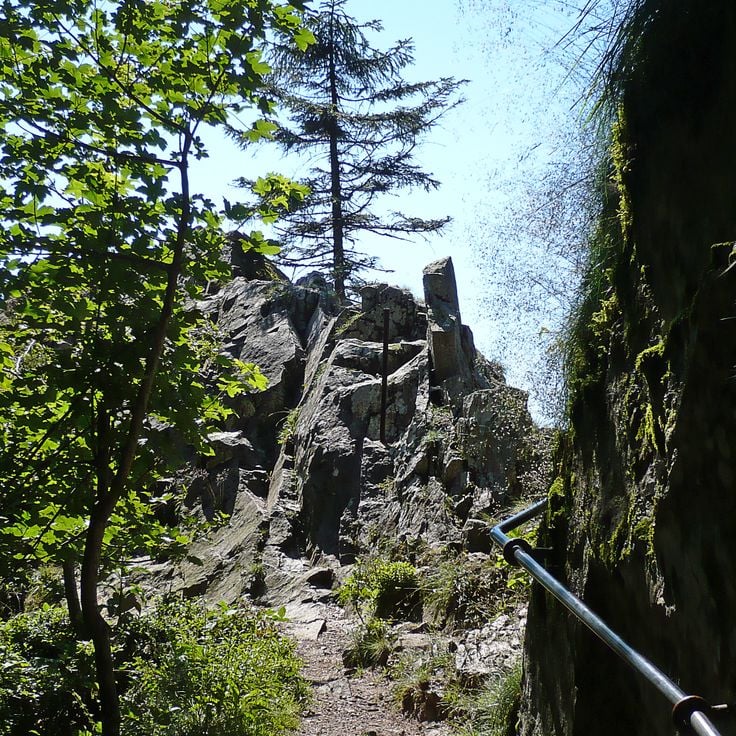
The Sentier des Roches combines hiking and light scrambling over 4 miles (6.4 km) in the Vosges. The trail runs through rock formations with metal rungs and ladders installed to pass steep sections. The route requires sure footing and average fitness. Starting from Planrupt, the path follows the ridgeline across multiple summits. The terrain provides views over forested valleys and surrounding ridges. The hike takes roughly three hours and suits experienced hikers comfortable with alpine conditions.
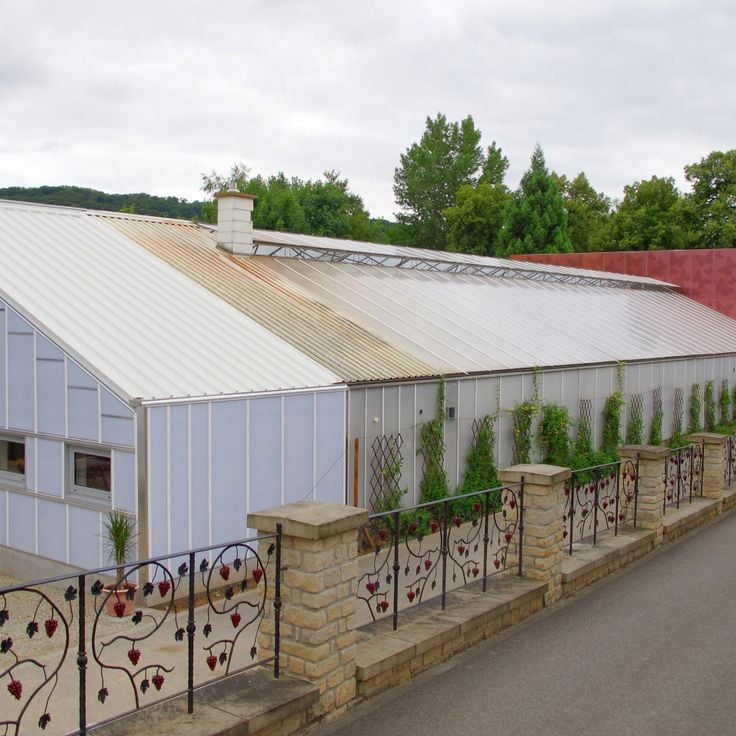
The Jardin des Papillons in Hunawihr houses a greenhouse that maintains a tropical climate where several hundred butterflies from different continents fly freely among visitors. The facility presents the diversity of these insects in a controlled environment, allowing visitors to observe development stages from egg through caterpillar to adult butterfly. This greenhouse offers insights into the habitats and behaviors of tropical butterfly species, complementing the region's historical and botanical heritage with a natural history focus.
The Musée du Pays de Hanau in Bouxwiller documents the material culture of the historic Hanau region through collections of local artwork, furniture and textiles from the 18th and 19th centuries. The museum presents everyday objects and craftwork that provide insight into the lives of rural and urban populations in this Alsatian area. Exhibits include traditional costumes, painted furniture and utilitarian ceramics that preserve and make accessible the cultural heritage of the former Hanau-Lichtenberg territory.
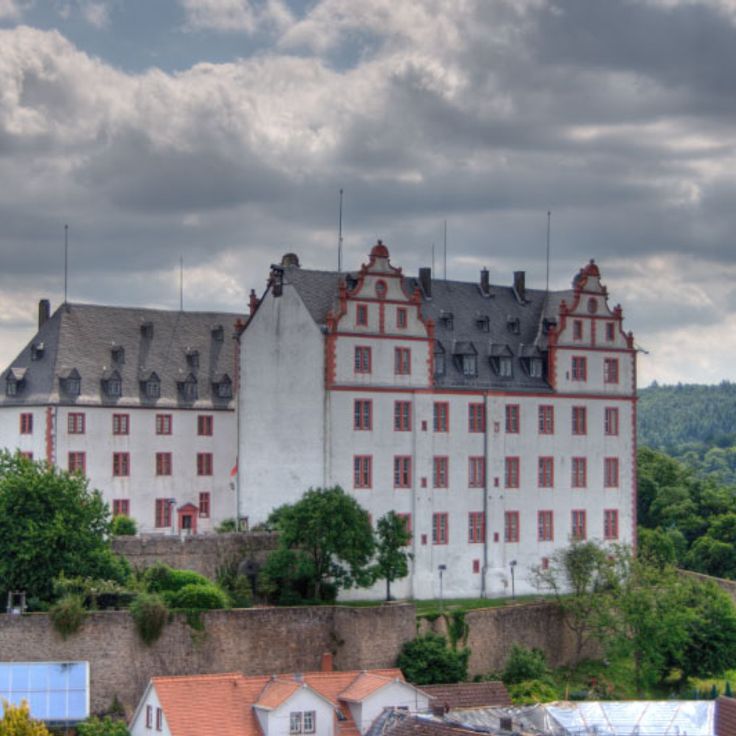
The Château de Lichtenberg is a 13th-century fortress that rises on a sandstone outcrop above the village. The complex underwent numerous modifications over the centuries and now hosts contemporary art exhibitions within its historic halls. Visitors can explore the defensive structures, casemates and keep. The walls provide wide views across the forested hills of the Northern Vosges and surrounding villages. The castle documents the region's military architecture and combines medieval construction with later additions.
This landscaped park extends across 40 hectares (100 acres) and preserves mature tree specimens, ponds and wildflower meadows laid out in English garden style. The estate dates to the 18th century and maintains its original design with curving paths that lead through varied vegetation zones. The collection includes cedars, oaks and beeches that are several centuries old. Water channels connect the ponds and create habitats for native bird species. Located in the Alsatian vineyards between Colmar and Sélestat, the park complements the region's historic heritage through its naturalistic approach to landscape design.
The Fort de Mutzig sits west of Mutzig on a forested ridge and covers about 620 acres. Built by the German Empire starting in 1893 and named after Emperor Wilhelm II, this fortification system became one of the largest of its era. Underground passages link barracks, ammunition stores and artillery positions. The complex featured electric lighting, fresh water supply and functioning infrastructure for up to one thousand soldiers. Today the fort displays artillery pieces, defensive systems and preserved military installations from the early twentieth century.
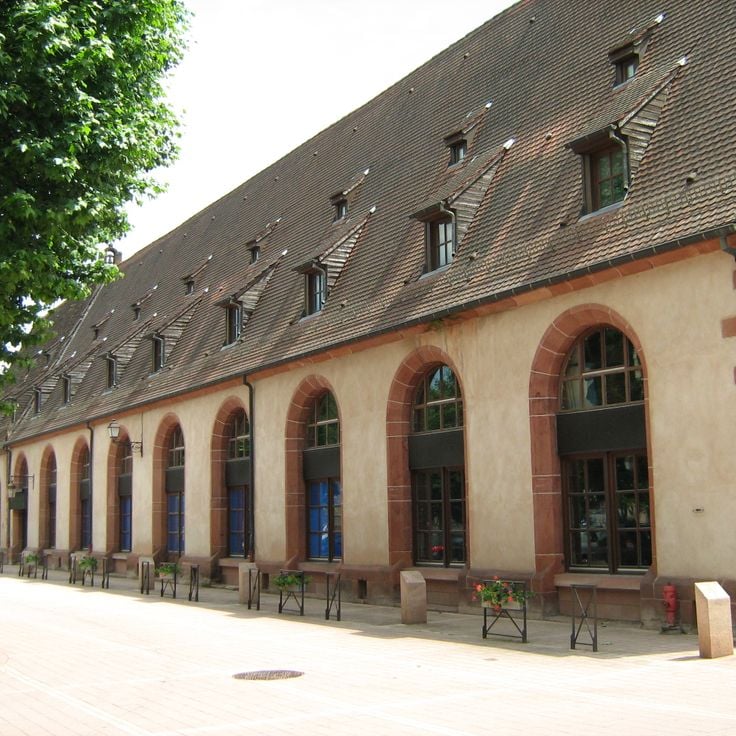
This museum presents traditional crafts and agricultural work within preserved 19th-century buildings. The Maison Rurale de l'Outre-Forêt maintains the rural heritage of the region through authentic workshops and living spaces. Visitors explore the historical structures and learn how residents of Alsace lived and worked over a century ago. The collection includes tools, furniture and household items from this period.
Mont Sainte-Odile rises 2,500 feet (764 meters) above the Rhine plain and houses a monastery founded by Saint Odilia in the 7th century. The 12th-century Romanesque chapel contains an 8th-century sarcophagus, while the neo-Gothic convent church from the 19th century draws pilgrims year-round. From the terraces, views extend across the Vosges mountains, the Alsatian plain and into Germany's Black Forest. A pre-Christian wall built from megalithic stone blocks encircles the plateau for about 6 miles (10 kilometers). The site sits within the historic Alsace wine region and documents the area's religious history from the early Middle Ages to the present.
This 18th century mill stands on the riverbank in La Wantzenau, a few miles north of Strasbourg. The building was converted from a working water mill into a hotel with a restaurant, preserving parts of the original mill structure. Its location on the Ill River provides access to walking paths along the waterway and connects the region's industrial past with contemporary hospitality. The property demonstrates how historic industrial buildings in Alsace have been adapted for new uses while maintaining their architectural identity.
Built between 1866 and 1872, the Church of Saint-Pierre-et-Saint-Paul stands on the site of an earlier medieval structure and displays neo-Gothic architecture with three aisles and ribbed vaults. Colored stained glass windows from the late 19th century fill the interior with light. A slender tower with a pointed spire marks the silhouette of the church in the historic center of Obernai. The organ was built by the Alsatian workshop Merklin and represents a significant example of regional instrument craftsmanship. Visitors find here a representative place of worship from the Second Empire era that reflects the Catholic tradition of the region.
Place de la Dîme forms the historic center of Eguisheim and demonstrates the architectural development of Alsatian wine villages. The medieval square features half-timbered houses from the 16th century lining its edges. A stone Renaissance fountain marks the center and served for centuries as the water source for residents and visitors. The building facades preserve their traditional wooden beams and regional details. The square documents the economic importance of the wine trade in the region and functioned as a gathering point for merchants and winemakers.
The Musée du Bailliage documents the mining and textile history of Sainte-Marie-aux-Mines. The collection includes ore samples from the valley's silver mines along with historical tools used in metal extraction. Textile exhibits feature fabrics and weaving equipment from the local cloth industry that gained economic importance after mining declined. The museum illustrates two major economic periods that shaped the valley.
This vaulted cellar from the 14th century lies beneath the city hospital and preserves historic wines in underground galleries. The collection includes a barrel from 1472, among the oldest surviving wines in Europe. The facility originally stored wine donations that helped finance the hospital's operations. Visitors see the medieval vaults and learn about centuries of wine storage tradition. The Cave Historique connects Strasbourg's medical history with Alsatian wine heritage and demonstrates the economic importance of viticulture to religious and social institutions.
La Petite Pierre rises among pine forests in northern Alsace, preserving a 13th-century castle that now houses a museum on nature reserves. The village serves as a gateway to the Northern Vosges Regional Nature Park, where marked trails lead through wooded valleys and past sandstone formations. Red sandstone fortifications dating from the Vauban era overlook the surrounding ridges. Half-timbered houses line the narrow streets below the castle walls, while information centers provide guidance on local ecosystems and hiking routes.
The Musée Lalique in Wingen-sur-Moder presents over 650 glass objects and jewelry pieces created by French artist René Lalique between the 1890s and his death in 1945. The collection spans Art Nouveau jewelry from his Paris period, perfume bottles designed for leading fragrance houses, and Art Deco vases, table lamps and automobile mascots. Opened in 2011, this museum sits in the industrial heart of Alsace's glass-making region, a few miles from the Lalique crystal factory that continues to produce glass objects based on historical designs.
This mountain pass at 3,737 feet (1,139 meters) connects Alsace with Lorraine and marks an important route through the Vosges ridge. The road over the Col de la Schlucht runs through forests and alpine meadows and provides access to several hiking trails, including paths to Hohneck and other peaks in the area. In winter the site serves as a base for skiing, with groomed cross-country tracks and downhill slopes nearby. The pass sits on the border between the Haut-Rhin and Vosges departments and serves as a starting point for tours into the surrounding valleys.
The Abbey of Murbach ranks among the most important Romanesque structures in Alsace and preserves its original 12th-century west facade with two towers reaching approximately 130 feet (40 meters) in height. This former Benedictine abbey sits in a secluded valley and documents monastic architecture of the Romanesque period. Visitors see the preserved transept and choir, while the nave was demolished in the 18th century. Sculptures on the portals and capitals display typical Romanesque motifs.
The Château du Haut-Kœnigsbourg stands at 2,484 feet (757 meters) above Orschwiller and provides insight into medieval fortification design. Founded in the 12th century, the complex was reconstructed in the early 20th century following historical plans and displays ramparts, living quarters and an arms collection. From the walls, views extend across the Rhine Valley and the surrounding Vosges mountains. The castle ranks among the notable historical sites of the Alsatian region and draws visitors interested in military history and medieval architecture.
The Botanical Garden of the University of Strasbourg contains 6,000 plant species across 3.5 acres (1.4 hectares) and has served research and teaching since 1619. The grounds present regional flora alongside exotic specimens and maintain organized collections for botanical studies. Visitors can explore thematic sections representing different climate zones and plant groups. The garden contributes to the region's scientific heritage through its historic role in academic botany.
This town was built in 1699 according to military plans. The octagonal fortification with its bastions measures approximately 1,300 feet (400 meters) in diameter. As an example of 17th-century fortification design, Neuf-Brisach demonstrates the systematic planning of that era. The site represents part of Alsace's military architectural heritage and illustrates the strategic importance of the region.
The Saverne Rose Garden spreads across multiple levels and displays more than 550 rose varieties in different colors and fragrances. This botanical collection fits into the heritage of Alsace, a region known for its maintained green spaces and historic gardens. The layout allows visitors to discover the various rose groups on terraced surfaces. Located in Saverne, a town at the foot of the Vosges, the garden serves as a stopping point between the medieval fortresses of the area and the traditional village squares.
The Observatoire Astronomique de Strasbourg was built in 1881 and has served as a research institute since then. The facility houses a library containing approximately 100,000 astronomical documents available to specialists and researchers. This observatory contributes to the scientific heritage of the region and documents over a century of astronomical observation and research in Alsace.
This park documents 250 years of textile production in Alsace through preserved factory buildings, historical machinery and fabric collections. The grounds include four distinct gardens spread across 100 acres (42 hectares) at the foot of the Vosges Mountains. Visitors find an 18th-century French garden, a Mediterranean garden, a potager and a contemporary garden. The former royal manufactory produced printed cotton fabrics and employed up to 5,000 workers. The museum displays printing blocks, fabric samples and looms within the restored industrial buildings.
The Route des Crêtes connects the Col du Bonhomme to the Grand Ballon over a distance of 48 miles (77 kilometers), passing through the highest peaks of the Vosges. This mountain road was built during World War I as a strategic supply route and now provides access to hiking and ski areas along the ridge. The route reveals several viewpoints overlooking the Alsatian plain and the Black Forest to the east, as well as the valleys of the Vosges. Along the road lie historical sites from World War I, including memorials and remnants of military installations.
The Sentier des Roches combines hiking and light scrambling over 4 miles (6.4 km) in the Vosges. The trail runs through rock formations with metal rungs and ladders installed to pass steep sections. The route requires sure footing and average fitness. Starting from Planrupt, the path follows the ridgeline across multiple summits. The terrain provides views over forested valleys and surrounding ridges. The hike takes roughly three hours and suits experienced hikers comfortable with alpine conditions.
The Jardin des Papillons in Hunawihr houses a greenhouse that maintains a tropical climate where several hundred butterflies from different continents fly freely among visitors. The facility presents the diversity of these insects in a controlled environment, allowing visitors to observe development stages from egg through caterpillar to adult butterfly. This greenhouse offers insights into the habitats and behaviors of tropical butterfly species, complementing the region's historical and botanical heritage with a natural history focus.
The Musée du Pays de Hanau in Bouxwiller documents the material culture of the historic Hanau region through collections of local artwork, furniture and textiles from the 18th and 19th centuries. The museum presents everyday objects and craftwork that provide insight into the lives of rural and urban populations in this Alsatian area. Exhibits include traditional costumes, painted furniture and utilitarian ceramics that preserve and make accessible the cultural heritage of the former Hanau-Lichtenberg territory.
The Château de Lichtenberg is a 13th-century fortress that rises on a sandstone outcrop above the village. The complex underwent numerous modifications over the centuries and now hosts contemporary art exhibitions within its historic halls. Visitors can explore the defensive structures, casemates and keep. The walls provide wide views across the forested hills of the Northern Vosges and surrounding villages. The castle documents the region's military architecture and combines medieval construction with later additions.
This landscaped park extends across 40 hectares (100 acres) and preserves mature tree specimens, ponds and wildflower meadows laid out in English garden style. The estate dates to the 18th century and maintains its original design with curving paths that lead through varied vegetation zones. The collection includes cedars, oaks and beeches that are several centuries old. Water channels connect the ponds and create habitats for native bird species. Located in the Alsatian vineyards between Colmar and Sélestat, the park complements the region's historic heritage through its naturalistic approach to landscape design.
The Fort de Mutzig sits west of Mutzig on a forested ridge and covers about 620 acres. Built by the German Empire starting in 1893 and named after Emperor Wilhelm II, this fortification system became one of the largest of its era. Underground passages link barracks, ammunition stores and artillery positions. The complex featured electric lighting, fresh water supply and functioning infrastructure for up to one thousand soldiers. Today the fort displays artillery pieces, defensive systems and preserved military installations from the early twentieth century.
This museum presents traditional crafts and agricultural work within preserved 19th-century buildings. The Maison Rurale de l'Outre-Forêt maintains the rural heritage of the region through authentic workshops and living spaces. Visitors explore the historical structures and learn how residents of Alsace lived and worked over a century ago. The collection includes tools, furniture and household items from this period.
Mont Sainte-Odile rises 2,500 feet (764 meters) above the Rhine plain and houses a monastery founded by Saint Odilia in the 7th century. The 12th-century Romanesque chapel contains an 8th-century sarcophagus, while the neo-Gothic convent church from the 19th century draws pilgrims year-round. From the terraces, views extend across the Vosges mountains, the Alsatian plain and into Germany's Black Forest. A pre-Christian wall built from megalithic stone blocks encircles the plateau for about 6 miles (10 kilometers). The site sits within the historic Alsace wine region and documents the area's religious history from the early Middle Ages to the present.
This 18th century mill stands on the riverbank in La Wantzenau, a few miles north of Strasbourg. The building was converted from a working water mill into a hotel with a restaurant, preserving parts of the original mill structure. Its location on the Ill River provides access to walking paths along the waterway and connects the region's industrial past with contemporary hospitality. The property demonstrates how historic industrial buildings in Alsace have been adapted for new uses while maintaining their architectural identity.
Built between 1866 and 1872, the Church of Saint-Pierre-et-Saint-Paul stands on the site of an earlier medieval structure and displays neo-Gothic architecture with three aisles and ribbed vaults. Colored stained glass windows from the late 19th century fill the interior with light. A slender tower with a pointed spire marks the silhouette of the church in the historic center of Obernai. The organ was built by the Alsatian workshop Merklin and represents a significant example of regional instrument craftsmanship. Visitors find here a representative place of worship from the Second Empire era that reflects the Catholic tradition of the region.
Place de la Dîme forms the historic center of Eguisheim and demonstrates the architectural development of Alsatian wine villages. The medieval square features half-timbered houses from the 16th century lining its edges. A stone Renaissance fountain marks the center and served for centuries as the water source for residents and visitors. The building facades preserve their traditional wooden beams and regional details. The square documents the economic importance of the wine trade in the region and functioned as a gathering point for merchants and winemakers.
The Musée du Bailliage documents the mining and textile history of Sainte-Marie-aux-Mines. The collection includes ore samples from the valley's silver mines along with historical tools used in metal extraction. Textile exhibits feature fabrics and weaving equipment from the local cloth industry that gained economic importance after mining declined. The museum illustrates two major economic periods that shaped the valley.
This vaulted cellar from the 14th century lies beneath the city hospital and preserves historic wines in underground galleries. The collection includes a barrel from 1472, among the oldest surviving wines in Europe. The facility originally stored wine donations that helped finance the hospital's operations. Visitors see the medieval vaults and learn about centuries of wine storage tradition. The Cave Historique connects Strasbourg's medical history with Alsatian wine heritage and demonstrates the economic importance of viticulture to religious and social institutions.
La Petite Pierre rises among pine forests in northern Alsace, preserving a 13th-century castle that now houses a museum on nature reserves. The village serves as a gateway to the Northern Vosges Regional Nature Park, where marked trails lead through wooded valleys and past sandstone formations. Red sandstone fortifications dating from the Vauban era overlook the surrounding ridges. Half-timbered houses line the narrow streets below the castle walls, while information centers provide guidance on local ecosystems and hiking routes.
The Musée Lalique in Wingen-sur-Moder presents over 650 glass objects and jewelry pieces created by French artist René Lalique between the 1890s and his death in 1945. The collection spans Art Nouveau jewelry from his Paris period, perfume bottles designed for leading fragrance houses, and Art Deco vases, table lamps and automobile mascots. Opened in 2011, this museum sits in the industrial heart of Alsace's glass-making region, a few miles from the Lalique crystal factory that continues to produce glass objects based on historical designs.
This mountain pass at 3,737 feet (1,139 meters) connects Alsace with Lorraine and marks an important route through the Vosges ridge. The road over the Col de la Schlucht runs through forests and alpine meadows and provides access to several hiking trails, including paths to Hohneck and other peaks in the area. In winter the site serves as a base for skiing, with groomed cross-country tracks and downhill slopes nearby. The pass sits on the border between the Haut-Rhin and Vosges departments and serves as a starting point for tours into the surrounding valleys.
The Abbey of Murbach ranks among the most important Romanesque structures in Alsace and preserves its original 12th-century west facade with two towers reaching approximately 130 feet (40 meters) in height. This former Benedictine abbey sits in a secluded valley and documents monastic architecture of the Romanesque period. Visitors see the preserved transept and choir, while the nave was demolished in the 18th century. Sculptures on the portals and capitals display typical Romanesque motifs.
The Château du Haut-Kœnigsbourg stands at 2,484 feet (757 meters) above Orschwiller and provides insight into medieval fortification design. Founded in the 12th century, the complex was reconstructed in the early 20th century following historical plans and displays ramparts, living quarters and an arms collection. From the walls, views extend across the Rhine Valley and the surrounding Vosges mountains. The castle ranks among the notable historical sites of the Alsatian region and draws visitors interested in military history and medieval architecture.
The Botanical Garden of the University of Strasbourg contains 6,000 plant species across 3.5 acres (1.4 hectares) and has served research and teaching since 1619. The grounds present regional flora alongside exotic specimens and maintain organized collections for botanical studies. Visitors can explore thematic sections representing different climate zones and plant groups. The garden contributes to the region's scientific heritage through its historic role in academic botany.
This town was built in 1699 according to military plans. The octagonal fortification with its bastions measures approximately 1,300 feet (400 meters) in diameter. As an example of 17th-century fortification design, Neuf-Brisach demonstrates the systematic planning of that era. The site represents part of Alsace's military architectural heritage and illustrates the strategic importance of the region.
The Saverne Rose Garden spreads across multiple levels and displays more than 550 rose varieties in different colors and fragrances. This botanical collection fits into the heritage of Alsace, a region known for its maintained green spaces and historic gardens. The layout allows visitors to discover the various rose groups on terraced surfaces. Located in Saverne, a town at the foot of the Vosges, the garden serves as a stopping point between the medieval fortresses of the area and the traditional village squares.
The Observatoire Astronomique de Strasbourg was built in 1881 and has served as a research institute since then. The facility houses a library containing approximately 100,000 astronomical documents available to specialists and researchers. This observatory contributes to the scientific heritage of the region and documents over a century of astronomical observation and research in Alsace.
This park documents 250 years of textile production in Alsace through preserved factory buildings, historical machinery and fabric collections. The grounds include four distinct gardens spread across 100 acres (42 hectares) at the foot of the Vosges Mountains. Visitors find an 18th-century French garden, a Mediterranean garden, a potager and a contemporary garden. The former royal manufactory produced printed cotton fabrics and employed up to 5,000 workers. The museum displays printing blocks, fabric samples and looms within the restored industrial buildings.
The Route des Crêtes connects the Col du Bonhomme to the Grand Ballon over a distance of 48 miles (77 kilometers), passing through the highest peaks of the Vosges. This mountain road was built during World War I as a strategic supply route and now provides access to hiking and ski areas along the ridge. The route reveals several viewpoints overlooking the Alsatian plain and the Black Forest to the east, as well as the valleys of the Vosges. Along the road lie historical sites from World War I, including memorials and remnants of military installations.
The Sentier des Roches combines hiking and light scrambling over 4 miles (6.4 km) in the Vosges. The trail runs through rock formations with metal rungs and ladders installed to pass steep sections. The route requires sure footing and average fitness. Starting from Planrupt, the path follows the ridgeline across multiple summits. The terrain provides views over forested valleys and surrounding ridges. The hike takes roughly three hours and suits experienced hikers comfortable with alpine conditions.
Exploring Alsace is like reading a book made of stone, plants, and memories. The old buildings have changed and been reused over the centuries, showing how people adapt. The gardens are not just collections of plants; they are spaces where human work creates beauty and order. The cellars keep wines that have been around for generations. It is better to see the region slowly, village by village, noticing small details and tasting local products along the way. Avoid the busy summer if you can: spring and fall offer a calmer experience.