See the monuments around you in AROpen chests in the app
Around Us is built for your phone — point your camera at the streets and discover the monuments and places around you in augmented reality.Around Us is built for your phone — chests unlock when you walk, explore and capture nearby places.
Illinois holds a rich collection of historical sites and natural landscapes. Visitors can explore prehistoric ruins like the Cahokia Mounds, where earthen structures reflect the achievements of ancient peoples. The region also features striking rock formations such as Garden of the Gods and natural stone bridges that reveal the area's geological history.
The collection includes buildings that span different periods and styles, from the minimalist Farnsworth House to the ornate Villa Kathrine. Historic settlements like Nauvoo and Lincoln's New Salem show how communities developed and thrived in earlier times. Lighthouses, churches, and monuments dot the landscape, marking important chapters in the region's past.
Natural areas provide space for walking and exploring. Waterfalls and canyons frame parks like Starved Rock, while rare wetlands like Volo Bog offer chances to see native plants and wildlife. Japanese gardens, tree collections, and state forests round out the options for visitors seeking both history and nature.
Illinois holds a rich collection of historical sites and natural landscapes. Visitors can explore prehistoric ruins like the Cahokia Mounds, where earthen structures reflect the achievements of ancient peoples. The region also features striking rock formations such as Garden of the Gods and natural stone bridges that reveal the area's geological history.
The collection includes buildings that span different periods and styles, from the minimalist Farnsworth House to the ornate Villa Kathrine. Historic settlements like Nauvoo and Lincoln's New Salem show how communities developed and thrived in earlier times. Lighthouses, churches, and monuments dot the landscape, marking important chapters in the region's past.
Natural areas provide space for walking and exploring. Waterfalls and canyons frame parks like Starved Rock, while rare wetlands like Volo Bog offer chances to see native plants and wildlife. Japanese gardens, tree collections, and state forests round out the options for visitors seeking both history and nature.
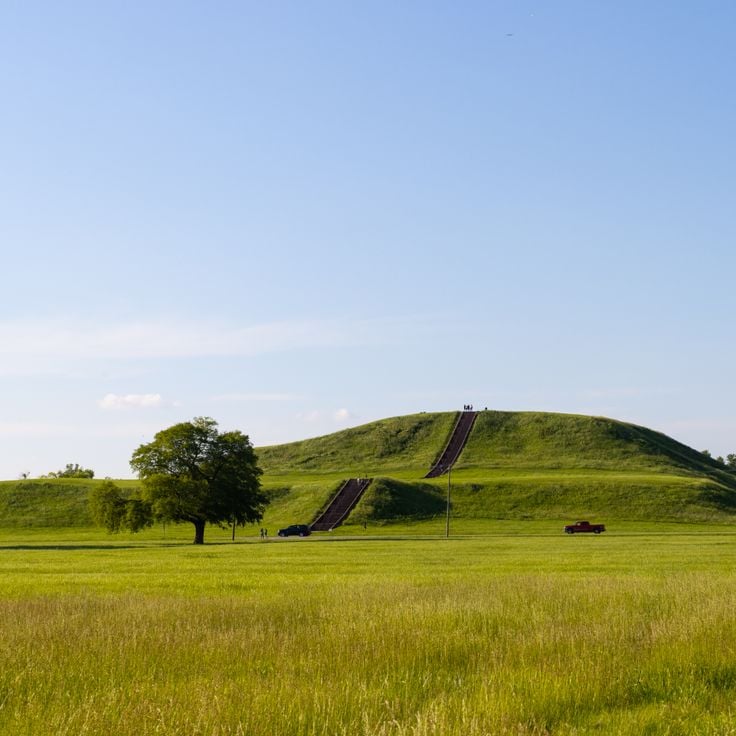
The Cahokia Archaeological Site contains 80 mounds built by the Mississippi culture between 700 and 1400. These earthen structures reveal how an ancient North American civilization organized itself into a thriving urban community. The mounds served as centers for religion, ceremony, and governance, standing as a record of Illinois's pre-European past that offers insight into the achievements of indigenous peoples.
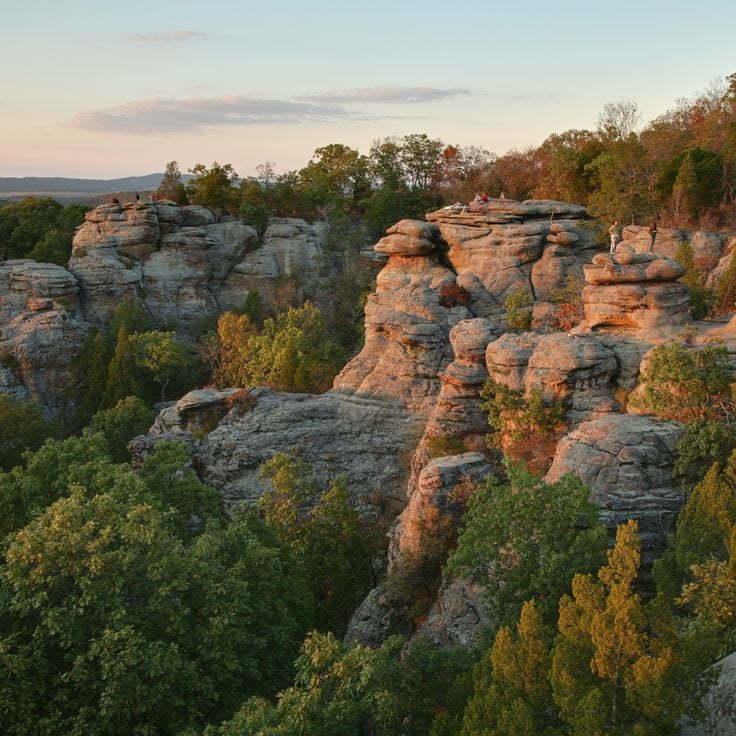
The Garden of the Gods Rock Area is a sandstone formation spanning 530 hectares in the Shawnee National Forest, displaying eroded rock formations that developed over millions of years. The cliffs and escarpments offer views of the wooded hills and valleys of the region. Trails lead to distinctive sandstone blocks shaped by erosion. Located in southern Illinois, the site shows geological structures from the Mississippian period.
This metal sculpture in Vandalia features a steel dragon standing about 10 meters tall and functioning as an interactive piece. Visitors drop coins to trigger propane gas flames that shoot from the sculpture. The Kaskaskia Metal Dragon was created as a public art installation that combines engineering and interactive art forms. The sculpture demonstrates how artworks in Illinois bring together technology and creative expression, becoming a gathering place for locals.
The Peace Cross of Bald Knob stands at the highest point in the Alto Pass area and is a 34-meter-tall steel structure with porcelain details. Built as a symbol of peace and hope, the white cross can be seen from several kilometers away. The site draws visitors of different faiths and serves as a place for reflection. From its elevated position, the cross offers a wide view of the hills and valleys of southern Illinois. This structure combines religious meaning with modern engineering and shapes the landscape of the Shawnee Hills.
The Anderson Japanese Gardens in Rockford showcase traditional Japanese garden design within this collection of natural and historical sites in Illinois. Multiple ponds hold koi fish, while waterfalls of different sizes flow throughout the space. Stone lanterns and wooden pavilions create focal points where visitors can pause. Japanese maple trees, cherry trees, and other fruit trees define the landscape. Winding paths guide you through distinct sections, allowing you to experience authentic Japanese garden culture at your own pace.
Shawnee National Forest in Harrisburg is a large forested area in southern Illinois with sandstone cliffs, natural caves, and lakes. The forest displays geological formations shaped by erosion, along with waterfalls and rock faces. Visitors can walk marked trails through oak and pine forests and observe the surrounding landscape. This forest is part of Illinois's collection of historical sites and natural areas that span from prehistoric ruins to modern nature reserves.
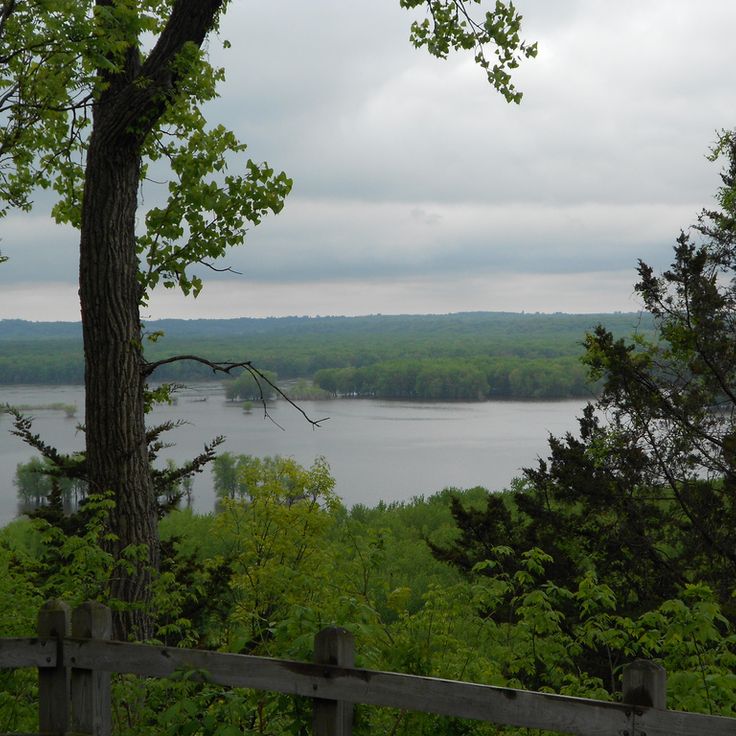
Starved Rock State Park stretches along the Illinois River and features 18 canyons with sandstone walls shaped by thousands of years of erosion. Seasonal waterfalls appear after rainfall and during spring snowmelt. A network of 21 kilometers of marked trails winds through forested areas and along ravines. This park protects geological formations and natural habitats, providing visitors with opportunities to walk and explore Illinois's natural landscapes.
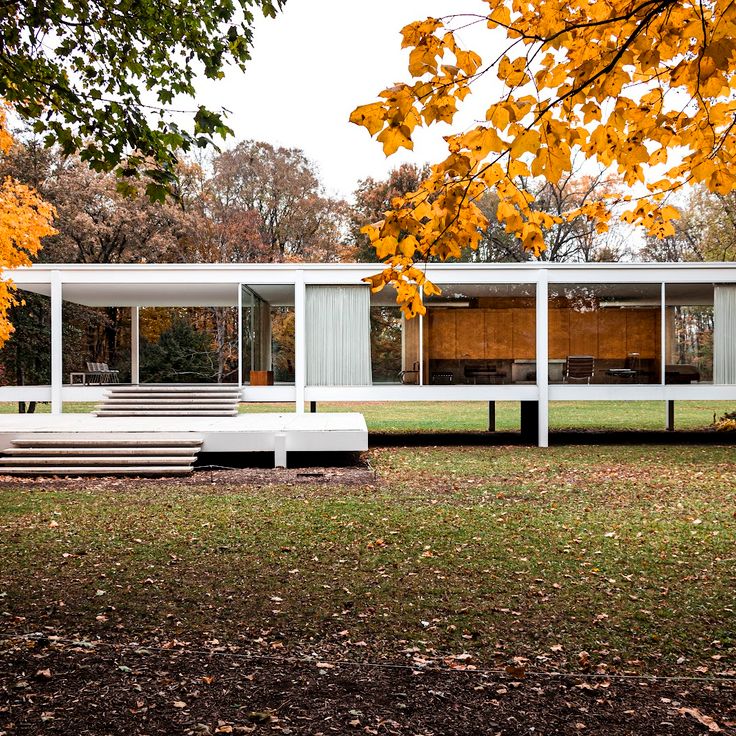
The Farnsworth House in Plano demonstrates how modern architecture looked in the middle of the 20th century. Built in 1951, this one-story residence sits on steel columns and features glass walls and open spaces. Ludwig Mies van der Rohe designed the house following international modernism principles. Raised above the Fox River, the structure protects the interior from flooding while merging indoor and outdoor spaces.
Black Hawk State Historic Site in Rock Island preserves the heritage of the Sauk and Fox peoples. The grounds cover about 525 hectares and feature trails through forests and prairies. Visitors can explore archaeological remains, including foundations of historic structures. The museum displays artifacts and tells the story of the people who lived here before European settlement and the conflicts of the early 1800s.
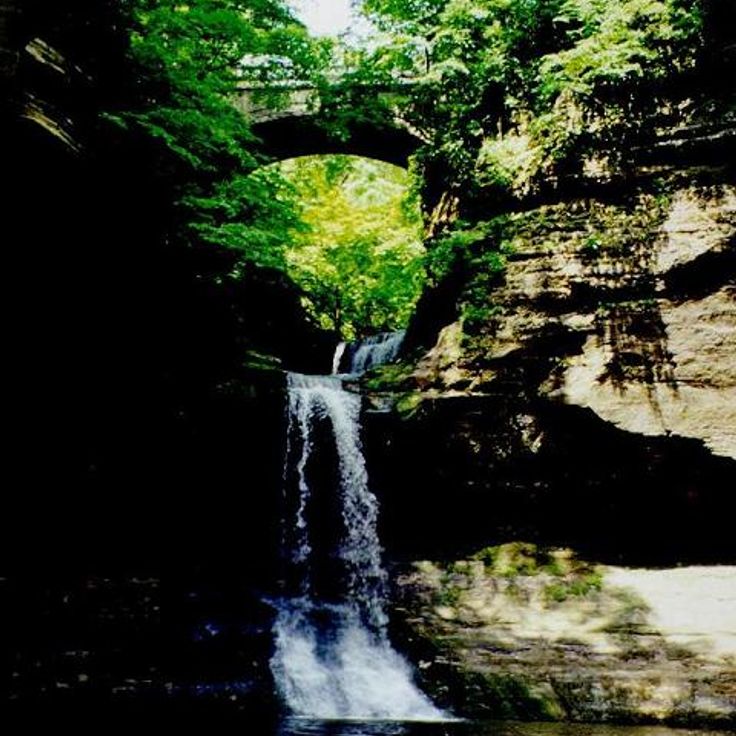
Matthiessen State Park encompasses an area with diverse geology that includes unusual rock formations and cascading waterfalls. The terrain formed through erosion of sandstone and features canyons with steep walls cut by streams. Trails lead through the valleys and along the high ground, where visitors observe the layered rock structures and seasonal water flows. The park contributes to Illinois' collection of historical and natural sites through its geological characteristics.
Nauvoo Historic District preserves the heritage of the Latter-day Saints and the Icarians who lived here in the 19th century. This historic district includes restored buildings, residences, and public structures that reveal how these religious and utopian communities organized their daily lives. Visitors explore the remains of former settlements and learn about the early Mormon community and the French utopists who founded Nauvoo as a model society. The site shows the architectural and cultural traces of two settlement movements that shaped Illinois history.
This natural area along the Cache River protects rare plant species and stands of ancient bald cypress trees. The wetland in southern Illinois forms one of the northernmost habitats for bald cypress in North America. Visitors can walk among centuries-old trees rooted in still waters. The preserve supports over 100 endangered or threatened species. Several trails wind through different ecosystems, including bottomland forests and swamps. Cache River State Natural Area demonstrates the diversity of southern Illinois's natural landscapes and offers chances to explore rare habitats.
This Swedish colony was founded in 1846 by religious dissenters and preserves buildings and artifacts from the colonial period. Bishop Hill documents the life and architecture of Swedish immigrants in 19th-century Illinois. The preserved structures show the social organization and daily life of the utopian community and make this place an important record of the region's settlement history.
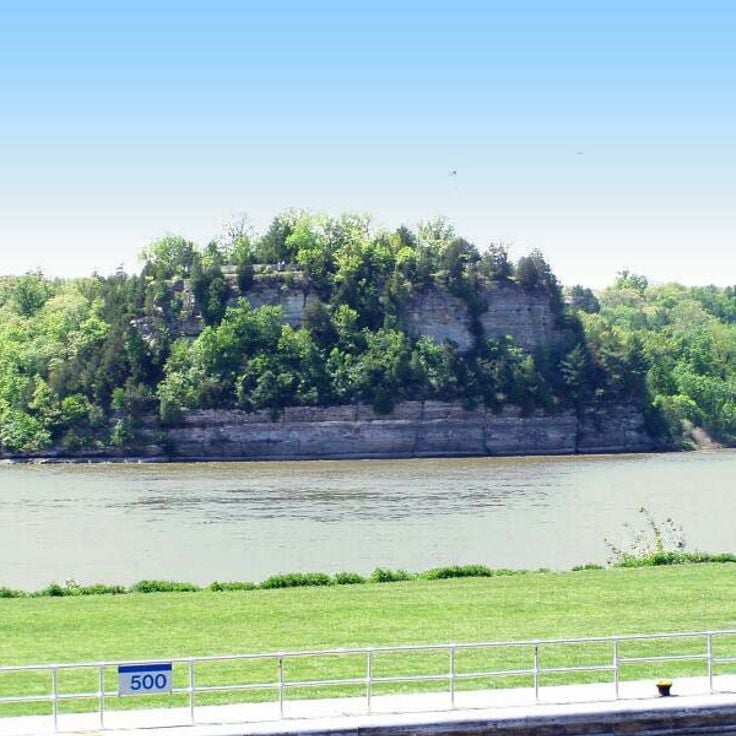
Mississippi Palisades State Park stretches along the Mississippi River and features limestone bluffs that rise 80 meters above the water. These geological formations developed through natural processes over millions of years. Within Illinois's collection of historical sites and natural landscapes, this park invites visitors to walk trails leading to viewpoints overlooking the river and surrounding land. The park contains forested areas and habitats for various plant and animal species native to the region.
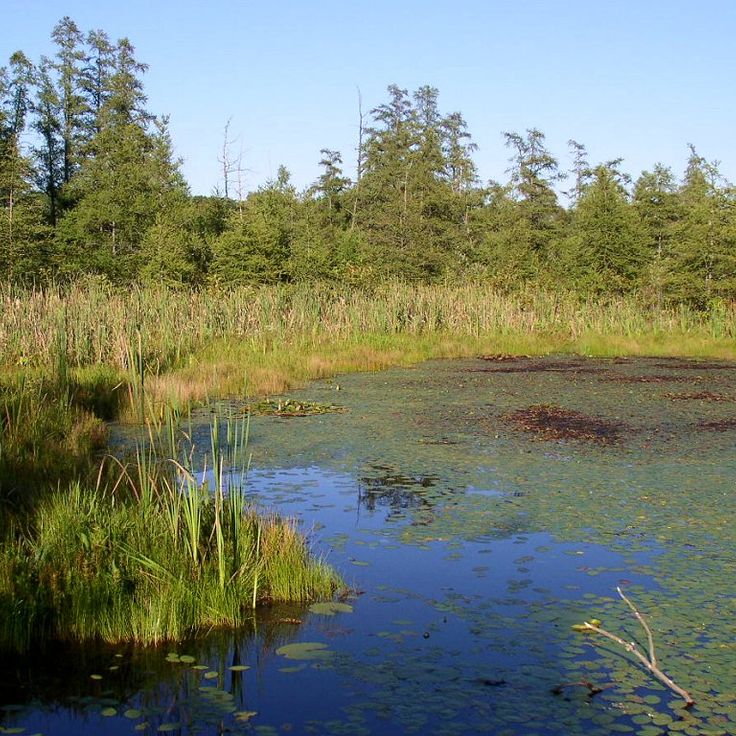
Volo Bog State Natural Area within this collection of historic and natural sites in Illinois preserves a floating bog landscape with a wooden boardwalk that guides visitors through the wetland. The natural reserve allows exploration of a rare marsh formation with an unstable surface and distinctive vegetation. The elevated walkway lets you observe the bog's plants and wildlife while protecting the fragile ecosystem.
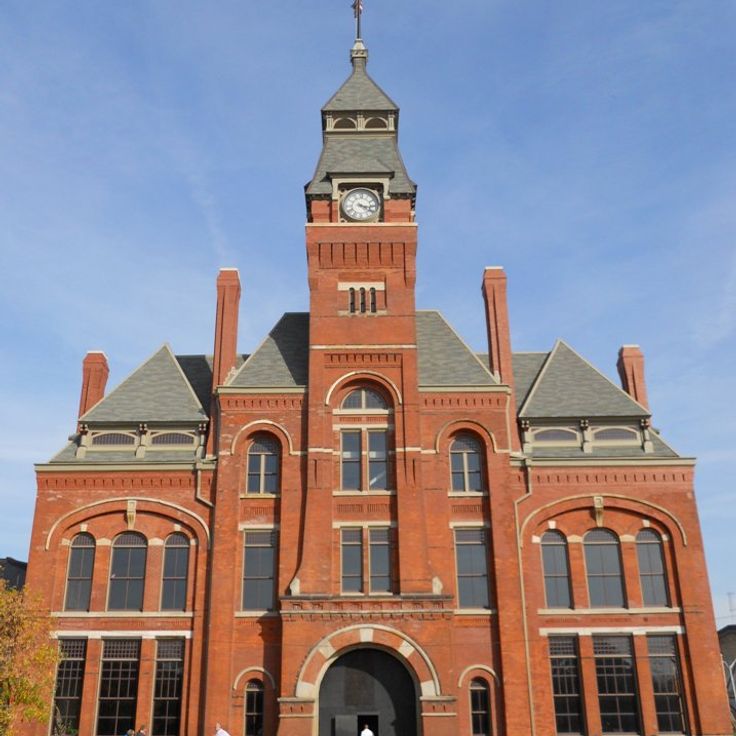
The Pullman National Monument in Chicago preserves a 19th century factory town built for railroad workers. This monument includes historic buildings, factory structures, and residences of the Pullman Palace Car Company. A museum tells the story of railroad car manufacturing and the labor movement. Visitors can explore the preserved buildings and learn about the social history of this planned community, seeing how industrial-era architecture and urban design shaped workers' daily lives.
This museum in Roscoe displays a collection of classic automobiles from different periods, accompanied by historical documents and objects. The exhibition documents the evolution of automotive history and shows vehicles from several decades. Visitors can follow the technical advances and design changes of motor vehicles over time. It contributes to Illinois's rich collection of historical sites and natural landscapes.
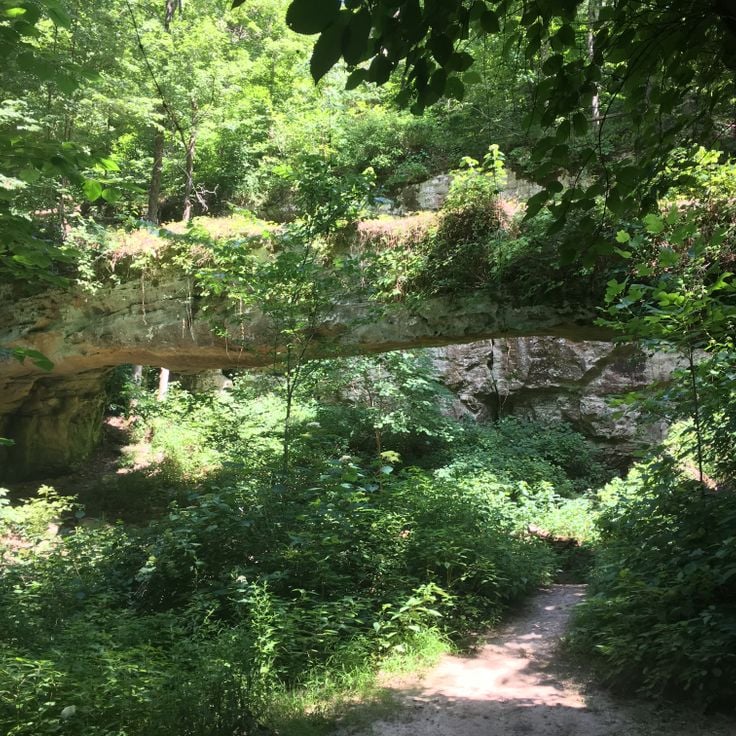
Pomona Natural Bridge is a sandstone formation with a span of 27 meters that developed through geological erosion processes over thousands of years. This rock structure reveals the geological forces that shaped the region and stands among Illinois's notable stone formations. Visitors can walk along trails beneath and around the bridge through the surrounding wooded area and see the layered rock up close.
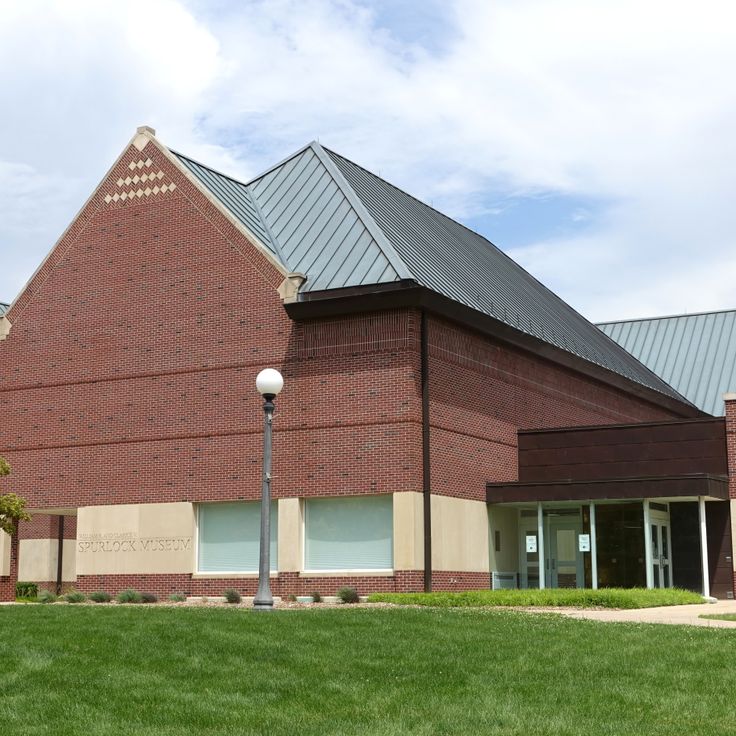
The Spurlock Museum in Urbana is part of this collection of historical and natural sites in Illinois. The museum holds approximately 50,000 objects from different cultures. Its exhibitions display archaeological finds, ethnographic objects, and historical artifacts from multiple continents. Visitors can explore how various societies developed through their material culture. The museum serves both research and education, offering insights into the history and cultural life of different civilizations across time and geography.
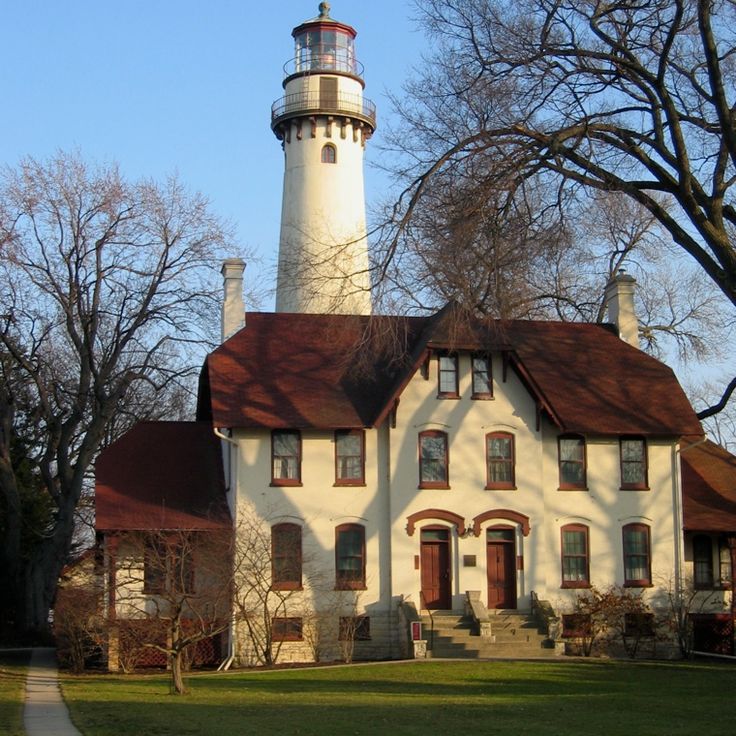
The Grosse Point Lighthouse is a 111-foot tall structure built in 1873 on the shores of Lake Michigan. This lighthouse preserves its original second-order Fresnel lens and reveals to visitors how maritime navigation worked and how lighthouse technology developed in the 19th century. The tower shows the important role these structures played in guiding ships safely along the region's coast.
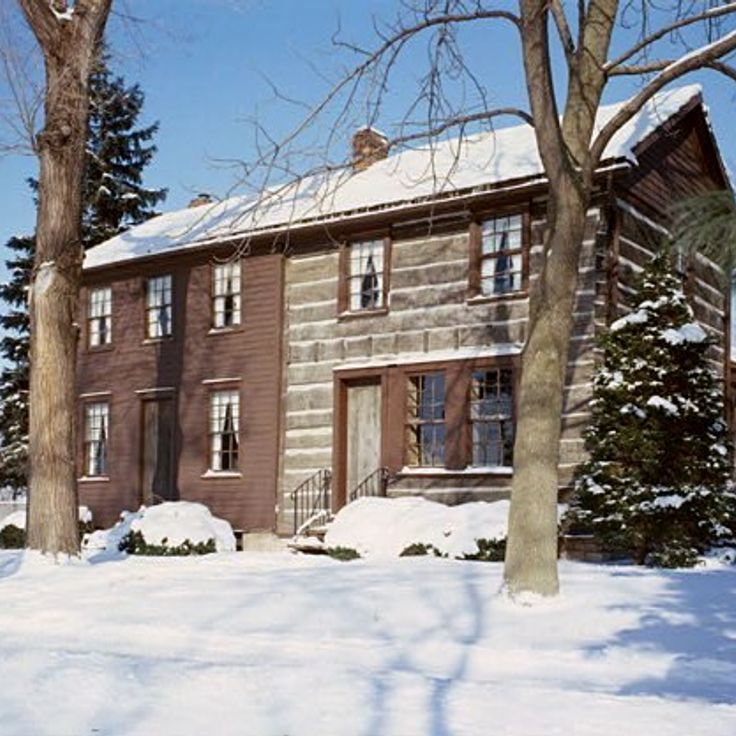
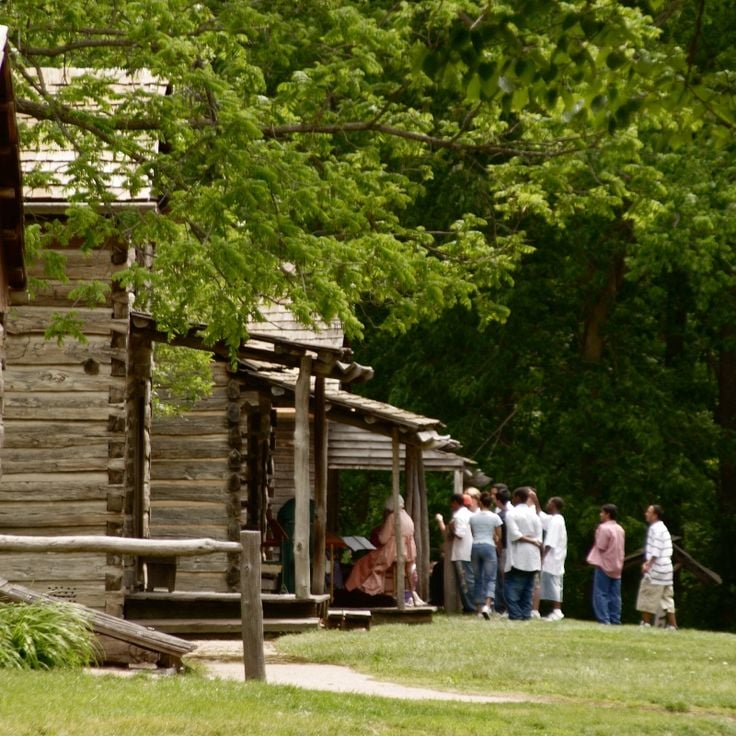
This historic site presents 23 reconstructed log buildings from the 1830s where Abraham Lincoln worked as postmaster and surveyor. The grounds show the village of New Salem, where Lincoln lived from 1831 to 1837 and began his political career. Visitors can tour the log cabins, workshops, and public buildings that represent 19th-century rural Illinois life. Lincoln's New Salem is part of Illinois's collection of historical sites and natural landscapes that invite visitors to explore how communities developed and thrived in earlier times.
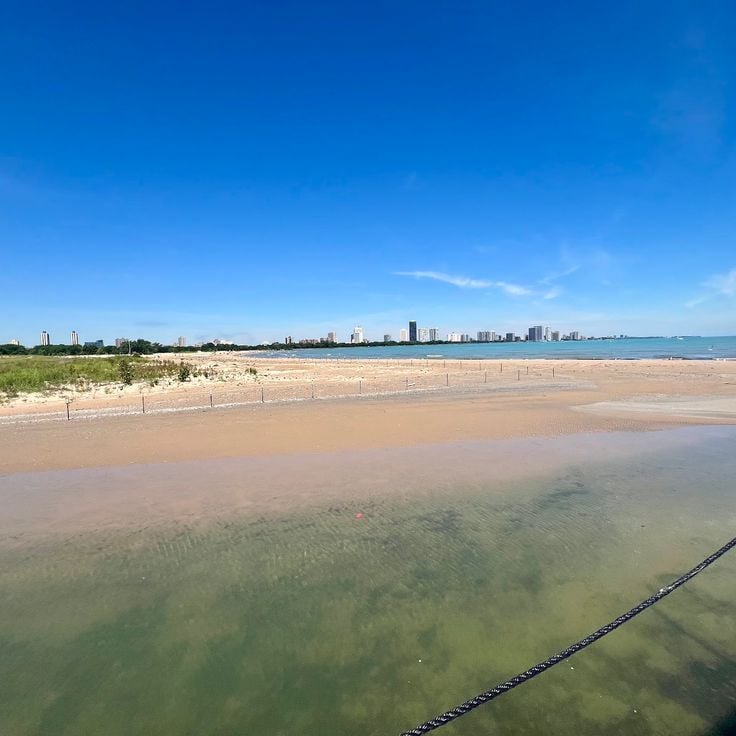
Montrose Beach Dune Habitat in Chicago preserves sand dunes and native grasses along the Lake Michigan shoreline. This natural area shelters over 150 bird species and rare plant communities that have adapted to coastal conditions. The protected dunes serve as a stopover for migratory birds and offer visitors a chance to see how nature functions within an urban setting.
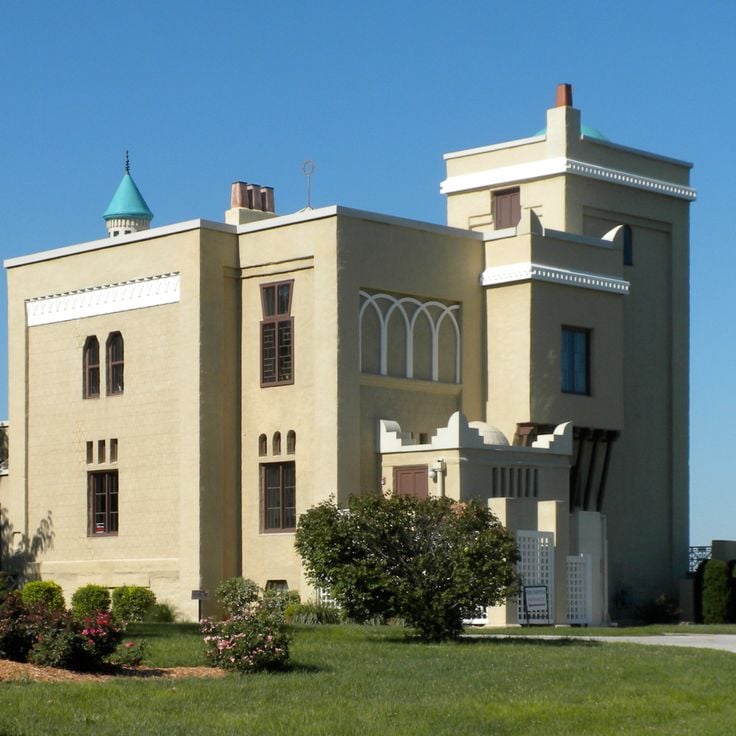
Villa Kathrine is part of Illinois's collection of historic buildings, built in 1900 with Moorish architectural features in a Mediterranean style. The building includes a courtyard and offers views overlooking the Mississippi River. The architectural details incorporate arches, tile patterns, and decorative elements reflecting North African and Spanish influences. Visitors can explore the historic rooms and experience the riverside setting.
The Trail of Tears State Forest is part of Illinois's collection of historical and natural sites. This state forest spans a large wooded area with hills and ravines in southern Illinois. The forest marks a section of the route where thousands of Cherokee people were forcibly relocated in 1838 and 1839. Visitors can walk along trails through woodland areas with native trees and plants. Interpretive signs along the paths explain the historical significance of the place and tell the stories of the Cherokee during this journey.
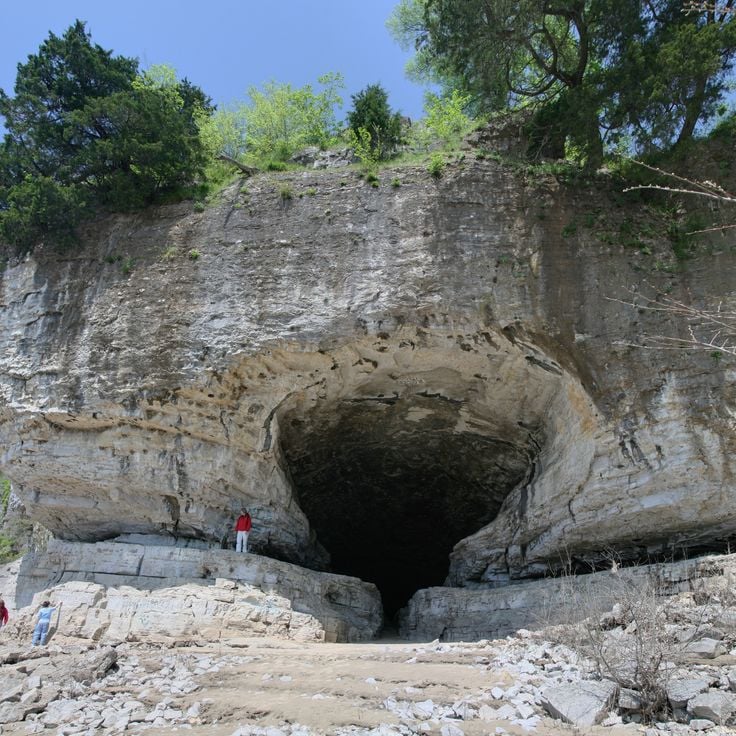
Cave-In-Rock State Park protects a large limestone cave on the Ohio River that served as a hideout for outlaws during the 18th and 19th centuries. The cave sits directly on the riverbank and was a strategic point for raids on passing boats and travelers. The park includes trails along the bluffs and river access, preserving the historical importance of this site as part of the early American frontier history of the region.
The Morton Arboretum contributes to Illinois's rich collection of historical and natural sites. This facility in Lisle focuses on tree research and public education, maintaining scientific collections of diverse tree species. Visitors can explore landscaped gardens and woodland areas featuring native and international woody plants. The arboretum serves as a resource for botanical research and provides opportunities for nature-based activities throughout its grounds.
The Alton Museum of History and Art tells the story of Alton through objects, documents, and artworks spanning from the Civil War to today. The museum shows how this Mississippi River city grew and changed over time, its role during the Civil War, and the people who shaped the community. Photographs, historical artifacts, and artworks here document the everyday life and economic activity that defined this part of Illinois.
Grandview Drive is a 4 kilometer (2.5 mile) road that winds through Peoria Heights, offering views across the Illinois River valley. Historic mansions from the early 20th century line this elevated route, displaying different architectural styles of the period. These estates reflect the economic growth of the region and sit perched above the river landscape.
The Baha'i House of Worship is a nine-sided religious building with a white dome, situated within Illinois's collection of historic and natural sites. This structure stands on about four hectares of maintained gardens and showcases notable architectural design. Visitors can tour the interior spaces and walk through the landscaped grounds that surround the building.
The Wilder Park Conservatory, a glass structure built in 1926 in this collection of historic and natural sites in Illinois, houses a collection of tropical plants along with seasonal floral displays. The building spans multiple rooms and presents different climate zones featuring exotic plants from various regions of the world. Visitors can walk through the different sections and discover the botanical diversity. The conservatory serves both public education and the preservation of rare plant species.
The Leaning Tower of Niles is a 92-foot structure built in 1934 that tilts 7 feet 10 inches, showing the architectural variety found across Illinois. Built originally as a water tower, this tower ranks among the region's most unusual historical monuments. Standing in a park setting, it combines practical engineering with a striking architectural feature. Visitors will see here an example of inventive building design from the first half of the 20th century. This tower fits well within the collection of historic and natural sites, demonstrating how Illinois preserves diverse chapters of its past, from ancient to modern times.
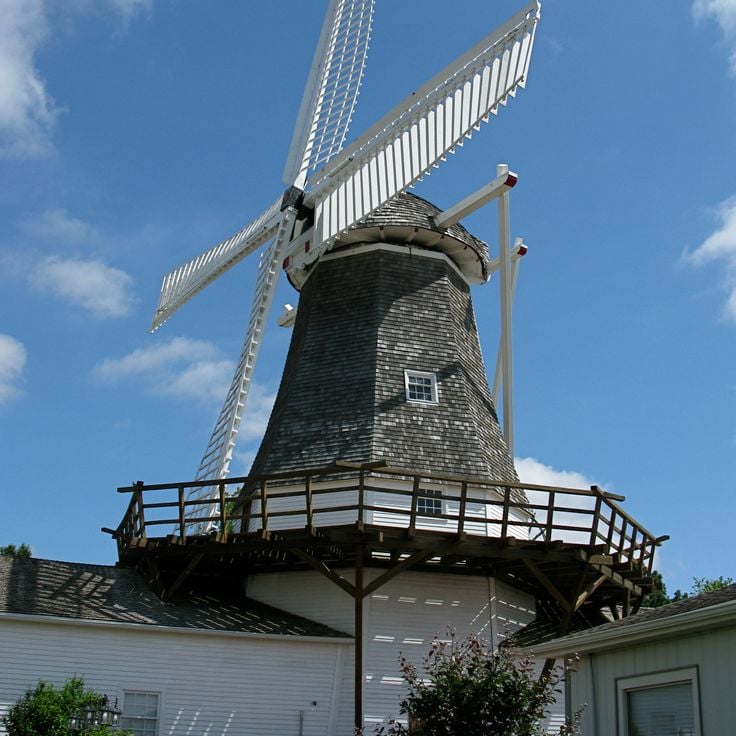
The Golden Windmill in Golden is a 19th-century structure that demonstrates grain processing using machines of Dutch origin. The building documents how European influences shaped agricultural development in the Midwest during the pioneer era. Dutch milling technology made it possible to process wheat and other grains efficiently. This mill illustrates the history of technology in Illinois and the farming methods of early settlers.
The Cahokia Archaeological Site contains 80 mounds built by the Mississippi culture between 700 and 1400. These earthen structures reveal how an ancient North American civilization organized itself into a thriving urban community. The mounds served as centers for religion, ceremony, and governance, standing as a record of Illinois's pre-European past that offers insight into the achievements of indigenous peoples.
The Garden of the Gods Rock Area is a sandstone formation spanning 530 hectares in the Shawnee National Forest, displaying eroded rock formations that developed over millions of years. The cliffs and escarpments offer views of the wooded hills and valleys of the region. Trails lead to distinctive sandstone blocks shaped by erosion. Located in southern Illinois, the site shows geological structures from the Mississippian period.
This metal sculpture in Vandalia features a steel dragon standing about 10 meters tall and functioning as an interactive piece. Visitors drop coins to trigger propane gas flames that shoot from the sculpture. The Kaskaskia Metal Dragon was created as a public art installation that combines engineering and interactive art forms. The sculpture demonstrates how artworks in Illinois bring together technology and creative expression, becoming a gathering place for locals.
The Peace Cross of Bald Knob stands at the highest point in the Alto Pass area and is a 34-meter-tall steel structure with porcelain details. Built as a symbol of peace and hope, the white cross can be seen from several kilometers away. The site draws visitors of different faiths and serves as a place for reflection. From its elevated position, the cross offers a wide view of the hills and valleys of southern Illinois. This structure combines religious meaning with modern engineering and shapes the landscape of the Shawnee Hills.
The Anderson Japanese Gardens in Rockford showcase traditional Japanese garden design within this collection of natural and historical sites in Illinois. Multiple ponds hold koi fish, while waterfalls of different sizes flow throughout the space. Stone lanterns and wooden pavilions create focal points where visitors can pause. Japanese maple trees, cherry trees, and other fruit trees define the landscape. Winding paths guide you through distinct sections, allowing you to experience authentic Japanese garden culture at your own pace.
Shawnee National Forest in Harrisburg is a large forested area in southern Illinois with sandstone cliffs, natural caves, and lakes. The forest displays geological formations shaped by erosion, along with waterfalls and rock faces. Visitors can walk marked trails through oak and pine forests and observe the surrounding landscape. This forest is part of Illinois's collection of historical sites and natural areas that span from prehistoric ruins to modern nature reserves.
Starved Rock State Park stretches along the Illinois River and features 18 canyons with sandstone walls shaped by thousands of years of erosion. Seasonal waterfalls appear after rainfall and during spring snowmelt. A network of 21 kilometers of marked trails winds through forested areas and along ravines. This park protects geological formations and natural habitats, providing visitors with opportunities to walk and explore Illinois's natural landscapes.
The Farnsworth House in Plano demonstrates how modern architecture looked in the middle of the 20th century. Built in 1951, this one-story residence sits on steel columns and features glass walls and open spaces. Ludwig Mies van der Rohe designed the house following international modernism principles. Raised above the Fox River, the structure protects the interior from flooding while merging indoor and outdoor spaces.
Black Hawk State Historic Site in Rock Island preserves the heritage of the Sauk and Fox peoples. The grounds cover about 525 hectares and feature trails through forests and prairies. Visitors can explore archaeological remains, including foundations of historic structures. The museum displays artifacts and tells the story of the people who lived here before European settlement and the conflicts of the early 1800s.
Matthiessen State Park encompasses an area with diverse geology that includes unusual rock formations and cascading waterfalls. The terrain formed through erosion of sandstone and features canyons with steep walls cut by streams. Trails lead through the valleys and along the high ground, where visitors observe the layered rock structures and seasonal water flows. The park contributes to Illinois' collection of historical and natural sites through its geological characteristics.
Nauvoo Historic District preserves the heritage of the Latter-day Saints and the Icarians who lived here in the 19th century. This historic district includes restored buildings, residences, and public structures that reveal how these religious and utopian communities organized their daily lives. Visitors explore the remains of former settlements and learn about the early Mormon community and the French utopists who founded Nauvoo as a model society. The site shows the architectural and cultural traces of two settlement movements that shaped Illinois history.
This natural area along the Cache River protects rare plant species and stands of ancient bald cypress trees. The wetland in southern Illinois forms one of the northernmost habitats for bald cypress in North America. Visitors can walk among centuries-old trees rooted in still waters. The preserve supports over 100 endangered or threatened species. Several trails wind through different ecosystems, including bottomland forests and swamps. Cache River State Natural Area demonstrates the diversity of southern Illinois's natural landscapes and offers chances to explore rare habitats.
This Swedish colony was founded in 1846 by religious dissenters and preserves buildings and artifacts from the colonial period. Bishop Hill documents the life and architecture of Swedish immigrants in 19th-century Illinois. The preserved structures show the social organization and daily life of the utopian community and make this place an important record of the region's settlement history.
Mississippi Palisades State Park stretches along the Mississippi River and features limestone bluffs that rise 80 meters above the water. These geological formations developed through natural processes over millions of years. Within Illinois's collection of historical sites and natural landscapes, this park invites visitors to walk trails leading to viewpoints overlooking the river and surrounding land. The park contains forested areas and habitats for various plant and animal species native to the region.
Volo Bog State Natural Area within this collection of historic and natural sites in Illinois preserves a floating bog landscape with a wooden boardwalk that guides visitors through the wetland. The natural reserve allows exploration of a rare marsh formation with an unstable surface and distinctive vegetation. The elevated walkway lets you observe the bog's plants and wildlife while protecting the fragile ecosystem.
The Pullman National Monument in Chicago preserves a 19th century factory town built for railroad workers. This monument includes historic buildings, factory structures, and residences of the Pullman Palace Car Company. A museum tells the story of railroad car manufacturing and the labor movement. Visitors can explore the preserved buildings and learn about the social history of this planned community, seeing how industrial-era architecture and urban design shaped workers' daily lives.
This museum in Roscoe displays a collection of classic automobiles from different periods, accompanied by historical documents and objects. The exhibition documents the evolution of automotive history and shows vehicles from several decades. Visitors can follow the technical advances and design changes of motor vehicles over time. It contributes to Illinois's rich collection of historical sites and natural landscapes.
Pomona Natural Bridge is a sandstone formation with a span of 27 meters that developed through geological erosion processes over thousands of years. This rock structure reveals the geological forces that shaped the region and stands among Illinois's notable stone formations. Visitors can walk along trails beneath and around the bridge through the surrounding wooded area and see the layered rock up close.
The Spurlock Museum in Urbana is part of this collection of historical and natural sites in Illinois. The museum holds approximately 50,000 objects from different cultures. Its exhibitions display archaeological finds, ethnographic objects, and historical artifacts from multiple continents. Visitors can explore how various societies developed through their material culture. The museum serves both research and education, offering insights into the history and cultural life of different civilizations across time and geography.
The Grosse Point Lighthouse is a 111-foot tall structure built in 1873 on the shores of Lake Michigan. This lighthouse preserves its original second-order Fresnel lens and reveals to visitors how maritime navigation worked and how lighthouse technology developed in the 19th century. The tower shows the important role these structures played in guiding ships safely along the region's coast.
This historic site presents 23 reconstructed log buildings from the 1830s where Abraham Lincoln worked as postmaster and surveyor. The grounds show the village of New Salem, where Lincoln lived from 1831 to 1837 and began his political career. Visitors can tour the log cabins, workshops, and public buildings that represent 19th-century rural Illinois life. Lincoln's New Salem is part of Illinois's collection of historical sites and natural landscapes that invite visitors to explore how communities developed and thrived in earlier times.
Montrose Beach Dune Habitat in Chicago preserves sand dunes and native grasses along the Lake Michigan shoreline. This natural area shelters over 150 bird species and rare plant communities that have adapted to coastal conditions. The protected dunes serve as a stopover for migratory birds and offer visitors a chance to see how nature functions within an urban setting.
Villa Kathrine is part of Illinois's collection of historic buildings, built in 1900 with Moorish architectural features in a Mediterranean style. The building includes a courtyard and offers views overlooking the Mississippi River. The architectural details incorporate arches, tile patterns, and decorative elements reflecting North African and Spanish influences. Visitors can explore the historic rooms and experience the riverside setting.
The Trail of Tears State Forest is part of Illinois's collection of historical and natural sites. This state forest spans a large wooded area with hills and ravines in southern Illinois. The forest marks a section of the route where thousands of Cherokee people were forcibly relocated in 1838 and 1839. Visitors can walk along trails through woodland areas with native trees and plants. Interpretive signs along the paths explain the historical significance of the place and tell the stories of the Cherokee during this journey.
Cave-In-Rock State Park protects a large limestone cave on the Ohio River that served as a hideout for outlaws during the 18th and 19th centuries. The cave sits directly on the riverbank and was a strategic point for raids on passing boats and travelers. The park includes trails along the bluffs and river access, preserving the historical importance of this site as part of the early American frontier history of the region.
The Morton Arboretum contributes to Illinois's rich collection of historical and natural sites. This facility in Lisle focuses on tree research and public education, maintaining scientific collections of diverse tree species. Visitors can explore landscaped gardens and woodland areas featuring native and international woody plants. The arboretum serves as a resource for botanical research and provides opportunities for nature-based activities throughout its grounds.
The Alton Museum of History and Art tells the story of Alton through objects, documents, and artworks spanning from the Civil War to today. The museum shows how this Mississippi River city grew and changed over time, its role during the Civil War, and the people who shaped the community. Photographs, historical artifacts, and artworks here document the everyday life and economic activity that defined this part of Illinois.
Grandview Drive is a 4 kilometer (2.5 mile) road that winds through Peoria Heights, offering views across the Illinois River valley. Historic mansions from the early 20th century line this elevated route, displaying different architectural styles of the period. These estates reflect the economic growth of the region and sit perched above the river landscape.
The Baha'i House of Worship is a nine-sided religious building with a white dome, situated within Illinois's collection of historic and natural sites. This structure stands on about four hectares of maintained gardens and showcases notable architectural design. Visitors can tour the interior spaces and walk through the landscaped grounds that surround the building.
The Wilder Park Conservatory, a glass structure built in 1926 in this collection of historic and natural sites in Illinois, houses a collection of tropical plants along with seasonal floral displays. The building spans multiple rooms and presents different climate zones featuring exotic plants from various regions of the world. Visitors can walk through the different sections and discover the botanical diversity. The conservatory serves both public education and the preservation of rare plant species.
The Leaning Tower of Niles is a 92-foot structure built in 1934 that tilts 7 feet 10 inches, showing the architectural variety found across Illinois. Built originally as a water tower, this tower ranks among the region's most unusual historical monuments. Standing in a park setting, it combines practical engineering with a striking architectural feature. Visitors will see here an example of inventive building design from the first half of the 20th century. This tower fits well within the collection of historic and natural sites, demonstrating how Illinois preserves diverse chapters of its past, from ancient to modern times.
The Golden Windmill in Golden is a 19th-century structure that demonstrates grain processing using machines of Dutch origin. The building documents how European influences shaped agricultural development in the Midwest during the pioneer era. Dutch milling technology made it possible to process wheat and other grains efficiently. This mill illustrates the history of technology in Illinois and the farming methods of early settlers.
The Cahokia Archaeological Site contains 80 mounds built by the Mississippi culture between 700 and 1400. These earthen structures reveal how an ancient North American civilization organized itself into a thriving urban community. The mounds served as centers for religion, ceremony, and governance, standing as a record of Illinois's pre-European past that offers insight into the achievements of indigenous peoples.
The Garden of the Gods Rock Area is a sandstone formation spanning 530 hectares in the Shawnee National Forest, displaying eroded rock formations that developed over millions of years. The cliffs and escarpments offer views of the wooded hills and valleys of the region. Trails lead to distinctive sandstone blocks shaped by erosion. Located in southern Illinois, the site shows geological structures from the Mississippian period.
This metal sculpture in Vandalia features a steel dragon standing about 10 meters tall and functioning as an interactive piece. Visitors drop coins to trigger propane gas flames that shoot from the sculpture. The Kaskaskia Metal Dragon was created as a public art installation that combines engineering and interactive art forms. The sculpture demonstrates how artworks in Illinois bring together technology and creative expression, becoming a gathering place for locals.
The Peace Cross of Bald Knob stands at the highest point in the Alto Pass area and is a 34-meter-tall steel structure with porcelain details. Built as a symbol of peace and hope, the white cross can be seen from several kilometers away. The site draws visitors of different faiths and serves as a place for reflection. From its elevated position, the cross offers a wide view of the hills and valleys of southern Illinois. This structure combines religious meaning with modern engineering and shapes the landscape of the Shawnee Hills.
The Anderson Japanese Gardens in Rockford showcase traditional Japanese garden design within this collection of natural and historical sites in Illinois. Multiple ponds hold koi fish, while waterfalls of different sizes flow throughout the space. Stone lanterns and wooden pavilions create focal points where visitors can pause. Japanese maple trees, cherry trees, and other fruit trees define the landscape. Winding paths guide you through distinct sections, allowing you to experience authentic Japanese garden culture at your own pace.
Shawnee National Forest in Harrisburg is a large forested area in southern Illinois with sandstone cliffs, natural caves, and lakes. The forest displays geological formations shaped by erosion, along with waterfalls and rock faces. Visitors can walk marked trails through oak and pine forests and observe the surrounding landscape. This forest is part of Illinois's collection of historical sites and natural areas that span from prehistoric ruins to modern nature reserves.
Starved Rock State Park stretches along the Illinois River and features 18 canyons with sandstone walls shaped by thousands of years of erosion. Seasonal waterfalls appear after rainfall and during spring snowmelt. A network of 21 kilometers of marked trails winds through forested areas and along ravines. This park protects geological formations and natural habitats, providing visitors with opportunities to walk and explore Illinois's natural landscapes.
The Farnsworth House in Plano demonstrates how modern architecture looked in the middle of the 20th century. Built in 1951, this one-story residence sits on steel columns and features glass walls and open spaces. Ludwig Mies van der Rohe designed the house following international modernism principles. Raised above the Fox River, the structure protects the interior from flooding while merging indoor and outdoor spaces.
Black Hawk State Historic Site in Rock Island preserves the heritage of the Sauk and Fox peoples. The grounds cover about 525 hectares and feature trails through forests and prairies. Visitors can explore archaeological remains, including foundations of historic structures. The museum displays artifacts and tells the story of the people who lived here before European settlement and the conflicts of the early 1800s.
Matthiessen State Park encompasses an area with diverse geology that includes unusual rock formations and cascading waterfalls. The terrain formed through erosion of sandstone and features canyons with steep walls cut by streams. Trails lead through the valleys and along the high ground, where visitors observe the layered rock structures and seasonal water flows. The park contributes to Illinois' collection of historical and natural sites through its geological characteristics.
Nauvoo Historic District preserves the heritage of the Latter-day Saints and the Icarians who lived here in the 19th century. This historic district includes restored buildings, residences, and public structures that reveal how these religious and utopian communities organized their daily lives. Visitors explore the remains of former settlements and learn about the early Mormon community and the French utopists who founded Nauvoo as a model society. The site shows the architectural and cultural traces of two settlement movements that shaped Illinois history.
This natural area along the Cache River protects rare plant species and stands of ancient bald cypress trees. The wetland in southern Illinois forms one of the northernmost habitats for bald cypress in North America. Visitors can walk among centuries-old trees rooted in still waters. The preserve supports over 100 endangered or threatened species. Several trails wind through different ecosystems, including bottomland forests and swamps. Cache River State Natural Area demonstrates the diversity of southern Illinois's natural landscapes and offers chances to explore rare habitats.
This Swedish colony was founded in 1846 by religious dissenters and preserves buildings and artifacts from the colonial period. Bishop Hill documents the life and architecture of Swedish immigrants in 19th-century Illinois. The preserved structures show the social organization and daily life of the utopian community and make this place an important record of the region's settlement history.
Mississippi Palisades State Park stretches along the Mississippi River and features limestone bluffs that rise 80 meters above the water. These geological formations developed through natural processes over millions of years. Within Illinois's collection of historical sites and natural landscapes, this park invites visitors to walk trails leading to viewpoints overlooking the river and surrounding land. The park contains forested areas and habitats for various plant and animal species native to the region.
Volo Bog State Natural Area within this collection of historic and natural sites in Illinois preserves a floating bog landscape with a wooden boardwalk that guides visitors through the wetland. The natural reserve allows exploration of a rare marsh formation with an unstable surface and distinctive vegetation. The elevated walkway lets you observe the bog's plants and wildlife while protecting the fragile ecosystem.
The Pullman National Monument in Chicago preserves a 19th century factory town built for railroad workers. This monument includes historic buildings, factory structures, and residences of the Pullman Palace Car Company. A museum tells the story of railroad car manufacturing and the labor movement. Visitors can explore the preserved buildings and learn about the social history of this planned community, seeing how industrial-era architecture and urban design shaped workers' daily lives.
This museum in Roscoe displays a collection of classic automobiles from different periods, accompanied by historical documents and objects. The exhibition documents the evolution of automotive history and shows vehicles from several decades. Visitors can follow the technical advances and design changes of motor vehicles over time. It contributes to Illinois's rich collection of historical sites and natural landscapes.
Pomona Natural Bridge is a sandstone formation with a span of 27 meters that developed through geological erosion processes over thousands of years. This rock structure reveals the geological forces that shaped the region and stands among Illinois's notable stone formations. Visitors can walk along trails beneath and around the bridge through the surrounding wooded area and see the layered rock up close.
The Spurlock Museum in Urbana is part of this collection of historical and natural sites in Illinois. The museum holds approximately 50,000 objects from different cultures. Its exhibitions display archaeological finds, ethnographic objects, and historical artifacts from multiple continents. Visitors can explore how various societies developed through their material culture. The museum serves both research and education, offering insights into the history and cultural life of different civilizations across time and geography.
The Grosse Point Lighthouse is a 111-foot tall structure built in 1873 on the shores of Lake Michigan. This lighthouse preserves its original second-order Fresnel lens and reveals to visitors how maritime navigation worked and how lighthouse technology developed in the 19th century. The tower shows the important role these structures played in guiding ships safely along the region's coast.
This historic site presents 23 reconstructed log buildings from the 1830s where Abraham Lincoln worked as postmaster and surveyor. The grounds show the village of New Salem, where Lincoln lived from 1831 to 1837 and began his political career. Visitors can tour the log cabins, workshops, and public buildings that represent 19th-century rural Illinois life. Lincoln's New Salem is part of Illinois's collection of historical sites and natural landscapes that invite visitors to explore how communities developed and thrived in earlier times.
Montrose Beach Dune Habitat in Chicago preserves sand dunes and native grasses along the Lake Michigan shoreline. This natural area shelters over 150 bird species and rare plant communities that have adapted to coastal conditions. The protected dunes serve as a stopover for migratory birds and offer visitors a chance to see how nature functions within an urban setting.
Villa Kathrine is part of Illinois's collection of historic buildings, built in 1900 with Moorish architectural features in a Mediterranean style. The building includes a courtyard and offers views overlooking the Mississippi River. The architectural details incorporate arches, tile patterns, and decorative elements reflecting North African and Spanish influences. Visitors can explore the historic rooms and experience the riverside setting.
The Trail of Tears State Forest is part of Illinois's collection of historical and natural sites. This state forest spans a large wooded area with hills and ravines in southern Illinois. The forest marks a section of the route where thousands of Cherokee people were forcibly relocated in 1838 and 1839. Visitors can walk along trails through woodland areas with native trees and plants. Interpretive signs along the paths explain the historical significance of the place and tell the stories of the Cherokee during this journey.
Cave-In-Rock State Park protects a large limestone cave on the Ohio River that served as a hideout for outlaws during the 18th and 19th centuries. The cave sits directly on the riverbank and was a strategic point for raids on passing boats and travelers. The park includes trails along the bluffs and river access, preserving the historical importance of this site as part of the early American frontier history of the region.
The Morton Arboretum contributes to Illinois's rich collection of historical and natural sites. This facility in Lisle focuses on tree research and public education, maintaining scientific collections of diverse tree species. Visitors can explore landscaped gardens and woodland areas featuring native and international woody plants. The arboretum serves as a resource for botanical research and provides opportunities for nature-based activities throughout its grounds.
The Alton Museum of History and Art tells the story of Alton through objects, documents, and artworks spanning from the Civil War to today. The museum shows how this Mississippi River city grew and changed over time, its role during the Civil War, and the people who shaped the community. Photographs, historical artifacts, and artworks here document the everyday life and economic activity that defined this part of Illinois.
Grandview Drive is a 4 kilometer (2.5 mile) road that winds through Peoria Heights, offering views across the Illinois River valley. Historic mansions from the early 20th century line this elevated route, displaying different architectural styles of the period. These estates reflect the economic growth of the region and sit perched above the river landscape.
The Baha'i House of Worship is a nine-sided religious building with a white dome, situated within Illinois's collection of historic and natural sites. This structure stands on about four hectares of maintained gardens and showcases notable architectural design. Visitors can tour the interior spaces and walk through the landscaped grounds that surround the building.
The Wilder Park Conservatory, a glass structure built in 1926 in this collection of historic and natural sites in Illinois, houses a collection of tropical plants along with seasonal floral displays. The building spans multiple rooms and presents different climate zones featuring exotic plants from various regions of the world. Visitors can walk through the different sections and discover the botanical diversity. The conservatory serves both public education and the preservation of rare plant species.
The Leaning Tower of Niles is a 92-foot structure built in 1934 that tilts 7 feet 10 inches, showing the architectural variety found across Illinois. Built originally as a water tower, this tower ranks among the region's most unusual historical monuments. Standing in a park setting, it combines practical engineering with a striking architectural feature. Visitors will see here an example of inventive building design from the first half of the 20th century. This tower fits well within the collection of historic and natural sites, demonstrating how Illinois preserves diverse chapters of its past, from ancient to modern times.
The Golden Windmill in Golden is a 19th-century structure that demonstrates grain processing using machines of Dutch origin. The building documents how European influences shaped agricultural development in the Midwest during the pioneer era. Dutch milling technology made it possible to process wheat and other grains efficiently. This mill illustrates the history of technology in Illinois and the farming methods of early settlers.