Maryland offers diverse places beyond tourist routes. The state features natural locations such as wildlife refuges, waterfalls, and coastal areas. Historical sites include lighthouses, colonial settlements, and museums. Gardens, parks, and distinctive architecture complete the range of options across the region.
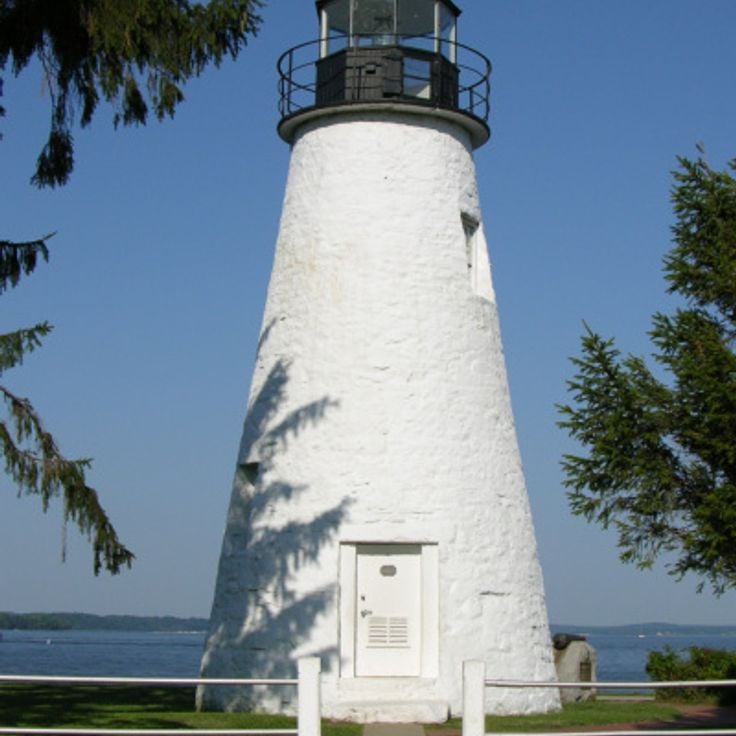
Havre de Grace, USA
This white stone lighthouse built in 1827 stands at the mouth of the Susquehanna River, guiding ships on Chesapeake Bay.
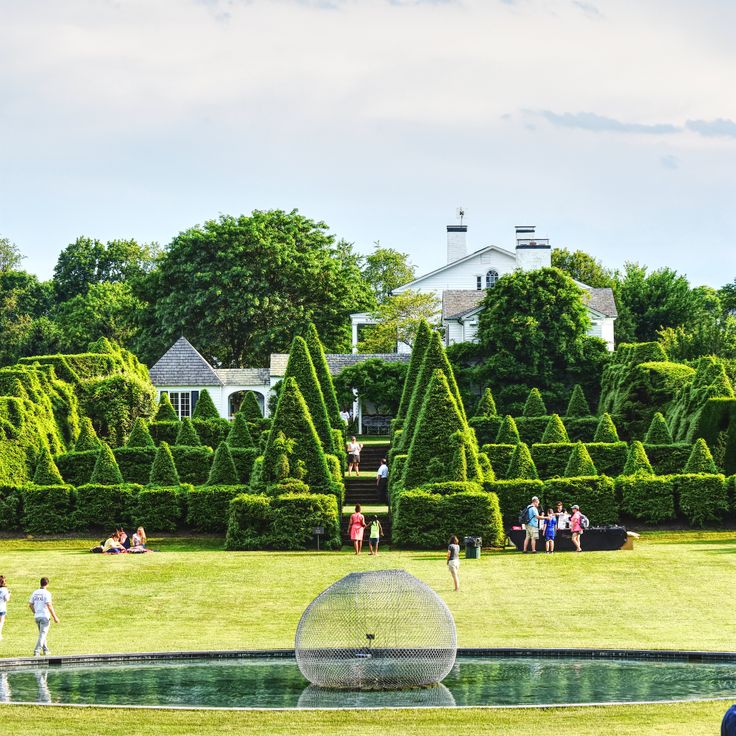
Monkton, USA
This 22-acre garden features shaped shrubs and plants forming geometric patterns, animals, and human figures across fifteen distinct garden rooms.
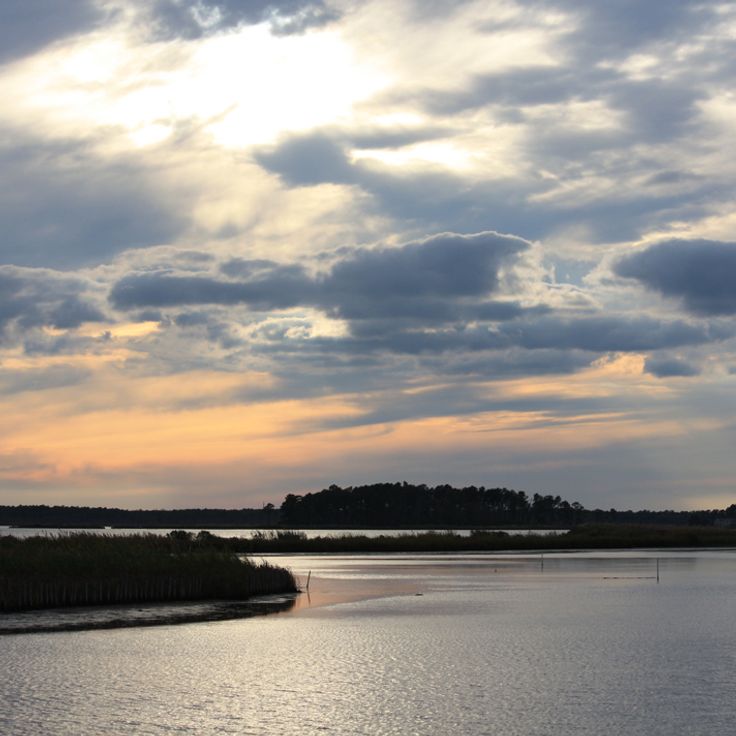
Cambridge, USA
This 28,000-acre wetland hosts over 250 bird species, including the largest population of nesting bald eagles on the East Coast.
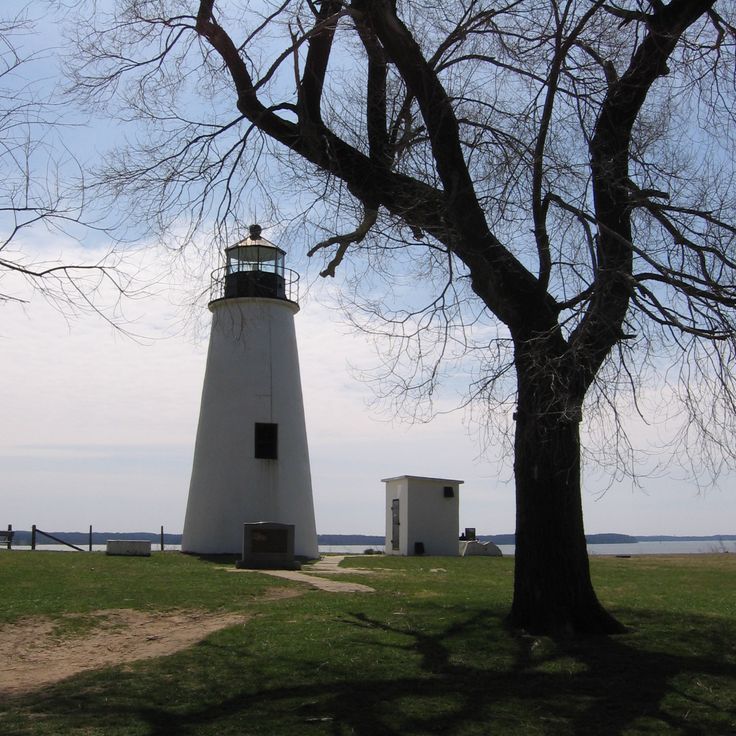
North East, USA
The park contains 2,188 acres of forest land, sandy beaches, and cliffs overlooking the Chesapeake Bay and includes the Turkey Point Lighthouse.
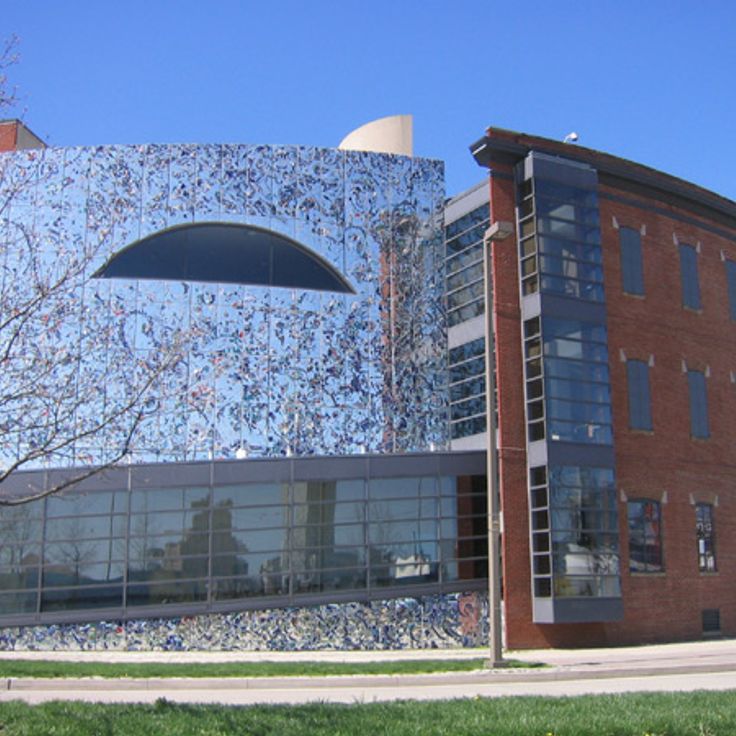
Baltimore, USA
An unconventional museum showcasing self-taught artists' work in a whimsical setting.
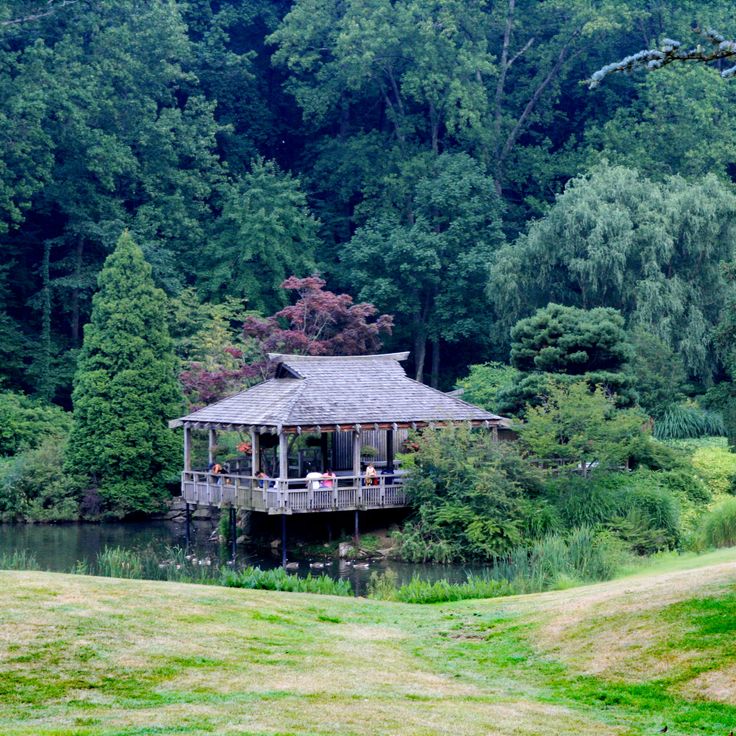
Wheaton, USA
A beautifully landscaped public garden with themed areas perfect for leisurely strolls.
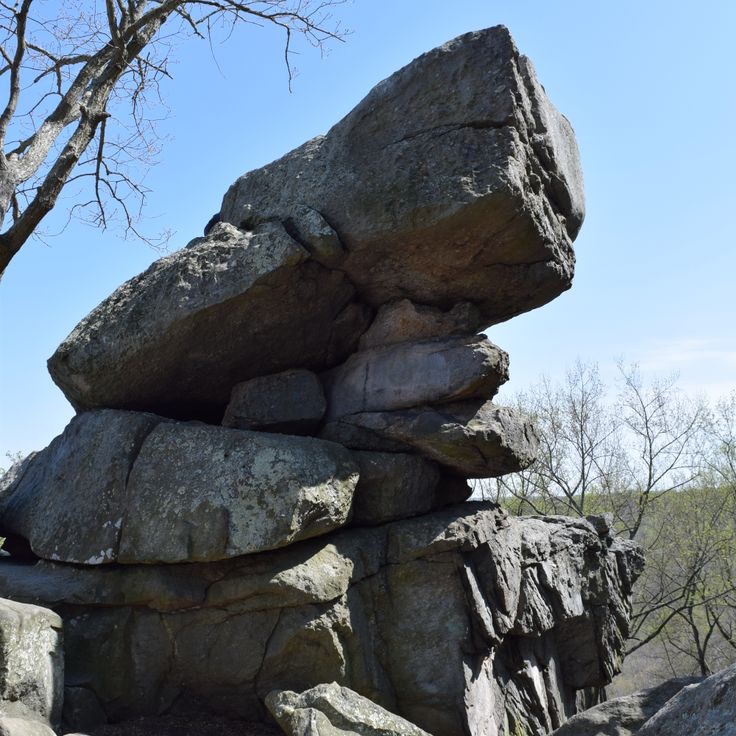
Jarrettsville, USA
Offers dramatic rocky landscapes, waterfalls, and breathtaking overlooks.
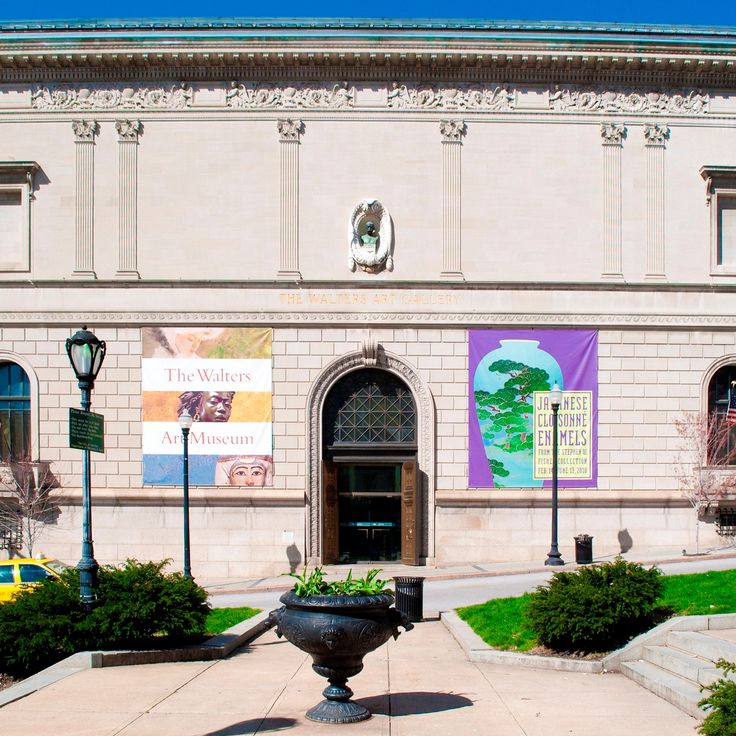
Baltimore, USA
An art museum with an extensive collection ranging from ancient to contemporary times.
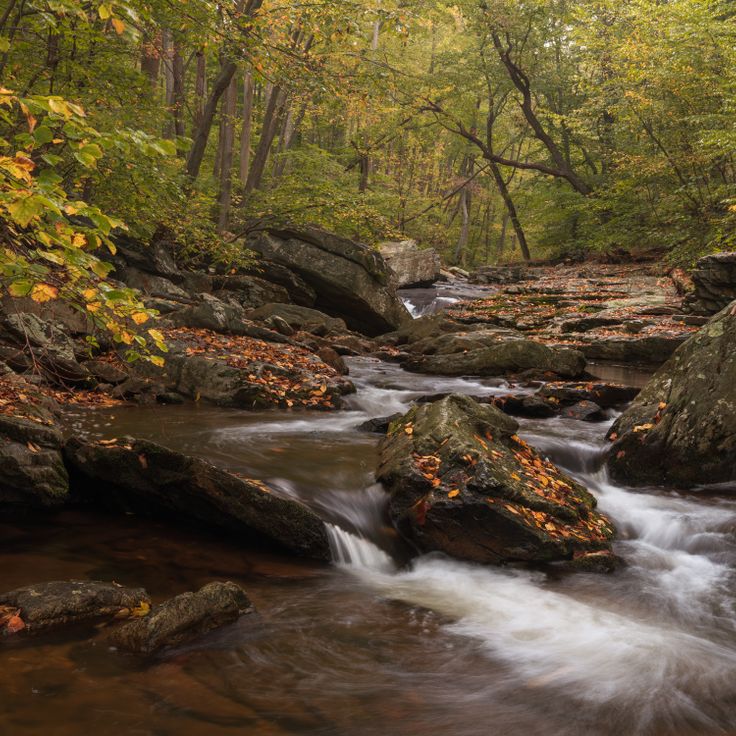
Thurmont, USA
This state park features a 78-foot waterfall with multiple drops. Visitors can explore 25 miles of marked trails through forest areas.
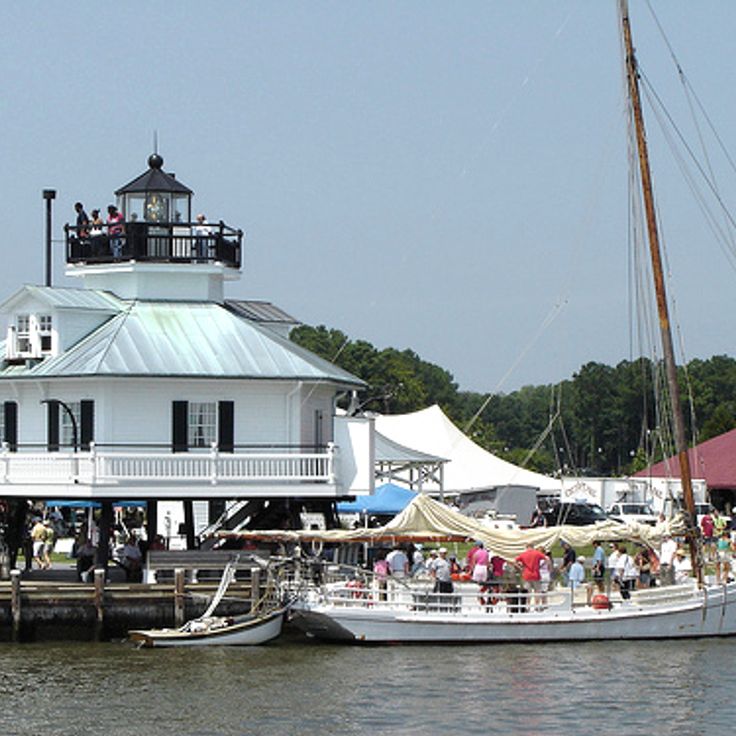
St. Michaels, USA
This maritime town contains colonial architecture, seafood restaurants, and the Chesapeake Bay Maritime Museum with regional boat exhibits and artifacts.
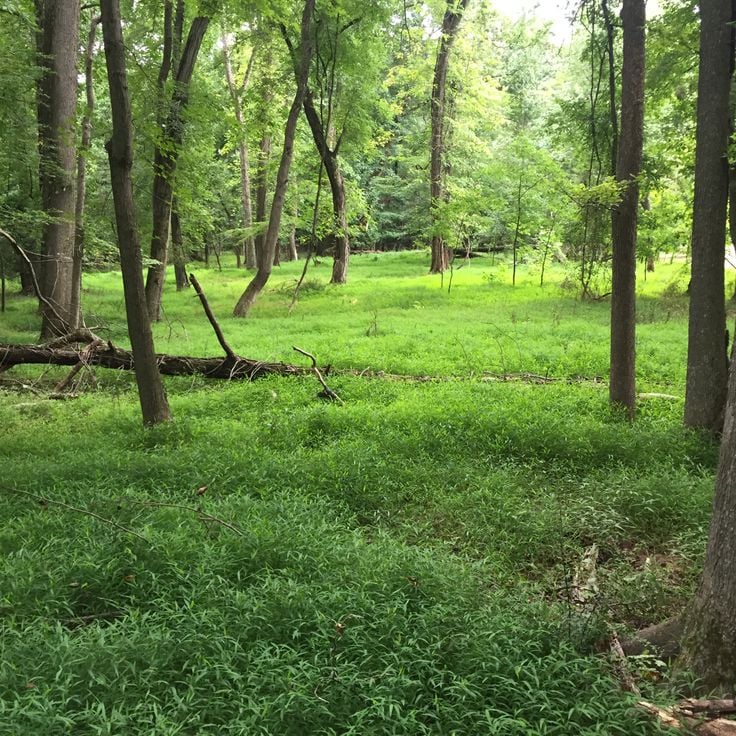
Greenbelt, USA
This national park contains 174 campsites and 9 miles of forest trails. Located 13 miles from Washington DC, it offers tent and RV spaces.
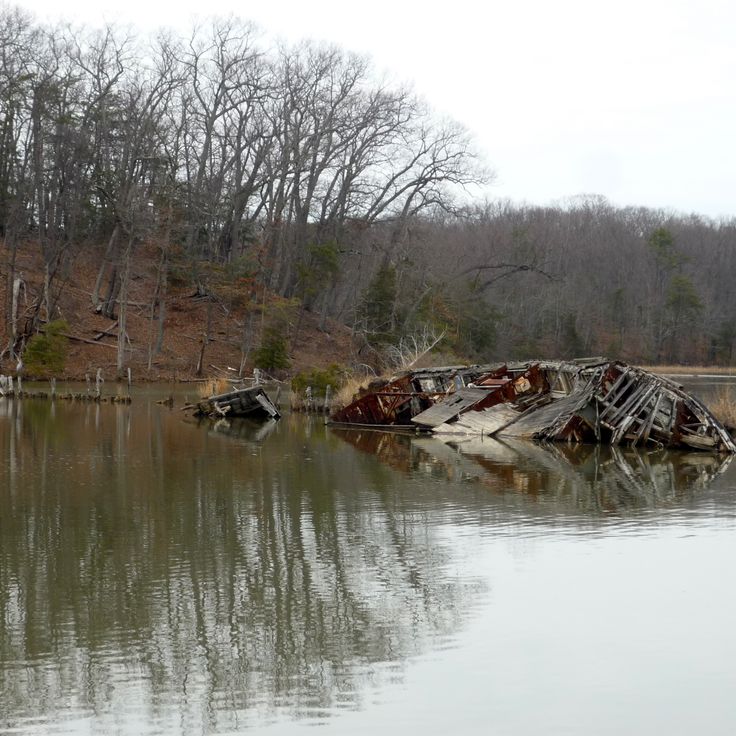
Charles County, USA
This Potomac River site contains over 100 wooden steamship hulls from World War I. Fish and birds inhabit the submerged structures.
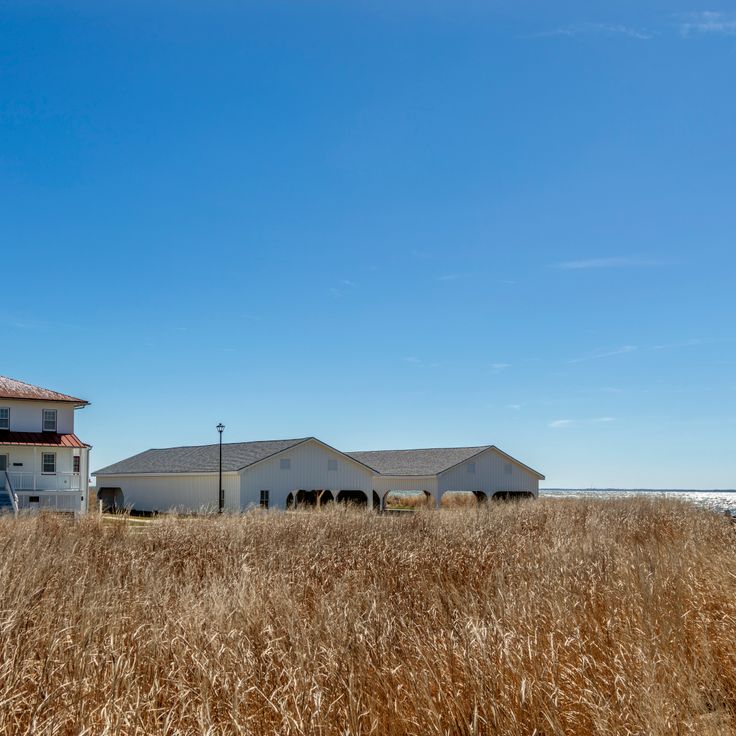
Scotland, USA
An idyllic park offering a blend of history and nature with stunning views of where the Potomac River meets Chesapeake Bay.
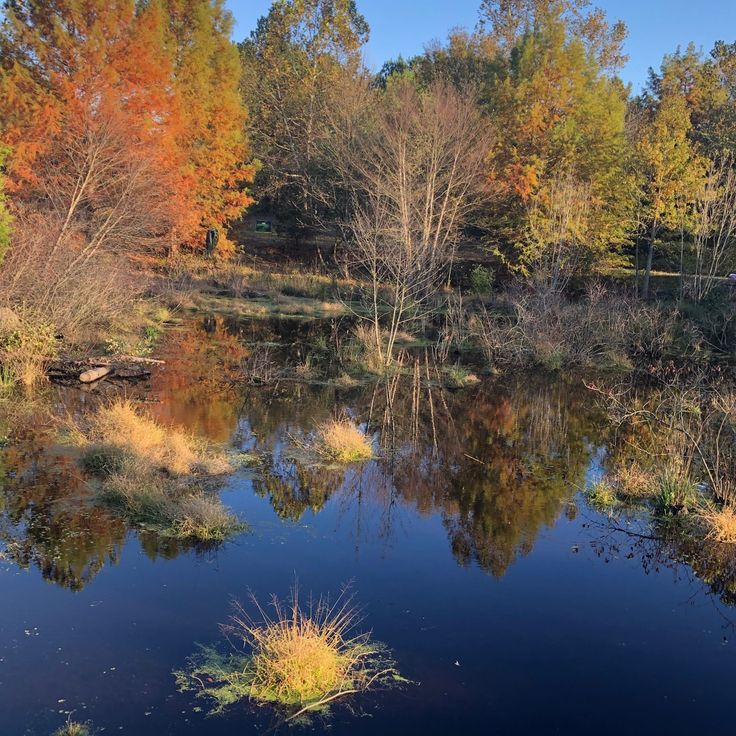
Ridgely, USA
A 400-acre native garden and preserve on Maryland's Eastern Shore dedicated to promoting the appreciation of native plants.
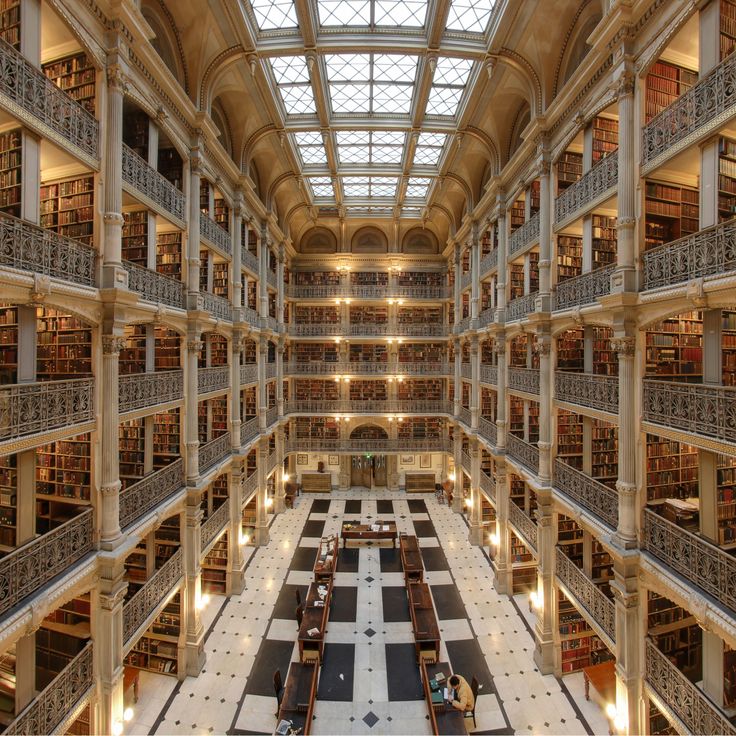
Baltimore, USA
An exquisite 19th-century library known as a 'cathedral of books' with a breathtaking atrium.
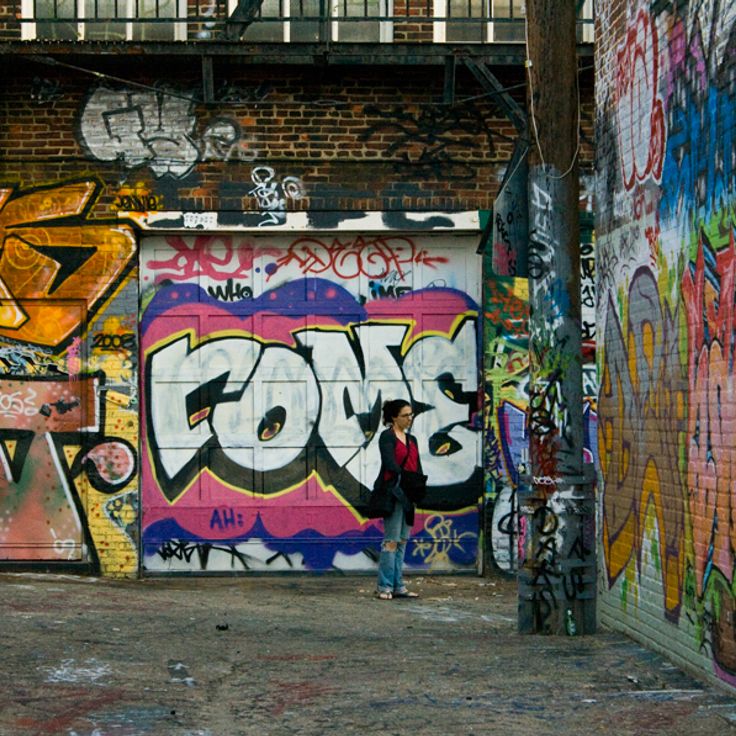
Baltimore, USA
The city's only legal art space for graffiti artists offers a constantly evolving canvas.
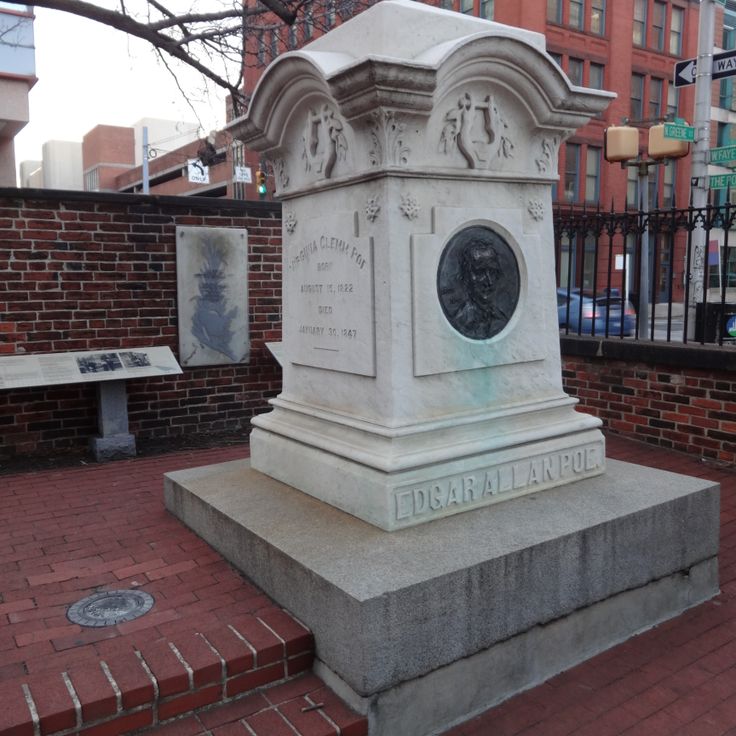
Baltimore, USA
The Gothic writer rests at Westminster Hall cemetery since 1849, marked by a monument with a carved raven.
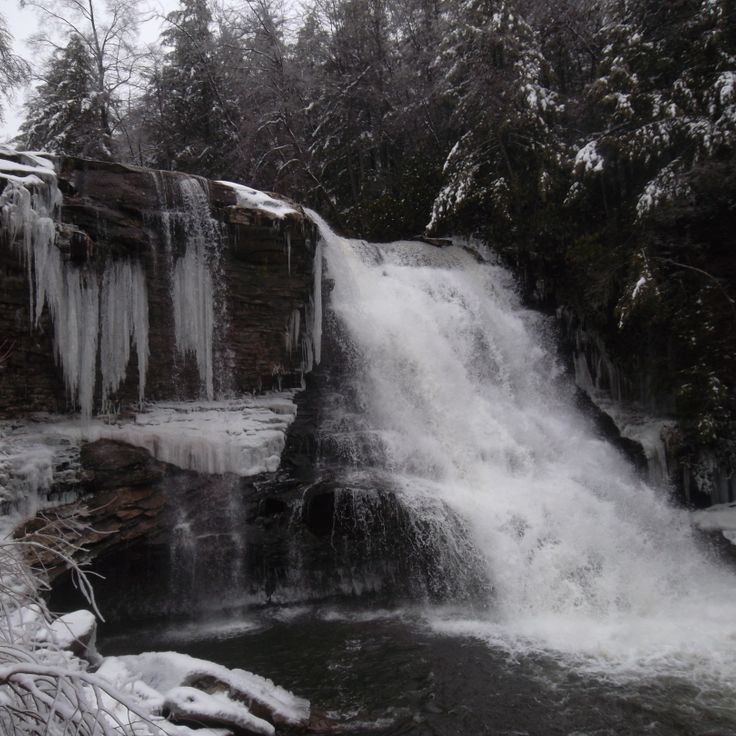
Oakland, USA
The park contains Muddy Creek Falls, which drops 53 feet. Hemlock trees line the water paths through the forest.
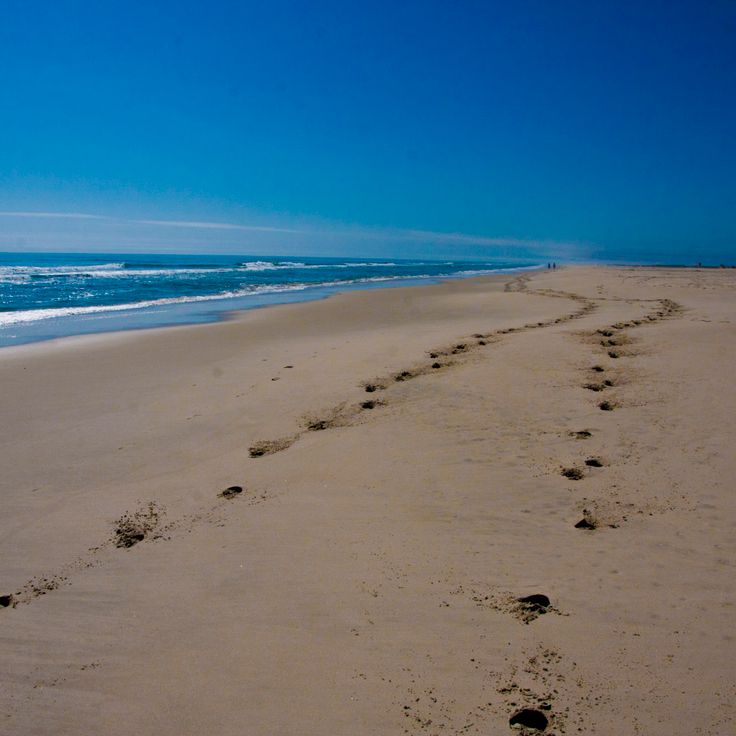
Berlin, USA
This barrier island extends 37 miles along Maryland and Virginia coasts. Wild ponies inhabit the salt marshes and maritime forests.
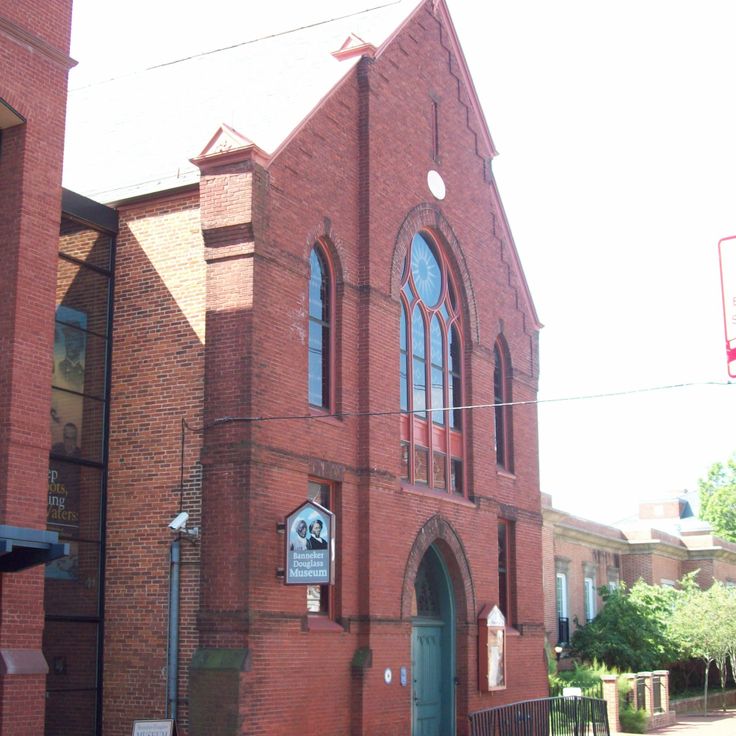
Annapolis, USA
A museum preserving African American heritage within Maryland.
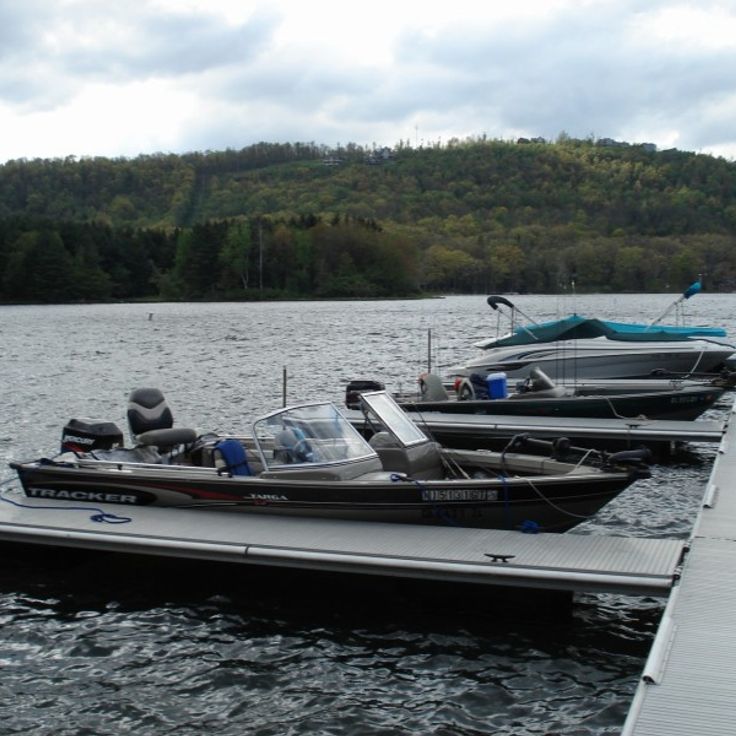
Swanton, USA
Mountain park offering recreational activities around Maryland's largest freshwater lake.
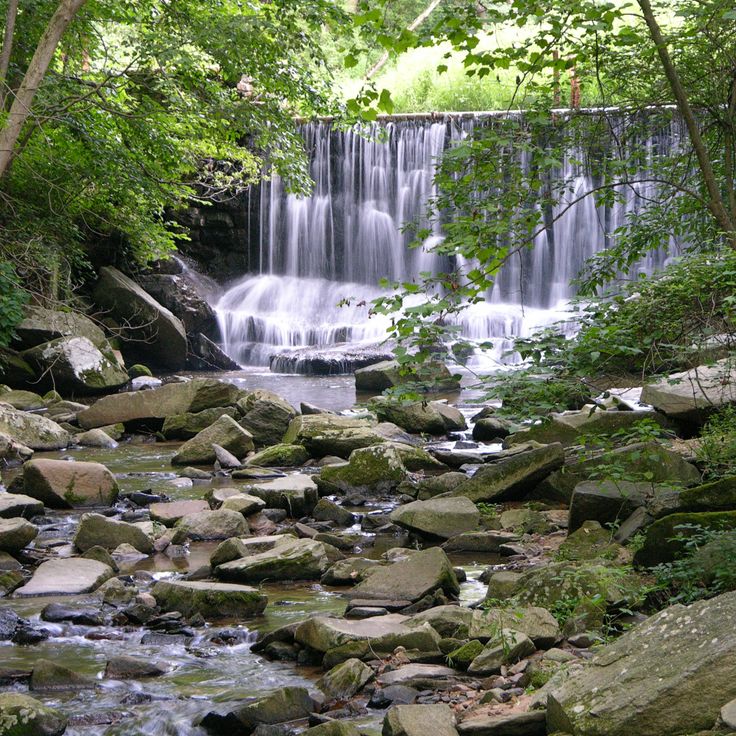
Havre de Grace, USA
A recreation area offering fishing, hiking, and glimpses of Maryland's early industry along the Susquehanna River.
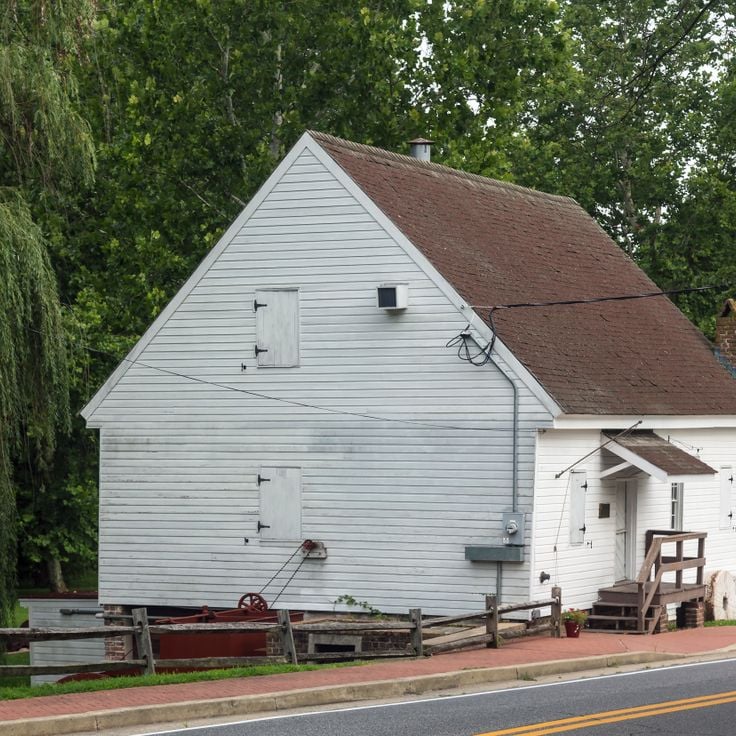
Wye Mills, USA
The oldest continuously operated grist mill in the U.S., also home to a small museum.
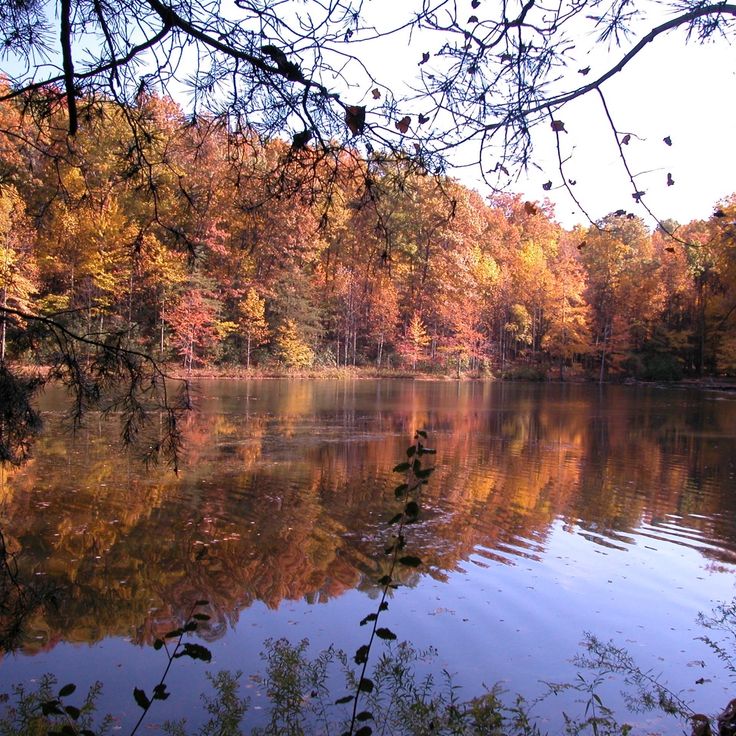
Gaithersburg, USA
A beautiful and expansive park surrounding Seneca Creek and featuring the scenic Clopper Lake.
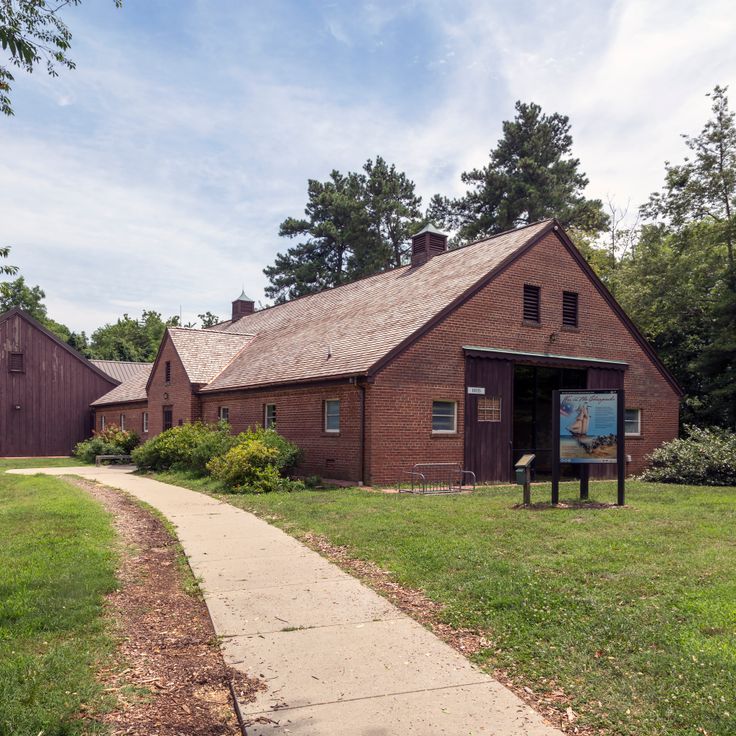
St. Leonard, USA
This museum complex contains historical artifacts, archaeological sites, and research facilities on 560 acres of land along the Patuxent River.
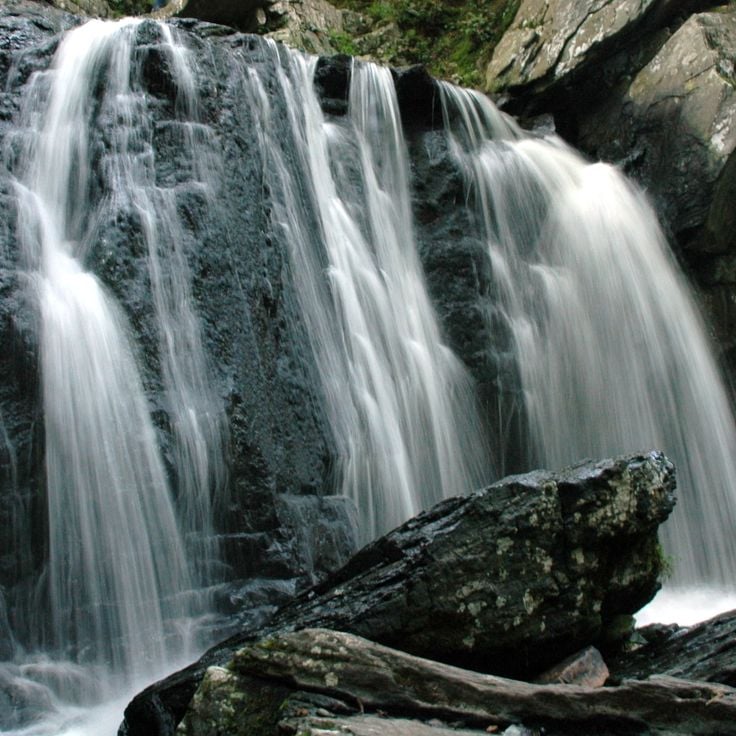
Pylesville, USA
This 17-foot waterfall flows through the Falling Branch area of Rocks State Park, surrounded by forest and natural rock formations.
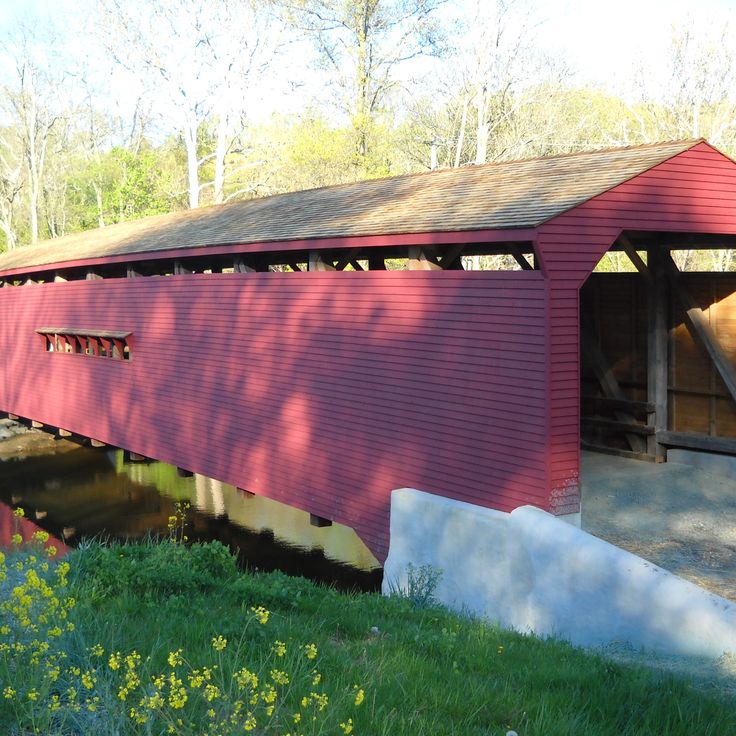
Bay View, USA
This wooden bridge spans 119 feet across Northeast Creek, built in 1860 with Burr arch trusses and vertical plank siding.
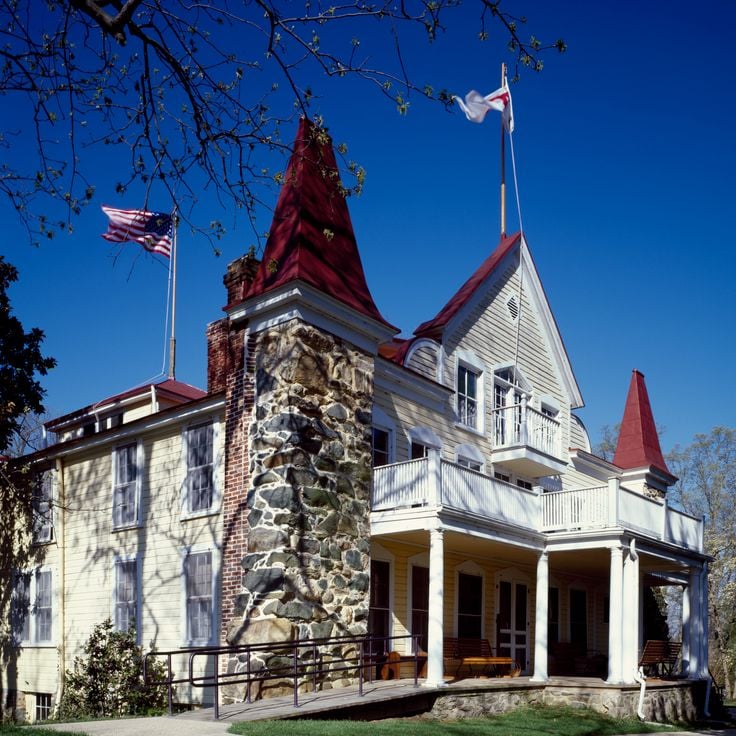
Glen Echo, USA
This three-story building served as residence and Red Cross headquarters from 1897 to 1904, containing original furnishings and personal items.
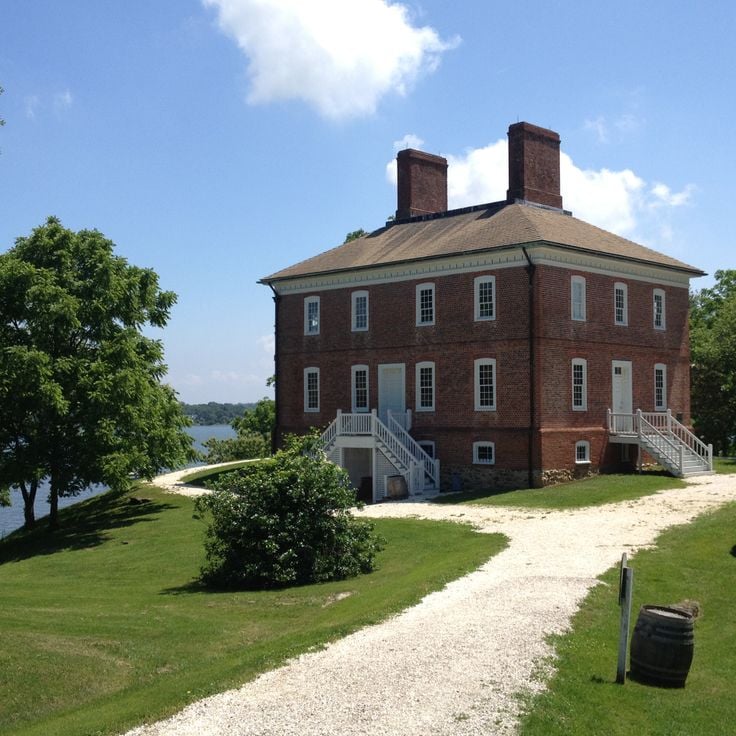
Edgewater, USA
Archaeological site with reconstructed buildings from 1683 shows colonial architecture and gardening methods used by settlers along the South River.
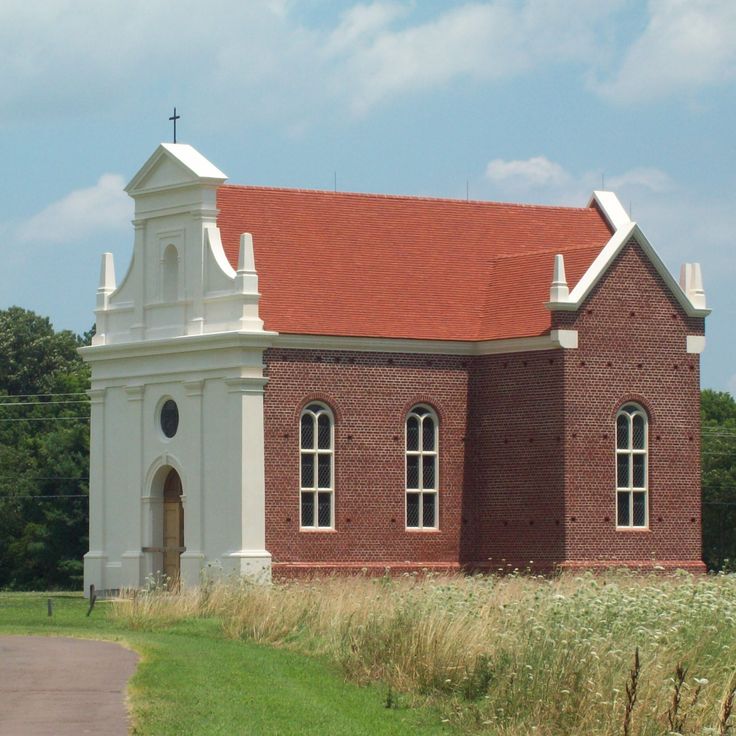
St. Mary's City, USA
Archaeological museum displaying Maryland's colonial history through reconstructed buildings, exhibits, and demonstrations of 17th century life and customs.
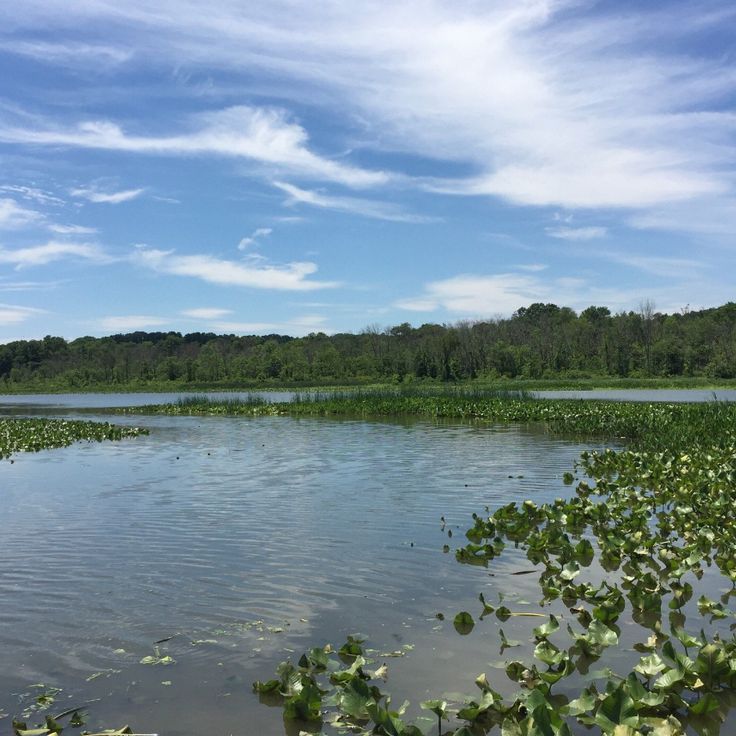
Lothian, USA
Natural reserve spanning 1,500 acres of tidal wetlands where visitors can observe migratory birds, study native plants, and explore marked trails.