See the monuments around you in AROpen chests in the app
Around Us is built for your phone — point your camera at the streets and discover the monuments and places around you in augmented reality.Around Us is built for your phone — chests unlock when you walk, explore and capture nearby places.
Devon combines historical sites and natural landscapes across a region in southwest England. The area extends from moorlands in Dartmoor National Park to cliffs along the Bristol Channel and English Channel coasts. Visitors find Norman castle ruins like Totnes Castle and Okehampton Castle, Georgian manor houses such as Saltram House, medieval villages, and monastery sites like Buckland Abbey. The landscape appears in forms of granite formations, waterfalls, remote beaches, and ancient woodlands.
Places include Wistman's Wood with its gnarled oak trees, the rock formations at Valley of the Rocks near Lynton, the historic fishing village of Clovelly with its steep streets, and the sandy beaches at Bantham and Mothercombe. Speke's Mill Mouth Waterfall drops directly into the sea, while Blackchurch Rock stands as a coastal formation. Gardens like RHS Garden Rosemoor display botanical collections, and industrial sites such as the water-powered Finch Foundry or the Dartmouth Steam Railway document past working environments. Beer Quarry Caves offer views into historic underground stone quarrying.
Devon combines historical sites and natural landscapes across a region in southwest England. The area extends from moorlands in Dartmoor National Park to cliffs along the Bristol Channel and English Channel coasts. Visitors find Norman castle ruins like Totnes Castle and Okehampton Castle, Georgian manor houses such as Saltram House, medieval villages, and monastery sites like Buckland Abbey. The landscape appears in forms of granite formations, waterfalls, remote beaches, and ancient woodlands.
Places include Wistman's Wood with its gnarled oak trees, the rock formations at Valley of the Rocks near Lynton, the historic fishing village of Clovelly with its steep streets, and the sandy beaches at Bantham and Mothercombe. Speke's Mill Mouth Waterfall drops directly into the sea, while Blackchurch Rock stands as a coastal formation. Gardens like RHS Garden Rosemoor display botanical collections, and industrial sites such as the water-powered Finch Foundry or the Dartmouth Steam Railway document past working environments. Beer Quarry Caves offer views into historic underground stone quarrying.
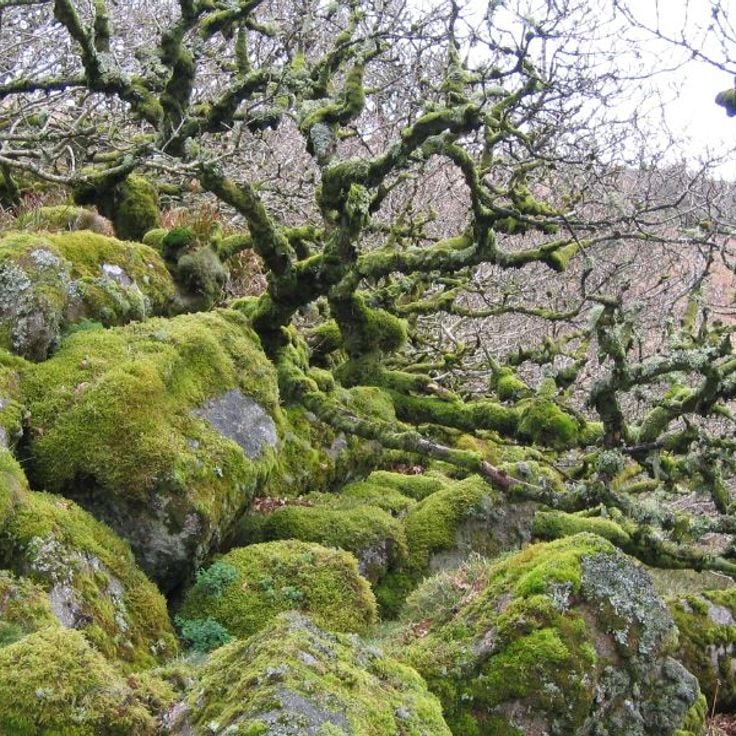
This small oak forest at 1,300 feet (400 meters) elevation shows gnarled trees growing between granite boulders draped in thick green moss. Wistman's Wood sits in Dartmoor among some of the oldest woodlands in the region. The low oaks form twisted shapes between the stones while lichens and mosses cover the branches. Visitors walk through a forest that creates a particular mood through its closeness and the muted light. The trees here have grown for centuries.
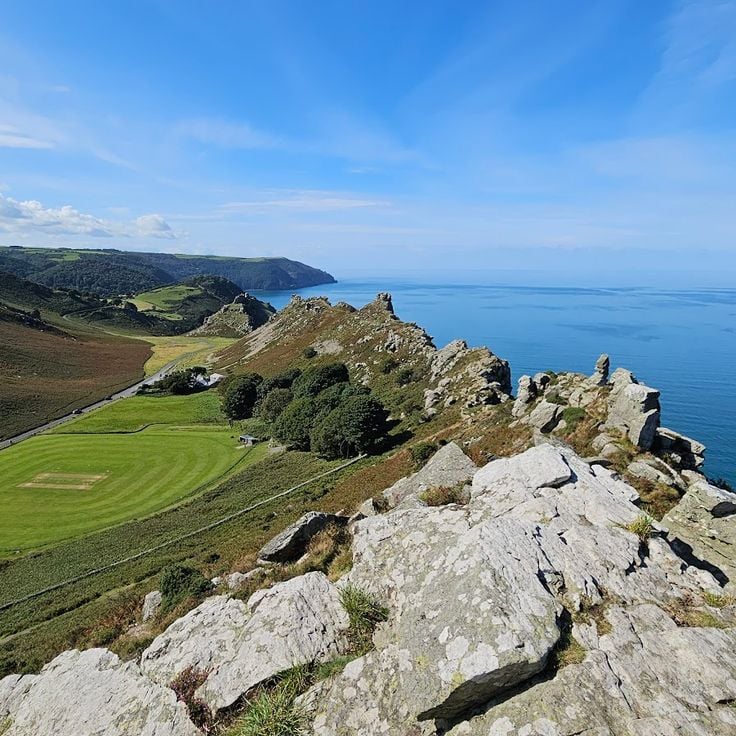
This valley formed during the ice age and lies along the coastline near Lynton and Lynmouth. The vertical cliff faces and rock formations show the force of geological processes that shaped Devon. Walkers follow the coastal path between the raw stone faces, while wild goats graze the slopes and the sea breaks against the cliffs.
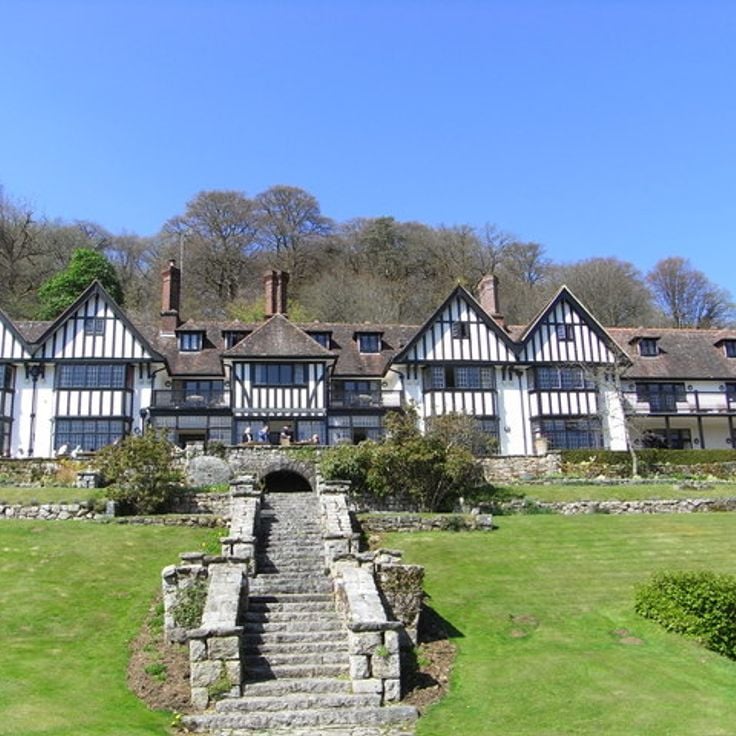
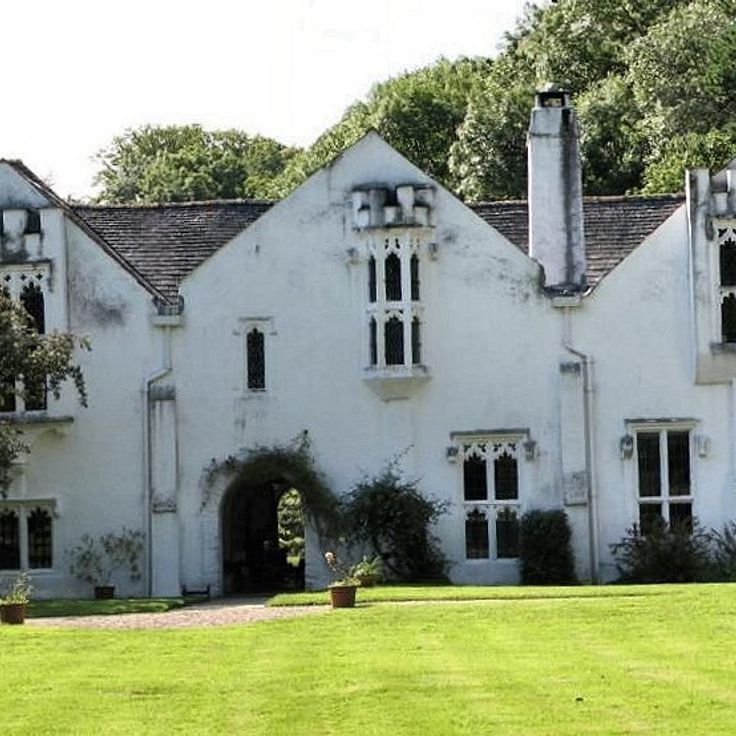
This Tudor style manor from the 1920s sits near the North Teign River within a 107 acre (43 hectares) wooded estate. The property near Chagford combines period architecture with the natural landscape of Dartmoor. Its location provides access to the ancient woodlands and river valleys that define this part of Devon.
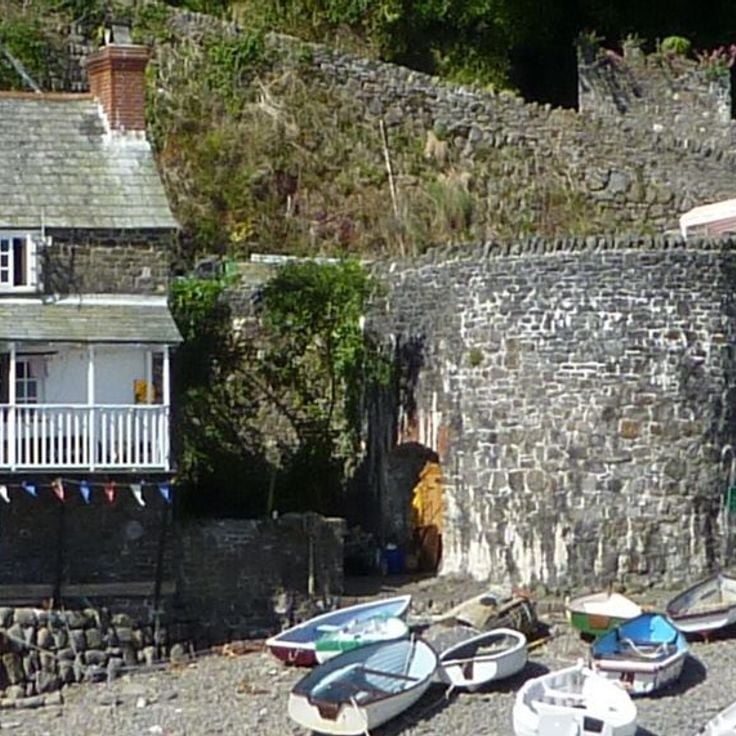
Clovelly Village is a historic fishing village on the Devon coast, built on a cliff roughly 400 feet high (120 meters). The cobbled main street slopes down steeply and is open only to walkers. Stone houses line the narrow lane leading to the harbor. Residents move goods by sledge, as no vehicles are allowed. This place is privately managed by a family and shows the traditional architecture and way of life of the region.
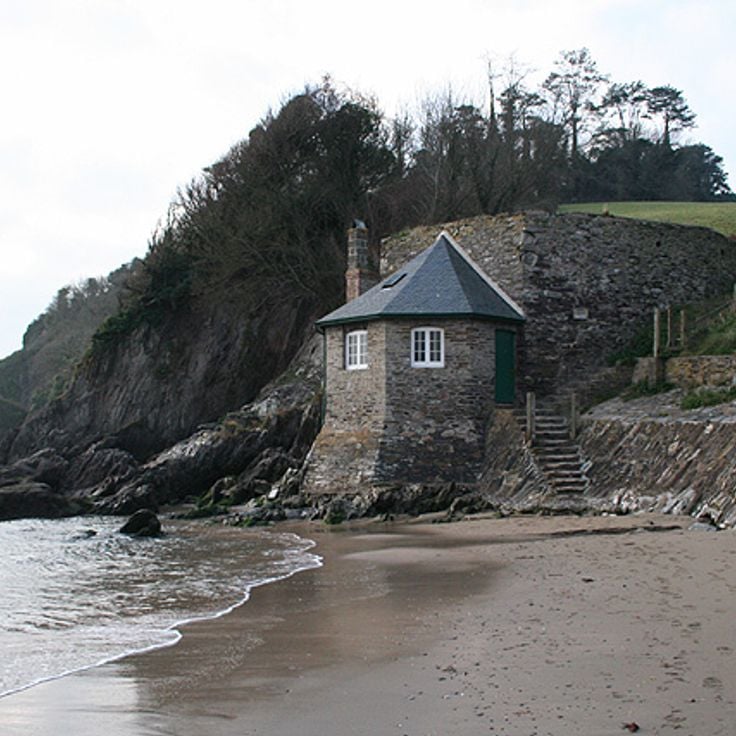
This sand and shingle beach sits in a sheltered cove in South Devon, reached by a National Trust footpath that descends through wooded slopes. Red sandstone cliffs frame the bay and form natural pools at low tide. The water is clear and calm, protected from open swells by rock outcrops on either side. Access comes through private land with restricted opening times during summer months. Few visitors make the trip here because there is no parking at the beach itself. You walk across fields and through woodland, about 20 minutes from the nearest car park. The cove shows as a narrow strip at high tide, while low tide opens more sand for walking and exploring rock formations.
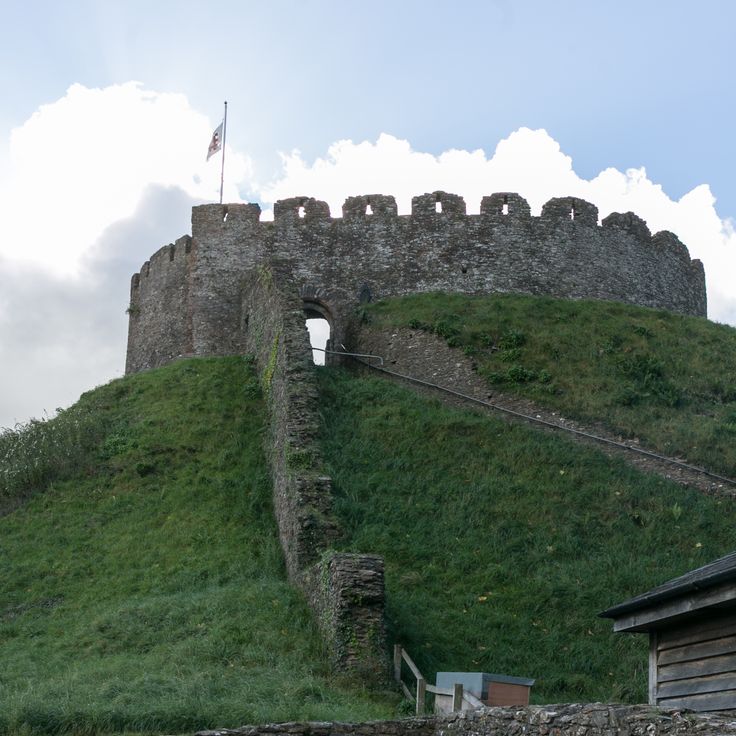
This stone fortress from the 11th century stands on a hill above the town. The circular keep rises in its original form today and offers a view over the River Dart and the surrounding Devon landscape. The castle was built after the Norman conquest and is one of the best preserved mottes in England. The ramparts and ditches still surround the structure and show the medieval defensive architecture. Visitors can walk along the walls and explore the historic site.
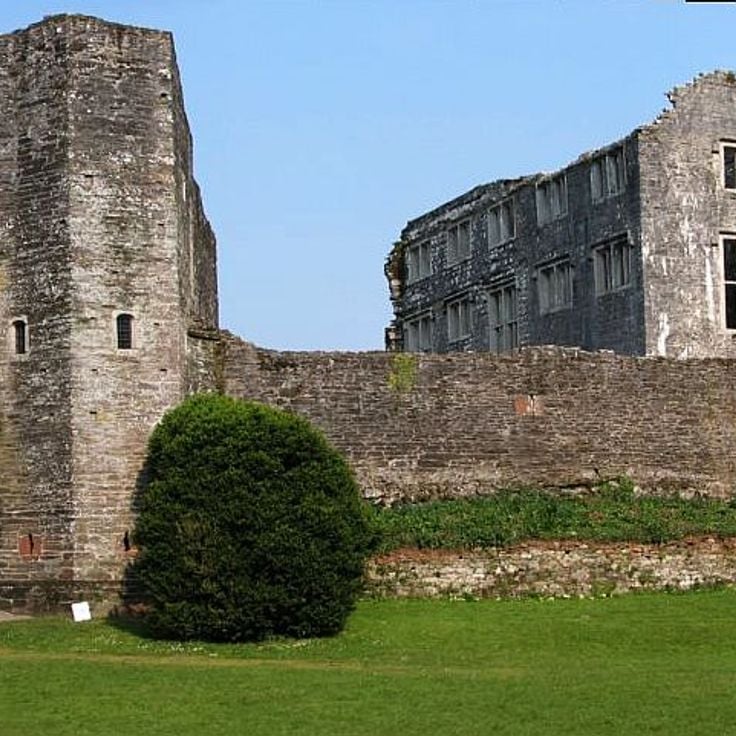
This 15th-century ruin combines medieval fortifications with a later Tudor mansion. The stone walls of Berry Pomeroy Castle rise among dense forest and show different building phases: first a Norman stronghold, then a grand residence. Visitors can walk through the remains of living quarters, climb the towers, and look out over the wooded valley that surrounds the site.
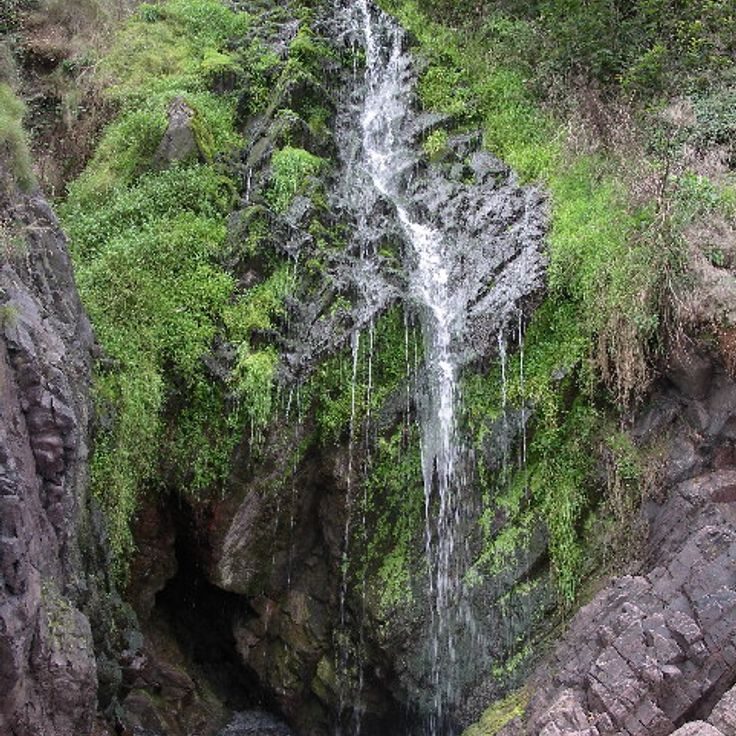
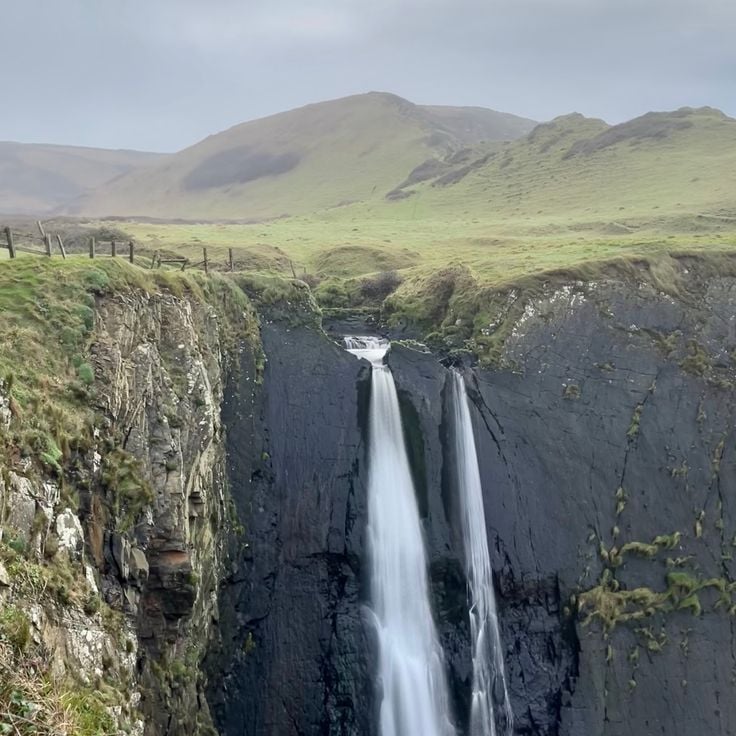
This waterfall in North Devon drops about 160 feet (48 meters) over dark rock to the beach below. The water flows through a narrow gorge and reaches a small cove facing the Atlantic. The site sits close to the South West Coast Path, a walking route that follows the coastline. At low tide, you can step onto the beach and see the waterfall from the bottom. The cliffs are steep and often wrapped in mist. Access is by a steep path that leads through fields and scrubland.
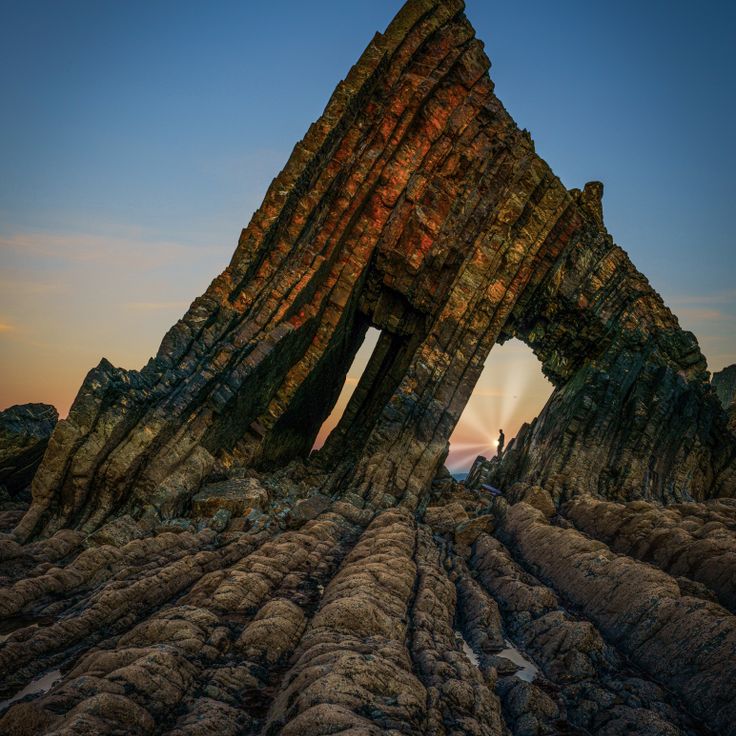
This natural stone arch stands on a quiet beach and rises from the sand. Blackchurch Rock has two openings that let the sea show through and reaches about 75 feet (23 meters) in height. The stone shows different shades when the light changes during the day. At low tide you can walk closer to the arch and see the layers and shapes formed by wind and water over time.
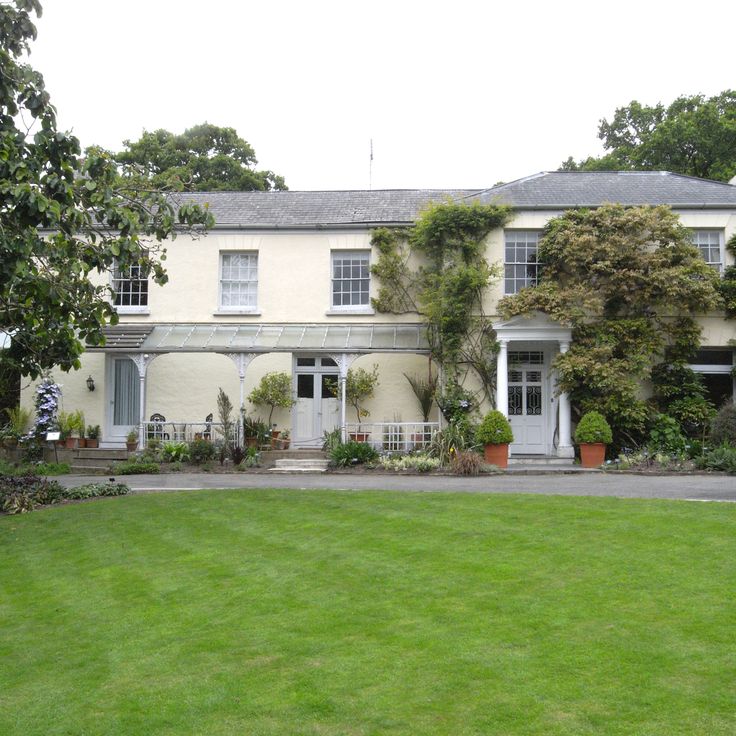
This garden near Great Torrington covers 65 acres (26 hectares) and combines formal beds with looser plantings. Old trees stand beside rose collections, and each season brings different flowers into bloom. Visitors can walk between borders, retreat to quieter corners, or join guided talks that explain how plants grow and are cared for. Paths lead through separate garden rooms, and the palette of colors and shapes shifts as the year turns.
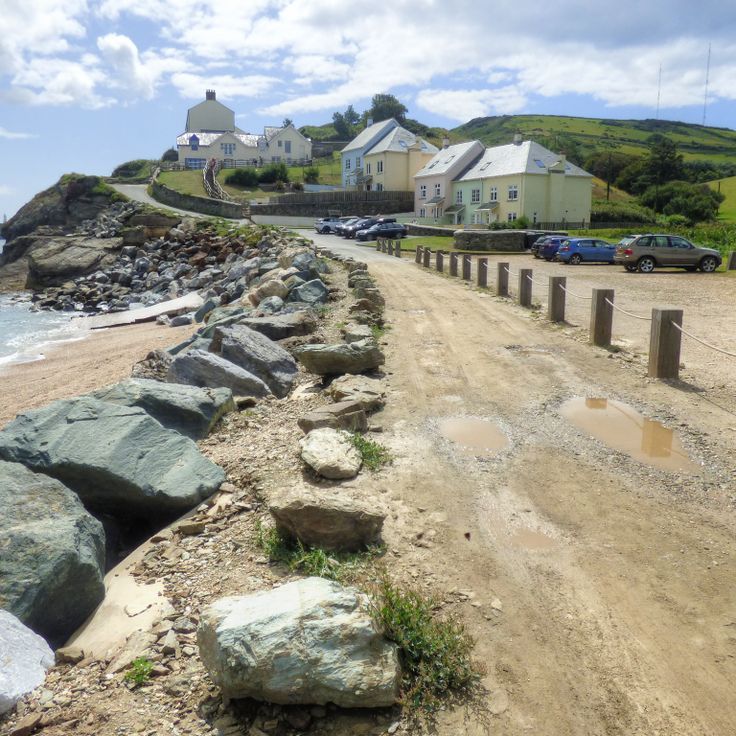
Hallsands Beach marks the place where a fishing village stood until the sea destroyed it in 1917. Gravel extraction from the seabed caused rapid erosion, and the houses fell into the water one by one. You can see the ruins from a coastal path above, where stone walls emerge between rocks at low tide. The beach itself remains steep and narrow, mostly covered with pebbles. At high tide, the water reaches almost to the base of the cliffs. A viewing platform offers a direct view over the ruins and the shoreline.
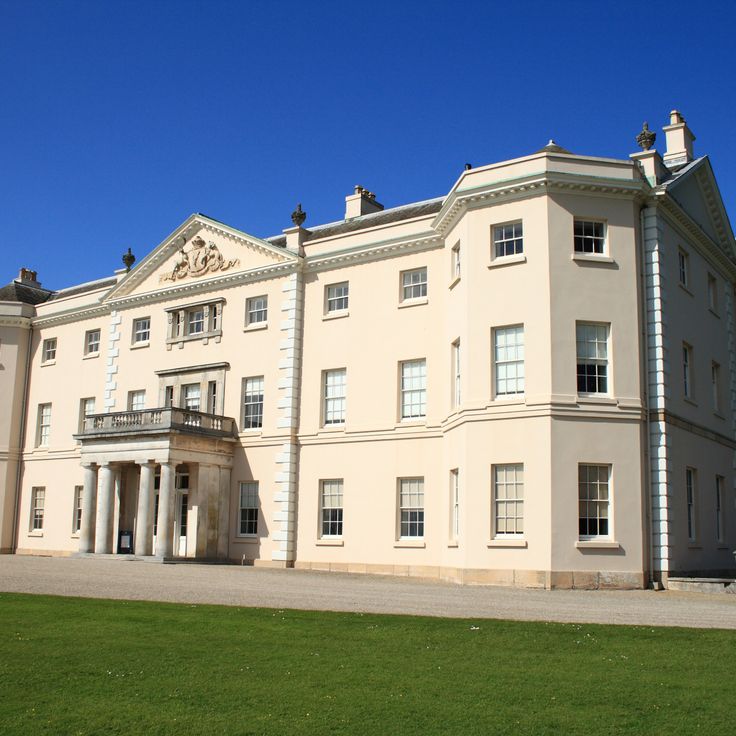
This Georgian house from 1743 stands among the historic manor houses that Devon preserves. Saltram House displays furniture from its era and original artwork throughout the rooms. The painted ceilings reflect the style of the 18th century. The gardens around the house contain an orangery and decorative structures. The estate sits in a landscape with views toward the river.
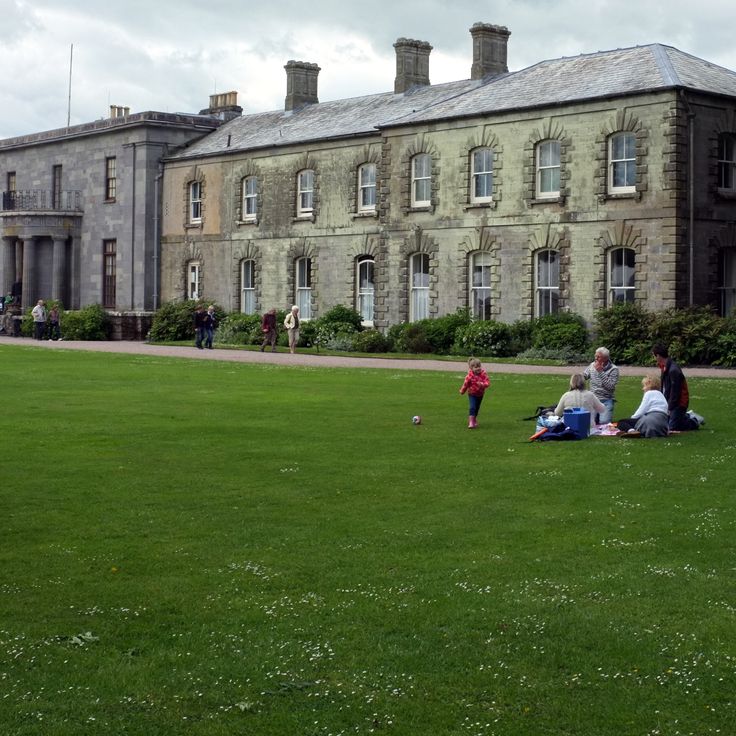
This 19th century estate sits near Barnstaple and forms part of the historical sites that shape Devon. Arlington Court includes a Victorian mansion where rooms remain arranged as they were lived in during the 1800s. Inside is a collection of carriages and other vehicles once pulled by horses. Gardens spread around the house, with paths leading through meadows and patches of woodland. Fallow deer roam the park and can often be seen up close. A lake and a stream run through the grounds. There are walking trails that lead to quiet corners where you can sit on benches and take in the surroundings.
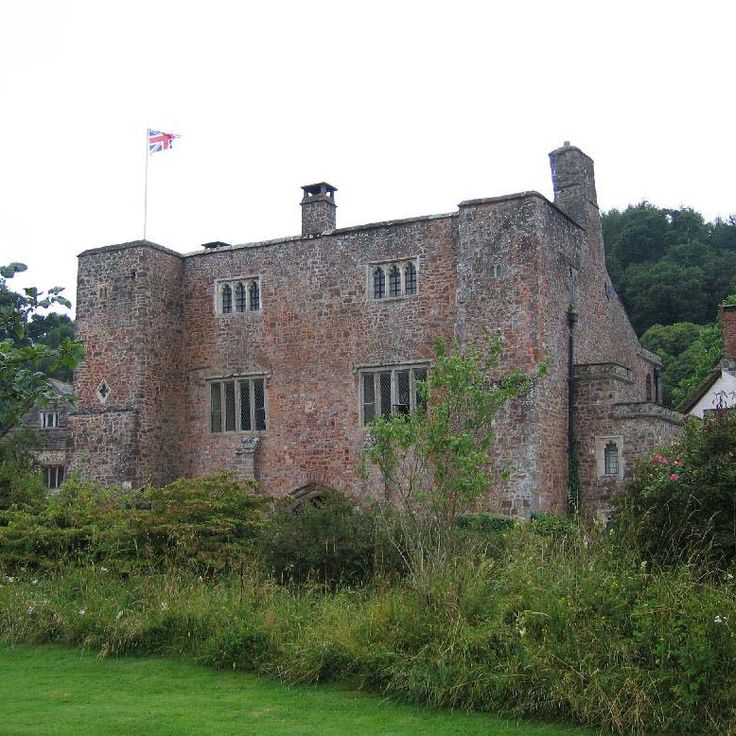
This medieval manor house retains its great hall, chapel and original kitchen. The rooms feature timber ceilings and stone floors that show building methods from the 15th century. Gardens and woodland accompany the property along the River Lemon. Stone walls and old trees surround the grounds. Bradley Manor is among the historical buildings in Devon that offer glimpses into past centuries of daily life.
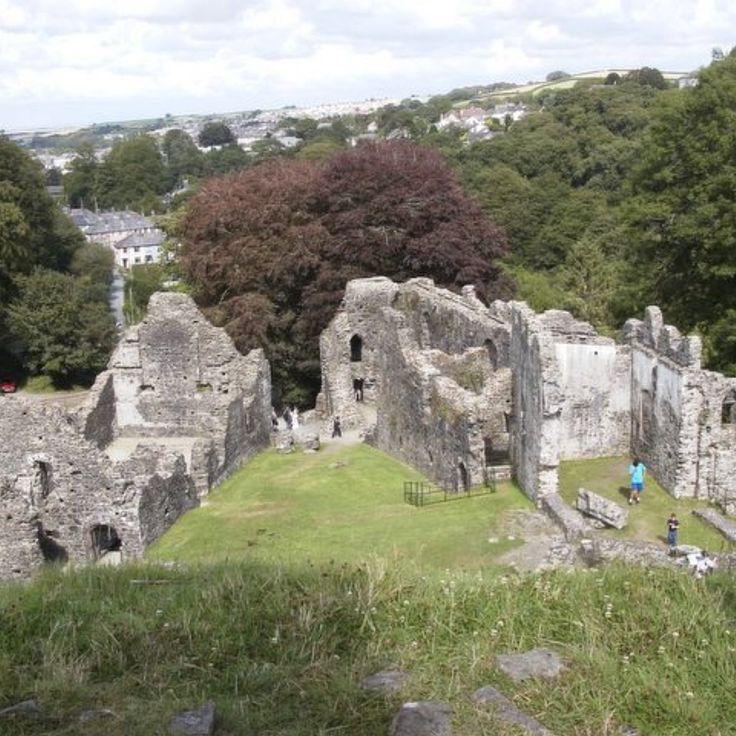
This fortress sits above the West Okement River and was built between 1068 and 1086. The stone keep and defensive walls of Okehampton Castle belong to the early Norman fortifications in Devon. Visitors can walk through the ruins and see how the position overlooks the valley. The structure shows how Norman rulers held control over the area, with walls still standing on the hillside.
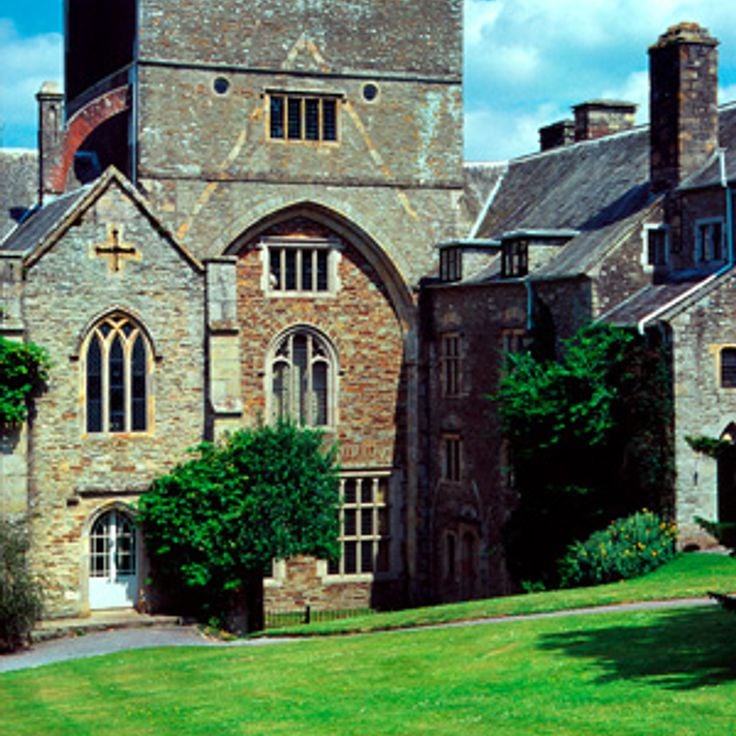
This former Cistercian abbey from the 13th century was converted into a residence in 1541, blending Tudor architecture with earlier monastic features. Buckland Abbey sits among rolling hills and open fields, surrounded by old stone walls and maintained gardens. The tower of the original church still stands, while the interiors show wooden ceilings, leaded windows, and wide fireplaces. Inside you will find paintings, period furniture, and traces of past residents, including a famous seafarer from the 16th century. The stables and outbuildings remain, giving a sense of life on a Devon estate through the centuries.
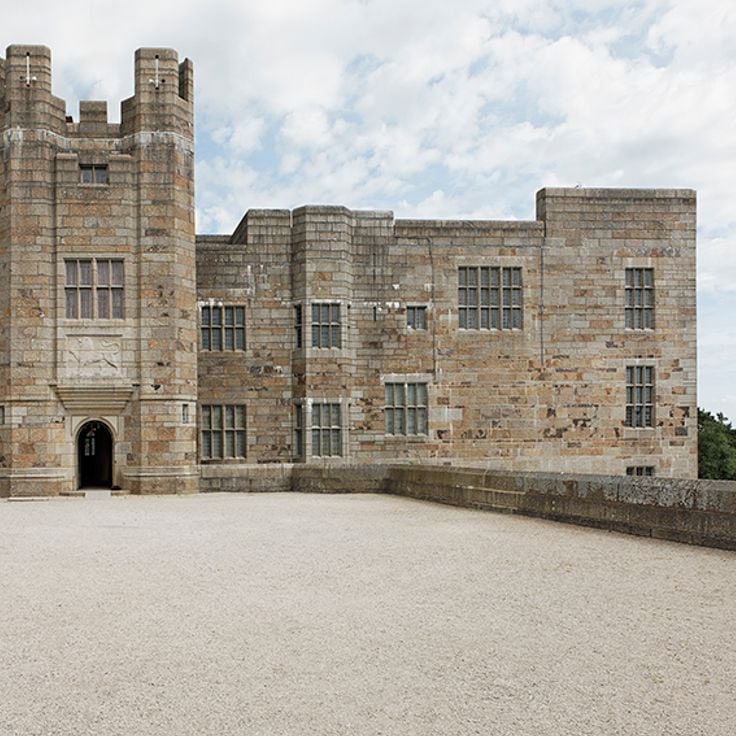
Devon's Granite Castle was built between 1911 and 1930, and stands at 900 feet (275 meters) above sea level overlooking the Teign Valley and Dartmoor hills. This castle combines Norman architectural elements with early 20th century craftsmanship, using local granite for its massive walls and towers. From the battlements, visitors see the wooded valley and open moorlands stretching to the horizon. Construction took nearly two decades and showcases detailed stonework in arches, windows, and crenellations, while interior spaces preserve oak beams and carved fireplaces.
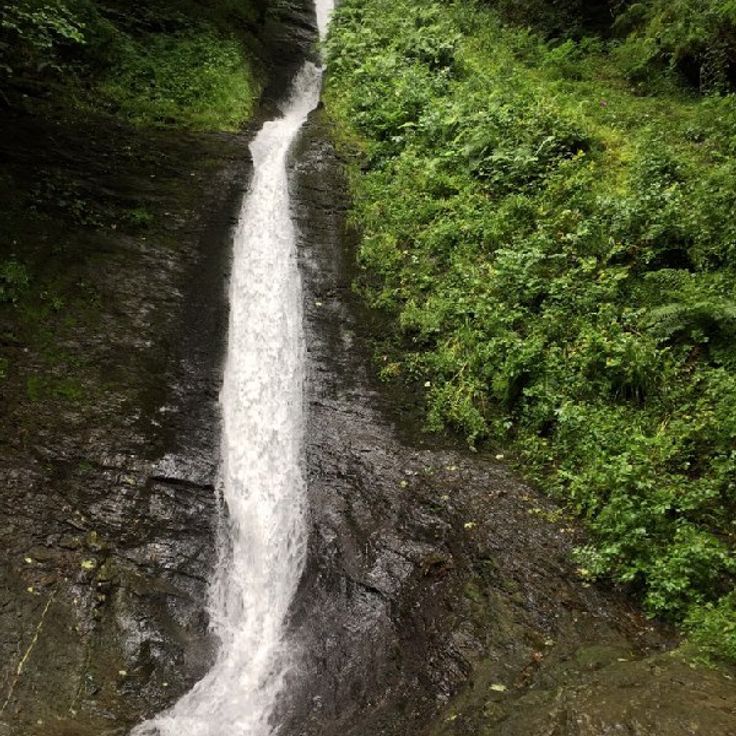
This gorge ranks among the most impressive natural formations in Devon, carved by the River Lyd. The river has cut deep channels into volcanic rock over thousands of years. Visitors follow a narrow path that winds along the gorge edge, past moss-covered boulders and through dense woodland. Water flows far below through tight passages, sometimes calm, sometimes rushing over rocks. The White Lady waterfall drops over dark cliff faces, sending up fine spray. In some places the gorge narrows so much you could almost reach across to the opposite wall. The path leads over wooden walkways and bridges built into the rock face. On rainy days the trail becomes slippery, and the water swells. The air stays cool and damp, even in summer. This gorge sits near the village of Lydford and belongs to an estate that once belonged to an old family.
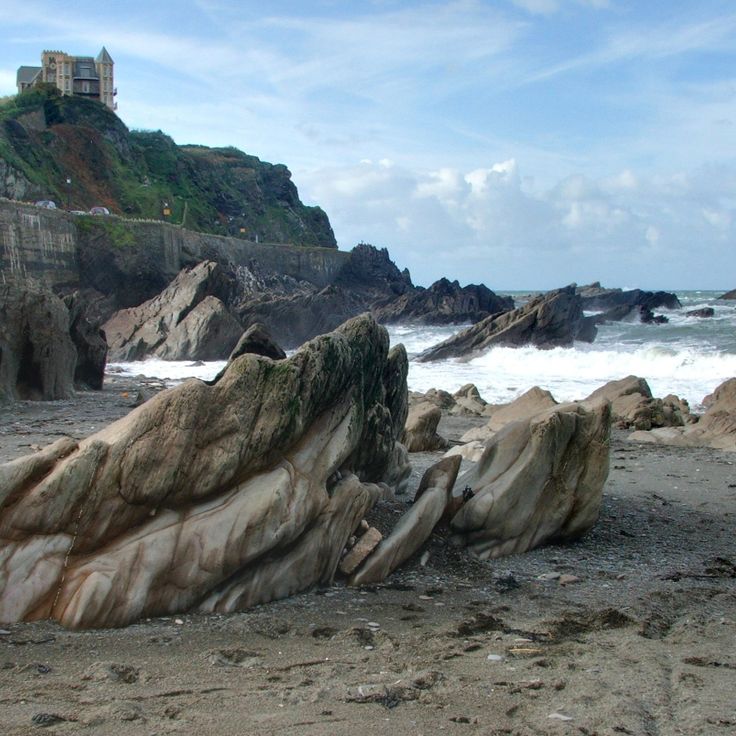
This beach sits between two limestone cliffs and shows mostly pebbles and stones. At low tide the shore grows wider and reveals rock formations. The sea shapes a natural cove here that becomes narrower when the tide comes in. The cliffs frame the beach and shelter it from strong winds. Visitors find a rough coastal landscape typical of the region. The ground is almost entirely made of smooth and angular stones that make walking difficult.
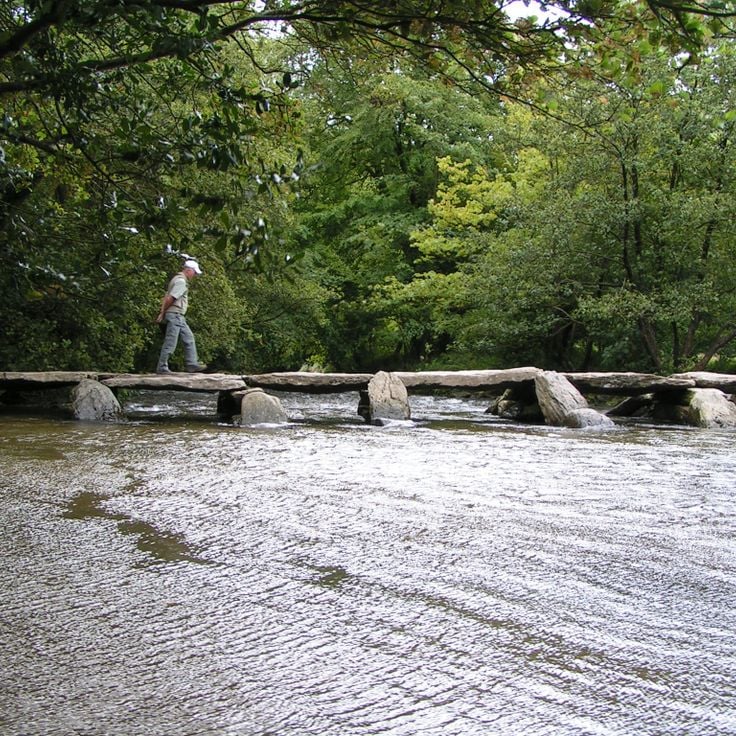
This stone crossing dates from 1000 BC. The bridge spans the River Barle using large stone slabs resting on 17 arches. It measures about 180 feet (55 meters) in length. This medieval crossing sits in a rural part of Devon and shows how people in earlier times crossed rivers without mortar or modern tools. The structure fits into the Exmoor landscape and is still used by walkers today.
This fortified manor house dates back to the 11th century and sits on the banks of the Exe. The rooms preserve the feel of different periods, from the medieval tower to later additions. Visitors see the great hall with its timber beams, a chapel with old wall paintings, and rooms furnished with pieces and objects from past centuries. The gardens lead down to the river, where the defensive walls once stood. Bickleigh Castle shows how Norman buildings were reshaped over time into homes, while the thick stone walls and small windows still recall their original purpose.
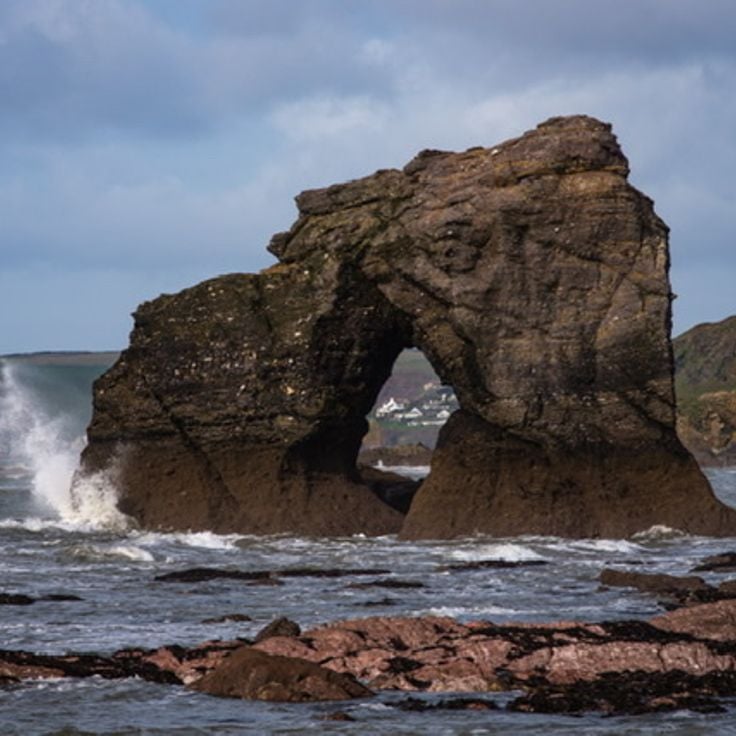
This sea arch stands offshore from the beach in South Devon. Tidal currents have carved through the rock over millions of years, leaving a hollow passage in the stone. The name comes from an Old English word meaning pierced rock. At low tide you can walk across the sand and approach the base. Water rushes through the opening as waves pass. Gulls circle above the peak. The cliffs behind are made of slate and sandstone. Walkers follow the coastal path above the bay. People fish from the shore. The light changes throughout the day depending on weather and tide. During storms, waves crash against the arch.
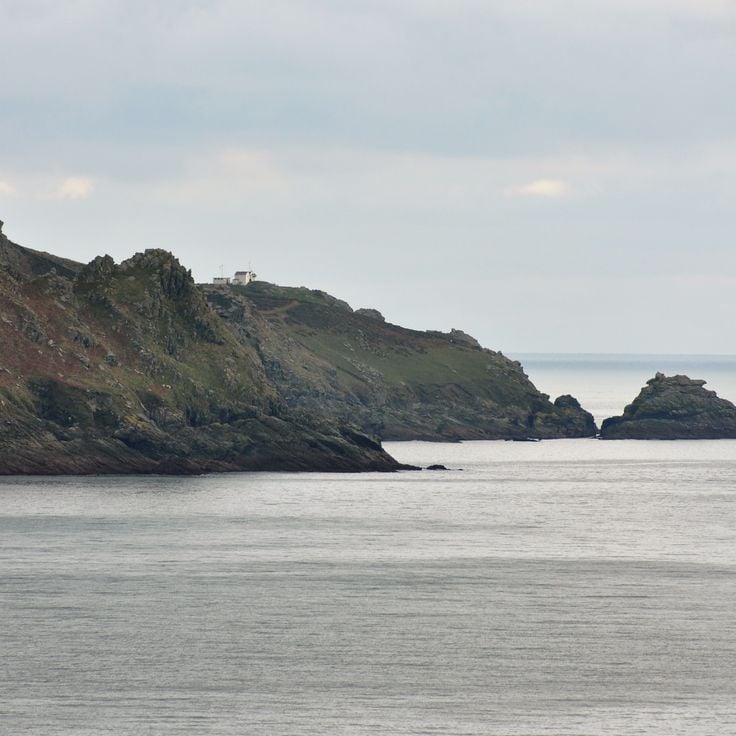
This coastal headland in South Devon marks the southernmost point of the region and offers granite cliffs, a nineteenth-century coastguard station, and several walking routes along the clifftops. Prawle Point is a place where the open sea meets rugged rock formations, while walkers follow paths that wind through grassland and along the edges of the cliffs. The station once monitored shipping traffic, and today visitors come here to take in the views and experience the raw beauty of the shoreline.
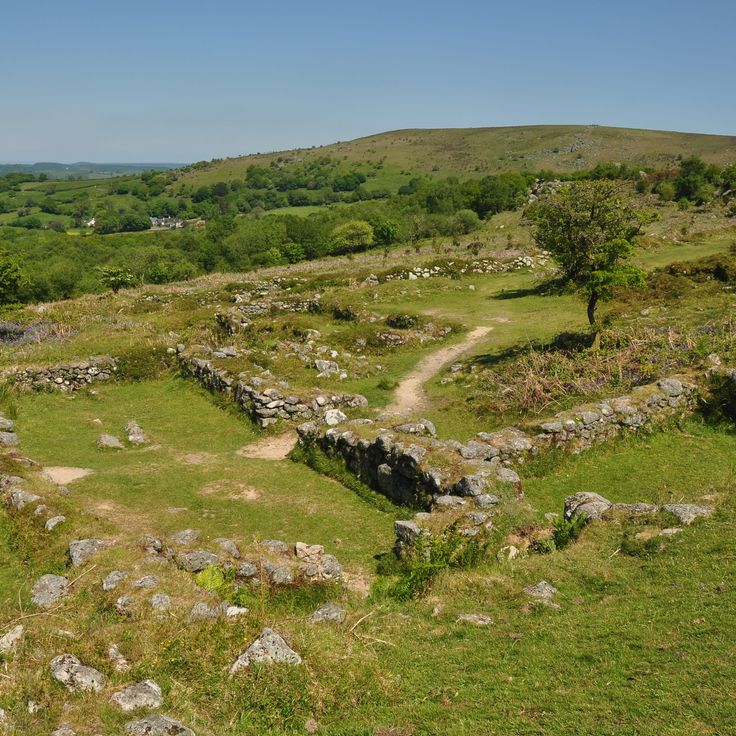
Hound Tor Medieval Village reveals the stone foundations of four longhouses with their barns. This settlement stood here until the 14th-century plague. The remains sit on a hillside in Dartmoor and give an understanding of life in a medieval farming community. You can still see the rooms where people and animals lived under one roof, along with the farm buildings. The site was abandoned in the 13th century, probably due to poor harvests and disease.
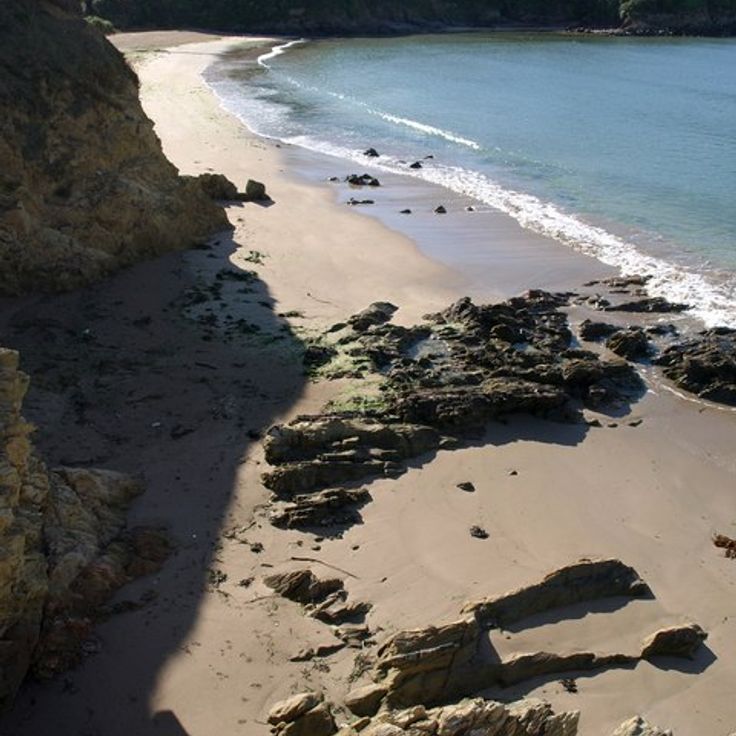
This sand and shingle beach sits in a sheltered position near the Erme estuary and forms part of Devon's natural coastal landscapes. Families from the area come here for swimming and water sports. The beach offers direct access to calm water and remains away from larger tourist flows.
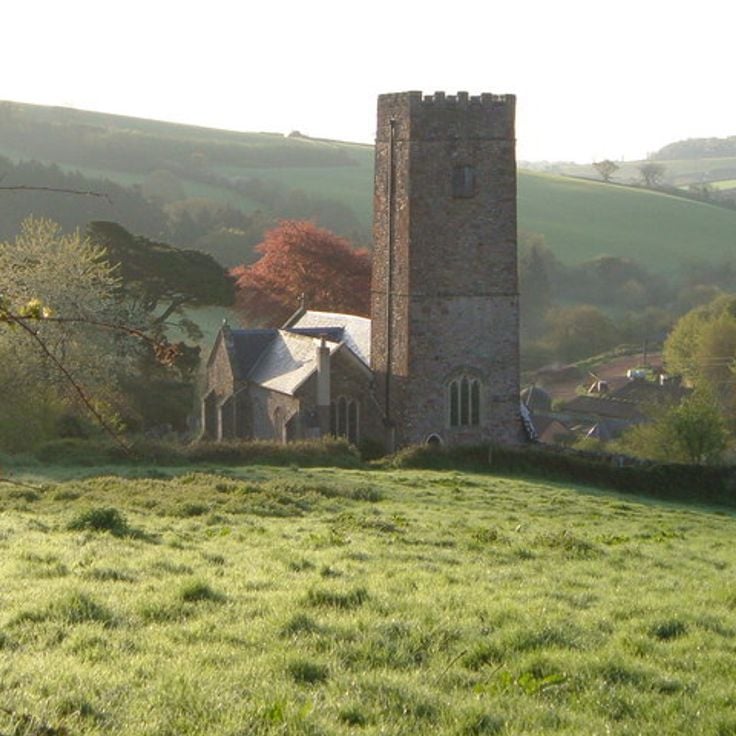
This stone church dates from medieval times and its bell tower, around 128 feet tall, can be seen from far across the valley. Inside there are Norman arches, carved stonework and colored glass windows. St Nectan's Church is one of the historical sites in Devon that continues to shape the character of the region today.
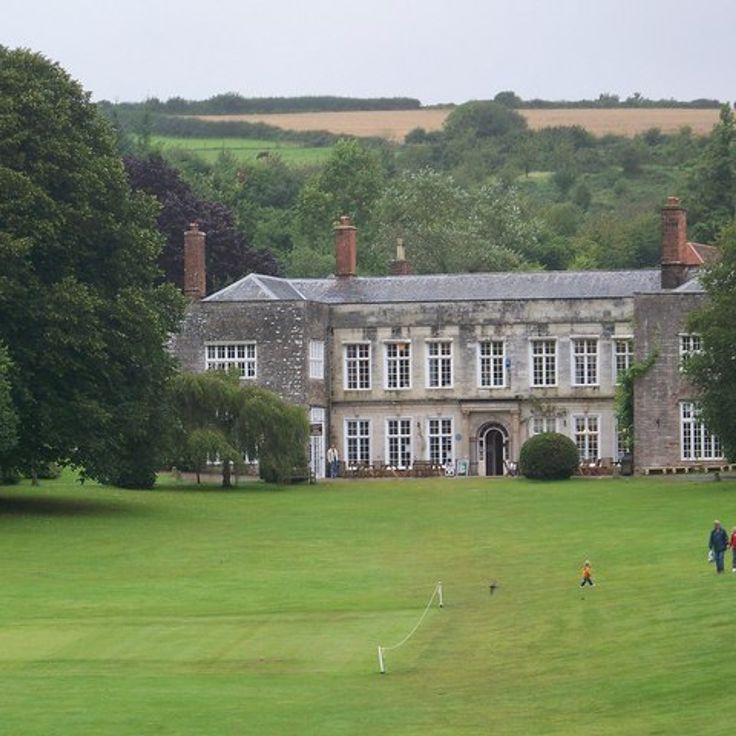
This Tudor manor house stands among the historical sites and natural landscapes of Devon, now home to art galleries and craft workshops. The grounds of Cockington Court include formal gardens, a rose garden, and an arboretum. The building dates from the 16th century and has been expanded over time. The workshops display traditional crafts such as pottery, glasswork, and metalworking. Visitors can walk through the garden areas and discover the collection of native and exotic trees.
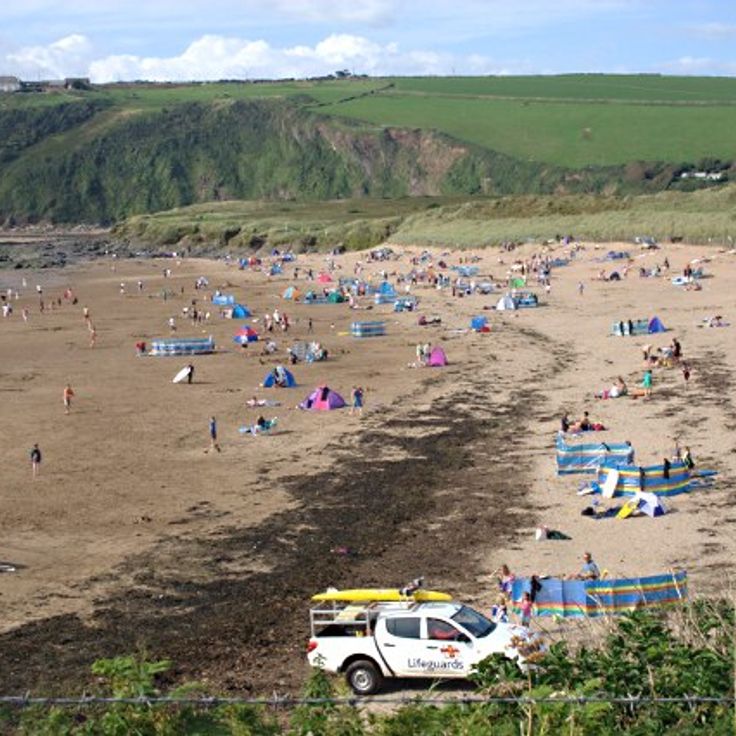
This sandy beach offers regular waves for surfing. The beach looks out over Burgh Island and provides views across Bigbury Bay. Fog often rolls in from the water in the morning, while the tides reshape the shoreline twice daily, exposing or covering broad expanses of sand. Swimmers and surfers share the water, and the number of visitors changes considerably with the seasons. Paths through dunes and low vegetation lead inland to parking areas and small settlements.
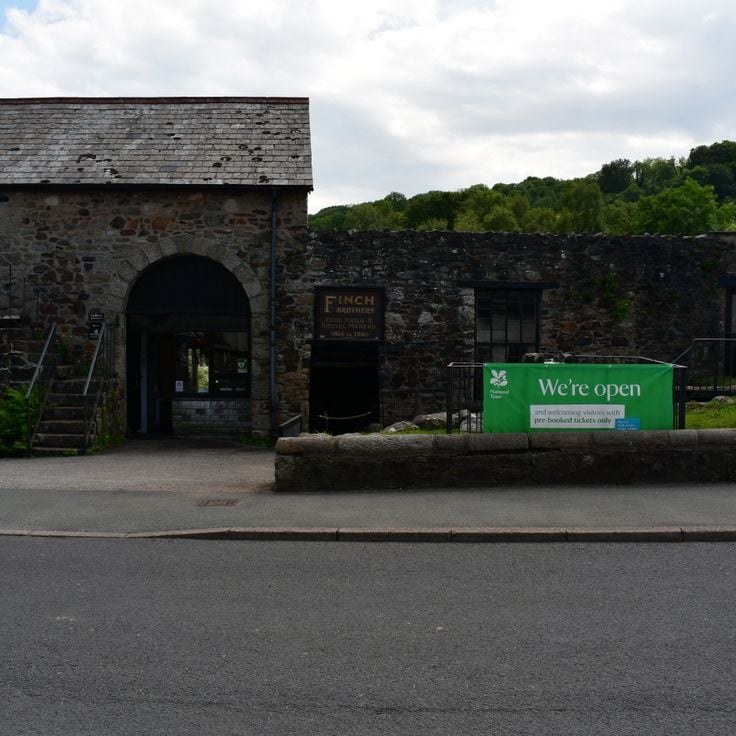
This water-powered workshop from 1814 shows the original tools and machinery used for metalworking during the 19th century, illustrating Devon's industrial past in a rural setting that has remained intact to this day.
This historical railway line runs steam trains along the South Devon coast between Paignton and Kingswear. The route follows the Torbay shoreline and offers views of the sea and the Dart estuary. Trains pass through wooded sections and small settlements. The terminus sits across from Dartmouth, reachable by ferry. The railway was built in the mid-19th century and now operates as a heritage line. Passengers travel in restored carriages and experience steam operations as they were over a century ago.
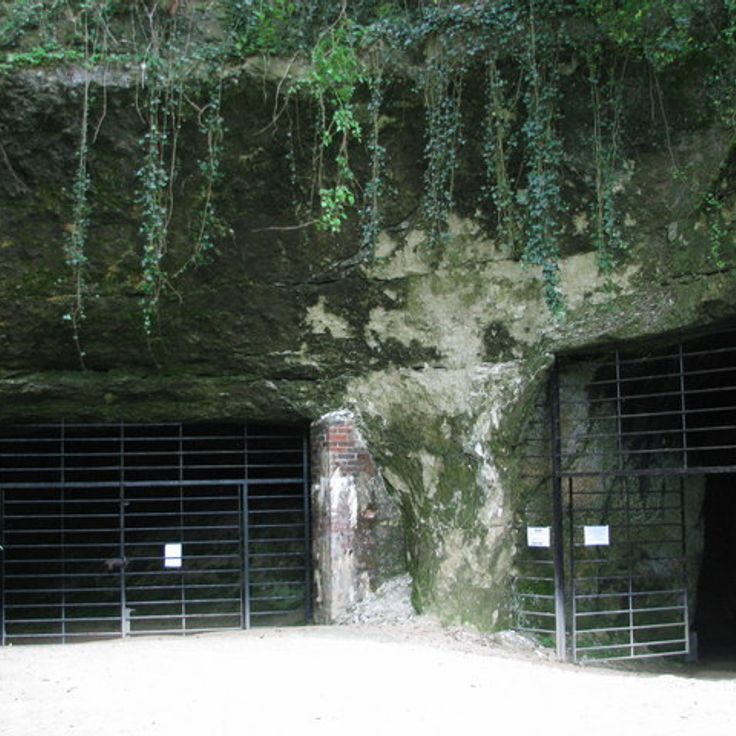
These underground limestone caves at Beer served as a quarry for centuries. The tunnels branch across several levels and lead through chambers where builders extracted stone since Roman times. The material quarried here was shipped to London for St Paul's Cathedral and Westminster Abbey. The temperature stays cool year-round, walls show tool marks, and in some places stalactites grow. Visitors walk through lit sections where the structures of old quarrying work remain visible today.
This waterfall drops around forty feet over rocks into a pool near the harbor and is part of the natural features surrounding Clovelly. The path to reach it follows a woodland trail from the village. Water flows year-round, though the volume changes with the seasons. The area is overgrown with trees and ferns, and the sound of falling water accompanies the walk. Visitors come here to step away from the bustle of the harbor, and some just sit by the edge and watch the water. The waterfall is part of the landscape that makes Devon known for its mix of history and natural sites.
This small oak forest at 1,300 feet (400 meters) elevation shows gnarled trees growing between granite boulders draped in thick green moss. Wistman's Wood sits in Dartmoor among some of the oldest woodlands in the region. The low oaks form twisted shapes between the stones while lichens and mosses cover the branches. Visitors walk through a forest that creates a particular mood through its closeness and the muted light. The trees here have grown for centuries.
This valley formed during the ice age and lies along the coastline near Lynton and Lynmouth. The vertical cliff faces and rock formations show the force of geological processes that shaped Devon. Walkers follow the coastal path between the raw stone faces, while wild goats graze the slopes and the sea breaks against the cliffs.
This Tudor style manor from the 1920s sits near the North Teign River within a 107 acre (43 hectares) wooded estate. The property near Chagford combines period architecture with the natural landscape of Dartmoor. Its location provides access to the ancient woodlands and river valleys that define this part of Devon.
Clovelly Village is a historic fishing village on the Devon coast, built on a cliff roughly 400 feet high (120 meters). The cobbled main street slopes down steeply and is open only to walkers. Stone houses line the narrow lane leading to the harbor. Residents move goods by sledge, as no vehicles are allowed. This place is privately managed by a family and shows the traditional architecture and way of life of the region.
This sand and shingle beach sits in a sheltered cove in South Devon, reached by a National Trust footpath that descends through wooded slopes. Red sandstone cliffs frame the bay and form natural pools at low tide. The water is clear and calm, protected from open swells by rock outcrops on either side. Access comes through private land with restricted opening times during summer months. Few visitors make the trip here because there is no parking at the beach itself. You walk across fields and through woodland, about 20 minutes from the nearest car park. The cove shows as a narrow strip at high tide, while low tide opens more sand for walking and exploring rock formations.
This stone fortress from the 11th century stands on a hill above the town. The circular keep rises in its original form today and offers a view over the River Dart and the surrounding Devon landscape. The castle was built after the Norman conquest and is one of the best preserved mottes in England. The ramparts and ditches still surround the structure and show the medieval defensive architecture. Visitors can walk along the walls and explore the historic site.
This 15th-century ruin combines medieval fortifications with a later Tudor mansion. The stone walls of Berry Pomeroy Castle rise among dense forest and show different building phases: first a Norman stronghold, then a grand residence. Visitors can walk through the remains of living quarters, climb the towers, and look out over the wooded valley that surrounds the site.
This waterfall in North Devon drops about 160 feet (48 meters) over dark rock to the beach below. The water flows through a narrow gorge and reaches a small cove facing the Atlantic. The site sits close to the South West Coast Path, a walking route that follows the coastline. At low tide, you can step onto the beach and see the waterfall from the bottom. The cliffs are steep and often wrapped in mist. Access is by a steep path that leads through fields and scrubland.
This natural stone arch stands on a quiet beach and rises from the sand. Blackchurch Rock has two openings that let the sea show through and reaches about 75 feet (23 meters) in height. The stone shows different shades when the light changes during the day. At low tide you can walk closer to the arch and see the layers and shapes formed by wind and water over time.
This garden near Great Torrington covers 65 acres (26 hectares) and combines formal beds with looser plantings. Old trees stand beside rose collections, and each season brings different flowers into bloom. Visitors can walk between borders, retreat to quieter corners, or join guided talks that explain how plants grow and are cared for. Paths lead through separate garden rooms, and the palette of colors and shapes shifts as the year turns.
Hallsands Beach marks the place where a fishing village stood until the sea destroyed it in 1917. Gravel extraction from the seabed caused rapid erosion, and the houses fell into the water one by one. You can see the ruins from a coastal path above, where stone walls emerge between rocks at low tide. The beach itself remains steep and narrow, mostly covered with pebbles. At high tide, the water reaches almost to the base of the cliffs. A viewing platform offers a direct view over the ruins and the shoreline.
This Georgian house from 1743 stands among the historic manor houses that Devon preserves. Saltram House displays furniture from its era and original artwork throughout the rooms. The painted ceilings reflect the style of the 18th century. The gardens around the house contain an orangery and decorative structures. The estate sits in a landscape with views toward the river.
This 19th century estate sits near Barnstaple and forms part of the historical sites that shape Devon. Arlington Court includes a Victorian mansion where rooms remain arranged as they were lived in during the 1800s. Inside is a collection of carriages and other vehicles once pulled by horses. Gardens spread around the house, with paths leading through meadows and patches of woodland. Fallow deer roam the park and can often be seen up close. A lake and a stream run through the grounds. There are walking trails that lead to quiet corners where you can sit on benches and take in the surroundings.
This medieval manor house retains its great hall, chapel and original kitchen. The rooms feature timber ceilings and stone floors that show building methods from the 15th century. Gardens and woodland accompany the property along the River Lemon. Stone walls and old trees surround the grounds. Bradley Manor is among the historical buildings in Devon that offer glimpses into past centuries of daily life.
This fortress sits above the West Okement River and was built between 1068 and 1086. The stone keep and defensive walls of Okehampton Castle belong to the early Norman fortifications in Devon. Visitors can walk through the ruins and see how the position overlooks the valley. The structure shows how Norman rulers held control over the area, with walls still standing on the hillside.
This former Cistercian abbey from the 13th century was converted into a residence in 1541, blending Tudor architecture with earlier monastic features. Buckland Abbey sits among rolling hills and open fields, surrounded by old stone walls and maintained gardens. The tower of the original church still stands, while the interiors show wooden ceilings, leaded windows, and wide fireplaces. Inside you will find paintings, period furniture, and traces of past residents, including a famous seafarer from the 16th century. The stables and outbuildings remain, giving a sense of life on a Devon estate through the centuries.
Devon's Granite Castle was built between 1911 and 1930, and stands at 900 feet (275 meters) above sea level overlooking the Teign Valley and Dartmoor hills. This castle combines Norman architectural elements with early 20th century craftsmanship, using local granite for its massive walls and towers. From the battlements, visitors see the wooded valley and open moorlands stretching to the horizon. Construction took nearly two decades and showcases detailed stonework in arches, windows, and crenellations, while interior spaces preserve oak beams and carved fireplaces.
This gorge ranks among the most impressive natural formations in Devon, carved by the River Lyd. The river has cut deep channels into volcanic rock over thousands of years. Visitors follow a narrow path that winds along the gorge edge, past moss-covered boulders and through dense woodland. Water flows far below through tight passages, sometimes calm, sometimes rushing over rocks. The White Lady waterfall drops over dark cliff faces, sending up fine spray. In some places the gorge narrows so much you could almost reach across to the opposite wall. The path leads over wooden walkways and bridges built into the rock face. On rainy days the trail becomes slippery, and the water swells. The air stays cool and damp, even in summer. This gorge sits near the village of Lydford and belongs to an estate that once belonged to an old family.
This beach sits between two limestone cliffs and shows mostly pebbles and stones. At low tide the shore grows wider and reveals rock formations. The sea shapes a natural cove here that becomes narrower when the tide comes in. The cliffs frame the beach and shelter it from strong winds. Visitors find a rough coastal landscape typical of the region. The ground is almost entirely made of smooth and angular stones that make walking difficult.
This stone crossing dates from 1000 BC. The bridge spans the River Barle using large stone slabs resting on 17 arches. It measures about 180 feet (55 meters) in length. This medieval crossing sits in a rural part of Devon and shows how people in earlier times crossed rivers without mortar or modern tools. The structure fits into the Exmoor landscape and is still used by walkers today.
This fortified manor house dates back to the 11th century and sits on the banks of the Exe. The rooms preserve the feel of different periods, from the medieval tower to later additions. Visitors see the great hall with its timber beams, a chapel with old wall paintings, and rooms furnished with pieces and objects from past centuries. The gardens lead down to the river, where the defensive walls once stood. Bickleigh Castle shows how Norman buildings were reshaped over time into homes, while the thick stone walls and small windows still recall their original purpose.
This sea arch stands offshore from the beach in South Devon. Tidal currents have carved through the rock over millions of years, leaving a hollow passage in the stone. The name comes from an Old English word meaning pierced rock. At low tide you can walk across the sand and approach the base. Water rushes through the opening as waves pass. Gulls circle above the peak. The cliffs behind are made of slate and sandstone. Walkers follow the coastal path above the bay. People fish from the shore. The light changes throughout the day depending on weather and tide. During storms, waves crash against the arch.
This coastal headland in South Devon marks the southernmost point of the region and offers granite cliffs, a nineteenth-century coastguard station, and several walking routes along the clifftops. Prawle Point is a place where the open sea meets rugged rock formations, while walkers follow paths that wind through grassland and along the edges of the cliffs. The station once monitored shipping traffic, and today visitors come here to take in the views and experience the raw beauty of the shoreline.
Hound Tor Medieval Village reveals the stone foundations of four longhouses with their barns. This settlement stood here until the 14th-century plague. The remains sit on a hillside in Dartmoor and give an understanding of life in a medieval farming community. You can still see the rooms where people and animals lived under one roof, along with the farm buildings. The site was abandoned in the 13th century, probably due to poor harvests and disease.
This sand and shingle beach sits in a sheltered position near the Erme estuary and forms part of Devon's natural coastal landscapes. Families from the area come here for swimming and water sports. The beach offers direct access to calm water and remains away from larger tourist flows.
This stone church dates from medieval times and its bell tower, around 128 feet tall, can be seen from far across the valley. Inside there are Norman arches, carved stonework and colored glass windows. St Nectan's Church is one of the historical sites in Devon that continues to shape the character of the region today.
This Tudor manor house stands among the historical sites and natural landscapes of Devon, now home to art galleries and craft workshops. The grounds of Cockington Court include formal gardens, a rose garden, and an arboretum. The building dates from the 16th century and has been expanded over time. The workshops display traditional crafts such as pottery, glasswork, and metalworking. Visitors can walk through the garden areas and discover the collection of native and exotic trees.
This sandy beach offers regular waves for surfing. The beach looks out over Burgh Island and provides views across Bigbury Bay. Fog often rolls in from the water in the morning, while the tides reshape the shoreline twice daily, exposing or covering broad expanses of sand. Swimmers and surfers share the water, and the number of visitors changes considerably with the seasons. Paths through dunes and low vegetation lead inland to parking areas and small settlements.
This water-powered workshop from 1814 shows the original tools and machinery used for metalworking during the 19th century, illustrating Devon's industrial past in a rural setting that has remained intact to this day.
This historical railway line runs steam trains along the South Devon coast between Paignton and Kingswear. The route follows the Torbay shoreline and offers views of the sea and the Dart estuary. Trains pass through wooded sections and small settlements. The terminus sits across from Dartmouth, reachable by ferry. The railway was built in the mid-19th century and now operates as a heritage line. Passengers travel in restored carriages and experience steam operations as they were over a century ago.
These underground limestone caves at Beer served as a quarry for centuries. The tunnels branch across several levels and lead through chambers where builders extracted stone since Roman times. The material quarried here was shipped to London for St Paul's Cathedral and Westminster Abbey. The temperature stays cool year-round, walls show tool marks, and in some places stalactites grow. Visitors walk through lit sections where the structures of old quarrying work remain visible today.
This waterfall drops around forty feet over rocks into a pool near the harbor and is part of the natural features surrounding Clovelly. The path to reach it follows a woodland trail from the village. Water flows year-round, though the volume changes with the seasons. The area is overgrown with trees and ferns, and the sound of falling water accompanies the walk. Visitors come here to step away from the bustle of the harbor, and some just sit by the edge and watch the water. The waterfall is part of the landscape that makes Devon known for its mix of history and natural sites.
This small oak forest at 1,300 feet (400 meters) elevation shows gnarled trees growing between granite boulders draped in thick green moss. Wistman's Wood sits in Dartmoor among some of the oldest woodlands in the region. The low oaks form twisted shapes between the stones while lichens and mosses cover the branches. Visitors walk through a forest that creates a particular mood through its closeness and the muted light. The trees here have grown for centuries.
This valley formed during the ice age and lies along the coastline near Lynton and Lynmouth. The vertical cliff faces and rock formations show the force of geological processes that shaped Devon. Walkers follow the coastal path between the raw stone faces, while wild goats graze the slopes and the sea breaks against the cliffs.
This Tudor style manor from the 1920s sits near the North Teign River within a 107 acre (43 hectares) wooded estate. The property near Chagford combines period architecture with the natural landscape of Dartmoor. Its location provides access to the ancient woodlands and river valleys that define this part of Devon.
Clovelly Village is a historic fishing village on the Devon coast, built on a cliff roughly 400 feet high (120 meters). The cobbled main street slopes down steeply and is open only to walkers. Stone houses line the narrow lane leading to the harbor. Residents move goods by sledge, as no vehicles are allowed. This place is privately managed by a family and shows the traditional architecture and way of life of the region.
This sand and shingle beach sits in a sheltered cove in South Devon, reached by a National Trust footpath that descends through wooded slopes. Red sandstone cliffs frame the bay and form natural pools at low tide. The water is clear and calm, protected from open swells by rock outcrops on either side. Access comes through private land with restricted opening times during summer months. Few visitors make the trip here because there is no parking at the beach itself. You walk across fields and through woodland, about 20 minutes from the nearest car park. The cove shows as a narrow strip at high tide, while low tide opens more sand for walking and exploring rock formations.
This stone fortress from the 11th century stands on a hill above the town. The circular keep rises in its original form today and offers a view over the River Dart and the surrounding Devon landscape. The castle was built after the Norman conquest and is one of the best preserved mottes in England. The ramparts and ditches still surround the structure and show the medieval defensive architecture. Visitors can walk along the walls and explore the historic site.
This 15th-century ruin combines medieval fortifications with a later Tudor mansion. The stone walls of Berry Pomeroy Castle rise among dense forest and show different building phases: first a Norman stronghold, then a grand residence. Visitors can walk through the remains of living quarters, climb the towers, and look out over the wooded valley that surrounds the site.
This waterfall in North Devon drops about 160 feet (48 meters) over dark rock to the beach below. The water flows through a narrow gorge and reaches a small cove facing the Atlantic. The site sits close to the South West Coast Path, a walking route that follows the coastline. At low tide, you can step onto the beach and see the waterfall from the bottom. The cliffs are steep and often wrapped in mist. Access is by a steep path that leads through fields and scrubland.
This natural stone arch stands on a quiet beach and rises from the sand. Blackchurch Rock has two openings that let the sea show through and reaches about 75 feet (23 meters) in height. The stone shows different shades when the light changes during the day. At low tide you can walk closer to the arch and see the layers and shapes formed by wind and water over time.
This garden near Great Torrington covers 65 acres (26 hectares) and combines formal beds with looser plantings. Old trees stand beside rose collections, and each season brings different flowers into bloom. Visitors can walk between borders, retreat to quieter corners, or join guided talks that explain how plants grow and are cared for. Paths lead through separate garden rooms, and the palette of colors and shapes shifts as the year turns.
Hallsands Beach marks the place where a fishing village stood until the sea destroyed it in 1917. Gravel extraction from the seabed caused rapid erosion, and the houses fell into the water one by one. You can see the ruins from a coastal path above, where stone walls emerge between rocks at low tide. The beach itself remains steep and narrow, mostly covered with pebbles. At high tide, the water reaches almost to the base of the cliffs. A viewing platform offers a direct view over the ruins and the shoreline.
This Georgian house from 1743 stands among the historic manor houses that Devon preserves. Saltram House displays furniture from its era and original artwork throughout the rooms. The painted ceilings reflect the style of the 18th century. The gardens around the house contain an orangery and decorative structures. The estate sits in a landscape with views toward the river.
This 19th century estate sits near Barnstaple and forms part of the historical sites that shape Devon. Arlington Court includes a Victorian mansion where rooms remain arranged as they were lived in during the 1800s. Inside is a collection of carriages and other vehicles once pulled by horses. Gardens spread around the house, with paths leading through meadows and patches of woodland. Fallow deer roam the park and can often be seen up close. A lake and a stream run through the grounds. There are walking trails that lead to quiet corners where you can sit on benches and take in the surroundings.
This medieval manor house retains its great hall, chapel and original kitchen. The rooms feature timber ceilings and stone floors that show building methods from the 15th century. Gardens and woodland accompany the property along the River Lemon. Stone walls and old trees surround the grounds. Bradley Manor is among the historical buildings in Devon that offer glimpses into past centuries of daily life.
This fortress sits above the West Okement River and was built between 1068 and 1086. The stone keep and defensive walls of Okehampton Castle belong to the early Norman fortifications in Devon. Visitors can walk through the ruins and see how the position overlooks the valley. The structure shows how Norman rulers held control over the area, with walls still standing on the hillside.
This former Cistercian abbey from the 13th century was converted into a residence in 1541, blending Tudor architecture with earlier monastic features. Buckland Abbey sits among rolling hills and open fields, surrounded by old stone walls and maintained gardens. The tower of the original church still stands, while the interiors show wooden ceilings, leaded windows, and wide fireplaces. Inside you will find paintings, period furniture, and traces of past residents, including a famous seafarer from the 16th century. The stables and outbuildings remain, giving a sense of life on a Devon estate through the centuries.
Devon's Granite Castle was built between 1911 and 1930, and stands at 900 feet (275 meters) above sea level overlooking the Teign Valley and Dartmoor hills. This castle combines Norman architectural elements with early 20th century craftsmanship, using local granite for its massive walls and towers. From the battlements, visitors see the wooded valley and open moorlands stretching to the horizon. Construction took nearly two decades and showcases detailed stonework in arches, windows, and crenellations, while interior spaces preserve oak beams and carved fireplaces.
This gorge ranks among the most impressive natural formations in Devon, carved by the River Lyd. The river has cut deep channels into volcanic rock over thousands of years. Visitors follow a narrow path that winds along the gorge edge, past moss-covered boulders and through dense woodland. Water flows far below through tight passages, sometimes calm, sometimes rushing over rocks. The White Lady waterfall drops over dark cliff faces, sending up fine spray. In some places the gorge narrows so much you could almost reach across to the opposite wall. The path leads over wooden walkways and bridges built into the rock face. On rainy days the trail becomes slippery, and the water swells. The air stays cool and damp, even in summer. This gorge sits near the village of Lydford and belongs to an estate that once belonged to an old family.
This beach sits between two limestone cliffs and shows mostly pebbles and stones. At low tide the shore grows wider and reveals rock formations. The sea shapes a natural cove here that becomes narrower when the tide comes in. The cliffs frame the beach and shelter it from strong winds. Visitors find a rough coastal landscape typical of the region. The ground is almost entirely made of smooth and angular stones that make walking difficult.
This stone crossing dates from 1000 BC. The bridge spans the River Barle using large stone slabs resting on 17 arches. It measures about 180 feet (55 meters) in length. This medieval crossing sits in a rural part of Devon and shows how people in earlier times crossed rivers without mortar or modern tools. The structure fits into the Exmoor landscape and is still used by walkers today.
This fortified manor house dates back to the 11th century and sits on the banks of the Exe. The rooms preserve the feel of different periods, from the medieval tower to later additions. Visitors see the great hall with its timber beams, a chapel with old wall paintings, and rooms furnished with pieces and objects from past centuries. The gardens lead down to the river, where the defensive walls once stood. Bickleigh Castle shows how Norman buildings were reshaped over time into homes, while the thick stone walls and small windows still recall their original purpose.
This sea arch stands offshore from the beach in South Devon. Tidal currents have carved through the rock over millions of years, leaving a hollow passage in the stone. The name comes from an Old English word meaning pierced rock. At low tide you can walk across the sand and approach the base. Water rushes through the opening as waves pass. Gulls circle above the peak. The cliffs behind are made of slate and sandstone. Walkers follow the coastal path above the bay. People fish from the shore. The light changes throughout the day depending on weather and tide. During storms, waves crash against the arch.
This coastal headland in South Devon marks the southernmost point of the region and offers granite cliffs, a nineteenth-century coastguard station, and several walking routes along the clifftops. Prawle Point is a place where the open sea meets rugged rock formations, while walkers follow paths that wind through grassland and along the edges of the cliffs. The station once monitored shipping traffic, and today visitors come here to take in the views and experience the raw beauty of the shoreline.
Hound Tor Medieval Village reveals the stone foundations of four longhouses with their barns. This settlement stood here until the 14th-century plague. The remains sit on a hillside in Dartmoor and give an understanding of life in a medieval farming community. You can still see the rooms where people and animals lived under one roof, along with the farm buildings. The site was abandoned in the 13th century, probably due to poor harvests and disease.
This sand and shingle beach sits in a sheltered position near the Erme estuary and forms part of Devon's natural coastal landscapes. Families from the area come here for swimming and water sports. The beach offers direct access to calm water and remains away from larger tourist flows.
This stone church dates from medieval times and its bell tower, around 128 feet tall, can be seen from far across the valley. Inside there are Norman arches, carved stonework and colored glass windows. St Nectan's Church is one of the historical sites in Devon that continues to shape the character of the region today.
This Tudor manor house stands among the historical sites and natural landscapes of Devon, now home to art galleries and craft workshops. The grounds of Cockington Court include formal gardens, a rose garden, and an arboretum. The building dates from the 16th century and has been expanded over time. The workshops display traditional crafts such as pottery, glasswork, and metalworking. Visitors can walk through the garden areas and discover the collection of native and exotic trees.
This sandy beach offers regular waves for surfing. The beach looks out over Burgh Island and provides views across Bigbury Bay. Fog often rolls in from the water in the morning, while the tides reshape the shoreline twice daily, exposing or covering broad expanses of sand. Swimmers and surfers share the water, and the number of visitors changes considerably with the seasons. Paths through dunes and low vegetation lead inland to parking areas and small settlements.
This water-powered workshop from 1814 shows the original tools and machinery used for metalworking during the 19th century, illustrating Devon's industrial past in a rural setting that has remained intact to this day.
This historical railway line runs steam trains along the South Devon coast between Paignton and Kingswear. The route follows the Torbay shoreline and offers views of the sea and the Dart estuary. Trains pass through wooded sections and small settlements. The terminus sits across from Dartmouth, reachable by ferry. The railway was built in the mid-19th century and now operates as a heritage line. Passengers travel in restored carriages and experience steam operations as they were over a century ago.
These underground limestone caves at Beer served as a quarry for centuries. The tunnels branch across several levels and lead through chambers where builders extracted stone since Roman times. The material quarried here was shipped to London for St Paul's Cathedral and Westminster Abbey. The temperature stays cool year-round, walls show tool marks, and in some places stalactites grow. Visitors walk through lit sections where the structures of old quarrying work remain visible today.
This waterfall drops around forty feet over rocks into a pool near the harbor and is part of the natural features surrounding Clovelly. The path to reach it follows a woodland trail from the village. Water flows year-round, though the volume changes with the seasons. The area is overgrown with trees and ferns, and the sound of falling water accompanies the walk. Visitors come here to step away from the bustle of the harbor, and some just sit by the edge and watch the water. The waterfall is part of the landscape that makes Devon known for its mix of history and natural sites.