See the monuments around you in AROpen chests in the app
Around Us is built for your phone — point your camera at the streets and discover the monuments and places around you in augmented reality.Around Us is built for your phone — chests unlock when you walk, explore and capture nearby places.
French Riviera: hilltop villages, historic forts, museums
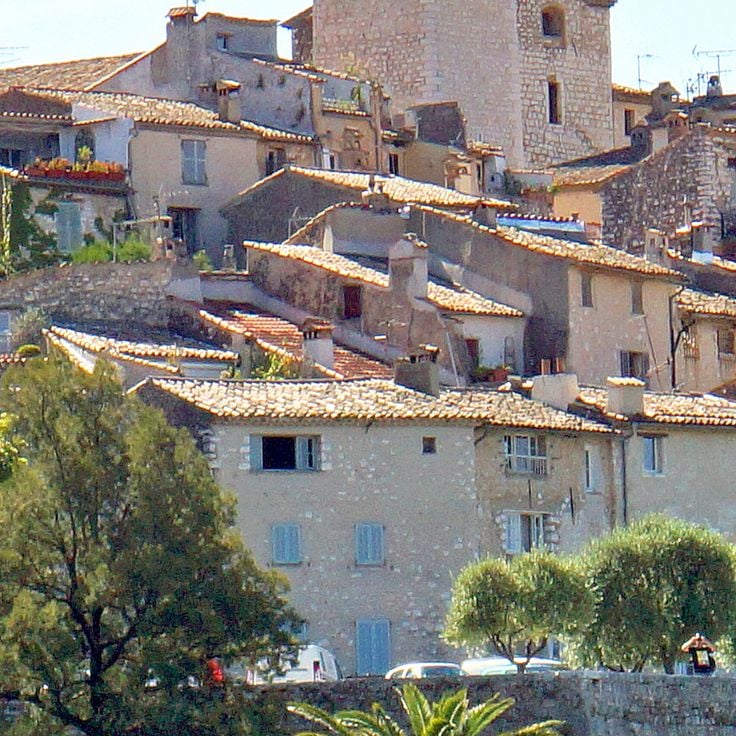
The French Riviera offers numerous sites beyond the main tourist routes. Medieval hilltop villages such as Èze and Saint-Paul de Vence perch above the coast, while historic fortifications like Fort Carré in Antibes preserve the region's maritime past. Villa Ephrussi de Rothschild on Saint-Jean-Cap-Ferrat and Château Grimaldi in Cagnes-sur-Mer display architectural styles from different eras.
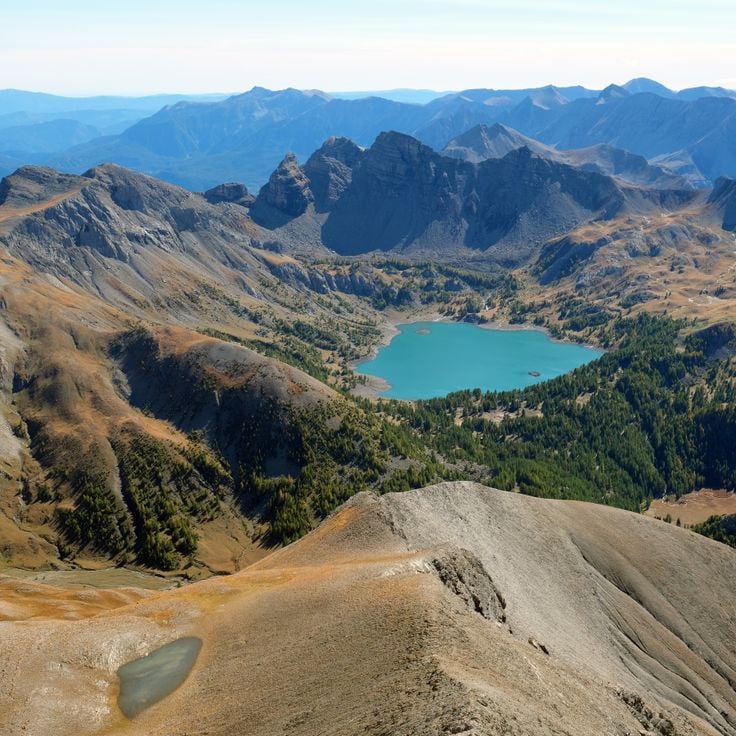
The region extends from the coastline to the backcountry. The Îles de Lérins off Cannes are accessible by ferry, Col de la Bonette reaches 9,193 feet (2,802 meters) elevation, and Vallée des Merveilles in the Mercantour preserves prehistoric rock carvings. Hiking trails cross Parc national du Mercantour and follow the coast at Cap d'Ail. The Gorges du Verdon to the north form one of Europe's deepest canyons.
Museums in Nice focus on Marc Chagall, Henri Matisse and Asian art. The Musée de la Mer on Île Sainte-Marguerite documents the island fortress's history. Smaller towns like Tourrettes-sur-Loup and Le Cannet lie a few miles from the coastal cities. Lac de Saint-Cassien near Montauroux provides water sports in a rural setting.
French Riviera: hilltop villages, historic forts, museums
The French Riviera offers numerous sites beyond the main tourist routes. Medieval hilltop villages such as Èze and Saint-Paul de Vence perch above the coast, while historic fortifications like Fort Carré in Antibes preserve the region's maritime past. Villa Ephrussi de Rothschild on Saint-Jean-Cap-Ferrat and Château Grimaldi in Cagnes-sur-Mer display architectural styles from different eras.
The region extends from the coastline to the backcountry. The Îles de Lérins off Cannes are accessible by ferry, Col de la Bonette reaches 9,193 feet (2,802 meters) elevation, and Vallée des Merveilles in the Mercantour preserves prehistoric rock carvings. Hiking trails cross Parc national du Mercantour and follow the coast at Cap d'Ail. The Gorges du Verdon to the north form one of Europe's deepest canyons.
Museums in Nice focus on Marc Chagall, Henri Matisse and Asian art. The Musée de la Mer on Île Sainte-Marguerite documents the island fortress's history. Smaller towns like Tourrettes-sur-Loup and Le Cannet lie a few miles from the coastal cities. Lac de Saint-Cassien near Montauroux provides water sports in a rural setting.
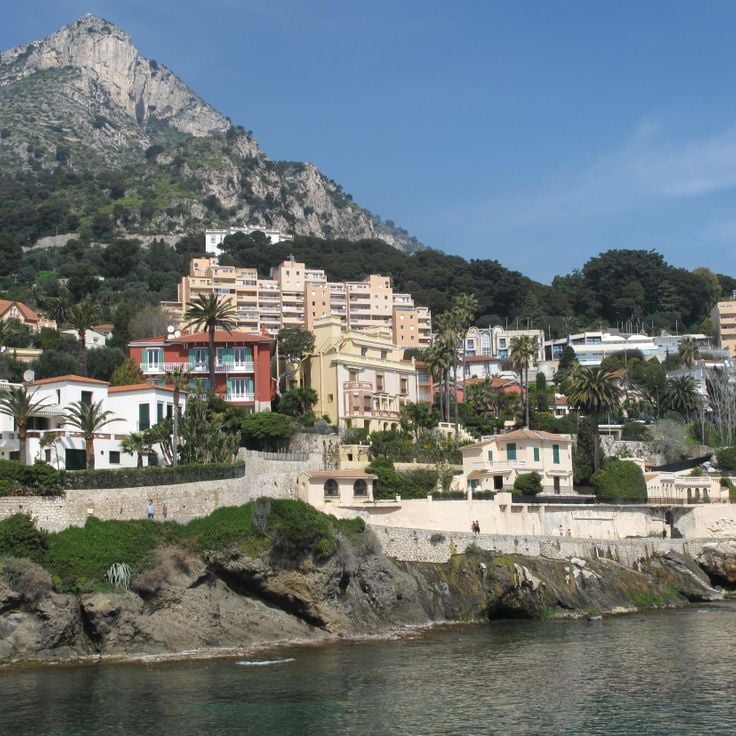
This coastal path starts near the port of Cap d'Ail and follows the shoreline for 2 miles (3 kilometers) to Mala Beach. The promenade runs between rocky cliffs and the sea, offering views of the Mediterranean coast and Monaco in the distance. The trail connects several small coves and provides access to swimming spots along the route.
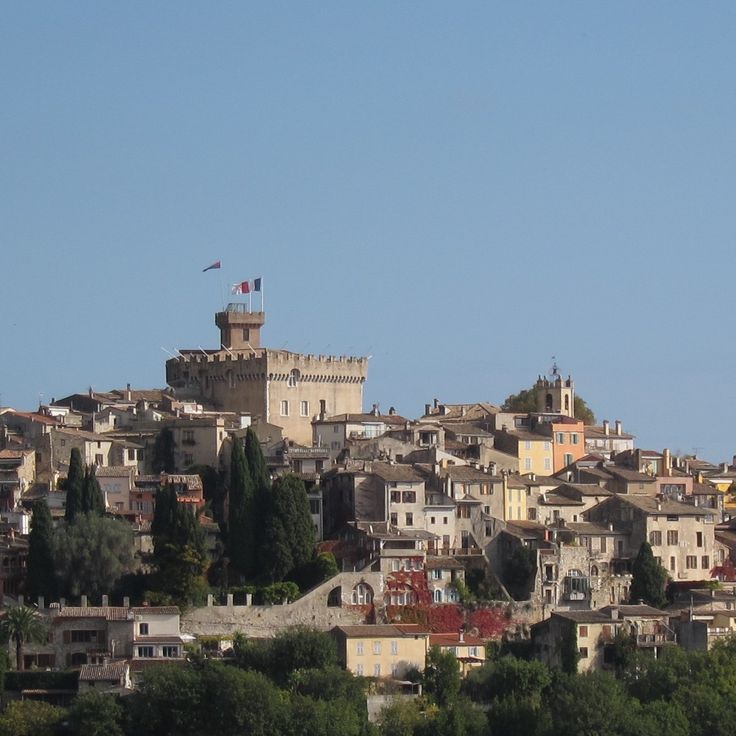
The Château Grimaldi in Cagnes-sur-Mer is a 14th-century medieval fortress housing a museum dedicated to olive cultivation and a collection of modern art. The courtyard hosts exhibitions by regional artists. The castle provides insight into the area's history and the agricultural and artistic traditions that have shaped the Côte d'Azur over the centuries.
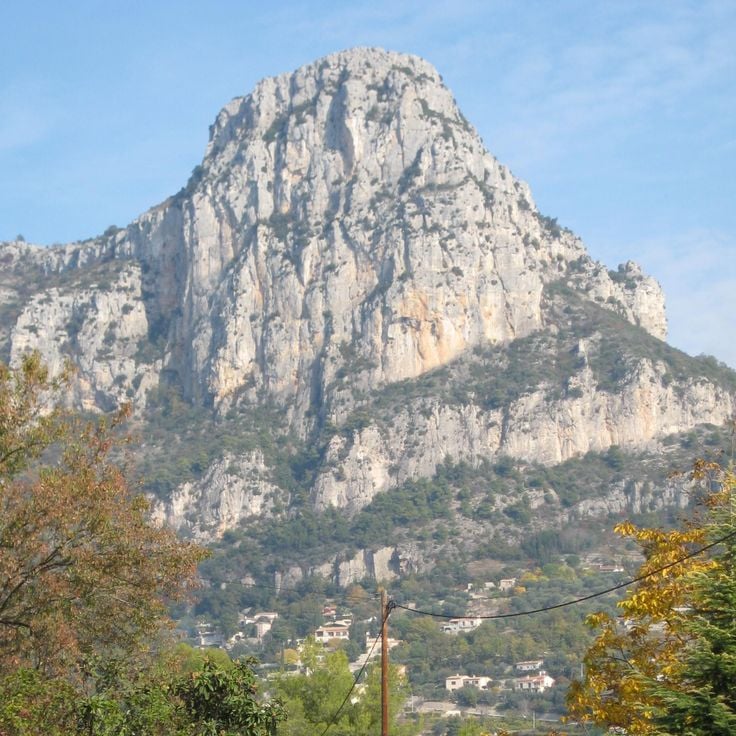
This limestone cliff rises 800 meters above sea level and offers climbing routes of varying difficulty along with hiking trails that provide views across the coastline and Var Valley. The Baou de Saint-Jeannet stands above the village of the same name and attracts climbers and hikers year-round. Several marked trails lead to the summit, from where the Alpes-Maritimes and Mediterranean Sea stretch into the distance. The rock face reaches 650 feet (200 meters) in height at certain sections and features more than 150 established climbing routes.
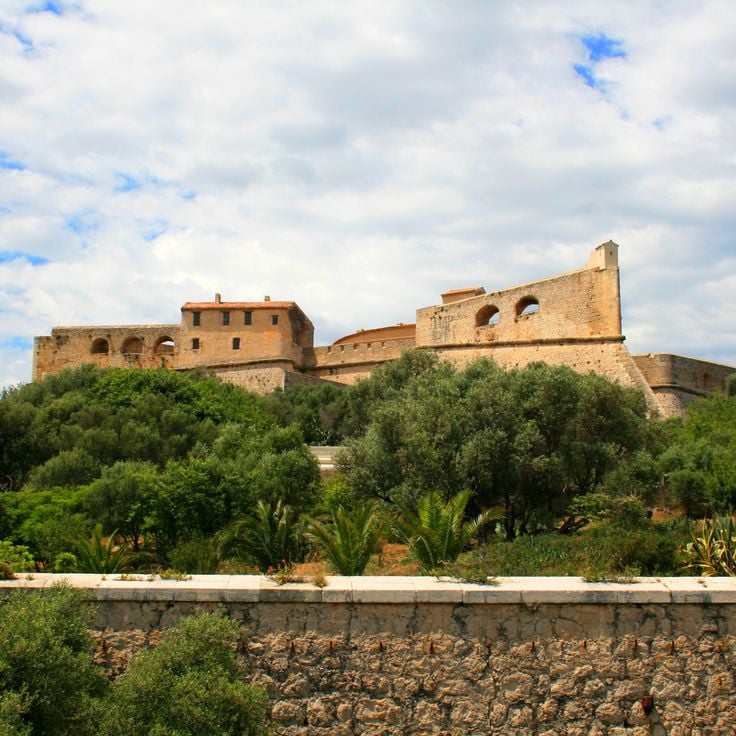
This 16th-century fortress sits on a peninsula at the eastern edge of Antibes. Its four bastions form a star-shaped layout and provide a full circular view of the Bay of Antibes, Cap d'Antibes and the surrounding coastline. The structure once defended against seaborne attacks and now houses exhibitions about its military history. Visitors reach the fort through a steep climb from Port Vauban harbor.
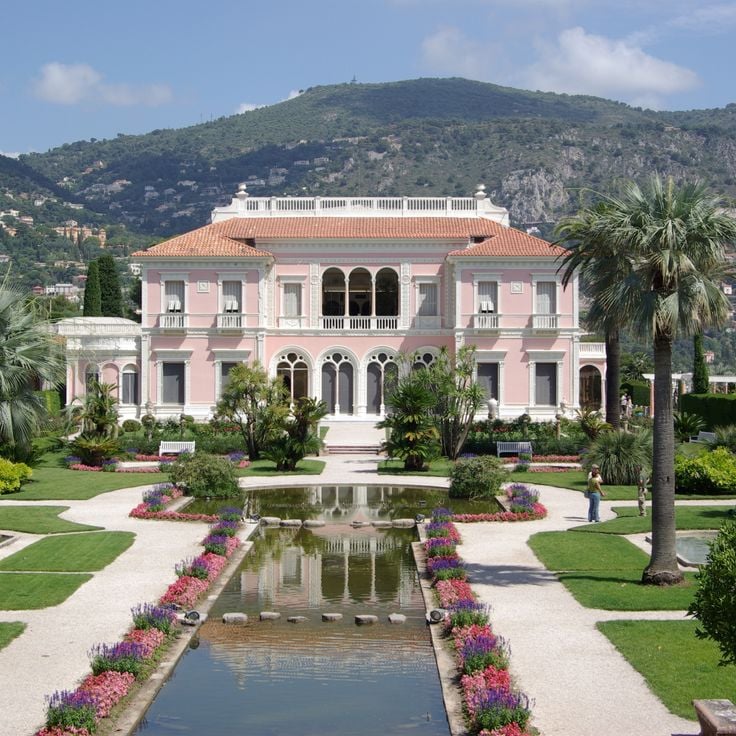
This villa from 1912 houses collections of 18th-century French furniture and tapestries along with nine landscaped gardens featuring different themes. The property sits on a promontory with views across the Mediterranean. The gardens include a French garden with water features, a Spanish garden with Moorish elements, and a Japanese garden with stone lanterns. The interior rooms display Sèvres porcelain, paintings, and antique carpets.
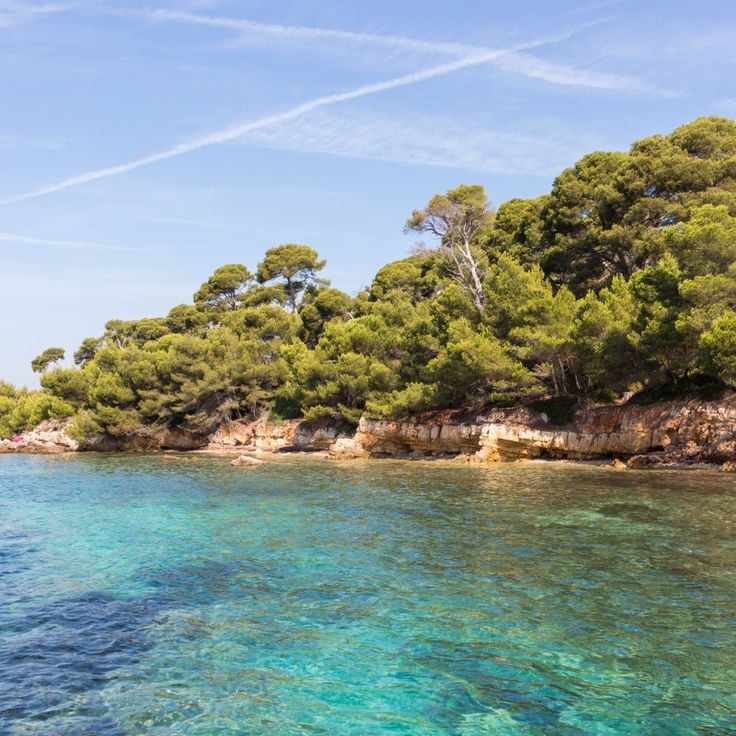
The Îles de Lérins sit about one mile offshore from Cannes and comprise four wooded islands. Sainte-Marguerite, the largest of the group, holds a 17th-century fort that once served as a prison. The smaller Île Saint-Honorat is home to an active monastery dating to the 5th century, where monks produce wine and liqueur. Walking trails cross both main islands, passing through eucalyptus and pine forests to coves overlooking the Mediterranean. Regular ferry connections run from Cannes' old port.
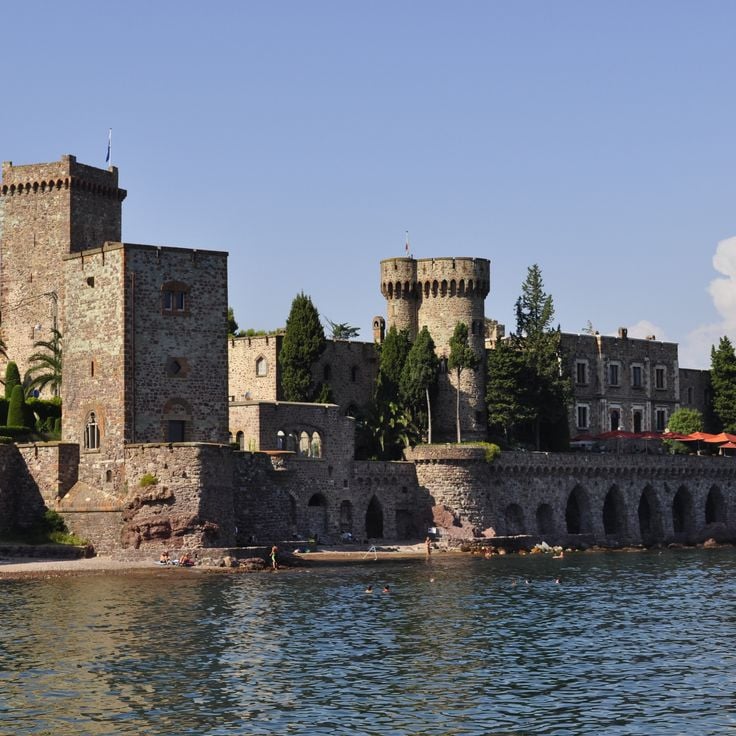
The Château de La Napoule was transformed by American artist Henry Clews in the first half of the 20th century. This 14th century medieval fortress now houses his sculptures and artworks. The rooms display his symbolist work along with personal objects. A garden extends to the Mediterranean coast with views across the Bay of Cannes. The building combines Gothic architecture with the artistic additions made by Clews.
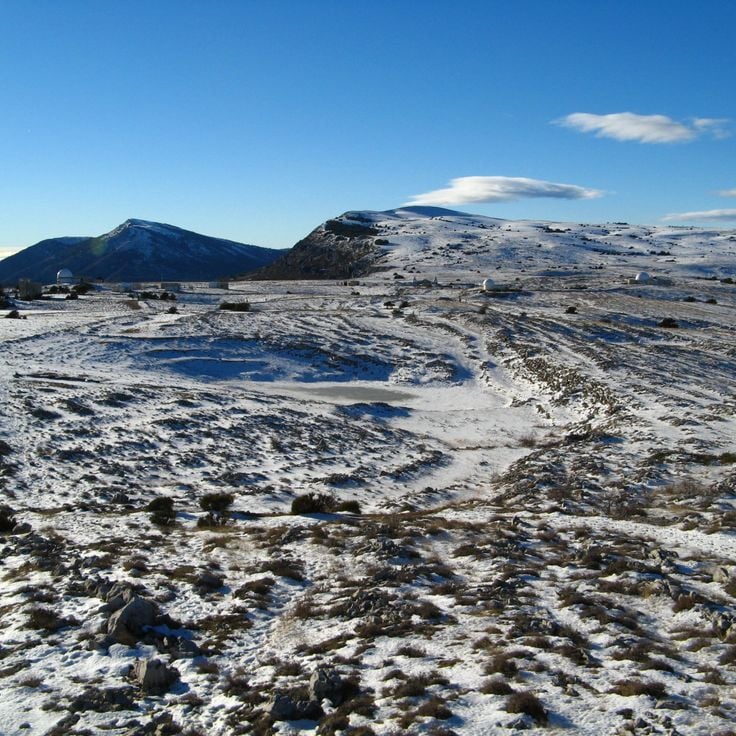
This scientific institute built in 1879 houses a library of 23,000 volumes dedicated to astronomy and earth observation. The facility ranks among the region's major scientific sites and documents over a century of astronomical research along the Mediterranean coast. The collections include historical instruments and records from the early days of modern celestial observation. Guided tours explain the development of astronomy from the 19th century to the present.
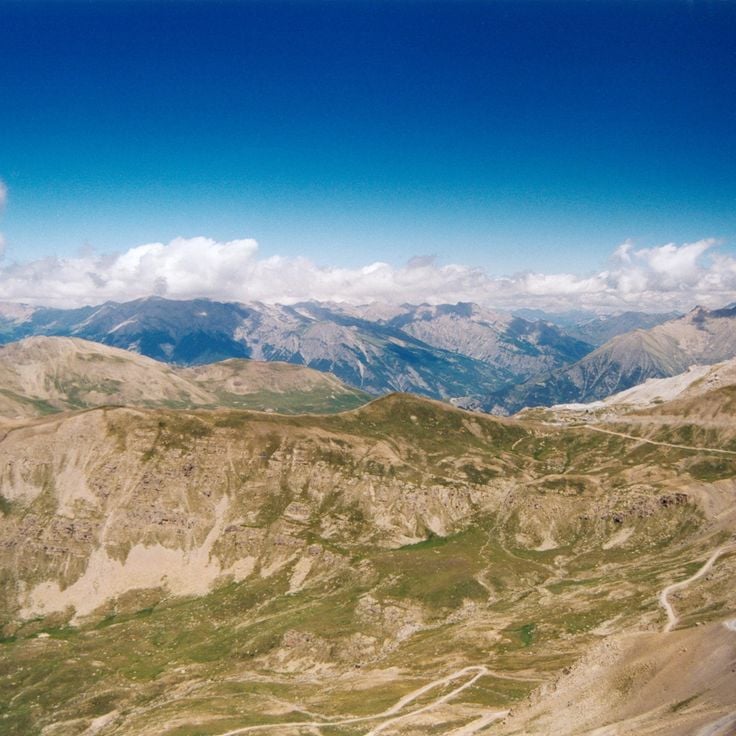
Col de la Bonette reaches an elevation of 8,907 feet (2,715 meters), making it one of the highest paved mountain passes in the Alps. The pass road connects the Tinée and Ubaye valleys through a series of switchbacks accessible to both cars and bicycles. Above the actual pass, an additional loop road circles the Cime de la Bonette summit. From there, views extend across the surrounding peaks of the Mercantour massif. The road typically remains open from June through October, closing during winter months due to snow.
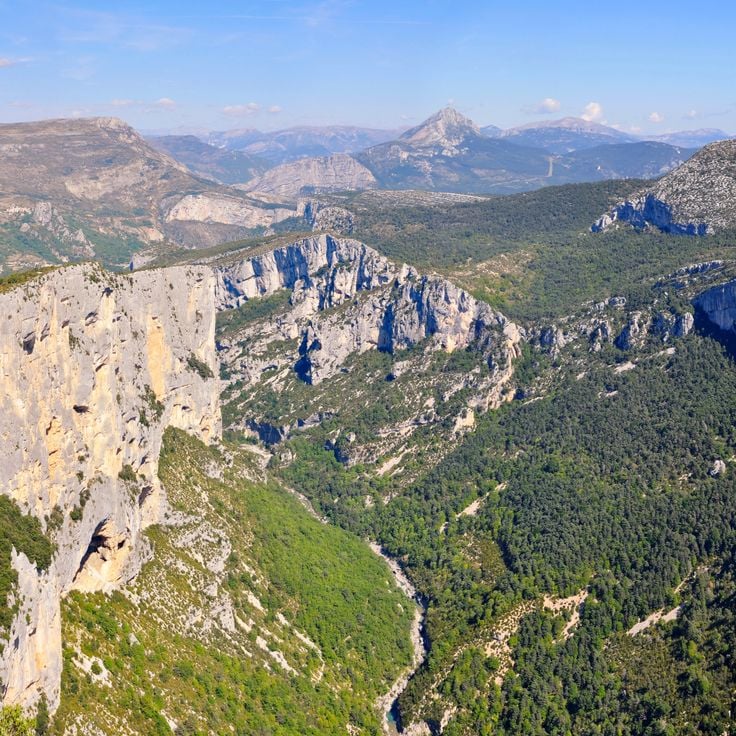
The Verdon Gorge extends 16 miles (25 kilometers) through Provence with limestone walls rising up to 2,300 feet (700 meters). The gorge offers several hiking trails along the rim and riverbed, including the Sentier Martel with tunnels and viewpoints. Kayakers can paddle the river through the narrowest passages while climbers use the rock faces. The area sits roughly 90 miles (145 kilometers) north of the Côte d'Azur and forms one of Europe's deepest canyons.
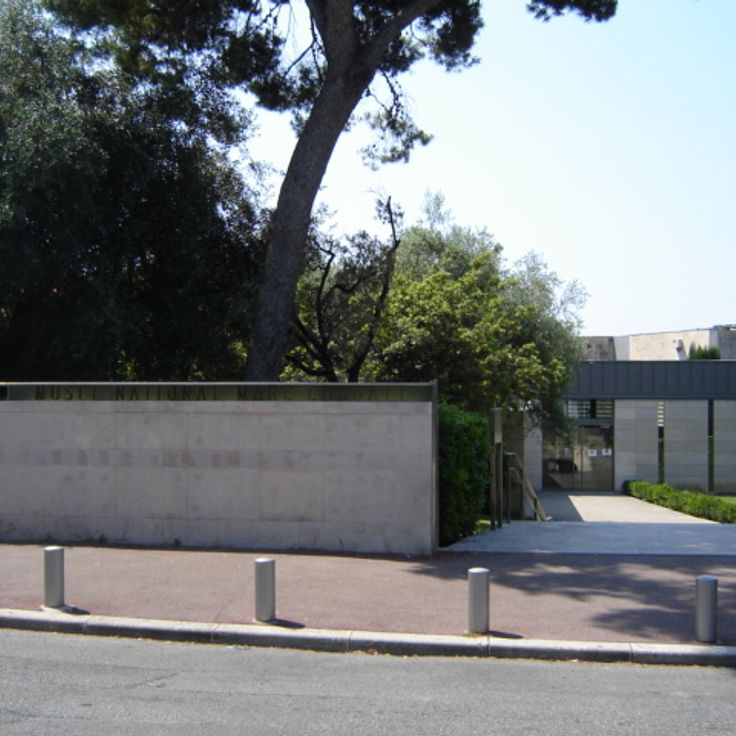
This national museum holds the world's largest public collection of works by Marc Chagall and displays his biblical painting cycles, stained glass windows and mosaics. The Russian-French artist entrusted the collection to the French state, describing it as his spiritual testament. The permanent exhibition presents seventeen large-format paintings from the Old Testament depicting scenes from Genesis and Exodus. The concert hall contains three monumental stained glass windows showing the Creation story in bright blues and reds. An outdoor pool with mosaics and a Mediterranean garden complement the premises.
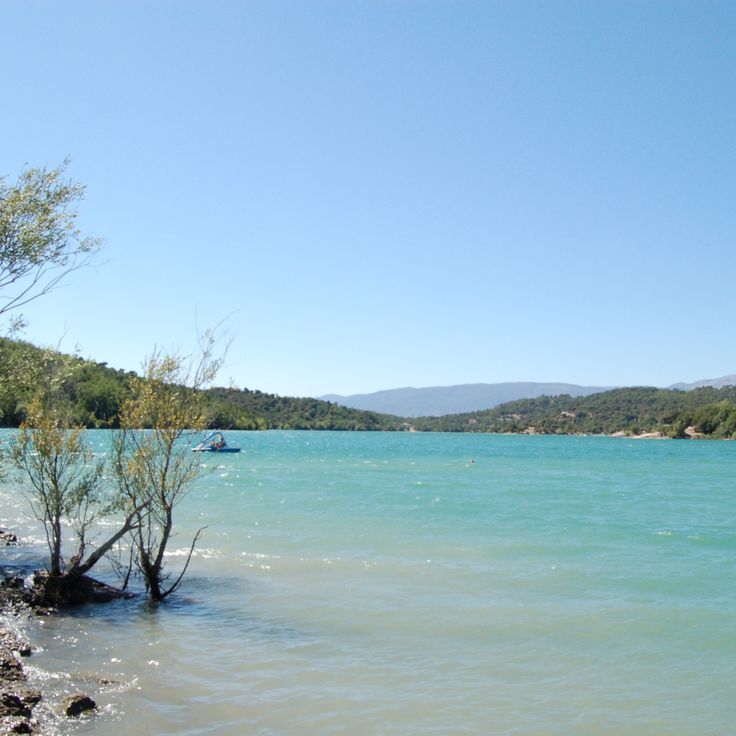
This 1,040-acre reservoir in the Var department supports water sports, fishing and swimming amid wooded hills. The lake sits away from the main tourist circuits of the Côte d'Azur, offering boating, kayaking and several swimming areas along the shoreline. Surrounding trails reach viewpoints over the water and adjacent forests. Picnic areas and rest facilities mark various access points to the lake.
This medieval village sits on a rocky outcrop 427 meters (1,400 feet) above the Mediterranean, drawing visitors into a network of cobbled lanes between stone houses dating from several centuries. Craft shops and artist studios occupy the historic buildings, while views from the castle ruins extend along the coast. The position between Nice and Monaco made it a strategic point whose defensive structures now stand in ruins.
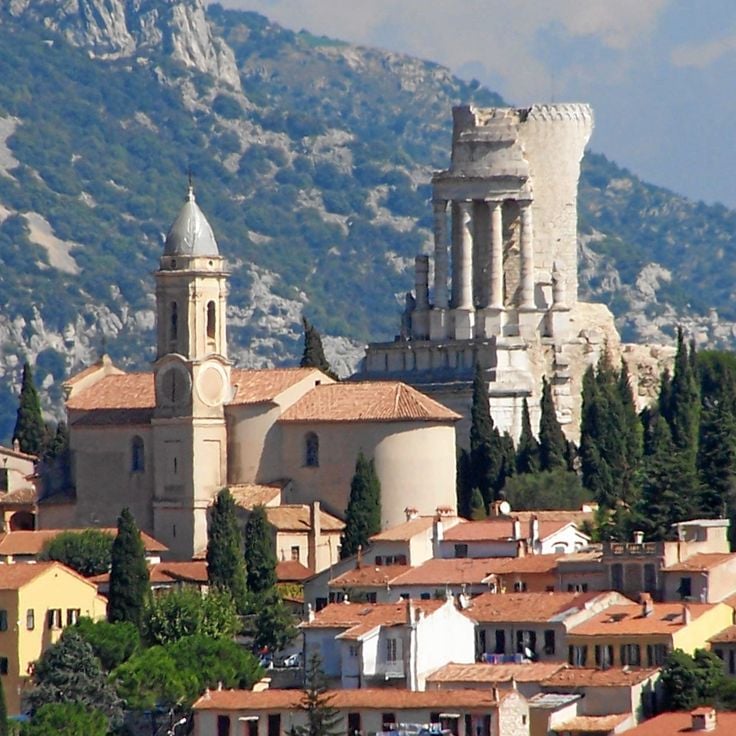
This Roman victory monument from the 1st century BC honors Emperor Augustus' campaigns to subdue Alpine tribes. The structure stands at 1,575 feet (480 meters) elevation, overlooking Monaco and the coastline. Its preserved columns and inscriptions document Roman presence in the region and mark the historic Via Julia Augusta that connected Italy with Gaul.
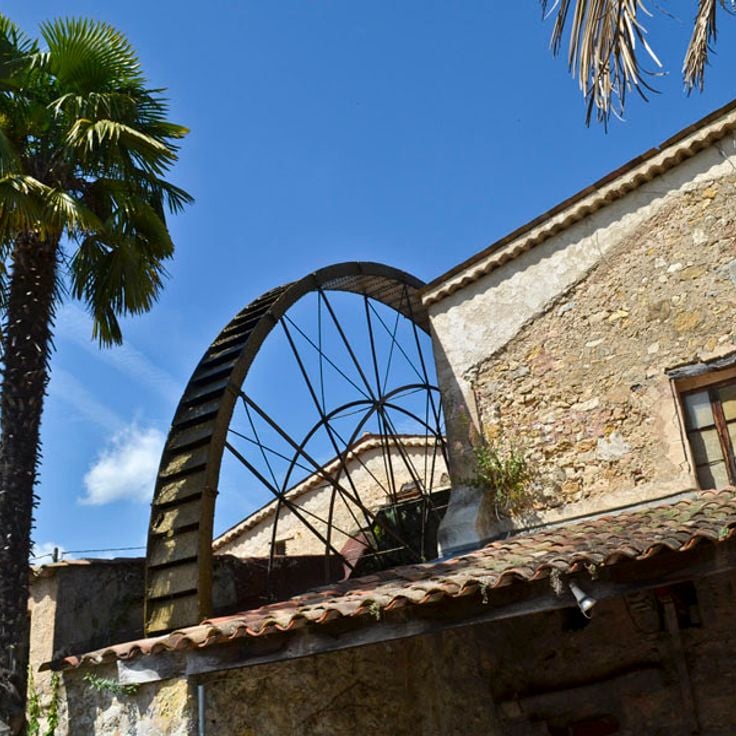
This 17th-century mill in Opio continues to produce olive oil using traditional methods with its original stone millstones. The building maintains its historical function and allows visitors to observe the centuries-old techniques of olive oil production in the region. The mill demonstrates the agricultural traditions of the Côte d'Azur.
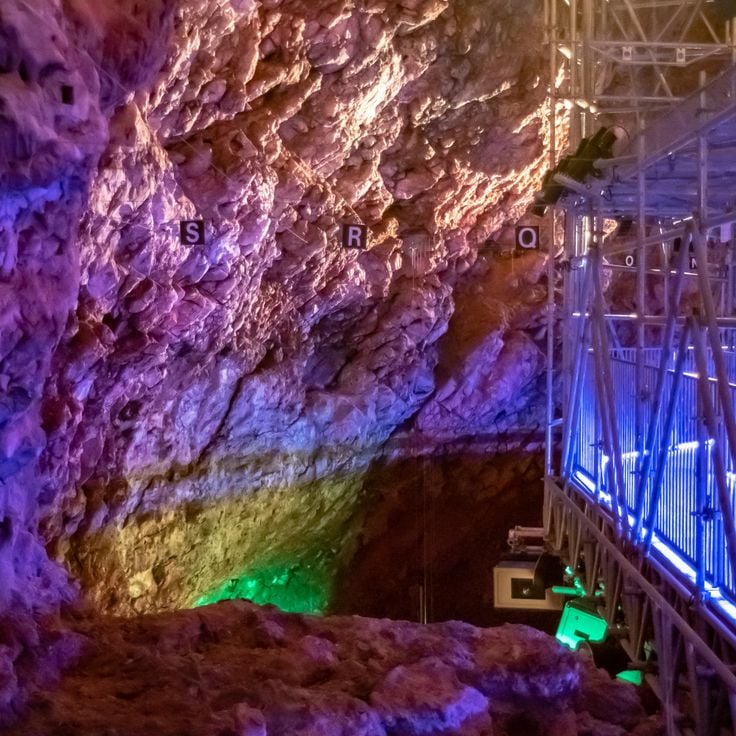
This cave in eastern Nice provides insights into human settlement from 160,000 years ago. Middle Paleolithic finds include human skeletal remains and stone tools. The site sits on Mont Boron above the harbor and documents the lives of early hunters and gatherers in the region. Guided visits explain archaeological methods and prehistoric ways of life through the excavation finds.
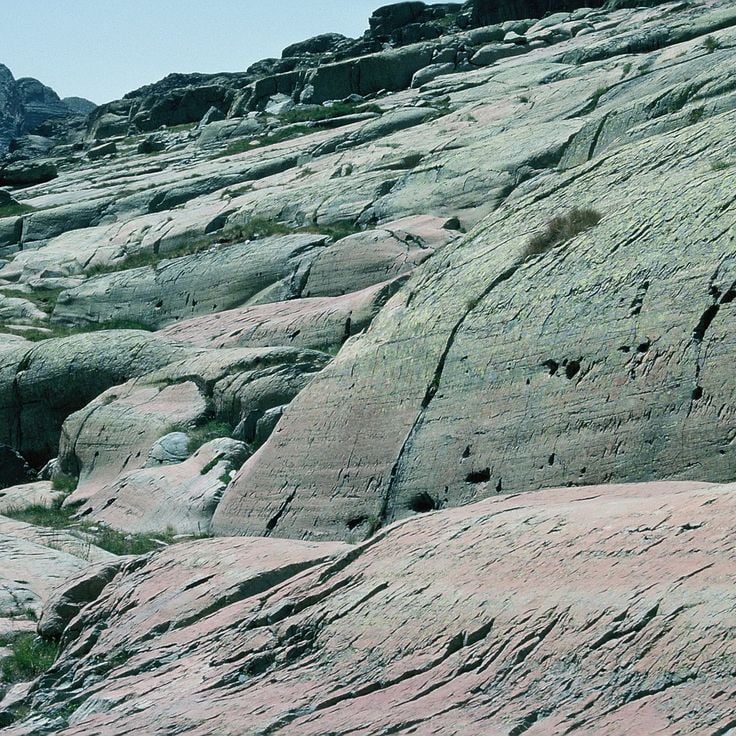
This alpine valley in the Maritime Alps contains more than 40,000 prehistoric rock carvings depicting animals, weapons and agricultural tools. The engravings date from the fourth to the first millennium BC and concentrate at elevations between 7,200 and 8,900 feet (2,200 and 2,700 meters). Archaeologists have classified the drawings into several categories, including horned animals, cattle and geometric forms. Multiple marked trails cross the protected area, with access permitted only when accompanied by authorized mountain guides between June and September.
This museum displays objects recovered from ancient shipwrecks off the coast, including amphorae, ceramic vessels and other Mediterranean archaeological finds. The collection documents the region's maritime history through trade goods and everyday items from different periods.
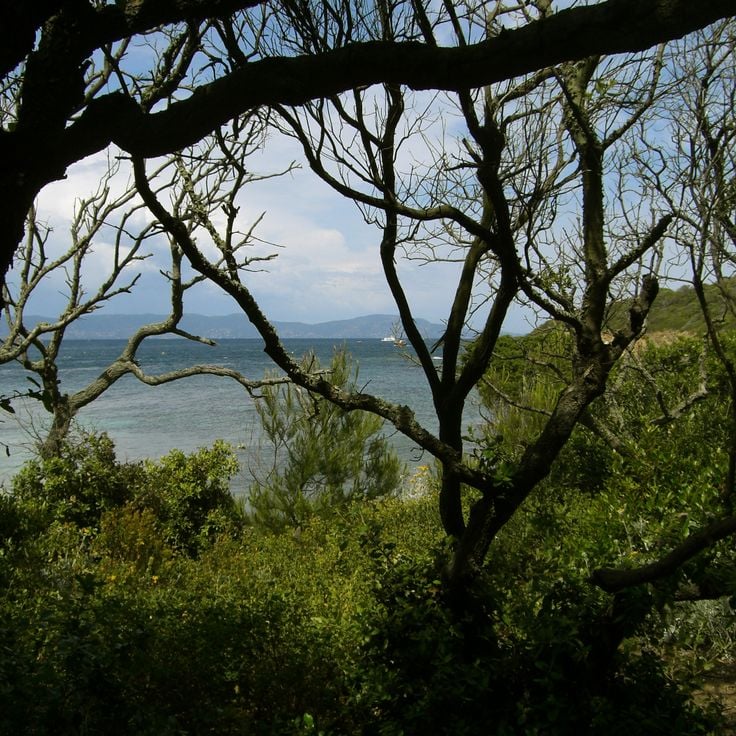
France's first maritime national park was established in 1963 to protect both land and sea environments. Port-Cros features a dense network of marked hiking trails through Mediterranean vegetation, underwater paths for snorkelers and a car-free nature reserve that makes the island a rare refuge along the Mediterranean coast.
This medieval hilltop village is surrounded by 13th-century stone fortifications. Narrow alleyways run between historic stone buildings from the same period. Saint-Paul de Vence sits in the hinterland of the French Riviera, several miles from the Mediterranean coast.
This national park covers roughly 690 square miles (1,800 square kilometers) across the Maritime Alps, protecting mountain forests, alpine lakes and high valleys. Ibex, chamois and marmots inhabit the upper elevations, while the forests support 58 mammal species. Hiking trails cross different altitude zones between the Mediterranean coast and peaks above 9,800 feet (3,000 meters).
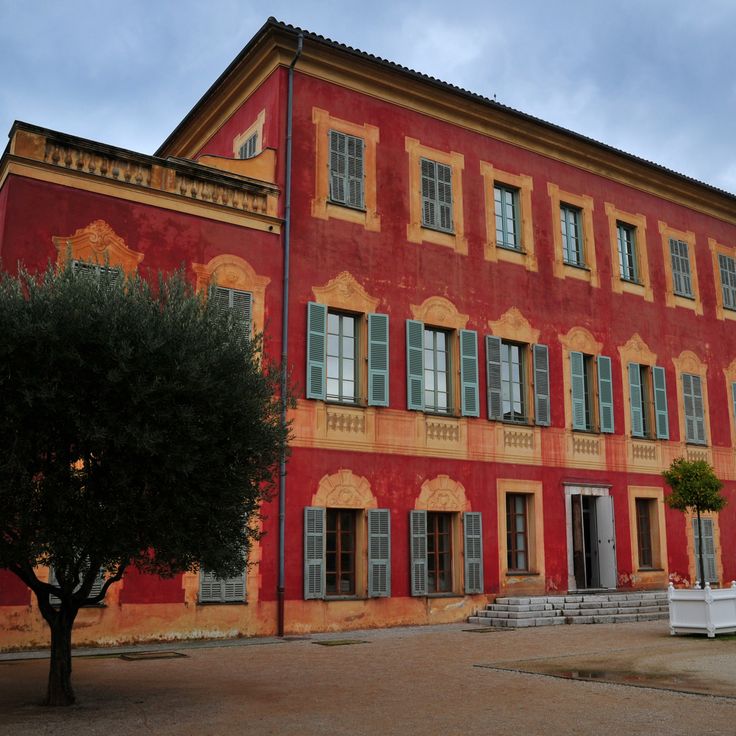
This red building on the Cimiez hill displays paintings, drawings, sculptures and personal belongings of Henri Matisse. The collection includes over 200 works spanning different periods of the artist's career, from his early experiments with color to his late paper cutouts. The museum occupies a 17th century Genoese villa surrounded by olive groves and Roman ruins. Visitors can trace the evolution of Matisse's style, including his Fauvist years and his time in Nice, where he lived and worked for more than three decades.
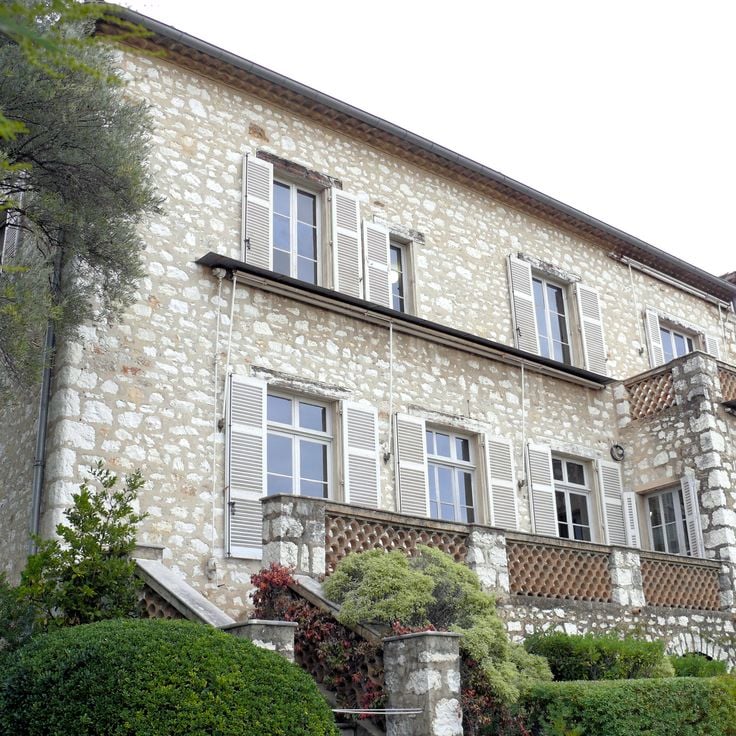
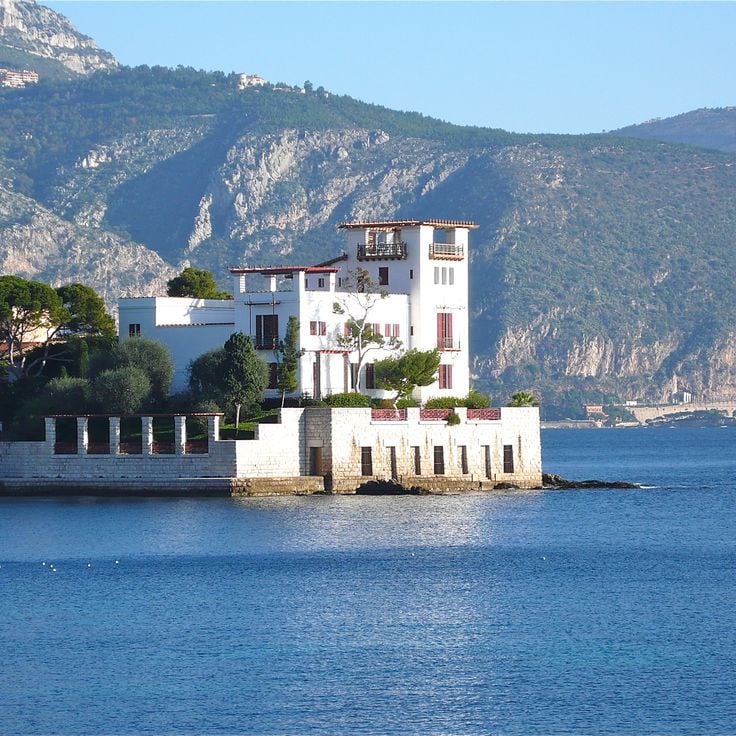
This 1908 villa recreates a Greek residence from the 2nd century BC, with furniture and decorations modeled after ancient examples. French archaeologist Théodore Reinach commissioned the Mediterranean estate to apply his research on Hellenistic architecture. The rooms display mosaics, frescoes and furnishings reconstructed from archaeological findings. Gardens and courtyards follow the layouts of ancient Greek houses.
Le Cannet sits on a hill above Cannes, maintaining its original village structure with narrow lanes and traditional houses. The Musée Bonnard displays works by painter Pierre Bonnard, who spent his final years here. From various viewpoints around town, views extend across the Bay of Cannes and the Mediterranean. Local craft workshops and studios define the townscape away from the coastal tourist crowds.
This museum houses 300 works from China, Japan, India and Southeast Asia in a modern building, offering visitors to the Côte d'Azur access to Asian cultures beyond the main tourist circuit. Opened in 1998, the facility adds cultural depth to the region with collections spanning Buddhist sculptures, Japanese prints and Chinese ceramics. The building itself blends contemporary architecture with principles drawn from Far Eastern design. Guided tours and temporary exhibitions provide context for the artistic traditions of Asia.
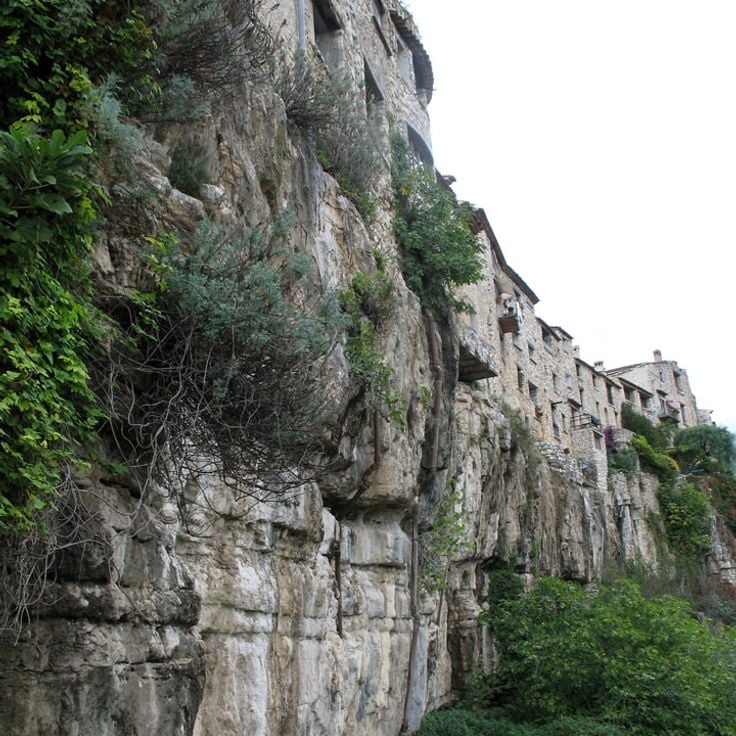
Tourrettes-sur-Loup was built in the 13th century on a rocky outcrop. Stone houses along the village edge form a defensive wall that once protected residents. Violets have been cultivated here in greenhouses and fields since the early 20th century. The production supplies perfume makers and confectioners. Each March, a festival fills the streets with flowers while local artisans display their work. Stone squares and narrow lanes wind through the center, where craftspeople operate workshops.
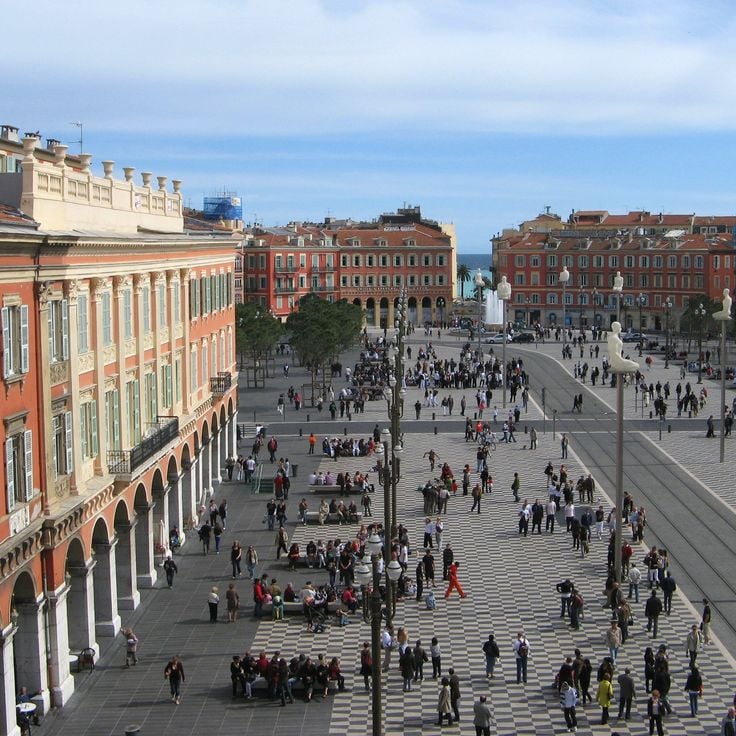
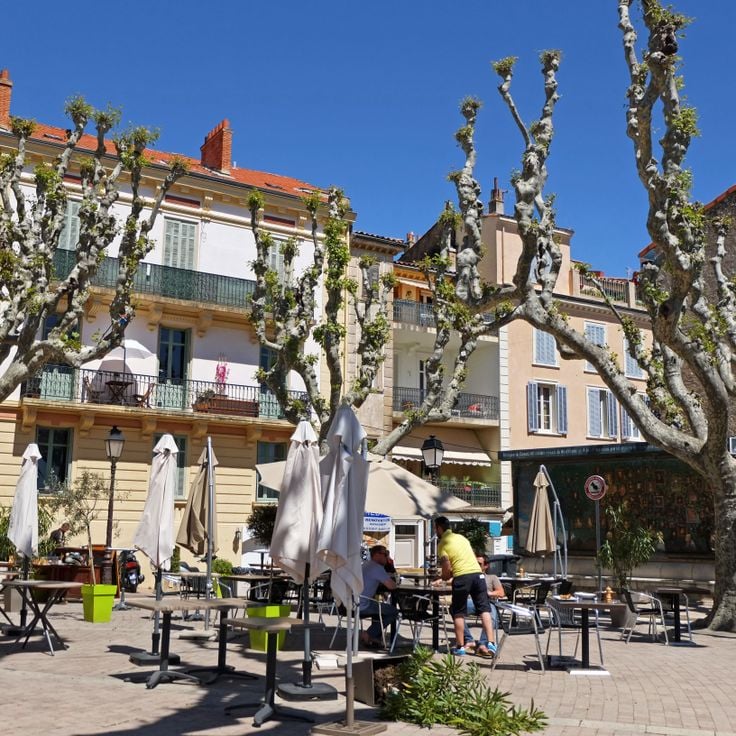
This 12,000-square-meter plaza (130,000 square feet) connects the old town with the modern district. The 19th-century buildings surrounding it display red facades following Piedmontese architectural principles. The central area serves as a pedestrian zone and public gathering space. At night, a light art system illuminates the installation of seven sculptures mounted on tall poles.
This coastal path starts near the port of Cap d'Ail and follows the shoreline for 2 miles (3 kilometers) to Mala Beach. The promenade runs between rocky cliffs and the sea, offering views of the Mediterranean coast and Monaco in the distance. The trail connects several small coves and provides access to swimming spots along the route.
The Château Grimaldi in Cagnes-sur-Mer is a 14th-century medieval fortress housing a museum dedicated to olive cultivation and a collection of modern art. The courtyard hosts exhibitions by regional artists. The castle provides insight into the area's history and the agricultural and artistic traditions that have shaped the Côte d'Azur over the centuries.
This limestone cliff rises 800 meters above sea level and offers climbing routes of varying difficulty along with hiking trails that provide views across the coastline and Var Valley. The Baou de Saint-Jeannet stands above the village of the same name and attracts climbers and hikers year-round. Several marked trails lead to the summit, from where the Alpes-Maritimes and Mediterranean Sea stretch into the distance. The rock face reaches 650 feet (200 meters) in height at certain sections and features more than 150 established climbing routes.
This 16th-century fortress sits on a peninsula at the eastern edge of Antibes. Its four bastions form a star-shaped layout and provide a full circular view of the Bay of Antibes, Cap d'Antibes and the surrounding coastline. The structure once defended against seaborne attacks and now houses exhibitions about its military history. Visitors reach the fort through a steep climb from Port Vauban harbor.
This villa from 1912 houses collections of 18th-century French furniture and tapestries along with nine landscaped gardens featuring different themes. The property sits on a promontory with views across the Mediterranean. The gardens include a French garden with water features, a Spanish garden with Moorish elements, and a Japanese garden with stone lanterns. The interior rooms display Sèvres porcelain, paintings, and antique carpets.
The Îles de Lérins sit about one mile offshore from Cannes and comprise four wooded islands. Sainte-Marguerite, the largest of the group, holds a 17th-century fort that once served as a prison. The smaller Île Saint-Honorat is home to an active monastery dating to the 5th century, where monks produce wine and liqueur. Walking trails cross both main islands, passing through eucalyptus and pine forests to coves overlooking the Mediterranean. Regular ferry connections run from Cannes' old port.
The Château de La Napoule was transformed by American artist Henry Clews in the first half of the 20th century. This 14th century medieval fortress now houses his sculptures and artworks. The rooms display his symbolist work along with personal objects. A garden extends to the Mediterranean coast with views across the Bay of Cannes. The building combines Gothic architecture with the artistic additions made by Clews.
This scientific institute built in 1879 houses a library of 23,000 volumes dedicated to astronomy and earth observation. The facility ranks among the region's major scientific sites and documents over a century of astronomical research along the Mediterranean coast. The collections include historical instruments and records from the early days of modern celestial observation. Guided tours explain the development of astronomy from the 19th century to the present.
Col de la Bonette reaches an elevation of 8,907 feet (2,715 meters), making it one of the highest paved mountain passes in the Alps. The pass road connects the Tinée and Ubaye valleys through a series of switchbacks accessible to both cars and bicycles. Above the actual pass, an additional loop road circles the Cime de la Bonette summit. From there, views extend across the surrounding peaks of the Mercantour massif. The road typically remains open from June through October, closing during winter months due to snow.
The Verdon Gorge extends 16 miles (25 kilometers) through Provence with limestone walls rising up to 2,300 feet (700 meters). The gorge offers several hiking trails along the rim and riverbed, including the Sentier Martel with tunnels and viewpoints. Kayakers can paddle the river through the narrowest passages while climbers use the rock faces. The area sits roughly 90 miles (145 kilometers) north of the Côte d'Azur and forms one of Europe's deepest canyons.
This national museum holds the world's largest public collection of works by Marc Chagall and displays his biblical painting cycles, stained glass windows and mosaics. The Russian-French artist entrusted the collection to the French state, describing it as his spiritual testament. The permanent exhibition presents seventeen large-format paintings from the Old Testament depicting scenes from Genesis and Exodus. The concert hall contains three monumental stained glass windows showing the Creation story in bright blues and reds. An outdoor pool with mosaics and a Mediterranean garden complement the premises.
This 1,040-acre reservoir in the Var department supports water sports, fishing and swimming amid wooded hills. The lake sits away from the main tourist circuits of the Côte d'Azur, offering boating, kayaking and several swimming areas along the shoreline. Surrounding trails reach viewpoints over the water and adjacent forests. Picnic areas and rest facilities mark various access points to the lake.
This medieval village sits on a rocky outcrop 427 meters (1,400 feet) above the Mediterranean, drawing visitors into a network of cobbled lanes between stone houses dating from several centuries. Craft shops and artist studios occupy the historic buildings, while views from the castle ruins extend along the coast. The position between Nice and Monaco made it a strategic point whose defensive structures now stand in ruins.
This Roman victory monument from the 1st century BC honors Emperor Augustus' campaigns to subdue Alpine tribes. The structure stands at 1,575 feet (480 meters) elevation, overlooking Monaco and the coastline. Its preserved columns and inscriptions document Roman presence in the region and mark the historic Via Julia Augusta that connected Italy with Gaul.
This 17th-century mill in Opio continues to produce olive oil using traditional methods with its original stone millstones. The building maintains its historical function and allows visitors to observe the centuries-old techniques of olive oil production in the region. The mill demonstrates the agricultural traditions of the Côte d'Azur.
This cave in eastern Nice provides insights into human settlement from 160,000 years ago. Middle Paleolithic finds include human skeletal remains and stone tools. The site sits on Mont Boron above the harbor and documents the lives of early hunters and gatherers in the region. Guided visits explain archaeological methods and prehistoric ways of life through the excavation finds.
This alpine valley in the Maritime Alps contains more than 40,000 prehistoric rock carvings depicting animals, weapons and agricultural tools. The engravings date from the fourth to the first millennium BC and concentrate at elevations between 7,200 and 8,900 feet (2,200 and 2,700 meters). Archaeologists have classified the drawings into several categories, including horned animals, cattle and geometric forms. Multiple marked trails cross the protected area, with access permitted only when accompanied by authorized mountain guides between June and September.
This museum displays objects recovered from ancient shipwrecks off the coast, including amphorae, ceramic vessels and other Mediterranean archaeological finds. The collection documents the region's maritime history through trade goods and everyday items from different periods.
France's first maritime national park was established in 1963 to protect both land and sea environments. Port-Cros features a dense network of marked hiking trails through Mediterranean vegetation, underwater paths for snorkelers and a car-free nature reserve that makes the island a rare refuge along the Mediterranean coast.
This medieval hilltop village is surrounded by 13th-century stone fortifications. Narrow alleyways run between historic stone buildings from the same period. Saint-Paul de Vence sits in the hinterland of the French Riviera, several miles from the Mediterranean coast.
This national park covers roughly 690 square miles (1,800 square kilometers) across the Maritime Alps, protecting mountain forests, alpine lakes and high valleys. Ibex, chamois and marmots inhabit the upper elevations, while the forests support 58 mammal species. Hiking trails cross different altitude zones between the Mediterranean coast and peaks above 9,800 feet (3,000 meters).
This red building on the Cimiez hill displays paintings, drawings, sculptures and personal belongings of Henri Matisse. The collection includes over 200 works spanning different periods of the artist's career, from his early experiments with color to his late paper cutouts. The museum occupies a 17th century Genoese villa surrounded by olive groves and Roman ruins. Visitors can trace the evolution of Matisse's style, including his Fauvist years and his time in Nice, where he lived and worked for more than three decades.
This 1908 villa recreates a Greek residence from the 2nd century BC, with furniture and decorations modeled after ancient examples. French archaeologist Théodore Reinach commissioned the Mediterranean estate to apply his research on Hellenistic architecture. The rooms display mosaics, frescoes and furnishings reconstructed from archaeological findings. Gardens and courtyards follow the layouts of ancient Greek houses.
Le Cannet sits on a hill above Cannes, maintaining its original village structure with narrow lanes and traditional houses. The Musée Bonnard displays works by painter Pierre Bonnard, who spent his final years here. From various viewpoints around town, views extend across the Bay of Cannes and the Mediterranean. Local craft workshops and studios define the townscape away from the coastal tourist crowds.
This museum houses 300 works from China, Japan, India and Southeast Asia in a modern building, offering visitors to the Côte d'Azur access to Asian cultures beyond the main tourist circuit. Opened in 1998, the facility adds cultural depth to the region with collections spanning Buddhist sculptures, Japanese prints and Chinese ceramics. The building itself blends contemporary architecture with principles drawn from Far Eastern design. Guided tours and temporary exhibitions provide context for the artistic traditions of Asia.
Tourrettes-sur-Loup was built in the 13th century on a rocky outcrop. Stone houses along the village edge form a defensive wall that once protected residents. Violets have been cultivated here in greenhouses and fields since the early 20th century. The production supplies perfume makers and confectioners. Each March, a festival fills the streets with flowers while local artisans display their work. Stone squares and narrow lanes wind through the center, where craftspeople operate workshops.
This 12,000-square-meter plaza (130,000 square feet) connects the old town with the modern district. The 19th-century buildings surrounding it display red facades following Piedmontese architectural principles. The central area serves as a pedestrian zone and public gathering space. At night, a light art system illuminates the installation of seven sculptures mounted on tall poles.
This coastal path starts near the port of Cap d'Ail and follows the shoreline for 2 miles (3 kilometers) to Mala Beach. The promenade runs between rocky cliffs and the sea, offering views of the Mediterranean coast and Monaco in the distance. The trail connects several small coves and provides access to swimming spots along the route.
The Château Grimaldi in Cagnes-sur-Mer is a 14th-century medieval fortress housing a museum dedicated to olive cultivation and a collection of modern art. The courtyard hosts exhibitions by regional artists. The castle provides insight into the area's history and the agricultural and artistic traditions that have shaped the Côte d'Azur over the centuries.
This limestone cliff rises 800 meters above sea level and offers climbing routes of varying difficulty along with hiking trails that provide views across the coastline and Var Valley. The Baou de Saint-Jeannet stands above the village of the same name and attracts climbers and hikers year-round. Several marked trails lead to the summit, from where the Alpes-Maritimes and Mediterranean Sea stretch into the distance. The rock face reaches 650 feet (200 meters) in height at certain sections and features more than 150 established climbing routes.
This 16th-century fortress sits on a peninsula at the eastern edge of Antibes. Its four bastions form a star-shaped layout and provide a full circular view of the Bay of Antibes, Cap d'Antibes and the surrounding coastline. The structure once defended against seaborne attacks and now houses exhibitions about its military history. Visitors reach the fort through a steep climb from Port Vauban harbor.
This villa from 1912 houses collections of 18th-century French furniture and tapestries along with nine landscaped gardens featuring different themes. The property sits on a promontory with views across the Mediterranean. The gardens include a French garden with water features, a Spanish garden with Moorish elements, and a Japanese garden with stone lanterns. The interior rooms display Sèvres porcelain, paintings, and antique carpets.
The Îles de Lérins sit about one mile offshore from Cannes and comprise four wooded islands. Sainte-Marguerite, the largest of the group, holds a 17th-century fort that once served as a prison. The smaller Île Saint-Honorat is home to an active monastery dating to the 5th century, where monks produce wine and liqueur. Walking trails cross both main islands, passing through eucalyptus and pine forests to coves overlooking the Mediterranean. Regular ferry connections run from Cannes' old port.
The Château de La Napoule was transformed by American artist Henry Clews in the first half of the 20th century. This 14th century medieval fortress now houses his sculptures and artworks. The rooms display his symbolist work along with personal objects. A garden extends to the Mediterranean coast with views across the Bay of Cannes. The building combines Gothic architecture with the artistic additions made by Clews.
This scientific institute built in 1879 houses a library of 23,000 volumes dedicated to astronomy and earth observation. The facility ranks among the region's major scientific sites and documents over a century of astronomical research along the Mediterranean coast. The collections include historical instruments and records from the early days of modern celestial observation. Guided tours explain the development of astronomy from the 19th century to the present.
Col de la Bonette reaches an elevation of 8,907 feet (2,715 meters), making it one of the highest paved mountain passes in the Alps. The pass road connects the Tinée and Ubaye valleys through a series of switchbacks accessible to both cars and bicycles. Above the actual pass, an additional loop road circles the Cime de la Bonette summit. From there, views extend across the surrounding peaks of the Mercantour massif. The road typically remains open from June through October, closing during winter months due to snow.
The Verdon Gorge extends 16 miles (25 kilometers) through Provence with limestone walls rising up to 2,300 feet (700 meters). The gorge offers several hiking trails along the rim and riverbed, including the Sentier Martel with tunnels and viewpoints. Kayakers can paddle the river through the narrowest passages while climbers use the rock faces. The area sits roughly 90 miles (145 kilometers) north of the Côte d'Azur and forms one of Europe's deepest canyons.
This national museum holds the world's largest public collection of works by Marc Chagall and displays his biblical painting cycles, stained glass windows and mosaics. The Russian-French artist entrusted the collection to the French state, describing it as his spiritual testament. The permanent exhibition presents seventeen large-format paintings from the Old Testament depicting scenes from Genesis and Exodus. The concert hall contains three monumental stained glass windows showing the Creation story in bright blues and reds. An outdoor pool with mosaics and a Mediterranean garden complement the premises.
This 1,040-acre reservoir in the Var department supports water sports, fishing and swimming amid wooded hills. The lake sits away from the main tourist circuits of the Côte d'Azur, offering boating, kayaking and several swimming areas along the shoreline. Surrounding trails reach viewpoints over the water and adjacent forests. Picnic areas and rest facilities mark various access points to the lake.
This medieval village sits on a rocky outcrop 427 meters (1,400 feet) above the Mediterranean, drawing visitors into a network of cobbled lanes between stone houses dating from several centuries. Craft shops and artist studios occupy the historic buildings, while views from the castle ruins extend along the coast. The position between Nice and Monaco made it a strategic point whose defensive structures now stand in ruins.
This Roman victory monument from the 1st century BC honors Emperor Augustus' campaigns to subdue Alpine tribes. The structure stands at 1,575 feet (480 meters) elevation, overlooking Monaco and the coastline. Its preserved columns and inscriptions document Roman presence in the region and mark the historic Via Julia Augusta that connected Italy with Gaul.
This 17th-century mill in Opio continues to produce olive oil using traditional methods with its original stone millstones. The building maintains its historical function and allows visitors to observe the centuries-old techniques of olive oil production in the region. The mill demonstrates the agricultural traditions of the Côte d'Azur.
This cave in eastern Nice provides insights into human settlement from 160,000 years ago. Middle Paleolithic finds include human skeletal remains and stone tools. The site sits on Mont Boron above the harbor and documents the lives of early hunters and gatherers in the region. Guided visits explain archaeological methods and prehistoric ways of life through the excavation finds.
This alpine valley in the Maritime Alps contains more than 40,000 prehistoric rock carvings depicting animals, weapons and agricultural tools. The engravings date from the fourth to the first millennium BC and concentrate at elevations between 7,200 and 8,900 feet (2,200 and 2,700 meters). Archaeologists have classified the drawings into several categories, including horned animals, cattle and geometric forms. Multiple marked trails cross the protected area, with access permitted only when accompanied by authorized mountain guides between June and September.
This museum displays objects recovered from ancient shipwrecks off the coast, including amphorae, ceramic vessels and other Mediterranean archaeological finds. The collection documents the region's maritime history through trade goods and everyday items from different periods.
France's first maritime national park was established in 1963 to protect both land and sea environments. Port-Cros features a dense network of marked hiking trails through Mediterranean vegetation, underwater paths for snorkelers and a car-free nature reserve that makes the island a rare refuge along the Mediterranean coast.
This medieval hilltop village is surrounded by 13th-century stone fortifications. Narrow alleyways run between historic stone buildings from the same period. Saint-Paul de Vence sits in the hinterland of the French Riviera, several miles from the Mediterranean coast.
This national park covers roughly 690 square miles (1,800 square kilometers) across the Maritime Alps, protecting mountain forests, alpine lakes and high valleys. Ibex, chamois and marmots inhabit the upper elevations, while the forests support 58 mammal species. Hiking trails cross different altitude zones between the Mediterranean coast and peaks above 9,800 feet (3,000 meters).
This red building on the Cimiez hill displays paintings, drawings, sculptures and personal belongings of Henri Matisse. The collection includes over 200 works spanning different periods of the artist's career, from his early experiments with color to his late paper cutouts. The museum occupies a 17th century Genoese villa surrounded by olive groves and Roman ruins. Visitors can trace the evolution of Matisse's style, including his Fauvist years and his time in Nice, where he lived and worked for more than three decades.
This 1908 villa recreates a Greek residence from the 2nd century BC, with furniture and decorations modeled after ancient examples. French archaeologist Théodore Reinach commissioned the Mediterranean estate to apply his research on Hellenistic architecture. The rooms display mosaics, frescoes and furnishings reconstructed from archaeological findings. Gardens and courtyards follow the layouts of ancient Greek houses.
Le Cannet sits on a hill above Cannes, maintaining its original village structure with narrow lanes and traditional houses. The Musée Bonnard displays works by painter Pierre Bonnard, who spent his final years here. From various viewpoints around town, views extend across the Bay of Cannes and the Mediterranean. Local craft workshops and studios define the townscape away from the coastal tourist crowds.
This museum houses 300 works from China, Japan, India and Southeast Asia in a modern building, offering visitors to the Côte d'Azur access to Asian cultures beyond the main tourist circuit. Opened in 1998, the facility adds cultural depth to the region with collections spanning Buddhist sculptures, Japanese prints and Chinese ceramics. The building itself blends contemporary architecture with principles drawn from Far Eastern design. Guided tours and temporary exhibitions provide context for the artistic traditions of Asia.
Tourrettes-sur-Loup was built in the 13th century on a rocky outcrop. Stone houses along the village edge form a defensive wall that once protected residents. Violets have been cultivated here in greenhouses and fields since the early 20th century. The production supplies perfume makers and confectioners. Each March, a festival fills the streets with flowers while local artisans display their work. Stone squares and narrow lanes wind through the center, where craftspeople operate workshops.
This 12,000-square-meter plaza (130,000 square feet) connects the old town with the modern district. The 19th-century buildings surrounding it display red facades following Piedmontese architectural principles. The central area serves as a pedestrian zone and public gathering space. At night, a light art system illuminates the installation of seven sculptures mounted on tall poles.