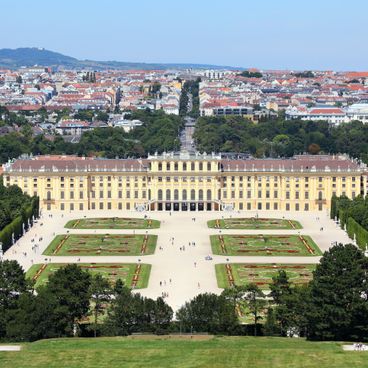
The most important opera houses of the 19th century form an architectural group that reflects the history of classical music. These buildings, located in major world capitals, showcase various styles: neoclassical, neobaroque, modern. Their architectures reflect the evolution of acoustic techniques and performing arts. From the Teatro San Carlo in Naples to the Palais Garnier in Paris, these buildings are references in theatrical architecture.
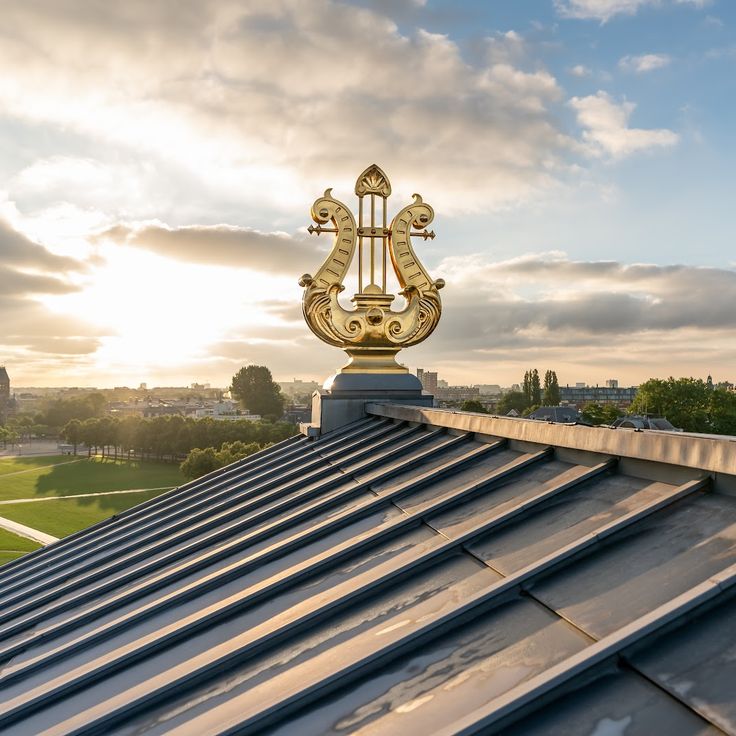
Amsterdam, Netherlands
Rectangular concert hall built in 1888, renowned for its acoustic qualities and with a capacity of 2000 spectators.
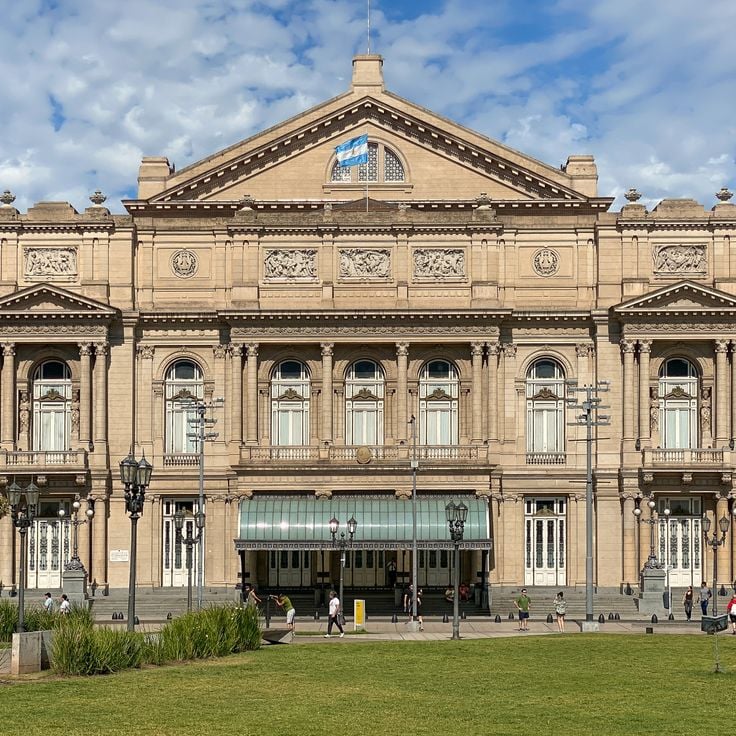
Buenos Aires, Argentina
Neobaroque-style building dating from 1908, featuring seven levels and a capacity of 2500 seats.
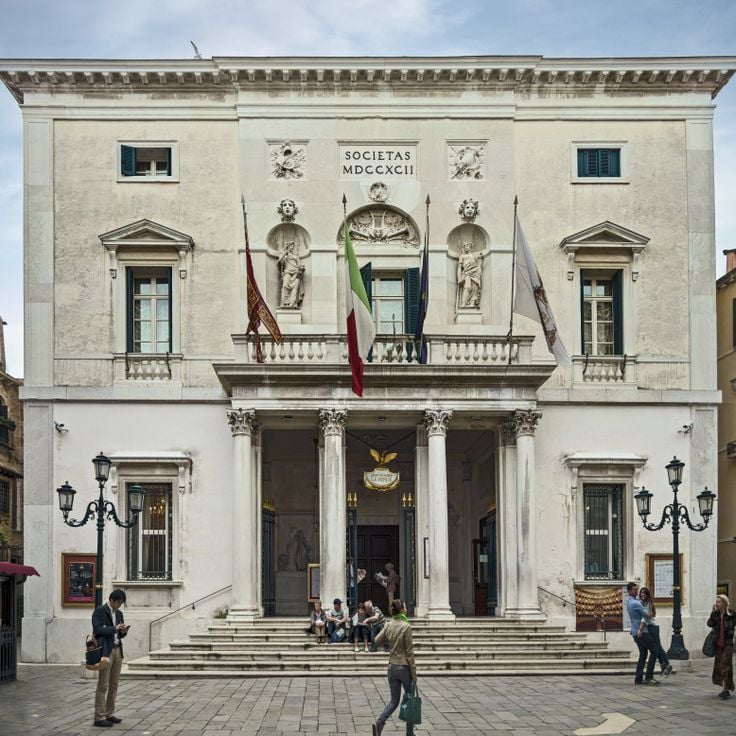
Venice, Italy
Neoclassical building from 1792, rebuilt after the fire of 1996, with a main hall of 1000 seats.
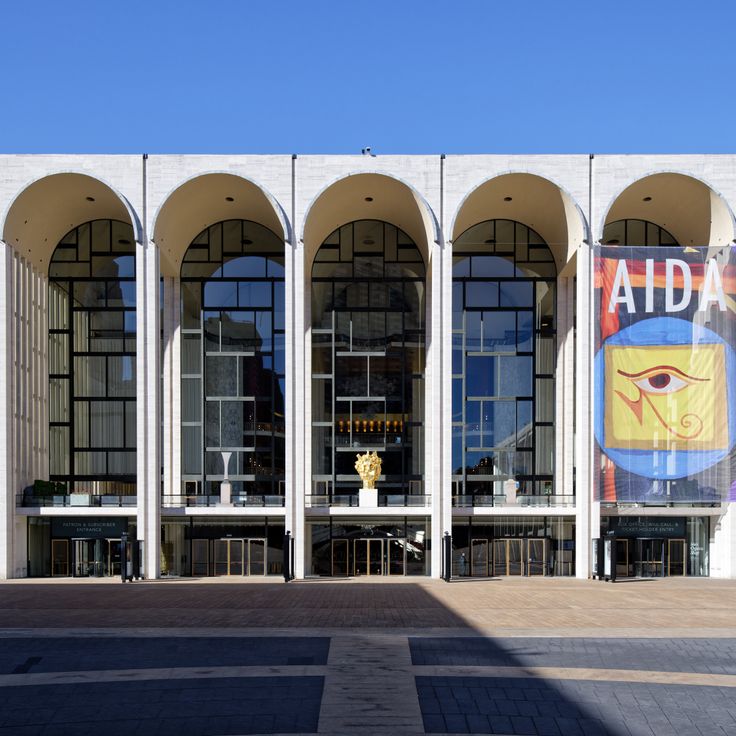
New York, United States
Modern opera house created in 1966 at Lincoln Center, equipped with 3800 seats and five tiered balconies.
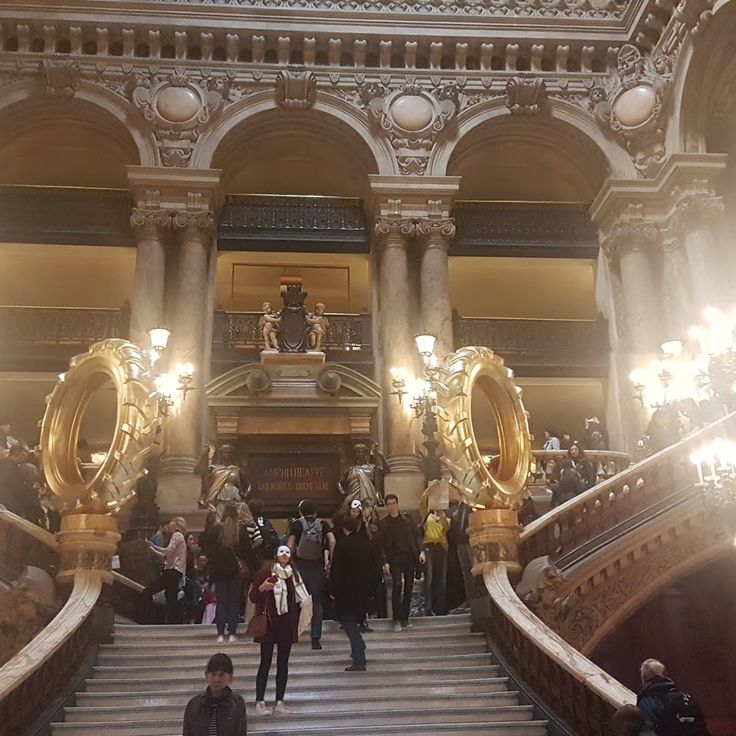
Paris, France
Second Empire style building with a grand marble staircase and a dome painted by Marc Chagall in 1964.
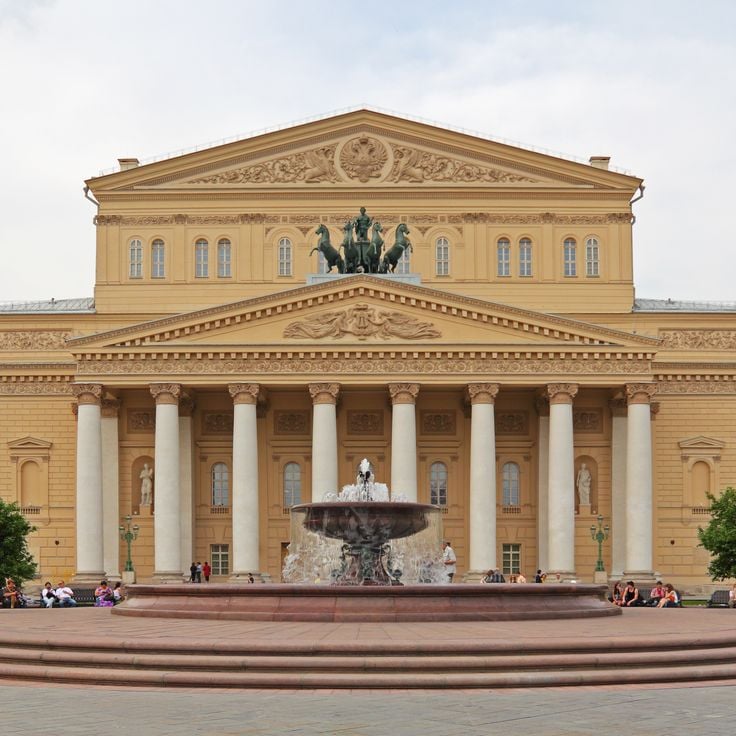
Moscow, Russia
Main hall with 2500 seats renovated in 2011, with a facade adorned with Corinthian columns and a bronze quadriga.
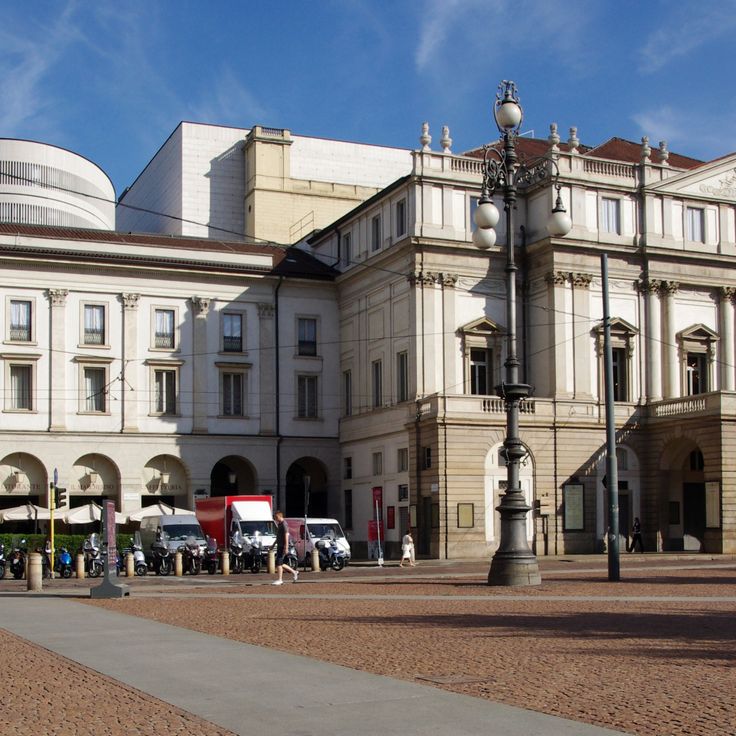
Milan, Italy
Horseshoe-shaped hall with 2000 seats and six tiers of boxes, built on the site of the church Santa Maria della Scala.
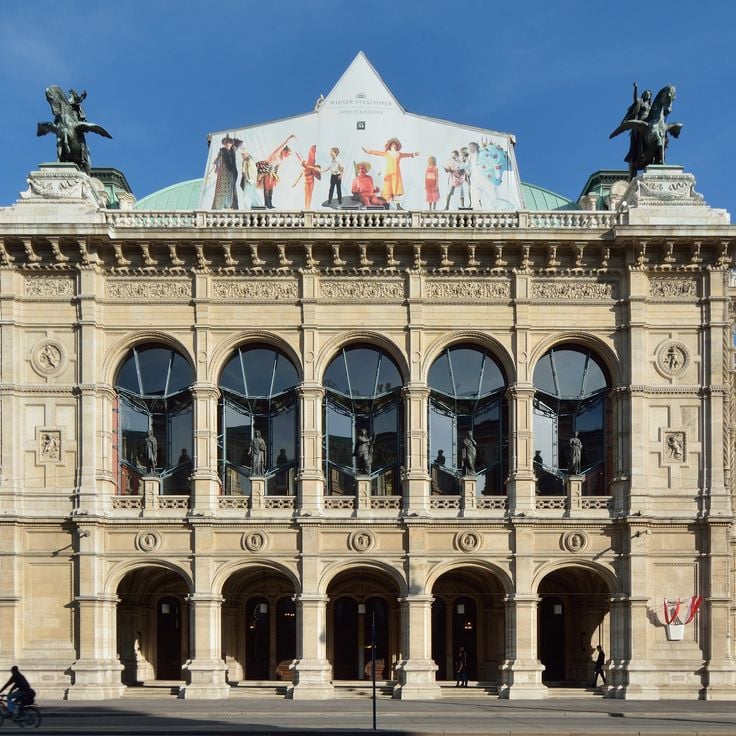
Vienna, Austria
Building with a hall of 1709 seats, reconstructed after the bombings of 1945 and reopened in 1955 with Beethoven's Fidelio.
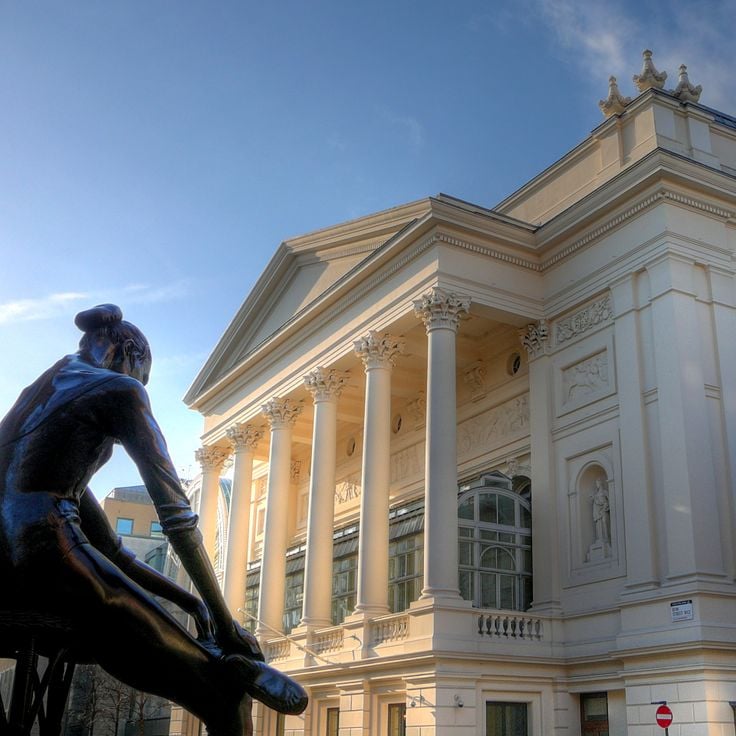
London, United Kingdom
Britain's main opera theatre built in 1858, with a facade featuring Corinthian columns and large arched windows.
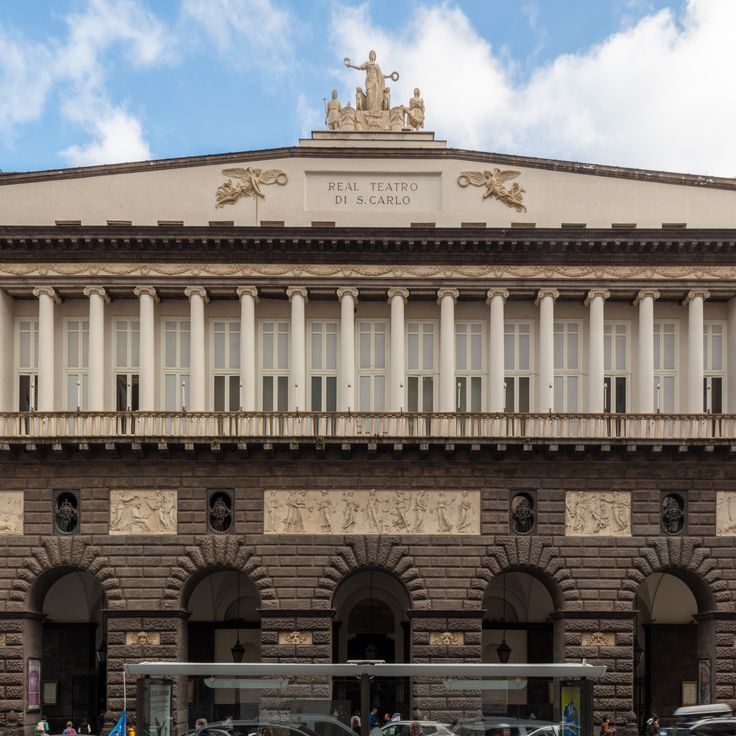
Naples, Italy
Italy's oldest opera house, with a horseshoe-shaped hall decorated with six tiers of boxes and a frescoed ceiling.
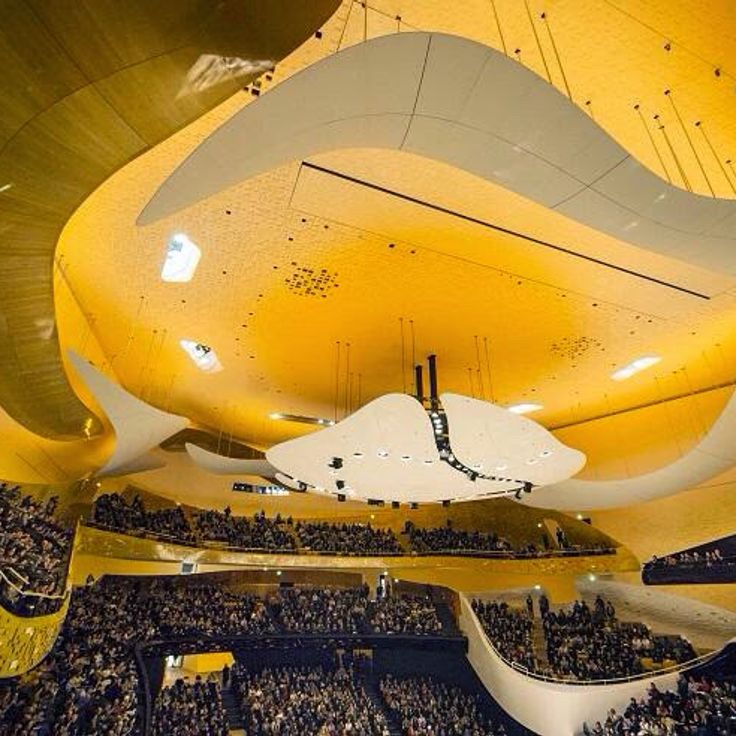
Paris, France
2400-seat concert hall built in 2015, characterized by its aluminum structure and interlaced geometric shapes.
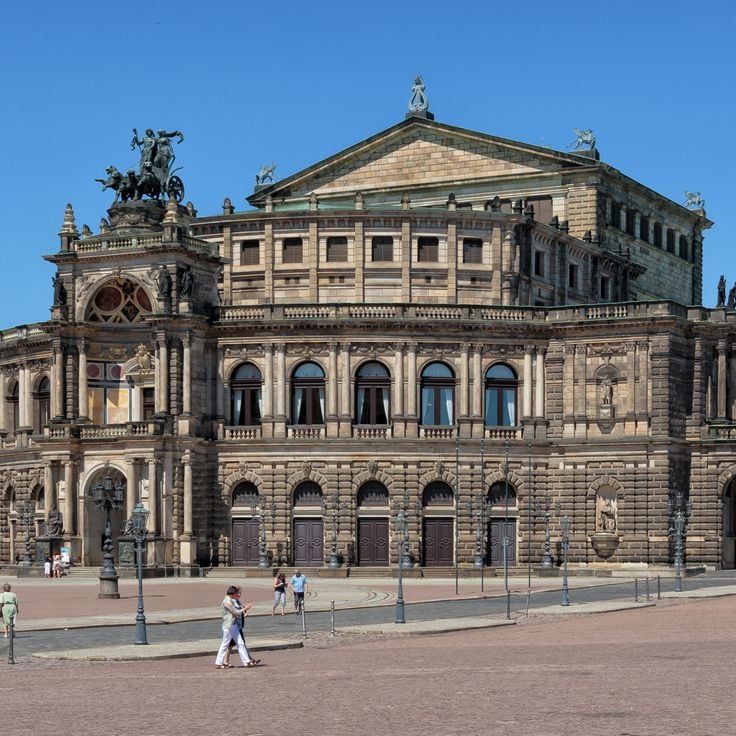
Dresden, Germany
Opera built in 1838, reconstructed after 1945, with a facade adorned with statues and an interior decorated with paintings and gilding.
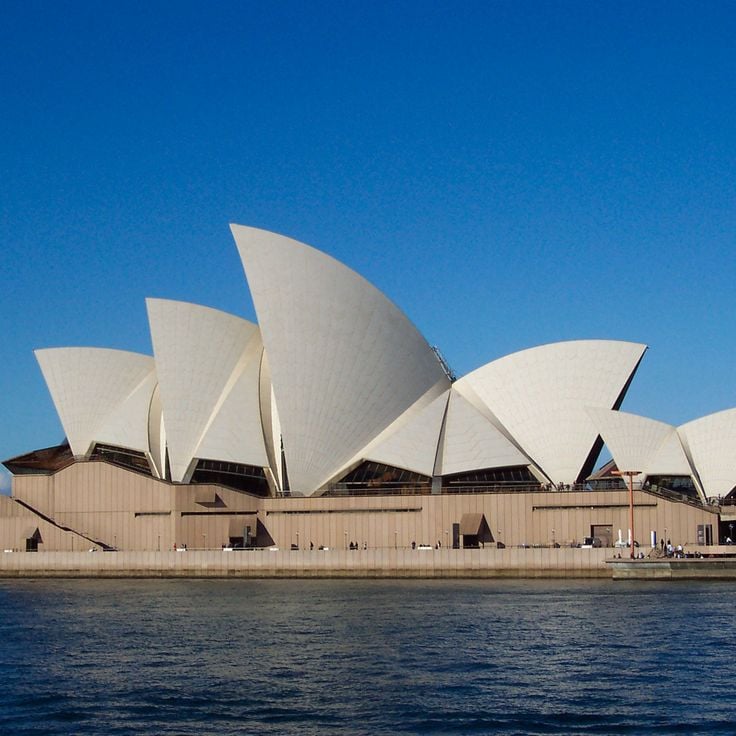
Sydney, Australia
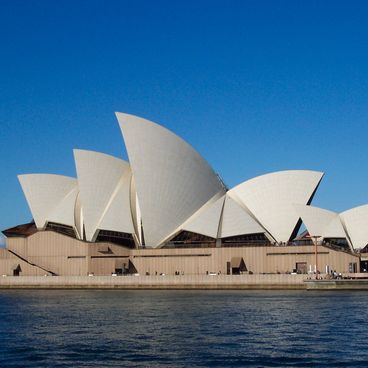
Performance building with shell-shaped white roofs overlooking the harbor. Danish architect Jørn Utzon designed this building in 1973.
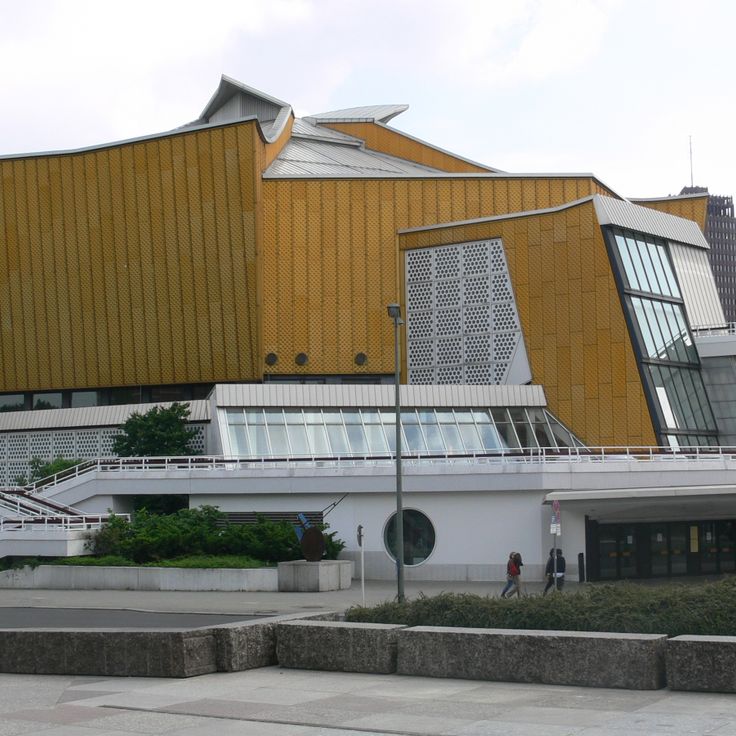
Berlin, Germany
Pentagonal concert hall with 2440 seats arranged around the central stage. Conductor Herbert von Karajan led its inauguration in 1963.
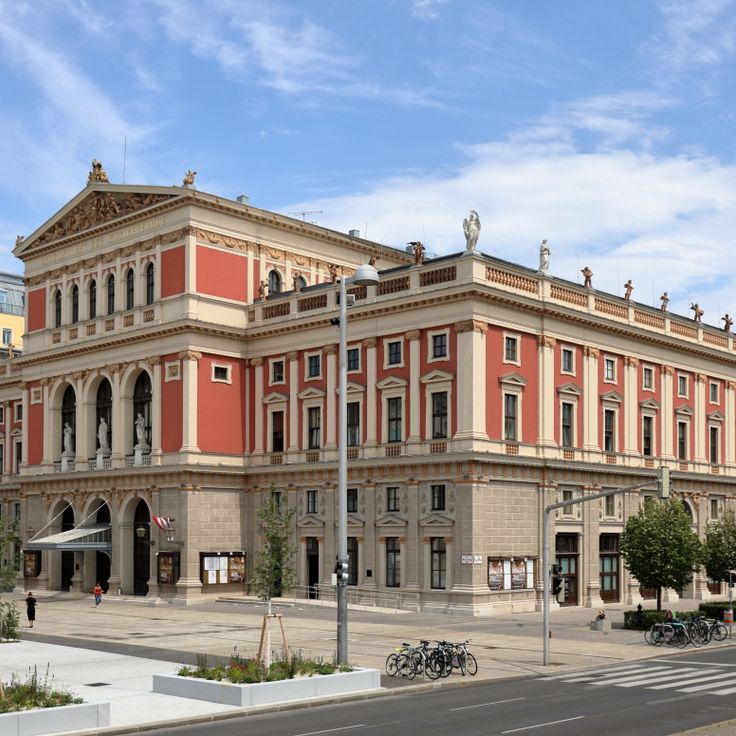
Vienna, Austria
Rectangular concert hall built in 1870, with gilded columns and statues. The annual New Year's concert has been held here since 1939.
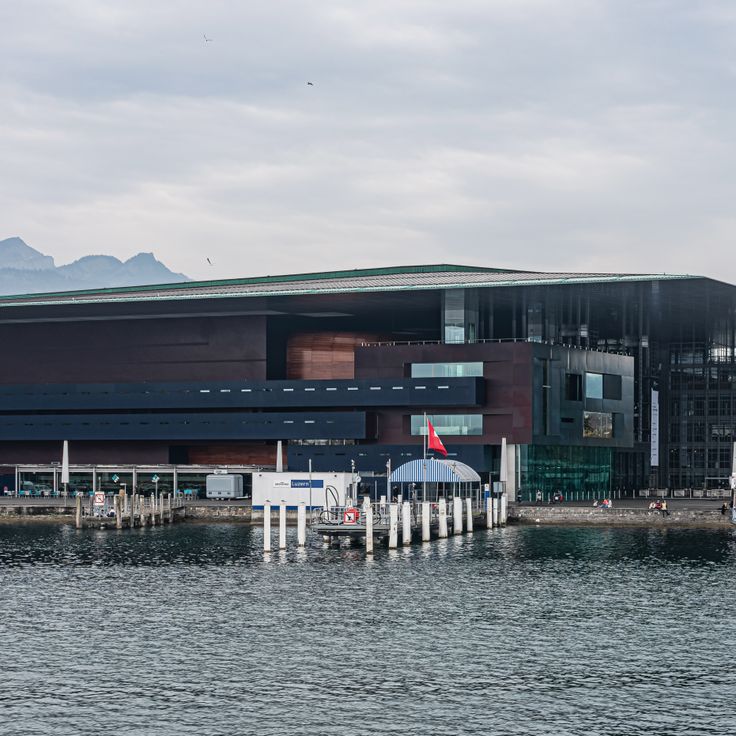
Lucerne, Switzerland
Cultural center on Lake Lucerne, with a 45-meter overhanging roof. Architect Jean Nouvel built it in 1998.
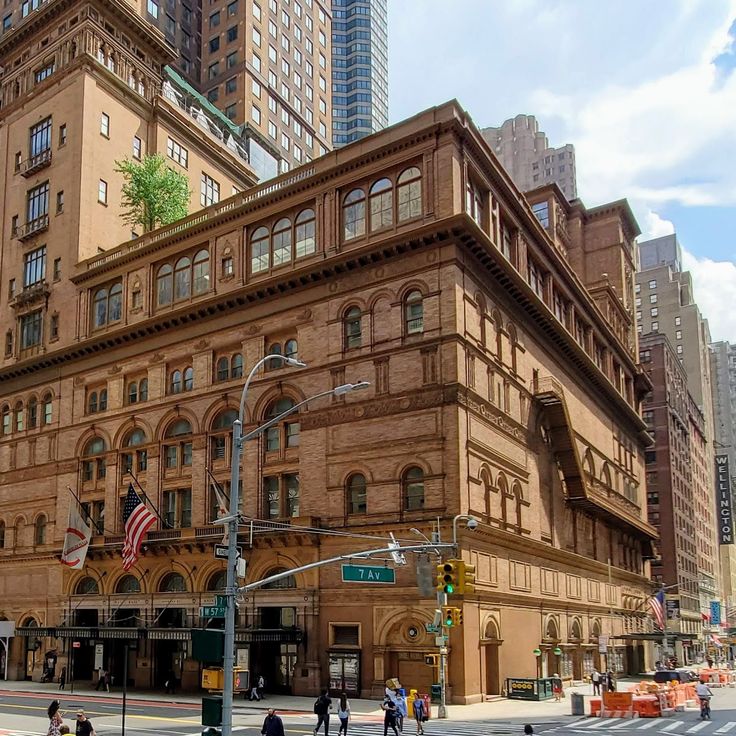
New York, United States
This concert hall has a capacity of 2804 seats spread over three levels. It remains a global reference for its exceptional acoustics.
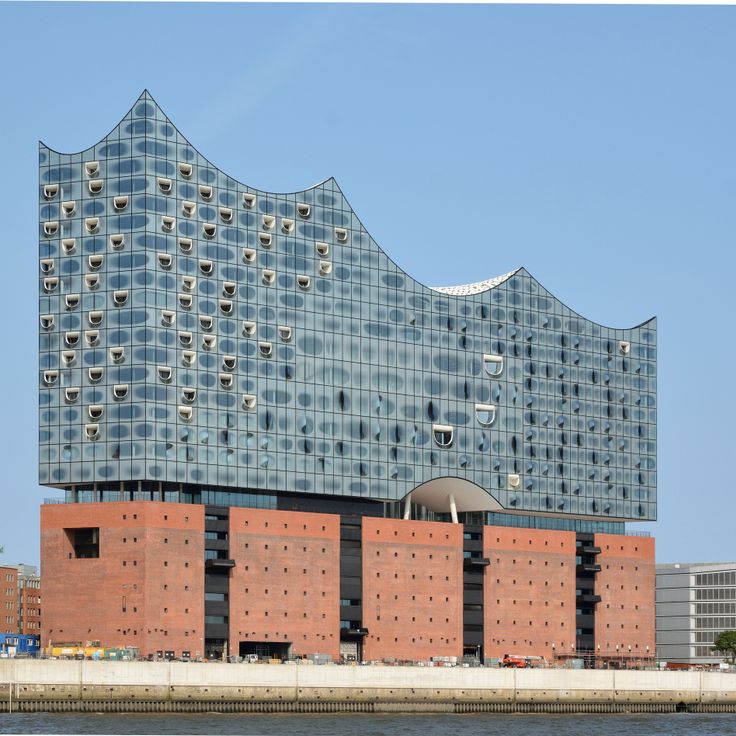
Hamburg, Germany
This 110-meter-high building houses two concert halls, a hotel, and apartments. The main hall can accommodate 2100 spectators.
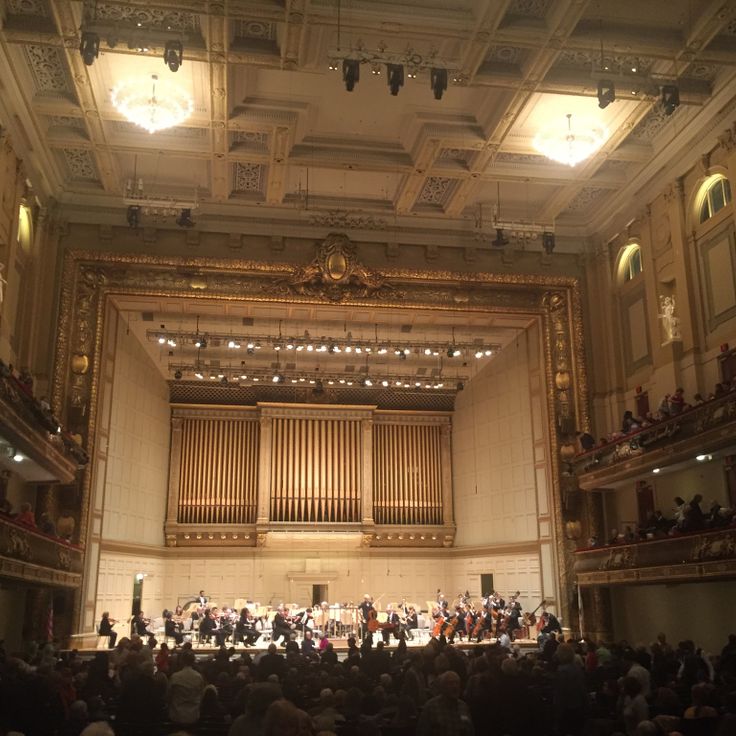
Boston, United States
This 2625-seat concert hall was built following the scientific principles of acoustics by Wallace Sabine, a professor at Harvard.
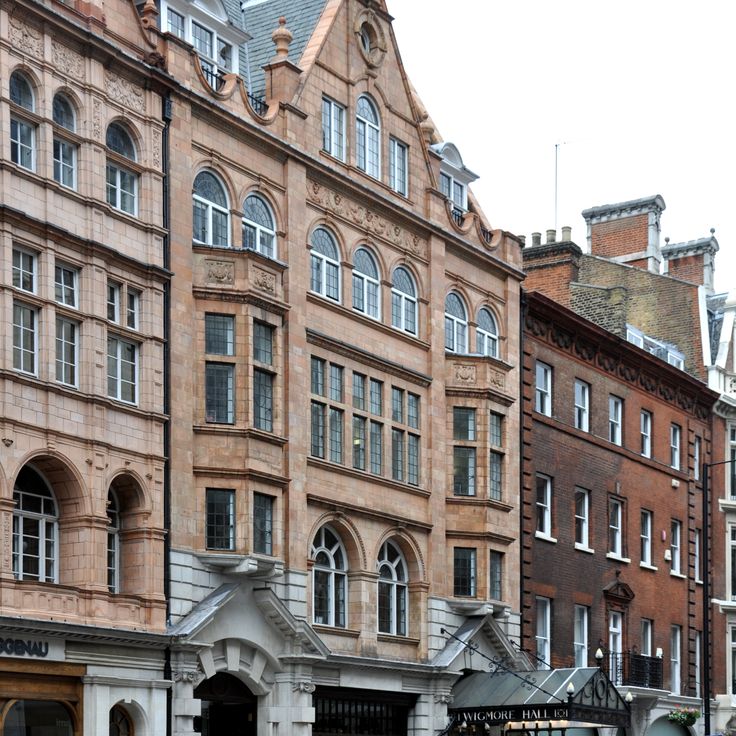
London, United Kingdom
This chamber music hall has 545 seats. It hosts over 400 concerts a year and is renowned for its acoustic arch.
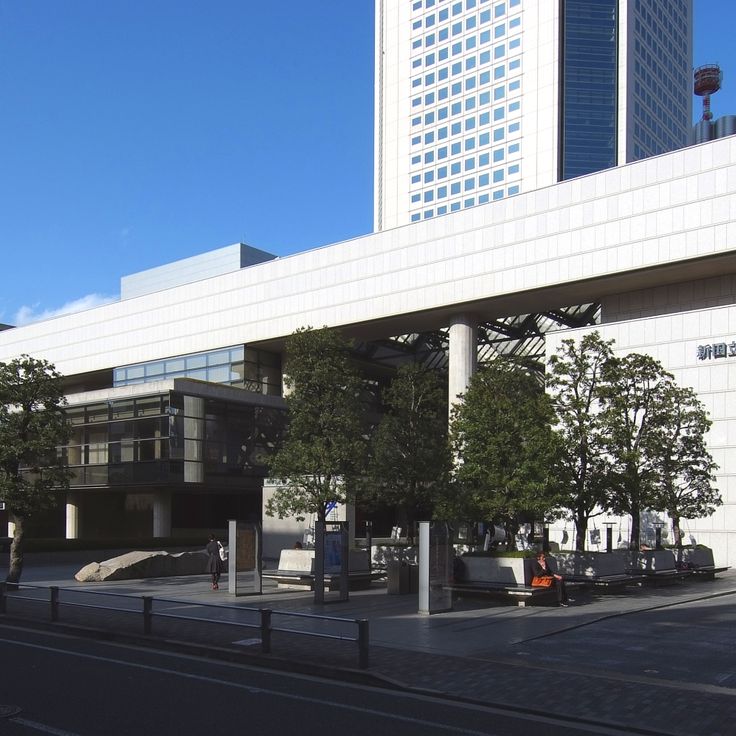
Tokyo, Japan
Modern building with 1600 seats built in concrete and wood. The main hall is shaped as a cuboid with pyramidal walls.
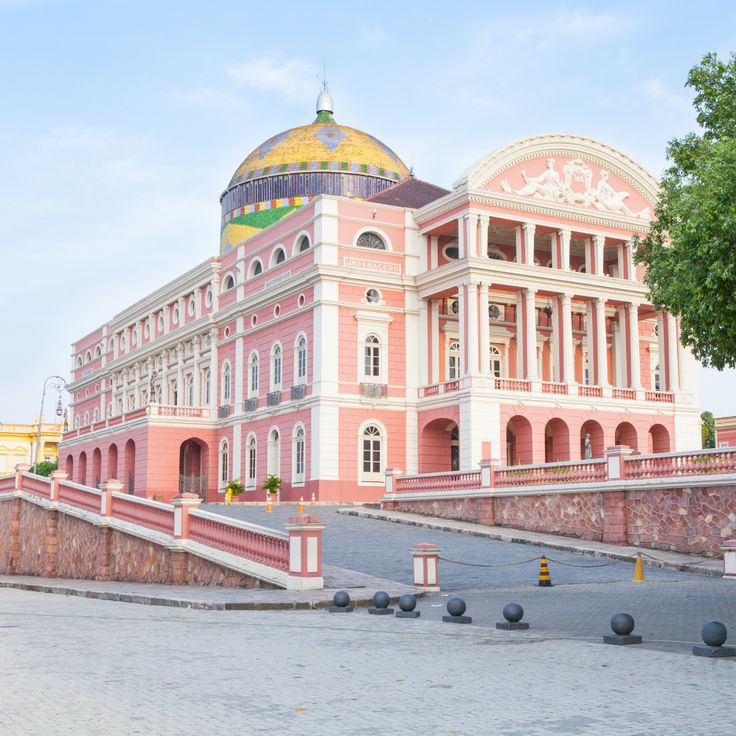
Manaus, Brazil
A building with European architecture built during the rubber boom. Its dome features ceramics in the colors of the Brazilian flag.
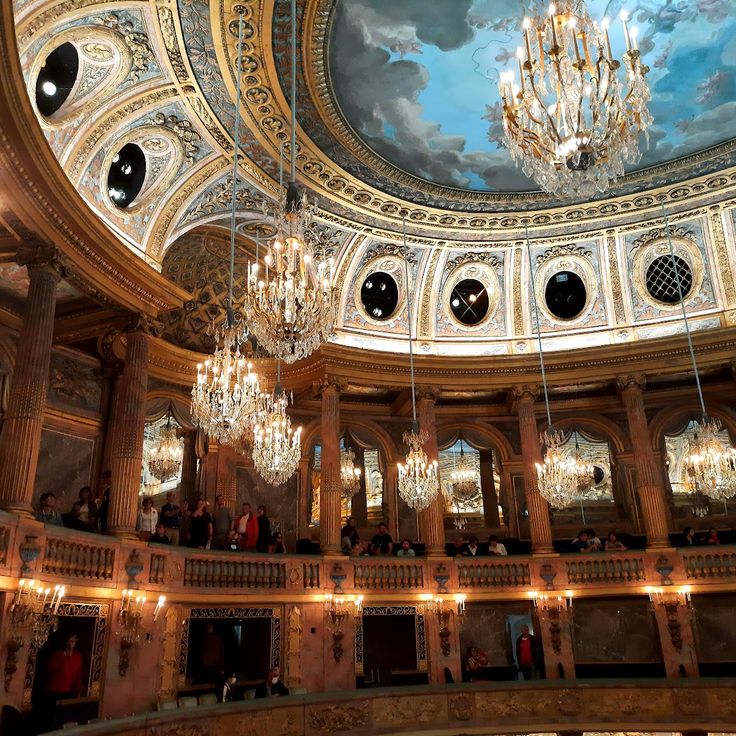
Versailles, France
Wood and canvas construction located in the palace. The hall features four levels of galleries and can accommodate 712 spectators.
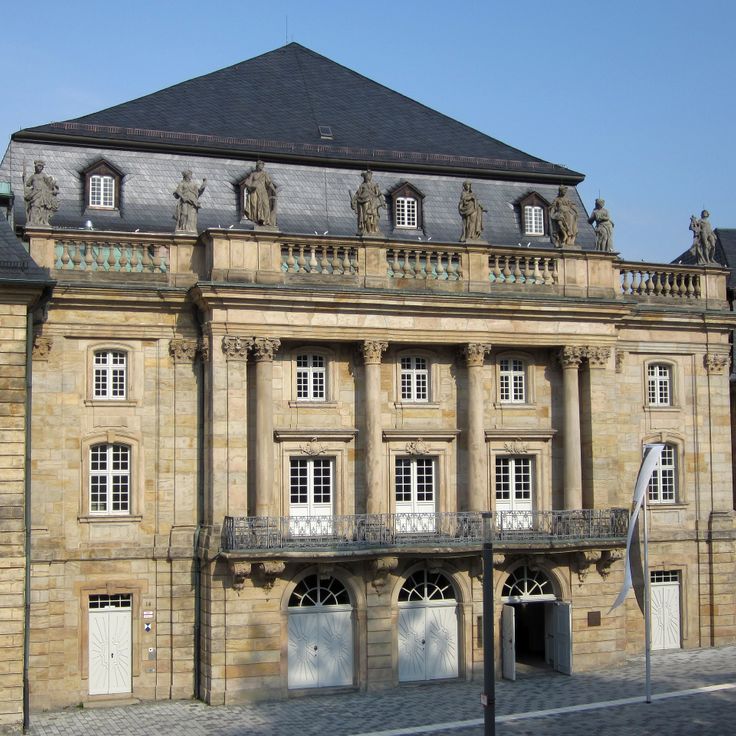
Bayreuth, Germany
Baroque opera house with an interior made of carved wood. The stacked boxes and balconies can accommodate 500 people in a fully preserved setting.
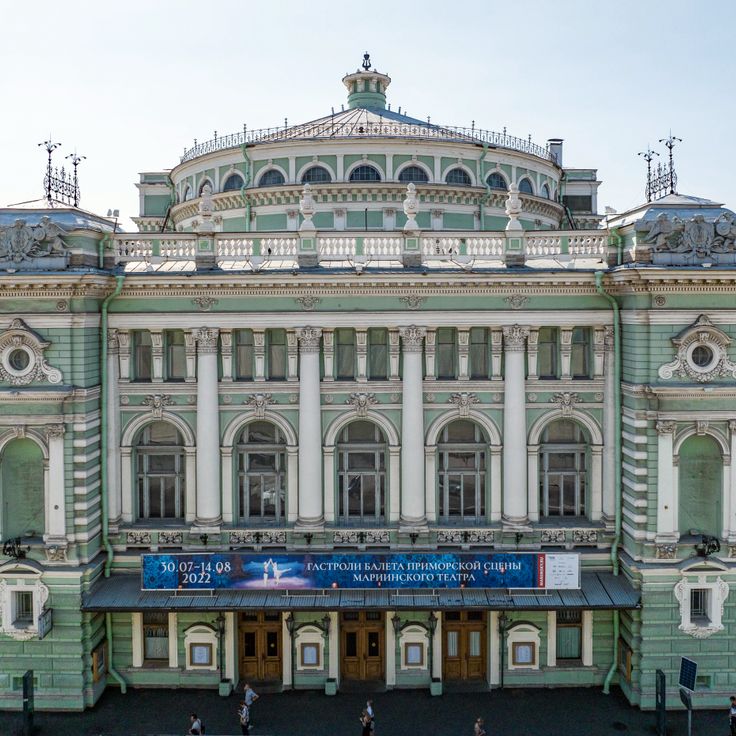
St. Petersburg, Russia
Built in 1860, this imperial theater features baroque architecture with gold and red velvet decorations. The building is named after Emperor Alexander II's wife.
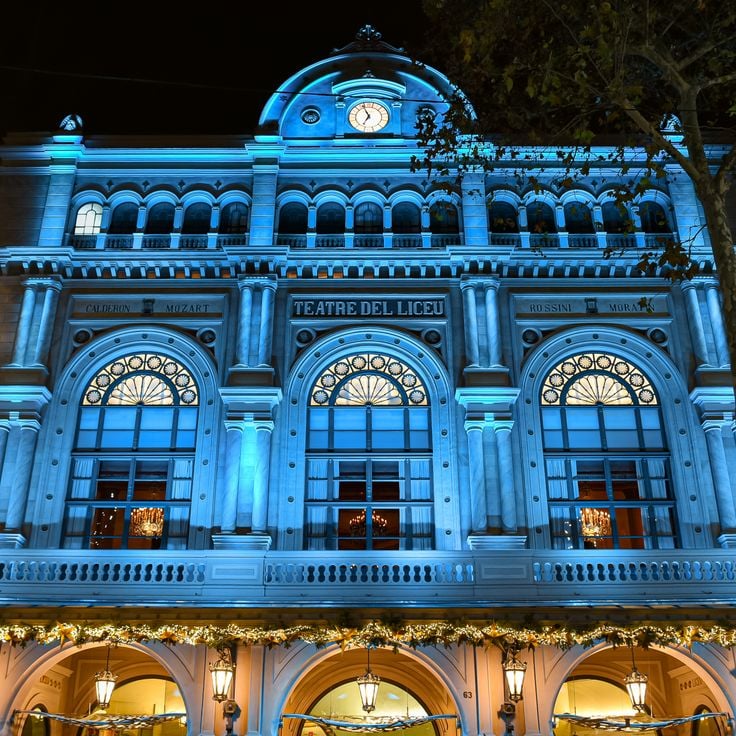
Barcelona, Spain
Built in 1847 following Italian architectural codes, this theater has 2292 seats. The main hall features five levels of balconies decorated with golden motifs.
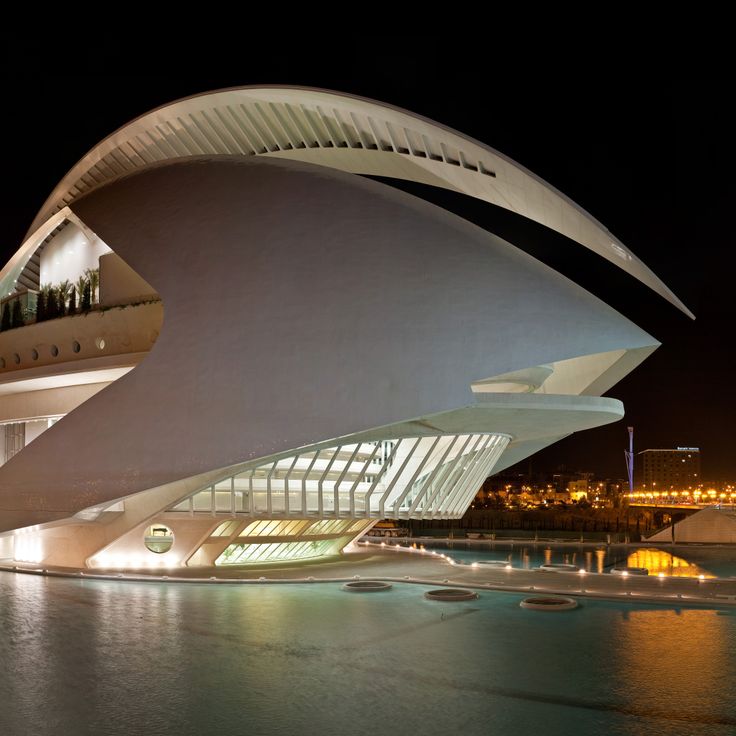
Valencia, Spain
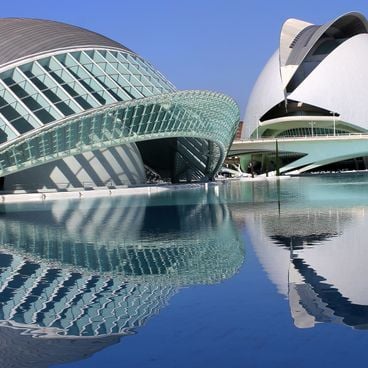
Cultural center opened in 2005 with a main hall of 1700 seats. The contemporary architecture in white concrete and glass reaches a height of 75 meters.
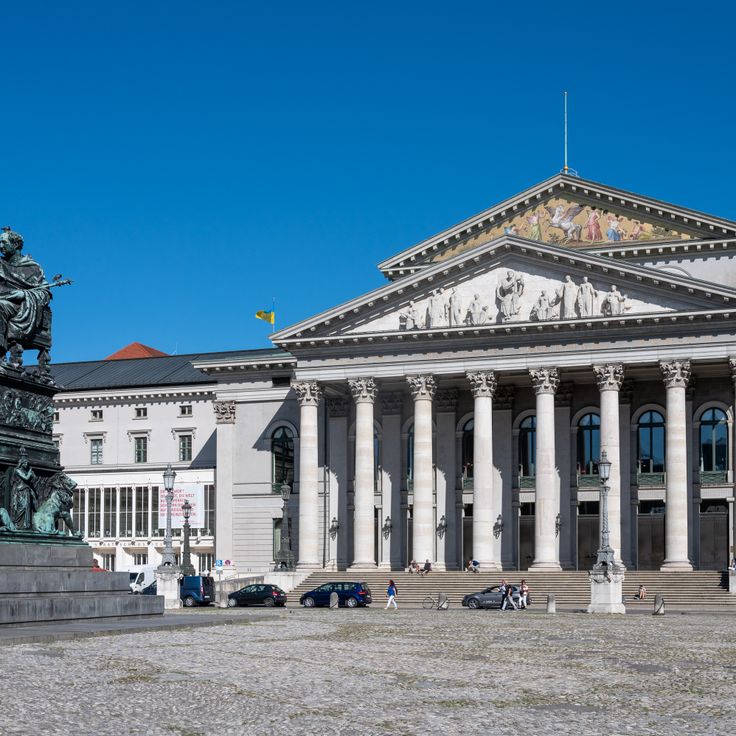
Munich, Germany
Neoclassical-style opera house built in 1818. The building has 2100 seats and an orchestra pit that can accommodate 100 musicians.
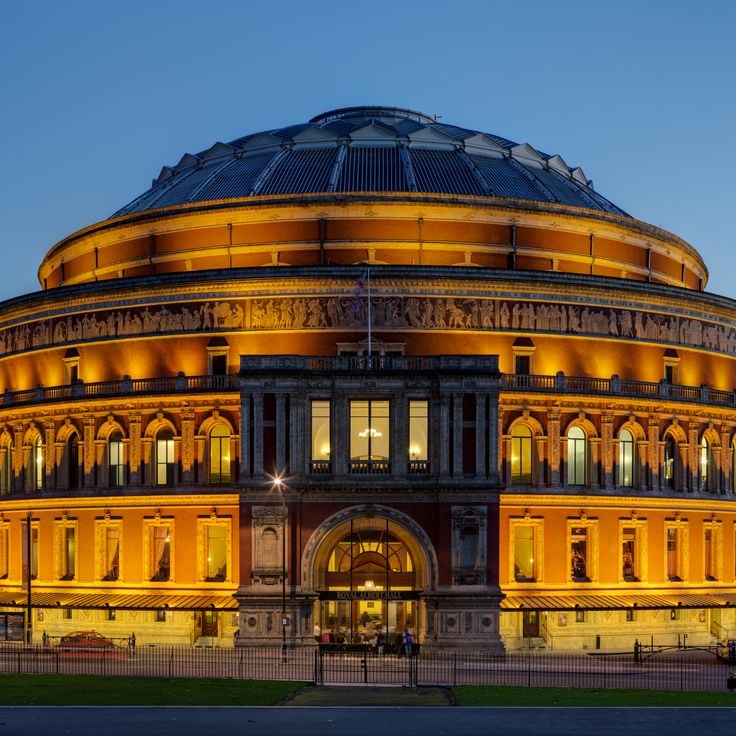
London, United Kingdom
Round concert hall inaugurated in 1871. The building features a wrought iron dome measuring 40 meters in diameter and a capacity of 5272 seats.
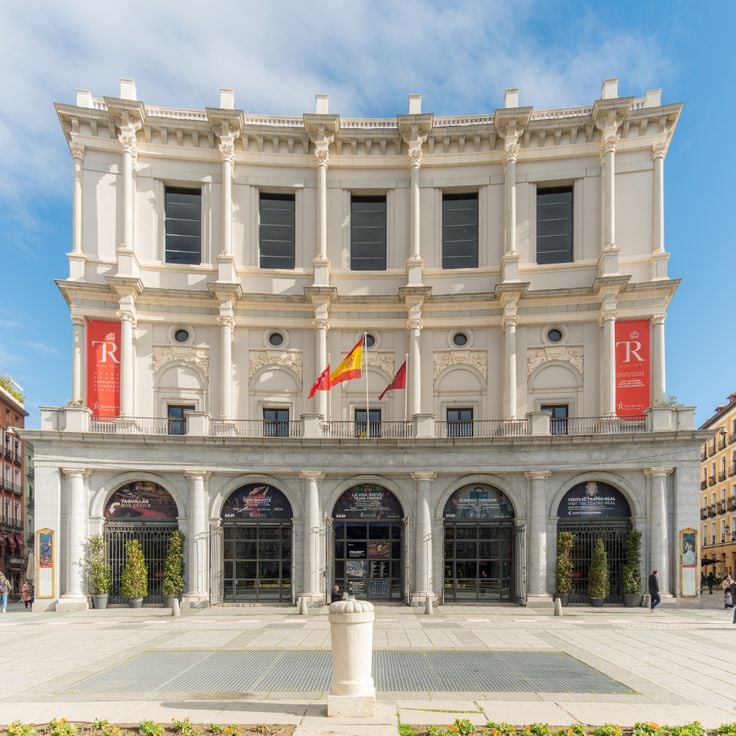
Madrid, Spain
Opera house built in 1850 according to the plans of architect Antonio López Aguado. The building has 1746 seats distributed over four levels.
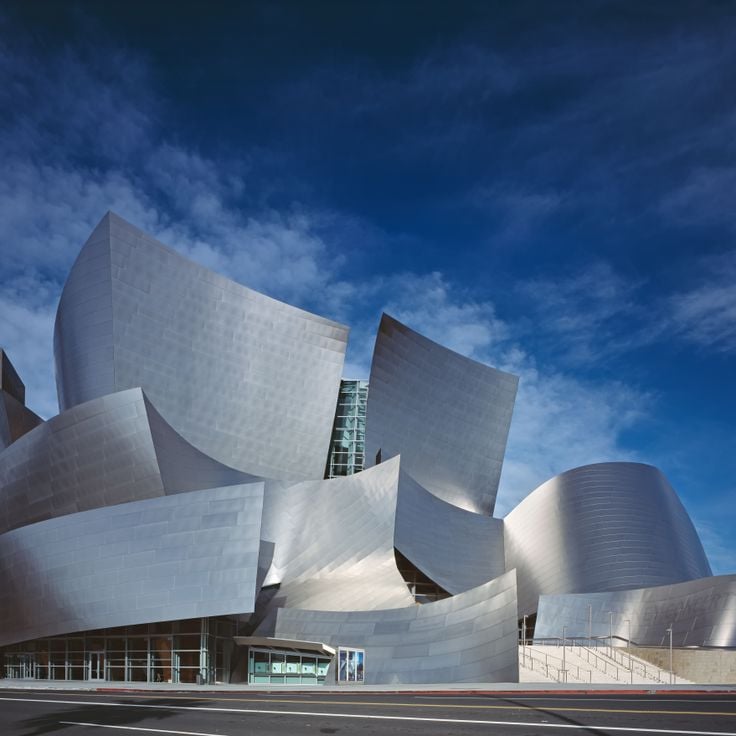
Los Angeles, United States
Concert hall designed by architect Frank Gehry and inaugurated in 2003. The stainless steel structure houses an organ with 6134 pipes.
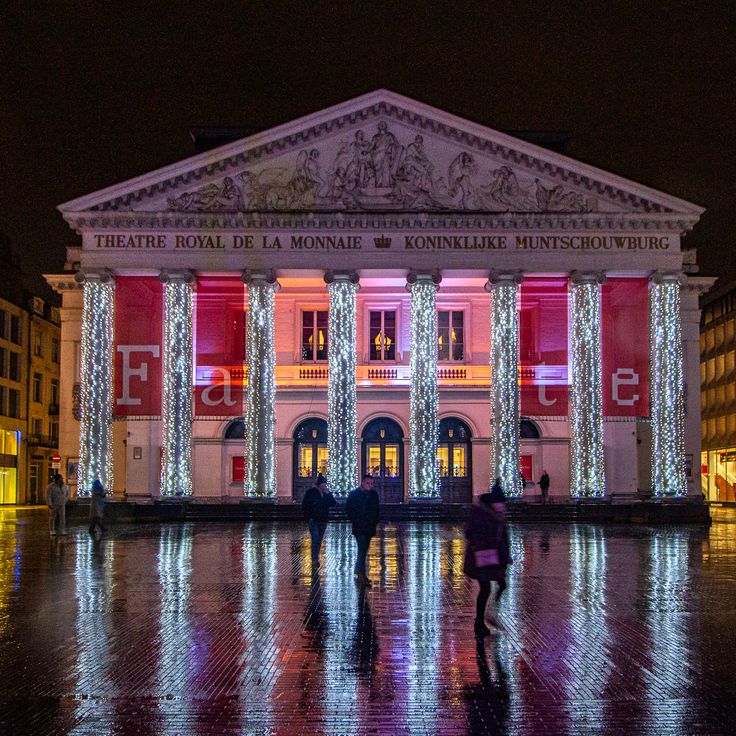
Brussels, Belgium
Opera house built in 1819 on the site of a former mint hotel. The venue became the cradle of the Belgian revolution in 1830.
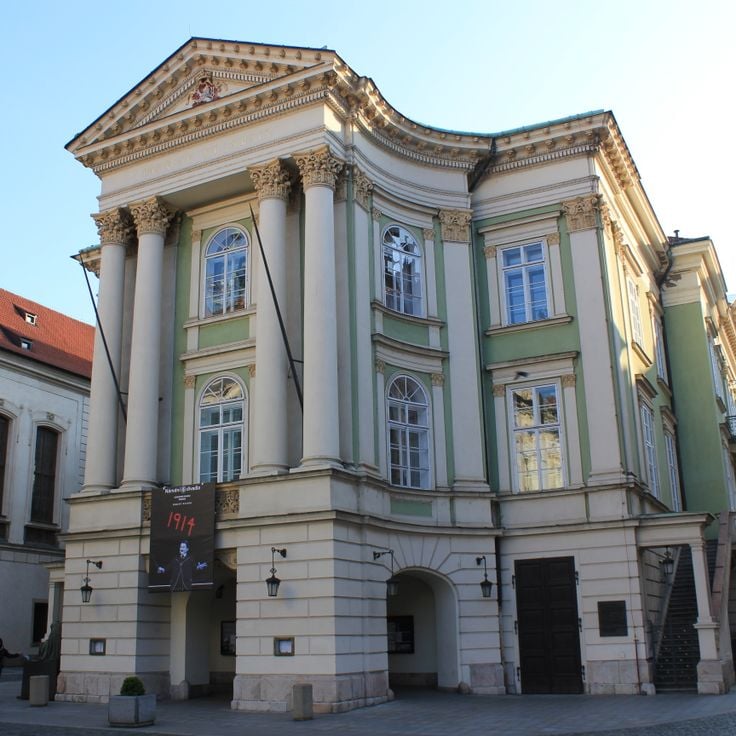
Prague, Czech Republic
Baroque-style hall with staggered balconies, adorned with golden motifs, opened in 1783. Mozart conducted the premiere of Don Giovanni here in October 1787.
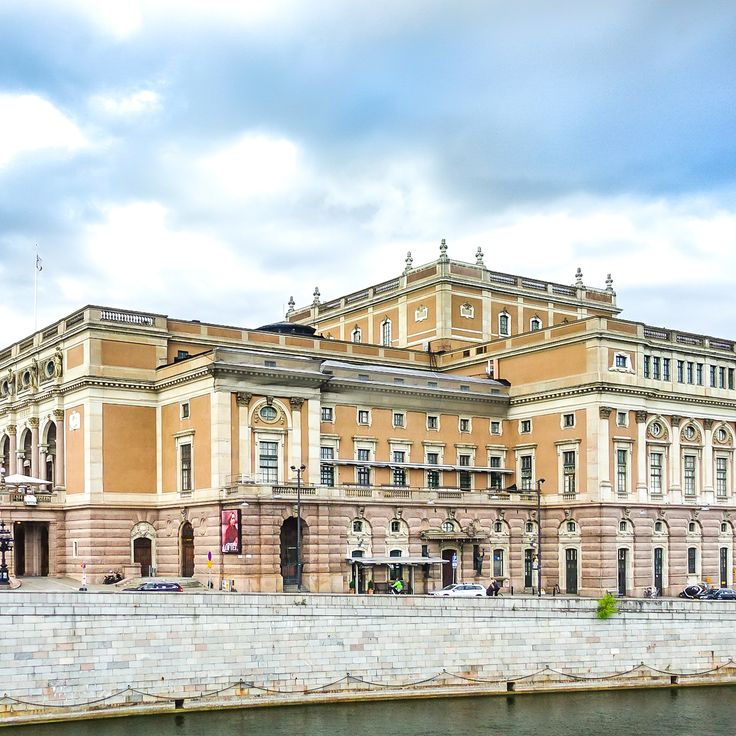
Stockholm, Sweden
Neoclassical building constructed in 1899 according to Axel Anderberg's plans, with a main hall of 1200 seats and Art Nouveau-style interior decoration.
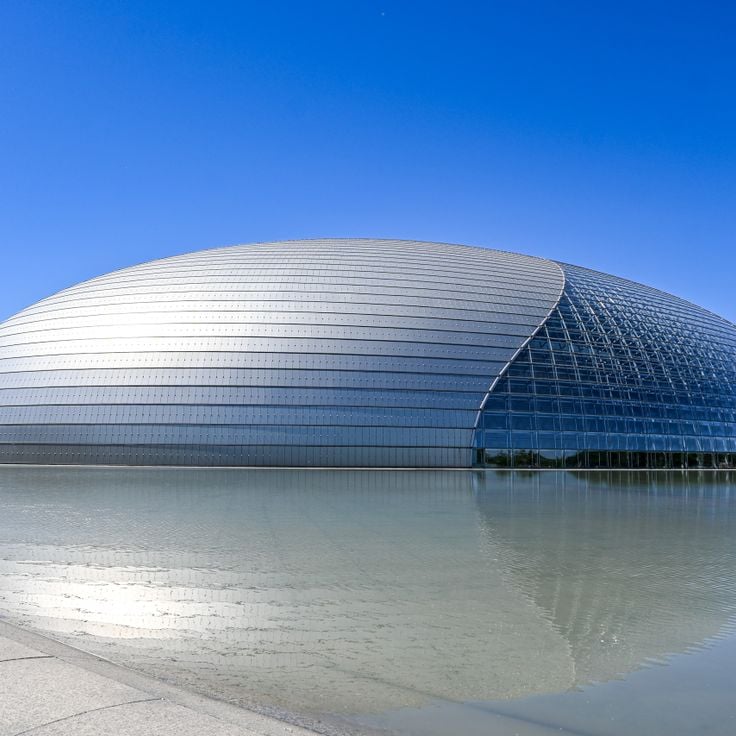
Beijing, China
Elliptical structure from 2007 covered in titanium and glass, designed by architect Paul Andreu. The main hall holds 2416 seats arranged around a central stage.