This collection brings together the greatest opera houses in the world, buildings that show how important lyrical music has been in the history of cities. From Paris to Sydney, from Vienna to Buenos Aires, these theaters reflect the musical richness of each period and each country. The architecture varies a lot: some show the ornate and decorative style of the 19th century, while others have simpler, more modern forms. Each hall was made to give a clear sound, so the voices of singers can reach the highest galleries. The operas here are not just concert halls. They are buildings that have shaped the cultural life of their cities. The Palais Garnier in Paris shines with gold decorations and walls of marble. The Semperoper in Dresden has beautiful facades that are reflected in the Elbe River. The Metropolitan Opera House in New York welcomes thousands of visitors every year from around the world. From the Bolshoi Theatre in Moscow to La Scala in Milan, each opera has its own history and legends, and they all still play a main role in the cultural life of their regions.
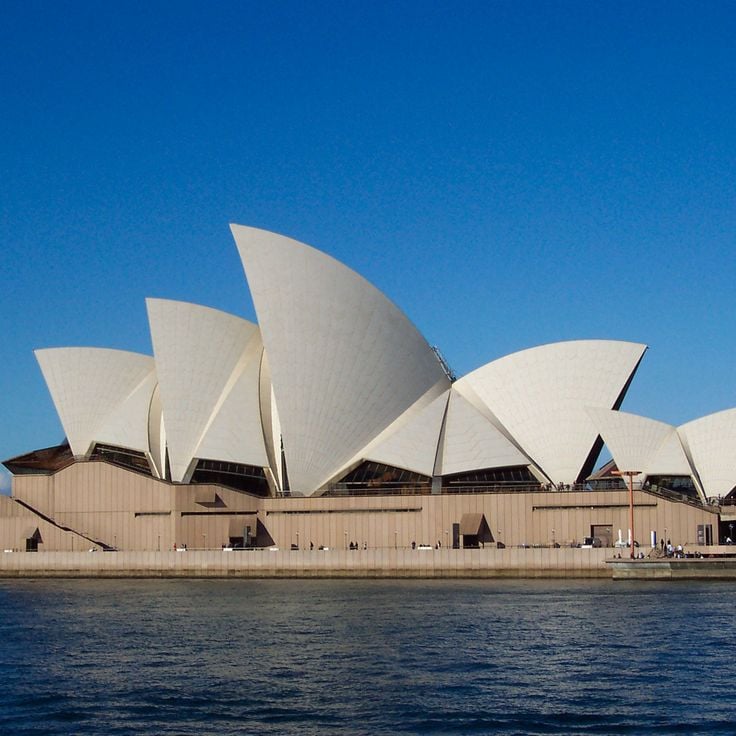
Sydney, Australia
The Sydney Opera House is a building with white roof segments located at Bennelong Point, containing several concert halls with a total of 5738 seats. It stands as one of the world's most important opera houses and shapes the cultural life of the city with international performances and events.
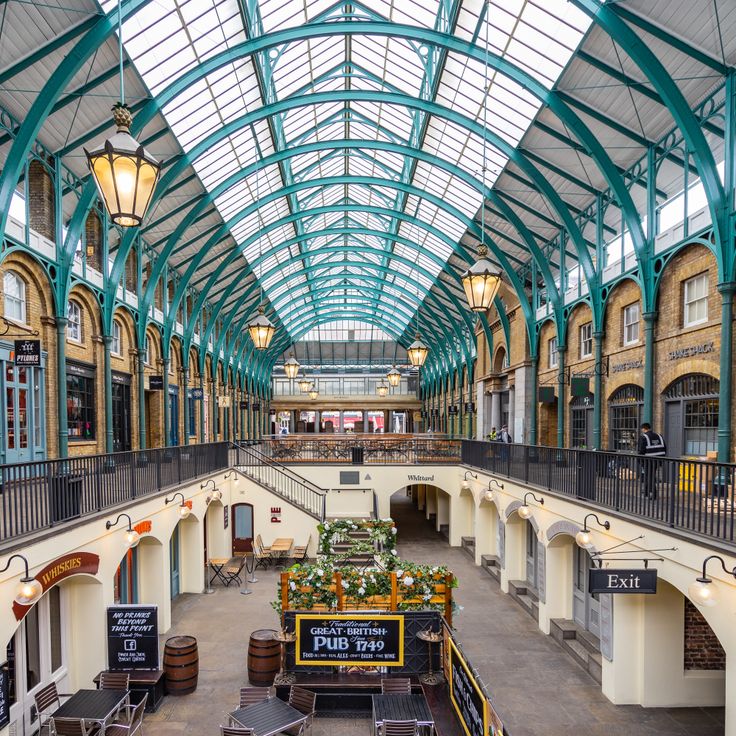
London, United Kingdom
The Royal Opera House in London is an opera house of great importance for British cultural life. The building in Covent Garden opened its doors in 1858 and has seating for approximately 2256 spectators. The stage hosts opera and ballet performances of international standing. The architecture reflects the elegance of the Victorian era. Each day visitors stream into this theater, which has remained a center of artistic life in London for more than 150 years.
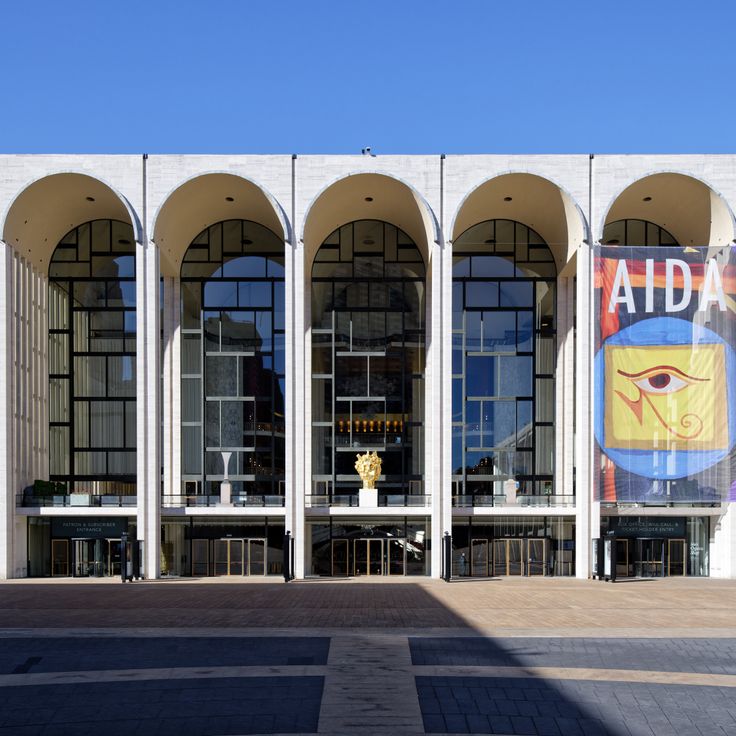
New York, United States
The Metropolitan Opera House is one of the world's most important opera houses and has shaped New York's cultural life since opening in 1966. The building stands out for its modern design and seats approximately 3800 spectators. Two large murals by Marc Chagall greet visitors in the main hall. Every year, thousands of opera enthusiasts from around the world come here to experience performances. The hall was designed with great care to achieve excellent acoustics, allowing singers' voices to reach even the highest balconies.
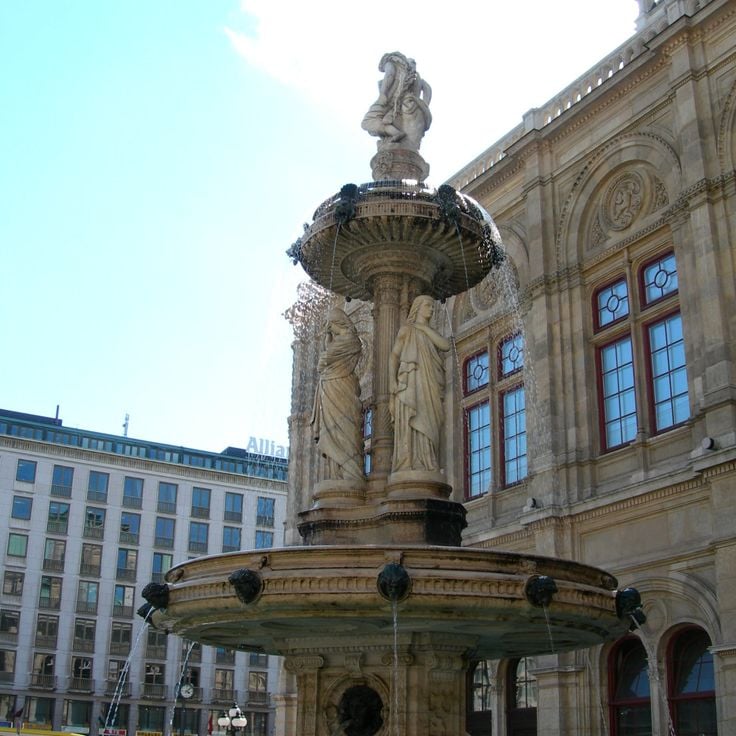
Austria
Vienna State Opera is one of Europe's most important opera houses. This 19th-century neo-Renaissance building features lavishly decorated interior spaces with marble columns and gold ornaments. The hall holds over 2000 seats and is known for its excellent acoustics. Each year it hosts major performances that draw visitors from around the world. The building shapes Vienna's cultural life significantly and reflects the city's musical tradition.
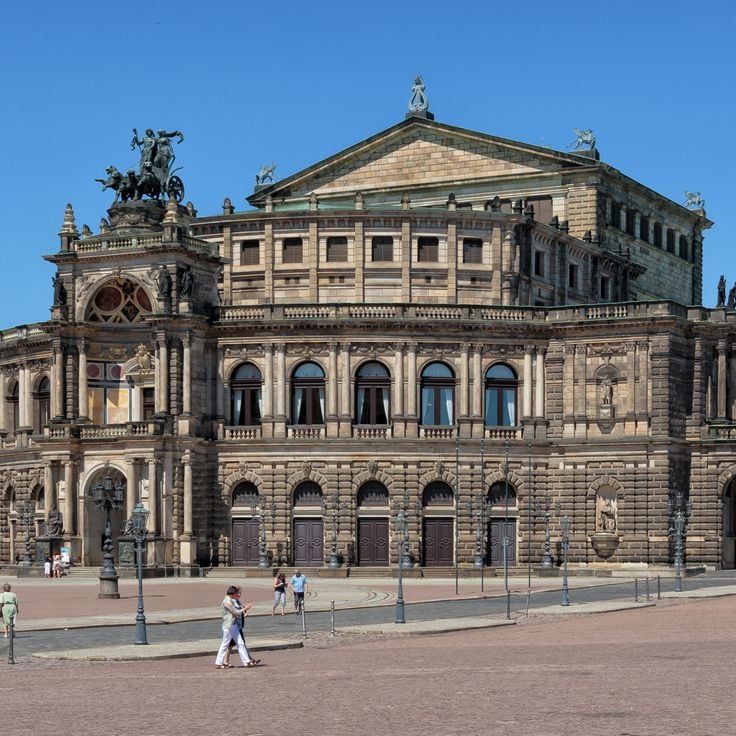
Dresden, Germany
The Semperoper Dresden is an opera house that opened in 1841 and shaped the musical life of Saxony. After being destroyed during World War II, the building was reconstructed following its original plans and reopened in 1985. The facades mirror themselves in the Elbe River and display classical architecture with refined details. This house stands as one of Europe's major opera venues and continues to host acclaimed productions of operas and ballets.
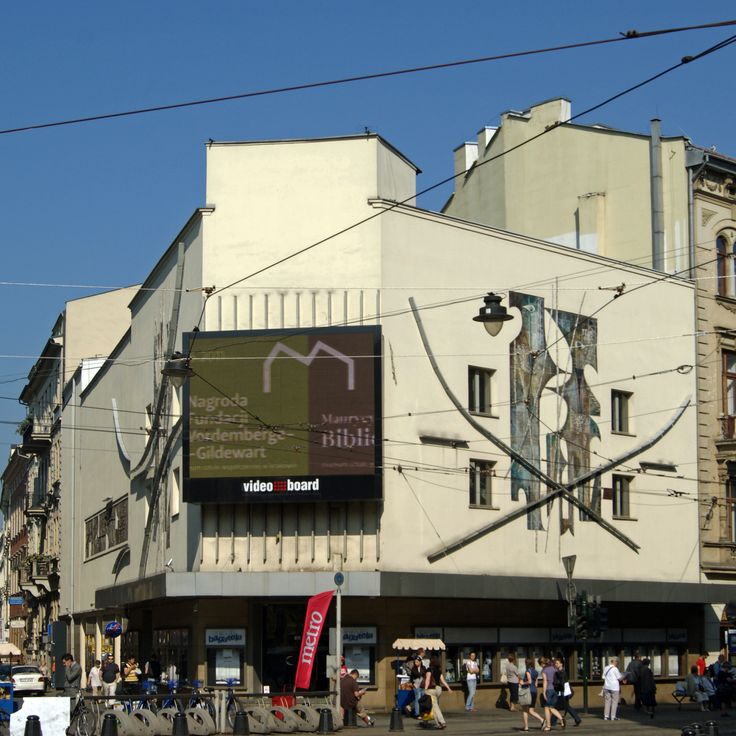
Milan, Italy
The Teatro alla Scala in Milan is an opera house with a long history. Since 1778, performances have taken place here. The building houses a museum and a concert hall seating about 2000 people. The architecture reflects the elegance of the 18th century. The hall is known for its excellent acoustics, allowing singers' voices to reach even the highest balconies. The Teatro alla Scala plays a central role in Milan's musical life and draws visitors from around the world.
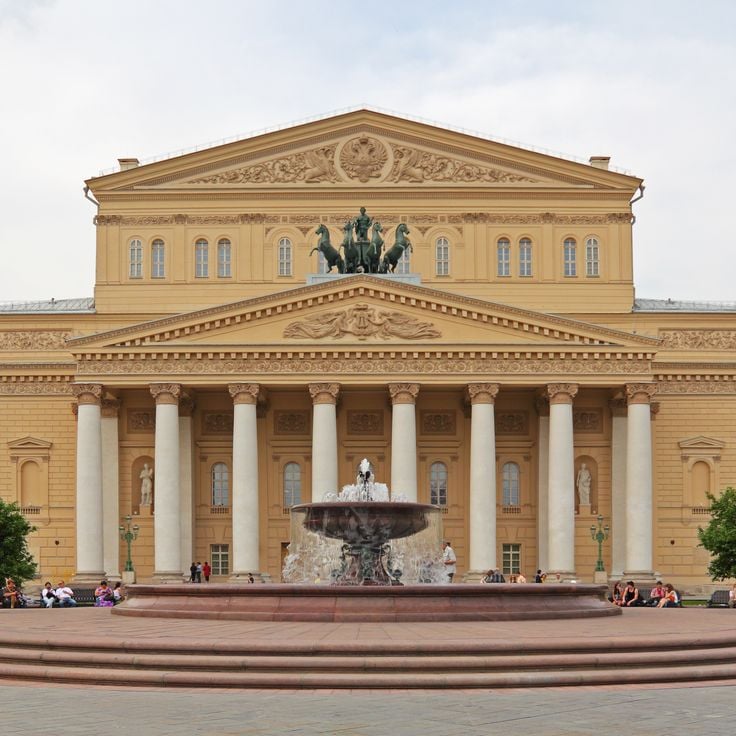
Moscow, Russia
The Bolshoi Theater is a monumental opera house in Moscow that has existed since 1825. It presents Russian operas and classical ballets in a neoclassical building with red velvet curtains and gilded details. The stage is known for its acoustics and grand productions that draw audiences from around the world. The theater is an important landmark in Russian cultural history and remains a center of musical life in Moscow.
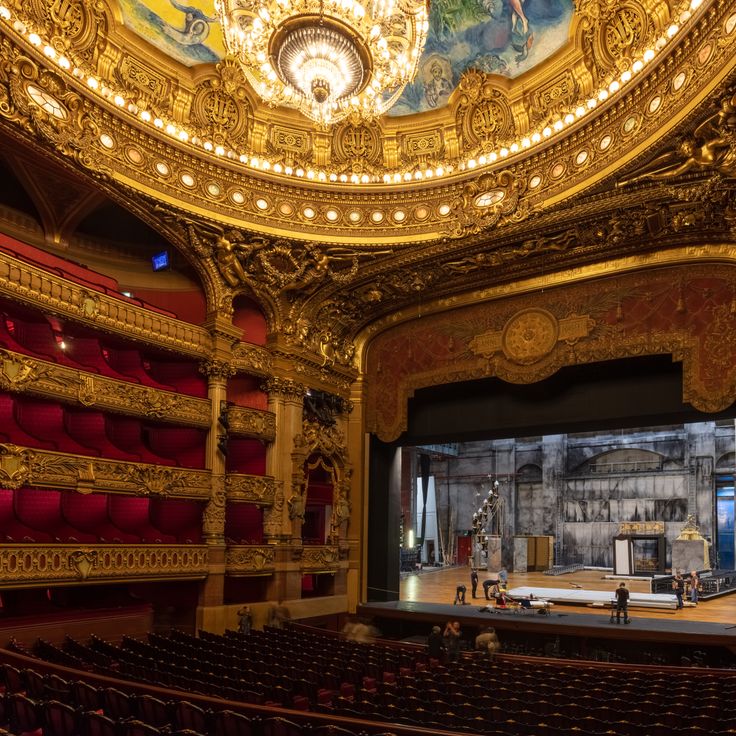
Paris, France
The Palais Garnier in Paris is an opera house built in 1875 that embodies the grandeur of Beaux-Arts architecture. Its interior shines with gilded details and marble walls. The hall is dominated by a large chandelier, and the ceiling displays a colorful painting by Marc Chagall. This building has shaped the cultural life of the city since its opening and continues to be a center for lyrical performances.
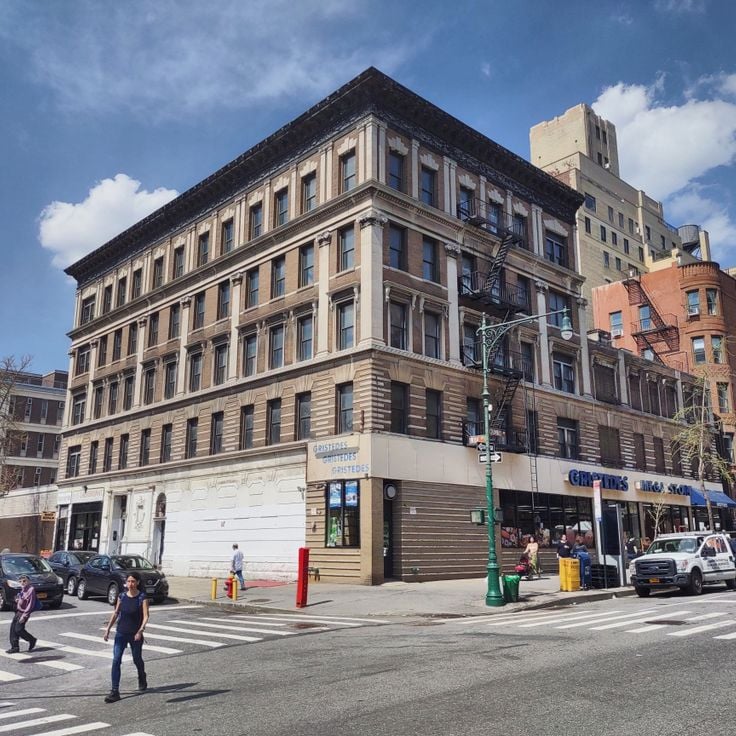
Buenos Aires, Argentina
The Teatro Colón in Buenos Aires is one of the world's great opera houses. The theater opened in 1908 with about 2500 seats. Opera, ballet, and symphony concerts are performed here. The building displays the architecture of the late 19th century with elaborate decorations. The theater has played an important role in the cultural development of Buenos Aires and remains a place where musical talent gathers today.
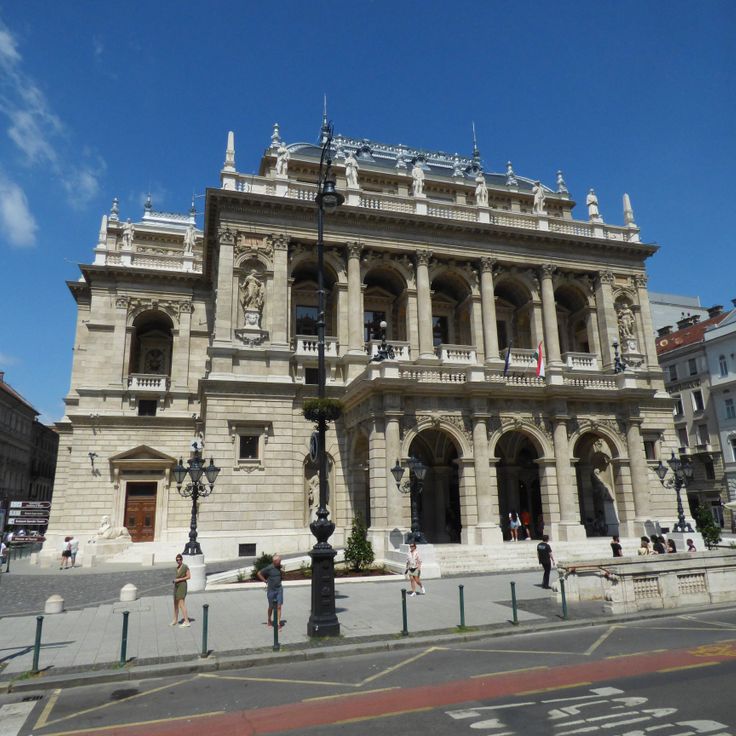
Budapest, Hungary
The Hungarian State Opera in Budapest is an opera house that opened in 1884 and holds 1300 seats. Architect Miklós Ybl designed the building in neo-Renaissance style. The facade features ornate decorations and artistic details that reflect Hungary's wealth and cultural importance during that period. The interior impresses with a grand auditorium whose acoustics carry the human voice to the highest balconies. This opera house has played a central role in Budapest's cultural life since its founding.
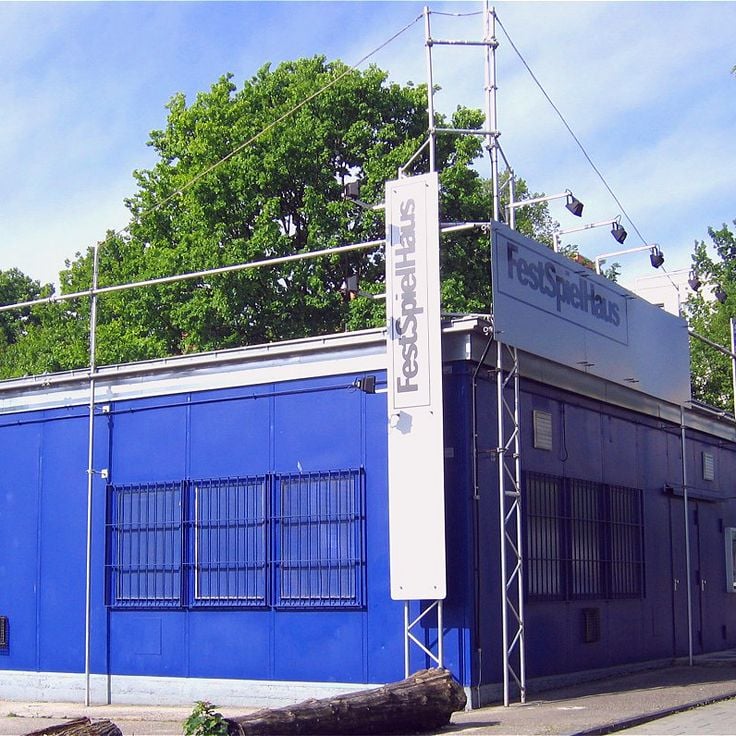
Bayreuth, Germany
The Festspielhaus in Bayreuth opened in 1876 and was designed by Richard Wagner himself. It is a theater built entirely for his operas and features special acoustics. The hall was constructed so that the orchestra's music and the singers' voices reach the audience perfectly. The building shows Wagner's love for music and the stage. Today, visitors from around the world come here to hear the composer's works.
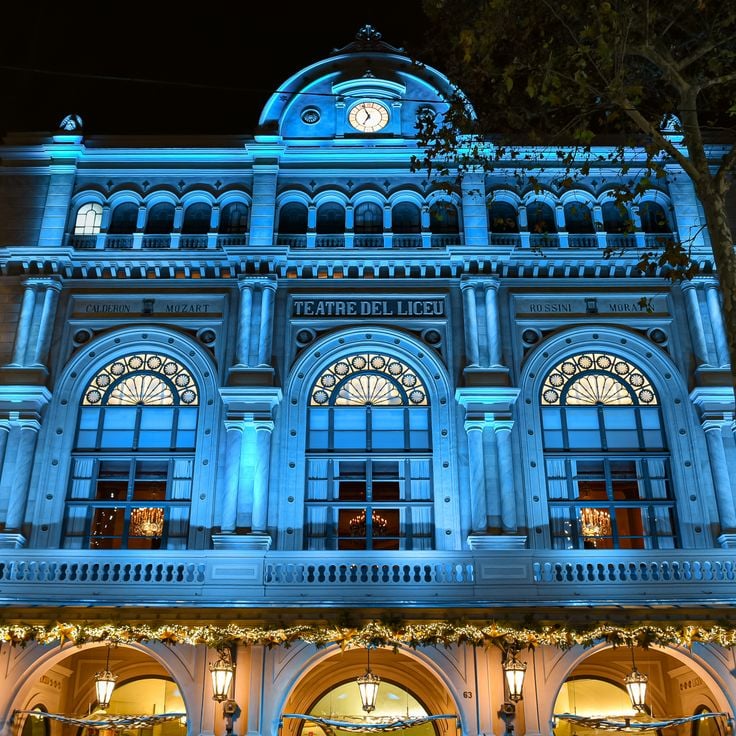
Barcelona, Spain
The Liceu is a major opera house in Barcelona, opened in 1847 on the famous Rambla. With roughly 2300 seats, it ranks among Europe's largest opera houses. The building displays the ornate architecture of the 19th century and has served as a cultural hub of the city for more than 170 years. World-class singers and orchestras regularly perform here.
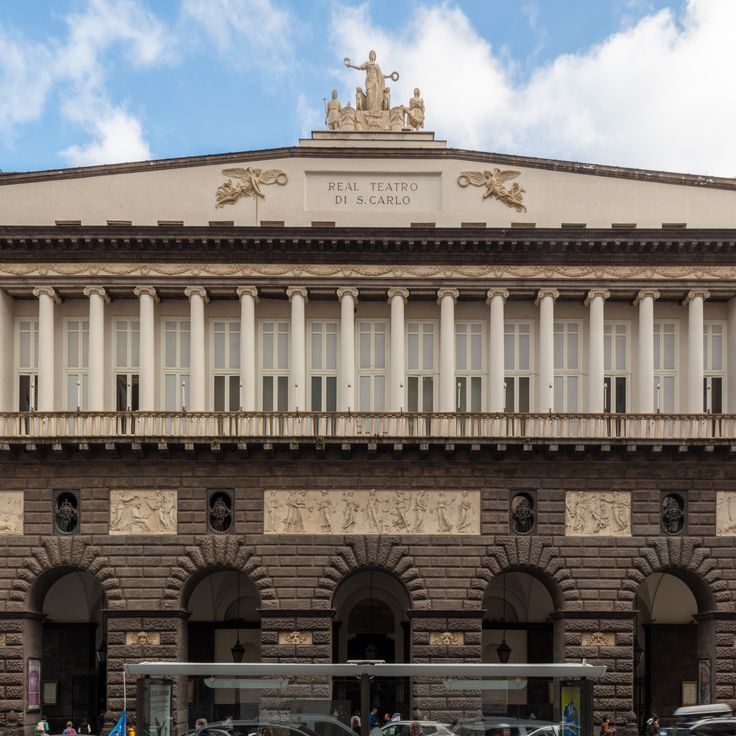
Naples, Italy
The Real Teatro di San Carlo in Naples is one of Italy's oldest opera houses, opening in 1737. The building preserves the elegance of the 18th century with its classical architecture and richly decorated auditorium seating about 1386 people. Opera has been performed here for centuries, establishing Naples as a major cultural center. This theater stands as evidence of Italy's musical tradition and shows how deeply operatic music has shaped the life of this city.
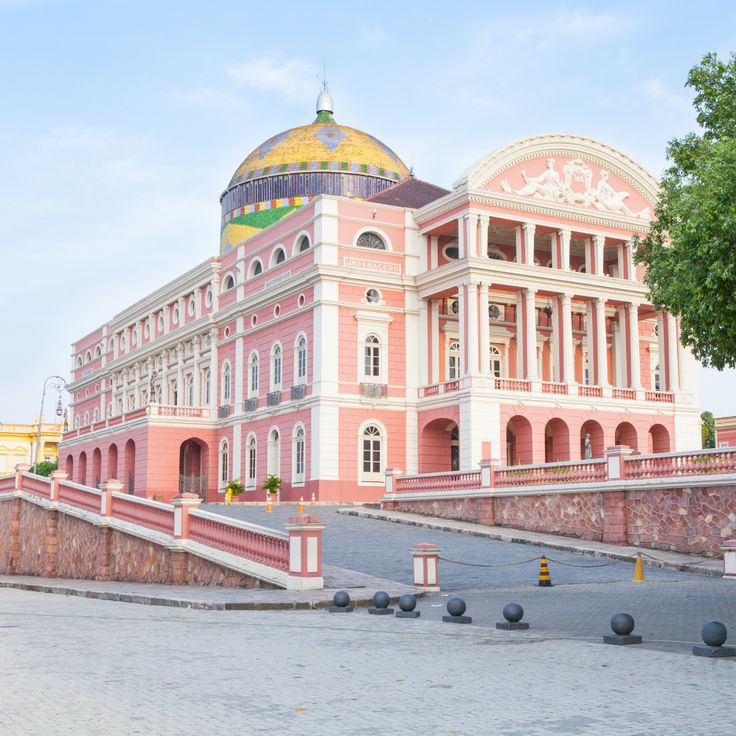
Manaus, Brazil
The Teatro Amazonas is an opera house built in 1896 in Manaus that combines European architecture with local materials. Its distinctive pink dome sets it apart from other opera houses around the world. The building reflects the rubber boom era and shows how European cultural influences reached the Amazon rainforest. Inside, you find elaborately decorated spaces with ornaments that blend local and European styles. The theater has become a symbol of Manaus' cultural diversity.
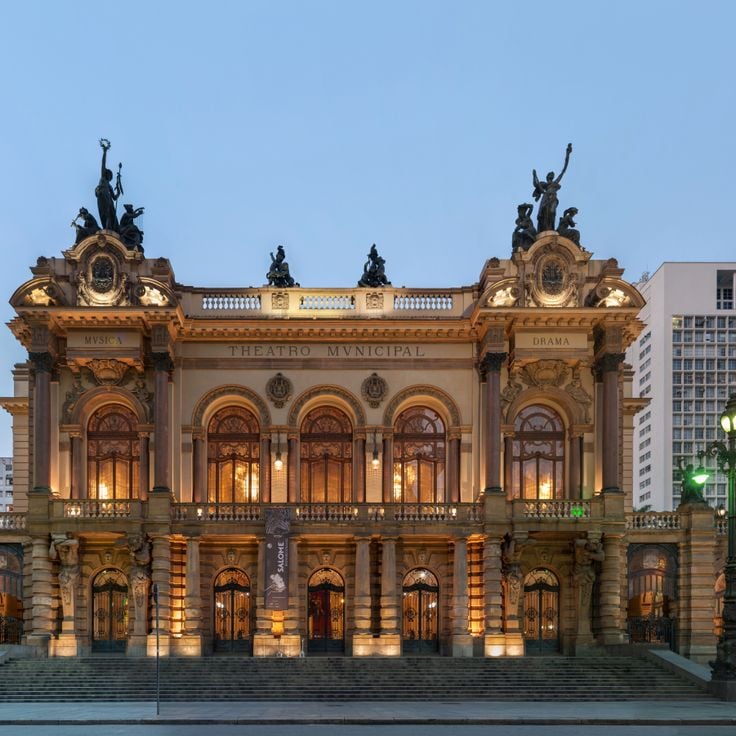
Rio de Janeiro, Brazil
This theater opened in 1909 and was inspired by the Paris Opera. It was designed as a venue for operas, concerts, and ballet performances. With its grand halls, it holds an important place in the cultural history of Rio de Janeiro. The building combines European elegance with the significance that music and theater have in the city.
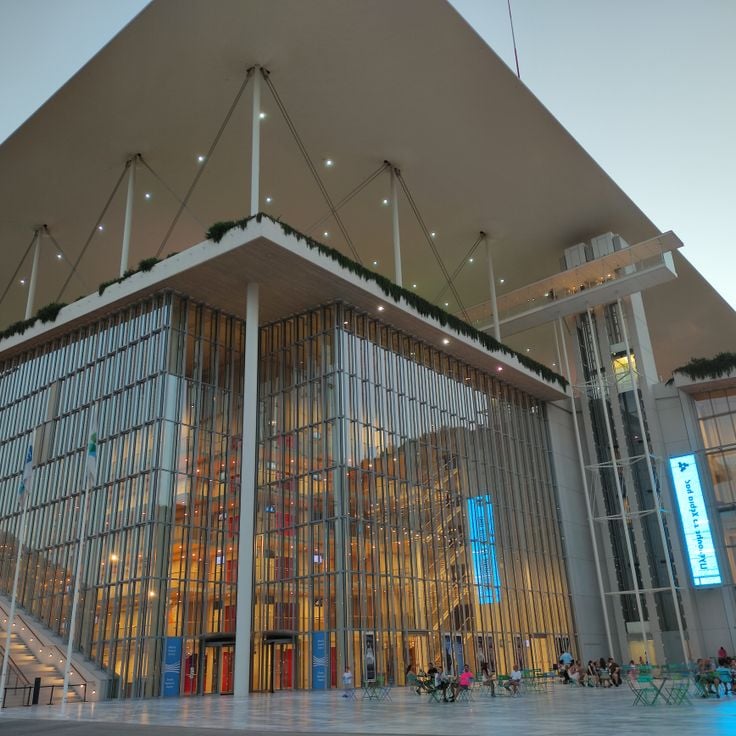
Athens, Greece
The National Opera of Greece in Athens is a contemporary cultural center that opened in 2017. Built with support from the Stavros Niarchos Foundation, this opera house provides two performance spaces with a combined capacity of about 1800 seats. The main hall accommodates approximately 1400 spectators, while the smaller theater holds around 400 guests. The building features modern architecture designed to serve opera, ballet, and orchestral performances. Advanced stage equipment allows for ambitious productions and complex scenic designs. This facility has become an important venue for lyrical arts in Greece and continues to attract audiences from across the country and beyond.
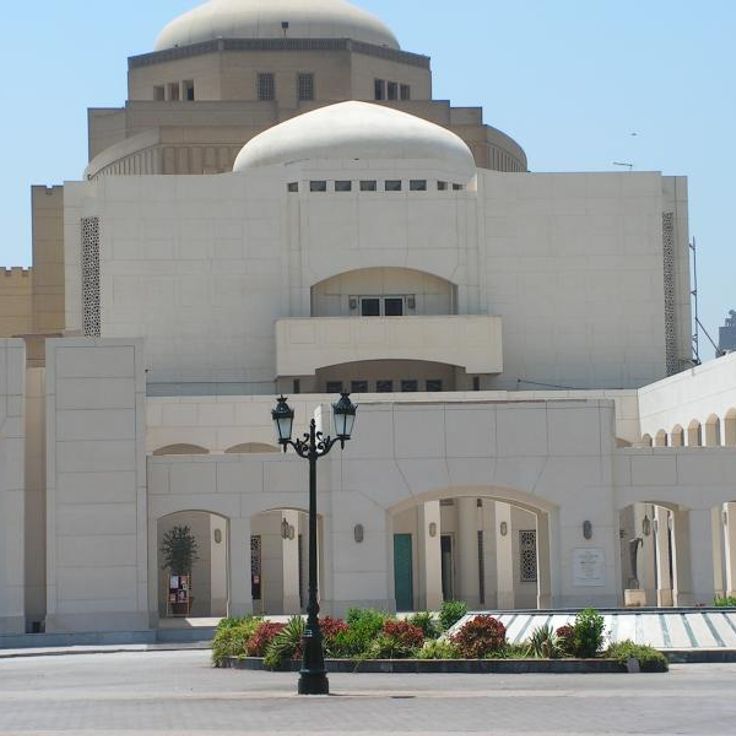
Egypt
The Cairo Opera House is a modern theater that opened in 1988 and serves as a cultural centerpiece for Egypt's capital city. This building holds about 1200 spectators in its main hall and houses the National Symphony Orchestra. With its contemporary design, this opera house differs from the historic European theaters and shows how opera culture thrives beyond Europe. The building was carefully designed to project singers' voices clearly throughout the hall. The opera house plays an important role in Cairo's cultural life, presenting both classical operas and new works to audiences from across the region.
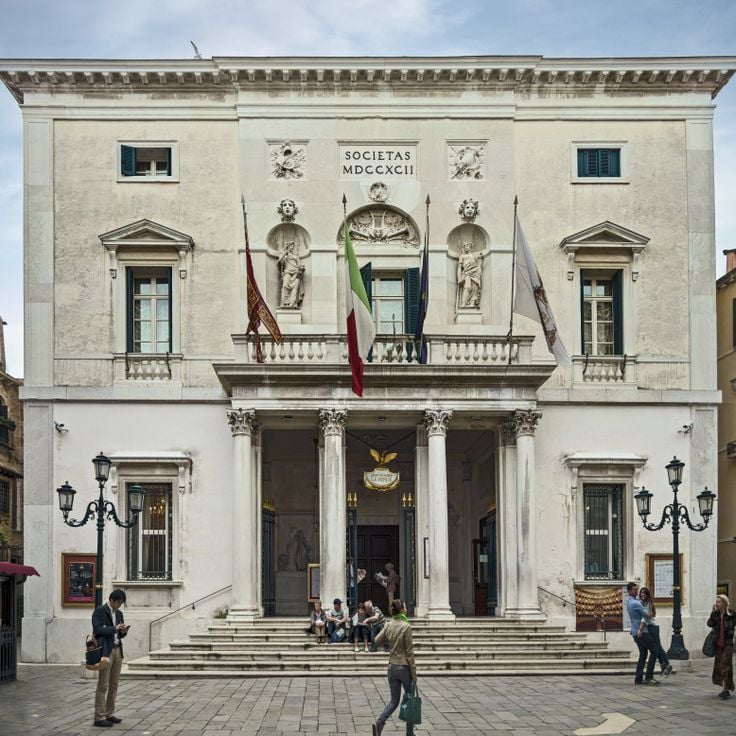
Venice, Italy
La Fenice Theater in Venice is an opera house that opened in 1792 and was rebuilt following two major fires. Today it presents classic Italian operas in a hall with roughly 1000 seats. The building has a long history as a cultural center of the city and has hosted many celebrated performances. The interior combines elegance with excellent acoustics, making it a significant venue for opera performances in Italy.
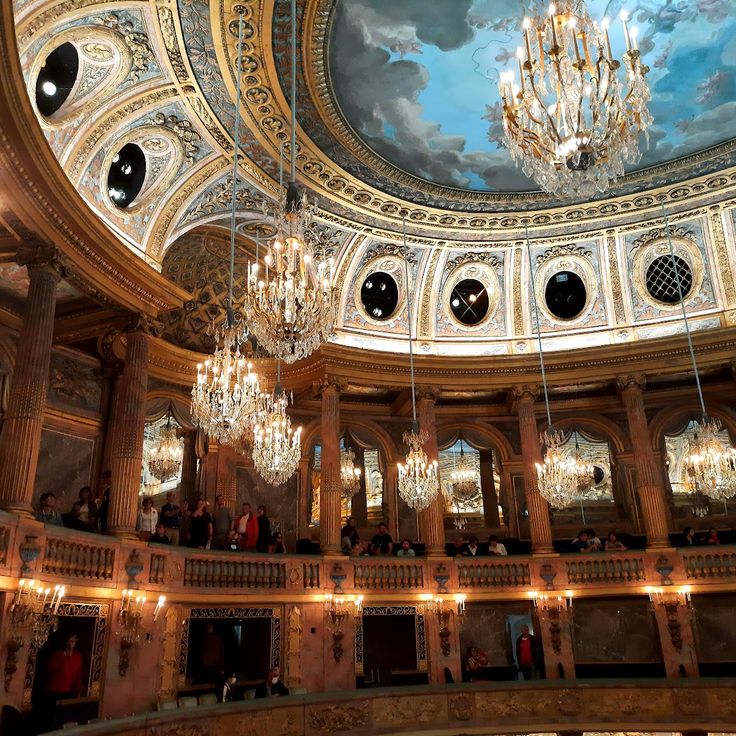
Versailles, France
The opera house of Versailles Castle is a striking example of 18th-century royal power and artistic wealth. Inaugurated in 1770, it features mechanical stage machinery from that period and seats 712 people spread across the main floor and three tiers. The space was designed specifically for royal performances and displays the craftsmanship of its time. The acoustics were engineered so that singers' voices could reach every part of the hall. This theater was far more than a venue for entertainment; it stood as a symbol of royal authority and the cultural prestige of the French court.
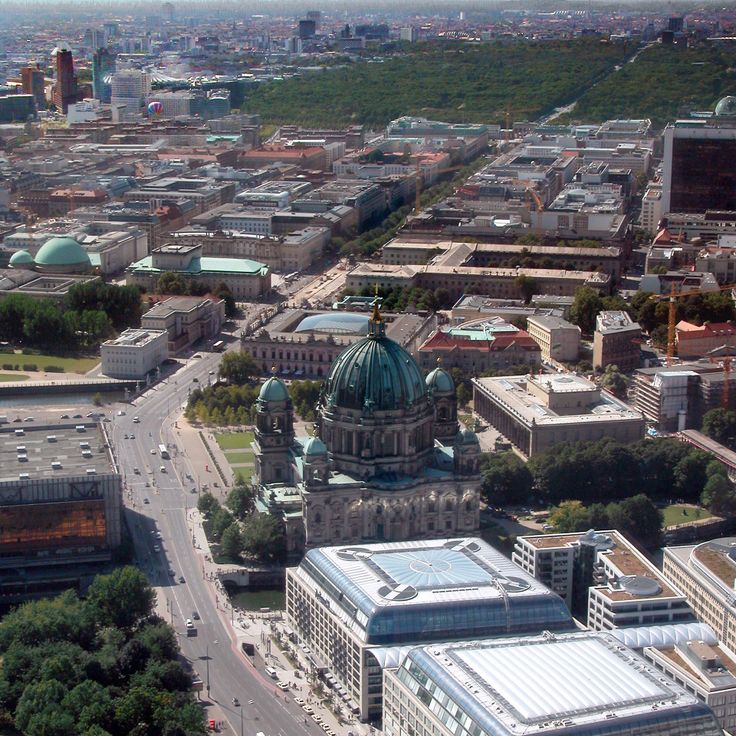
Berlin, Germany
The Staatsoper Unter den Linden in Berlin is an opera house from the 18th century that reflects the cultural flowering of the city. This building shows the elegance of an era when music and architecture went hand in hand. The hall holds space for about 1400 visitors and was restored to its original form after war damage. The acoustics of the house were carefully preserved to give singers' voices the perfect sound. The Staatsoper continues to shape Berlin's cultural life today and draws opera lovers from around the world.
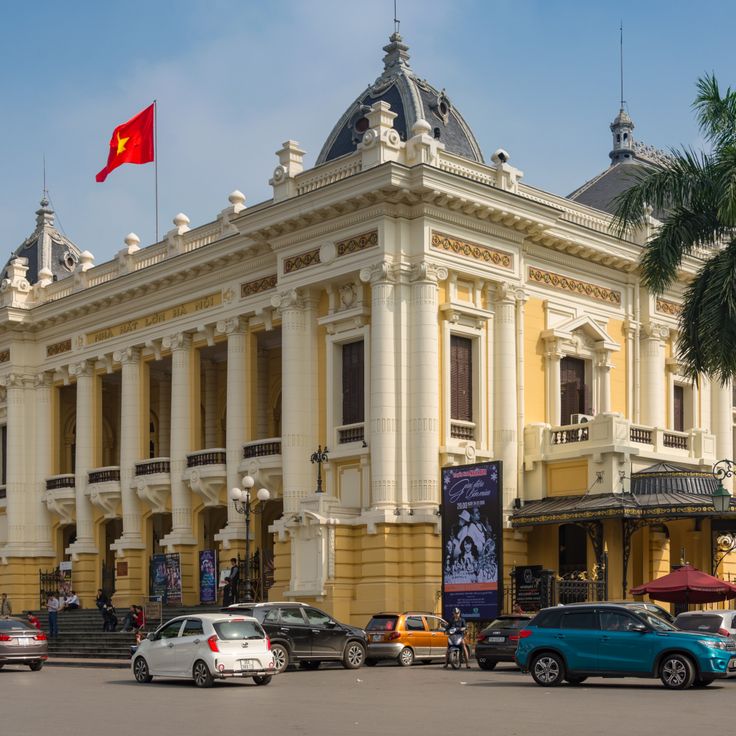
Vietnam
The Hanoi Opera House is an impressive building that reflects French architecture from the late 19th century. The theater was built during the French colonial period and displays the classic features of the Belle Epoque era with its elegant facades and elaborate decorations. Inside, the opera offers excellent acoustics and splendid appointments with wooden panels and ornamental details. This opera house played an important role in Hanoi's cultural history and continues to serve as a venue for music and dance performances.
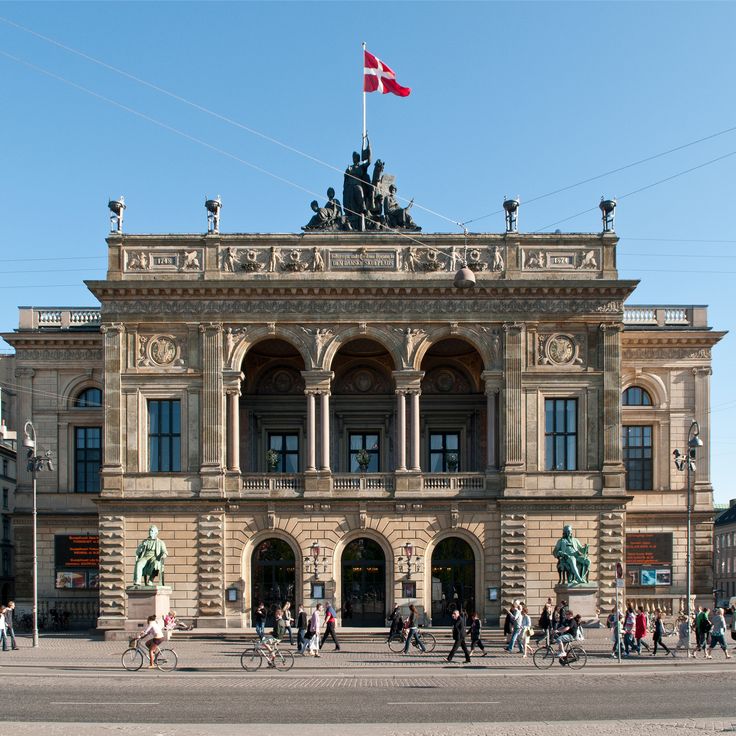
Copenhagen, Denmark
This is Denmark's national opera house, located on the harbor in Copenhagen. The building shows modern architecture with large glass surfaces and clean lines. Visitors enter a bright, open space that opens toward the water. Inside there are multiple stages and halls used for different productions. The design feels accessible and welcoming, bringing the building closer to the public. The acoustics were carefully planned to provide the best conditions for opera performances.
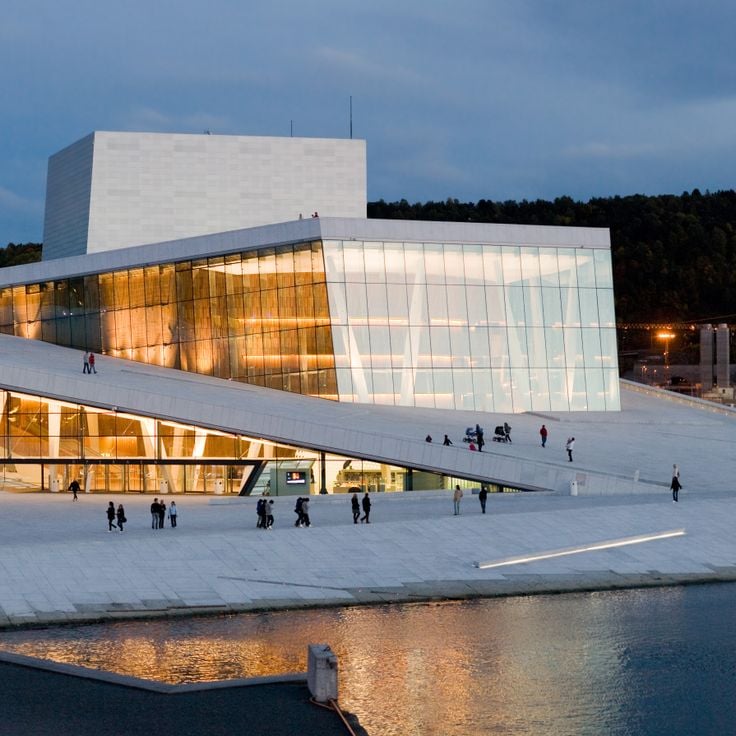
Oslo, Norway
The Opera of Oslo is a contemporary white building with a flat roof that rises from the waters of the Oslo Fjord. This theater represents a modern approach to opera architecture, far from the ornate decorations of earlier periods. The building was designed so that visitors can walk directly on the roof, making it a public space rather than a closed concert hall. The acoustics inside were carefully planned to carry singers' voices to the back rows. This opera has put Oslo on the map of the world's great opera houses and has become a symbol of Norway's cultural ambition.
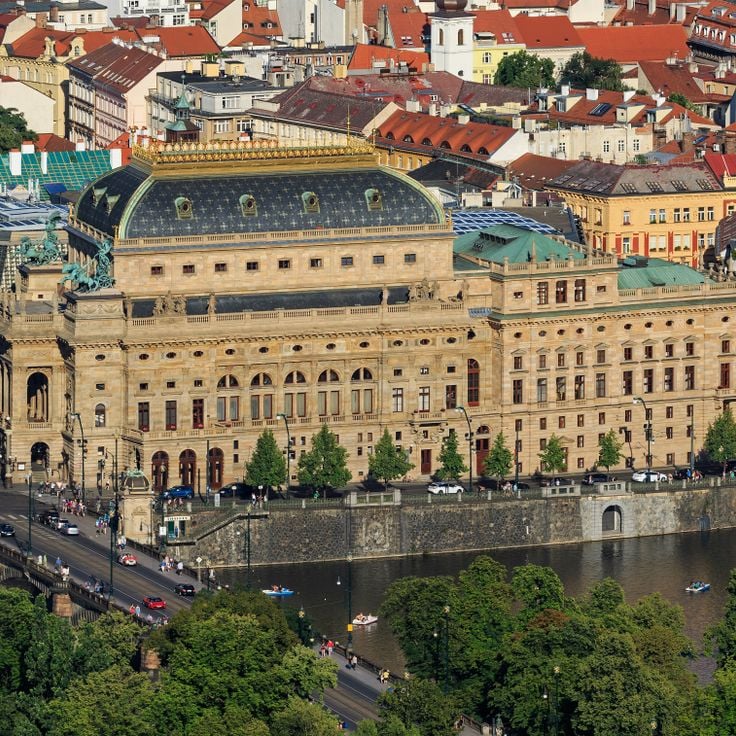
Prague, Czech Republic
The National Theatre of Prague is a neo-Renaissance building and a symbol of Czech national identity and cultural heritage. It was created as a space where musical traditions and operatic art could flourish. With its elaborate architecture and history, this theatre embodies the importance of opera in Prague's cultural development. Its halls are designed so that singers' voices carry perfectly to the highest balconies. Since it opened, the theatre has been central to cultural life in the city and continues to shape Prague's artistic identity.
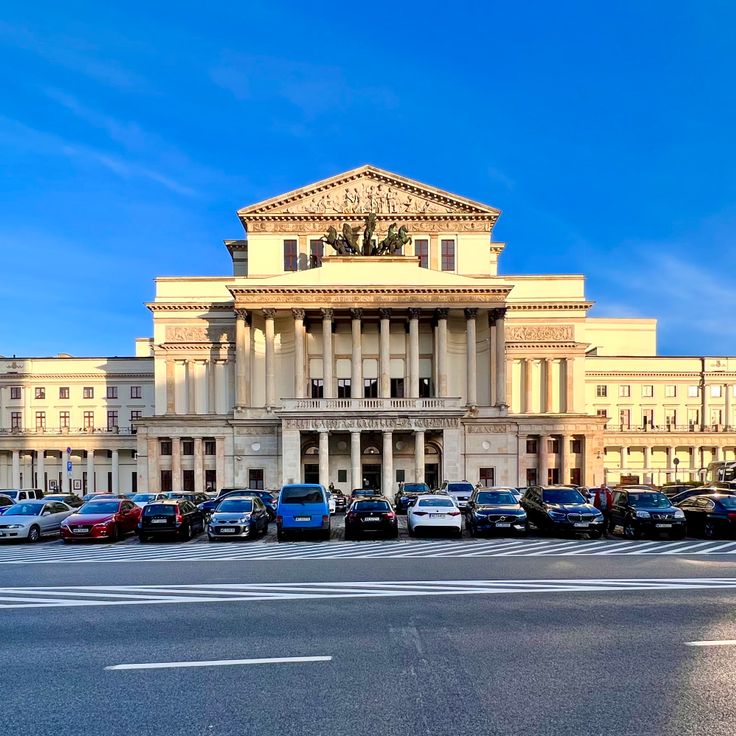
Warsaw, Poland
The National Opera of Warsaw is a neoclassical theater building that opened in 1833 in the historic center of the Polish capital. The house seats about 1800 spectators and represents Warsaw's musical tradition. With its refined architecture and excellent acoustics, the opera is an important venue for ballet performances and opera productions. The building has endured through the centuries and remains a central point in the city's cultural life.
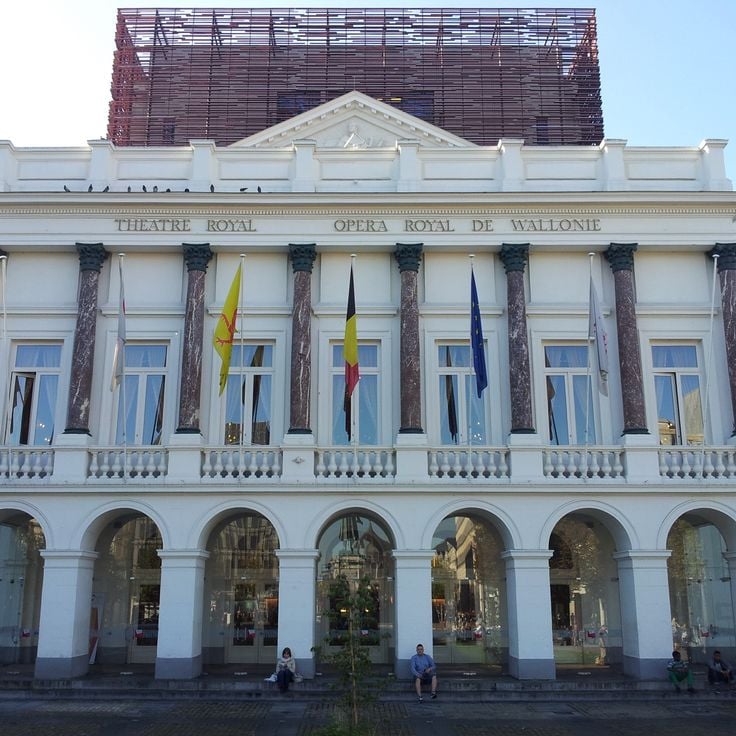
Liège, Belgium
The Opéra Royal de Wallonie in Liège shows the importance of opera culture in Belgium. This building in classical style was constructed in 1820 and underwent major renovation in 2012. Today it seats over 1000 spectators and plays an important role in the cultural life of the city. The architecture combines traditional elegance with modern facilities for performances.
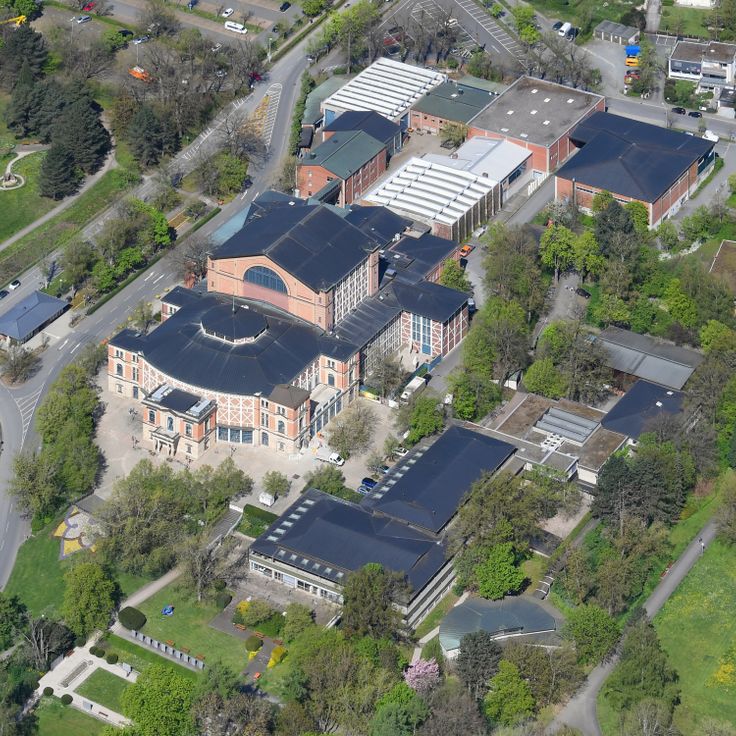
Adelaide, Australia
The Adelaide Festival Centre opened in 1973 and has shaped the city's cultural life ever since. The complex houses three theater halls and an amphitheater with a total of 3500 seats. This center represents Australia's commitment to creating its own venue for music, theater, and performing arts. The modern buildings sit along the Torrens River and welcome visitors to performances ranging from classical operas to contemporary productions.
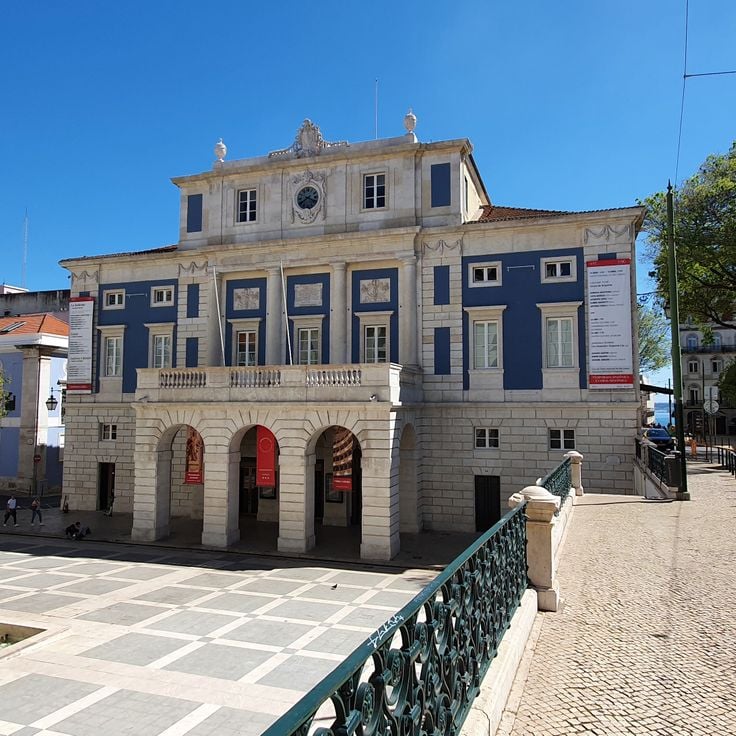
São Paulo, Brazil
The Theatro Municipal de São Paulo is a Renaissance-style building that opened in 1911. It holds about 1500 seats and features a facade with stone reliefs. This theater is an important cultural center that reflects Brazil's musical history. The building showcases classical Renaissance architecture with elaborate details. The acoustics were carefully designed to carry singers' voices to the highest balconies. This building is part of the world's great opera houses that demonstrate the importance of music in their cities.
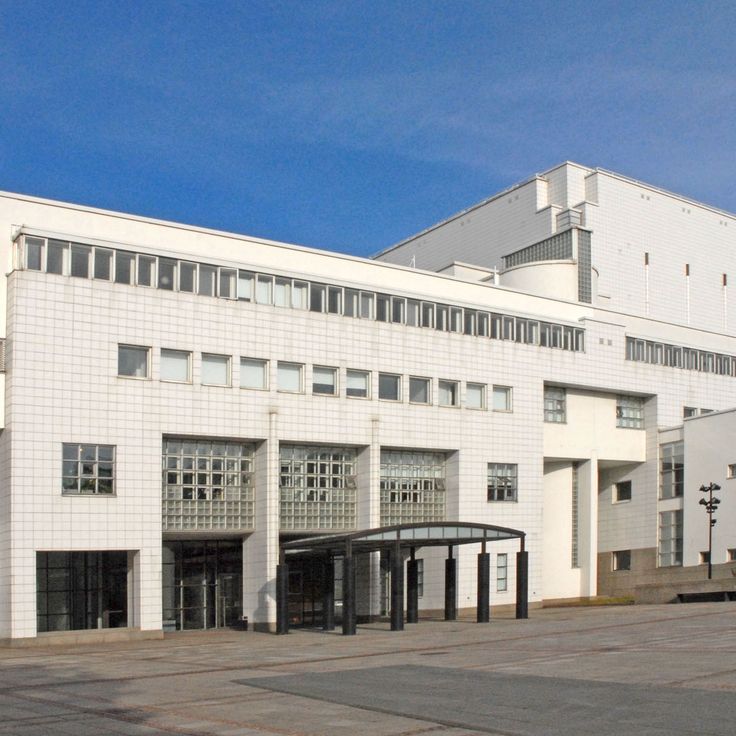
Helsinki, Finland
This Finnish National Opera and Ballet in Helsinki was built in 1993 and showcases contemporary architecture. The building contains an auditorium with 1,350 seats and state-of-the-art stage equipment. The opera functions as a major center for opera and ballet performances in Finland and attracts audiences from around the world each year. The acoustics inside have been carefully designed to give singers the best conditions for performing. The structure itself represents modern architectural style from the late 20th century and plays a central role in Finland's cultural life.
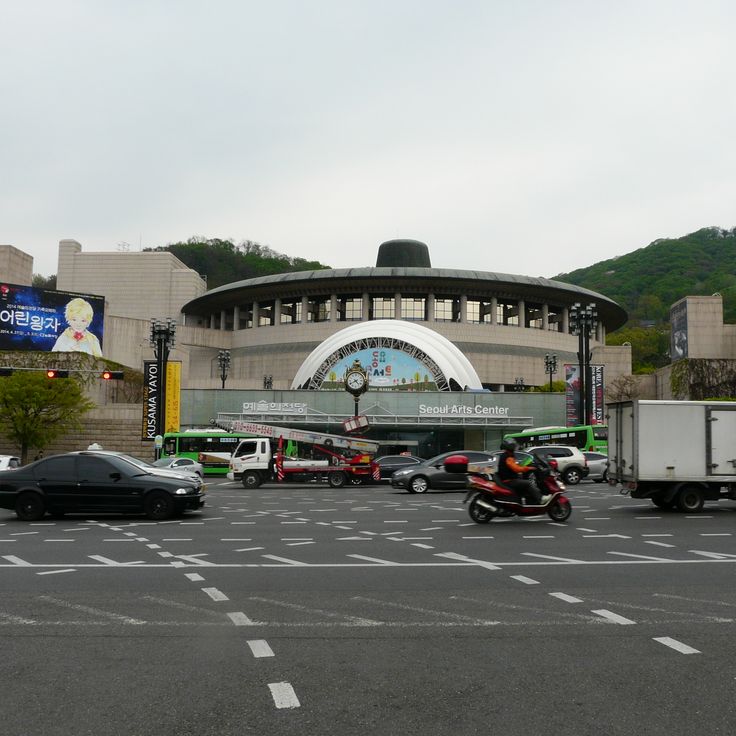
Seoul, South Korea
The Opera House at the Seoul Arts Center opened in 1993 and became a cultural hub of the city. With more than 2,300 seats, this building presents both international and Korean opera productions. The modern architecture combines contemporary design with functional spaces built for excellent acoustics. The house has established itself as an important venue for opera performances and musical events.
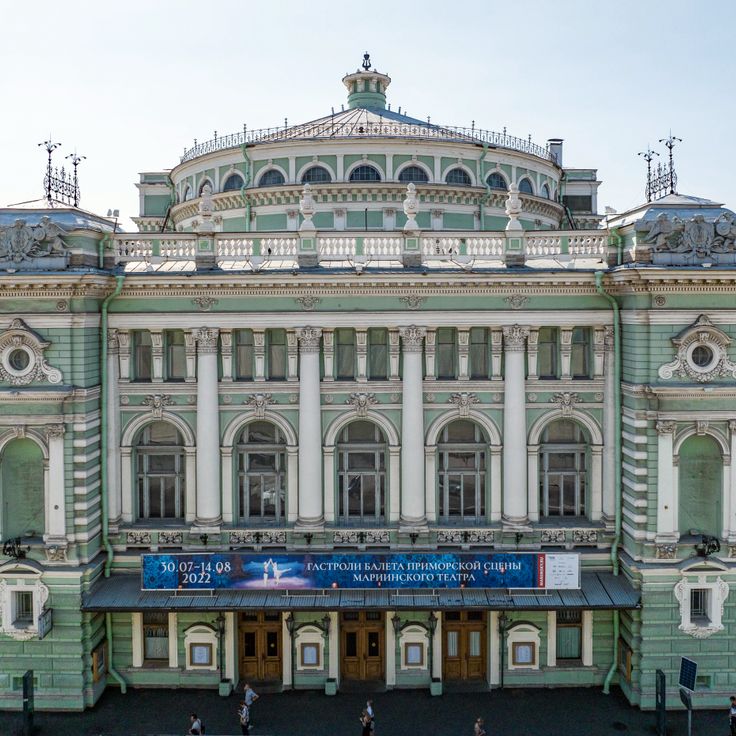
Saint Petersburg, Russia
The Mariinsky Theater in Saint Petersburg is a neoclassical building constructed in 1860 that has shaped opera life since its opening. With seating for about 1625 people, this theater creates an intimate space for audiences. The interior displays classical elegance with green tones and historic details that reflect the era of its creation. The theater runs deep in Russian culture and remains a center for world-class opera performances. Its architecture and acoustics allow every note to reach spectators throughout all areas of the hall.
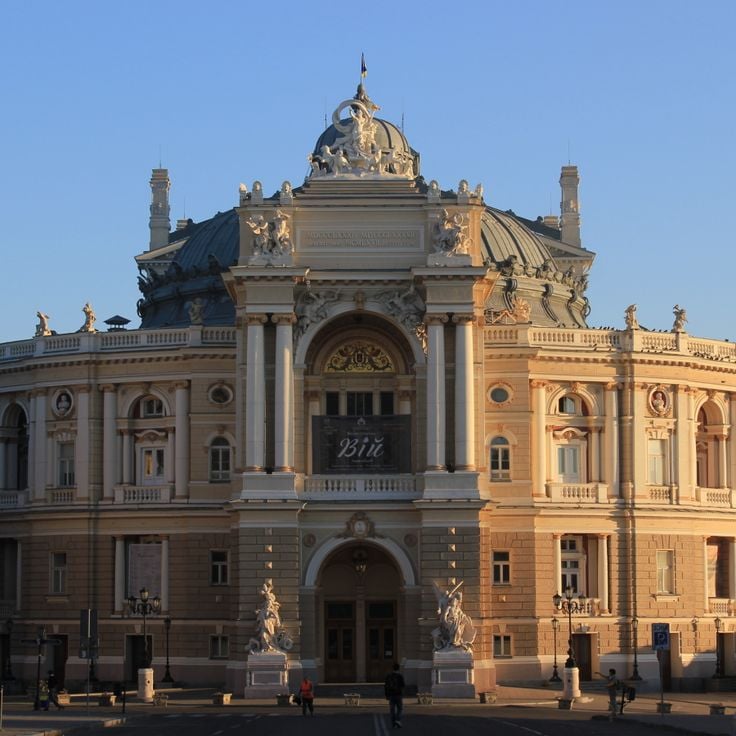
Odessa, Ukraine
The National Academic Opera and Ballet Theater of Odessa is a striking building with baroque architecture, built in 1810. This theater represents the musical history of the city and features an elegant interior designed for opera and ballet performances. The house has a large stage and halls that accommodate hundreds of spectators. With its rich history and classical design, this theater holds an important place in Odessa's cultural landscape.
Similar collections
Historic opera halls: architecture, history and musical heritage

Monuments in South America: well-known sites, colonial architecture, and modern structures

Architecture: famous buildings, modern and historical structures
Circular monuments and buildings: amphitheatres, towers, rotundas
