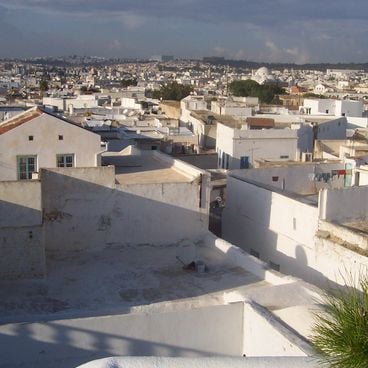
Tunisia offers diverse photography locations from Roman ruins to desert landscapes. The El Jem amphitheater stands as a monument of ancient architecture, while Sidi Bou Said presents Mediterranean buildings in blue and white. The Medina of Tunis contains historic streets, and Kairouan's Great Mosque displays Islamic architectural elements. Natural settings include the Chott el Djerid salt lake and the mountain oasis of Chebika. Archaeological sites such as Carthage and Dougga provide views of ancient civilizations, while coastal areas like Cap Bon feature waters and green spaces.
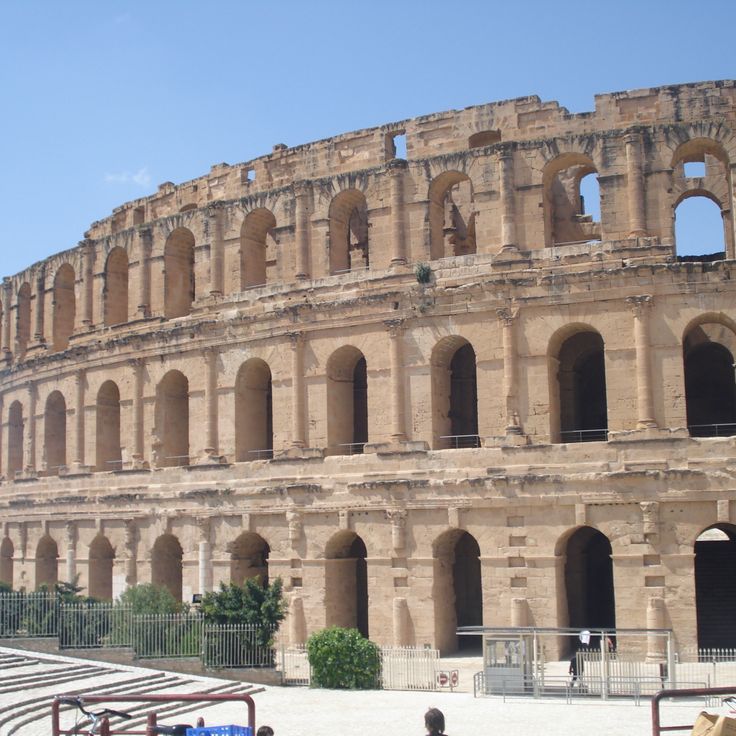
El Djem, Tunisia
The Roman amphitheater from the 3rd century stands on three levels with 35-meter high arcades.
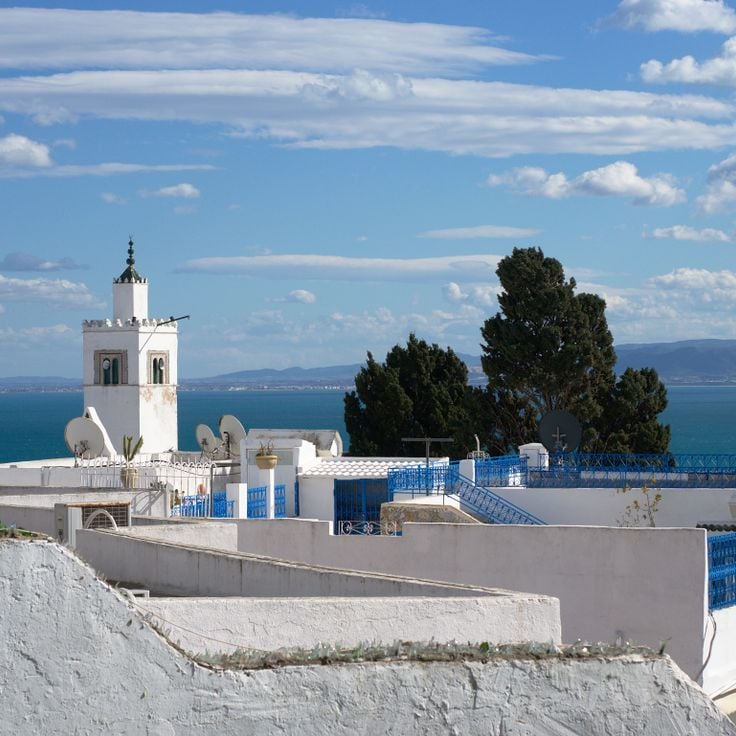
Sidi Bou Said, Tunisia
This village features blue and white buildings that highlight its Mediterranean character.
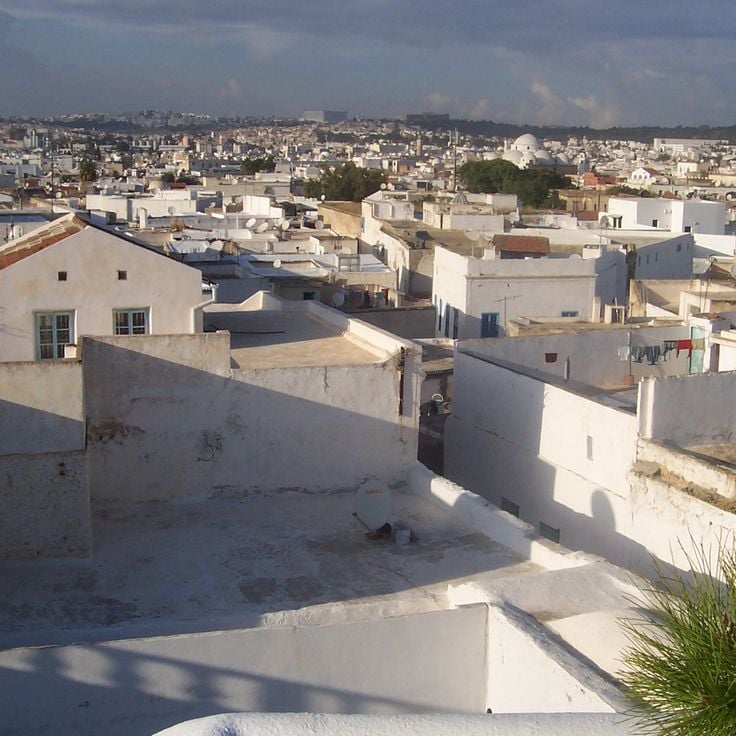
Tunis, Tunisia
The old Arab quarter contains numerous mosques, palaces, souks and residential buildings dating from the 12th century.
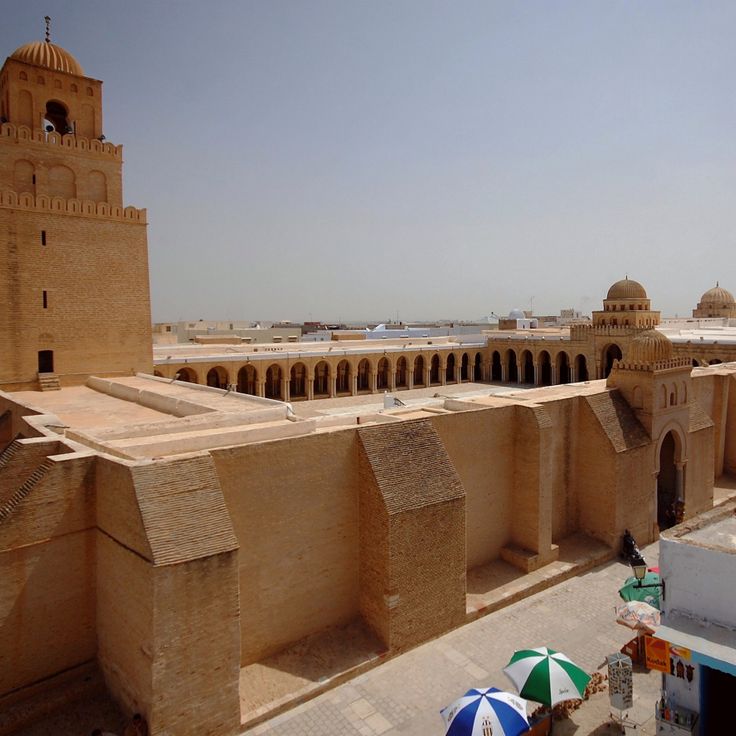
Kairouan, Tunisia
One of the key mosques in Islam, known for its intricate architectural style and historical significance.
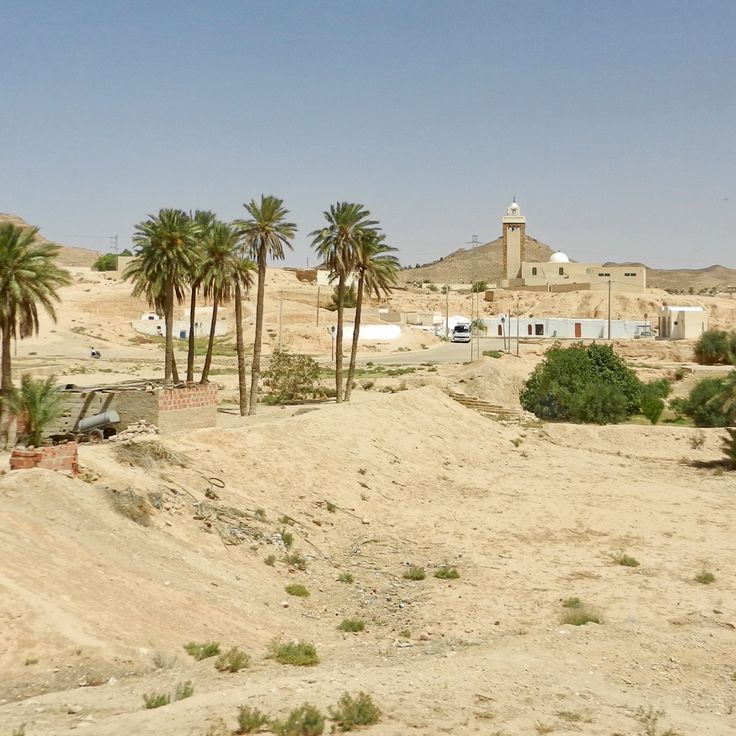
Matmata, Tunisia
A troglodyte village famous for its underground structures.
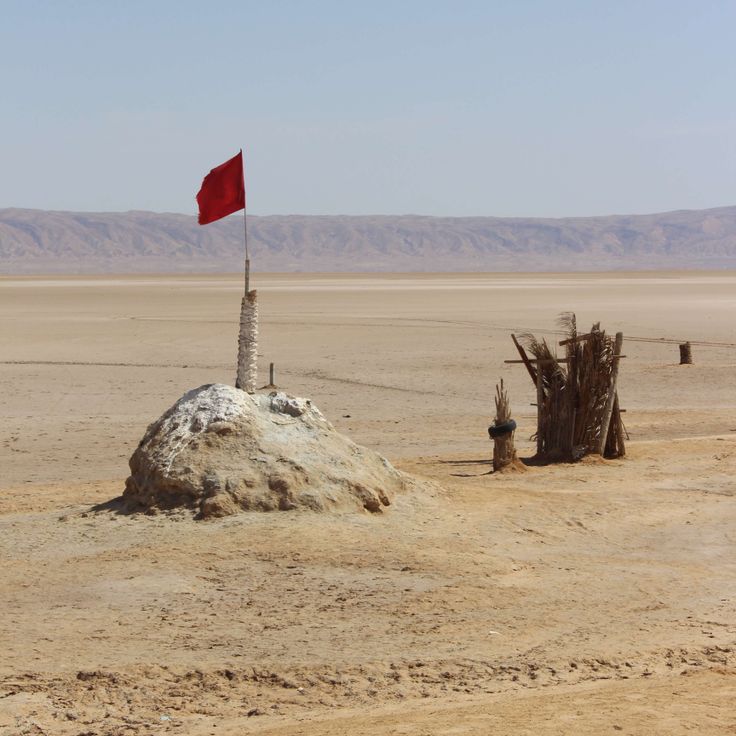
Located in Tozeur, Tunisia
This extensive salt lake features unique landscapes and creates interesting visual effects.
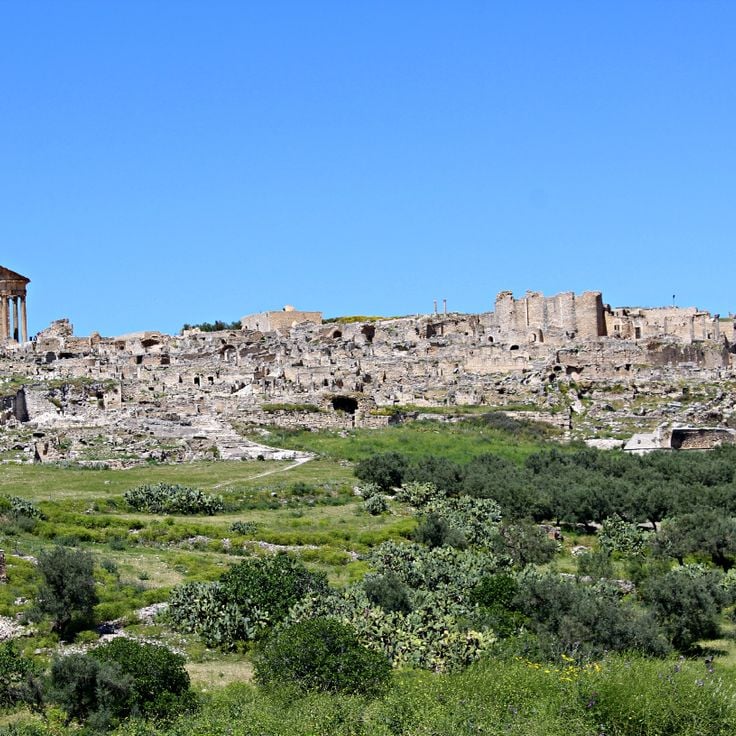
Located in Tunisia
The remains of an ancient city reveal details about its historical and archaeological importance.
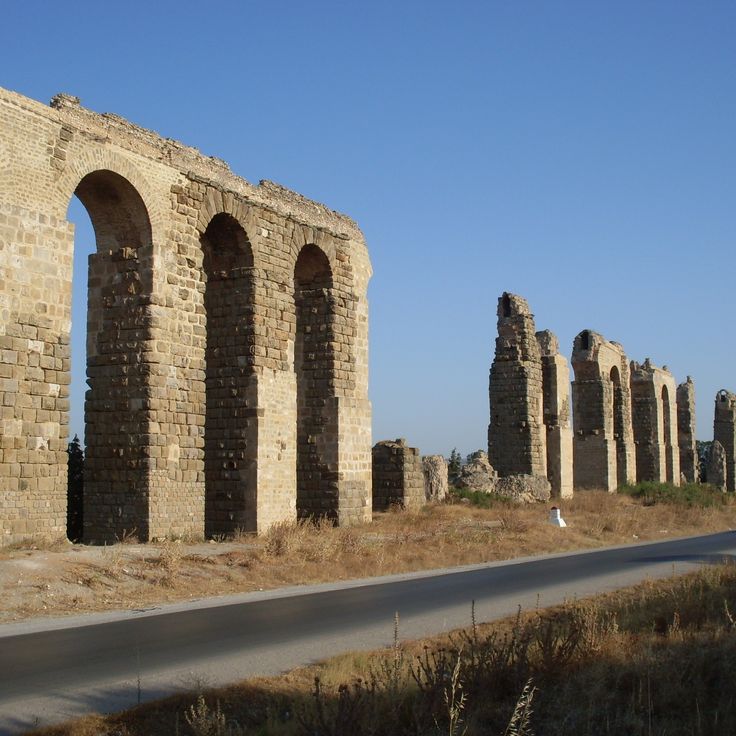
Zaghouan, Tunisia
This site features the remains of a Roman aqueduct situated in a natural environment.
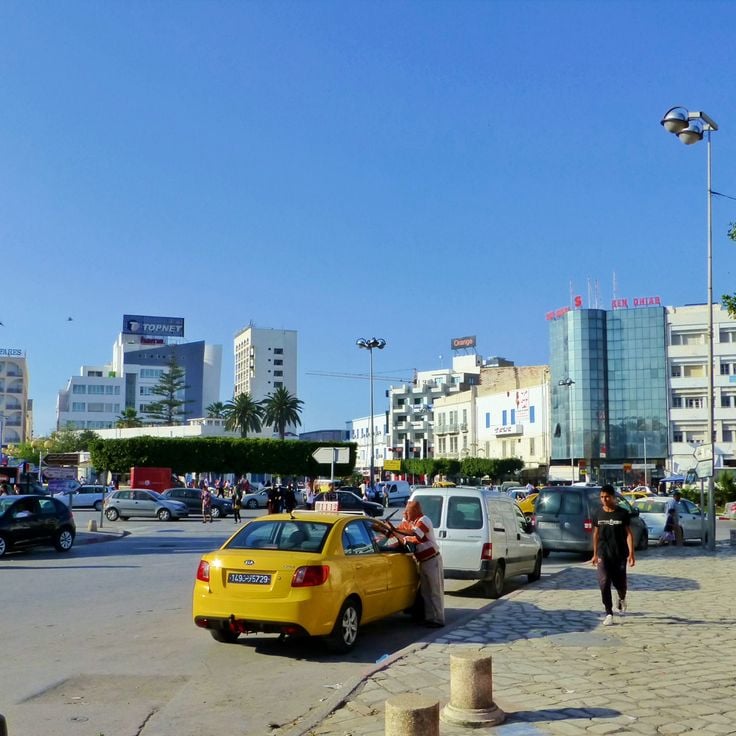
Sousse, Tunisia
This coastal village features blue doors and white walls that characterize its architecture.
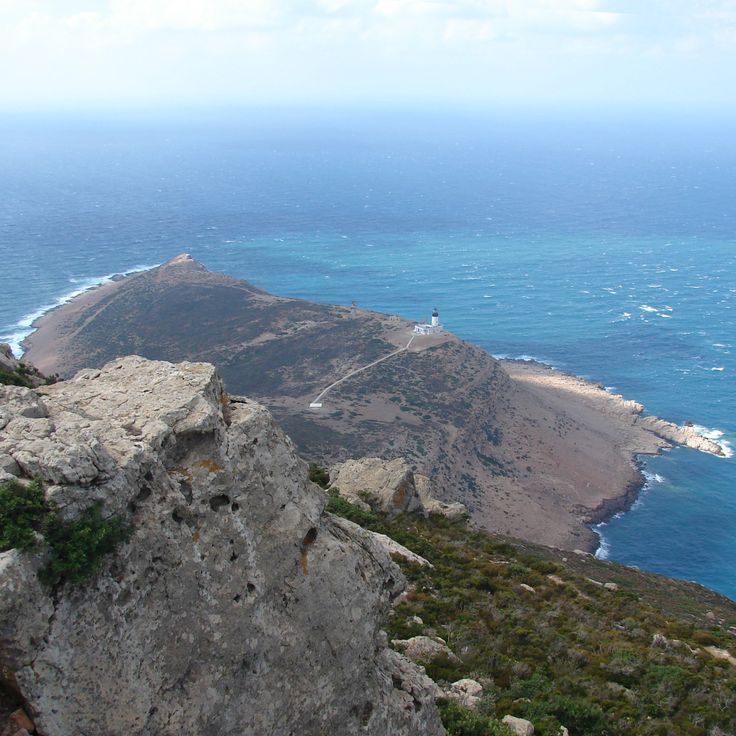
Nabeul, Tunisia
A peninsula located in Tunisia known for its clear waters and green landscapes.
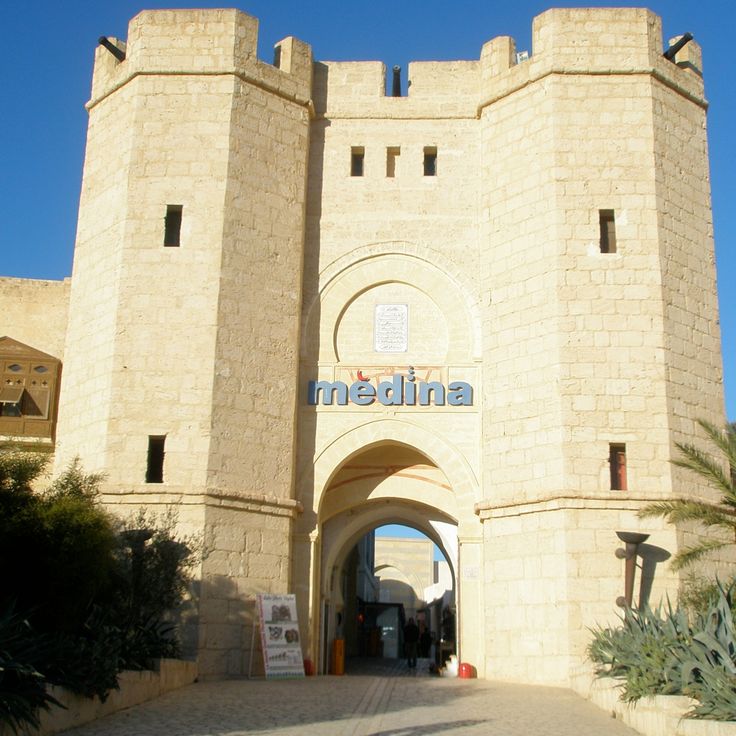
Hammamet, Tunisia
A fortified medina located in Hammamet featuring cultural sites and views of the sea.
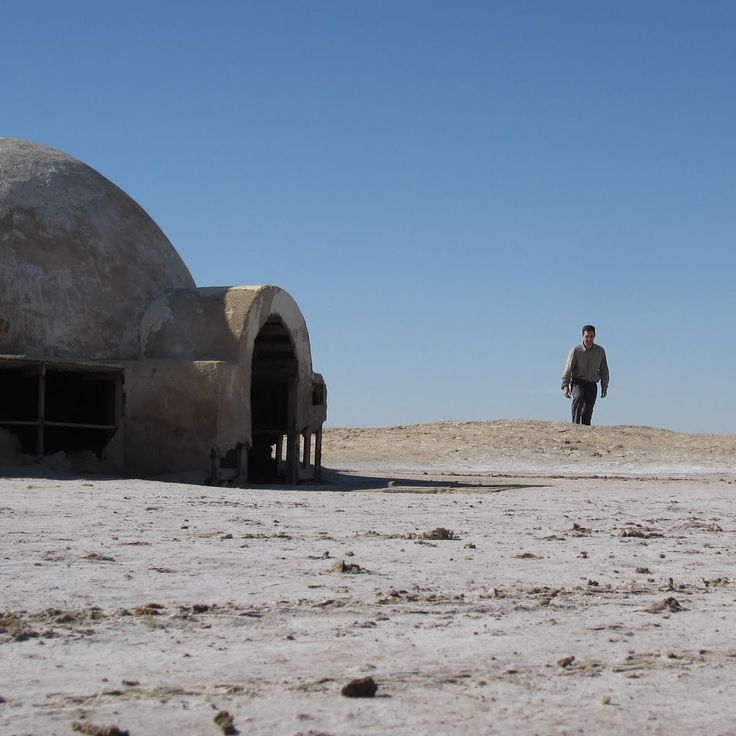
Tataouine, Tunisia
Famous locations used for filming amidst the desert landscape, appealing to film enthusiasts.
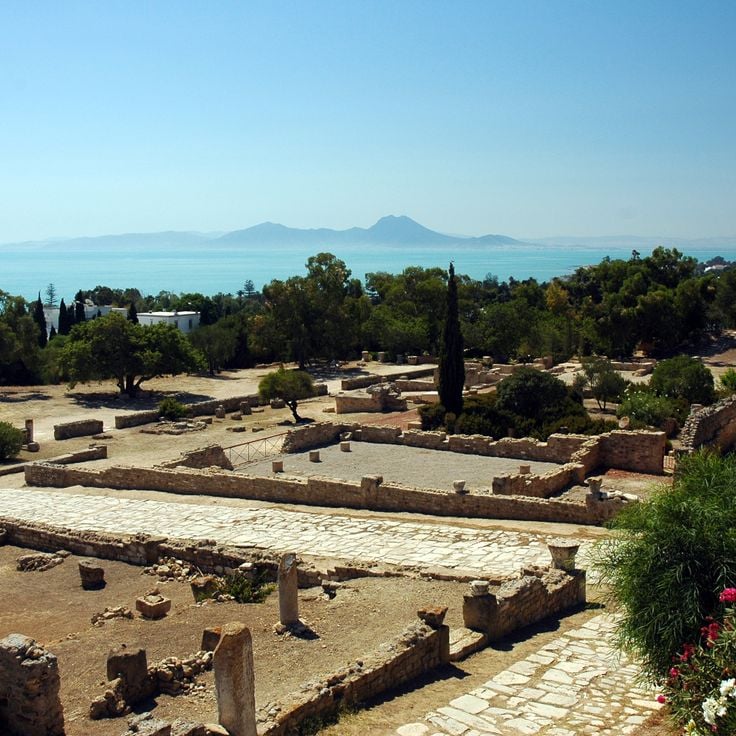
Carthage, Tunisia
Historical site with ancient ruins overlooking the sea.
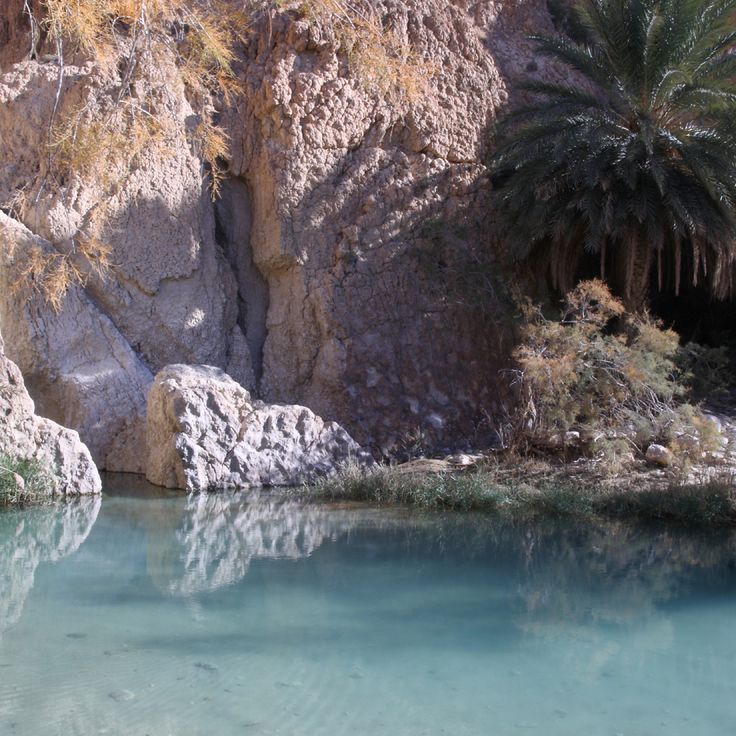
Tamerza, Tunisia
A stunning mountainous oasis with waterfalls and palm trees.
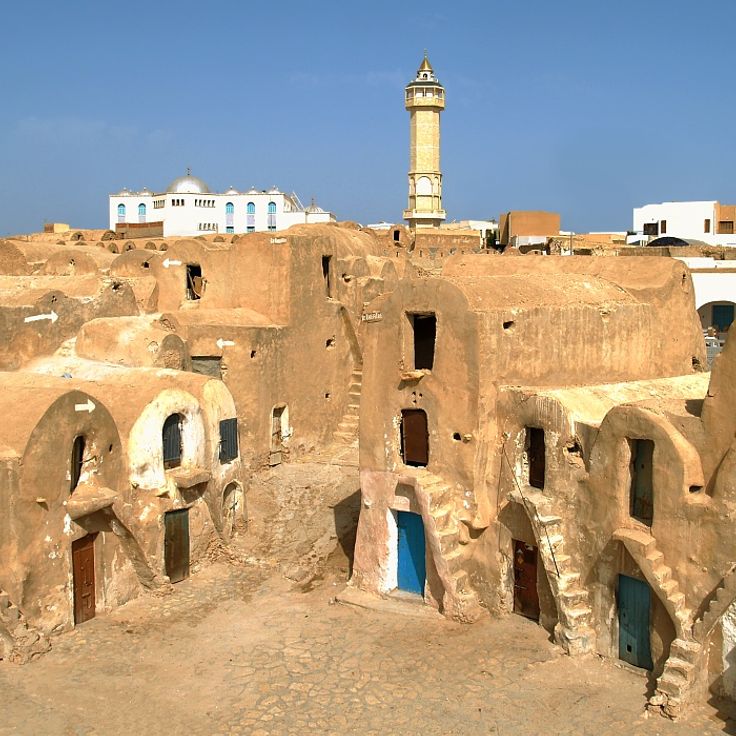
Medenine, Tunisia
Traditional granaries turned into a popular tourist attraction.
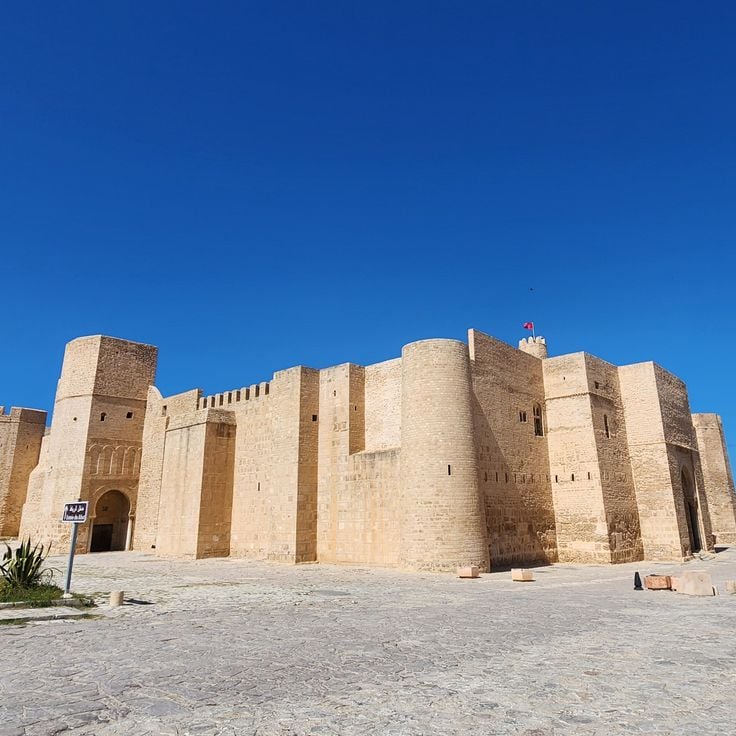
Monastir, Tunisia
This structure serves as a prominent example of Islamic architecture and historical defense.
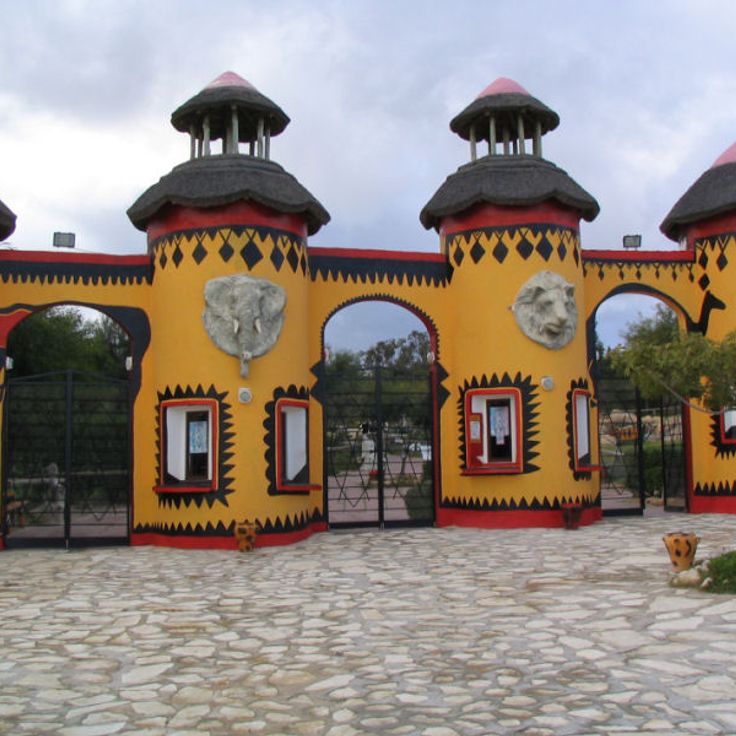
Bouficha, Tunisia
A sprawling wildlife park offering close encounters with exotic animals.
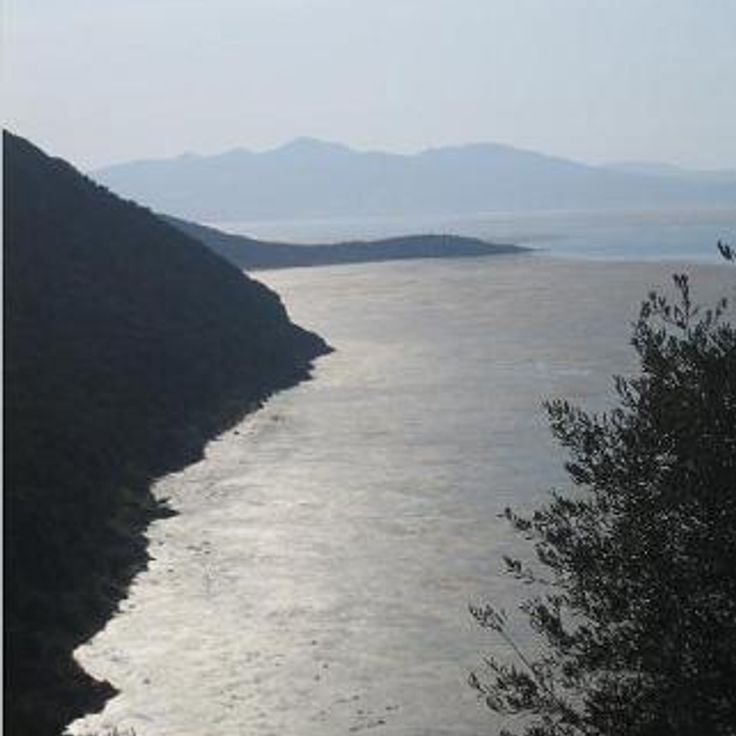
Bizerte, Tunisia
This wetland is recognized by UNESCO for its rich variety of bird species.
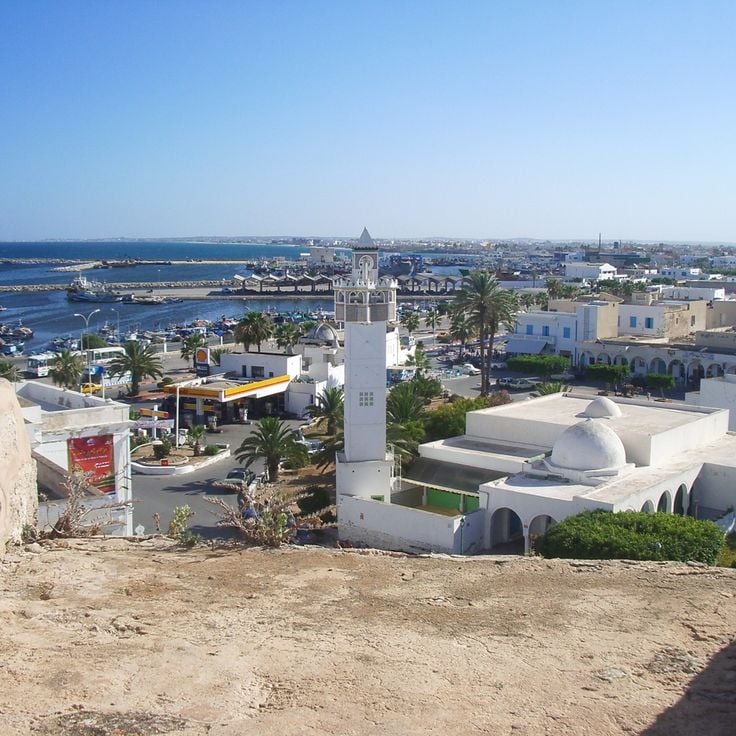
Mahdia, Tunisia
This historic area features narrow streets lined with shops that highlight local craftsmanship.
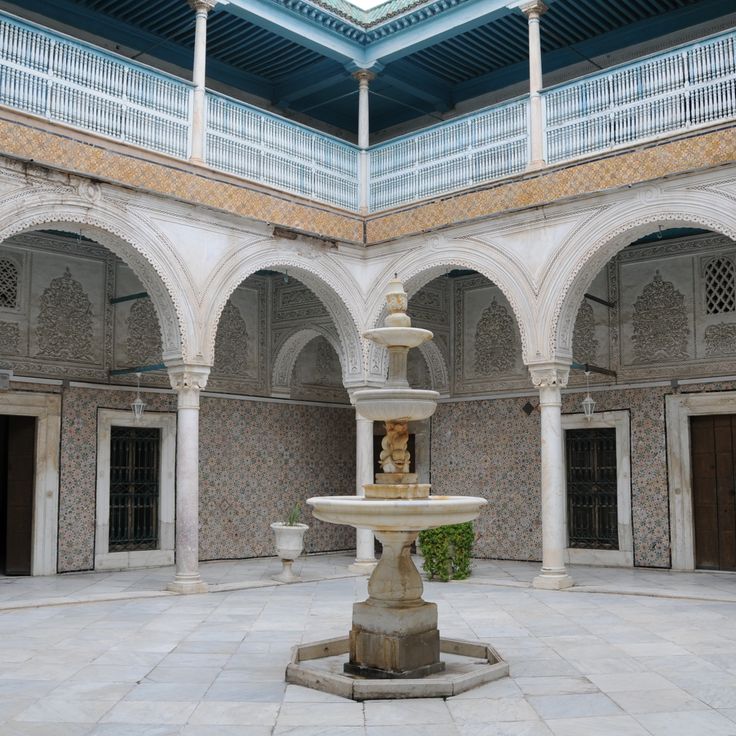
Tunis, Tunisia
A 17th-century palace turned museum depicting traditional Tunisian life.
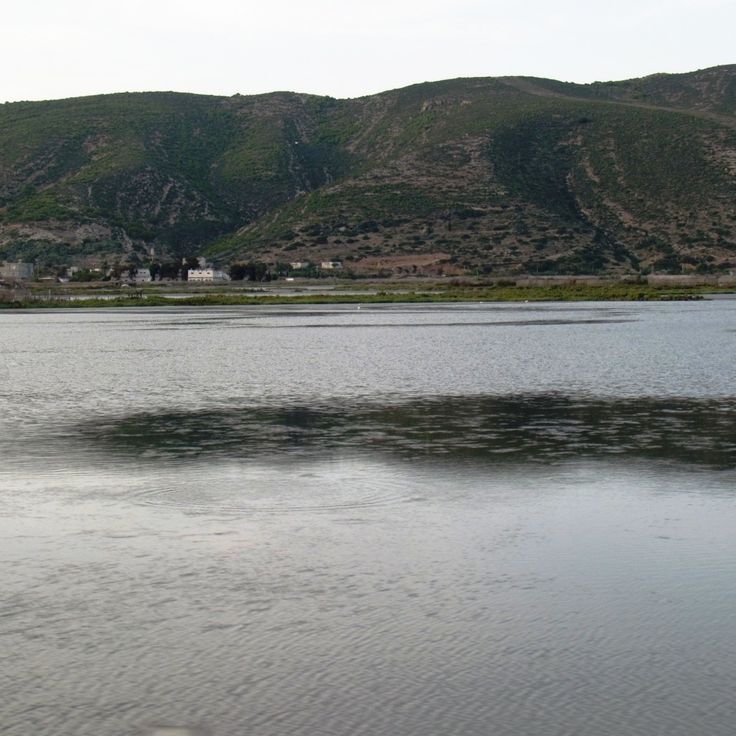
Ghar El Melh, Tunisia
A coastal lagoon that supports diverse wildlife and has an active fishing community.
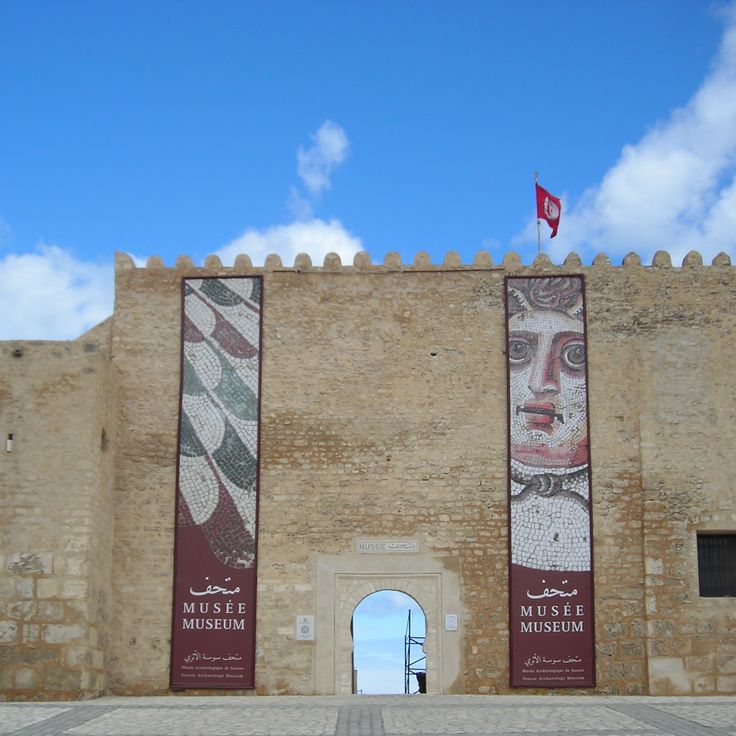
Sousse, Tunisia
Home to one of the largest collections of mosaics in the world.
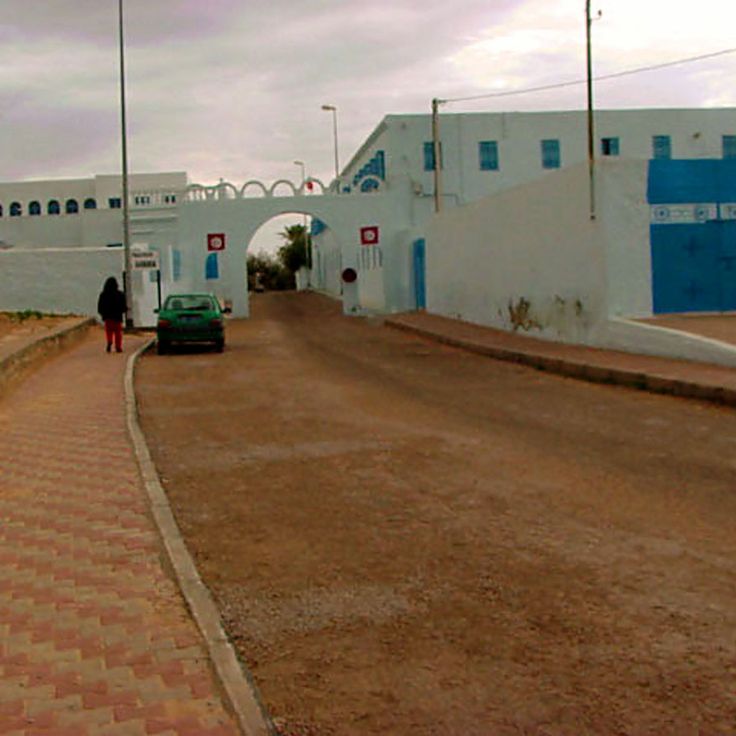
Djerba, Tunisia
An ancient synagogue holding great significance for Jewish pilgrims.
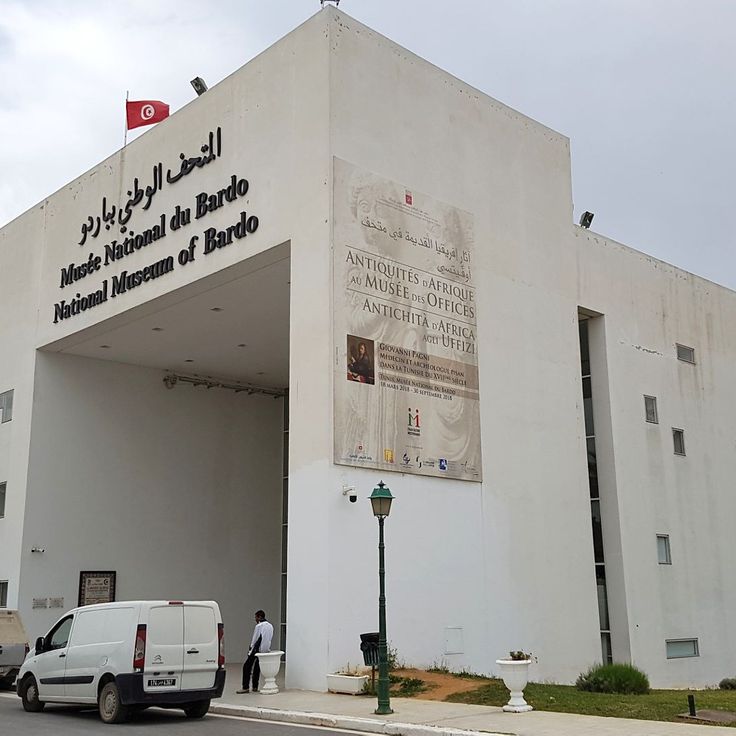
Le Bardo, Tunisia
A renowned museum housing artefacts from various periods of Tunisian history.
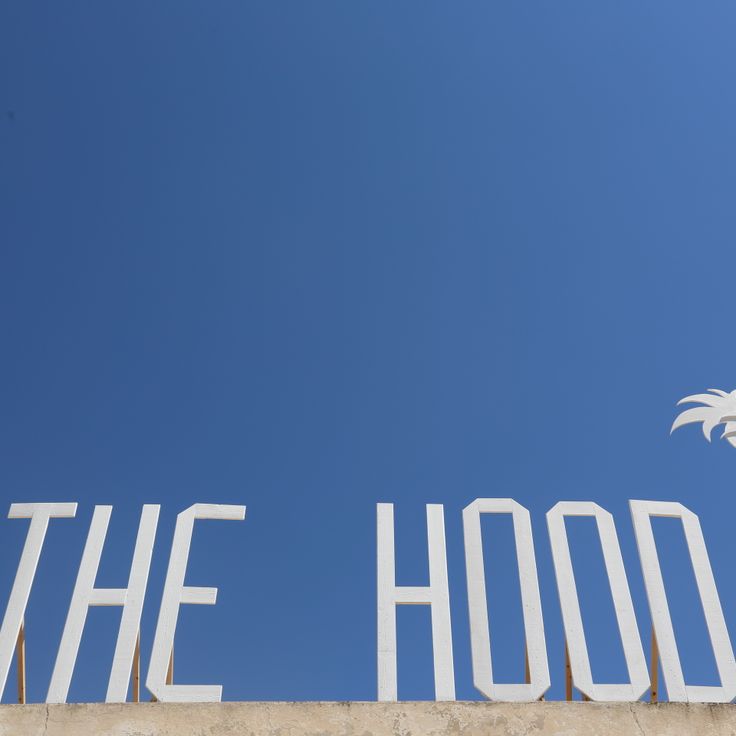
Djerba, Tunisia
This site features street art created by various international artists in an outdoor setting.
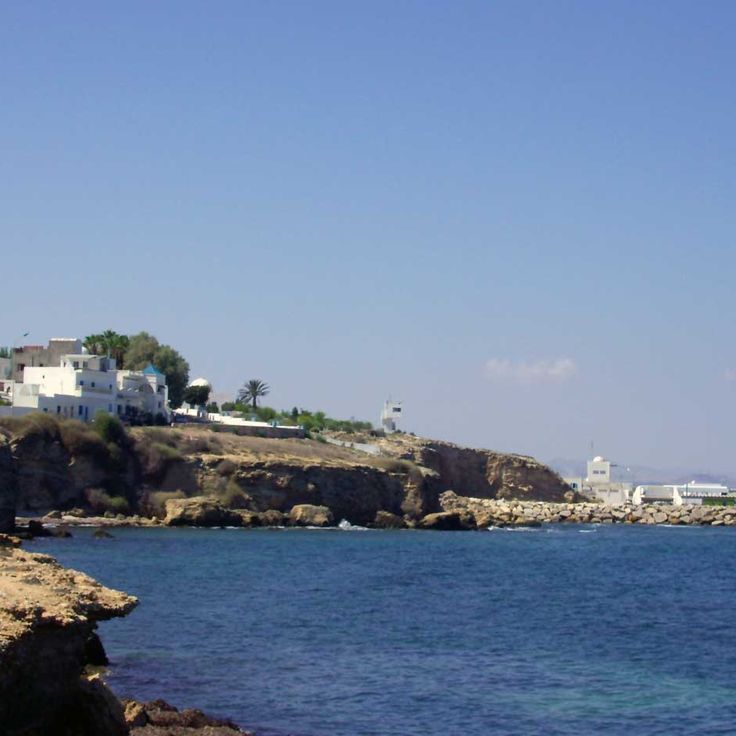
Hergla, Tunisia
A coastal village known for its traditional houses and proximity to the sea.
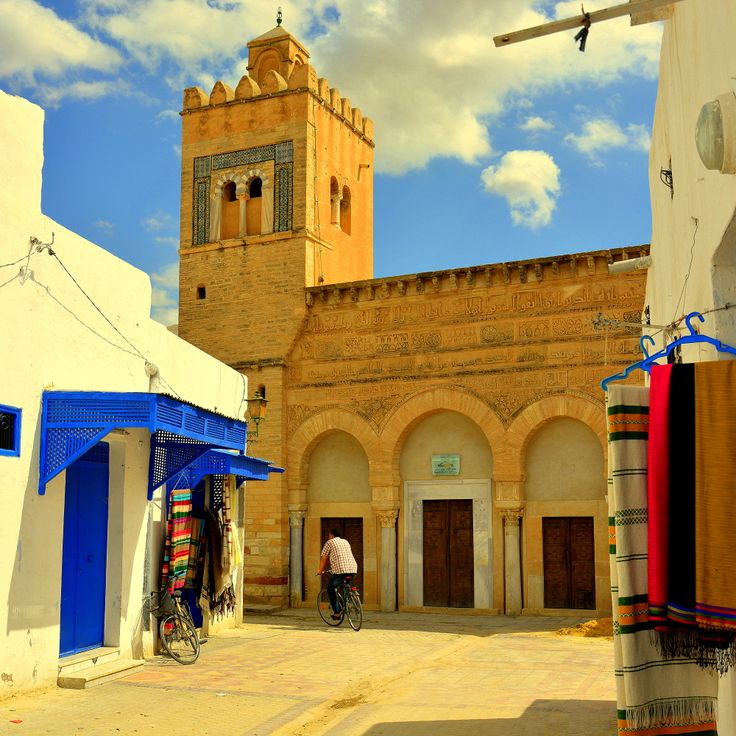
Kairouan, Tunisia
An architectural gem with three beautifully crafted doors.
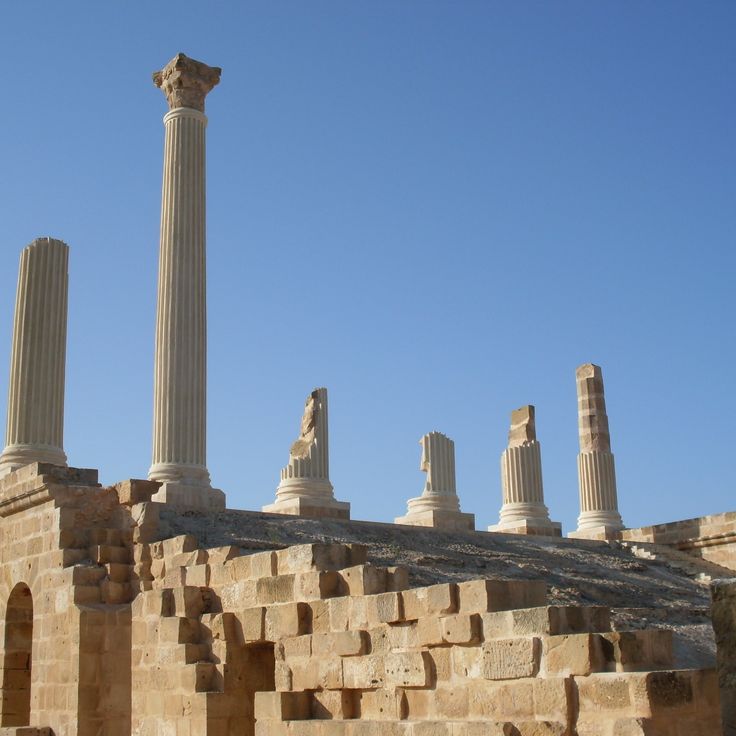
Sicca Veneria, Tunisia
The site consists of the remnants of a Roman city that has maintained its structure.
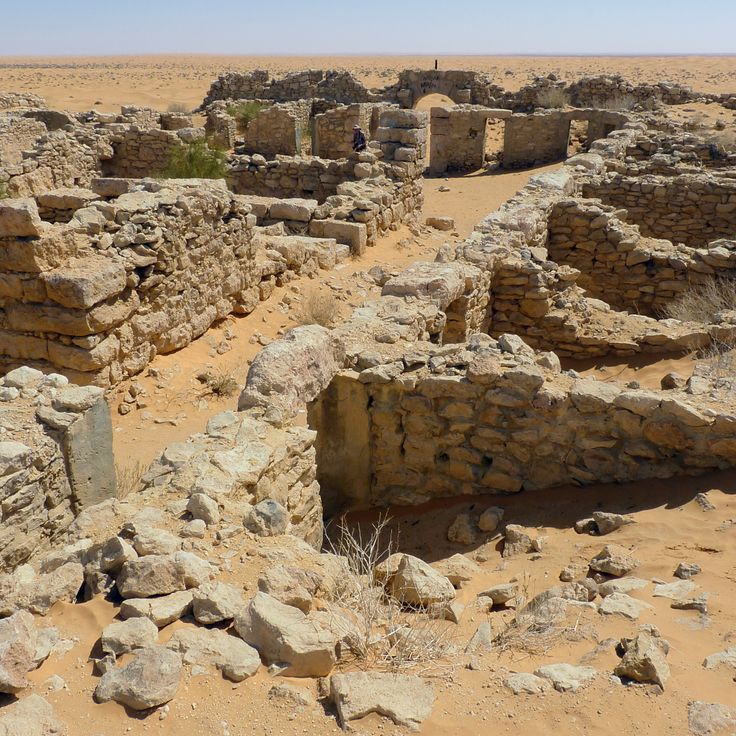
Kebili, Tunisia
An oasis in the desert, perfect for camel treks and hot springs.
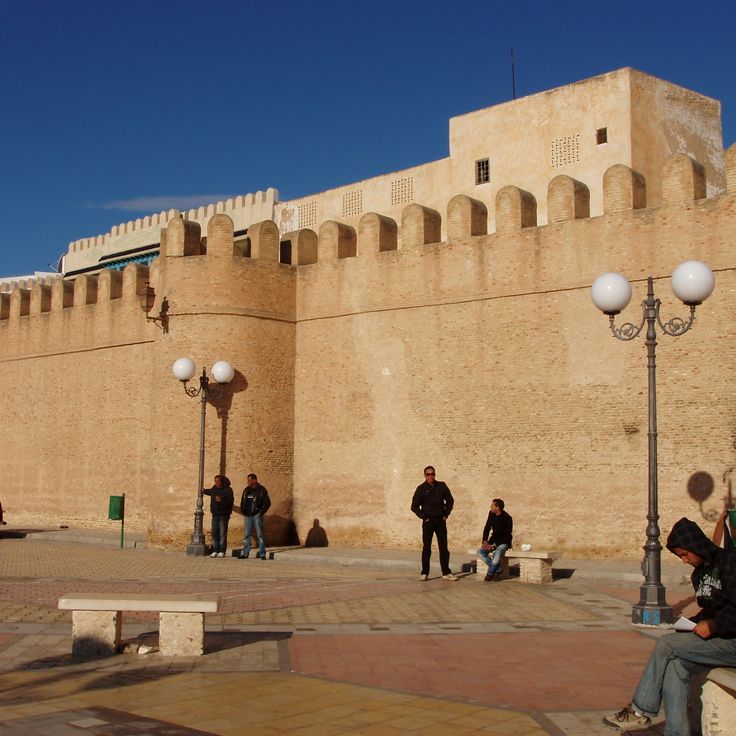
Kairouan, Tunisia
This medina features numerous historical sites and illustrates important aspects of Islamic culture.
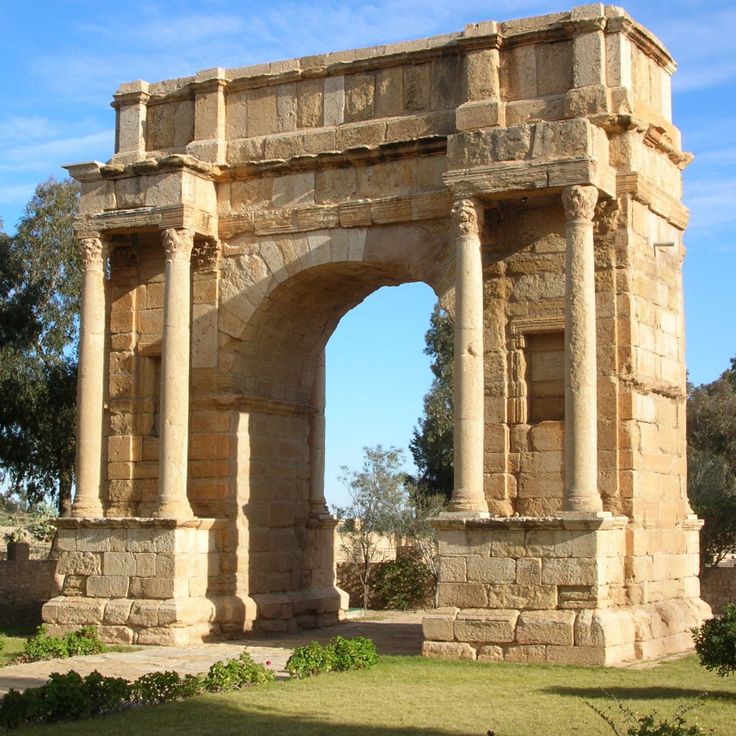
Sbeitla, Tunisia
This site features an extensive Roman Forum along with various ancient temples within the area.
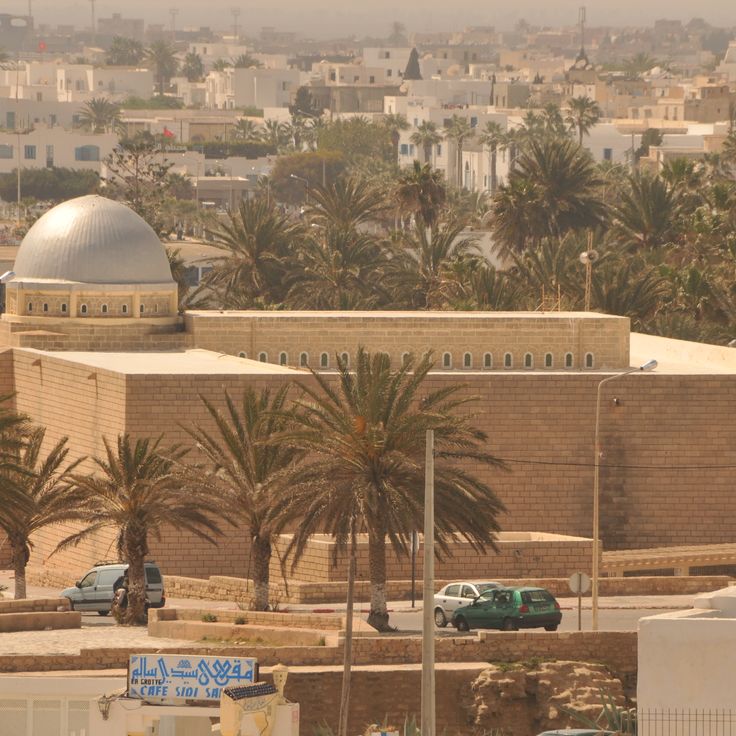
Mahdia, Tunisia
An impressive historical mosque with distinct Fatimid architecture.