See the monuments around you in AROpen chests in the app
Around Us is built for your phone — point your camera at the streets and discover the monuments and places around you in augmented reality.Around Us is built for your phone — chests unlock when you walk, explore and capture nearby places.
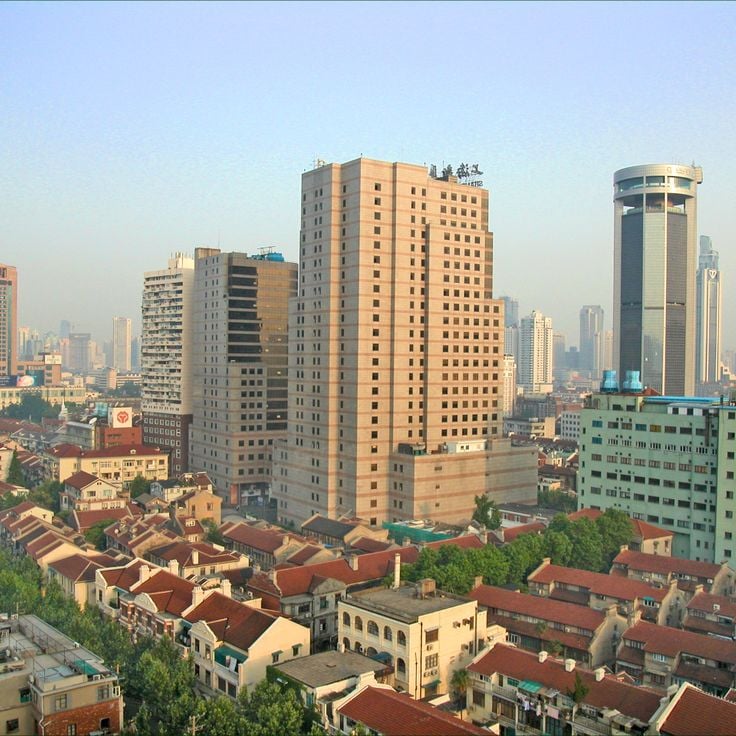
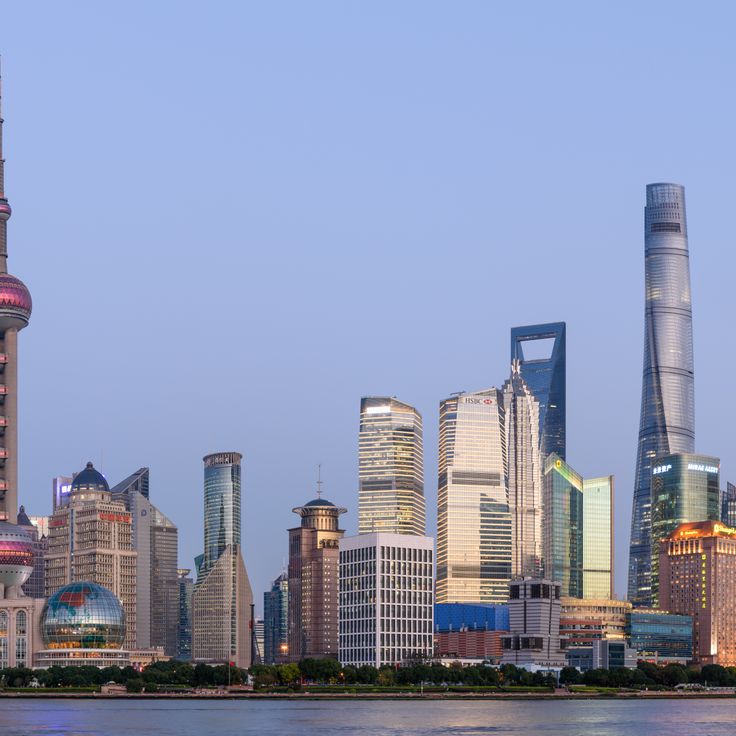
Shanghai blends centuries of history into a cityscape that shifts from one district to the next. Along the Huangpu River, the Bund lines up colonial buildings from the early 20th century, while across the water in Pudong, glass and steel towers rise hundreds of feet into the air. In older neighborhoods, Buddhist temples sit near traditional gardens where pavilions and ponds follow designs from the Ming and Qing dynasties. The French Concession spreads out with tree-lined streets and low brick houses that now hold cafes and small shops. Converted factories and warehouses have become art spaces and museums.
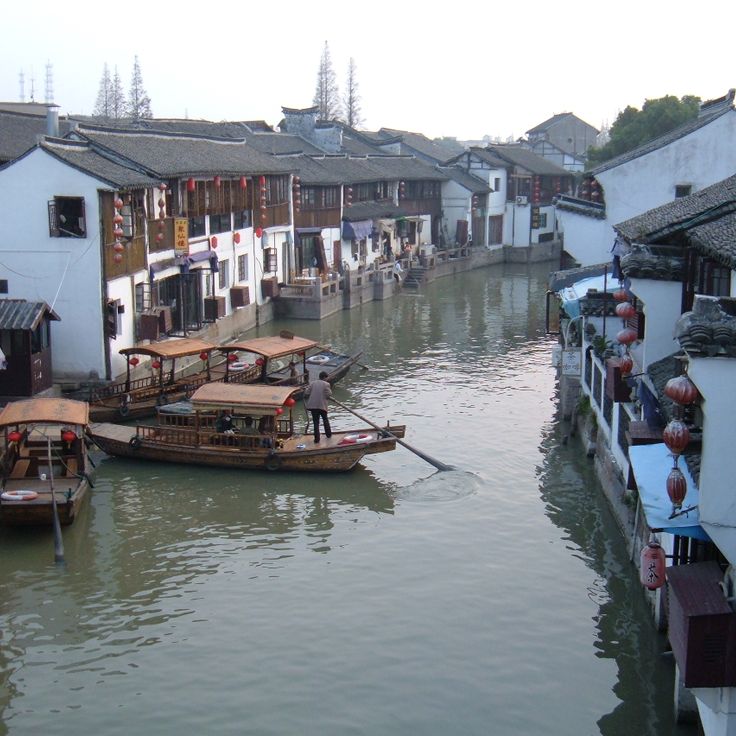
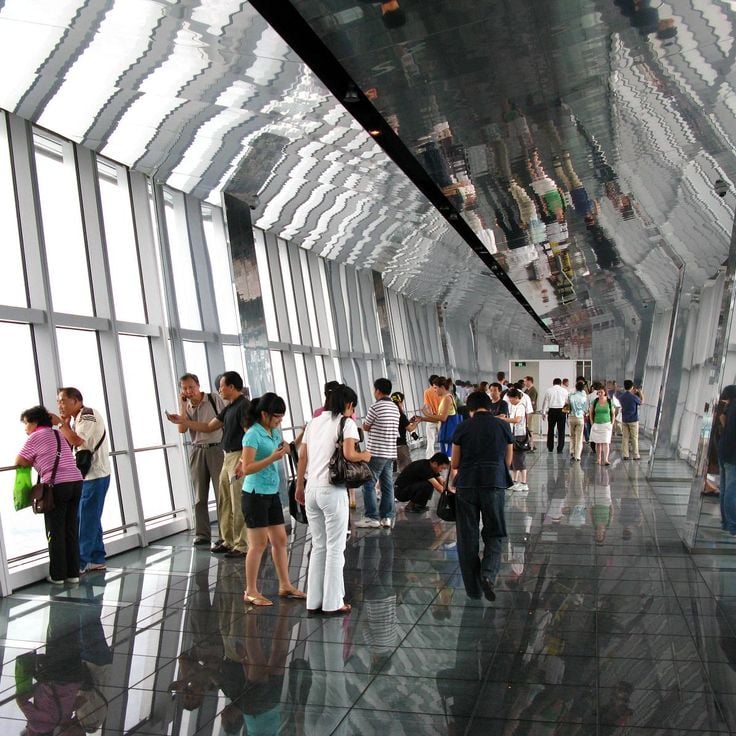
Yu Garden winds through courtyards and corridors built in the 1500s, while water towns like Zhujiajiao and Qibao keep their canals and stone bridges from centuries past. Nanjing Road connects old and new with its mix of department stores and neon signs. In Xintiandi and Tianzifang, narrow lanes of restored shikumen houses now hold restaurants and boutiques. Places like the Power Station of Art, Rockbund Art Museum, and 50 Moganshan Road turn industrial spaces into galleries. The view from Shanghai Tower or the World Financial Center stretches across the entire city, showing the scale of this metropolis.
Shanghai blends centuries of history into a cityscape that shifts from one district to the next. Along the Huangpu River, the Bund lines up colonial buildings from the early 20th century, while across the water in Pudong, glass and steel towers rise hundreds of feet into the air. In older neighborhoods, Buddhist temples sit near traditional gardens where pavilions and ponds follow designs from the Ming and Qing dynasties. The French Concession spreads out with tree-lined streets and low brick houses that now hold cafes and small shops. Converted factories and warehouses have become art spaces and museums.
Yu Garden winds through courtyards and corridors built in the 1500s, while water towns like Zhujiajiao and Qibao keep their canals and stone bridges from centuries past. Nanjing Road connects old and new with its mix of department stores and neon signs. In Xintiandi and Tianzifang, narrow lanes of restored shikumen houses now hold restaurants and boutiques. Places like the Power Station of Art, Rockbund Art Museum, and 50 Moganshan Road turn industrial spaces into galleries. The view from Shanghai Tower or the World Financial Center stretches across the entire city, showing the scale of this metropolis.
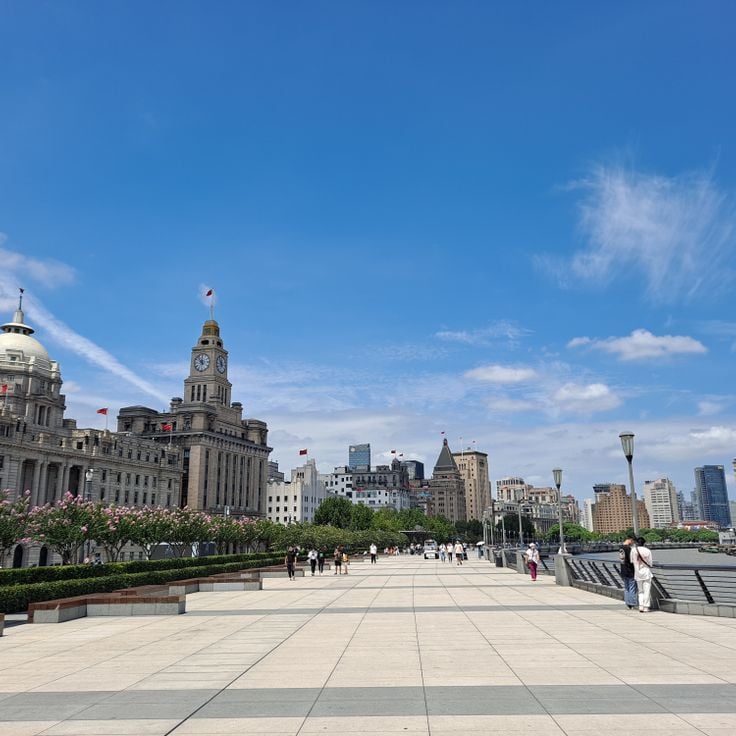
The Bund is a waterfront promenade along the Huangpu River known for its European-style buildings from the 1920s. The facades show neoclassical, Gothic and Art Deco elements that appeared during the first half of the 20th century, when foreign banks and trading houses had their offices here. From the walkway, you see Pudong's modern skyscrapers across the river. In the evenings, the historic structures are lit up and the promenade is crowded with people. This area shows the contrast between Shanghai's colonial past and its modern development.
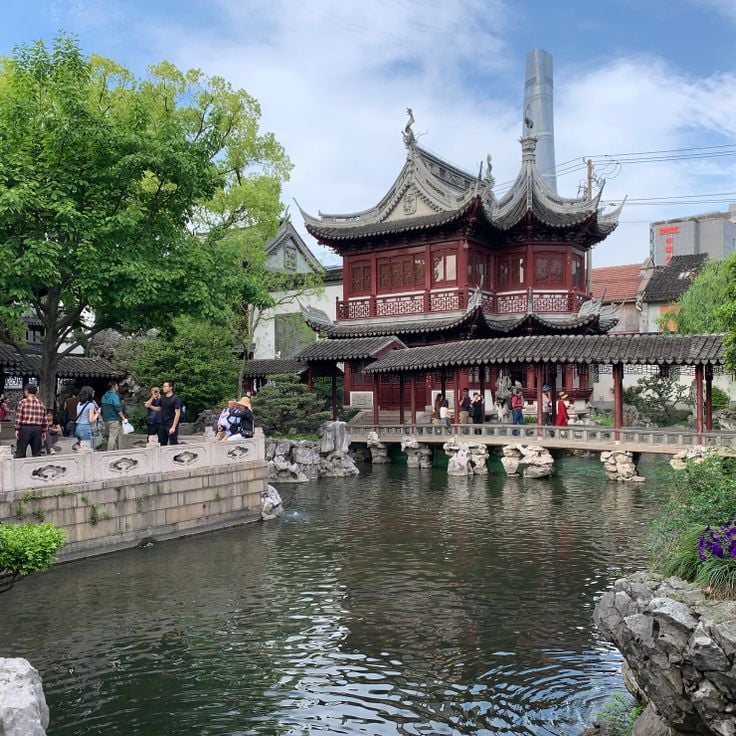
This garden from 1559 shows Ming architecture with pavilions, ponds, stone walls and decorated passages. Yu Garden sits in the densely built Huangpu District and offers a quiet setting with classic Chinese elements. The grounds contain several courtyards, each with its own character. Visitors walk through corridors that wind between rocks and water. The buildings carry curved roofs and fine woodwork. Small bridges connect the different sections. The garden stands in contrast to the modern high-rises that define Shanghai and demonstrates craft traditions from the Ming period.
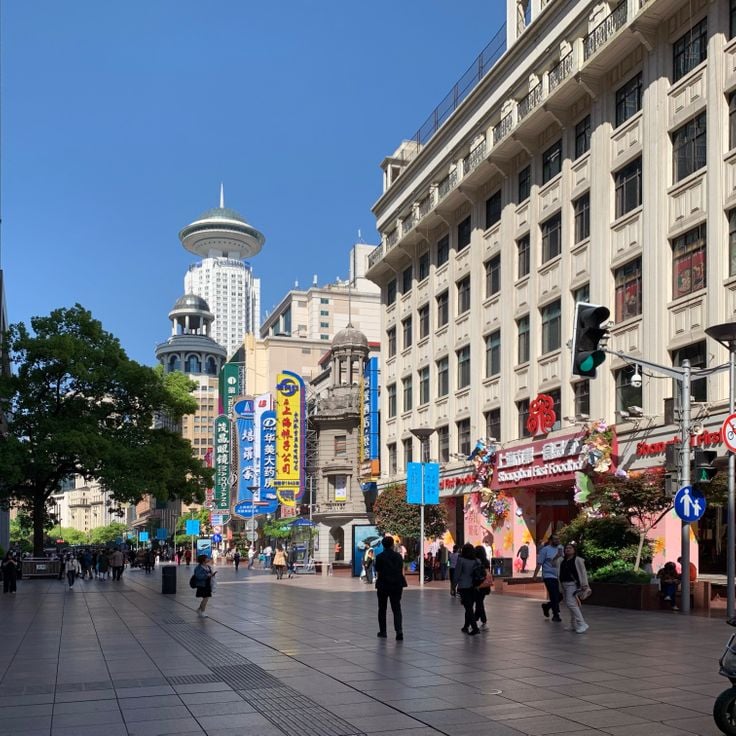
This street stretches for six kilometers across Shanghai, gathering shops, department stores, restaurants and the neon signs of the city. Nanjing Road links historic merchant buildings from the early 20th century with modern storefronts and pedestrian sections, where locals and visitors move through busy passages every day. At the eastern end, it leads to the Bund waterfront, while the western end opens into wider sections with green spaces and intersections. The street shows Shanghai's shift from a colonial-era trading center to today's metropolis, where neon lettering and old facades alternate with one another.
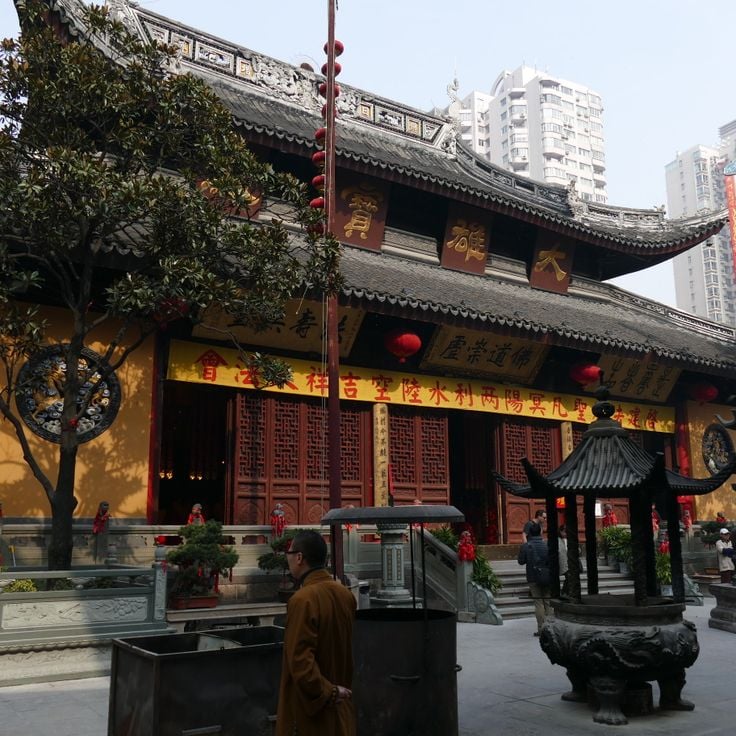
This temple from 1882 holds two Buddha statues brought from Burma: one seated and one reclining. The buildings follow traditional Chinese temple design with curved roofs and red pillars. Courtyards separate the different halls. Visitors walk through rooms filled with incense and sometimes hear monks chanting. The feeling inside stays calm even when tour groups pass through. Wooden carvings decorate the doors and walls. The temple sits in a residential part of Putuo, surrounded by modern streets outside its gates.
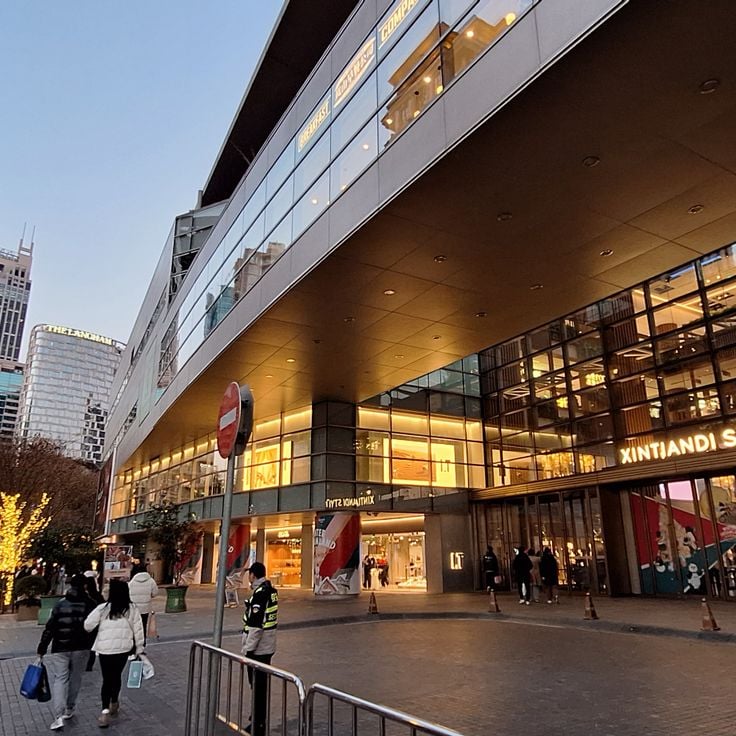
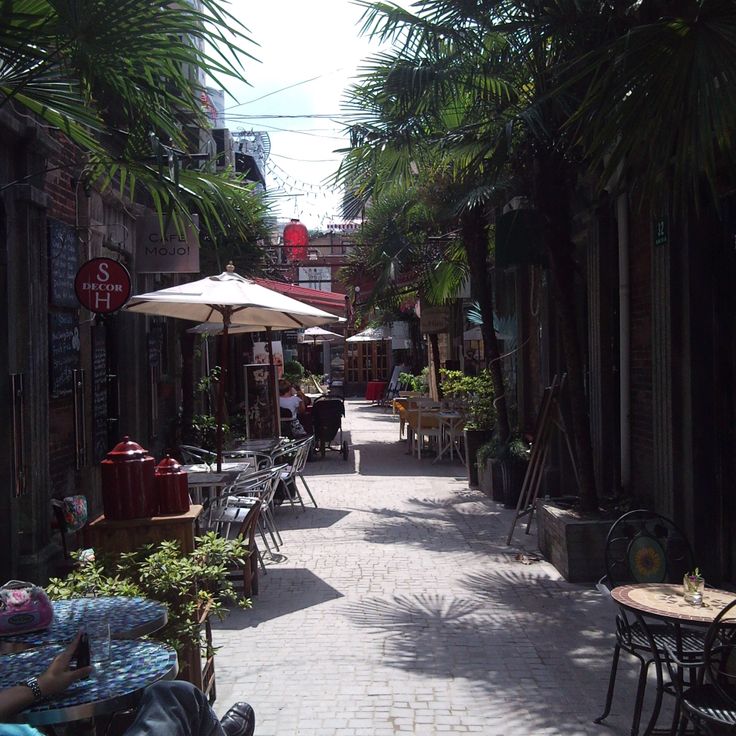
This quarter combines restored stone buildings from the 1920s with modern shops and restaurants. The facades follow the old shikumen courtyard style, while cafés, boutiques, and galleries fill the interiors. Cobblestone lanes connect small squares where people sit at outdoor tables. The area shows how traditional architecture can house contemporary retail and dining, and it sits in a central part of Huangpu District.
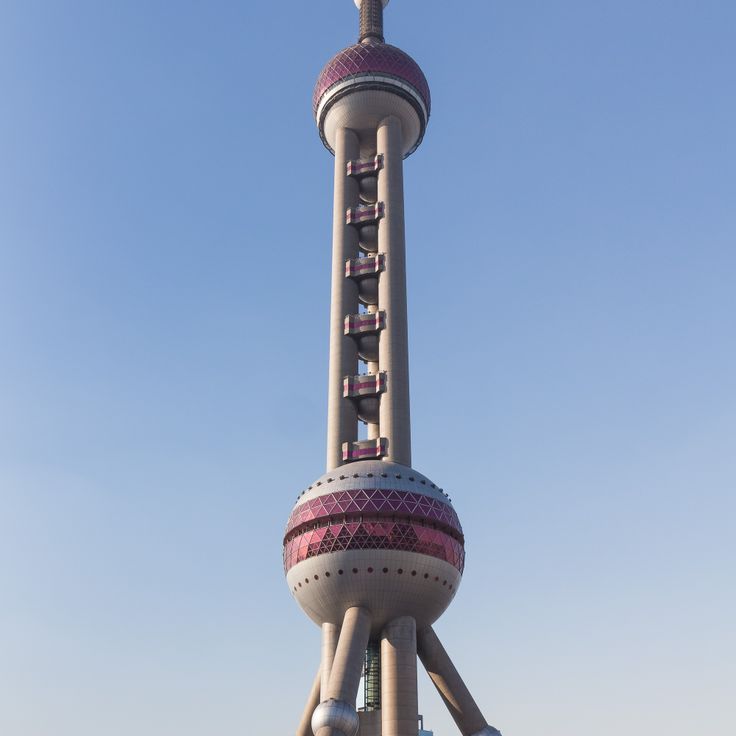
This television tower rises 468 meters above Pudong and defines Shanghai's skyline with its round observation platforms. The structure connects multiple levels through rotating platforms and glass-floor sections where visitors can look down. From here, views extend over the Huangpu River and the city rooftops. Restaurants at different heights offer places to dine while looking out. The tower reflects Shanghai's development as a modern metropolis and stands in contrast to the older colonial buildings at the Bund on the opposite riverbank.
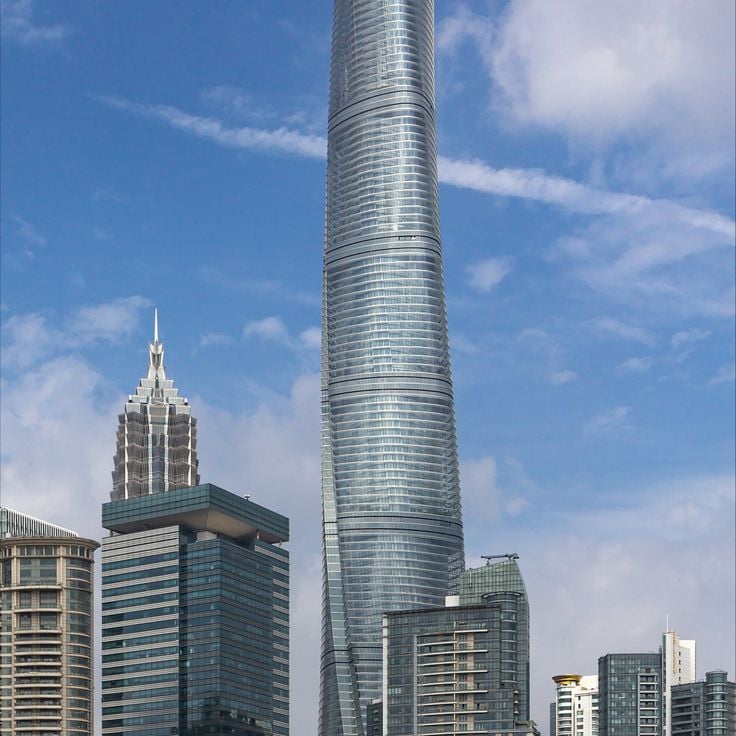
This glass and steel tower reaches a height of 632 meters (2,073 feet) and rises through 121 floors in the modern financial district. The facade spirals upward in a twisting form that reflects daylight in shifting patterns. An observation level on the 118th floor allows views across the city and the river toward the horizon. The tower stands among other high-rises and forms with them a skyline that defines the Pudong district and can be seen from the waterfront promenade on the opposite bank.
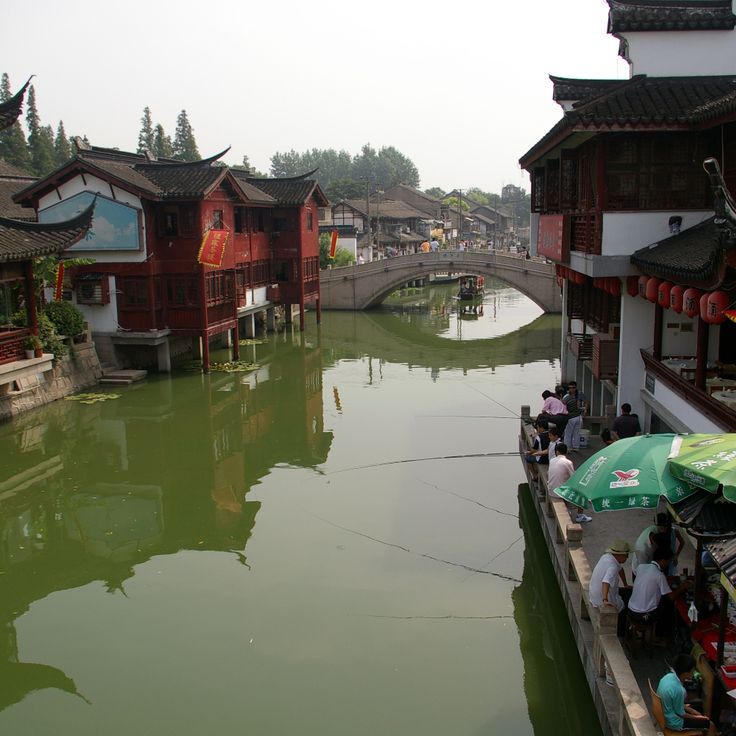
This water town dates from the Ming Dynasty and contains 36 stone bridges crossing canals, along with historical gardens and temples. Located in Qingpu District, Zhujiajiao shows traditional regional architecture. Visitors walk across old bridges that span narrow waterways and see houses with white walls and black tile roofs lining the banks. Small boats pass through the canals while shops and teahouses occupy the paved lanes. The gardens preserve classical Chinese landscape design with ponds, pavilions and rock arrangements. This settlement offers a contrast to the modern cityscape of Shanghai and documents building styles from past centuries.
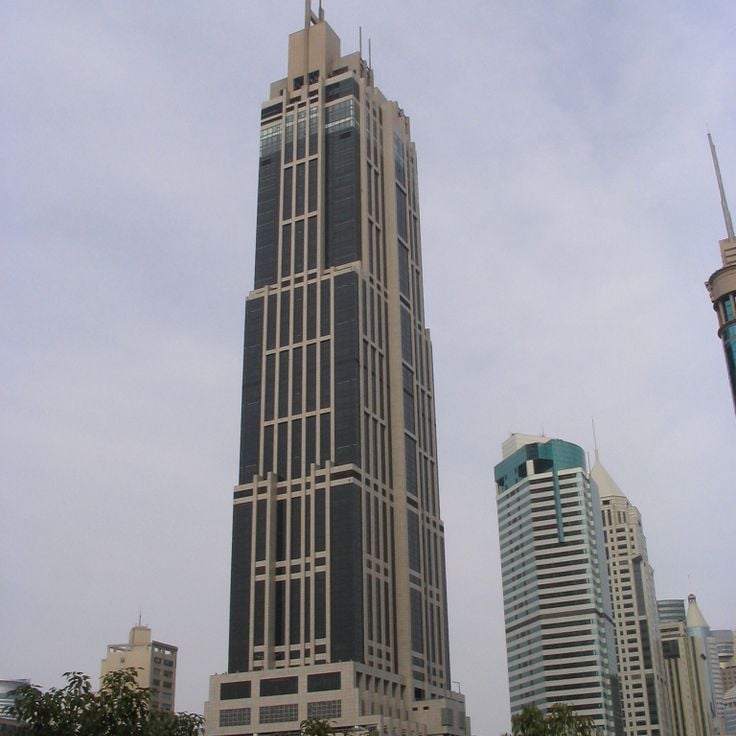
This skyscraper rises 492 meters (1,614 feet) and features a geometric opening at the top. An observation deck on the 100th floor offers views over Pudong and the older parts of Shanghai. The slender form stands among the towers of the financial district. High-speed elevators carry visitors to the upper levels. The building is part of a group of three tall structures in the area. The top section includes a rectangular cutout that allows wind to pass through. The tower demonstrates Shanghai's modern architecture and the interplay of steel, glass, and concrete.
This museum holds more than 120,000 pieces from different periods of Chinese history. The eleven galleries present bronze, ceramics, calligraphy, painting, jade, and textiles. The collections span periods from ancient times through later dynasties. The arrangement follows chronological and thematic lines, allowing visitors to trace the development of artistic techniques. The architecture combines modern forms with elements of traditional Chinese design. The building stands centrally in Huangpu and offers insight into the artistic traditions of China.
This former French district lies west of the city center and keeps much of its character from the early 1900s. The streets are lined with plane trees that provide shade in summer and turn golden in fall. Between the trees stand traditional longtang houses, two-story residential buildings with narrow lanes and courtyards where neighbors once gathered. Many French colonial buildings from that period remain, with plastered facades, shutters, and wrought iron balconies. Cafés, small shops, and studios now occupy the ground floors. Walking through the side streets, you can still feel the quieter mood of the past, while main avenues carry a more modern rhythm with restaurants and boutiques.
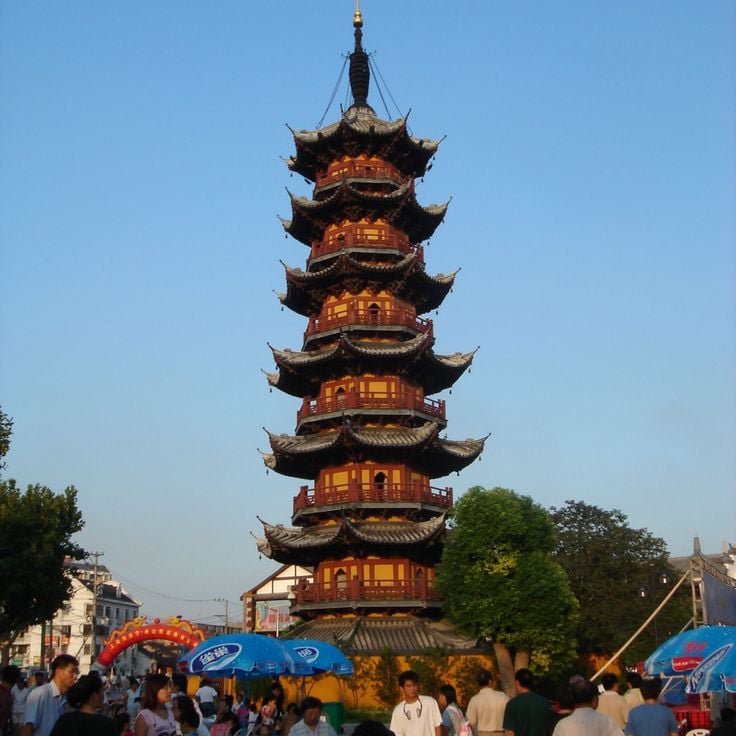
This Buddhist temple from 242 sits in Xuhui and ranks among Shanghai's oldest religious sites. The complex joins prayer halls with traditional Chinese architecture, including a seven-story brick pagoda and a bell tower. Five main halls form the heart, where monks pray and visitors light incense. The temple preserves ancient rituals and shows how religious life continues through the centuries.
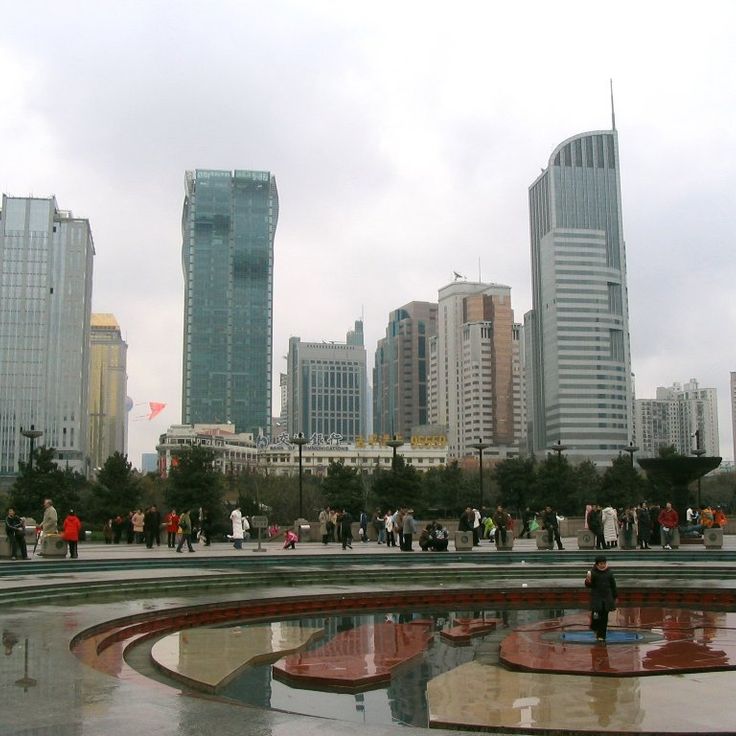
This central square lies at the heart of Shanghai and serves as an open urban space surrounded by museums, theaters, and green areas. The square marks the geographic center of the city and functions as a transportation hub and meeting point for locals and visitors. Around the square you find the Shanghai Museum with its collection of Chinese art, the Shanghai Grand Theatre, and the Museum of Contemporary Art. The green spaces offer room to rest between the urban structures. The square connects the historic neighborhoods with the modern business districts and acts as a reference point for the surrounding streets and subway lines.
This resort lies in the eastern part of the city and covers about 390 hectares (about 960 acres). The complex opened in 2016 and includes seven themed areas that guide visitors through different stories and worlds. You find rides for different age groups, shows with stage performances, and parades that move through the pathways between sections. Restaurants and shops line the streets, while hotels accommodate guests near the park. The grounds combine entertainment with dining and offer space for families who spend a day or several days there. The architecture follows the themes of each zone, from fairy tale castles to futuristic structures. You reach the resort by public transport, and wide pathways lead through the complex, passing green spaces and water features.
Tianzifang preserves Shikumen houses that were once common throughout Shanghai. The narrow lanes of this neighborhood lead to small galleries and restaurants tucked into old residential buildings. Local craftspeople have set up workshops here and sometimes open them to visitors. The architecture shows how city residents lived before modernization. Some entrances keep their original stone frames and wooden doors. The district attracts people who want to compare old and new construction in Shanghai.
This financial district features the Shanghai Tower, which rises 632 meters (2,073 feet) into the sky, and the Oriental Pearl Tower with its pink spheres. The area is crossed by wide streets lined with glass and steel skyscrapers. During the day, the facades reflect the light of the sky, and at night the buildings glow in different colors. In front of the towers lies a park along the river, from which you can see across the water to the older structures on the opposite bank. Pedestrians move between the high-rises while office workers stream through the entrance lobbies.
Qibao Ancient Town is a Ming Dynasty water town in Minhang District that runs along narrow canals lined with stone houses and dark wooden facades. Small bridges connect the two sides, and cobbled lanes lead through the old quarter. Street markets sell local snacks, handmade crafts, and souvenirs. This area shows traditional southern Chinese riverside architecture, where visitors walk beside the water and see how older building styles contrast with the modern skyline elsewhere in Shanghai.
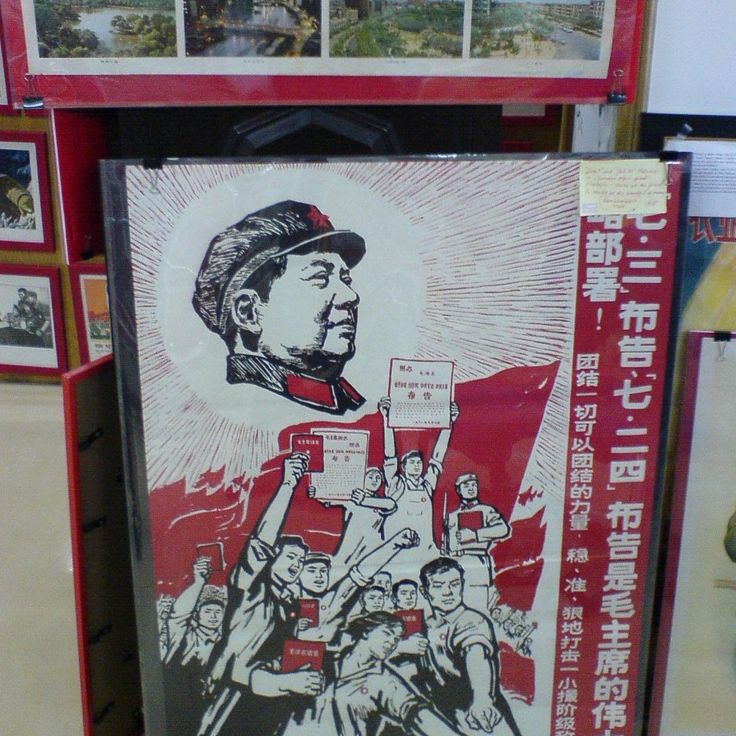
This basement museum in a residential building holds political posters from five decades of Chinese history. The Propaganda Poster Art Centre displays over 6000 original works from the 1940s through the 1990s. The collection documents visual campaigns from the Mao era and the Cultural Revolution. Visitors see hand-painted propaganda art, lithographs, and screen prints featuring revolutionary slogans, worker depictions, and political symbols. The space preserves a visual archive of this period and adds to Shanghai's contrasts between historical and modern layers.
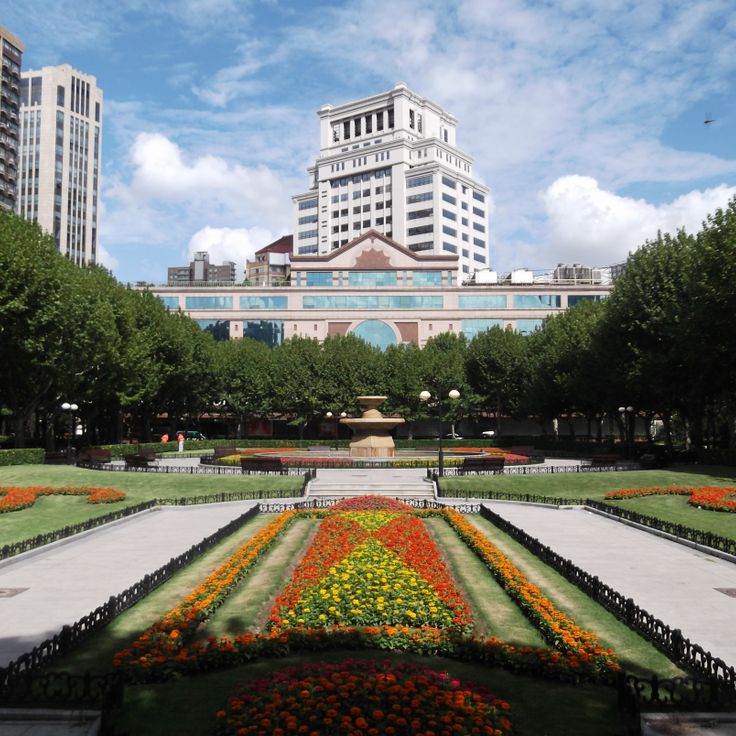
This park in Huangpu offers tree-lined paths, fountains, and rose gardens designed in a French style. In the morning, locals practice tai chi and other exercises on the open lawns and paved areas. Old plane trees provide shade along the walkways, and small bridges cross quiet ponds. The park combines European garden design with daily Chinese routines, showing how different traditions meet in Shanghai's historic green spaces. Visitors find a calm setting between the surrounding high-rises.
This museum occupies six floors within a restored Art Deco building dating back to 1932. The Rockbund Art Museum presents rotating international exhibitions of contemporary art. The architecture combines elements from the 1930s with modern gallery spaces. Its location along the Bund makes it an example of how Shanghai repurposes historic structures for new uses. The tall rooms and large windows create bright exhibition areas while details from the original facade remain intact.
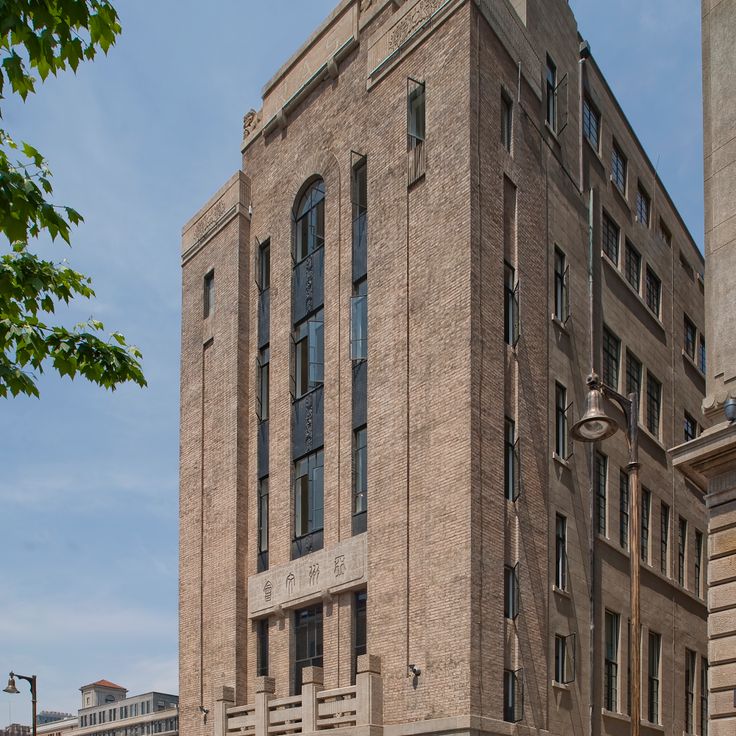
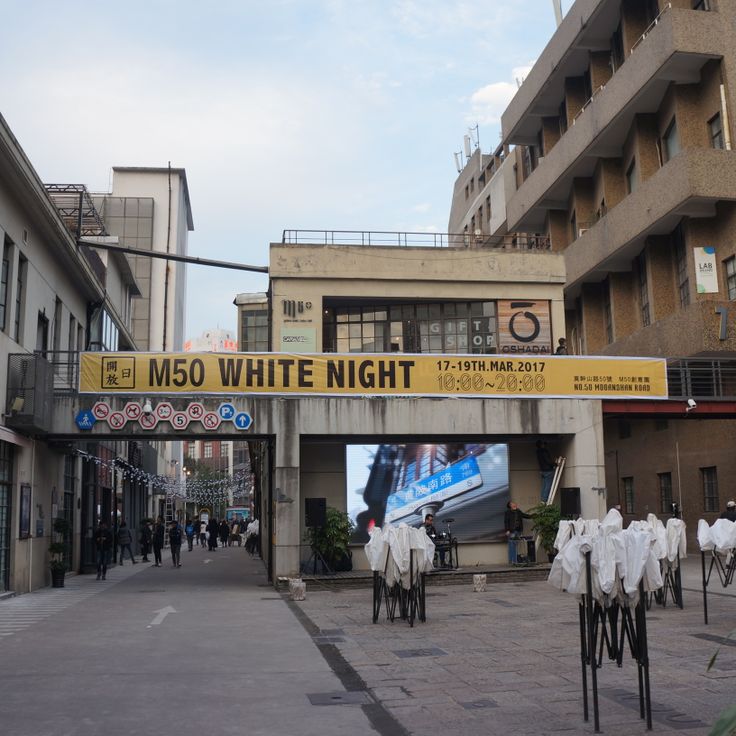
This art district sits in renovated factory buildings from the 1930s and houses over a hundred galleries. The former industrial spaces show contemporary art by Chinese and international artists. Visitors can walk through large rooms with high ceilings where exhibitions, studios, and small cafés are found. The atmosphere connects industrial history with the modern art scene.
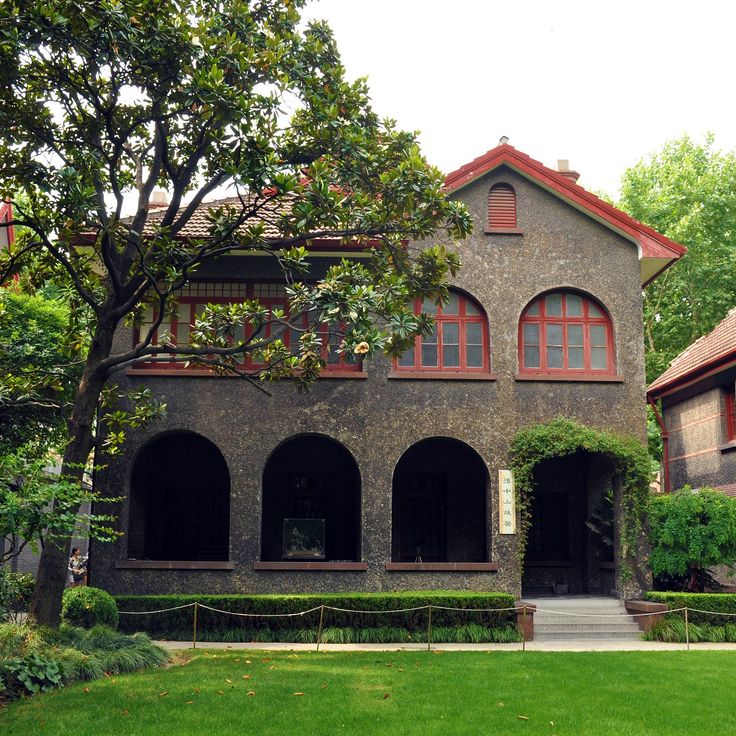
This 1920 house displays personal belongings and furniture from the life of Sun Yat-sen, the first president of the Republic of China. The residence documents an important phase of Chinese history through its preserved rooms and exhibits, adding to the mix of historic structures and modern architecture found across Shanghai.
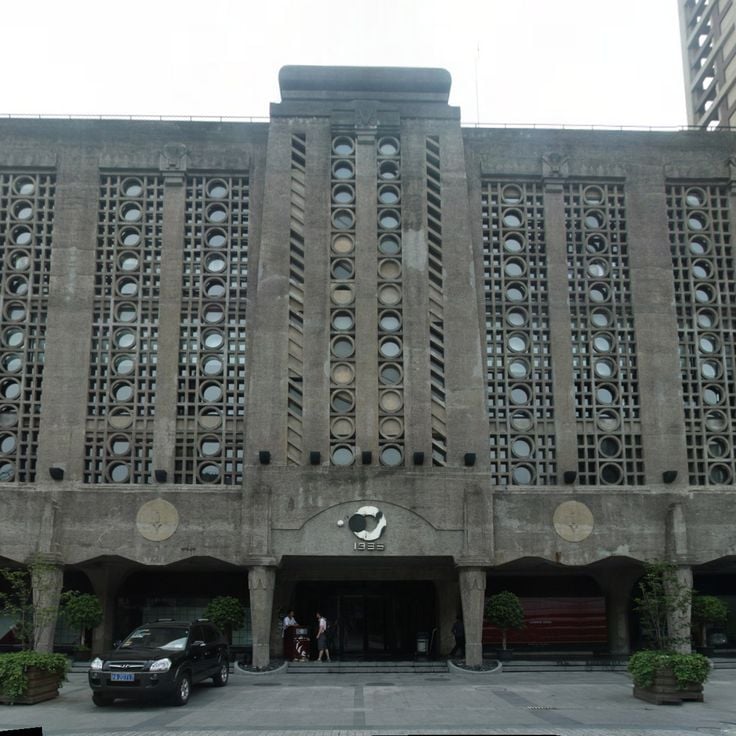
This former slaughterhouse keeps its architectural form with circular ramps, tall concrete walls, and open passages that let light pass through and cast shadows. The spaces follow the original function of the building, so visitors can walk through connected levels and see the structure from different angles. Today the halls hold restaurants, galleries, and event spaces that bring the historic building into contemporary use. The concrete construction shows how Shanghai preserved industrial architecture and adapted it for new purposes. The ramps and floors allow exploration on multiple levels, while the materials make the origin of the place visible.
This six-floor building in Huangpu combines retail stores with art galleries and rotating installations by Chinese and international artists. The open floors display works between shops, so visitors walking through the spaces encounter sculptures, paintings or multimedia pieces at every turn. The concept fits into Shanghai's contrast between modern structures and artistic presentation, with the atmosphere leaning more toward a gallery than an ordinary shopping center. Works change regularly, reflecting both local and global trends in contemporary art.
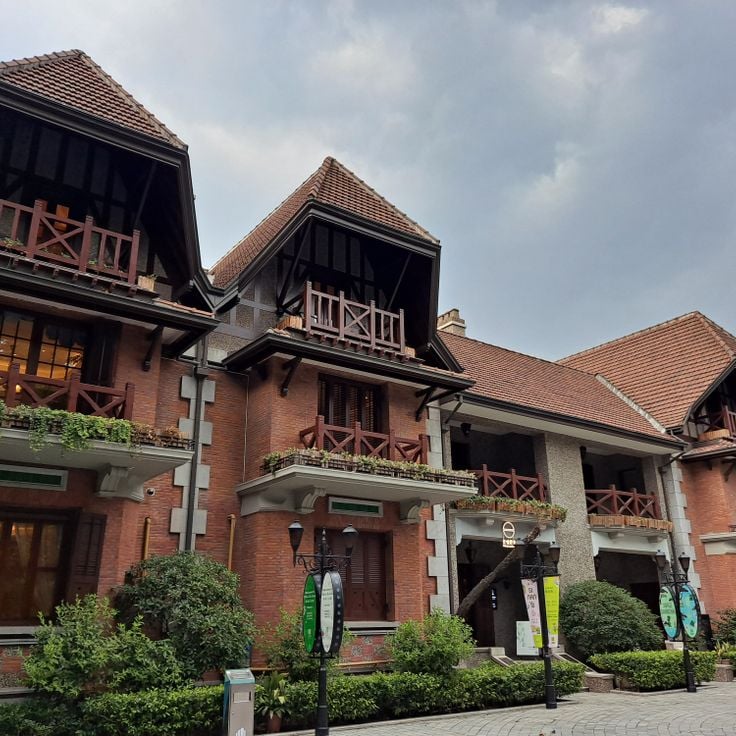
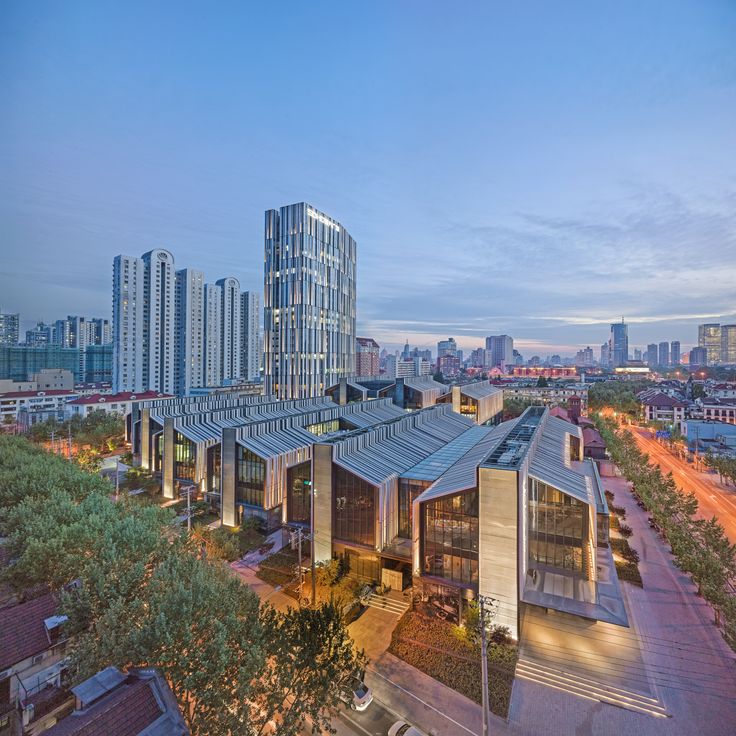
This 1920s complex is built from restored townhouses that now hold restaurants, bars and shops. Sinan Mansions blends architecture from the concession era with contemporary use, showing how Shanghai integrates historic buildings into modern city life. The structures sit along tree-lined streets and offer a contrast to the busy surroundings of the city.
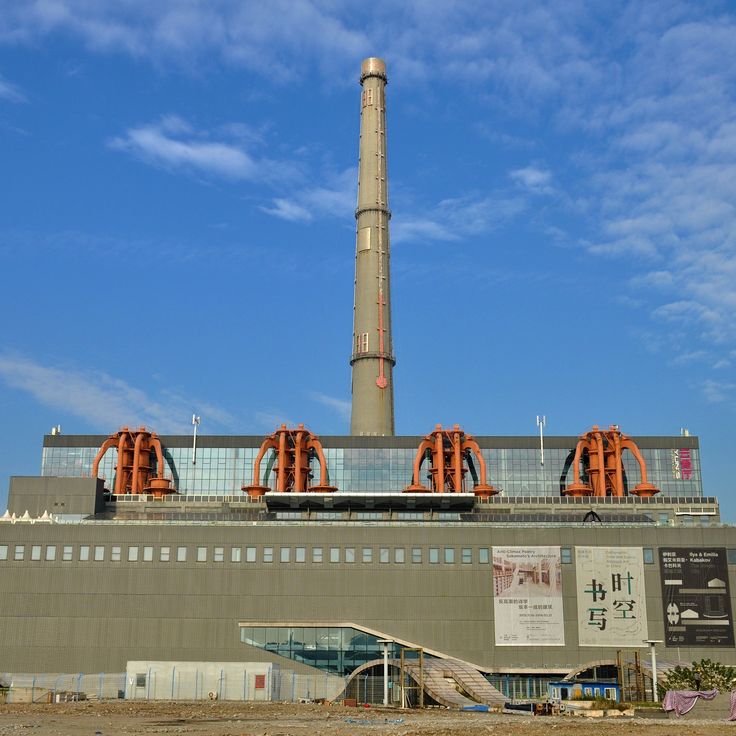
This museum occupies a former power plant in Huangpu district, with a 165-meter chimney standing as its landmark. The Power Station of Art spreads its 15,000 square meters (about 161,000 square feet) of exhibition space across several floors of the industrial building. The interior keeps parts of the original structure, including exposed pipes and concrete walls. Visitors find contemporary art exhibitions here, often in large-scale installations that use the high ceilings and wide halls. The building sits near the waterfront and is recognizable from outside by the red chimney.
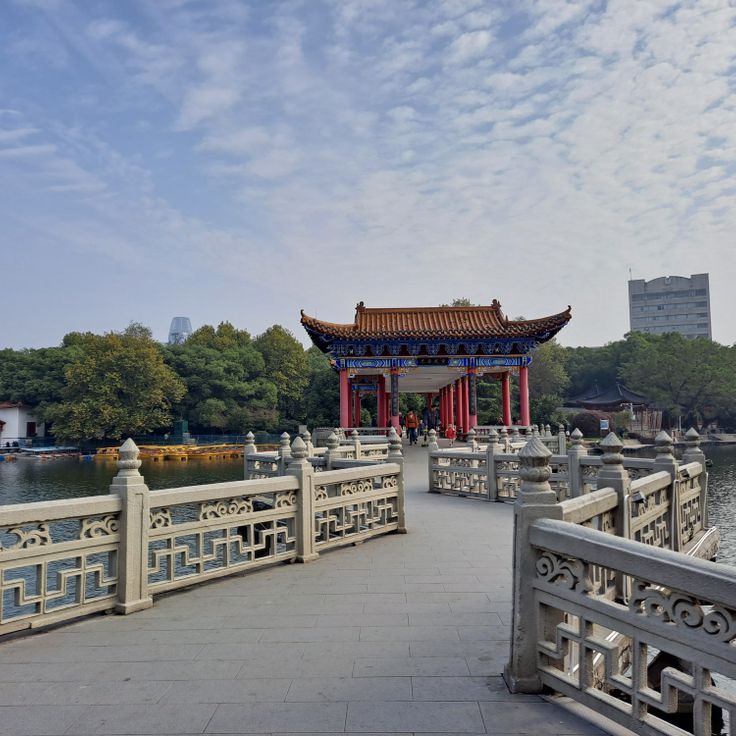
This stone bridge from the 16th century crosses the pond in Yu Garden with nine sharp turns, reflecting traditional principles of garden design. The bridge connects different sections of the garden and offers a new view of the water and pavilions from each angle. Visitors walk slowly over the angled sections, which according to ancient belief were meant to ward off evil spirits. The design fits within the Ming Dynasty architecture and shows the craftsmanship of that era. The bridge is a central element in Yu Garden and illustrates the design principles of historic Chinese gardens within modern Shanghai.
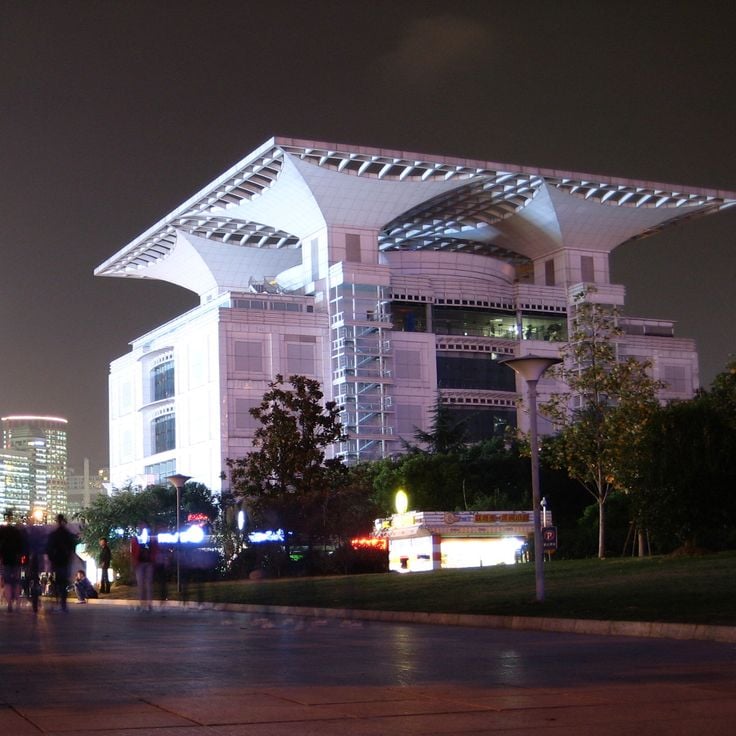
This planning center displays the development of the metropolis across five floors. Urban models and digital projections present past eras and future construction projects. Detailed replicas allow visitors to trace Shanghai's spatial transformations. The exhibition halls offer insights into architectural concepts and urban strategies that shape the face of the city.
This glass-fronted building combines retail and dining spaces across several floors. The structure belongs to the modern side of Shanghai, where offices and shops occupy vertical spaces defined by transparent walls. Light shifts across the facade during the day, creating reflections that photographers use to capture the interplay between the building and its surroundings. SOHO Fuxing Plaza sits in an area where older neighborhoods meet newer developments, and the building itself reflects the city's ongoing transformation.
This street connects Shanghai's French colonial past with present-day cafés and shops. Plane trees line the route and give it a green, shaded feel. Many of the low-rise buildings date from the 1920s and 1930s, showing curved balconies, tall windows, and decorative facades. Restaurants and boutiques have moved into the historic structures. Hengshan Road runs through a district that once belonged to the French Concession, linking architecture from that era with modern city life. Pedestrians move beneath the canopy, and in the evening street lamps light the pavement.
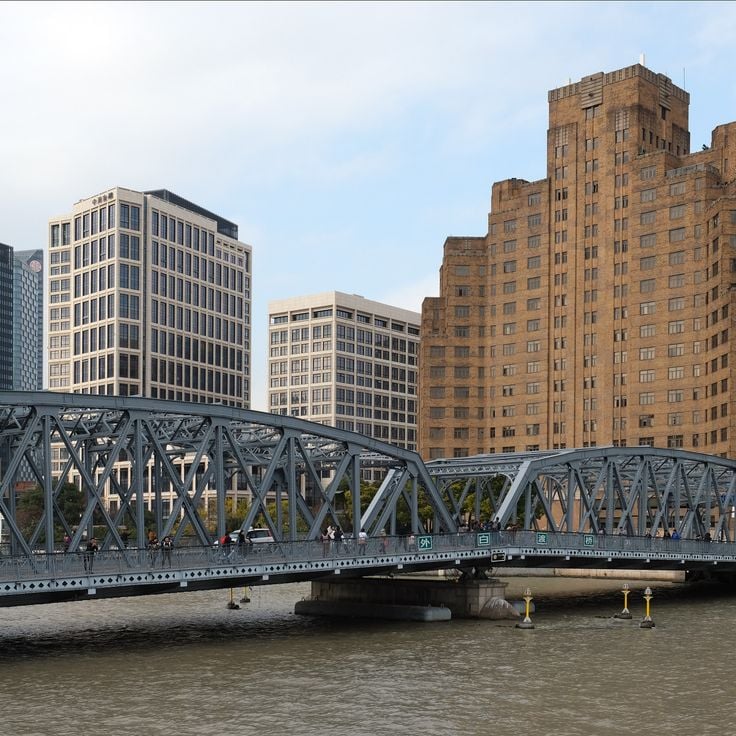
This steel bridge from 1908 connects the Bund with the Hongkou district and offers views of the river and city. The Garden Bridge is part of Shanghai's architectural history and shows the early engineering work of the modern period. From here you can observe both the colonial buildings along the waterfront and the high-rises in Pudong, while pedestrians and vehicles cross the bridge and the everyday life of the metropolis continues.
The Bund is a waterfront promenade along the Huangpu River known for its European-style buildings from the 1920s. The facades show neoclassical, Gothic and Art Deco elements that appeared during the first half of the 20th century, when foreign banks and trading houses had their offices here. From the walkway, you see Pudong's modern skyscrapers across the river. In the evenings, the historic structures are lit up and the promenade is crowded with people. This area shows the contrast between Shanghai's colonial past and its modern development.
This garden from 1559 shows Ming architecture with pavilions, ponds, stone walls and decorated passages. Yu Garden sits in the densely built Huangpu District and offers a quiet setting with classic Chinese elements. The grounds contain several courtyards, each with its own character. Visitors walk through corridors that wind between rocks and water. The buildings carry curved roofs and fine woodwork. Small bridges connect the different sections. The garden stands in contrast to the modern high-rises that define Shanghai and demonstrates craft traditions from the Ming period.
This street stretches for six kilometers across Shanghai, gathering shops, department stores, restaurants and the neon signs of the city. Nanjing Road links historic merchant buildings from the early 20th century with modern storefronts and pedestrian sections, where locals and visitors move through busy passages every day. At the eastern end, it leads to the Bund waterfront, while the western end opens into wider sections with green spaces and intersections. The street shows Shanghai's shift from a colonial-era trading center to today's metropolis, where neon lettering and old facades alternate with one another.
This temple from 1882 holds two Buddha statues brought from Burma: one seated and one reclining. The buildings follow traditional Chinese temple design with curved roofs and red pillars. Courtyards separate the different halls. Visitors walk through rooms filled with incense and sometimes hear monks chanting. The feeling inside stays calm even when tour groups pass through. Wooden carvings decorate the doors and walls. The temple sits in a residential part of Putuo, surrounded by modern streets outside its gates.
This quarter combines restored stone buildings from the 1920s with modern shops and restaurants. The facades follow the old shikumen courtyard style, while cafés, boutiques, and galleries fill the interiors. Cobblestone lanes connect small squares where people sit at outdoor tables. The area shows how traditional architecture can house contemporary retail and dining, and it sits in a central part of Huangpu District.
This television tower rises 468 meters above Pudong and defines Shanghai's skyline with its round observation platforms. The structure connects multiple levels through rotating platforms and glass-floor sections where visitors can look down. From here, views extend over the Huangpu River and the city rooftops. Restaurants at different heights offer places to dine while looking out. The tower reflects Shanghai's development as a modern metropolis and stands in contrast to the older colonial buildings at the Bund on the opposite riverbank.
This glass and steel tower reaches a height of 632 meters (2,073 feet) and rises through 121 floors in the modern financial district. The facade spirals upward in a twisting form that reflects daylight in shifting patterns. An observation level on the 118th floor allows views across the city and the river toward the horizon. The tower stands among other high-rises and forms with them a skyline that defines the Pudong district and can be seen from the waterfront promenade on the opposite bank.
This water town dates from the Ming Dynasty and contains 36 stone bridges crossing canals, along with historical gardens and temples. Located in Qingpu District, Zhujiajiao shows traditional regional architecture. Visitors walk across old bridges that span narrow waterways and see houses with white walls and black tile roofs lining the banks. Small boats pass through the canals while shops and teahouses occupy the paved lanes. The gardens preserve classical Chinese landscape design with ponds, pavilions and rock arrangements. This settlement offers a contrast to the modern cityscape of Shanghai and documents building styles from past centuries.
This skyscraper rises 492 meters (1,614 feet) and features a geometric opening at the top. An observation deck on the 100th floor offers views over Pudong and the older parts of Shanghai. The slender form stands among the towers of the financial district. High-speed elevators carry visitors to the upper levels. The building is part of a group of three tall structures in the area. The top section includes a rectangular cutout that allows wind to pass through. The tower demonstrates Shanghai's modern architecture and the interplay of steel, glass, and concrete.
This museum holds more than 120,000 pieces from different periods of Chinese history. The eleven galleries present bronze, ceramics, calligraphy, painting, jade, and textiles. The collections span periods from ancient times through later dynasties. The arrangement follows chronological and thematic lines, allowing visitors to trace the development of artistic techniques. The architecture combines modern forms with elements of traditional Chinese design. The building stands centrally in Huangpu and offers insight into the artistic traditions of China.
This former French district lies west of the city center and keeps much of its character from the early 1900s. The streets are lined with plane trees that provide shade in summer and turn golden in fall. Between the trees stand traditional longtang houses, two-story residential buildings with narrow lanes and courtyards where neighbors once gathered. Many French colonial buildings from that period remain, with plastered facades, shutters, and wrought iron balconies. Cafés, small shops, and studios now occupy the ground floors. Walking through the side streets, you can still feel the quieter mood of the past, while main avenues carry a more modern rhythm with restaurants and boutiques.
This Buddhist temple from 242 sits in Xuhui and ranks among Shanghai's oldest religious sites. The complex joins prayer halls with traditional Chinese architecture, including a seven-story brick pagoda and a bell tower. Five main halls form the heart, where monks pray and visitors light incense. The temple preserves ancient rituals and shows how religious life continues through the centuries.
This central square lies at the heart of Shanghai and serves as an open urban space surrounded by museums, theaters, and green areas. The square marks the geographic center of the city and functions as a transportation hub and meeting point for locals and visitors. Around the square you find the Shanghai Museum with its collection of Chinese art, the Shanghai Grand Theatre, and the Museum of Contemporary Art. The green spaces offer room to rest between the urban structures. The square connects the historic neighborhoods with the modern business districts and acts as a reference point for the surrounding streets and subway lines.
This resort lies in the eastern part of the city and covers about 390 hectares (about 960 acres). The complex opened in 2016 and includes seven themed areas that guide visitors through different stories and worlds. You find rides for different age groups, shows with stage performances, and parades that move through the pathways between sections. Restaurants and shops line the streets, while hotels accommodate guests near the park. The grounds combine entertainment with dining and offer space for families who spend a day or several days there. The architecture follows the themes of each zone, from fairy tale castles to futuristic structures. You reach the resort by public transport, and wide pathways lead through the complex, passing green spaces and water features.
Tianzifang preserves Shikumen houses that were once common throughout Shanghai. The narrow lanes of this neighborhood lead to small galleries and restaurants tucked into old residential buildings. Local craftspeople have set up workshops here and sometimes open them to visitors. The architecture shows how city residents lived before modernization. Some entrances keep their original stone frames and wooden doors. The district attracts people who want to compare old and new construction in Shanghai.
This financial district features the Shanghai Tower, which rises 632 meters (2,073 feet) into the sky, and the Oriental Pearl Tower with its pink spheres. The area is crossed by wide streets lined with glass and steel skyscrapers. During the day, the facades reflect the light of the sky, and at night the buildings glow in different colors. In front of the towers lies a park along the river, from which you can see across the water to the older structures on the opposite bank. Pedestrians move between the high-rises while office workers stream through the entrance lobbies.
Qibao Ancient Town is a Ming Dynasty water town in Minhang District that runs along narrow canals lined with stone houses and dark wooden facades. Small bridges connect the two sides, and cobbled lanes lead through the old quarter. Street markets sell local snacks, handmade crafts, and souvenirs. This area shows traditional southern Chinese riverside architecture, where visitors walk beside the water and see how older building styles contrast with the modern skyline elsewhere in Shanghai.
This basement museum in a residential building holds political posters from five decades of Chinese history. The Propaganda Poster Art Centre displays over 6000 original works from the 1940s through the 1990s. The collection documents visual campaigns from the Mao era and the Cultural Revolution. Visitors see hand-painted propaganda art, lithographs, and screen prints featuring revolutionary slogans, worker depictions, and political symbols. The space preserves a visual archive of this period and adds to Shanghai's contrasts between historical and modern layers.
This park in Huangpu offers tree-lined paths, fountains, and rose gardens designed in a French style. In the morning, locals practice tai chi and other exercises on the open lawns and paved areas. Old plane trees provide shade along the walkways, and small bridges cross quiet ponds. The park combines European garden design with daily Chinese routines, showing how different traditions meet in Shanghai's historic green spaces. Visitors find a calm setting between the surrounding high-rises.
This museum occupies six floors within a restored Art Deco building dating back to 1932. The Rockbund Art Museum presents rotating international exhibitions of contemporary art. The architecture combines elements from the 1930s with modern gallery spaces. Its location along the Bund makes it an example of how Shanghai repurposes historic structures for new uses. The tall rooms and large windows create bright exhibition areas while details from the original facade remain intact.
This art district sits in renovated factory buildings from the 1930s and houses over a hundred galleries. The former industrial spaces show contemporary art by Chinese and international artists. Visitors can walk through large rooms with high ceilings where exhibitions, studios, and small cafés are found. The atmosphere connects industrial history with the modern art scene.
This 1920 house displays personal belongings and furniture from the life of Sun Yat-sen, the first president of the Republic of China. The residence documents an important phase of Chinese history through its preserved rooms and exhibits, adding to the mix of historic structures and modern architecture found across Shanghai.
This former slaughterhouse keeps its architectural form with circular ramps, tall concrete walls, and open passages that let light pass through and cast shadows. The spaces follow the original function of the building, so visitors can walk through connected levels and see the structure from different angles. Today the halls hold restaurants, galleries, and event spaces that bring the historic building into contemporary use. The concrete construction shows how Shanghai preserved industrial architecture and adapted it for new purposes. The ramps and floors allow exploration on multiple levels, while the materials make the origin of the place visible.
This six-floor building in Huangpu combines retail stores with art galleries and rotating installations by Chinese and international artists. The open floors display works between shops, so visitors walking through the spaces encounter sculptures, paintings or multimedia pieces at every turn. The concept fits into Shanghai's contrast between modern structures and artistic presentation, with the atmosphere leaning more toward a gallery than an ordinary shopping center. Works change regularly, reflecting both local and global trends in contemporary art.
This 1920s complex is built from restored townhouses that now hold restaurants, bars and shops. Sinan Mansions blends architecture from the concession era with contemporary use, showing how Shanghai integrates historic buildings into modern city life. The structures sit along tree-lined streets and offer a contrast to the busy surroundings of the city.
This museum occupies a former power plant in Huangpu district, with a 165-meter chimney standing as its landmark. The Power Station of Art spreads its 15,000 square meters (about 161,000 square feet) of exhibition space across several floors of the industrial building. The interior keeps parts of the original structure, including exposed pipes and concrete walls. Visitors find contemporary art exhibitions here, often in large-scale installations that use the high ceilings and wide halls. The building sits near the waterfront and is recognizable from outside by the red chimney.
This stone bridge from the 16th century crosses the pond in Yu Garden with nine sharp turns, reflecting traditional principles of garden design. The bridge connects different sections of the garden and offers a new view of the water and pavilions from each angle. Visitors walk slowly over the angled sections, which according to ancient belief were meant to ward off evil spirits. The design fits within the Ming Dynasty architecture and shows the craftsmanship of that era. The bridge is a central element in Yu Garden and illustrates the design principles of historic Chinese gardens within modern Shanghai.
This planning center displays the development of the metropolis across five floors. Urban models and digital projections present past eras and future construction projects. Detailed replicas allow visitors to trace Shanghai's spatial transformations. The exhibition halls offer insights into architectural concepts and urban strategies that shape the face of the city.
This glass-fronted building combines retail and dining spaces across several floors. The structure belongs to the modern side of Shanghai, where offices and shops occupy vertical spaces defined by transparent walls. Light shifts across the facade during the day, creating reflections that photographers use to capture the interplay between the building and its surroundings. SOHO Fuxing Plaza sits in an area where older neighborhoods meet newer developments, and the building itself reflects the city's ongoing transformation.
This street connects Shanghai's French colonial past with present-day cafés and shops. Plane trees line the route and give it a green, shaded feel. Many of the low-rise buildings date from the 1920s and 1930s, showing curved balconies, tall windows, and decorative facades. Restaurants and boutiques have moved into the historic structures. Hengshan Road runs through a district that once belonged to the French Concession, linking architecture from that era with modern city life. Pedestrians move beneath the canopy, and in the evening street lamps light the pavement.
This steel bridge from 1908 connects the Bund with the Hongkou district and offers views of the river and city. The Garden Bridge is part of Shanghai's architectural history and shows the early engineering work of the modern period. From here you can observe both the colonial buildings along the waterfront and the high-rises in Pudong, while pedestrians and vehicles cross the bridge and the everyday life of the metropolis continues.
The Bund is a waterfront promenade along the Huangpu River known for its European-style buildings from the 1920s. The facades show neoclassical, Gothic and Art Deco elements that appeared during the first half of the 20th century, when foreign banks and trading houses had their offices here. From the walkway, you see Pudong's modern skyscrapers across the river. In the evenings, the historic structures are lit up and the promenade is crowded with people. This area shows the contrast between Shanghai's colonial past and its modern development.
This garden from 1559 shows Ming architecture with pavilions, ponds, stone walls and decorated passages. Yu Garden sits in the densely built Huangpu District and offers a quiet setting with classic Chinese elements. The grounds contain several courtyards, each with its own character. Visitors walk through corridors that wind between rocks and water. The buildings carry curved roofs and fine woodwork. Small bridges connect the different sections. The garden stands in contrast to the modern high-rises that define Shanghai and demonstrates craft traditions from the Ming period.
This street stretches for six kilometers across Shanghai, gathering shops, department stores, restaurants and the neon signs of the city. Nanjing Road links historic merchant buildings from the early 20th century with modern storefronts and pedestrian sections, where locals and visitors move through busy passages every day. At the eastern end, it leads to the Bund waterfront, while the western end opens into wider sections with green spaces and intersections. The street shows Shanghai's shift from a colonial-era trading center to today's metropolis, where neon lettering and old facades alternate with one another.
This temple from 1882 holds two Buddha statues brought from Burma: one seated and one reclining. The buildings follow traditional Chinese temple design with curved roofs and red pillars. Courtyards separate the different halls. Visitors walk through rooms filled with incense and sometimes hear monks chanting. The feeling inside stays calm even when tour groups pass through. Wooden carvings decorate the doors and walls. The temple sits in a residential part of Putuo, surrounded by modern streets outside its gates.
This quarter combines restored stone buildings from the 1920s with modern shops and restaurants. The facades follow the old shikumen courtyard style, while cafés, boutiques, and galleries fill the interiors. Cobblestone lanes connect small squares where people sit at outdoor tables. The area shows how traditional architecture can house contemporary retail and dining, and it sits in a central part of Huangpu District.
This television tower rises 468 meters above Pudong and defines Shanghai's skyline with its round observation platforms. The structure connects multiple levels through rotating platforms and glass-floor sections where visitors can look down. From here, views extend over the Huangpu River and the city rooftops. Restaurants at different heights offer places to dine while looking out. The tower reflects Shanghai's development as a modern metropolis and stands in contrast to the older colonial buildings at the Bund on the opposite riverbank.
This glass and steel tower reaches a height of 632 meters (2,073 feet) and rises through 121 floors in the modern financial district. The facade spirals upward in a twisting form that reflects daylight in shifting patterns. An observation level on the 118th floor allows views across the city and the river toward the horizon. The tower stands among other high-rises and forms with them a skyline that defines the Pudong district and can be seen from the waterfront promenade on the opposite bank.
This water town dates from the Ming Dynasty and contains 36 stone bridges crossing canals, along with historical gardens and temples. Located in Qingpu District, Zhujiajiao shows traditional regional architecture. Visitors walk across old bridges that span narrow waterways and see houses with white walls and black tile roofs lining the banks. Small boats pass through the canals while shops and teahouses occupy the paved lanes. The gardens preserve classical Chinese landscape design with ponds, pavilions and rock arrangements. This settlement offers a contrast to the modern cityscape of Shanghai and documents building styles from past centuries.
This skyscraper rises 492 meters (1,614 feet) and features a geometric opening at the top. An observation deck on the 100th floor offers views over Pudong and the older parts of Shanghai. The slender form stands among the towers of the financial district. High-speed elevators carry visitors to the upper levels. The building is part of a group of three tall structures in the area. The top section includes a rectangular cutout that allows wind to pass through. The tower demonstrates Shanghai's modern architecture and the interplay of steel, glass, and concrete.
This museum holds more than 120,000 pieces from different periods of Chinese history. The eleven galleries present bronze, ceramics, calligraphy, painting, jade, and textiles. The collections span periods from ancient times through later dynasties. The arrangement follows chronological and thematic lines, allowing visitors to trace the development of artistic techniques. The architecture combines modern forms with elements of traditional Chinese design. The building stands centrally in Huangpu and offers insight into the artistic traditions of China.
This former French district lies west of the city center and keeps much of its character from the early 1900s. The streets are lined with plane trees that provide shade in summer and turn golden in fall. Between the trees stand traditional longtang houses, two-story residential buildings with narrow lanes and courtyards where neighbors once gathered. Many French colonial buildings from that period remain, with plastered facades, shutters, and wrought iron balconies. Cafés, small shops, and studios now occupy the ground floors. Walking through the side streets, you can still feel the quieter mood of the past, while main avenues carry a more modern rhythm with restaurants and boutiques.
This Buddhist temple from 242 sits in Xuhui and ranks among Shanghai's oldest religious sites. The complex joins prayer halls with traditional Chinese architecture, including a seven-story brick pagoda and a bell tower. Five main halls form the heart, where monks pray and visitors light incense. The temple preserves ancient rituals and shows how religious life continues through the centuries.
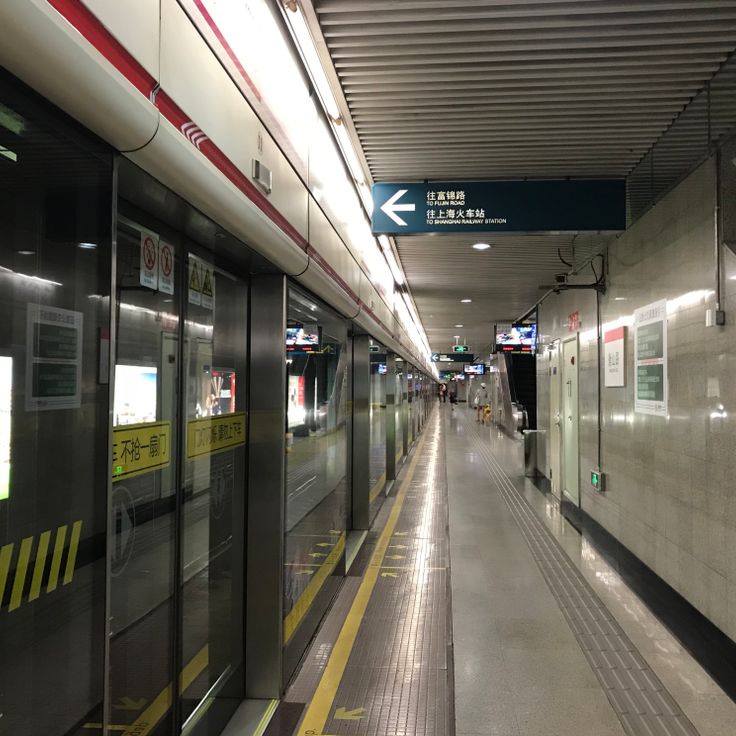
This central square lies at the heart of Shanghai and serves as an open urban space surrounded by museums, theaters, and green areas. The square marks the geographic center of the city and functions as a transportation hub and meeting point for locals and visitors. Around the square you find the Shanghai Museum with its collection of Chinese art, the Shanghai Grand Theatre, and the Museum of Contemporary Art. The green spaces offer room to rest between the urban structures. The square connects the historic neighborhoods with the modern business districts and acts as a reference point for the surrounding streets and subway lines.
This resort lies in the eastern part of the city and covers about 390 hectares (about 960 acres). The complex opened in 2016 and includes seven themed areas that guide visitors through different stories and worlds. You find rides for different age groups, shows with stage performances, and parades that move through the pathways between sections. Restaurants and shops line the streets, while hotels accommodate guests near the park. The grounds combine entertainment with dining and offer space for families who spend a day or several days there. The architecture follows the themes of each zone, from fairy tale castles to futuristic structures. You reach the resort by public transport, and wide pathways lead through the complex, passing green spaces and water features.
Tianzifang preserves Shikumen houses that were once common throughout Shanghai. The narrow lanes of this neighborhood lead to small galleries and restaurants tucked into old residential buildings. Local craftspeople have set up workshops here and sometimes open them to visitors. The architecture shows how city residents lived before modernization. Some entrances keep their original stone frames and wooden doors. The district attracts people who want to compare old and new construction in Shanghai.
This financial district features the Shanghai Tower, which rises 632 meters (2,073 feet) into the sky, and the Oriental Pearl Tower with its pink spheres. The area is crossed by wide streets lined with glass and steel skyscrapers. During the day, the facades reflect the light of the sky, and at night the buildings glow in different colors. In front of the towers lies a park along the river, from which you can see across the water to the older structures on the opposite bank. Pedestrians move between the high-rises while office workers stream through the entrance lobbies.
Qibao Ancient Town is a Ming Dynasty water town in Minhang District that runs along narrow canals lined with stone houses and dark wooden facades. Small bridges connect the two sides, and cobbled lanes lead through the old quarter. Street markets sell local snacks, handmade crafts, and souvenirs. This area shows traditional southern Chinese riverside architecture, where visitors walk beside the water and see how older building styles contrast with the modern skyline elsewhere in Shanghai.
This basement museum in a residential building holds political posters from five decades of Chinese history. The Propaganda Poster Art Centre displays over 6000 original works from the 1940s through the 1990s. The collection documents visual campaigns from the Mao era and the Cultural Revolution. Visitors see hand-painted propaganda art, lithographs, and screen prints featuring revolutionary slogans, worker depictions, and political symbols. The space preserves a visual archive of this period and adds to Shanghai's contrasts between historical and modern layers.
This park in Huangpu offers tree-lined paths, fountains, and rose gardens designed in a French style. In the morning, locals practice tai chi and other exercises on the open lawns and paved areas. Old plane trees provide shade along the walkways, and small bridges cross quiet ponds. The park combines European garden design with daily Chinese routines, showing how different traditions meet in Shanghai's historic green spaces. Visitors find a calm setting between the surrounding high-rises.
This museum occupies six floors within a restored Art Deco building dating back to 1932. The Rockbund Art Museum presents rotating international exhibitions of contemporary art. The architecture combines elements from the 1930s with modern gallery spaces. Its location along the Bund makes it an example of how Shanghai repurposes historic structures for new uses. The tall rooms and large windows create bright exhibition areas while details from the original facade remain intact.
This art district sits in renovated factory buildings from the 1930s and houses over a hundred galleries. The former industrial spaces show contemporary art by Chinese and international artists. Visitors can walk through large rooms with high ceilings where exhibitions, studios, and small cafés are found. The atmosphere connects industrial history with the modern art scene.
This 1920 house displays personal belongings and furniture from the life of Sun Yat-sen, the first president of the Republic of China. The residence documents an important phase of Chinese history through its preserved rooms and exhibits, adding to the mix of historic structures and modern architecture found across Shanghai.
This former slaughterhouse keeps its architectural form with circular ramps, tall concrete walls, and open passages that let light pass through and cast shadows. The spaces follow the original function of the building, so visitors can walk through connected levels and see the structure from different angles. Today the halls hold restaurants, galleries, and event spaces that bring the historic building into contemporary use. The concrete construction shows how Shanghai preserved industrial architecture and adapted it for new purposes. The ramps and floors allow exploration on multiple levels, while the materials make the origin of the place visible.
This six-floor building in Huangpu combines retail stores with art galleries and rotating installations by Chinese and international artists. The open floors display works between shops, so visitors walking through the spaces encounter sculptures, paintings or multimedia pieces at every turn. The concept fits into Shanghai's contrast between modern structures and artistic presentation, with the atmosphere leaning more toward a gallery than an ordinary shopping center. Works change regularly, reflecting both local and global trends in contemporary art.
This 1920s complex is built from restored townhouses that now hold restaurants, bars and shops. Sinan Mansions blends architecture from the concession era with contemporary use, showing how Shanghai integrates historic buildings into modern city life. The structures sit along tree-lined streets and offer a contrast to the busy surroundings of the city.
This museum occupies a former power plant in Huangpu district, with a 165-meter chimney standing as its landmark. The Power Station of Art spreads its 15,000 square meters (about 161,000 square feet) of exhibition space across several floors of the industrial building. The interior keeps parts of the original structure, including exposed pipes and concrete walls. Visitors find contemporary art exhibitions here, often in large-scale installations that use the high ceilings and wide halls. The building sits near the waterfront and is recognizable from outside by the red chimney.
This stone bridge from the 16th century crosses the pond in Yu Garden with nine sharp turns, reflecting traditional principles of garden design. The bridge connects different sections of the garden and offers a new view of the water and pavilions from each angle. Visitors walk slowly over the angled sections, which according to ancient belief were meant to ward off evil spirits. The design fits within the Ming Dynasty architecture and shows the craftsmanship of that era. The bridge is a central element in Yu Garden and illustrates the design principles of historic Chinese gardens within modern Shanghai.
This planning center displays the development of the metropolis across five floors. Urban models and digital projections present past eras and future construction projects. Detailed replicas allow visitors to trace Shanghai's spatial transformations. The exhibition halls offer insights into architectural concepts and urban strategies that shape the face of the city.
This glass-fronted building combines retail and dining spaces across several floors. The structure belongs to the modern side of Shanghai, where offices and shops occupy vertical spaces defined by transparent walls. Light shifts across the facade during the day, creating reflections that photographers use to capture the interplay between the building and its surroundings. SOHO Fuxing Plaza sits in an area where older neighborhoods meet newer developments, and the building itself reflects the city's ongoing transformation.
This street connects Shanghai's French colonial past with present-day cafés and shops. Plane trees line the route and give it a green, shaded feel. Many of the low-rise buildings date from the 1920s and 1930s, showing curved balconies, tall windows, and decorative facades. Restaurants and boutiques have moved into the historic structures. Hengshan Road runs through a district that once belonged to the French Concession, linking architecture from that era with modern city life. Pedestrians move beneath the canopy, and in the evening street lamps light the pavement.
This steel bridge from 1908 connects the Bund with the Hongkou district and offers views of the river and city. The Garden Bridge is part of Shanghai's architectural history and shows the early engineering work of the modern period. From here you can observe both the colonial buildings along the waterfront and the high-rises in Pudong, while pedestrians and vehicles cross the bridge and the everyday life of the metropolis continues.