See the monuments around you in AROpen chests in the app
Around Us is built for your phone — point your camera at the streets and discover the monuments and places around you in augmented reality.Around Us is built for your phone — chests unlock when you walk, explore and capture nearby places.
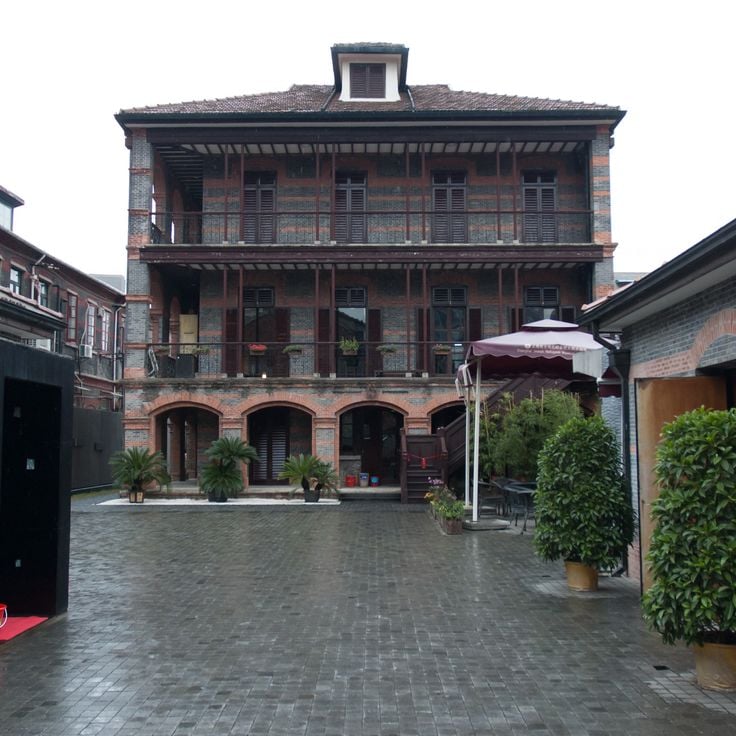
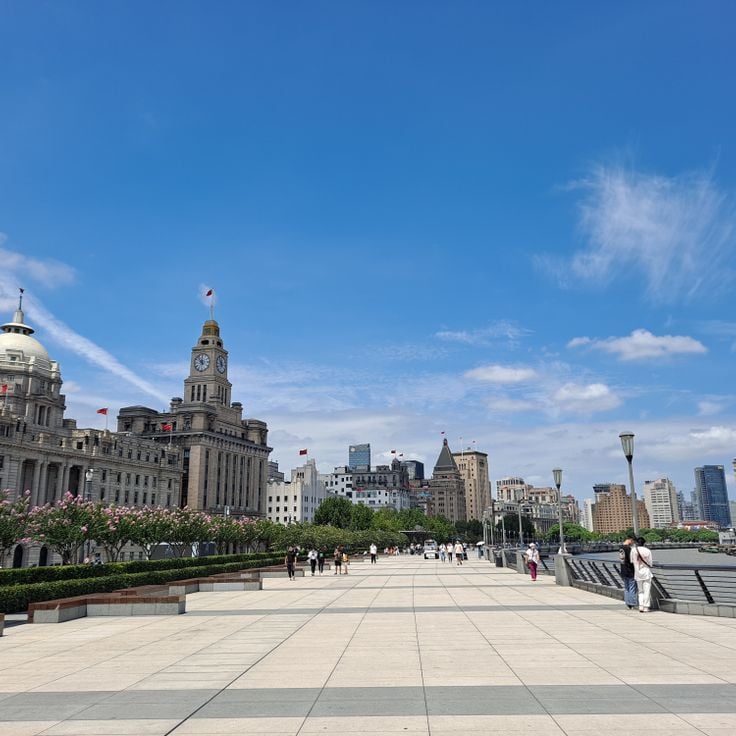
Shanghai brings together the past and the present in a single city. The Bund lines up colonial facades from the 1920s and 1930s directly across from the Lujiazui skyline, where glass towers rise on the opposite bank of the river. In the narrow lanes of the French Concession, old plane trees shade historic townhouses while just a few blocks away the new city center climbs with office towers and shopping malls. This mix defines the whole cityscape.
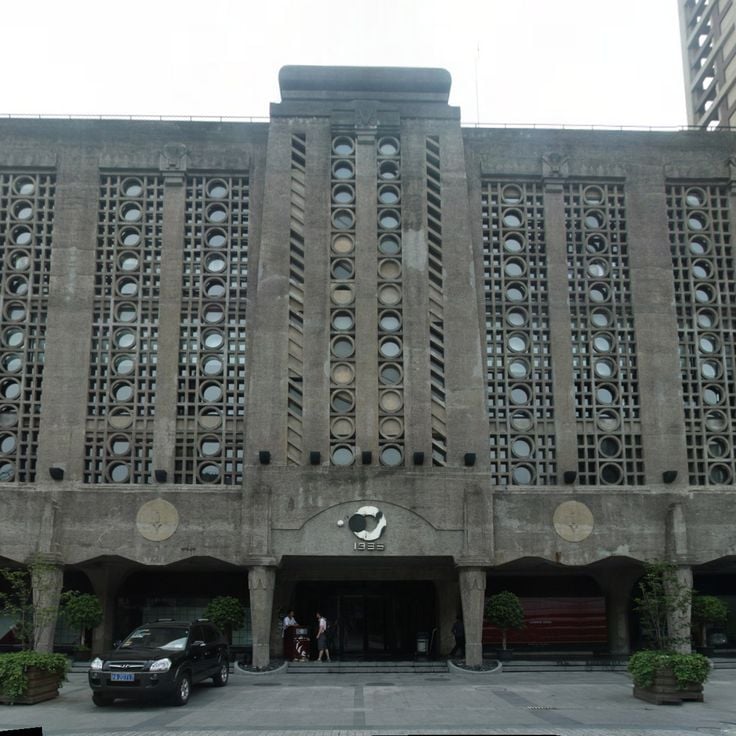
The city preserves its religious and cultural roots in active temples such as Longhua and Jing'an, which stand in the middle of modern neighborhoods. The Ming Dynasty Yu Garden remains surrounded by traditional teahouses even as contemporary shops have grown up around it. Water towns like Zhujiajiao and Qibao sit on the outskirts and show how life looked centuries ago in the region. Museums such as the Shanghai Museum and the China Art Museum collect art and history from different eras. For families there are the Ocean Aquarium, Shanghai Disneyland, and the Science and Technology Museum. Places like Tianzifang, M50 Creative Park, and Duolun Road reveal contemporary cultural life in converted old buildings. Each neighborhood has its own character, from the wide boulevards at People's Square to the small workshops along old industrial structures like 1933 Old Millfun.
Shanghai brings together the past and the present in a single city. The Bund lines up colonial facades from the 1920s and 1930s directly across from the Lujiazui skyline, where glass towers rise on the opposite bank of the river. In the narrow lanes of the French Concession, old plane trees shade historic townhouses while just a few blocks away the new city center climbs with office towers and shopping malls. This mix defines the whole cityscape.
The city preserves its religious and cultural roots in active temples such as Longhua and Jing'an, which stand in the middle of modern neighborhoods. The Ming Dynasty Yu Garden remains surrounded by traditional teahouses even as contemporary shops have grown up around it. Water towns like Zhujiajiao and Qibao sit on the outskirts and show how life looked centuries ago in the region. Museums such as the Shanghai Museum and the China Art Museum collect art and history from different eras. For families there are the Ocean Aquarium, Shanghai Disneyland, and the Science and Technology Museum. Places like Tianzifang, M50 Creative Park, and Duolun Road reveal contemporary cultural life in converted old buildings. Each neighborhood has its own character, from the wide boulevards at People's Square to the small workshops along old industrial structures like 1933 Old Millfun.
This waterfront walk follows the Huangpu River for about a mile and reveals European buildings from the 1920s. The street invites strolling past banks, hotels and trading houses that remain from when Shanghai was an international port. Many people come here in the evening to see the lit facades and watch the skyline of Pudong across the river.
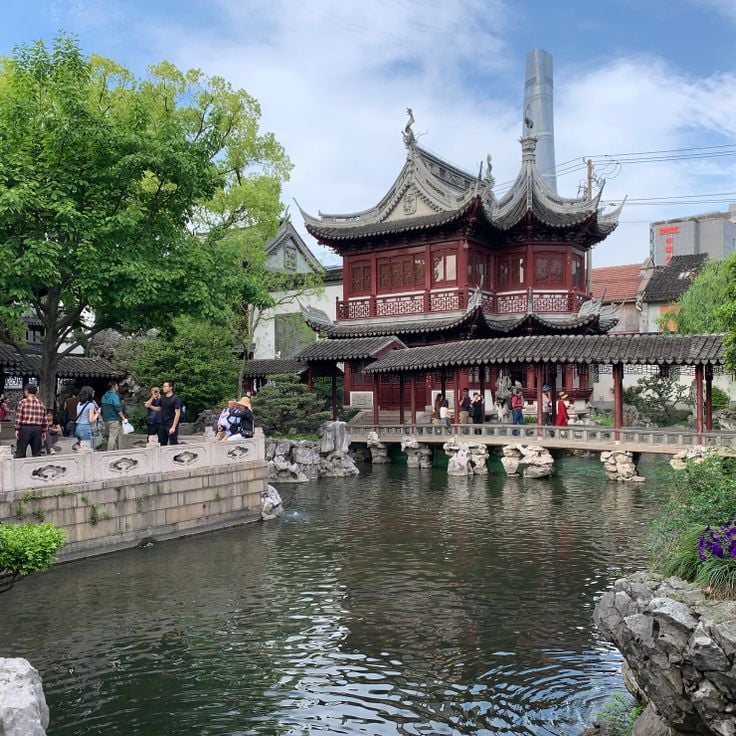
This 16th century garden sits in the heart of the old city and shows how wealthy families of the Ming Dynasty shaped their private retreats. Yu Garden covers two hectares (five acres) and leads visitors through a sequence of pavilions, ponds and rock formations arranged according to traditional Chinese garden design. Visitors follow winding paths, cross small bridges and discover changing views through windows and doorways. The rocks come from Lake Tai and were arranged to echo mountain landscapes. Old trees, bamboo and flowering plants grow between the historic structures. The garden connects the modern cityscape of Shanghai with the craftsmanship and aesthetics of centuries past.
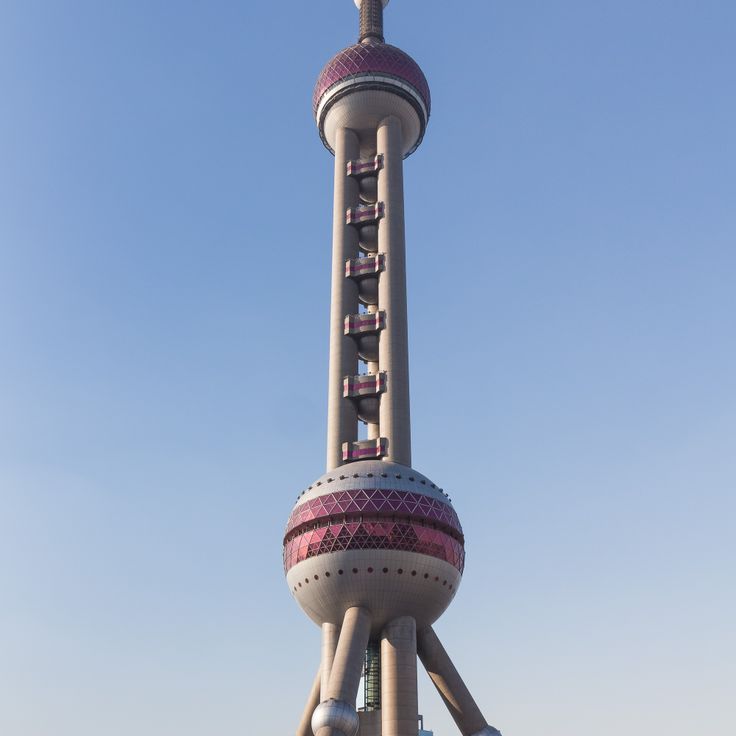
This television tower rises 468 meters (1,535 feet) high in Pudong district and has shaped Shanghai's skyline since the nineties. Oriental Pearl Tower offers several observation decks at different heights, from which visitors can look across the Huangpu River and the surrounding city. One of the platforms rotates slowly, providing changing perspectives. The tower houses restaurants where you can enjoy views while eating. The architecture follows a design with round spheres of different sizes arranged along the central column, illuminated at night.
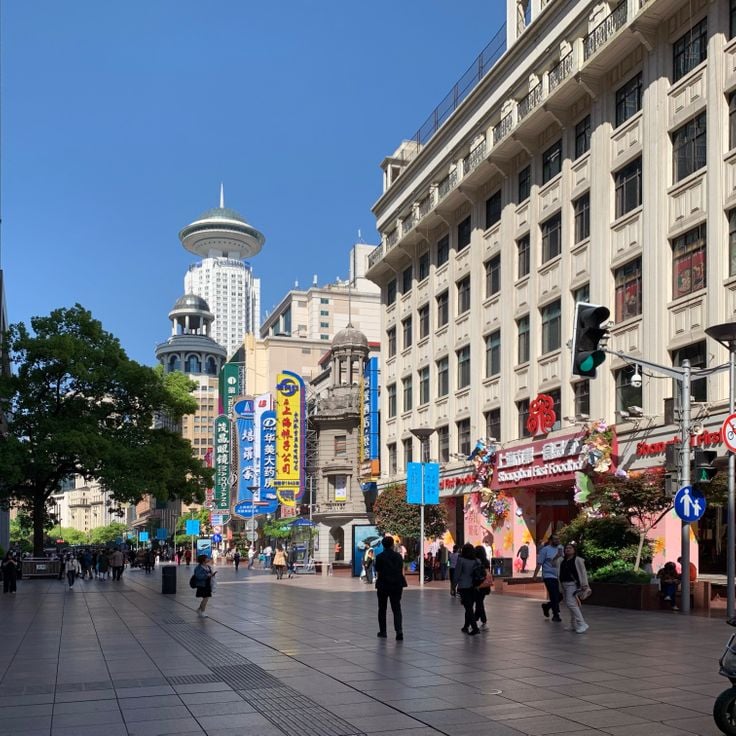
This street stretches for three miles through the center, connecting old shops with modern department stores. Nanjing Road has operated since 1851 and shows how commerce and daily life in Shanghai have evolved. Restaurants line up next to textile shops, electronics outlets, and traditional stalls. At night, neon signs glow above the sidewalks, while during the day people stroll between storefronts. The eastern section sits near the Bund, and the western part leads deeper into the city. Some buildings date back to the early period, others were added later. The street remains a place where locals shop and visitors observe the urban rhythm.
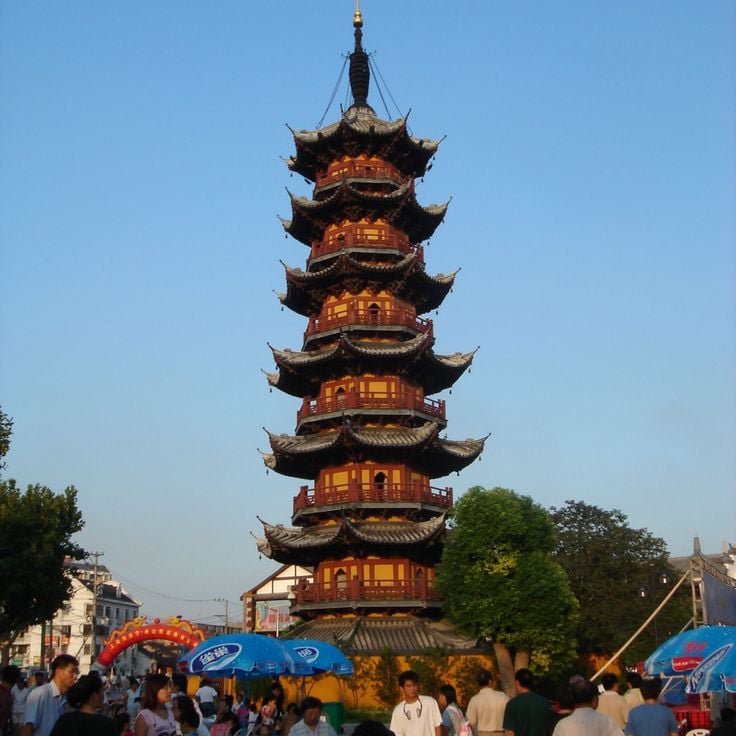
This Buddhist temple was founded in 242 and remains one of the oldest religious sites in the city. Longhua Temple shows traditional Chinese temple architecture with several buildings where monks live and worshippers pray. The seven-story pagoda dates from the Song Dynasty and stands at the center of the complex. Visitors see red columns, curved roofs, and courtyards with incense and lanterns. The temple is still used for ceremonies today and connects Shanghai's long history with present-day religious life.
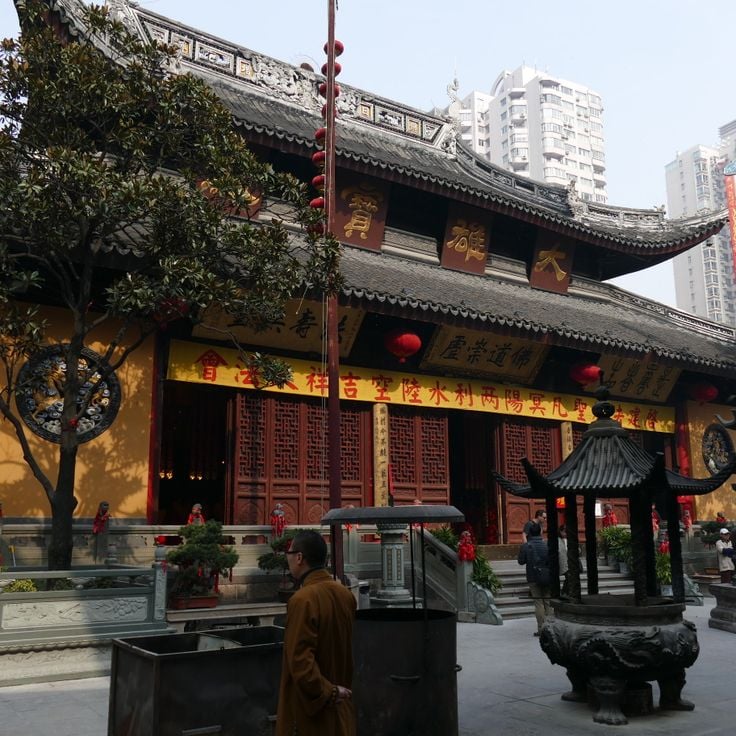
This temple from 1882 holds two Buddha statues from Burma, carved from white jade. The main hall displays three large copper statues representing seated Buddha figures. Visitors can walk through quiet courtyards where monks recite daily prayers. Incense burns before the altars as worshippers bring offerings. The site functions as an active monastery where Buddhist ceremonies take place. Located among modern residential neighborhoods, the temple provides a retreat from busy Shanghai. Yellow walls and curved roofs follow traditional Chinese architecture.
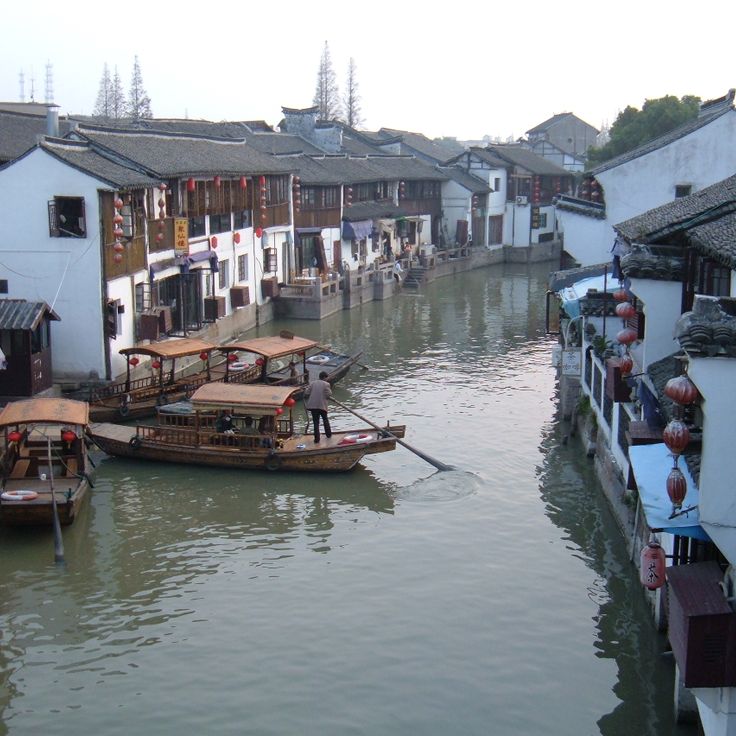
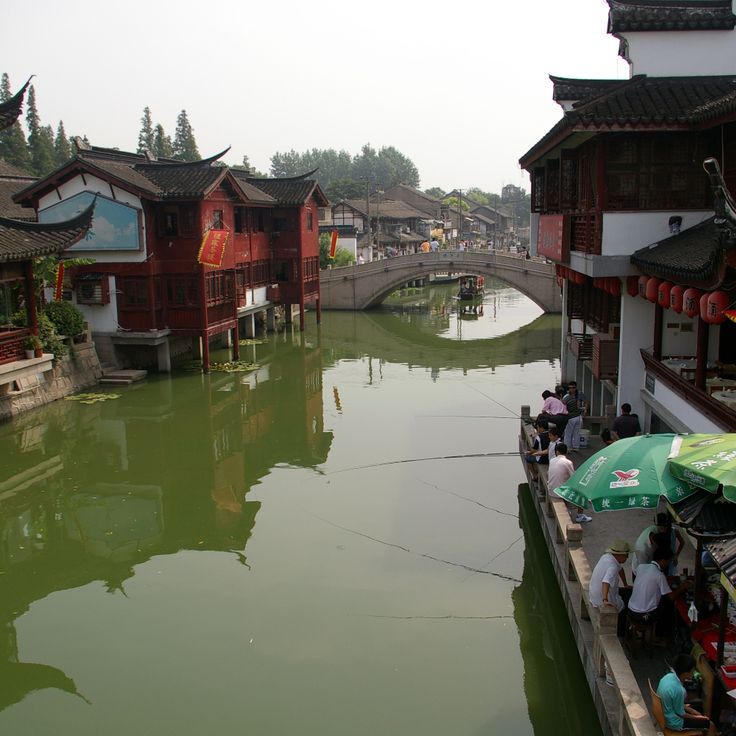
This water town from the Yuan Dynasty sits about an hour from Shanghai's center and offers a look at traditional canal life. Zhujiajiao spreads along narrow waterways lined with old houses that have white walls and dark roof tiles. The 36 stone bridges connect both sides and create a network of paths through the village. Small boats pass under the arches while visitors walk along the paved lanes. Shops sell local specialties, teahouses open toward the water, and you can still see traces of old craftsmanship in the buildings.
This museum displays Chinese art from several dynasties. The eleven galleries contain bronze, ceramics, calligraphy and coins. The building stands at People's Square in the center of the city. The collections include around one hundred twenty thousand objects. Visitors see ritual vessels from the Shang period, jade carvings, seals and paintings. The rooms are organized by material and era. Each gallery walks through centuries of Chinese craftsmanship and written culture. The museum connects Shanghai's historical heritage with its role as a cultural center.
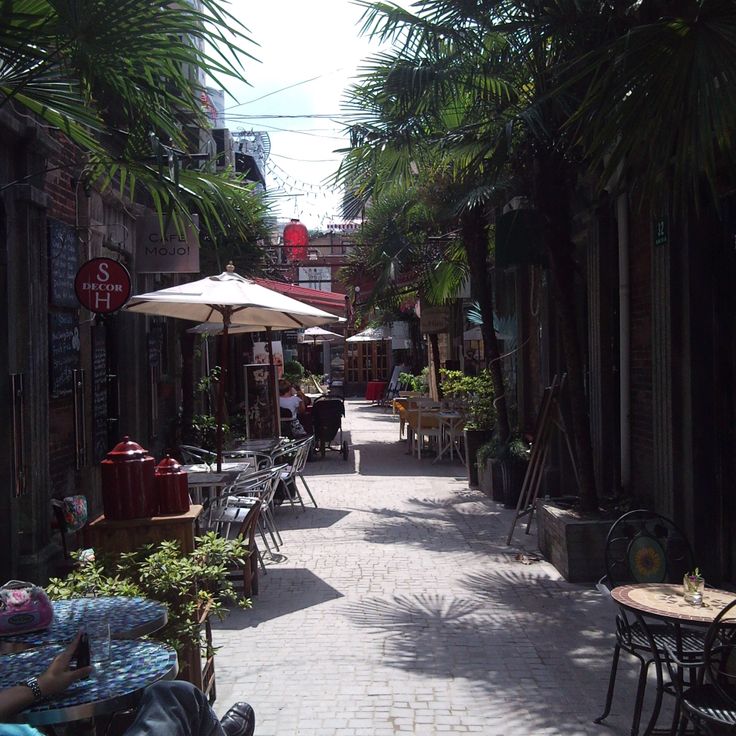
This former factory area in Huangpu district connects Shanghai's past with the creative energy of the present. Tianzifang preserves the narrow alleyways of traditional neighborhoods while housing studios, galleries, small shops, and restaurants within its old buildings. Visitors walk through winding paths between brick facades, passing open workshops of local artists, cafés set in converted warehouses, and stores selling handcrafted goods. The atmosphere remains lively and approachable, with laundry hanging from balconies above the walkways and neighbors sitting outside their doors. Unlike the high-rise districts of the city, this quarter shows a more intimate side of Shanghai, where historic structures have found new purposes without losing their original form.
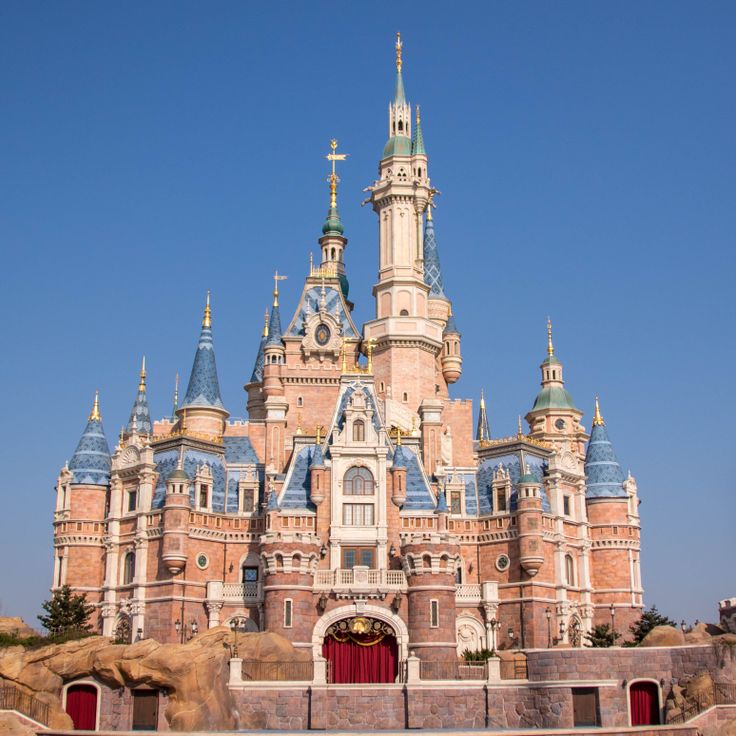
This amusement park covers 390 hectares in the Pudong district and combines Disney stories with elements of Chinese culture. Shanghai Disneyland consists of seven themed areas including Adventure Isle, Tomorrowland, and Gardens of Imagination. Visitors find rides of varying intensity, daily shows, and the Enchanted Storybook Castle, the largest Disney castle in the world. The architecture integrates traditional Chinese motifs into the fantasy settings, while restaurants and shops line Mickey Avenue.
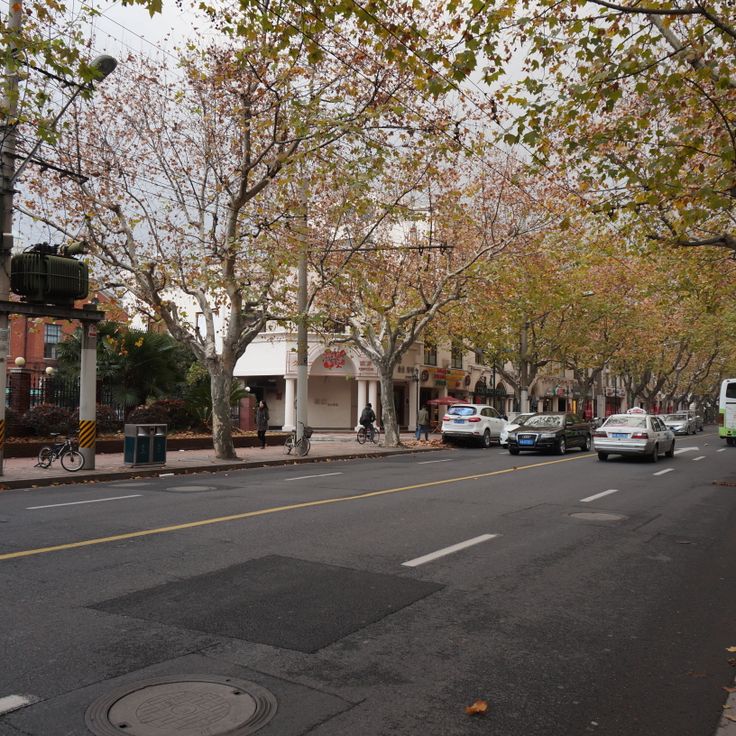
This historic district is shaped by plane trees that shade wide avenues and by European-style buildings from the concession period. The French Concession connects Shanghai's colonial past with its present through small restaurants, cafés, and boutiques housed in old villas. Walking the quiet streets, you often see locals chatting on sidewalks or browsing shops for clothing and crafts. The mood is relaxed, with leafy shade between low houses and modern venues that blend into older structures. Here, Shanghai moves at a slower pace than in the high-rise centers.
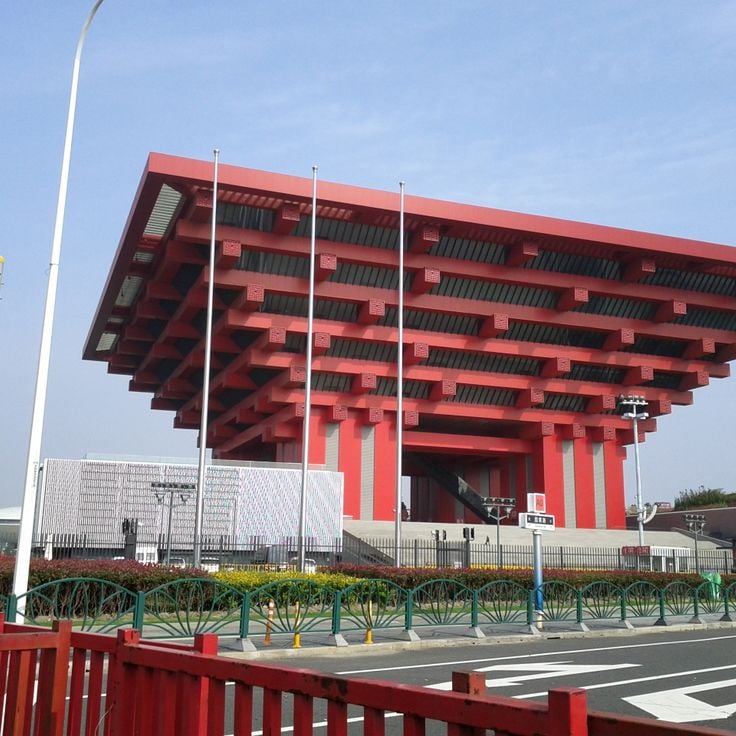
This museum holds Chinese art created since 1949 inside a red building in the Pudong district. The collection shows paintings, sculptures and other works from seven decades. Visitors walk through large halls where pieces from the Republic trace how the modern art scene of the country developed. The building itself was designed for a world exposition and later converted into a museum, so high ceilings and wide corridors let the exhibits stand out.
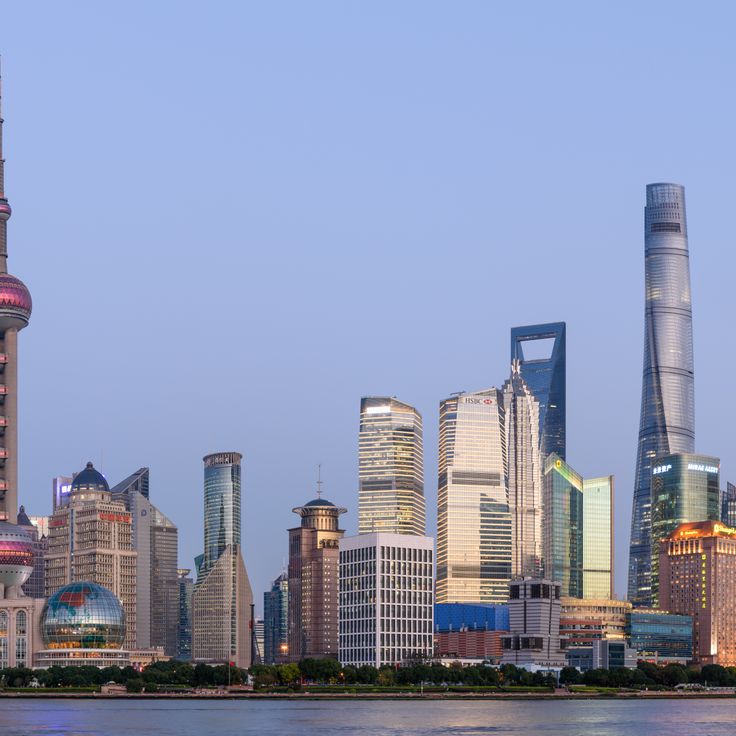
The Lujiazui Skyline forms the financial heart of Pudong district and shows how Shanghai transformed into a global business center. More than fifty tall buildings rise here, including the Shanghai Tower and the World Financial Center. This area was farmland just a few decades ago. Today thousands of people work in these towers at banks, companies and international firms. At night the buildings light up in different colors and reflect in the Huangpu River. Seen from the Bund across the water, the skyline creates a sharp contrast with the old colonial buildings on the opposite shore. Visitors can go up several of the towers to observation decks and look out over the city. The skyline stands as a symbol of how Shanghai changed from a trading port into a modern metropolis.
This historical water town preserves architecture from the Ming and Qing dynasties with narrow lanes, canals and stone bridges. The traditional houses show whitewashed walls with dark timber beams. Small boats pass under the bridges while vendors sell local snacks and handmade goods. The town sits just 11 miles (18 kilometers) from central Shanghai and offers a glimpse into life from earlier centuries. Visitors can walk through the paved streets, visit old workshops and enjoy the calm feeling along the canals.
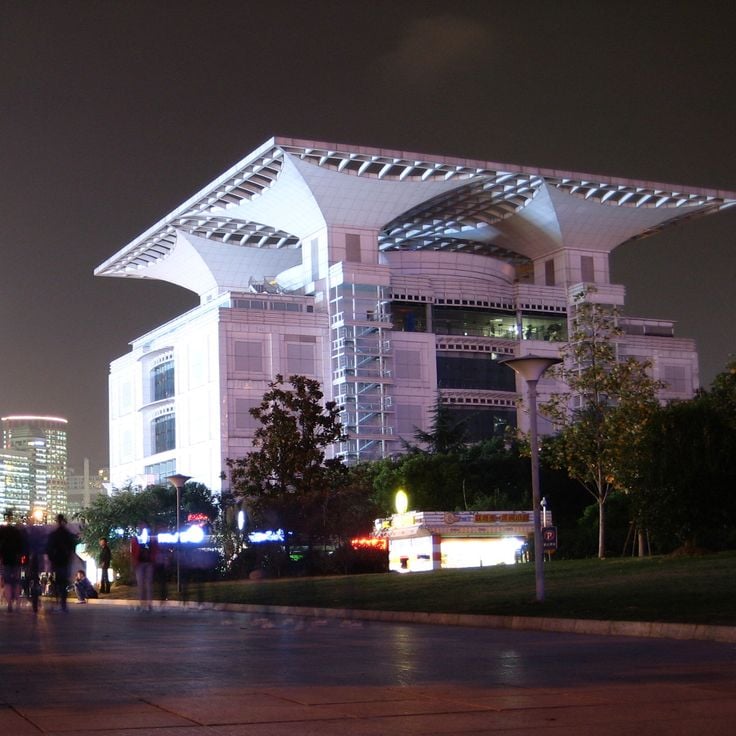
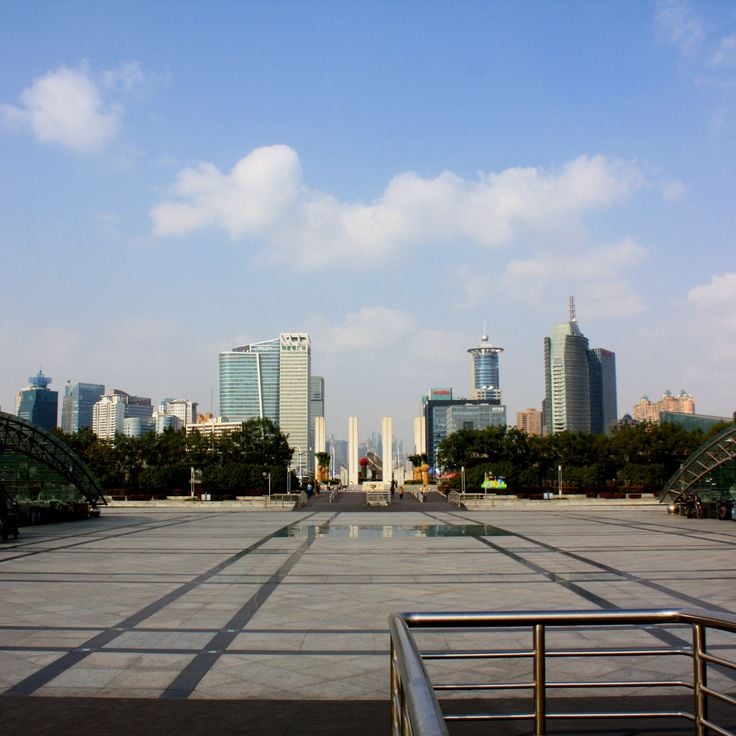
This central square sits in the heart of Shanghai and gathers several major cultural buildings around its edges. The Shanghai Museum displays Chinese art and antiquities, the Shanghai Grand Theater presents operas and concerts, and the Urban Planning Museum documents the city's development. Wide lawns and fountains create open areas between the buildings. People come here to walk through the parks, visit the museums, or sit on the steps. The square connects modern architecture with public green spaces and serves as a hub for several subway lines. Mornings often bring tai chi groups, while evenings draw strollers and families.
This street runs through a neighborhood where writers and artists lived and worked during the 1920s and 1930s. The buildings date from that period and show European and Chinese architectural styles side by side. Bookshops, small museums, and cafés fill the former residences. Walking along, you see facades with balconies, carved wooden doors, and narrow alleys branching off the main road. Duolun Road preserves the appearance of an earlier Shanghai, when the city was a center for literature and the arts.
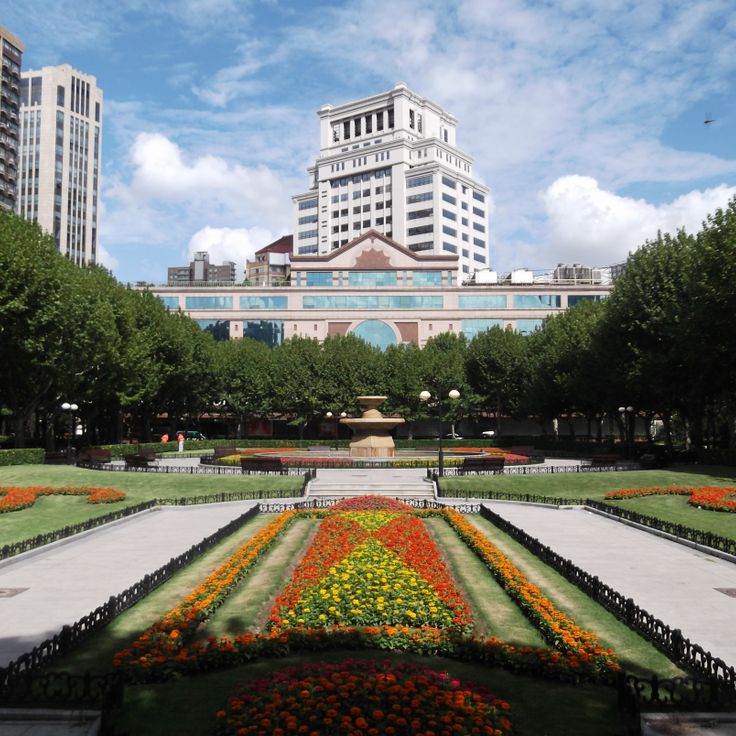
This French style park combines open lawns with fountains and gardens. In the morning, people gather here for tai chi and other exercises. The paths lead under plane trees while flower beds line the entrances. Old lamps and benches recall the colonial past of the city. Between the historic temples and modern towers of Shanghai, this park offers a quiet place for everyday meetings and walks.
This modern theater offers Chinese acrobatic shows and international circus performances to audiences in a 1,638-seat venue. The space combines traditional artistry with contemporary staging, showcasing physical skills of performers from different countries. Performances take place in a purpose-built hall where spectators can follow the acts from various viewing angles.
This modern aquarium in Shanghai displays over 450 species from different regions of the world. A 155-meter underwater tunnel guides visitors through various marine environments. The facility sits in the Lujiazui district, near the Oriental Pearl Tower and the financial district skyscrapers. The aquarium complements the contemporary side of the city with a collection of sharks, rays, penguins, and tropical fish. Tanks are organized by geographic zones, showing creatures from the Pacific, Atlantic, polar regions, and Chinese waters. Families with children attend the feeding sessions and interactive areas, while school groups use the educational programs.
This former slaughterhouse from the 1930s displays geometric concrete bridges, spiral ramps and open courtyards typical of industrial architecture from that era. The spaces now hold boutiques, cafés and galleries, while the original concrete structures keep the industrial past visible. Visitors can walk through the winding corridors and explore the unusual construction that combines function with decorative elements. The building stands as an example of how Shanghai transforms historical industrial sites into contemporary cultural spaces.
This Buddhist temple was founded during the Three Kingdoms period and now stands surrounded by modern high-rise buildings in Shanghai. The complex follows traditional Chinese architecture with curved roofs, red pillars, and golden ornaments. Inside stands an 8.8-meter (29-foot) jade Buddha statue, one of the largest of its kind. Visitors find incense and prayer alongside the traffic noise from nearby streets. The temple connects religious practice with urban life and shows the contrast between historical tradition and present-day development in Shanghai.
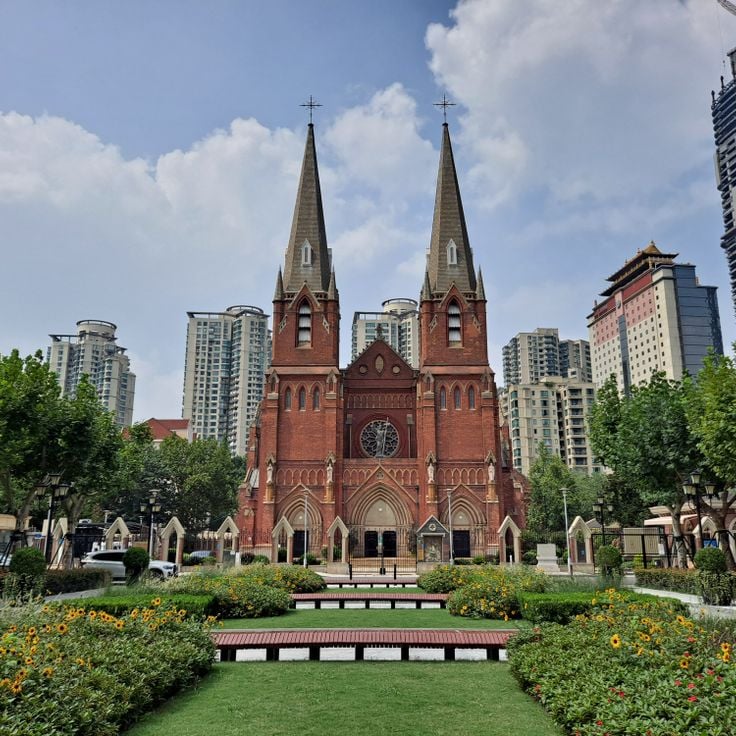
This cathedral is the largest Catholic church in Shanghai and was completed in 1911. The Neo-Gothic building stands in the Xujiahui district, once a center of Christian missionary work. Two tall towers rise above the surrounding streets and can be seen from a distance. Inside, the space can hold more than two thousand worshippers. The windows feature colored glass that brings light into the church. The organ and wooden pews give the interior a solemn feeling. During the Cultural Revolution, the building was closed and used as a warehouse. Today, regular services take place again, and visitors can experience the architecture and atmosphere of a Catholic church in China.
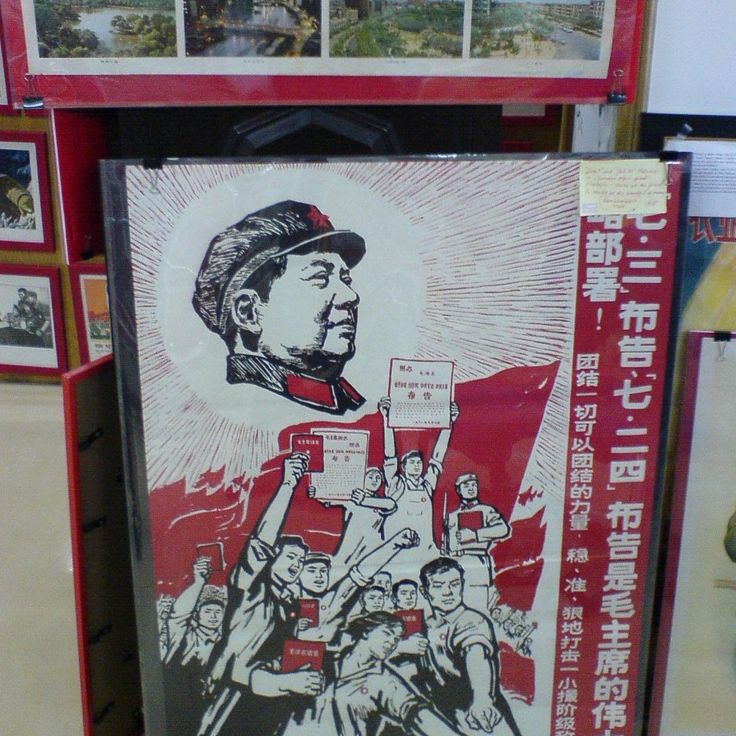
The Shanghai Propaganda Poster Art Centre holds over 6000 original posters from the period between 1949 and 1979. This museum occupies a former air raid shelter and preserves works from the first three decades of the People's Republic. The collection documents the visual messages of this era through hand-painted posters that depict labor, agriculture, and political campaigns. The center sits in the basement of a residential building and offers a direct look at the art form that once reached millions. The posters display bright colors and clean lines typical of that period's style.
This five-story museum presents Shanghai's urban development through a large city model and exhibitions. The model covers several rooms and recreates the architecture of the metropolis. Visitors can follow how the city changed from historical settlements to the modern skyline. The floors show planning projects, transport networks, and future construction plans. Interactive displays explain how Shanghai grew and continues to transform. The center sits near People's Square and combines historical documents with digital presentations about the city's urban evolution.
This river island spreads across several miles in the Yangtze and offers nature reserves, wetlands and observation points for migratory birds. Bamboo forests line the paths between tea plantations. Small villages sit among fields and canals. The pace here differs from the rush of central Shanghai. Cyclists follow flat roads that cut through agricultural land. Fishermen work along the shores. The air smells of damp soil and vegetation. Bird calls echo across open spaces. Visitors come here to walk and experience the quiet.
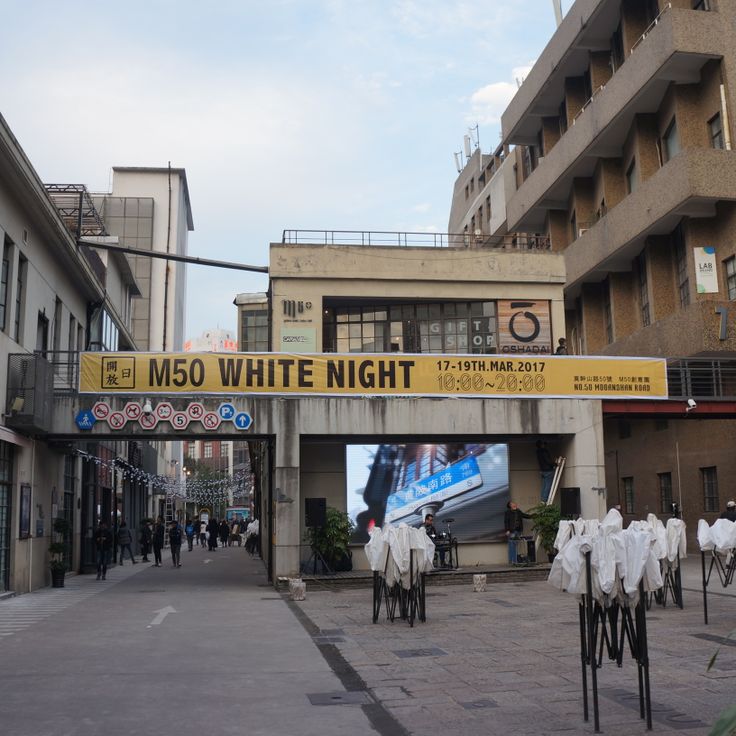
This former factory site turns old industrial halls into spaces for contemporary art and design. M50 Creative Park gathers galleries, studio spaces, and exhibition venues where artists work and show their pieces. The brick buildings keep their original structure while open doors give glimpses into ongoing projects. Visitors find changing exhibitions alongside permanent spaces where painters, sculptors, and designers work. The place connects Shanghai's industrial past with its growing art scene and sits away from the main shopping streets in a quieter part of town.
This museum presents exhibits on robotics, space exploration, biology and physics. The Shanghai Science and Technology Museum connects the city's modern development with hands-on experimental zones where visitors can test scientific principles themselves. An IMAX theater complements the display spaces and makes complex topics accessible through large-format projection.
This museum preserves the memory of the founding of the Communist Party of China in 1921. Documents, photographs and exhibits show the political changes of that era. The rooms occupy a restored building whose simple design recalls the early years of the party. Visitors follow a chronological path through several halls displaying written records, personal belongings of founding members and historical images. The house stands in a residential area with narrow streets and offers a sense of Shanghai in the 1920s.
This museum tells the story of approximately 20,000 European Jews who fled to Shanghai between 1933 and 1941 and found refuge here. The exhibits display personal belongings, photographs, and documents from the time when a Jewish community formed in the Hongkou district. The Shanghai Jewish Refugees Museum occupies the former Ohel Moishe Synagogue, a preserved building from that era. The rooms document daily life, the difficult conditions, and the solidarity between locals and newcomers during the Second World War.
This waterfront walk follows the Huangpu River for about a mile and reveals European buildings from the 1920s. The street invites strolling past banks, hotels and trading houses that remain from when Shanghai was an international port. Many people come here in the evening to see the lit facades and watch the skyline of Pudong across the river.
This 16th century garden sits in the heart of the old city and shows how wealthy families of the Ming Dynasty shaped their private retreats. Yu Garden covers two hectares (five acres) and leads visitors through a sequence of pavilions, ponds and rock formations arranged according to traditional Chinese garden design. Visitors follow winding paths, cross small bridges and discover changing views through windows and doorways. The rocks come from Lake Tai and were arranged to echo mountain landscapes. Old trees, bamboo and flowering plants grow between the historic structures. The garden connects the modern cityscape of Shanghai with the craftsmanship and aesthetics of centuries past.
This television tower rises 468 meters (1,535 feet) high in Pudong district and has shaped Shanghai's skyline since the nineties. Oriental Pearl Tower offers several observation decks at different heights, from which visitors can look across the Huangpu River and the surrounding city. One of the platforms rotates slowly, providing changing perspectives. The tower houses restaurants where you can enjoy views while eating. The architecture follows a design with round spheres of different sizes arranged along the central column, illuminated at night.
This street stretches for three miles through the center, connecting old shops with modern department stores. Nanjing Road has operated since 1851 and shows how commerce and daily life in Shanghai have evolved. Restaurants line up next to textile shops, electronics outlets, and traditional stalls. At night, neon signs glow above the sidewalks, while during the day people stroll between storefronts. The eastern section sits near the Bund, and the western part leads deeper into the city. Some buildings date back to the early period, others were added later. The street remains a place where locals shop and visitors observe the urban rhythm.
This Buddhist temple was founded in 242 and remains one of the oldest religious sites in the city. Longhua Temple shows traditional Chinese temple architecture with several buildings where monks live and worshippers pray. The seven-story pagoda dates from the Song Dynasty and stands at the center of the complex. Visitors see red columns, curved roofs, and courtyards with incense and lanterns. The temple is still used for ceremonies today and connects Shanghai's long history with present-day religious life.
This temple from 1882 holds two Buddha statues from Burma, carved from white jade. The main hall displays three large copper statues representing seated Buddha figures. Visitors can walk through quiet courtyards where monks recite daily prayers. Incense burns before the altars as worshippers bring offerings. The site functions as an active monastery where Buddhist ceremonies take place. Located among modern residential neighborhoods, the temple provides a retreat from busy Shanghai. Yellow walls and curved roofs follow traditional Chinese architecture.
This water town from the Yuan Dynasty sits about an hour from Shanghai's center and offers a look at traditional canal life. Zhujiajiao spreads along narrow waterways lined with old houses that have white walls and dark roof tiles. The 36 stone bridges connect both sides and create a network of paths through the village. Small boats pass under the arches while visitors walk along the paved lanes. Shops sell local specialties, teahouses open toward the water, and you can still see traces of old craftsmanship in the buildings.
This museum displays Chinese art from several dynasties. The eleven galleries contain bronze, ceramics, calligraphy and coins. The building stands at People's Square in the center of the city. The collections include around one hundred twenty thousand objects. Visitors see ritual vessels from the Shang period, jade carvings, seals and paintings. The rooms are organized by material and era. Each gallery walks through centuries of Chinese craftsmanship and written culture. The museum connects Shanghai's historical heritage with its role as a cultural center.
This former factory area in Huangpu district connects Shanghai's past with the creative energy of the present. Tianzifang preserves the narrow alleyways of traditional neighborhoods while housing studios, galleries, small shops, and restaurants within its old buildings. Visitors walk through winding paths between brick facades, passing open workshops of local artists, cafés set in converted warehouses, and stores selling handcrafted goods. The atmosphere remains lively and approachable, with laundry hanging from balconies above the walkways and neighbors sitting outside their doors. Unlike the high-rise districts of the city, this quarter shows a more intimate side of Shanghai, where historic structures have found new purposes without losing their original form.
This amusement park covers 390 hectares in the Pudong district and combines Disney stories with elements of Chinese culture. Shanghai Disneyland consists of seven themed areas including Adventure Isle, Tomorrowland, and Gardens of Imagination. Visitors find rides of varying intensity, daily shows, and the Enchanted Storybook Castle, the largest Disney castle in the world. The architecture integrates traditional Chinese motifs into the fantasy settings, while restaurants and shops line Mickey Avenue.
This historic district is shaped by plane trees that shade wide avenues and by European-style buildings from the concession period. The French Concession connects Shanghai's colonial past with its present through small restaurants, cafés, and boutiques housed in old villas. Walking the quiet streets, you often see locals chatting on sidewalks or browsing shops for clothing and crafts. The mood is relaxed, with leafy shade between low houses and modern venues that blend into older structures. Here, Shanghai moves at a slower pace than in the high-rise centers.
This museum holds Chinese art created since 1949 inside a red building in the Pudong district. The collection shows paintings, sculptures and other works from seven decades. Visitors walk through large halls where pieces from the Republic trace how the modern art scene of the country developed. The building itself was designed for a world exposition and later converted into a museum, so high ceilings and wide corridors let the exhibits stand out.
The Lujiazui Skyline forms the financial heart of Pudong district and shows how Shanghai transformed into a global business center. More than fifty tall buildings rise here, including the Shanghai Tower and the World Financial Center. This area was farmland just a few decades ago. Today thousands of people work in these towers at banks, companies and international firms. At night the buildings light up in different colors and reflect in the Huangpu River. Seen from the Bund across the water, the skyline creates a sharp contrast with the old colonial buildings on the opposite shore. Visitors can go up several of the towers to observation decks and look out over the city. The skyline stands as a symbol of how Shanghai changed from a trading port into a modern metropolis.
This historical water town preserves architecture from the Ming and Qing dynasties with narrow lanes, canals and stone bridges. The traditional houses show whitewashed walls with dark timber beams. Small boats pass under the bridges while vendors sell local snacks and handmade goods. The town sits just 11 miles (18 kilometers) from central Shanghai and offers a glimpse into life from earlier centuries. Visitors can walk through the paved streets, visit old workshops and enjoy the calm feeling along the canals.
This central square sits in the heart of Shanghai and gathers several major cultural buildings around its edges. The Shanghai Museum displays Chinese art and antiquities, the Shanghai Grand Theater presents operas and concerts, and the Urban Planning Museum documents the city's development. Wide lawns and fountains create open areas between the buildings. People come here to walk through the parks, visit the museums, or sit on the steps. The square connects modern architecture with public green spaces and serves as a hub for several subway lines. Mornings often bring tai chi groups, while evenings draw strollers and families.
This street runs through a neighborhood where writers and artists lived and worked during the 1920s and 1930s. The buildings date from that period and show European and Chinese architectural styles side by side. Bookshops, small museums, and cafés fill the former residences. Walking along, you see facades with balconies, carved wooden doors, and narrow alleys branching off the main road. Duolun Road preserves the appearance of an earlier Shanghai, when the city was a center for literature and the arts.
This French style park combines open lawns with fountains and gardens. In the morning, people gather here for tai chi and other exercises. The paths lead under plane trees while flower beds line the entrances. Old lamps and benches recall the colonial past of the city. Between the historic temples and modern towers of Shanghai, this park offers a quiet place for everyday meetings and walks.
This modern theater offers Chinese acrobatic shows and international circus performances to audiences in a 1,638-seat venue. The space combines traditional artistry with contemporary staging, showcasing physical skills of performers from different countries. Performances take place in a purpose-built hall where spectators can follow the acts from various viewing angles.
This modern aquarium in Shanghai displays over 450 species from different regions of the world. A 155-meter underwater tunnel guides visitors through various marine environments. The facility sits in the Lujiazui district, near the Oriental Pearl Tower and the financial district skyscrapers. The aquarium complements the contemporary side of the city with a collection of sharks, rays, penguins, and tropical fish. Tanks are organized by geographic zones, showing creatures from the Pacific, Atlantic, polar regions, and Chinese waters. Families with children attend the feeding sessions and interactive areas, while school groups use the educational programs.
This former slaughterhouse from the 1930s displays geometric concrete bridges, spiral ramps and open courtyards typical of industrial architecture from that era. The spaces now hold boutiques, cafés and galleries, while the original concrete structures keep the industrial past visible. Visitors can walk through the winding corridors and explore the unusual construction that combines function with decorative elements. The building stands as an example of how Shanghai transforms historical industrial sites into contemporary cultural spaces.
This Buddhist temple was founded during the Three Kingdoms period and now stands surrounded by modern high-rise buildings in Shanghai. The complex follows traditional Chinese architecture with curved roofs, red pillars, and golden ornaments. Inside stands an 8.8-meter (29-foot) jade Buddha statue, one of the largest of its kind. Visitors find incense and prayer alongside the traffic noise from nearby streets. The temple connects religious practice with urban life and shows the contrast between historical tradition and present-day development in Shanghai.
This cathedral is the largest Catholic church in Shanghai and was completed in 1911. The Neo-Gothic building stands in the Xujiahui district, once a center of Christian missionary work. Two tall towers rise above the surrounding streets and can be seen from a distance. Inside, the space can hold more than two thousand worshippers. The windows feature colored glass that brings light into the church. The organ and wooden pews give the interior a solemn feeling. During the Cultural Revolution, the building was closed and used as a warehouse. Today, regular services take place again, and visitors can experience the architecture and atmosphere of a Catholic church in China.
The Shanghai Propaganda Poster Art Centre holds over 6000 original posters from the period between 1949 and 1979. This museum occupies a former air raid shelter and preserves works from the first three decades of the People's Republic. The collection documents the visual messages of this era through hand-painted posters that depict labor, agriculture, and political campaigns. The center sits in the basement of a residential building and offers a direct look at the art form that once reached millions. The posters display bright colors and clean lines typical of that period's style.
This five-story museum presents Shanghai's urban development through a large city model and exhibitions. The model covers several rooms and recreates the architecture of the metropolis. Visitors can follow how the city changed from historical settlements to the modern skyline. The floors show planning projects, transport networks, and future construction plans. Interactive displays explain how Shanghai grew and continues to transform. The center sits near People's Square and combines historical documents with digital presentations about the city's urban evolution.
This river island spreads across several miles in the Yangtze and offers nature reserves, wetlands and observation points for migratory birds. Bamboo forests line the paths between tea plantations. Small villages sit among fields and canals. The pace here differs from the rush of central Shanghai. Cyclists follow flat roads that cut through agricultural land. Fishermen work along the shores. The air smells of damp soil and vegetation. Bird calls echo across open spaces. Visitors come here to walk and experience the quiet.
This former factory site turns old industrial halls into spaces for contemporary art and design. M50 Creative Park gathers galleries, studio spaces, and exhibition venues where artists work and show their pieces. The brick buildings keep their original structure while open doors give glimpses into ongoing projects. Visitors find changing exhibitions alongside permanent spaces where painters, sculptors, and designers work. The place connects Shanghai's industrial past with its growing art scene and sits away from the main shopping streets in a quieter part of town.
This museum presents exhibits on robotics, space exploration, biology and physics. The Shanghai Science and Technology Museum connects the city's modern development with hands-on experimental zones where visitors can test scientific principles themselves. An IMAX theater complements the display spaces and makes complex topics accessible through large-format projection.
This museum preserves the memory of the founding of the Communist Party of China in 1921. Documents, photographs and exhibits show the political changes of that era. The rooms occupy a restored building whose simple design recalls the early years of the party. Visitors follow a chronological path through several halls displaying written records, personal belongings of founding members and historical images. The house stands in a residential area with narrow streets and offers a sense of Shanghai in the 1920s.
This museum tells the story of approximately 20,000 European Jews who fled to Shanghai between 1933 and 1941 and found refuge here. The exhibits display personal belongings, photographs, and documents from the time when a Jewish community formed in the Hongkou district. The Shanghai Jewish Refugees Museum occupies the former Ohel Moishe Synagogue, a preserved building from that era. The rooms document daily life, the difficult conditions, and the solidarity between locals and newcomers during the Second World War.
This waterfront walk follows the Huangpu River for about a mile and reveals European buildings from the 1920s. The street invites strolling past banks, hotels and trading houses that remain from when Shanghai was an international port. Many people come here in the evening to see the lit facades and watch the skyline of Pudong across the river.
This 16th century garden sits in the heart of the old city and shows how wealthy families of the Ming Dynasty shaped their private retreats. Yu Garden covers two hectares (five acres) and leads visitors through a sequence of pavilions, ponds and rock formations arranged according to traditional Chinese garden design. Visitors follow winding paths, cross small bridges and discover changing views through windows and doorways. The rocks come from Lake Tai and were arranged to echo mountain landscapes. Old trees, bamboo and flowering plants grow between the historic structures. The garden connects the modern cityscape of Shanghai with the craftsmanship and aesthetics of centuries past.
This television tower rises 468 meters (1,535 feet) high in Pudong district and has shaped Shanghai's skyline since the nineties. Oriental Pearl Tower offers several observation decks at different heights, from which visitors can look across the Huangpu River and the surrounding city. One of the platforms rotates slowly, providing changing perspectives. The tower houses restaurants where you can enjoy views while eating. The architecture follows a design with round spheres of different sizes arranged along the central column, illuminated at night.
This street stretches for three miles through the center, connecting old shops with modern department stores. Nanjing Road has operated since 1851 and shows how commerce and daily life in Shanghai have evolved. Restaurants line up next to textile shops, electronics outlets, and traditional stalls. At night, neon signs glow above the sidewalks, while during the day people stroll between storefronts. The eastern section sits near the Bund, and the western part leads deeper into the city. Some buildings date back to the early period, others were added later. The street remains a place where locals shop and visitors observe the urban rhythm.
This Buddhist temple was founded in 242 and remains one of the oldest religious sites in the city. Longhua Temple shows traditional Chinese temple architecture with several buildings where monks live and worshippers pray. The seven-story pagoda dates from the Song Dynasty and stands at the center of the complex. Visitors see red columns, curved roofs, and courtyards with incense and lanterns. The temple is still used for ceremonies today and connects Shanghai's long history with present-day religious life.
This temple from 1882 holds two Buddha statues from Burma, carved from white jade. The main hall displays three large copper statues representing seated Buddha figures. Visitors can walk through quiet courtyards where monks recite daily prayers. Incense burns before the altars as worshippers bring offerings. The site functions as an active monastery where Buddhist ceremonies take place. Located among modern residential neighborhoods, the temple provides a retreat from busy Shanghai. Yellow walls and curved roofs follow traditional Chinese architecture.
This water town from the Yuan Dynasty sits about an hour from Shanghai's center and offers a look at traditional canal life. Zhujiajiao spreads along narrow waterways lined with old houses that have white walls and dark roof tiles. The 36 stone bridges connect both sides and create a network of paths through the village. Small boats pass under the arches while visitors walk along the paved lanes. Shops sell local specialties, teahouses open toward the water, and you can still see traces of old craftsmanship in the buildings.
This museum displays Chinese art from several dynasties. The eleven galleries contain bronze, ceramics, calligraphy and coins. The building stands at People's Square in the center of the city. The collections include around one hundred twenty thousand objects. Visitors see ritual vessels from the Shang period, jade carvings, seals and paintings. The rooms are organized by material and era. Each gallery walks through centuries of Chinese craftsmanship and written culture. The museum connects Shanghai's historical heritage with its role as a cultural center.
This former factory area in Huangpu district connects Shanghai's past with the creative energy of the present. Tianzifang preserves the narrow alleyways of traditional neighborhoods while housing studios, galleries, small shops, and restaurants within its old buildings. Visitors walk through winding paths between brick facades, passing open workshops of local artists, cafés set in converted warehouses, and stores selling handcrafted goods. The atmosphere remains lively and approachable, with laundry hanging from balconies above the walkways and neighbors sitting outside their doors. Unlike the high-rise districts of the city, this quarter shows a more intimate side of Shanghai, where historic structures have found new purposes without losing their original form.
This amusement park covers 390 hectares in the Pudong district and combines Disney stories with elements of Chinese culture. Shanghai Disneyland consists of seven themed areas including Adventure Isle, Tomorrowland, and Gardens of Imagination. Visitors find rides of varying intensity, daily shows, and the Enchanted Storybook Castle, the largest Disney castle in the world. The architecture integrates traditional Chinese motifs into the fantasy settings, while restaurants and shops line Mickey Avenue.
This historic district is shaped by plane trees that shade wide avenues and by European-style buildings from the concession period. The French Concession connects Shanghai's colonial past with its present through small restaurants, cafés, and boutiques housed in old villas. Walking the quiet streets, you often see locals chatting on sidewalks or browsing shops for clothing and crafts. The mood is relaxed, with leafy shade between low houses and modern venues that blend into older structures. Here, Shanghai moves at a slower pace than in the high-rise centers.
This museum holds Chinese art created since 1949 inside a red building in the Pudong district. The collection shows paintings, sculptures and other works from seven decades. Visitors walk through large halls where pieces from the Republic trace how the modern art scene of the country developed. The building itself was designed for a world exposition and later converted into a museum, so high ceilings and wide corridors let the exhibits stand out.
The Lujiazui Skyline forms the financial heart of Pudong district and shows how Shanghai transformed into a global business center. More than fifty tall buildings rise here, including the Shanghai Tower and the World Financial Center. This area was farmland just a few decades ago. Today thousands of people work in these towers at banks, companies and international firms. At night the buildings light up in different colors and reflect in the Huangpu River. Seen from the Bund across the water, the skyline creates a sharp contrast with the old colonial buildings on the opposite shore. Visitors can go up several of the towers to observation decks and look out over the city. The skyline stands as a symbol of how Shanghai changed from a trading port into a modern metropolis.
This historical water town preserves architecture from the Ming and Qing dynasties with narrow lanes, canals and stone bridges. The traditional houses show whitewashed walls with dark timber beams. Small boats pass under the bridges while vendors sell local snacks and handmade goods. The town sits just 11 miles (18 kilometers) from central Shanghai and offers a glimpse into life from earlier centuries. Visitors can walk through the paved streets, visit old workshops and enjoy the calm feeling along the canals.
This central square sits in the heart of Shanghai and gathers several major cultural buildings around its edges. The Shanghai Museum displays Chinese art and antiquities, the Shanghai Grand Theater presents operas and concerts, and the Urban Planning Museum documents the city's development. Wide lawns and fountains create open areas between the buildings. People come here to walk through the parks, visit the museums, or sit on the steps. The square connects modern architecture with public green spaces and serves as a hub for several subway lines. Mornings often bring tai chi groups, while evenings draw strollers and families.
This street runs through a neighborhood where writers and artists lived and worked during the 1920s and 1930s. The buildings date from that period and show European and Chinese architectural styles side by side. Bookshops, small museums, and cafés fill the former residences. Walking along, you see facades with balconies, carved wooden doors, and narrow alleys branching off the main road. Duolun Road preserves the appearance of an earlier Shanghai, when the city was a center for literature and the arts.
This French style park combines open lawns with fountains and gardens. In the morning, people gather here for tai chi and other exercises. The paths lead under plane trees while flower beds line the entrances. Old lamps and benches recall the colonial past of the city. Between the historic temples and modern towers of Shanghai, this park offers a quiet place for everyday meetings and walks.
This modern theater offers Chinese acrobatic shows and international circus performances to audiences in a 1,638-seat venue. The space combines traditional artistry with contemporary staging, showcasing physical skills of performers from different countries. Performances take place in a purpose-built hall where spectators can follow the acts from various viewing angles.
This modern aquarium in Shanghai displays over 450 species from different regions of the world. A 155-meter underwater tunnel guides visitors through various marine environments. The facility sits in the Lujiazui district, near the Oriental Pearl Tower and the financial district skyscrapers. The aquarium complements the contemporary side of the city with a collection of sharks, rays, penguins, and tropical fish. Tanks are organized by geographic zones, showing creatures from the Pacific, Atlantic, polar regions, and Chinese waters. Families with children attend the feeding sessions and interactive areas, while school groups use the educational programs.
This former slaughterhouse from the 1930s displays geometric concrete bridges, spiral ramps and open courtyards typical of industrial architecture from that era. The spaces now hold boutiques, cafés and galleries, while the original concrete structures keep the industrial past visible. Visitors can walk through the winding corridors and explore the unusual construction that combines function with decorative elements. The building stands as an example of how Shanghai transforms historical industrial sites into contemporary cultural spaces.
This Buddhist temple was founded during the Three Kingdoms period and now stands surrounded by modern high-rise buildings in Shanghai. The complex follows traditional Chinese architecture with curved roofs, red pillars, and golden ornaments. Inside stands an 8.8-meter (29-foot) jade Buddha statue, one of the largest of its kind. Visitors find incense and prayer alongside the traffic noise from nearby streets. The temple connects religious practice with urban life and shows the contrast between historical tradition and present-day development in Shanghai.
This cathedral is the largest Catholic church in Shanghai and was completed in 1911. The Neo-Gothic building stands in the Xujiahui district, once a center of Christian missionary work. Two tall towers rise above the surrounding streets and can be seen from a distance. Inside, the space can hold more than two thousand worshippers. The windows feature colored glass that brings light into the church. The organ and wooden pews give the interior a solemn feeling. During the Cultural Revolution, the building was closed and used as a warehouse. Today, regular services take place again, and visitors can experience the architecture and atmosphere of a Catholic church in China.
The Shanghai Propaganda Poster Art Centre holds over 6000 original posters from the period between 1949 and 1979. This museum occupies a former air raid shelter and preserves works from the first three decades of the People's Republic. The collection documents the visual messages of this era through hand-painted posters that depict labor, agriculture, and political campaigns. The center sits in the basement of a residential building and offers a direct look at the art form that once reached millions. The posters display bright colors and clean lines typical of that period's style.
This five-story museum presents Shanghai's urban development through a large city model and exhibitions. The model covers several rooms and recreates the architecture of the metropolis. Visitors can follow how the city changed from historical settlements to the modern skyline. The floors show planning projects, transport networks, and future construction plans. Interactive displays explain how Shanghai grew and continues to transform. The center sits near People's Square and combines historical documents with digital presentations about the city's urban evolution.
This river island spreads across several miles in the Yangtze and offers nature reserves, wetlands and observation points for migratory birds. Bamboo forests line the paths between tea plantations. Small villages sit among fields and canals. The pace here differs from the rush of central Shanghai. Cyclists follow flat roads that cut through agricultural land. Fishermen work along the shores. The air smells of damp soil and vegetation. Bird calls echo across open spaces. Visitors come here to walk and experience the quiet.
This former factory site turns old industrial halls into spaces for contemporary art and design. M50 Creative Park gathers galleries, studio spaces, and exhibition venues where artists work and show their pieces. The brick buildings keep their original structure while open doors give glimpses into ongoing projects. Visitors find changing exhibitions alongside permanent spaces where painters, sculptors, and designers work. The place connects Shanghai's industrial past with its growing art scene and sits away from the main shopping streets in a quieter part of town.
This museum presents exhibits on robotics, space exploration, biology and physics. The Shanghai Science and Technology Museum connects the city's modern development with hands-on experimental zones where visitors can test scientific principles themselves. An IMAX theater complements the display spaces and makes complex topics accessible through large-format projection.
This museum preserves the memory of the founding of the Communist Party of China in 1921. Documents, photographs and exhibits show the political changes of that era. The rooms occupy a restored building whose simple design recalls the early years of the party. Visitors follow a chronological path through several halls displaying written records, personal belongings of founding members and historical images. The house stands in a residential area with narrow streets and offers a sense of Shanghai in the 1920s.
This museum tells the story of approximately 20,000 European Jews who fled to Shanghai between 1933 and 1941 and found refuge here. The exhibits display personal belongings, photographs, and documents from the time when a Jewish community formed in the Hongkou district. The Shanghai Jewish Refugees Museum occupies the former Ohel Moishe Synagogue, a preserved building from that era. The rooms document daily life, the difficult conditions, and the solidarity between locals and newcomers during the Second World War.