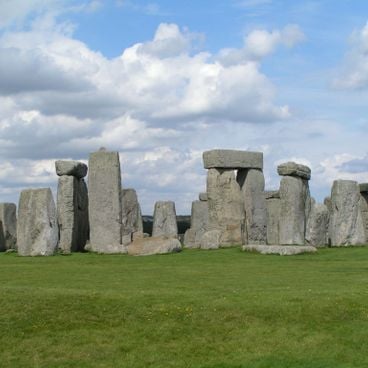
The prehistoric sites of Carnac contain megalithic stones that extend for kilometers. The coastal location features sandy beaches, a marina, and historic buildings. The area includes stone alignments, dolmens, burial mounds, and natural coastal landscapes along the Brittany shore.
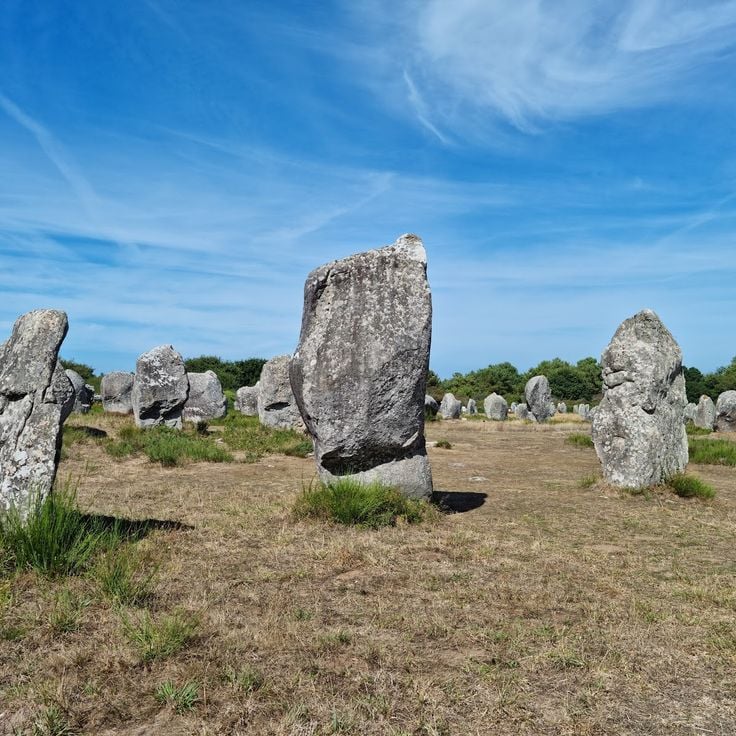
Carnac, France
This prehistoric site contains over 3000 standing stones from the Neolithic period, erected between 4500 and 2500 BCE.
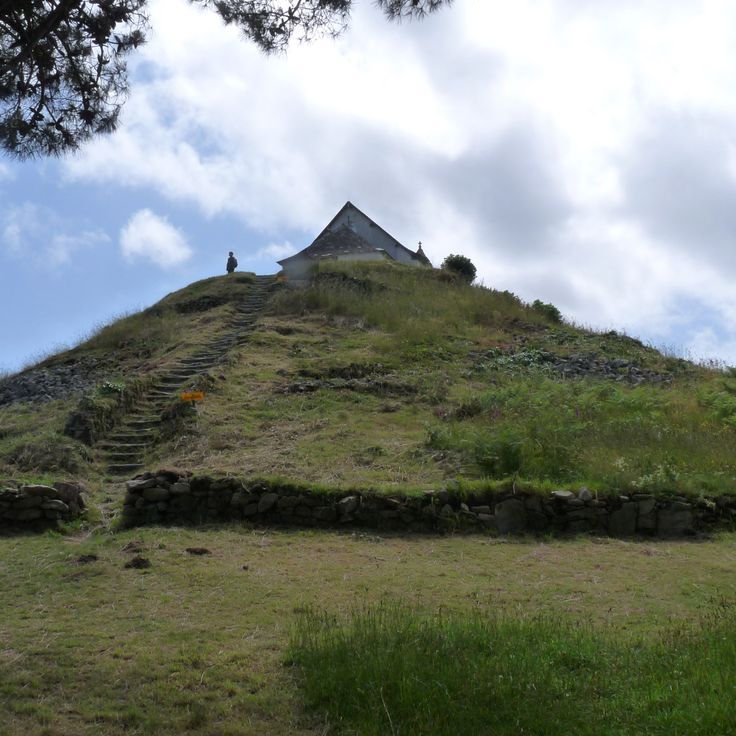
Carnac, France
The largest burial mound in Europe, reaching 10 meters in height, contains Neolithic funeral artifacts.
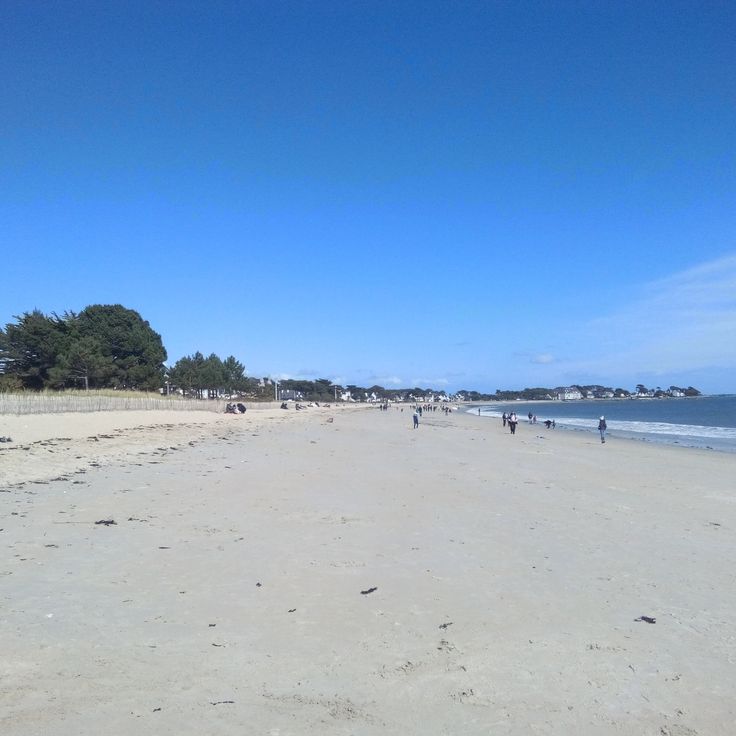
Carnac, France
A 2-kilometer sandy beach with shallow water, suitable for water sports and beach walks.
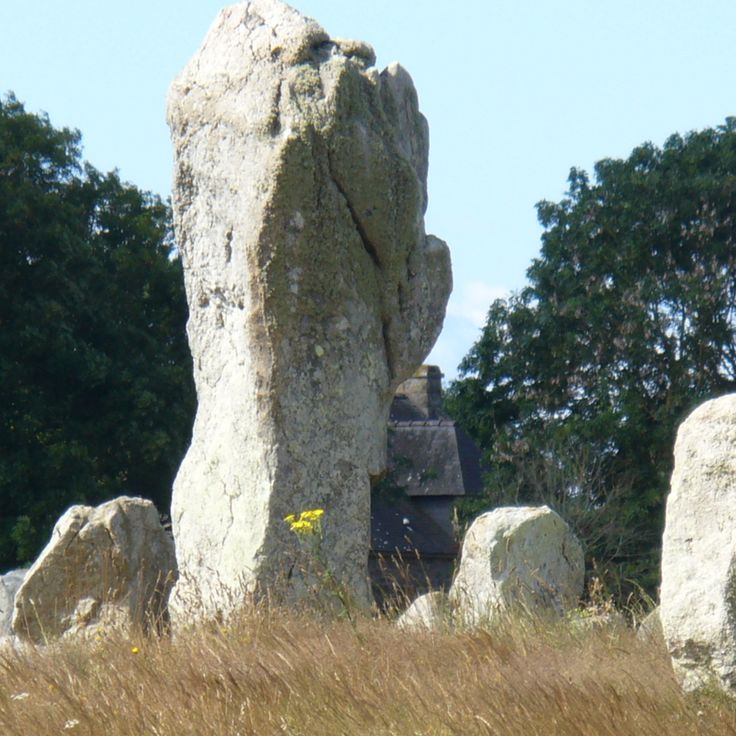
Carnac, France
Eleven Neolithic stone rows extend over one kilometer with 1099 erected stones.
Carnac, France
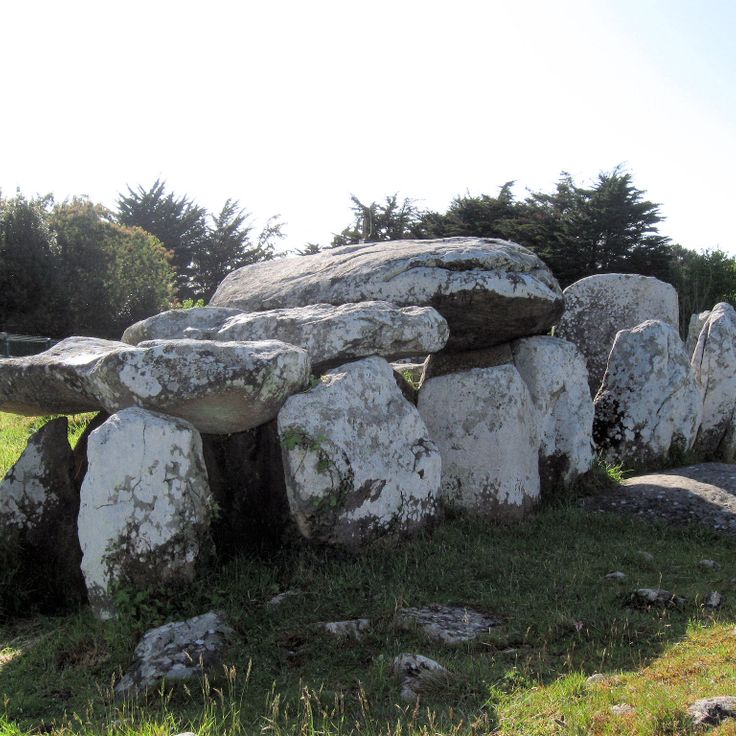
This prehistoric site contains multiple standing megalithic stones arranged in aligned rows dating from ancient times.
Carnac, France
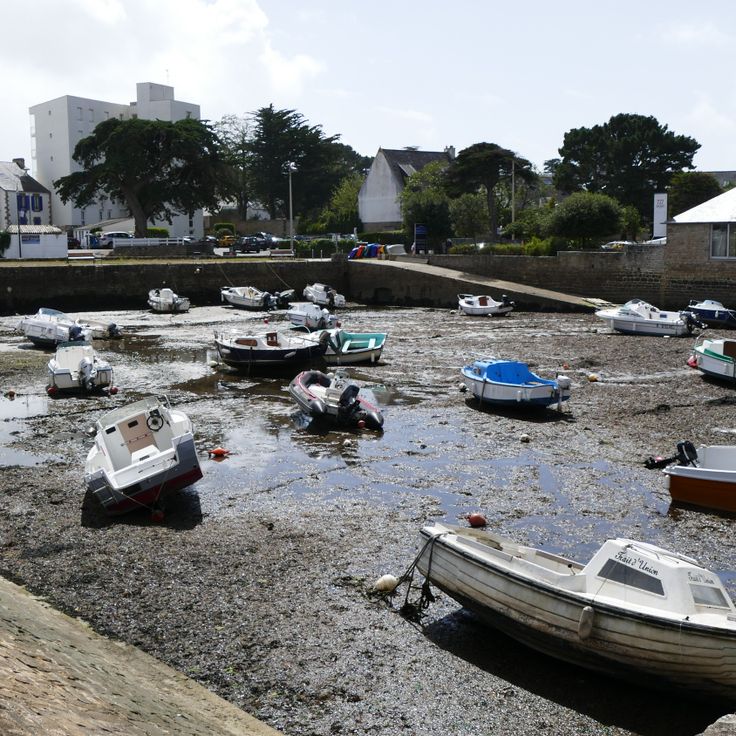
The small fishing port provides boat moorings and direct views of the Bay of Quiberon.
Carnac, France
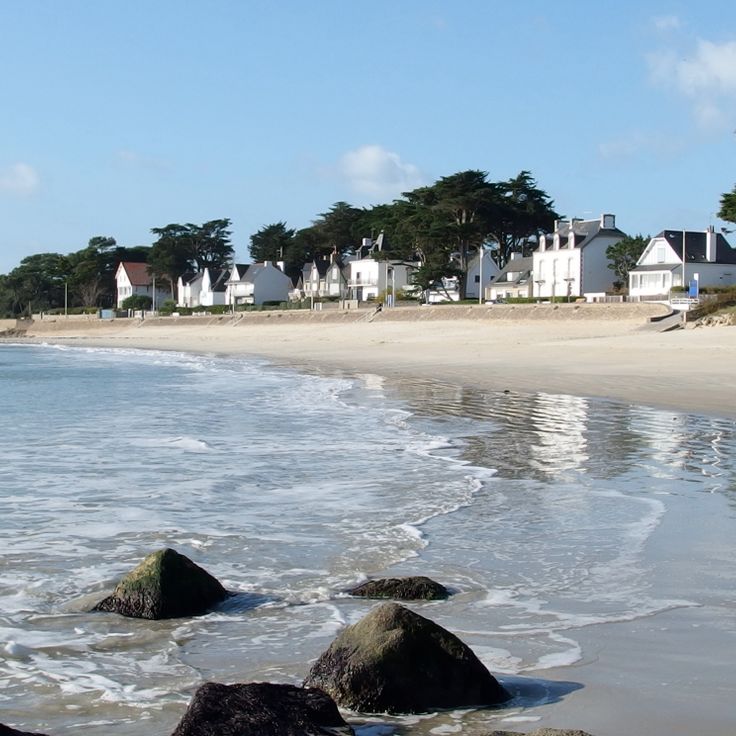
The sandy beach extends 800 meters and offers swimming, sunbathing and water sports for visitors.
Carnac, France
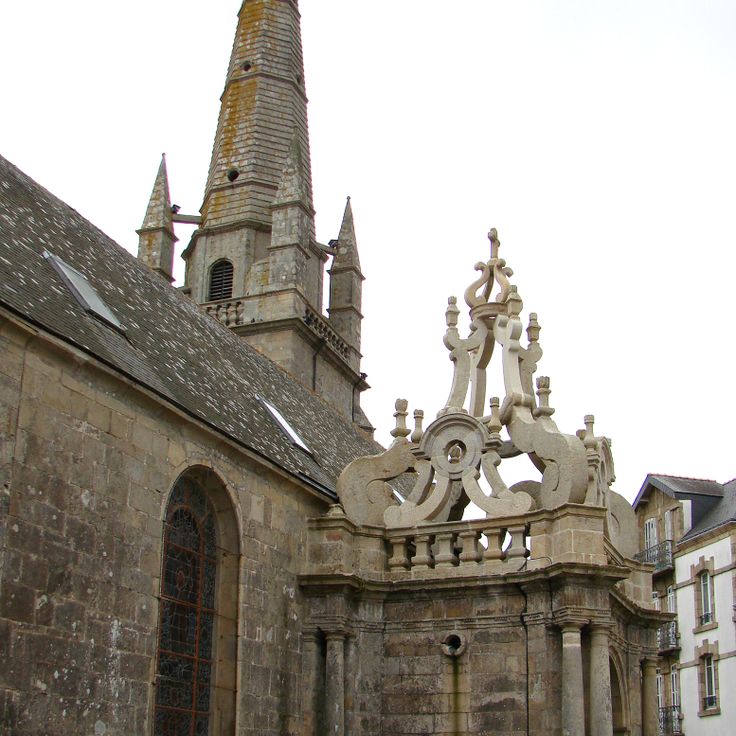
The 17th century parish church displays Gothic and Romanesque architectural elements with a prominent bell tower.
Carnac, France
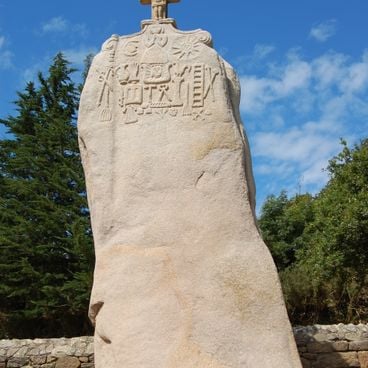
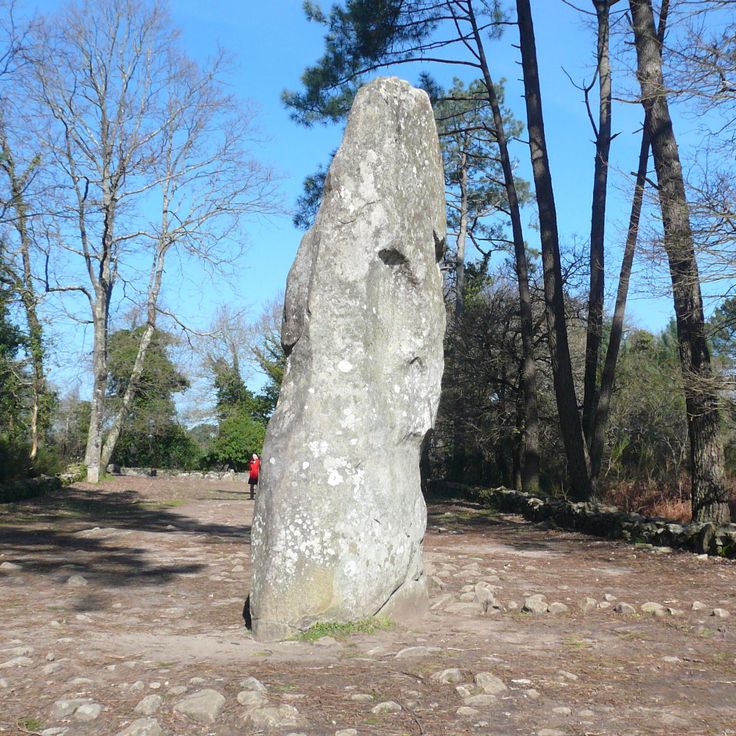
This freestanding menhir measures 6.5 meters and stands higher than all other stones in the Morbihan department.
Carnac, France
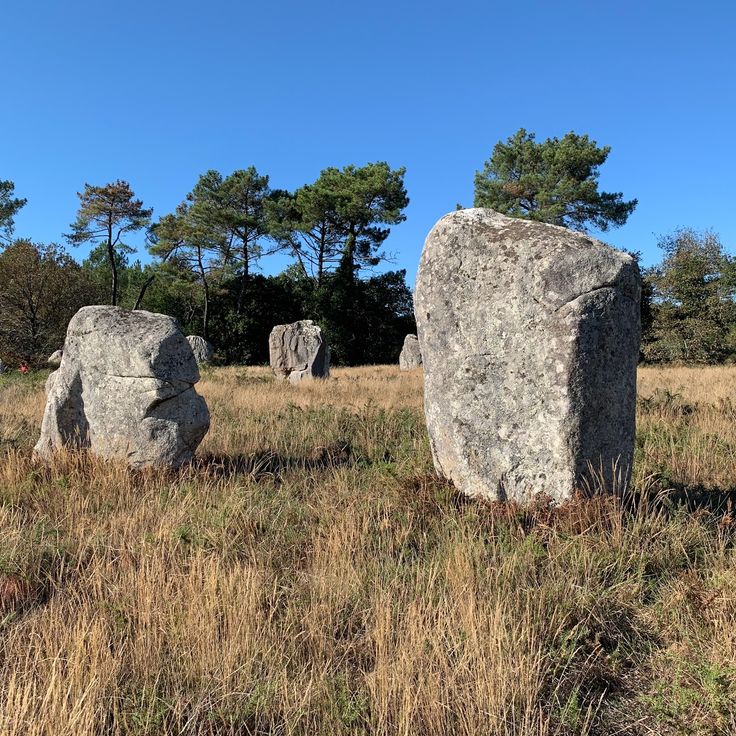
These stone rows extend over 800 meters and consist of 555 standing megalithhs arranged in 13 lines.
Carnac, France
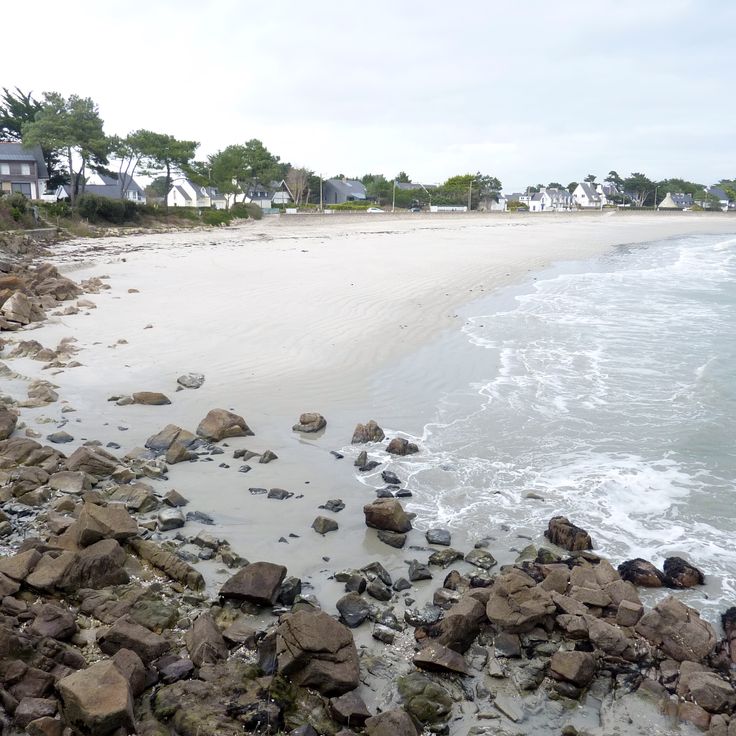
This beach extends for 2 kilometers and offers white sand with shallow water entry for swimmers.
Carnac, France
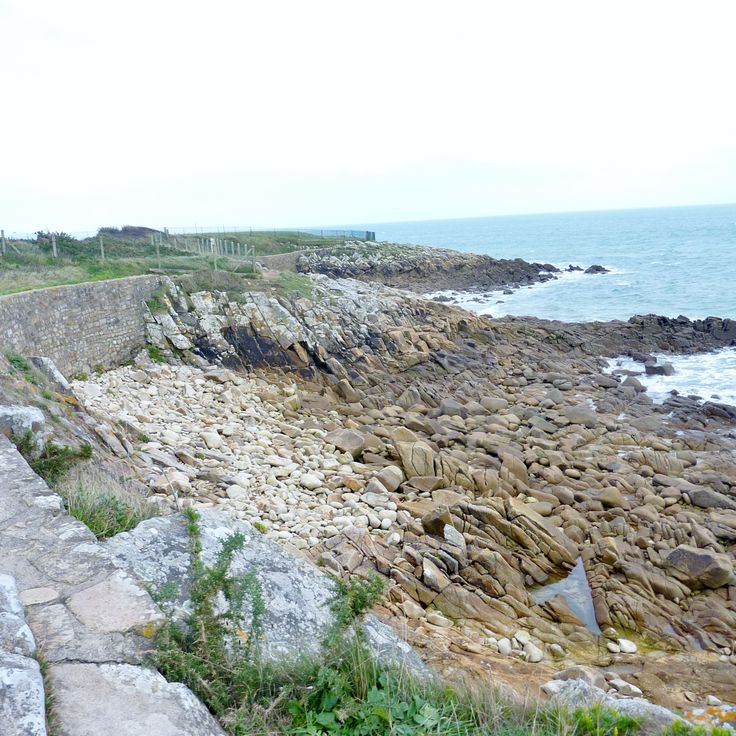
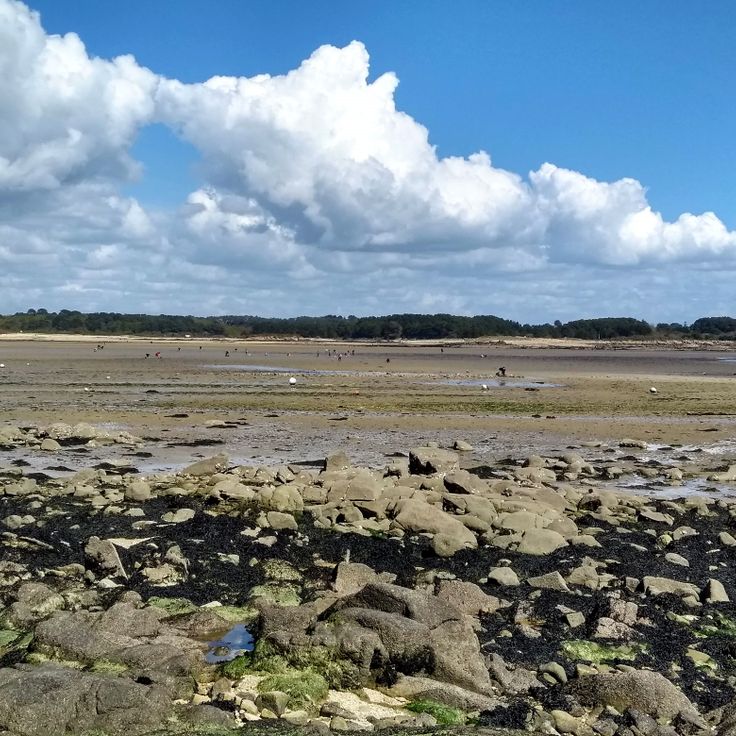
Granite rocks form this headland that extends 300 meters into the sea and provides views of the Atlantic Ocean.
Carnac, France
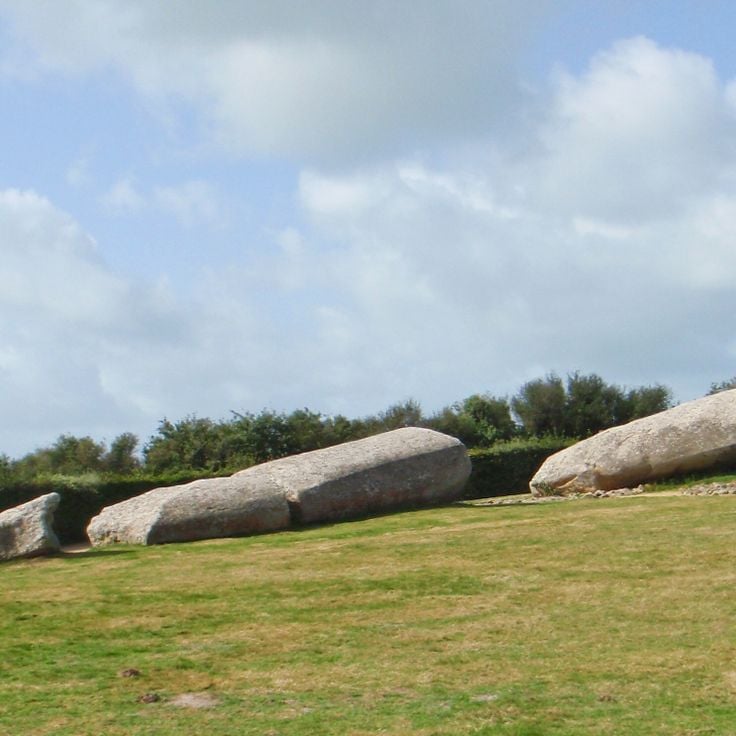
The beach extends for 500 meters with fine sand and clear water for swimming between May and September.
Carnac, France
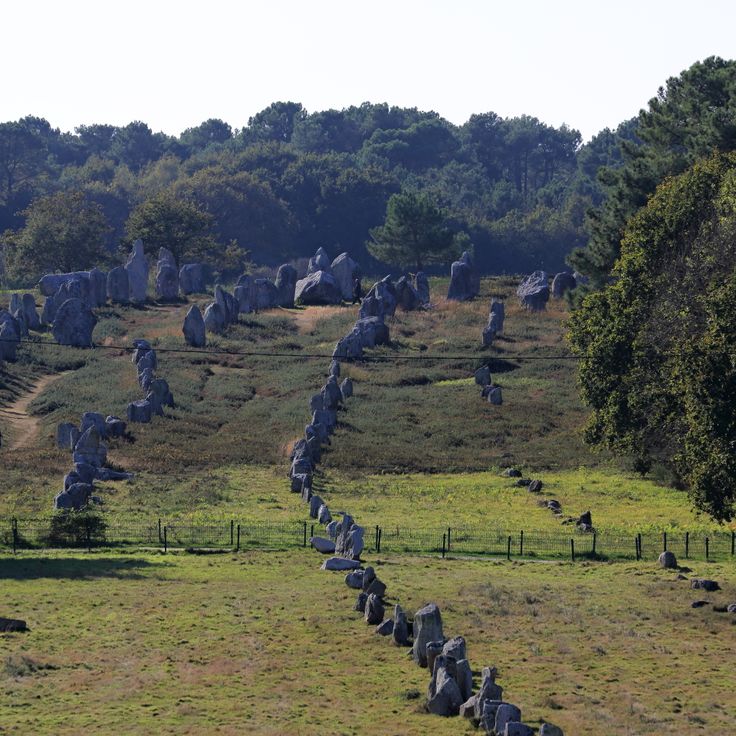
These Neolithic stone alignments extend over three kilometers and include more than 3000 standing stones.
Carnac, France
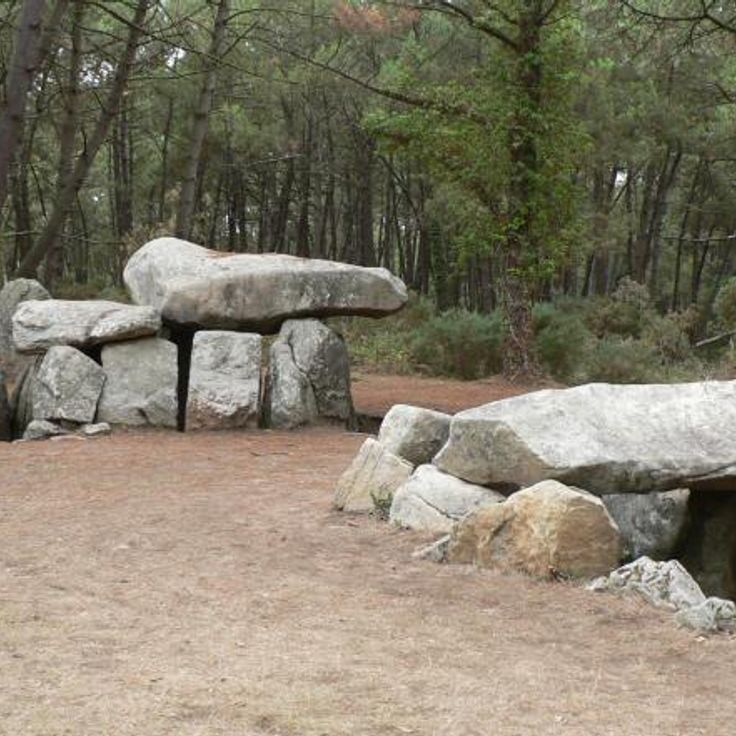
This 16th-century windmill stands on a hill and provides views of the megalithic stones.
Carnac, France
Three Neolithic burial chambers from around 4000 BCE, surrounded by oak and pine trees.
Carnac, France
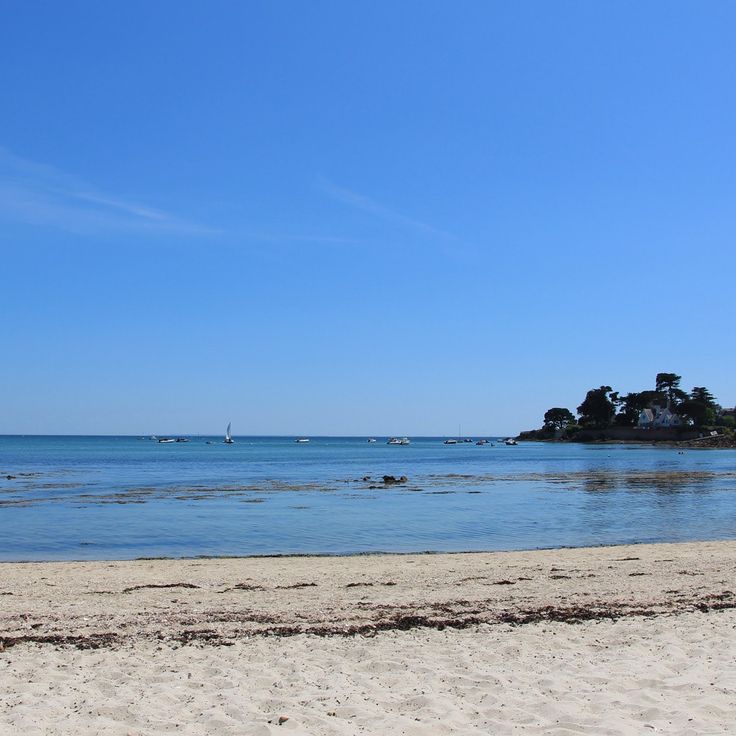
The sandy beach extends 500 meters along the coast and offers photographers numerous spots for sunset shots.
Carnac, France
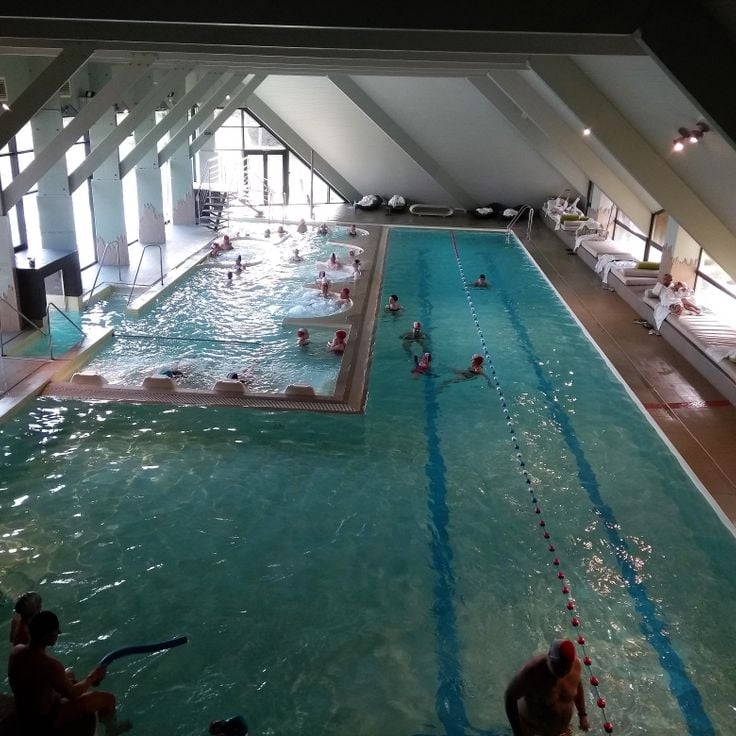
The wellness center features ocean views from the terrace and modern facilities with seawater treatments.
Carnac, France
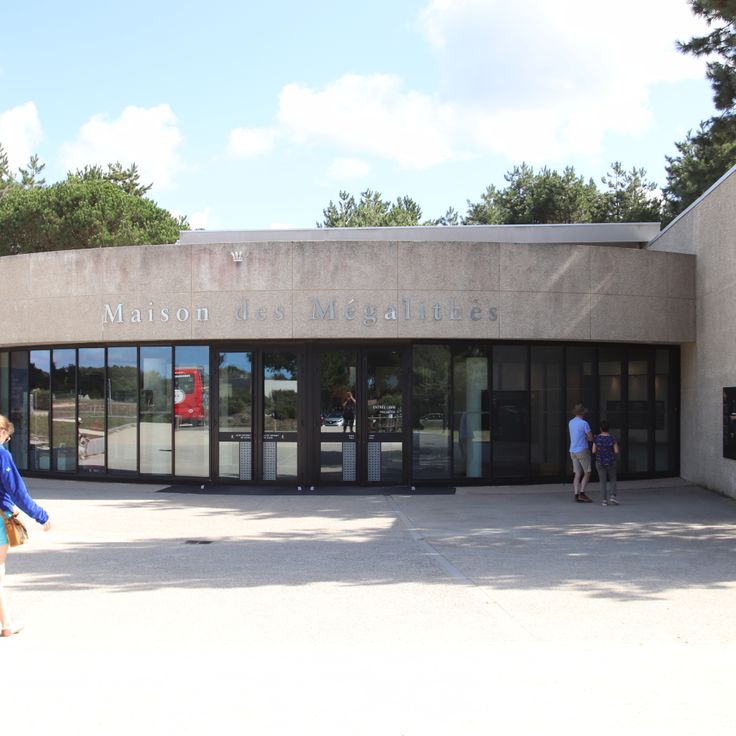
The museum displays archaeological findings and information about the prehistoric stone alignments of Carnac.
Carnac, France
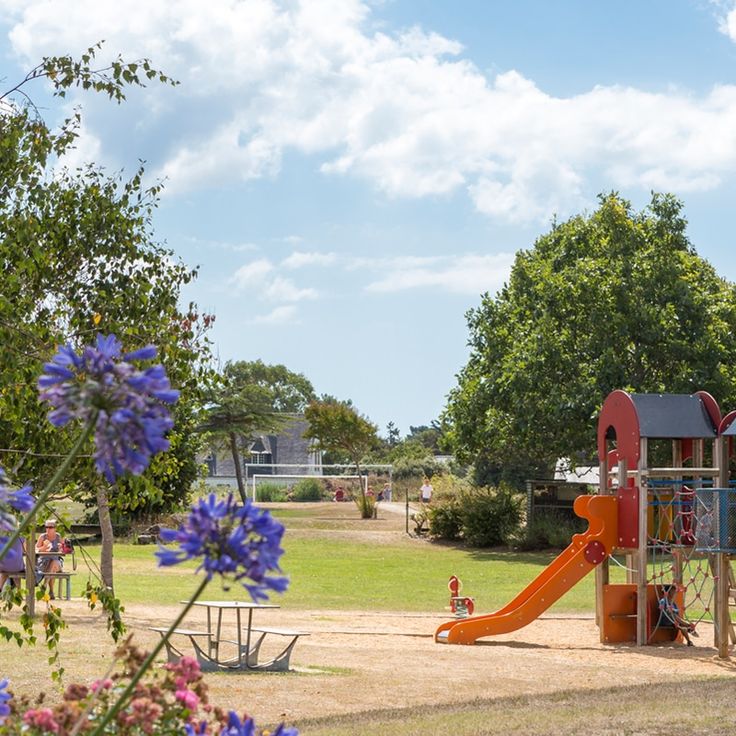
The public park features flower beds, walking paths and benches with favorable photo positions.
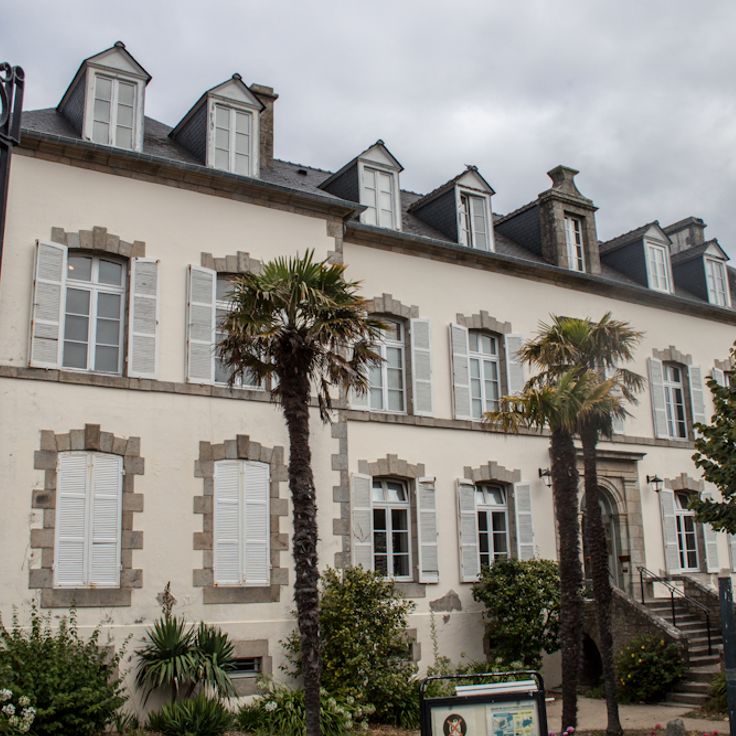
Carnac, France
The museum displays a collection of stone tools, pottery, and other archaeological objects from the Carnac region.
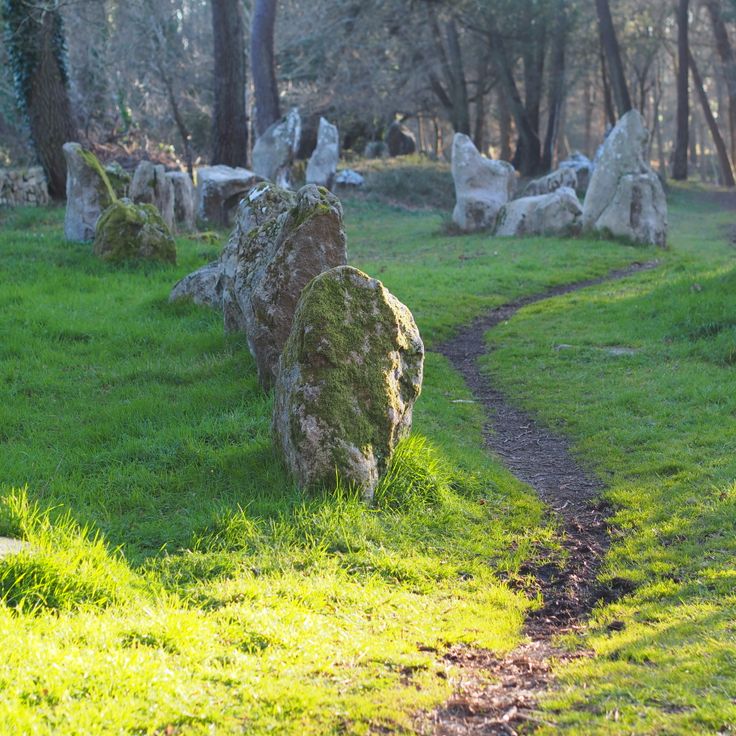
Carnac, France
These stone rows are part of the neolithic monuments. They consist of several hundred vertical standing megalithic stones.
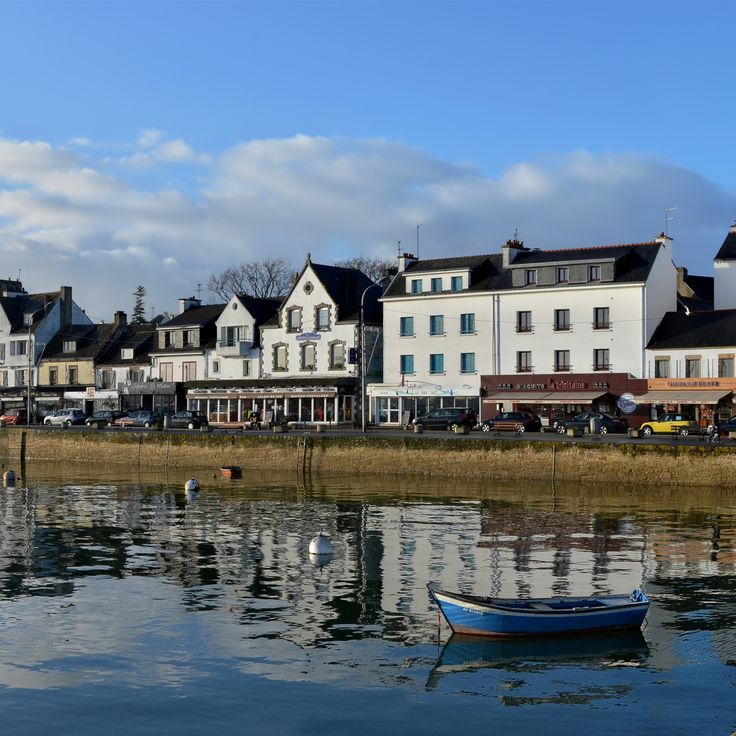
La Trinité-sur-Mer, France
The port accommodates 500 boat moorings and serves as a base for international sailing competitions.
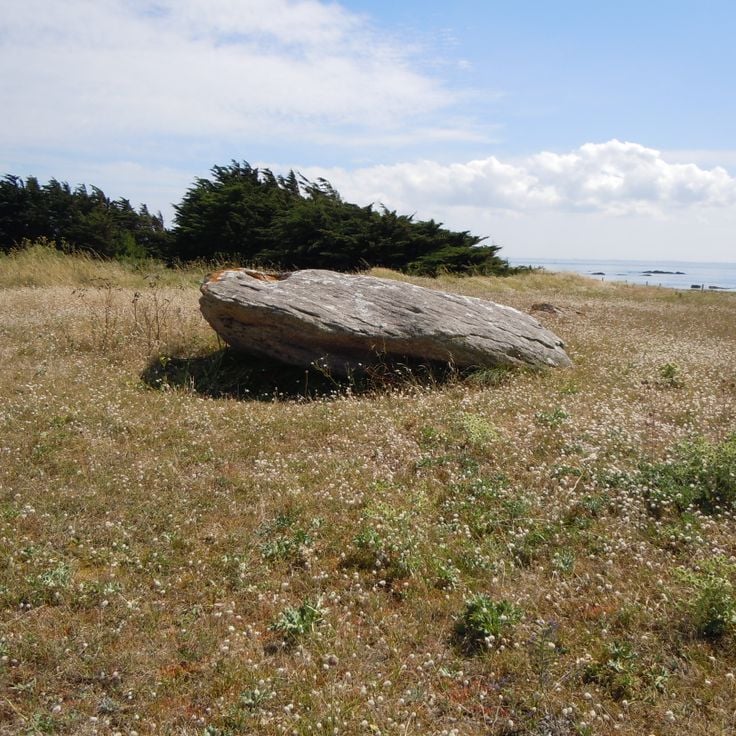
Carnac, France
The headland extends 800 meters into the sea and offers observation points of the Atlantic and the coast.
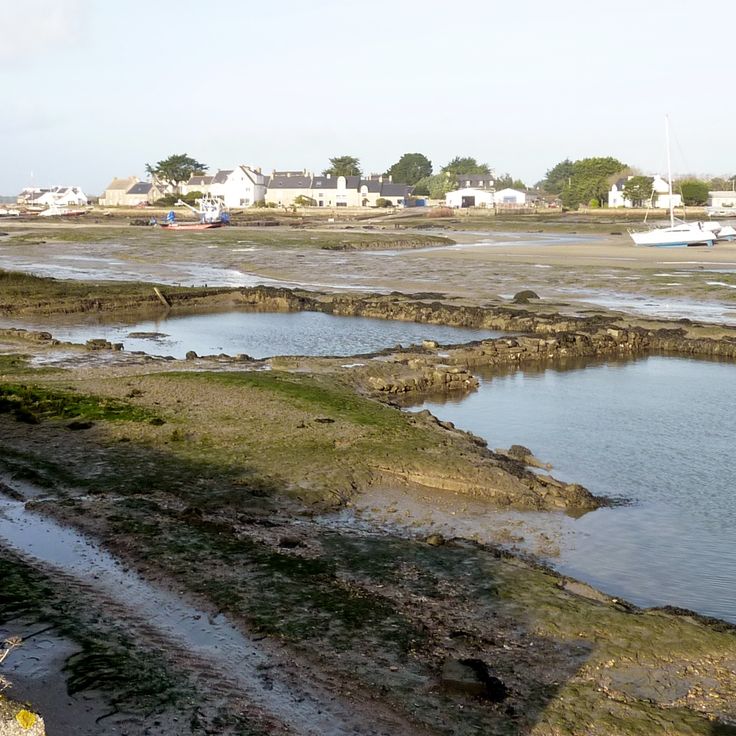
Carnac, France
This small bay offers an open view of the sea and horizon with rocky outcrops along the shore.
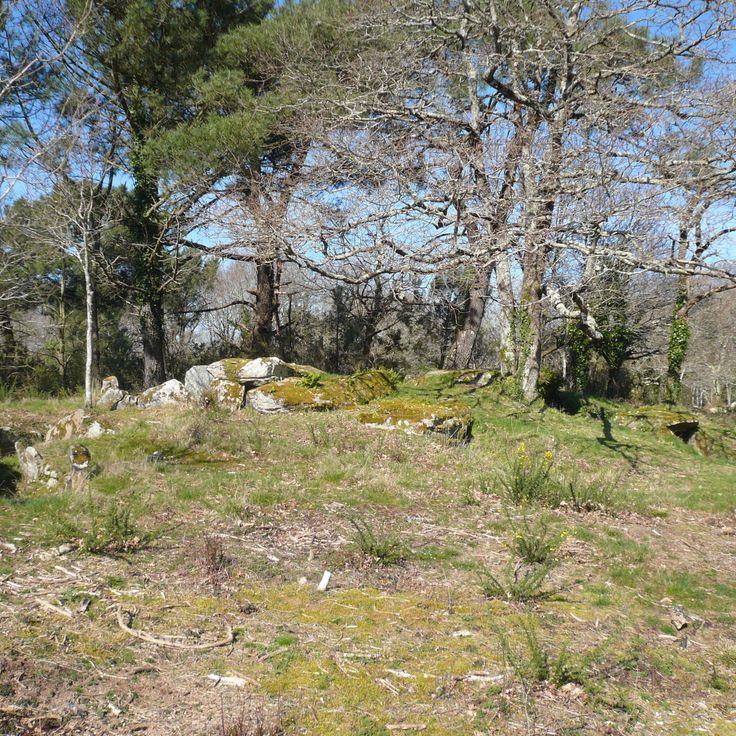
Carnac, France
Neolithic tomb from the 4th millennium BC featuring several large stone slabs and a south-facing entrance.
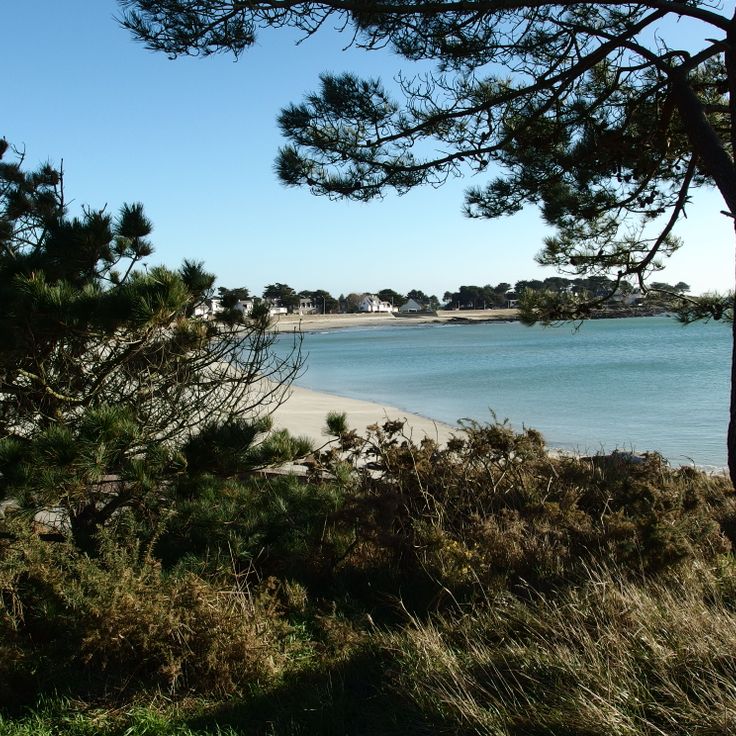
Carnac, France
The beach extends 500 meters with granite rock formations and fine sand.
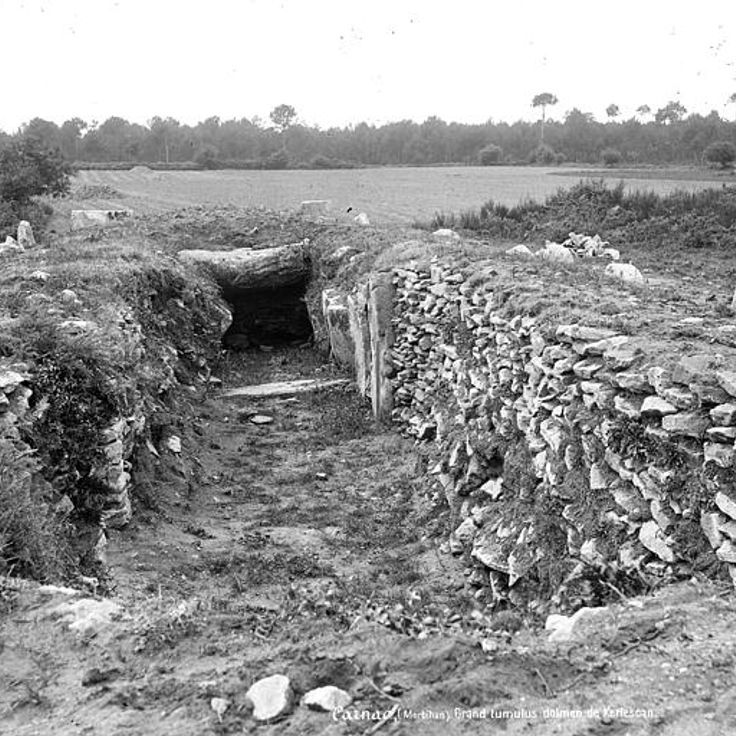
Carnac, France
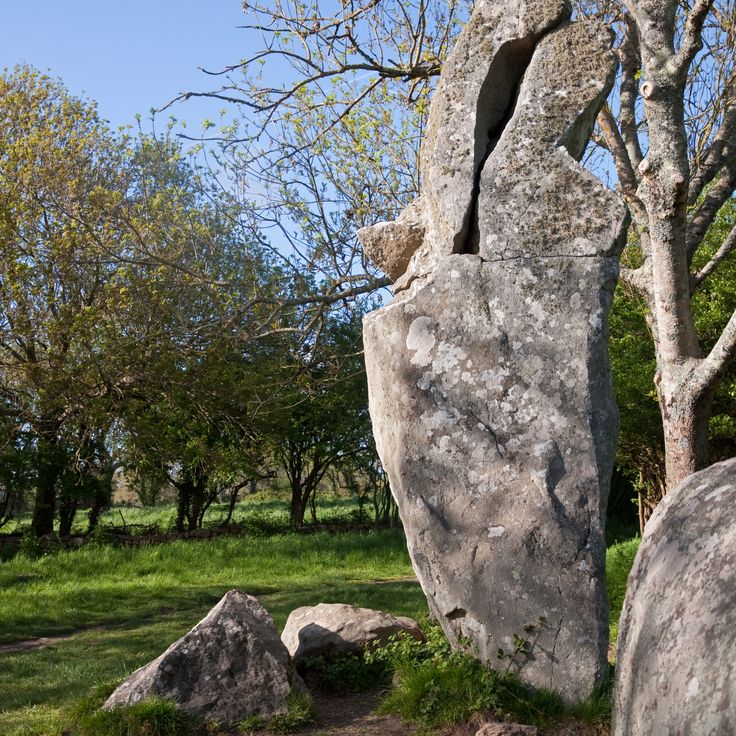
Neolithic megalithic passage 15 meters long with vertical stones and covering slabs.
Erdeven, France
This megalithic stone table measures 9 meters in length and stands in a field among historical menhirs.
Erdeven, France
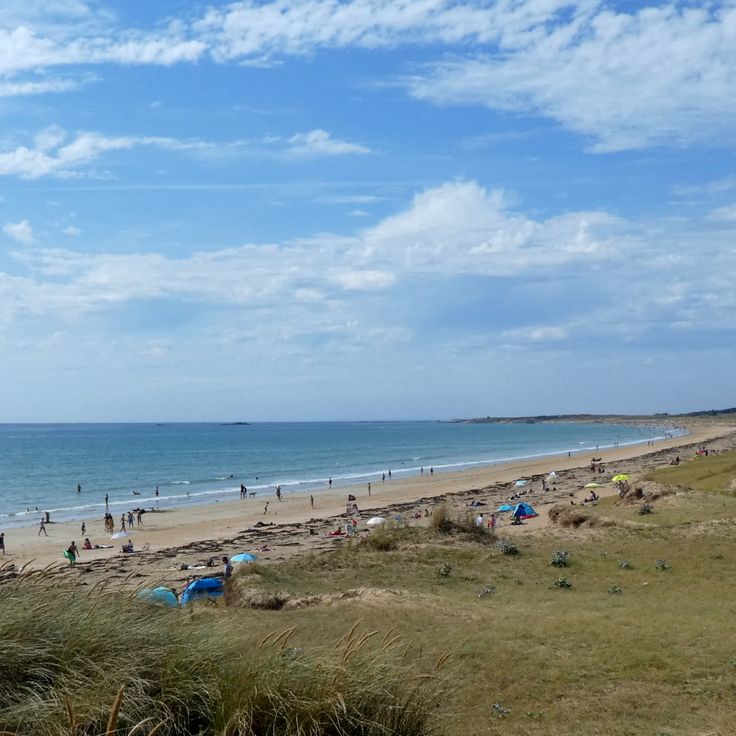
The 2-kilometer sandy beach is bordered by dunes and offers windsurfing and kitesurfing opportunities.
La Trinité-sur-Mer, France
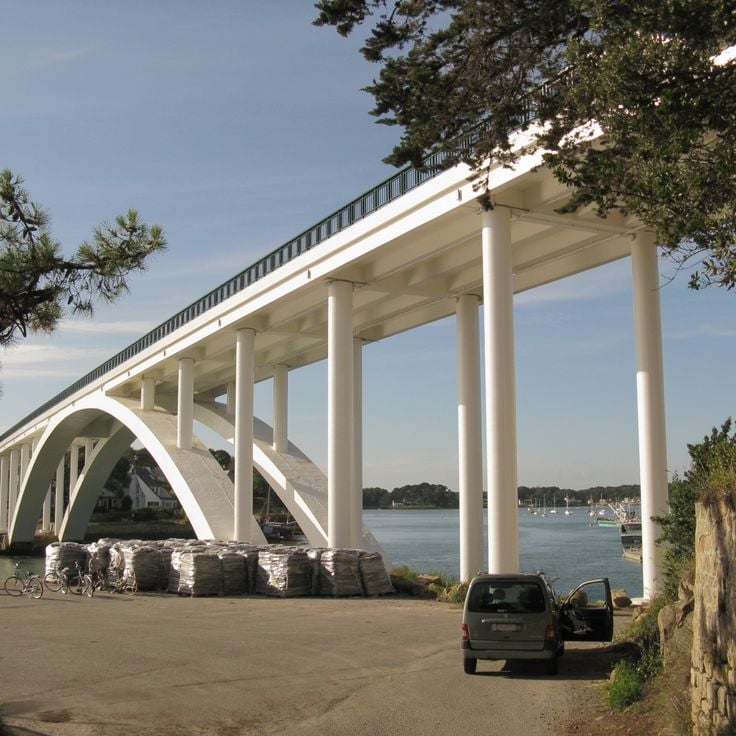
The modern concrete bridge spans the marina and connects the two districts of La Trinité-sur-Mer.
Gavrinis Island, France
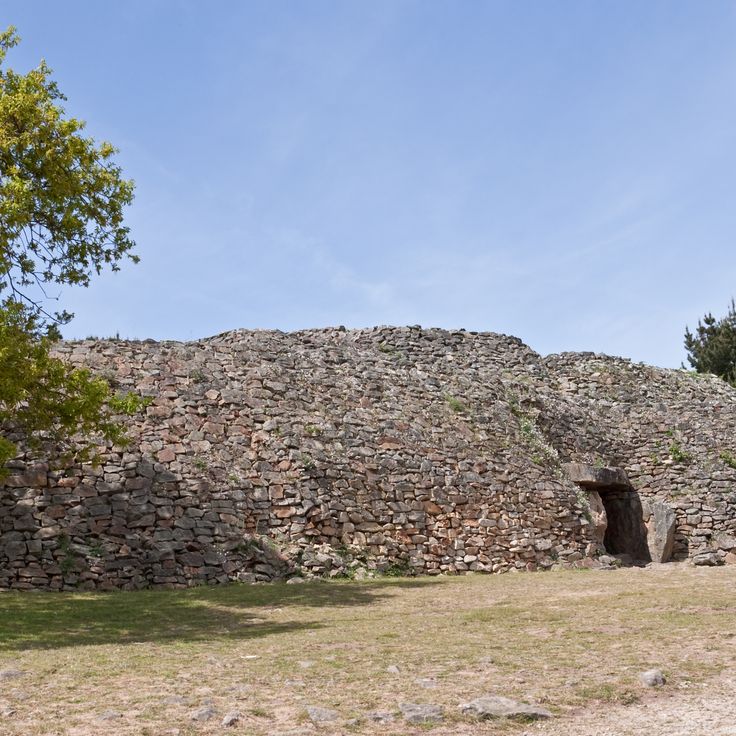
The neolithic stone mound contains a 14-meter burial chamber with geometric engravings from 3500 BC.