See the monuments around you in AROpen chests in the app
Around Us is built for your phone — point your camera at the streets and discover the monuments and places around you in augmented reality.Around Us is built for your phone — chests unlock when you walk, explore and capture nearby places.
Karachi: colonial architecture, Islamic mosques, beaches and city markets
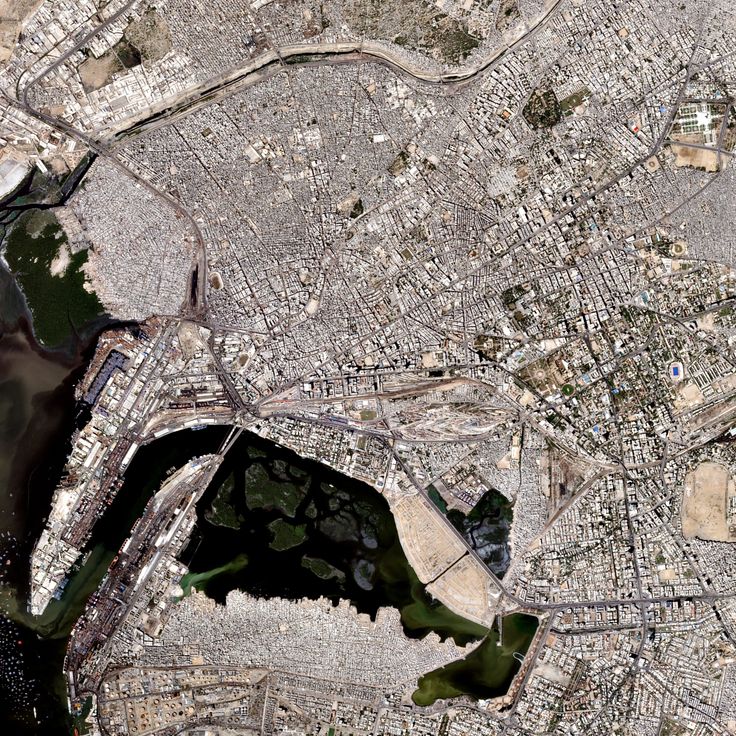
Karachi blends historic buildings with modern city life. The city has old colonial houses, mosques, beaches along the Arabian Sea, and busy markets. You will find good photo spots at Frere Hall, Mohatta Palace, or Muhammad Ali Jinnah's mausoleum, which shows interesting geometric patterns. Other places worth visiting include the Pakistan National Museum, Tooba Mosque, and the different beaches along the city.
As you walk through Karachi, you will see how different neighborhoods tell their own stories. Colonial structures stand near religious buildings, and natural spaces give a break from the busy city. Kemari port and the Maritime Museum remind visitors of the city’s past as a busy seaport. Markets like the Empress Market show daily life in the city. The Karachi Zoo and the PIA Planetarium add some fun to your trip.
Every part of the city has its own feel, from the seaside with its waves and sunsets to the narrow streets downtown. Local people move smoothly between these different areas, giving Karachi its special character. Whether you want to learn about its history as a large port or see how it is today as Pakistan’s biggest city, these places give many views on what makes the city active now.
Karachi: colonial architecture, Islamic mosques, beaches and city markets
Karachi blends historic buildings with modern city life. The city has old colonial houses, mosques, beaches along the Arabian Sea, and busy markets. You will find good photo spots at Frere Hall, Mohatta Palace, or Muhammad Ali Jinnah's mausoleum, which shows interesting geometric patterns. Other places worth visiting include the Pakistan National Museum, Tooba Mosque, and the different beaches along the city.
As you walk through Karachi, you will see how different neighborhoods tell their own stories. Colonial structures stand near religious buildings, and natural spaces give a break from the busy city. Kemari port and the Maritime Museum remind visitors of the city’s past as a busy seaport. Markets like the Empress Market show daily life in the city. The Karachi Zoo and the PIA Planetarium add some fun to your trip.
Every part of the city has its own feel, from the seaside with its waves and sunsets to the narrow streets downtown. Local people move smoothly between these different areas, giving Karachi its special character. Whether you want to learn about its history as a large port or see how it is today as Pakistan’s biggest city, these places give many views on what makes the city active now.
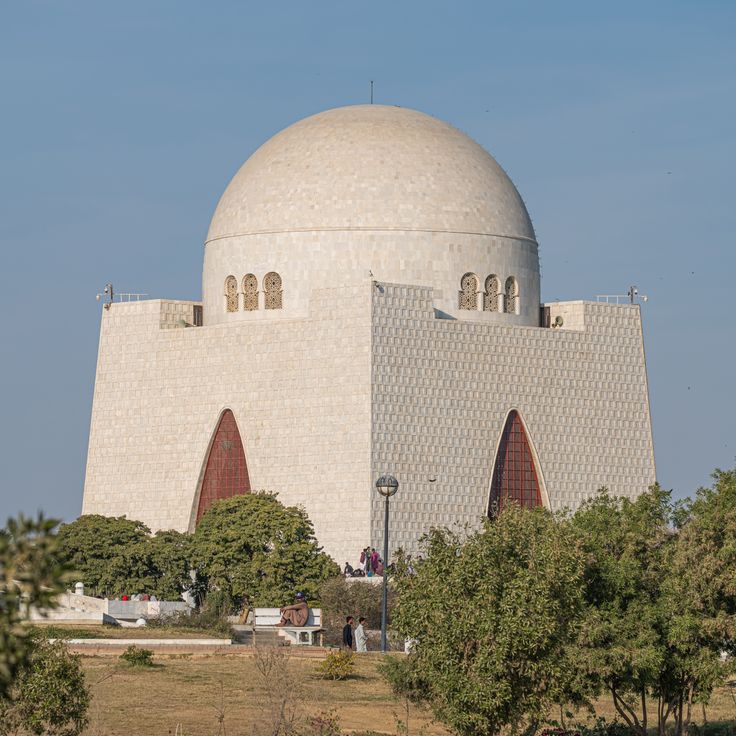
The Mausoleum of Muhammad Ali Jinnah in Karachi is a place where photographers can capture Islamic architectural forms and the purity of white marble. Completed in 1971, the building features four minarets, arches, and domes in white marble. This site combines historical importance with visual details that work well for photography.
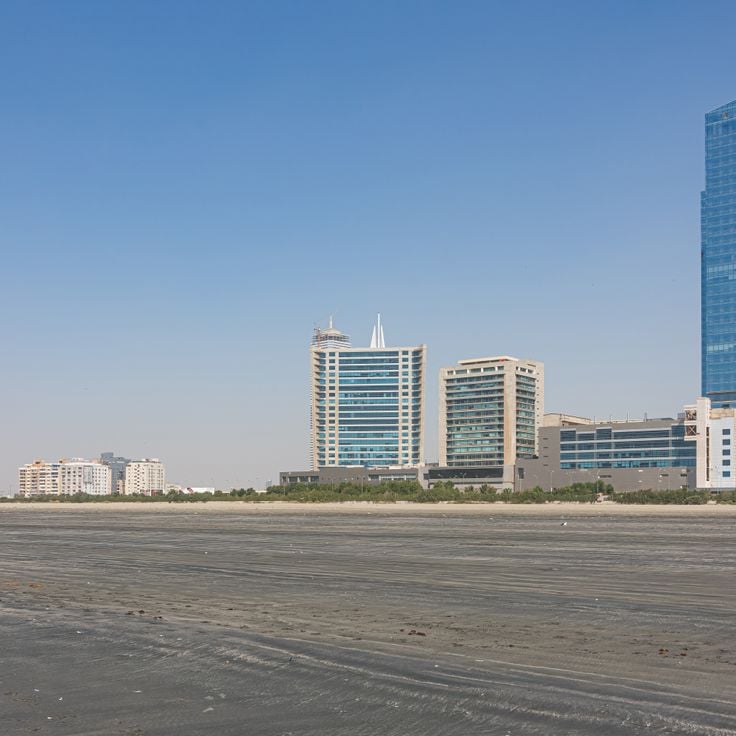
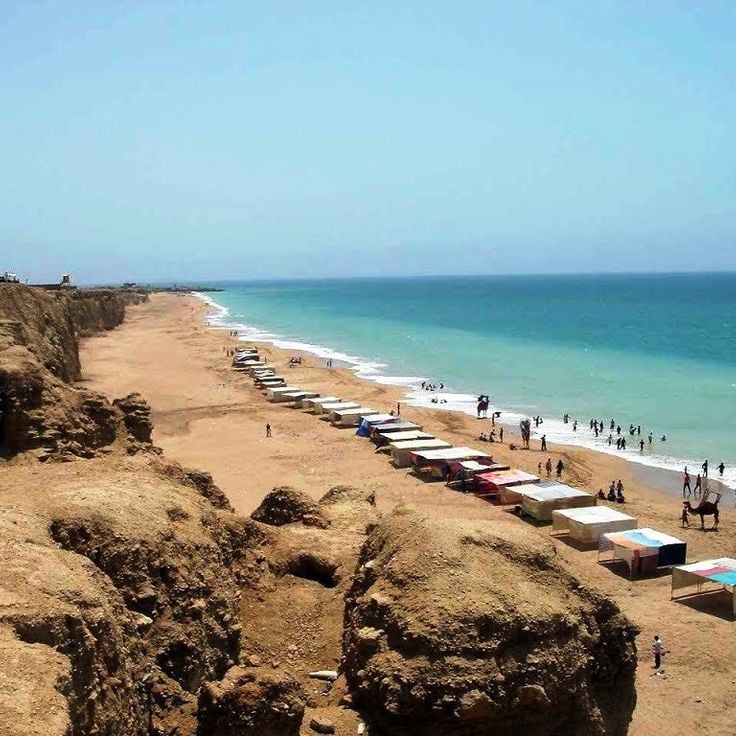
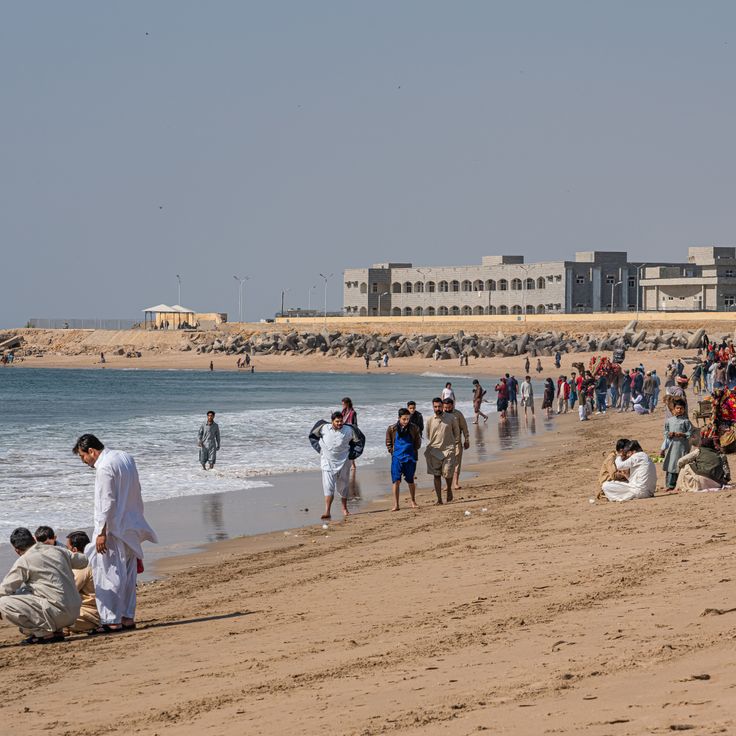
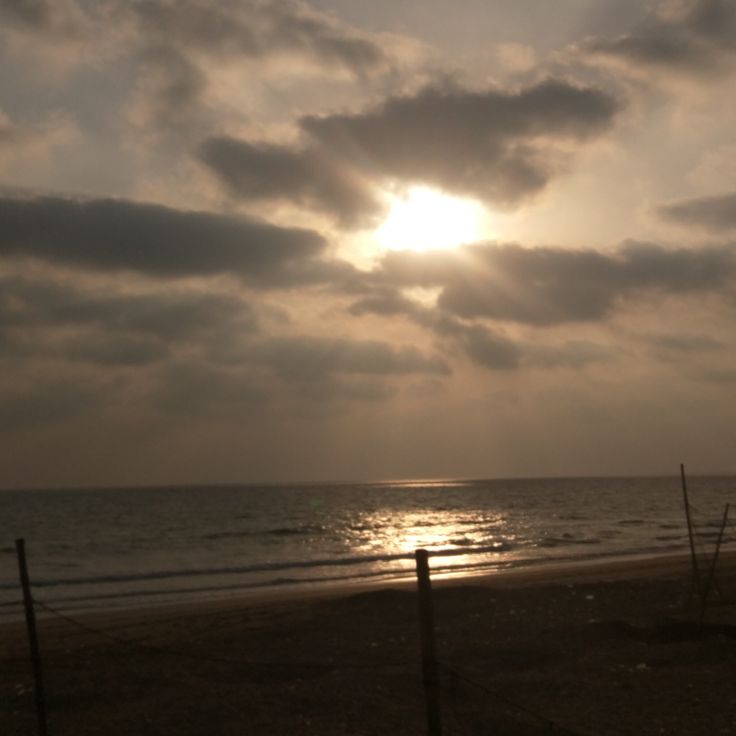
Clifton Beach stretches along the Arabian Sea in Karachi, showing the connection between modern city life and nature. Along the shore you find restaurants, camel rides, and street vendors displaying daily activity. The wide sandy beach invites walking and offers views of the sea that reveal how the city relates to its waterfront.
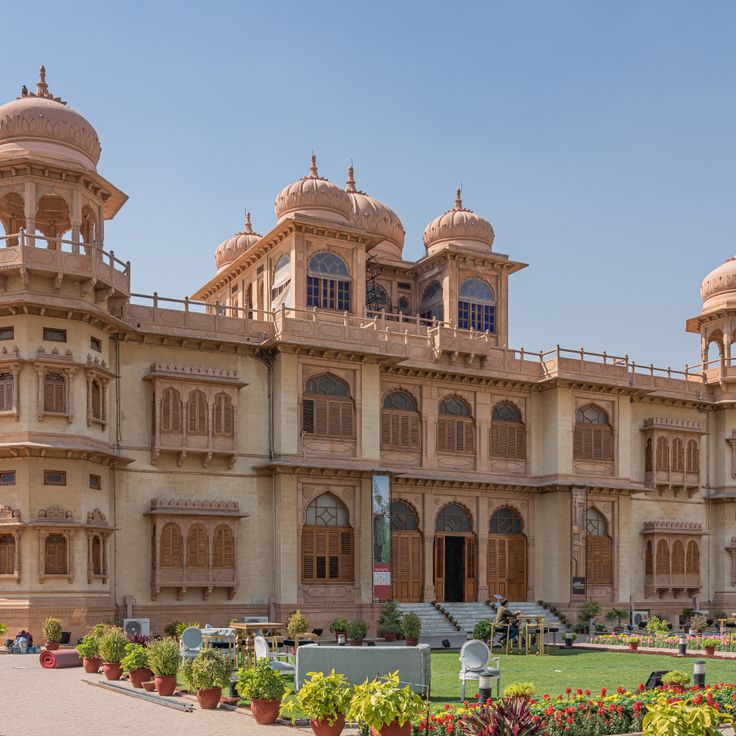
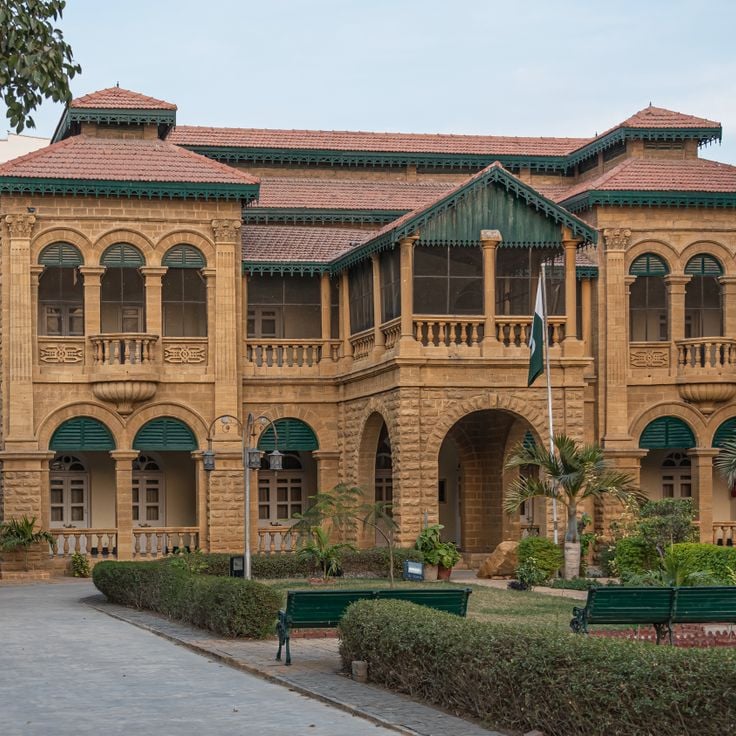
The Mohatta Palace Museum is a destination in Karachi for photographers documenting historical architecture. This 1927 building combines Indian and European architectural elements. The stone facades display columns, balconies, and window ornaments typical of the colonial era. It represents the architectural heritage of the city alongside modern urban life, mosques, and the Arabian Sea.
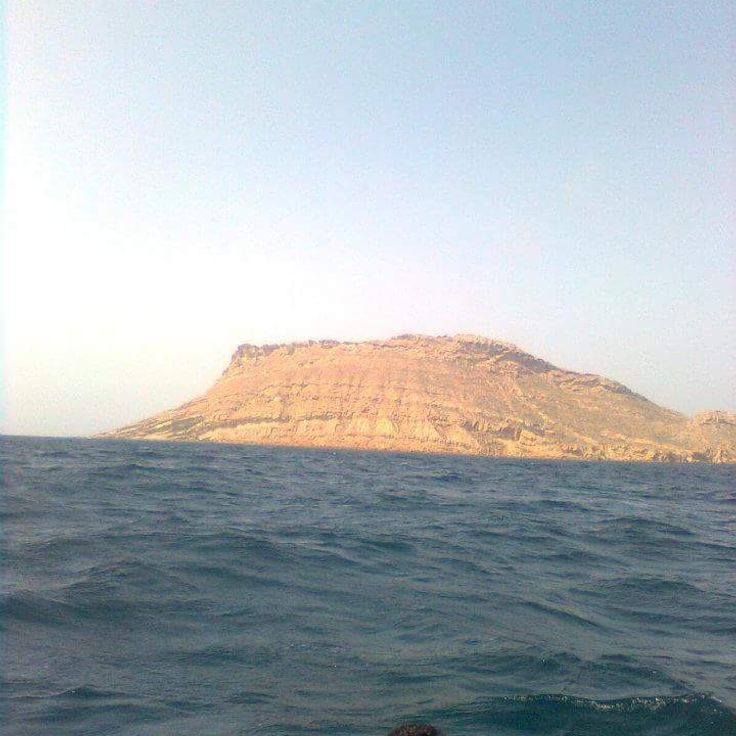
Churna diving site sits in the Arabian Sea near Karachi and reveals the underwater world of this region. Photographers find coral reefs, fish, and sea turtles at this location. The water reaches depths of about 30 meters. This site shows the natural side of Karachi, away from the city's historical architecture and mosques.
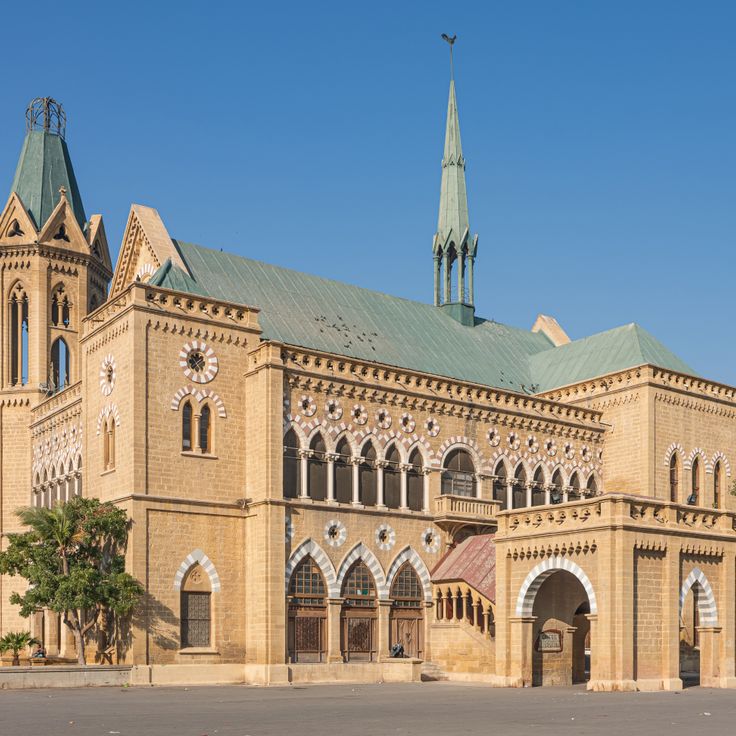
This Frere Hall is a colonial building built in Karachi in 1865 and stands among the important sites in this collection of the city's historical locations. The structure features high arcades and sandstone facades typical of British architecture from that period. The maintained gardens surrounding the building contribute to the site's preservation. For photographers, this place shows how Karachi connects its historical architecture with contemporary urban life.
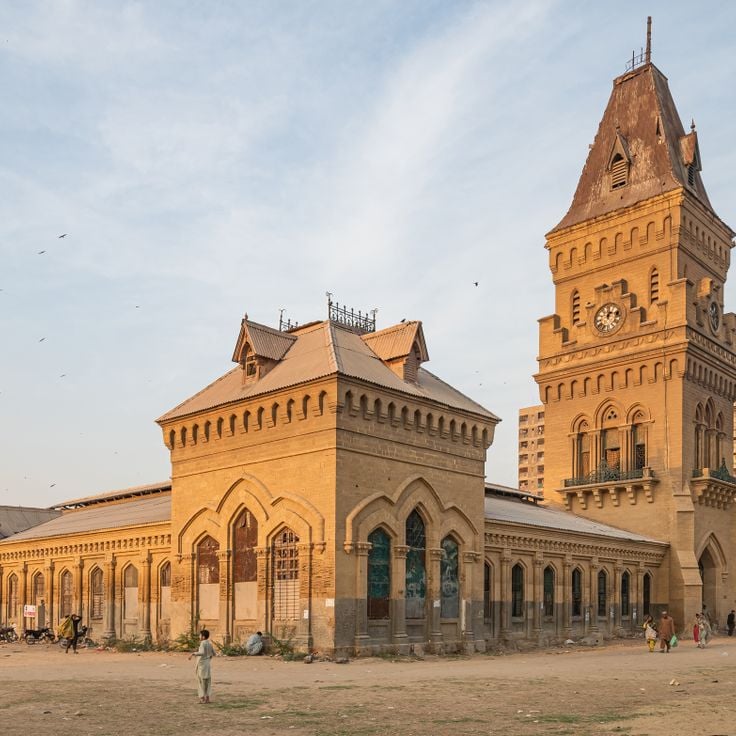
Empress Market is a living marketplace in the heart of Karachi where history and daily life meet. Built in 1889, the market displays colonial-era architecture with its distinctive design and four galleries. Inside, merchants sell spices, textiles, and everyday goods to local shoppers. This market represents how Karachi blends older structures with modern urban activity, sitting alongside colonial buildings, mosques, and beaches that define the city today.
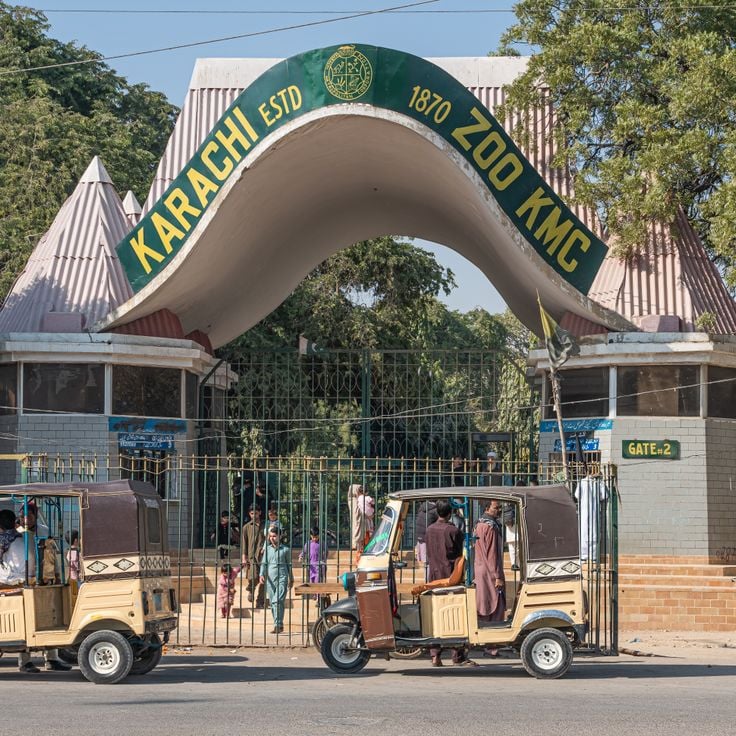
Founded in 1878, Karachi Zoo is one of Asia's oldest zoos and home to over 100 animal species in spacious enclosures. A white lion is among the zoo's notable residents. Located in the heart of a city that blends colonial history with modern urban life, this zoo offers visitors a green space where they can observe wildlife. It represents how Karachi has preserved nature within its busy urban landscape.
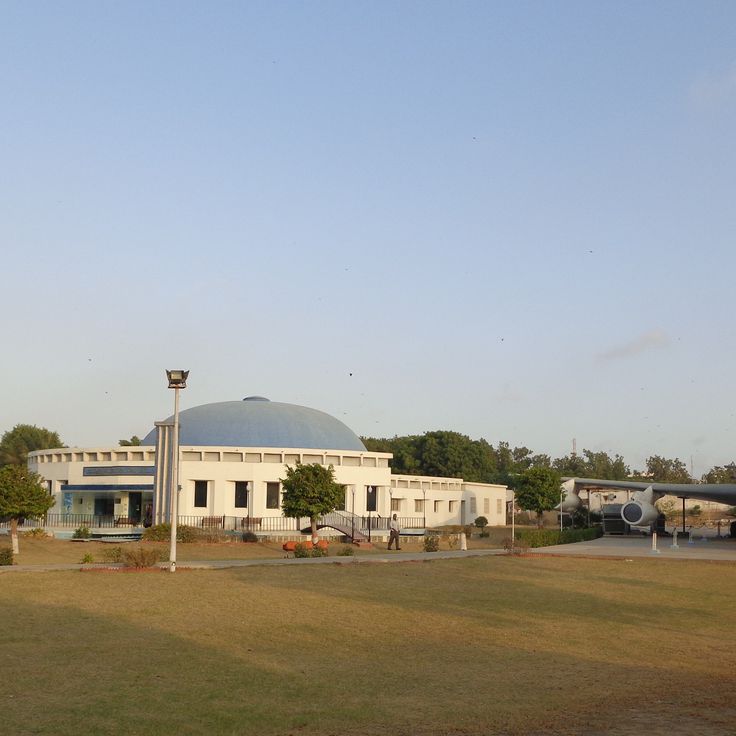
The PIA Planetarium in Karachi is a modern facility that stands apart from the city's colonial-era buildings and mosques. Digital projectors display constellations and celestial bodies on a dome. Inside, the space with its projection screens offers interesting photography opportunities that show how the city embraces modern technology. Visitors can capture the lighting effects of the dome and the way projections transform the interior space.
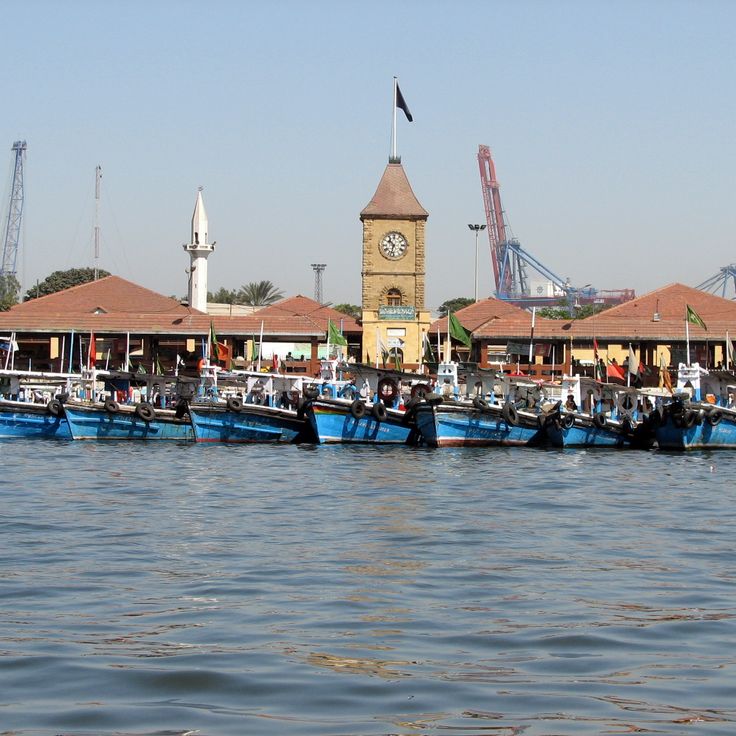
Kemari Port is a major commercial harbor in Karachi that shows the daily work of fishermen and merchants. Visitors can experience the atmosphere of a real fish market, where boats dock and fresh fish is sold. This port connects Karachi's history as a port city to the city's modern life. Photographers find lively scenes of work on the water and in the markets.
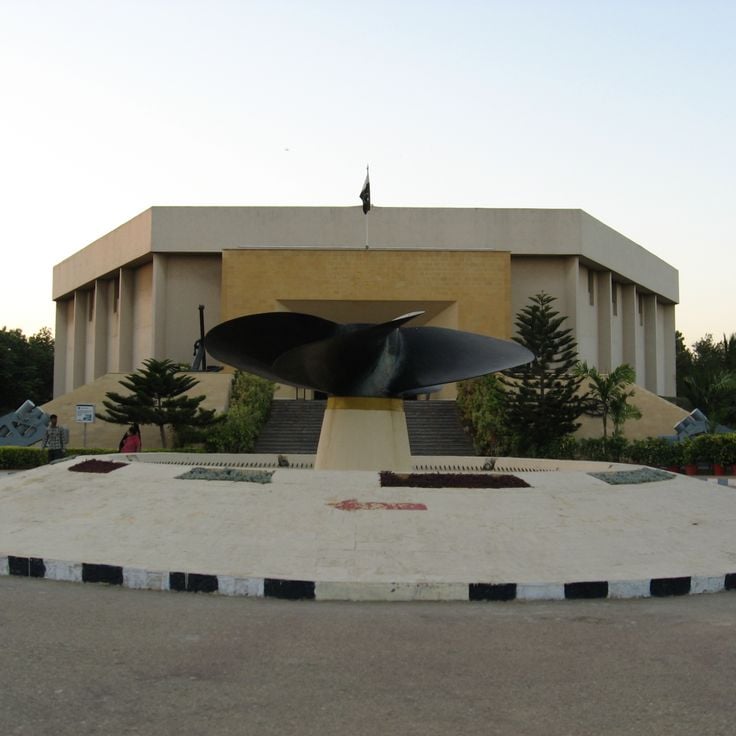
Pakistan Maritime Museum in Karachi displays the military and technical history of the city from the sea. The museum houses naval vessels, submarines, and exhibitions about Pakistani naval research. For photographers documenting the historical and technical subjects of Karachi, the museum offers interesting visual elements that complement images of the city's colonial architecture and coastal character.
Tariq Road is a busy commercial street in Karachi that reveals how the city functions in daily life. Fashion shops, restaurants, and street vendors selling local products line the street. This road shows how modern commercial activity and historical buildings exist side by side in Karachi. Tariq Road represents the rhythm of everyday life and the energy of trade that defines the city, while colonial structures and Islamic mosques shape the urban landscape.
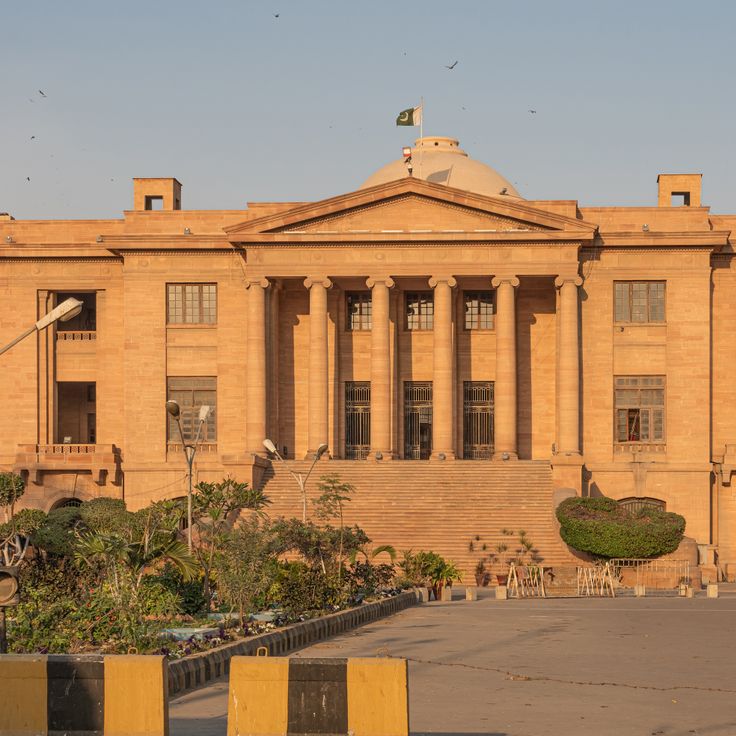
The Sindh High Court is a colonial-era courthouse in Karachi, built in 1929 in the British architectural style. It represents the judicial heritage of the region and stands as an important structure in the city's historic landscape. Photographers appreciate this building for its detailed colonial design and its role as a central landmark in Karachi's blend of historic architecture and modern urban development.
Port Grand is a waterfront entertainment complex in Karachi that fits into the city's blend of historic architecture and modern urban life. The location offers restaurants and shops with views of the Arabian Sea. In the evening, colored lights illuminate the space, creating photo opportunities that capture contemporary Karachi alongside its colonial buildings and mosques.
The Quaid's Residence is a white colonial-style building in Karachi that served as Muhammad Ali Jinnah's winter home. This residence represents the historical architecture that characterizes Karachi, where colonial structures exist alongside modern urban life. The residence's garden features native trees and a fountain, offering views into how Karachi preserves its past as a major port city while continuing to develop today.
Hawke's Bay Beach in Karachi is a sandy shore where green sea turtles come to lay their eggs. This site offers photographers the chance to document an important natural habitat within the urban landscape. Visitors can observe nesting activity between September and October, witnessing one of nature's cycles along the Arabian Sea coast.
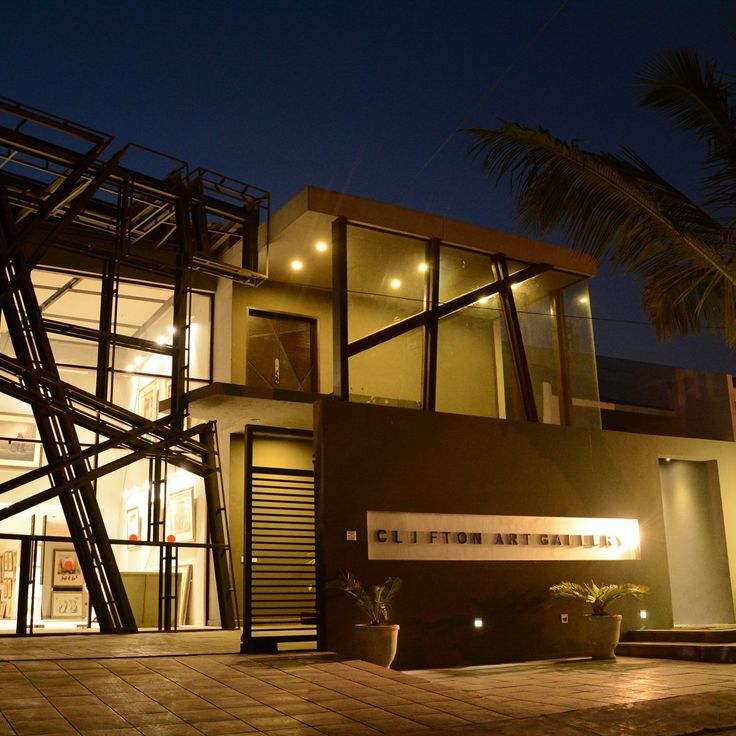
The Clifton Art Gallery in Karachi displays paintings and sculptures by Pakistani artists, presenting works from 1950 to today. For photographers documenting the city's cultural life, this gallery offers subjects that capture Pakistani artistic traditions and modern creative expression. The collection provides insight into the contemporary art scene of a city that brings together colonial buildings, Islamic mosques, Arabian Sea beaches, and markets.
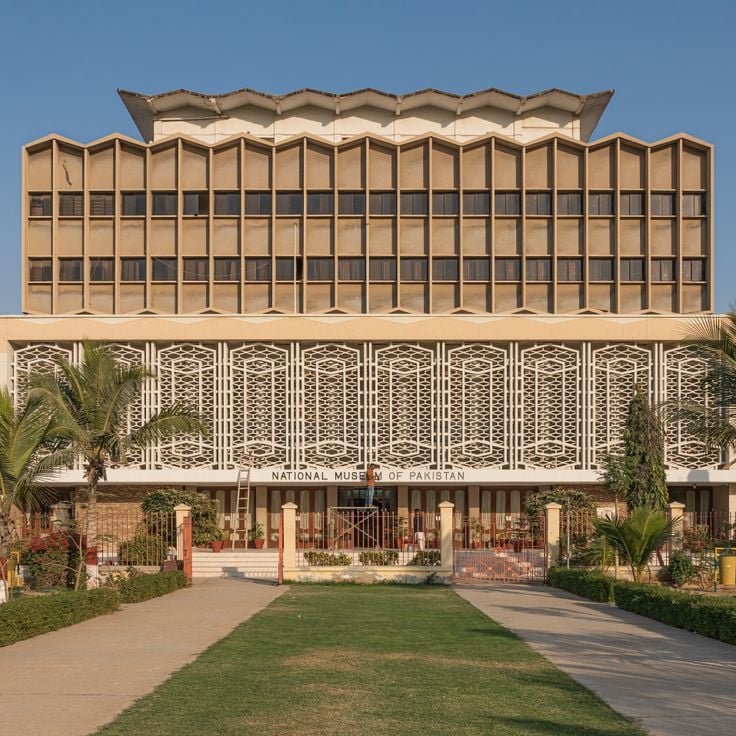
The National Museum of Pakistan in Karachi displays collections from the Indus Valley Civilization, Islamic art, coins, and ethnographic objects from the region. As a photographer exploring the historical monuments of the city, you will find interesting subjects in these galleries. The museum complements other historical sites in Karachi and provides insights into the rich past of the city.
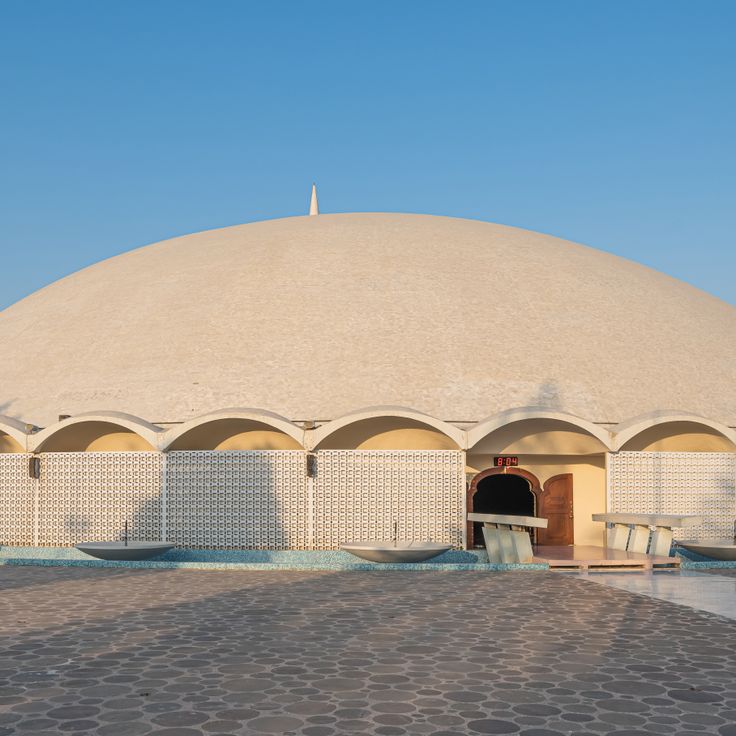
The Tooba Mosque is a large white circular building that stands out in Karachi's landscape. It blends Islamic architectural elements with modern design. The mosque shows how contemporary style works together with religious tradition. Its distinctive form catches the eye and offers photographers plenty of interest. The building is part of what makes Karachi's religious and architectural identity.
Mubarak Village is a traditional fishing community on the Arabian Sea in Karachi. Local fishermen work at a small harbor and sell their catch at the fish market. The village shows authentic coastal life and offers photographers access to daily routines that exist beyond Karachi's colonial buildings and modern development.
The Safari Park of Karachi is a place where native animals live and a lake welcomes waterfowl. In a city that blends colonial architecture, Islamic mosques, and Arabian Sea beaches, this park offers photographers natural subjects and regional cultural events to document.
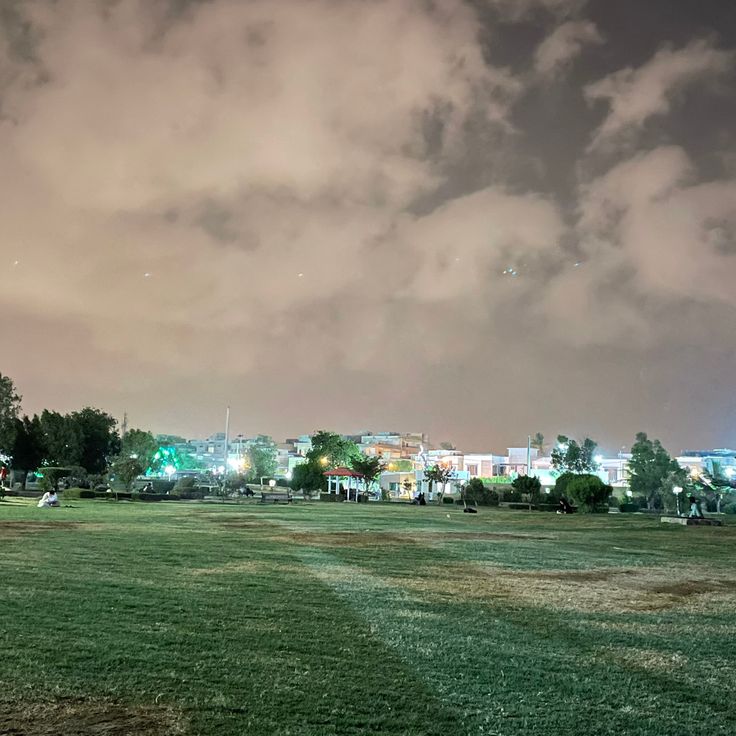
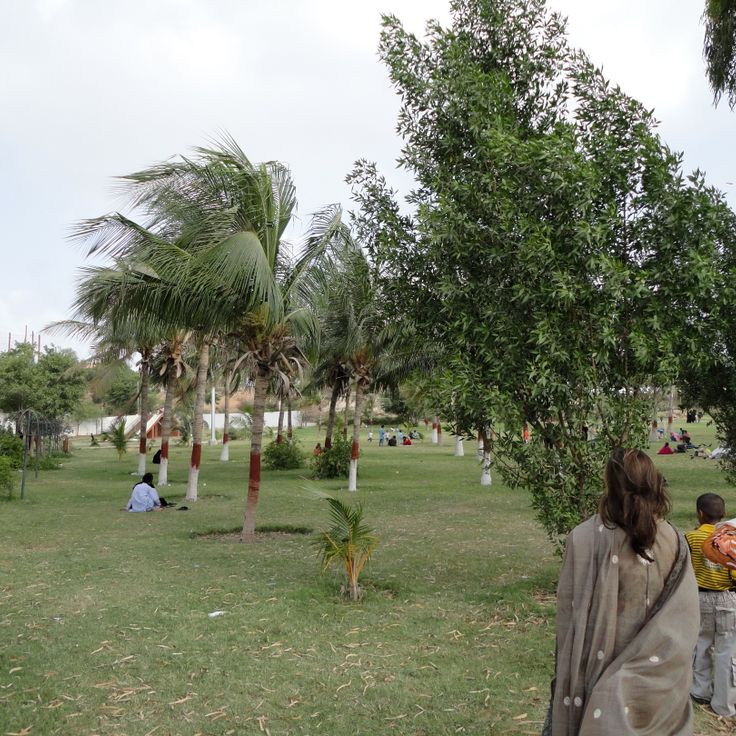
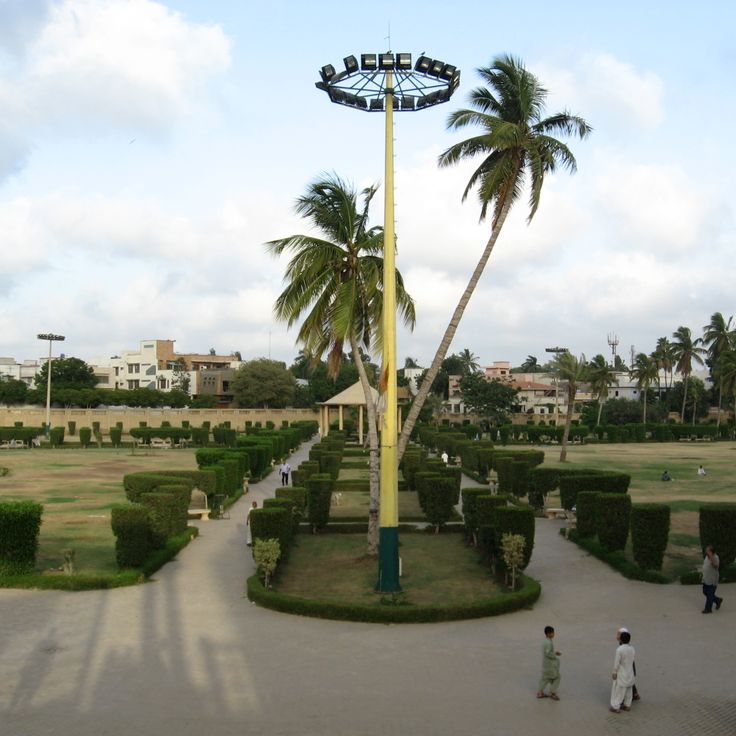
Jheel Park is an urban park in Karachi with a lake and walking paths where many people gather after sunset. This park shows the everyday life of the city and offers a contrast to the historic architecture of Frere Hall or the Mazar-e-Quaid Mausoleum. The park is one of the varied photographic locations in Karachi and reveals how residents use green spaces between modern buildings and markets.
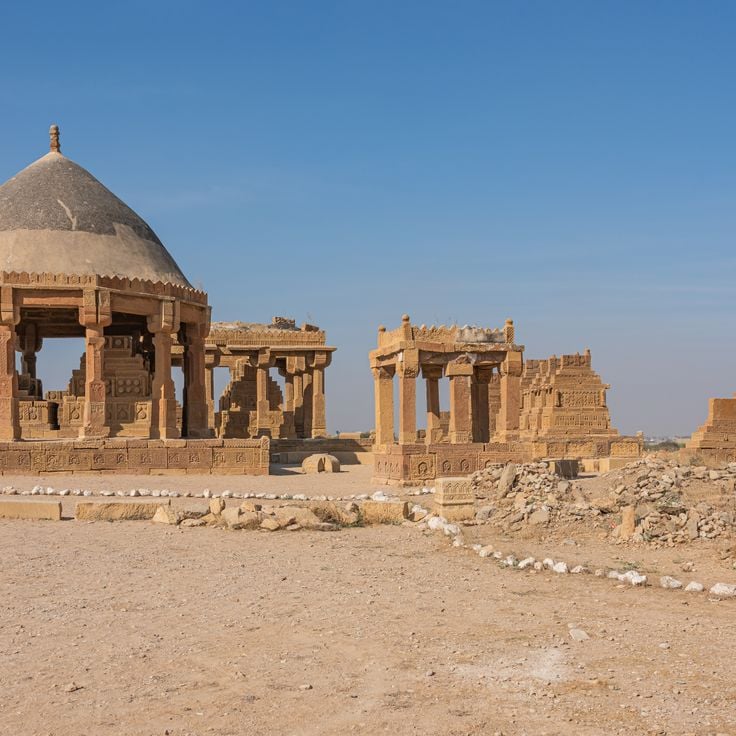
The Chaukhandi tombs are historic funerary monuments from the 15th century and an important subject for photographers exploring Karachi's rich heritage. These tombs feature detailed sandstone carvings and geometric decorations rooted in Sindhi tradition. The structures display intricate patterns and centuries-old craftsmanship that make them valuable subjects for those documenting the city's historical architecture. They stand as examples of cultural heritage that coexists with Karachi's contemporary urban landscape.
Manora Island lies in the Arabian Sea off Karachi and features a lighthouse built in the 19th century. For photographers documenting the historical heritage and coastal life of Karachi, this island offers views of maritime heritage alongside sandy beaches. The mix of colonial-era structures and natural seascapes provides subjects for capturing how the city meets the water and reveals the connection between urban space and the sea.
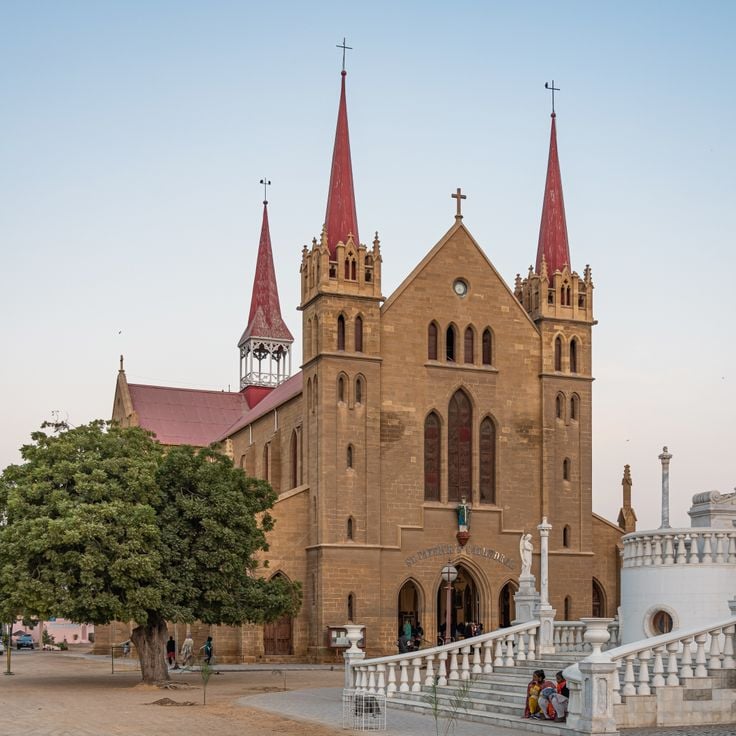
St. Patrick's Cathedral is a Neo-Gothic religious building built in 1881 that attracts photographers exploring the blend of historical architecture and modern urban life in Karachi. This cathedral features two towers, colored stained glass windows, and detailed stone carvings that stand out among the city's points of interest alongside colonial buildings, Islamic mosques, and other notable structures. The impressive edifice reflects the religious diversity of Karachi and provides insight into the building traditions that have shaped the city.
Hill Park sits on elevated terrain and offers views across Karachi's urban landscape. Visitors walk trails and reach observation points where they can see out over the city and its surroundings. This park fits into Karachi's mix of colonial buildings, Islamic mosques, and busy markets, offering a chance to step back and see the city from above.
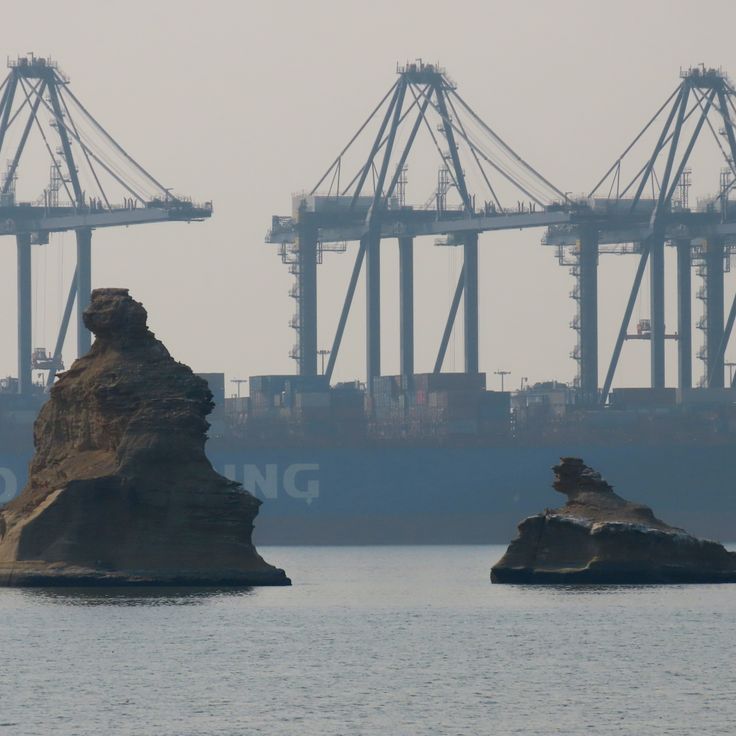
Seaview Road Oyster Rocks is a coastal site in Karachi where large rock formations jut into the sea. The morning sun lights up the stones and water in warm orange and gold tones. This location offers a strong visual contrast to the city's historic architecture and mosques, showcasing the natural beauty along the Arabian Sea. The rocks are covered with oysters and other marine life, forming an important part of the coastal landscape.
Sandspit Beach is a photogenic shore in Karachi where natural pools form between the rocks. This beach embodies the mix of nature and urban life that defines Karachi. Photographers can spot crabs, starfish and small fish as they explore the shoreline. The beach provides access to the sea side of the city and shows how nature and daily life exist side by side in Karachi.
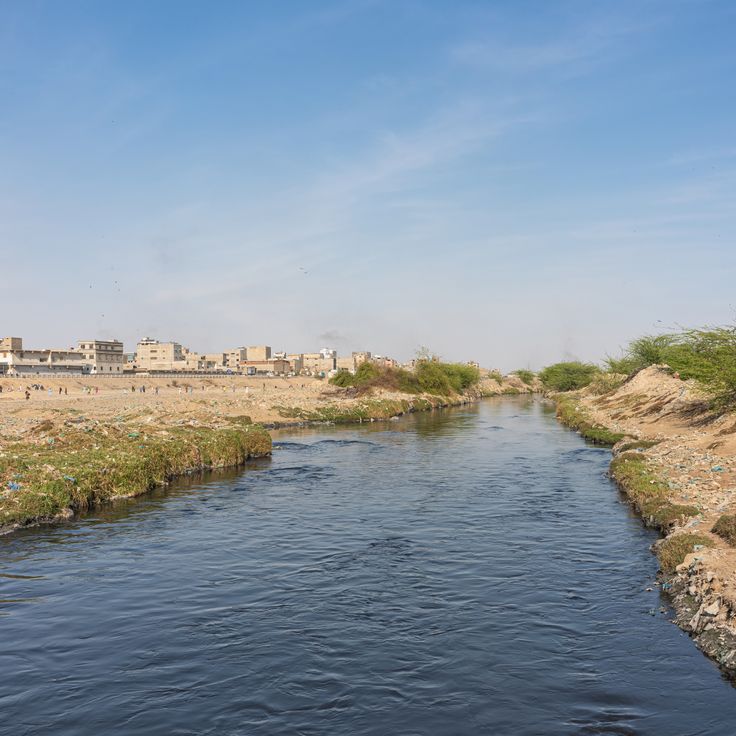
The Lyari River flows through Karachi from east to west, shaping the city's character. Its banks show how people live in different parts of the city and reveal the ongoing urban changes. Walking along the riverbanks, you see everyday activities and the mix of older neighborhoods with newer development that defines much of Karachi today.
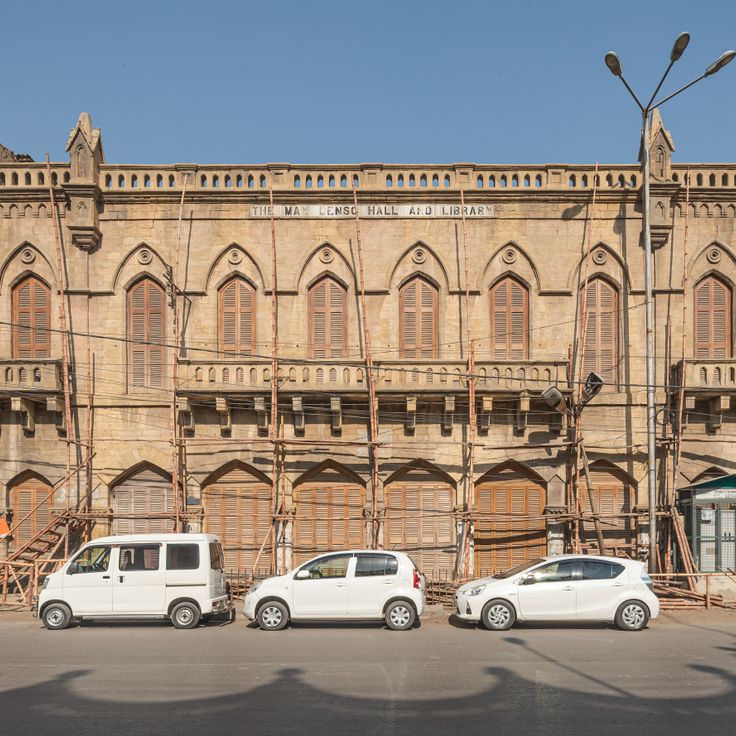
Denso Hall is a British colonial building in Karachi that has served as a public library since 1930. The building houses a substantial collection of books and represents the architectural heritage of that era. As you explore Karachi, this structure tells the story of how the city preserved knowledge and learning spaces through its history. The library remains an important gathering place where different aspects of the city's past and present come together.
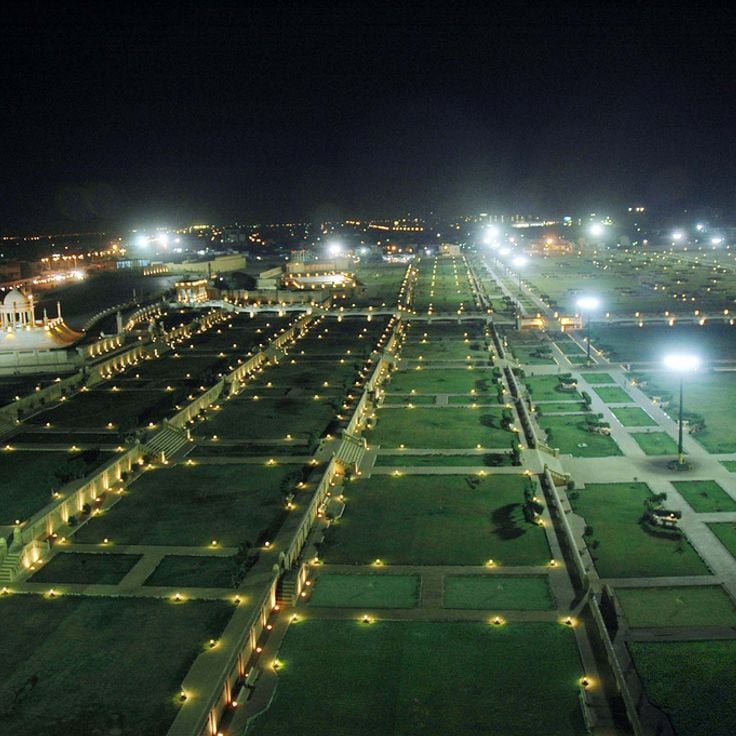
The Ibn-e-Qasim Garden is a large green space in Karachi that covers 130 hectares. The park features an artificial lake, walking paths, and local plant species. It provides a break from the busy city and is visited by residents who come to walk, rest, or spend time with family. The park shows how Karachi creates space for nature within the urban landscape.
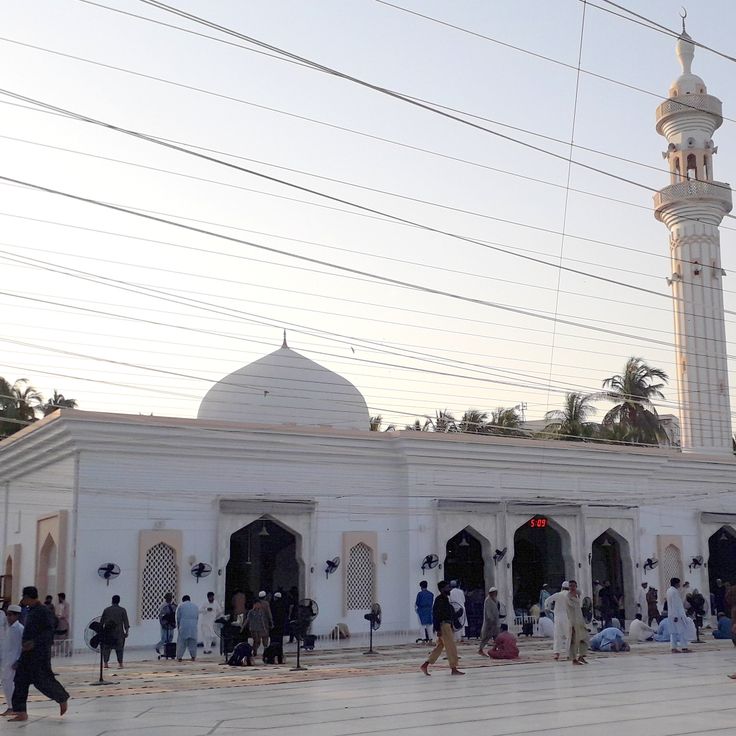
Baitul Mukarram Mosque in Karachi displays Islamic architecture through its marble minarets and domes. The building was designed to accommodate thousands of worshippers while following the geometric principles of Islamic construction. The white marble structures stand out against the sky, making it a notable landmark in the city. The interior is spacious and designed with clean lines and symmetrical forms characteristic of this style. Visitors find here a quiet place for prayer and contemplation amid the urban pace of Karachi.
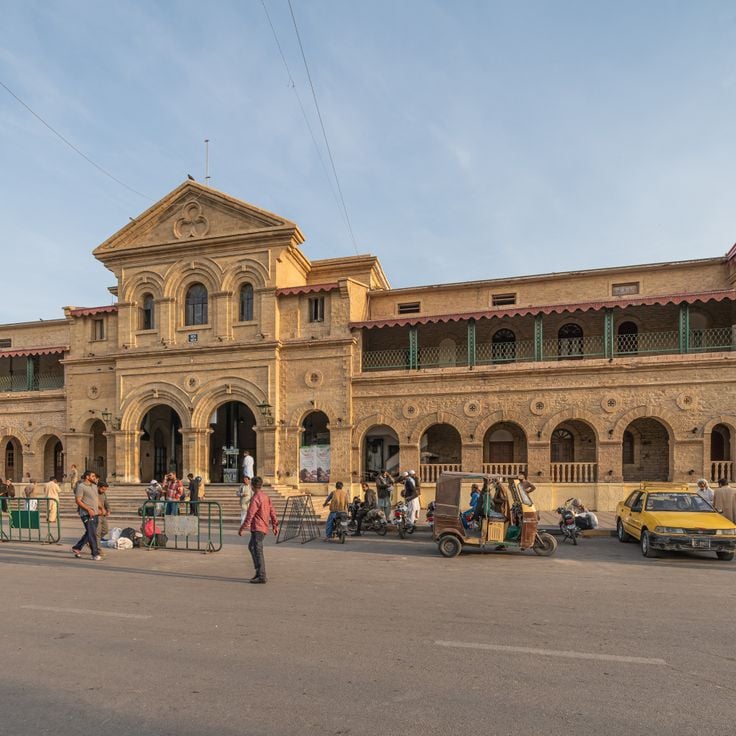
Cantonment Railway Station is a Victorian-era railway building from 1898 in Karachi. The structure features the architectural characteristics of that period, with high ceilings and stone arches in the main hall. This station represents the city's colonial heritage and its past as an important transportation hub. The building connects Karachi's historical architecture with its modern urban life, telling the story of the port and trade that shaped the city's development and character.
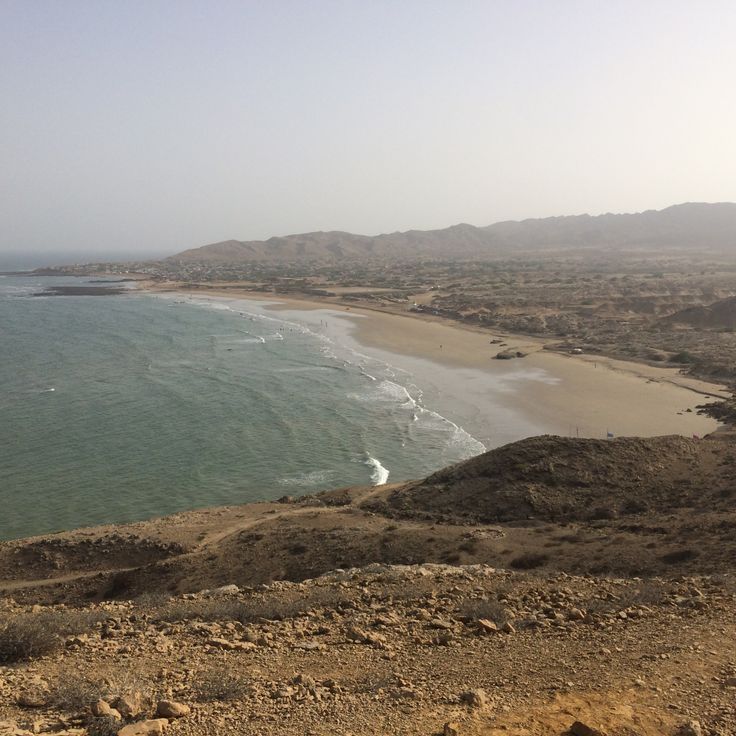
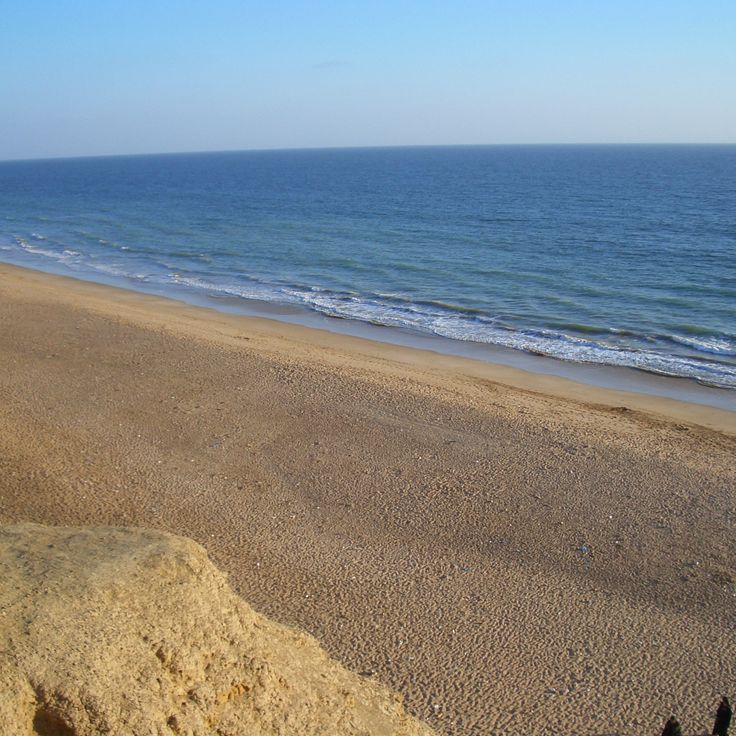
Cape Monze Beach sits outside of Karachi and shows a different side of the city. Rock formations rise from the water and create interesting shapes for photographs. The water here is clear and invites swimming. The beach is less crowded than the beaches closer to the city, giving it a quieter character. Visitors come here to escape the bustle and enjoy nature.
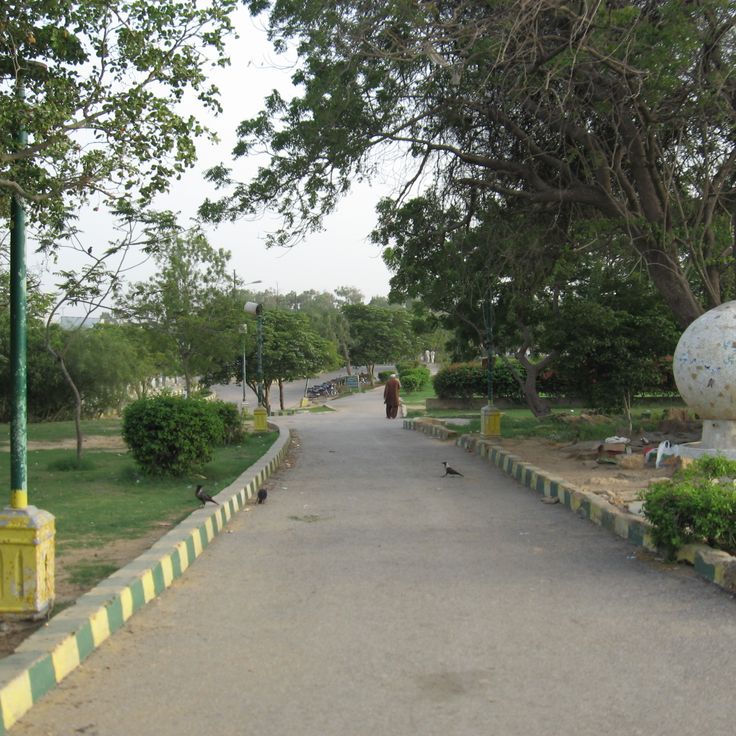
Nisar Shaheed Park is a green space in Karachi that offers photographers natural subjects within the urban setting. The park features tree-lined pathways and flower beds that create engaging visual patterns. As part of Karachi's photographic landscape, this park shows how the city integrates open spaces alongside its colonial buildings, mosques, and beaches.
The Mausoleum of Muhammad Ali Jinnah in Karachi is a place where photographers can capture Islamic architectural forms and the purity of white marble. Completed in 1971, the building features four minarets, arches, and domes in white marble. This site combines historical importance with visual details that work well for photography.
Clifton Beach stretches along the Arabian Sea in Karachi, showing the connection between modern city life and nature. Along the shore you find restaurants, camel rides, and street vendors displaying daily activity. The wide sandy beach invites walking and offers views of the sea that reveal how the city relates to its waterfront.
The Mohatta Palace Museum is a destination in Karachi for photographers documenting historical architecture. This 1927 building combines Indian and European architectural elements. The stone facades display columns, balconies, and window ornaments typical of the colonial era. It represents the architectural heritage of the city alongside modern urban life, mosques, and the Arabian Sea.
Churna diving site sits in the Arabian Sea near Karachi and reveals the underwater world of this region. Photographers find coral reefs, fish, and sea turtles at this location. The water reaches depths of about 30 meters. This site shows the natural side of Karachi, away from the city's historical architecture and mosques.
This Frere Hall is a colonial building built in Karachi in 1865 and stands among the important sites in this collection of the city's historical locations. The structure features high arcades and sandstone facades typical of British architecture from that period. The maintained gardens surrounding the building contribute to the site's preservation. For photographers, this place shows how Karachi connects its historical architecture with contemporary urban life.
Empress Market is a living marketplace in the heart of Karachi where history and daily life meet. Built in 1889, the market displays colonial-era architecture with its distinctive design and four galleries. Inside, merchants sell spices, textiles, and everyday goods to local shoppers. This market represents how Karachi blends older structures with modern urban activity, sitting alongside colonial buildings, mosques, and beaches that define the city today.
Founded in 1878, Karachi Zoo is one of Asia's oldest zoos and home to over 100 animal species in spacious enclosures. A white lion is among the zoo's notable residents. Located in the heart of a city that blends colonial history with modern urban life, this zoo offers visitors a green space where they can observe wildlife. It represents how Karachi has preserved nature within its busy urban landscape.
The PIA Planetarium in Karachi is a modern facility that stands apart from the city's colonial-era buildings and mosques. Digital projectors display constellations and celestial bodies on a dome. Inside, the space with its projection screens offers interesting photography opportunities that show how the city embraces modern technology. Visitors can capture the lighting effects of the dome and the way projections transform the interior space.
Kemari Port is a major commercial harbor in Karachi that shows the daily work of fishermen and merchants. Visitors can experience the atmosphere of a real fish market, where boats dock and fresh fish is sold. This port connects Karachi's history as a port city to the city's modern life. Photographers find lively scenes of work on the water and in the markets.
Pakistan Maritime Museum in Karachi displays the military and technical history of the city from the sea. The museum houses naval vessels, submarines, and exhibitions about Pakistani naval research. For photographers documenting the historical and technical subjects of Karachi, the museum offers interesting visual elements that complement images of the city's colonial architecture and coastal character.
Tariq Road is a busy commercial street in Karachi that reveals how the city functions in daily life. Fashion shops, restaurants, and street vendors selling local products line the street. This road shows how modern commercial activity and historical buildings exist side by side in Karachi. Tariq Road represents the rhythm of everyday life and the energy of trade that defines the city, while colonial structures and Islamic mosques shape the urban landscape.
The Sindh High Court is a colonial-era courthouse in Karachi, built in 1929 in the British architectural style. It represents the judicial heritage of the region and stands as an important structure in the city's historic landscape. Photographers appreciate this building for its detailed colonial design and its role as a central landmark in Karachi's blend of historic architecture and modern urban development.
Port Grand is a waterfront entertainment complex in Karachi that fits into the city's blend of historic architecture and modern urban life. The location offers restaurants and shops with views of the Arabian Sea. In the evening, colored lights illuminate the space, creating photo opportunities that capture contemporary Karachi alongside its colonial buildings and mosques.
The Quaid's Residence is a white colonial-style building in Karachi that served as Muhammad Ali Jinnah's winter home. This residence represents the historical architecture that characterizes Karachi, where colonial structures exist alongside modern urban life. The residence's garden features native trees and a fountain, offering views into how Karachi preserves its past as a major port city while continuing to develop today.
Hawke's Bay Beach in Karachi is a sandy shore where green sea turtles come to lay their eggs. This site offers photographers the chance to document an important natural habitat within the urban landscape. Visitors can observe nesting activity between September and October, witnessing one of nature's cycles along the Arabian Sea coast.
The Clifton Art Gallery in Karachi displays paintings and sculptures by Pakistani artists, presenting works from 1950 to today. For photographers documenting the city's cultural life, this gallery offers subjects that capture Pakistani artistic traditions and modern creative expression. The collection provides insight into the contemporary art scene of a city that brings together colonial buildings, Islamic mosques, Arabian Sea beaches, and markets.
The National Museum of Pakistan in Karachi displays collections from the Indus Valley Civilization, Islamic art, coins, and ethnographic objects from the region. As a photographer exploring the historical monuments of the city, you will find interesting subjects in these galleries. The museum complements other historical sites in Karachi and provides insights into the rich past of the city.
The Tooba Mosque is a large white circular building that stands out in Karachi's landscape. It blends Islamic architectural elements with modern design. The mosque shows how contemporary style works together with religious tradition. Its distinctive form catches the eye and offers photographers plenty of interest. The building is part of what makes Karachi's religious and architectural identity.
Mubarak Village is a traditional fishing community on the Arabian Sea in Karachi. Local fishermen work at a small harbor and sell their catch at the fish market. The village shows authentic coastal life and offers photographers access to daily routines that exist beyond Karachi's colonial buildings and modern development.
The Safari Park of Karachi is a place where native animals live and a lake welcomes waterfowl. In a city that blends colonial architecture, Islamic mosques, and Arabian Sea beaches, this park offers photographers natural subjects and regional cultural events to document.
Jheel Park is an urban park in Karachi with a lake and walking paths where many people gather after sunset. This park shows the everyday life of the city and offers a contrast to the historic architecture of Frere Hall or the Mazar-e-Quaid Mausoleum. The park is one of the varied photographic locations in Karachi and reveals how residents use green spaces between modern buildings and markets.
The Chaukhandi tombs are historic funerary monuments from the 15th century and an important subject for photographers exploring Karachi's rich heritage. These tombs feature detailed sandstone carvings and geometric decorations rooted in Sindhi tradition. The structures display intricate patterns and centuries-old craftsmanship that make them valuable subjects for those documenting the city's historical architecture. They stand as examples of cultural heritage that coexists with Karachi's contemporary urban landscape.
Manora Island lies in the Arabian Sea off Karachi and features a lighthouse built in the 19th century. For photographers documenting the historical heritage and coastal life of Karachi, this island offers views of maritime heritage alongside sandy beaches. The mix of colonial-era structures and natural seascapes provides subjects for capturing how the city meets the water and reveals the connection between urban space and the sea.
St. Patrick's Cathedral is a Neo-Gothic religious building built in 1881 that attracts photographers exploring the blend of historical architecture and modern urban life in Karachi. This cathedral features two towers, colored stained glass windows, and detailed stone carvings that stand out among the city's points of interest alongside colonial buildings, Islamic mosques, and other notable structures. The impressive edifice reflects the religious diversity of Karachi and provides insight into the building traditions that have shaped the city.
Hill Park sits on elevated terrain and offers views across Karachi's urban landscape. Visitors walk trails and reach observation points where they can see out over the city and its surroundings. This park fits into Karachi's mix of colonial buildings, Islamic mosques, and busy markets, offering a chance to step back and see the city from above.
Seaview Road Oyster Rocks is a coastal site in Karachi where large rock formations jut into the sea. The morning sun lights up the stones and water in warm orange and gold tones. This location offers a strong visual contrast to the city's historic architecture and mosques, showcasing the natural beauty along the Arabian Sea. The rocks are covered with oysters and other marine life, forming an important part of the coastal landscape.
Sandspit Beach is a photogenic shore in Karachi where natural pools form between the rocks. This beach embodies the mix of nature and urban life that defines Karachi. Photographers can spot crabs, starfish and small fish as they explore the shoreline. The beach provides access to the sea side of the city and shows how nature and daily life exist side by side in Karachi.
The Lyari River flows through Karachi from east to west, shaping the city's character. Its banks show how people live in different parts of the city and reveal the ongoing urban changes. Walking along the riverbanks, you see everyday activities and the mix of older neighborhoods with newer development that defines much of Karachi today.
Denso Hall is a British colonial building in Karachi that has served as a public library since 1930. The building houses a substantial collection of books and represents the architectural heritage of that era. As you explore Karachi, this structure tells the story of how the city preserved knowledge and learning spaces through its history. The library remains an important gathering place where different aspects of the city's past and present come together.
The Ibn-e-Qasim Garden is a large green space in Karachi that covers 130 hectares. The park features an artificial lake, walking paths, and local plant species. It provides a break from the busy city and is visited by residents who come to walk, rest, or spend time with family. The park shows how Karachi creates space for nature within the urban landscape.
Baitul Mukarram Mosque in Karachi displays Islamic architecture through its marble minarets and domes. The building was designed to accommodate thousands of worshippers while following the geometric principles of Islamic construction. The white marble structures stand out against the sky, making it a notable landmark in the city. The interior is spacious and designed with clean lines and symmetrical forms characteristic of this style. Visitors find here a quiet place for prayer and contemplation amid the urban pace of Karachi.
Cantonment Railway Station is a Victorian-era railway building from 1898 in Karachi. The structure features the architectural characteristics of that period, with high ceilings and stone arches in the main hall. This station represents the city's colonial heritage and its past as an important transportation hub. The building connects Karachi's historical architecture with its modern urban life, telling the story of the port and trade that shaped the city's development and character.
Cape Monze Beach sits outside of Karachi and shows a different side of the city. Rock formations rise from the water and create interesting shapes for photographs. The water here is clear and invites swimming. The beach is less crowded than the beaches closer to the city, giving it a quieter character. Visitors come here to escape the bustle and enjoy nature.
Nisar Shaheed Park is a green space in Karachi that offers photographers natural subjects within the urban setting. The park features tree-lined pathways and flower beds that create engaging visual patterns. As part of Karachi's photographic landscape, this park shows how the city integrates open spaces alongside its colonial buildings, mosques, and beaches.
The Mausoleum of Muhammad Ali Jinnah in Karachi is a place where photographers can capture Islamic architectural forms and the purity of white marble. Completed in 1971, the building features four minarets, arches, and domes in white marble. This site combines historical importance with visual details that work well for photography.
Clifton Beach stretches along the Arabian Sea in Karachi, showing the connection between modern city life and nature. Along the shore you find restaurants, camel rides, and street vendors displaying daily activity. The wide sandy beach invites walking and offers views of the sea that reveal how the city relates to its waterfront.
The Mohatta Palace Museum is a destination in Karachi for photographers documenting historical architecture. This 1927 building combines Indian and European architectural elements. The stone facades display columns, balconies, and window ornaments typical of the colonial era. It represents the architectural heritage of the city alongside modern urban life, mosques, and the Arabian Sea.
Churna diving site sits in the Arabian Sea near Karachi and reveals the underwater world of this region. Photographers find coral reefs, fish, and sea turtles at this location. The water reaches depths of about 30 meters. This site shows the natural side of Karachi, away from the city's historical architecture and mosques.
This Frere Hall is a colonial building built in Karachi in 1865 and stands among the important sites in this collection of the city's historical locations. The structure features high arcades and sandstone facades typical of British architecture from that period. The maintained gardens surrounding the building contribute to the site's preservation. For photographers, this place shows how Karachi connects its historical architecture with contemporary urban life.
Empress Market is a living marketplace in the heart of Karachi where history and daily life meet. Built in 1889, the market displays colonial-era architecture with its distinctive design and four galleries. Inside, merchants sell spices, textiles, and everyday goods to local shoppers. This market represents how Karachi blends older structures with modern urban activity, sitting alongside colonial buildings, mosques, and beaches that define the city today.
Founded in 1878, Karachi Zoo is one of Asia's oldest zoos and home to over 100 animal species in spacious enclosures. A white lion is among the zoo's notable residents. Located in the heart of a city that blends colonial history with modern urban life, this zoo offers visitors a green space where they can observe wildlife. It represents how Karachi has preserved nature within its busy urban landscape.
The PIA Planetarium in Karachi is a modern facility that stands apart from the city's colonial-era buildings and mosques. Digital projectors display constellations and celestial bodies on a dome. Inside, the space with its projection screens offers interesting photography opportunities that show how the city embraces modern technology. Visitors can capture the lighting effects of the dome and the way projections transform the interior space.
Kemari Port is a major commercial harbor in Karachi that shows the daily work of fishermen and merchants. Visitors can experience the atmosphere of a real fish market, where boats dock and fresh fish is sold. This port connects Karachi's history as a port city to the city's modern life. Photographers find lively scenes of work on the water and in the markets.
Pakistan Maritime Museum in Karachi displays the military and technical history of the city from the sea. The museum houses naval vessels, submarines, and exhibitions about Pakistani naval research. For photographers documenting the historical and technical subjects of Karachi, the museum offers interesting visual elements that complement images of the city's colonial architecture and coastal character.
Tariq Road is a busy commercial street in Karachi that reveals how the city functions in daily life. Fashion shops, restaurants, and street vendors selling local products line the street. This road shows how modern commercial activity and historical buildings exist side by side in Karachi. Tariq Road represents the rhythm of everyday life and the energy of trade that defines the city, while colonial structures and Islamic mosques shape the urban landscape.
The Sindh High Court is a colonial-era courthouse in Karachi, built in 1929 in the British architectural style. It represents the judicial heritage of the region and stands as an important structure in the city's historic landscape. Photographers appreciate this building for its detailed colonial design and its role as a central landmark in Karachi's blend of historic architecture and modern urban development.
Port Grand is a waterfront entertainment complex in Karachi that fits into the city's blend of historic architecture and modern urban life. The location offers restaurants and shops with views of the Arabian Sea. In the evening, colored lights illuminate the space, creating photo opportunities that capture contemporary Karachi alongside its colonial buildings and mosques.
The Quaid's Residence is a white colonial-style building in Karachi that served as Muhammad Ali Jinnah's winter home. This residence represents the historical architecture that characterizes Karachi, where colonial structures exist alongside modern urban life. The residence's garden features native trees and a fountain, offering views into how Karachi preserves its past as a major port city while continuing to develop today.
Hawke's Bay Beach in Karachi is a sandy shore where green sea turtles come to lay their eggs. This site offers photographers the chance to document an important natural habitat within the urban landscape. Visitors can observe nesting activity between September and October, witnessing one of nature's cycles along the Arabian Sea coast.
The Clifton Art Gallery in Karachi displays paintings and sculptures by Pakistani artists, presenting works from 1950 to today. For photographers documenting the city's cultural life, this gallery offers subjects that capture Pakistani artistic traditions and modern creative expression. The collection provides insight into the contemporary art scene of a city that brings together colonial buildings, Islamic mosques, Arabian Sea beaches, and markets.
The National Museum of Pakistan in Karachi displays collections from the Indus Valley Civilization, Islamic art, coins, and ethnographic objects from the region. As a photographer exploring the historical monuments of the city, you will find interesting subjects in these galleries. The museum complements other historical sites in Karachi and provides insights into the rich past of the city.
The Tooba Mosque is a large white circular building that stands out in Karachi's landscape. It blends Islamic architectural elements with modern design. The mosque shows how contemporary style works together with religious tradition. Its distinctive form catches the eye and offers photographers plenty of interest. The building is part of what makes Karachi's religious and architectural identity.
Mubarak Village is a traditional fishing community on the Arabian Sea in Karachi. Local fishermen work at a small harbor and sell their catch at the fish market. The village shows authentic coastal life and offers photographers access to daily routines that exist beyond Karachi's colonial buildings and modern development.
The Safari Park of Karachi is a place where native animals live and a lake welcomes waterfowl. In a city that blends colonial architecture, Islamic mosques, and Arabian Sea beaches, this park offers photographers natural subjects and regional cultural events to document.
Jheel Park is an urban park in Karachi with a lake and walking paths where many people gather after sunset. This park shows the everyday life of the city and offers a contrast to the historic architecture of Frere Hall or the Mazar-e-Quaid Mausoleum. The park is one of the varied photographic locations in Karachi and reveals how residents use green spaces between modern buildings and markets.
The Chaukhandi tombs are historic funerary monuments from the 15th century and an important subject for photographers exploring Karachi's rich heritage. These tombs feature detailed sandstone carvings and geometric decorations rooted in Sindhi tradition. The structures display intricate patterns and centuries-old craftsmanship that make them valuable subjects for those documenting the city's historical architecture. They stand as examples of cultural heritage that coexists with Karachi's contemporary urban landscape.
Manora Island lies in the Arabian Sea off Karachi and features a lighthouse built in the 19th century. For photographers documenting the historical heritage and coastal life of Karachi, this island offers views of maritime heritage alongside sandy beaches. The mix of colonial-era structures and natural seascapes provides subjects for capturing how the city meets the water and reveals the connection between urban space and the sea.
St. Patrick's Cathedral is a Neo-Gothic religious building built in 1881 that attracts photographers exploring the blend of historical architecture and modern urban life in Karachi. This cathedral features two towers, colored stained glass windows, and detailed stone carvings that stand out among the city's points of interest alongside colonial buildings, Islamic mosques, and other notable structures. The impressive edifice reflects the religious diversity of Karachi and provides insight into the building traditions that have shaped the city.
Hill Park sits on elevated terrain and offers views across Karachi's urban landscape. Visitors walk trails and reach observation points where they can see out over the city and its surroundings. This park fits into Karachi's mix of colonial buildings, Islamic mosques, and busy markets, offering a chance to step back and see the city from above.
Seaview Road Oyster Rocks is a coastal site in Karachi where large rock formations jut into the sea. The morning sun lights up the stones and water in warm orange and gold tones. This location offers a strong visual contrast to the city's historic architecture and mosques, showcasing the natural beauty along the Arabian Sea. The rocks are covered with oysters and other marine life, forming an important part of the coastal landscape.
Sandspit Beach is a photogenic shore in Karachi where natural pools form between the rocks. This beach embodies the mix of nature and urban life that defines Karachi. Photographers can spot crabs, starfish and small fish as they explore the shoreline. The beach provides access to the sea side of the city and shows how nature and daily life exist side by side in Karachi.
The Lyari River flows through Karachi from east to west, shaping the city's character. Its banks show how people live in different parts of the city and reveal the ongoing urban changes. Walking along the riverbanks, you see everyday activities and the mix of older neighborhoods with newer development that defines much of Karachi today.
Denso Hall is a British colonial building in Karachi that has served as a public library since 1930. The building houses a substantial collection of books and represents the architectural heritage of that era. As you explore Karachi, this structure tells the story of how the city preserved knowledge and learning spaces through its history. The library remains an important gathering place where different aspects of the city's past and present come together.
The Ibn-e-Qasim Garden is a large green space in Karachi that covers 130 hectares. The park features an artificial lake, walking paths, and local plant species. It provides a break from the busy city and is visited by residents who come to walk, rest, or spend time with family. The park shows how Karachi creates space for nature within the urban landscape.
Baitul Mukarram Mosque in Karachi displays Islamic architecture through its marble minarets and domes. The building was designed to accommodate thousands of worshippers while following the geometric principles of Islamic construction. The white marble structures stand out against the sky, making it a notable landmark in the city. The interior is spacious and designed with clean lines and symmetrical forms characteristic of this style. Visitors find here a quiet place for prayer and contemplation amid the urban pace of Karachi.
Cantonment Railway Station is a Victorian-era railway building from 1898 in Karachi. The structure features the architectural characteristics of that period, with high ceilings and stone arches in the main hall. This station represents the city's colonial heritage and its past as an important transportation hub. The building connects Karachi's historical architecture with its modern urban life, telling the story of the port and trade that shaped the city's development and character.
Cape Monze Beach sits outside of Karachi and shows a different side of the city. Rock formations rise from the water and create interesting shapes for photographs. The water here is clear and invites swimming. The beach is less crowded than the beaches closer to the city, giving it a quieter character. Visitors come here to escape the bustle and enjoy nature.
Nisar Shaheed Park is a green space in Karachi that offers photographers natural subjects within the urban setting. The park features tree-lined pathways and flower beds that create engaging visual patterns. As part of Karachi's photographic landscape, this park shows how the city integrates open spaces alongside its colonial buildings, mosques, and beaches.