See the monuments around you in AROpen chests in the app
Around Us is built for your phone — point your camera at the streets and discover the monuments and places around you in augmented reality.Around Us is built for your phone — chests unlock when you walk, explore and capture nearby places.
Abandoned and reportedly haunted psychiatric hospitals around the World
This collection brings together former psychiatric hospitals and sanatoriums that carry difficult histories and reputations as places where the past seems to linger. Many of these buildings stand empty or have been converted to new purposes, but they all share a common thread: they once treated patients under conditions that were often experimental and sometimes cruel. Over the years, accounts of mistreatment, strange occurrences, and unexplained presences have drawn historians, urban explorers, and visitors curious about the darker chapters of medical history. From the northeastern United States to isolated corners of Europe, Asia, and other regions, each site tells its own story of suffering and change.
The collection includes places like Willard Asylum in New York, where patients spent entire lifetimes behind its walls, and the Gothic Revival ruin of the Smallpox Hospital on Roosevelt Island, now visible only from a distance. In Italy, the Ospedale Psichiatrico di Volterra grew from a medieval hospice into a sprawling complex, while Severalls Hospital in Essex treated patients for more than a century using methods that ranged from electroshock to lobotomy. Rockhaven Sanitarium in California offered a gentler approach for women, yet its empty cottages now evoke a sense of time standing still. Whether exploring the overgrown pathways of Letchworth Village or walking the silent corridors of Creedmoor Psychiatric Center, visitors encounter buildings that witnessed decades of human struggle and transformation.
Abandoned and reportedly haunted psychiatric hospitals around the World
This collection brings together former psychiatric hospitals and sanatoriums that carry difficult histories and reputations as places where the past seems to linger. Many of these buildings stand empty or have been converted to new purposes, but they all share a common thread: they once treated patients under conditions that were often experimental and sometimes cruel. Over the years, accounts of mistreatment, strange occurrences, and unexplained presences have drawn historians, urban explorers, and visitors curious about the darker chapters of medical history. From the northeastern United States to isolated corners of Europe, Asia, and other regions, each site tells its own story of suffering and change.
The collection includes places like Willard Asylum in New York, where patients spent entire lifetimes behind its walls, and the Gothic Revival ruin of the Smallpox Hospital on Roosevelt Island, now visible only from a distance. In Italy, the Ospedale Psichiatrico di Volterra grew from a medieval hospice into a sprawling complex, while Severalls Hospital in Essex treated patients for more than a century using methods that ranged from electroshock to lobotomy. Rockhaven Sanitarium in California offered a gentler approach for women, yet its empty cottages now evoke a sense of time standing still. Whether exploring the overgrown pathways of Letchworth Village or walking the silent corridors of Creedmoor Psychiatric Center, visitors encounter buildings that witnessed decades of human struggle and transformation.
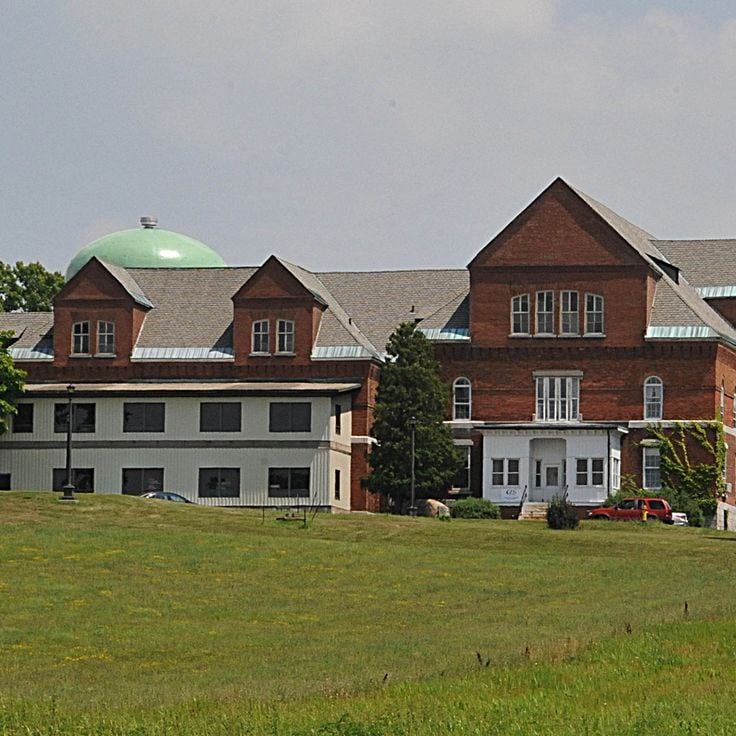
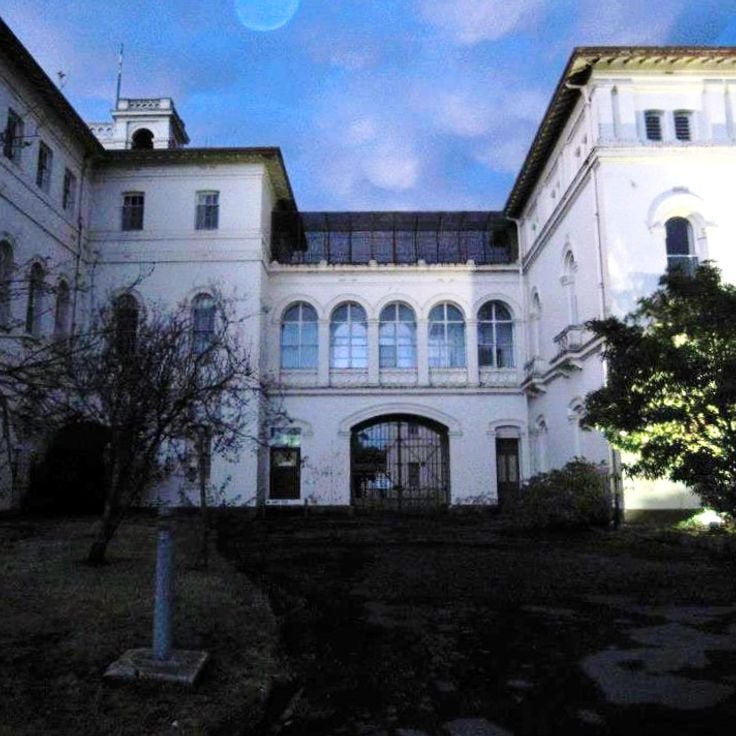
Riverview Hospital is a former psychiatric facility in Coquitlam that treated patients with mental illness for over a century. The sprawling complex includes several multi-story buildings in Colonial Revival style, surrounded by green spaces and mature trees. During its long history, the hospital experimented with various treatment methods, including electroshock therapy and lobotomy. Many buildings now stand empty, their vacant corridors and abandoned treatment rooms a reminder of past medical practices. Stories from former patients and staff have given this place a reputation as a site of unexplained occurrences.
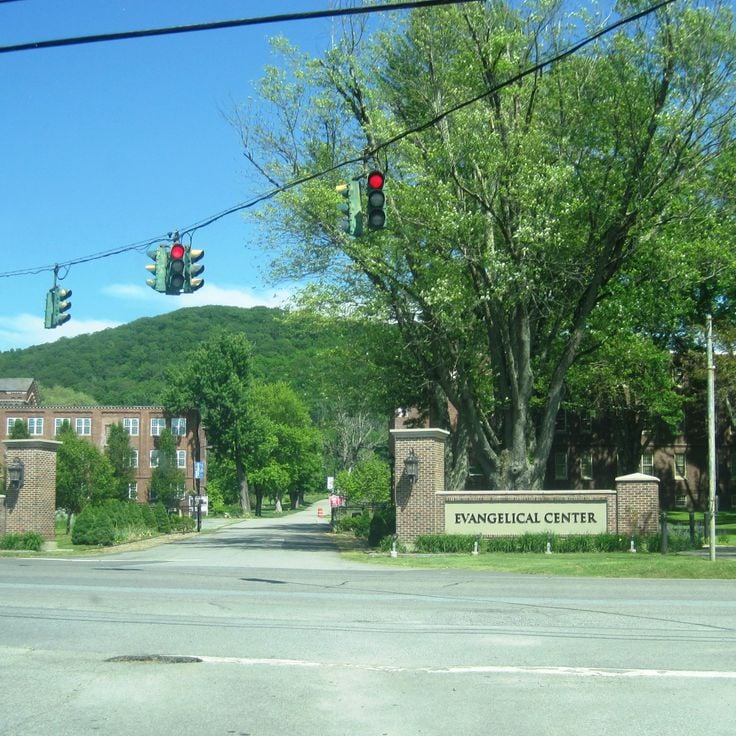
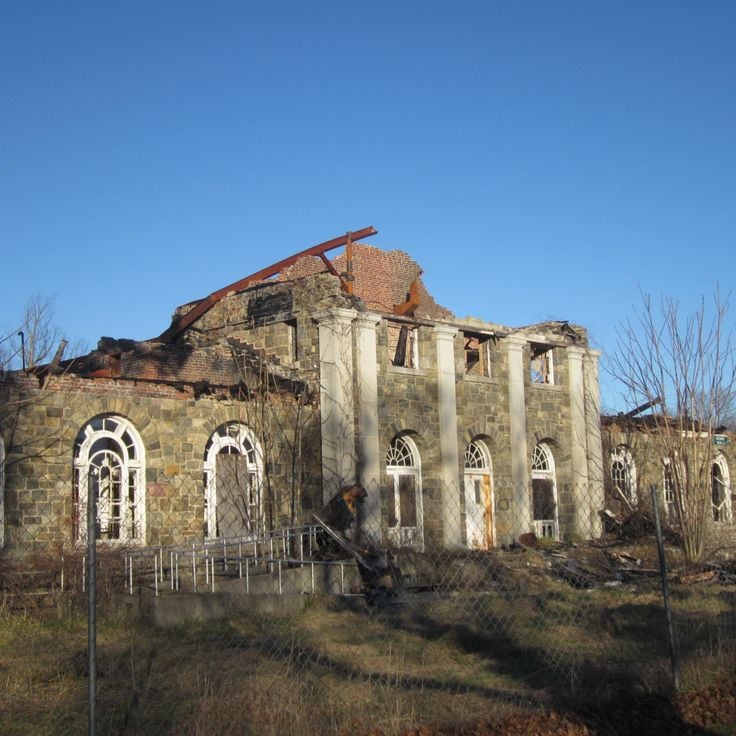
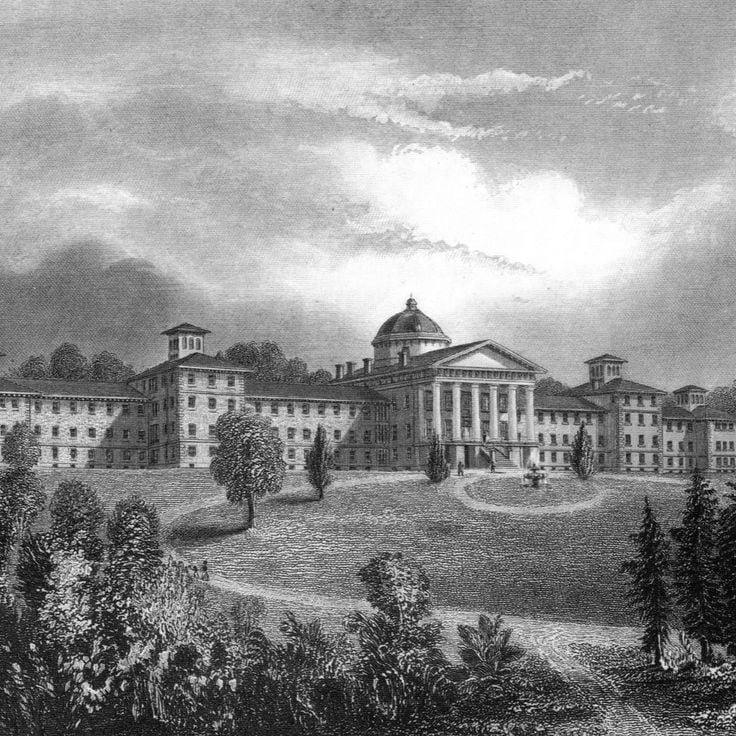
The Willard Asylum for the Chronic Insane was a psychiatric facility in New York State that housed patients with chronic mental illnesses for over a century. The asylum opened its doors in the second half of the 19th century and admitted people who were often placed there by their families or communities for extended periods. Many patients spent their entire lives within its walls, separated from the outside world. The facility was known for its large brick buildings and sprawling grounds. Over time, treatment methods evolved, and the institution closed in the early 1990s. Today, this abandoned site is recognized as a place with a troubled past, carrying stories of neglect and unexplained occurrences. Visitors and researchers describe an oppressive feeling in the empty hallways and rooms.
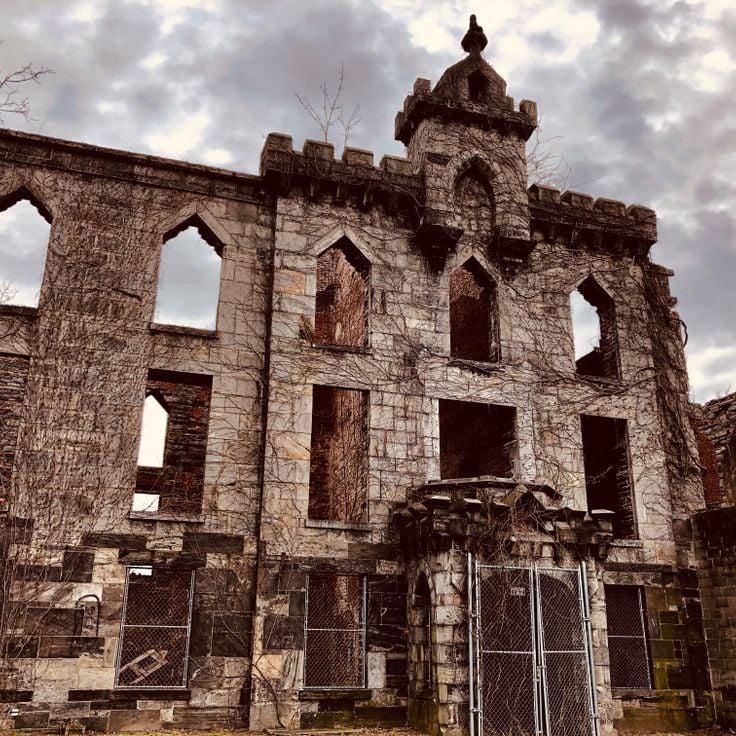
This former hospital stands on Roosevelt Island and once treated patients suffering from smallpox and other contagious diseases. Built in the mid-1800s in a Gothic Revival style, the facility was part of a larger network of urban health institutions. Today the ruin is closed to the public, but its crumbling walls and empty windows remain visible from the island. Stories of harsh conditions and the suffering of the sick have contributed to the building's reputation as an unsettling place, earning it a place in this collection of former psychiatric hospitals and sanatoriums with dark histories.
Harlem Valley State Hospital was a psychiatric facility in New York State that opened in 1924 and remained in operation until 1994. The hospital treated thousands of patients with mental illnesses and was part of a system of large state institutions. During its early decades, electroshock and other treatments now considered controversial were common practice. The sprawling buildings and grounds have been deteriorating since its closure, and stories of unusual sightings and uneasy feelings have followed the site. The abandoned structures attract visitors interested in the history of psychiatric care and rumors of paranormal activity.
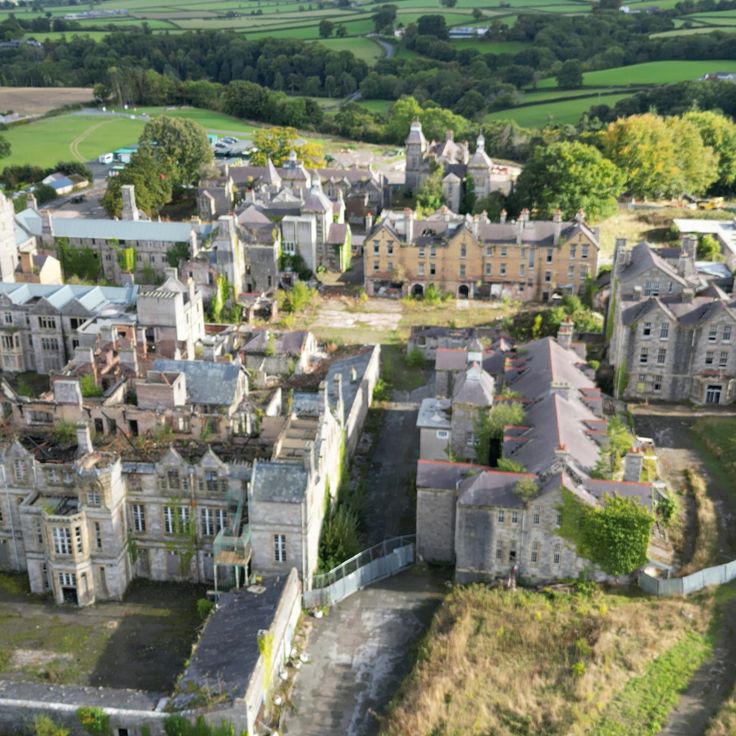
Pool Park Asylum, later known as Park Lane Hospital and St Cadoc's, was a psychiatric hospital in Gwent that operated from 1898 to 1995. The building was designed to hold up to 1,500 patients in a self-sufficient community. Over the years, reports of harsh treatments and difficult conditions emerged. Since its closure, the site has remained empty. Corridors, decaying rooms, and abandoned operating theaters draw visitors looking for traces of the past and listening for unexplained sounds.
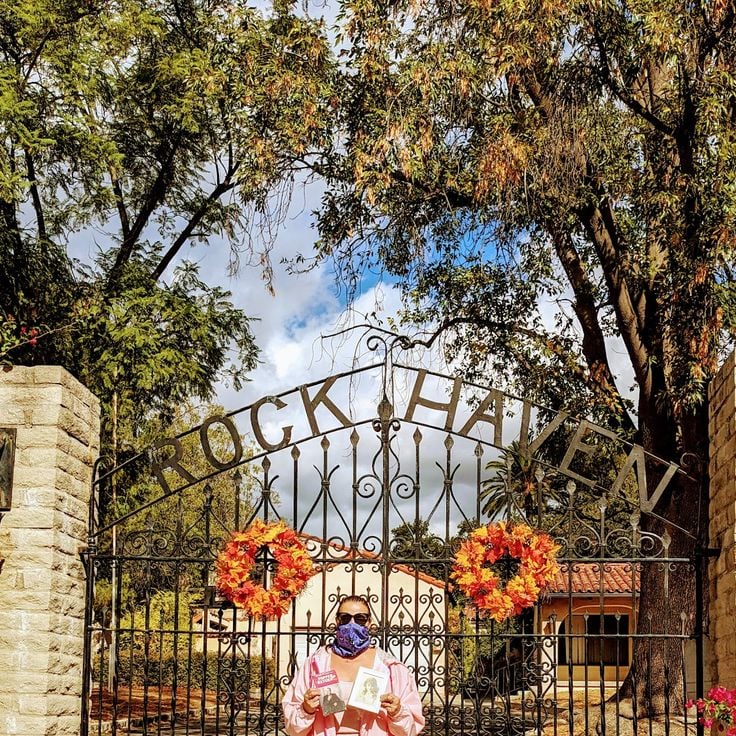
The Rockhaven Sanitarium Historic District sits in the foothills of the Verdugo Mountains in California and operated for over seven decades as a facility for women with mental illness. Founded by Agnes Richards in 1923, the sanatorium aimed to treat patients in quiet surroundings without the use of mechanical restraints. The property consisted of several cottages spread across the grounds. After closing in 2006, the buildings gradually fell into disrepair. Broken windows, overgrown gardens, and empty rooms now give the sense of a place frozen in time. In recent years, the site has attracted visitors drawn by accounts of unexplained events and the history of care provided within its walls.
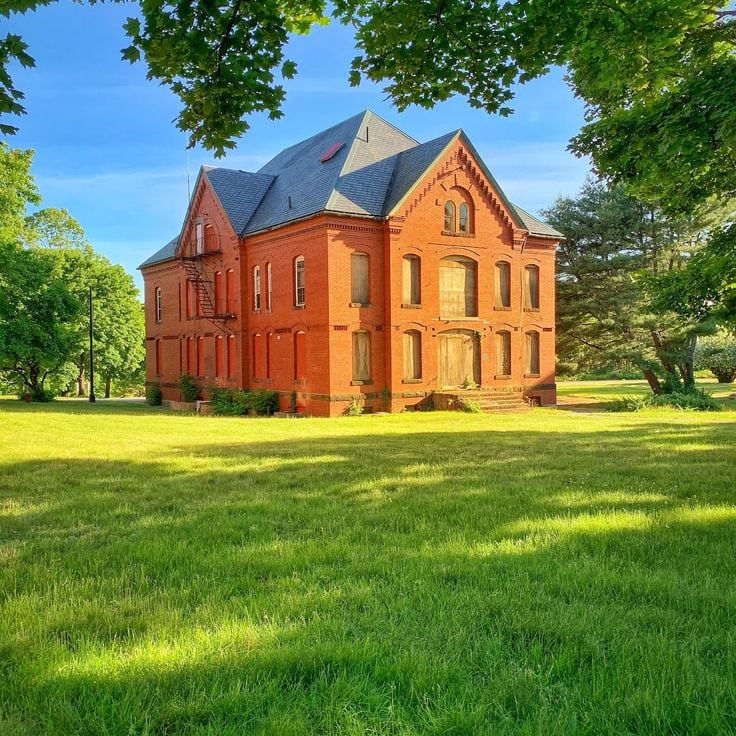
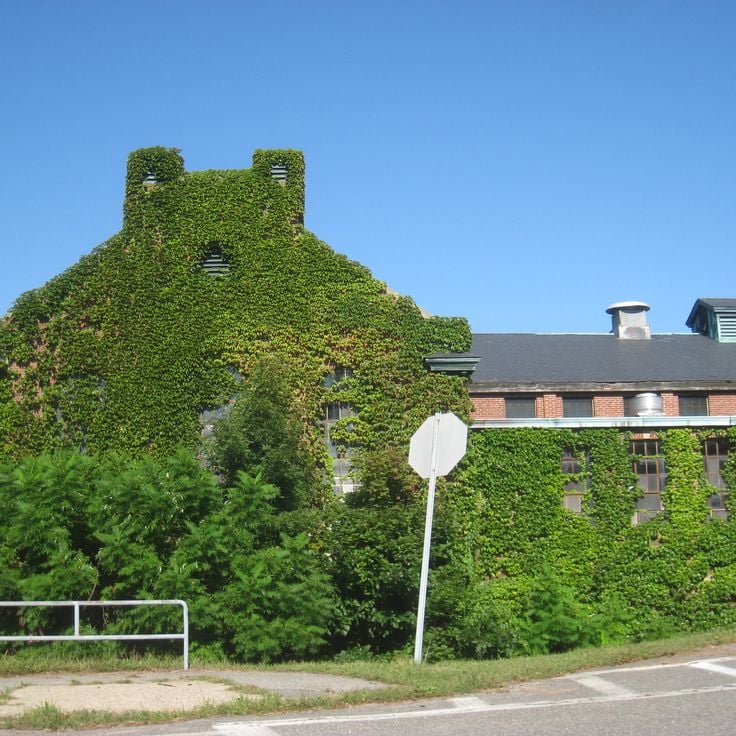
Medfield State Hospital was a psychiatric facility west of Boston that operated for over a century. This sprawling site, with its brick buildings and empty wards, became the subject of many reports of unexplained sounds and strange encounters after its closure. Today, the abandoned structures stand as a reminder of an era when mental health care often took place under harsh conditions.
Letchworth Village in Thiells was a mental health institution that operated for more than seventy years, housing people with developmental disabilities and psychiatric conditions. From the mid-twentieth century onward, reports of neglect, harsh treatments, and disturbing conditions began to surface. After it closed in the nineteen nineties, the buildings were left to decay, and stories of unexplained sounds, shadows, and eerie encounters spread among visitors. Today, the abandoned wards and overgrown pathways attract those interested in the darker chapters of psychiatric care and alleged paranormal activity.
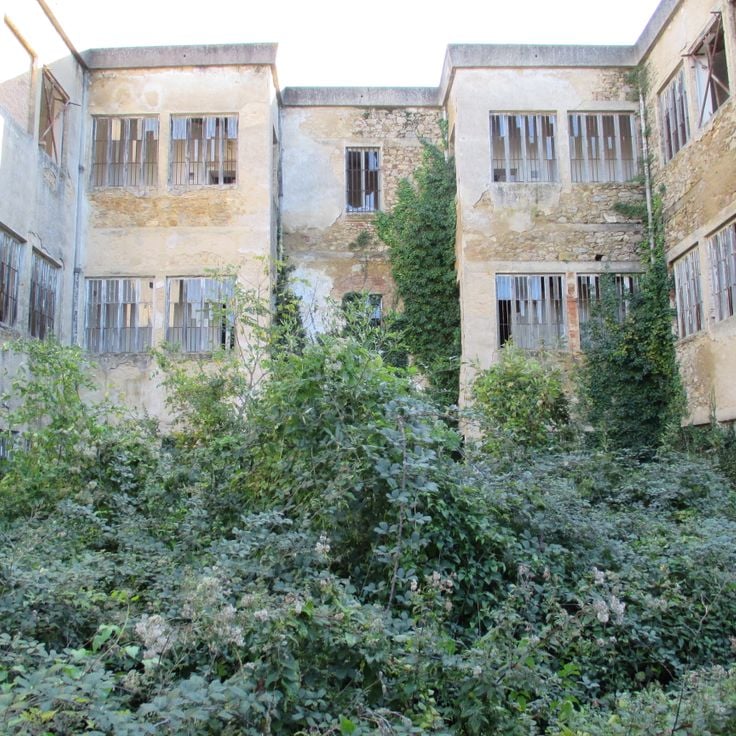
This former psychiatric hospital in the Tuscan town began as a hospice in the 14th century and later grew into a large institution. For centuries, the building admitted patients from across the region. Treatment methods often followed the harsh standards of the time, and the site expanded over the years into a sprawling complex. Long corridors, high halls, and empty rooms now define the place. After closing in the late 20th century, the building was left vacant. Visitors report a heavy silence in the hallways and an oppressive feeling that recalls the past.
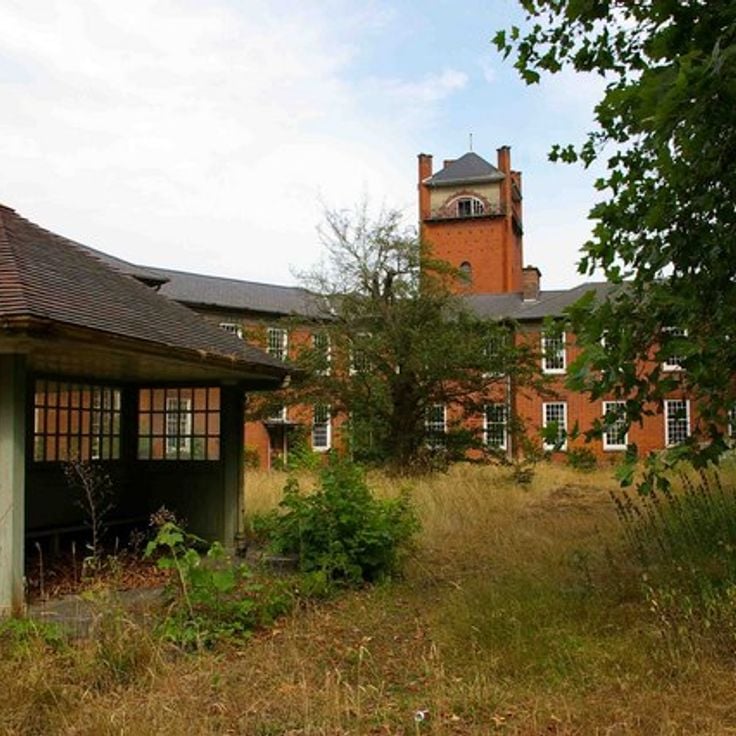
Severalls Hospital was a psychiatric facility in Essex that admitted patients for over a century until its closure. Opened in 1913, the building was constructed according to Victorian asylum principles, with long corridors, high ceilings, and separate pavilions for different wards. Many patients experienced experimental treatments, including electroshock therapy and lobotomy, which were considered advancements in psychiatric care at the time. After closing in the 1990s, the structures fell into disrepair, and stories of unexplained sounds, shadows, and encounters with former patients spread among visitors. Today, the abandoned structures stand partly empty, while some areas have been converted into residential spaces.
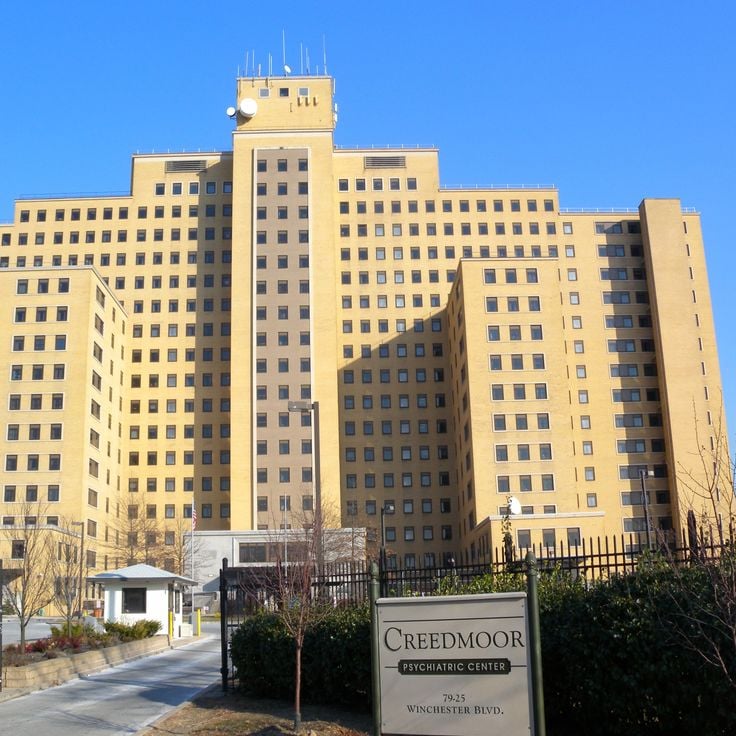
Creedmoor Psychiatric Center stands in the Queens Village neighborhood and ranks among the largest psychiatric facilities in New York. The complex opened in the late 1800s and grew into a sprawling site of brick buildings, pavilions, and open grounds. Throughout its history, the hospital treated thousands of patients, often under conditions now considered questionable. Experimental therapies, overcrowding, and inadequate oversight shaped daily life for many decades. Some structures remain empty today, while others have been repurposed. Visitors report unexplained sounds and shadows moving through the abandoned hallways. The combination of medical history and decay marks this place as a symbol of the darker chapters in psychiatric care.
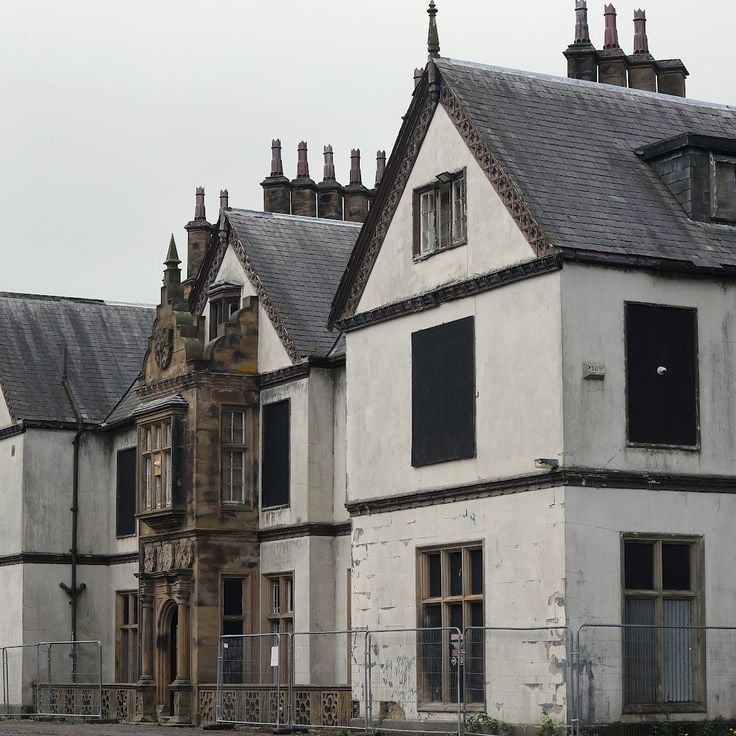
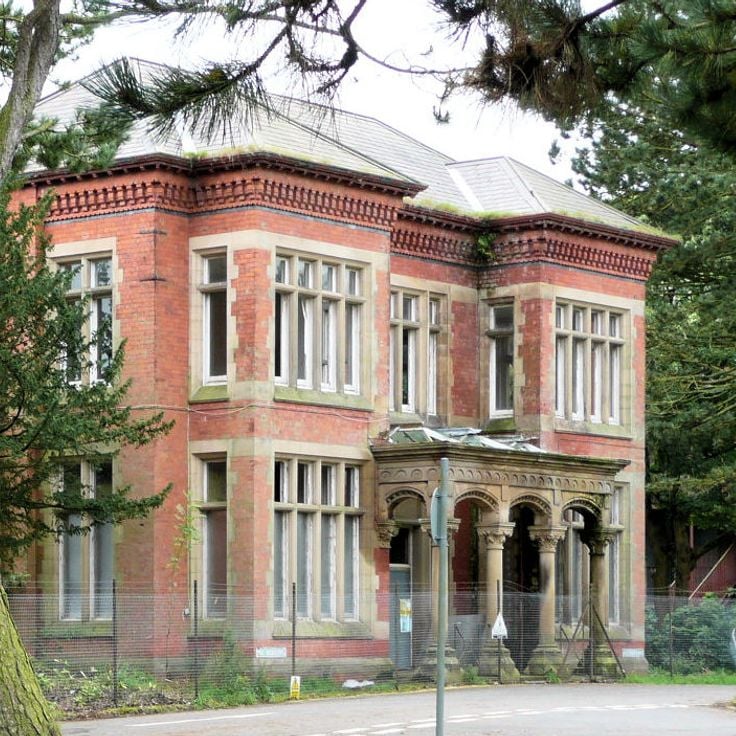
The North Wales Hospital was one of the largest psychiatric institutions in Wales, operating for over a century. Built in the Gothic Revival style, the complex spreads across several buildings set among hills and woodland. Long corridors, tall windows, and decaying treatment rooms speak to an era when therapies were still poorly understood. The site now stands empty and is slowly deteriorating. Stories of unexplained sounds and shadowy figures have made the place well known. Today the grounds are considered one of the most recognized abandoned hospitals in Britain.
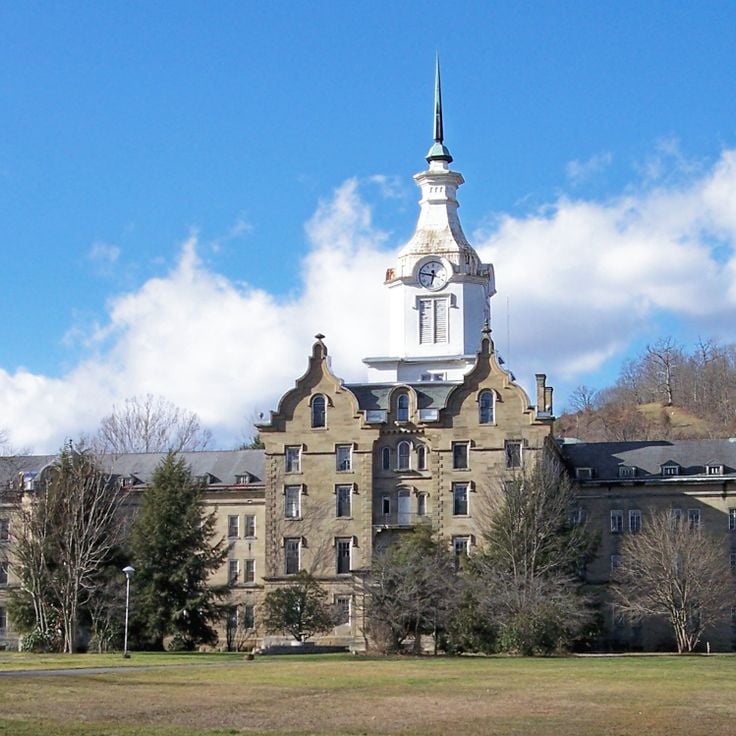
This former psychiatric hospital in Weston was built in the mid-19th century and served patients for over a century. The large Gothic Revival building was designed to house a few hundred people but eventually held several thousand under crowded conditions. Thick stone walls, long hallways, and numerous rooms reflect a period when mental health treatment relied on methods that are now considered controversial. The facility closed in the late 20th century and has since drawn historians and those curious about reported paranormal activity. Today, the building offers guided tours that explore the history of psychiatry and the experiences of those who lived there.
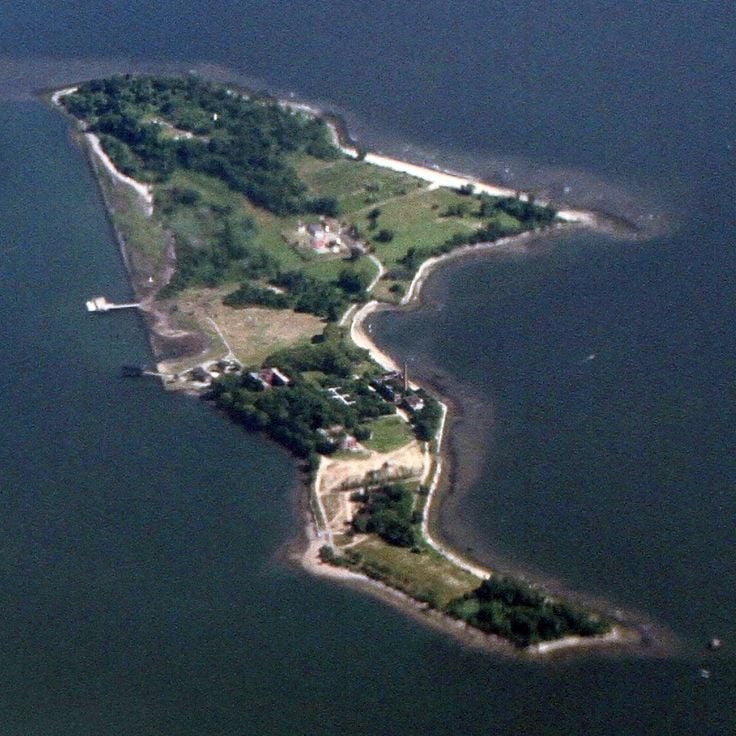
Hart Island is a small island off the coast of the Bronx that has served as a public burial ground for over a century. More than one million individuals have been interred here in unmarked mass graves, many without ceremony or recognition. The island remained closed to the public for decades under the management of the correctional system, creating an air of isolation and sorrow. Crumbling structures from various eras, including former quarantine facilities and a disused hospital, stand scattered among the sprawling burial fields. The site carries the weight of countless forgotten lives and is one of the largest public cemeteries in the United States. Visitors describe an oppressive silence and the feeling of being surrounded by invisible histories.
The Walter E. Fernald Developmental Center in Waltham was a state institution for people with intellectual disabilities that operated from 1888 to 2014. The sprawling campus of brick buildings set among wooded hills was the site of several eras of psychiatric care and reform. In the 1940s and 1950s, controversial nutrition experiments were conducted here on teenage boys without proper informed consent from them or their families. The buildings, with their high ceilings and long corridors, now stand mostly empty. Portions of the campus have been converted into residential housing, while other sections remain abandoned. The history of this institution and the accounts of suffering endured by former residents continue to shape the reputation of this place.
The New York City Farm Colony on Staten Island was a poorhouse founded in 1829 that later became a care facility. The brick buildings have stood empty since 1975 and continue to decay. Patients were housed here under harsh conditions, many working the surrounding fields. Visitors report strange sounds in the abandoned corridors and the feeling of being watched. The complex lies hidden among trees and overgrowth, far from the busy streets of New York City.
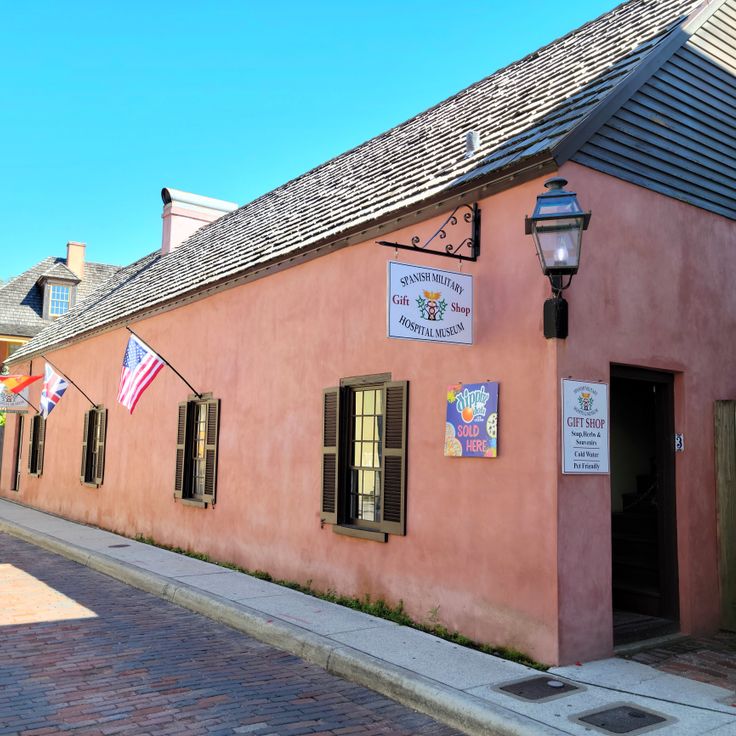
This museum in St. Augustine presents 18th-century medical practices within a restored Spanish military hospital. The rooms display period instruments and furnishings that show how soldiers and civilians received treatment. Guided tours explain the healing methods of the time, from bloodletting to herbal remedies. The building itself dates from the second Spanish colonial period and gives visitors a sense of medical life in early American history.
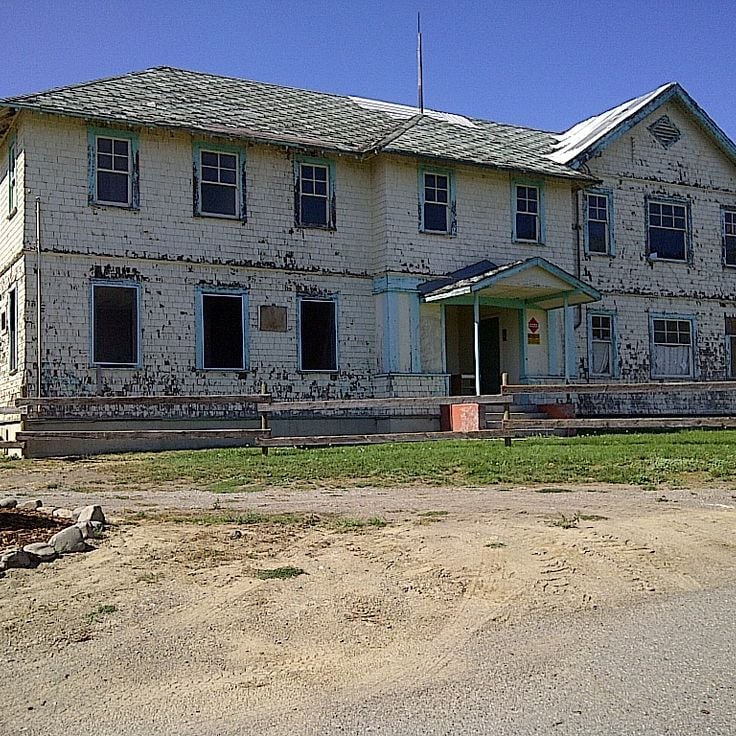
Tranquille Sanatorium sits at the edge of Kamloops in the dry landscape of British Columbia's southern interior. The facility opened in the early twentieth century and for decades treated patients with tuberculosis and mental illness across its sprawling grounds. Several buildings remain standing, now mostly abandoned and weathered. Treatments were often harsh and many patients died in isolation. After closure, the empty wards and outbuildings drew stories of unexplained sounds and sightings, adding to its reputation among those interested in abandoned medical facilities. The crumbling structures stand as reminders of a difficult chapter in treatment history, and the site continues to attract visitors curious about the conditions patients faced and the reported phenomena that linger in its halls.
Whittingham Hospital is a former psychiatric facility in Lancashire that operated for over a century and once ranked among the largest of its kind in Britain. The nineteenth-century buildings were designed with long corridors extending several hundred meters. Treatment methods evolved over the decades, and reports of harsh conditions and neglect surfaced. After closing in the nineties, the structures fell into decay, and stories of strange occurrences and past suffering have drawn the curious.
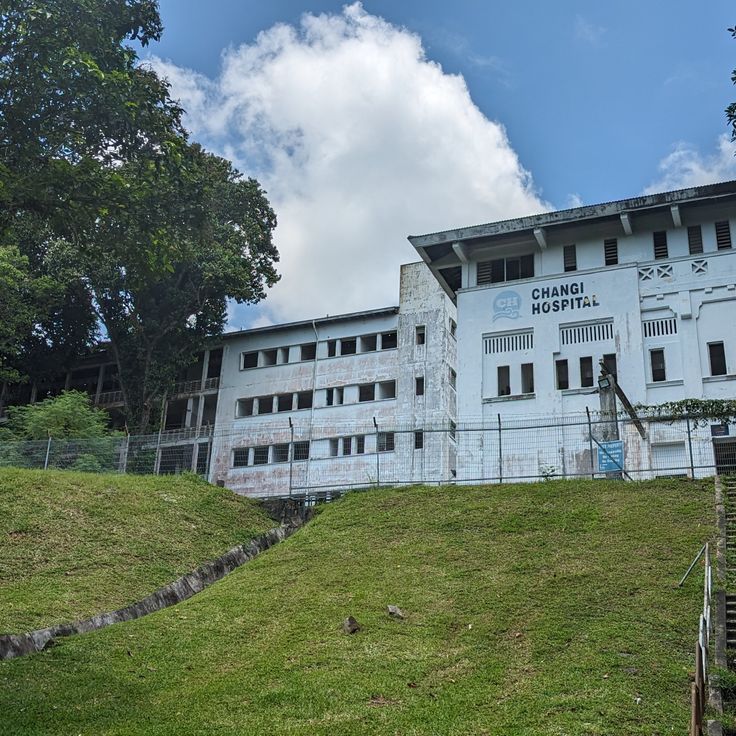
Changi Hospital was once a military medical facility in eastern Singapore and now stands empty. Built in the 1930s during British colonial rule, it served both Allied and Japanese forces during World War II. After the war, it treated British soldiers and their families before closing for good in the 1990s. The abandoned buildings draw people interested in the darker side of its past, as interrogations and mistreatment occurred here during the Japanese occupation. The corridors are silent, the rooms bare, and decay continues throughout the structure. Many visitors report strange sounds and unexplained events, linked to the traumatic history that unfolded within these walls.
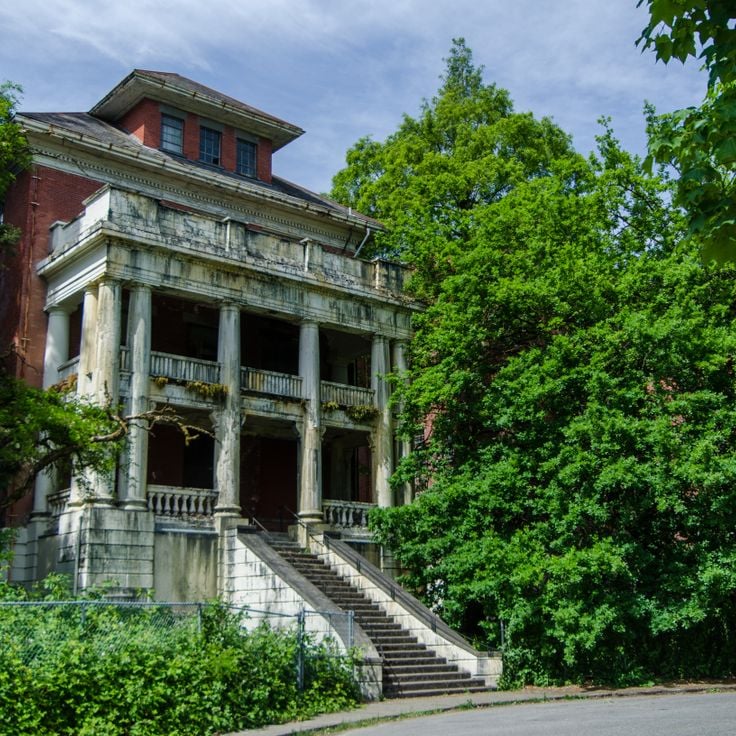
This sanatorium in Louisville opened in 1910 to care for tuberculosis patients when the disease spread rapidly across the region. The large building housed several hundred patients and featured open porches where they could breathe fresh air, a common treatment at the time. As antibiotics arrived in the 1940s, tuberculosis cases dropped, and the facility later became a geriatric center before closing in 1982. The corridors, the so-called body chute beneath the hill, and the empty patient rooms now contribute to its dark reputation. Many visitors report unexplained sounds, shadowy figures, and the sensation of an invisible presence. The building continues to attract tours and investigations exploring its history and the many stories tied to its deserted halls.
The Bethlem Royal Hospital in Bromley has a long history in psychiatric care. The institution was founded in the 13th century and served for centuries as a treatment center for the mentally ill. The early methods used there were often questionable and inhumane by modern standards. Over time, a dark reputation developed around the hospital that persists today. Visitors often mention an oppressive feeling in the older parts of the building. The facility has been relocated and rebuilt several times, but the memory of past treatment methods remains present. Today, the hospital represents a long evolution in psychiatric medicine and attracts people interested in the history of psychiatry.
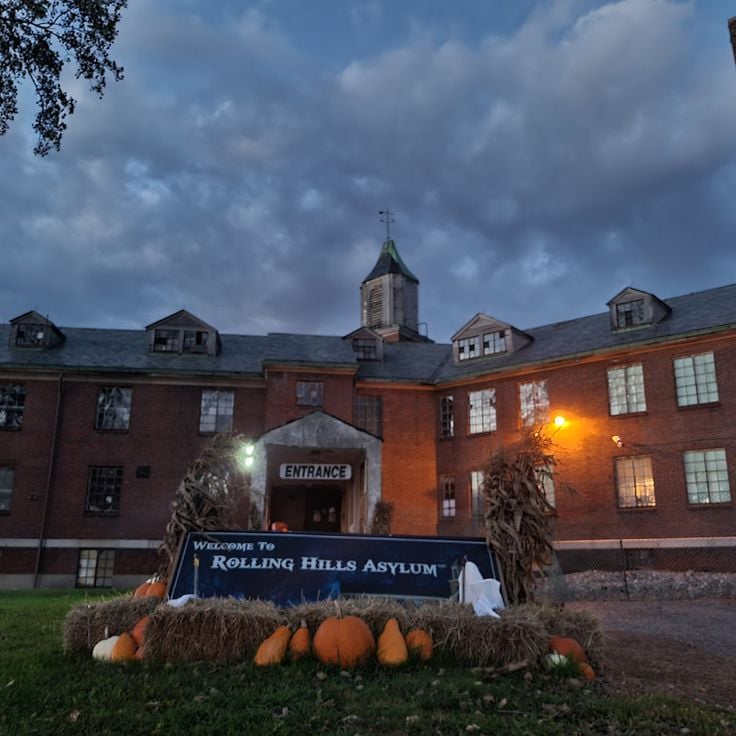
Rolling Hills Asylum sits along a country road in western New York State and operated between 1827 and 1974. Originally built as a poorhouse, the facility gradually shifted its purpose to care for people with mental illness, physical disabilities, and chronic conditions. The rooms were often overcrowded, and treatments followed the changing medical beliefs of the era. Today, visitors walk through empty hallways, dormitories, and treatment rooms that still carry traces of the building's former life. Many report unexplained sounds, cold drafts, and the sense that something or someone moves through the darkness.
Hellingly Hospital once stood in the southeast of England, serving people with mental illness for over a century. The sprawling complex included wards, workshops, and its own railway line connecting patients and staff. After closing in the late 20th century, the buildings fell into disrepair. Today, only ruins and overgrown foundations remain. Visitors describe a heavy feeling when seeing the crumbling walls and empty windows. The history of this place and the stories of former residents draw historians and documentary makers.
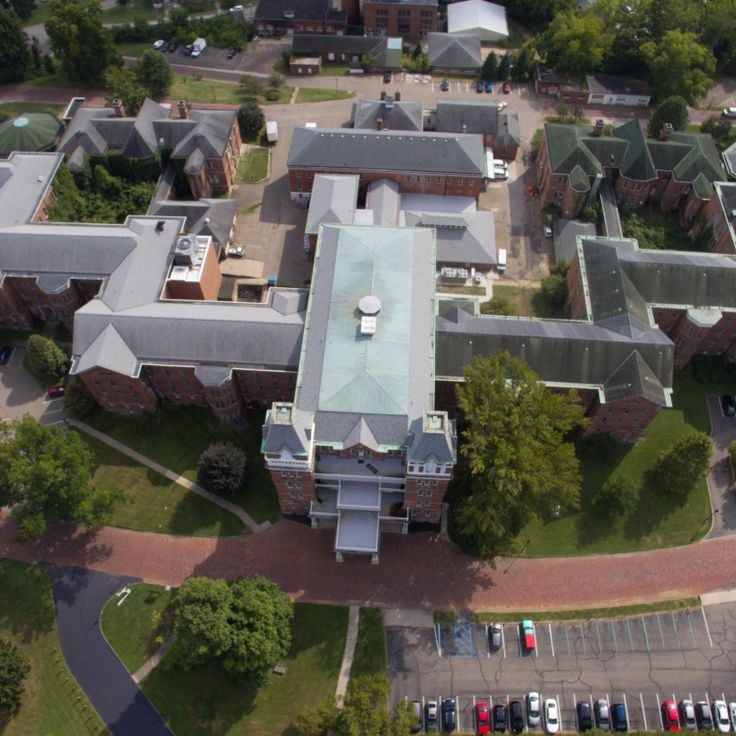
This former psychiatric hospital in Ohio treated patients for over a century before closing in the nineties. The large brick buildings with high ceilings and long hallways stand partly empty, while other sections serve the university. Accounts mention unexplained sounds, shadows in abandoned rooms, and the story of a patient whose body was found there. Visitors and former staff speak of cold spots, doors opening on their own, and voices in deserted corridors.
This former state psychiatric hospital in New Jersey opened in 1848 and admitted thousands of patients over the decades. The facility suffered from chronic overcrowding, and treatment methods shifted from moral therapy to controversial practices such as lobotomies and electroshock. Reports of mistreatment and neglect marked its later years. Much of the campus now stands empty, and the decaying buildings attract those interested in the dark history of psychiatry. Stories of unexplained sounds and apparitions accompany the reputation of this place.
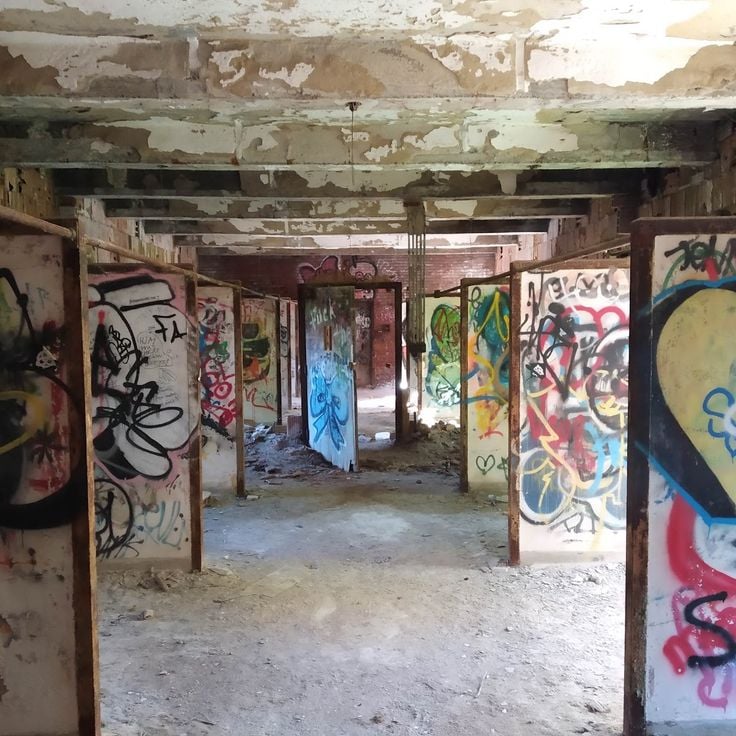
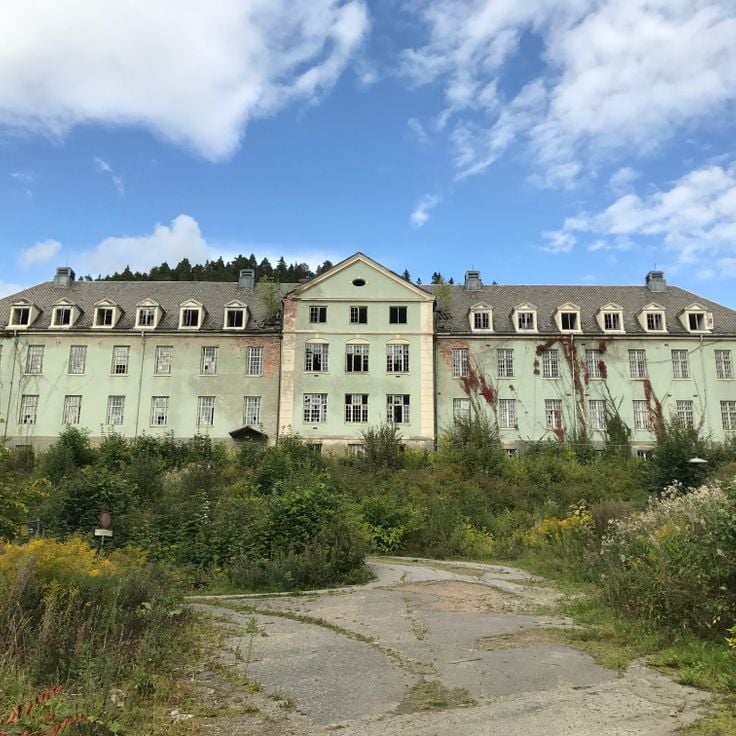
This Norwegian psychiatric hospital opened its doors in the mid-19th century and treated patients for over a hundred years. The building has stood empty since operations ceased in the 1980s. Rooms and corridors bear traces of medical history while stories of former treatment practices and unexplained events have settled into the walls. Visitors report strange sounds and a sense of unease drifting through the empty wards.
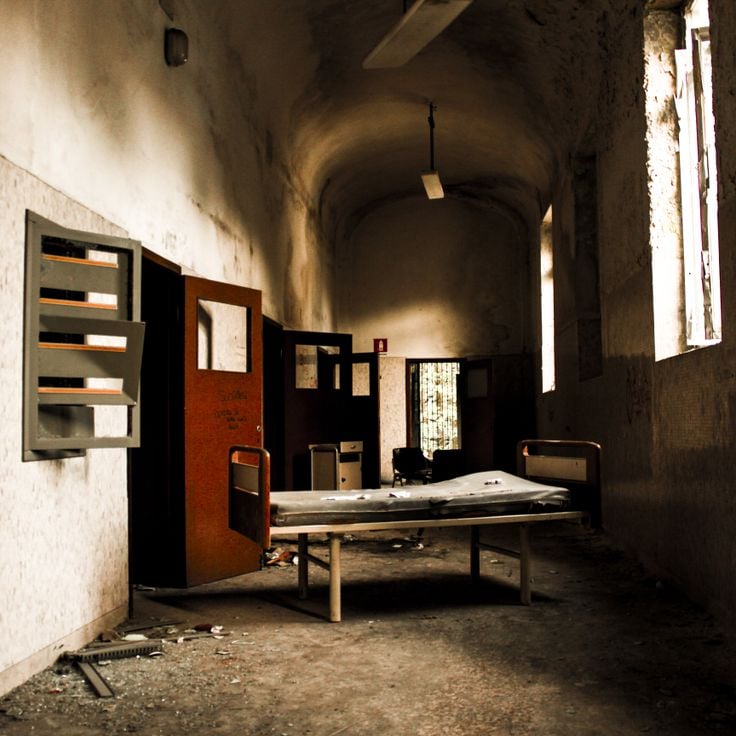
This psychiatric hospital in Lombardy opened in the late 19th century and grew into one of the largest facilities of its kind in Italy. The buildings sit on expansive grounds on the outskirts of Milan. During its operating years, thousands of patients lived here under evolving treatment methods. The hospital closed its doors in the 1990s. Since then, the pavilions, dormitories, and treatment rooms have been left to decay. Many accounts speak of unexplained sounds, shadows in the empty corridors, and a sense of deep unease that grips visitors. The history of isolation, experimental therapies, and suffering has given the Ospedale psichiatrico provinciale di Milano in Mombello a reputation as a place with a dark past, drawing historians and those curious about abandoned sites today.
Aradale Mental Hospital, a former psychiatric institution in Ararat, opened during the second half of the 19th century and remained active for over one hundred and thirty years. The institution became known for its experimental treatments and difficult conditions. Sandstone walls and long corridors define the appearance of the buildings. Patients lived there under supervision, and many died on site. Visitors report unexplained sounds and the sensation of being watched. Today, the hospital remains largely empty, attracting those interested in the dark chapters of psychiatric history.
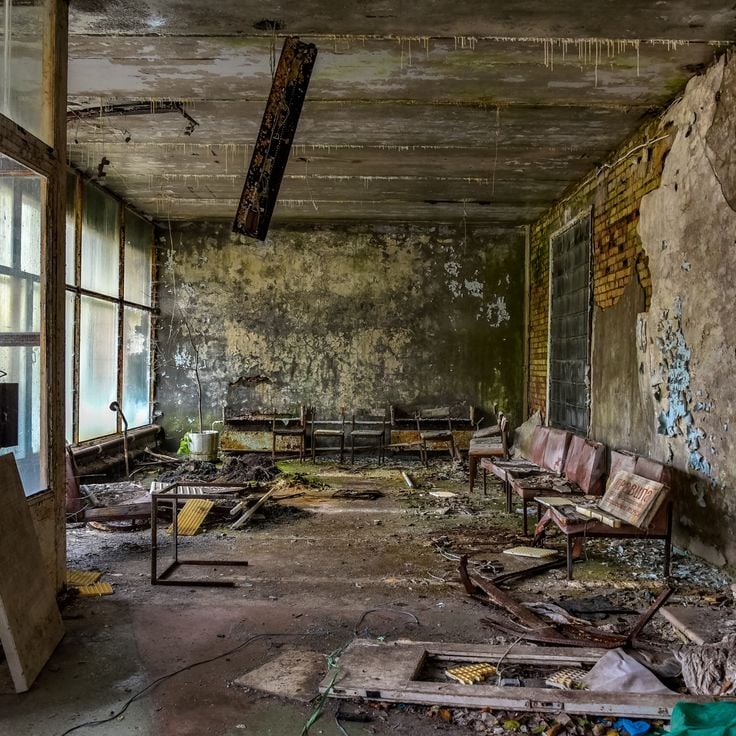
This former hospital in Pripyat was evacuated in 1986 after the Chernobyl reactor disaster and has stood empty ever since. The facility treated the first victims of the nuclear accident before all staff and patients were forced to leave the city. The corridors and treatment rooms now lie abandoned, with medical equipment and personal belongings left behind in the rush to depart. The building bears the marks of decades of decay and radiation exposure. Visitors report an oppressive silence and the weight of the events that unfolded here, while nature slowly reclaims the interior.
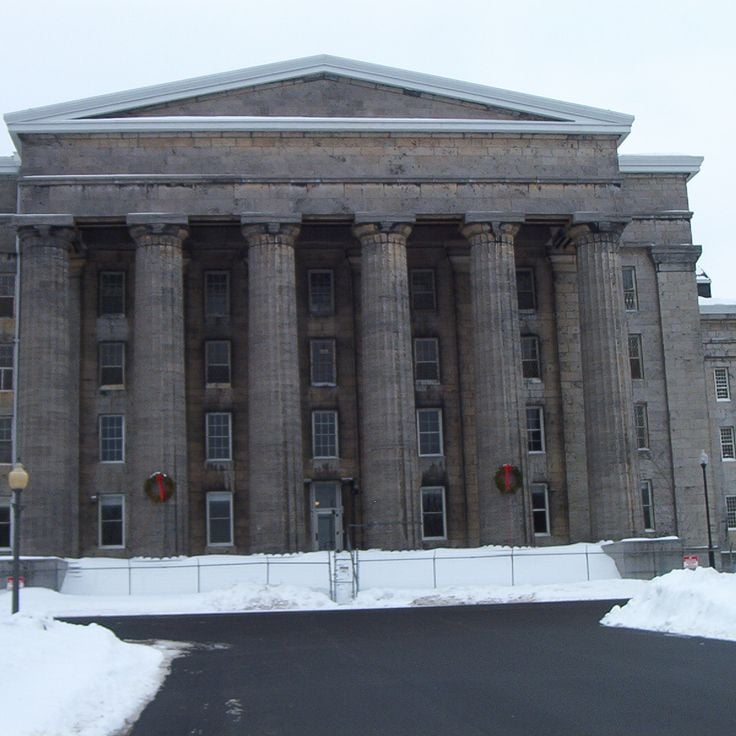
This psychiatric hospital in Utica was founded in 1843 following the principles of moral therapy and is among the oldest institutions of its kind in the United States. Over its history, the number of patients grew so large that the original treatment ideals could no longer be maintained. Overcrowding, outdated methods, and reports of neglect followed. After the closure of several buildings, stories of unexplained events and nighttime apparitions became known, making the hospital a place recognized for its dark past and its reputation as a haunted site.
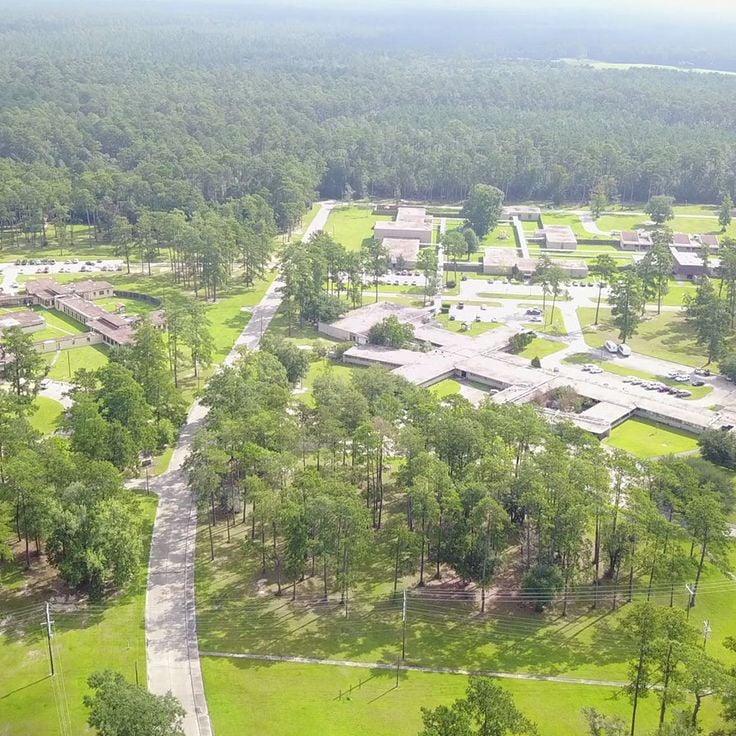
Northlake Behavioral Health System is a former psychiatric hospital in Mandeville, Louisiana. The facility opened in the early 1980s and treated patients with mental illness and behavioral disorders. After years of operation, the hospital closed and the buildings have stood empty since. Visitors report unsettling sounds in the abandoned hallways and rooms, and feelings of unease when entering the decaying treatment areas. The site now draws people interested in the history of psychiatric care and abandoned medical facilities.
Riverview Hospital is a former psychiatric facility in Coquitlam that treated patients with mental illness for over a century. The sprawling complex includes several multi-story buildings in Colonial Revival style, surrounded by green spaces and mature trees. During its long history, the hospital experimented with various treatment methods, including electroshock therapy and lobotomy. Many buildings now stand empty, their vacant corridors and abandoned treatment rooms a reminder of past medical practices. Stories from former patients and staff have given this place a reputation as a site of unexplained occurrences.
The Willard Asylum for the Chronic Insane was a psychiatric facility in New York State that housed patients with chronic mental illnesses for over a century. The asylum opened its doors in the second half of the 19th century and admitted people who were often placed there by their families or communities for extended periods. Many patients spent their entire lives within its walls, separated from the outside world. The facility was known for its large brick buildings and sprawling grounds. Over time, treatment methods evolved, and the institution closed in the early 1990s. Today, this abandoned site is recognized as a place with a troubled past, carrying stories of neglect and unexplained occurrences. Visitors and researchers describe an oppressive feeling in the empty hallways and rooms.
This former hospital stands on Roosevelt Island and once treated patients suffering from smallpox and other contagious diseases. Built in the mid-1800s in a Gothic Revival style, the facility was part of a larger network of urban health institutions. Today the ruin is closed to the public, but its crumbling walls and empty windows remain visible from the island. Stories of harsh conditions and the suffering of the sick have contributed to the building's reputation as an unsettling place, earning it a place in this collection of former psychiatric hospitals and sanatoriums with dark histories.
Harlem Valley State Hospital was a psychiatric facility in New York State that opened in 1924 and remained in operation until 1994. The hospital treated thousands of patients with mental illnesses and was part of a system of large state institutions. During its early decades, electroshock and other treatments now considered controversial were common practice. The sprawling buildings and grounds have been deteriorating since its closure, and stories of unusual sightings and uneasy feelings have followed the site. The abandoned structures attract visitors interested in the history of psychiatric care and rumors of paranormal activity.
Pool Park Asylum, later known as Park Lane Hospital and St Cadoc's, was a psychiatric hospital in Gwent that operated from 1898 to 1995. The building was designed to hold up to 1,500 patients in a self-sufficient community. Over the years, reports of harsh treatments and difficult conditions emerged. Since its closure, the site has remained empty. Corridors, decaying rooms, and abandoned operating theaters draw visitors looking for traces of the past and listening for unexplained sounds.
The Rockhaven Sanitarium Historic District sits in the foothills of the Verdugo Mountains in California and operated for over seven decades as a facility for women with mental illness. Founded by Agnes Richards in 1923, the sanatorium aimed to treat patients in quiet surroundings without the use of mechanical restraints. The property consisted of several cottages spread across the grounds. After closing in 2006, the buildings gradually fell into disrepair. Broken windows, overgrown gardens, and empty rooms now give the sense of a place frozen in time. In recent years, the site has attracted visitors drawn by accounts of unexplained events and the history of care provided within its walls.
Medfield State Hospital was a psychiatric facility west of Boston that operated for over a century. This sprawling site, with its brick buildings and empty wards, became the subject of many reports of unexplained sounds and strange encounters after its closure. Today, the abandoned structures stand as a reminder of an era when mental health care often took place under harsh conditions.
Letchworth Village in Thiells was a mental health institution that operated for more than seventy years, housing people with developmental disabilities and psychiatric conditions. From the mid-twentieth century onward, reports of neglect, harsh treatments, and disturbing conditions began to surface. After it closed in the nineteen nineties, the buildings were left to decay, and stories of unexplained sounds, shadows, and eerie encounters spread among visitors. Today, the abandoned wards and overgrown pathways attract those interested in the darker chapters of psychiatric care and alleged paranormal activity.
This former psychiatric hospital in the Tuscan town began as a hospice in the 14th century and later grew into a large institution. For centuries, the building admitted patients from across the region. Treatment methods often followed the harsh standards of the time, and the site expanded over the years into a sprawling complex. Long corridors, high halls, and empty rooms now define the place. After closing in the late 20th century, the building was left vacant. Visitors report a heavy silence in the hallways and an oppressive feeling that recalls the past.
Severalls Hospital was a psychiatric facility in Essex that admitted patients for over a century until its closure. Opened in 1913, the building was constructed according to Victorian asylum principles, with long corridors, high ceilings, and separate pavilions for different wards. Many patients experienced experimental treatments, including electroshock therapy and lobotomy, which were considered advancements in psychiatric care at the time. After closing in the 1990s, the structures fell into disrepair, and stories of unexplained sounds, shadows, and encounters with former patients spread among visitors. Today, the abandoned structures stand partly empty, while some areas have been converted into residential spaces.
Creedmoor Psychiatric Center stands in the Queens Village neighborhood and ranks among the largest psychiatric facilities in New York. The complex opened in the late 1800s and grew into a sprawling site of brick buildings, pavilions, and open grounds. Throughout its history, the hospital treated thousands of patients, often under conditions now considered questionable. Experimental therapies, overcrowding, and inadequate oversight shaped daily life for many decades. Some structures remain empty today, while others have been repurposed. Visitors report unexplained sounds and shadows moving through the abandoned hallways. The combination of medical history and decay marks this place as a symbol of the darker chapters in psychiatric care.
The North Wales Hospital was one of the largest psychiatric institutions in Wales, operating for over a century. Built in the Gothic Revival style, the complex spreads across several buildings set among hills and woodland. Long corridors, tall windows, and decaying treatment rooms speak to an era when therapies were still poorly understood. The site now stands empty and is slowly deteriorating. Stories of unexplained sounds and shadowy figures have made the place well known. Today the grounds are considered one of the most recognized abandoned hospitals in Britain.
This former psychiatric hospital in Weston was built in the mid-19th century and served patients for over a century. The large Gothic Revival building was designed to house a few hundred people but eventually held several thousand under crowded conditions. Thick stone walls, long hallways, and numerous rooms reflect a period when mental health treatment relied on methods that are now considered controversial. The facility closed in the late 20th century and has since drawn historians and those curious about reported paranormal activity. Today, the building offers guided tours that explore the history of psychiatry and the experiences of those who lived there.
Hart Island is a small island off the coast of the Bronx that has served as a public burial ground for over a century. More than one million individuals have been interred here in unmarked mass graves, many without ceremony or recognition. The island remained closed to the public for decades under the management of the correctional system, creating an air of isolation and sorrow. Crumbling structures from various eras, including former quarantine facilities and a disused hospital, stand scattered among the sprawling burial fields. The site carries the weight of countless forgotten lives and is one of the largest public cemeteries in the United States. Visitors describe an oppressive silence and the feeling of being surrounded by invisible histories.
The Walter E. Fernald Developmental Center in Waltham was a state institution for people with intellectual disabilities that operated from 1888 to 2014. The sprawling campus of brick buildings set among wooded hills was the site of several eras of psychiatric care and reform. In the 1940s and 1950s, controversial nutrition experiments were conducted here on teenage boys without proper informed consent from them or their families. The buildings, with their high ceilings and long corridors, now stand mostly empty. Portions of the campus have been converted into residential housing, while other sections remain abandoned. The history of this institution and the accounts of suffering endured by former residents continue to shape the reputation of this place.
The New York City Farm Colony on Staten Island was a poorhouse founded in 1829 that later became a care facility. The brick buildings have stood empty since 1975 and continue to decay. Patients were housed here under harsh conditions, many working the surrounding fields. Visitors report strange sounds in the abandoned corridors and the feeling of being watched. The complex lies hidden among trees and overgrowth, far from the busy streets of New York City.
This museum in St. Augustine presents 18th-century medical practices within a restored Spanish military hospital. The rooms display period instruments and furnishings that show how soldiers and civilians received treatment. Guided tours explain the healing methods of the time, from bloodletting to herbal remedies. The building itself dates from the second Spanish colonial period and gives visitors a sense of medical life in early American history.
Tranquille Sanatorium sits at the edge of Kamloops in the dry landscape of British Columbia's southern interior. The facility opened in the early twentieth century and for decades treated patients with tuberculosis and mental illness across its sprawling grounds. Several buildings remain standing, now mostly abandoned and weathered. Treatments were often harsh and many patients died in isolation. After closure, the empty wards and outbuildings drew stories of unexplained sounds and sightings, adding to its reputation among those interested in abandoned medical facilities. The crumbling structures stand as reminders of a difficult chapter in treatment history, and the site continues to attract visitors curious about the conditions patients faced and the reported phenomena that linger in its halls.
Whittingham Hospital is a former psychiatric facility in Lancashire that operated for over a century and once ranked among the largest of its kind in Britain. The nineteenth-century buildings were designed with long corridors extending several hundred meters. Treatment methods evolved over the decades, and reports of harsh conditions and neglect surfaced. After closing in the nineties, the structures fell into decay, and stories of strange occurrences and past suffering have drawn the curious.
Changi Hospital was once a military medical facility in eastern Singapore and now stands empty. Built in the 1930s during British colonial rule, it served both Allied and Japanese forces during World War II. After the war, it treated British soldiers and their families before closing for good in the 1990s. The abandoned buildings draw people interested in the darker side of its past, as interrogations and mistreatment occurred here during the Japanese occupation. The corridors are silent, the rooms bare, and decay continues throughout the structure. Many visitors report strange sounds and unexplained events, linked to the traumatic history that unfolded within these walls.
This sanatorium in Louisville opened in 1910 to care for tuberculosis patients when the disease spread rapidly across the region. The large building housed several hundred patients and featured open porches where they could breathe fresh air, a common treatment at the time. As antibiotics arrived in the 1940s, tuberculosis cases dropped, and the facility later became a geriatric center before closing in 1982. The corridors, the so-called body chute beneath the hill, and the empty patient rooms now contribute to its dark reputation. Many visitors report unexplained sounds, shadowy figures, and the sensation of an invisible presence. The building continues to attract tours and investigations exploring its history and the many stories tied to its deserted halls.
The Bethlem Royal Hospital in Bromley has a long history in psychiatric care. The institution was founded in the 13th century and served for centuries as a treatment center for the mentally ill. The early methods used there were often questionable and inhumane by modern standards. Over time, a dark reputation developed around the hospital that persists today. Visitors often mention an oppressive feeling in the older parts of the building. The facility has been relocated and rebuilt several times, but the memory of past treatment methods remains present. Today, the hospital represents a long evolution in psychiatric medicine and attracts people interested in the history of psychiatry.
Rolling Hills Asylum sits along a country road in western New York State and operated between 1827 and 1974. Originally built as a poorhouse, the facility gradually shifted its purpose to care for people with mental illness, physical disabilities, and chronic conditions. The rooms were often overcrowded, and treatments followed the changing medical beliefs of the era. Today, visitors walk through empty hallways, dormitories, and treatment rooms that still carry traces of the building's former life. Many report unexplained sounds, cold drafts, and the sense that something or someone moves through the darkness.
Hellingly Hospital once stood in the southeast of England, serving people with mental illness for over a century. The sprawling complex included wards, workshops, and its own railway line connecting patients and staff. After closing in the late 20th century, the buildings fell into disrepair. Today, only ruins and overgrown foundations remain. Visitors describe a heavy feeling when seeing the crumbling walls and empty windows. The history of this place and the stories of former residents draw historians and documentary makers.
This former psychiatric hospital in Ohio treated patients for over a century before closing in the nineties. The large brick buildings with high ceilings and long hallways stand partly empty, while other sections serve the university. Accounts mention unexplained sounds, shadows in abandoned rooms, and the story of a patient whose body was found there. Visitors and former staff speak of cold spots, doors opening on their own, and voices in deserted corridors.
This former state psychiatric hospital in New Jersey opened in 1848 and admitted thousands of patients over the decades. The facility suffered from chronic overcrowding, and treatment methods shifted from moral therapy to controversial practices such as lobotomies and electroshock. Reports of mistreatment and neglect marked its later years. Much of the campus now stands empty, and the decaying buildings attract those interested in the dark history of psychiatry. Stories of unexplained sounds and apparitions accompany the reputation of this place.
This Norwegian psychiatric hospital opened its doors in the mid-19th century and treated patients for over a hundred years. The building has stood empty since operations ceased in the 1980s. Rooms and corridors bear traces of medical history while stories of former treatment practices and unexplained events have settled into the walls. Visitors report strange sounds and a sense of unease drifting through the empty wards.
This psychiatric hospital in Lombardy opened in the late 19th century and grew into one of the largest facilities of its kind in Italy. The buildings sit on expansive grounds on the outskirts of Milan. During its operating years, thousands of patients lived here under evolving treatment methods. The hospital closed its doors in the 1990s. Since then, the pavilions, dormitories, and treatment rooms have been left to decay. Many accounts speak of unexplained sounds, shadows in the empty corridors, and a sense of deep unease that grips visitors. The history of isolation, experimental therapies, and suffering has given the Ospedale psichiatrico provinciale di Milano in Mombello a reputation as a place with a dark past, drawing historians and those curious about abandoned sites today.
Aradale Mental Hospital, a former psychiatric institution in Ararat, opened during the second half of the 19th century and remained active for over one hundred and thirty years. The institution became known for its experimental treatments and difficult conditions. Sandstone walls and long corridors define the appearance of the buildings. Patients lived there under supervision, and many died on site. Visitors report unexplained sounds and the sensation of being watched. Today, the hospital remains largely empty, attracting those interested in the dark chapters of psychiatric history.
This former hospital in Pripyat was evacuated in 1986 after the Chernobyl reactor disaster and has stood empty ever since. The facility treated the first victims of the nuclear accident before all staff and patients were forced to leave the city. The corridors and treatment rooms now lie abandoned, with medical equipment and personal belongings left behind in the rush to depart. The building bears the marks of decades of decay and radiation exposure. Visitors report an oppressive silence and the weight of the events that unfolded here, while nature slowly reclaims the interior.
This psychiatric hospital in Utica was founded in 1843 following the principles of moral therapy and is among the oldest institutions of its kind in the United States. Over its history, the number of patients grew so large that the original treatment ideals could no longer be maintained. Overcrowding, outdated methods, and reports of neglect followed. After the closure of several buildings, stories of unexplained events and nighttime apparitions became known, making the hospital a place recognized for its dark past and its reputation as a haunted site.
Northlake Behavioral Health System is a former psychiatric hospital in Mandeville, Louisiana. The facility opened in the early 1980s and treated patients with mental illness and behavioral disorders. After years of operation, the hospital closed and the buildings have stood empty since. Visitors report unsettling sounds in the abandoned hallways and rooms, and feelings of unease when entering the decaying treatment areas. The site now draws people interested in the history of psychiatric care and abandoned medical facilities.
Riverview Hospital is a former psychiatric facility in Coquitlam that treated patients with mental illness for over a century. The sprawling complex includes several multi-story buildings in Colonial Revival style, surrounded by green spaces and mature trees. During its long history, the hospital experimented with various treatment methods, including electroshock therapy and lobotomy. Many buildings now stand empty, their vacant corridors and abandoned treatment rooms a reminder of past medical practices. Stories from former patients and staff have given this place a reputation as a site of unexplained occurrences.
The Willard Asylum for the Chronic Insane was a psychiatric facility in New York State that housed patients with chronic mental illnesses for over a century. The asylum opened its doors in the second half of the 19th century and admitted people who were often placed there by their families or communities for extended periods. Many patients spent their entire lives within its walls, separated from the outside world. The facility was known for its large brick buildings and sprawling grounds. Over time, treatment methods evolved, and the institution closed in the early 1990s. Today, this abandoned site is recognized as a place with a troubled past, carrying stories of neglect and unexplained occurrences. Visitors and researchers describe an oppressive feeling in the empty hallways and rooms.
This former hospital stands on Roosevelt Island and once treated patients suffering from smallpox and other contagious diseases. Built in the mid-1800s in a Gothic Revival style, the facility was part of a larger network of urban health institutions. Today the ruin is closed to the public, but its crumbling walls and empty windows remain visible from the island. Stories of harsh conditions and the suffering of the sick have contributed to the building's reputation as an unsettling place, earning it a place in this collection of former psychiatric hospitals and sanatoriums with dark histories.
Harlem Valley State Hospital was a psychiatric facility in New York State that opened in 1924 and remained in operation until 1994. The hospital treated thousands of patients with mental illnesses and was part of a system of large state institutions. During its early decades, electroshock and other treatments now considered controversial were common practice. The sprawling buildings and grounds have been deteriorating since its closure, and stories of unusual sightings and uneasy feelings have followed the site. The abandoned structures attract visitors interested in the history of psychiatric care and rumors of paranormal activity.
Pool Park Asylum, later known as Park Lane Hospital and St Cadoc's, was a psychiatric hospital in Gwent that operated from 1898 to 1995. The building was designed to hold up to 1,500 patients in a self-sufficient community. Over the years, reports of harsh treatments and difficult conditions emerged. Since its closure, the site has remained empty. Corridors, decaying rooms, and abandoned operating theaters draw visitors looking for traces of the past and listening for unexplained sounds.
The Rockhaven Sanitarium Historic District sits in the foothills of the Verdugo Mountains in California and operated for over seven decades as a facility for women with mental illness. Founded by Agnes Richards in 1923, the sanatorium aimed to treat patients in quiet surroundings without the use of mechanical restraints. The property consisted of several cottages spread across the grounds. After closing in 2006, the buildings gradually fell into disrepair. Broken windows, overgrown gardens, and empty rooms now give the sense of a place frozen in time. In recent years, the site has attracted visitors drawn by accounts of unexplained events and the history of care provided within its walls.
Medfield State Hospital was a psychiatric facility west of Boston that operated for over a century. This sprawling site, with its brick buildings and empty wards, became the subject of many reports of unexplained sounds and strange encounters after its closure. Today, the abandoned structures stand as a reminder of an era when mental health care often took place under harsh conditions.
Letchworth Village in Thiells was a mental health institution that operated for more than seventy years, housing people with developmental disabilities and psychiatric conditions. From the mid-twentieth century onward, reports of neglect, harsh treatments, and disturbing conditions began to surface. After it closed in the nineteen nineties, the buildings were left to decay, and stories of unexplained sounds, shadows, and eerie encounters spread among visitors. Today, the abandoned wards and overgrown pathways attract those interested in the darker chapters of psychiatric care and alleged paranormal activity.
This former psychiatric hospital in the Tuscan town began as a hospice in the 14th century and later grew into a large institution. For centuries, the building admitted patients from across the region. Treatment methods often followed the harsh standards of the time, and the site expanded over the years into a sprawling complex. Long corridors, high halls, and empty rooms now define the place. After closing in the late 20th century, the building was left vacant. Visitors report a heavy silence in the hallways and an oppressive feeling that recalls the past.
Severalls Hospital was a psychiatric facility in Essex that admitted patients for over a century until its closure. Opened in 1913, the building was constructed according to Victorian asylum principles, with long corridors, high ceilings, and separate pavilions for different wards. Many patients experienced experimental treatments, including electroshock therapy and lobotomy, which were considered advancements in psychiatric care at the time. After closing in the 1990s, the structures fell into disrepair, and stories of unexplained sounds, shadows, and encounters with former patients spread among visitors. Today, the abandoned structures stand partly empty, while some areas have been converted into residential spaces.
Creedmoor Psychiatric Center stands in the Queens Village neighborhood and ranks among the largest psychiatric facilities in New York. The complex opened in the late 1800s and grew into a sprawling site of brick buildings, pavilions, and open grounds. Throughout its history, the hospital treated thousands of patients, often under conditions now considered questionable. Experimental therapies, overcrowding, and inadequate oversight shaped daily life for many decades. Some structures remain empty today, while others have been repurposed. Visitors report unexplained sounds and shadows moving through the abandoned hallways. The combination of medical history and decay marks this place as a symbol of the darker chapters in psychiatric care.
The North Wales Hospital was one of the largest psychiatric institutions in Wales, operating for over a century. Built in the Gothic Revival style, the complex spreads across several buildings set among hills and woodland. Long corridors, tall windows, and decaying treatment rooms speak to an era when therapies were still poorly understood. The site now stands empty and is slowly deteriorating. Stories of unexplained sounds and shadowy figures have made the place well known. Today the grounds are considered one of the most recognized abandoned hospitals in Britain.
This former psychiatric hospital in Weston was built in the mid-19th century and served patients for over a century. The large Gothic Revival building was designed to house a few hundred people but eventually held several thousand under crowded conditions. Thick stone walls, long hallways, and numerous rooms reflect a period when mental health treatment relied on methods that are now considered controversial. The facility closed in the late 20th century and has since drawn historians and those curious about reported paranormal activity. Today, the building offers guided tours that explore the history of psychiatry and the experiences of those who lived there.
Hart Island is a small island off the coast of the Bronx that has served as a public burial ground for over a century. More than one million individuals have been interred here in unmarked mass graves, many without ceremony or recognition. The island remained closed to the public for decades under the management of the correctional system, creating an air of isolation and sorrow. Crumbling structures from various eras, including former quarantine facilities and a disused hospital, stand scattered among the sprawling burial fields. The site carries the weight of countless forgotten lives and is one of the largest public cemeteries in the United States. Visitors describe an oppressive silence and the feeling of being surrounded by invisible histories.
The Walter E. Fernald Developmental Center in Waltham was a state institution for people with intellectual disabilities that operated from 1888 to 2014. The sprawling campus of brick buildings set among wooded hills was the site of several eras of psychiatric care and reform. In the 1940s and 1950s, controversial nutrition experiments were conducted here on teenage boys without proper informed consent from them or their families. The buildings, with their high ceilings and long corridors, now stand mostly empty. Portions of the campus have been converted into residential housing, while other sections remain abandoned. The history of this institution and the accounts of suffering endured by former residents continue to shape the reputation of this place.
The New York City Farm Colony on Staten Island was a poorhouse founded in 1829 that later became a care facility. The brick buildings have stood empty since 1975 and continue to decay. Patients were housed here under harsh conditions, many working the surrounding fields. Visitors report strange sounds in the abandoned corridors and the feeling of being watched. The complex lies hidden among trees and overgrowth, far from the busy streets of New York City.
This museum in St. Augustine presents 18th-century medical practices within a restored Spanish military hospital. The rooms display period instruments and furnishings that show how soldiers and civilians received treatment. Guided tours explain the healing methods of the time, from bloodletting to herbal remedies. The building itself dates from the second Spanish colonial period and gives visitors a sense of medical life in early American history.
Tranquille Sanatorium sits at the edge of Kamloops in the dry landscape of British Columbia's southern interior. The facility opened in the early twentieth century and for decades treated patients with tuberculosis and mental illness across its sprawling grounds. Several buildings remain standing, now mostly abandoned and weathered. Treatments were often harsh and many patients died in isolation. After closure, the empty wards and outbuildings drew stories of unexplained sounds and sightings, adding to its reputation among those interested in abandoned medical facilities. The crumbling structures stand as reminders of a difficult chapter in treatment history, and the site continues to attract visitors curious about the conditions patients faced and the reported phenomena that linger in its halls.
Whittingham Hospital is a former psychiatric facility in Lancashire that operated for over a century and once ranked among the largest of its kind in Britain. The nineteenth-century buildings were designed with long corridors extending several hundred meters. Treatment methods evolved over the decades, and reports of harsh conditions and neglect surfaced. After closing in the nineties, the structures fell into decay, and stories of strange occurrences and past suffering have drawn the curious.
Changi Hospital was once a military medical facility in eastern Singapore and now stands empty. Built in the 1930s during British colonial rule, it served both Allied and Japanese forces during World War II. After the war, it treated British soldiers and their families before closing for good in the 1990s. The abandoned buildings draw people interested in the darker side of its past, as interrogations and mistreatment occurred here during the Japanese occupation. The corridors are silent, the rooms bare, and decay continues throughout the structure. Many visitors report strange sounds and unexplained events, linked to the traumatic history that unfolded within these walls.
This sanatorium in Louisville opened in 1910 to care for tuberculosis patients when the disease spread rapidly across the region. The large building housed several hundred patients and featured open porches where they could breathe fresh air, a common treatment at the time. As antibiotics arrived in the 1940s, tuberculosis cases dropped, and the facility later became a geriatric center before closing in 1982. The corridors, the so-called body chute beneath the hill, and the empty patient rooms now contribute to its dark reputation. Many visitors report unexplained sounds, shadowy figures, and the sensation of an invisible presence. The building continues to attract tours and investigations exploring its history and the many stories tied to its deserted halls.
The Bethlem Royal Hospital in Bromley has a long history in psychiatric care. The institution was founded in the 13th century and served for centuries as a treatment center for the mentally ill. The early methods used there were often questionable and inhumane by modern standards. Over time, a dark reputation developed around the hospital that persists today. Visitors often mention an oppressive feeling in the older parts of the building. The facility has been relocated and rebuilt several times, but the memory of past treatment methods remains present. Today, the hospital represents a long evolution in psychiatric medicine and attracts people interested in the history of psychiatry.
Rolling Hills Asylum sits along a country road in western New York State and operated between 1827 and 1974. Originally built as a poorhouse, the facility gradually shifted its purpose to care for people with mental illness, physical disabilities, and chronic conditions. The rooms were often overcrowded, and treatments followed the changing medical beliefs of the era. Today, visitors walk through empty hallways, dormitories, and treatment rooms that still carry traces of the building's former life. Many report unexplained sounds, cold drafts, and the sense that something or someone moves through the darkness.
Hellingly Hospital once stood in the southeast of England, serving people with mental illness for over a century. The sprawling complex included wards, workshops, and its own railway line connecting patients and staff. After closing in the late 20th century, the buildings fell into disrepair. Today, only ruins and overgrown foundations remain. Visitors describe a heavy feeling when seeing the crumbling walls and empty windows. The history of this place and the stories of former residents draw historians and documentary makers.
This former psychiatric hospital in Ohio treated patients for over a century before closing in the nineties. The large brick buildings with high ceilings and long hallways stand partly empty, while other sections serve the university. Accounts mention unexplained sounds, shadows in abandoned rooms, and the story of a patient whose body was found there. Visitors and former staff speak of cold spots, doors opening on their own, and voices in deserted corridors.
This former state psychiatric hospital in New Jersey opened in 1848 and admitted thousands of patients over the decades. The facility suffered from chronic overcrowding, and treatment methods shifted from moral therapy to controversial practices such as lobotomies and electroshock. Reports of mistreatment and neglect marked its later years. Much of the campus now stands empty, and the decaying buildings attract those interested in the dark history of psychiatry. Stories of unexplained sounds and apparitions accompany the reputation of this place.
This Norwegian psychiatric hospital opened its doors in the mid-19th century and treated patients for over a hundred years. The building has stood empty since operations ceased in the 1980s. Rooms and corridors bear traces of medical history while stories of former treatment practices and unexplained events have settled into the walls. Visitors report strange sounds and a sense of unease drifting through the empty wards.
This psychiatric hospital in Lombardy opened in the late 19th century and grew into one of the largest facilities of its kind in Italy. The buildings sit on expansive grounds on the outskirts of Milan. During its operating years, thousands of patients lived here under evolving treatment methods. The hospital closed its doors in the 1990s. Since then, the pavilions, dormitories, and treatment rooms have been left to decay. Many accounts speak of unexplained sounds, shadows in the empty corridors, and a sense of deep unease that grips visitors. The history of isolation, experimental therapies, and suffering has given the Ospedale psichiatrico provinciale di Milano in Mombello a reputation as a place with a dark past, drawing historians and those curious about abandoned sites today.
Aradale Mental Hospital, a former psychiatric institution in Ararat, opened during the second half of the 19th century and remained active for over one hundred and thirty years. The institution became known for its experimental treatments and difficult conditions. Sandstone walls and long corridors define the appearance of the buildings. Patients lived there under supervision, and many died on site. Visitors report unexplained sounds and the sensation of being watched. Today, the hospital remains largely empty, attracting those interested in the dark chapters of psychiatric history.
This former hospital in Pripyat was evacuated in 1986 after the Chernobyl reactor disaster and has stood empty ever since. The facility treated the first victims of the nuclear accident before all staff and patients were forced to leave the city. The corridors and treatment rooms now lie abandoned, with medical equipment and personal belongings left behind in the rush to depart. The building bears the marks of decades of decay and radiation exposure. Visitors report an oppressive silence and the weight of the events that unfolded here, while nature slowly reclaims the interior.
This psychiatric hospital in Utica was founded in 1843 following the principles of moral therapy and is among the oldest institutions of its kind in the United States. Over its history, the number of patients grew so large that the original treatment ideals could no longer be maintained. Overcrowding, outdated methods, and reports of neglect followed. After the closure of several buildings, stories of unexplained events and nighttime apparitions became known, making the hospital a place recognized for its dark past and its reputation as a haunted site.
Northlake Behavioral Health System is a former psychiatric hospital in Mandeville, Louisiana. The facility opened in the early 1980s and treated patients with mental illness and behavioral disorders. After years of operation, the hospital closed and the buildings have stood empty since. Visitors report unsettling sounds in the abandoned hallways and rooms, and feelings of unease when entering the decaying treatment areas. The site now draws people interested in the history of psychiatric care and abandoned medical facilities.