Architect Le Corbusier changed how buildings are made and how people live in the 20th century. He used his ideas of practicality and simplicity in thirty main works spread across Europe, Asia, and the Americas.
Le Corbusier shaped 20th century architecture by rethinking how people live, how cities work, and how buildings should function. This collection gathers around 30 of his most significant structures, built between the 1920s and 1960s across Europe, Asia, and the Americas. You can trace his ideas as they developed over time: from small, refined homes to large residential blocks, from religious spaces to government centers and museums.
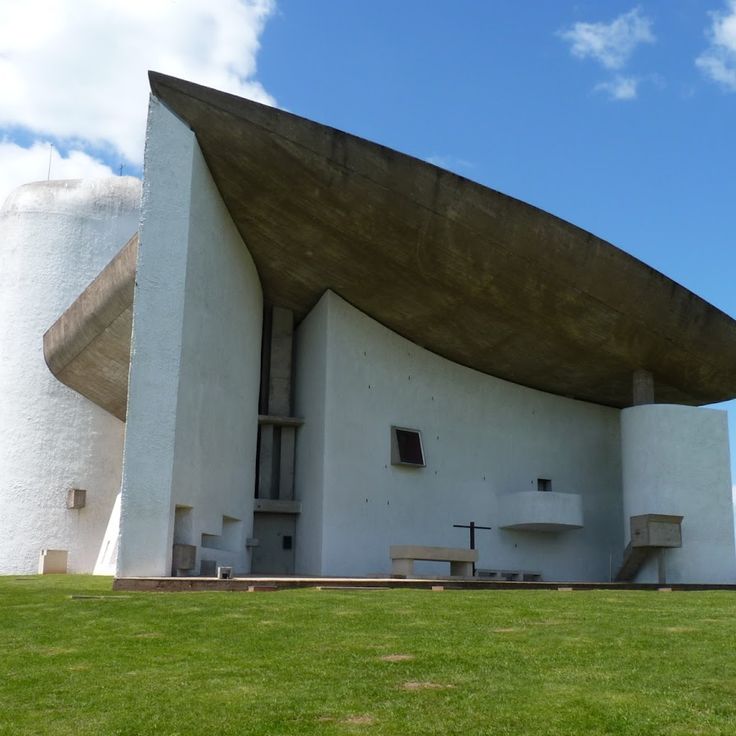
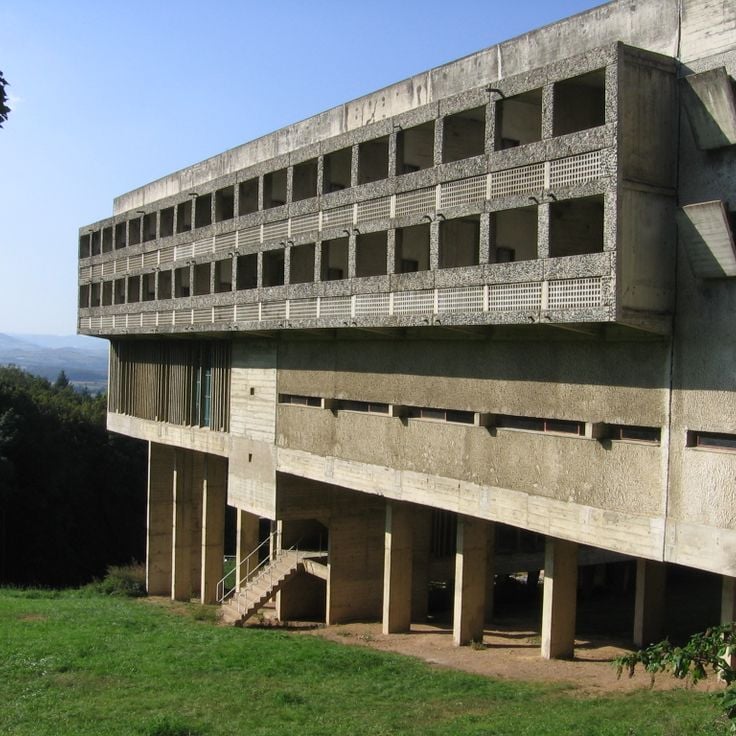
France contains the greatest number of his buildings. Villa Savoye in Poissy remains a defining example of modern design, with its open rooms and simple geometry that seem to float above the ground. The Unité d'Habitation in Marseille reveals how he imagined housing for thousands of people, while the chapel at Ronchamp breaks from what you might expect, with curved walls and an unconventional shape. The Couvent Sainte-Marie de La Tourette in Eveux shows how he merged living quarters with monastic spaces in ways that still feel fresh.
His influence spread across the globe. In Chandigarh, India, he planned entire government buildings from the ground up. His work also appears in Moscow, Stuttgart, Geneva, Tokyo, and various locations in the United States. Walking through these places connects you to the ideas that transformed how architects and builders approach modern design. Each building tells part of a larger story about how one person's vision changed the way we construct and live in our surroundings.
Architect Le Corbusier changed how buildings are made and how people live in the 20th century. He used his ideas of practicality and simplicity in thirty main works spread across Europe, Asia, and the Americas.
Le Corbusier shaped 20th century architecture by rethinking how people live, how cities work, and how buildings should function. This collection gathers around 30 of his most significant structures, built between the 1920s and 1960s across Europe, Asia, and the Americas. You can trace his ideas as they developed over time: from small, refined homes to large residential blocks, from religious spaces to government centers and museums.
France contains the greatest number of his buildings. Villa Savoye in Poissy remains a defining example of modern design, with its open rooms and simple geometry that seem to float above the ground. The Unité d'Habitation in Marseille reveals how he imagined housing for thousands of people, while the chapel at Ronchamp breaks from what you might expect, with curved walls and an unconventional shape. The Couvent Sainte-Marie de La Tourette in Eveux shows how he merged living quarters with monastic spaces in ways that still feel fresh.
His influence spread across the globe. In Chandigarh, India, he planned entire government buildings from the ground up. His work also appears in Moscow, Stuttgart, Geneva, Tokyo, and various locations in the United States. Walking through these places connects you to the ideas that transformed how architects and builders approach modern design. Each building tells part of a larger story about how one person's vision changed the way we construct and live in our surroundings.
Villa Savoye in Poissy stands as an early modernist residence that shaped Le Corbusier's influence on 20th-century architecture. The house displays clean lines, white surfaces, and distinctive pilotis that lift the structure above the ground. Built in the late 1920s, this private residence demonstrates Le Corbusier's functional design philosophy and became a reference point for how homes could be designed with simplicity and purpose.
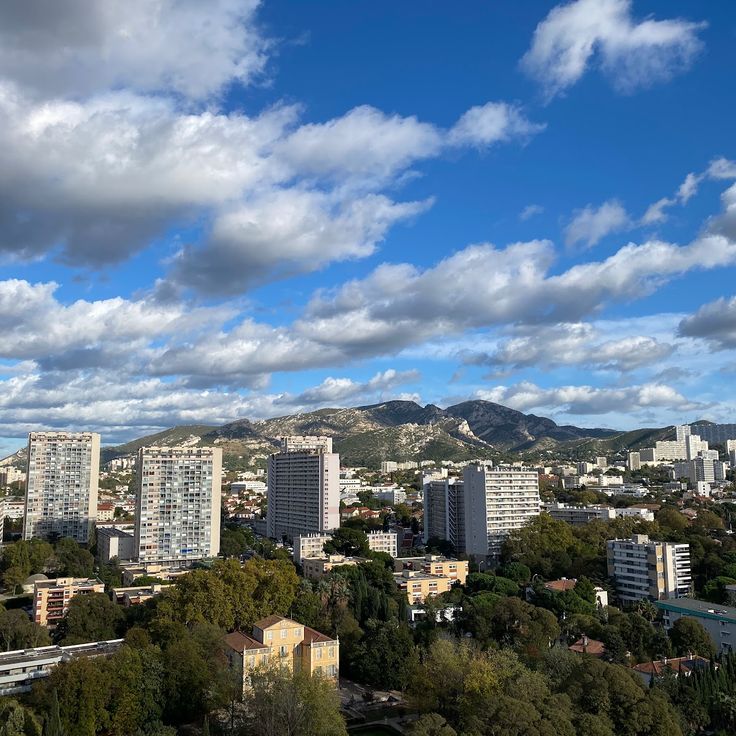
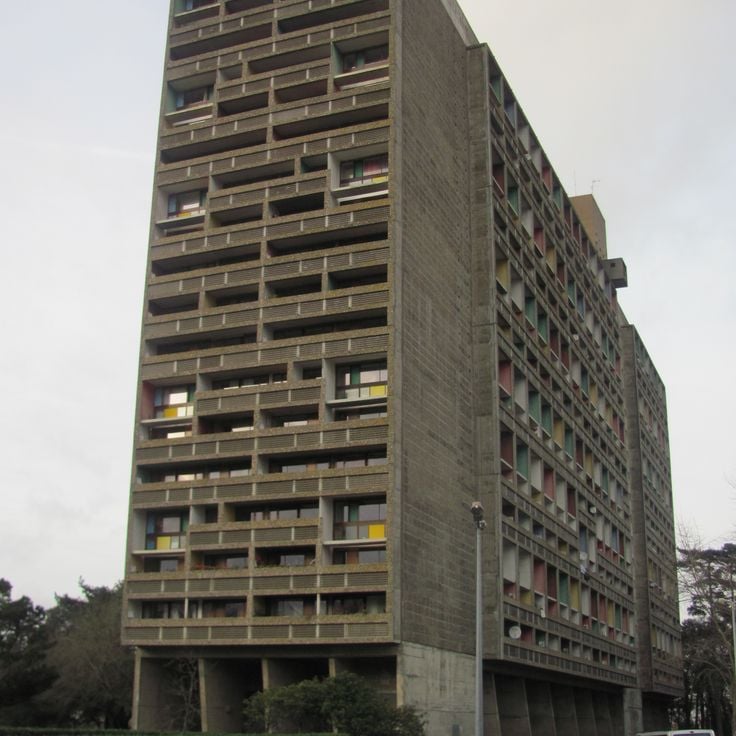
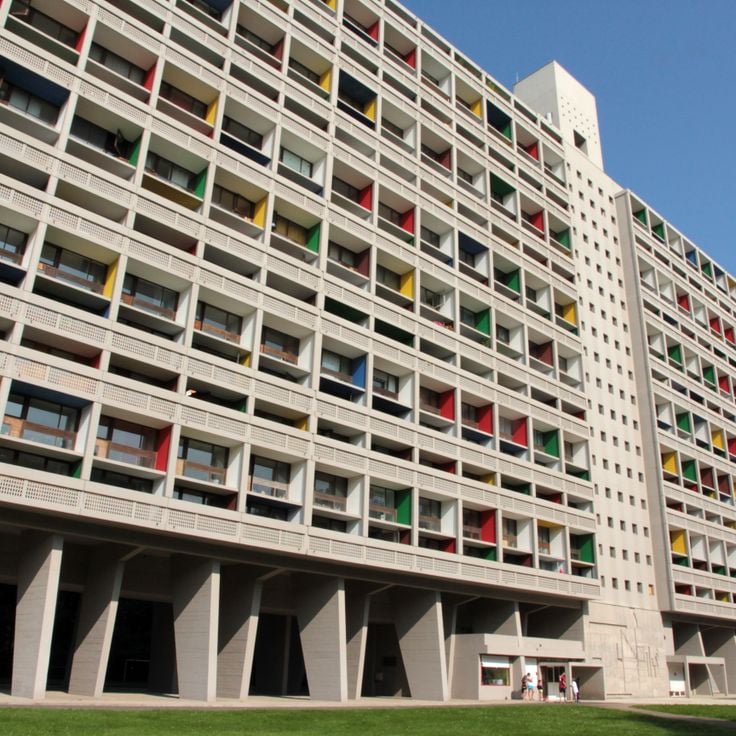
The Housing Unit in Marseille is a large building that combines homes, shops, and services in one structure. Le Corbusier applied his idea of shared living there: each person lives in their own place while sharing some common spaces. The building works like a tall village, with its inside streets, a roof terrace, and apartments that go through the building from one side to the other. It offers a new way of living together, designed for the world after the war, where families can meet, do their shopping, and use facilities without leaving the building.
The Couvent Sainte-Marie de La Tourette in Éveux is a Dominican monastery that Le Corbusier designed in the 1950s. This building shows his approach to brutalism and functional design. The monastery sits built into a hillside and combines raw concrete with clear geometric forms. The spaces inside were planned specifically for monastic life, with cells for the monks, shared areas, and a chapel. The structure demonstrates Le Corbusier's belief that architecture should enhance how people live their daily lives.
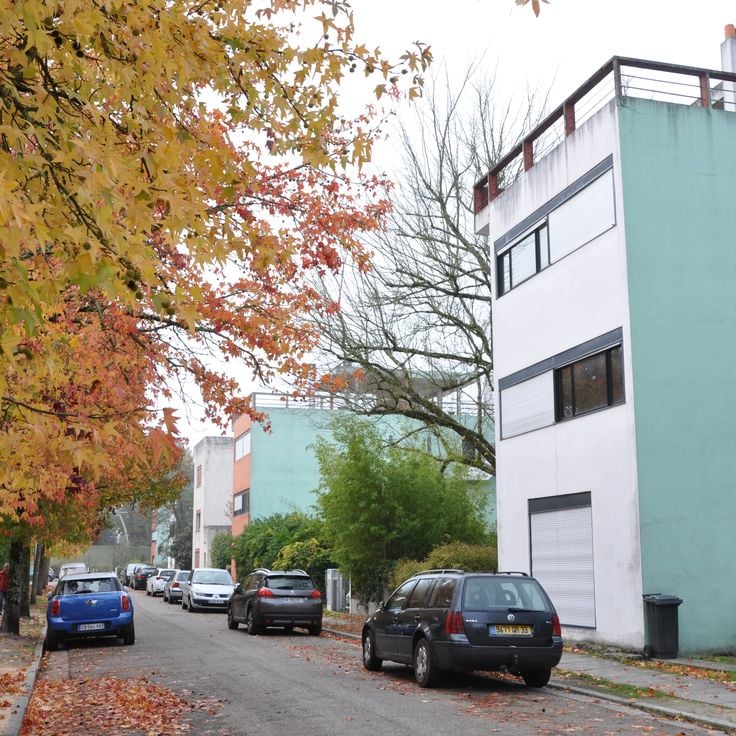
Cité Frugès de Pessac is an early housing project that combines modernist design with affordable living spaces. This settlement shows Le Corbusier's belief that good design should be accessible to all people. The houses feature clean lines, open floor plans, and functional rooms. The project was built in the 1920s and demonstrates Le Corbusier's approach to urban planning and residential living in the 20th century.
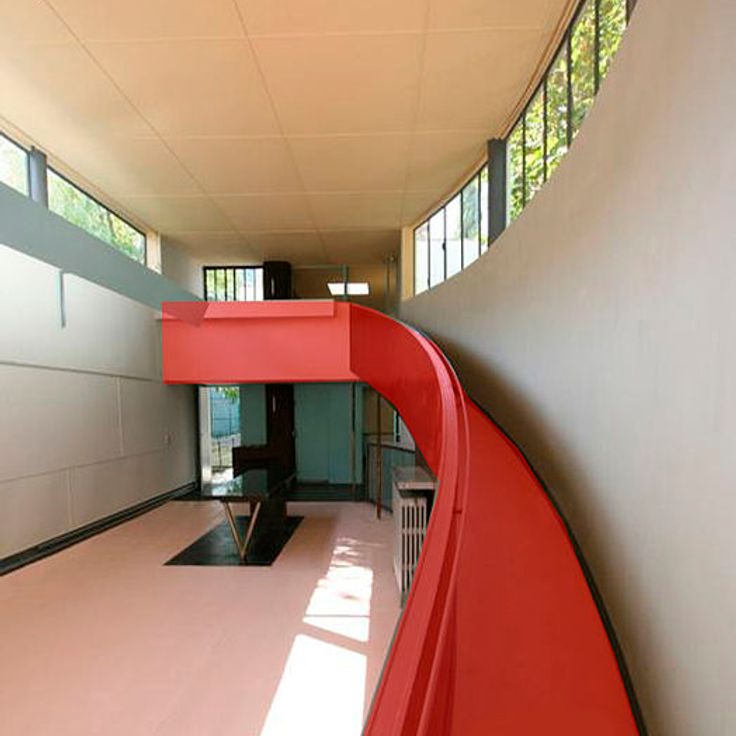
Maison La Roche in Paris is a private residence and art gallery that demonstrates Le Corbusier's approach to modern architecture in the 1920s. The house stands out through its open floor plans and sculptural interior spaces that create a flowing connection between rooms. It represents one of his early works showing how living spaces and art display can work together, reflecting his evolving ideas about design during this pivotal period in modernist architecture.
The Maison Jeanneret is a small residential building in Paris designed by Le Corbusier following modernist principles and efficient spatial planning. The house demonstrates how the architect organized space to create livable homes with practical layouts. It is part of Le Corbusier's body of work that shaped 20th-century modern architecture. The building shows his approach to making small areas work well for everyday living.
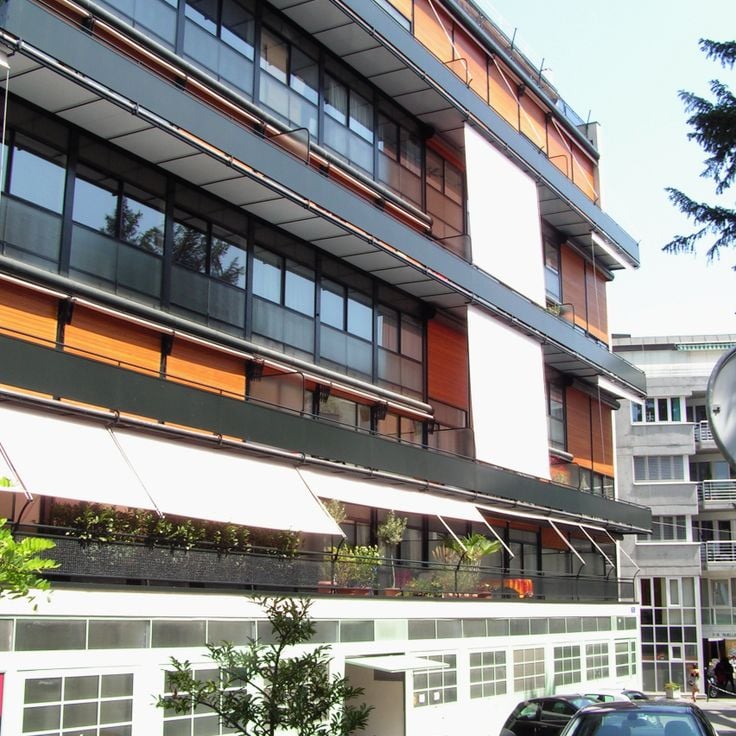
The Immeuble Clarté is an apartment building in Geneva that embodies Le Corbusier's approach to modern living spaces. Large windows flood the interior with natural light, while the rational structure shows his interest in efficient design. Built in the 1930s, the building features open floor plans and innovative use of steel and concrete. It stands as a key example of Le Corbusier's residential work and his vision for how people could live in contemporary cities.
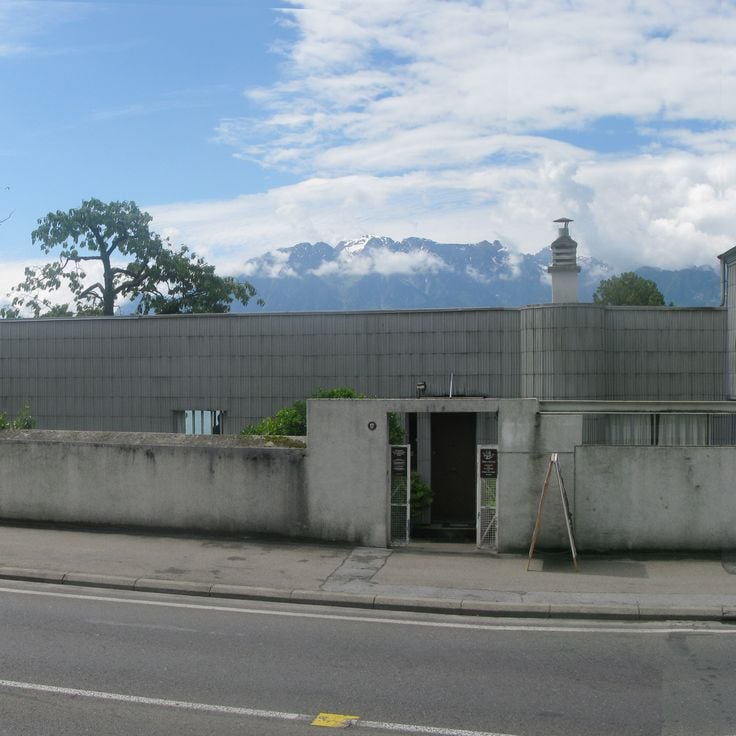
Villa Le Lac is a small lakeside house in Corseaux that served as Le Corbusier's personal retreat. The building demonstrates how the architect applied modernist principles to intimate residential design. The villa embodies Le Corbusier's philosophy of simplifying space and emphasizing the relationship between the inhabitant and the surrounding landscape. With its clean geometric forms and generous windows framing the view, it stands as a key example of his early residential work.
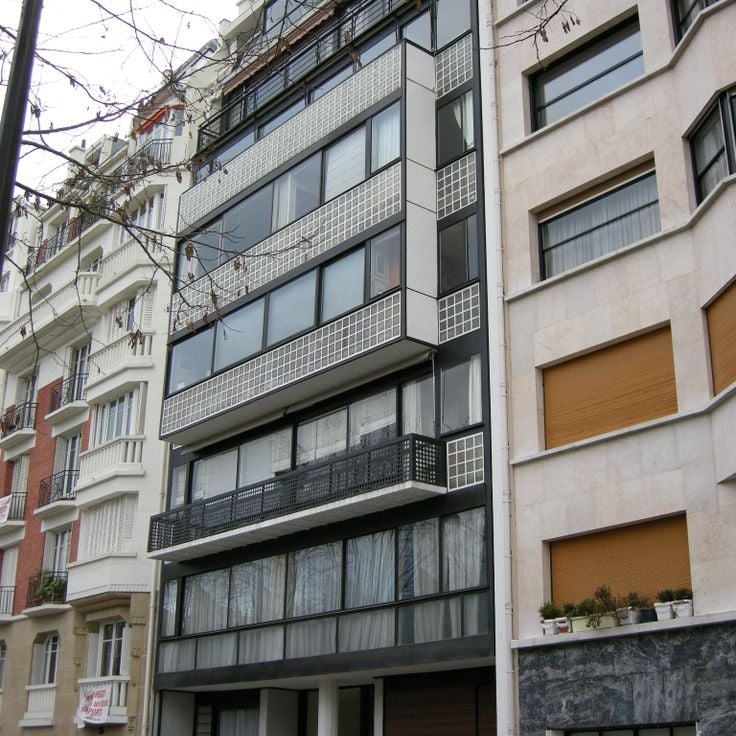
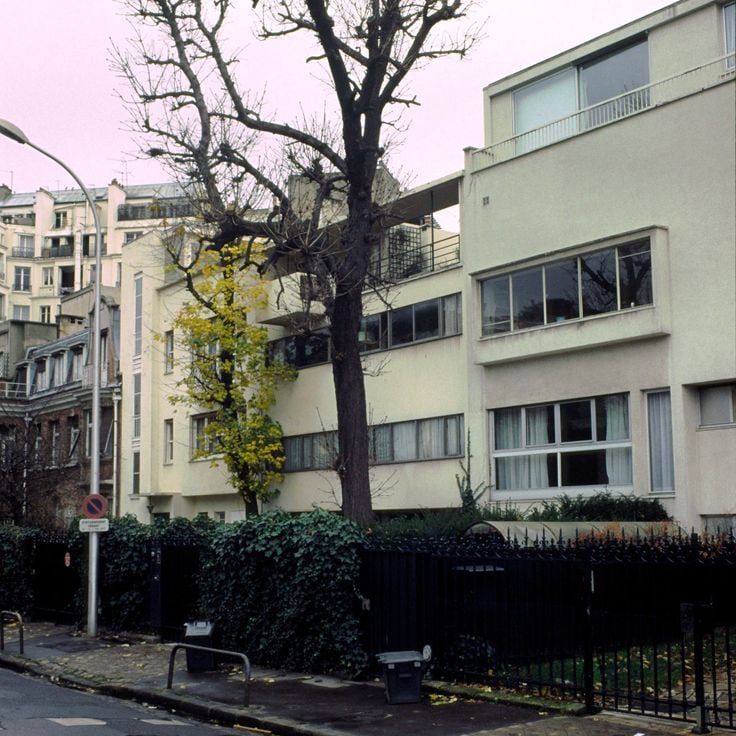
The Immeuble Molitor is a residential building in Boulogne-Billancourt that demonstrates Le Corbusier's approach to modern housing design. With its clean structural lines and distinctive modernist balconies, the building embodies the principles that Le Corbusier pursued throughout his work. It represents an important example of his architectural development and his influence on how people live in 20th-century buildings.
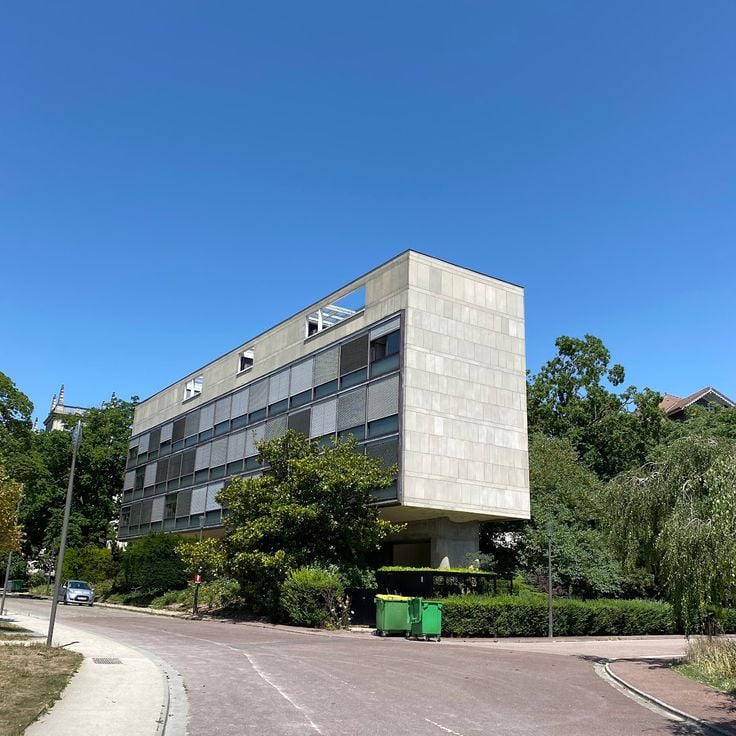
The Pavillon Suisse is a student residence in Paris that combines pilotis, free facades, and modernist principles. It shows Le Corbusier's development of a design approach where buildings rest on slender supports and walls can be arranged freely. Built in the 1930s, this structure marks a turning point in 20th-century architecture and demonstrates how Le Corbusier applied his ideas about rational building methods in a densely built city.
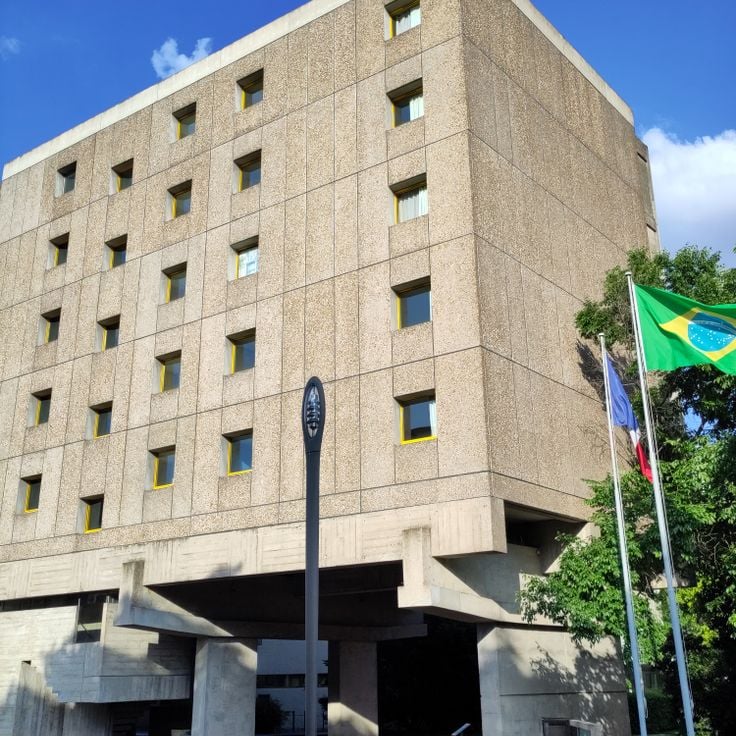
The Maison du Brésil is a student residence in Paris's university quarter that displays Le Corbusier's modernist approach to residential design. The building represents a key moment in the architect's evolution and shows how he shaped spaces for academic life and contemporary living.
The Unité d'Habitation de Rezé is a residential complex that applies Le Corbusier's collective housing concepts outside Paris. This building is part of Le Corbusier's architectural works around the world and demonstrates how the architect expressed his vision of modern living through concrete and clean geometric forms. The complex houses apartments designed for practical living, with shared spaces intended to simplify daily life for residents.
The Unité d'Habitation de Briey is an apartment block in northeastern France that demonstrates Le Corbusier's approach to social housing. The building shows his belief that well-designed living spaces should be available to ordinary people. Through its straightforward forms and practical layout, it represents a key example of modernist thinking in 20th-century architecture.
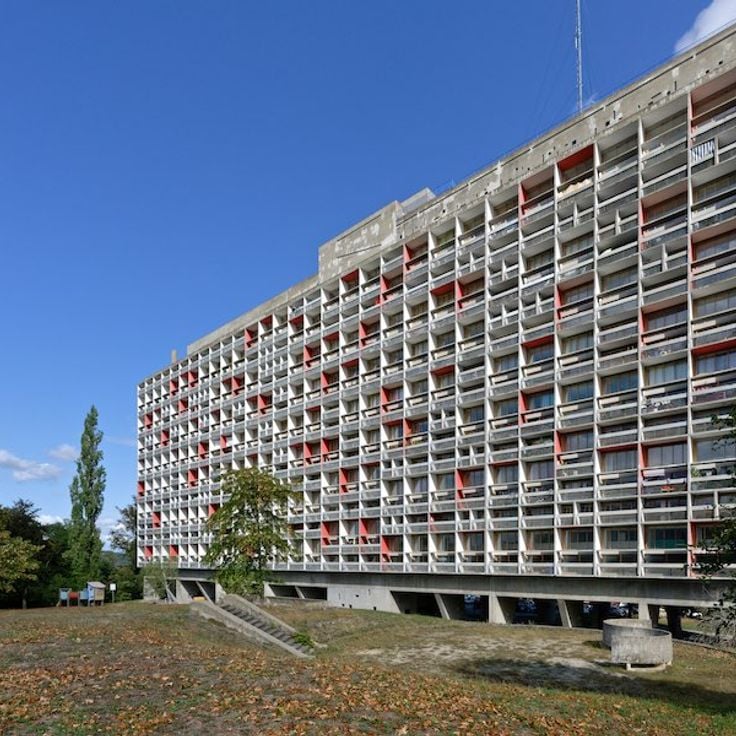
The Unité d'Habitation de Firminy-Vert displays Le Corbusier's vision of urban living with shared facilities. This building is part of a collection of significant works that reflect Le Corbusier's design philosophy across the 20th century and demonstrate his influence on modern architecture.
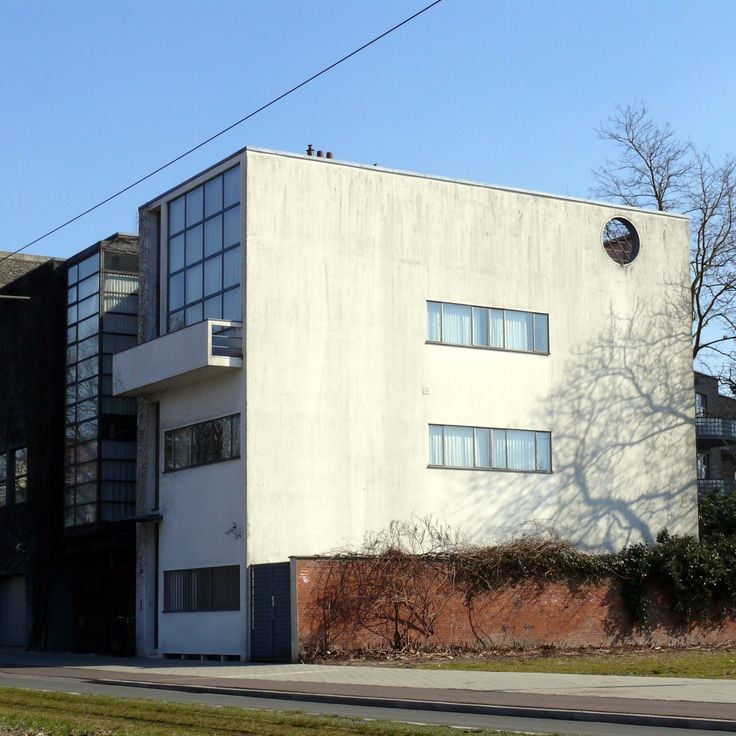
The Maison Guiette is a private residence in Antwerp that demonstrates early modernist design principles. It represents a significant moment in Le Corbusier's work during the 1920s, when he was developing his new ideas about architecture. The house embodies his approach to creating simple forms and functional spaces that improve everyday life. This building is part of Le Corbusier's legacy in 20th-century architectural history and shows how he reimagined private homes.
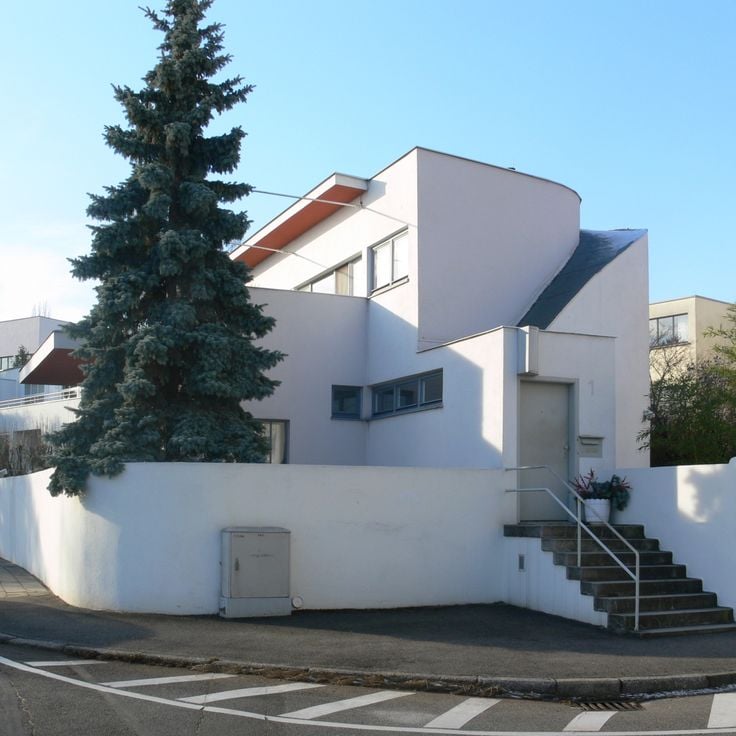
Haus Le Corbusier Weissenhof is a residential building from the 1927 Weissenhof exhibition in Stuttgart, which brought together leading architects from across Europe to demonstrate modern design approaches. The house shows Le Corbusier's thinking about how people should live, with its focus on simple forms and practical spaces. It stands as part of his broader body of work that shaped 20th-century architecture across Europe, Asia, and the Americas.
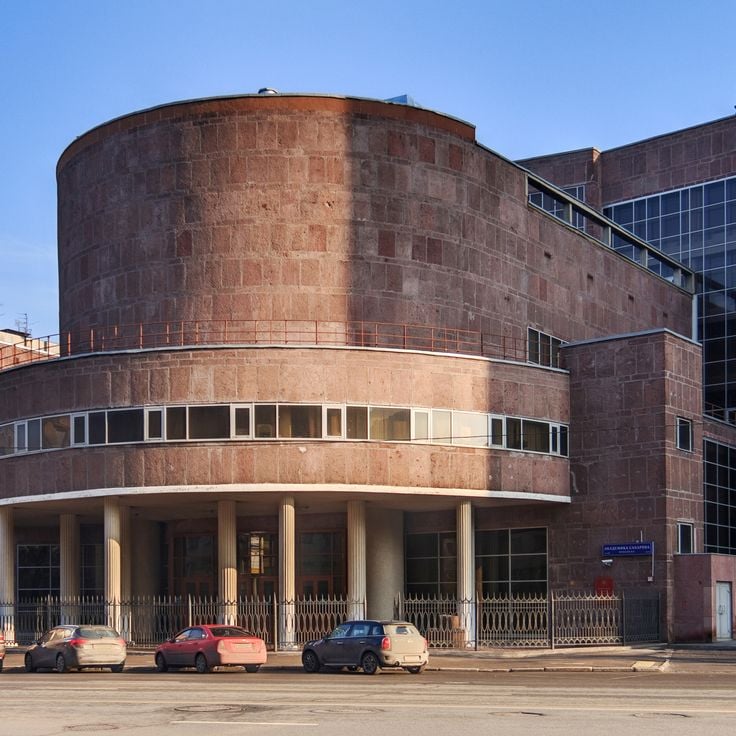
The Centrosoyuz Building is a major institutional structure in Moscow that demonstrates Le Corbusier's modernist design principles within a Soviet context. It represents a key moment in the evolution of Le Corbusier's architectural philosophy and his influence on 20th-century architecture. The building combines functional forms with innovative structural solutions.
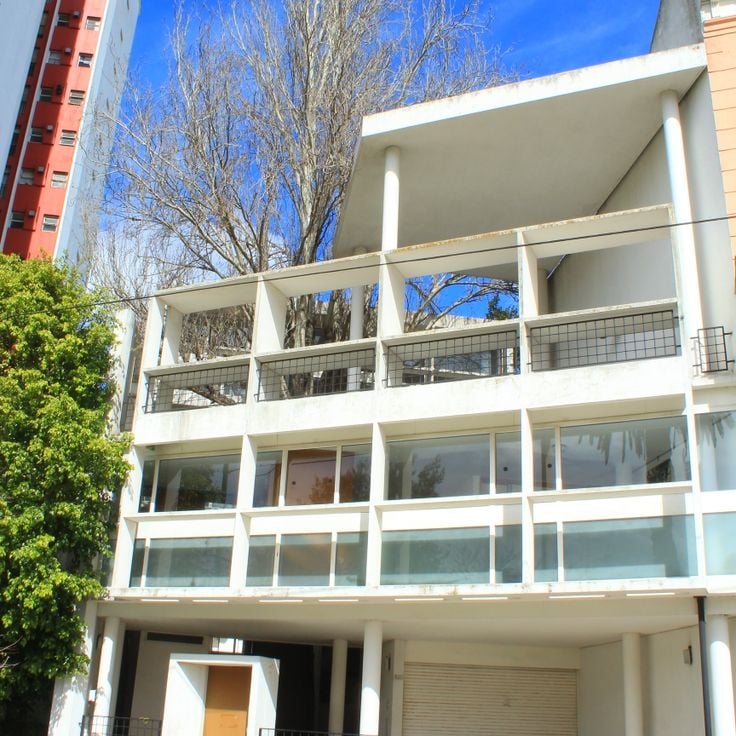
Casa Curutchet is Le Corbusier's only realized work in South America, a residence that shows how the architect brought modernism into dialogue with its local setting in La Plata. Built in the 1950s, the house demonstrates his design principles through open floor plans, functional spaces, and the integration of nature into the living areas. Casa Curutchet represents a key moment in Le Corbusier's international career and shows how he adapted modernist ideas to South American conditions.
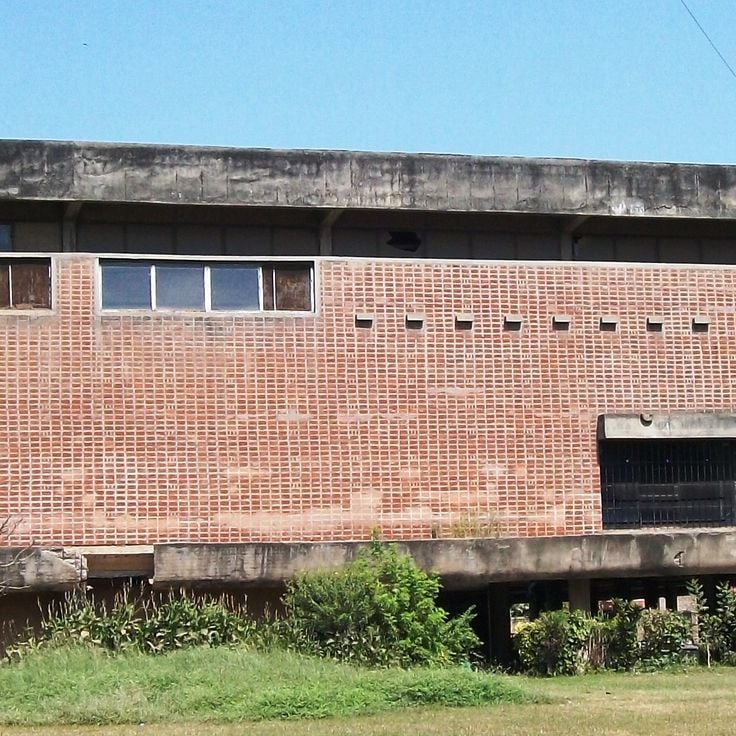
The Sanskar Kendra Museum in Ahmedabad displays textile and art collections within modernist concrete structures. As part of Le Corbusier's body of architectural work, this museum embodies his post-war design approach, which combines simple geometric forms with functional spaces. The museum's structure demonstrates how Le Corbusier designed public buildings to present artworks effectively and guide visitors through carefully planned interiors.
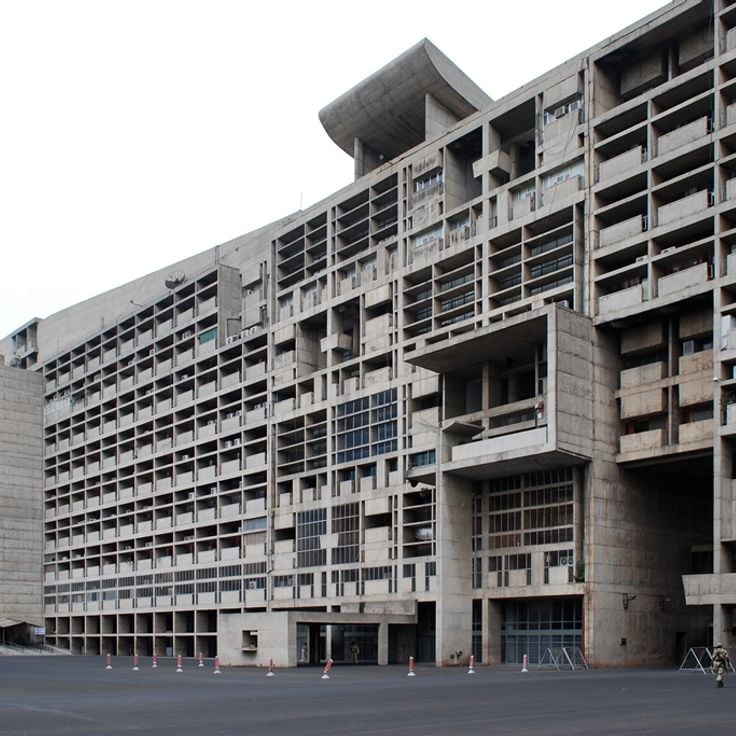
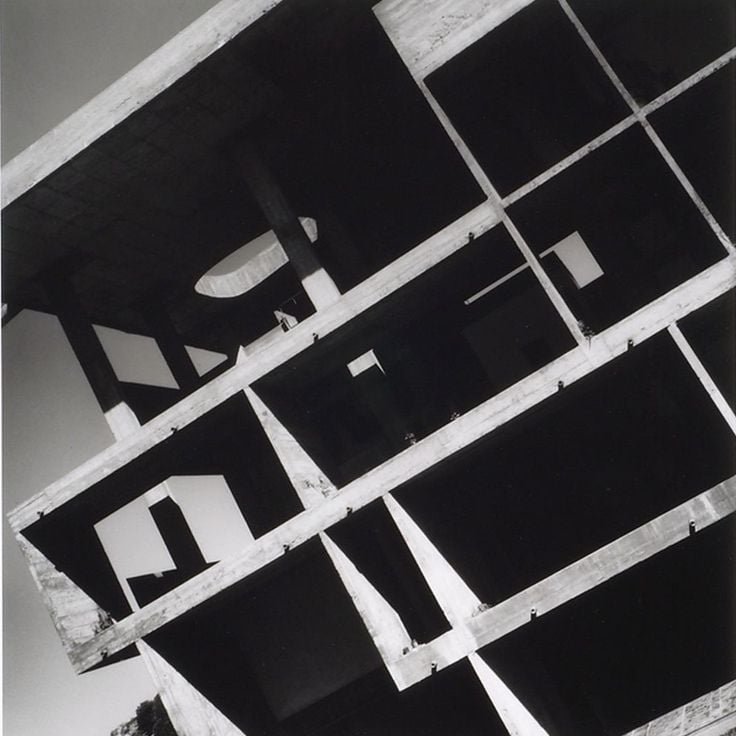
The Secretariat Building is a central government building in Chandigarh's planned capital city and displays Le Corbusier's monumental modernist style. The building embodies the architect's concept of rational forms and functional spaces that shape daily life and administration. It belongs to a group of important structures that demonstrate Le Corbusier's influence on 20th-century architecture.
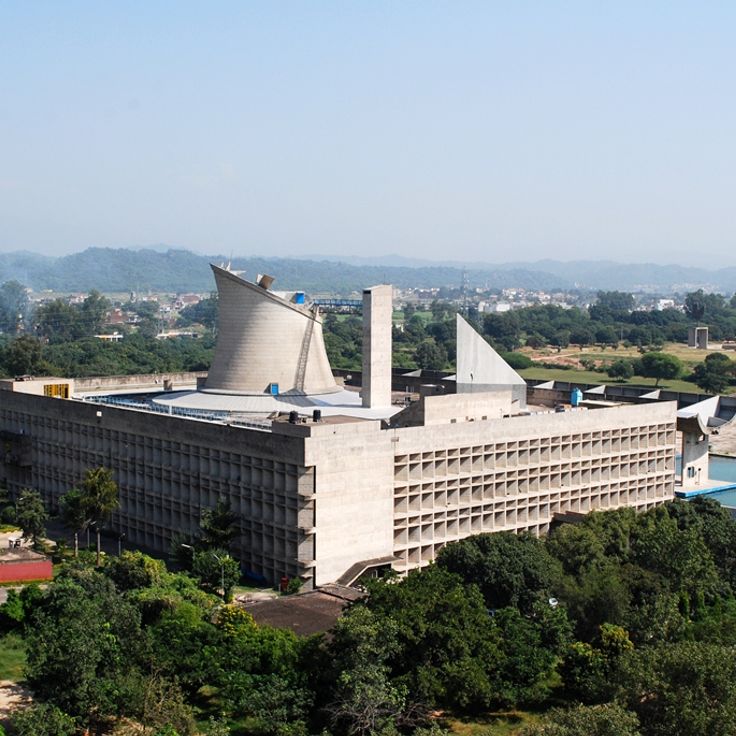
The Palace of Assembly in Chandigarh represents a key work of 20th-century modernist architecture. This legislative building displays Le Corbusier's characteristic use of bold concrete forms and geometric clarity. The structure functions as the seat of government and reflects his belief that architecture can shape a city's identity. The Palace of Assembly stands as a symbol of Chandigarh's planned development and shows how modernist design principles were integrated into institutional buildings across continents.
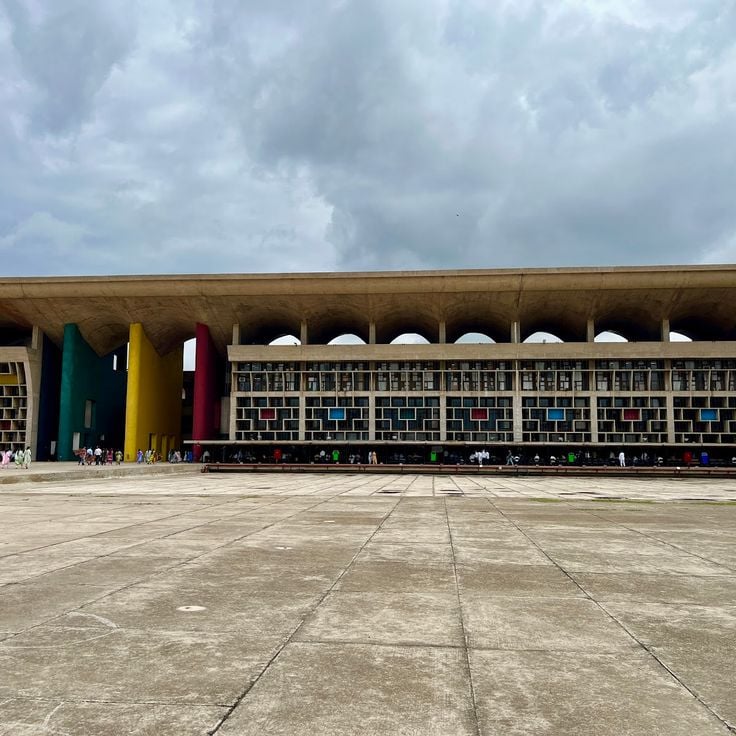
The Punjab and Haryana High Court is a judicial building in India's planned capital of Chandigarh. It demonstrates Le Corbusier's monumental architectural language and represents a key work in his career, reflecting his evolving design philosophy and influence on modernist architecture from the 1920s through the 1960s.
The Musée national d'Art occidental in Tokyo houses modern and contemporary artworks within a modernist structure. As part of Le Corbusier's architectural legacy, this museum embodies the evolution of his design philosophy and his influence on 20th-century architecture. The building demonstrates how the architect applied his principles to an institutional setting.
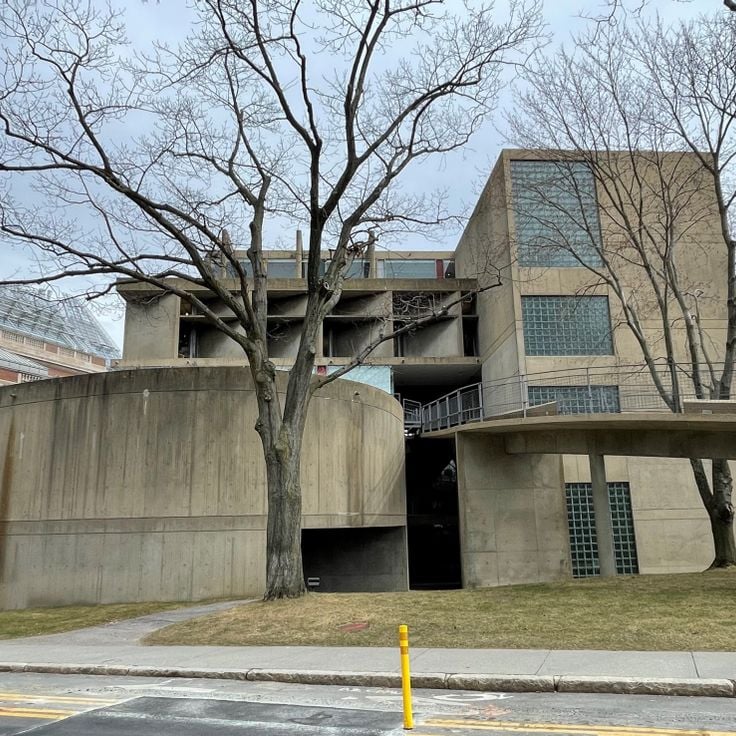
The Carpenter Center for the Visual Arts in Cambridge is a teaching facility for the arts that embodies Le Corbusier's design philosophy from the 20th century. This building displays bold concrete forms and thoughtful spatial organization that reflect his approach to modernizing architecture.
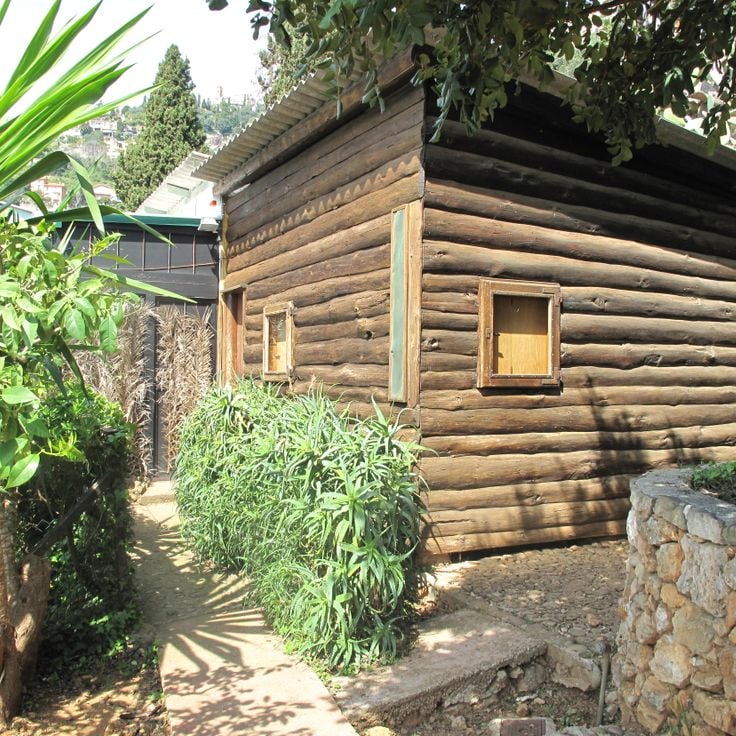
The Cabanon de Le Corbusier is a small personal vacation cabin on the French Riviera that served as the architect's private retreat. It embodies Le Corbusier's modernist philosophy through its simplicity and functional design. This building shows how Le Corbusier applied his design principles to his own private spaces and demonstrates his understanding of minimal, purposeful living.
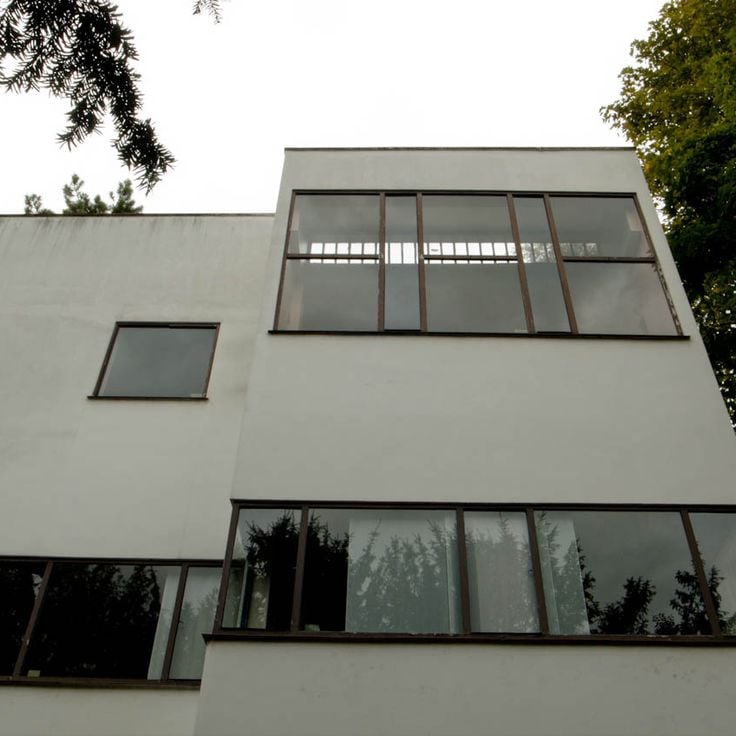
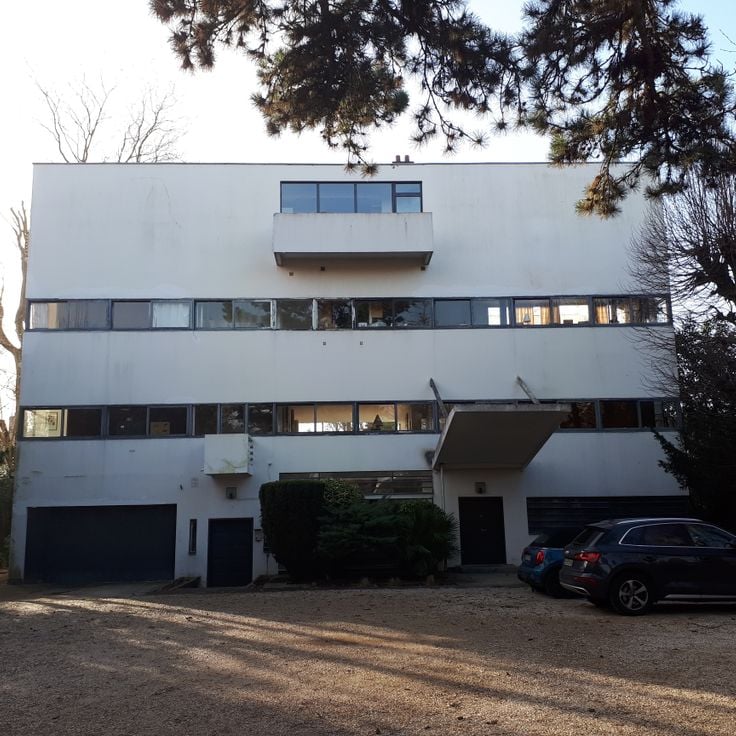
Villa Stein in Garches demonstrates Le Corbusier's approach to modern living from the 1920s onward. The residence features open floor plans and innovative design solutions that shaped 20th-century architecture. This house represents a key moment in Le Corbusier's evolving design philosophy and his influence on modernist building practices.
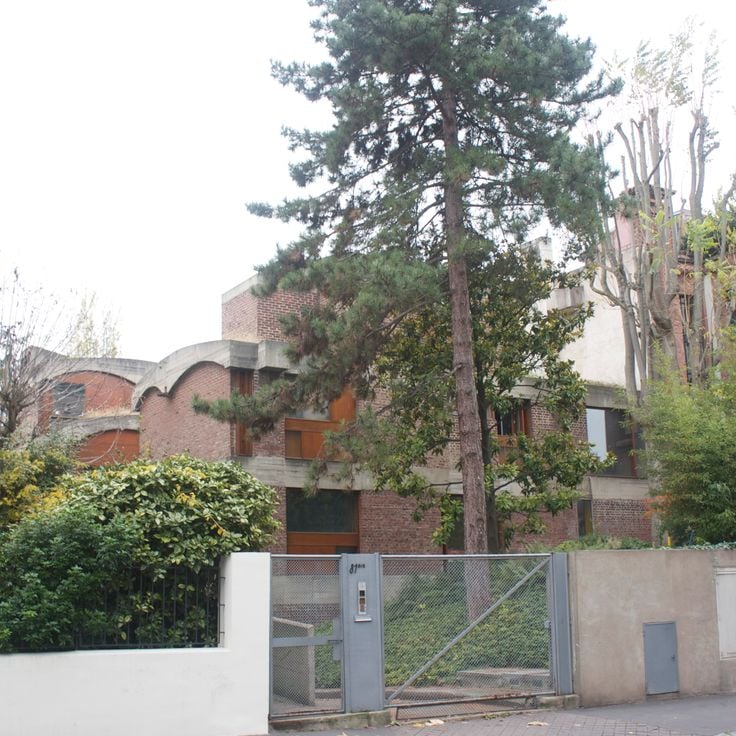
Maisons Jaoul are two residential buildings located in Neuilly-sur-Seine that demonstrate Le Corbusier's evolving approach to home design during his later years. These houses represent a shift from his earlier strict geometric principles toward the use of raw materials and more organic spatial arrangements. They form an important part of his body of work and illustrate how his thinking about modern living continued to develop and change over time.
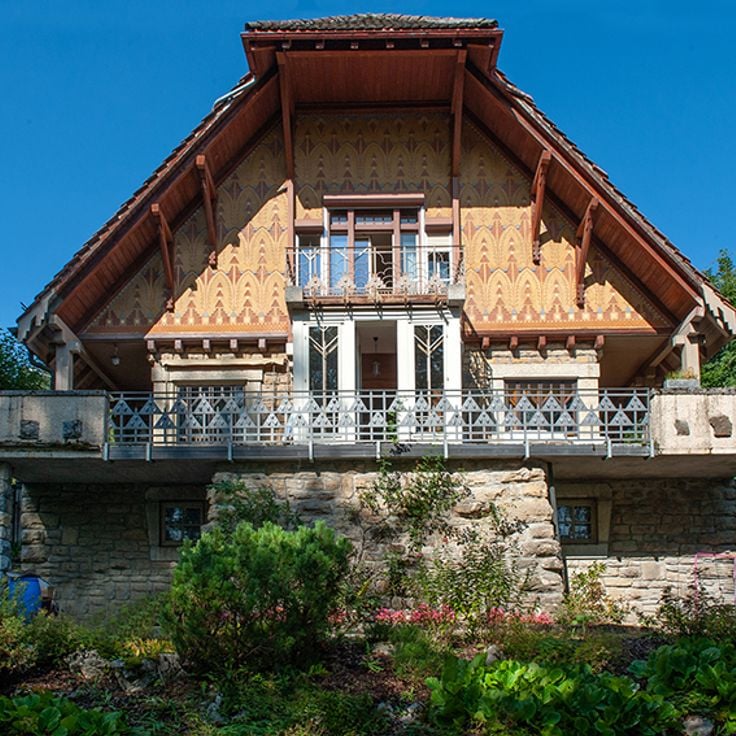
Villa Fallet is one of Le Corbusier's early works and shows his path toward modernist thinking in architecture. The building in Switzerland was created when the architect was still influenced by traditional forms. This house shows how Le Corbusier developed his ideas about living and designing spaces.
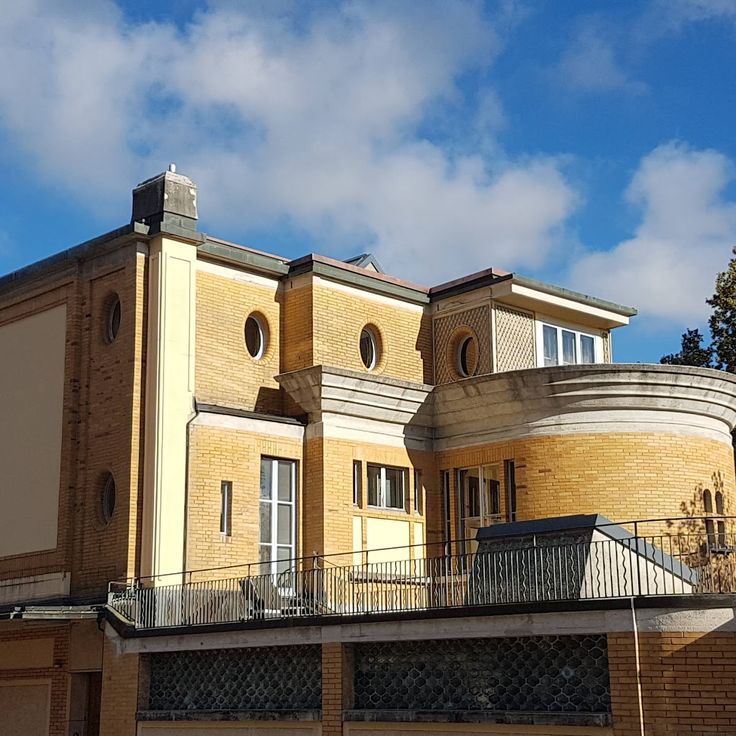
The Villa Schwob in La Chaux-de-Fonds demonstrates Le Corbusier's early approach to modern living. The house joins functional rooms with clean geometric shapes and open floor plans. The facade features horizontal lines and large glass surfaces that flood the interior with light. Inside, you find the principles of rational space use that Le Corbusier would refine in his larger projects. The villa sits on a slope overlooking the landscape, and its modern design integrates it into the natural setting.
The Pavilion of the New Spirit was an experimental structure that embodied Le Corbusier's philosophy of modern living. This exhibition pavilion presented his radical concept for standardized, functional spaces and showed how family life and daily routines could operate within a new architectural framework. The building demonstrated his belief that good design should be accessible to everyone, not just the wealthy.
The Cook House is a modernist villa in Boulogne-Billancourt that Le Corbusier designed in the 1920s. It shows the early principles of his architectural language with clean geometric forms and functional spaces. The villa is among his residential works that demonstrate how he sought new ways to shape living spaces. It is part of his extensive body of work that shaped modern architecture of the 20th century.
Villa Shodhan is a residential building in Ahmedabad designed by Le Corbusier in the 1950s. The house demonstrates his approach to modern living through clean forms and functional spaces. It shows how his architectural language spread beyond Europe to shape buildings across the world. The villa represents his lasting impact on how architects design homes and urban spaces.
Notre-Dame-du-Haut in Ronchamp shows Le Corbusier's approach to religious architecture. The chapel stands on a hillside with curved concrete forms that seem to rise from the ground. White walls and an arched roof define its appearance. Inside, light enters through small windows placed asymmetrically, creating a contemplative space. This building marks an important moment in sacred architecture of the 20th century.
Villa Savoye in Poissy stands as an early modernist residence that shaped Le Corbusier's influence on 20th-century architecture. The house displays clean lines, white surfaces, and distinctive pilotis that lift the structure above the ground. Built in the late 1920s, this private residence demonstrates Le Corbusier's functional design philosophy and became a reference point for how homes could be designed with simplicity and purpose.
The Housing Unit in Marseille is a large building that combines homes, shops, and services in one structure. Le Corbusier applied his idea of shared living there: each person lives in their own place while sharing some common spaces. The building works like a tall village, with its inside streets, a roof terrace, and apartments that go through the building from one side to the other. It offers a new way of living together, designed for the world after the war, where families can meet, do their shopping, and use facilities without leaving the building.
The Couvent Sainte-Marie de La Tourette in Éveux is a Dominican monastery that Le Corbusier designed in the 1950s. This building shows his approach to brutalism and functional design. The monastery sits built into a hillside and combines raw concrete with clear geometric forms. The spaces inside were planned specifically for monastic life, with cells for the monks, shared areas, and a chapel. The structure demonstrates Le Corbusier's belief that architecture should enhance how people live their daily lives.
Cité Frugès de Pessac is an early housing project that combines modernist design with affordable living spaces. This settlement shows Le Corbusier's belief that good design should be accessible to all people. The houses feature clean lines, open floor plans, and functional rooms. The project was built in the 1920s and demonstrates Le Corbusier's approach to urban planning and residential living in the 20th century.
Maison La Roche in Paris is a private residence and art gallery that demonstrates Le Corbusier's approach to modern architecture in the 1920s. The house stands out through its open floor plans and sculptural interior spaces that create a flowing connection between rooms. It represents one of his early works showing how living spaces and art display can work together, reflecting his evolving ideas about design during this pivotal period in modernist architecture.
The Maison Jeanneret is a small residential building in Paris designed by Le Corbusier following modernist principles and efficient spatial planning. The house demonstrates how the architect organized space to create livable homes with practical layouts. It is part of Le Corbusier's body of work that shaped 20th-century modern architecture. The building shows his approach to making small areas work well for everyday living.
The Immeuble Clarté is an apartment building in Geneva that embodies Le Corbusier's approach to modern living spaces. Large windows flood the interior with natural light, while the rational structure shows his interest in efficient design. Built in the 1930s, the building features open floor plans and innovative use of steel and concrete. It stands as a key example of Le Corbusier's residential work and his vision for how people could live in contemporary cities.
Villa Le Lac is a small lakeside house in Corseaux that served as Le Corbusier's personal retreat. The building demonstrates how the architect applied modernist principles to intimate residential design. The villa embodies Le Corbusier's philosophy of simplifying space and emphasizing the relationship between the inhabitant and the surrounding landscape. With its clean geometric forms and generous windows framing the view, it stands as a key example of his early residential work.
The Immeuble Molitor is a residential building in Boulogne-Billancourt that demonstrates Le Corbusier's approach to modern housing design. With its clean structural lines and distinctive modernist balconies, the building embodies the principles that Le Corbusier pursued throughout his work. It represents an important example of his architectural development and his influence on how people live in 20th-century buildings.
The Pavillon Suisse is a student residence in Paris that combines pilotis, free facades, and modernist principles. It shows Le Corbusier's development of a design approach where buildings rest on slender supports and walls can be arranged freely. Built in the 1930s, this structure marks a turning point in 20th-century architecture and demonstrates how Le Corbusier applied his ideas about rational building methods in a densely built city.
The Maison du Brésil is a student residence in Paris's university quarter that displays Le Corbusier's modernist approach to residential design. The building represents a key moment in the architect's evolution and shows how he shaped spaces for academic life and contemporary living.
The Unité d'Habitation de Rezé is a residential complex that applies Le Corbusier's collective housing concepts outside Paris. This building is part of Le Corbusier's architectural works around the world and demonstrates how the architect expressed his vision of modern living through concrete and clean geometric forms. The complex houses apartments designed for practical living, with shared spaces intended to simplify daily life for residents.
The Unité d'Habitation de Briey is an apartment block in northeastern France that demonstrates Le Corbusier's approach to social housing. The building shows his belief that well-designed living spaces should be available to ordinary people. Through its straightforward forms and practical layout, it represents a key example of modernist thinking in 20th-century architecture.
The Unité d'Habitation de Firminy-Vert displays Le Corbusier's vision of urban living with shared facilities. This building is part of a collection of significant works that reflect Le Corbusier's design philosophy across the 20th century and demonstrate his influence on modern architecture.
The Maison Guiette is a private residence in Antwerp that demonstrates early modernist design principles. It represents a significant moment in Le Corbusier's work during the 1920s, when he was developing his new ideas about architecture. The house embodies his approach to creating simple forms and functional spaces that improve everyday life. This building is part of Le Corbusier's legacy in 20th-century architectural history and shows how he reimagined private homes.
Haus Le Corbusier Weissenhof is a residential building from the 1927 Weissenhof exhibition in Stuttgart, which brought together leading architects from across Europe to demonstrate modern design approaches. The house shows Le Corbusier's thinking about how people should live, with its focus on simple forms and practical spaces. It stands as part of his broader body of work that shaped 20th-century architecture across Europe, Asia, and the Americas.
The Centrosoyuz Building is a major institutional structure in Moscow that demonstrates Le Corbusier's modernist design principles within a Soviet context. It represents a key moment in the evolution of Le Corbusier's architectural philosophy and his influence on 20th-century architecture. The building combines functional forms with innovative structural solutions.
Casa Curutchet is Le Corbusier's only realized work in South America, a residence that shows how the architect brought modernism into dialogue with its local setting in La Plata. Built in the 1950s, the house demonstrates his design principles through open floor plans, functional spaces, and the integration of nature into the living areas. Casa Curutchet represents a key moment in Le Corbusier's international career and shows how he adapted modernist ideas to South American conditions.
The Sanskar Kendra Museum in Ahmedabad displays textile and art collections within modernist concrete structures. As part of Le Corbusier's body of architectural work, this museum embodies his post-war design approach, which combines simple geometric forms with functional spaces. The museum's structure demonstrates how Le Corbusier designed public buildings to present artworks effectively and guide visitors through carefully planned interiors.
The Secretariat Building is a central government building in Chandigarh's planned capital city and displays Le Corbusier's monumental modernist style. The building embodies the architect's concept of rational forms and functional spaces that shape daily life and administration. It belongs to a group of important structures that demonstrate Le Corbusier's influence on 20th-century architecture.
The Palace of Assembly in Chandigarh represents a key work of 20th-century modernist architecture. This legislative building displays Le Corbusier's characteristic use of bold concrete forms and geometric clarity. The structure functions as the seat of government and reflects his belief that architecture can shape a city's identity. The Palace of Assembly stands as a symbol of Chandigarh's planned development and shows how modernist design principles were integrated into institutional buildings across continents.
The Punjab and Haryana High Court is a judicial building in India's planned capital of Chandigarh. It demonstrates Le Corbusier's monumental architectural language and represents a key work in his career, reflecting his evolving design philosophy and influence on modernist architecture from the 1920s through the 1960s.
The Musée national d'Art occidental in Tokyo houses modern and contemporary artworks within a modernist structure. As part of Le Corbusier's architectural legacy, this museum embodies the evolution of his design philosophy and his influence on 20th-century architecture. The building demonstrates how the architect applied his principles to an institutional setting.
The Carpenter Center for the Visual Arts in Cambridge is a teaching facility for the arts that embodies Le Corbusier's design philosophy from the 20th century. This building displays bold concrete forms and thoughtful spatial organization that reflect his approach to modernizing architecture.
The Cabanon de Le Corbusier is a small personal vacation cabin on the French Riviera that served as the architect's private retreat. It embodies Le Corbusier's modernist philosophy through its simplicity and functional design. This building shows how Le Corbusier applied his design principles to his own private spaces and demonstrates his understanding of minimal, purposeful living.
Villa Stein in Garches demonstrates Le Corbusier's approach to modern living from the 1920s onward. The residence features open floor plans and innovative design solutions that shaped 20th-century architecture. This house represents a key moment in Le Corbusier's evolving design philosophy and his influence on modernist building practices.
Maisons Jaoul are two residential buildings located in Neuilly-sur-Seine that demonstrate Le Corbusier's evolving approach to home design during his later years. These houses represent a shift from his earlier strict geometric principles toward the use of raw materials and more organic spatial arrangements. They form an important part of his body of work and illustrate how his thinking about modern living continued to develop and change over time.
Villa Fallet is one of Le Corbusier's early works and shows his path toward modernist thinking in architecture. The building in Switzerland was created when the architect was still influenced by traditional forms. This house shows how Le Corbusier developed his ideas about living and designing spaces.
The Villa Schwob in La Chaux-de-Fonds demonstrates Le Corbusier's early approach to modern living. The house joins functional rooms with clean geometric shapes and open floor plans. The facade features horizontal lines and large glass surfaces that flood the interior with light. Inside, you find the principles of rational space use that Le Corbusier would refine in his larger projects. The villa sits on a slope overlooking the landscape, and its modern design integrates it into the natural setting.
The Pavilion of the New Spirit was an experimental structure that embodied Le Corbusier's philosophy of modern living. This exhibition pavilion presented his radical concept for standardized, functional spaces and showed how family life and daily routines could operate within a new architectural framework. The building demonstrated his belief that good design should be accessible to everyone, not just the wealthy.
The Cook House is a modernist villa in Boulogne-Billancourt that Le Corbusier designed in the 1920s. It shows the early principles of his architectural language with clean geometric forms and functional spaces. The villa is among his residential works that demonstrate how he sought new ways to shape living spaces. It is part of his extensive body of work that shaped modern architecture of the 20th century.
Villa Shodhan is a residential building in Ahmedabad designed by Le Corbusier in the 1950s. The house demonstrates his approach to modern living through clean forms and functional spaces. It shows how his architectural language spread beyond Europe to shape buildings across the world. The villa represents his lasting impact on how architects design homes and urban spaces.
Notre-Dame-du-Haut in Ronchamp shows Le Corbusier's approach to religious architecture. The chapel stands on a hillside with curved concrete forms that seem to rise from the ground. White walls and an arched roof define its appearance. Inside, light enters through small windows placed asymmetrically, creating a contemplative space. This building marks an important moment in sacred architecture of the 20th century.
Villa Savoye in Poissy stands as an early modernist residence that shaped Le Corbusier's influence on 20th-century architecture. The house displays clean lines, white surfaces, and distinctive pilotis that lift the structure above the ground. Built in the late 1920s, this private residence demonstrates Le Corbusier's functional design philosophy and became a reference point for how homes could be designed with simplicity and purpose.
The Housing Unit in Marseille is a large building that combines homes, shops, and services in one structure. Le Corbusier applied his idea of shared living there: each person lives in their own place while sharing some common spaces. The building works like a tall village, with its inside streets, a roof terrace, and apartments that go through the building from one side to the other. It offers a new way of living together, designed for the world after the war, where families can meet, do their shopping, and use facilities without leaving the building.
The Couvent Sainte-Marie de La Tourette in Éveux is a Dominican monastery that Le Corbusier designed in the 1950s. This building shows his approach to brutalism and functional design. The monastery sits built into a hillside and combines raw concrete with clear geometric forms. The spaces inside were planned specifically for monastic life, with cells for the monks, shared areas, and a chapel. The structure demonstrates Le Corbusier's belief that architecture should enhance how people live their daily lives.
Cité Frugès de Pessac is an early housing project that combines modernist design with affordable living spaces. This settlement shows Le Corbusier's belief that good design should be accessible to all people. The houses feature clean lines, open floor plans, and functional rooms. The project was built in the 1920s and demonstrates Le Corbusier's approach to urban planning and residential living in the 20th century.
Maison La Roche in Paris is a private residence and art gallery that demonstrates Le Corbusier's approach to modern architecture in the 1920s. The house stands out through its open floor plans and sculptural interior spaces that create a flowing connection between rooms. It represents one of his early works showing how living spaces and art display can work together, reflecting his evolving ideas about design during this pivotal period in modernist architecture.
The Maison Jeanneret is a small residential building in Paris designed by Le Corbusier following modernist principles and efficient spatial planning. The house demonstrates how the architect organized space to create livable homes with practical layouts. It is part of Le Corbusier's body of work that shaped 20th-century modern architecture. The building shows his approach to making small areas work well for everyday living.
The Immeuble Clarté is an apartment building in Geneva that embodies Le Corbusier's approach to modern living spaces. Large windows flood the interior with natural light, while the rational structure shows his interest in efficient design. Built in the 1930s, the building features open floor plans and innovative use of steel and concrete. It stands as a key example of Le Corbusier's residential work and his vision for how people could live in contemporary cities.
Villa Le Lac is a small lakeside house in Corseaux that served as Le Corbusier's personal retreat. The building demonstrates how the architect applied modernist principles to intimate residential design. The villa embodies Le Corbusier's philosophy of simplifying space and emphasizing the relationship between the inhabitant and the surrounding landscape. With its clean geometric forms and generous windows framing the view, it stands as a key example of his early residential work.
The Immeuble Molitor is a residential building in Boulogne-Billancourt that demonstrates Le Corbusier's approach to modern housing design. With its clean structural lines and distinctive modernist balconies, the building embodies the principles that Le Corbusier pursued throughout his work. It represents an important example of his architectural development and his influence on how people live in 20th-century buildings.
The Pavillon Suisse is a student residence in Paris that combines pilotis, free facades, and modernist principles. It shows Le Corbusier's development of a design approach where buildings rest on slender supports and walls can be arranged freely. Built in the 1930s, this structure marks a turning point in 20th-century architecture and demonstrates how Le Corbusier applied his ideas about rational building methods in a densely built city.
The Maison du Brésil is a student residence in Paris's university quarter that displays Le Corbusier's modernist approach to residential design. The building represents a key moment in the architect's evolution and shows how he shaped spaces for academic life and contemporary living.
The Unité d'Habitation de Rezé is a residential complex that applies Le Corbusier's collective housing concepts outside Paris. This building is part of Le Corbusier's architectural works around the world and demonstrates how the architect expressed his vision of modern living through concrete and clean geometric forms. The complex houses apartments designed for practical living, with shared spaces intended to simplify daily life for residents.
The Unité d'Habitation de Briey is an apartment block in northeastern France that demonstrates Le Corbusier's approach to social housing. The building shows his belief that well-designed living spaces should be available to ordinary people. Through its straightforward forms and practical layout, it represents a key example of modernist thinking in 20th-century architecture.
The Unité d'Habitation de Firminy-Vert displays Le Corbusier's vision of urban living with shared facilities. This building is part of a collection of significant works that reflect Le Corbusier's design philosophy across the 20th century and demonstrate his influence on modern architecture.
The Maison Guiette is a private residence in Antwerp that demonstrates early modernist design principles. It represents a significant moment in Le Corbusier's work during the 1920s, when he was developing his new ideas about architecture. The house embodies his approach to creating simple forms and functional spaces that improve everyday life. This building is part of Le Corbusier's legacy in 20th-century architectural history and shows how he reimagined private homes.
Haus Le Corbusier Weissenhof is a residential building from the 1927 Weissenhof exhibition in Stuttgart, which brought together leading architects from across Europe to demonstrate modern design approaches. The house shows Le Corbusier's thinking about how people should live, with its focus on simple forms and practical spaces. It stands as part of his broader body of work that shaped 20th-century architecture across Europe, Asia, and the Americas.
The Centrosoyuz Building is a major institutional structure in Moscow that demonstrates Le Corbusier's modernist design principles within a Soviet context. It represents a key moment in the evolution of Le Corbusier's architectural philosophy and his influence on 20th-century architecture. The building combines functional forms with innovative structural solutions.
Casa Curutchet is Le Corbusier's only realized work in South America, a residence that shows how the architect brought modernism into dialogue with its local setting in La Plata. Built in the 1950s, the house demonstrates his design principles through open floor plans, functional spaces, and the integration of nature into the living areas. Casa Curutchet represents a key moment in Le Corbusier's international career and shows how he adapted modernist ideas to South American conditions.
The Sanskar Kendra Museum in Ahmedabad displays textile and art collections within modernist concrete structures. As part of Le Corbusier's body of architectural work, this museum embodies his post-war design approach, which combines simple geometric forms with functional spaces. The museum's structure demonstrates how Le Corbusier designed public buildings to present artworks effectively and guide visitors through carefully planned interiors.
The Secretariat Building is a central government building in Chandigarh's planned capital city and displays Le Corbusier's monumental modernist style. The building embodies the architect's concept of rational forms and functional spaces that shape daily life and administration. It belongs to a group of important structures that demonstrate Le Corbusier's influence on 20th-century architecture.
The Palace of Assembly in Chandigarh represents a key work of 20th-century modernist architecture. This legislative building displays Le Corbusier's characteristic use of bold concrete forms and geometric clarity. The structure functions as the seat of government and reflects his belief that architecture can shape a city's identity. The Palace of Assembly stands as a symbol of Chandigarh's planned development and shows how modernist design principles were integrated into institutional buildings across continents.
The Punjab and Haryana High Court is a judicial building in India's planned capital of Chandigarh. It demonstrates Le Corbusier's monumental architectural language and represents a key work in his career, reflecting his evolving design philosophy and influence on modernist architecture from the 1920s through the 1960s.
The Musée national d'Art occidental in Tokyo houses modern and contemporary artworks within a modernist structure. As part of Le Corbusier's architectural legacy, this museum embodies the evolution of his design philosophy and his influence on 20th-century architecture. The building demonstrates how the architect applied his principles to an institutional setting.
The Carpenter Center for the Visual Arts in Cambridge is a teaching facility for the arts that embodies Le Corbusier's design philosophy from the 20th century. This building displays bold concrete forms and thoughtful spatial organization that reflect his approach to modernizing architecture.
The Cabanon de Le Corbusier is a small personal vacation cabin on the French Riviera that served as the architect's private retreat. It embodies Le Corbusier's modernist philosophy through its simplicity and functional design. This building shows how Le Corbusier applied his design principles to his own private spaces and demonstrates his understanding of minimal, purposeful living.
Villa Stein in Garches demonstrates Le Corbusier's approach to modern living from the 1920s onward. The residence features open floor plans and innovative design solutions that shaped 20th-century architecture. This house represents a key moment in Le Corbusier's evolving design philosophy and his influence on modernist building practices.
Maisons Jaoul are two residential buildings located in Neuilly-sur-Seine that demonstrate Le Corbusier's evolving approach to home design during his later years. These houses represent a shift from his earlier strict geometric principles toward the use of raw materials and more organic spatial arrangements. They form an important part of his body of work and illustrate how his thinking about modern living continued to develop and change over time.
Villa Fallet is one of Le Corbusier's early works and shows his path toward modernist thinking in architecture. The building in Switzerland was created when the architect was still influenced by traditional forms. This house shows how Le Corbusier developed his ideas about living and designing spaces.
The Villa Schwob in La Chaux-de-Fonds demonstrates Le Corbusier's early approach to modern living. The house joins functional rooms with clean geometric shapes and open floor plans. The facade features horizontal lines and large glass surfaces that flood the interior with light. Inside, you find the principles of rational space use that Le Corbusier would refine in his larger projects. The villa sits on a slope overlooking the landscape, and its modern design integrates it into the natural setting.
The Pavilion of the New Spirit was an experimental structure that embodied Le Corbusier's philosophy of modern living. This exhibition pavilion presented his radical concept for standardized, functional spaces and showed how family life and daily routines could operate within a new architectural framework. The building demonstrated his belief that good design should be accessible to everyone, not just the wealthy.
The Cook House is a modernist villa in Boulogne-Billancourt that Le Corbusier designed in the 1920s. It shows the early principles of his architectural language with clean geometric forms and functional spaces. The villa is among his residential works that demonstrate how he sought new ways to shape living spaces. It is part of his extensive body of work that shaped modern architecture of the 20th century.
Villa Shodhan is a residential building in Ahmedabad designed by Le Corbusier in the 1950s. The house demonstrates his approach to modern living through clean forms and functional spaces. It shows how his architectural language spread beyond Europe to shape buildings across the world. The villa represents his lasting impact on how architects design homes and urban spaces.
Notre-Dame-du-Haut in Ronchamp shows Le Corbusier's approach to religious architecture. The chapel stands on a hillside with curved concrete forms that seem to rise from the ground. White walls and an arched roof define its appearance. Inside, light enters through small windows placed asymmetrically, creating a contemplative space. This building marks an important moment in sacred architecture of the 20th century.
The buildings of Le Corbusier really show their true nature when you walk through them from inside. The proportions, how spaces flow into each other, the light coming through the windows: everything was designed for daily life. Take your time to walk slowly, go up the stairs, and see how people use these spaces today.