See the monuments around you in AROpen chests in the app
Around Us is built for your phone — point your camera at the streets and discover the monuments and places around you in augmented reality.Around Us is built for your phone — chests unlock when you walk, explore and capture nearby places.
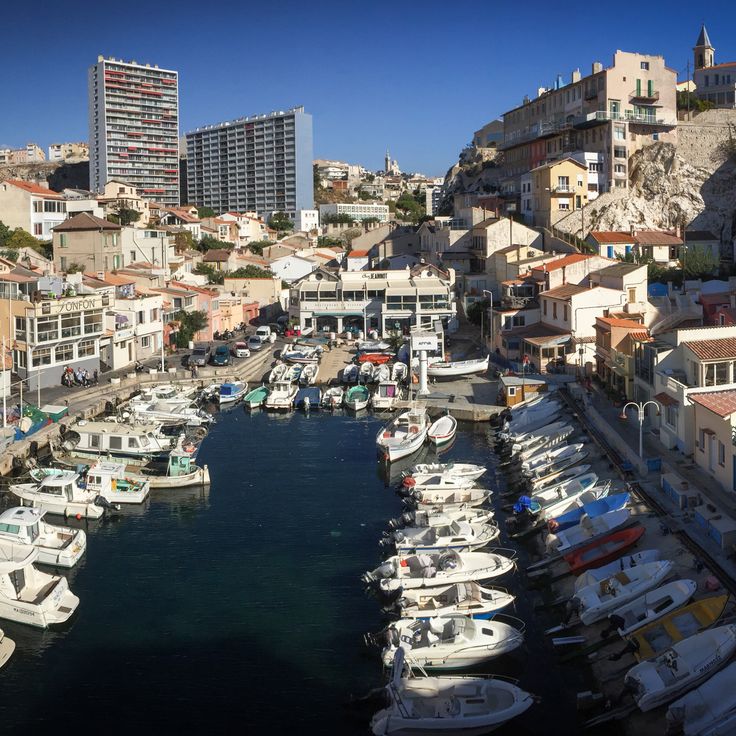
Marseille offers a range of photo locations that show the city's history and geography. Visitors can watch daily life at the harbor in Vallon des Auffes, where fishing boats create traditional scenes, or walk the steep streets of the old quarter Le Panier, with its colorful facades and local shops. The Calanque de Morgiou displays natural coastal beauty with limestone cliffs and turquoise water.
The city connects historical buildings with modern life. Fort Saint-Jean shapes the harbor landscape, while the Palais Longchamp impresses with its neoclassical design. Art and sculpture appear throughout: on Cours Julien with its street murals, in Vieille Charité, which serves as a cultural space, and in Le Corbusier's Cité Radieuse, showing postwar architecture. Those interested in religious monuments will find La Major Cathedral with its Byzantine form and Saint Victor Abbey with its long history.
Natural spots like Corniche Kennedy and Borély Park offer views of the sea and local leisure culture. Less familiar places like La Buzine or Anse de la Fausse Monnaie reward explorers with quieter settings. Together, these locations show Marseille's many faces: a city with maritime tradition, artistic heritage, and open spaces by the water.
Marseille offers a range of photo locations that show the city's history and geography. Visitors can watch daily life at the harbor in Vallon des Auffes, where fishing boats create traditional scenes, or walk the steep streets of the old quarter Le Panier, with its colorful facades and local shops. The Calanque de Morgiou displays natural coastal beauty with limestone cliffs and turquoise water.
The city connects historical buildings with modern life. Fort Saint-Jean shapes the harbor landscape, while the Palais Longchamp impresses with its neoclassical design. Art and sculpture appear throughout: on Cours Julien with its street murals, in Vieille Charité, which serves as a cultural space, and in Le Corbusier's Cité Radieuse, showing postwar architecture. Those interested in religious monuments will find La Major Cathedral with its Byzantine form and Saint Victor Abbey with its long history.
Natural spots like Corniche Kennedy and Borély Park offer views of the sea and local leisure culture. Less familiar places like La Buzine or Anse de la Fausse Monnaie reward explorers with quieter settings. Together, these locations show Marseille's many faces: a city with maritime tradition, artistic heritage, and open spaces by the water.
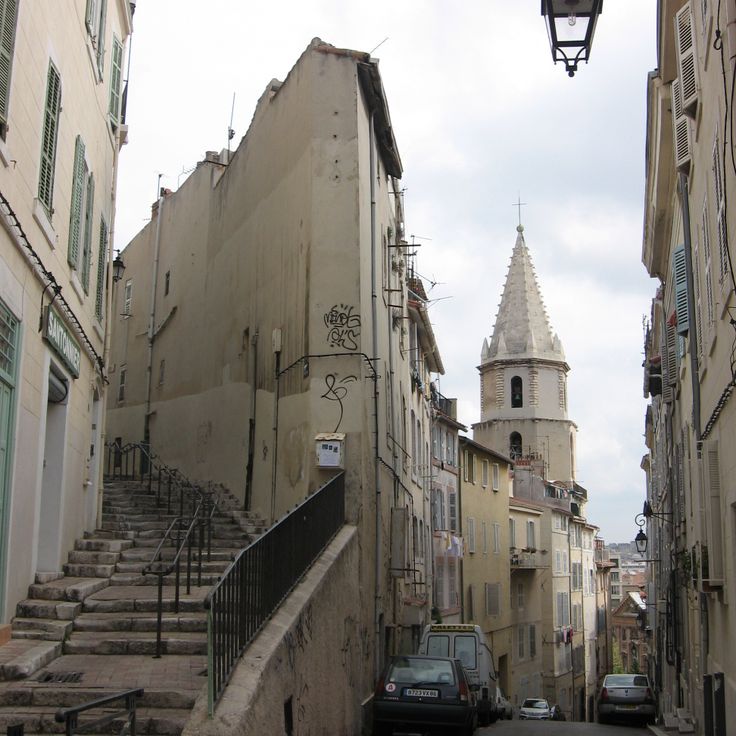
Le Panier is Marseille's oldest neighborhood and serves as an excellent subject for photography of historic streets and daily life. The district features narrow pathways and stone staircases connecting buildings from the 17th century. Artisan shops and galleries line the streets, while murals add color to the weathered stone walls. Walking through Le Panier offers views of traditional architecture and the way locals and visitors move through these compact streets.
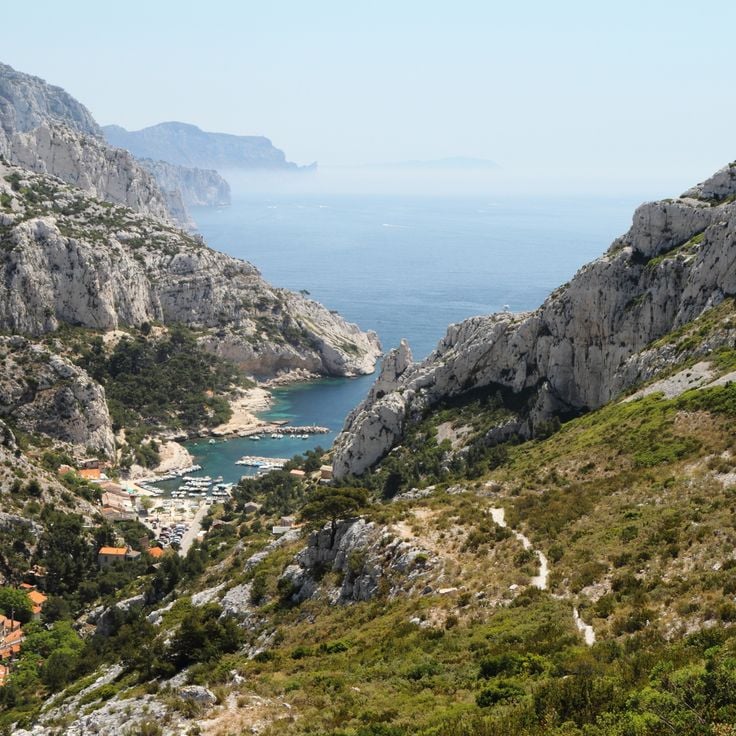
This Mediterranean inlet in Marseille sits between limestone cliffs where small fishing boats anchor. The shallow waters reveal underwater caves, and the setting attracts photographers looking to capture the coastline's natural features. It appears in this collection alongside other photography locations across the city, from the Vallon des Auffes fishing port to Fort Saint-Jean and modern buildings like the Cite Radieuse.
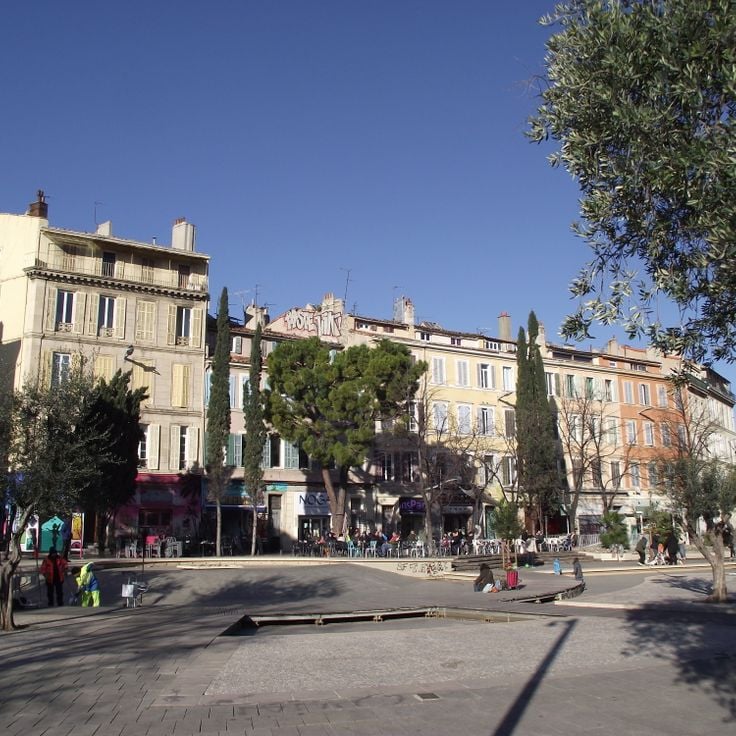
The Cours Julien is a cultural hub in Marseille that showcases the city's creative energy. Street art covers the walls, independent shops line the streets, and galleries display local work. Music venues and cafes create gathering spaces, while regular markets bring the community together. This district represents the artistic identity of Marseille and serves as one of the urban photography locations that capture the city's contemporary character.
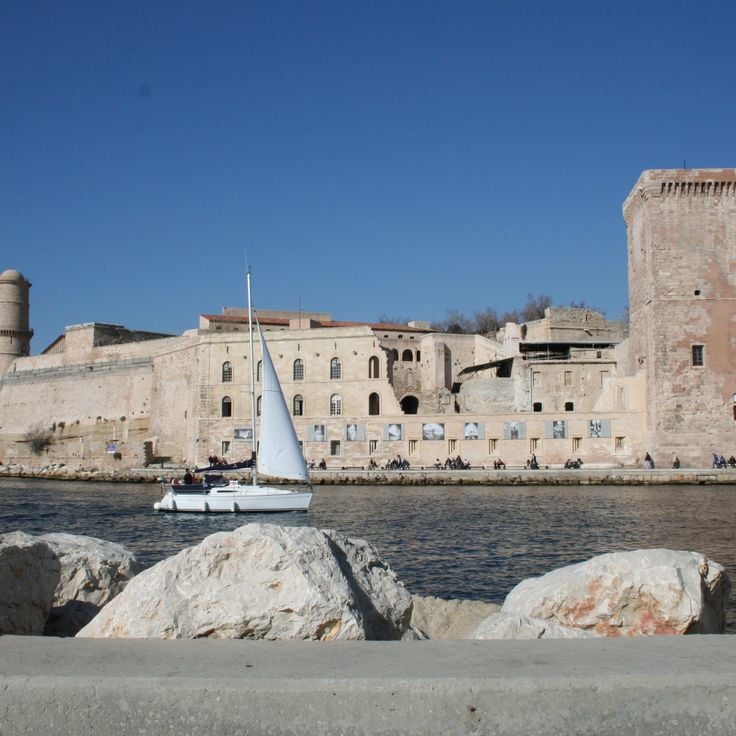
Fort Saint-Jean is a 17th-century military structure positioned at the entrance of Marseille's harbor. It offers views across the Mediterranean Sea and the city ports. For photographers, this location captures historical architecture against the backdrop of the sea and provides a vantage point that complements the diverse photography locations found throughout Marseille, from the fishing port of Vallon des Auffes to Le Corbusier's modern housing complex.
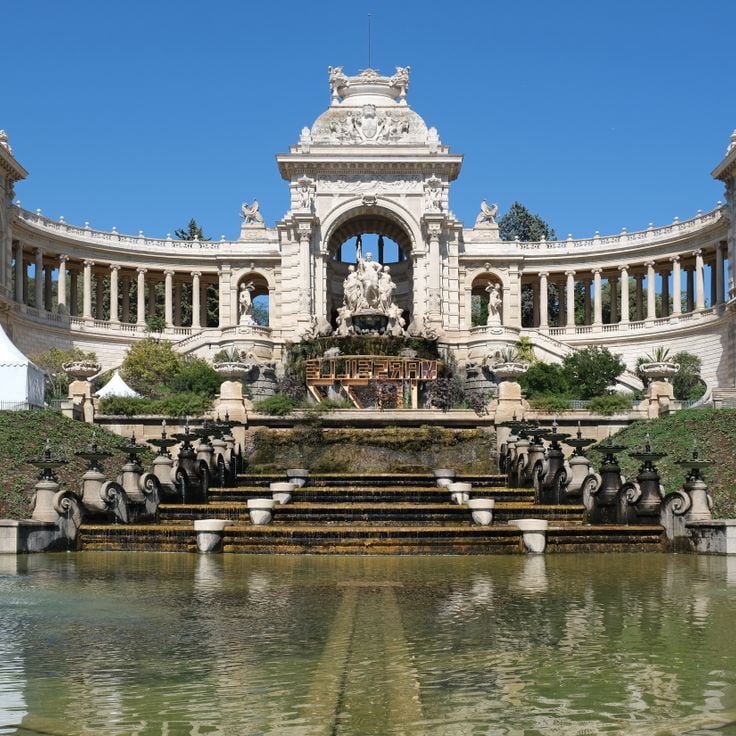
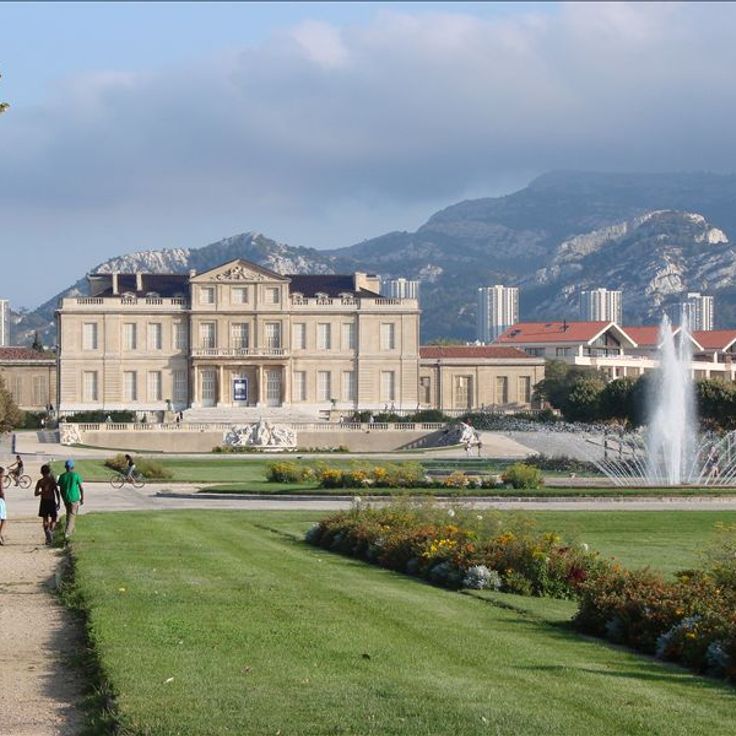
The Palais Longchamp is a 19th-century monument built to celebrate the construction of a canal. It stands among the notable photography locations across Marseille, offering visitors gardens, fountains, and two museum wings that provide compelling subjects for pictures. The building and its landscaped grounds represent a quieter alternative to Marseille's other historic sites like Fort Saint-Jean and La Major Cathedral.
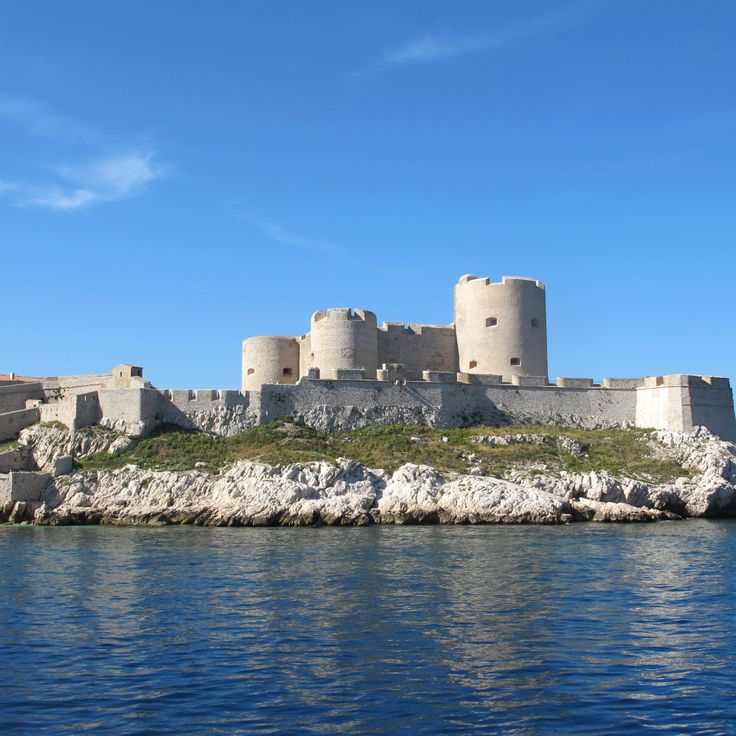
Château d'If is a fortress on an island off the coast of Marseille that once served as a prison and gained fame through Alexandre Dumas' novel The Count of Monte Cristo. The fortress offers views across the Mediterranean Sea and presents interesting photographic opportunities for those interested in historic structures and coastal landscapes. You can photograph the island's layout, the old stone walls, and the surrounding seascape from various vantage points.
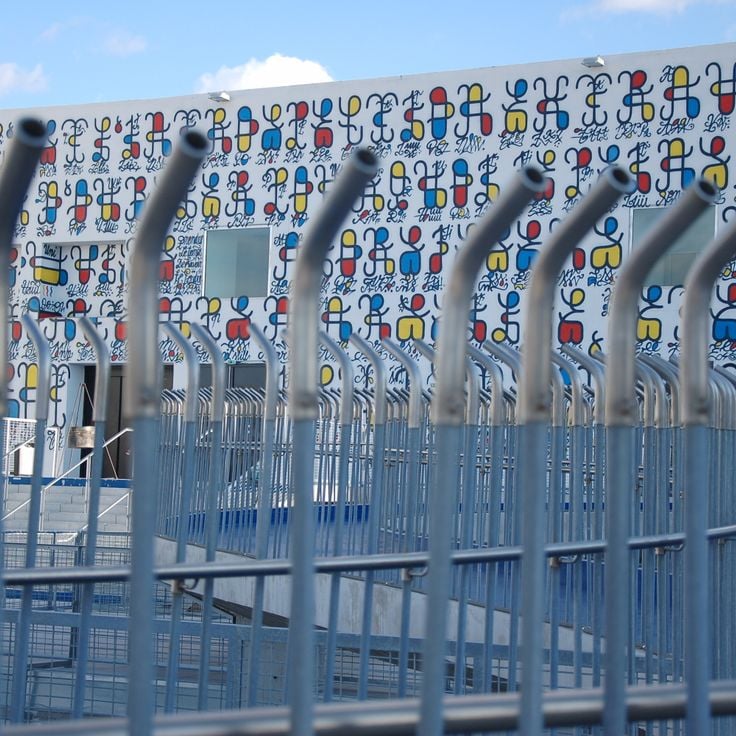
La Friche la Belle de Mai is a former tobacco factory that has been converted into an arts center. The building contains exhibition spaces, concert venues, and a rooftop area. This location demonstrates how an old industrial building has been transformed into a space for contemporary art and fits well within this collection of Marseille photography locations.
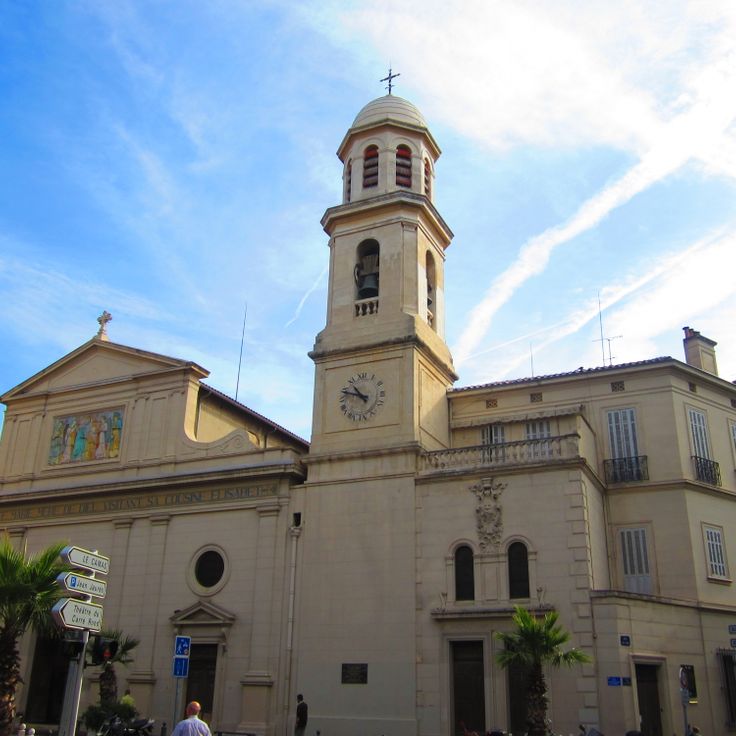
This church sits on a hilltop in Marseille and offers views across the city. The surrounding area has narrow streets lined with old buildings, independent shops, and local restaurants. Murals and graffiti mark the walls throughout the neighborhood. For photographers, this is a place where history meets everyday life, with details that capture how people live here. Its location makes it a point of interest for those exploring Marseille.
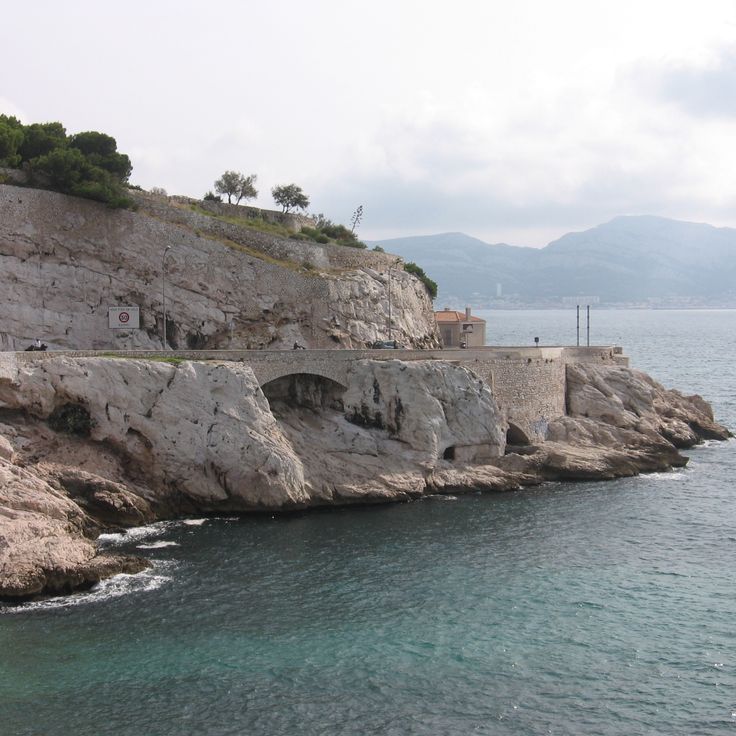
The Anse de Maldormé is a small cove with rocky cliffs and clear water, situated away from the main tourist routes. This location works well for photography and offers views across the Mediterranean Sea. Among the photography locations in Marseille presented in this collection, the Anse de Maldormé provides a natural, less-crowded coastal section alongside known spots like Vallon des Auffes and Calanque de Morgiou.
The Bastide de la Guillermy is an 18th-century residence that represents classical Provence architecture in Marseille. Stone walls define the structure, while geometric gardens create ordered outdoor spaces. The property features fountains and Mediterranean plant life. For photographers, this location offers compelling views of traditional French country homes and their carefully designed grounds.
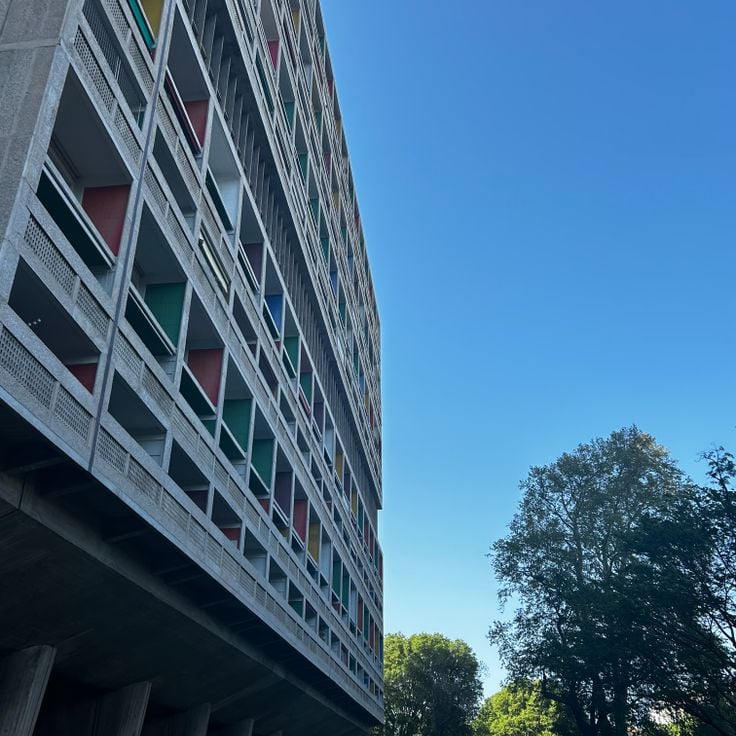
The Cité Radieuse is among the most significant photography locations in Marseille, showcasing Le Corbusier's visionary approach to housing. Built in 1952, this concrete structure rises on pillars and contains shops, offices, and a rooftop terrace offering views over the city. The building represents a key work of 20th-century modern architecture.
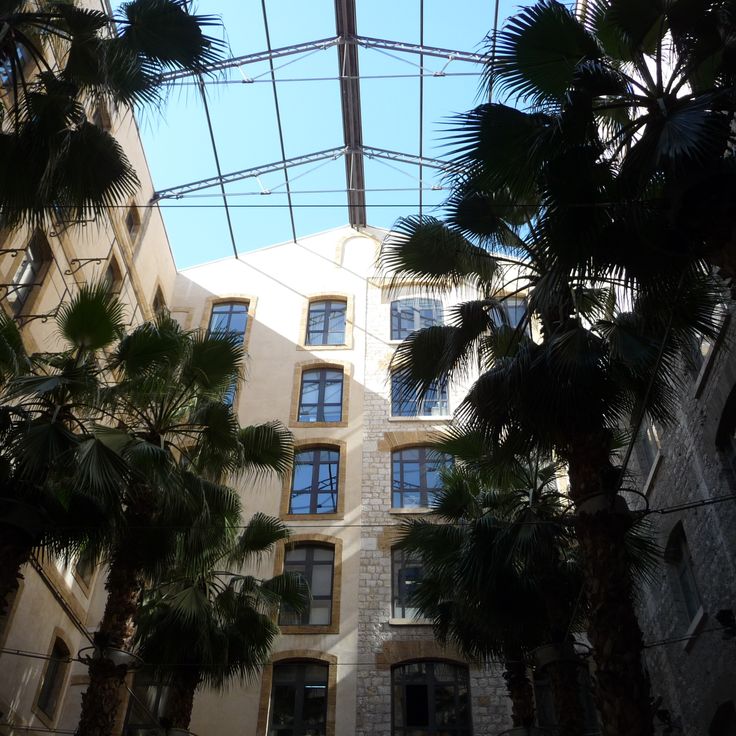
Les Docks Village represents an important location for photographers documenting Marseille's transformation. This waterfront warehouse from 1856 has been converted into a commercial center featuring restaurants, shops and offices. The site shows how the city has adapted its industrial heritage for contemporary use and forms part of Marseille's diverse photography route, which spans from the Byzantine architecture of La Major Cathedral to the fishing port of Vallon des Auffes.
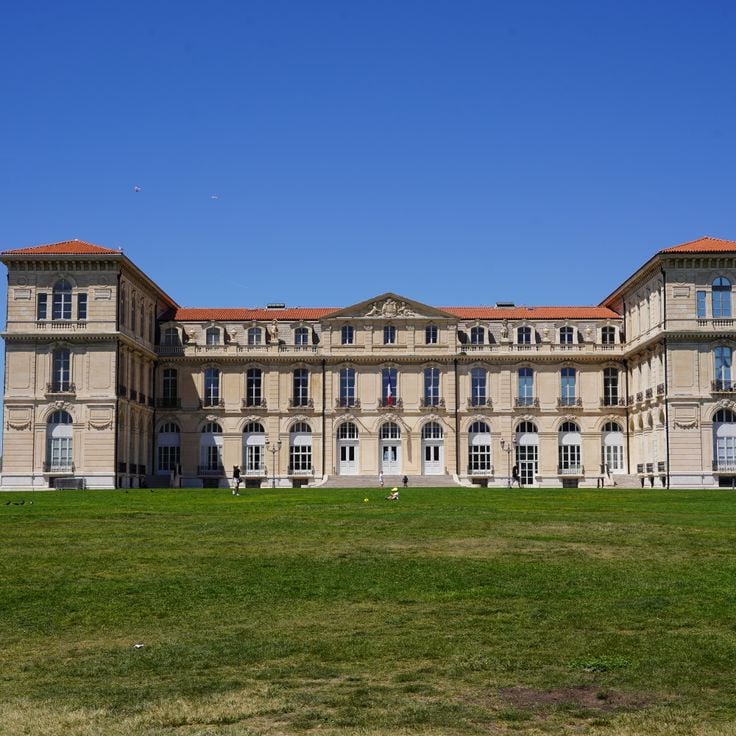
The Palais de Pharo is an imperial residence built in 1858 at the entrance of the Old Port. Set on a rise with views across the sea and the city, it features Mediterranean gardens and spaces used today for conferences and events. The building stands as an important example of 19th-century architecture in Marseille. It forms part of this collection of notable photography locations that ranges from the Vallon des Auffes fishing port to Fort Saint-Jean and other landmarks that define the city's appearance.
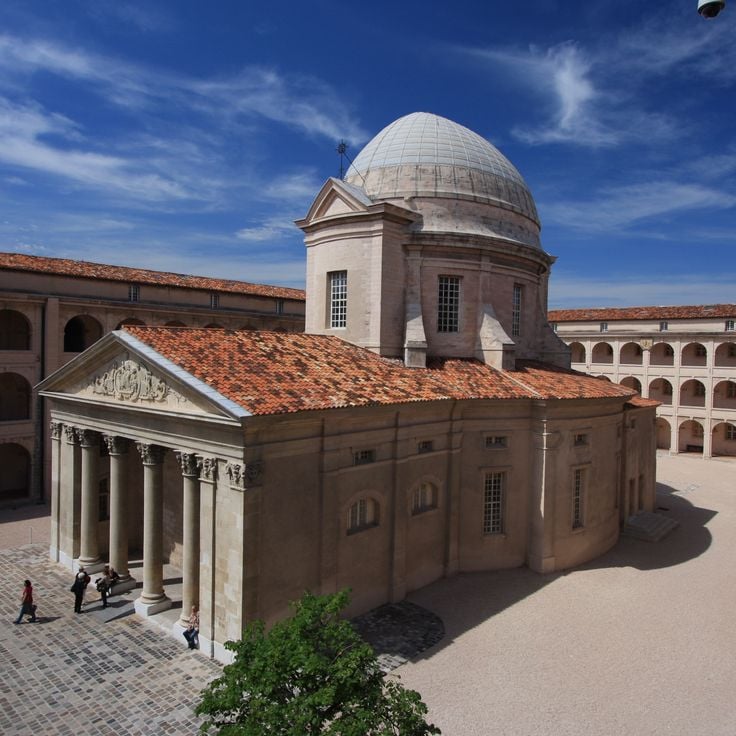
The Vieille Charité is a 17th century baroque building that attracts photographers exploring Marseille's architectural heritage. Constructed with an oval chapel at its center, it was originally built to shelter poor citizens and now houses archaeological collections and exhibition spaces. Its balanced proportions and distinctive facade make it an important subject when documenting the city's historic structures.
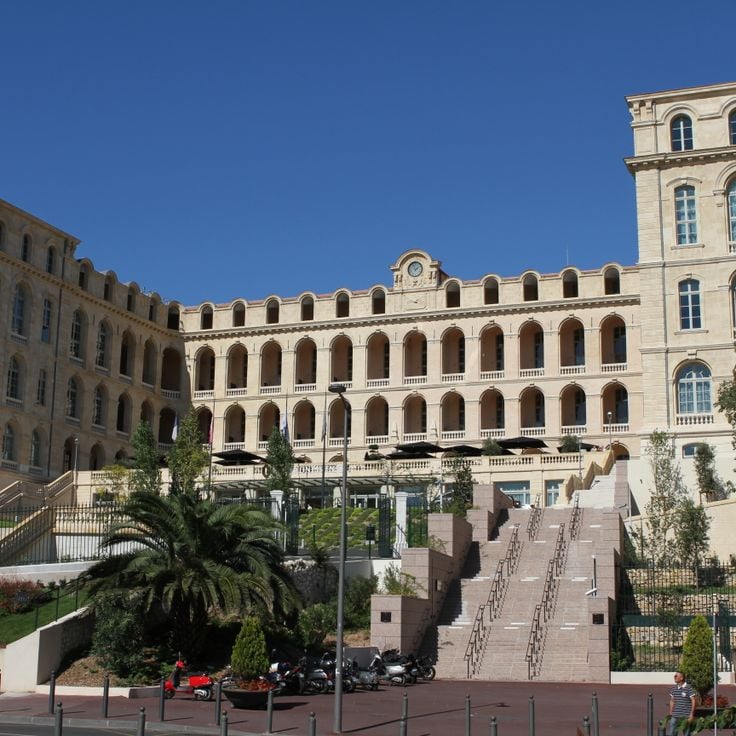
Hotel Dieu is an 18th century building that operated as a hospital until 2006 and has since been renovated into a luxury hotel with high ceilings and marble floors. For photographers exploring Marseille's notable locations, this building offers an opportunity to document how the city preserves its historical structures while adapting them for contemporary use. The hotel sits within a route that includes the Vallon des Auffes fishing port, La Major Cathedral, Fort Saint-Jean, and the Cité Radieuse.
Corniche Kennedy is a five kilometer waterfront promenade built in 1848 that forms part of Marseille's notable photography locations. The path connects the Old Port to Prado Beach and offers continuous views of the Mediterranean Sea. Walking its length reveals how the city has developed along the coast and provides opportunities to photograph the meeting point between urban life and the sea. This route shows different sides of the waterfront throughout the day.
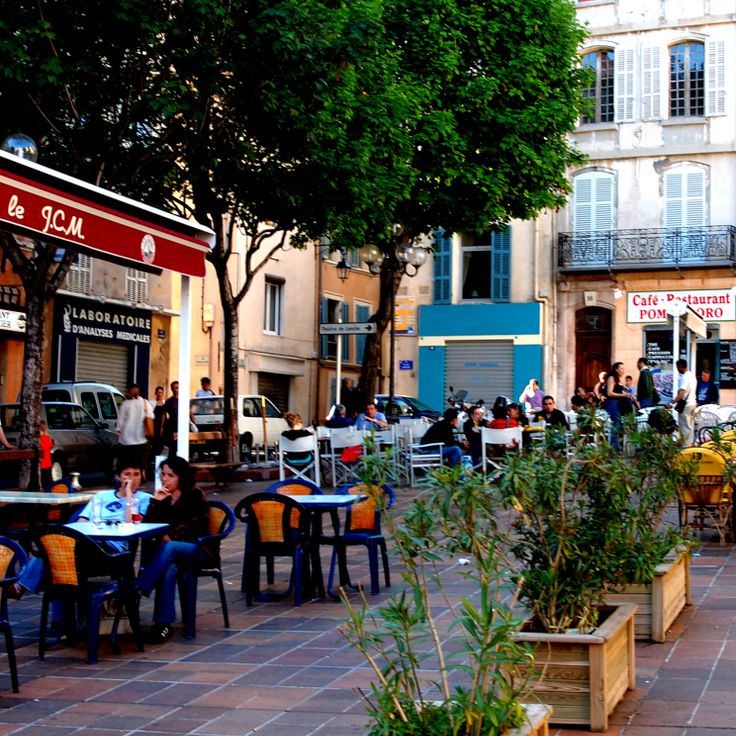
The Place de Lenche is a medieval square in the Le Panier district that serves as an important photography location in this collection of Marseille sites. The square is lined with restaurants and cafes where locals and visitors gather throughout the day. This location once housed the Greek agora from the 6th century BC, layering ancient history beneath the present-day activity. For photographers, it offers scenes that capture how the city has evolved across centuries.
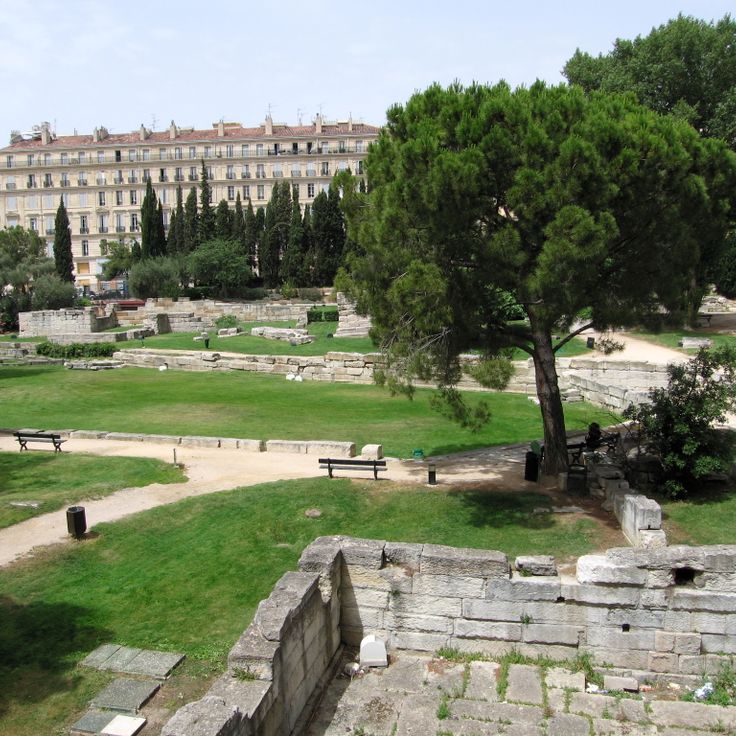
The Garden of Ruins is an archaeological site in Marseille that preserves remains of a Greek port dating from 600 BC. In this collection of photography locations across the city, this garden serves as a key spot to capture Marseille's ancient history. Visitors encounter old walls, dock structures, and artifacts displayed near the History Museum. The site offers a sense of the city's early trading life and long past.
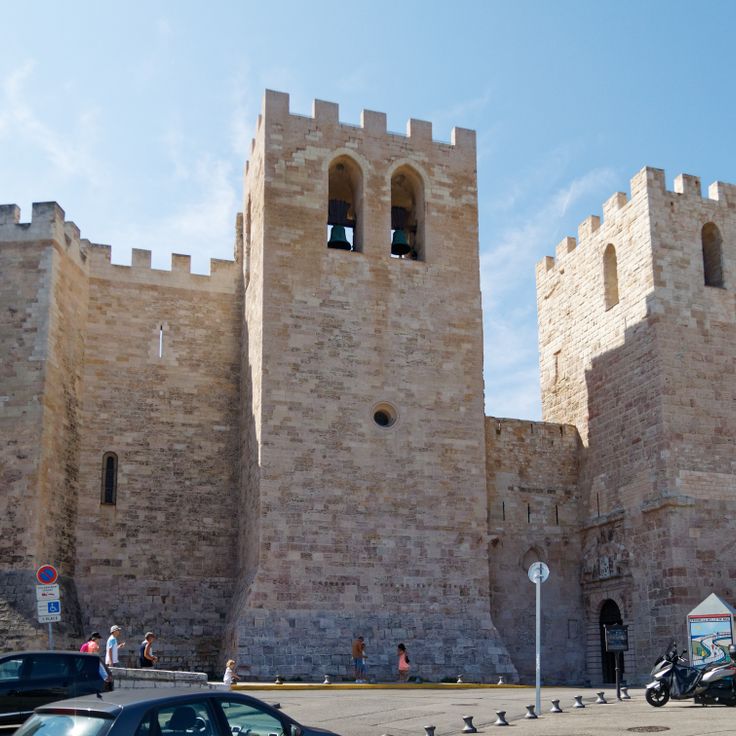
Saint Victor Abbey is a religious complex established in the 5th century and stands as a notable photography location within this collection of Marseille's landmarks. The abbey contains catacombs, an ancient crypt, and a collection of religious artifacts and sarcophagi that document the early Christian history of this significant port city.
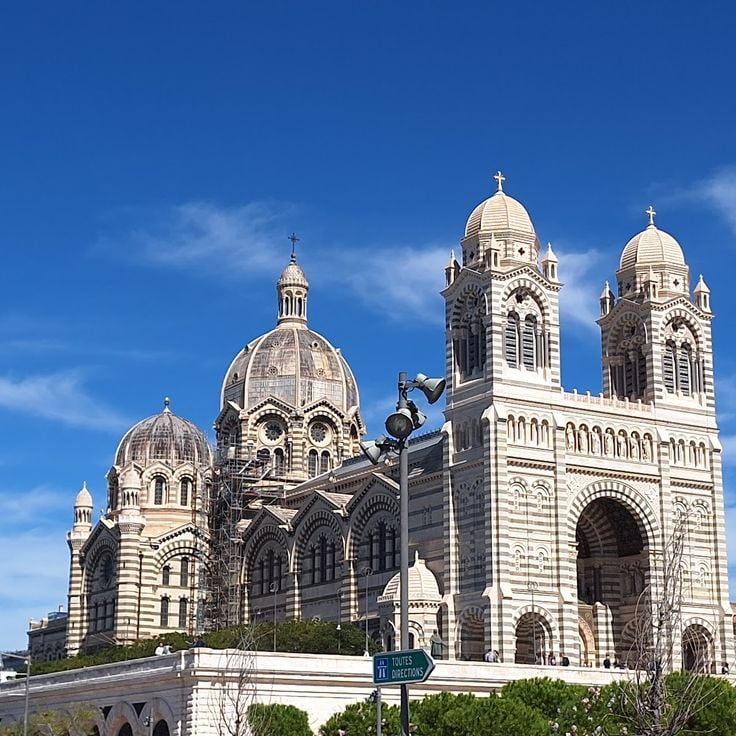
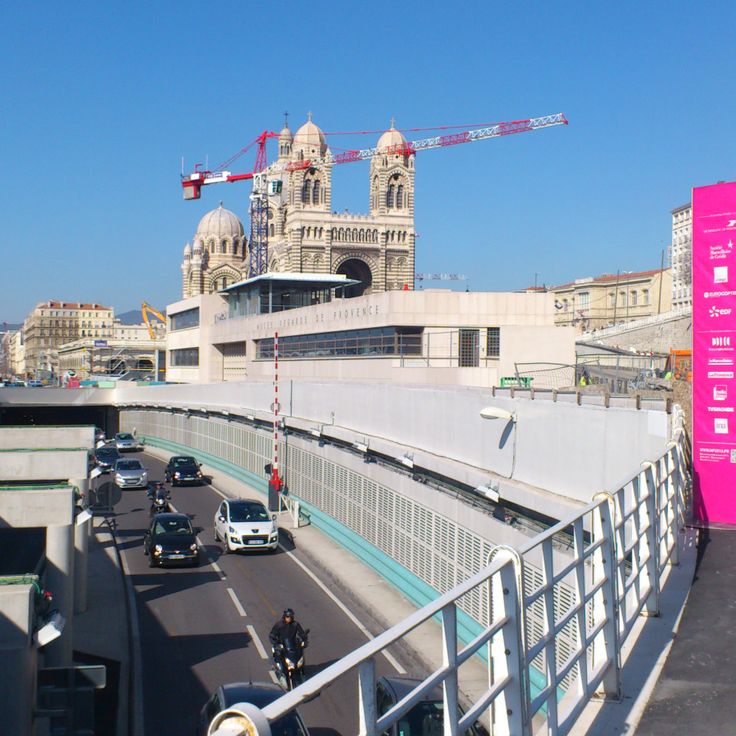
This cathedral from the 19th century showcases Byzantine-Roman architecture that defines Marseille's skyline. Its distinctive striped walls and multiple domes create a striking visual presence along the waterfront. The interior can hold up to 3000 people and represents one of the city's most notable architectural landmarks, offering excellent opportunities for photography.
This park in Marseille offers photographers a location with formal garden design and water features. The park contains geometric flower beds, a rose garden, an artificial lake, and paths lined with centuries-old trees. It fits within the photographic route through Marseille that spans from fishing ports to modern architecture.
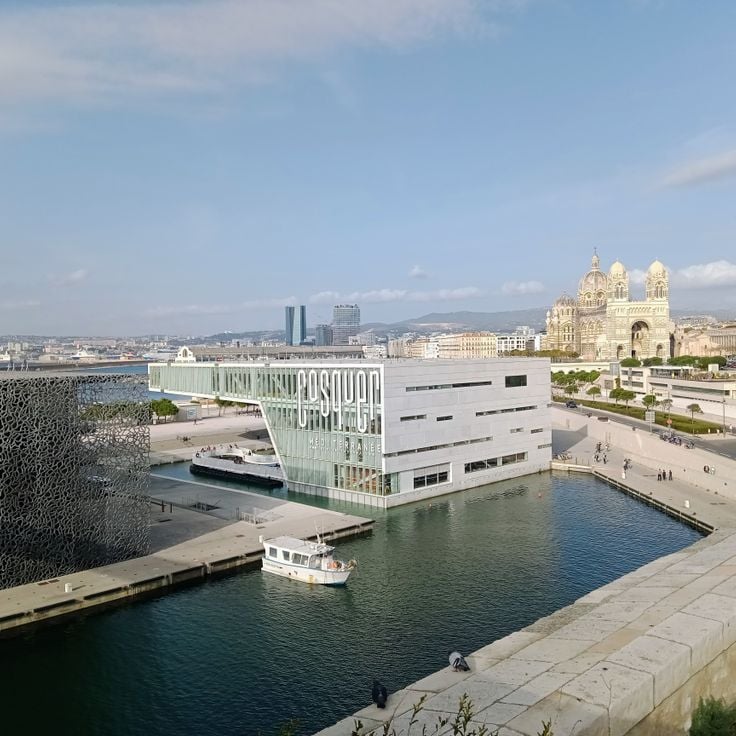
The Mediterranean Villa is a modern cultural center in Marseille built in 2013. Its cantilevered structure extends over a water basin, creating a striking design. The center hosts exhibits about Mediterranean history. Within this collection of photography locations and scenic spots across Marseille, the Mediterranean Villa represents contemporary architecture alongside historic structures like Fort Saint-Jean and the Byzantine design of La Major Cathedral, showing how the city blends different eras.
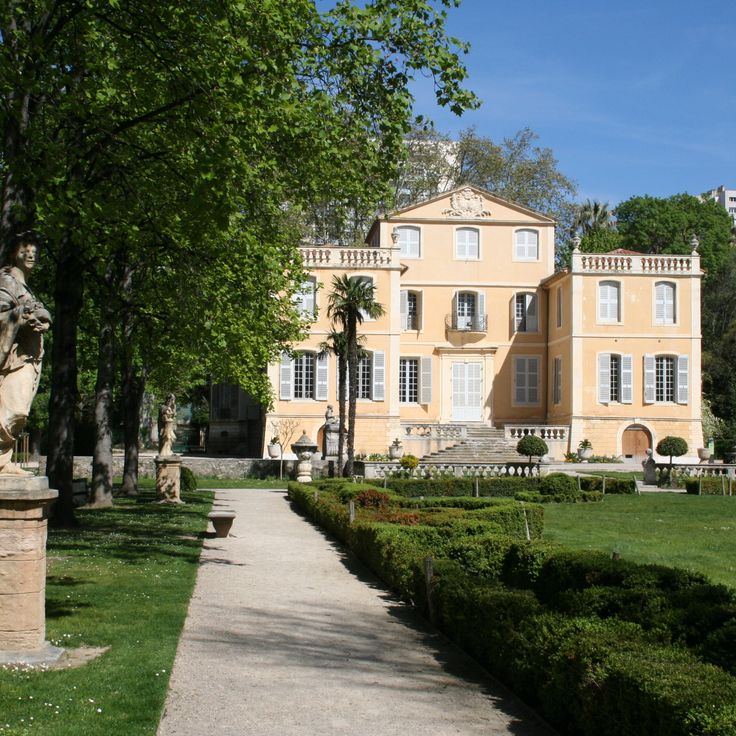
The Jardin de la Magalone is an 18th century estate with French formal gardens, stone sculptures, and water features set among Mediterranean plants. In this collection of Marseille photography locations, this garden represents the refined gardening tradition of the city, complementing other sites from the historic Vallon des Auffes to Le Corbusier's modernist Cité Radieuse. The main building now houses a music conservatory, adding cultural significance to the site.
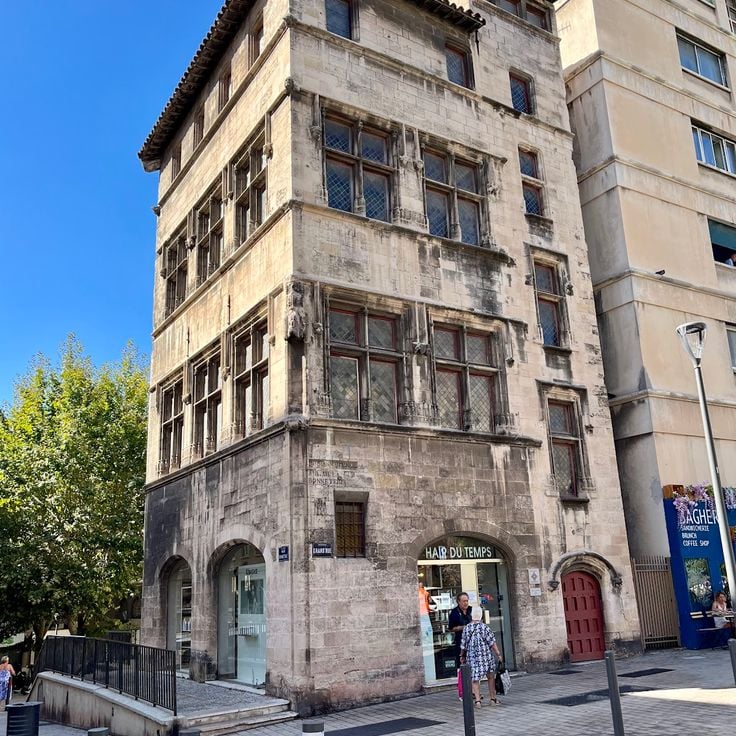
The Hôtel de Cabre is a Gothic structure from 1535 and one of the notable photography locations across Marseille featured in this collection. This building survived the World War II bombings and was rotated 90 degrees in 1954 during reconstruction works. The hotel stands as a testament to the city's history and its effort to preserve significant structures from different periods.
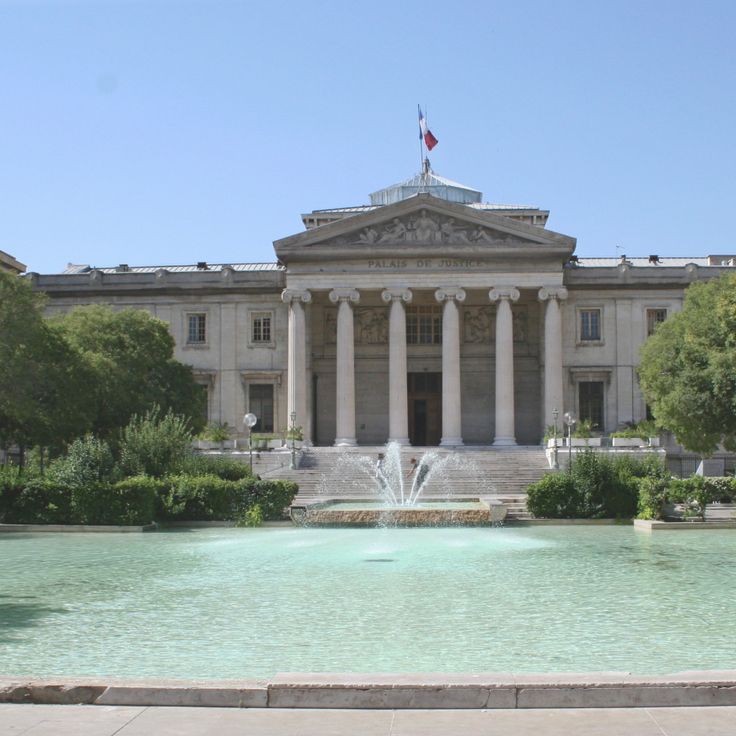
The Palais de Justice is a neoclassical courthouse built in 1862 in Marseille. Its tall columns and precise architectural design make it a striking subject for photographers exploring the city's historic structures. The building reflects 19th-century construction methods and fits naturally into a photography route that captures Marseille's diverse architectural landmarks, alongside locations like the Palais Longchamp and Fort Saint-Jean.
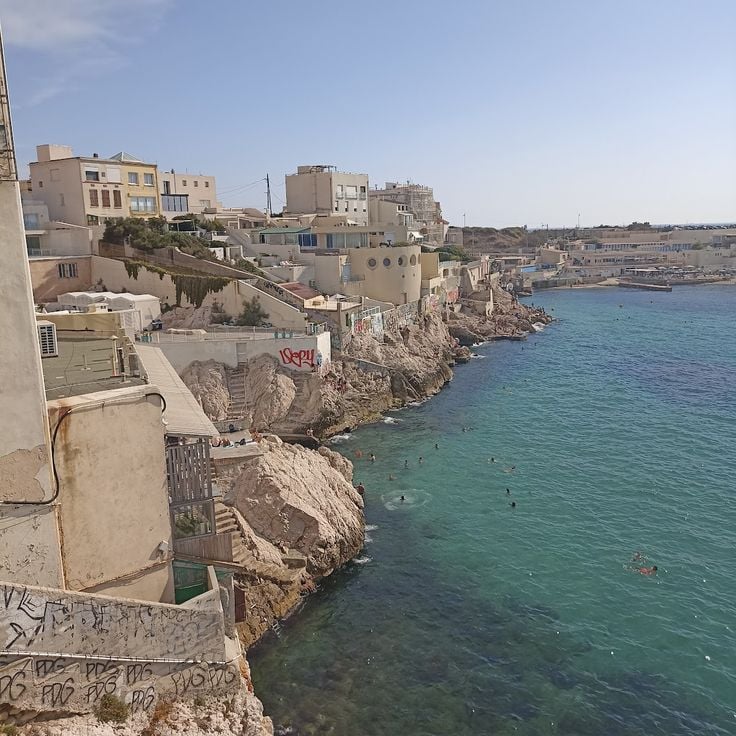
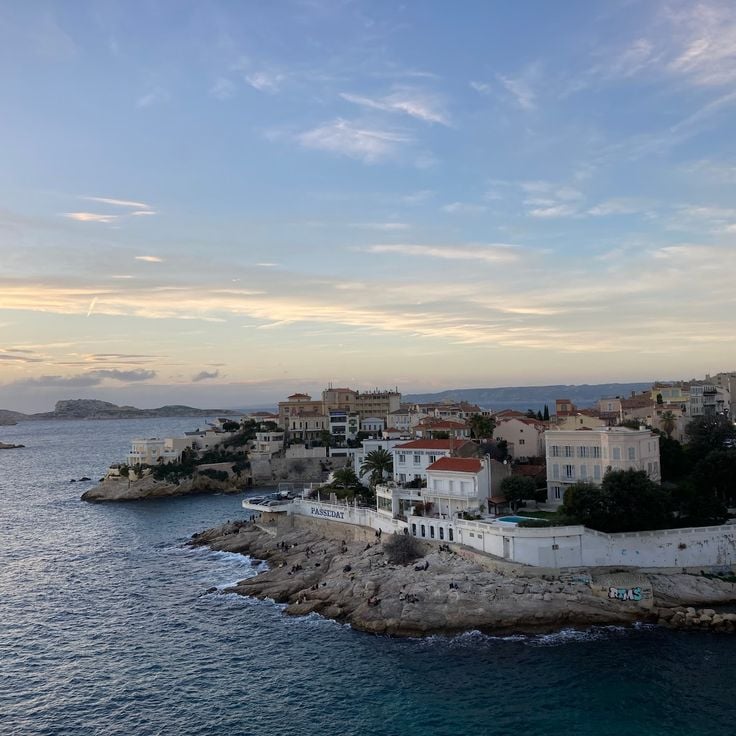
Malmousque is a small port in Marseille featuring natural swimming pools carved directly into the rocks. Situated in a residential neighborhood between the Corniche and Endoume, this spot comes alive in summer when locals and visitors come to swim and enjoy the coastal waters. Within this collection of Marseille's photography locations, Malmousque offers a look at the city's natural coastal character, providing visual contrast to the historic structures and architectural landmarks found elsewhere in the selection.
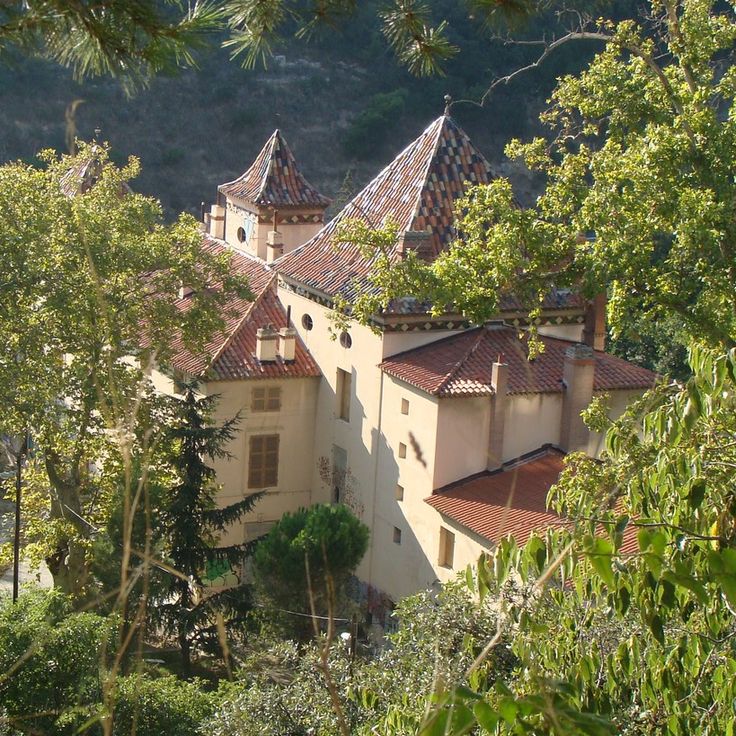
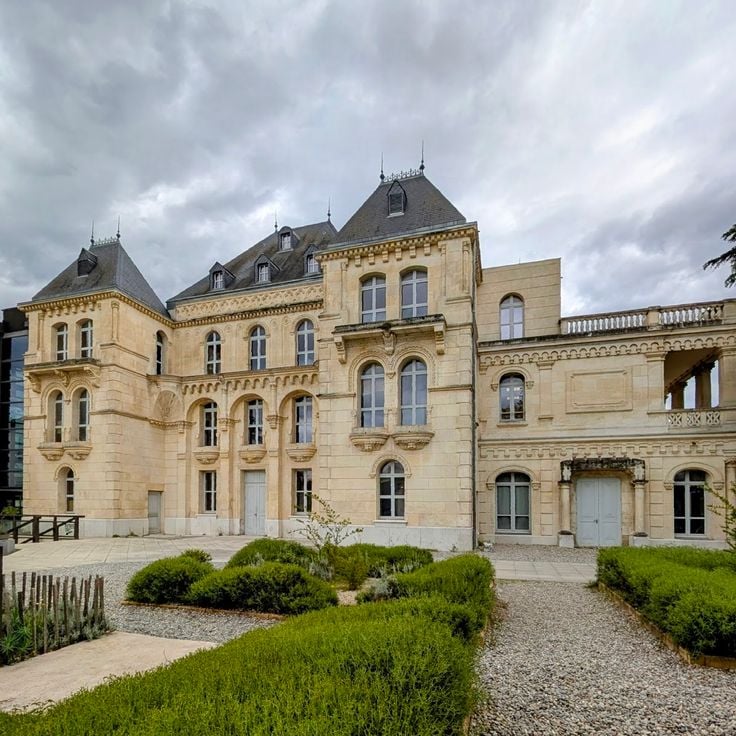
La Buzine Château de la Buzine is a 19th century mansion in Marseille that has been converted into a cinema museum and cultural center. As part of this collection of photography locations across Marseille, from the Vallon des Auffes fishing port to the Byzantine architecture of La Major Cathedral, this château offers exhibition rooms, a screening hall, and Mediterranean gardens. The setting provides interesting photographic opportunities and insight into the city's film history and cultural life.
This small cove is part of a collection of photography locations across Marseille, featuring a rocky beach nestled between limestone cliffs. The name dates back to the 18th century, when counterfeiters operated in nearby caves. The Anse de la Fausse Monnaie offers a quiet spot for photography and exploring the coastal landscape.
Musée Regards de Provence is an art gallery housed in a renovated 1940s health station building located near the port. It displays paintings and photographs exploring Mediterranean culture and landscapes. As part of this collection of photography locations across Marseille, it stands alongside historic sites like Fort Saint-Jean, natural formations such as Calanque de Morgiou, and architectural landmarks including Palais Longchamp and Le Corbusier's Cité Radieuse.
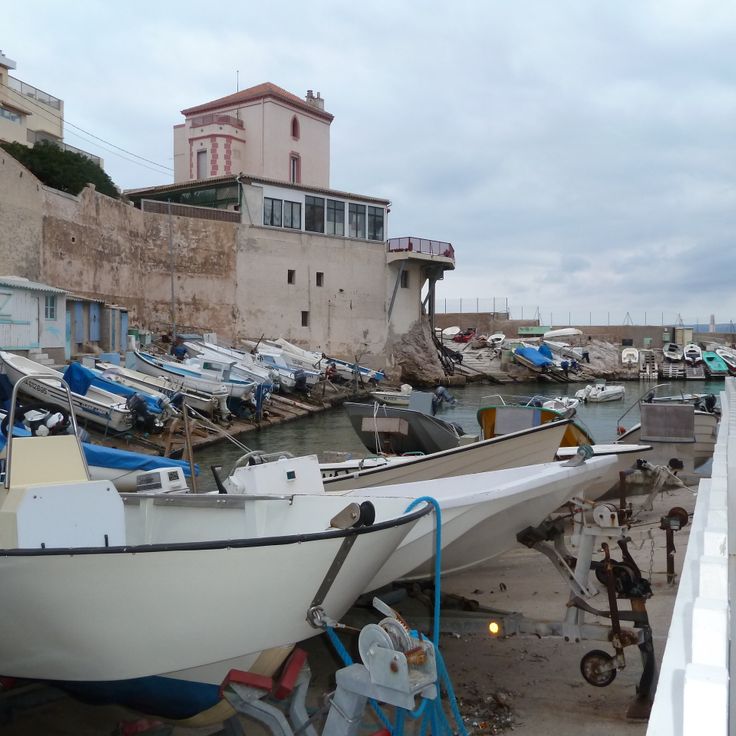
The Vallon des Auffes is a small coastal inlet featured in this collection of photography locations across Marseille. Stone houses and fishing boats populate this working port, which retains its original maritime character. Local restaurants serve Mediterranean seafood, reflecting the traditional rhythms of life by the water.
Le Panier is Marseille's oldest neighborhood and serves as an excellent subject for photography of historic streets and daily life. The district features narrow pathways and stone staircases connecting buildings from the 17th century. Artisan shops and galleries line the streets, while murals add color to the weathered stone walls. Walking through Le Panier offers views of traditional architecture and the way locals and visitors move through these compact streets.
This Mediterranean inlet in Marseille sits between limestone cliffs where small fishing boats anchor. The shallow waters reveal underwater caves, and the setting attracts photographers looking to capture the coastline's natural features. It appears in this collection alongside other photography locations across the city, from the Vallon des Auffes fishing port to Fort Saint-Jean and modern buildings like the Cite Radieuse.
The Cours Julien is a cultural hub in Marseille that showcases the city's creative energy. Street art covers the walls, independent shops line the streets, and galleries display local work. Music venues and cafes create gathering spaces, while regular markets bring the community together. This district represents the artistic identity of Marseille and serves as one of the urban photography locations that capture the city's contemporary character.
Fort Saint-Jean is a 17th-century military structure positioned at the entrance of Marseille's harbor. It offers views across the Mediterranean Sea and the city ports. For photographers, this location captures historical architecture against the backdrop of the sea and provides a vantage point that complements the diverse photography locations found throughout Marseille, from the fishing port of Vallon des Auffes to Le Corbusier's modern housing complex.
The Palais Longchamp is a 19th-century monument built to celebrate the construction of a canal. It stands among the notable photography locations across Marseille, offering visitors gardens, fountains, and two museum wings that provide compelling subjects for pictures. The building and its landscaped grounds represent a quieter alternative to Marseille's other historic sites like Fort Saint-Jean and La Major Cathedral.
Château d'If is a fortress on an island off the coast of Marseille that once served as a prison and gained fame through Alexandre Dumas' novel The Count of Monte Cristo. The fortress offers views across the Mediterranean Sea and presents interesting photographic opportunities for those interested in historic structures and coastal landscapes. You can photograph the island's layout, the old stone walls, and the surrounding seascape from various vantage points.
La Friche la Belle de Mai is a former tobacco factory that has been converted into an arts center. The building contains exhibition spaces, concert venues, and a rooftop area. This location demonstrates how an old industrial building has been transformed into a space for contemporary art and fits well within this collection of Marseille photography locations.
This church sits on a hilltop in Marseille and offers views across the city. The surrounding area has narrow streets lined with old buildings, independent shops, and local restaurants. Murals and graffiti mark the walls throughout the neighborhood. For photographers, this is a place where history meets everyday life, with details that capture how people live here. Its location makes it a point of interest for those exploring Marseille.
The Anse de Maldormé is a small cove with rocky cliffs and clear water, situated away from the main tourist routes. This location works well for photography and offers views across the Mediterranean Sea. Among the photography locations in Marseille presented in this collection, the Anse de Maldormé provides a natural, less-crowded coastal section alongside known spots like Vallon des Auffes and Calanque de Morgiou.
The Bastide de la Guillermy is an 18th-century residence that represents classical Provence architecture in Marseille. Stone walls define the structure, while geometric gardens create ordered outdoor spaces. The property features fountains and Mediterranean plant life. For photographers, this location offers compelling views of traditional French country homes and their carefully designed grounds.
The Cité Radieuse is among the most significant photography locations in Marseille, showcasing Le Corbusier's visionary approach to housing. Built in 1952, this concrete structure rises on pillars and contains shops, offices, and a rooftop terrace offering views over the city. The building represents a key work of 20th-century modern architecture.
Les Docks Village represents an important location for photographers documenting Marseille's transformation. This waterfront warehouse from 1856 has been converted into a commercial center featuring restaurants, shops and offices. The site shows how the city has adapted its industrial heritage for contemporary use and forms part of Marseille's diverse photography route, which spans from the Byzantine architecture of La Major Cathedral to the fishing port of Vallon des Auffes.
The Palais de Pharo is an imperial residence built in 1858 at the entrance of the Old Port. Set on a rise with views across the sea and the city, it features Mediterranean gardens and spaces used today for conferences and events. The building stands as an important example of 19th-century architecture in Marseille. It forms part of this collection of notable photography locations that ranges from the Vallon des Auffes fishing port to Fort Saint-Jean and other landmarks that define the city's appearance.
The Vieille Charité is a 17th century baroque building that attracts photographers exploring Marseille's architectural heritage. Constructed with an oval chapel at its center, it was originally built to shelter poor citizens and now houses archaeological collections and exhibition spaces. Its balanced proportions and distinctive facade make it an important subject when documenting the city's historic structures.
Hotel Dieu is an 18th century building that operated as a hospital until 2006 and has since been renovated into a luxury hotel with high ceilings and marble floors. For photographers exploring Marseille's notable locations, this building offers an opportunity to document how the city preserves its historical structures while adapting them for contemporary use. The hotel sits within a route that includes the Vallon des Auffes fishing port, La Major Cathedral, Fort Saint-Jean, and the Cité Radieuse.
Corniche Kennedy is a five kilometer waterfront promenade built in 1848 that forms part of Marseille's notable photography locations. The path connects the Old Port to Prado Beach and offers continuous views of the Mediterranean Sea. Walking its length reveals how the city has developed along the coast and provides opportunities to photograph the meeting point between urban life and the sea. This route shows different sides of the waterfront throughout the day.
The Place de Lenche is a medieval square in the Le Panier district that serves as an important photography location in this collection of Marseille sites. The square is lined with restaurants and cafes where locals and visitors gather throughout the day. This location once housed the Greek agora from the 6th century BC, layering ancient history beneath the present-day activity. For photographers, it offers scenes that capture how the city has evolved across centuries.
The Garden of Ruins is an archaeological site in Marseille that preserves remains of a Greek port dating from 600 BC. In this collection of photography locations across the city, this garden serves as a key spot to capture Marseille's ancient history. Visitors encounter old walls, dock structures, and artifacts displayed near the History Museum. The site offers a sense of the city's early trading life and long past.
Saint Victor Abbey is a religious complex established in the 5th century and stands as a notable photography location within this collection of Marseille's landmarks. The abbey contains catacombs, an ancient crypt, and a collection of religious artifacts and sarcophagi that document the early Christian history of this significant port city.
This cathedral from the 19th century showcases Byzantine-Roman architecture that defines Marseille's skyline. Its distinctive striped walls and multiple domes create a striking visual presence along the waterfront. The interior can hold up to 3000 people and represents one of the city's most notable architectural landmarks, offering excellent opportunities for photography.
This park in Marseille offers photographers a location with formal garden design and water features. The park contains geometric flower beds, a rose garden, an artificial lake, and paths lined with centuries-old trees. It fits within the photographic route through Marseille that spans from fishing ports to modern architecture.
The Mediterranean Villa is a modern cultural center in Marseille built in 2013. Its cantilevered structure extends over a water basin, creating a striking design. The center hosts exhibits about Mediterranean history. Within this collection of photography locations and scenic spots across Marseille, the Mediterranean Villa represents contemporary architecture alongside historic structures like Fort Saint-Jean and the Byzantine design of La Major Cathedral, showing how the city blends different eras.
The Jardin de la Magalone is an 18th century estate with French formal gardens, stone sculptures, and water features set among Mediterranean plants. In this collection of Marseille photography locations, this garden represents the refined gardening tradition of the city, complementing other sites from the historic Vallon des Auffes to Le Corbusier's modernist Cité Radieuse. The main building now houses a music conservatory, adding cultural significance to the site.
The Hôtel de Cabre is a Gothic structure from 1535 and one of the notable photography locations across Marseille featured in this collection. This building survived the World War II bombings and was rotated 90 degrees in 1954 during reconstruction works. The hotel stands as a testament to the city's history and its effort to preserve significant structures from different periods.
The Palais de Justice is a neoclassical courthouse built in 1862 in Marseille. Its tall columns and precise architectural design make it a striking subject for photographers exploring the city's historic structures. The building reflects 19th-century construction methods and fits naturally into a photography route that captures Marseille's diverse architectural landmarks, alongside locations like the Palais Longchamp and Fort Saint-Jean.
Malmousque is a small port in Marseille featuring natural swimming pools carved directly into the rocks. Situated in a residential neighborhood between the Corniche and Endoume, this spot comes alive in summer when locals and visitors come to swim and enjoy the coastal waters. Within this collection of Marseille's photography locations, Malmousque offers a look at the city's natural coastal character, providing visual contrast to the historic structures and architectural landmarks found elsewhere in the selection.
La Buzine Château de la Buzine is a 19th century mansion in Marseille that has been converted into a cinema museum and cultural center. As part of this collection of photography locations across Marseille, from the Vallon des Auffes fishing port to the Byzantine architecture of La Major Cathedral, this château offers exhibition rooms, a screening hall, and Mediterranean gardens. The setting provides interesting photographic opportunities and insight into the city's film history and cultural life.
This small cove is part of a collection of photography locations across Marseille, featuring a rocky beach nestled between limestone cliffs. The name dates back to the 18th century, when counterfeiters operated in nearby caves. The Anse de la Fausse Monnaie offers a quiet spot for photography and exploring the coastal landscape.
Musée Regards de Provence is an art gallery housed in a renovated 1940s health station building located near the port. It displays paintings and photographs exploring Mediterranean culture and landscapes. As part of this collection of photography locations across Marseille, it stands alongside historic sites like Fort Saint-Jean, natural formations such as Calanque de Morgiou, and architectural landmarks including Palais Longchamp and Le Corbusier's Cité Radieuse.
The Vallon des Auffes is a small coastal inlet featured in this collection of photography locations across Marseille. Stone houses and fishing boats populate this working port, which retains its original maritime character. Local restaurants serve Mediterranean seafood, reflecting the traditional rhythms of life by the water.
Le Panier is Marseille's oldest neighborhood and serves as an excellent subject for photography of historic streets and daily life. The district features narrow pathways and stone staircases connecting buildings from the 17th century. Artisan shops and galleries line the streets, while murals add color to the weathered stone walls. Walking through Le Panier offers views of traditional architecture and the way locals and visitors move through these compact streets.
This Mediterranean inlet in Marseille sits between limestone cliffs where small fishing boats anchor. The shallow waters reveal underwater caves, and the setting attracts photographers looking to capture the coastline's natural features. It appears in this collection alongside other photography locations across the city, from the Vallon des Auffes fishing port to Fort Saint-Jean and modern buildings like the Cite Radieuse.
The Cours Julien is a cultural hub in Marseille that showcases the city's creative energy. Street art covers the walls, independent shops line the streets, and galleries display local work. Music venues and cafes create gathering spaces, while regular markets bring the community together. This district represents the artistic identity of Marseille and serves as one of the urban photography locations that capture the city's contemporary character.
Fort Saint-Jean is a 17th-century military structure positioned at the entrance of Marseille's harbor. It offers views across the Mediterranean Sea and the city ports. For photographers, this location captures historical architecture against the backdrop of the sea and provides a vantage point that complements the diverse photography locations found throughout Marseille, from the fishing port of Vallon des Auffes to Le Corbusier's modern housing complex.
The Palais Longchamp is a 19th-century monument built to celebrate the construction of a canal. It stands among the notable photography locations across Marseille, offering visitors gardens, fountains, and two museum wings that provide compelling subjects for pictures. The building and its landscaped grounds represent a quieter alternative to Marseille's other historic sites like Fort Saint-Jean and La Major Cathedral.
Château d'If is a fortress on an island off the coast of Marseille that once served as a prison and gained fame through Alexandre Dumas' novel The Count of Monte Cristo. The fortress offers views across the Mediterranean Sea and presents interesting photographic opportunities for those interested in historic structures and coastal landscapes. You can photograph the island's layout, the old stone walls, and the surrounding seascape from various vantage points.
La Friche la Belle de Mai is a former tobacco factory that has been converted into an arts center. The building contains exhibition spaces, concert venues, and a rooftop area. This location demonstrates how an old industrial building has been transformed into a space for contemporary art and fits well within this collection of Marseille photography locations.
This church sits on a hilltop in Marseille and offers views across the city. The surrounding area has narrow streets lined with old buildings, independent shops, and local restaurants. Murals and graffiti mark the walls throughout the neighborhood. For photographers, this is a place where history meets everyday life, with details that capture how people live here. Its location makes it a point of interest for those exploring Marseille.
The Anse de Maldormé is a small cove with rocky cliffs and clear water, situated away from the main tourist routes. This location works well for photography and offers views across the Mediterranean Sea. Among the photography locations in Marseille presented in this collection, the Anse de Maldormé provides a natural, less-crowded coastal section alongside known spots like Vallon des Auffes and Calanque de Morgiou.
The Bastide de la Guillermy is an 18th-century residence that represents classical Provence architecture in Marseille. Stone walls define the structure, while geometric gardens create ordered outdoor spaces. The property features fountains and Mediterranean plant life. For photographers, this location offers compelling views of traditional French country homes and their carefully designed grounds.
The Cité Radieuse is among the most significant photography locations in Marseille, showcasing Le Corbusier's visionary approach to housing. Built in 1952, this concrete structure rises on pillars and contains shops, offices, and a rooftop terrace offering views over the city. The building represents a key work of 20th-century modern architecture.
Les Docks Village represents an important location for photographers documenting Marseille's transformation. This waterfront warehouse from 1856 has been converted into a commercial center featuring restaurants, shops and offices. The site shows how the city has adapted its industrial heritage for contemporary use and forms part of Marseille's diverse photography route, which spans from the Byzantine architecture of La Major Cathedral to the fishing port of Vallon des Auffes.
The Palais de Pharo is an imperial residence built in 1858 at the entrance of the Old Port. Set on a rise with views across the sea and the city, it features Mediterranean gardens and spaces used today for conferences and events. The building stands as an important example of 19th-century architecture in Marseille. It forms part of this collection of notable photography locations that ranges from the Vallon des Auffes fishing port to Fort Saint-Jean and other landmarks that define the city's appearance.
The Vieille Charité is a 17th century baroque building that attracts photographers exploring Marseille's architectural heritage. Constructed with an oval chapel at its center, it was originally built to shelter poor citizens and now houses archaeological collections and exhibition spaces. Its balanced proportions and distinctive facade make it an important subject when documenting the city's historic structures.
Hotel Dieu is an 18th century building that operated as a hospital until 2006 and has since been renovated into a luxury hotel with high ceilings and marble floors. For photographers exploring Marseille's notable locations, this building offers an opportunity to document how the city preserves its historical structures while adapting them for contemporary use. The hotel sits within a route that includes the Vallon des Auffes fishing port, La Major Cathedral, Fort Saint-Jean, and the Cité Radieuse.
Corniche Kennedy is a five kilometer waterfront promenade built in 1848 that forms part of Marseille's notable photography locations. The path connects the Old Port to Prado Beach and offers continuous views of the Mediterranean Sea. Walking its length reveals how the city has developed along the coast and provides opportunities to photograph the meeting point between urban life and the sea. This route shows different sides of the waterfront throughout the day.
The Place de Lenche is a medieval square in the Le Panier district that serves as an important photography location in this collection of Marseille sites. The square is lined with restaurants and cafes where locals and visitors gather throughout the day. This location once housed the Greek agora from the 6th century BC, layering ancient history beneath the present-day activity. For photographers, it offers scenes that capture how the city has evolved across centuries.
The Garden of Ruins is an archaeological site in Marseille that preserves remains of a Greek port dating from 600 BC. In this collection of photography locations across the city, this garden serves as a key spot to capture Marseille's ancient history. Visitors encounter old walls, dock structures, and artifacts displayed near the History Museum. The site offers a sense of the city's early trading life and long past.
Saint Victor Abbey is a religious complex established in the 5th century and stands as a notable photography location within this collection of Marseille's landmarks. The abbey contains catacombs, an ancient crypt, and a collection of religious artifacts and sarcophagi that document the early Christian history of this significant port city.
This cathedral from the 19th century showcases Byzantine-Roman architecture that defines Marseille's skyline. Its distinctive striped walls and multiple domes create a striking visual presence along the waterfront. The interior can hold up to 3000 people and represents one of the city's most notable architectural landmarks, offering excellent opportunities for photography.
This park in Marseille offers photographers a location with formal garden design and water features. The park contains geometric flower beds, a rose garden, an artificial lake, and paths lined with centuries-old trees. It fits within the photographic route through Marseille that spans from fishing ports to modern architecture.
The Mediterranean Villa is a modern cultural center in Marseille built in 2013. Its cantilevered structure extends over a water basin, creating a striking design. The center hosts exhibits about Mediterranean history. Within this collection of photography locations and scenic spots across Marseille, the Mediterranean Villa represents contemporary architecture alongside historic structures like Fort Saint-Jean and the Byzantine design of La Major Cathedral, showing how the city blends different eras.
The Jardin de la Magalone is an 18th century estate with French formal gardens, stone sculptures, and water features set among Mediterranean plants. In this collection of Marseille photography locations, this garden represents the refined gardening tradition of the city, complementing other sites from the historic Vallon des Auffes to Le Corbusier's modernist Cité Radieuse. The main building now houses a music conservatory, adding cultural significance to the site.
The Hôtel de Cabre is a Gothic structure from 1535 and one of the notable photography locations across Marseille featured in this collection. This building survived the World War II bombings and was rotated 90 degrees in 1954 during reconstruction works. The hotel stands as a testament to the city's history and its effort to preserve significant structures from different periods.
The Palais de Justice is a neoclassical courthouse built in 1862 in Marseille. Its tall columns and precise architectural design make it a striking subject for photographers exploring the city's historic structures. The building reflects 19th-century construction methods and fits naturally into a photography route that captures Marseille's diverse architectural landmarks, alongside locations like the Palais Longchamp and Fort Saint-Jean.
Malmousque is a small port in Marseille featuring natural swimming pools carved directly into the rocks. Situated in a residential neighborhood between the Corniche and Endoume, this spot comes alive in summer when locals and visitors come to swim and enjoy the coastal waters. Within this collection of Marseille's photography locations, Malmousque offers a look at the city's natural coastal character, providing visual contrast to the historic structures and architectural landmarks found elsewhere in the selection.
La Buzine Château de la Buzine is a 19th century mansion in Marseille that has been converted into a cinema museum and cultural center. As part of this collection of photography locations across Marseille, from the Vallon des Auffes fishing port to the Byzantine architecture of La Major Cathedral, this château offers exhibition rooms, a screening hall, and Mediterranean gardens. The setting provides interesting photographic opportunities and insight into the city's film history and cultural life.
This small cove is part of a collection of photography locations across Marseille, featuring a rocky beach nestled between limestone cliffs. The name dates back to the 18th century, when counterfeiters operated in nearby caves. The Anse de la Fausse Monnaie offers a quiet spot for photography and exploring the coastal landscape.
Musée Regards de Provence is an art gallery housed in a renovated 1940s health station building located near the port. It displays paintings and photographs exploring Mediterranean culture and landscapes. As part of this collection of photography locations across Marseille, it stands alongside historic sites like Fort Saint-Jean, natural formations such as Calanque de Morgiou, and architectural landmarks including Palais Longchamp and Le Corbusier's Cité Radieuse.
The Vallon des Auffes is a small coastal inlet featured in this collection of photography locations across Marseille. Stone houses and fishing boats populate this working port, which retains its original maritime character. Local restaurants serve Mediterranean seafood, reflecting the traditional rhythms of life by the water.