See the monuments around you in AROpen chests in the app
Around Us is built for your phone — point your camera at the streets and discover the monuments and places around you in augmented reality.Around Us is built for your phone — chests unlock when you walk, explore and capture nearby places.
Calabria: beaches, villages and museums to explore in southern Italy
This collection brings together about forty sites across Calabria, from the Tyrrhenian coast to the Ionian coast, from the Sila mountains, Aspromonte, and Pollino to towns and villages that tell the story of the region. You will find beaches like those at Tropea and Capo Vaticano, fishing villages like Chianalea di Scilla, museums like the one in Reggio Calabria which holds the famous Riace Bronzes, and sanctuaries perched on promontories facing the sea.
Calabria keeps traces of ancient Greece, Byzantine churches, Aragonese castles, and caves carved into the rock. Between sea and mountains, these places show the variety of an area where nature and history meet at every turn. A complete discovery for those who want to explore this little-known part of southern Italy.
Calabria: beaches, villages and museums to explore in southern Italy
This collection brings together about forty sites across Calabria, from the Tyrrhenian coast to the Ionian coast, from the Sila mountains, Aspromonte, and Pollino to towns and villages that tell the story of the region. You will find beaches like those at Tropea and Capo Vaticano, fishing villages like Chianalea di Scilla, museums like the one in Reggio Calabria which holds the famous Riace Bronzes, and sanctuaries perched on promontories facing the sea.
Calabria keeps traces of ancient Greece, Byzantine churches, Aragonese castles, and caves carved into the rock. Between sea and mountains, these places show the variety of an area where nature and history meet at every turn. A complete discovery for those who want to explore this little-known part of southern Italy.
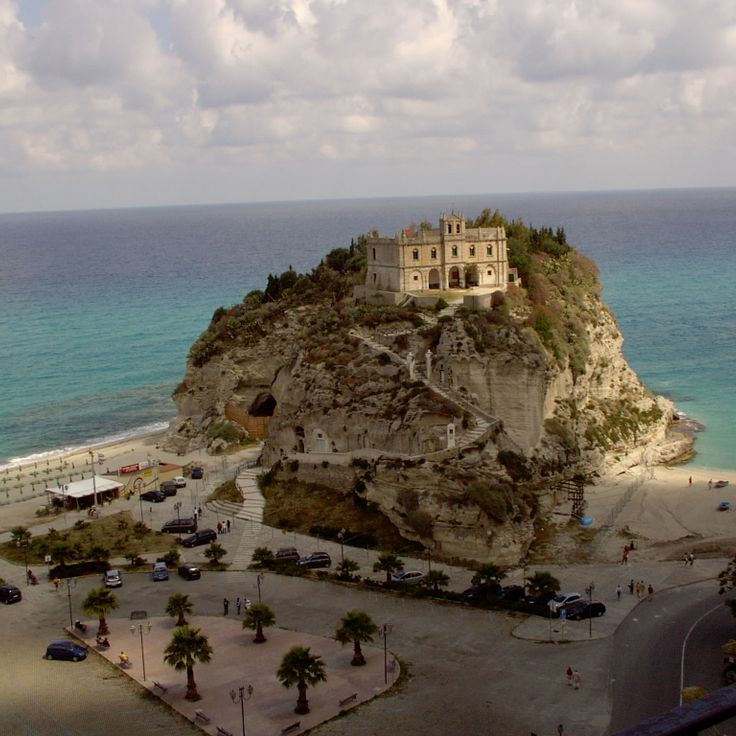
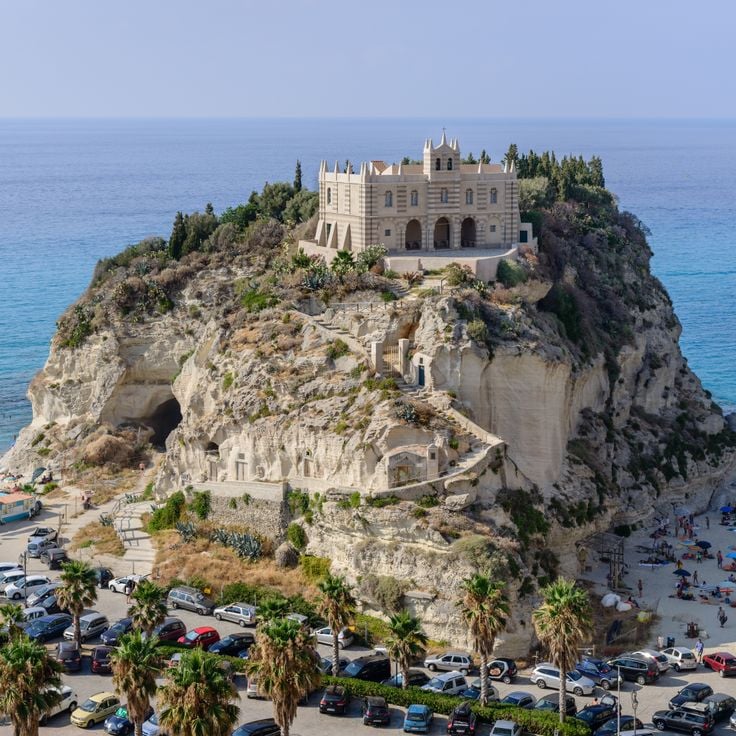
The sanctuary of Santa Maria dell Isola sits on a rocky outcrop off the coast of Tropea, serving as a distinctive landmark for this coastal town. Its white church rises above the cliffs overlooking the sea. Over the centuries, this sanctuary drew pilgrims and fishermen seeking spiritual connection and protection. Today, visitors can walk to the site and take in views of the coastline and waters below. The setting on the rock makes it a special place in Calabria.
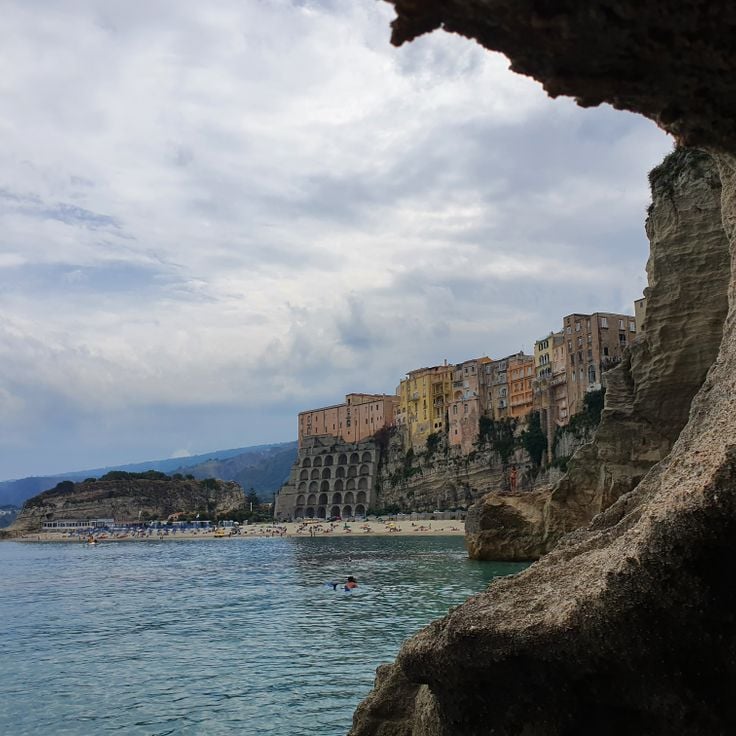
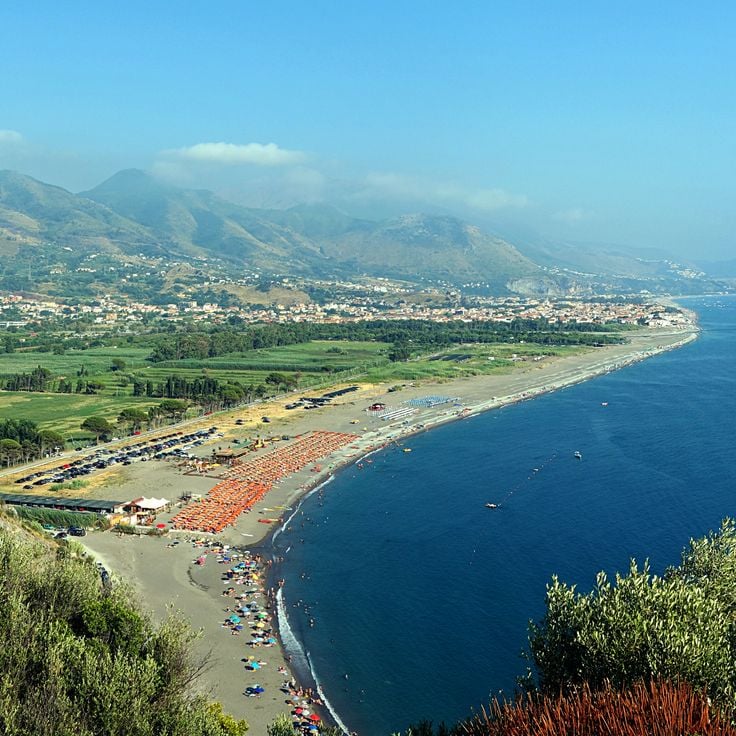
The beach at Tropea features fine sand bordered by white cliffs and crowned by a sanctuary perched on a rocky outcrop. This stretch of sand sits along the Tyrrhenian coast and draws visitors for its clear, shallow waters suitable for swimming. The setting feels open and inviting, with the white rock formations creating a natural frame. Cafes and small shops line the nearby streets, adding to the relaxed pace of daily life here. The beach attracts many visitors, especially during warmer months.
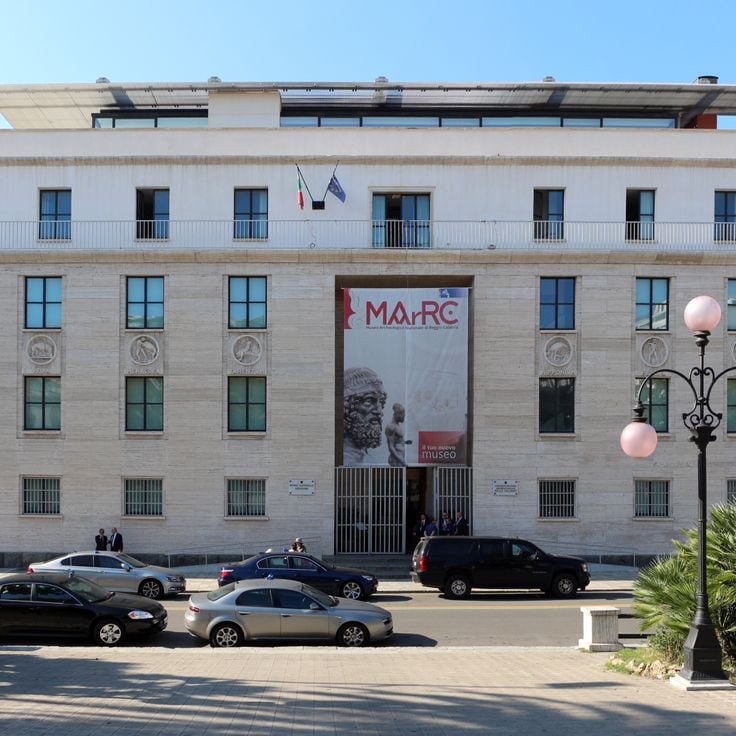
The National Archaeological Museum of Reggio Calabria houses two Greek bronze statues from the 5th century before Christ, known as the Bronzes of Riace. These statues were discovered in the sea and are considered masterpieces of ancient Greek sculpture. The museum also displays other artworks and objects that tell the story of Magna Graecia and the history of the Calabria region. A visit here allows you to experience the artistic achievements of the ancient world and learn more about the past of this part of southern Italy.
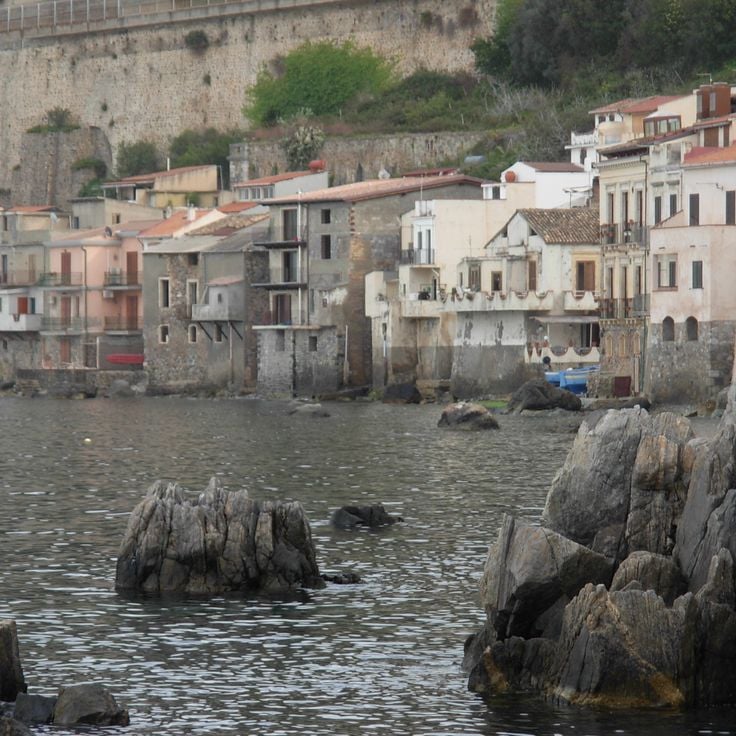
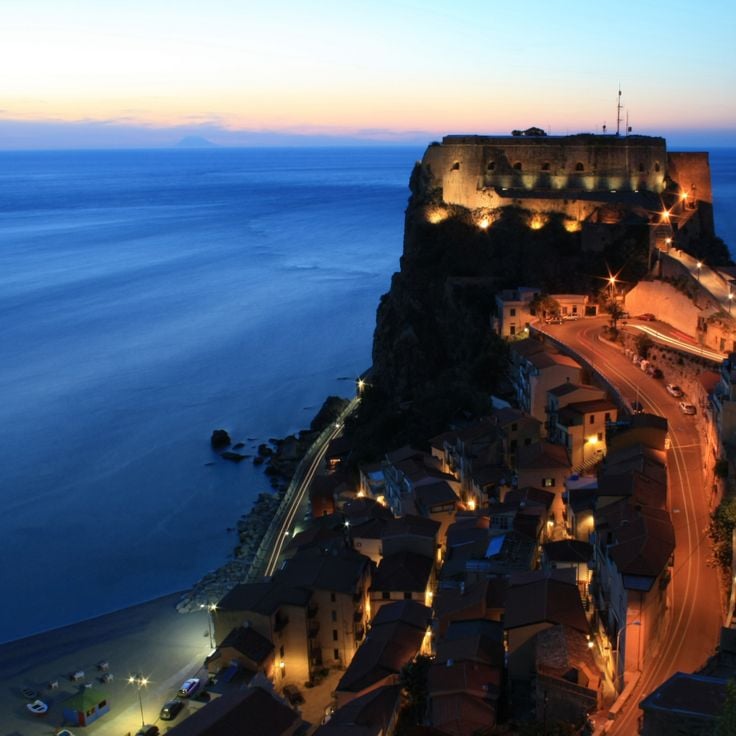
Chianalea di Scilla is a small fishing quarter in Scilla where colorful houses hang directly over the water. This has long been the heart of the fishing village and shows how people here have traditionally lived from the sea. Houses stand close together, and narrow lanes run between them. You can still see fishermen mending their nets today, and how life is governed by the rhythm of the sea. The place gives an impression of daily life in a real fishing village on the coast of Calabria.
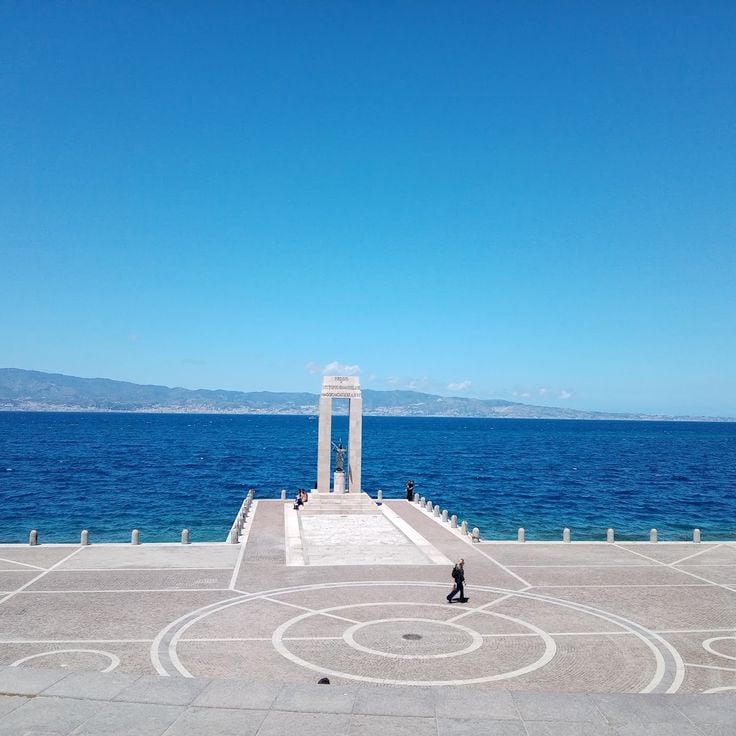
The Lungomare Falcomata is the waterfront promenade of Reggio Calabria, where you walk along the sea with views toward the Strait of Messina and Sicily beyond. This public space sits at the heart of the city's connection to the sea and gives access to open areas where people gather throughout the day.
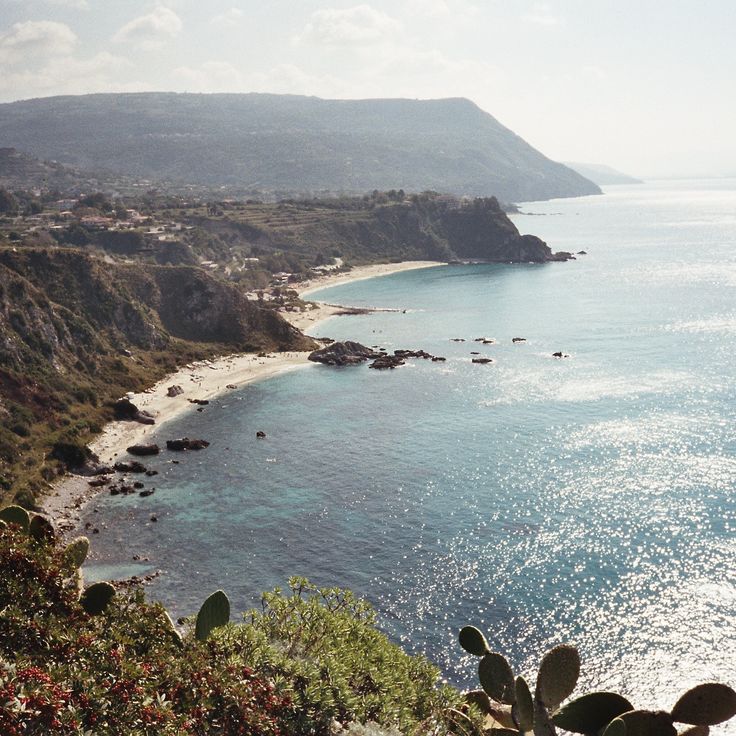
Capo Vaticano in Ricadi is a cape along the Tyrrhenian coast that rises from dramatic cliffs. From the top, you can see far across the sea. Small coves with turquoise water invite swimming, and the air carries the smell of salt and pine trees. Some coves are only reachable by water, keeping the area quiet and isolated. The sunsets here are striking.
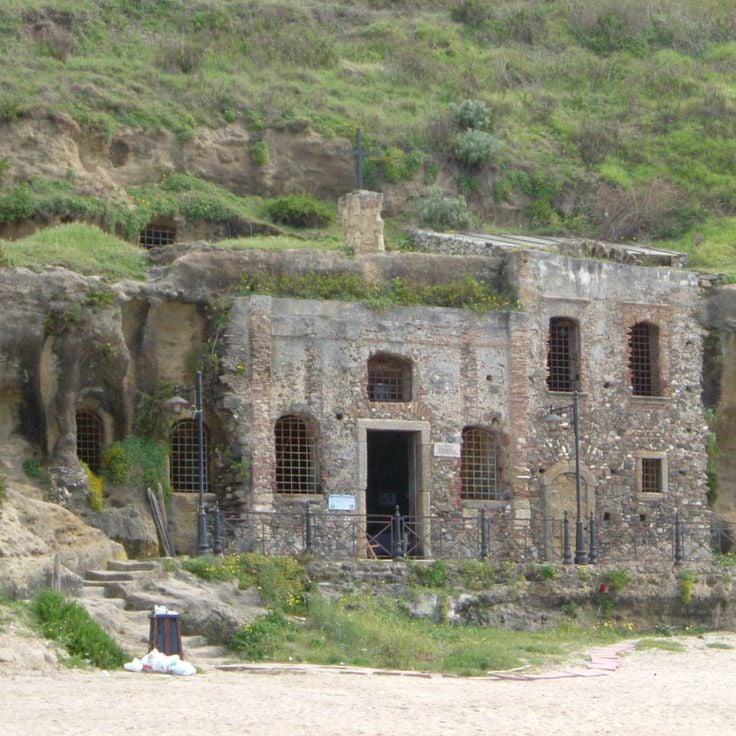
The Chiesa di Piedigrotta is a church carved into volcanic rock at the water's edge in Pizzo, built in the 16th century. Its interior is decorated with rich ornaments that reflect the religious art of that period. This church shows how people in Calabria integrated their sacred spaces directly into the natural landscape, creating a place where faith and nature meet at the shoreline.
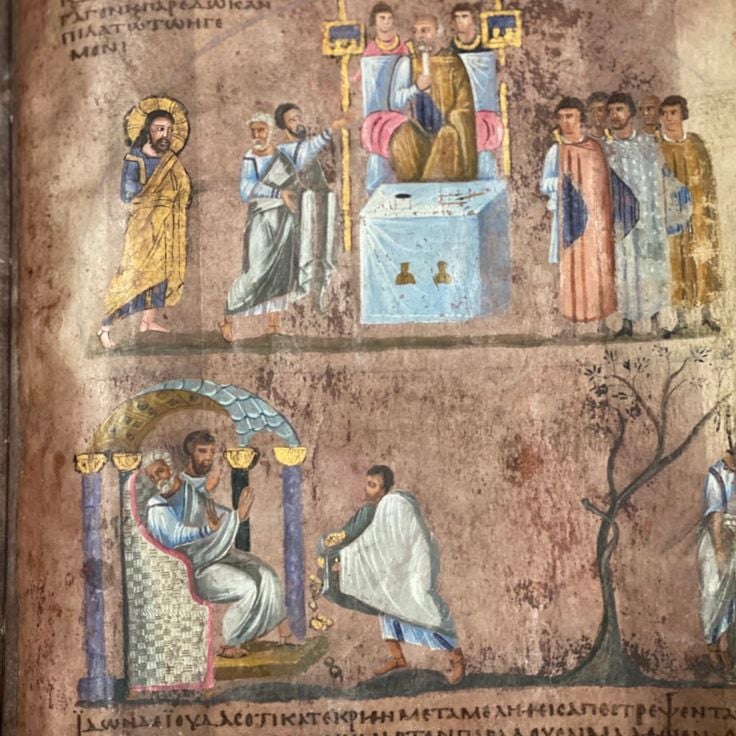
The Codex Purpureus Rossanensis is a 6th-century Byzantine manuscript preserved in Corigliano Rossano. Recognized by UNESCO as a Memory of the World, this work represents one of the oldest surviving copies of the New Testament. Written on purple parchment, the manuscript demonstrates the artistic sophistication of early Byzantine art. Its intricate illustrations and careful calligraphy reflect the importance of this religious text and the high level of craftsmanship that flourished in the region during this period.
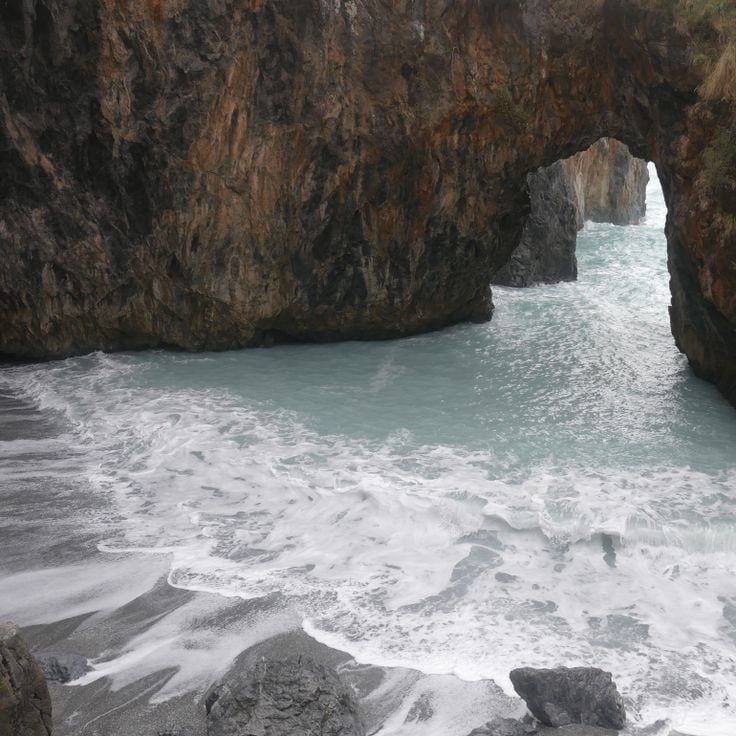
Arcomagno Beach in San Nicola Arcella features a natural rock arch carved into the coastal stone, forming a sheltered cove. The arch rises from the water and creates a striking sight. Access is from the sea, and the clear water invites swimming. This beach demonstrates the dramatic character of Calabria's coast and connects to the rich history of this southern Italian region, where nature and history intersect at every turn.
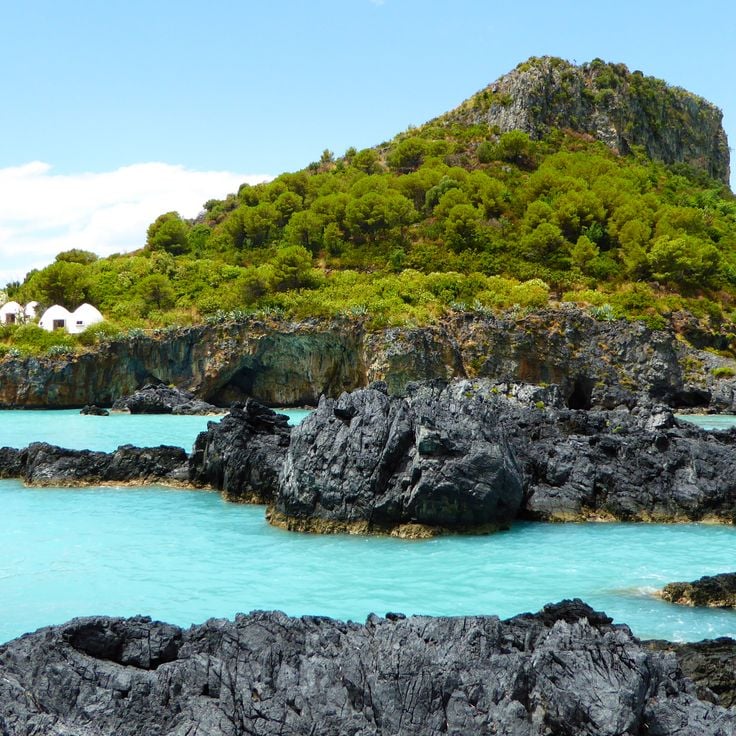
Dino Island sits off the coast of Praia a Mare and is a popular destination for boat excursions. The island contains several sea caves that can be explored from the water. Visitors travel by boat or kayak to reach the caves and observe the rock formations and water. The island is part of the natural coastline of Calabria and shows the geological features of this region.
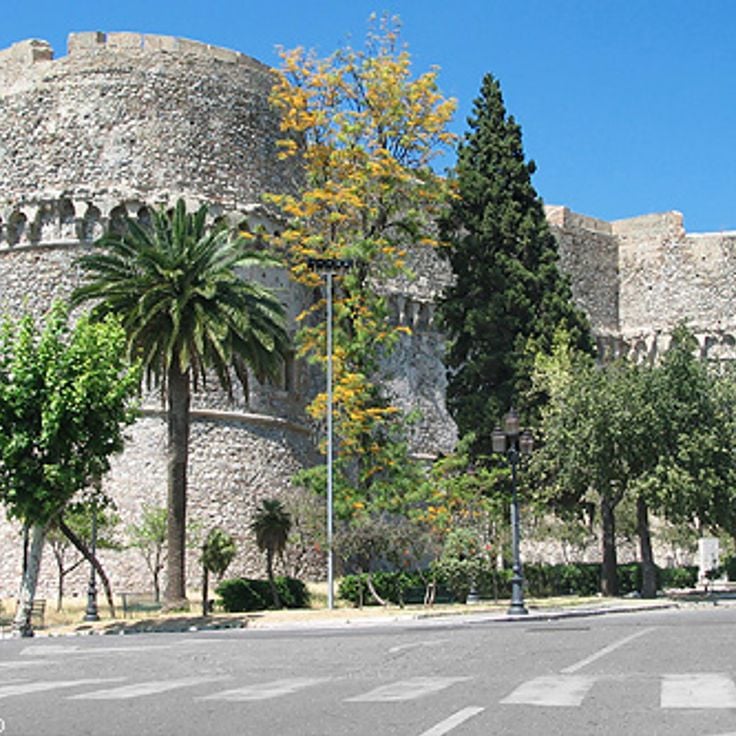
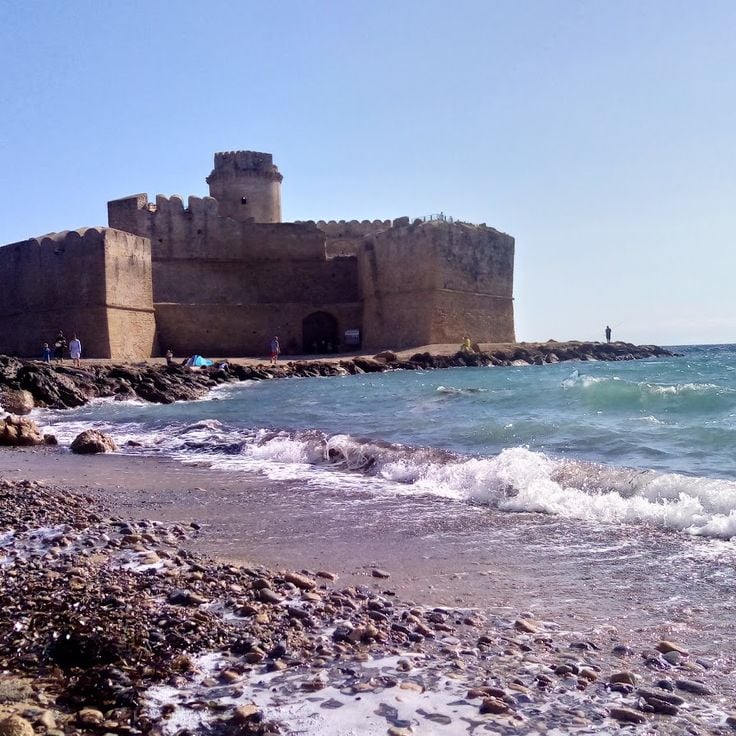
The Aragonese Castle is part of Calabria's collection of places that tell the story of this southern Italian region. This coastal fortress was built in the 16th century to protect people from pirate attacks. The castle sits on an island off the coast of the town and shows how important coastal defense was during this period. The structure stands as a reminder of the strategic fortifications that shaped Calabria's past.
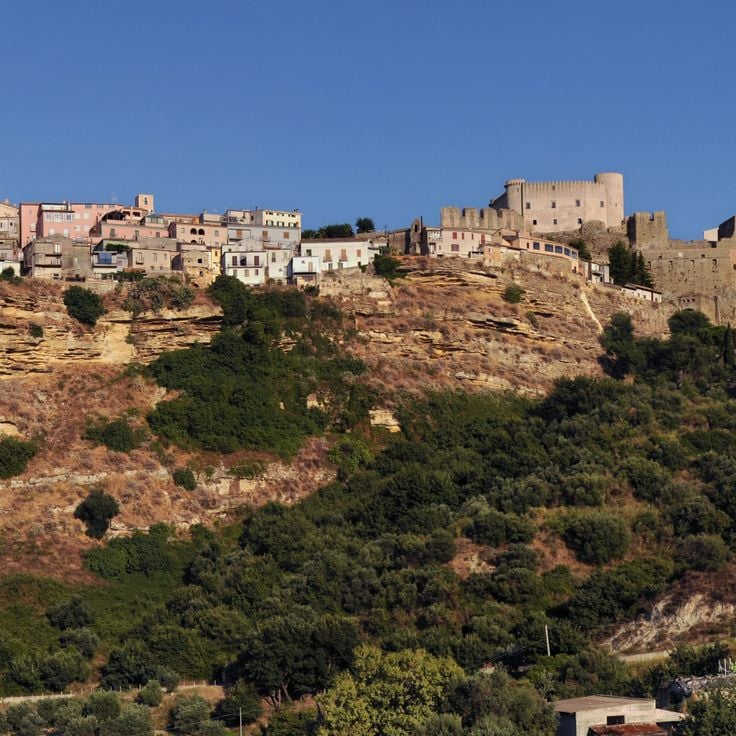
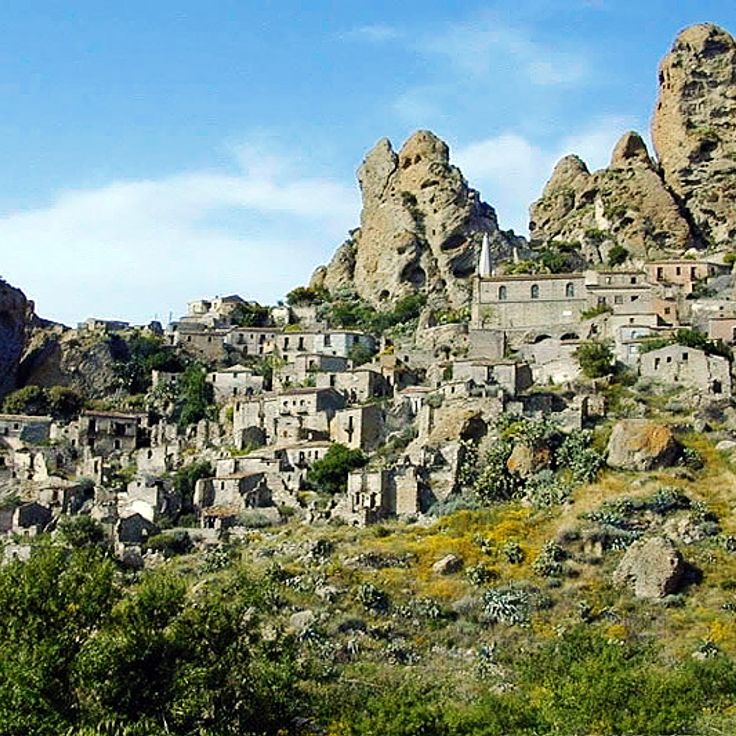
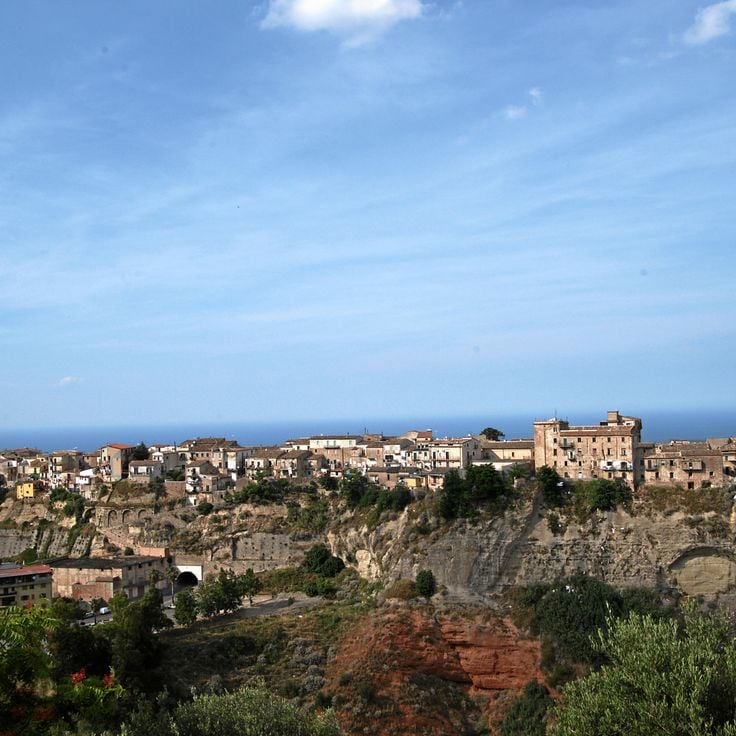
Santa Severina is a village set high above a valley. A Norman castle dominates the landscape from above. This village was once an important center for Byzantine culture in the region. The architecture and streets still show this long history today.
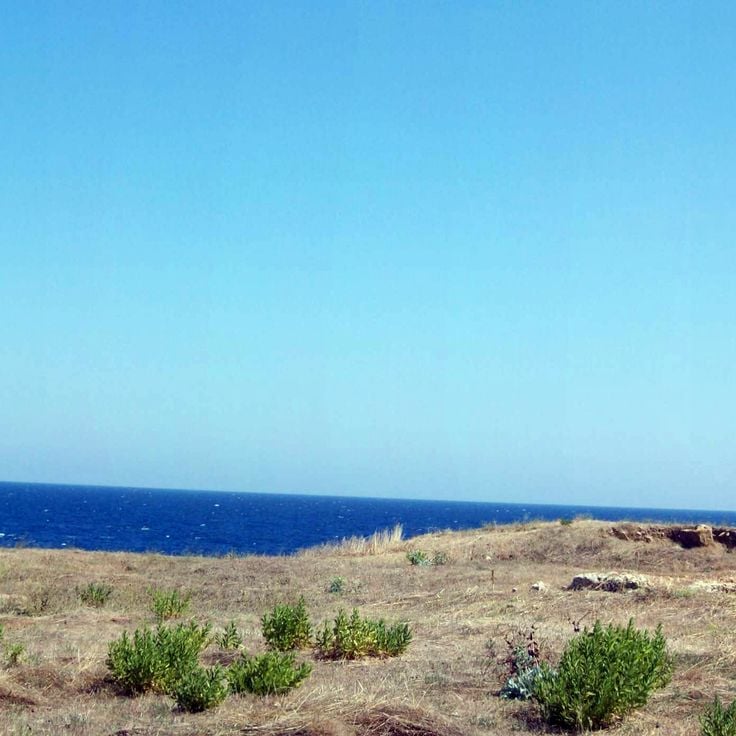
The Temple of Hera Lacinia is an archaeological site with ruins of a Greek sanctuary dedicated to the goddess Hera. A single standing column from this ancient temple dominates the Ionian coast. The temple dates to the era of Magna Graecia and shows the Greek presence in this region of Calabria. The ruins sit on a promontory overlooking the sea. Visitors can explore the remains of an important religious center from ancient times.
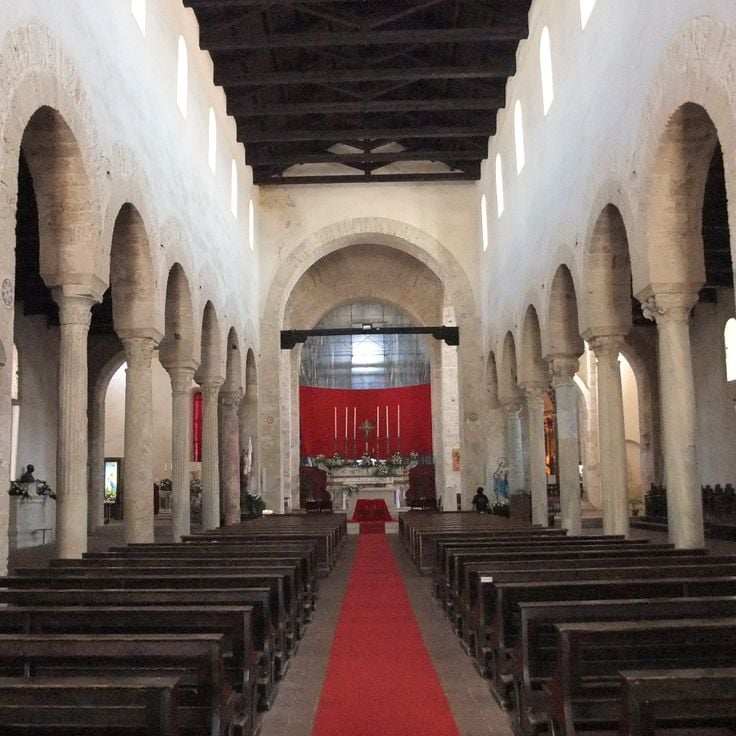
This cathedral sits at the heart of the medieval town of Gerace and dates to the 13th century. Built by the Normans, it displays Greek columns inside that were reused from earlier structures. The spacious interior impresses with its proportions and tells the story of this region, where different cultures met and left their marks.
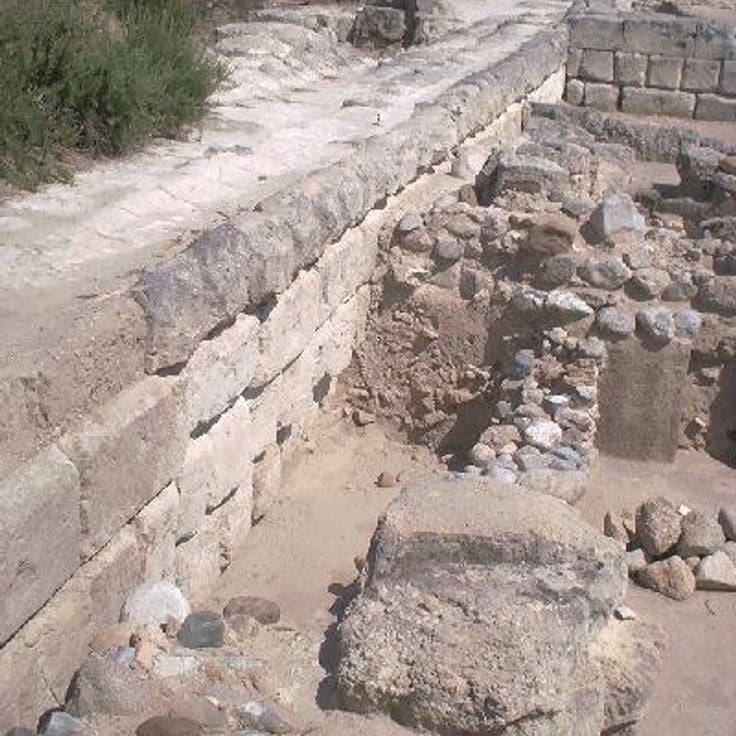
Locri Epizefiri was an important Greek city in Magna Graecia. Today you can explore the archaeological remains that tell the story of ancient civilization. The excavation site reveals foundations of temples and houses that lay hidden underground for thousands of years. Walking through these ruins, you understand how the Greeks lived in this region and what role they played. Locri Epizefiri speaks of a time when Greek culture shaped southern Italy.
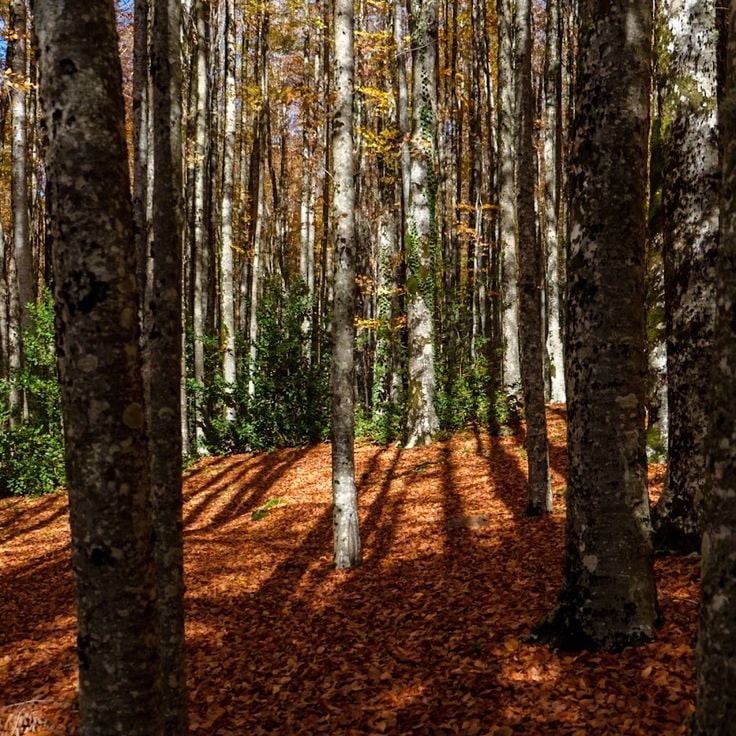
The Sila National Park is a mountain range at the heart of Calabria, covered in forests that stretch across the slopes. Pine trees dominate the landscape, interrupted by mountain lakes that sit at high altitude. Hiking trails wind through the park, allowing visitors to explore this protected natural zone. The park shows how forest and water combine to create a landscape distinct from Calabria's coastal areas.
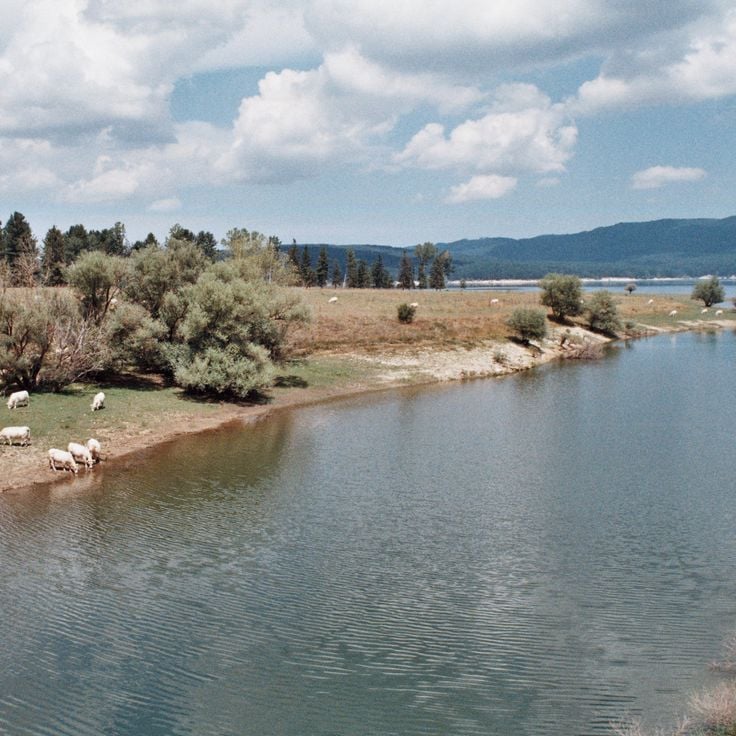
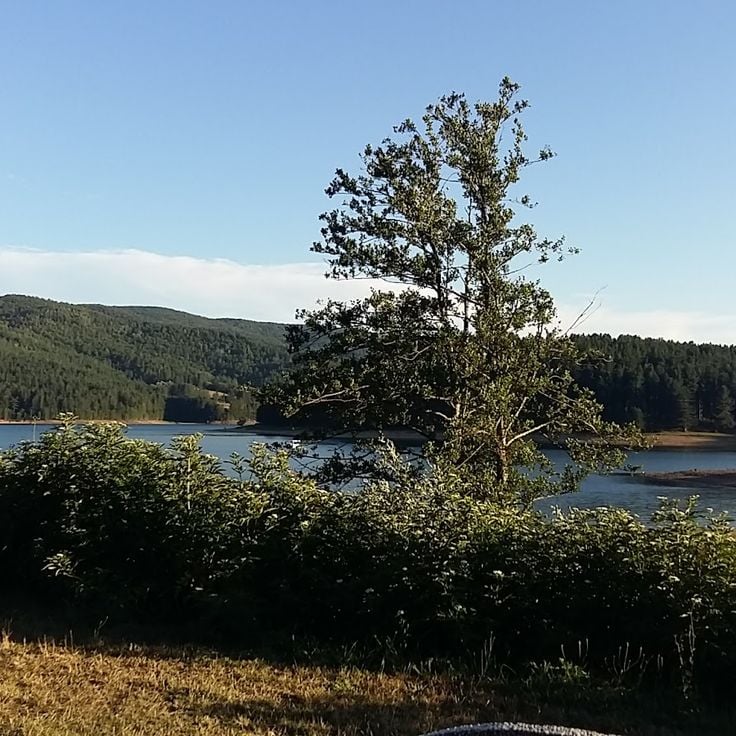
Arvo Lake sits in the Sila mountain range and is a highland water body surrounded by forests. This lake is part of the places in Calabria where nature and history intersect. The water and surrounding slopes offer space for hiking and swimming in a quiet mountain setting. The lake is part of the region's diverse landscape between sea and mountains.
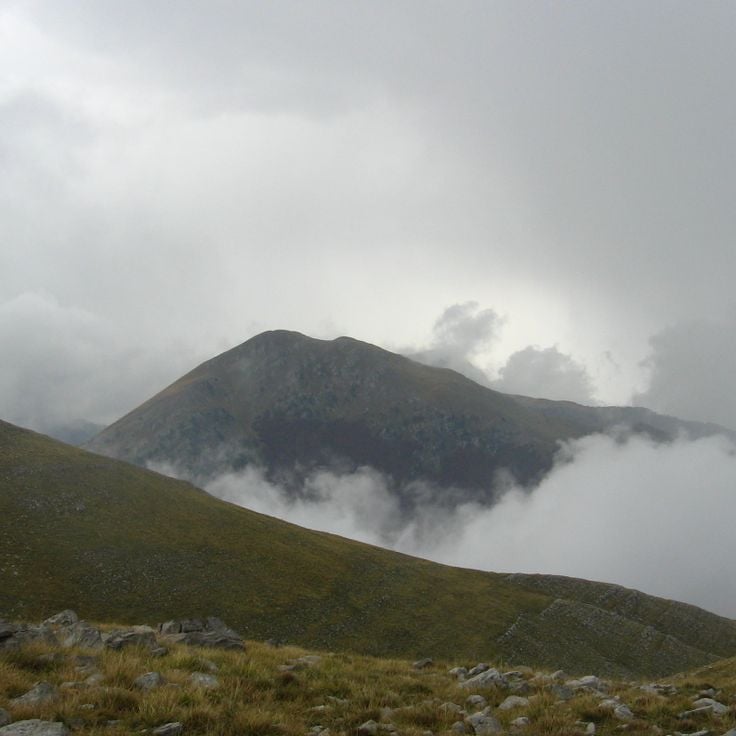
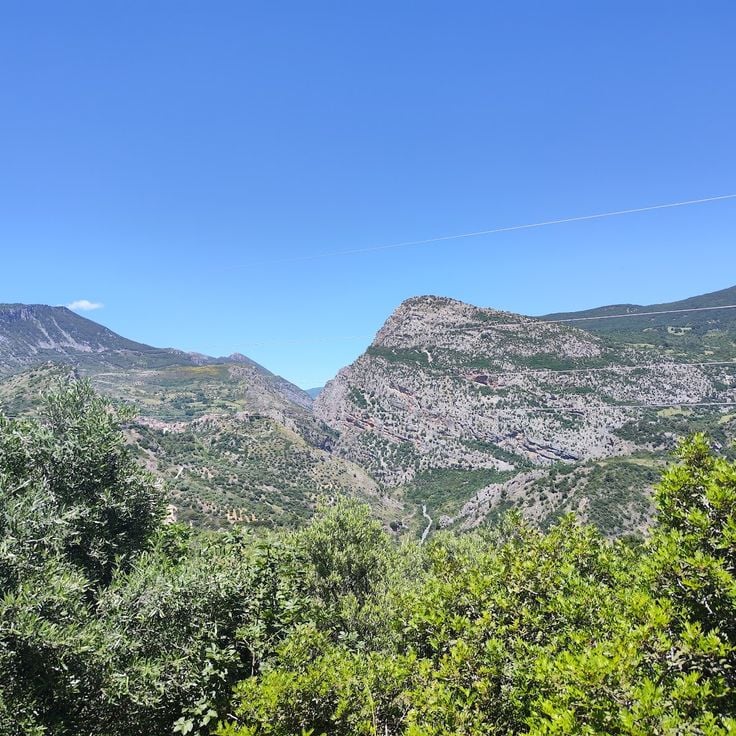
Pollino National Park is a mountain park on the border with Basilicata, featuring diverse landscapes and hiking routes. The Calabrian sector of the Pollino massif shows the variety of the region between sea and mountains, where nature and history meet. This park is part of a collection of about forty sites across Calabria, ranging from the Tyrrhenian coast to the Ionian coast, and telling the story of this southern Italian region.
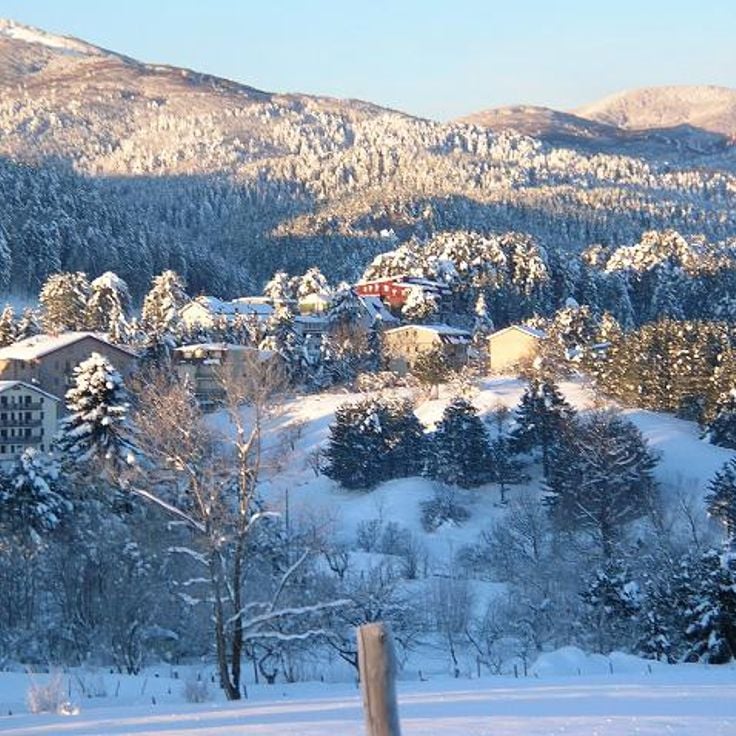
Camigliatello Silano is a mountain station in the Sila that serves as a base for nature activities and winter sports. From here, visitors can access hiking trails and lakes. The town sits among forests and opens onto the landscapes that define Calabria. This station represents the connection between mountains and nature that characterizes the region.
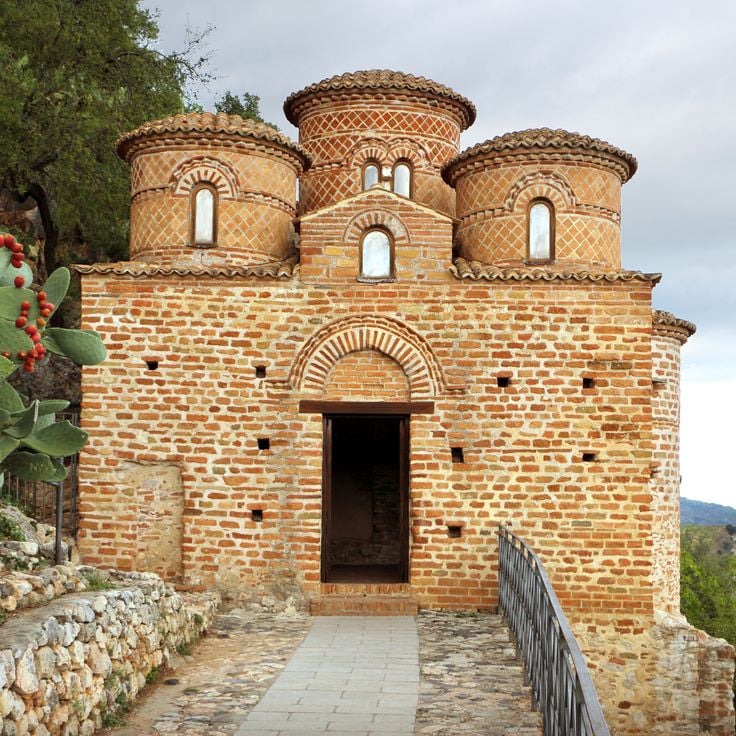
La Cattolica is a small Byzantine church from the 10th century located in Stilo. Built in the Romano-Byzantine style, it represents the Byzantine architecture that shaped this region of southern Italy. The church stands as a testament to the historical layers that define Calabria, where traces of past civilizations remain visible in its buildings and structures.
Gambarie d'Aspromonte is a mountain station in the Aspromonte range. From here you can see the Tyrrhenian and Ionian coasts, and on clear days, Sicily as well. The place serves as a starting point for hikes in the mountains and various outdoor activities. In winter, there are also ski opportunities. The station sits at about 5000 feet (1500 meters) elevation and offers views across the entire region.
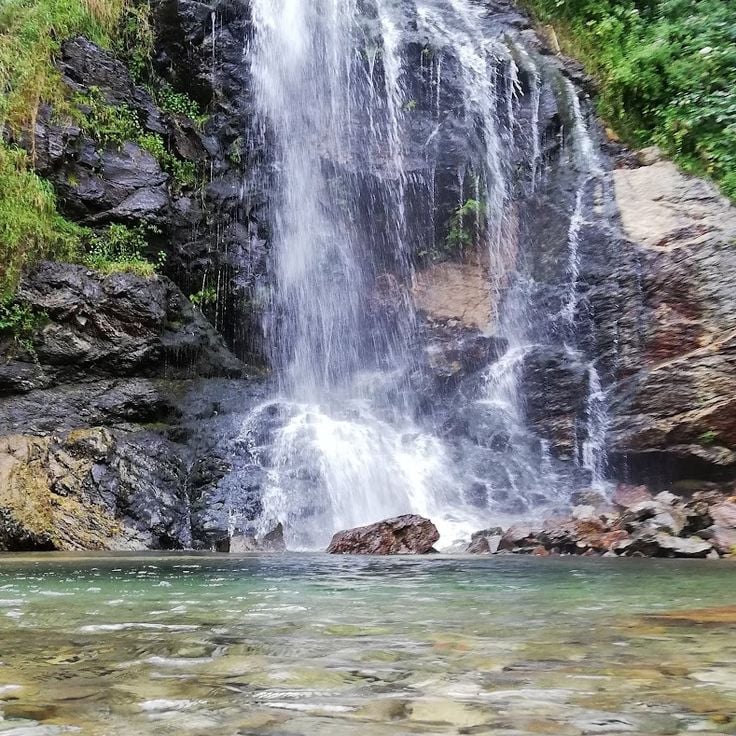
The Mundu and Galasia waterfalls are located in the Aspromonte mountains and attract visitors who enjoy hiking and swimming in a forest setting. Water cascades down rocky steps through woodland terrain. This place reflects how nature and recreation blend together in this region. Many people swim in the cool pools while others walk the forest trails. These waterfalls are part of Calabria's natural heritage.
Civita is a small village perched on the edge of the Pollino mountains and serves as a gateway to this mountain range. The village is a center of Calabrian Arbereshe culture and preserves traditions that remain active in daily life today. The people here speak their own language and follow customs that have shaped their community for many generations. The place offers insight into a way of life that differs noticeably from the surrounding region.
The Gole del Raganello are natural gorges near Civita where a river winds through limestone walls. The canyon is part of the Pollino massif and allows visitors to walk across the water on foot. Steep rock faces create a dramatic setting as water flows over stones and forms small pools. This is one of the most striking places in Calabria, where hikers and nature lovers can experience the power of water and mountains.
Serra San Bruno is a mountain village in Calabria built around a historic Carthusian monastery. The monastery has been at the heart of community life for centuries. Dense forests of fir and spruce trees surround the village and cover the slopes above it. The air feels fresh and the landscape is quiet. Pilgrims and visitors come here to see the monastery and walk in the woods. The village itself is small, with few shops and restaurants, but plenty of trails to explore the mountains.
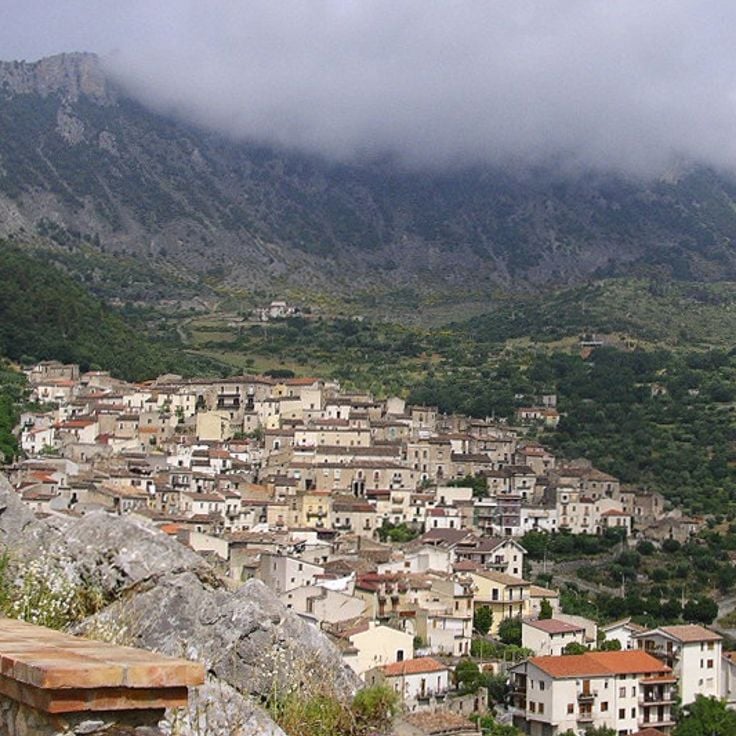
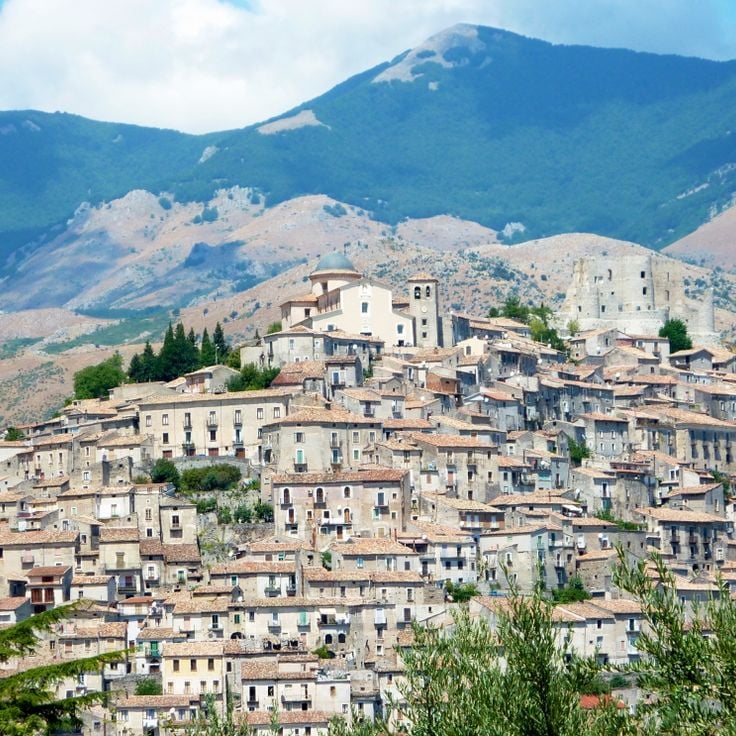
Morano Calabro is a village perched on a hillside in the Pollino mountains. Houses cluster together on the slope, offering views across the valley below. From here you can reach the mountain landscapes that define this part of Calabria. The village shows how people have lived and worked in these hills for centuries.
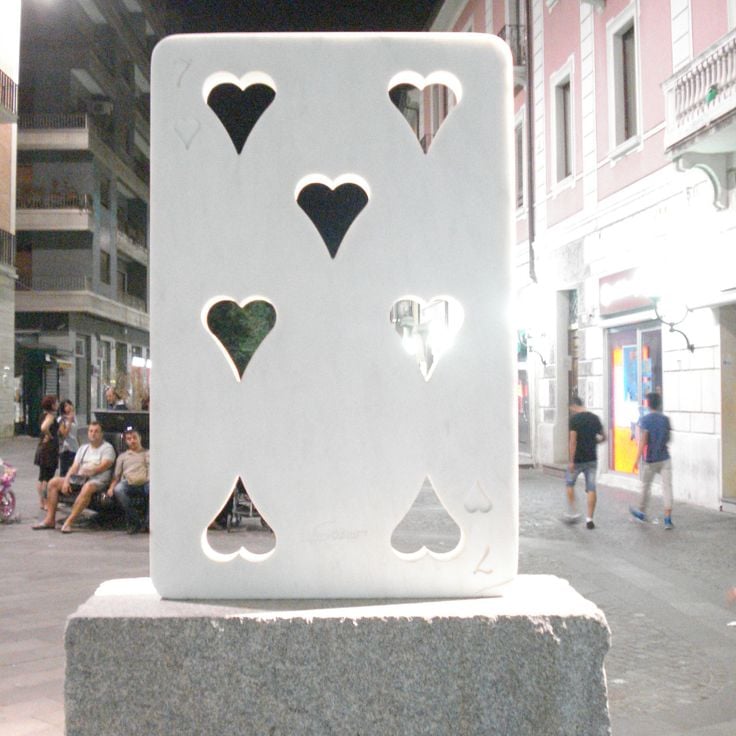
The MAB open-air museum in Cosenza displays sculptures and art installations throughout the public spaces of the city. It is part of a collection of about forty sites spread across Calabria, from the Tyrrhenian coast to the Ionian coast, which tell the story of the region. This museum contributes to exploring the rich heritage that preserves traces from different periods in this part of southern Italy.
The Aspromonte National Park is a mountain range in Calabria that rises steeply from the sea. Villages perch on hillsides here, and waterfalls flow through the forests. The park has hiking trails for different skill levels, from easy walks to more challenging routes. The slopes are densely covered with vegetation, and from many points you can see out to the sea. It is a place where mountains and coast meet, and where you can experience the nature of Calabria up close.
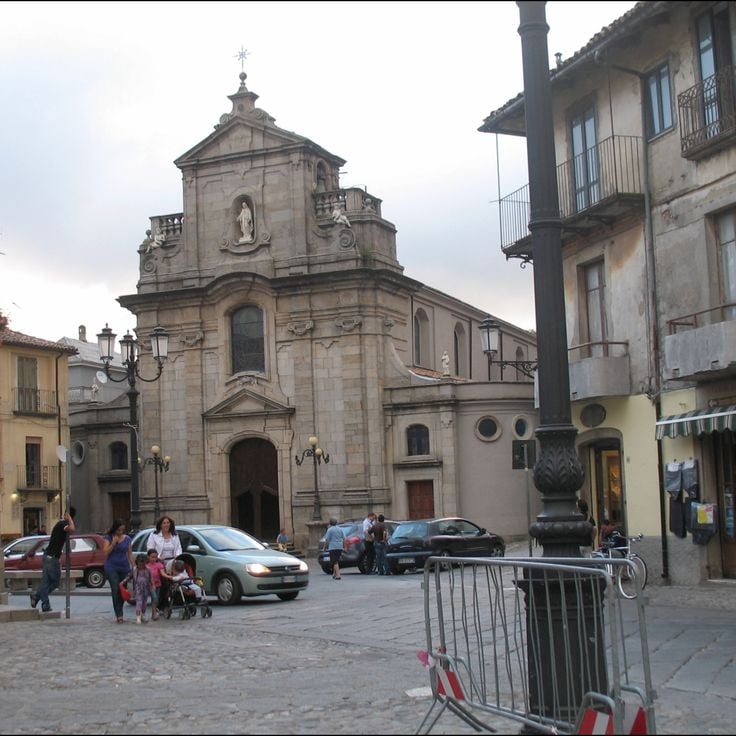
The historic center of Cosenza is the old heart of the city with medieval streets winding through narrow alleys. The cathedral stands at the center and a Norman castle overlooks the city from above. This is the administrative and cultural hub of Cosenza, where history is present at every turn. The architecture shows the different periods that have shaped this city. Walking through the streets, you see old buildings, small squares, and religious structures from different times.
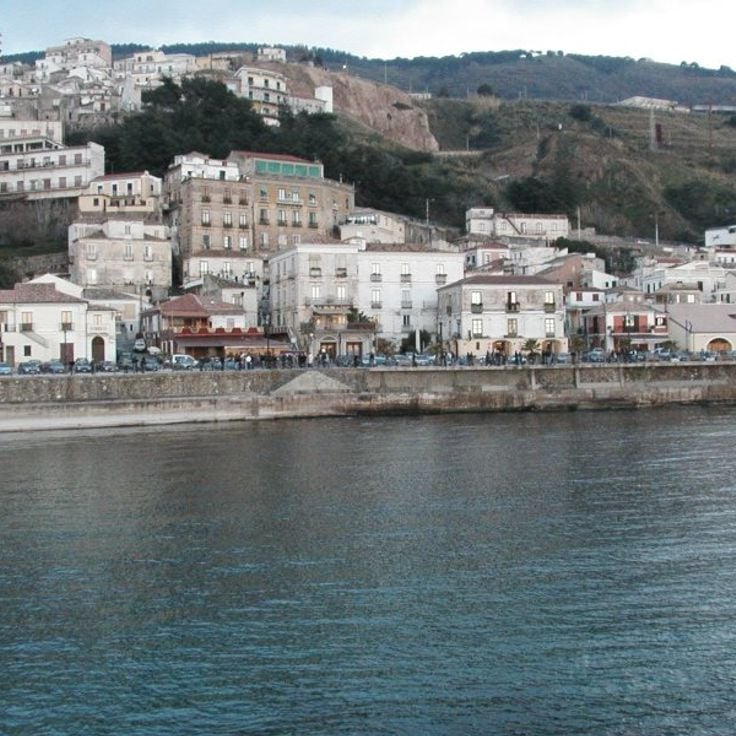
Scilla is a traditional fishing village on Calabria's coast with views toward the Strait of Messina. Colorful houses cluster together facing the water, and you can see fishermen going about their daily work, maintaining boats and bringing in their catch. The village has been a fishing community for centuries and still lives by this tradition today. Narrow streets lead down to the shore where much of village life happens.
The marine protected area of Capo Rizzuto is a coastal zone with turquoise water and sandy beaches, ideal for swimming and snorkeling. This area preserves the natural habitats of the Calabrian coast and shows the diversity of local marine life. Visitors can explore the clear water and discover the unspoiled nature of this southern Italian region.
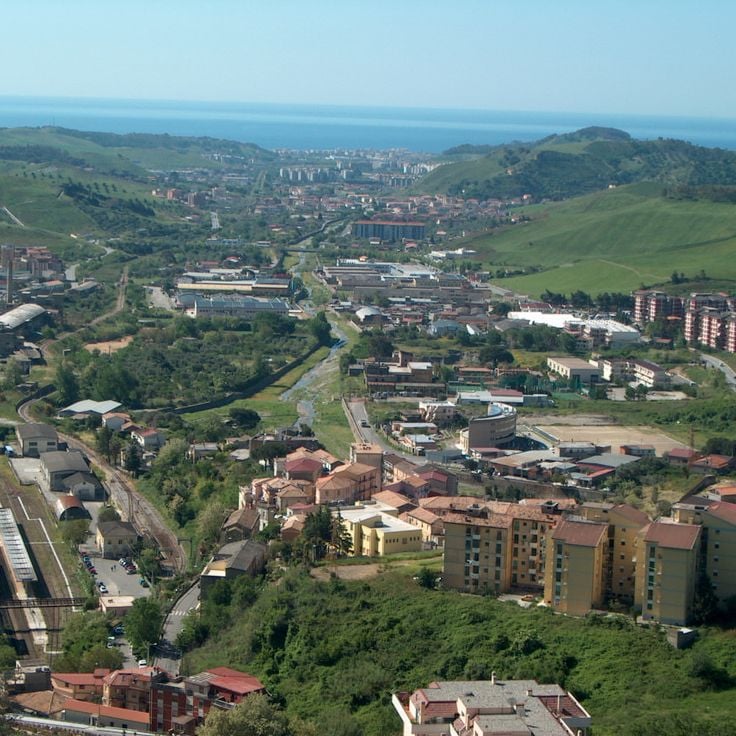
The historic center of Catanzaro shows the long history of this city in Calabria. Here you find old buildings and squares that reflect daily life over centuries. From various viewpoints, you see both seas that surround this region. The streets lead through a part of the city that has kept the architecture and traces of the past. This is the place to understand how Catanzaro grew and developed.
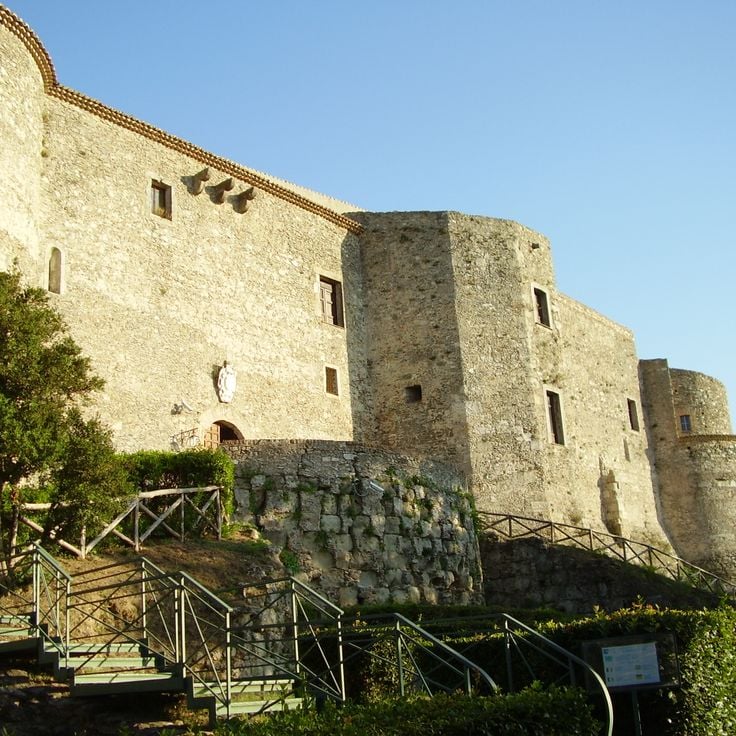
Castello di Vibo Valentia is a Norman-Swabian fortress that dominates the town below. Built in the 10th century, this castle stands as a reminder of the region's medieval past. Inside, an archaeological museum displays artifacts from different periods of Calabrian history. The fortress offers visitors a window into the cultural layers of this southern Italian city.
Praia a Mare is a coastal town in southern Italy, located along the Tyrrhenian coast of Calabria. The beach here stretches along the shoreline, offering clear water and a seafront promenade where locals and visitors walk. From this town, boat trips depart for the nearby Isola di Dino, an island with a cave that visitors can explore from the water. Praia a Mare serves as a good starting point for discovering the coastline of Calabria.
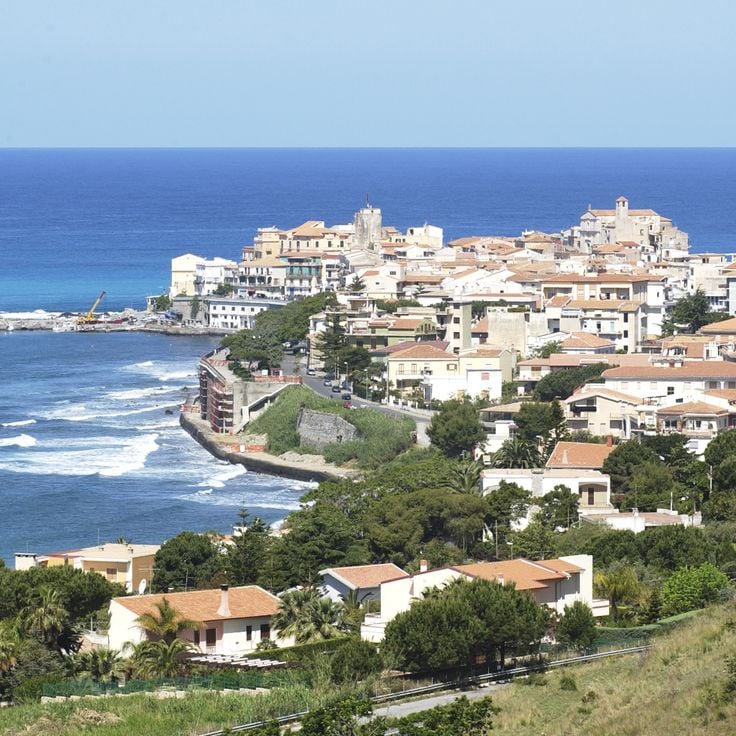
Tropea is a coastal town on the Tyrrhenian Sea in Calabria. The historic center sits on a hilltop above the water, with narrow streets and stone buildings. The beaches have sandy sections and rocky coves nearby. A well-known sanctuary sits on a rocky outcrop overlooking the town. The sea and surrounding cliffs create different shades of blue and green throughout the year. Visitors come here to swim, walk through winding streets, and eat local fish dishes.
The Museo della Certosa occupies the complex of the Charterhouse of Serra San Bruno and displays the history of monastic life and religious art. It tells the story of a community that has lived in these mountains for centuries. The collections show objects from daily monastic life and sacred art that reflect the spiritual world of the monks.
Pizzo Calabro is a small coastal village in Calabria that preserves the character of a traditional fishing community. The village sits on the coastline with narrow streets leading down to the sea, reflecting how people have lived here over time. A church built into the rock marks the heart of the village and speaks to the religious traditions of the region. The harbor and fishing boats are part of everyday life, showing how residents continue the work of their ancestors.
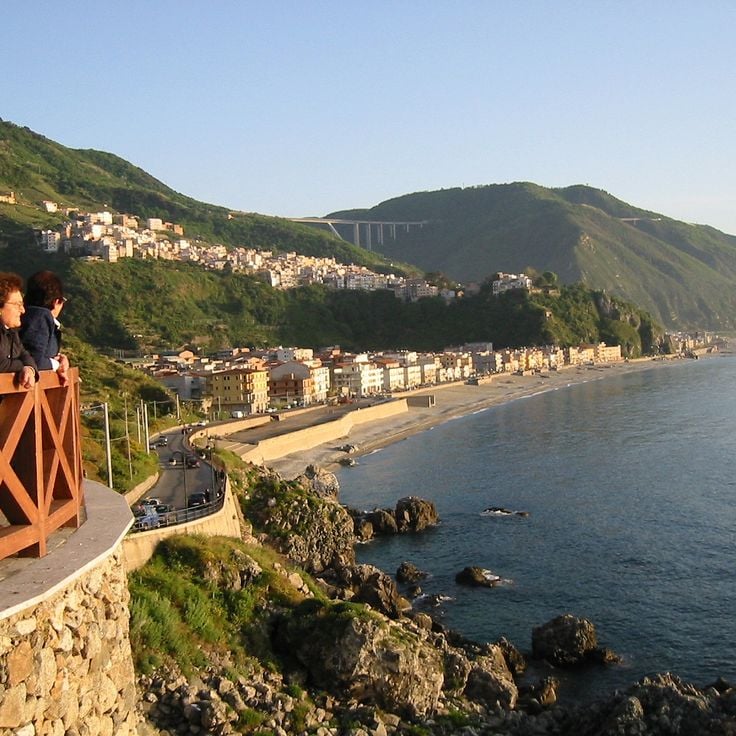
Bagnara Calabra is a fishing village perched on the Tyrrhenian coast. The town slopes down toward the sea, offering views of the water and distant shores. Fishing boats anchor near the shore, and small beaches and coves dot the coastline. Life here revolves around the sea and local fishing traditions. Visitors can walk through the village and feel how maritime rhythms shape daily life, making this an honest look at one of Calabria's working coastal communities.
Rossano is the historic center of Corigliano Rossano, where Byzantine heritage and medieval architecture tell the story of the region. This place fits into the Calabrian collection, which spans from Magna Grecia to Aragonese fortifications. Visitors can explore how history and nature intersect in this part of southern Italy.
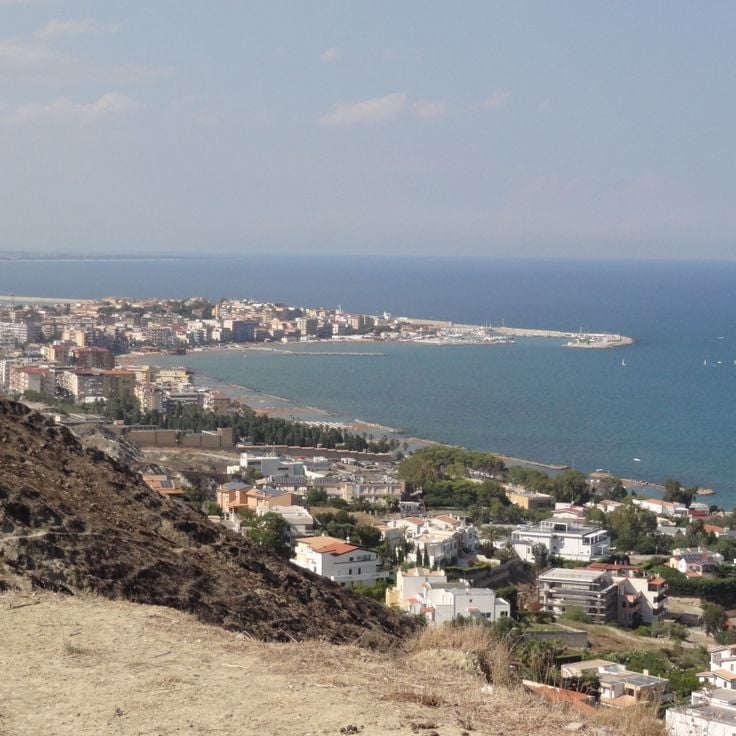
Crotone is a port town on the Ionian coast of Calabria. Its medieval city center features narrow streets and old buildings that speak to centuries past. From here you can reach archaeological sites of Magna Grecia that reveal the area's ancient significance. The harbor remains active and shapes daily life in the town. Crotone connects visitors to layers of history while maintaining the character of a living coastal settlement.
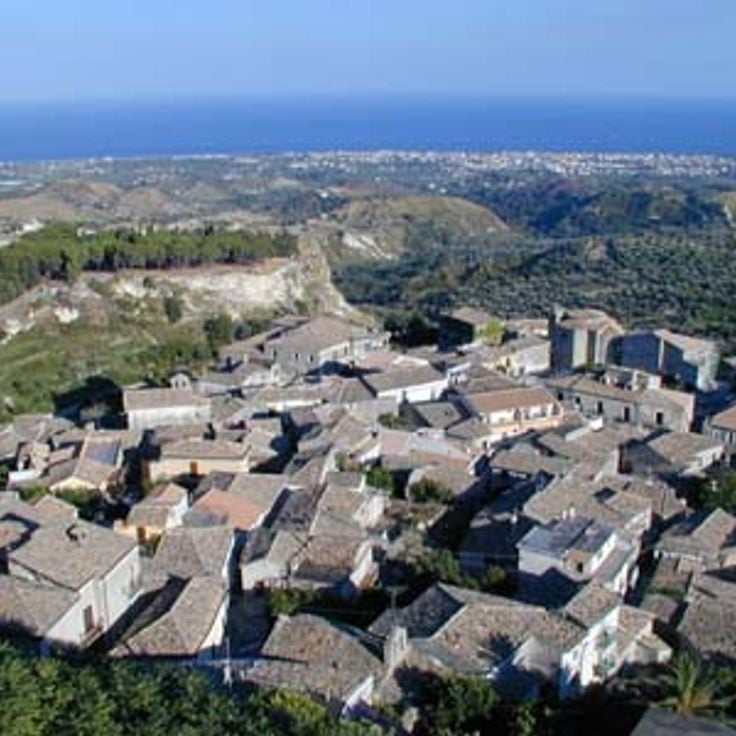
Gerace is a medieval village perched high above the Ionian coast. Stone houses cling to the steep hillside, creating narrow winding streets. At the center stands the cathedral with its commanding presence. Walking through this place, you encounter layers of history and a village where the past lives in every corner.
Diamante is a coastal town in Calabria known for its colorful murals and street art that decorate building facades throughout the town. The artworks create an outdoor gallery experience as you walk through the streets. Local and visiting artists have transformed the walls into a visual display where contemporary creativity meets the town's history. This artistic character makes Diamante a distinctive place for travelers interested in creative expression and local culture.
The sanctuary of Santa Maria dell Isola sits on a rocky outcrop off the coast of Tropea, serving as a distinctive landmark for this coastal town. Its white church rises above the cliffs overlooking the sea. Over the centuries, this sanctuary drew pilgrims and fishermen seeking spiritual connection and protection. Today, visitors can walk to the site and take in views of the coastline and waters below. The setting on the rock makes it a special place in Calabria.
The beach at Tropea features fine sand bordered by white cliffs and crowned by a sanctuary perched on a rocky outcrop. This stretch of sand sits along the Tyrrhenian coast and draws visitors for its clear, shallow waters suitable for swimming. The setting feels open and inviting, with the white rock formations creating a natural frame. Cafes and small shops line the nearby streets, adding to the relaxed pace of daily life here. The beach attracts many visitors, especially during warmer months.
The National Archaeological Museum of Reggio Calabria houses two Greek bronze statues from the 5th century before Christ, known as the Bronzes of Riace. These statues were discovered in the sea and are considered masterpieces of ancient Greek sculpture. The museum also displays other artworks and objects that tell the story of Magna Graecia and the history of the Calabria region. A visit here allows you to experience the artistic achievements of the ancient world and learn more about the past of this part of southern Italy.
Chianalea di Scilla is a small fishing quarter in Scilla where colorful houses hang directly over the water. This has long been the heart of the fishing village and shows how people here have traditionally lived from the sea. Houses stand close together, and narrow lanes run between them. You can still see fishermen mending their nets today, and how life is governed by the rhythm of the sea. The place gives an impression of daily life in a real fishing village on the coast of Calabria.
The Lungomare Falcomata is the waterfront promenade of Reggio Calabria, where you walk along the sea with views toward the Strait of Messina and Sicily beyond. This public space sits at the heart of the city's connection to the sea and gives access to open areas where people gather throughout the day.
Capo Vaticano in Ricadi is a cape along the Tyrrhenian coast that rises from dramatic cliffs. From the top, you can see far across the sea. Small coves with turquoise water invite swimming, and the air carries the smell of salt and pine trees. Some coves are only reachable by water, keeping the area quiet and isolated. The sunsets here are striking.
The Chiesa di Piedigrotta is a church carved into volcanic rock at the water's edge in Pizzo, built in the 16th century. Its interior is decorated with rich ornaments that reflect the religious art of that period. This church shows how people in Calabria integrated their sacred spaces directly into the natural landscape, creating a place where faith and nature meet at the shoreline.
The Codex Purpureus Rossanensis is a 6th-century Byzantine manuscript preserved in Corigliano Rossano. Recognized by UNESCO as a Memory of the World, this work represents one of the oldest surviving copies of the New Testament. Written on purple parchment, the manuscript demonstrates the artistic sophistication of early Byzantine art. Its intricate illustrations and careful calligraphy reflect the importance of this religious text and the high level of craftsmanship that flourished in the region during this period.
Arcomagno Beach in San Nicola Arcella features a natural rock arch carved into the coastal stone, forming a sheltered cove. The arch rises from the water and creates a striking sight. Access is from the sea, and the clear water invites swimming. This beach demonstrates the dramatic character of Calabria's coast and connects to the rich history of this southern Italian region, where nature and history intersect at every turn.
Dino Island sits off the coast of Praia a Mare and is a popular destination for boat excursions. The island contains several sea caves that can be explored from the water. Visitors travel by boat or kayak to reach the caves and observe the rock formations and water. The island is part of the natural coastline of Calabria and shows the geological features of this region.
The Aragonese Castle is part of Calabria's collection of places that tell the story of this southern Italian region. This coastal fortress was built in the 16th century to protect people from pirate attacks. The castle sits on an island off the coast of the town and shows how important coastal defense was during this period. The structure stands as a reminder of the strategic fortifications that shaped Calabria's past.
Santa Severina is a village set high above a valley. A Norman castle dominates the landscape from above. This village was once an important center for Byzantine culture in the region. The architecture and streets still show this long history today.
The Temple of Hera Lacinia is an archaeological site with ruins of a Greek sanctuary dedicated to the goddess Hera. A single standing column from this ancient temple dominates the Ionian coast. The temple dates to the era of Magna Graecia and shows the Greek presence in this region of Calabria. The ruins sit on a promontory overlooking the sea. Visitors can explore the remains of an important religious center from ancient times.
This cathedral sits at the heart of the medieval town of Gerace and dates to the 13th century. Built by the Normans, it displays Greek columns inside that were reused from earlier structures. The spacious interior impresses with its proportions and tells the story of this region, where different cultures met and left their marks.
Locri Epizefiri was an important Greek city in Magna Graecia. Today you can explore the archaeological remains that tell the story of ancient civilization. The excavation site reveals foundations of temples and houses that lay hidden underground for thousands of years. Walking through these ruins, you understand how the Greeks lived in this region and what role they played. Locri Epizefiri speaks of a time when Greek culture shaped southern Italy.
The Sila National Park is a mountain range at the heart of Calabria, covered in forests that stretch across the slopes. Pine trees dominate the landscape, interrupted by mountain lakes that sit at high altitude. Hiking trails wind through the park, allowing visitors to explore this protected natural zone. The park shows how forest and water combine to create a landscape distinct from Calabria's coastal areas.
Arvo Lake sits in the Sila mountain range and is a highland water body surrounded by forests. This lake is part of the places in Calabria where nature and history intersect. The water and surrounding slopes offer space for hiking and swimming in a quiet mountain setting. The lake is part of the region's diverse landscape between sea and mountains.
Pollino National Park is a mountain park on the border with Basilicata, featuring diverse landscapes and hiking routes. The Calabrian sector of the Pollino massif shows the variety of the region between sea and mountains, where nature and history meet. This park is part of a collection of about forty sites across Calabria, ranging from the Tyrrhenian coast to the Ionian coast, and telling the story of this southern Italian region.
Camigliatello Silano is a mountain station in the Sila that serves as a base for nature activities and winter sports. From here, visitors can access hiking trails and lakes. The town sits among forests and opens onto the landscapes that define Calabria. This station represents the connection between mountains and nature that characterizes the region.
La Cattolica is a small Byzantine church from the 10th century located in Stilo. Built in the Romano-Byzantine style, it represents the Byzantine architecture that shaped this region of southern Italy. The church stands as a testament to the historical layers that define Calabria, where traces of past civilizations remain visible in its buildings and structures.
Gambarie d'Aspromonte is a mountain station in the Aspromonte range. From here you can see the Tyrrhenian and Ionian coasts, and on clear days, Sicily as well. The place serves as a starting point for hikes in the mountains and various outdoor activities. In winter, there are also ski opportunities. The station sits at about 5000 feet (1500 meters) elevation and offers views across the entire region.
The Mundu and Galasia waterfalls are located in the Aspromonte mountains and attract visitors who enjoy hiking and swimming in a forest setting. Water cascades down rocky steps through woodland terrain. This place reflects how nature and recreation blend together in this region. Many people swim in the cool pools while others walk the forest trails. These waterfalls are part of Calabria's natural heritage.
Civita is a small village perched on the edge of the Pollino mountains and serves as a gateway to this mountain range. The village is a center of Calabrian Arbereshe culture and preserves traditions that remain active in daily life today. The people here speak their own language and follow customs that have shaped their community for many generations. The place offers insight into a way of life that differs noticeably from the surrounding region.
The Gole del Raganello are natural gorges near Civita where a river winds through limestone walls. The canyon is part of the Pollino massif and allows visitors to walk across the water on foot. Steep rock faces create a dramatic setting as water flows over stones and forms small pools. This is one of the most striking places in Calabria, where hikers and nature lovers can experience the power of water and mountains.
Serra San Bruno is a mountain village in Calabria built around a historic Carthusian monastery. The monastery has been at the heart of community life for centuries. Dense forests of fir and spruce trees surround the village and cover the slopes above it. The air feels fresh and the landscape is quiet. Pilgrims and visitors come here to see the monastery and walk in the woods. The village itself is small, with few shops and restaurants, but plenty of trails to explore the mountains.
Morano Calabro is a village perched on a hillside in the Pollino mountains. Houses cluster together on the slope, offering views across the valley below. From here you can reach the mountain landscapes that define this part of Calabria. The village shows how people have lived and worked in these hills for centuries.
The MAB open-air museum in Cosenza displays sculptures and art installations throughout the public spaces of the city. It is part of a collection of about forty sites spread across Calabria, from the Tyrrhenian coast to the Ionian coast, which tell the story of the region. This museum contributes to exploring the rich heritage that preserves traces from different periods in this part of southern Italy.
The Aspromonte National Park is a mountain range in Calabria that rises steeply from the sea. Villages perch on hillsides here, and waterfalls flow through the forests. The park has hiking trails for different skill levels, from easy walks to more challenging routes. The slopes are densely covered with vegetation, and from many points you can see out to the sea. It is a place where mountains and coast meet, and where you can experience the nature of Calabria up close.
The historic center of Cosenza is the old heart of the city with medieval streets winding through narrow alleys. The cathedral stands at the center and a Norman castle overlooks the city from above. This is the administrative and cultural hub of Cosenza, where history is present at every turn. The architecture shows the different periods that have shaped this city. Walking through the streets, you see old buildings, small squares, and religious structures from different times.
Scilla is a traditional fishing village on Calabria's coast with views toward the Strait of Messina. Colorful houses cluster together facing the water, and you can see fishermen going about their daily work, maintaining boats and bringing in their catch. The village has been a fishing community for centuries and still lives by this tradition today. Narrow streets lead down to the shore where much of village life happens.
The marine protected area of Capo Rizzuto is a coastal zone with turquoise water and sandy beaches, ideal for swimming and snorkeling. This area preserves the natural habitats of the Calabrian coast and shows the diversity of local marine life. Visitors can explore the clear water and discover the unspoiled nature of this southern Italian region.
The historic center of Catanzaro shows the long history of this city in Calabria. Here you find old buildings and squares that reflect daily life over centuries. From various viewpoints, you see both seas that surround this region. The streets lead through a part of the city that has kept the architecture and traces of the past. This is the place to understand how Catanzaro grew and developed.
Castello di Vibo Valentia is a Norman-Swabian fortress that dominates the town below. Built in the 10th century, this castle stands as a reminder of the region's medieval past. Inside, an archaeological museum displays artifacts from different periods of Calabrian history. The fortress offers visitors a window into the cultural layers of this southern Italian city.
Praia a Mare is a coastal town in southern Italy, located along the Tyrrhenian coast of Calabria. The beach here stretches along the shoreline, offering clear water and a seafront promenade where locals and visitors walk. From this town, boat trips depart for the nearby Isola di Dino, an island with a cave that visitors can explore from the water. Praia a Mare serves as a good starting point for discovering the coastline of Calabria.
Tropea is a coastal town on the Tyrrhenian Sea in Calabria. The historic center sits on a hilltop above the water, with narrow streets and stone buildings. The beaches have sandy sections and rocky coves nearby. A well-known sanctuary sits on a rocky outcrop overlooking the town. The sea and surrounding cliffs create different shades of blue and green throughout the year. Visitors come here to swim, walk through winding streets, and eat local fish dishes.
The Museo della Certosa occupies the complex of the Charterhouse of Serra San Bruno and displays the history of monastic life and religious art. It tells the story of a community that has lived in these mountains for centuries. The collections show objects from daily monastic life and sacred art that reflect the spiritual world of the monks.
Pizzo Calabro is a small coastal village in Calabria that preserves the character of a traditional fishing community. The village sits on the coastline with narrow streets leading down to the sea, reflecting how people have lived here over time. A church built into the rock marks the heart of the village and speaks to the religious traditions of the region. The harbor and fishing boats are part of everyday life, showing how residents continue the work of their ancestors.
Bagnara Calabra is a fishing village perched on the Tyrrhenian coast. The town slopes down toward the sea, offering views of the water and distant shores. Fishing boats anchor near the shore, and small beaches and coves dot the coastline. Life here revolves around the sea and local fishing traditions. Visitors can walk through the village and feel how maritime rhythms shape daily life, making this an honest look at one of Calabria's working coastal communities.
Rossano is the historic center of Corigliano Rossano, where Byzantine heritage and medieval architecture tell the story of the region. This place fits into the Calabrian collection, which spans from Magna Grecia to Aragonese fortifications. Visitors can explore how history and nature intersect in this part of southern Italy.
Crotone is a port town on the Ionian coast of Calabria. Its medieval city center features narrow streets and old buildings that speak to centuries past. From here you can reach archaeological sites of Magna Grecia that reveal the area's ancient significance. The harbor remains active and shapes daily life in the town. Crotone connects visitors to layers of history while maintaining the character of a living coastal settlement.
Gerace is a medieval village perched high above the Ionian coast. Stone houses cling to the steep hillside, creating narrow winding streets. At the center stands the cathedral with its commanding presence. Walking through this place, you encounter layers of history and a village where the past lives in every corner.
Diamante is a coastal town in Calabria known for its colorful murals and street art that decorate building facades throughout the town. The artworks create an outdoor gallery experience as you walk through the streets. Local and visiting artists have transformed the walls into a visual display where contemporary creativity meets the town's history. This artistic character makes Diamante a distinctive place for travelers interested in creative expression and local culture.
The sanctuary of Santa Maria dell Isola sits on a rocky outcrop off the coast of Tropea, serving as a distinctive landmark for this coastal town. Its white church rises above the cliffs overlooking the sea. Over the centuries, this sanctuary drew pilgrims and fishermen seeking spiritual connection and protection. Today, visitors can walk to the site and take in views of the coastline and waters below. The setting on the rock makes it a special place in Calabria.
The beach at Tropea features fine sand bordered by white cliffs and crowned by a sanctuary perched on a rocky outcrop. This stretch of sand sits along the Tyrrhenian coast and draws visitors for its clear, shallow waters suitable for swimming. The setting feels open and inviting, with the white rock formations creating a natural frame. Cafes and small shops line the nearby streets, adding to the relaxed pace of daily life here. The beach attracts many visitors, especially during warmer months.
The National Archaeological Museum of Reggio Calabria houses two Greek bronze statues from the 5th century before Christ, known as the Bronzes of Riace. These statues were discovered in the sea and are considered masterpieces of ancient Greek sculpture. The museum also displays other artworks and objects that tell the story of Magna Graecia and the history of the Calabria region. A visit here allows you to experience the artistic achievements of the ancient world and learn more about the past of this part of southern Italy.
Chianalea di Scilla is a small fishing quarter in Scilla where colorful houses hang directly over the water. This has long been the heart of the fishing village and shows how people here have traditionally lived from the sea. Houses stand close together, and narrow lanes run between them. You can still see fishermen mending their nets today, and how life is governed by the rhythm of the sea. The place gives an impression of daily life in a real fishing village on the coast of Calabria.
The Lungomare Falcomata is the waterfront promenade of Reggio Calabria, where you walk along the sea with views toward the Strait of Messina and Sicily beyond. This public space sits at the heart of the city's connection to the sea and gives access to open areas where people gather throughout the day.
Capo Vaticano in Ricadi is a cape along the Tyrrhenian coast that rises from dramatic cliffs. From the top, you can see far across the sea. Small coves with turquoise water invite swimming, and the air carries the smell of salt and pine trees. Some coves are only reachable by water, keeping the area quiet and isolated. The sunsets here are striking.
The Chiesa di Piedigrotta is a church carved into volcanic rock at the water's edge in Pizzo, built in the 16th century. Its interior is decorated with rich ornaments that reflect the religious art of that period. This church shows how people in Calabria integrated their sacred spaces directly into the natural landscape, creating a place where faith and nature meet at the shoreline.
The Codex Purpureus Rossanensis is a 6th-century Byzantine manuscript preserved in Corigliano Rossano. Recognized by UNESCO as a Memory of the World, this work represents one of the oldest surviving copies of the New Testament. Written on purple parchment, the manuscript demonstrates the artistic sophistication of early Byzantine art. Its intricate illustrations and careful calligraphy reflect the importance of this religious text and the high level of craftsmanship that flourished in the region during this period.
Arcomagno Beach in San Nicola Arcella features a natural rock arch carved into the coastal stone, forming a sheltered cove. The arch rises from the water and creates a striking sight. Access is from the sea, and the clear water invites swimming. This beach demonstrates the dramatic character of Calabria's coast and connects to the rich history of this southern Italian region, where nature and history intersect at every turn.
Dino Island sits off the coast of Praia a Mare and is a popular destination for boat excursions. The island contains several sea caves that can be explored from the water. Visitors travel by boat or kayak to reach the caves and observe the rock formations and water. The island is part of the natural coastline of Calabria and shows the geological features of this region.
The Aragonese Castle is part of Calabria's collection of places that tell the story of this southern Italian region. This coastal fortress was built in the 16th century to protect people from pirate attacks. The castle sits on an island off the coast of the town and shows how important coastal defense was during this period. The structure stands as a reminder of the strategic fortifications that shaped Calabria's past.
Santa Severina is a village set high above a valley. A Norman castle dominates the landscape from above. This village was once an important center for Byzantine culture in the region. The architecture and streets still show this long history today.
The Temple of Hera Lacinia is an archaeological site with ruins of a Greek sanctuary dedicated to the goddess Hera. A single standing column from this ancient temple dominates the Ionian coast. The temple dates to the era of Magna Graecia and shows the Greek presence in this region of Calabria. The ruins sit on a promontory overlooking the sea. Visitors can explore the remains of an important religious center from ancient times.
This cathedral sits at the heart of the medieval town of Gerace and dates to the 13th century. Built by the Normans, it displays Greek columns inside that were reused from earlier structures. The spacious interior impresses with its proportions and tells the story of this region, where different cultures met and left their marks.
Locri Epizefiri was an important Greek city in Magna Graecia. Today you can explore the archaeological remains that tell the story of ancient civilization. The excavation site reveals foundations of temples and houses that lay hidden underground for thousands of years. Walking through these ruins, you understand how the Greeks lived in this region and what role they played. Locri Epizefiri speaks of a time when Greek culture shaped southern Italy.
The Sila National Park is a mountain range at the heart of Calabria, covered in forests that stretch across the slopes. Pine trees dominate the landscape, interrupted by mountain lakes that sit at high altitude. Hiking trails wind through the park, allowing visitors to explore this protected natural zone. The park shows how forest and water combine to create a landscape distinct from Calabria's coastal areas.
Arvo Lake sits in the Sila mountain range and is a highland water body surrounded by forests. This lake is part of the places in Calabria where nature and history intersect. The water and surrounding slopes offer space for hiking and swimming in a quiet mountain setting. The lake is part of the region's diverse landscape between sea and mountains.
Pollino National Park is a mountain park on the border with Basilicata, featuring diverse landscapes and hiking routes. The Calabrian sector of the Pollino massif shows the variety of the region between sea and mountains, where nature and history meet. This park is part of a collection of about forty sites across Calabria, ranging from the Tyrrhenian coast to the Ionian coast, and telling the story of this southern Italian region.
Camigliatello Silano is a mountain station in the Sila that serves as a base for nature activities and winter sports. From here, visitors can access hiking trails and lakes. The town sits among forests and opens onto the landscapes that define Calabria. This station represents the connection between mountains and nature that characterizes the region.
La Cattolica is a small Byzantine church from the 10th century located in Stilo. Built in the Romano-Byzantine style, it represents the Byzantine architecture that shaped this region of southern Italy. The church stands as a testament to the historical layers that define Calabria, where traces of past civilizations remain visible in its buildings and structures.
Gambarie d'Aspromonte is a mountain station in the Aspromonte range. From here you can see the Tyrrhenian and Ionian coasts, and on clear days, Sicily as well. The place serves as a starting point for hikes in the mountains and various outdoor activities. In winter, there are also ski opportunities. The station sits at about 5000 feet (1500 meters) elevation and offers views across the entire region.
The Mundu and Galasia waterfalls are located in the Aspromonte mountains and attract visitors who enjoy hiking and swimming in a forest setting. Water cascades down rocky steps through woodland terrain. This place reflects how nature and recreation blend together in this region. Many people swim in the cool pools while others walk the forest trails. These waterfalls are part of Calabria's natural heritage.
Civita is a small village perched on the edge of the Pollino mountains and serves as a gateway to this mountain range. The village is a center of Calabrian Arbereshe culture and preserves traditions that remain active in daily life today. The people here speak their own language and follow customs that have shaped their community for many generations. The place offers insight into a way of life that differs noticeably from the surrounding region.
The Gole del Raganello are natural gorges near Civita where a river winds through limestone walls. The canyon is part of the Pollino massif and allows visitors to walk across the water on foot. Steep rock faces create a dramatic setting as water flows over stones and forms small pools. This is one of the most striking places in Calabria, where hikers and nature lovers can experience the power of water and mountains.
Serra San Bruno is a mountain village in Calabria built around a historic Carthusian monastery. The monastery has been at the heart of community life for centuries. Dense forests of fir and spruce trees surround the village and cover the slopes above it. The air feels fresh and the landscape is quiet. Pilgrims and visitors come here to see the monastery and walk in the woods. The village itself is small, with few shops and restaurants, but plenty of trails to explore the mountains.
Morano Calabro is a village perched on a hillside in the Pollino mountains. Houses cluster together on the slope, offering views across the valley below. From here you can reach the mountain landscapes that define this part of Calabria. The village shows how people have lived and worked in these hills for centuries.
The MAB open-air museum in Cosenza displays sculptures and art installations throughout the public spaces of the city. It is part of a collection of about forty sites spread across Calabria, from the Tyrrhenian coast to the Ionian coast, which tell the story of the region. This museum contributes to exploring the rich heritage that preserves traces from different periods in this part of southern Italy.
The Aspromonte National Park is a mountain range in Calabria that rises steeply from the sea. Villages perch on hillsides here, and waterfalls flow through the forests. The park has hiking trails for different skill levels, from easy walks to more challenging routes. The slopes are densely covered with vegetation, and from many points you can see out to the sea. It is a place where mountains and coast meet, and where you can experience the nature of Calabria up close.
The historic center of Cosenza is the old heart of the city with medieval streets winding through narrow alleys. The cathedral stands at the center and a Norman castle overlooks the city from above. This is the administrative and cultural hub of Cosenza, where history is present at every turn. The architecture shows the different periods that have shaped this city. Walking through the streets, you see old buildings, small squares, and religious structures from different times.
Scilla is a traditional fishing village on Calabria's coast with views toward the Strait of Messina. Colorful houses cluster together facing the water, and you can see fishermen going about their daily work, maintaining boats and bringing in their catch. The village has been a fishing community for centuries and still lives by this tradition today. Narrow streets lead down to the shore where much of village life happens.
The marine protected area of Capo Rizzuto is a coastal zone with turquoise water and sandy beaches, ideal for swimming and snorkeling. This area preserves the natural habitats of the Calabrian coast and shows the diversity of local marine life. Visitors can explore the clear water and discover the unspoiled nature of this southern Italian region.
The historic center of Catanzaro shows the long history of this city in Calabria. Here you find old buildings and squares that reflect daily life over centuries. From various viewpoints, you see both seas that surround this region. The streets lead through a part of the city that has kept the architecture and traces of the past. This is the place to understand how Catanzaro grew and developed.
Castello di Vibo Valentia is a Norman-Swabian fortress that dominates the town below. Built in the 10th century, this castle stands as a reminder of the region's medieval past. Inside, an archaeological museum displays artifacts from different periods of Calabrian history. The fortress offers visitors a window into the cultural layers of this southern Italian city.
Praia a Mare is a coastal town in southern Italy, located along the Tyrrhenian coast of Calabria. The beach here stretches along the shoreline, offering clear water and a seafront promenade where locals and visitors walk. From this town, boat trips depart for the nearby Isola di Dino, an island with a cave that visitors can explore from the water. Praia a Mare serves as a good starting point for discovering the coastline of Calabria.
Tropea is a coastal town on the Tyrrhenian Sea in Calabria. The historic center sits on a hilltop above the water, with narrow streets and stone buildings. The beaches have sandy sections and rocky coves nearby. A well-known sanctuary sits on a rocky outcrop overlooking the town. The sea and surrounding cliffs create different shades of blue and green throughout the year. Visitors come here to swim, walk through winding streets, and eat local fish dishes.
The Museo della Certosa occupies the complex of the Charterhouse of Serra San Bruno and displays the history of monastic life and religious art. It tells the story of a community that has lived in these mountains for centuries. The collections show objects from daily monastic life and sacred art that reflect the spiritual world of the monks.
Pizzo Calabro is a small coastal village in Calabria that preserves the character of a traditional fishing community. The village sits on the coastline with narrow streets leading down to the sea, reflecting how people have lived here over time. A church built into the rock marks the heart of the village and speaks to the religious traditions of the region. The harbor and fishing boats are part of everyday life, showing how residents continue the work of their ancestors.
Bagnara Calabra is a fishing village perched on the Tyrrhenian coast. The town slopes down toward the sea, offering views of the water and distant shores. Fishing boats anchor near the shore, and small beaches and coves dot the coastline. Life here revolves around the sea and local fishing traditions. Visitors can walk through the village and feel how maritime rhythms shape daily life, making this an honest look at one of Calabria's working coastal communities.
Rossano is the historic center of Corigliano Rossano, where Byzantine heritage and medieval architecture tell the story of the region. This place fits into the Calabrian collection, which spans from Magna Grecia to Aragonese fortifications. Visitors can explore how history and nature intersect in this part of southern Italy.
Crotone is a port town on the Ionian coast of Calabria. Its medieval city center features narrow streets and old buildings that speak to centuries past. From here you can reach archaeological sites of Magna Grecia that reveal the area's ancient significance. The harbor remains active and shapes daily life in the town. Crotone connects visitors to layers of history while maintaining the character of a living coastal settlement.
Gerace is a medieval village perched high above the Ionian coast. Stone houses cling to the steep hillside, creating narrow winding streets. At the center stands the cathedral with its commanding presence. Walking through this place, you encounter layers of history and a village where the past lives in every corner.
Diamante is a coastal town in Calabria known for its colorful murals and street art that decorate building facades throughout the town. The artworks create an outdoor gallery experience as you walk through the streets. Local and visiting artists have transformed the walls into a visual display where contemporary creativity meets the town's history. This artistic character makes Diamante a distinctive place for travelers interested in creative expression and local culture.