See the monuments around you in AROpen chests in the app
Around Us is built for your phone — point your camera at the streets and discover the monuments and places around you in augmented reality.Around Us is built for your phone — chests unlock when you walk, explore and capture nearby places.
Visit La Rioja: Monuments, vineyards and historic sites
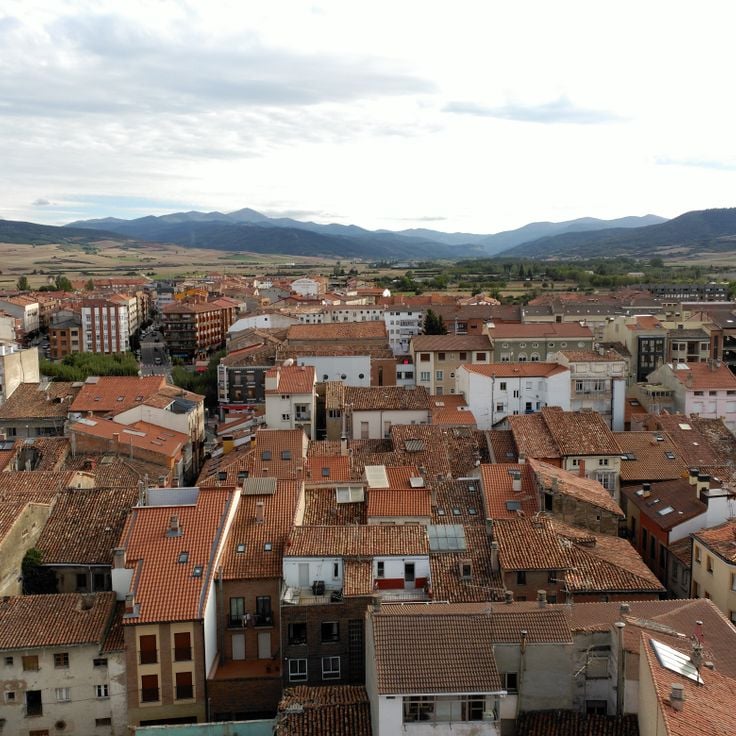
La Rioja covers a small area with stories from the past, wine traditions, and different kinds of scenery. The region centers around Logroño, its main city, where the old town has churches, squares, and busy streets like Calle del Laurel, known for its snack bars. The wineries in Haro and Laguardia offer tours of old cellars and modern buildings designed by famous architects.
The Path of Saint James runs east to west through the region, linking old villages like Santo Domingo de la Calzada, with a church from the 12th century. The monasteries of San Millán de la Cogolla, listed by UNESCO, tell about the start of the Spanish language. To the north, the mountains of Sierra de Cebollera have forest walks and rocky formations shaped by weather.
This list of 40 sites shows many sides of La Rioja: religious buildings, wine making, stone villages on hills, natural places, and signs of the pilgrimage. Each place shares part of the story and daily life of this part of northern Spain.
Visit La Rioja: Monuments, vineyards and historic sites
La Rioja covers a small area with stories from the past, wine traditions, and different kinds of scenery. The region centers around Logroño, its main city, where the old town has churches, squares, and busy streets like Calle del Laurel, known for its snack bars. The wineries in Haro and Laguardia offer tours of old cellars and modern buildings designed by famous architects.
The Path of Saint James runs east to west through the region, linking old villages like Santo Domingo de la Calzada, with a church from the 12th century. The monasteries of San Millán de la Cogolla, listed by UNESCO, tell about the start of the Spanish language. To the north, the mountains of Sierra de Cebollera have forest walks and rocky formations shaped by weather.
This list of 40 sites shows many sides of La Rioja: religious buildings, wine making, stone villages on hills, natural places, and signs of the pilgrimage. Each place shares part of the story and daily life of this part of northern Spain.
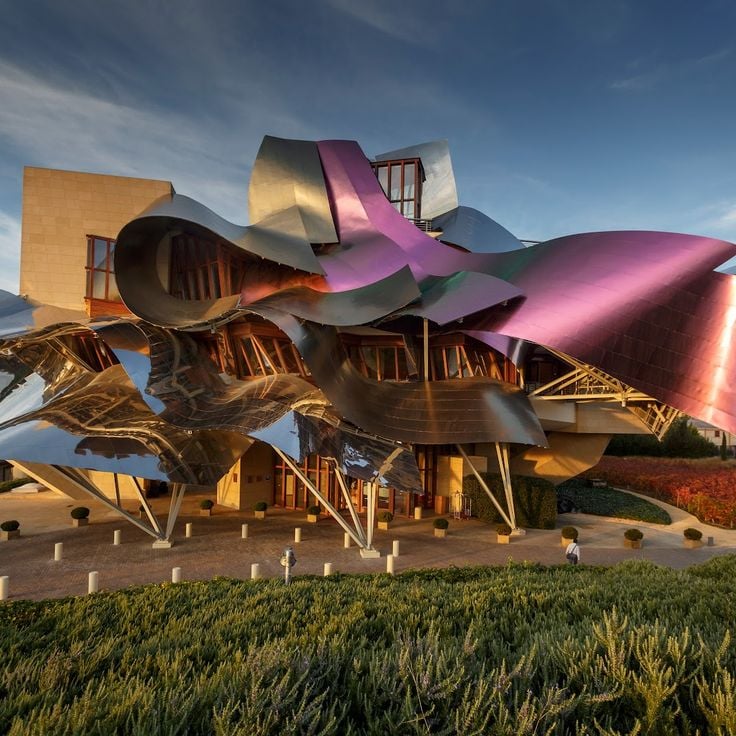
Bodegas Marqués de Riscal in Elciego brings together history and contemporary design. This winery preserves traditional winemaking methods and invites visitors to learn how Rioja wines are made. Modern buildings stand alongside historical cellars, where wines age in oak barrels. You can taste different vintages here and discover the winemaking tradition that defines this region.
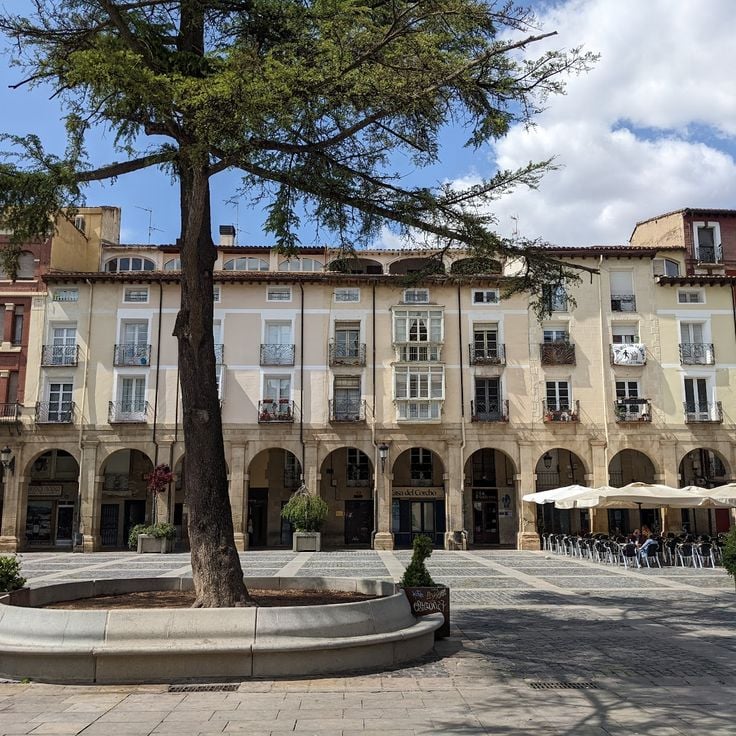
Plaza del Mercado sits in the historic center of Logroño and reveals the architecture of the old city quarter with narrow lanes and facades from different periods. The square itself once served as the city's trading hub and is surrounded by buildings that tell the story of Logroño's past. Today it remains a place where locals and visitors gather to experience the character of the old town.
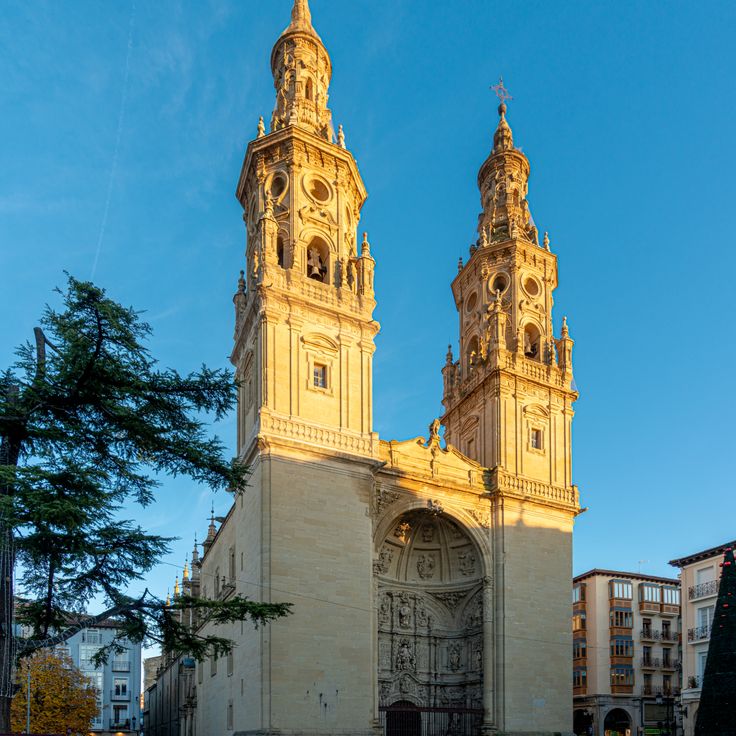
The Cathedral of Santa María de la Redonda stands at the heart of Logroño and shapes the city's skyline with its distinctive towers. The building displays baroque architecture and developed over several phases from the 15th to 18th centuries. Inside you find artworks and religious treasures that reflect the city's history. This church served as the spiritual center of the region for centuries and remains an important stop for visitors exploring the city.
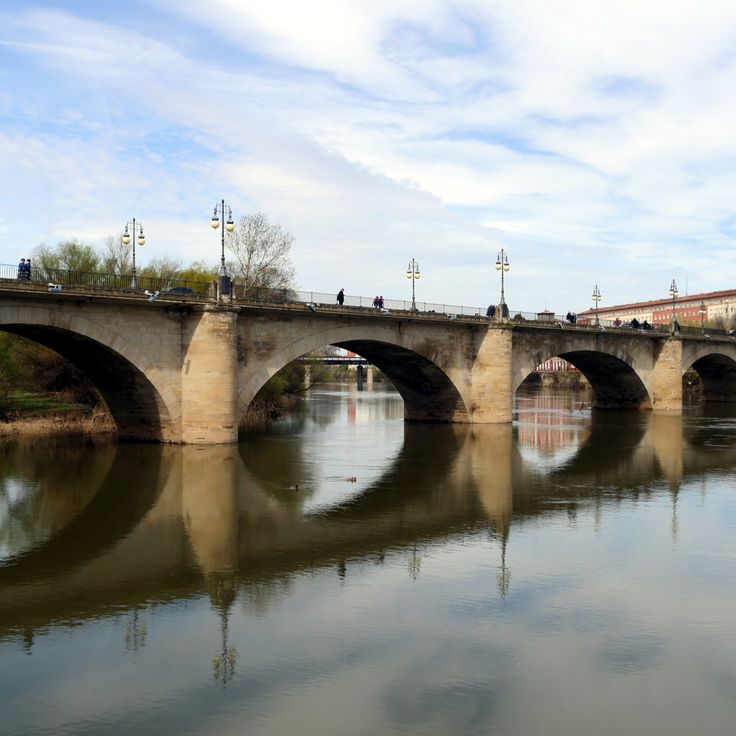
The Stone Bridge of Logroño crosses the Ebro River and connects the two banks of the city. This old structure has been a vital passage for centuries and shapes the character of the city. The bridge sits at the edge of the old town, where narrow streets and historic buildings line the riverbank. From here you can see the cathedral and other churches that define the center of Logroño. The river and bridge play a role in the history of this region, shaped by wine production, pilgrimage routes, and medieval villages.
The Museo de La Rioja in Logroño presents the history, art, and culture of this Spanish region. The museum holds works by local artists, archaeological finds from different periods, and objects from everyday life in earlier times. Its collections help visitors understand how La Rioja developed from ancient times to today. Located in central Logroño, the museum offers an overview of the region's artistic and cultural treasures.
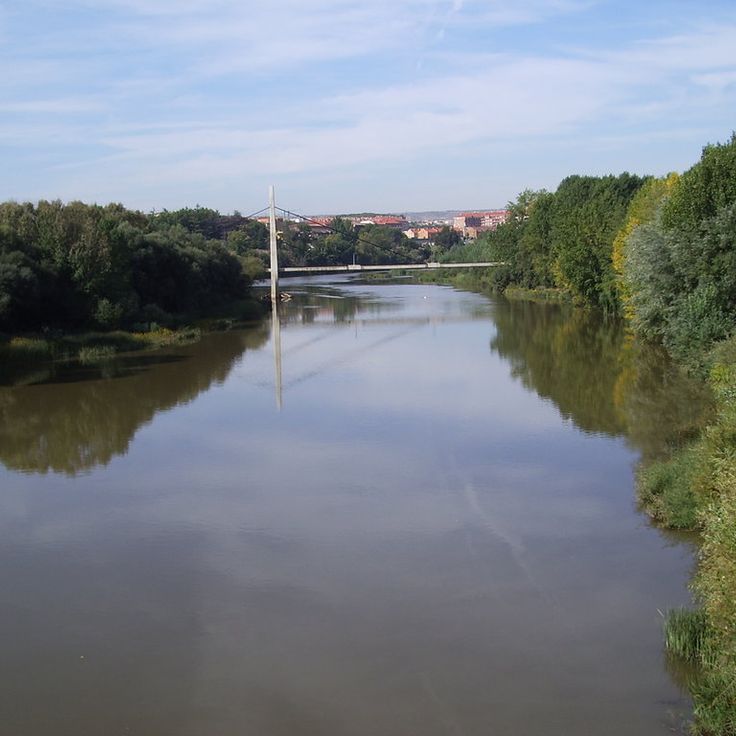
The Parque del Ebro in Logroño is a large urban park that runs along the Ebro River. The park stretches across several kilometers with open green spaces and walking paths. Trees and plants line the riverbanks, creating shaded areas throughout the park. People come here to walk, exercise, or simply sit and watch the water flow by. The park connects the city to the surrounding landscape and serves as a place where locals and visitors spend time outdoors.
The Museo Vivanco de la Cultura del Vino in Briones explores wine culture through historical collections and interactive exhibits. The museum traces how wine has shaped La Rioja over centuries and examines the techniques, traditions, and daily life of winemakers. Visitors discover how wine is made and the role it plays in the region's identity.
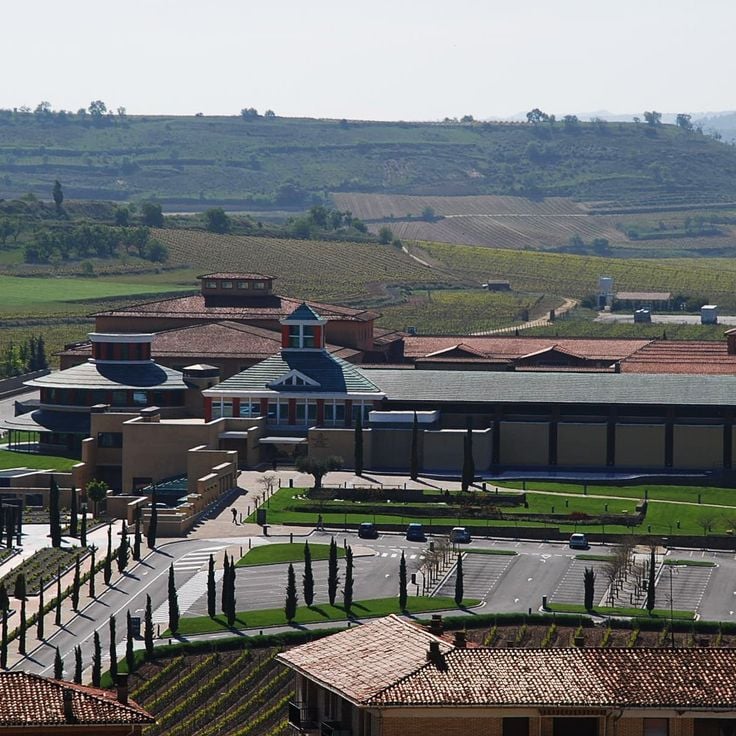
Bodegas Ysios in Laguardia is a winery with striking contemporary architecture designed by an international architect. The building combines modern design with wine production and invites visitors to tour the facilities and taste wines. The winery sits in Rioja Alavesa, a wine region known for quality wines and surrounded by vineyards and medieval villages.
The Paleontological Center of Enciso displays fossils and geological information from a time when this area was a sea during the Cretaceous period. The museum shows remains of dinosaurs and other prehistoric animals discovered in the region. Visitors can follow the layers of Earth's history and see how the landscape changed over millions of years. This center adds another layer to exploring La Rioja, where history appears in many forms, from fossils beneath the ground to buildings above it.
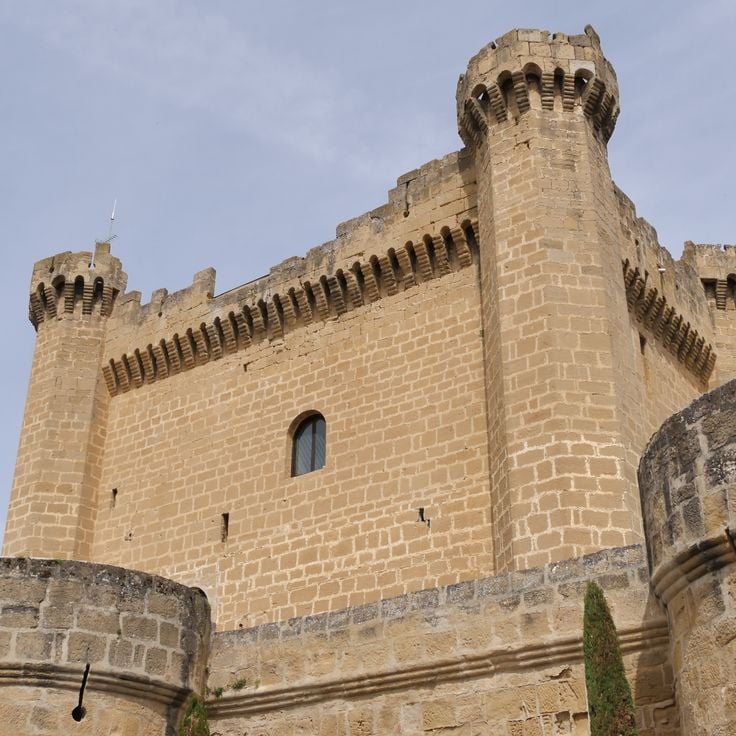
Castillo de Sajazarra is a medieval fortress that rises above the village with its towers and fortified walls. It demonstrates the defensive architecture that once protected the region and shows how power was displayed through such structures. This castle is one of the many historical monuments scattered across La Rioja that reveal the region's layered past and its importance along trade and pilgrimage routes.
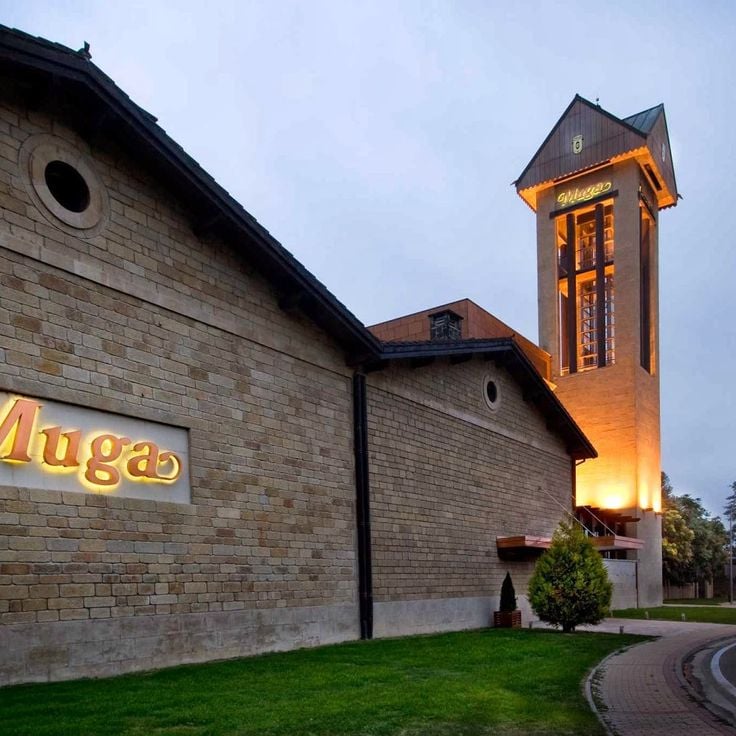
Bodegas Muga is a traditional winery in Haro where Rioja wines are produced using classic methods. Visitors can explore the underground cellars and watch how wine ages in oak barrels. The bodega shows the craftsmanship techniques that have been used for generations in this region. It is a place where you can understand the work of winemakers and the importance of this craft to the area.
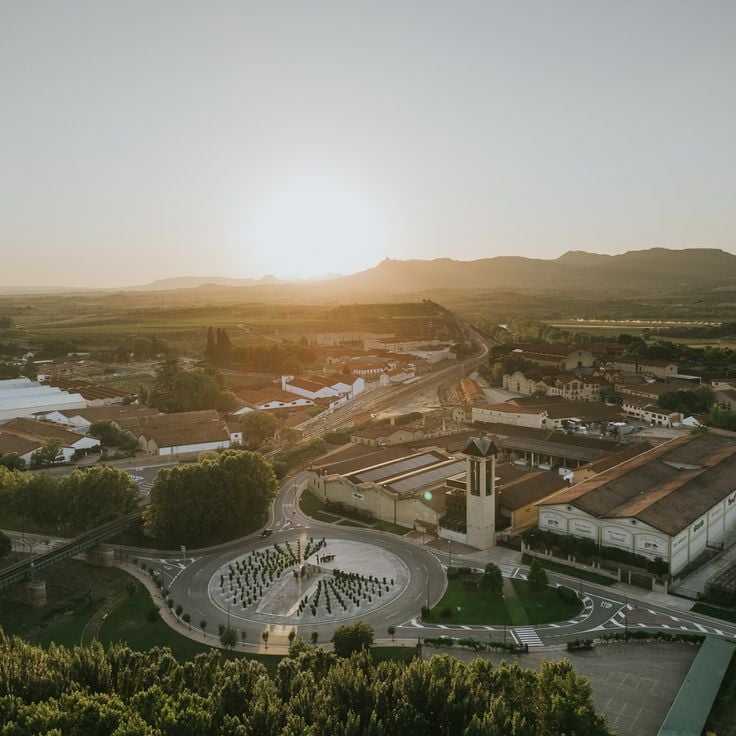
The Station District of Haro is a historic neighborhood that brings together several traditional wineries. This area developed in the 19th century around the railway station and became the center of wine production. The bodegas define the character of the district with their stone and brick buildings. Visitors can learn about old winemaking methods and see modern facilities designed by international architects. The neighborhood shows how the railway shaped the development of the La Rioja wine region.
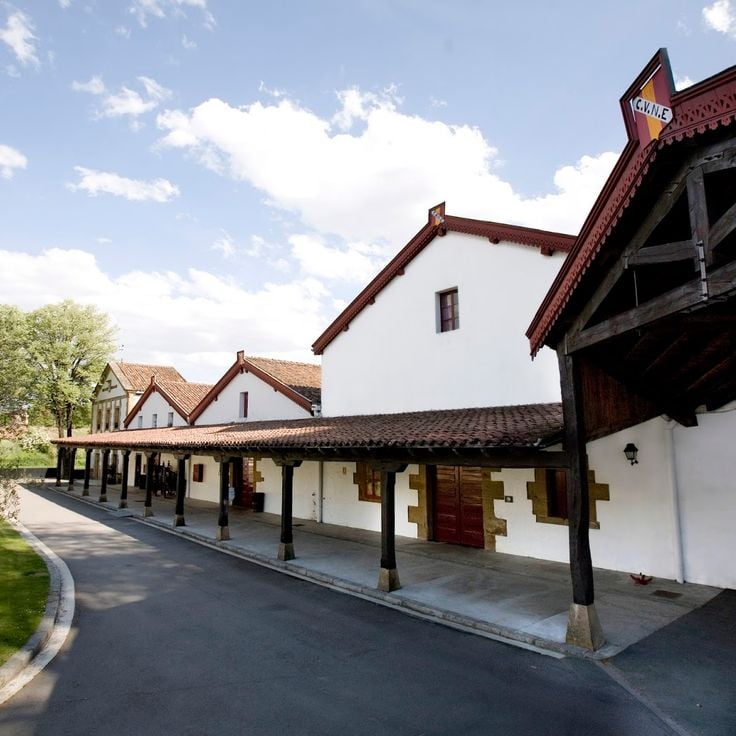
Bodegas CVNE is a well-known winery in Haro with roots in traditional winemaking. The historic cellars show how wine production evolved over many decades and how the region became famous for its wines. Visitors walk through underground chambers where barrels age in cool conditions. This winery helps explain why Haro is central to wine culture in La Rioja and how generations of winemakers shaped the local identity.
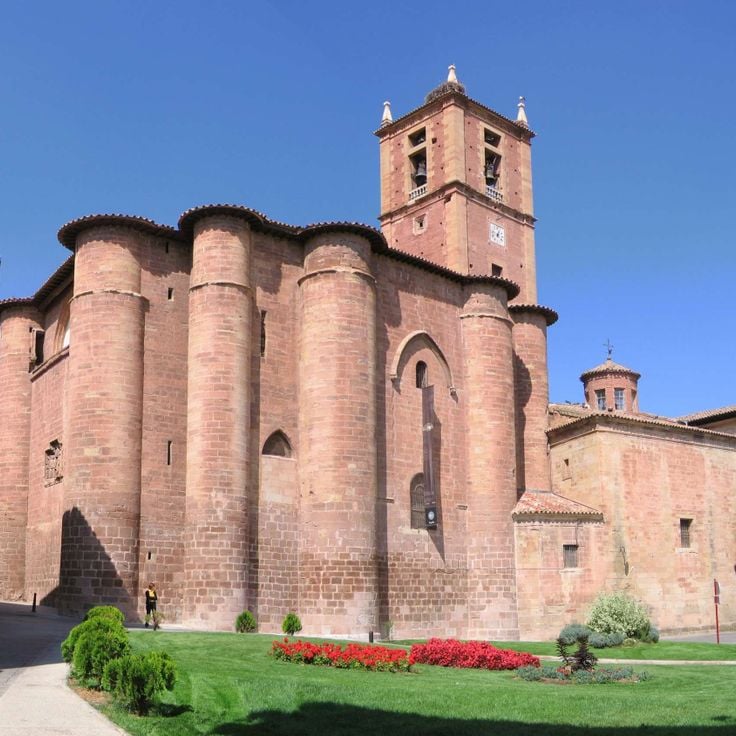
The Monasterio de Santa María la Real is a Gothic monastery located in the Nájera valley. Built during the Middle Ages, it showcases the architectural style of that period. The monastery features a cloister and several halls that reflect the region's history. It served as an important stop for pilgrims traveling to Santiago de Compostela and was connected to regional royal families. Visitors can explore the rooms, view the stonework, and see the artworks housed within its walls.
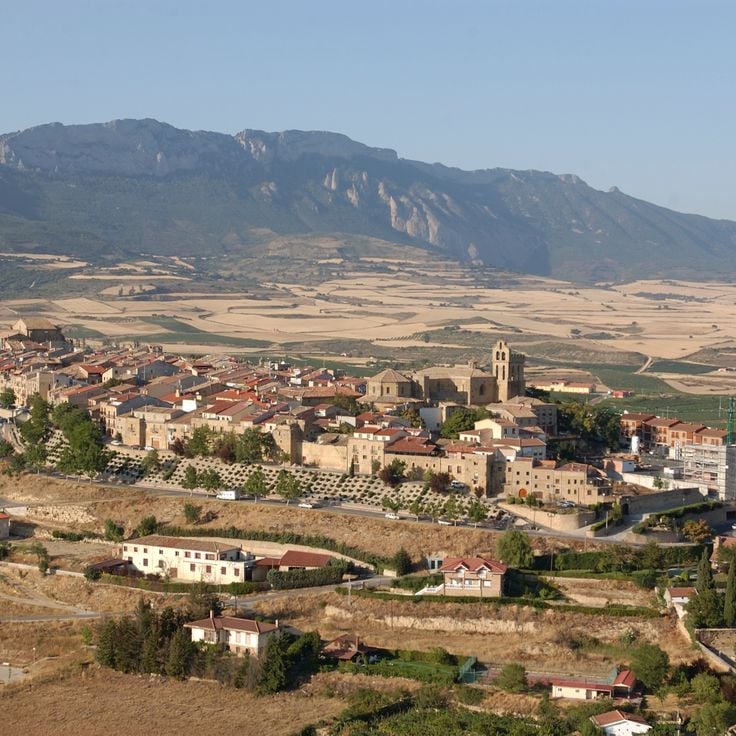
Briones is a village that rises above the vineyards and offers views across the valleys and wineries below. Situated on an elevated position, the village gives visitors a perspective on the landscape that defines this wine region. As part of the collection of sites in La Rioja, Briones shows how settlements in this area were built along hillsides. From the village, you can see the vineyard patterns and the surrounding terrain.
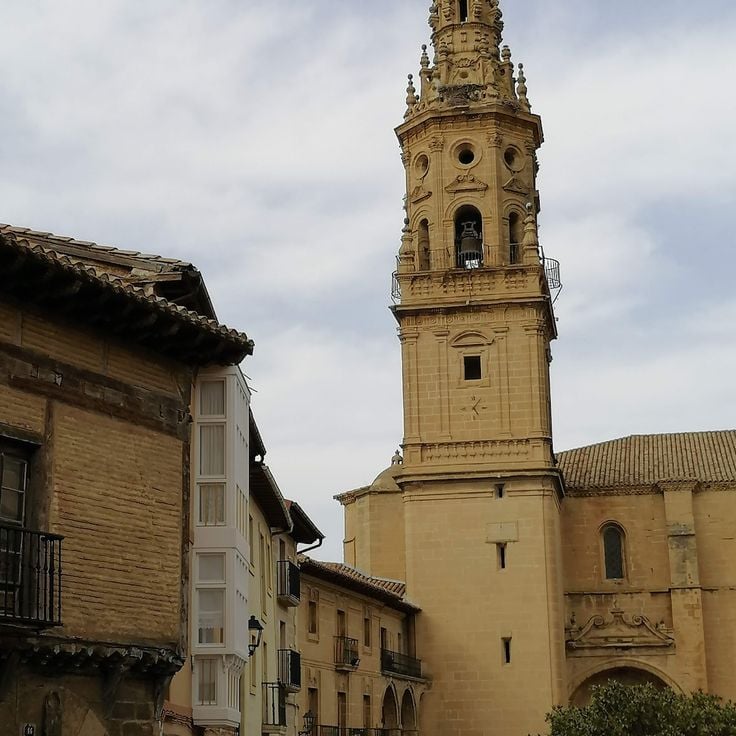
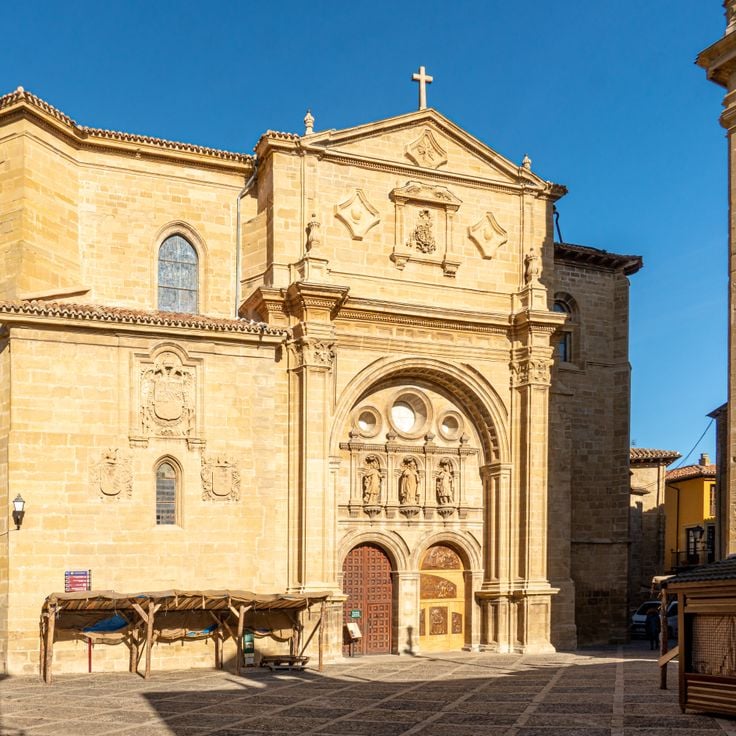
Santo Domingo de la Calzada is a stopping point on the Way of Saint James with a cathedral from the 12th century. The town shows the importance of this pilgrimage route that crosses the region from east to west. Religious heritage shapes the old town with its narrow streets and stone buildings. Visitors can see live chickens in the cathedral, which recall a legendary story. The town preserves the feeling of an important pilgrimage station and invites travelers to experience the history of the Way of Saint James firsthand.
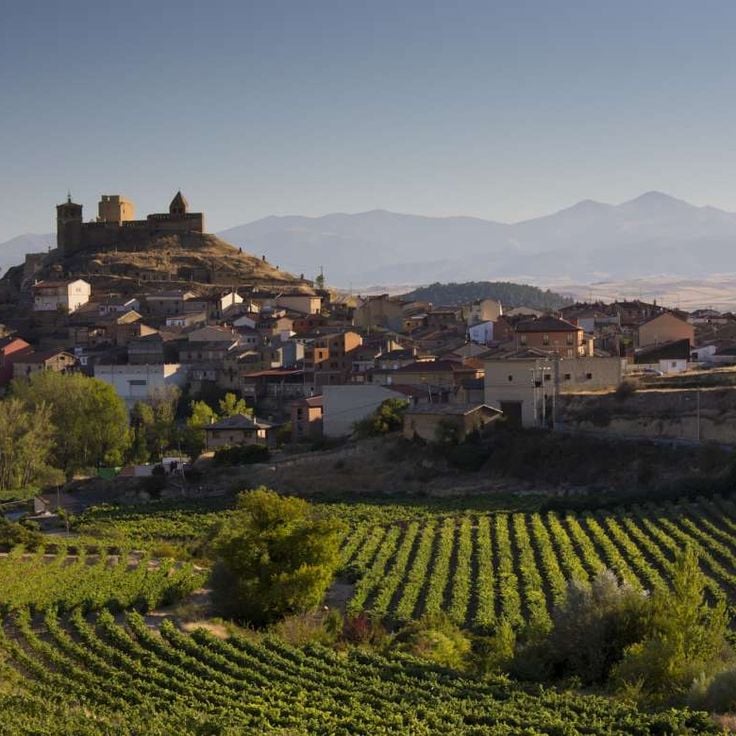
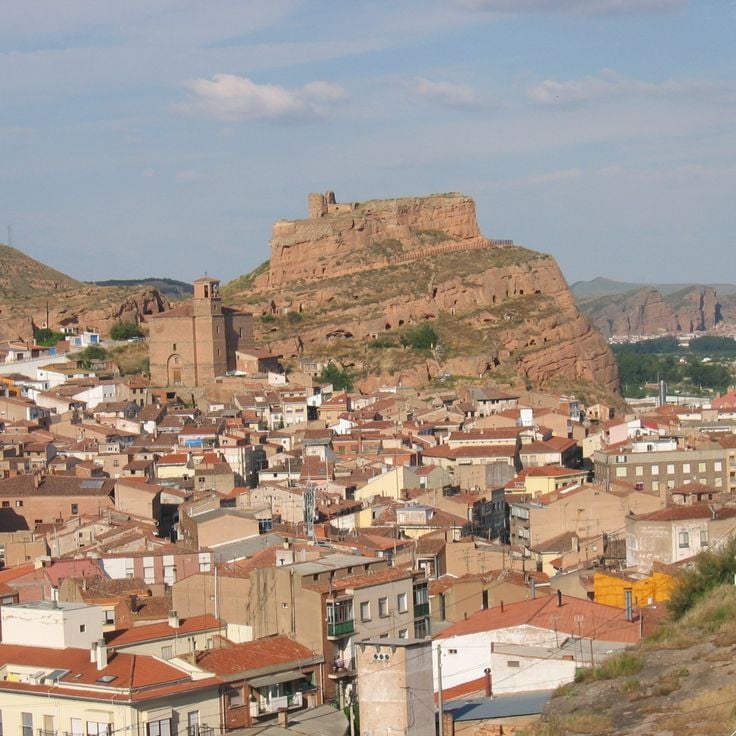
San Vicente de la Sonsierra is a village perched on a hillside overlooking the vineyards of the region. Houses cling to the slopes, and a ruined castle sits on the rocky outcrop above the settlement. The village keeps its medieval layout, with narrow streets and small squares that wind between old stone buildings. From here, you can look out over the Rioja valley covered with rows of grapevines spreading across the hills. This place shows how La Rioja combines history, wine production, and the surrounding landscape.
Laguardia is a medieval fortified village in Rioja Alavesa surrounded by defensive walls with access to underground wine cellars. The village displays the typical layout of a fortified settlement with narrow streets and old stone houses. The wine cellars beneath the village are carved into the rock and are still used today for wine production. Visitors can walk through the surviving gates and explore the medieval structure that shaped life in this wine-growing region for centuries.
Sajazarra is a medieval village with a historic castle that offers views over the surrounding countryside. Located in La Rioja, it is part of the region's rich tapestry of religious architecture, wine production, and stone villages set on hillsides. The castle dominates the village and shows how people lived in this area. From this vantage point, you can see the hills and fields that stretch across La Rioja.
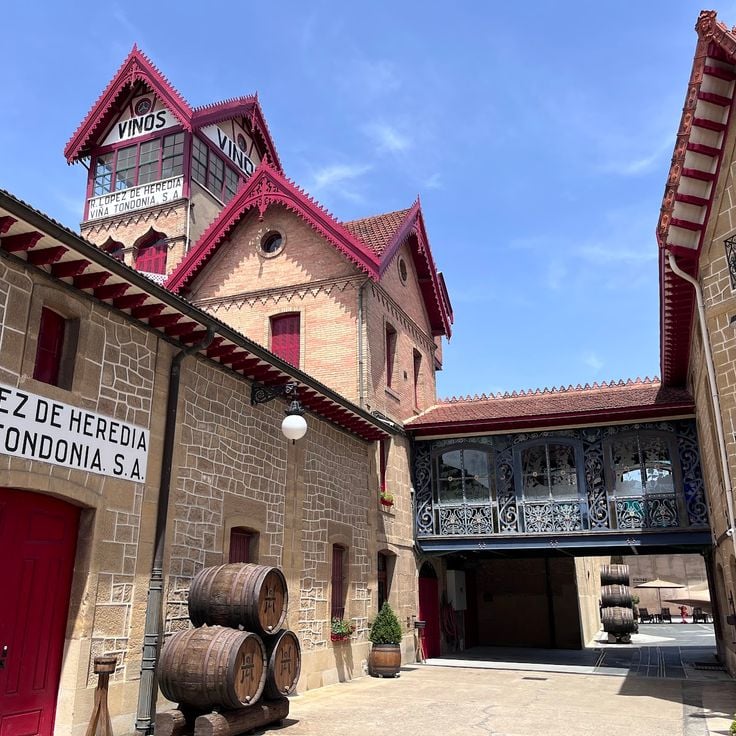
Bodegas López de Heredia Viña Tondonia in Haro is a family-owned winery with deep roots in wine production. The bodega ages wines in traditional oak barrels using methods passed down through generations. Visitors can tour the historic cellars and see how the wines develop over time. The building reflects the evolution of the winery and the craftsmanship that remains at the heart of its work.
Ezcaray is a mountain village in La Rioja situated at the foot of the Sierra de Cebollera range. The village is known for its restaurants and attracts visitors interested in good food and mountain landscapes. Stone buildings line the streets, built into the hillside. In winter, ski slopes operate here. The village feels like a place where hikers, skiers, and people seeking regional cuisine gather. The surrounding area provides access to walking paths and natural spaces in the nearby mountains.
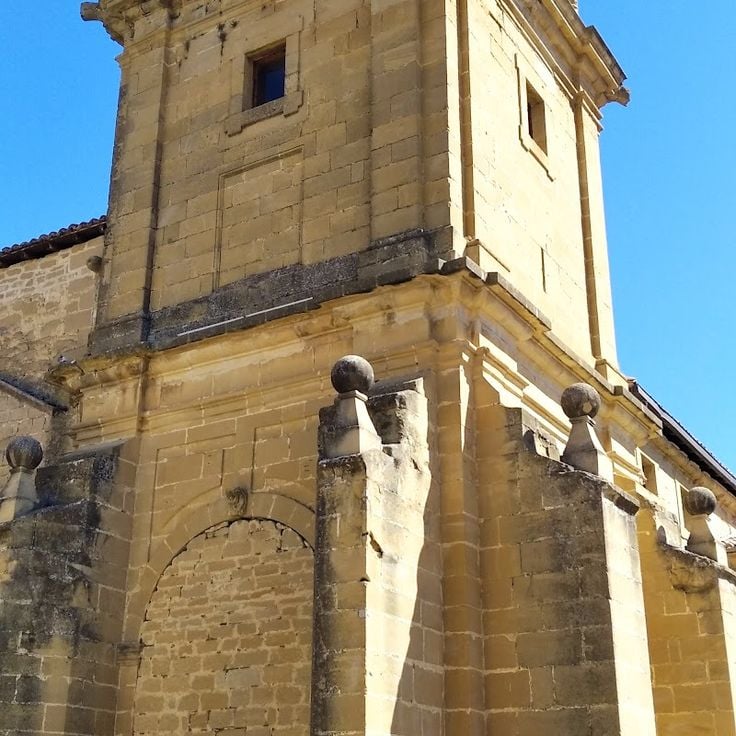
The Cathedral of Santo Domingo de la Calzada is an impressive structure with gothic towers and a cloister. It stands at a major stop along the Way of Saint James and displays the religious architecture that shaped the region. Its construction spans several centuries and reflects the importance of this place for pilgrims traveling from east to west through La Rioja.
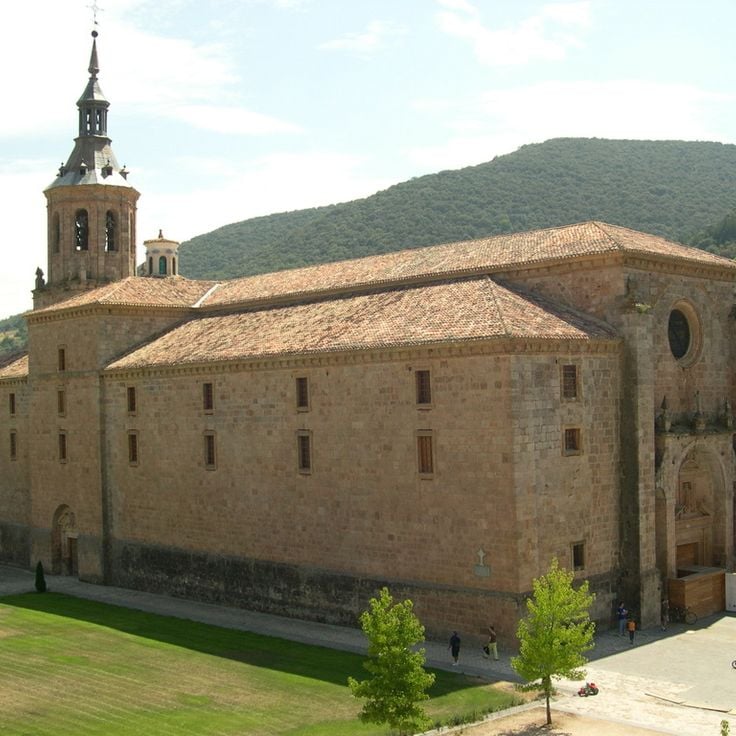
The Monasterio de Yuso is the lower monastery of San Millán de la Cogolla, featuring Romanesque architecture built over several centuries. The buildings house exhibitions about religious history and this site's role in the development of the Castilian language. The monastery sits in the valley and complements the upper monastery on the hillside. Visitors can see ancient stone walls, cloisters, and rooms where monks once lived.
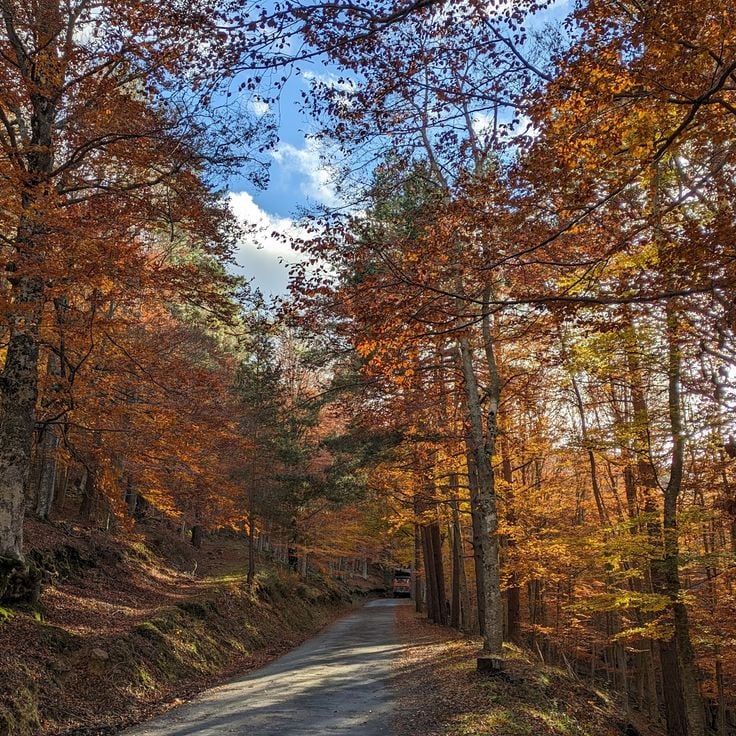
The Natural Park of Sierra de Cebollera sits in northern La Rioja and features forest walks and rocky formations shaped by erosion. This park complements the historical and wine-producing character of the region, offering a different side of La Rioja away from the cities and villages. Hiking trails wind through the landscape, giving a sense of the natural environment that surrounds the cultural sites found elsewhere in the area.
Nájera is a town set in a wide valley that served for centuries as an important stop along the Way of Saint James. The Benedictine monastery of Santa María la Real shapes the town with its church and cloister. Medieval streets and squares fill the center, where daily life unfolds among old buildings. Its position on the pilgrimage route made Nájera a place where travelers from different lands met and rested.
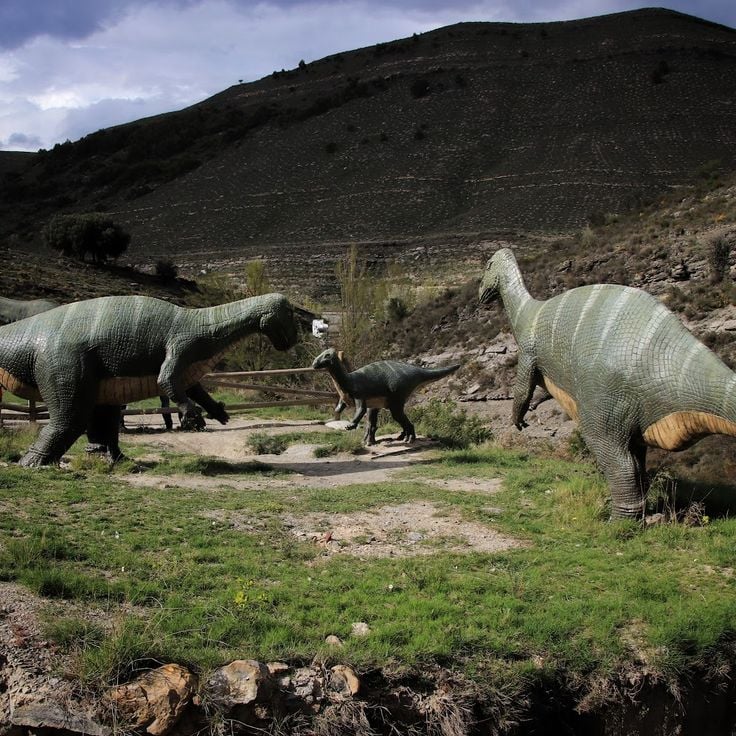
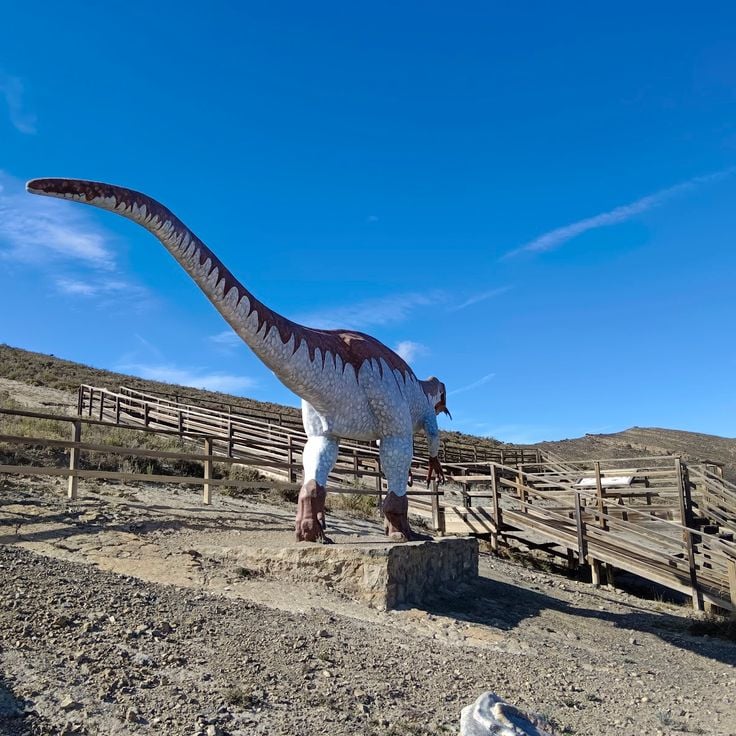
The Ruta de los Dinosaurios is a tourist route that runs through paleontological sites near Igea. Along the way, visitors can see fossils and explore museums that tell the story of this region's ancient past. The route connects different locations where remains from the age of dinosaurs have been uncovered. This path adds another dimension to La Rioja's offerings, showing the geological history alongside the region's wine production and architecture.
Calahorra is an old city in La Rioja with a layered past that stretches back to Roman times. The Cathedral of Calahorra dominates the skyline with its Gothic architecture and stands as a landmark in the center. Walking through the old town, you encounter remnants of its Roman past, medieval streets, and buildings from different periods. The city sits on the Ebro river and has a relaxed character shaped by centuries of history. Calahorra offers visitors a sense of how communities evolved across different eras.
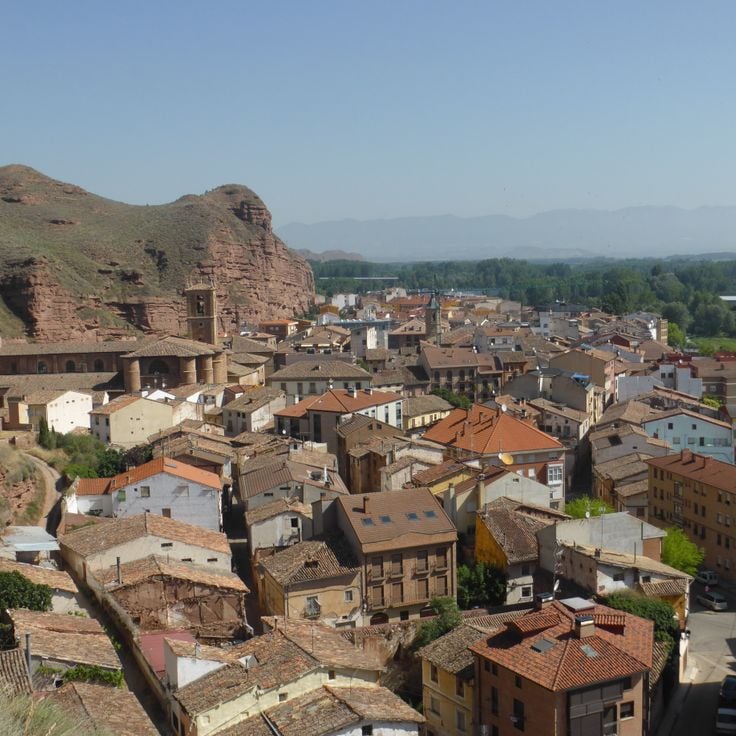
Arnedo is a small village in La Rioja with a viewpoint that offers wide views of the surrounding landscape. From here you can see the hills and valleys that define this region. The village is also known for caves that visitors can explore. These natural formations show how water and time have shaped the earth. Arnedo lies along the route of the Way of Saint James and connects history with the nature of this northern Spanish region.
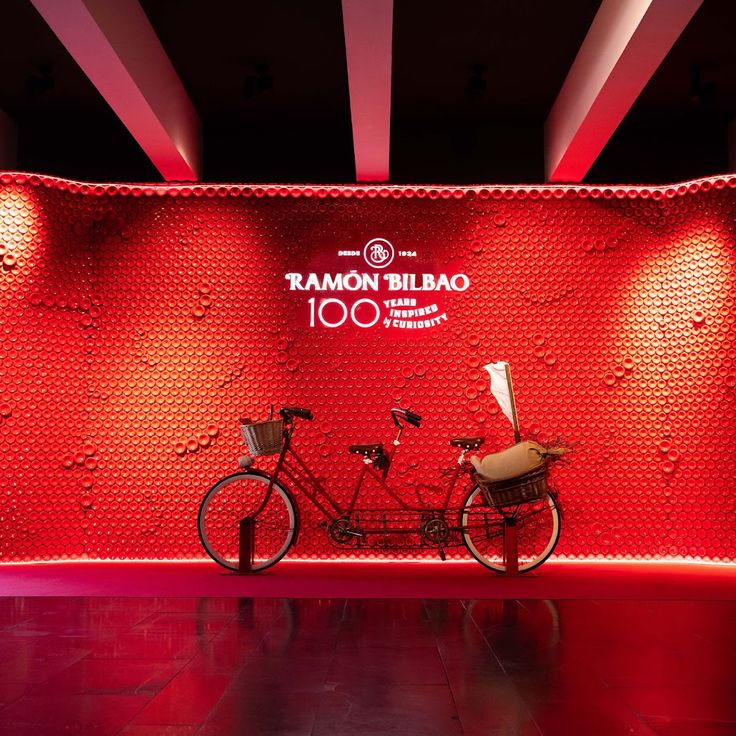
Bodegas Ramón Bilbao is located in Haro and represents one of the wine celleries that define La Rioja's wine region. The bodega welcomes visitors to explore both traditional cellars and modern buildings where Rioja wines are produced. During a tour, visitors can observe the winemaking process and taste wines directly at the cellar. This winery demonstrates how traditional methods and contemporary architecture come together in the region.
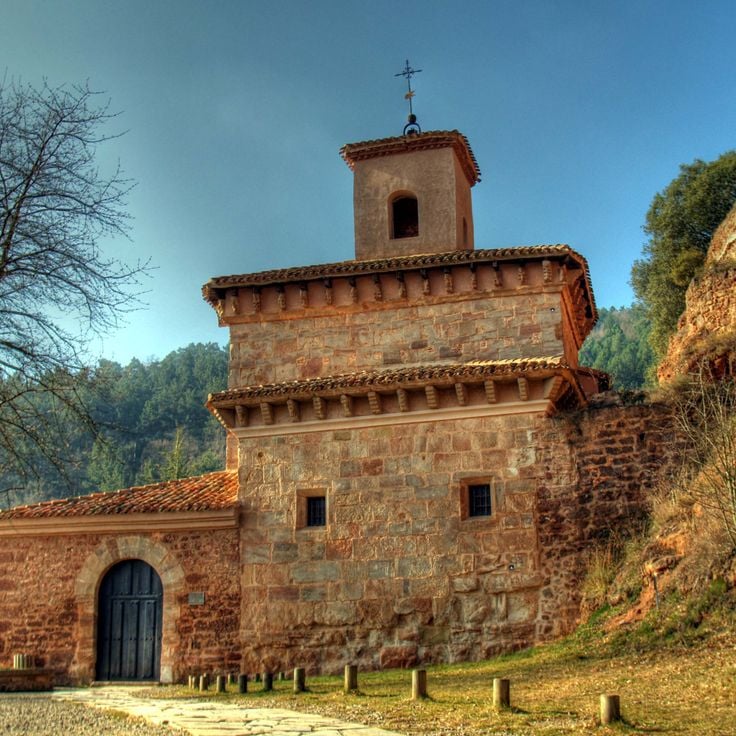
The Monasterio de San Millán de Suso is a monastery carved directly into rock cliffs, with small chapels built into the stone itself. From this location, you can look out over the valley and see how monks shaped living spaces from the natural rock formations. This monastery is part of a UNESCO World Heritage site along with its sister monastery, San Millán de Yuso, located below it. These two sites are significant to the history of the Castilian language and show how religious communities lived and worked in these mountains centuries ago.
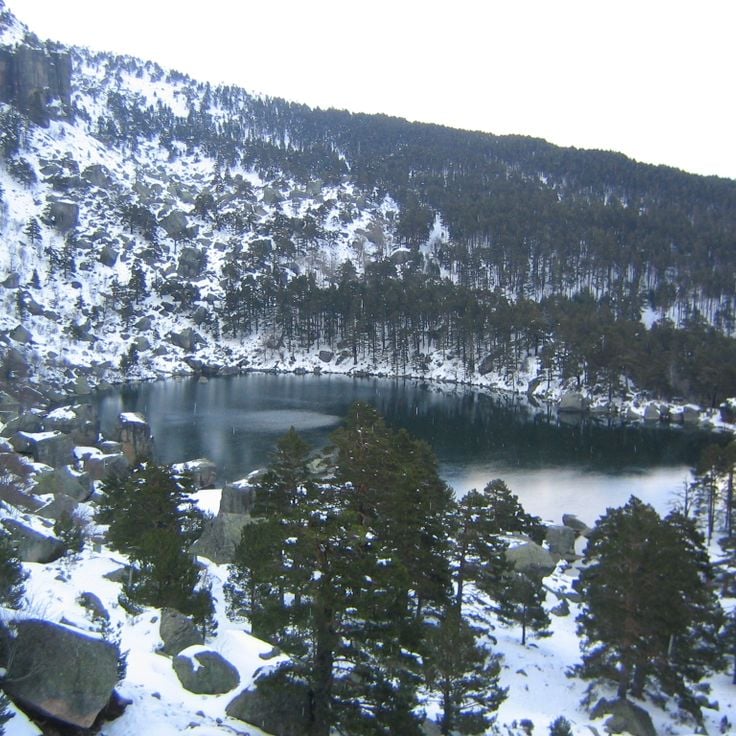
Laguna Negra is a mountain lake in the Sierra de Cebollera, surrounded by pine forests and rocky slopes. The water appears dark and mirrors the surrounding peaks. Hiking trails circle the lake and connect it to other natural areas in the region. This place shows the diversity of La Rioja's landscapes beyond its vineyards and churches.
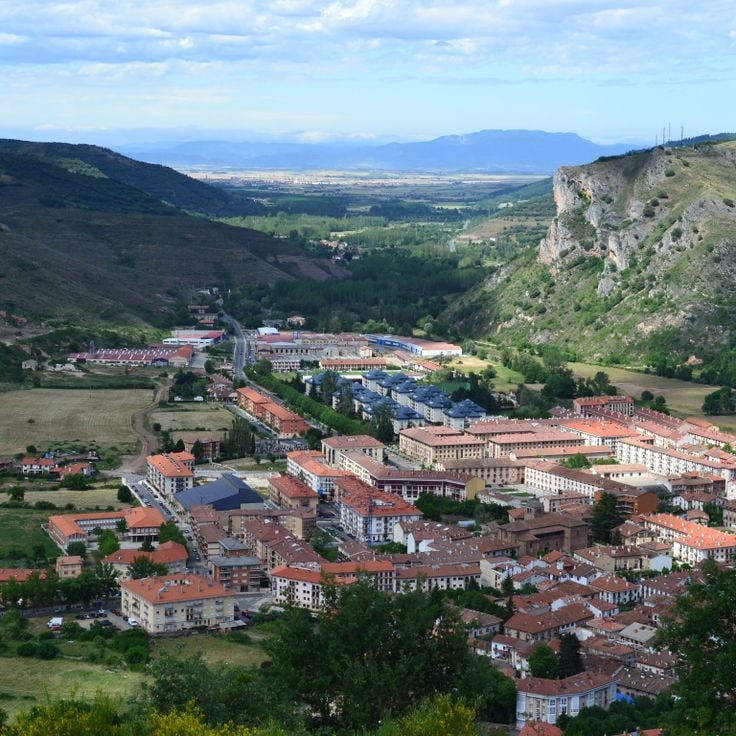
The Najerilla Valley is a river valley in La Rioja that flows through wine-producing lands and small settlements. The landscape shows how communities have built their lives along the water, with vineyards covering the slopes and villages nestled into the terrain. The river creates a natural spine that organizes the region's character. This valley demonstrates the connection between the land, the people who live here, and the grape varieties that grow on its hillsides. It is part of La Rioja's larger story of agriculture, tradition, and natural geography.
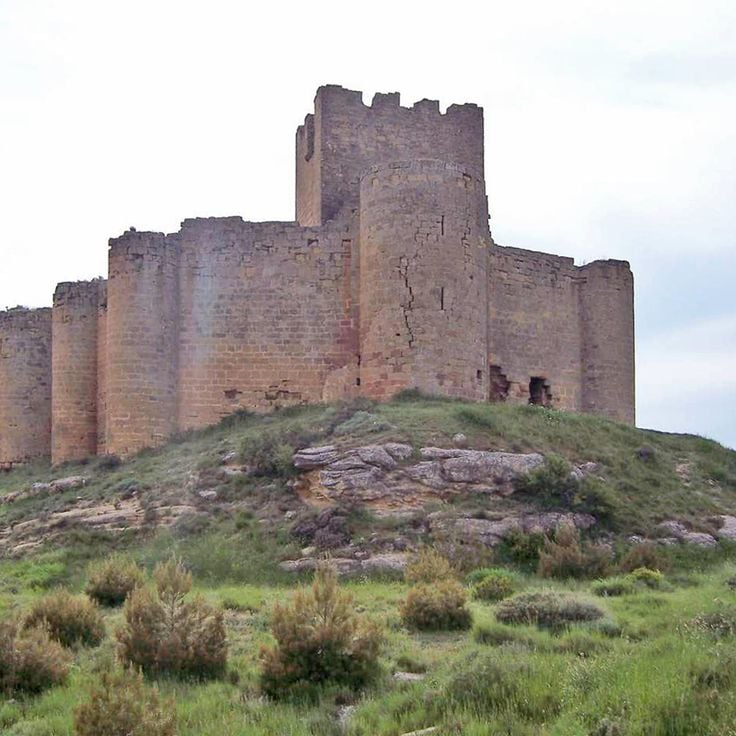
Castillo de Davalillo is a medieval ruin overlooking the landscape of San Asensio. This fortress stands as a testament to the medieval past of the La Rioja region and offers insights into the defensive architecture of that era. The remains of this castle allow visitors to explore the history and the role this site played in the development of the region.
Barranco Perdido in Enciso is a dinosaur park that offers visitors a window into the prehistoric story of La Rioja. The site combines a museum with hands-on activities and displays the geological formations that have shaped this landscape over millions of years. Walking trails lead through canyons and rock formations where traces of ancient life can be discovered. The park connects education with nature and fits into the varied landscape of this Spanish region, known for its history and distinctive terrain.
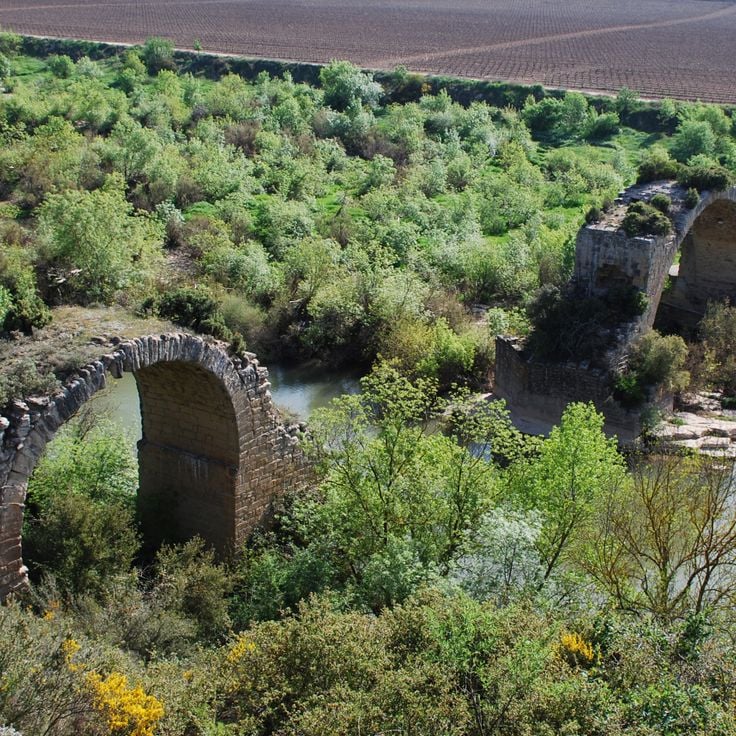
The Puente Romano de Mantible is an old bridge built in the Roman style near Logroño. It is part of La Rioja's historical heritage, which brings together Roman construction techniques and medieval development. This bridge stands in an area crossed by the Way of Saint James and dotted with religious and architectural monuments. It represents one aspect of this northern Spanish region's past, where wine production, nature, and cultural remains intersect.
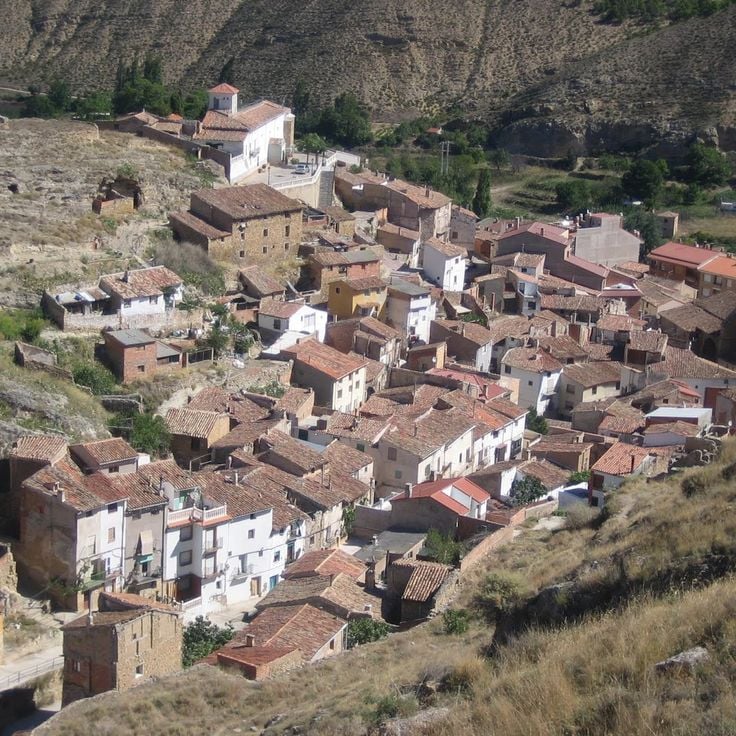
Cervera del Río Alhama is a small village nestled in a gorge surrounded by dramatic rock formations. Stone houses cling to steep slopes, creating a maze of narrow streets and passages. The Alhama River flows through the gorge and has carved these towering cliff walls over centuries. The village retains its medieval character with a church from earlier centuries. It is a place where nature and human settlement intertwine closely, and where you can read the power of flowing water in the stone walls.
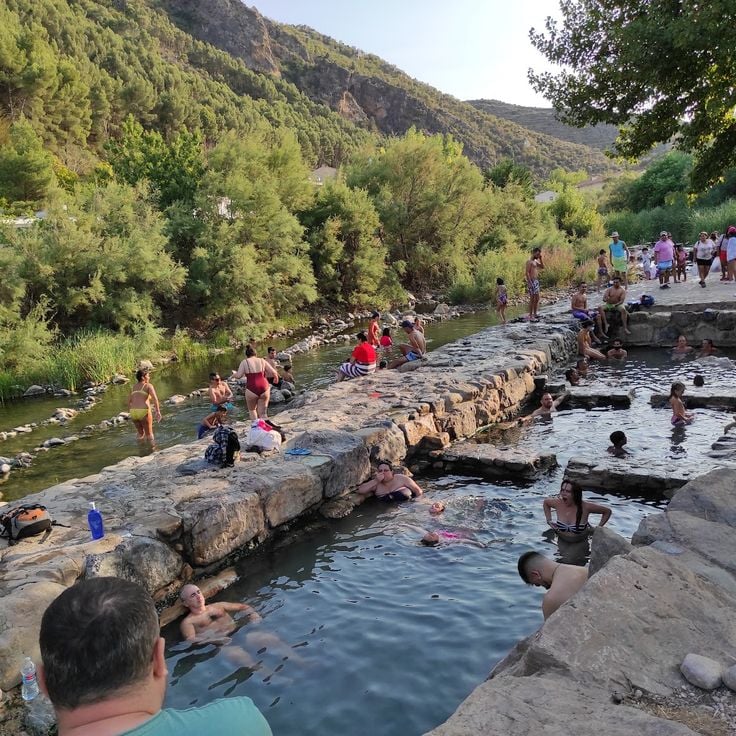
The thermal springs of Arnedillo are a natural heat source in the La Rioja region. Visitors can access facilities designed for relaxation and wellness that take advantage of the warm water's properties. These thermal baths represent one of the natural resources that La Rioja offers alongside its historical sites and wine traditions. The water emerges from the earth and has long been used by people seeking relief and rest.
Bodegas Marqués de Riscal in Elciego brings together history and contemporary design. This winery preserves traditional winemaking methods and invites visitors to learn how Rioja wines are made. Modern buildings stand alongside historical cellars, where wines age in oak barrels. You can taste different vintages here and discover the winemaking tradition that defines this region.
Plaza del Mercado sits in the historic center of Logroño and reveals the architecture of the old city quarter with narrow lanes and facades from different periods. The square itself once served as the city's trading hub and is surrounded by buildings that tell the story of Logroño's past. Today it remains a place where locals and visitors gather to experience the character of the old town.
The Cathedral of Santa María de la Redonda stands at the heart of Logroño and shapes the city's skyline with its distinctive towers. The building displays baroque architecture and developed over several phases from the 15th to 18th centuries. Inside you find artworks and religious treasures that reflect the city's history. This church served as the spiritual center of the region for centuries and remains an important stop for visitors exploring the city.
The Stone Bridge of Logroño crosses the Ebro River and connects the two banks of the city. This old structure has been a vital passage for centuries and shapes the character of the city. The bridge sits at the edge of the old town, where narrow streets and historic buildings line the riverbank. From here you can see the cathedral and other churches that define the center of Logroño. The river and bridge play a role in the history of this region, shaped by wine production, pilgrimage routes, and medieval villages.
The Museo de La Rioja in Logroño presents the history, art, and culture of this Spanish region. The museum holds works by local artists, archaeological finds from different periods, and objects from everyday life in earlier times. Its collections help visitors understand how La Rioja developed from ancient times to today. Located in central Logroño, the museum offers an overview of the region's artistic and cultural treasures.
The Parque del Ebro in Logroño is a large urban park that runs along the Ebro River. The park stretches across several kilometers with open green spaces and walking paths. Trees and plants line the riverbanks, creating shaded areas throughout the park. People come here to walk, exercise, or simply sit and watch the water flow by. The park connects the city to the surrounding landscape and serves as a place where locals and visitors spend time outdoors.
The Museo Vivanco de la Cultura del Vino in Briones explores wine culture through historical collections and interactive exhibits. The museum traces how wine has shaped La Rioja over centuries and examines the techniques, traditions, and daily life of winemakers. Visitors discover how wine is made and the role it plays in the region's identity.
Bodegas Ysios in Laguardia is a winery with striking contemporary architecture designed by an international architect. The building combines modern design with wine production and invites visitors to tour the facilities and taste wines. The winery sits in Rioja Alavesa, a wine region known for quality wines and surrounded by vineyards and medieval villages.
The Paleontological Center of Enciso displays fossils and geological information from a time when this area was a sea during the Cretaceous period. The museum shows remains of dinosaurs and other prehistoric animals discovered in the region. Visitors can follow the layers of Earth's history and see how the landscape changed over millions of years. This center adds another layer to exploring La Rioja, where history appears in many forms, from fossils beneath the ground to buildings above it.
Castillo de Sajazarra is a medieval fortress that rises above the village with its towers and fortified walls. It demonstrates the defensive architecture that once protected the region and shows how power was displayed through such structures. This castle is one of the many historical monuments scattered across La Rioja that reveal the region's layered past and its importance along trade and pilgrimage routes.
Bodegas Muga is a traditional winery in Haro where Rioja wines are produced using classic methods. Visitors can explore the underground cellars and watch how wine ages in oak barrels. The bodega shows the craftsmanship techniques that have been used for generations in this region. It is a place where you can understand the work of winemakers and the importance of this craft to the area.
The Station District of Haro is a historic neighborhood that brings together several traditional wineries. This area developed in the 19th century around the railway station and became the center of wine production. The bodegas define the character of the district with their stone and brick buildings. Visitors can learn about old winemaking methods and see modern facilities designed by international architects. The neighborhood shows how the railway shaped the development of the La Rioja wine region.
Bodegas CVNE is a well-known winery in Haro with roots in traditional winemaking. The historic cellars show how wine production evolved over many decades and how the region became famous for its wines. Visitors walk through underground chambers where barrels age in cool conditions. This winery helps explain why Haro is central to wine culture in La Rioja and how generations of winemakers shaped the local identity.
The Monasterio de Santa María la Real is a Gothic monastery located in the Nájera valley. Built during the Middle Ages, it showcases the architectural style of that period. The monastery features a cloister and several halls that reflect the region's history. It served as an important stop for pilgrims traveling to Santiago de Compostela and was connected to regional royal families. Visitors can explore the rooms, view the stonework, and see the artworks housed within its walls.
Briones is a village that rises above the vineyards and offers views across the valleys and wineries below. Situated on an elevated position, the village gives visitors a perspective on the landscape that defines this wine region. As part of the collection of sites in La Rioja, Briones shows how settlements in this area were built along hillsides. From the village, you can see the vineyard patterns and the surrounding terrain.
Santo Domingo de la Calzada is a stopping point on the Way of Saint James with a cathedral from the 12th century. The town shows the importance of this pilgrimage route that crosses the region from east to west. Religious heritage shapes the old town with its narrow streets and stone buildings. Visitors can see live chickens in the cathedral, which recall a legendary story. The town preserves the feeling of an important pilgrimage station and invites travelers to experience the history of the Way of Saint James firsthand.
San Vicente de la Sonsierra is a village perched on a hillside overlooking the vineyards of the region. Houses cling to the slopes, and a ruined castle sits on the rocky outcrop above the settlement. The village keeps its medieval layout, with narrow streets and small squares that wind between old stone buildings. From here, you can look out over the Rioja valley covered with rows of grapevines spreading across the hills. This place shows how La Rioja combines history, wine production, and the surrounding landscape.
Laguardia is a medieval fortified village in Rioja Alavesa surrounded by defensive walls with access to underground wine cellars. The village displays the typical layout of a fortified settlement with narrow streets and old stone houses. The wine cellars beneath the village are carved into the rock and are still used today for wine production. Visitors can walk through the surviving gates and explore the medieval structure that shaped life in this wine-growing region for centuries.
Sajazarra is a medieval village with a historic castle that offers views over the surrounding countryside. Located in La Rioja, it is part of the region's rich tapestry of religious architecture, wine production, and stone villages set on hillsides. The castle dominates the village and shows how people lived in this area. From this vantage point, you can see the hills and fields that stretch across La Rioja.
Bodegas López de Heredia Viña Tondonia in Haro is a family-owned winery with deep roots in wine production. The bodega ages wines in traditional oak barrels using methods passed down through generations. Visitors can tour the historic cellars and see how the wines develop over time. The building reflects the evolution of the winery and the craftsmanship that remains at the heart of its work.
Ezcaray is a mountain village in La Rioja situated at the foot of the Sierra de Cebollera range. The village is known for its restaurants and attracts visitors interested in good food and mountain landscapes. Stone buildings line the streets, built into the hillside. In winter, ski slopes operate here. The village feels like a place where hikers, skiers, and people seeking regional cuisine gather. The surrounding area provides access to walking paths and natural spaces in the nearby mountains.
The Cathedral of Santo Domingo de la Calzada is an impressive structure with gothic towers and a cloister. It stands at a major stop along the Way of Saint James and displays the religious architecture that shaped the region. Its construction spans several centuries and reflects the importance of this place for pilgrims traveling from east to west through La Rioja.
The Monasterio de Yuso is the lower monastery of San Millán de la Cogolla, featuring Romanesque architecture built over several centuries. The buildings house exhibitions about religious history and this site's role in the development of the Castilian language. The monastery sits in the valley and complements the upper monastery on the hillside. Visitors can see ancient stone walls, cloisters, and rooms where monks once lived.
The Natural Park of Sierra de Cebollera sits in northern La Rioja and features forest walks and rocky formations shaped by erosion. This park complements the historical and wine-producing character of the region, offering a different side of La Rioja away from the cities and villages. Hiking trails wind through the landscape, giving a sense of the natural environment that surrounds the cultural sites found elsewhere in the area.
Nájera is a town set in a wide valley that served for centuries as an important stop along the Way of Saint James. The Benedictine monastery of Santa María la Real shapes the town with its church and cloister. Medieval streets and squares fill the center, where daily life unfolds among old buildings. Its position on the pilgrimage route made Nájera a place where travelers from different lands met and rested.
The Ruta de los Dinosaurios is a tourist route that runs through paleontological sites near Igea. Along the way, visitors can see fossils and explore museums that tell the story of this region's ancient past. The route connects different locations where remains from the age of dinosaurs have been uncovered. This path adds another dimension to La Rioja's offerings, showing the geological history alongside the region's wine production and architecture.
Calahorra is an old city in La Rioja with a layered past that stretches back to Roman times. The Cathedral of Calahorra dominates the skyline with its Gothic architecture and stands as a landmark in the center. Walking through the old town, you encounter remnants of its Roman past, medieval streets, and buildings from different periods. The city sits on the Ebro river and has a relaxed character shaped by centuries of history. Calahorra offers visitors a sense of how communities evolved across different eras.
Arnedo is a small village in La Rioja with a viewpoint that offers wide views of the surrounding landscape. From here you can see the hills and valleys that define this region. The village is also known for caves that visitors can explore. These natural formations show how water and time have shaped the earth. Arnedo lies along the route of the Way of Saint James and connects history with the nature of this northern Spanish region.
Bodegas Ramón Bilbao is located in Haro and represents one of the wine celleries that define La Rioja's wine region. The bodega welcomes visitors to explore both traditional cellars and modern buildings where Rioja wines are produced. During a tour, visitors can observe the winemaking process and taste wines directly at the cellar. This winery demonstrates how traditional methods and contemporary architecture come together in the region.
The Monasterio de San Millán de Suso is a monastery carved directly into rock cliffs, with small chapels built into the stone itself. From this location, you can look out over the valley and see how monks shaped living spaces from the natural rock formations. This monastery is part of a UNESCO World Heritage site along with its sister monastery, San Millán de Yuso, located below it. These two sites are significant to the history of the Castilian language and show how religious communities lived and worked in these mountains centuries ago.
Laguna Negra is a mountain lake in the Sierra de Cebollera, surrounded by pine forests and rocky slopes. The water appears dark and mirrors the surrounding peaks. Hiking trails circle the lake and connect it to other natural areas in the region. This place shows the diversity of La Rioja's landscapes beyond its vineyards and churches.
The Najerilla Valley is a river valley in La Rioja that flows through wine-producing lands and small settlements. The landscape shows how communities have built their lives along the water, with vineyards covering the slopes and villages nestled into the terrain. The river creates a natural spine that organizes the region's character. This valley demonstrates the connection between the land, the people who live here, and the grape varieties that grow on its hillsides. It is part of La Rioja's larger story of agriculture, tradition, and natural geography.
Castillo de Davalillo is a medieval ruin overlooking the landscape of San Asensio. This fortress stands as a testament to the medieval past of the La Rioja region and offers insights into the defensive architecture of that era. The remains of this castle allow visitors to explore the history and the role this site played in the development of the region.
Barranco Perdido in Enciso is a dinosaur park that offers visitors a window into the prehistoric story of La Rioja. The site combines a museum with hands-on activities and displays the geological formations that have shaped this landscape over millions of years. Walking trails lead through canyons and rock formations where traces of ancient life can be discovered. The park connects education with nature and fits into the varied landscape of this Spanish region, known for its history and distinctive terrain.
The Puente Romano de Mantible is an old bridge built in the Roman style near Logroño. It is part of La Rioja's historical heritage, which brings together Roman construction techniques and medieval development. This bridge stands in an area crossed by the Way of Saint James and dotted with religious and architectural monuments. It represents one aspect of this northern Spanish region's past, where wine production, nature, and cultural remains intersect.
Cervera del Río Alhama is a small village nestled in a gorge surrounded by dramatic rock formations. Stone houses cling to steep slopes, creating a maze of narrow streets and passages. The Alhama River flows through the gorge and has carved these towering cliff walls over centuries. The village retains its medieval character with a church from earlier centuries. It is a place where nature and human settlement intertwine closely, and where you can read the power of flowing water in the stone walls.
The thermal springs of Arnedillo are a natural heat source in the La Rioja region. Visitors can access facilities designed for relaxation and wellness that take advantage of the warm water's properties. These thermal baths represent one of the natural resources that La Rioja offers alongside its historical sites and wine traditions. The water emerges from the earth and has long been used by people seeking relief and rest.
Bodegas Marqués de Riscal in Elciego brings together history and contemporary design. This winery preserves traditional winemaking methods and invites visitors to learn how Rioja wines are made. Modern buildings stand alongside historical cellars, where wines age in oak barrels. You can taste different vintages here and discover the winemaking tradition that defines this region.
Plaza del Mercado sits in the historic center of Logroño and reveals the architecture of the old city quarter with narrow lanes and facades from different periods. The square itself once served as the city's trading hub and is surrounded by buildings that tell the story of Logroño's past. Today it remains a place where locals and visitors gather to experience the character of the old town.
The Cathedral of Santa María de la Redonda stands at the heart of Logroño and shapes the city's skyline with its distinctive towers. The building displays baroque architecture and developed over several phases from the 15th to 18th centuries. Inside you find artworks and religious treasures that reflect the city's history. This church served as the spiritual center of the region for centuries and remains an important stop for visitors exploring the city.
The Stone Bridge of Logroño crosses the Ebro River and connects the two banks of the city. This old structure has been a vital passage for centuries and shapes the character of the city. The bridge sits at the edge of the old town, where narrow streets and historic buildings line the riverbank. From here you can see the cathedral and other churches that define the center of Logroño. The river and bridge play a role in the history of this region, shaped by wine production, pilgrimage routes, and medieval villages.
The Museo de La Rioja in Logroño presents the history, art, and culture of this Spanish region. The museum holds works by local artists, archaeological finds from different periods, and objects from everyday life in earlier times. Its collections help visitors understand how La Rioja developed from ancient times to today. Located in central Logroño, the museum offers an overview of the region's artistic and cultural treasures.
The Parque del Ebro in Logroño is a large urban park that runs along the Ebro River. The park stretches across several kilometers with open green spaces and walking paths. Trees and plants line the riverbanks, creating shaded areas throughout the park. People come here to walk, exercise, or simply sit and watch the water flow by. The park connects the city to the surrounding landscape and serves as a place where locals and visitors spend time outdoors.
The Museo Vivanco de la Cultura del Vino in Briones explores wine culture through historical collections and interactive exhibits. The museum traces how wine has shaped La Rioja over centuries and examines the techniques, traditions, and daily life of winemakers. Visitors discover how wine is made and the role it plays in the region's identity.
Bodegas Ysios in Laguardia is a winery with striking contemporary architecture designed by an international architect. The building combines modern design with wine production and invites visitors to tour the facilities and taste wines. The winery sits in Rioja Alavesa, a wine region known for quality wines and surrounded by vineyards and medieval villages.
The Paleontological Center of Enciso displays fossils and geological information from a time when this area was a sea during the Cretaceous period. The museum shows remains of dinosaurs and other prehistoric animals discovered in the region. Visitors can follow the layers of Earth's history and see how the landscape changed over millions of years. This center adds another layer to exploring La Rioja, where history appears in many forms, from fossils beneath the ground to buildings above it.
Castillo de Sajazarra is a medieval fortress that rises above the village with its towers and fortified walls. It demonstrates the defensive architecture that once protected the region and shows how power was displayed through such structures. This castle is one of the many historical monuments scattered across La Rioja that reveal the region's layered past and its importance along trade and pilgrimage routes.
Bodegas Muga is a traditional winery in Haro where Rioja wines are produced using classic methods. Visitors can explore the underground cellars and watch how wine ages in oak barrels. The bodega shows the craftsmanship techniques that have been used for generations in this region. It is a place where you can understand the work of winemakers and the importance of this craft to the area.
The Station District of Haro is a historic neighborhood that brings together several traditional wineries. This area developed in the 19th century around the railway station and became the center of wine production. The bodegas define the character of the district with their stone and brick buildings. Visitors can learn about old winemaking methods and see modern facilities designed by international architects. The neighborhood shows how the railway shaped the development of the La Rioja wine region.
Bodegas CVNE is a well-known winery in Haro with roots in traditional winemaking. The historic cellars show how wine production evolved over many decades and how the region became famous for its wines. Visitors walk through underground chambers where barrels age in cool conditions. This winery helps explain why Haro is central to wine culture in La Rioja and how generations of winemakers shaped the local identity.
The Monasterio de Santa María la Real is a Gothic monastery located in the Nájera valley. Built during the Middle Ages, it showcases the architectural style of that period. The monastery features a cloister and several halls that reflect the region's history. It served as an important stop for pilgrims traveling to Santiago de Compostela and was connected to regional royal families. Visitors can explore the rooms, view the stonework, and see the artworks housed within its walls.
Briones is a village that rises above the vineyards and offers views across the valleys and wineries below. Situated on an elevated position, the village gives visitors a perspective on the landscape that defines this wine region. As part of the collection of sites in La Rioja, Briones shows how settlements in this area were built along hillsides. From the village, you can see the vineyard patterns and the surrounding terrain.
Santo Domingo de la Calzada is a stopping point on the Way of Saint James with a cathedral from the 12th century. The town shows the importance of this pilgrimage route that crosses the region from east to west. Religious heritage shapes the old town with its narrow streets and stone buildings. Visitors can see live chickens in the cathedral, which recall a legendary story. The town preserves the feeling of an important pilgrimage station and invites travelers to experience the history of the Way of Saint James firsthand.
San Vicente de la Sonsierra is a village perched on a hillside overlooking the vineyards of the region. Houses cling to the slopes, and a ruined castle sits on the rocky outcrop above the settlement. The village keeps its medieval layout, with narrow streets and small squares that wind between old stone buildings. From here, you can look out over the Rioja valley covered with rows of grapevines spreading across the hills. This place shows how La Rioja combines history, wine production, and the surrounding landscape.
Laguardia is a medieval fortified village in Rioja Alavesa surrounded by defensive walls with access to underground wine cellars. The village displays the typical layout of a fortified settlement with narrow streets and old stone houses. The wine cellars beneath the village are carved into the rock and are still used today for wine production. Visitors can walk through the surviving gates and explore the medieval structure that shaped life in this wine-growing region for centuries.
Sajazarra is a medieval village with a historic castle that offers views over the surrounding countryside. Located in La Rioja, it is part of the region's rich tapestry of religious architecture, wine production, and stone villages set on hillsides. The castle dominates the village and shows how people lived in this area. From this vantage point, you can see the hills and fields that stretch across La Rioja.
Bodegas López de Heredia Viña Tondonia in Haro is a family-owned winery with deep roots in wine production. The bodega ages wines in traditional oak barrels using methods passed down through generations. Visitors can tour the historic cellars and see how the wines develop over time. The building reflects the evolution of the winery and the craftsmanship that remains at the heart of its work.
Ezcaray is a mountain village in La Rioja situated at the foot of the Sierra de Cebollera range. The village is known for its restaurants and attracts visitors interested in good food and mountain landscapes. Stone buildings line the streets, built into the hillside. In winter, ski slopes operate here. The village feels like a place where hikers, skiers, and people seeking regional cuisine gather. The surrounding area provides access to walking paths and natural spaces in the nearby mountains.
The Cathedral of Santo Domingo de la Calzada is an impressive structure with gothic towers and a cloister. It stands at a major stop along the Way of Saint James and displays the religious architecture that shaped the region. Its construction spans several centuries and reflects the importance of this place for pilgrims traveling from east to west through La Rioja.
The Monasterio de Yuso is the lower monastery of San Millán de la Cogolla, featuring Romanesque architecture built over several centuries. The buildings house exhibitions about religious history and this site's role in the development of the Castilian language. The monastery sits in the valley and complements the upper monastery on the hillside. Visitors can see ancient stone walls, cloisters, and rooms where monks once lived.
The Natural Park of Sierra de Cebollera sits in northern La Rioja and features forest walks and rocky formations shaped by erosion. This park complements the historical and wine-producing character of the region, offering a different side of La Rioja away from the cities and villages. Hiking trails wind through the landscape, giving a sense of the natural environment that surrounds the cultural sites found elsewhere in the area.
Nájera is a town set in a wide valley that served for centuries as an important stop along the Way of Saint James. The Benedictine monastery of Santa María la Real shapes the town with its church and cloister. Medieval streets and squares fill the center, where daily life unfolds among old buildings. Its position on the pilgrimage route made Nájera a place where travelers from different lands met and rested.
The Ruta de los Dinosaurios is a tourist route that runs through paleontological sites near Igea. Along the way, visitors can see fossils and explore museums that tell the story of this region's ancient past. The route connects different locations where remains from the age of dinosaurs have been uncovered. This path adds another dimension to La Rioja's offerings, showing the geological history alongside the region's wine production and architecture.
Calahorra is an old city in La Rioja with a layered past that stretches back to Roman times. The Cathedral of Calahorra dominates the skyline with its Gothic architecture and stands as a landmark in the center. Walking through the old town, you encounter remnants of its Roman past, medieval streets, and buildings from different periods. The city sits on the Ebro river and has a relaxed character shaped by centuries of history. Calahorra offers visitors a sense of how communities evolved across different eras.
Arnedo is a small village in La Rioja with a viewpoint that offers wide views of the surrounding landscape. From here you can see the hills and valleys that define this region. The village is also known for caves that visitors can explore. These natural formations show how water and time have shaped the earth. Arnedo lies along the route of the Way of Saint James and connects history with the nature of this northern Spanish region.
Bodegas Ramón Bilbao is located in Haro and represents one of the wine celleries that define La Rioja's wine region. The bodega welcomes visitors to explore both traditional cellars and modern buildings where Rioja wines are produced. During a tour, visitors can observe the winemaking process and taste wines directly at the cellar. This winery demonstrates how traditional methods and contemporary architecture come together in the region.
The Monasterio de San Millán de Suso is a monastery carved directly into rock cliffs, with small chapels built into the stone itself. From this location, you can look out over the valley and see how monks shaped living spaces from the natural rock formations. This monastery is part of a UNESCO World Heritage site along with its sister monastery, San Millán de Yuso, located below it. These two sites are significant to the history of the Castilian language and show how religious communities lived and worked in these mountains centuries ago.
Laguna Negra is a mountain lake in the Sierra de Cebollera, surrounded by pine forests and rocky slopes. The water appears dark and mirrors the surrounding peaks. Hiking trails circle the lake and connect it to other natural areas in the region. This place shows the diversity of La Rioja's landscapes beyond its vineyards and churches.
The Najerilla Valley is a river valley in La Rioja that flows through wine-producing lands and small settlements. The landscape shows how communities have built their lives along the water, with vineyards covering the slopes and villages nestled into the terrain. The river creates a natural spine that organizes the region's character. This valley demonstrates the connection between the land, the people who live here, and the grape varieties that grow on its hillsides. It is part of La Rioja's larger story of agriculture, tradition, and natural geography.
Castillo de Davalillo is a medieval ruin overlooking the landscape of San Asensio. This fortress stands as a testament to the medieval past of the La Rioja region and offers insights into the defensive architecture of that era. The remains of this castle allow visitors to explore the history and the role this site played in the development of the region.
Barranco Perdido in Enciso is a dinosaur park that offers visitors a window into the prehistoric story of La Rioja. The site combines a museum with hands-on activities and displays the geological formations that have shaped this landscape over millions of years. Walking trails lead through canyons and rock formations where traces of ancient life can be discovered. The park connects education with nature and fits into the varied landscape of this Spanish region, known for its history and distinctive terrain.
The Puente Romano de Mantible is an old bridge built in the Roman style near Logroño. It is part of La Rioja's historical heritage, which brings together Roman construction techniques and medieval development. This bridge stands in an area crossed by the Way of Saint James and dotted with religious and architectural monuments. It represents one aspect of this northern Spanish region's past, where wine production, nature, and cultural remains intersect.
Cervera del Río Alhama is a small village nestled in a gorge surrounded by dramatic rock formations. Stone houses cling to steep slopes, creating a maze of narrow streets and passages. The Alhama River flows through the gorge and has carved these towering cliff walls over centuries. The village retains its medieval character with a church from earlier centuries. It is a place where nature and human settlement intertwine closely, and where you can read the power of flowing water in the stone walls.
The thermal springs of Arnedillo are a natural heat source in the La Rioja region. Visitors can access facilities designed for relaxation and wellness that take advantage of the warm water's properties. These thermal baths represent one of the natural resources that La Rioja offers alongside its historical sites and wine traditions. The water emerges from the earth and has long been used by people seeking relief and rest.