See the monuments around you in AROpen chests in the app
Around Us is built for your phone — point your camera at the streets and discover the monuments and places around you in augmented reality.Around Us is built for your phone — chests unlock when you walk, explore and capture nearby places.
Lisbon and the Tagus valley: Manueline monuments, Atlantic beaches and fortified villages
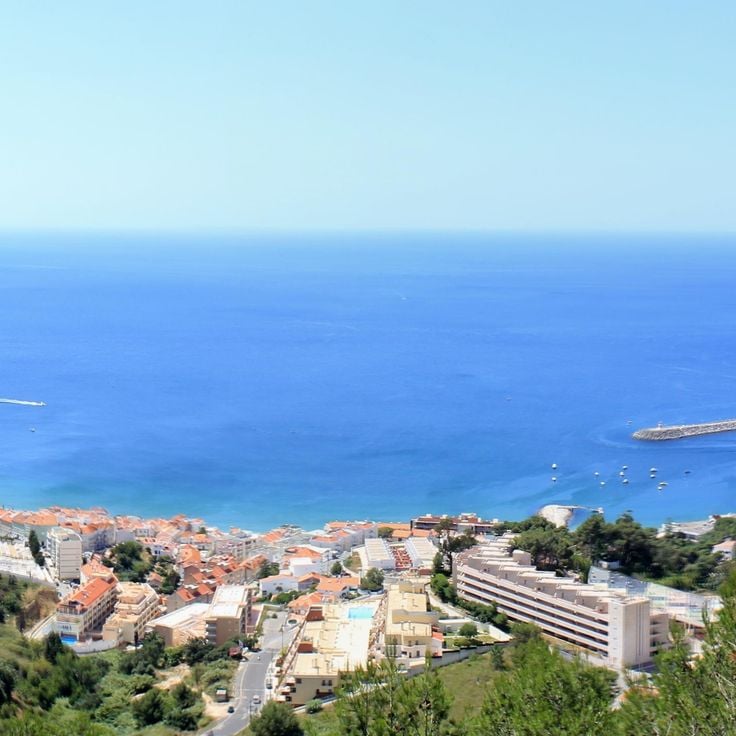
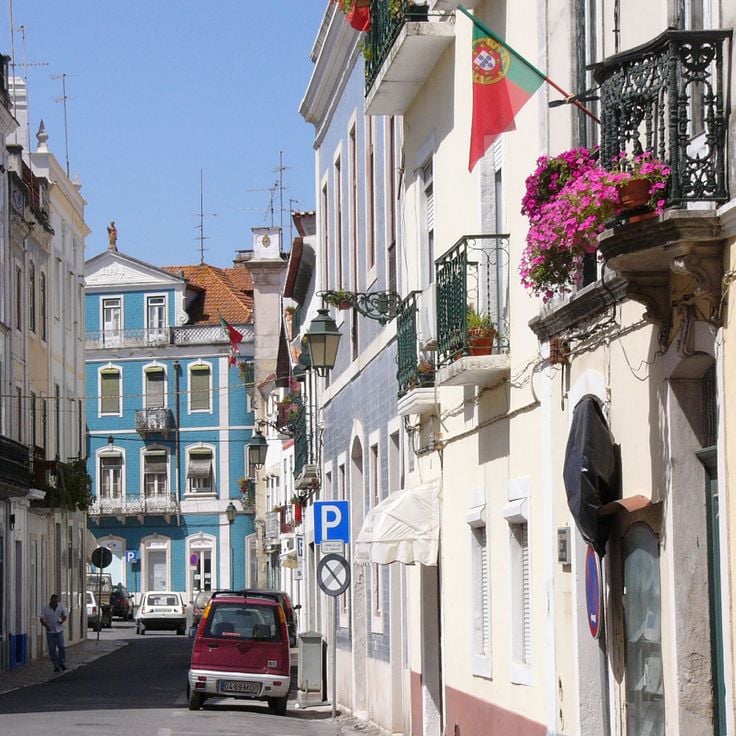
This collection brings together about forty sites that show the different sides of Lisbon and the Tago Valley. In the city, you walk through the streets of Alfama, see 16th-century buildings such as the Belém Tower and the Hieronymites Monastery, cross the Commerce Square that opens to the river, and climb to viewpoints from the Santa Justa Elevator or Bairro Alto. Outside the city, Sintra has royal palaces surrounded by gardens, Cascais offers beaches and shoreline villages, and the Sintra-Cascais park invites outdoor walks.
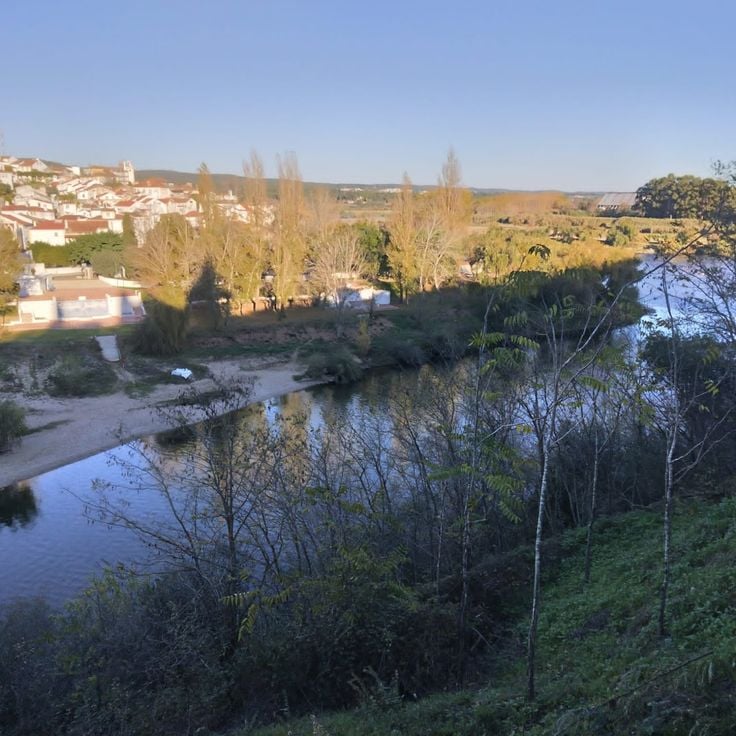
Further inland, the Tago Valley crosses hills, castles, and walled villages that tell about Portugal's history. Each place shows an aspect of the land: the stone sculptures of the Manueline style, local markets selling regional products, the riverbanks where fishing still happens, and pine forests that go towards the coast. The route mixes city and countryside, monuments and open spaces, Atlantic coast and inland areas.
Lisbon and the Tagus valley: Manueline monuments, Atlantic beaches and fortified villages
This collection brings together about forty sites that show the different sides of Lisbon and the Tago Valley. In the city, you walk through the streets of Alfama, see 16th-century buildings such as the Belém Tower and the Hieronymites Monastery, cross the Commerce Square that opens to the river, and climb to viewpoints from the Santa Justa Elevator or Bairro Alto. Outside the city, Sintra has royal palaces surrounded by gardens, Cascais offers beaches and shoreline villages, and the Sintra-Cascais park invites outdoor walks.
Further inland, the Tago Valley crosses hills, castles, and walled villages that tell about Portugal's history. Each place shows an aspect of the land: the stone sculptures of the Manueline style, local markets selling regional products, the riverbanks where fishing still happens, and pine forests that go towards the coast. The route mixes city and countryside, monuments and open spaces, Atlantic coast and inland areas.
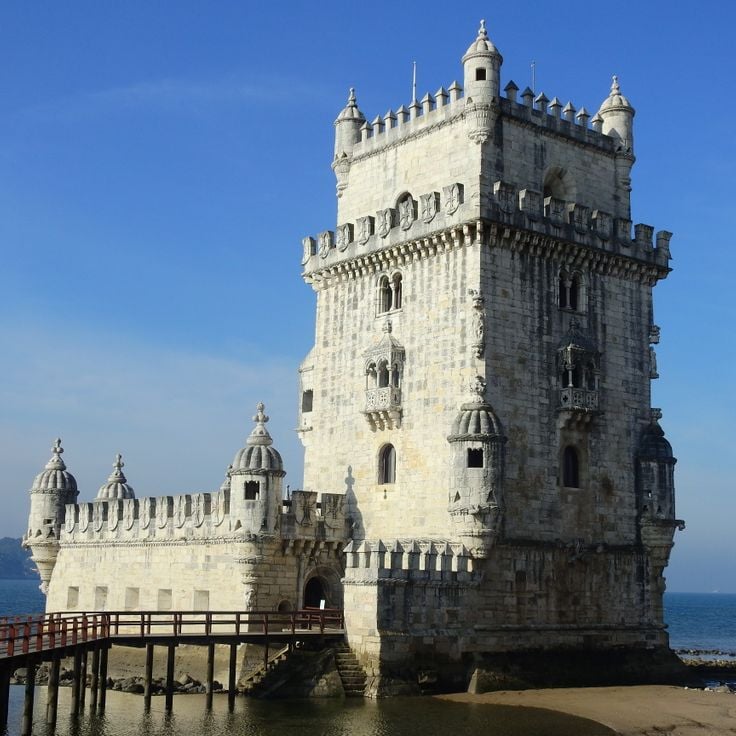
The Tower of Belém stands on the banks of the Tagus River and dates from the 16th century. It was built to protect Lisbon and the harbor. This tower is linked to Portuguese maritime expansion and reflects the architecture of that era. Visitors come to experience the history and views of the river.
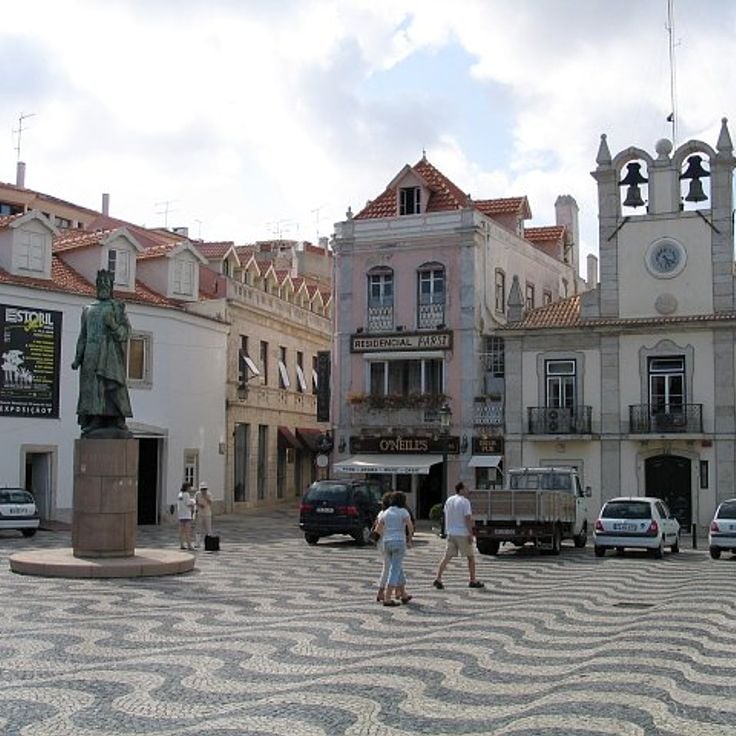
Cascais is a harbor town on the Atlantic coast, about 30 kilometers west of Lisbon. The center preserves old streets with buildings from different periods, while the bay with its beach and rocky outcrops shapes the character of the place. Here locals and visitors gather in cafes and walk along paths by the water. The town was once a fishing village and today is a place where people spend time, from which you can explore the coast and nearby villages. Cascais fits into this collection because it shows what the Atlantic coast near Lisbon looks like and how people live there.
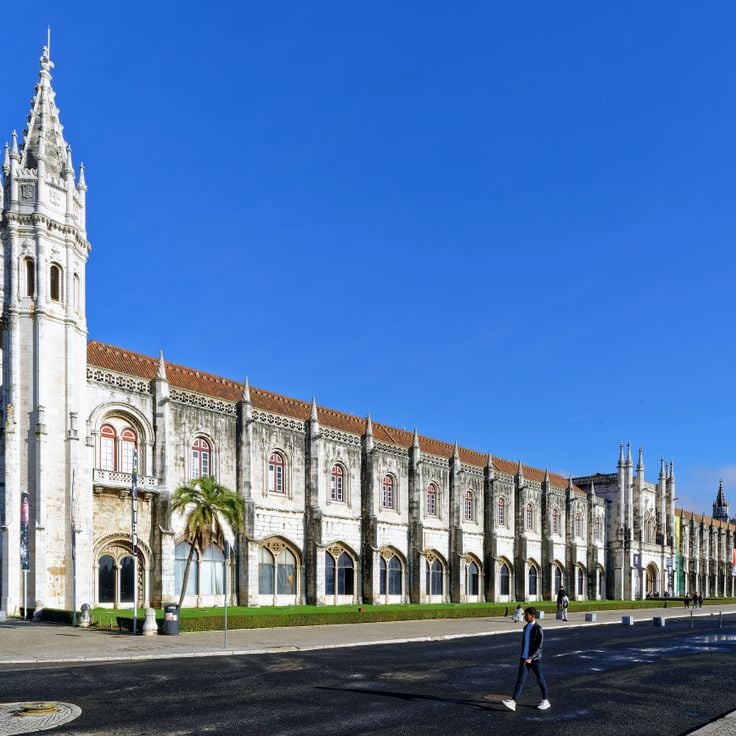
This Hieronymus monastery in Belém is a grand structure built in the 16th century that reflects the height of Portuguese exploration. The Gothic architecture features ornately crafted facades and towers that showcase the craftsmanship of the period. Inside you find cloisters, churches and rooms that speak to the country's past. The monastery sits on the bank of the Tejo River and plays an important role in Lisbon's history.
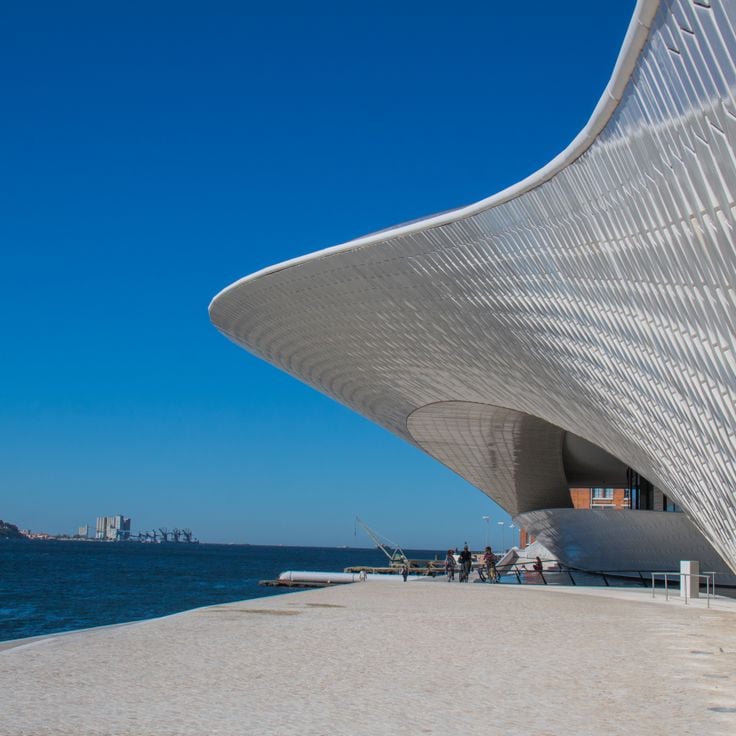
MAAT - Musée d'Art sits in Belém overlooking the Tagus River with contemporary art collections and design works. This modern museum is part of Lisbon's diverse character, from ancient quarters like Alfama to royal palaces and coastal villages. Inside, you can walk through galleries displaying current and recent artworks, with views across the water toward the opposite bank.
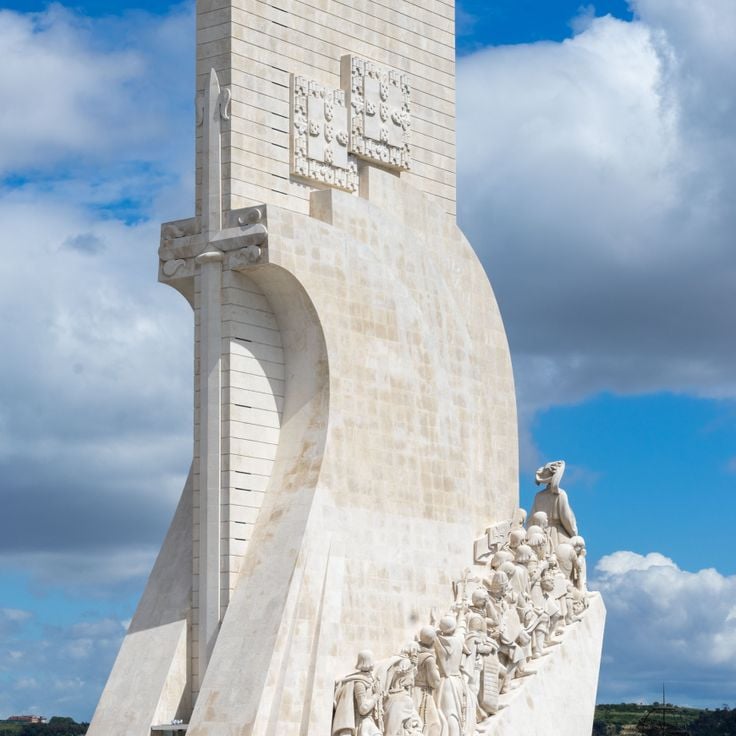
The Monument to the Discoveries stands in Belem and honors the sailors and explorers of Portuguese history. The structure resembles a caravel, the ship that Portuguese used on their voyages across the oceans. From here you can see the Tagus River. The monument tells of a time when Portugal explored the world and contributes to the history you can find throughout this collection of Lisbon and the Tagus Valley.
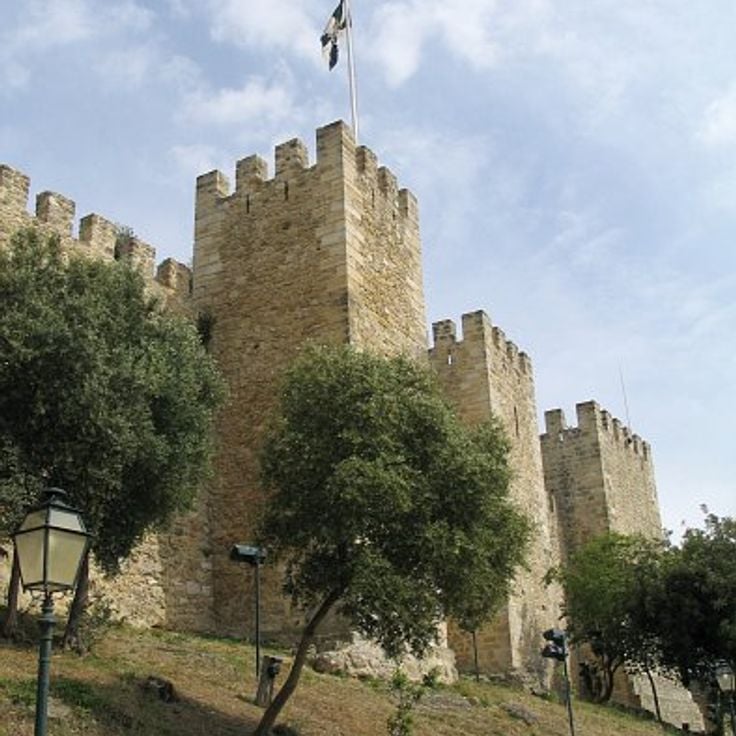
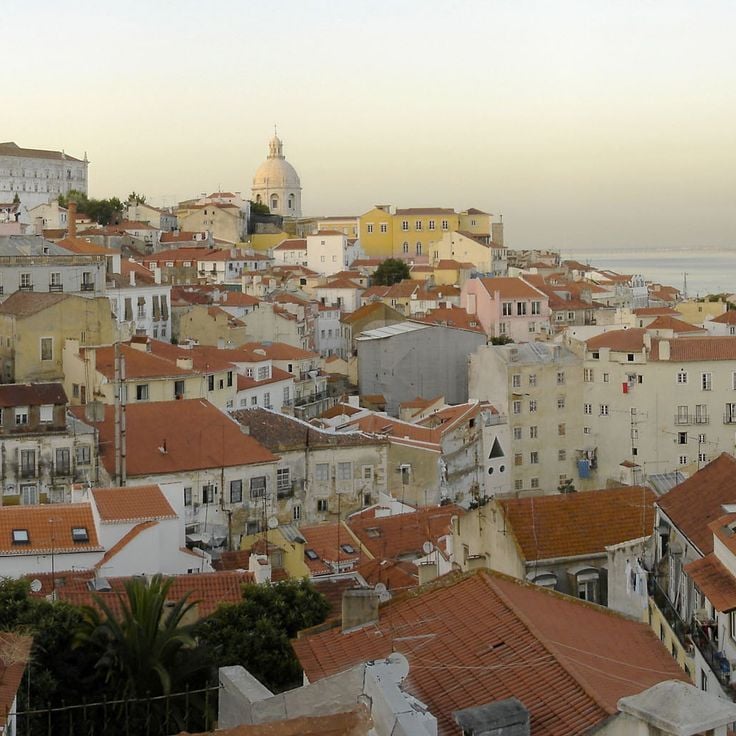
The Château de São Jorge is a medieval fortress that rises above Lisbon and commands a wide view over the city and the Tejo River. From its walls you can see the roofs of Alfama, the bridge, the river, and the hills beyond the water. The castle tells the story of Lisbon's past and served as a strategic point to protect the city over centuries.
Sintra is a cultural landscape in the mountains north of Lisbon, where palaces and monasteries sit among forested hills. The region shows how the Portuguese royal family built country estates in this green setting during the 19th century. The Pena Palace stands on a hilltop with colorful walls visible from far away. The older Royal Palace with its cone-shaped chimneys sits in the town center. Paths wind through forests filled with ferns, pines, and stone formations around these buildings. Sintra draws visitors who enjoy walking between history and nature.
Alfama is the oldest neighborhood of Lisbon and preserves its medieval structure with narrow streets that wind steeply up the hillside. The houses are covered with colorful tiles, and laundry hangs from the balconies. Local residents shop at neighborhood markets, and in the evenings fado music echoes from the taverns. The quarter leads upward to the castle, where you can see across the city and down to the river.
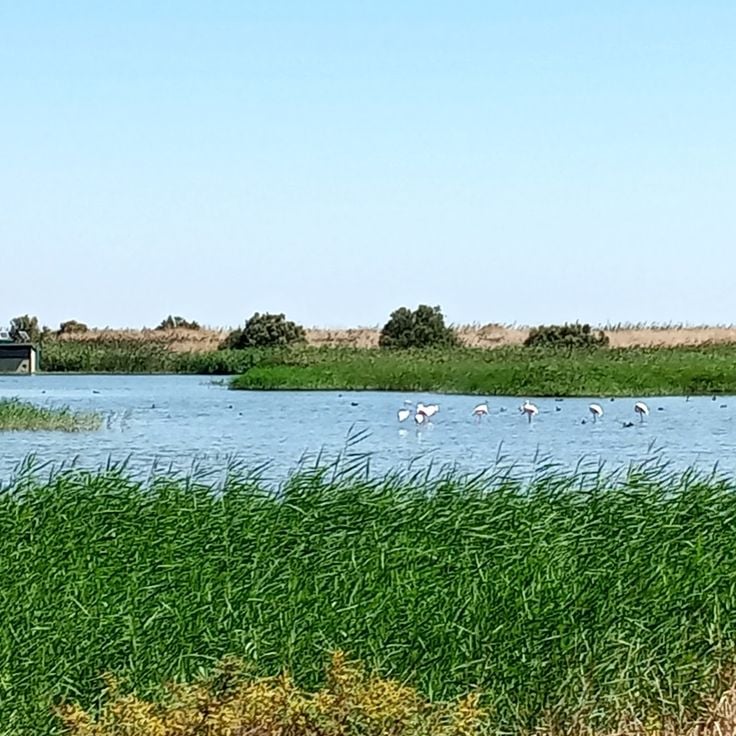
The Tagus Estuary Natural Park at Vila Franca de Xira is a protected area of marshes where migratory birds rest and diverse wildlife lives. The river water meets the coast here, creating a habitat where you can observe rare bird species. The landscape shifts between open water surfaces and reed beds, where walkers feel the rhythm of nature. People come here to enjoy the quiet and watch birds, especially during migration seasons in spring and fall.
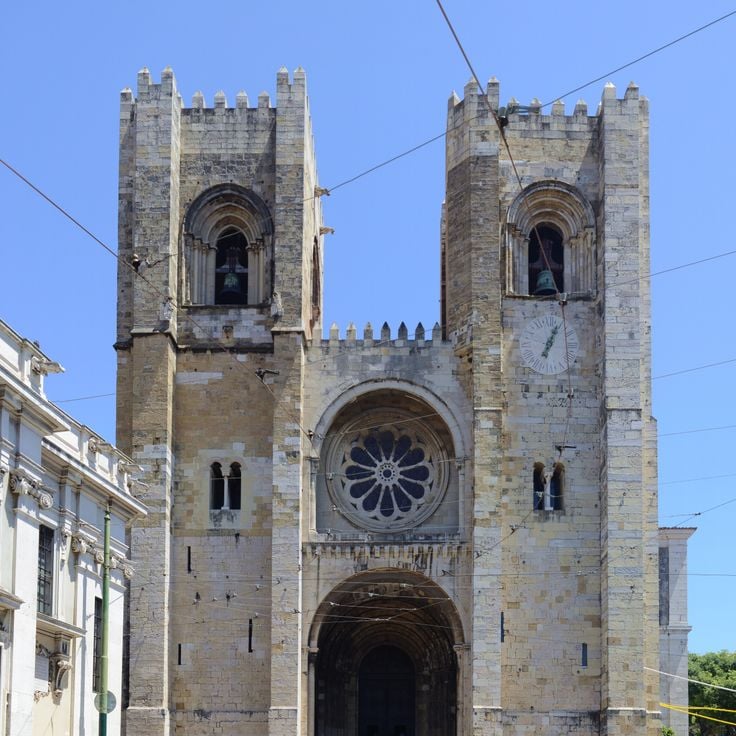
This cathedral was built in the 12th century in Lisbon as a blend of Romanesque and Gothic styles. The building tells the story of the city's long history and shows how architecture changed over time. With its thick walls and distinctive arches, the cathedral shapes the character of the old town. Visitors find here a quieter place in the heart of bustling Lisbon, where you can sense the religious and artistic traditions of Portugal.
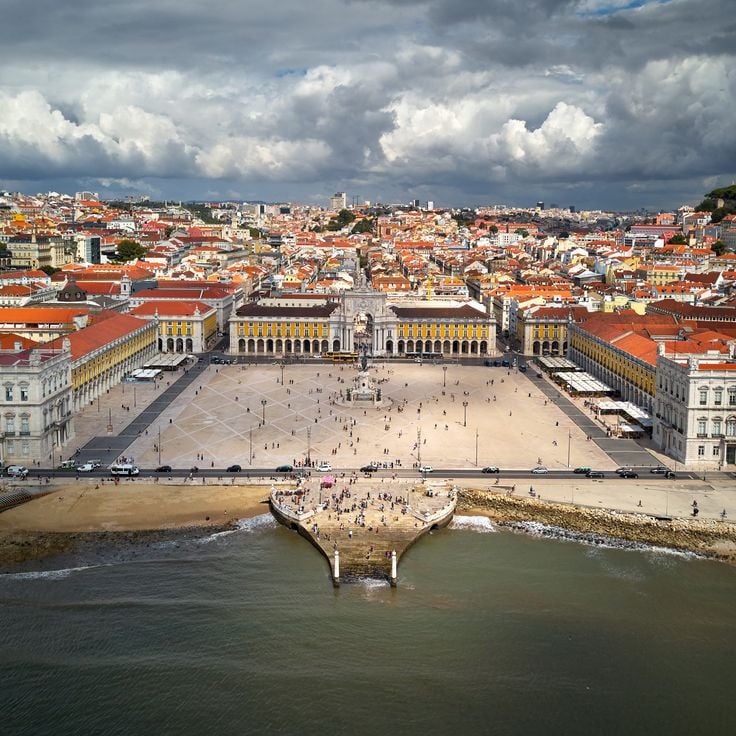
Terreiro do Comercio is a large square on the banks of the Tagus River in Lisbon. It was rebuilt after the 1755 earthquake following a geometric design. The square opens toward the river and is surrounded by arcaded buildings. Locals and visitors come here to walk, sit in cafes, and enjoy views of the river. The square has always been a place of commerce and gathering.
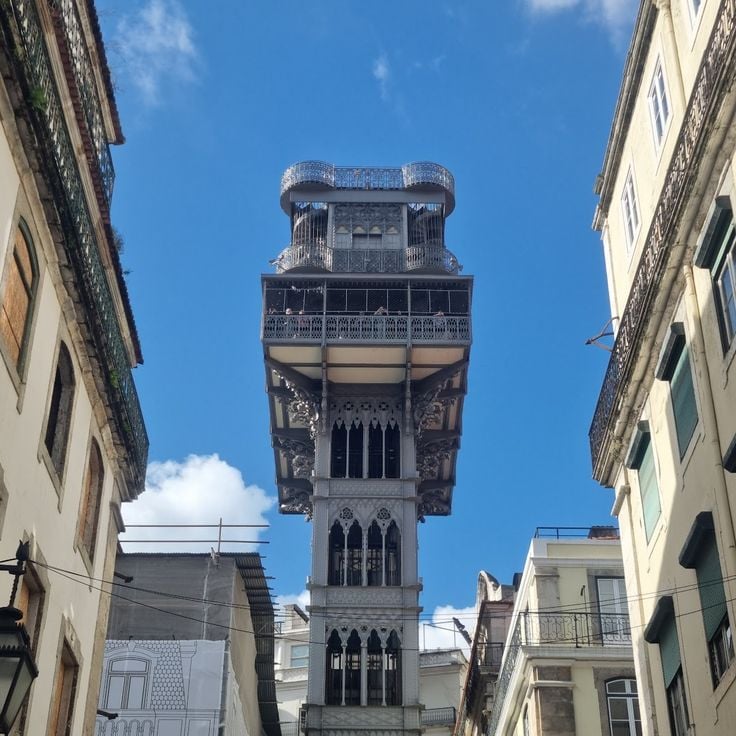
The Elevador de Santa Justa is a wrought-iron lift from the 19th century that connects two levels of Lisbon. From the top platform, you look out over the rooftops of the old quarters, across the valley of the Tagus River, and toward the river itself. The ride is an experience in itself: you climb into an iron and glass cage that slowly lifts you upward as the city shrinks below. Once at the top, the viewing platform lets you take in how Lisbon spreads across the hillsides and down toward the water. It is one of the best ways to see the city's full layout from a single spot.
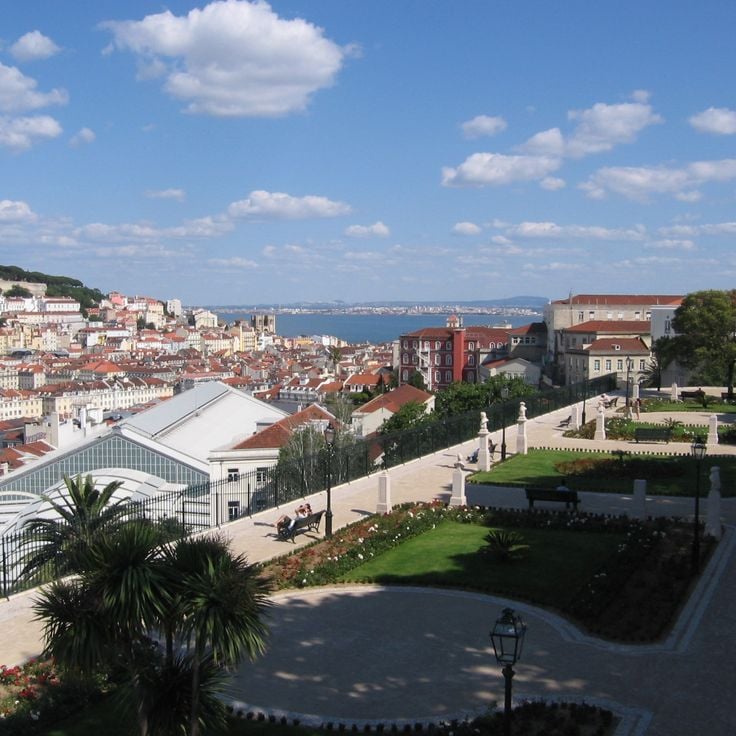
The Bairro Alto and Miradouro de São Pedro de Alcântara are part of this collection exploring Lisbon and the Tejo Valley. The Bairro Alto is a neighborhood with narrow streets where people gather on terraces in the evening. From here you can reach the Miradouro de São Pedro de Alcântara, a viewpoint overlooking the city and the river. The area has a rhythm different from the rest of Lisbon: it feels quiet during the day, and the streets come alive at night. You will find traditional restaurants, small shops, and people gathering in this part of the city.
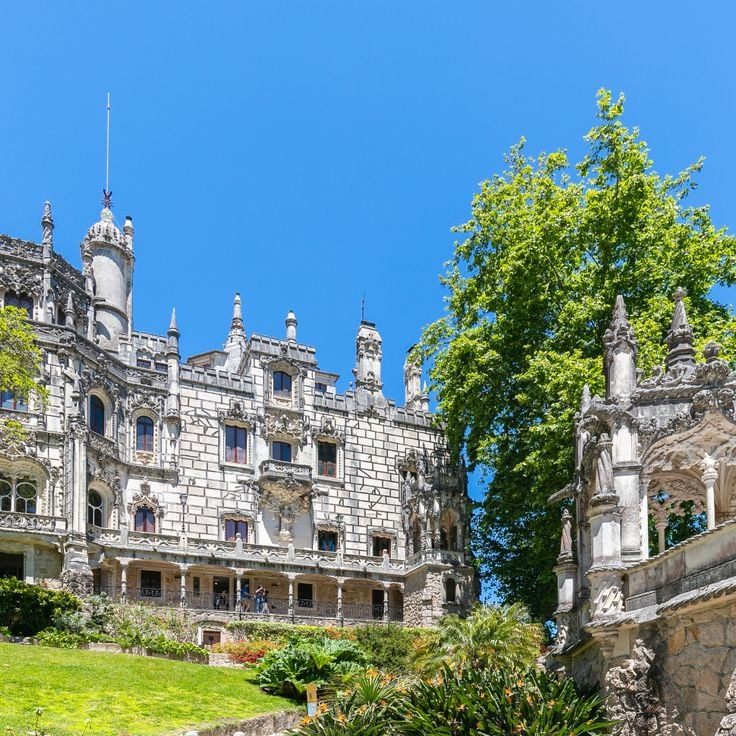
Quinta da Regaleira is a mysterious estate in Sintra featuring a palace, terraced gardens, and underground grottoes. This site represents the variety found in the surroundings of Lisbon and the Tagus Valley, where palaces and historical places sit within green landscapes. The palace and gardens tell the story of this region, which connects royal residences, fortified villages, and natural spaces.
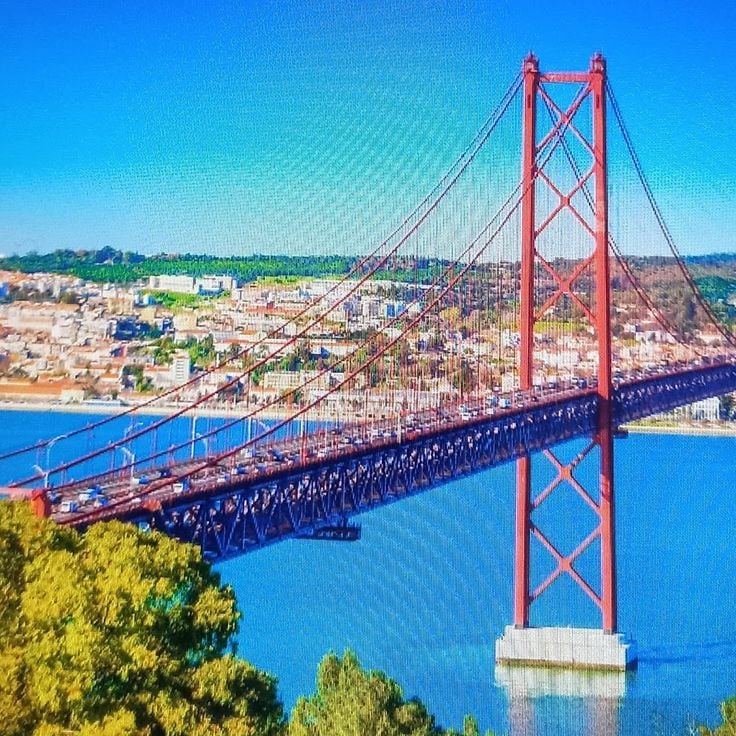
The riverside walk from Belém to Cais do Sodré follows the banks of the Tagus River through Lisbon. This path connects two important points of the city and passes by monuments that represent different periods. Along the way, you see the 25 April Bridge spanning the water and observe the activity on the river. The walk gives you a sense of how Lisbon opens onto its waterway and helps you understand the connection between the city and its river.
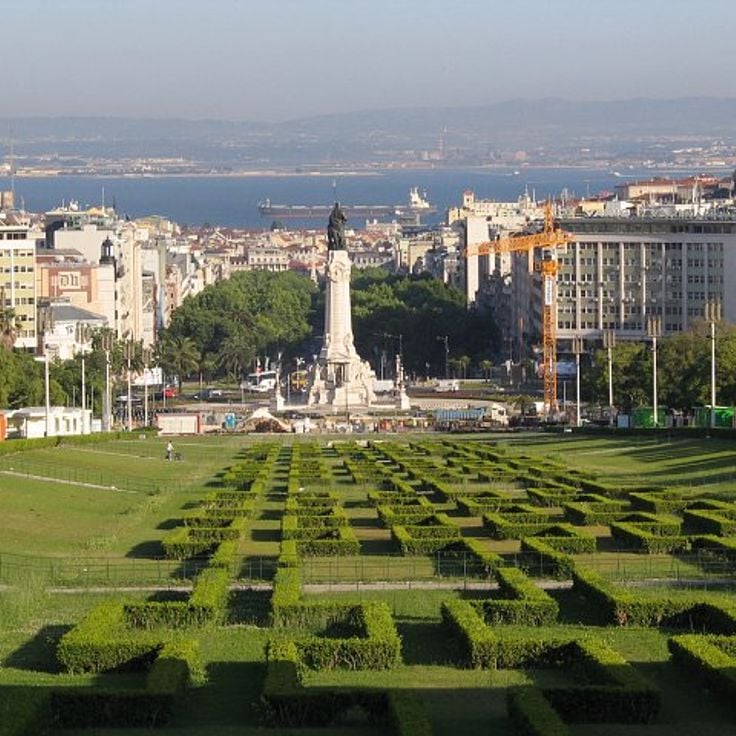
The Parc Édouard VII is a large green space in Lisbon situated on a hill that looks out over the city. It is part of this collection, which brings together different places around Lisbon and the Tejo Valley - from old neighborhoods like Alfama to royal palaces in Sintra. The park has gardens and open areas to walk through, with benches where you can sit and look at the city. In its own way, it connects the city with the green spaces that define this region.
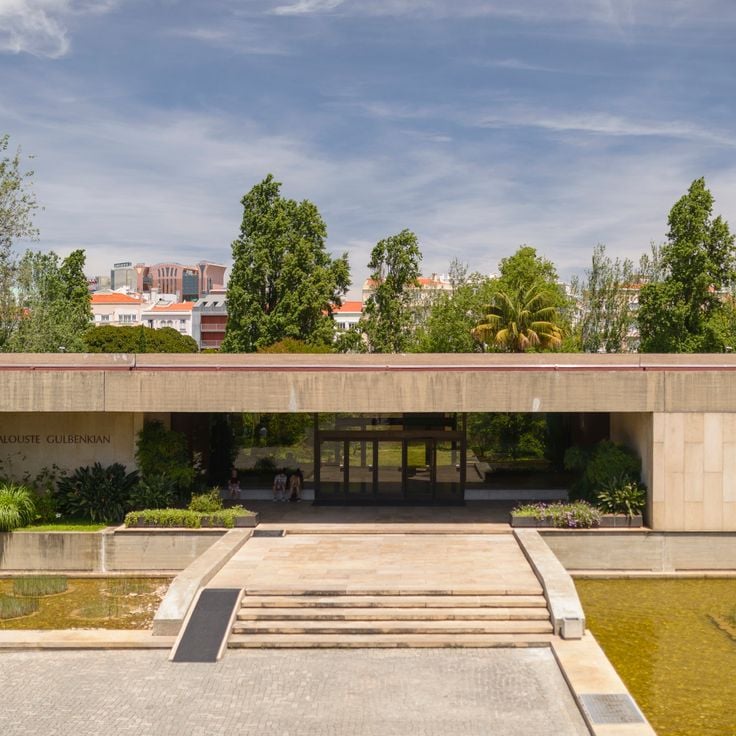
The Museu Calouste Gulbenkian in Lisbon holds a major collection of artwork spanning from ancient times to the modern era. The museum displays pieces from different cultures and periods, including Egyptian objects, Eastern ceramics, European paintings, and sculptures. A collector built this collection over many years, bringing together works from across the world. Inside the museum, galleries are laid out so you can move through them at your own pace and spend time with pieces that interest you. A garden surrounds the building, offering a place to rest between galleries. For anyone interested in art or history, this museum provides a deep look at how artists have created across centuries.
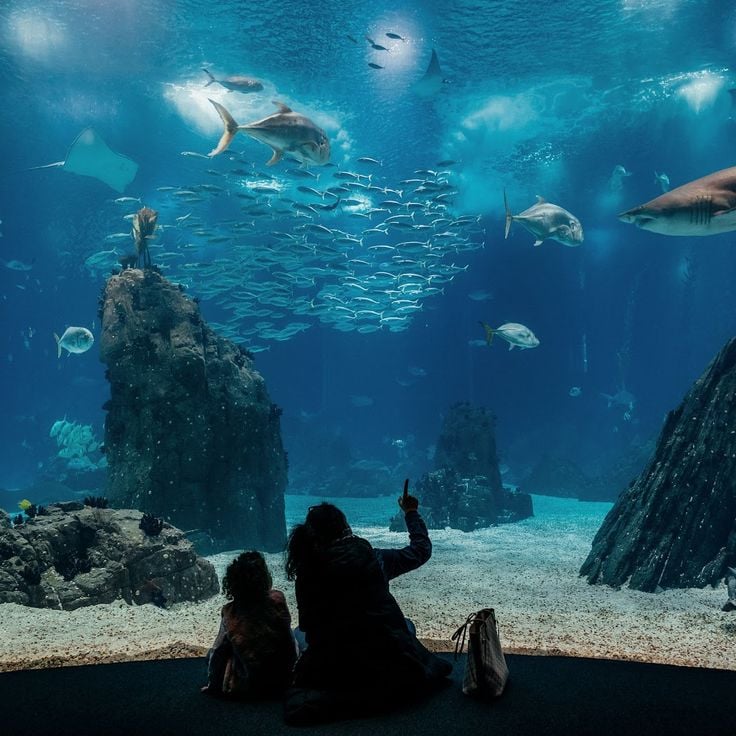
The Oceanarium of Lisbon is located in Parque das Nações and displays marine ecosystems from different regions of the world. The building houses large tanks with fish, marine mammals, and other sea life. Visitors can explore the underwater world and learn about the oceans and their inhabitants. The Oceanarium is an important place for education and nature conservation in Lisbon.
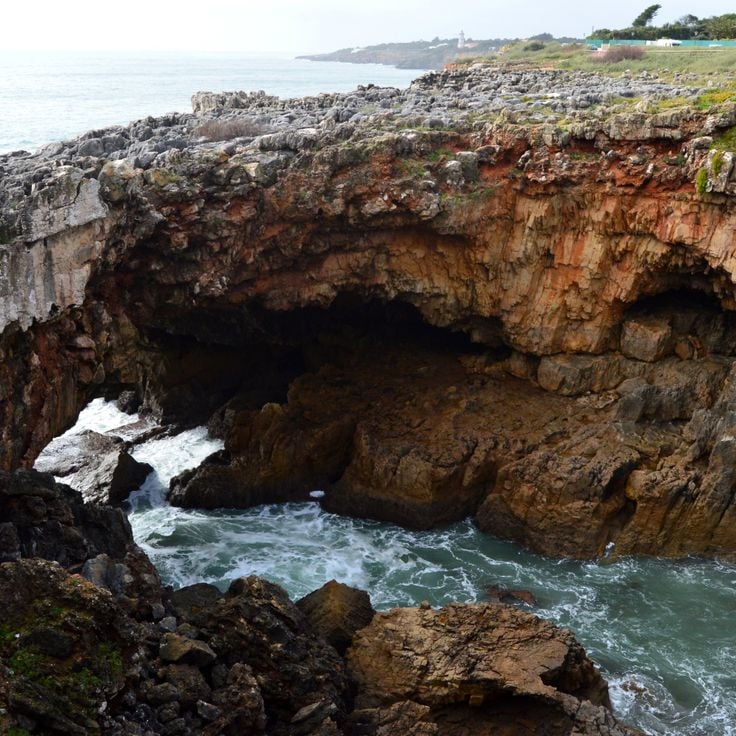
Boca do Inferno is a rock formation on the Cascais coast where waves crash into caves and create sprays of water and foam. This place shows the power of the Atlantic Ocean and is part of the natural features of the region between Lisbon and the coastal villages.
LX Factory is a creative space housed in a former factory building where artists, boutiques and cafes operate side by side. Street art covers the walls and pathways, and small shops selling handmade crafts and design fill the space. This place shows how Lisbon transforms old industrial areas into living art venues. Visitors can walk through narrow passages, meet local artists and sit in cozy cafes.
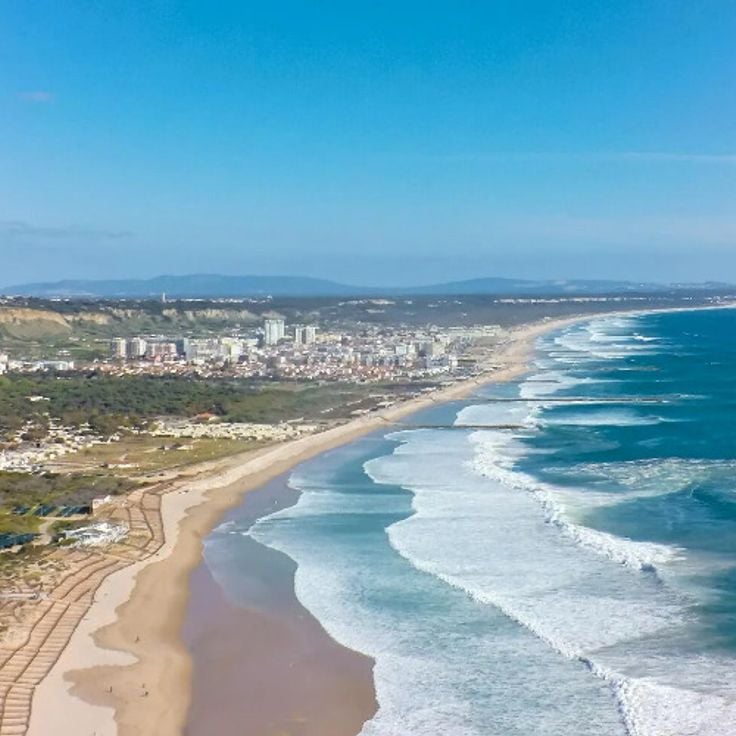
Costa da Caparica stretches as a long sandy coastline south of Lisbon and offers different beaches for various needs. The place attracts visitors who want to escape the city bustle and get closer to the sea. The beaches here have fine sand and calm waters, suitable for swimmers and families. Along the coast there are restaurants and small shops that enhance beach life. This is one of the frequented spots in the collection, where recreation and swimming are the main activities.
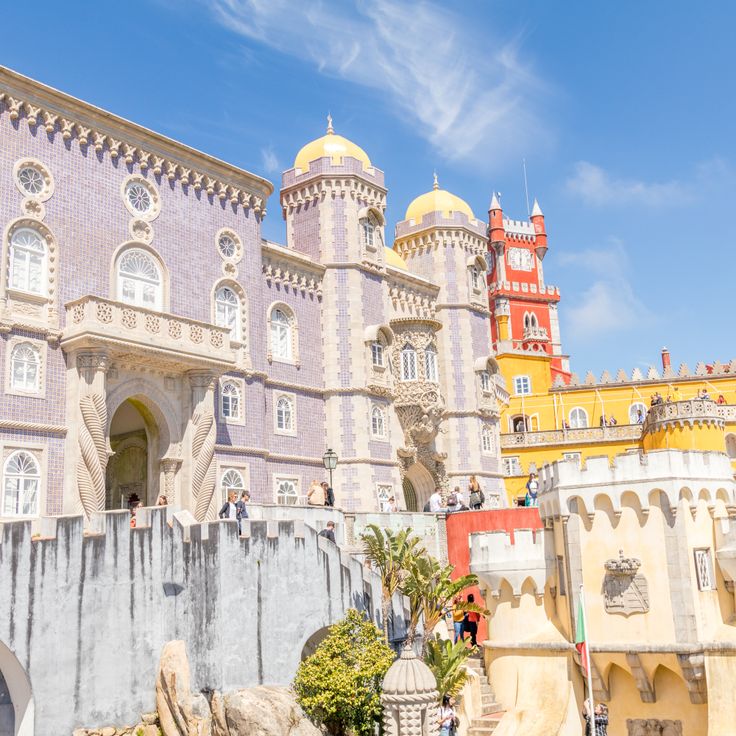
The National Palace of Pena is a romantic castle perched high on a mountainside in Sintra. Its brightly colored facades in shades of pink, yellow, and blue stand out strikingly against the landscape. Built in the 19th century, it blends architectural styles from different periods. From the palace, visitors enjoy sweeping views across the forested hills and surrounding countryside. Inside, ornate rooms hold period furniture, ceramics, and paintings. Guests walk through halls, a chapel, and manicured gardens. The palace once served as a royal residence for Portuguese monarchs. Today it draws many visitors who come to explore the building and take in the views.
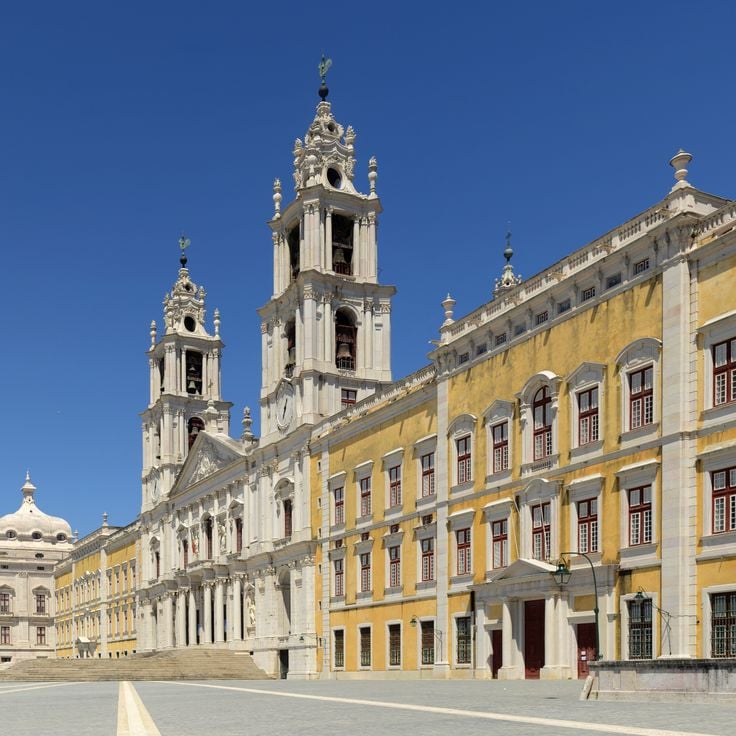
The National Palace of Mafra is a large baroque complex with a palace, basilica, and royal library. It stands near Lisbon and displays the power of the Portuguese monarchy from the 18th century. The palace contains hundreds of rooms, an imposing facade, and interiors with paintings and marble. The basilica features two bell towers. The library holds old books and manuscripts. The complex sits in an area with forests and is about 30 kilometers north of the capital. Visitors can walk through the rooms and explore the architecture of the period.
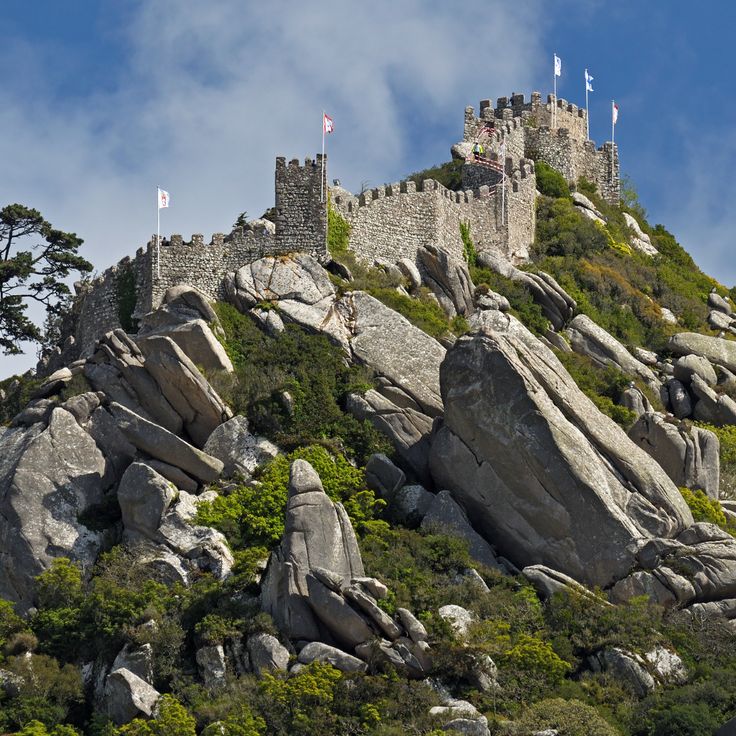
The Castle of the Moors is a medieval fortress in Sintra, part of this collection exploring Lisbon and the Tagus Valley. Its ruined walls with crenellations sit on a hilltop and command views across the surrounding landscape and royal palaces. The site speaks to Portugal's military past and connects the city to the fortified villages and castles scattered inland.
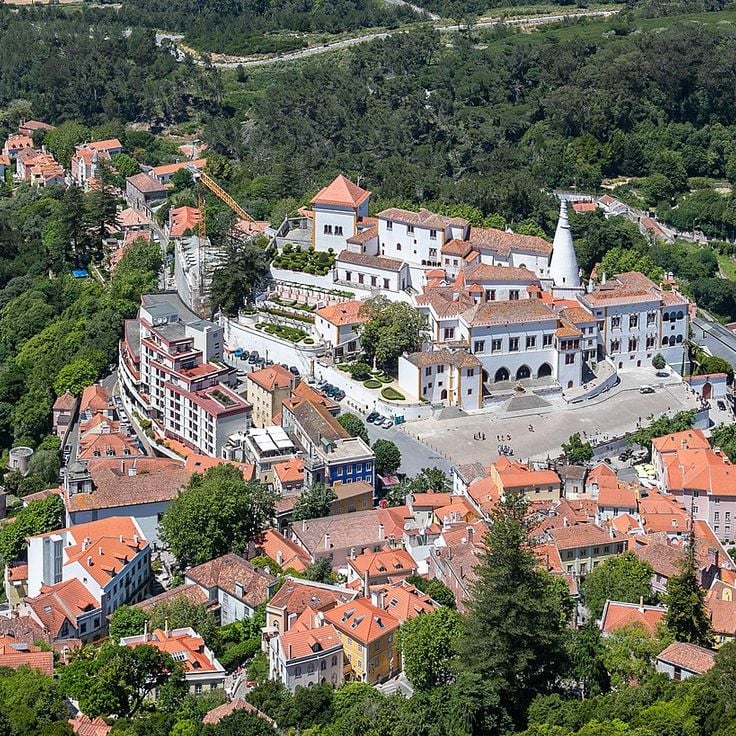
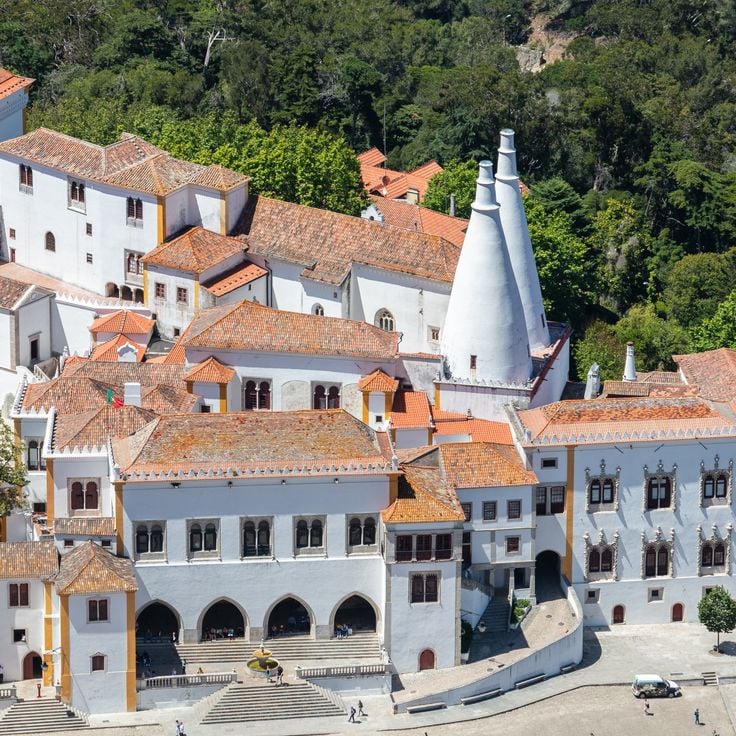
The National Palace of Sintra is a royal palace with distinctive Manueline architecture. This palace stands as the visual center of the town and displays impressive historical rooms. The halls, fireplaces, and ceramic work speak to centuries of royal life. The palace sits on a hill overlooking Sintra. Windows open onto the forested hills that surround the area. Visitors walk through rooms where kings once lived and ruled, discovering the spaces that shaped Portuguese royal history.
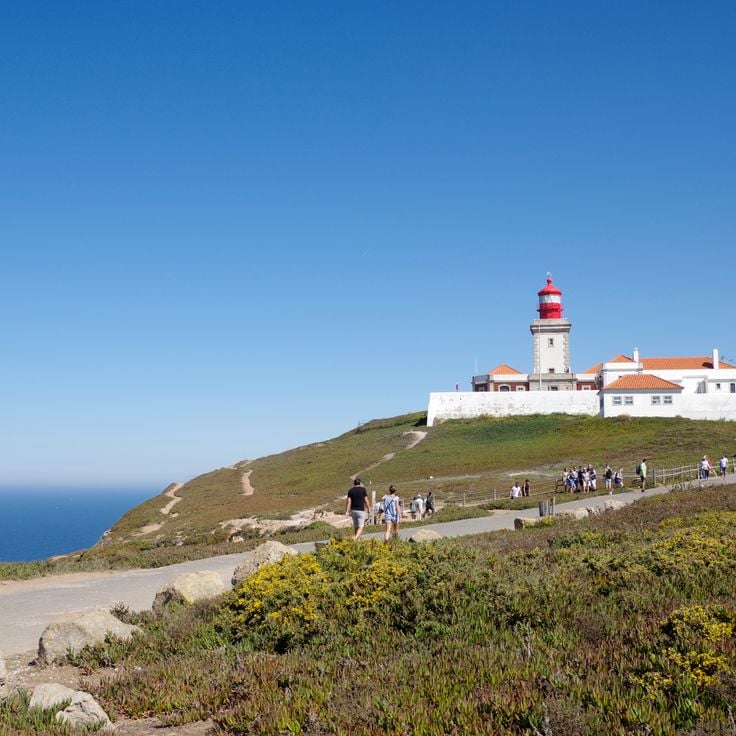
Cape da Roca is the westernmost point of continental Europe and serves in this collection as a place that shows Portugal's coastal character. Here the land drops away into steep cliffs that fall directly to the Atlantic Ocean. The wind blows strong here, and on clear days you can see far across the water. People come to feel where Europe ends and to experience the power of nature. The location sits between Sintra and Cascais, where the mountain landscape opens toward the coast.
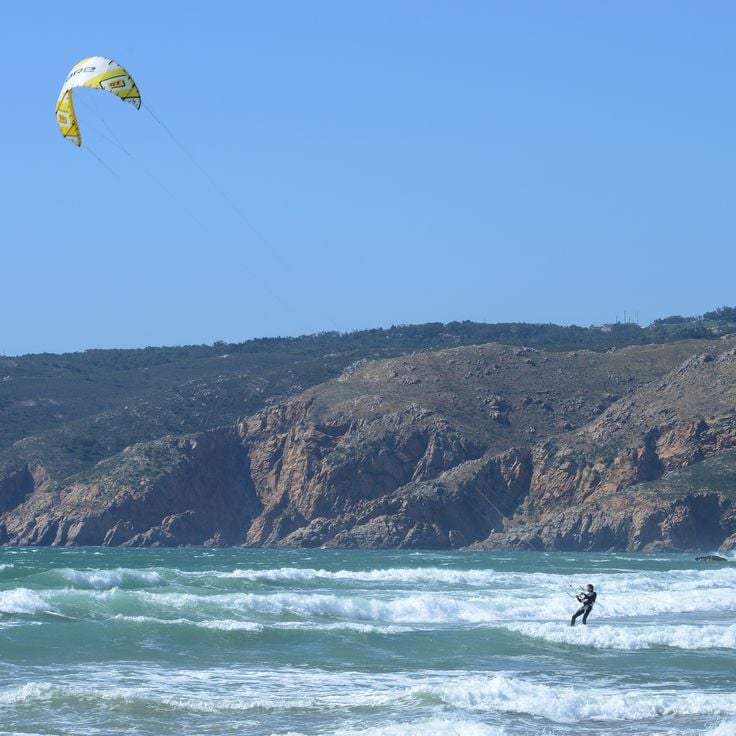
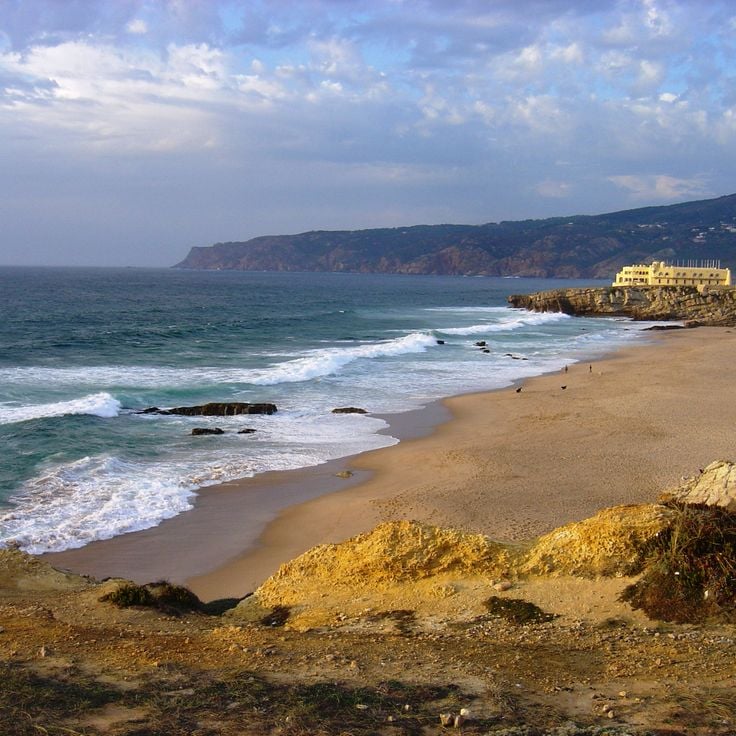
Praia do Guincho in Cascais is a wild sandy beach where strong Atlantic waves reach the shore. Surfers come here to ride the conditions. The beach sits near Lisbon and the wider Tagus valley region, where the coast meets the inland landscape.
Estoril is a beach resort located in Cascais, featuring a seafront promenade and a welcoming sandy shore. The town attracts visitors who come to walk along the water and swim. Hotels and restaurants line the waterfront area. The beach slopes gently into the water and suits different water activities. The promenade connects the beach to the town center and provides places to rest and watch the sea.
The Sintra-Cascais Natural Park is a protected area that spreads between the hills of Sintra and the coast near Cascais. The park offers walking trails through forests, past cliffs, and along paths with views of the Atlantic Ocean. Pine and eucalyptus trees grow throughout the area, and wildlife includes birds, insects, and small mammals. Visitors can hike, have picnics, or simply observe nature. The park connects the green slopes of Sintra with the cliffs of Cascais.
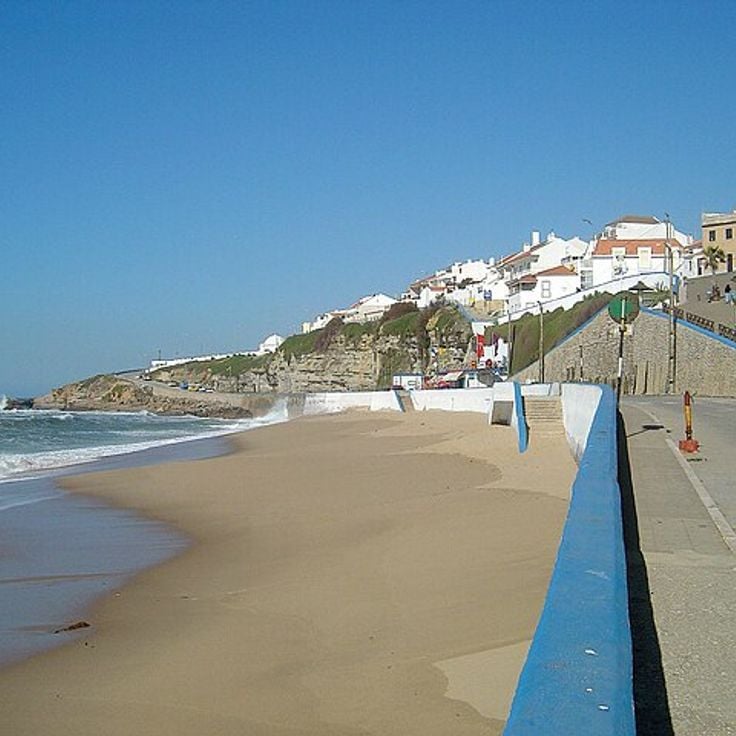
Ericeira is a coastal village in Mafra that attracts surfers from around the world. The town sits on rocky cliffs overlooking the Atlantic, with small coves and sandy beaches scattered along the shore. White-washed houses cluster together in narrow streets that open onto viewpoints above the sea. Local fishermen still work from the harbor, and restaurants serve fresh fish from daily catches. The waves here draw surfers particularly during winter months. Walking through the village leads past traditional shops and cafes where locals gather.
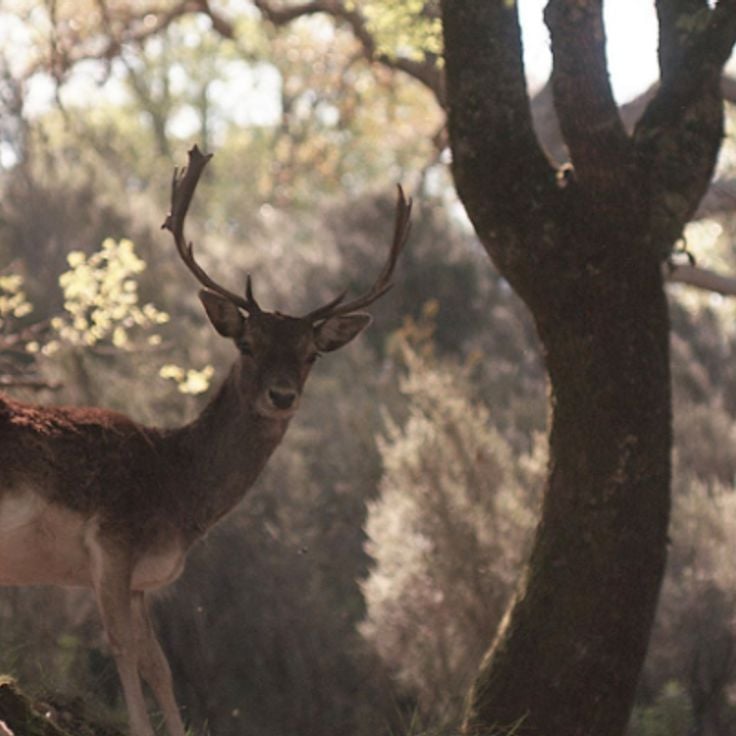
The Tapada Nacional de Mafra is a forest reserve near Lisbon that spreads across rolling hills. Here you can find different animal species and a network of walking paths that run through pine forests. The place has the feeling of a quiet spot where nature sets the pace. Visitors can walk on foot, watch birds, and experience the calm of the forest. The reserve shows a different side of the Mafra region, away from towns.
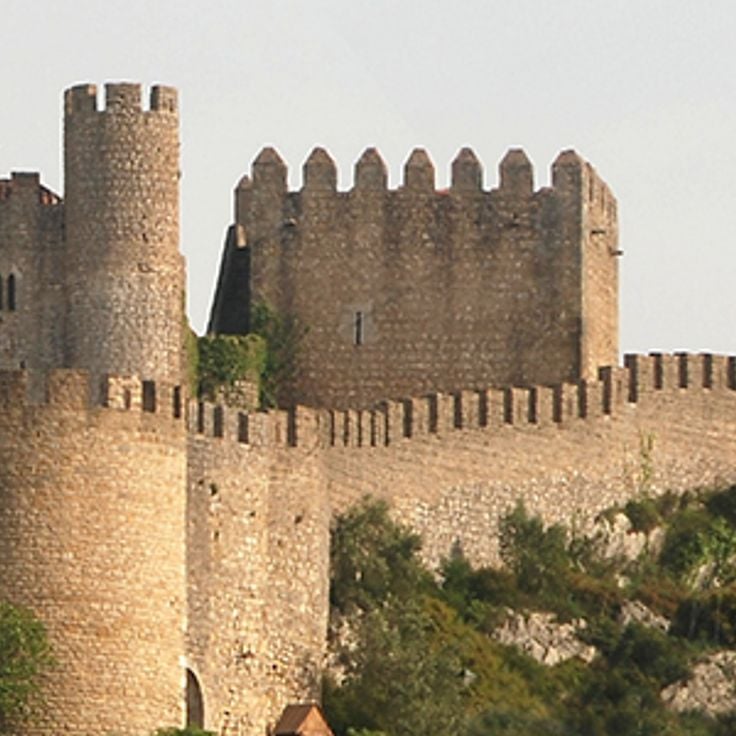
Óbidos is a medieval fortified town in western Portugal and part of this collection exploring Lisbon and the Tagus Valley. The town is surrounded by walls that protect the settlement, and its narrow streets invite exploration. This place reflects Portugal's military history and belongs among the fortified villages and castles that dot the interior of the Tagus Valley.
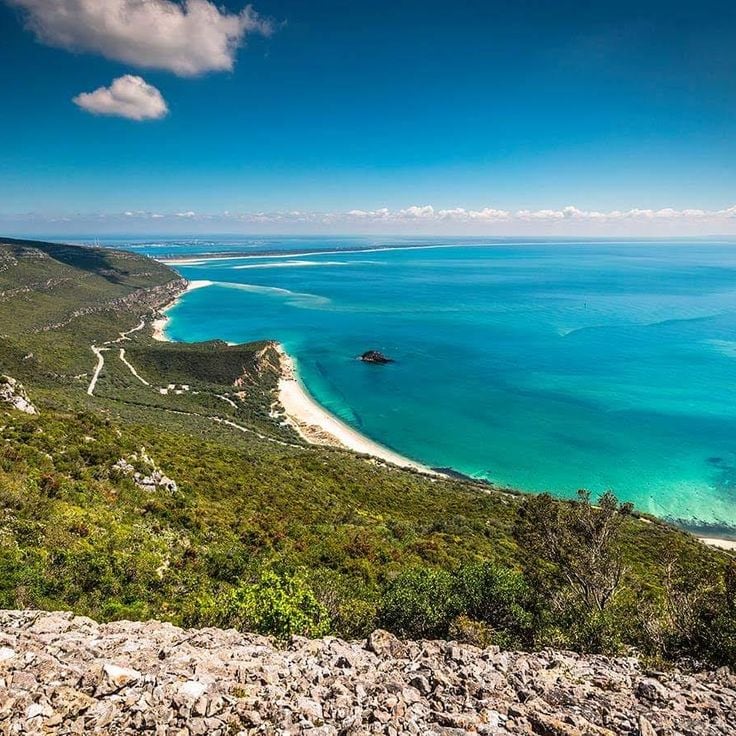
The Serra da Arrábida natural park lies south of Lisbon and forms a green coastal ridge facing the Atlantic. Limestone cliffs drop sharply to the sea and are covered with pine trees and scrubland. Walking trails wind through the hills, passing small coves with sandy beaches. This park belongs to this collection because it shows how nature appears in the Tagus Valley region, beyond the city and its monuments. Here you can walk in the shade of pines and experience the coast in its natural state.
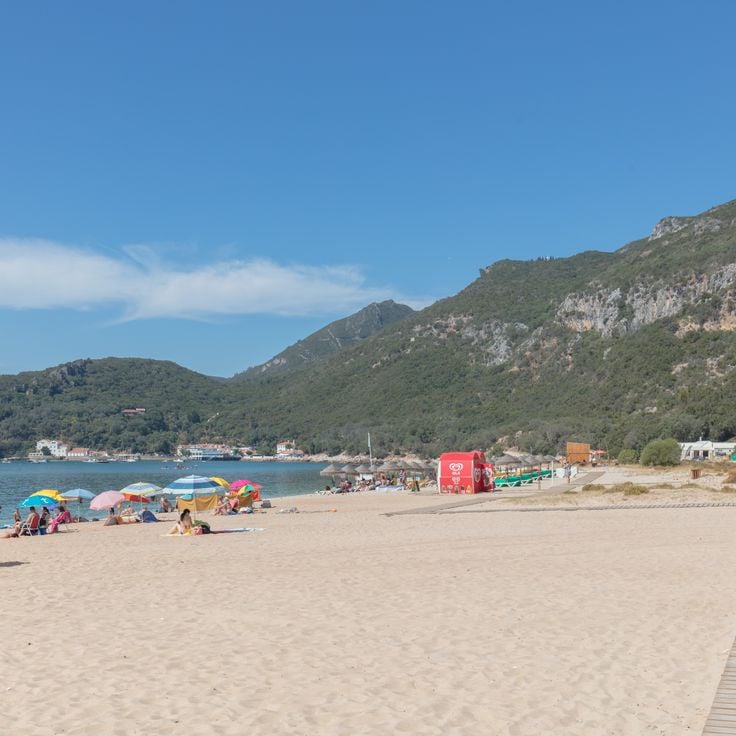
Portinho da Arrábida features small rocky coves and quiet beaches with clear water. This coastal site fits into the collection of Lisbon and the Tagus Valley as one of the villages and beaches along the Atlantic coast. It shows how the region combines city life with nature and offers a glimpse into daily life at the Portuguese seaside.
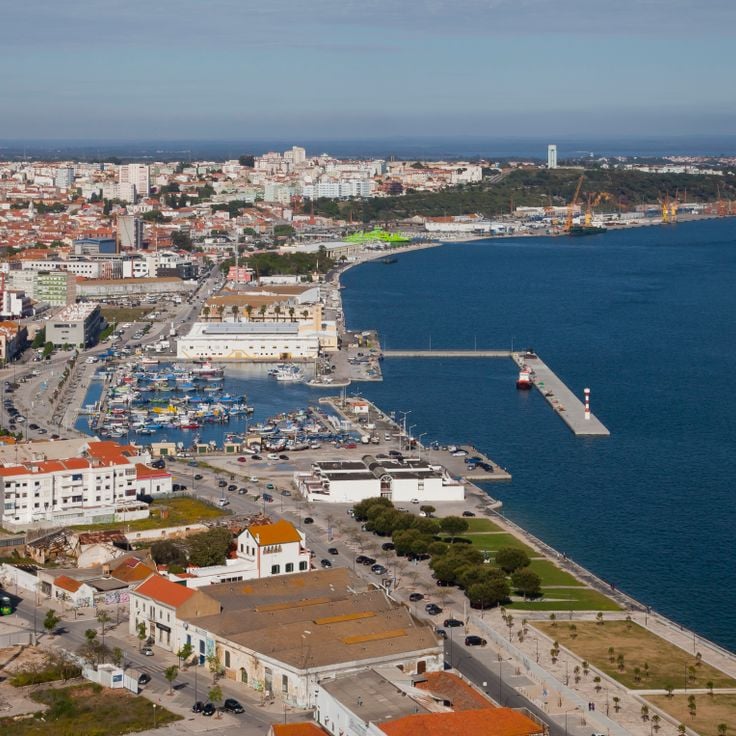
Setúbal is a port city at the mouth of the Sado River. The town connects its history as an important harbor with the life of its residents today. In the center, you find shops, cafés, and people using the public spaces. The harbor shapes the character of the city, with boats and fishermen who still work in traditional ways. From here, you can explore the coast or travel into the countryside. Setúbal sits between hills and the sea, at a place where nature and settlement meet.
Palmela Castle is a medieval fortress that rises above the Tagus estuary and offers wide views of the river. It stands near Lisbon as part of a collection of places that show the history and landscape of the Tagus region. From the fortress, visitors can see the breadth of the river and the hills that surround it. The castle speaks to Portugal's military past and connects to a network of fortified villages and castles that shape the inland areas.
Sesimbra is a coastal town with an active fishing port where boats still come and go each day. A castle sits on the cliff above the town, looking out over the bay and the Atlantic. Below the fortification, beaches line the shoreline, and through the town you find traditional fishing houses, simple restaurants, and a fish market where locals and visitors gather. The place shows how people have lived from the sea for centuries.
Santarém sits high above the Tejo River, offering wide views across the river valley. The city has kept its medieval streets and squares, where you can read Portuguese history in the stones and old facades. From the viewpoints here, you see the river valley with its green slopes and distant villages. Santarém was long an important defensive position and religious center, something the churches and fortifications still show. The city moves with the rhythm of its markets and the closeness to the river, where fishermen still work.
Golega is a village in the Ribatejo region known for its long-standing tradition of horsemanship and breeding. The town has become a center for horse trading and equestrian culture in Portugal. Life here revolves around this connection to horses, which appears in local events, the stables, and the daily rhythm of the community. Golega gives visitors a glimpse into a way of life that has been tied to horses for generations.
Constância is a village located where the Zézère River meets the Tagus. The settlement sits on elevated ground overlooking the confluence of these two rivers. Houses spread across the hills surrounding the waterways. From various points in the village, you can watch how the waters of the two rivers come together. The place retains the character of a traditional riverine community. Visitors come here to observe this natural meeting point and to walk through the streets while enjoying views of the flowing waters.
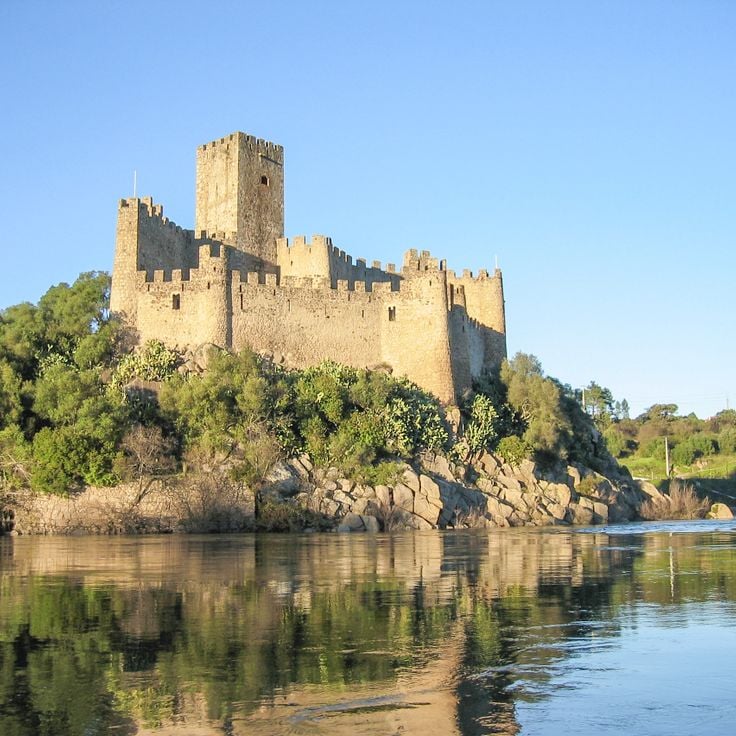
The Almourol Castle is a medieval fortress set on an island in the Tagus River. It is part of a collection of places that reveal the history and landscape of Lisbon and the Tagus Valley. The castle rises above the water and speaks to Portugal's military past. Visitors reach it by boat and can see from there the valley landscape marked by hills, forests, and villages.
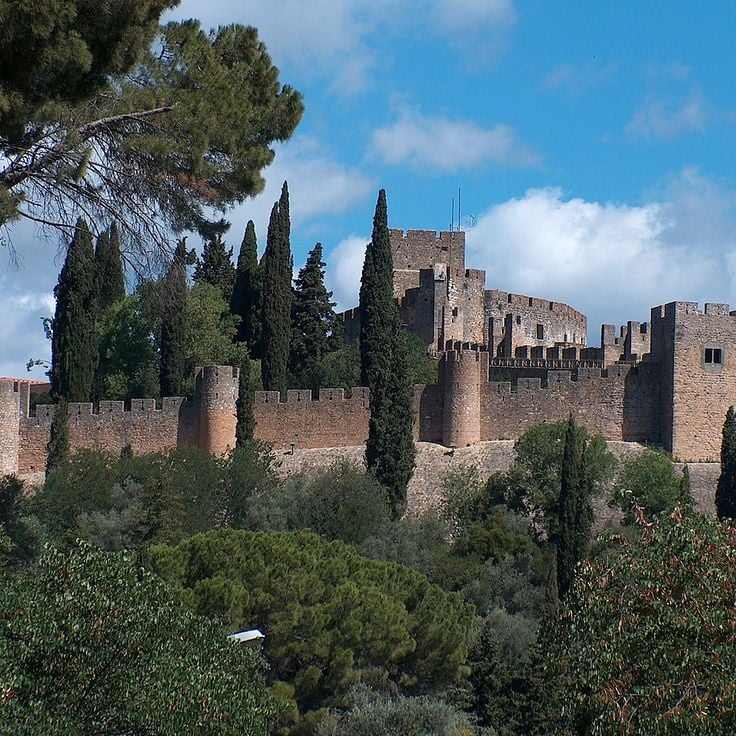
Tomar is a historic city in the Tejo Valley that reflects Portugal's past through its preserved old town. The city reveals itself in narrow streets, traditional buildings, and a layout shaped by the river. Over the centuries, it served as an important point in this region and preserves traces of this history in its architecture and streets. Visitors find here a place where history shows itself in the everyday life of the city.
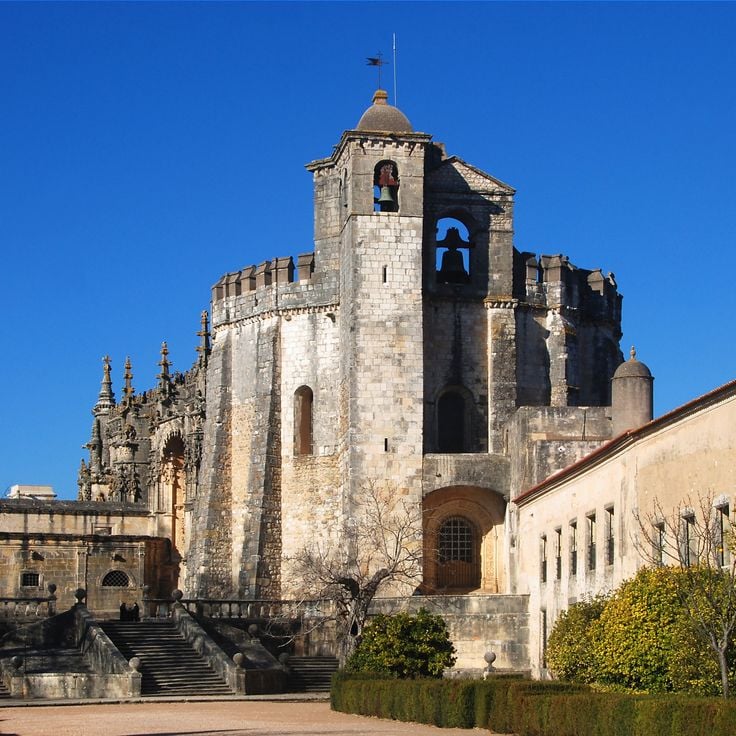
The Convent of Christ in Tomar is a religious complex of major historical importance. This building sits in the Tejo Valley and brings together several architectural styles from different periods. The cloisters show carefully designed spaces where monks once lived their daily lives. The architecture tells stories from centuries of Portuguese history. The complex is an example of the religious and military past of the region. It helps you understand how people in this area worked and prayed.
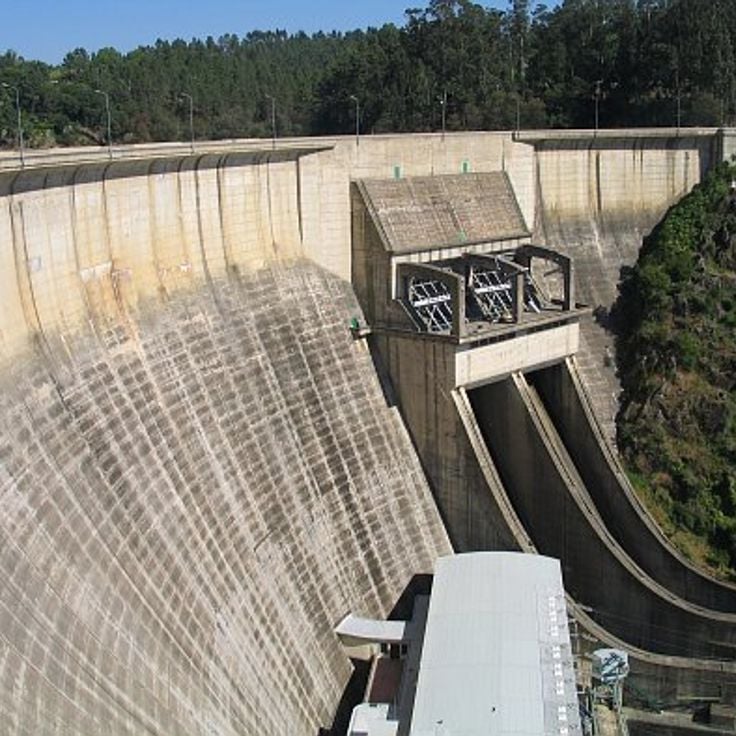
The Castelo do Bode Dam is a water barrier in the Tejo Valley that creates a large reservoir. From the viewpoints here, you can see the water stretching between forested slopes. The surroundings are green and quiet. Standing on the rocks, you look out over the valley where pine and oak trees reach down to the water's edge. The dam itself is a large concrete and stone structure spanning the valley. It is a place where nature and human effort meet, and from here you understand how important water is to this region.
The Tower of Belém stands on the banks of the Tagus River and dates from the 16th century. It was built to protect Lisbon and the harbor. This tower is linked to Portuguese maritime expansion and reflects the architecture of that era. Visitors come to experience the history and views of the river.
Cascais is a harbor town on the Atlantic coast, about 30 kilometers west of Lisbon. The center preserves old streets with buildings from different periods, while the bay with its beach and rocky outcrops shapes the character of the place. Here locals and visitors gather in cafes and walk along paths by the water. The town was once a fishing village and today is a place where people spend time, from which you can explore the coast and nearby villages. Cascais fits into this collection because it shows what the Atlantic coast near Lisbon looks like and how people live there.
This Hieronymus monastery in Belém is a grand structure built in the 16th century that reflects the height of Portuguese exploration. The Gothic architecture features ornately crafted facades and towers that showcase the craftsmanship of the period. Inside you find cloisters, churches and rooms that speak to the country's past. The monastery sits on the bank of the Tejo River and plays an important role in Lisbon's history.
MAAT - Musée d'Art sits in Belém overlooking the Tagus River with contemporary art collections and design works. This modern museum is part of Lisbon's diverse character, from ancient quarters like Alfama to royal palaces and coastal villages. Inside, you can walk through galleries displaying current and recent artworks, with views across the water toward the opposite bank.
The Monument to the Discoveries stands in Belem and honors the sailors and explorers of Portuguese history. The structure resembles a caravel, the ship that Portuguese used on their voyages across the oceans. From here you can see the Tagus River. The monument tells of a time when Portugal explored the world and contributes to the history you can find throughout this collection of Lisbon and the Tagus Valley.
The Château de São Jorge is a medieval fortress that rises above Lisbon and commands a wide view over the city and the Tejo River. From its walls you can see the roofs of Alfama, the bridge, the river, and the hills beyond the water. The castle tells the story of Lisbon's past and served as a strategic point to protect the city over centuries.
Sintra is a cultural landscape in the mountains north of Lisbon, where palaces and monasteries sit among forested hills. The region shows how the Portuguese royal family built country estates in this green setting during the 19th century. The Pena Palace stands on a hilltop with colorful walls visible from far away. The older Royal Palace with its cone-shaped chimneys sits in the town center. Paths wind through forests filled with ferns, pines, and stone formations around these buildings. Sintra draws visitors who enjoy walking between history and nature.
Alfama is the oldest neighborhood of Lisbon and preserves its medieval structure with narrow streets that wind steeply up the hillside. The houses are covered with colorful tiles, and laundry hangs from the balconies. Local residents shop at neighborhood markets, and in the evenings fado music echoes from the taverns. The quarter leads upward to the castle, where you can see across the city and down to the river.
The Tagus Estuary Natural Park at Vila Franca de Xira is a protected area of marshes where migratory birds rest and diverse wildlife lives. The river water meets the coast here, creating a habitat where you can observe rare bird species. The landscape shifts between open water surfaces and reed beds, where walkers feel the rhythm of nature. People come here to enjoy the quiet and watch birds, especially during migration seasons in spring and fall.
This cathedral was built in the 12th century in Lisbon as a blend of Romanesque and Gothic styles. The building tells the story of the city's long history and shows how architecture changed over time. With its thick walls and distinctive arches, the cathedral shapes the character of the old town. Visitors find here a quieter place in the heart of bustling Lisbon, where you can sense the religious and artistic traditions of Portugal.
Terreiro do Comercio is a large square on the banks of the Tagus River in Lisbon. It was rebuilt after the 1755 earthquake following a geometric design. The square opens toward the river and is surrounded by arcaded buildings. Locals and visitors come here to walk, sit in cafes, and enjoy views of the river. The square has always been a place of commerce and gathering.
The Elevador de Santa Justa is a wrought-iron lift from the 19th century that connects two levels of Lisbon. From the top platform, you look out over the rooftops of the old quarters, across the valley of the Tagus River, and toward the river itself. The ride is an experience in itself: you climb into an iron and glass cage that slowly lifts you upward as the city shrinks below. Once at the top, the viewing platform lets you take in how Lisbon spreads across the hillsides and down toward the water. It is one of the best ways to see the city's full layout from a single spot.
The Bairro Alto and Miradouro de São Pedro de Alcântara are part of this collection exploring Lisbon and the Tejo Valley. The Bairro Alto is a neighborhood with narrow streets where people gather on terraces in the evening. From here you can reach the Miradouro de São Pedro de Alcântara, a viewpoint overlooking the city and the river. The area has a rhythm different from the rest of Lisbon: it feels quiet during the day, and the streets come alive at night. You will find traditional restaurants, small shops, and people gathering in this part of the city.
Quinta da Regaleira is a mysterious estate in Sintra featuring a palace, terraced gardens, and underground grottoes. This site represents the variety found in the surroundings of Lisbon and the Tagus Valley, where palaces and historical places sit within green landscapes. The palace and gardens tell the story of this region, which connects royal residences, fortified villages, and natural spaces.
The riverside walk from Belém to Cais do Sodré follows the banks of the Tagus River through Lisbon. This path connects two important points of the city and passes by monuments that represent different periods. Along the way, you see the 25 April Bridge spanning the water and observe the activity on the river. The walk gives you a sense of how Lisbon opens onto its waterway and helps you understand the connection between the city and its river.
The Parc Édouard VII is a large green space in Lisbon situated on a hill that looks out over the city. It is part of this collection, which brings together different places around Lisbon and the Tejo Valley - from old neighborhoods like Alfama to royal palaces in Sintra. The park has gardens and open areas to walk through, with benches where you can sit and look at the city. In its own way, it connects the city with the green spaces that define this region.
The Museu Calouste Gulbenkian in Lisbon holds a major collection of artwork spanning from ancient times to the modern era. The museum displays pieces from different cultures and periods, including Egyptian objects, Eastern ceramics, European paintings, and sculptures. A collector built this collection over many years, bringing together works from across the world. Inside the museum, galleries are laid out so you can move through them at your own pace and spend time with pieces that interest you. A garden surrounds the building, offering a place to rest between galleries. For anyone interested in art or history, this museum provides a deep look at how artists have created across centuries.
The Oceanarium of Lisbon is located in Parque das Nações and displays marine ecosystems from different regions of the world. The building houses large tanks with fish, marine mammals, and other sea life. Visitors can explore the underwater world and learn about the oceans and their inhabitants. The Oceanarium is an important place for education and nature conservation in Lisbon.
Boca do Inferno is a rock formation on the Cascais coast where waves crash into caves and create sprays of water and foam. This place shows the power of the Atlantic Ocean and is part of the natural features of the region between Lisbon and the coastal villages.
LX Factory is a creative space housed in a former factory building where artists, boutiques and cafes operate side by side. Street art covers the walls and pathways, and small shops selling handmade crafts and design fill the space. This place shows how Lisbon transforms old industrial areas into living art venues. Visitors can walk through narrow passages, meet local artists and sit in cozy cafes.
Costa da Caparica stretches as a long sandy coastline south of Lisbon and offers different beaches for various needs. The place attracts visitors who want to escape the city bustle and get closer to the sea. The beaches here have fine sand and calm waters, suitable for swimmers and families. Along the coast there are restaurants and small shops that enhance beach life. This is one of the frequented spots in the collection, where recreation and swimming are the main activities.
The National Palace of Pena is a romantic castle perched high on a mountainside in Sintra. Its brightly colored facades in shades of pink, yellow, and blue stand out strikingly against the landscape. Built in the 19th century, it blends architectural styles from different periods. From the palace, visitors enjoy sweeping views across the forested hills and surrounding countryside. Inside, ornate rooms hold period furniture, ceramics, and paintings. Guests walk through halls, a chapel, and manicured gardens. The palace once served as a royal residence for Portuguese monarchs. Today it draws many visitors who come to explore the building and take in the views.
The National Palace of Mafra is a large baroque complex with a palace, basilica, and royal library. It stands near Lisbon and displays the power of the Portuguese monarchy from the 18th century. The palace contains hundreds of rooms, an imposing facade, and interiors with paintings and marble. The basilica features two bell towers. The library holds old books and manuscripts. The complex sits in an area with forests and is about 30 kilometers north of the capital. Visitors can walk through the rooms and explore the architecture of the period.
The Castle of the Moors is a medieval fortress in Sintra, part of this collection exploring Lisbon and the Tagus Valley. Its ruined walls with crenellations sit on a hilltop and command views across the surrounding landscape and royal palaces. The site speaks to Portugal's military past and connects the city to the fortified villages and castles scattered inland.
The National Palace of Sintra is a royal palace with distinctive Manueline architecture. This palace stands as the visual center of the town and displays impressive historical rooms. The halls, fireplaces, and ceramic work speak to centuries of royal life. The palace sits on a hill overlooking Sintra. Windows open onto the forested hills that surround the area. Visitors walk through rooms where kings once lived and ruled, discovering the spaces that shaped Portuguese royal history.
Cape da Roca is the westernmost point of continental Europe and serves in this collection as a place that shows Portugal's coastal character. Here the land drops away into steep cliffs that fall directly to the Atlantic Ocean. The wind blows strong here, and on clear days you can see far across the water. People come to feel where Europe ends and to experience the power of nature. The location sits between Sintra and Cascais, where the mountain landscape opens toward the coast.
Praia do Guincho in Cascais is a wild sandy beach where strong Atlantic waves reach the shore. Surfers come here to ride the conditions. The beach sits near Lisbon and the wider Tagus valley region, where the coast meets the inland landscape.
Estoril is a beach resort located in Cascais, featuring a seafront promenade and a welcoming sandy shore. The town attracts visitors who come to walk along the water and swim. Hotels and restaurants line the waterfront area. The beach slopes gently into the water and suits different water activities. The promenade connects the beach to the town center and provides places to rest and watch the sea.
The Sintra-Cascais Natural Park is a protected area that spreads between the hills of Sintra and the coast near Cascais. The park offers walking trails through forests, past cliffs, and along paths with views of the Atlantic Ocean. Pine and eucalyptus trees grow throughout the area, and wildlife includes birds, insects, and small mammals. Visitors can hike, have picnics, or simply observe nature. The park connects the green slopes of Sintra with the cliffs of Cascais.
Ericeira is a coastal village in Mafra that attracts surfers from around the world. The town sits on rocky cliffs overlooking the Atlantic, with small coves and sandy beaches scattered along the shore. White-washed houses cluster together in narrow streets that open onto viewpoints above the sea. Local fishermen still work from the harbor, and restaurants serve fresh fish from daily catches. The waves here draw surfers particularly during winter months. Walking through the village leads past traditional shops and cafes where locals gather.
The Tapada Nacional de Mafra is a forest reserve near Lisbon that spreads across rolling hills. Here you can find different animal species and a network of walking paths that run through pine forests. The place has the feeling of a quiet spot where nature sets the pace. Visitors can walk on foot, watch birds, and experience the calm of the forest. The reserve shows a different side of the Mafra region, away from towns.
Óbidos is a medieval fortified town in western Portugal and part of this collection exploring Lisbon and the Tagus Valley. The town is surrounded by walls that protect the settlement, and its narrow streets invite exploration. This place reflects Portugal's military history and belongs among the fortified villages and castles that dot the interior of the Tagus Valley.
The Serra da Arrábida natural park lies south of Lisbon and forms a green coastal ridge facing the Atlantic. Limestone cliffs drop sharply to the sea and are covered with pine trees and scrubland. Walking trails wind through the hills, passing small coves with sandy beaches. This park belongs to this collection because it shows how nature appears in the Tagus Valley region, beyond the city and its monuments. Here you can walk in the shade of pines and experience the coast in its natural state.
Portinho da Arrábida features small rocky coves and quiet beaches with clear water. This coastal site fits into the collection of Lisbon and the Tagus Valley as one of the villages and beaches along the Atlantic coast. It shows how the region combines city life with nature and offers a glimpse into daily life at the Portuguese seaside.
Setúbal is a port city at the mouth of the Sado River. The town connects its history as an important harbor with the life of its residents today. In the center, you find shops, cafés, and people using the public spaces. The harbor shapes the character of the city, with boats and fishermen who still work in traditional ways. From here, you can explore the coast or travel into the countryside. Setúbal sits between hills and the sea, at a place where nature and settlement meet.
Palmela Castle is a medieval fortress that rises above the Tagus estuary and offers wide views of the river. It stands near Lisbon as part of a collection of places that show the history and landscape of the Tagus region. From the fortress, visitors can see the breadth of the river and the hills that surround it. The castle speaks to Portugal's military past and connects to a network of fortified villages and castles that shape the inland areas.
Sesimbra is a coastal town with an active fishing port where boats still come and go each day. A castle sits on the cliff above the town, looking out over the bay and the Atlantic. Below the fortification, beaches line the shoreline, and through the town you find traditional fishing houses, simple restaurants, and a fish market where locals and visitors gather. The place shows how people have lived from the sea for centuries.
Santarém sits high above the Tejo River, offering wide views across the river valley. The city has kept its medieval streets and squares, where you can read Portuguese history in the stones and old facades. From the viewpoints here, you see the river valley with its green slopes and distant villages. Santarém was long an important defensive position and religious center, something the churches and fortifications still show. The city moves with the rhythm of its markets and the closeness to the river, where fishermen still work.
Golega is a village in the Ribatejo region known for its long-standing tradition of horsemanship and breeding. The town has become a center for horse trading and equestrian culture in Portugal. Life here revolves around this connection to horses, which appears in local events, the stables, and the daily rhythm of the community. Golega gives visitors a glimpse into a way of life that has been tied to horses for generations.
Constância is a village located where the Zézère River meets the Tagus. The settlement sits on elevated ground overlooking the confluence of these two rivers. Houses spread across the hills surrounding the waterways. From various points in the village, you can watch how the waters of the two rivers come together. The place retains the character of a traditional riverine community. Visitors come here to observe this natural meeting point and to walk through the streets while enjoying views of the flowing waters.
The Almourol Castle is a medieval fortress set on an island in the Tagus River. It is part of a collection of places that reveal the history and landscape of Lisbon and the Tagus Valley. The castle rises above the water and speaks to Portugal's military past. Visitors reach it by boat and can see from there the valley landscape marked by hills, forests, and villages.
Tomar is a historic city in the Tejo Valley that reflects Portugal's past through its preserved old town. The city reveals itself in narrow streets, traditional buildings, and a layout shaped by the river. Over the centuries, it served as an important point in this region and preserves traces of this history in its architecture and streets. Visitors find here a place where history shows itself in the everyday life of the city.
The Convent of Christ in Tomar is a religious complex of major historical importance. This building sits in the Tejo Valley and brings together several architectural styles from different periods. The cloisters show carefully designed spaces where monks once lived their daily lives. The architecture tells stories from centuries of Portuguese history. The complex is an example of the religious and military past of the region. It helps you understand how people in this area worked and prayed.
The Castelo do Bode Dam is a water barrier in the Tejo Valley that creates a large reservoir. From the viewpoints here, you can see the water stretching between forested slopes. The surroundings are green and quiet. Standing on the rocks, you look out over the valley where pine and oak trees reach down to the water's edge. The dam itself is a large concrete and stone structure spanning the valley. It is a place where nature and human effort meet, and from here you understand how important water is to this region.
The Tower of Belém stands on the banks of the Tagus River and dates from the 16th century. It was built to protect Lisbon and the harbor. This tower is linked to Portuguese maritime expansion and reflects the architecture of that era. Visitors come to experience the history and views of the river.
Cascais is a harbor town on the Atlantic coast, about 30 kilometers west of Lisbon. The center preserves old streets with buildings from different periods, while the bay with its beach and rocky outcrops shapes the character of the place. Here locals and visitors gather in cafes and walk along paths by the water. The town was once a fishing village and today is a place where people spend time, from which you can explore the coast and nearby villages. Cascais fits into this collection because it shows what the Atlantic coast near Lisbon looks like and how people live there.
This Hieronymus monastery in Belém is a grand structure built in the 16th century that reflects the height of Portuguese exploration. The Gothic architecture features ornately crafted facades and towers that showcase the craftsmanship of the period. Inside you find cloisters, churches and rooms that speak to the country's past. The monastery sits on the bank of the Tejo River and plays an important role in Lisbon's history.
MAAT - Musée d'Art sits in Belém overlooking the Tagus River with contemporary art collections and design works. This modern museum is part of Lisbon's diverse character, from ancient quarters like Alfama to royal palaces and coastal villages. Inside, you can walk through galleries displaying current and recent artworks, with views across the water toward the opposite bank.
The Monument to the Discoveries stands in Belem and honors the sailors and explorers of Portuguese history. The structure resembles a caravel, the ship that Portuguese used on their voyages across the oceans. From here you can see the Tagus River. The monument tells of a time when Portugal explored the world and contributes to the history you can find throughout this collection of Lisbon and the Tagus Valley.
The Château de São Jorge is a medieval fortress that rises above Lisbon and commands a wide view over the city and the Tejo River. From its walls you can see the roofs of Alfama, the bridge, the river, and the hills beyond the water. The castle tells the story of Lisbon's past and served as a strategic point to protect the city over centuries.
Sintra is a cultural landscape in the mountains north of Lisbon, where palaces and monasteries sit among forested hills. The region shows how the Portuguese royal family built country estates in this green setting during the 19th century. The Pena Palace stands on a hilltop with colorful walls visible from far away. The older Royal Palace with its cone-shaped chimneys sits in the town center. Paths wind through forests filled with ferns, pines, and stone formations around these buildings. Sintra draws visitors who enjoy walking between history and nature.
Alfama is the oldest neighborhood of Lisbon and preserves its medieval structure with narrow streets that wind steeply up the hillside. The houses are covered with colorful tiles, and laundry hangs from the balconies. Local residents shop at neighborhood markets, and in the evenings fado music echoes from the taverns. The quarter leads upward to the castle, where you can see across the city and down to the river.
The Tagus Estuary Natural Park at Vila Franca de Xira is a protected area of marshes where migratory birds rest and diverse wildlife lives. The river water meets the coast here, creating a habitat where you can observe rare bird species. The landscape shifts between open water surfaces and reed beds, where walkers feel the rhythm of nature. People come here to enjoy the quiet and watch birds, especially during migration seasons in spring and fall.
This cathedral was built in the 12th century in Lisbon as a blend of Romanesque and Gothic styles. The building tells the story of the city's long history and shows how architecture changed over time. With its thick walls and distinctive arches, the cathedral shapes the character of the old town. Visitors find here a quieter place in the heart of bustling Lisbon, where you can sense the religious and artistic traditions of Portugal.
Terreiro do Comercio is a large square on the banks of the Tagus River in Lisbon. It was rebuilt after the 1755 earthquake following a geometric design. The square opens toward the river and is surrounded by arcaded buildings. Locals and visitors come here to walk, sit in cafes, and enjoy views of the river. The square has always been a place of commerce and gathering.
The Elevador de Santa Justa is a wrought-iron lift from the 19th century that connects two levels of Lisbon. From the top platform, you look out over the rooftops of the old quarters, across the valley of the Tagus River, and toward the river itself. The ride is an experience in itself: you climb into an iron and glass cage that slowly lifts you upward as the city shrinks below. Once at the top, the viewing platform lets you take in how Lisbon spreads across the hillsides and down toward the water. It is one of the best ways to see the city's full layout from a single spot.
The Bairro Alto and Miradouro de São Pedro de Alcântara are part of this collection exploring Lisbon and the Tejo Valley. The Bairro Alto is a neighborhood with narrow streets where people gather on terraces in the evening. From here you can reach the Miradouro de São Pedro de Alcântara, a viewpoint overlooking the city and the river. The area has a rhythm different from the rest of Lisbon: it feels quiet during the day, and the streets come alive at night. You will find traditional restaurants, small shops, and people gathering in this part of the city.
Quinta da Regaleira is a mysterious estate in Sintra featuring a palace, terraced gardens, and underground grottoes. This site represents the variety found in the surroundings of Lisbon and the Tagus Valley, where palaces and historical places sit within green landscapes. The palace and gardens tell the story of this region, which connects royal residences, fortified villages, and natural spaces.
The riverside walk from Belém to Cais do Sodré follows the banks of the Tagus River through Lisbon. This path connects two important points of the city and passes by monuments that represent different periods. Along the way, you see the 25 April Bridge spanning the water and observe the activity on the river. The walk gives you a sense of how Lisbon opens onto its waterway and helps you understand the connection between the city and its river.
The Parc Édouard VII is a large green space in Lisbon situated on a hill that looks out over the city. It is part of this collection, which brings together different places around Lisbon and the Tejo Valley - from old neighborhoods like Alfama to royal palaces in Sintra. The park has gardens and open areas to walk through, with benches where you can sit and look at the city. In its own way, it connects the city with the green spaces that define this region.
The Museu Calouste Gulbenkian in Lisbon holds a major collection of artwork spanning from ancient times to the modern era. The museum displays pieces from different cultures and periods, including Egyptian objects, Eastern ceramics, European paintings, and sculptures. A collector built this collection over many years, bringing together works from across the world. Inside the museum, galleries are laid out so you can move through them at your own pace and spend time with pieces that interest you. A garden surrounds the building, offering a place to rest between galleries. For anyone interested in art or history, this museum provides a deep look at how artists have created across centuries.
The Oceanarium of Lisbon is located in Parque das Nações and displays marine ecosystems from different regions of the world. The building houses large tanks with fish, marine mammals, and other sea life. Visitors can explore the underwater world and learn about the oceans and their inhabitants. The Oceanarium is an important place for education and nature conservation in Lisbon.
Boca do Inferno is a rock formation on the Cascais coast where waves crash into caves and create sprays of water and foam. This place shows the power of the Atlantic Ocean and is part of the natural features of the region between Lisbon and the coastal villages.
LX Factory is a creative space housed in a former factory building where artists, boutiques and cafes operate side by side. Street art covers the walls and pathways, and small shops selling handmade crafts and design fill the space. This place shows how Lisbon transforms old industrial areas into living art venues. Visitors can walk through narrow passages, meet local artists and sit in cozy cafes.
Costa da Caparica stretches as a long sandy coastline south of Lisbon and offers different beaches for various needs. The place attracts visitors who want to escape the city bustle and get closer to the sea. The beaches here have fine sand and calm waters, suitable for swimmers and families. Along the coast there are restaurants and small shops that enhance beach life. This is one of the frequented spots in the collection, where recreation and swimming are the main activities.
The National Palace of Pena is a romantic castle perched high on a mountainside in Sintra. Its brightly colored facades in shades of pink, yellow, and blue stand out strikingly against the landscape. Built in the 19th century, it blends architectural styles from different periods. From the palace, visitors enjoy sweeping views across the forested hills and surrounding countryside. Inside, ornate rooms hold period furniture, ceramics, and paintings. Guests walk through halls, a chapel, and manicured gardens. The palace once served as a royal residence for Portuguese monarchs. Today it draws many visitors who come to explore the building and take in the views.
The National Palace of Mafra is a large baroque complex with a palace, basilica, and royal library. It stands near Lisbon and displays the power of the Portuguese monarchy from the 18th century. The palace contains hundreds of rooms, an imposing facade, and interiors with paintings and marble. The basilica features two bell towers. The library holds old books and manuscripts. The complex sits in an area with forests and is about 30 kilometers north of the capital. Visitors can walk through the rooms and explore the architecture of the period.
The Castle of the Moors is a medieval fortress in Sintra, part of this collection exploring Lisbon and the Tagus Valley. Its ruined walls with crenellations sit on a hilltop and command views across the surrounding landscape and royal palaces. The site speaks to Portugal's military past and connects the city to the fortified villages and castles scattered inland.
The National Palace of Sintra is a royal palace with distinctive Manueline architecture. This palace stands as the visual center of the town and displays impressive historical rooms. The halls, fireplaces, and ceramic work speak to centuries of royal life. The palace sits on a hill overlooking Sintra. Windows open onto the forested hills that surround the area. Visitors walk through rooms where kings once lived and ruled, discovering the spaces that shaped Portuguese royal history.
Cape da Roca is the westernmost point of continental Europe and serves in this collection as a place that shows Portugal's coastal character. Here the land drops away into steep cliffs that fall directly to the Atlantic Ocean. The wind blows strong here, and on clear days you can see far across the water. People come to feel where Europe ends and to experience the power of nature. The location sits between Sintra and Cascais, where the mountain landscape opens toward the coast.
Praia do Guincho in Cascais is a wild sandy beach where strong Atlantic waves reach the shore. Surfers come here to ride the conditions. The beach sits near Lisbon and the wider Tagus valley region, where the coast meets the inland landscape.
Estoril is a beach resort located in Cascais, featuring a seafront promenade and a welcoming sandy shore. The town attracts visitors who come to walk along the water and swim. Hotels and restaurants line the waterfront area. The beach slopes gently into the water and suits different water activities. The promenade connects the beach to the town center and provides places to rest and watch the sea.
The Sintra-Cascais Natural Park is a protected area that spreads between the hills of Sintra and the coast near Cascais. The park offers walking trails through forests, past cliffs, and along paths with views of the Atlantic Ocean. Pine and eucalyptus trees grow throughout the area, and wildlife includes birds, insects, and small mammals. Visitors can hike, have picnics, or simply observe nature. The park connects the green slopes of Sintra with the cliffs of Cascais.
Ericeira is a coastal village in Mafra that attracts surfers from around the world. The town sits on rocky cliffs overlooking the Atlantic, with small coves and sandy beaches scattered along the shore. White-washed houses cluster together in narrow streets that open onto viewpoints above the sea. Local fishermen still work from the harbor, and restaurants serve fresh fish from daily catches. The waves here draw surfers particularly during winter months. Walking through the village leads past traditional shops and cafes where locals gather.
The Tapada Nacional de Mafra is a forest reserve near Lisbon that spreads across rolling hills. Here you can find different animal species and a network of walking paths that run through pine forests. The place has the feeling of a quiet spot where nature sets the pace. Visitors can walk on foot, watch birds, and experience the calm of the forest. The reserve shows a different side of the Mafra region, away from towns.
Óbidos is a medieval fortified town in western Portugal and part of this collection exploring Lisbon and the Tagus Valley. The town is surrounded by walls that protect the settlement, and its narrow streets invite exploration. This place reflects Portugal's military history and belongs among the fortified villages and castles that dot the interior of the Tagus Valley.
The Serra da Arrábida natural park lies south of Lisbon and forms a green coastal ridge facing the Atlantic. Limestone cliffs drop sharply to the sea and are covered with pine trees and scrubland. Walking trails wind through the hills, passing small coves with sandy beaches. This park belongs to this collection because it shows how nature appears in the Tagus Valley region, beyond the city and its monuments. Here you can walk in the shade of pines and experience the coast in its natural state.
Portinho da Arrábida features small rocky coves and quiet beaches with clear water. This coastal site fits into the collection of Lisbon and the Tagus Valley as one of the villages and beaches along the Atlantic coast. It shows how the region combines city life with nature and offers a glimpse into daily life at the Portuguese seaside.
Setúbal is a port city at the mouth of the Sado River. The town connects its history as an important harbor with the life of its residents today. In the center, you find shops, cafés, and people using the public spaces. The harbor shapes the character of the city, with boats and fishermen who still work in traditional ways. From here, you can explore the coast or travel into the countryside. Setúbal sits between hills and the sea, at a place where nature and settlement meet.
Palmela Castle is a medieval fortress that rises above the Tagus estuary and offers wide views of the river. It stands near Lisbon as part of a collection of places that show the history and landscape of the Tagus region. From the fortress, visitors can see the breadth of the river and the hills that surround it. The castle speaks to Portugal's military past and connects to a network of fortified villages and castles that shape the inland areas.
Sesimbra is a coastal town with an active fishing port where boats still come and go each day. A castle sits on the cliff above the town, looking out over the bay and the Atlantic. Below the fortification, beaches line the shoreline, and through the town you find traditional fishing houses, simple restaurants, and a fish market where locals and visitors gather. The place shows how people have lived from the sea for centuries.
Santarém sits high above the Tejo River, offering wide views across the river valley. The city has kept its medieval streets and squares, where you can read Portuguese history in the stones and old facades. From the viewpoints here, you see the river valley with its green slopes and distant villages. Santarém was long an important defensive position and religious center, something the churches and fortifications still show. The city moves with the rhythm of its markets and the closeness to the river, where fishermen still work.
Golega is a village in the Ribatejo region known for its long-standing tradition of horsemanship and breeding. The town has become a center for horse trading and equestrian culture in Portugal. Life here revolves around this connection to horses, which appears in local events, the stables, and the daily rhythm of the community. Golega gives visitors a glimpse into a way of life that has been tied to horses for generations.
Constância is a village located where the Zézère River meets the Tagus. The settlement sits on elevated ground overlooking the confluence of these two rivers. Houses spread across the hills surrounding the waterways. From various points in the village, you can watch how the waters of the two rivers come together. The place retains the character of a traditional riverine community. Visitors come here to observe this natural meeting point and to walk through the streets while enjoying views of the flowing waters.
The Almourol Castle is a medieval fortress set on an island in the Tagus River. It is part of a collection of places that reveal the history and landscape of Lisbon and the Tagus Valley. The castle rises above the water and speaks to Portugal's military past. Visitors reach it by boat and can see from there the valley landscape marked by hills, forests, and villages.
Tomar is a historic city in the Tejo Valley that reflects Portugal's past through its preserved old town. The city reveals itself in narrow streets, traditional buildings, and a layout shaped by the river. Over the centuries, it served as an important point in this region and preserves traces of this history in its architecture and streets. Visitors find here a place where history shows itself in the everyday life of the city.
The Convent of Christ in Tomar is a religious complex of major historical importance. This building sits in the Tejo Valley and brings together several architectural styles from different periods. The cloisters show carefully designed spaces where monks once lived their daily lives. The architecture tells stories from centuries of Portuguese history. The complex is an example of the religious and military past of the region. It helps you understand how people in this area worked and prayed.
The Castelo do Bode Dam is a water barrier in the Tejo Valley that creates a large reservoir. From the viewpoints here, you can see the water stretching between forested slopes. The surroundings are green and quiet. Standing on the rocks, you look out over the valley where pine and oak trees reach down to the water's edge. The dam itself is a large concrete and stone structure spanning the valley. It is a place where nature and human effort meet, and from here you understand how important water is to this region.