See the monuments around you in AROpen chests in the app
Around Us is built for your phone — point your camera at the streets and discover the monuments and places around you in augmented reality.Around Us is built for your phone — chests unlock when you walk, explore and capture nearby places.
Visit the region of Victoria: Melbourne, Great Ocean Road and national parks
The state of Victoria brings together a variety of landscapes and experiences in a relatively small area. It is one of the most diverse places to visit in Australia. From the city life of Melbourne to the wild coasts in the southwest, from the Alpine mountains to ancient forests, you can see very different environments in just a few hours' drive.
This collection highlights about forty places that show this range. You will find geological formations like the Twelve Apostles along the Great Ocean Road, national parks where you can see koalas and kangaroos in their natural homes, well-known vineyards in the Yarra Valley, and historical sites linked to the gold rush of the 1800s. Melbourne itself has busy neighborhoods, markets, and a vibrant art scene.
Whether you like walks by the sea, hikes in the woods, exploring small towns with character or discovering the city, Victoria offers options for all kinds of travel, often within a short distance from each other.
Visit the region of Victoria: Melbourne, Great Ocean Road and national parks
The state of Victoria brings together a variety of landscapes and experiences in a relatively small area. It is one of the most diverse places to visit in Australia. From the city life of Melbourne to the wild coasts in the southwest, from the Alpine mountains to ancient forests, you can see very different environments in just a few hours' drive.
This collection highlights about forty places that show this range. You will find geological formations like the Twelve Apostles along the Great Ocean Road, national parks where you can see koalas and kangaroos in their natural homes, well-known vineyards in the Yarra Valley, and historical sites linked to the gold rush of the 1800s. Melbourne itself has busy neighborhoods, markets, and a vibrant art scene.
Whether you like walks by the sea, hikes in the woods, exploring small towns with character or discovering the city, Victoria offers options for all kinds of travel, often within a short distance from each other.
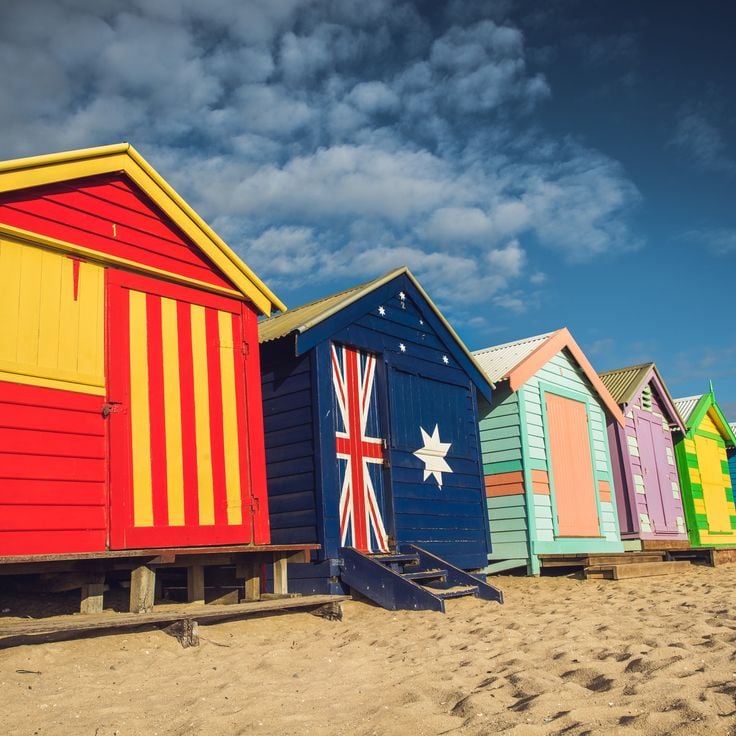
The Brighton Bathing Boxes are a row of small colorful huts lined along the beach. These wooden structures have been part of beach life here for generations and draw visitors who want to see them and take photographs. They show how people in this area have traditionally used the beach and remain a place where local customs are visible. The huts give a glimpse into everyday seaside life and represent a long-standing tradition in this part of Victoria.
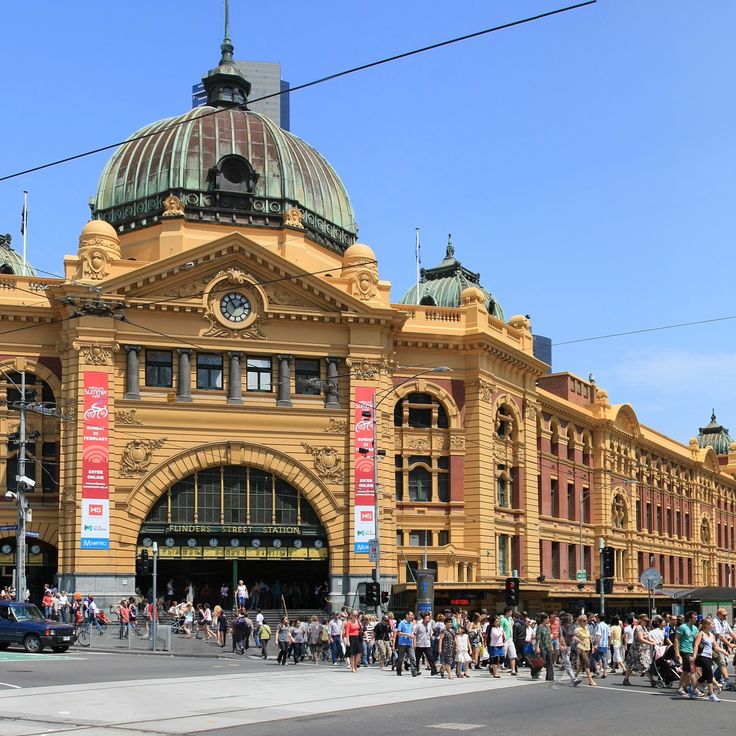
Flinders Street Station is the main railway hub in the heart of Melbourne and a defining landmark of the city. The building showcases Edwardian architecture and has served as a vital transport link for over a century, connecting the city center to surrounding areas. Its distinctive facade with large clocks facing the street makes it easy to spot and a natural meeting point for locals and visitors. The station serves as a gateway to exploring Melbourne's neighborhoods, laneways, and cultural attractions.
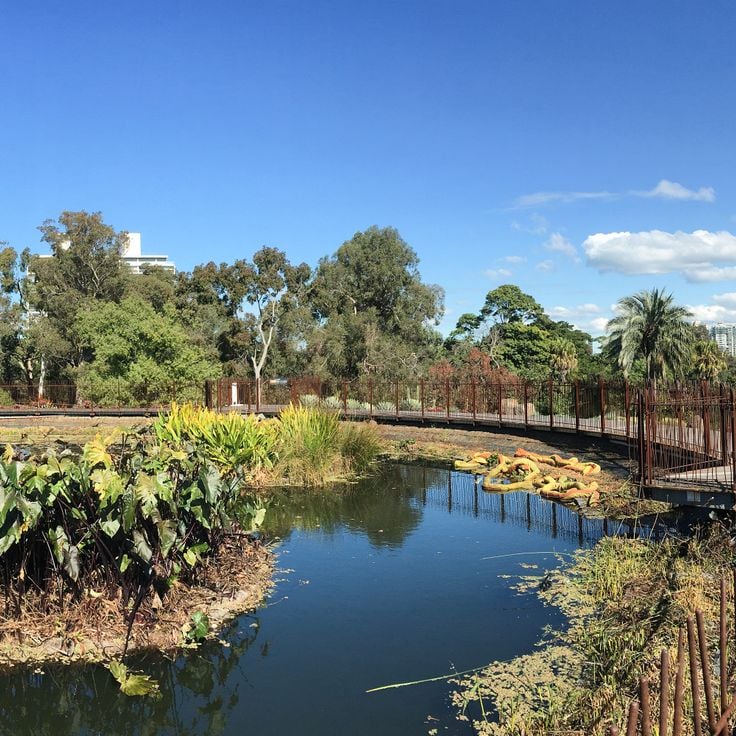
The Royal Botanic Gardens Victoria is a green retreat within Melbourne itself. You will find carefully designed gardens with plants from around the world, peaceful lakes, and broad lawns for resting. As you walk through the gardens, you can see Melbourne's skyline and explore different landscapes, from shaded forests to sunny areas. This place offers a way to step back from the busy city and enjoy nature close by.
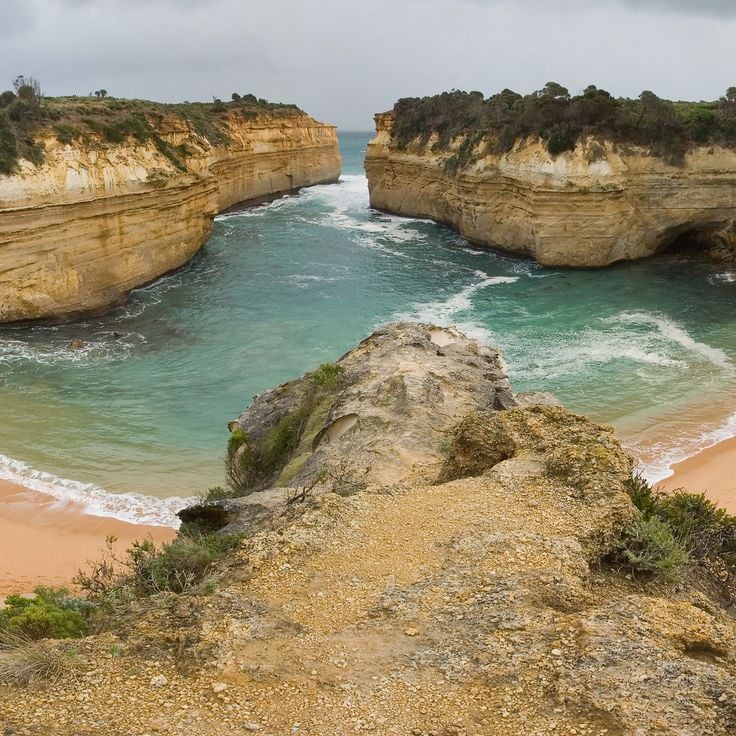
Loch Ard Gorge is a coastal gorge in Port Campbell National Park where a sandy beach sits surrounded by high sandstone cliffs on three sides. The water is deep blue, and the towering rock walls create a sheltered cove. The gorge was named after a ship that wrecked here in the 1870s. Visitors can walk along the beach, climb up the rocks, and take in the views from above. Shells and rocks litter the sand, and the water is cold but swimmable in summer. This is one of the most visited stops along the Great Ocean Road, and it offers a chance to experience the power of the ocean against the coastline.
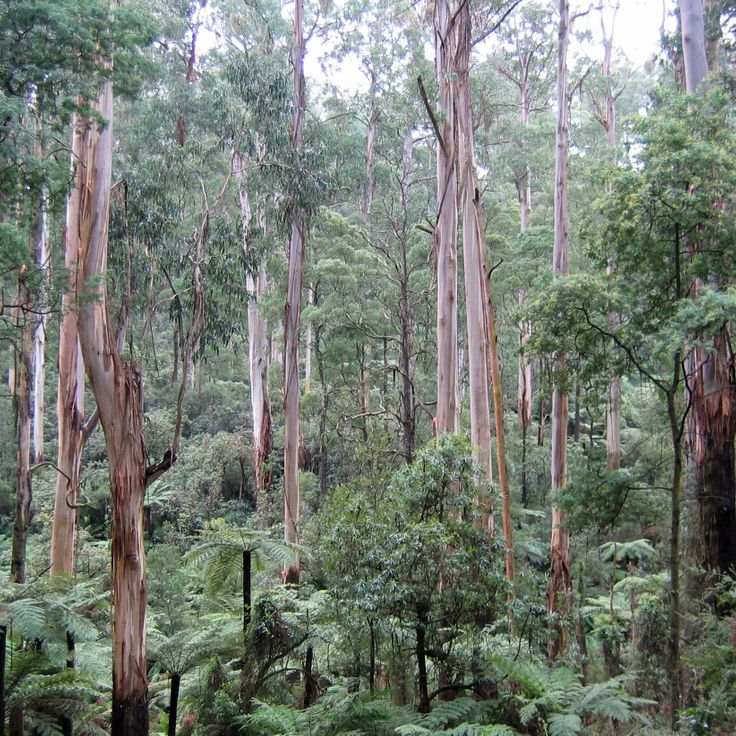
Dandenong Ranges National Park is a forest reserve with dense woodlands and walking trails that wind through native vegetation. You can hike through the park and spot local wildlife, including birds and small marsupials in their natural surroundings. The park sits close to Melbourne and provides an escape into shaded, moist mountain forests. The trees are tall and ancient, and the ground is soft with layers of fallen leaves. It is a place to walk and experience nature without traveling far from the city.
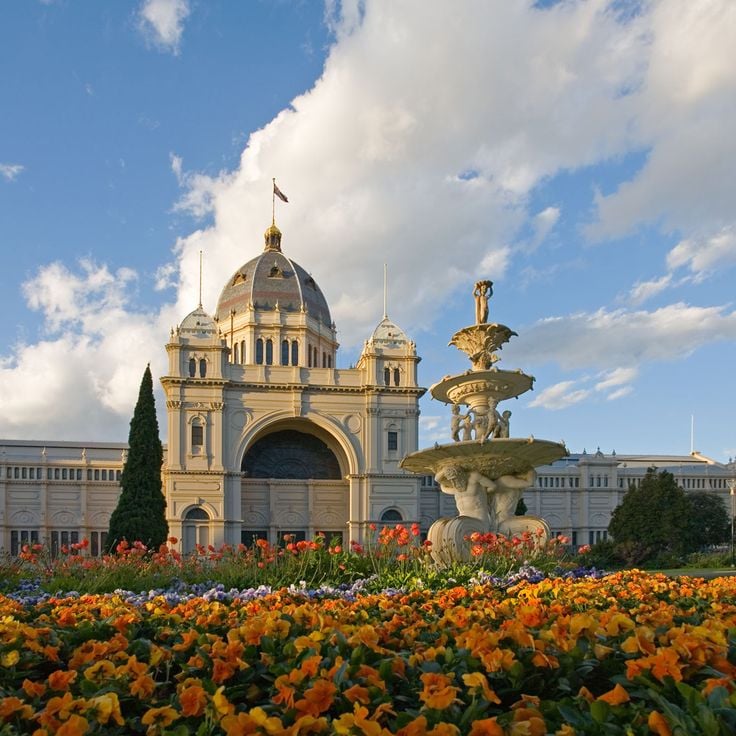
The Royal Exhibition Building is a grand structure from the 1800s that tells the story of Melbourne and Australia. Built for an international exhibition in 1880, the building now serves as a museum. The surrounding Carlton Gardens offer a peaceful setting with mature trees, open lawns, and walking paths. Together, they are recognized as a UNESCO World Heritage site and represent an important part of Victoria's cultural landscape.
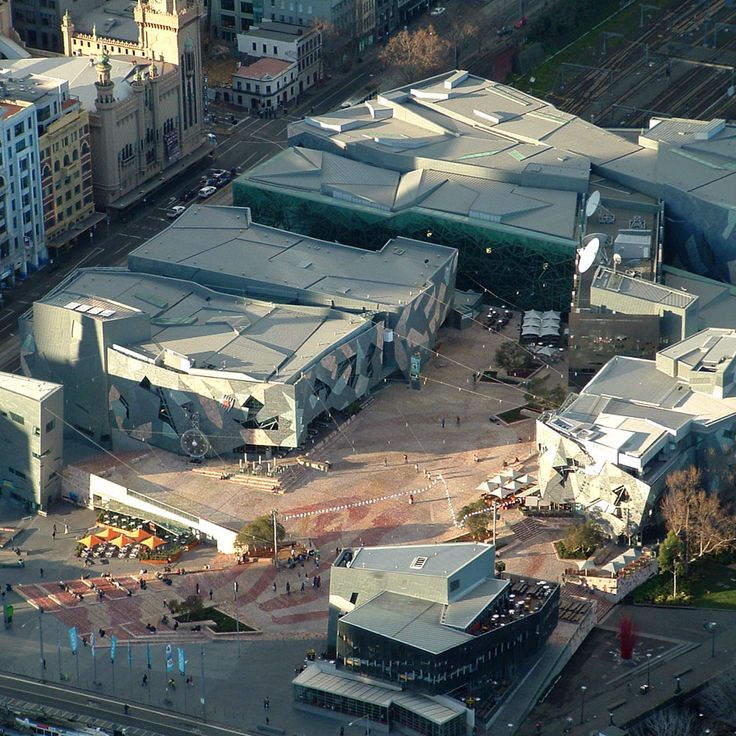
Federation Square is a central public space in the heart of Melbourne, displaying modern architecture with distinctive angles and shapes. The square houses art galleries, museums, and exhibition spaces where rotating exhibitions are regularly held. It is a place where people meet, sit, eat, and experience the pulse of the city. Cafes and restaurants line the square, and cultural events and activities take place throughout the year. The square is easily accessible and located near the Yarra River and other key Melbourne attractions.
The Great Ocean Road runs along Victoria's southwest coast and offers one of Australia's most dramatic coastal drives. This road winds for hundreds of kilometers through changing landscapes and passes towering cliffs. Along the way you see rock formations like the Twelve Apostles rising from the sea. The drive lets you visit small towns, explore beaches, and experience the raw beauty of Australia's southern coast. This is one of the main reasons visitors come to Victoria.
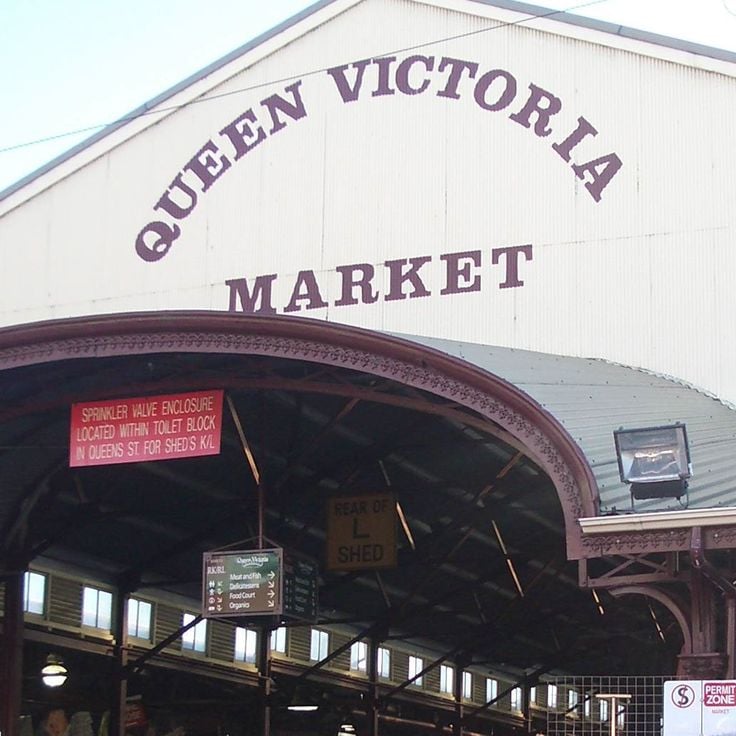
Queen Victoria Market has been a busy marketplace in Melbourne since the 19th century, selling fresh produce, crafts, and souvenirs. The market draws locals and visitors daily, who walk between the stalls to buy local fruits and vegetables or sample regional specialties. The space is filled with voices, colors, and smells that make it a real gathering place in Melbourne's daily life.
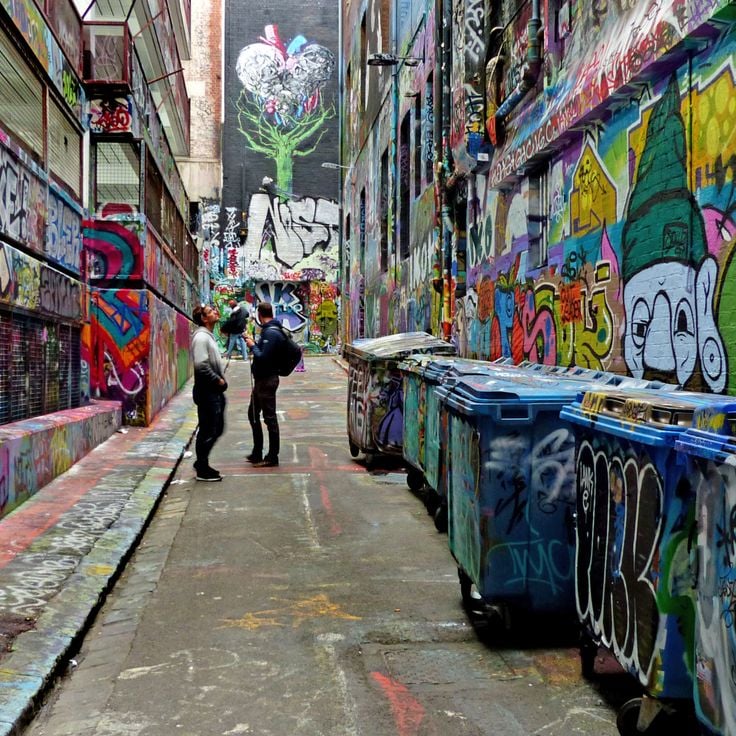
Hosier Lane is a narrow passageway in Melbourne known for its colorful wall paintings and street art. Located in the heart of the city, it displays works by local and international artists that change regularly. People walk through to see the latest pieces and take photographs. The lane has a relaxed feel and is open to visitors at any time of day. You will find restaurants, cafes and other art-filled lanes nearby. This passageway shows how Melbourne brings art into public spaces and supports creative expression throughout the city.
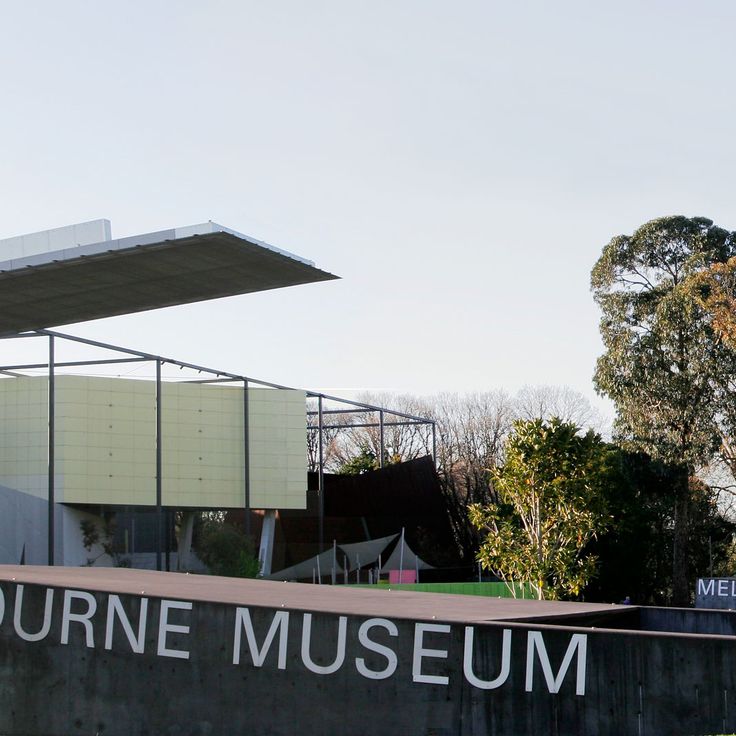
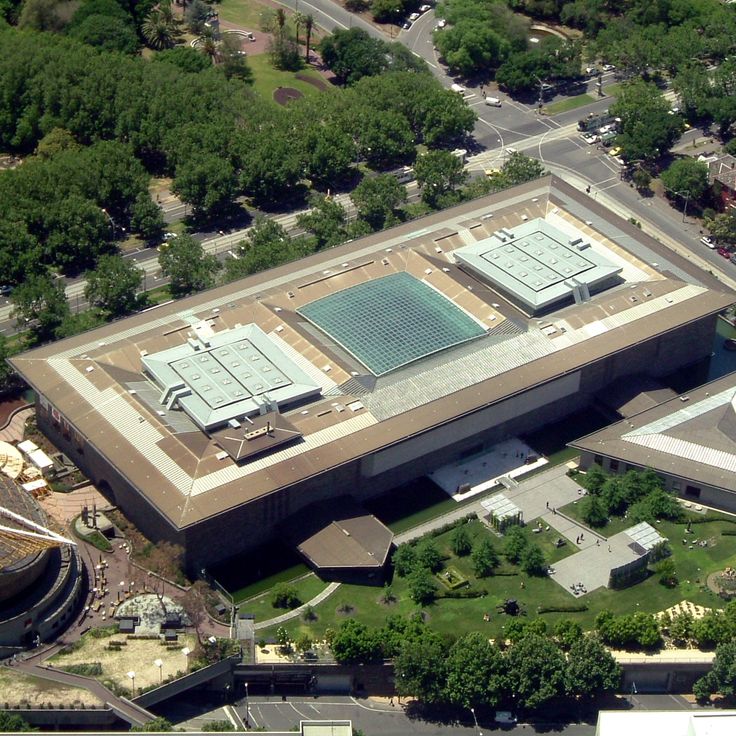
The Melbourne Museum tells the story of Victoria through natural history, culture, and heritage. Its collections feature fossils, Aboriginal artworks, and objects spanning different periods of the region. Located in Carlton Gardens, the museum covers Victoria's development from prehistoric times to the present day. Visitors explore geological history, learn about Indigenous peoples, and see historical artifacts from the gold rush era.
The Twelve Apostles are limestone columns that rise from the ocean off the coast of Port Campbell National Park. This rock formation was created by erosion over millions of years. Waves and wind have gradually worn away the rock, shaping these distinctive columns. You can see them well from the Great Ocean Road coastal drive. The best time to visit is early morning or late afternoon when the light is particularly good. The columns are not all the same age and gradually disappear into the sea over time.
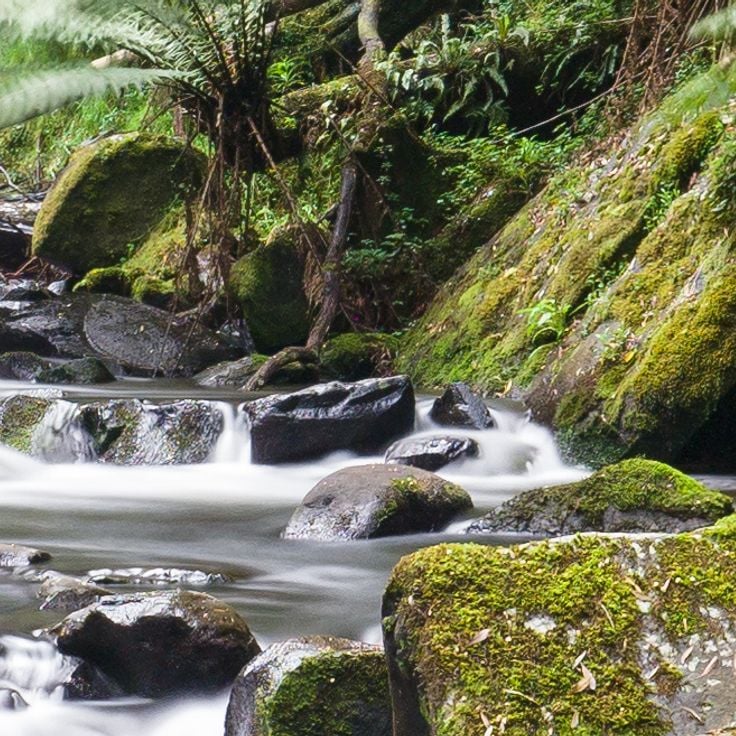
Great Otway National Park sits on Victoria's southwest coast and contains rainforests, waterfalls, and walking trails that range from short strolls to longer hikes. The park protects ancient trees and provides opportunities to see birds and other animals in their natural surroundings. Visitors walk through thick vegetation, hear running water, and experience the quiet of the forest. The landscape transitions from coastal areas to higher ground, making this park an important place to understand the natural character of the region.
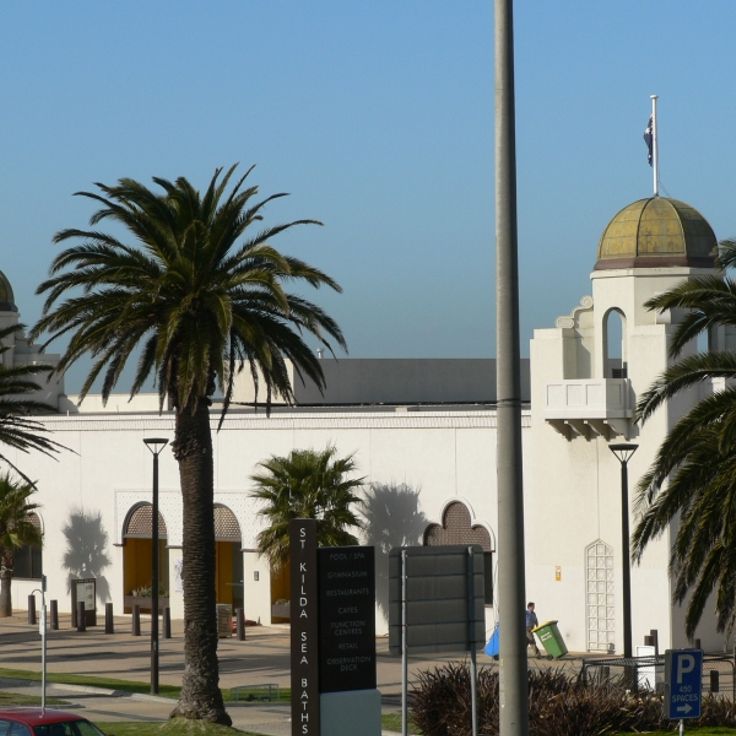
St Kilda Beach is an urban beach near Melbourne, defined by its pier, restaurants, and lively seaside character. Locals and visitors come here to swim, walk along the shore, or enjoy the dining options scattered along the waterfront. The pier serves as a popular meeting point with views over the water and the city. This beach represents the relaxed, recreational lifestyle that characterizes Victoria, offering easy access to beach activities just minutes from downtown Melbourne. It connects to the region's broader appeal as a destination where city life meets coastal living.
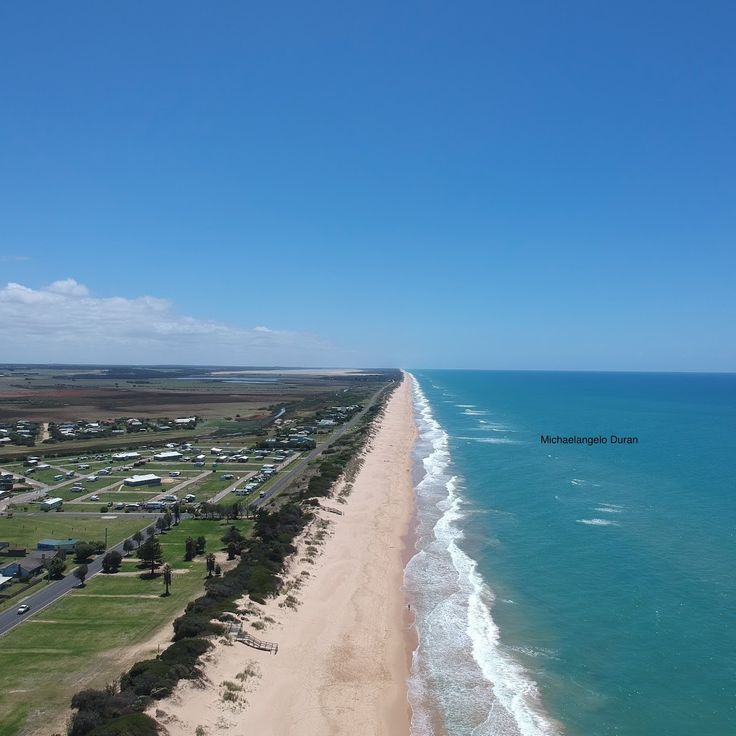
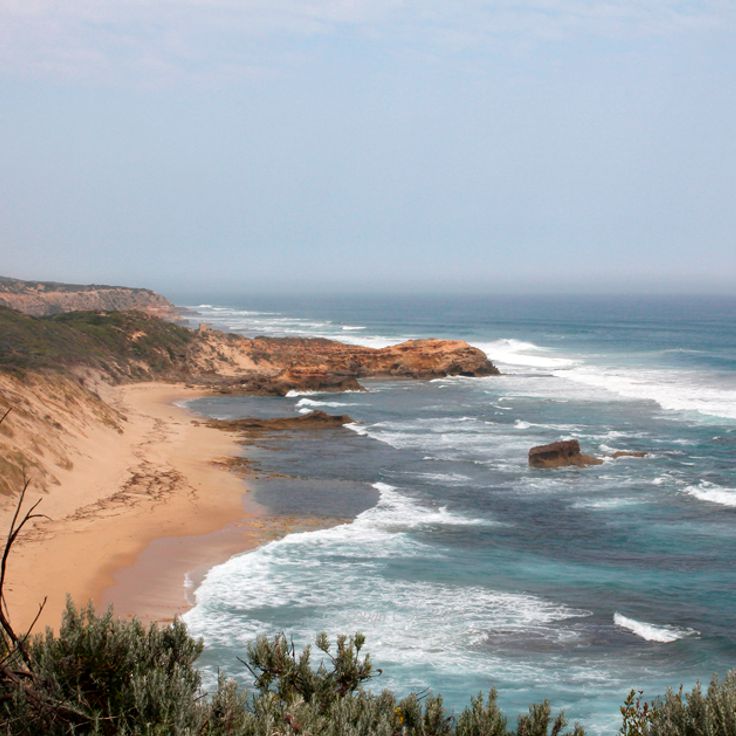
The 90 Mile Beach is an expansive stretch of sand along the Gippsland coast. This beach offers wide, soft sand and several public access points where visitors can swim, walk, and explore. The water is cool, but the broad sandy shore invites long walks and outdoor activities. The beach attracts families and travelers seeking open space and coastal views. Some sections are easily accessible, while others remain quieter and less crowded. It is a place where you can experience the length and openness of the Victorian coast.
The National Gallery of Victoria in Melbourne is a major art museum with works by Australian and international artists. The museum displays paintings, sculptures, and decorative arts from different periods in history. Visitors can explore the development of Australian art and see well-known works from Europe and other parts of the world. Located in the heart of Melbourne, it serves as an important stop for those interested in the artistic side of the city.
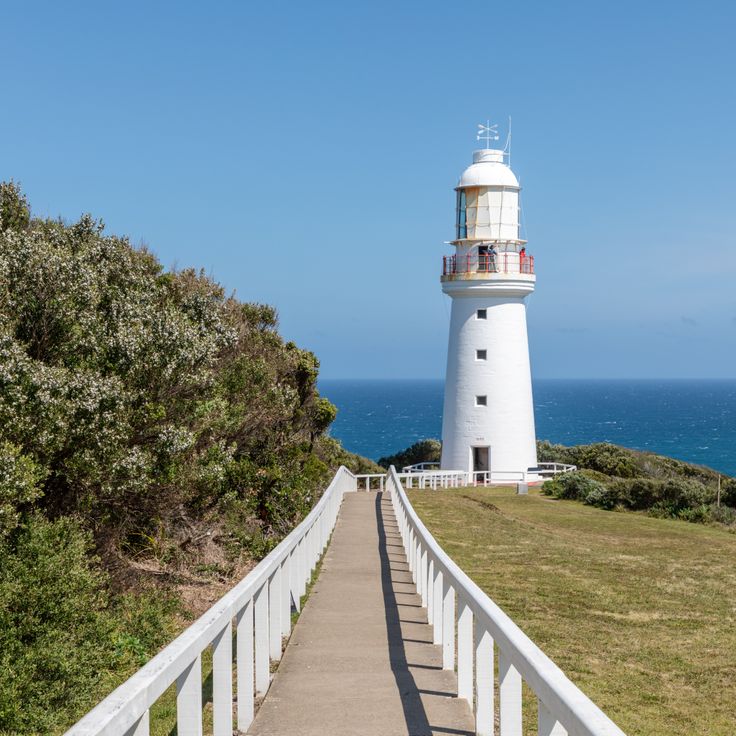
Cape Otway Lighthouse sits on a cliff overlooking the ocean. This historic beacon still operates as a functioning lighthouse and includes a museum. Visitors can climb the spiral stairs inside the tower and see the coast stretching below. The light continues to rotate at night. The location sits at a point where the ocean appears most rugged and dramatic.
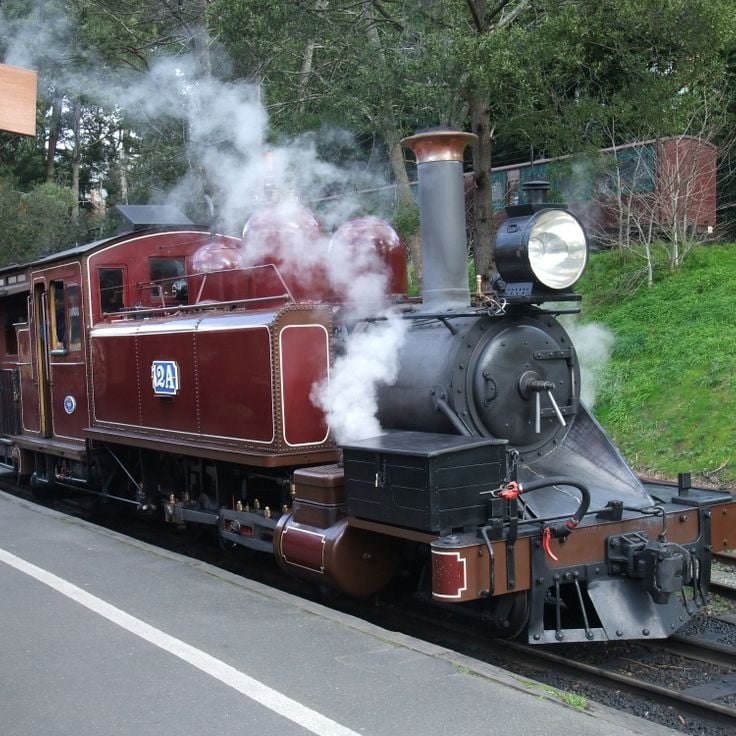
Puffing Billy Railway is a historic steam train in the Dandenong Ranges that carries visitors on journeys through old forests. The train dates from the 19th century and is one of the oldest narrow-gauge railways still operating in the world. The route runs through dense woodlands where travelers can see trees and plants up close. This is a good way to experience the region's nature without undertaking long hikes. The ride offers a glimpse into Australian transport history.
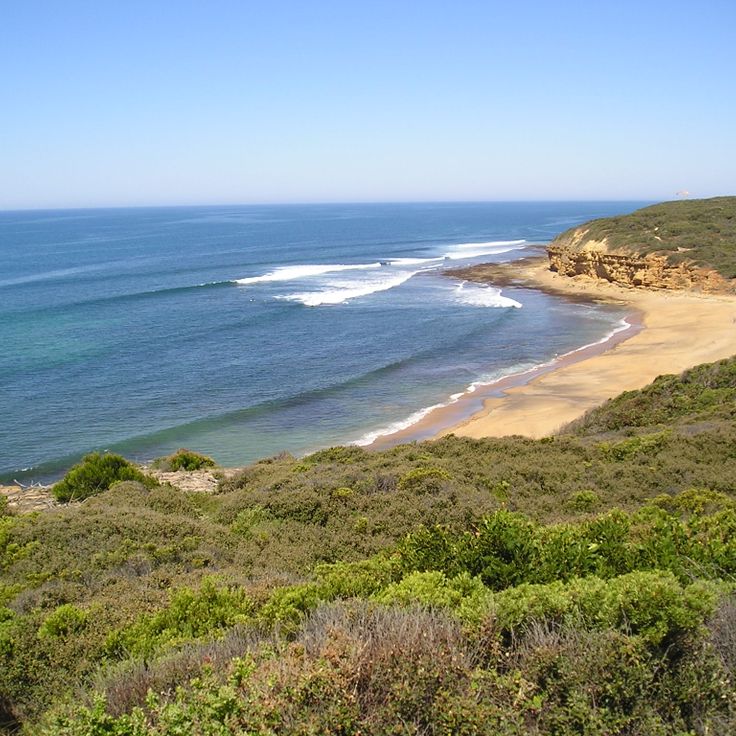
Bells Beach near Torquay is a beach with consistent waves that make it ideal for surfing. It is open to the public and draws surfers from across the region. The waves arrive regularly and make this spot a popular gathering place for people who love the sport. The beach itself is long and open, with golden sand and good views of the ocean. It is one of the well-known surf spots along Victoria's coast.
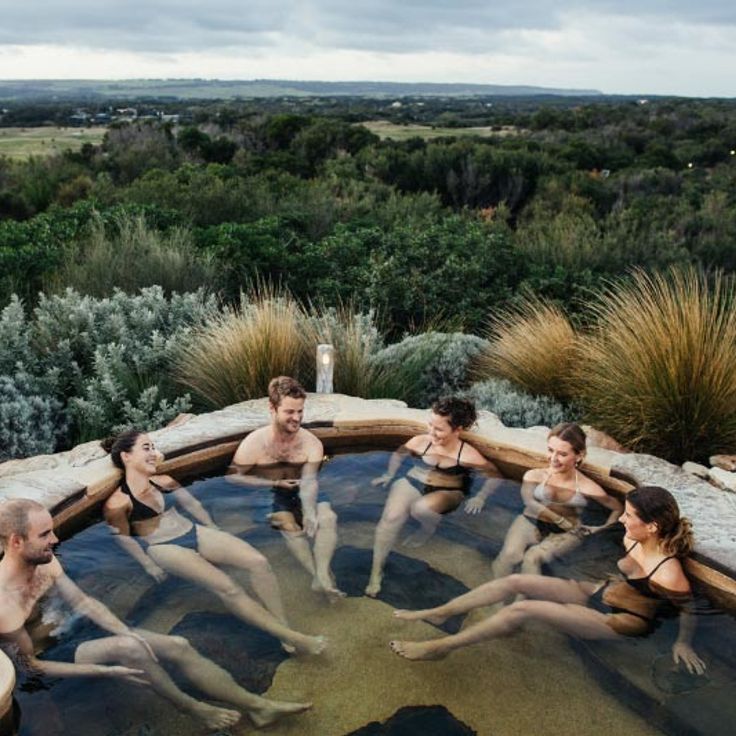
These hot springs on the Mornington Peninsula feature warm mineral pools and spa treatments. Visitors can relax in heated pools and enjoy various wellness activities. The location sits in a scenic area, close to beaches and vineyards.
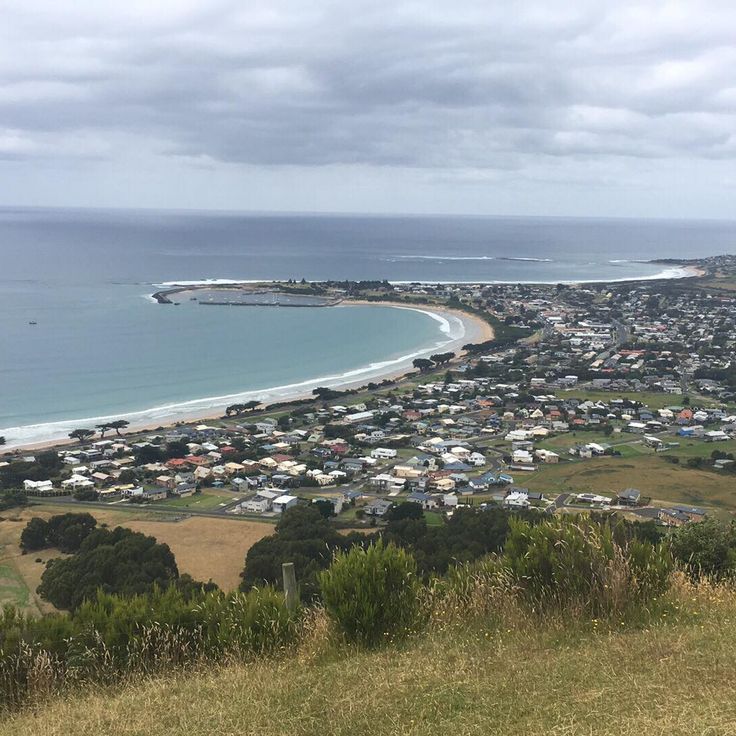
Apollo Bay is a small coastal village on Victoria's southwestern shore. It sits right beside the ocean with a wide beach for walking and swimming. The village has restaurants and cafés where you can taste local fish and regional food. Behind the village, dense forests begin, which you can explore on foot. Apollo Bay is a good place to experience both the nature and coastal life of Victoria.
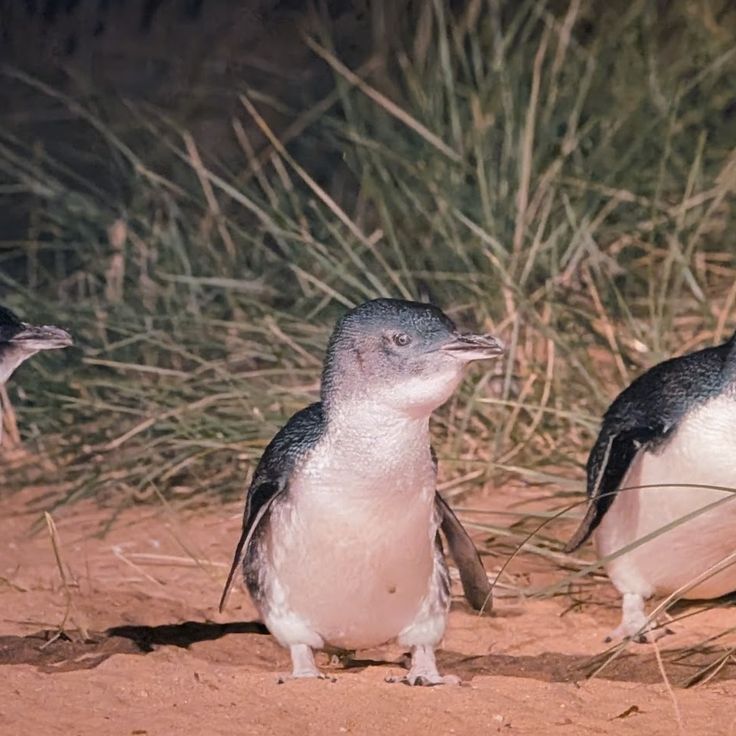
Phillip Island Penguin Parade is a viewing site where little penguins return to shore at sunset. Located on Phillip Island in Victoria, this destination lets visitors watch these animals in their natural habitat during their daily return from the sea. The parade happens every evening and draws visitors throughout the year who come to observe this part of the local wildlife's daily routine.
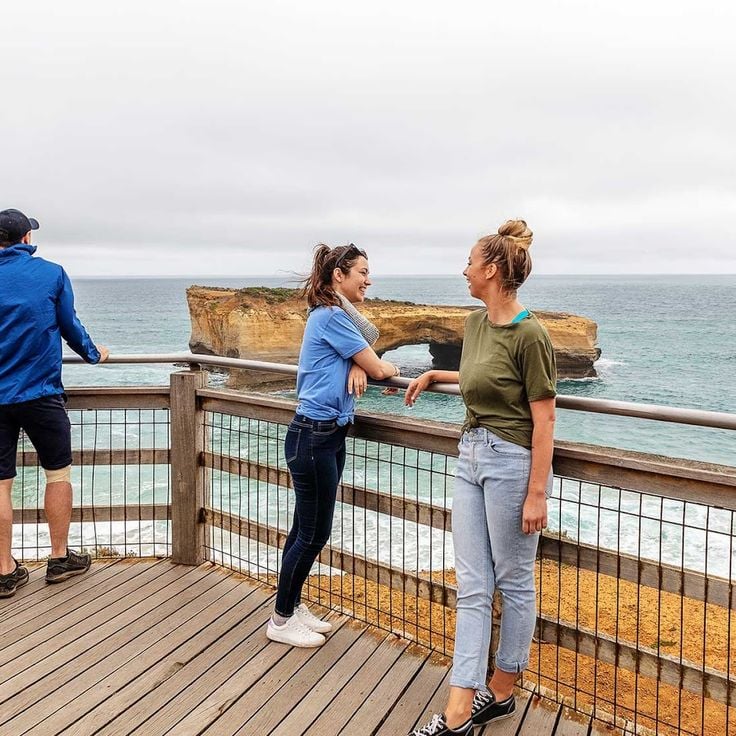
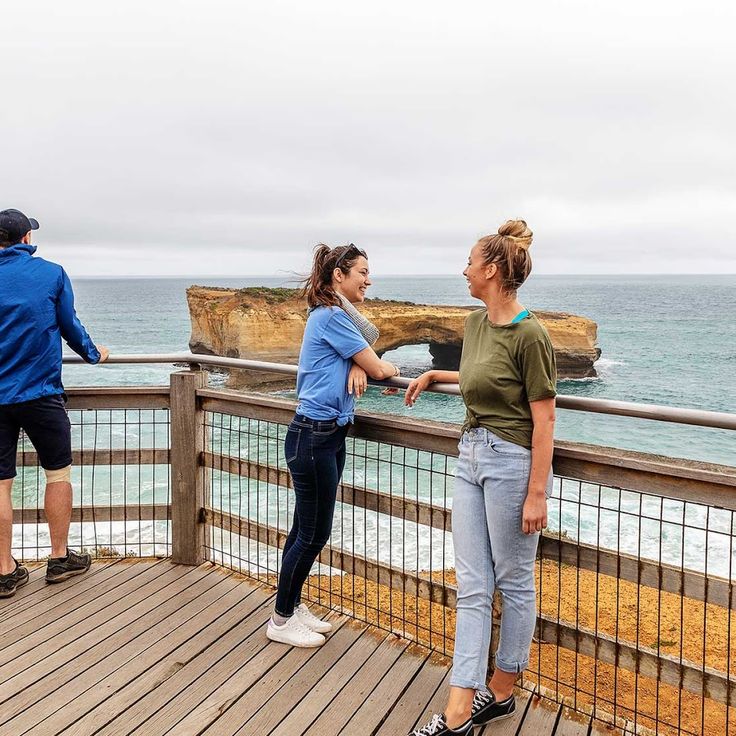
London Bridge is a natural rock formation along the Great Ocean Road that looks like a bridge. You can reach it from the beach. This rock formation is one of the interesting natural landmarks along this famous coastal road, where water, rocks, and landscape come together in distinctive ways.
Point Nepean National Park sits at Portsea where coastal landscapes meet military heritage. The park occupies a peninsula between Port Phillip Bay and the Tasman Sea. Walking tracks follow cliffs with ocean views and pass by 20th-century bunkers and fortifications. Visitors find beaches, heathland, and native vegetation. The site reveals how this location played a strategic role in Australian defense history.
Warrnambool is a coastal town on the southwestern coast of Victoria. The town is known for viewing southern right whales from June to October, when they come into the protected bays. Logan's Beach is the main spot for watching them. The town itself has a relaxed feel with local restaurants, a museum that tells the area's history, and walking paths along the coast. Many people come to watch the whales, while others simply enjoy seaside living and easy access to the Great Ocean Road.
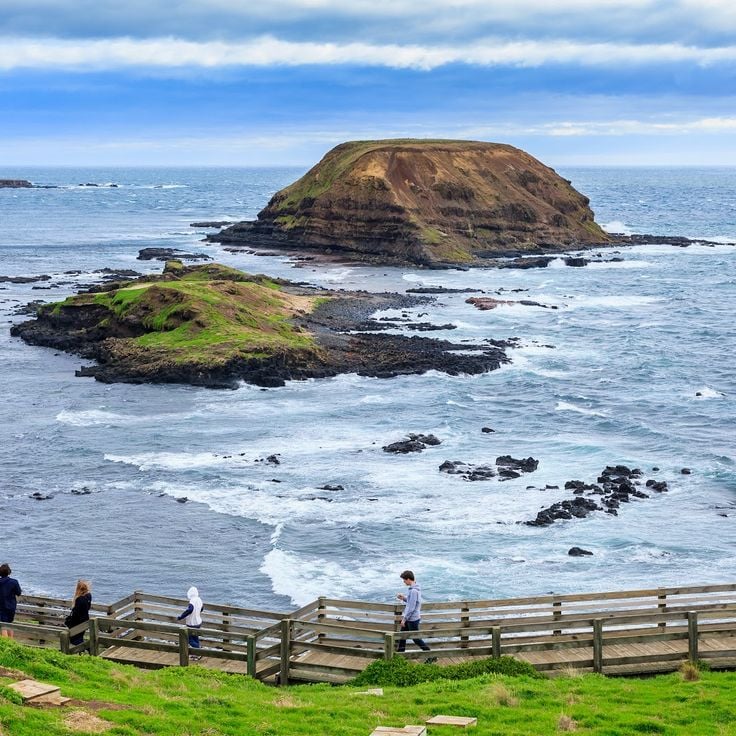
The Nobbies Boardwalk on Phillip Island is a wooden walkway that runs along the rocky coastline. From here you can see seabirds, sea lions, and other marine animals in their natural habitat. The paths are easy to walk and offer several viewing points overlooking the ocean and the jagged rocky coast. It is a place where you can experience the rugged side of Victoria's coast and watch animals without requiring long hikes.
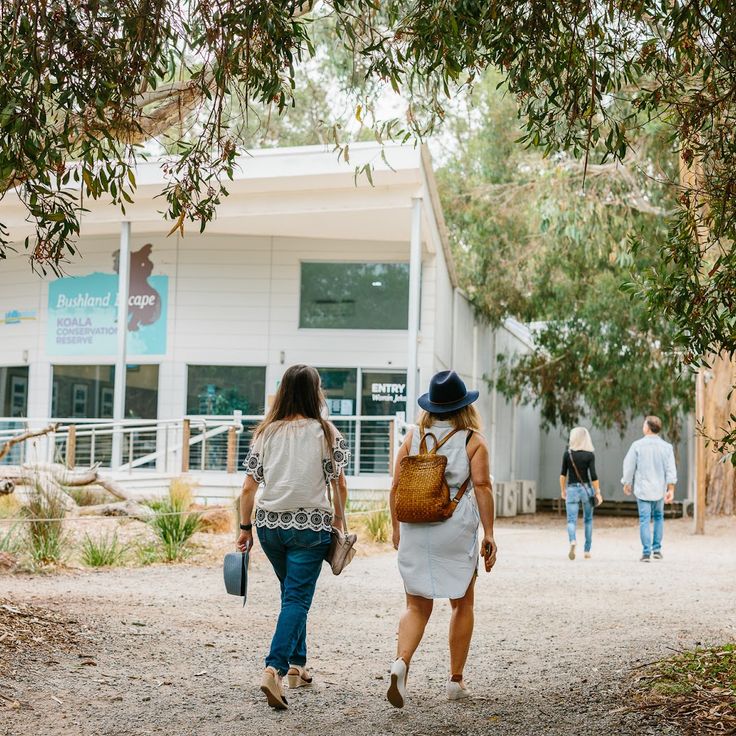
The Koala Conservation Reserve on Phillip Island is a protected area dedicated to the conservation and observation of koalas. This location fits well within Victoria's diverse offerings, ranging from urban experiences in Melbourne to natural habitats. Visitors can watch these animals in their natural environment and learn about their way of life. The reserve contributes to the protection of this species while offering insight into Australia's wildlife.
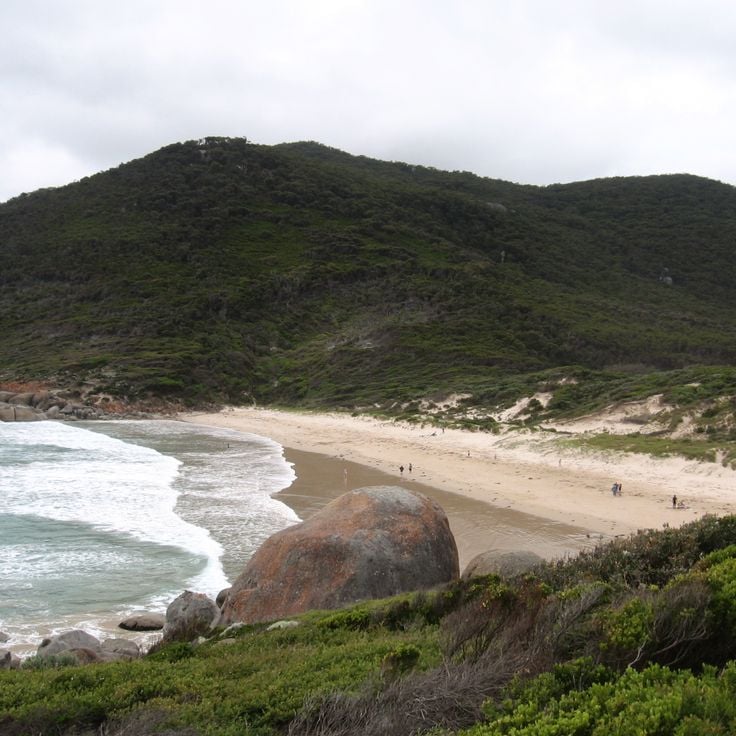
Squeaky Beach in Wilsons Promontory gets its name from the distinctive squeaking sound that white sand makes beneath your feet. The beach features clear water and surrounding cliffs that create a secluded spot away from crowds. The squeaking occurs because of the special minerals in the sand grains, turning each step into a sensory experience. This beach fits naturally into Victoria's range of coastal experiences, allowing you to encounter the raw beauty of the southern coastline in a quiet setting.
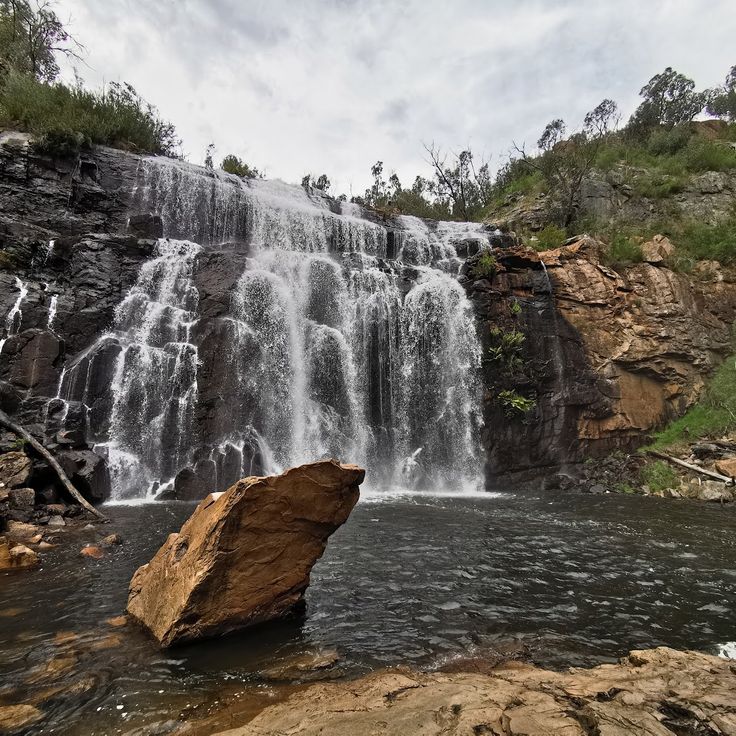
MacKenzie Falls is a waterfall in the Grampians that you can reach by hiking through the park. Water drops over rocky steps and collects in a pool below. The walk takes you through eucalyptus forest with views of the surrounding mountains. This waterfall is one of the major attractions in the park.
Mornington Peninsula is a coastal region south of Melbourne that stretches across a narrow strip of land. Here you will find small villages with local shops, long beaches for swimming and walking, and wineries offering wine tastings. Natural hot springs and wellness facilities invite relaxation. The area combines the sea with vineyards and offers a relaxed pace away from the city.
Sorrento is a small coastal town on the Mornington Peninsula. It sits on a protected bay with calm waters and has become known for its restaurants, cafes, and beaches. The town has a relaxed feel where visitors walk along the waterfront, dine at local establishments, and enjoy the quiet rhythm of seaside life. Many come here for the short boat ride across the bay or simply to spend time by the water.
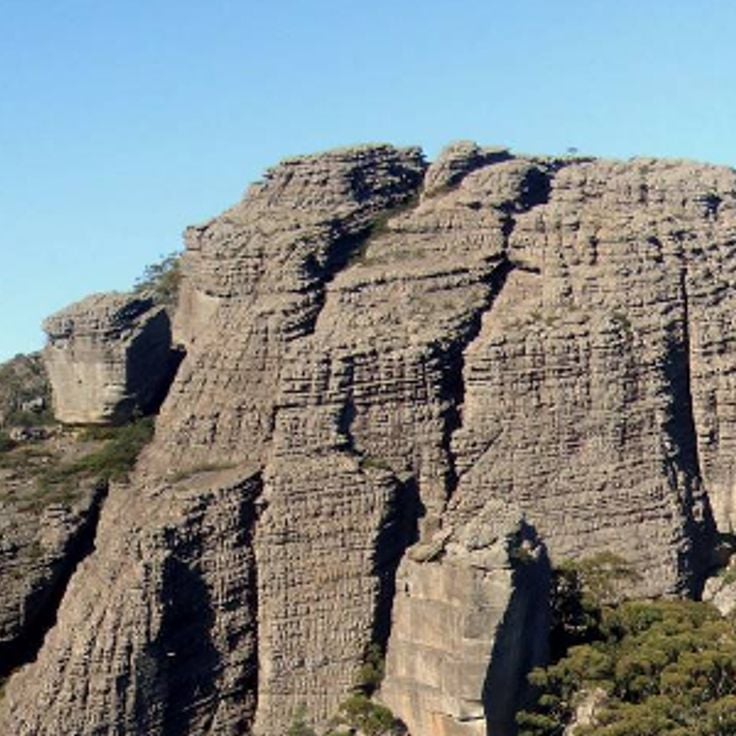
Grampians National Park features mountains, walking trails, and elevated viewpoints across a dramatic landscape of red rock formations. The park offers routes for different fitness levels, from short walks to longer hikes through forests and open ridges. From the higher points, you can see across valleys and distant ranges. The park is home to kangaroos and other native animals in their natural habitat. Notable spots include Pinnacle, which has sweeping views, and Borrokas Falls, where water drops into a deep pool.
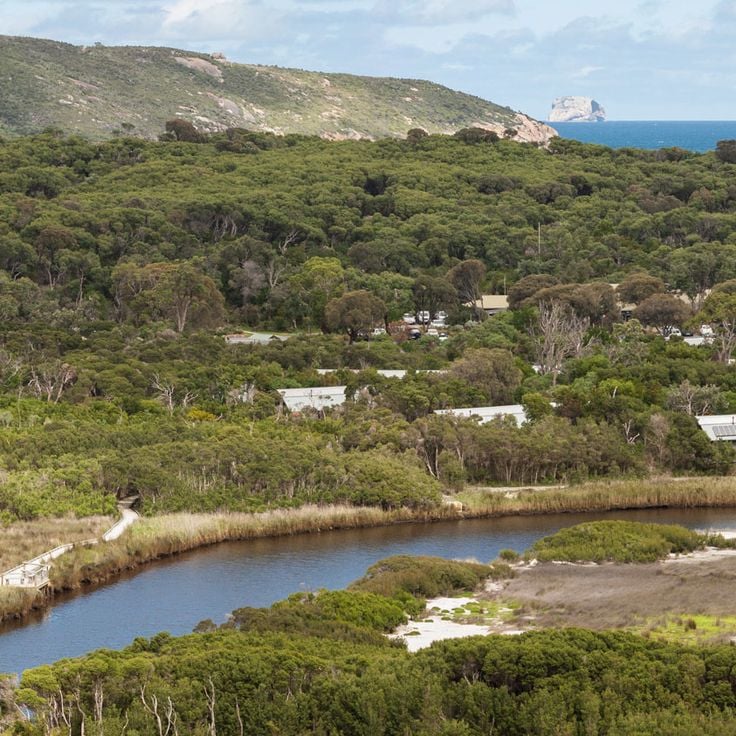
Wilsons Promontory National Park is a coastal park at the southern tip of Victoria where mountains meet the sea. The park has long beaches, dense forests, and diverse wildlife including kangaroos and koalas. Walking trails lead through coastal cliffs, grassy valleys, and coastal heathland. You can see birds and marine animals here. The park works well for day visits or multi-day hiking trips.
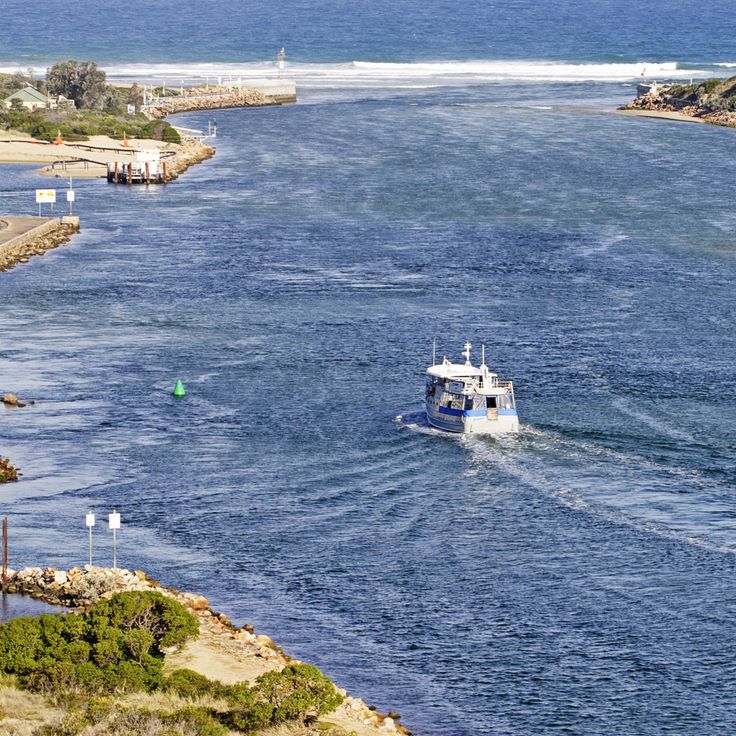
Lakes Entrance is a coastal town where inland waterways meet the sea along the Gippsland coast. This location provides direct access to calm interior lakes and beaches that line the shoreline. Visitors can observe local wildlife from the water, dine at waterfront restaurants, or walk along the promenade. The town serves as a key stopping point between Melbourne and Victoria's eastern national parks.
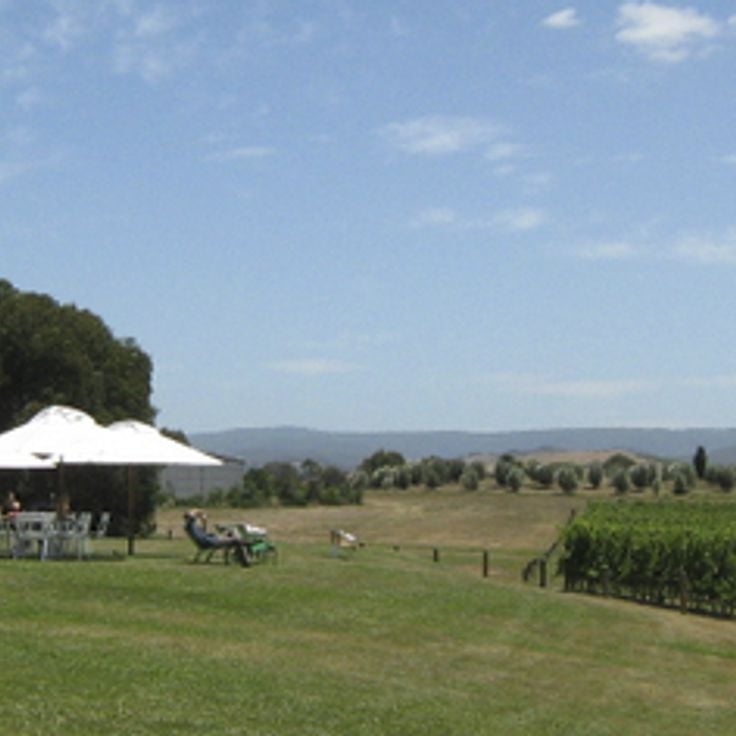
The Yarra Valley is a wine region located east of Melbourne, where rolling hills and valleys are covered with vineyards. Wineries here welcome visitors to taste wines and learn about local production methods. The landscape shifts between vineyard rows, eucalyptus forests, and open pastures. Restaurants and cafes throughout the area feature local wines and produce. You can walk between vineyards, ride bikes along quiet roads, or simply sit and take in the views across the rolling terrain.
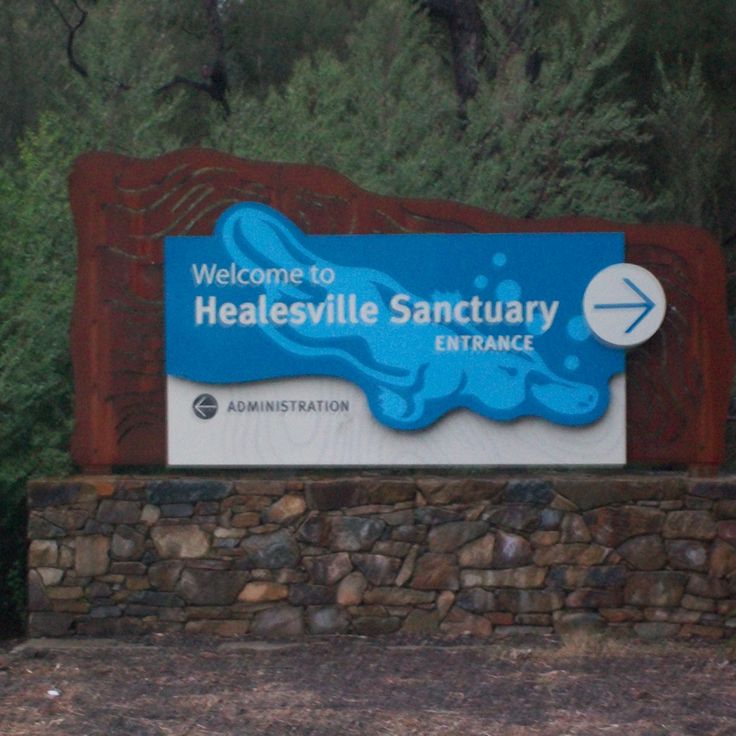
Healesville Sanctuary in the Yarra Valley is a wildlife park where you can observe animals from Australia in a forest setting. The site allows visitors to see koalas, kangaroos, and many other native species up close. The sanctuary shows how these animals live in their natural habitats and serves as an important place for protecting and studying Australian wildlife.
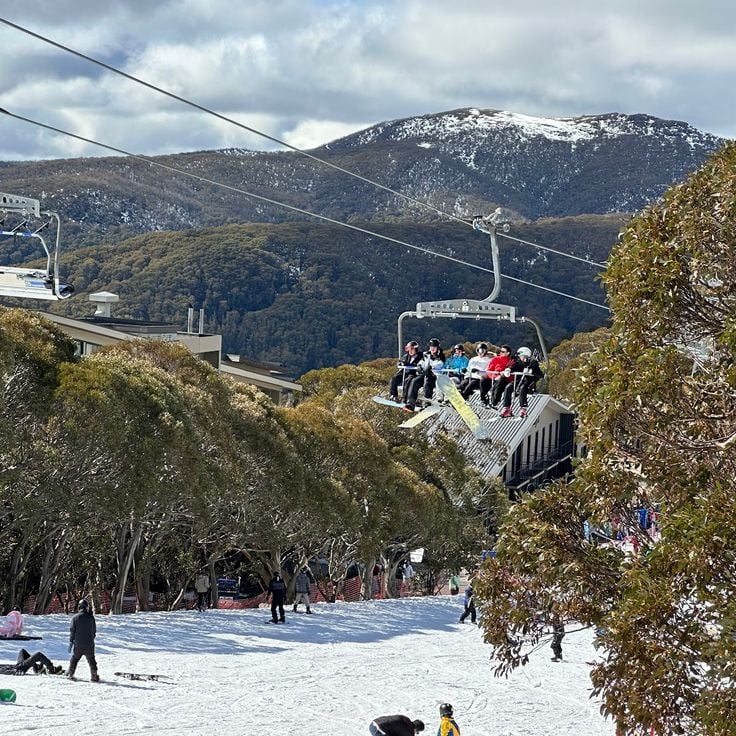
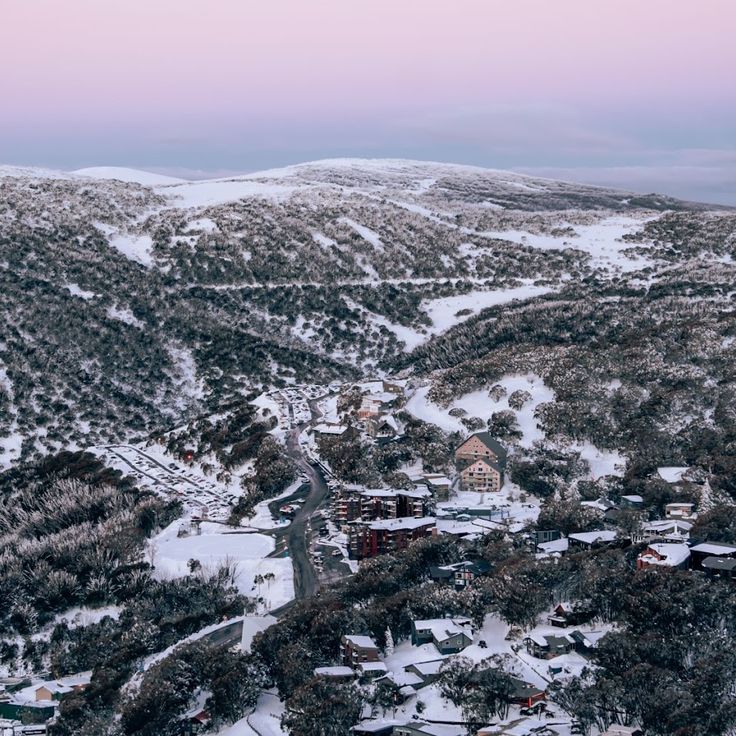
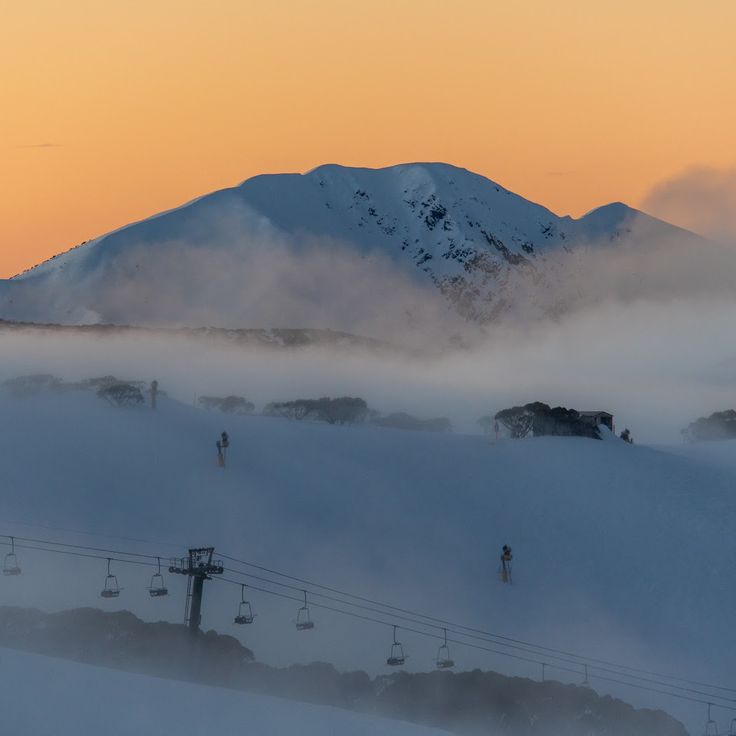
Mount Buller is an alpine station in Victoria's High Country where visitors ski in winter and hike in summer. This location shows a different side of Victoria than Melbourne's city streets or the dramatic coastlines further south. The mountain sits at elevation where the air cools noticeably and the landscape opens up with broad views. Winter transforms it into a snow-sports destination, while summer brings hikers who walk the mountain trails and enjoy the cooler temperatures at height. Mount Buller fits into Victoria's range of environments, offering experiences that are only a few hours' drive from the coastal and forest areas described elsewhere in this collection.
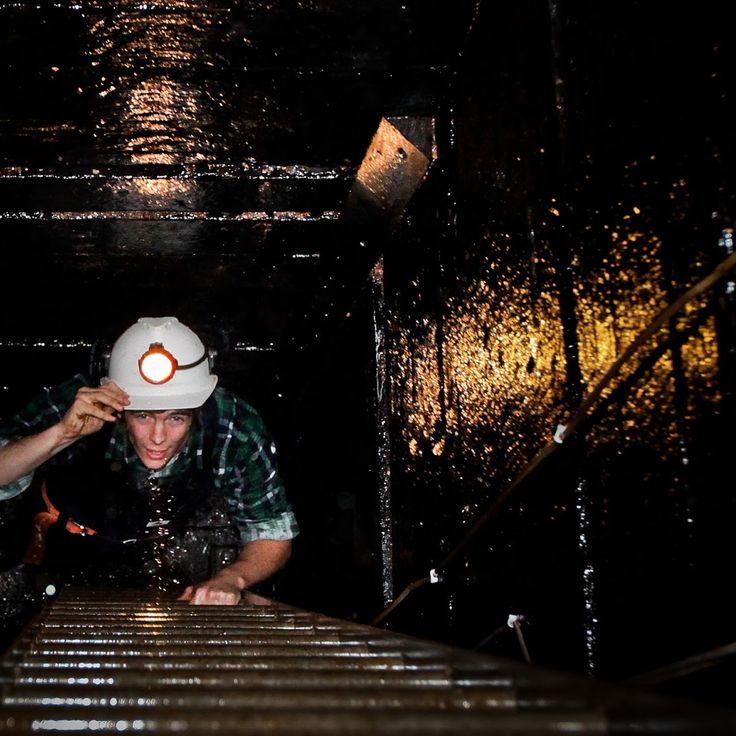
Central Deborah Gold Mine is a former gold shaft in Bendigo where visitors descend into the underground workings on guided tours. You see where miners once searched for gold and learn how they worked in these conditions. The mine shows the history of gold extraction in a region that became one of Australia's richest goldfields in the 19th century. Old equipment, work areas, and miners' spaces remain visible in the tunnels below.
The Budj Bim Cultural Landscape is a UNESCO World Heritage site that preserves the indigenous heritage of Victoria. Located in southwestern Victoria, this landscape shows how the Gunditjmara and other Aboriginal peoples shaped their environment over thousands of years. Ancient fish traps, water channels, and settlements visible here reflect the sophisticated way these communities lived and managed the land. The site connects the physical landscape with intangible knowledge and traditions that continue to be passed down.
Castlemaine is a historic town in Victoria's Goldfields region where buildings and streets from the gold rush era of the 1800s still stand. The town shows how the discovery of gold transformed this area into a thriving settlement. Wide streets, solid stone buildings, and grand houses reflect the wealth that gold mining brought. Walking through Castlemaine gives you a sense of what life was like during this important period in Australian history.
Falls Creek is a mountain village in Victoria's alpine region. The village sits at high elevation and is crossed by hiking trails that lead in all directions. In winter, the area becomes a ski destination where people descend snowy slopes. In summer, hikers use the trails to explore the mountain landscape. The village itself has restaurants and accommodations for visitors. The surrounding area features forests and open highlands. Falls Creek shows what a mountain region in Australia looks like and how it functions.
Mount Hotham is an alpine peak in Victoria's High Country. A scenic road leads to the summit, offering views across surrounding mountains and valleys. Located roughly 2 hours' drive from Melbourne, it represents the alpine landscapes that characterize this region. Visitors come here to hike, explore the mountain environment, or simply enjoy the vistas.
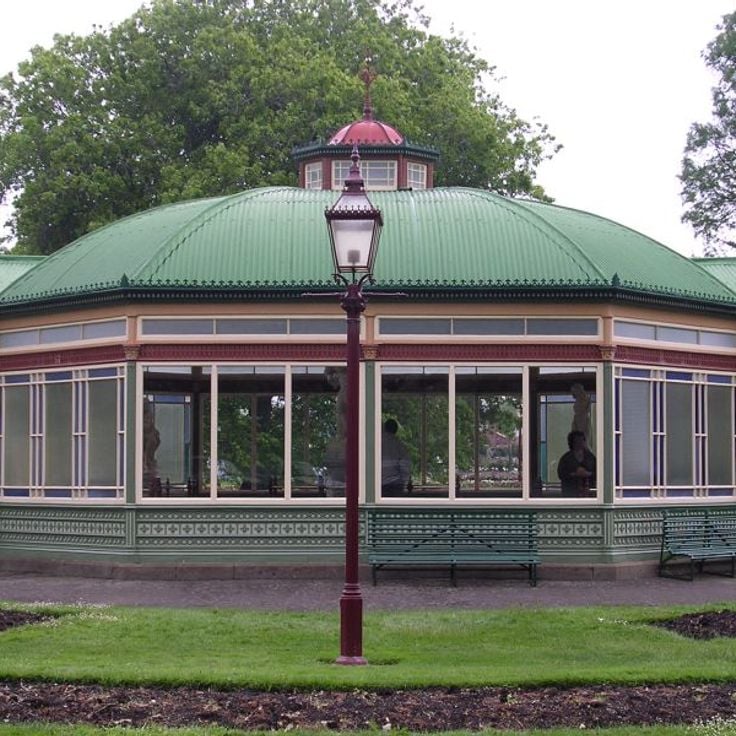
The Ballarat Botanical Gardens display a collection of trees and plants set among lakes and walking paths. This site represents the diverse natural environment you can explore throughout Victoria. The gardens offer quiet spaces to walk and discover the local plant life as you travel through the region.
Bendigo is a historic city shaped by the gold rush of the 1800s. Victorian-era buildings fill the downtown area, reflecting the prosperity that mining brought to the region. The local museum tells the story of gold mining and how it transformed this place into a thriving community. Walking through Bendigo, you can see how the wealth from those years was invested in grand public buildings and homes. Today, the city preserves this heritage while remaining an active regional center.
Sovereign Hill in Ballarat is a living museum that recreates life during the gold rush of the 19th century. Visitors can walk through recreated streets, watch historical crafts being practiced, and learn about the people who lived and worked here during that time. The museum shows how the gold rush changed the region and its role in Australian history.
The Brighton Bathing Boxes are a row of small colorful huts lined along the beach. These wooden structures have been part of beach life here for generations and draw visitors who want to see them and take photographs. They show how people in this area have traditionally used the beach and remain a place where local customs are visible. The huts give a glimpse into everyday seaside life and represent a long-standing tradition in this part of Victoria.
Flinders Street Station is the main railway hub in the heart of Melbourne and a defining landmark of the city. The building showcases Edwardian architecture and has served as a vital transport link for over a century, connecting the city center to surrounding areas. Its distinctive facade with large clocks facing the street makes it easy to spot and a natural meeting point for locals and visitors. The station serves as a gateway to exploring Melbourne's neighborhoods, laneways, and cultural attractions.
The Royal Botanic Gardens Victoria is a green retreat within Melbourne itself. You will find carefully designed gardens with plants from around the world, peaceful lakes, and broad lawns for resting. As you walk through the gardens, you can see Melbourne's skyline and explore different landscapes, from shaded forests to sunny areas. This place offers a way to step back from the busy city and enjoy nature close by.
Loch Ard Gorge is a coastal gorge in Port Campbell National Park where a sandy beach sits surrounded by high sandstone cliffs on three sides. The water is deep blue, and the towering rock walls create a sheltered cove. The gorge was named after a ship that wrecked here in the 1870s. Visitors can walk along the beach, climb up the rocks, and take in the views from above. Shells and rocks litter the sand, and the water is cold but swimmable in summer. This is one of the most visited stops along the Great Ocean Road, and it offers a chance to experience the power of the ocean against the coastline.
Dandenong Ranges National Park is a forest reserve with dense woodlands and walking trails that wind through native vegetation. You can hike through the park and spot local wildlife, including birds and small marsupials in their natural surroundings. The park sits close to Melbourne and provides an escape into shaded, moist mountain forests. The trees are tall and ancient, and the ground is soft with layers of fallen leaves. It is a place to walk and experience nature without traveling far from the city.
The Royal Exhibition Building is a grand structure from the 1800s that tells the story of Melbourne and Australia. Built for an international exhibition in 1880, the building now serves as a museum. The surrounding Carlton Gardens offer a peaceful setting with mature trees, open lawns, and walking paths. Together, they are recognized as a UNESCO World Heritage site and represent an important part of Victoria's cultural landscape.
Federation Square is a central public space in the heart of Melbourne, displaying modern architecture with distinctive angles and shapes. The square houses art galleries, museums, and exhibition spaces where rotating exhibitions are regularly held. It is a place where people meet, sit, eat, and experience the pulse of the city. Cafes and restaurants line the square, and cultural events and activities take place throughout the year. The square is easily accessible and located near the Yarra River and other key Melbourne attractions.
The Great Ocean Road runs along Victoria's southwest coast and offers one of Australia's most dramatic coastal drives. This road winds for hundreds of kilometers through changing landscapes and passes towering cliffs. Along the way you see rock formations like the Twelve Apostles rising from the sea. The drive lets you visit small towns, explore beaches, and experience the raw beauty of Australia's southern coast. This is one of the main reasons visitors come to Victoria.
Queen Victoria Market has been a busy marketplace in Melbourne since the 19th century, selling fresh produce, crafts, and souvenirs. The market draws locals and visitors daily, who walk between the stalls to buy local fruits and vegetables or sample regional specialties. The space is filled with voices, colors, and smells that make it a real gathering place in Melbourne's daily life.
Hosier Lane is a narrow passageway in Melbourne known for its colorful wall paintings and street art. Located in the heart of the city, it displays works by local and international artists that change regularly. People walk through to see the latest pieces and take photographs. The lane has a relaxed feel and is open to visitors at any time of day. You will find restaurants, cafes and other art-filled lanes nearby. This passageway shows how Melbourne brings art into public spaces and supports creative expression throughout the city.
The Melbourne Museum tells the story of Victoria through natural history, culture, and heritage. Its collections feature fossils, Aboriginal artworks, and objects spanning different periods of the region. Located in Carlton Gardens, the museum covers Victoria's development from prehistoric times to the present day. Visitors explore geological history, learn about Indigenous peoples, and see historical artifacts from the gold rush era.
The Twelve Apostles are limestone columns that rise from the ocean off the coast of Port Campbell National Park. This rock formation was created by erosion over millions of years. Waves and wind have gradually worn away the rock, shaping these distinctive columns. You can see them well from the Great Ocean Road coastal drive. The best time to visit is early morning or late afternoon when the light is particularly good. The columns are not all the same age and gradually disappear into the sea over time.
Great Otway National Park sits on Victoria's southwest coast and contains rainforests, waterfalls, and walking trails that range from short strolls to longer hikes. The park protects ancient trees and provides opportunities to see birds and other animals in their natural surroundings. Visitors walk through thick vegetation, hear running water, and experience the quiet of the forest. The landscape transitions from coastal areas to higher ground, making this park an important place to understand the natural character of the region.
St Kilda Beach is an urban beach near Melbourne, defined by its pier, restaurants, and lively seaside character. Locals and visitors come here to swim, walk along the shore, or enjoy the dining options scattered along the waterfront. The pier serves as a popular meeting point with views over the water and the city. This beach represents the relaxed, recreational lifestyle that characterizes Victoria, offering easy access to beach activities just minutes from downtown Melbourne. It connects to the region's broader appeal as a destination where city life meets coastal living.
The 90 Mile Beach is an expansive stretch of sand along the Gippsland coast. This beach offers wide, soft sand and several public access points where visitors can swim, walk, and explore. The water is cool, but the broad sandy shore invites long walks and outdoor activities. The beach attracts families and travelers seeking open space and coastal views. Some sections are easily accessible, while others remain quieter and less crowded. It is a place where you can experience the length and openness of the Victorian coast.
The National Gallery of Victoria in Melbourne is a major art museum with works by Australian and international artists. The museum displays paintings, sculptures, and decorative arts from different periods in history. Visitors can explore the development of Australian art and see well-known works from Europe and other parts of the world. Located in the heart of Melbourne, it serves as an important stop for those interested in the artistic side of the city.
Cape Otway Lighthouse sits on a cliff overlooking the ocean. This historic beacon still operates as a functioning lighthouse and includes a museum. Visitors can climb the spiral stairs inside the tower and see the coast stretching below. The light continues to rotate at night. The location sits at a point where the ocean appears most rugged and dramatic.
Puffing Billy Railway is a historic steam train in the Dandenong Ranges that carries visitors on journeys through old forests. The train dates from the 19th century and is one of the oldest narrow-gauge railways still operating in the world. The route runs through dense woodlands where travelers can see trees and plants up close. This is a good way to experience the region's nature without undertaking long hikes. The ride offers a glimpse into Australian transport history.
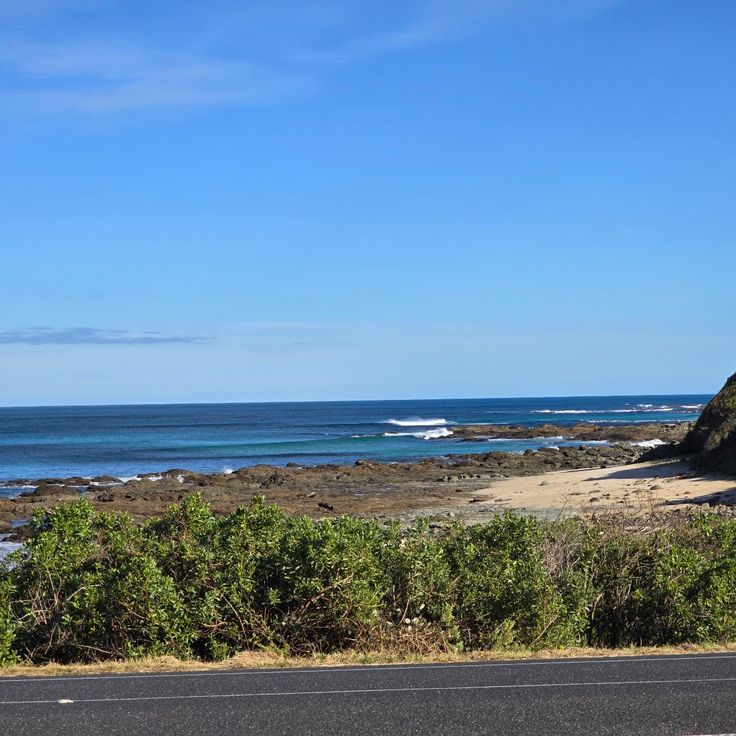
Bells Beach near Torquay is a beach with consistent waves that make it ideal for surfing. It is open to the public and draws surfers from across the region. The waves arrive regularly and make this spot a popular gathering place for people who love the sport. The beach itself is long and open, with golden sand and good views of the ocean. It is one of the well-known surf spots along Victoria's coast.
These hot springs on the Mornington Peninsula feature warm mineral pools and spa treatments. Visitors can relax in heated pools and enjoy various wellness activities. The location sits in a scenic area, close to beaches and vineyards.
Apollo Bay is a small coastal village on Victoria's southwestern shore. It sits right beside the ocean with a wide beach for walking and swimming. The village has restaurants and cafés where you can taste local fish and regional food. Behind the village, dense forests begin, which you can explore on foot. Apollo Bay is a good place to experience both the nature and coastal life of Victoria.
Phillip Island Penguin Parade is a viewing site where little penguins return to shore at sunset. Located on Phillip Island in Victoria, this destination lets visitors watch these animals in their natural habitat during their daily return from the sea. The parade happens every evening and draws visitors throughout the year who come to observe this part of the local wildlife's daily routine.
London Bridge is a natural rock formation along the Great Ocean Road that looks like a bridge. You can reach it from the beach. This rock formation is one of the interesting natural landmarks along this famous coastal road, where water, rocks, and landscape come together in distinctive ways.
Point Nepean National Park sits at Portsea where coastal landscapes meet military heritage. The park occupies a peninsula between Port Phillip Bay and the Tasman Sea. Walking tracks follow cliffs with ocean views and pass by 20th-century bunkers and fortifications. Visitors find beaches, heathland, and native vegetation. The site reveals how this location played a strategic role in Australian defense history.
Warrnambool is a coastal town on the southwestern coast of Victoria. The town is known for viewing southern right whales from June to October, when they come into the protected bays. Logan's Beach is the main spot for watching them. The town itself has a relaxed feel with local restaurants, a museum that tells the area's history, and walking paths along the coast. Many people come to watch the whales, while others simply enjoy seaside living and easy access to the Great Ocean Road.
The Nobbies Boardwalk on Phillip Island is a wooden walkway that runs along the rocky coastline. From here you can see seabirds, sea lions, and other marine animals in their natural habitat. The paths are easy to walk and offer several viewing points overlooking the ocean and the jagged rocky coast. It is a place where you can experience the rugged side of Victoria's coast and watch animals without requiring long hikes.
The Koala Conservation Reserve on Phillip Island is a protected area dedicated to the conservation and observation of koalas. This location fits well within Victoria's diverse offerings, ranging from urban experiences in Melbourne to natural habitats. Visitors can watch these animals in their natural environment and learn about their way of life. The reserve contributes to the protection of this species while offering insight into Australia's wildlife.
Squeaky Beach in Wilsons Promontory gets its name from the distinctive squeaking sound that white sand makes beneath your feet. The beach features clear water and surrounding cliffs that create a secluded spot away from crowds. The squeaking occurs because of the special minerals in the sand grains, turning each step into a sensory experience. This beach fits naturally into Victoria's range of coastal experiences, allowing you to encounter the raw beauty of the southern coastline in a quiet setting.
MacKenzie Falls is a waterfall in the Grampians that you can reach by hiking through the park. Water drops over rocky steps and collects in a pool below. The walk takes you through eucalyptus forest with views of the surrounding mountains. This waterfall is one of the major attractions in the park.
Mornington Peninsula is a coastal region south of Melbourne that stretches across a narrow strip of land. Here you will find small villages with local shops, long beaches for swimming and walking, and wineries offering wine tastings. Natural hot springs and wellness facilities invite relaxation. The area combines the sea with vineyards and offers a relaxed pace away from the city.
Sorrento is a small coastal town on the Mornington Peninsula. It sits on a protected bay with calm waters and has become known for its restaurants, cafes, and beaches. The town has a relaxed feel where visitors walk along the waterfront, dine at local establishments, and enjoy the quiet rhythm of seaside life. Many come here for the short boat ride across the bay or simply to spend time by the water.
Grampians National Park features mountains, walking trails, and elevated viewpoints across a dramatic landscape of red rock formations. The park offers routes for different fitness levels, from short walks to longer hikes through forests and open ridges. From the higher points, you can see across valleys and distant ranges. The park is home to kangaroos and other native animals in their natural habitat. Notable spots include Pinnacle, which has sweeping views, and Borrokas Falls, where water drops into a deep pool.
Wilsons Promontory National Park is a coastal park at the southern tip of Victoria where mountains meet the sea. The park has long beaches, dense forests, and diverse wildlife including kangaroos and koalas. Walking trails lead through coastal cliffs, grassy valleys, and coastal heathland. You can see birds and marine animals here. The park works well for day visits or multi-day hiking trips.
Lakes Entrance is a coastal town where inland waterways meet the sea along the Gippsland coast. This location provides direct access to calm interior lakes and beaches that line the shoreline. Visitors can observe local wildlife from the water, dine at waterfront restaurants, or walk along the promenade. The town serves as a key stopping point between Melbourne and Victoria's eastern national parks.
The Yarra Valley is a wine region located east of Melbourne, where rolling hills and valleys are covered with vineyards. Wineries here welcome visitors to taste wines and learn about local production methods. The landscape shifts between vineyard rows, eucalyptus forests, and open pastures. Restaurants and cafes throughout the area feature local wines and produce. You can walk between vineyards, ride bikes along quiet roads, or simply sit and take in the views across the rolling terrain.
Healesville Sanctuary in the Yarra Valley is a wildlife park where you can observe animals from Australia in a forest setting. The site allows visitors to see koalas, kangaroos, and many other native species up close. The sanctuary shows how these animals live in their natural habitats and serves as an important place for protecting and studying Australian wildlife.
Mount Buller is an alpine station in Victoria's High Country where visitors ski in winter and hike in summer. This location shows a different side of Victoria than Melbourne's city streets or the dramatic coastlines further south. The mountain sits at elevation where the air cools noticeably and the landscape opens up with broad views. Winter transforms it into a snow-sports destination, while summer brings hikers who walk the mountain trails and enjoy the cooler temperatures at height. Mount Buller fits into Victoria's range of environments, offering experiences that are only a few hours' drive from the coastal and forest areas described elsewhere in this collection.
Central Deborah Gold Mine is a former gold shaft in Bendigo where visitors descend into the underground workings on guided tours. You see where miners once searched for gold and learn how they worked in these conditions. The mine shows the history of gold extraction in a region that became one of Australia's richest goldfields in the 19th century. Old equipment, work areas, and miners' spaces remain visible in the tunnels below.
The Budj Bim Cultural Landscape is a UNESCO World Heritage site that preserves the indigenous heritage of Victoria. Located in southwestern Victoria, this landscape shows how the Gunditjmara and other Aboriginal peoples shaped their environment over thousands of years. Ancient fish traps, water channels, and settlements visible here reflect the sophisticated way these communities lived and managed the land. The site connects the physical landscape with intangible knowledge and traditions that continue to be passed down.
Castlemaine is a historic town in Victoria's Goldfields region where buildings and streets from the gold rush era of the 1800s still stand. The town shows how the discovery of gold transformed this area into a thriving settlement. Wide streets, solid stone buildings, and grand houses reflect the wealth that gold mining brought. Walking through Castlemaine gives you a sense of what life was like during this important period in Australian history.
Falls Creek is a mountain village in Victoria's alpine region. The village sits at high elevation and is crossed by hiking trails that lead in all directions. In winter, the area becomes a ski destination where people descend snowy slopes. In summer, hikers use the trails to explore the mountain landscape. The village itself has restaurants and accommodations for visitors. The surrounding area features forests and open highlands. Falls Creek shows what a mountain region in Australia looks like and how it functions.
Mount Hotham is an alpine peak in Victoria's High Country. A scenic road leads to the summit, offering views across surrounding mountains and valleys. Located roughly 2 hours' drive from Melbourne, it represents the alpine landscapes that characterize this region. Visitors come here to hike, explore the mountain environment, or simply enjoy the vistas.
The Ballarat Botanical Gardens display a collection of trees and plants set among lakes and walking paths. This site represents the diverse natural environment you can explore throughout Victoria. The gardens offer quiet spaces to walk and discover the local plant life as you travel through the region.
Bendigo is a historic city shaped by the gold rush of the 1800s. Victorian-era buildings fill the downtown area, reflecting the prosperity that mining brought to the region. The local museum tells the story of gold mining and how it transformed this place into a thriving community. Walking through Bendigo, you can see how the wealth from those years was invested in grand public buildings and homes. Today, the city preserves this heritage while remaining an active regional center.
Sovereign Hill in Ballarat is a living museum that recreates life during the gold rush of the 19th century. Visitors can walk through recreated streets, watch historical crafts being practiced, and learn about the people who lived and worked here during that time. The museum shows how the gold rush changed the region and its role in Australian history.
The Brighton Bathing Boxes are a row of small colorful huts lined along the beach. These wooden structures have been part of beach life here for generations and draw visitors who want to see them and take photographs. They show how people in this area have traditionally used the beach and remain a place where local customs are visible. The huts give a glimpse into everyday seaside life and represent a long-standing tradition in this part of Victoria.
Flinders Street Station is the main railway hub in the heart of Melbourne and a defining landmark of the city. The building showcases Edwardian architecture and has served as a vital transport link for over a century, connecting the city center to surrounding areas. Its distinctive facade with large clocks facing the street makes it easy to spot and a natural meeting point for locals and visitors. The station serves as a gateway to exploring Melbourne's neighborhoods, laneways, and cultural attractions.
The Royal Botanic Gardens Victoria is a green retreat within Melbourne itself. You will find carefully designed gardens with plants from around the world, peaceful lakes, and broad lawns for resting. As you walk through the gardens, you can see Melbourne's skyline and explore different landscapes, from shaded forests to sunny areas. This place offers a way to step back from the busy city and enjoy nature close by.
Loch Ard Gorge is a coastal gorge in Port Campbell National Park where a sandy beach sits surrounded by high sandstone cliffs on three sides. The water is deep blue, and the towering rock walls create a sheltered cove. The gorge was named after a ship that wrecked here in the 1870s. Visitors can walk along the beach, climb up the rocks, and take in the views from above. Shells and rocks litter the sand, and the water is cold but swimmable in summer. This is one of the most visited stops along the Great Ocean Road, and it offers a chance to experience the power of the ocean against the coastline.
Dandenong Ranges National Park is a forest reserve with dense woodlands and walking trails that wind through native vegetation. You can hike through the park and spot local wildlife, including birds and small marsupials in their natural surroundings. The park sits close to Melbourne and provides an escape into shaded, moist mountain forests. The trees are tall and ancient, and the ground is soft with layers of fallen leaves. It is a place to walk and experience nature without traveling far from the city.
The Royal Exhibition Building is a grand structure from the 1800s that tells the story of Melbourne and Australia. Built for an international exhibition in 1880, the building now serves as a museum. The surrounding Carlton Gardens offer a peaceful setting with mature trees, open lawns, and walking paths. Together, they are recognized as a UNESCO World Heritage site and represent an important part of Victoria's cultural landscape.
Federation Square is a central public space in the heart of Melbourne, displaying modern architecture with distinctive angles and shapes. The square houses art galleries, museums, and exhibition spaces where rotating exhibitions are regularly held. It is a place where people meet, sit, eat, and experience the pulse of the city. Cafes and restaurants line the square, and cultural events and activities take place throughout the year. The square is easily accessible and located near the Yarra River and other key Melbourne attractions.
The Great Ocean Road runs along Victoria's southwest coast and offers one of Australia's most dramatic coastal drives. This road winds for hundreds of kilometers through changing landscapes and passes towering cliffs. Along the way you see rock formations like the Twelve Apostles rising from the sea. The drive lets you visit small towns, explore beaches, and experience the raw beauty of Australia's southern coast. This is one of the main reasons visitors come to Victoria.
Queen Victoria Market has been a busy marketplace in Melbourne since the 19th century, selling fresh produce, crafts, and souvenirs. The market draws locals and visitors daily, who walk between the stalls to buy local fruits and vegetables or sample regional specialties. The space is filled with voices, colors, and smells that make it a real gathering place in Melbourne's daily life.
Hosier Lane is a narrow passageway in Melbourne known for its colorful wall paintings and street art. Located in the heart of the city, it displays works by local and international artists that change regularly. People walk through to see the latest pieces and take photographs. The lane has a relaxed feel and is open to visitors at any time of day. You will find restaurants, cafes and other art-filled lanes nearby. This passageway shows how Melbourne brings art into public spaces and supports creative expression throughout the city.
The Melbourne Museum tells the story of Victoria through natural history, culture, and heritage. Its collections feature fossils, Aboriginal artworks, and objects spanning different periods of the region. Located in Carlton Gardens, the museum covers Victoria's development from prehistoric times to the present day. Visitors explore geological history, learn about Indigenous peoples, and see historical artifacts from the gold rush era.
The Twelve Apostles are limestone columns that rise from the ocean off the coast of Port Campbell National Park. This rock formation was created by erosion over millions of years. Waves and wind have gradually worn away the rock, shaping these distinctive columns. You can see them well from the Great Ocean Road coastal drive. The best time to visit is early morning or late afternoon when the light is particularly good. The columns are not all the same age and gradually disappear into the sea over time.
Great Otway National Park sits on Victoria's southwest coast and contains rainforests, waterfalls, and walking trails that range from short strolls to longer hikes. The park protects ancient trees and provides opportunities to see birds and other animals in their natural surroundings. Visitors walk through thick vegetation, hear running water, and experience the quiet of the forest. The landscape transitions from coastal areas to higher ground, making this park an important place to understand the natural character of the region.
St Kilda Beach is an urban beach near Melbourne, defined by its pier, restaurants, and lively seaside character. Locals and visitors come here to swim, walk along the shore, or enjoy the dining options scattered along the waterfront. The pier serves as a popular meeting point with views over the water and the city. This beach represents the relaxed, recreational lifestyle that characterizes Victoria, offering easy access to beach activities just minutes from downtown Melbourne. It connects to the region's broader appeal as a destination where city life meets coastal living.
The 90 Mile Beach is an expansive stretch of sand along the Gippsland coast. This beach offers wide, soft sand and several public access points where visitors can swim, walk, and explore. The water is cool, but the broad sandy shore invites long walks and outdoor activities. The beach attracts families and travelers seeking open space and coastal views. Some sections are easily accessible, while others remain quieter and less crowded. It is a place where you can experience the length and openness of the Victorian coast.
The National Gallery of Victoria in Melbourne is a major art museum with works by Australian and international artists. The museum displays paintings, sculptures, and decorative arts from different periods in history. Visitors can explore the development of Australian art and see well-known works from Europe and other parts of the world. Located in the heart of Melbourne, it serves as an important stop for those interested in the artistic side of the city.
Cape Otway Lighthouse sits on a cliff overlooking the ocean. This historic beacon still operates as a functioning lighthouse and includes a museum. Visitors can climb the spiral stairs inside the tower and see the coast stretching below. The light continues to rotate at night. The location sits at a point where the ocean appears most rugged and dramatic.
Puffing Billy Railway is a historic steam train in the Dandenong Ranges that carries visitors on journeys through old forests. The train dates from the 19th century and is one of the oldest narrow-gauge railways still operating in the world. The route runs through dense woodlands where travelers can see trees and plants up close. This is a good way to experience the region's nature without undertaking long hikes. The ride offers a glimpse into Australian transport history.
Bells Beach near Torquay is a beach with consistent waves that make it ideal for surfing. It is open to the public and draws surfers from across the region. The waves arrive regularly and make this spot a popular gathering place for people who love the sport. The beach itself is long and open, with golden sand and good views of the ocean. It is one of the well-known surf spots along Victoria's coast.
These hot springs on the Mornington Peninsula feature warm mineral pools and spa treatments. Visitors can relax in heated pools and enjoy various wellness activities. The location sits in a scenic area, close to beaches and vineyards.
Apollo Bay is a small coastal village on Victoria's southwestern shore. It sits right beside the ocean with a wide beach for walking and swimming. The village has restaurants and cafés where you can taste local fish and regional food. Behind the village, dense forests begin, which you can explore on foot. Apollo Bay is a good place to experience both the nature and coastal life of Victoria.
Phillip Island Penguin Parade is a viewing site where little penguins return to shore at sunset. Located on Phillip Island in Victoria, this destination lets visitors watch these animals in their natural habitat during their daily return from the sea. The parade happens every evening and draws visitors throughout the year who come to observe this part of the local wildlife's daily routine.
London Bridge is a natural rock formation along the Great Ocean Road that looks like a bridge. You can reach it from the beach. This rock formation is one of the interesting natural landmarks along this famous coastal road, where water, rocks, and landscape come together in distinctive ways.
Point Nepean National Park sits at Portsea where coastal landscapes meet military heritage. The park occupies a peninsula between Port Phillip Bay and the Tasman Sea. Walking tracks follow cliffs with ocean views and pass by 20th-century bunkers and fortifications. Visitors find beaches, heathland, and native vegetation. The site reveals how this location played a strategic role in Australian defense history.
Warrnambool is a coastal town on the southwestern coast of Victoria. The town is known for viewing southern right whales from June to October, when they come into the protected bays. Logan's Beach is the main spot for watching them. The town itself has a relaxed feel with local restaurants, a museum that tells the area's history, and walking paths along the coast. Many people come to watch the whales, while others simply enjoy seaside living and easy access to the Great Ocean Road.
The Nobbies Boardwalk on Phillip Island is a wooden walkway that runs along the rocky coastline. From here you can see seabirds, sea lions, and other marine animals in their natural habitat. The paths are easy to walk and offer several viewing points overlooking the ocean and the jagged rocky coast. It is a place where you can experience the rugged side of Victoria's coast and watch animals without requiring long hikes.
The Koala Conservation Reserve on Phillip Island is a protected area dedicated to the conservation and observation of koalas. This location fits well within Victoria's diverse offerings, ranging from urban experiences in Melbourne to natural habitats. Visitors can watch these animals in their natural environment and learn about their way of life. The reserve contributes to the protection of this species while offering insight into Australia's wildlife.
Squeaky Beach in Wilsons Promontory gets its name from the distinctive squeaking sound that white sand makes beneath your feet. The beach features clear water and surrounding cliffs that create a secluded spot away from crowds. The squeaking occurs because of the special minerals in the sand grains, turning each step into a sensory experience. This beach fits naturally into Victoria's range of coastal experiences, allowing you to encounter the raw beauty of the southern coastline in a quiet setting.
MacKenzie Falls is a waterfall in the Grampians that you can reach by hiking through the park. Water drops over rocky steps and collects in a pool below. The walk takes you through eucalyptus forest with views of the surrounding mountains. This waterfall is one of the major attractions in the park.
Mornington Peninsula is a coastal region south of Melbourne that stretches across a narrow strip of land. Here you will find small villages with local shops, long beaches for swimming and walking, and wineries offering wine tastings. Natural hot springs and wellness facilities invite relaxation. The area combines the sea with vineyards and offers a relaxed pace away from the city.
Sorrento is a small coastal town on the Mornington Peninsula. It sits on a protected bay with calm waters and has become known for its restaurants, cafes, and beaches. The town has a relaxed feel where visitors walk along the waterfront, dine at local establishments, and enjoy the quiet rhythm of seaside life. Many come here for the short boat ride across the bay or simply to spend time by the water.
Grampians National Park features mountains, walking trails, and elevated viewpoints across a dramatic landscape of red rock formations. The park offers routes for different fitness levels, from short walks to longer hikes through forests and open ridges. From the higher points, you can see across valleys and distant ranges. The park is home to kangaroos and other native animals in their natural habitat. Notable spots include Pinnacle, which has sweeping views, and Borrokas Falls, where water drops into a deep pool.
Wilsons Promontory National Park is a coastal park at the southern tip of Victoria where mountains meet the sea. The park has long beaches, dense forests, and diverse wildlife including kangaroos and koalas. Walking trails lead through coastal cliffs, grassy valleys, and coastal heathland. You can see birds and marine animals here. The park works well for day visits or multi-day hiking trips.
Lakes Entrance is a coastal town where inland waterways meet the sea along the Gippsland coast. This location provides direct access to calm interior lakes and beaches that line the shoreline. Visitors can observe local wildlife from the water, dine at waterfront restaurants, or walk along the promenade. The town serves as a key stopping point between Melbourne and Victoria's eastern national parks.
The Yarra Valley is a wine region located east of Melbourne, where rolling hills and valleys are covered with vineyards. Wineries here welcome visitors to taste wines and learn about local production methods. The landscape shifts between vineyard rows, eucalyptus forests, and open pastures. Restaurants and cafes throughout the area feature local wines and produce. You can walk between vineyards, ride bikes along quiet roads, or simply sit and take in the views across the rolling terrain.
Healesville Sanctuary in the Yarra Valley is a wildlife park where you can observe animals from Australia in a forest setting. The site allows visitors to see koalas, kangaroos, and many other native species up close. The sanctuary shows how these animals live in their natural habitats and serves as an important place for protecting and studying Australian wildlife.
Mount Buller is an alpine station in Victoria's High Country where visitors ski in winter and hike in summer. This location shows a different side of Victoria than Melbourne's city streets or the dramatic coastlines further south. The mountain sits at elevation where the air cools noticeably and the landscape opens up with broad views. Winter transforms it into a snow-sports destination, while summer brings hikers who walk the mountain trails and enjoy the cooler temperatures at height. Mount Buller fits into Victoria's range of environments, offering experiences that are only a few hours' drive from the coastal and forest areas described elsewhere in this collection.
Central Deborah Gold Mine is a former gold shaft in Bendigo where visitors descend into the underground workings on guided tours. You see where miners once searched for gold and learn how they worked in these conditions. The mine shows the history of gold extraction in a region that became one of Australia's richest goldfields in the 19th century. Old equipment, work areas, and miners' spaces remain visible in the tunnels below.
The Budj Bim Cultural Landscape is a UNESCO World Heritage site that preserves the indigenous heritage of Victoria. Located in southwestern Victoria, this landscape shows how the Gunditjmara and other Aboriginal peoples shaped their environment over thousands of years. Ancient fish traps, water channels, and settlements visible here reflect the sophisticated way these communities lived and managed the land. The site connects the physical landscape with intangible knowledge and traditions that continue to be passed down.
Castlemaine is a historic town in Victoria's Goldfields region where buildings and streets from the gold rush era of the 1800s still stand. The town shows how the discovery of gold transformed this area into a thriving settlement. Wide streets, solid stone buildings, and grand houses reflect the wealth that gold mining brought. Walking through Castlemaine gives you a sense of what life was like during this important period in Australian history.
Falls Creek is a mountain village in Victoria's alpine region. The village sits at high elevation and is crossed by hiking trails that lead in all directions. In winter, the area becomes a ski destination where people descend snowy slopes. In summer, hikers use the trails to explore the mountain landscape. The village itself has restaurants and accommodations for visitors. The surrounding area features forests and open highlands. Falls Creek shows what a mountain region in Australia looks like and how it functions.
Mount Hotham is an alpine peak in Victoria's High Country. A scenic road leads to the summit, offering views across surrounding mountains and valleys. Located roughly 2 hours' drive from Melbourne, it represents the alpine landscapes that characterize this region. Visitors come here to hike, explore the mountain environment, or simply enjoy the vistas.
The Ballarat Botanical Gardens display a collection of trees and plants set among lakes and walking paths. This site represents the diverse natural environment you can explore throughout Victoria. The gardens offer quiet spaces to walk and discover the local plant life as you travel through the region.
Bendigo is a historic city shaped by the gold rush of the 1800s. Victorian-era buildings fill the downtown area, reflecting the prosperity that mining brought to the region. The local museum tells the story of gold mining and how it transformed this place into a thriving community. Walking through Bendigo, you can see how the wealth from those years was invested in grand public buildings and homes. Today, the city preserves this heritage while remaining an active regional center.
Sovereign Hill in Ballarat is a living museum that recreates life during the gold rush of the 19th century. Visitors can walk through recreated streets, watch historical crafts being practiced, and learn about the people who lived and worked here during that time. The museum shows how the gold rush changed the region and its role in Australian history.