See the monuments around you in AROpen chests in the app
Around Us is built for your phone — point your camera at the streets and discover the monuments and places around you in augmented reality.Around Us is built for your phone — chests unlock when you walk, explore and capture nearby places.
In northwest India, Gujarat offers 16th-century ruins, royal palaces, and a salt plain that changes color with the seasons.
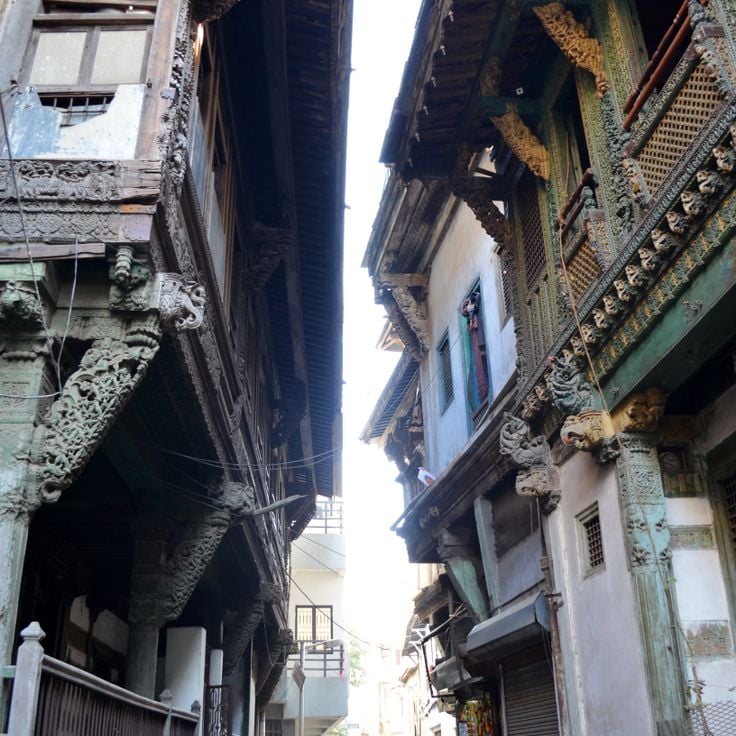
Gujarat in the northwest of India has very different places. You can visit Champaner-Pavagadh, a UNESCO site with old walls and mosques from the 16th century. Ahmedabad is also worth seeing. Its old town has traditional houses and buildings from the time of the sultans. The region also has the Rann of Kutch, a large white salt plain that looks different at different times of the year. There are several parks, such as Gir, where the last lions in Asia live.
Temples line the area, from the Sun Temple in Modhera, built in the 11th century, to the shrines of Dwarka and Somnath on the coast, which are places where Hindus go to pray. The palaces in Vadodara and the stepwells, carved with stairs and pools, show a long history of building. Gujarat also has bird sanctuaries, beaches along the coast, and villages where old crafts are still done today.
In northwest India, Gujarat offers 16th-century ruins, royal palaces, and a salt plain that changes color with the seasons.
Gujarat in the northwest of India has very different places. You can visit Champaner-Pavagadh, a UNESCO site with old walls and mosques from the 16th century. Ahmedabad is also worth seeing. Its old town has traditional houses and buildings from the time of the sultans. The region also has the Rann of Kutch, a large white salt plain that looks different at different times of the year. There are several parks, such as Gir, where the last lions in Asia live.
Temples line the area, from the Sun Temple in Modhera, built in the 11th century, to the shrines of Dwarka and Somnath on the coast, which are places where Hindus go to pray. The palaces in Vadodara and the stepwells, carved with stairs and pools, show a long history of building. Gujarat also has bird sanctuaries, beaches along the coast, and villages where old crafts are still done today.
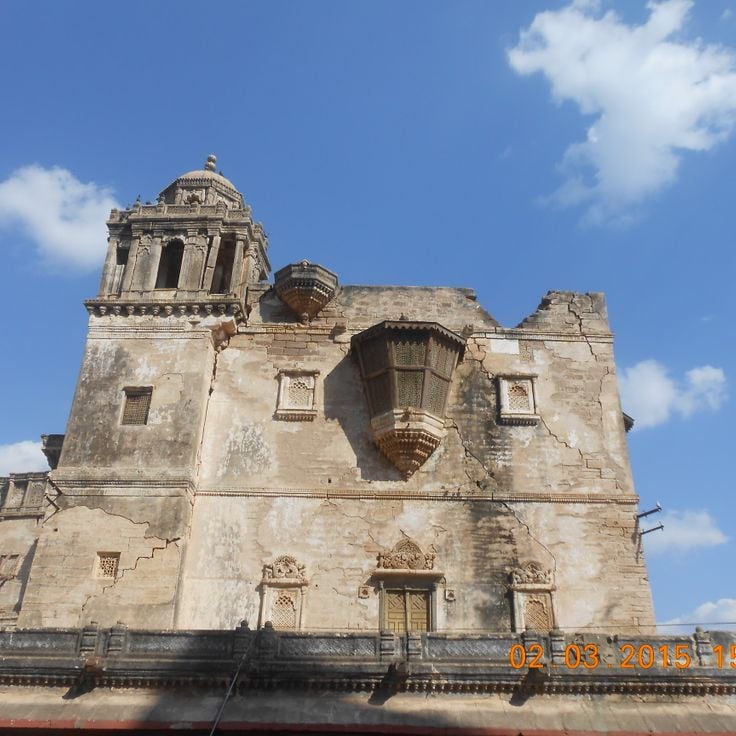
The Champaner-Pavagadh Archaeological Park near Vadodara combines medieval ruins, ancient temples, and fortified structures on a hillside. Listed as a UNESCO World Heritage site, it displays buildings from the 16th century, including mosques and fortifications built during the Sultanate period. Visitors can explore different religious sites on the grounds and experience the historical layers of this region firsthand.
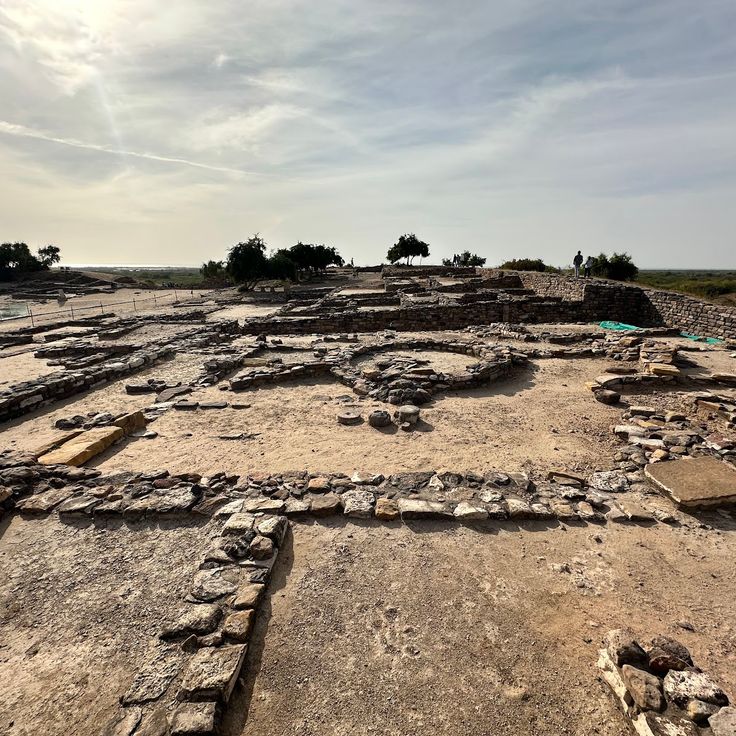
Dholavira is an archaeological site in Kutch and a UNESCO World Heritage Site. The ruins date to the Indus Valley Civilization and show the remains of an ancient city. Visitors can see how people lived thousands of years ago. Excavations have uncovered houses, fortifications, and craft workshops. Dholavira offers insight into one of Asia's oldest urban cultures.
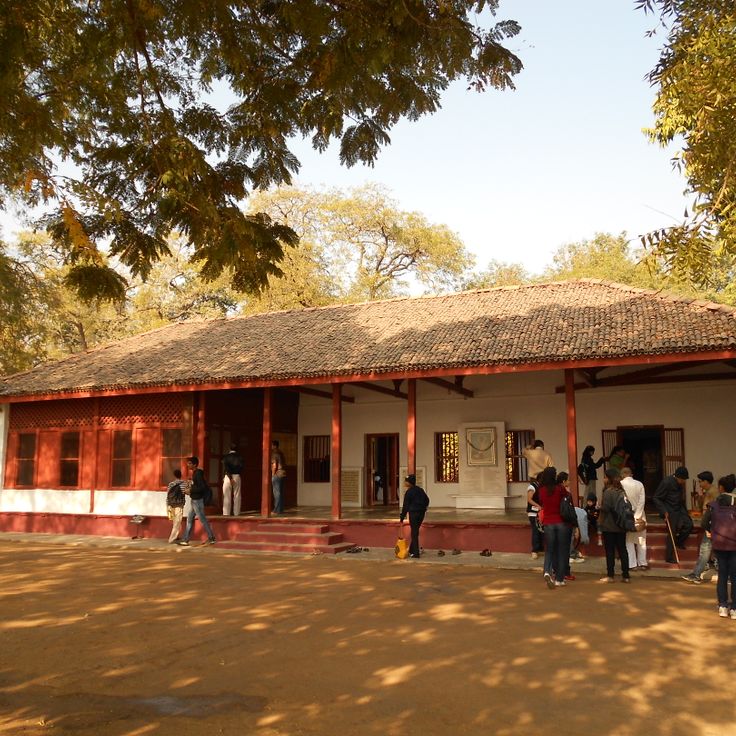
The Sabarmati Ashram in Ahmedabad was the residence of Mahatma Gandhi and served as a central hub in India's independence movement. The ashram functioned as a place where Gandhi lived, worked, and meditated. Visitors can walk through the spaces where he spent his days and learn about his life and ideas. Located along the Sabarmati River, this ashram offers a quiet setting to reflect on India's history and Gandhi's role in shaping the nation.
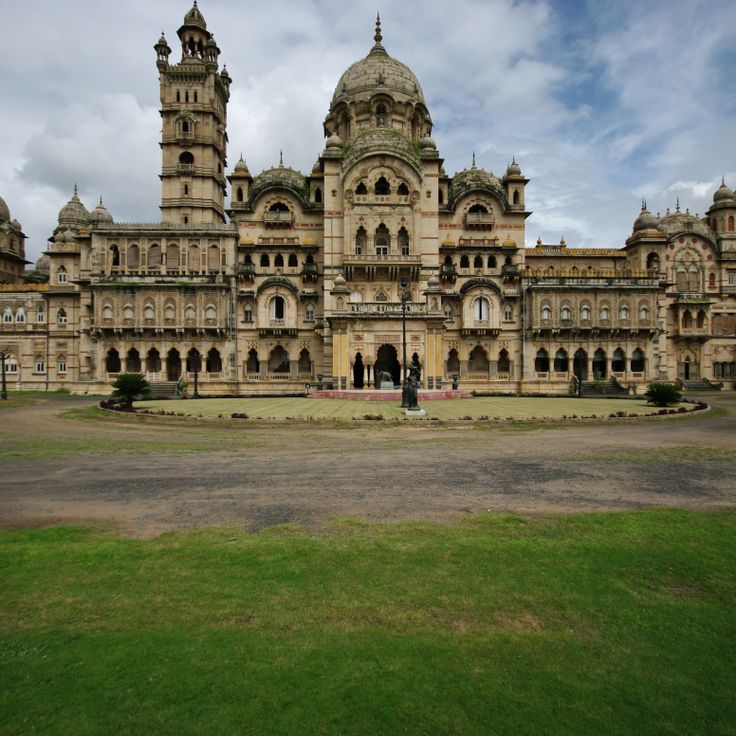
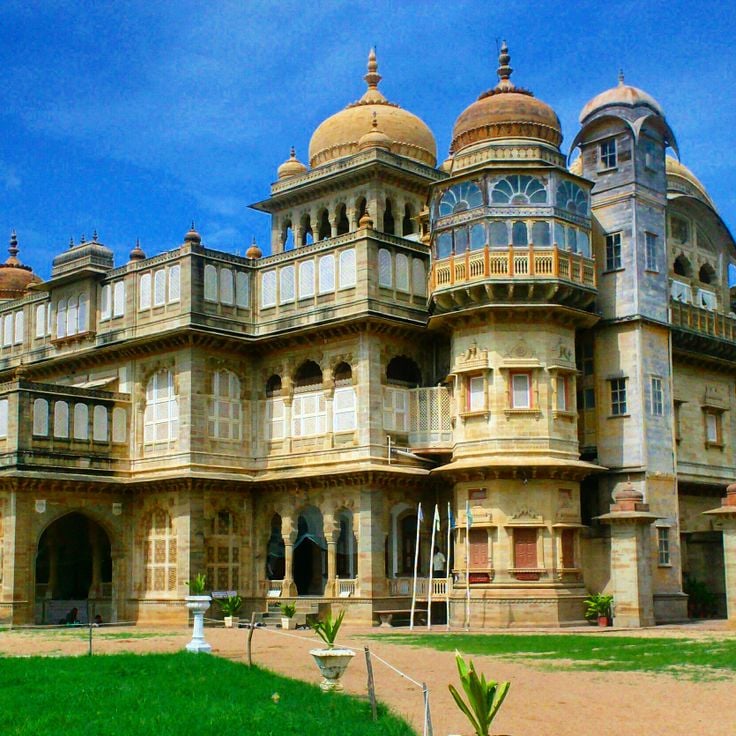
Laxmi Vilas Palace is a royal residence built in the 19th century in Vadodara. This palace blends Indian and European architectural styles in a way that speaks to the tastes of its royal inhabitants. The building served as home to the ruling family and offers insight into how nobility lived during that era. Its halls and grounds reflect the grandeur and resources of a powerful dynasty.
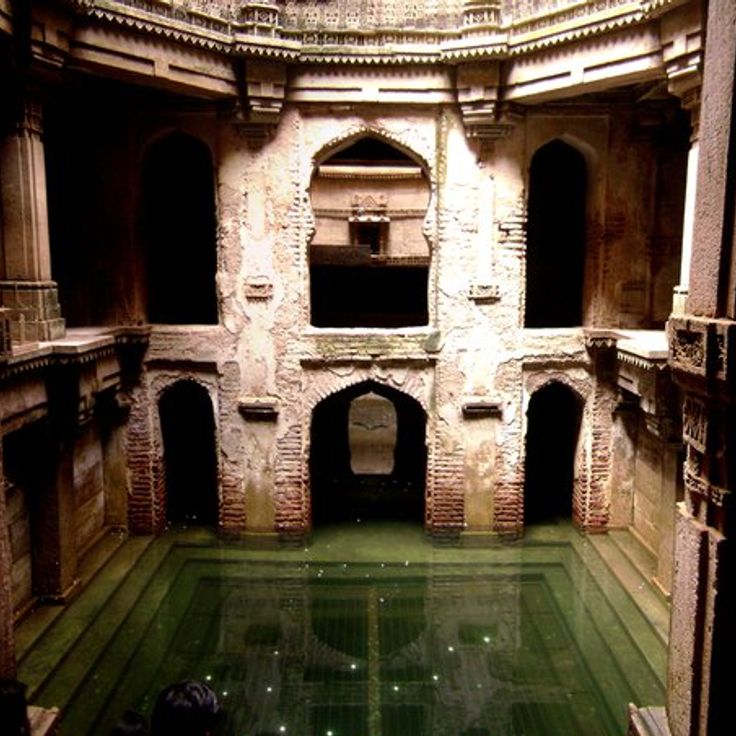
The Adalaj Stepwell is a structure built in the 15th century that shows how people in this region stored and accessed water. The well has multiple levels with staircases descending into its depths, and features carved decorations on the walls. Visitors can walk down the steps and explore the cool, shaded spaces that once served as a gathering place for the community.
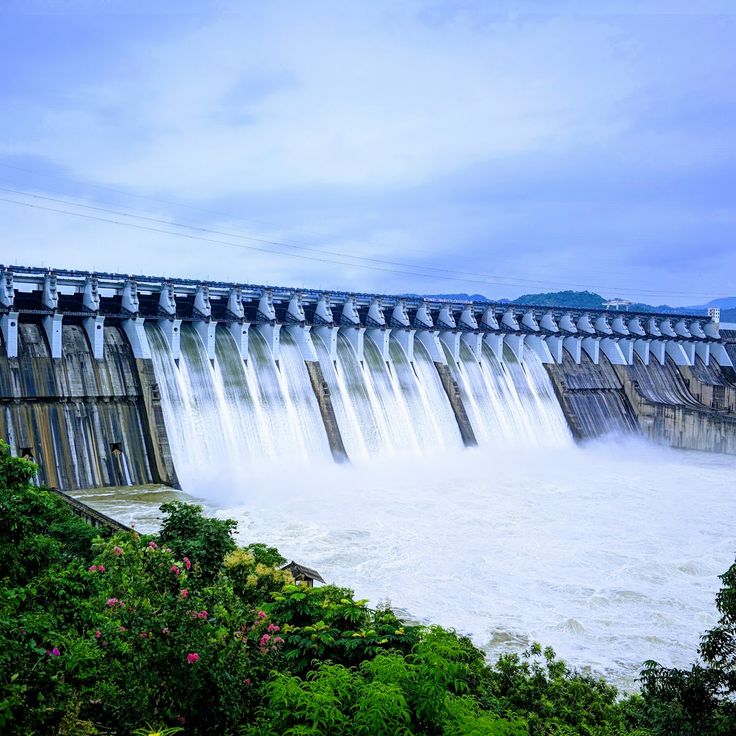
The Sardar Sarovar Dam is a major dam on the Narmada River in Gujarat. The structure offers viewpoints where visitors can see the river and the surrounding landscape. The dam is part of the region's tourist infrastructure and attracts those interested in engineering and natural scenery.
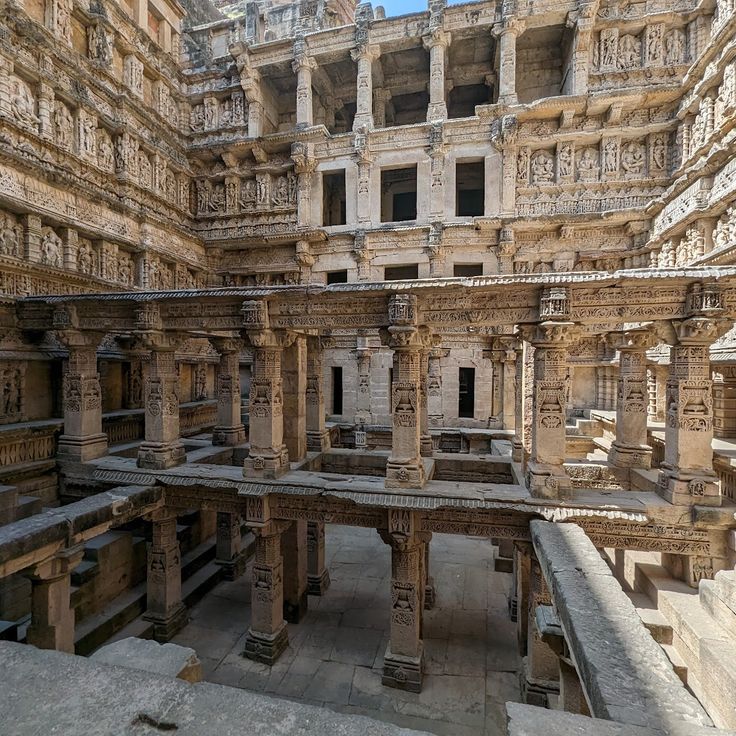
Rani ki Vav in Patan is a stepwell recognized as a UNESCO World Heritage site. Built in the 11th century, this structure displays intricate stone carving and sculptural work across its walls and passages. The well was built as a memorial to a deceased king and served as a water source for the community. Its design combines practical function with artistic craftsmanship. Visitors descend through multiple levels and passages lined with carved columns, arches, and ornamental details. The underground chambers stay cool even in heat, and the architecture reveals the skill of medieval artisans.
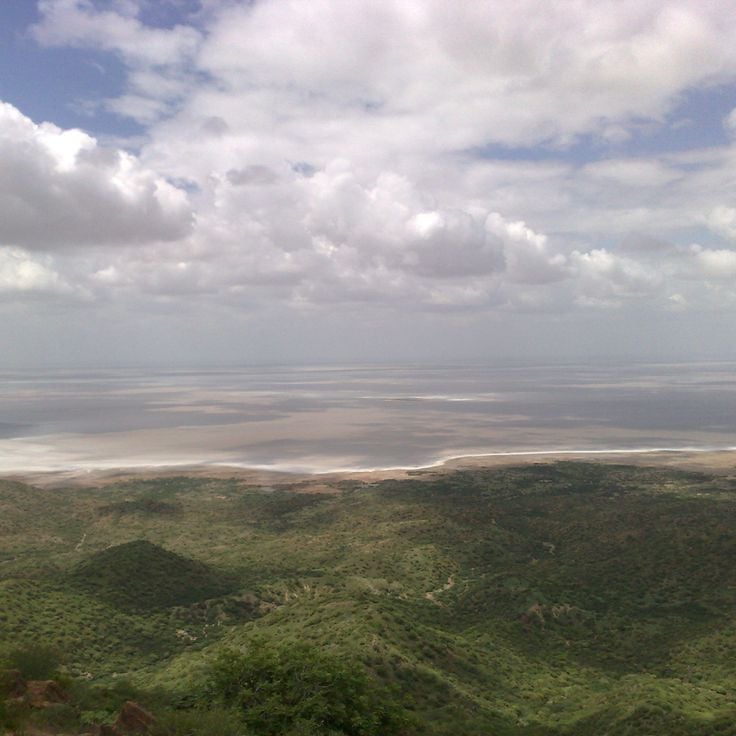
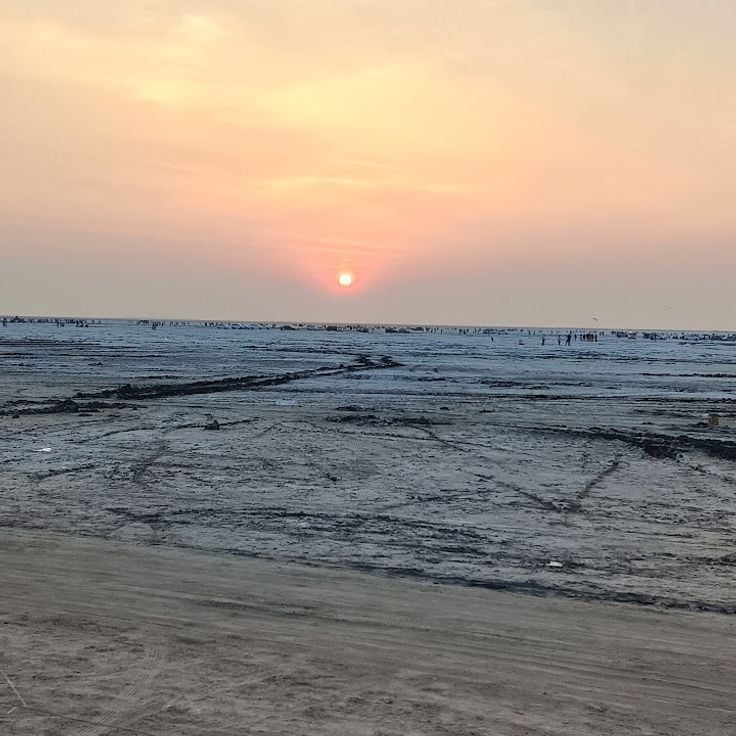
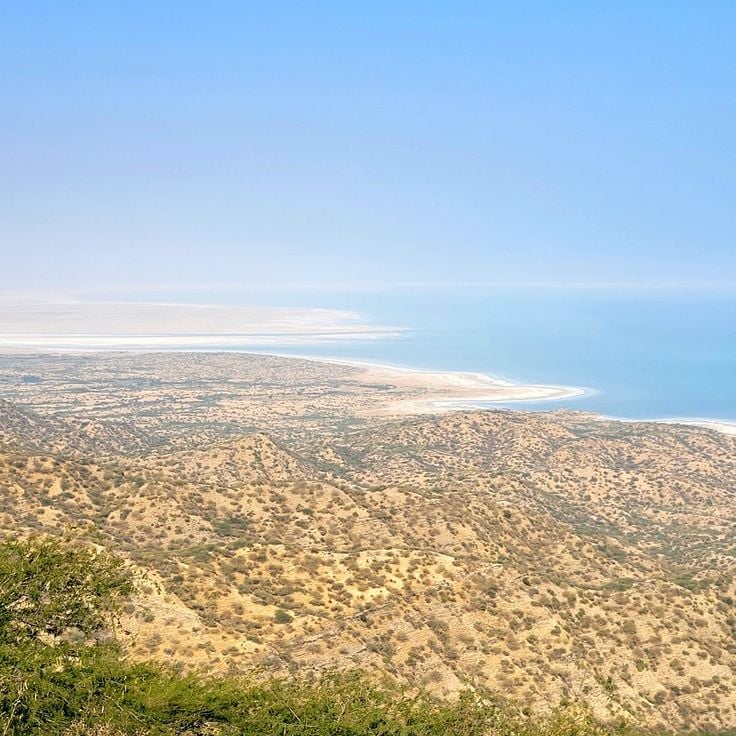
The Great Rann of Kutch is a vast salt plain in western Gujarat that transforms dramatically after the monsoon rains. White salt crystals cover the flat landscape, creating an unusual terrain that stretches across the horizon. The salt flat changes appearance with the seasons, sometimes appearing as a pure white expanse and other times showing different patterns as water and minerals shift. Visitors can walk or drive across this open landscape and experience a stark, barren environment that feels separated from the rest of the region.
Ahmedabad is an ancient city in Gujarat with deep roots in India's history. The old town of Ahmedabad features remarkable houses with inner courtyards called pols, along with mosques and buildings from the time of the sultans. This city was once an important center for trade and crafts. The architecture tells the story of different cultures that lived here together. You can still see temples, ancient step wells, and traditional markets throughout the streets. Ahmedabad was also the place where Mahatma Gandhi established his ashram and where major events of India's independence movement took place.
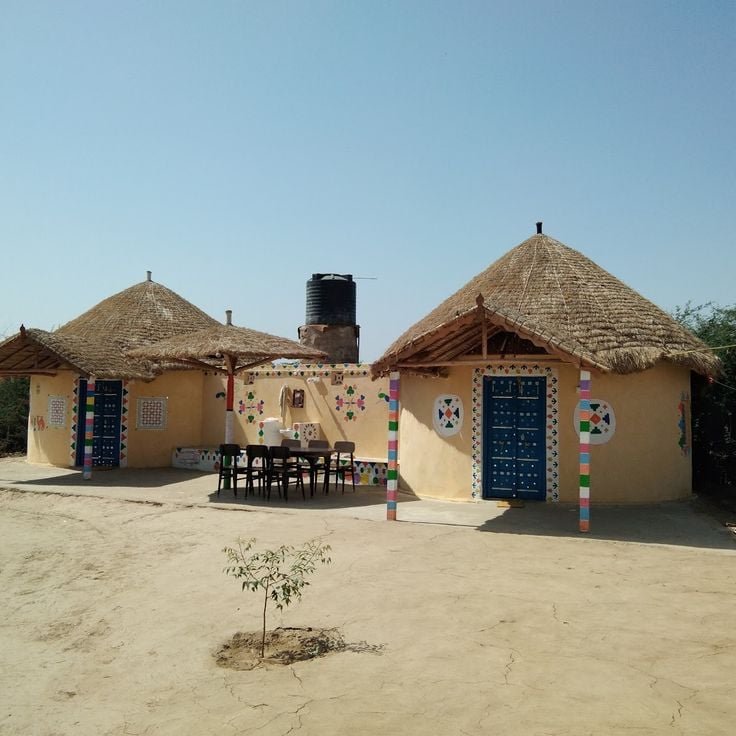
Rann Utsav is a seasonal festival set in Dhordo within the white salt plains of the Rann of Kutch. The site provides temporary lodging where visitors can experience the changing landscape of the salt flats. Local artisans gather here to demonstrate their crafts and techniques. In the evenings, traditional performances and cultural shows take place. The festival uses the flat, white expanses of the salt plain as its backdrop, creating a place where Gujarat's culture comes alive.
Kala Dungar is a hill in Kutch that offers views across the Rann of Kutch salt plains. People come here especially at sunset, when the light transforms the white salt flats. From the top, you can see how the landscape shifts with the seasons.
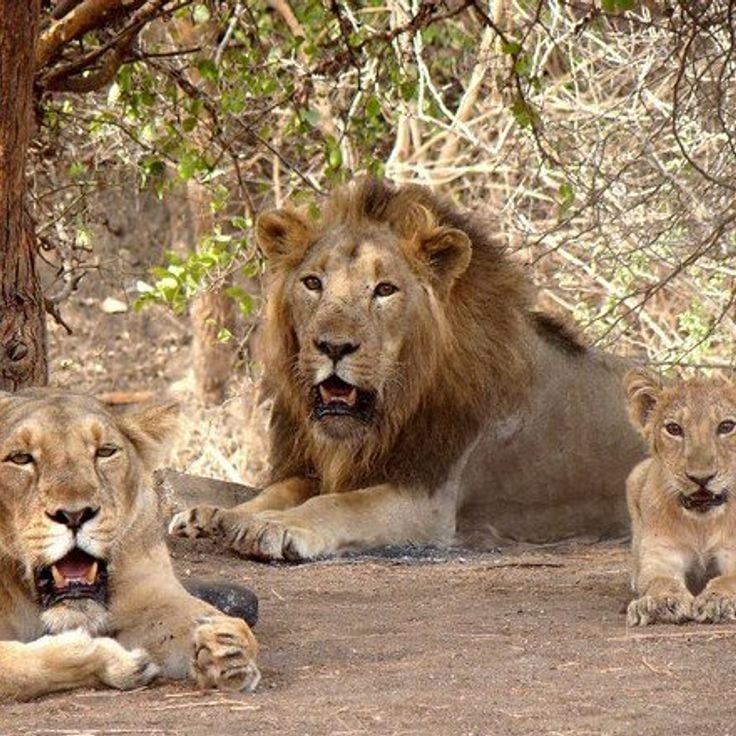
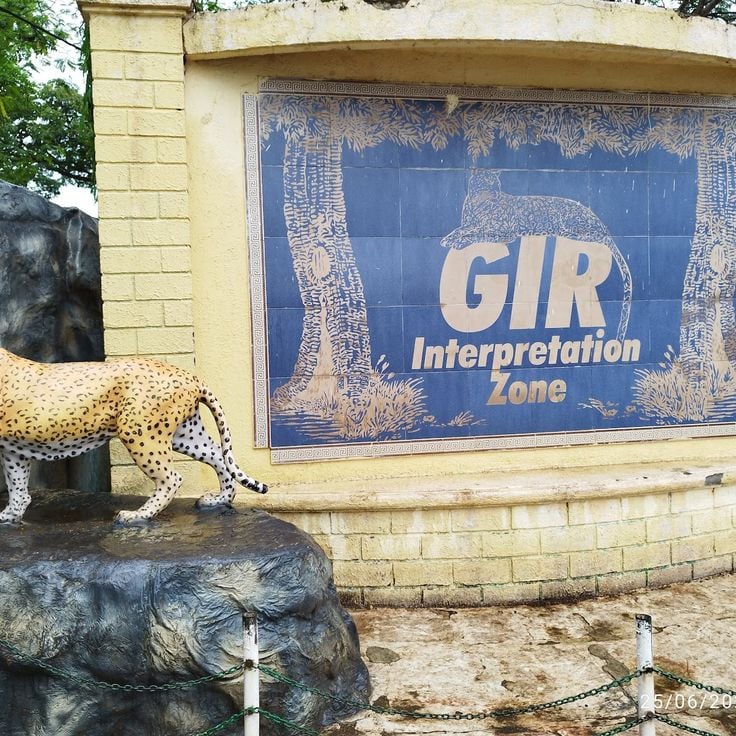
Gir National Park and Sanctuary in Gujarat is home to the last wild Asiatic lions in India. The park covers dry deciduous forests with varied wildlife and plant species. Besides the rare lions, leopards, deer, and many bird species live here. The park shows an ecosystem where humans and nature have coexisted for centuries. Visitors can explore the wildlife on safaris and understand the delicate balance of this important conservation area.
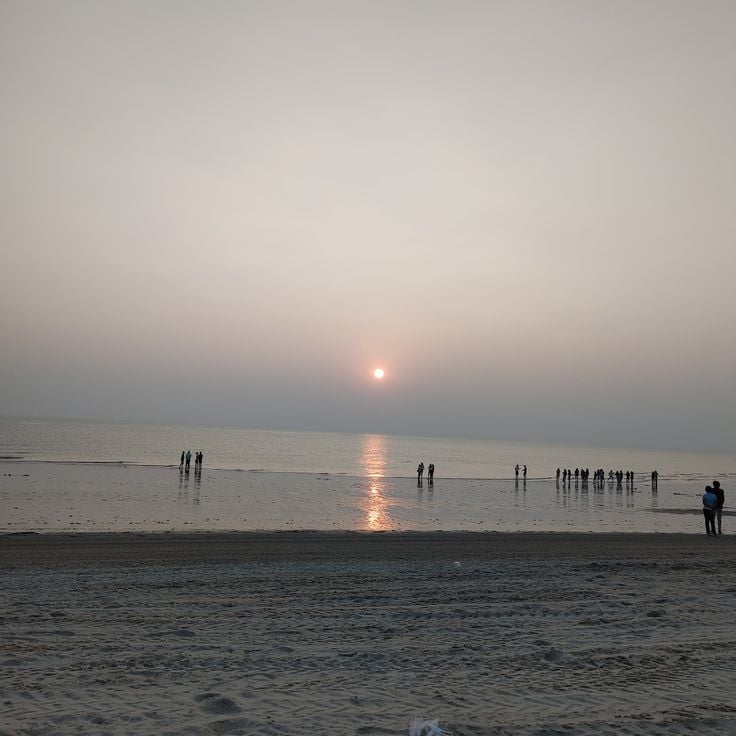
Mandvi Beach lies along the coast of Gujarat and shows how the sea has shaped life here for centuries. The beach has fine sand and water that changes color with the seasons. The place is known for its traditional shipbuilding industry, where craftspeople still build wooden boats using old methods. From this beach you can take boat trips and explore the coastline.
Vijay Vilas Palace is a 20th-century palace located on the coast of Mandvi. The building combines Indian and Islamic architectural styles. The palace features landscaped gardens and sits directly on the beach. From here you can watch the sea and learn about the architecture of this period.
Bhuj is an old city in Kutch known for its traditional crafts and historic streets. The city preserves a rich cultural heritage with palaces, temples, and haveli houses from different periods. Bhuj served for centuries as a trade center and administrative seat of the region. Today, visitors can walk through narrow lanes, discover traditional textiles and ceramics, and explore the architecture from past centuries.
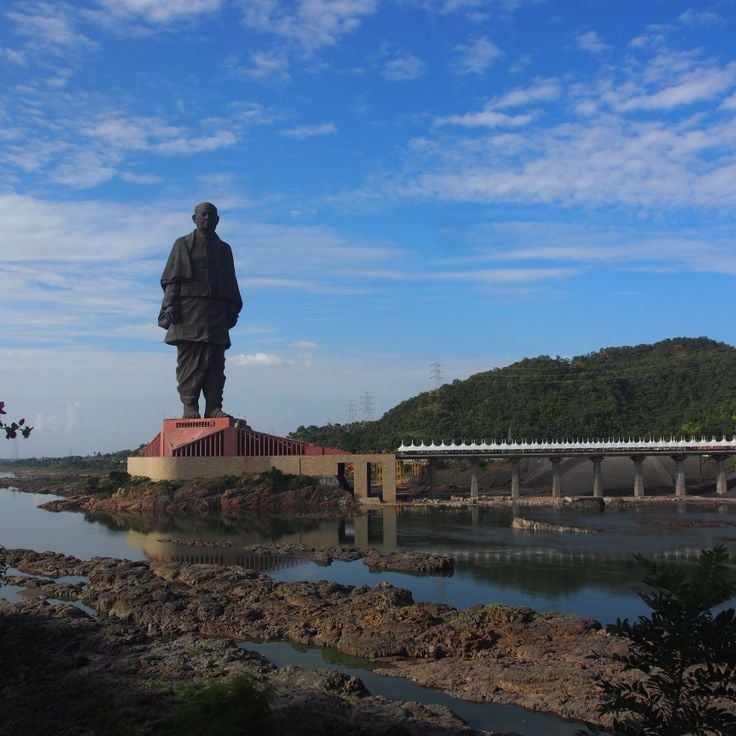
The Statue of Unity in Kevadia is a monumental structure dedicated to Sardar Vallabhbhai Patel, a key figure in India's independence movement. This statue rises prominently in Gujarat and represents India's national unity. Surrounding the statue are visitor centers and museums that tell the story of Patel's life and his crucial role in unifying the nation. The site attracts both pilgrims and travelers who come to witness the scale of this monument and learn about India's modern history.
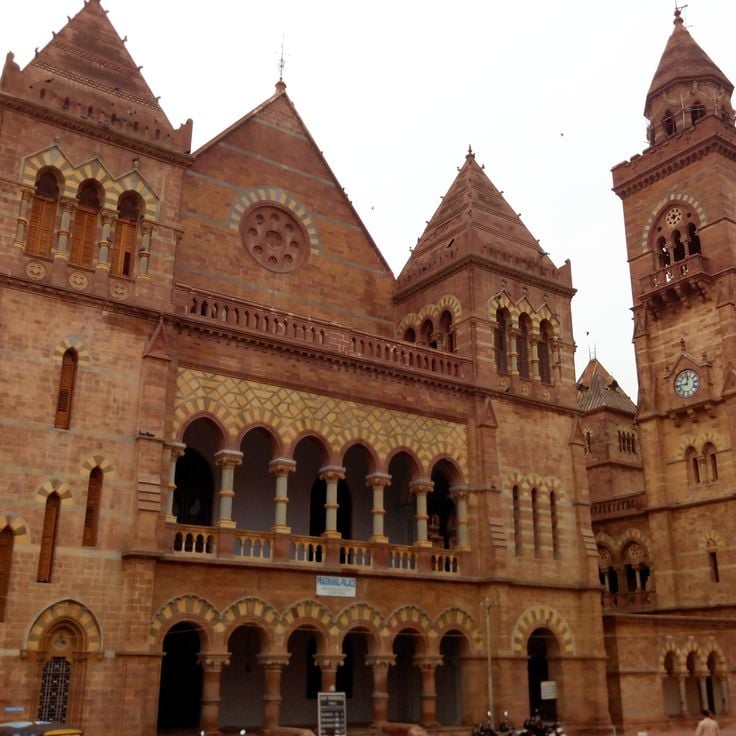
Prag Mahal is a royal palace from the 19th century located in Bhuj. This palace blends Indian and European architectural styles and features a grand main staircase. The building reflects the wealth and power of Kutch's rulers during that era.
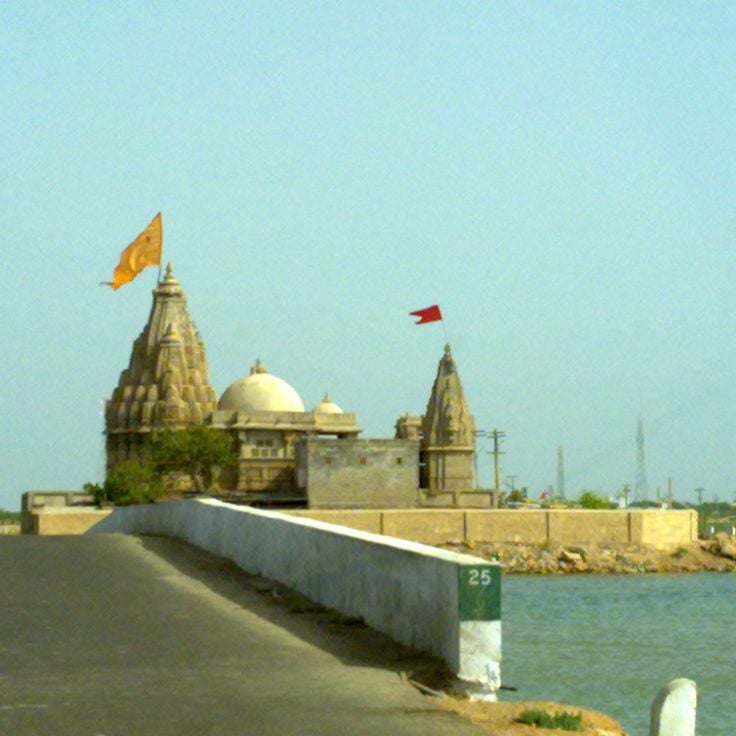
The Rukmini Devi Temple is an ancient Hindu temple in Dwarka dedicated to the goddess Rukmini. It features beautiful sculptures and architectural details that showcase skilled craftsmanship. The temple serves as an important pilgrimage site for devotees and sits on the coast alongside other sacred sites in Gujarat. Its structures display traditional building methods typical of Hindu temples in this region.
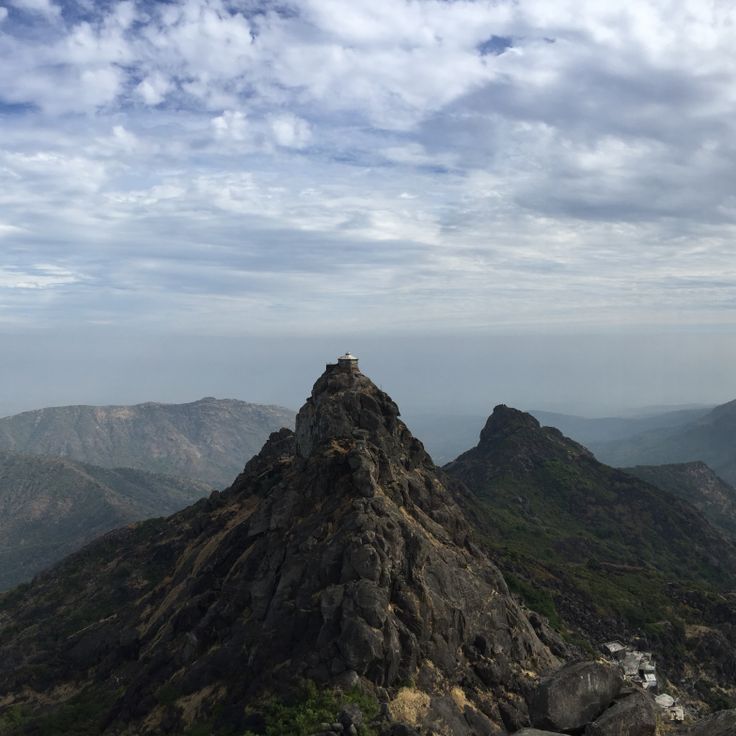
Girnar is a sacred mountain near Junagadh in Gujarat that holds deep religious significance for both Hindu and Jain pilgrims. Ancient temples stand at its summit, drawing visitors and worshippers throughout the year. A cable car offers an easy way to reach the top, allowing people to avoid the steep climb on foot. The mountain serves as a place of prayer and meditation, where visitors can experience the spiritual atmosphere and take in views across the region. The temples here reflect the architectural heritage and devotional traditions of Gujarat.
Devalia Safari Park in Gir is an enclosed area where visitors can observe Asian lions and other animals safely. The park was created to let people experience wildlife without danger. Here you can see the last Asian lions living in India, along with deer, wild boar, and various bird species. The park works well for anyone visiting Gir who wants to learn about the local animals in a secure setting.
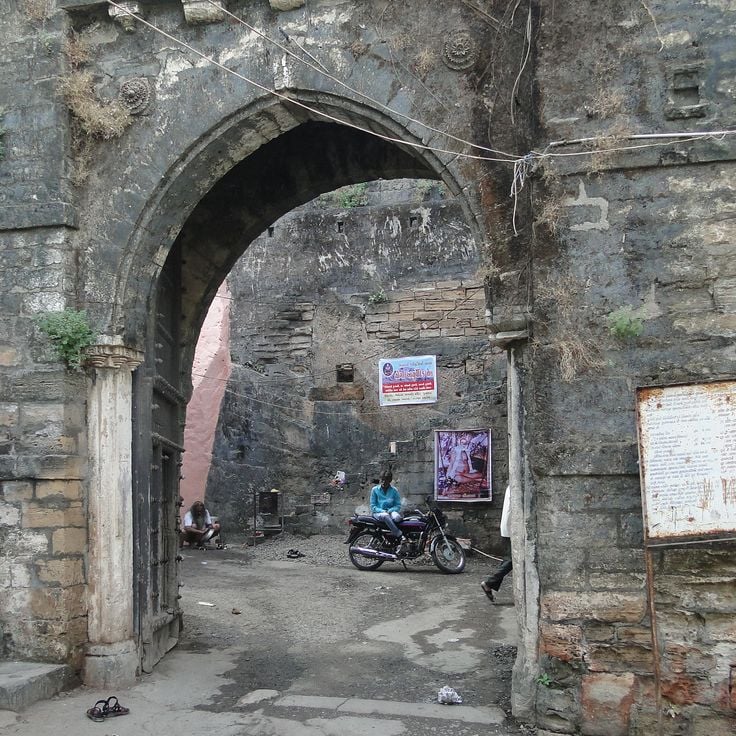
Uparkot Fort sits on a hilltop overlooking Junagadh as an ancient fortress with massive gateways and staircases. The fort contains Buddhist caves carved into the stone and offers views across the surrounding landscape. This place combines military architecture with religious remains, showing the layers of different periods.
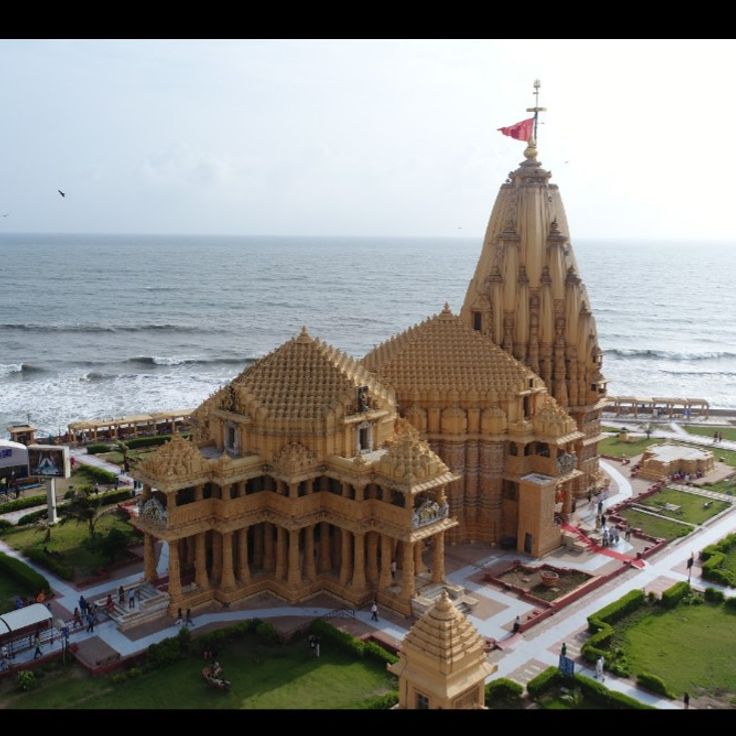
The Somnath Temple is a major Hindu sanctuary on the Gujarat coast. It is dedicated to the god Shiva and draws pilgrims from across India. The temple has been destroyed and rebuilt many times throughout its history, reflecting its spiritual and cultural importance. The current structure blends different architectural styles from various periods of construction. Located directly by the sea, the temple offers views of the shoreline and creates a connection between the sacred and the natural landscape. Visitors come to pray and observe the carved details and stonework.
The Narara Marine Sanctuary is a protected marine area in the Gulf of Kutch that preserves coastal ecosystems, sea turtles, and aquatic life. This sanctuary plays an important role in protecting the rich marine biodiversity of the Gujarat region. Visitors can explore the natural coastal landscape and learn about conservation efforts for marine animals.
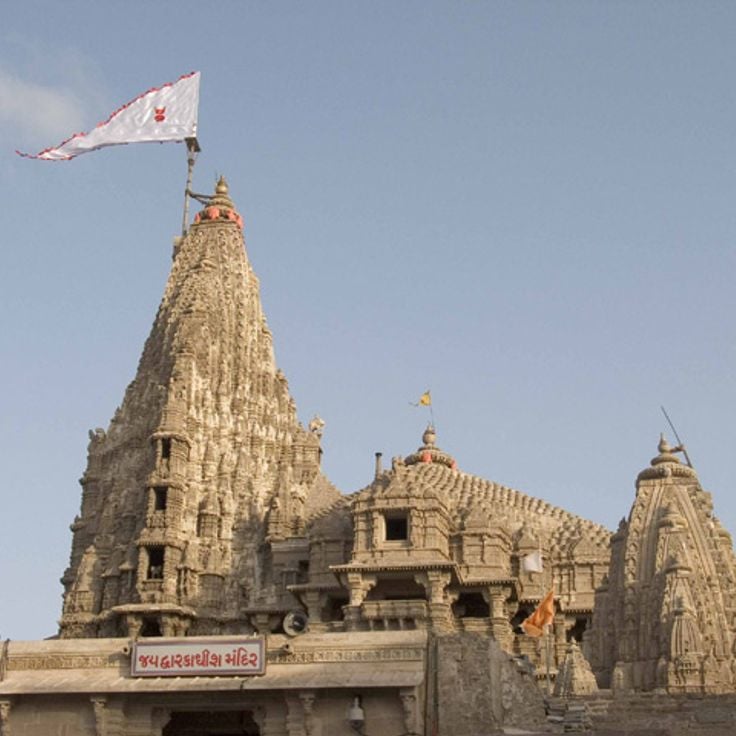
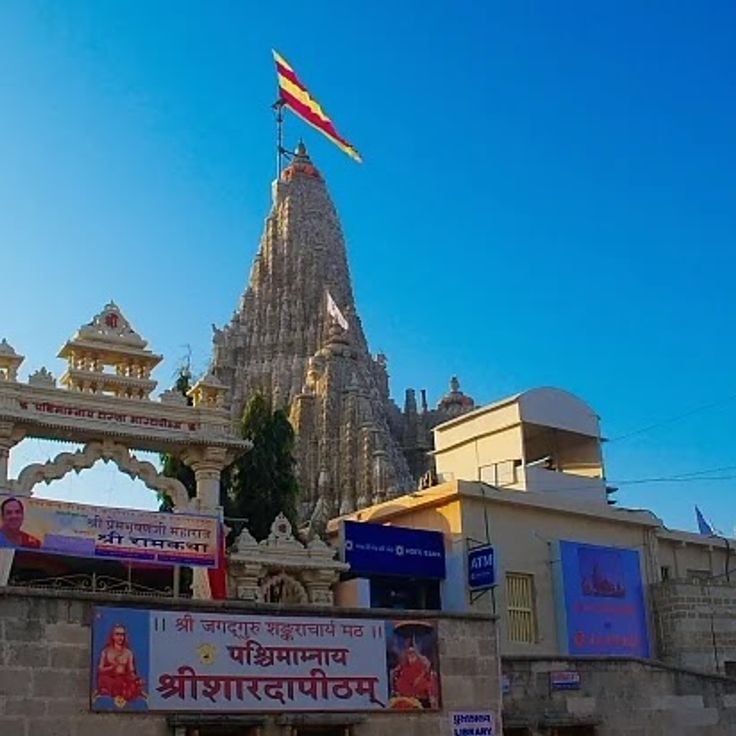
The Dwarkadhish Temple in Dwarka is an ancient Hindu temple dedicated to Lord Krishna. The building rises 5 stories and features detailed stone carvings on its walls and columns. This temple is one of the most important pilgrimage sites in the region and draws visitors from across the world. Located by the sea, it has been a center of religious life in Gujarat for centuries.
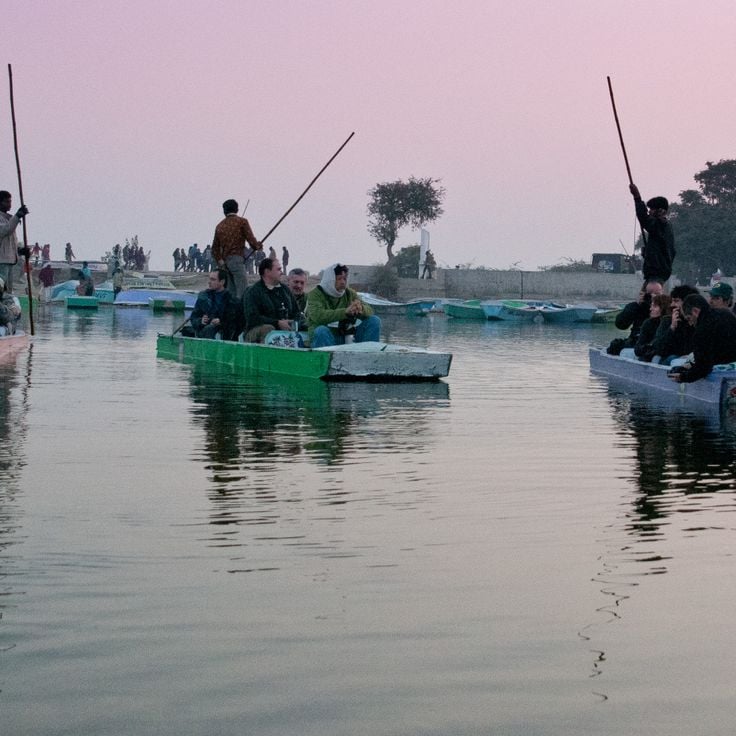
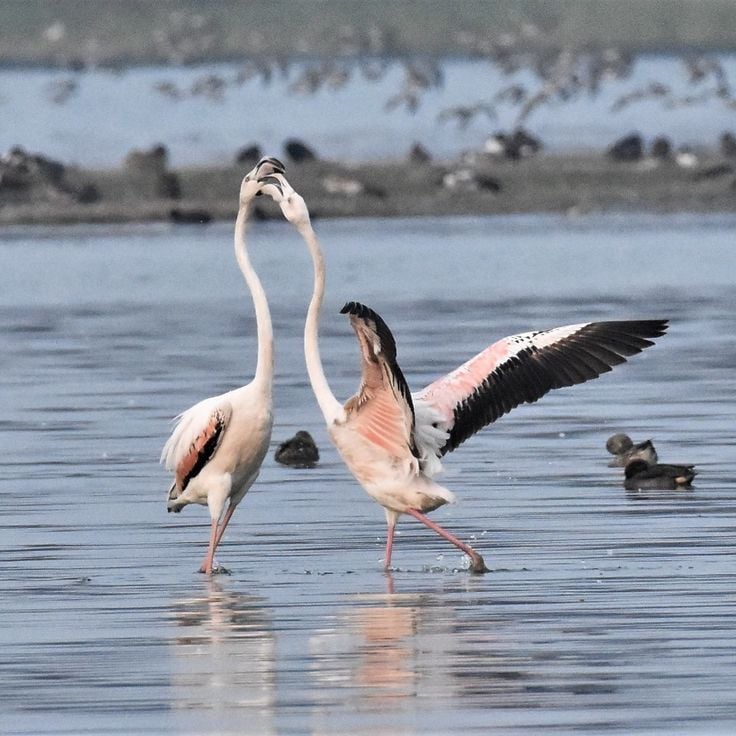
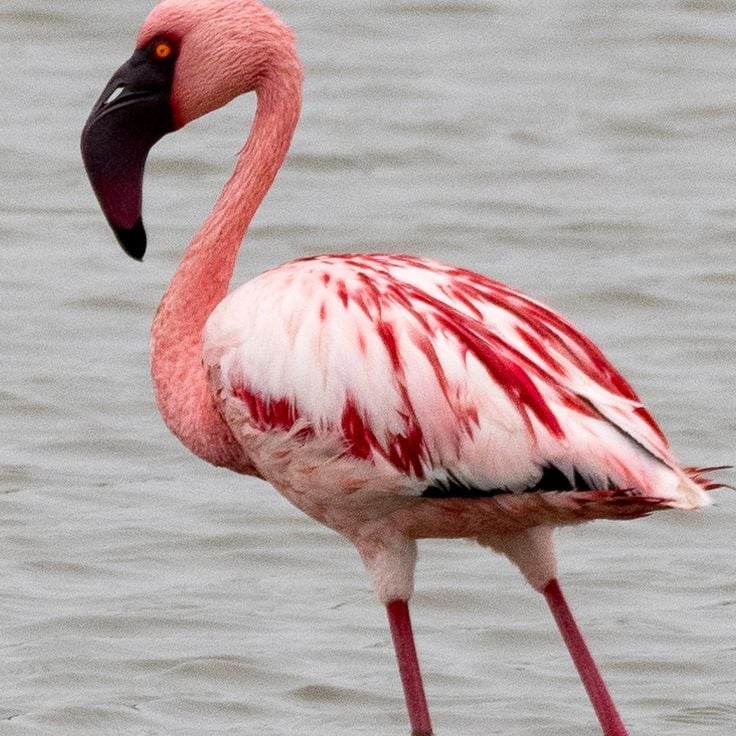
Nalsarovar Bird Sanctuary sits near Ahmedabad and centers on a large, shallow lake ringed by reed beds and wetlands. Every winter, tens of thousands of migratory birds stop here to rest and feed. The lake also supports many resident species that nest in the shallow waters and thick vegetation. Early morning boat rides across the lake bring visitors close to flamingos, cranes, and ducks moving through the reeds.
Thol Lake in Ahmedabad is a Ramsar wetland that forms part of Gujarat's network of natural sites. This lake provides crucial habitat for migratory birds and is recognized for its importance in bird conservation. The waters and surrounding areas support numerous bird species throughout the year. The lake demonstrates how Gujarat protects its biodiversity and offers visitors the chance to observe the region's avian life.
Bet Dwarka is a sacred island off the coast of Dwarka. You reach it by boat. Ancient temples stand on the island, honored by Hindu worshippers for centuries. The island is also a refuge for marine animals and birds. When you arrive, you see traditional fishing villages and the daily life of the people who live here. The air carries the scent of saltwater and of life at sea.
The Aina Mahal is a royal palace built in the 18th century in Bhuj. Its rooms are decorated with mirrors that give the building its name. The palace houses antique furniture and an extensive collection of art objects that showcase the history and craftsmanship of the region. The building reflects the wealth and refined lifestyle of the rulers of that time.
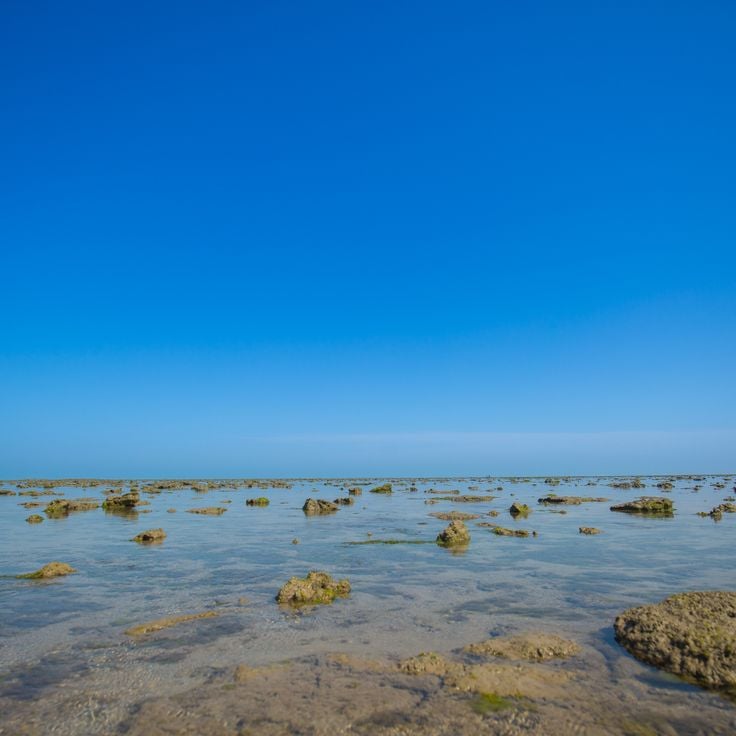
The Marine National Park near Jamnagar protects the ecosystems of the Gulf of Kutch. You will find coral reefs, diverse marine life, and coastal habitats throughout the park. This site shows the richness of the sea in this part of Gujarat.
The Khijadiya Bird Sanctuary near Jamnagar is a Ramsar wetland site with lakes and marshes. Migratory birds stop here regularly during their journeys, making it a destination for birdwatchers. The water areas and wetlands provide a habitat for numerous bird species. Visitors can observe different birds and understand the importance of these wetlands for bird migration.
Wadhwana Lake near Dabhoi is a protected wetland that provides habitat for aquatic life and bird species. This lake is part of Gujarat's important wetland areas and supports the region's ecological balance.
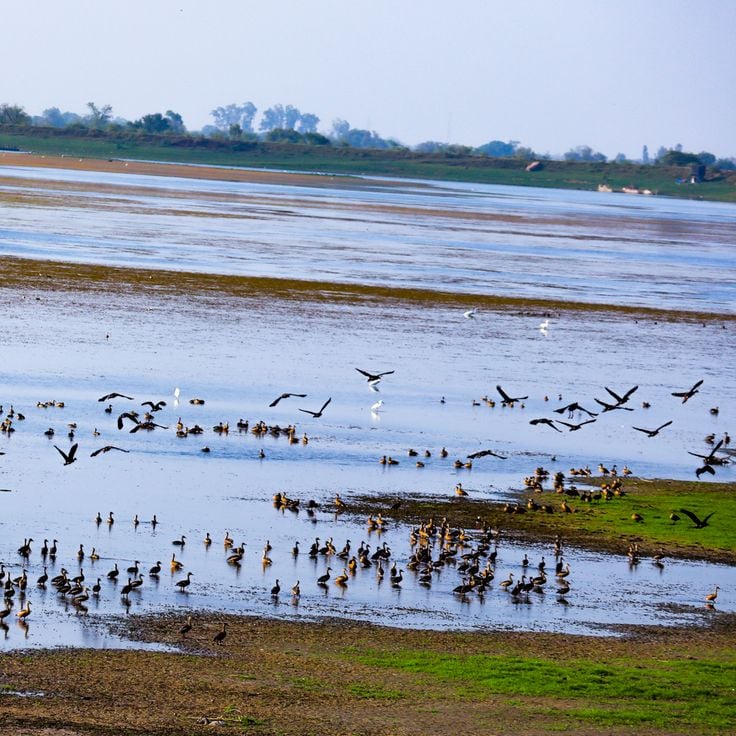
Chhari-Dhand Bird Sanctuary in Kutch is a wetland area that hosts migrating and resident bird species. The sanctuary attracts visitors who want to observe birds in their natural setting. During migration seasons, the wetlands fill with numerous species from across Asia. The landscape here consists of marshes and open water where you can watch birds at different times of the year.
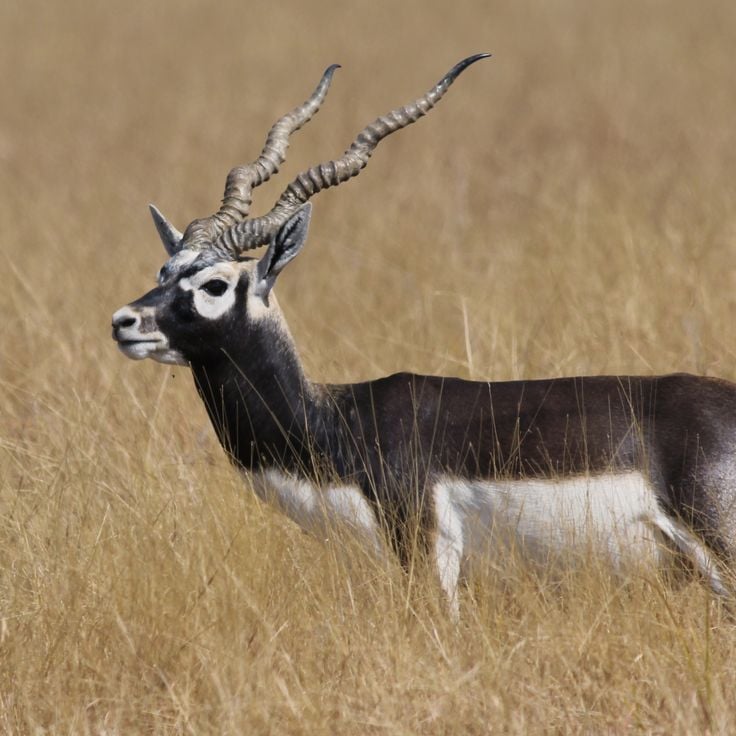
The Velavadar Blackbuck National Park near Bhavnagar protects an endangered species of antelope in a grassland setting. This park preserves a habitat where different animals live together. The ecosystem here matters to the region and shows the natural world as it has existed for generations. Visitors can watch rare antelopes and other wildlife in their natural surroundings.
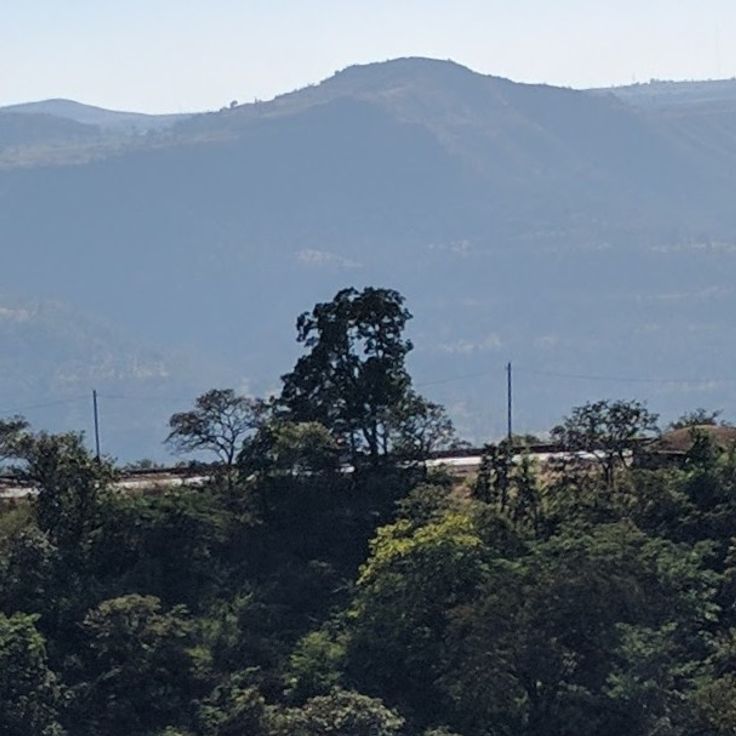
Saputara is a hill station in the Western Ghats where the air stays cool and the views stretch across the landscape. You can walk through green hills and see far into the distance on clear days. The location sits high enough to offer relief from the heat of the plains below. Visitors come here to experience nature and find a break from busy city life.
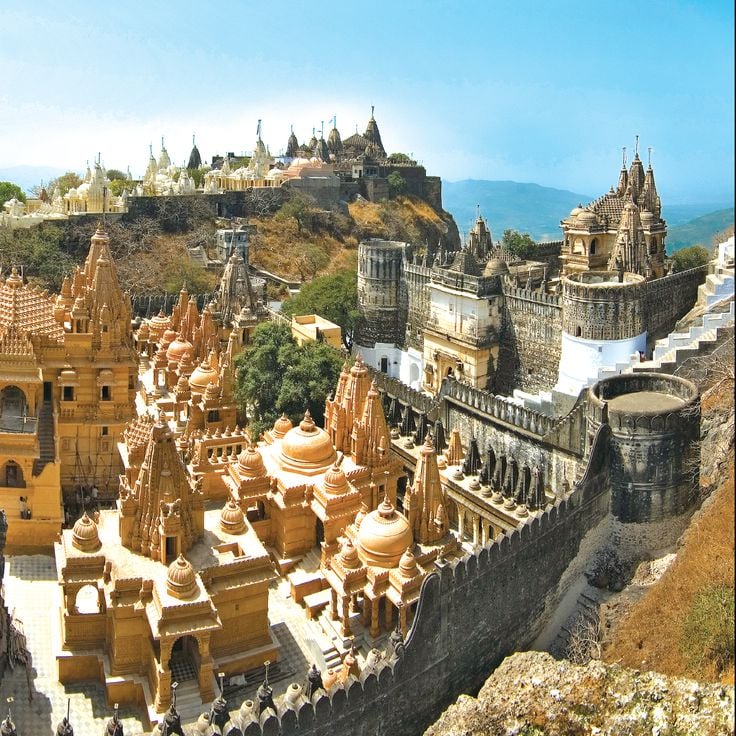
The Jain temples of Shatrunjaya in Palitana sit on a sacred hill in Gujarat. Hundreds of shrines are built along the slopes, some date back to the 11th century. Pilgrims climb about 1000 stone steps to reach the temples. Each shrine has carvings and stone decorations on its walls and ceilings. The site is very important for Jain followers all over India. From the top, you can see the city below and the land stretching out in the distance.
The Champaner-Pavagadh Archaeological Park near Vadodara combines medieval ruins, ancient temples, and fortified structures on a hillside. Listed as a UNESCO World Heritage site, it displays buildings from the 16th century, including mosques and fortifications built during the Sultanate period. Visitors can explore different religious sites on the grounds and experience the historical layers of this region firsthand.
Dholavira is an archaeological site in Kutch and a UNESCO World Heritage Site. The ruins date to the Indus Valley Civilization and show the remains of an ancient city. Visitors can see how people lived thousands of years ago. Excavations have uncovered houses, fortifications, and craft workshops. Dholavira offers insight into one of Asia's oldest urban cultures.
The Sabarmati Ashram in Ahmedabad was the residence of Mahatma Gandhi and served as a central hub in India's independence movement. The ashram functioned as a place where Gandhi lived, worked, and meditated. Visitors can walk through the spaces where he spent his days and learn about his life and ideas. Located along the Sabarmati River, this ashram offers a quiet setting to reflect on India's history and Gandhi's role in shaping the nation.
Laxmi Vilas Palace is a royal residence built in the 19th century in Vadodara. This palace blends Indian and European architectural styles in a way that speaks to the tastes of its royal inhabitants. The building served as home to the ruling family and offers insight into how nobility lived during that era. Its halls and grounds reflect the grandeur and resources of a powerful dynasty.
The Adalaj Stepwell is a structure built in the 15th century that shows how people in this region stored and accessed water. The well has multiple levels with staircases descending into its depths, and features carved decorations on the walls. Visitors can walk down the steps and explore the cool, shaded spaces that once served as a gathering place for the community.
The Sardar Sarovar Dam is a major dam on the Narmada River in Gujarat. The structure offers viewpoints where visitors can see the river and the surrounding landscape. The dam is part of the region's tourist infrastructure and attracts those interested in engineering and natural scenery.
Rani ki Vav in Patan is a stepwell recognized as a UNESCO World Heritage site. Built in the 11th century, this structure displays intricate stone carving and sculptural work across its walls and passages. The well was built as a memorial to a deceased king and served as a water source for the community. Its design combines practical function with artistic craftsmanship. Visitors descend through multiple levels and passages lined with carved columns, arches, and ornamental details. The underground chambers stay cool even in heat, and the architecture reveals the skill of medieval artisans.
The Great Rann of Kutch is a vast salt plain in western Gujarat that transforms dramatically after the monsoon rains. White salt crystals cover the flat landscape, creating an unusual terrain that stretches across the horizon. The salt flat changes appearance with the seasons, sometimes appearing as a pure white expanse and other times showing different patterns as water and minerals shift. Visitors can walk or drive across this open landscape and experience a stark, barren environment that feels separated from the rest of the region.
Ahmedabad is an ancient city in Gujarat with deep roots in India's history. The old town of Ahmedabad features remarkable houses with inner courtyards called pols, along with mosques and buildings from the time of the sultans. This city was once an important center for trade and crafts. The architecture tells the story of different cultures that lived here together. You can still see temples, ancient step wells, and traditional markets throughout the streets. Ahmedabad was also the place where Mahatma Gandhi established his ashram and where major events of India's independence movement took place.
Rann Utsav is a seasonal festival set in Dhordo within the white salt plains of the Rann of Kutch. The site provides temporary lodging where visitors can experience the changing landscape of the salt flats. Local artisans gather here to demonstrate their crafts and techniques. In the evenings, traditional performances and cultural shows take place. The festival uses the flat, white expanses of the salt plain as its backdrop, creating a place where Gujarat's culture comes alive.
Kala Dungar is a hill in Kutch that offers views across the Rann of Kutch salt plains. People come here especially at sunset, when the light transforms the white salt flats. From the top, you can see how the landscape shifts with the seasons.
Gir National Park and Sanctuary in Gujarat is home to the last wild Asiatic lions in India. The park covers dry deciduous forests with varied wildlife and plant species. Besides the rare lions, leopards, deer, and many bird species live here. The park shows an ecosystem where humans and nature have coexisted for centuries. Visitors can explore the wildlife on safaris and understand the delicate balance of this important conservation area.
Mandvi Beach lies along the coast of Gujarat and shows how the sea has shaped life here for centuries. The beach has fine sand and water that changes color with the seasons. The place is known for its traditional shipbuilding industry, where craftspeople still build wooden boats using old methods. From this beach you can take boat trips and explore the coastline.
Vijay Vilas Palace is a 20th-century palace located on the coast of Mandvi. The building combines Indian and Islamic architectural styles. The palace features landscaped gardens and sits directly on the beach. From here you can watch the sea and learn about the architecture of this period.
Bhuj is an old city in Kutch known for its traditional crafts and historic streets. The city preserves a rich cultural heritage with palaces, temples, and haveli houses from different periods. Bhuj served for centuries as a trade center and administrative seat of the region. Today, visitors can walk through narrow lanes, discover traditional textiles and ceramics, and explore the architecture from past centuries.
The Statue of Unity in Kevadia is a monumental structure dedicated to Sardar Vallabhbhai Patel, a key figure in India's independence movement. This statue rises prominently in Gujarat and represents India's national unity. Surrounding the statue are visitor centers and museums that tell the story of Patel's life and his crucial role in unifying the nation. The site attracts both pilgrims and travelers who come to witness the scale of this monument and learn about India's modern history.
Prag Mahal is a royal palace from the 19th century located in Bhuj. This palace blends Indian and European architectural styles and features a grand main staircase. The building reflects the wealth and power of Kutch's rulers during that era.
The Rukmini Devi Temple is an ancient Hindu temple in Dwarka dedicated to the goddess Rukmini. It features beautiful sculptures and architectural details that showcase skilled craftsmanship. The temple serves as an important pilgrimage site for devotees and sits on the coast alongside other sacred sites in Gujarat. Its structures display traditional building methods typical of Hindu temples in this region.
Girnar is a sacred mountain near Junagadh in Gujarat that holds deep religious significance for both Hindu and Jain pilgrims. Ancient temples stand at its summit, drawing visitors and worshippers throughout the year. A cable car offers an easy way to reach the top, allowing people to avoid the steep climb on foot. The mountain serves as a place of prayer and meditation, where visitors can experience the spiritual atmosphere and take in views across the region. The temples here reflect the architectural heritage and devotional traditions of Gujarat.
Devalia Safari Park in Gir is an enclosed area where visitors can observe Asian lions and other animals safely. The park was created to let people experience wildlife without danger. Here you can see the last Asian lions living in India, along with deer, wild boar, and various bird species. The park works well for anyone visiting Gir who wants to learn about the local animals in a secure setting.
Uparkot Fort sits on a hilltop overlooking Junagadh as an ancient fortress with massive gateways and staircases. The fort contains Buddhist caves carved into the stone and offers views across the surrounding landscape. This place combines military architecture with religious remains, showing the layers of different periods.
The Somnath Temple is a major Hindu sanctuary on the Gujarat coast. It is dedicated to the god Shiva and draws pilgrims from across India. The temple has been destroyed and rebuilt many times throughout its history, reflecting its spiritual and cultural importance. The current structure blends different architectural styles from various periods of construction. Located directly by the sea, the temple offers views of the shoreline and creates a connection between the sacred and the natural landscape. Visitors come to pray and observe the carved details and stonework.
The Narara Marine Sanctuary is a protected marine area in the Gulf of Kutch that preserves coastal ecosystems, sea turtles, and aquatic life. This sanctuary plays an important role in protecting the rich marine biodiversity of the Gujarat region. Visitors can explore the natural coastal landscape and learn about conservation efforts for marine animals.
The Dwarkadhish Temple in Dwarka is an ancient Hindu temple dedicated to Lord Krishna. The building rises 5 stories and features detailed stone carvings on its walls and columns. This temple is one of the most important pilgrimage sites in the region and draws visitors from across the world. Located by the sea, it has been a center of religious life in Gujarat for centuries.
Nalsarovar Bird Sanctuary sits near Ahmedabad and centers on a large, shallow lake ringed by reed beds and wetlands. Every winter, tens of thousands of migratory birds stop here to rest and feed. The lake also supports many resident species that nest in the shallow waters and thick vegetation. Early morning boat rides across the lake bring visitors close to flamingos, cranes, and ducks moving through the reeds.
Thol Lake in Ahmedabad is a Ramsar wetland that forms part of Gujarat's network of natural sites. This lake provides crucial habitat for migratory birds and is recognized for its importance in bird conservation. The waters and surrounding areas support numerous bird species throughout the year. The lake demonstrates how Gujarat protects its biodiversity and offers visitors the chance to observe the region's avian life.
Bet Dwarka is a sacred island off the coast of Dwarka. You reach it by boat. Ancient temples stand on the island, honored by Hindu worshippers for centuries. The island is also a refuge for marine animals and birds. When you arrive, you see traditional fishing villages and the daily life of the people who live here. The air carries the scent of saltwater and of life at sea.
The Aina Mahal is a royal palace built in the 18th century in Bhuj. Its rooms are decorated with mirrors that give the building its name. The palace houses antique furniture and an extensive collection of art objects that showcase the history and craftsmanship of the region. The building reflects the wealth and refined lifestyle of the rulers of that time.
The Marine National Park near Jamnagar protects the ecosystems of the Gulf of Kutch. You will find coral reefs, diverse marine life, and coastal habitats throughout the park. This site shows the richness of the sea in this part of Gujarat.
The Khijadiya Bird Sanctuary near Jamnagar is a Ramsar wetland site with lakes and marshes. Migratory birds stop here regularly during their journeys, making it a destination for birdwatchers. The water areas and wetlands provide a habitat for numerous bird species. Visitors can observe different birds and understand the importance of these wetlands for bird migration.
Wadhwana Lake near Dabhoi is a protected wetland that provides habitat for aquatic life and bird species. This lake is part of Gujarat's important wetland areas and supports the region's ecological balance.
Chhari-Dhand Bird Sanctuary in Kutch is a wetland area that hosts migrating and resident bird species. The sanctuary attracts visitors who want to observe birds in their natural setting. During migration seasons, the wetlands fill with numerous species from across Asia. The landscape here consists of marshes and open water where you can watch birds at different times of the year.
The Velavadar Blackbuck National Park near Bhavnagar protects an endangered species of antelope in a grassland setting. This park preserves a habitat where different animals live together. The ecosystem here matters to the region and shows the natural world as it has existed for generations. Visitors can watch rare antelopes and other wildlife in their natural surroundings.
Saputara is a hill station in the Western Ghats where the air stays cool and the views stretch across the landscape. You can walk through green hills and see far into the distance on clear days. The location sits high enough to offer relief from the heat of the plains below. Visitors come here to experience nature and find a break from busy city life.
The Jain temples of Shatrunjaya in Palitana sit on a sacred hill in Gujarat. Hundreds of shrines are built along the slopes, some date back to the 11th century. Pilgrims climb about 1000 stone steps to reach the temples. Each shrine has carvings and stone decorations on its walls and ceilings. The site is very important for Jain followers all over India. From the top, you can see the city below and the land stretching out in the distance.
The Champaner-Pavagadh Archaeological Park near Vadodara combines medieval ruins, ancient temples, and fortified structures on a hillside. Listed as a UNESCO World Heritage site, it displays buildings from the 16th century, including mosques and fortifications built during the Sultanate period. Visitors can explore different religious sites on the grounds and experience the historical layers of this region firsthand.
Dholavira is an archaeological site in Kutch and a UNESCO World Heritage Site. The ruins date to the Indus Valley Civilization and show the remains of an ancient city. Visitors can see how people lived thousands of years ago. Excavations have uncovered houses, fortifications, and craft workshops. Dholavira offers insight into one of Asia's oldest urban cultures.
The Sabarmati Ashram in Ahmedabad was the residence of Mahatma Gandhi and served as a central hub in India's independence movement. The ashram functioned as a place where Gandhi lived, worked, and meditated. Visitors can walk through the spaces where he spent his days and learn about his life and ideas. Located along the Sabarmati River, this ashram offers a quiet setting to reflect on India's history and Gandhi's role in shaping the nation.
Laxmi Vilas Palace is a royal residence built in the 19th century in Vadodara. This palace blends Indian and European architectural styles in a way that speaks to the tastes of its royal inhabitants. The building served as home to the ruling family and offers insight into how nobility lived during that era. Its halls and grounds reflect the grandeur and resources of a powerful dynasty.
The Adalaj Stepwell is a structure built in the 15th century that shows how people in this region stored and accessed water. The well has multiple levels with staircases descending into its depths, and features carved decorations on the walls. Visitors can walk down the steps and explore the cool, shaded spaces that once served as a gathering place for the community.
The Sardar Sarovar Dam is a major dam on the Narmada River in Gujarat. The structure offers viewpoints where visitors can see the river and the surrounding landscape. The dam is part of the region's tourist infrastructure and attracts those interested in engineering and natural scenery.
Rani ki Vav in Patan is a stepwell recognized as a UNESCO World Heritage site. Built in the 11th century, this structure displays intricate stone carving and sculptural work across its walls and passages. The well was built as a memorial to a deceased king and served as a water source for the community. Its design combines practical function with artistic craftsmanship. Visitors descend through multiple levels and passages lined with carved columns, arches, and ornamental details. The underground chambers stay cool even in heat, and the architecture reveals the skill of medieval artisans.
The Great Rann of Kutch is a vast salt plain in western Gujarat that transforms dramatically after the monsoon rains. White salt crystals cover the flat landscape, creating an unusual terrain that stretches across the horizon. The salt flat changes appearance with the seasons, sometimes appearing as a pure white expanse and other times showing different patterns as water and minerals shift. Visitors can walk or drive across this open landscape and experience a stark, barren environment that feels separated from the rest of the region.
Ahmedabad is an ancient city in Gujarat with deep roots in India's history. The old town of Ahmedabad features remarkable houses with inner courtyards called pols, along with mosques and buildings from the time of the sultans. This city was once an important center for trade and crafts. The architecture tells the story of different cultures that lived here together. You can still see temples, ancient step wells, and traditional markets throughout the streets. Ahmedabad was also the place where Mahatma Gandhi established his ashram and where major events of India's independence movement took place.
Rann Utsav is a seasonal festival set in Dhordo within the white salt plains of the Rann of Kutch. The site provides temporary lodging where visitors can experience the changing landscape of the salt flats. Local artisans gather here to demonstrate their crafts and techniques. In the evenings, traditional performances and cultural shows take place. The festival uses the flat, white expanses of the salt plain as its backdrop, creating a place where Gujarat's culture comes alive.
Kala Dungar is a hill in Kutch that offers views across the Rann of Kutch salt plains. People come here especially at sunset, when the light transforms the white salt flats. From the top, you can see how the landscape shifts with the seasons.
Gir National Park and Sanctuary in Gujarat is home to the last wild Asiatic lions in India. The park covers dry deciduous forests with varied wildlife and plant species. Besides the rare lions, leopards, deer, and many bird species live here. The park shows an ecosystem where humans and nature have coexisted for centuries. Visitors can explore the wildlife on safaris and understand the delicate balance of this important conservation area.
Mandvi Beach lies along the coast of Gujarat and shows how the sea has shaped life here for centuries. The beach has fine sand and water that changes color with the seasons. The place is known for its traditional shipbuilding industry, where craftspeople still build wooden boats using old methods. From this beach you can take boat trips and explore the coastline.
Vijay Vilas Palace is a 20th-century palace located on the coast of Mandvi. The building combines Indian and Islamic architectural styles. The palace features landscaped gardens and sits directly on the beach. From here you can watch the sea and learn about the architecture of this period.
Bhuj is an old city in Kutch known for its traditional crafts and historic streets. The city preserves a rich cultural heritage with palaces, temples, and haveli houses from different periods. Bhuj served for centuries as a trade center and administrative seat of the region. Today, visitors can walk through narrow lanes, discover traditional textiles and ceramics, and explore the architecture from past centuries.
The Statue of Unity in Kevadia is a monumental structure dedicated to Sardar Vallabhbhai Patel, a key figure in India's independence movement. This statue rises prominently in Gujarat and represents India's national unity. Surrounding the statue are visitor centers and museums that tell the story of Patel's life and his crucial role in unifying the nation. The site attracts both pilgrims and travelers who come to witness the scale of this monument and learn about India's modern history.
Prag Mahal is a royal palace from the 19th century located in Bhuj. This palace blends Indian and European architectural styles and features a grand main staircase. The building reflects the wealth and power of Kutch's rulers during that era.
The Rukmini Devi Temple is an ancient Hindu temple in Dwarka dedicated to the goddess Rukmini. It features beautiful sculptures and architectural details that showcase skilled craftsmanship. The temple serves as an important pilgrimage site for devotees and sits on the coast alongside other sacred sites in Gujarat. Its structures display traditional building methods typical of Hindu temples in this region.
Girnar is a sacred mountain near Junagadh in Gujarat that holds deep religious significance for both Hindu and Jain pilgrims. Ancient temples stand at its summit, drawing visitors and worshippers throughout the year. A cable car offers an easy way to reach the top, allowing people to avoid the steep climb on foot. The mountain serves as a place of prayer and meditation, where visitors can experience the spiritual atmosphere and take in views across the region. The temples here reflect the architectural heritage and devotional traditions of Gujarat.
Devalia Safari Park in Gir is an enclosed area where visitors can observe Asian lions and other animals safely. The park was created to let people experience wildlife without danger. Here you can see the last Asian lions living in India, along with deer, wild boar, and various bird species. The park works well for anyone visiting Gir who wants to learn about the local animals in a secure setting.
Uparkot Fort sits on a hilltop overlooking Junagadh as an ancient fortress with massive gateways and staircases. The fort contains Buddhist caves carved into the stone and offers views across the surrounding landscape. This place combines military architecture with religious remains, showing the layers of different periods.
The Somnath Temple is a major Hindu sanctuary on the Gujarat coast. It is dedicated to the god Shiva and draws pilgrims from across India. The temple has been destroyed and rebuilt many times throughout its history, reflecting its spiritual and cultural importance. The current structure blends different architectural styles from various periods of construction. Located directly by the sea, the temple offers views of the shoreline and creates a connection between the sacred and the natural landscape. Visitors come to pray and observe the carved details and stonework.
The Narara Marine Sanctuary is a protected marine area in the Gulf of Kutch that preserves coastal ecosystems, sea turtles, and aquatic life. This sanctuary plays an important role in protecting the rich marine biodiversity of the Gujarat region. Visitors can explore the natural coastal landscape and learn about conservation efforts for marine animals.
The Dwarkadhish Temple in Dwarka is an ancient Hindu temple dedicated to Lord Krishna. The building rises 5 stories and features detailed stone carvings on its walls and columns. This temple is one of the most important pilgrimage sites in the region and draws visitors from across the world. Located by the sea, it has been a center of religious life in Gujarat for centuries.
Nalsarovar Bird Sanctuary sits near Ahmedabad and centers on a large, shallow lake ringed by reed beds and wetlands. Every winter, tens of thousands of migratory birds stop here to rest and feed. The lake also supports many resident species that nest in the shallow waters and thick vegetation. Early morning boat rides across the lake bring visitors close to flamingos, cranes, and ducks moving through the reeds.
Thol Lake in Ahmedabad is a Ramsar wetland that forms part of Gujarat's network of natural sites. This lake provides crucial habitat for migratory birds and is recognized for its importance in bird conservation. The waters and surrounding areas support numerous bird species throughout the year. The lake demonstrates how Gujarat protects its biodiversity and offers visitors the chance to observe the region's avian life.
Bet Dwarka is a sacred island off the coast of Dwarka. You reach it by boat. Ancient temples stand on the island, honored by Hindu worshippers for centuries. The island is also a refuge for marine animals and birds. When you arrive, you see traditional fishing villages and the daily life of the people who live here. The air carries the scent of saltwater and of life at sea.
The Aina Mahal is a royal palace built in the 18th century in Bhuj. Its rooms are decorated with mirrors that give the building its name. The palace houses antique furniture and an extensive collection of art objects that showcase the history and craftsmanship of the region. The building reflects the wealth and refined lifestyle of the rulers of that time.
The Marine National Park near Jamnagar protects the ecosystems of the Gulf of Kutch. You will find coral reefs, diverse marine life, and coastal habitats throughout the park. This site shows the richness of the sea in this part of Gujarat.
The Khijadiya Bird Sanctuary near Jamnagar is a Ramsar wetland site with lakes and marshes. Migratory birds stop here regularly during their journeys, making it a destination for birdwatchers. The water areas and wetlands provide a habitat for numerous bird species. Visitors can observe different birds and understand the importance of these wetlands for bird migration.
Wadhwana Lake near Dabhoi is a protected wetland that provides habitat for aquatic life and bird species. This lake is part of Gujarat's important wetland areas and supports the region's ecological balance.
Chhari-Dhand Bird Sanctuary in Kutch is a wetland area that hosts migrating and resident bird species. The sanctuary attracts visitors who want to observe birds in their natural setting. During migration seasons, the wetlands fill with numerous species from across Asia. The landscape here consists of marshes and open water where you can watch birds at different times of the year.
The Velavadar Blackbuck National Park near Bhavnagar protects an endangered species of antelope in a grassland setting. This park preserves a habitat where different animals live together. The ecosystem here matters to the region and shows the natural world as it has existed for generations. Visitors can watch rare antelopes and other wildlife in their natural surroundings.
Saputara is a hill station in the Western Ghats where the air stays cool and the views stretch across the landscape. You can walk through green hills and see far into the distance on clear days. The location sits high enough to offer relief from the heat of the plains below. Visitors come here to experience nature and find a break from busy city life.
The Jain temples of Shatrunjaya in Palitana sit on a sacred hill in Gujarat. Hundreds of shrines are built along the slopes, some date back to the 11th century. Pilgrims climb about 1000 stone steps to reach the temples. Each shrine has carvings and stone decorations on its walls and ceilings. The site is very important for Jain followers all over India. From the top, you can see the city below and the land stretching out in the distance.
Gujarat deserves time. If you travel in winter or early spring, you will enjoy the best weather and see the Rann of Kutch in all its whiteness. Pack light clothes for the day and warmer ones for the evening, because temperature differences can be big in the salt desert.