See the monuments around you in AROpen chests in the app
Around Us is built for your phone — point your camera at the streets and discover the monuments and places around you in augmented reality.Around Us is built for your phone — chests unlock when you walk, explore and capture nearby places.
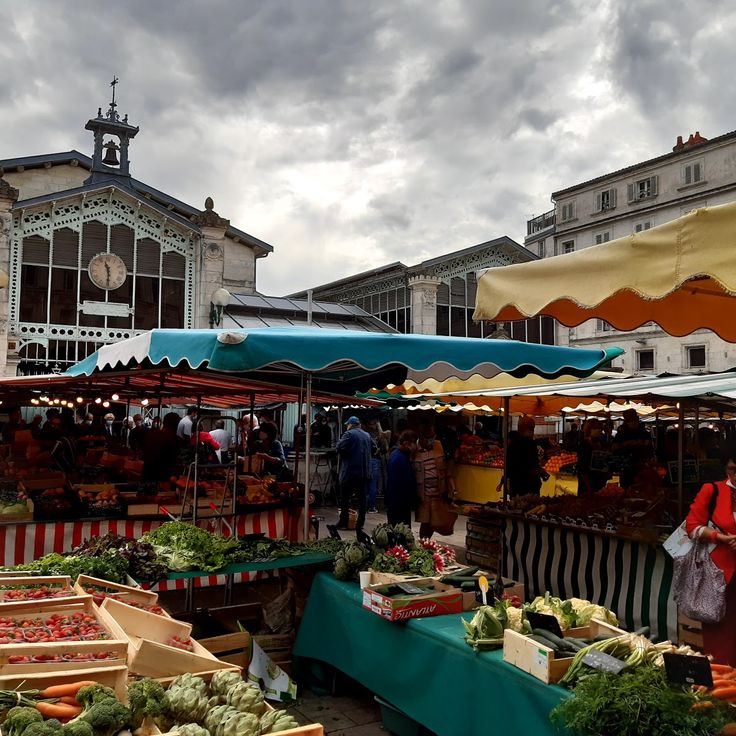
In these halls, you find local fruits and vegetables, fresh fish, and regional specialties that tell about the history of the towns.
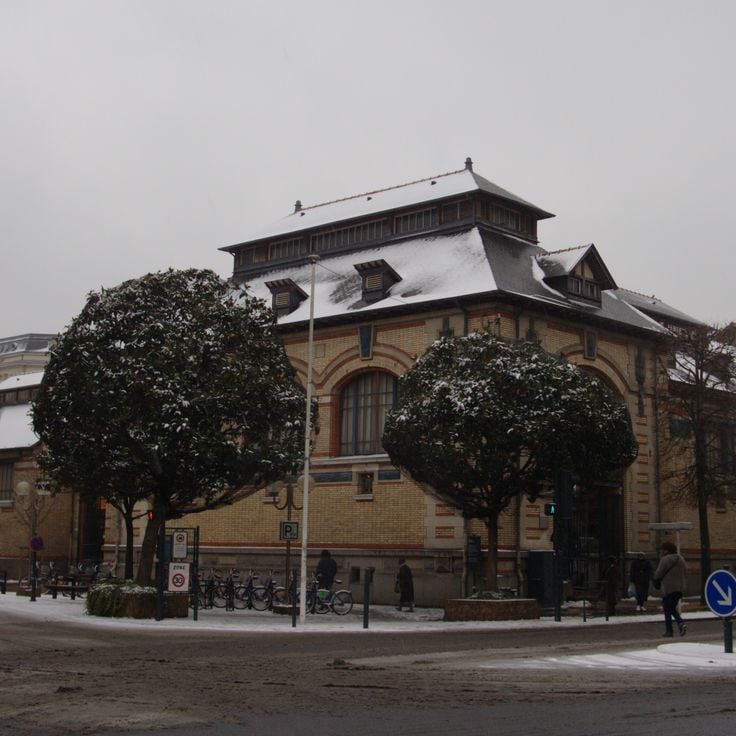
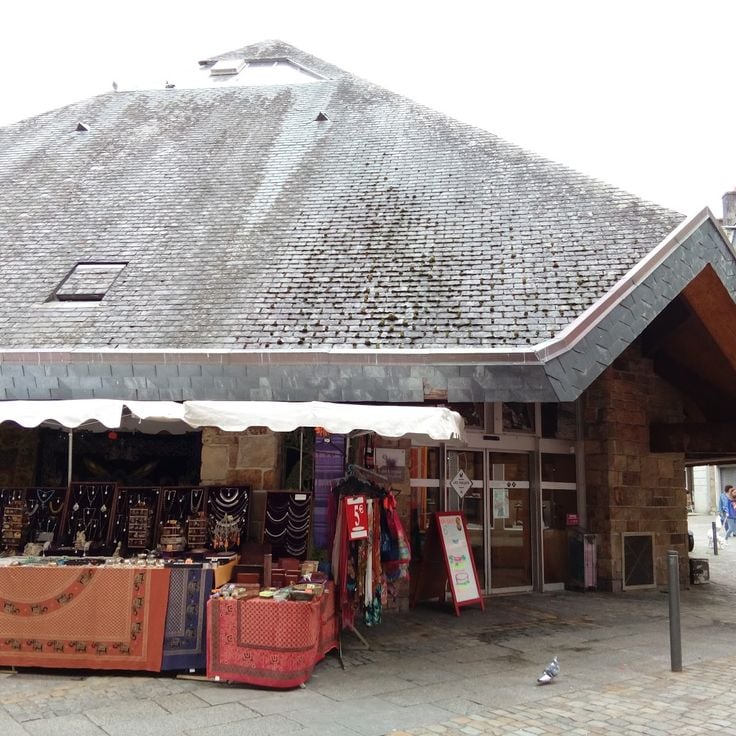
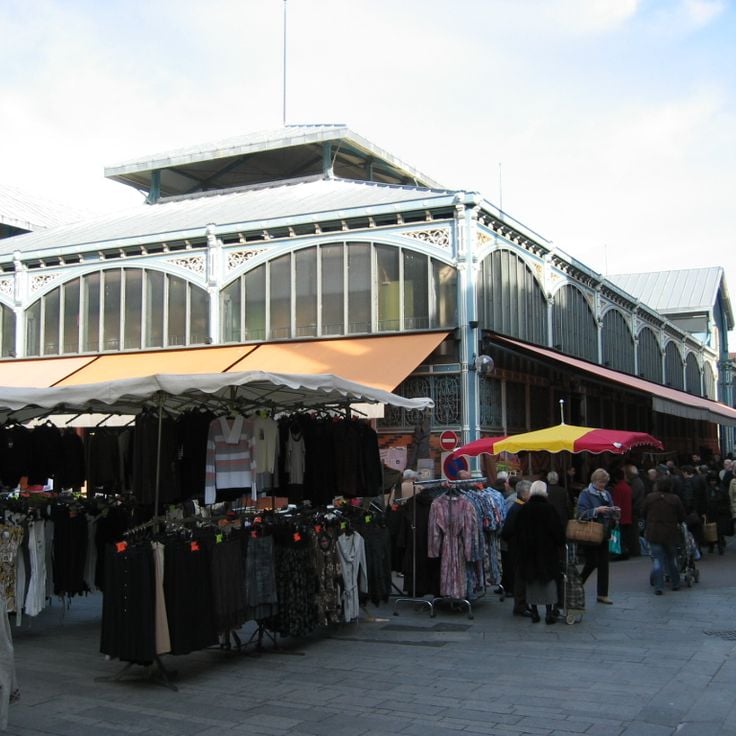
A selection of about thirty covered markets and famous halls across France. These places include historic markets, Baltard halls, farmers markets, and modern food halls. They are known for the quality of their products, their distinctive architecture, and their role in local life. From the Market of the Reds in Paris to the Dijon halls, the Paul Bocuse halls in Lyon, and the Cours Saleya market in Nice, this collection invites you to explore the food centers of French cities.
In these halls, you find local fruits and vegetables, fresh fish, and regional specialties that tell about the history of the towns.
A selection of about thirty covered markets and famous halls across France. These places include historic markets, Baltard halls, farmers markets, and modern food halls. They are known for the quality of their products, their distinctive architecture, and their role in local life. From the Market of the Reds in Paris to the Dijon halls, the Paul Bocuse halls in Lyon, and the Cours Saleya market in Nice, this collection invites you to explore the food centers of French cities.
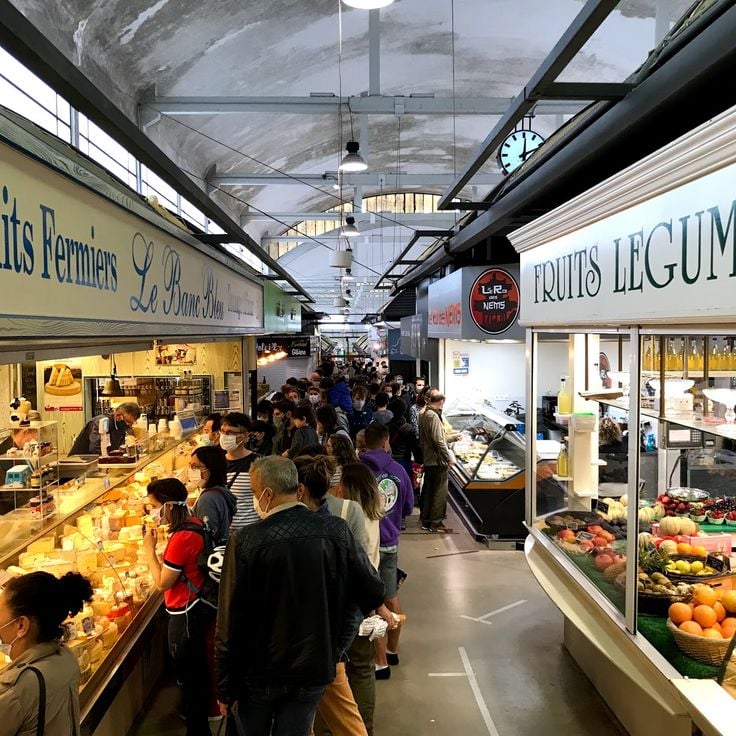
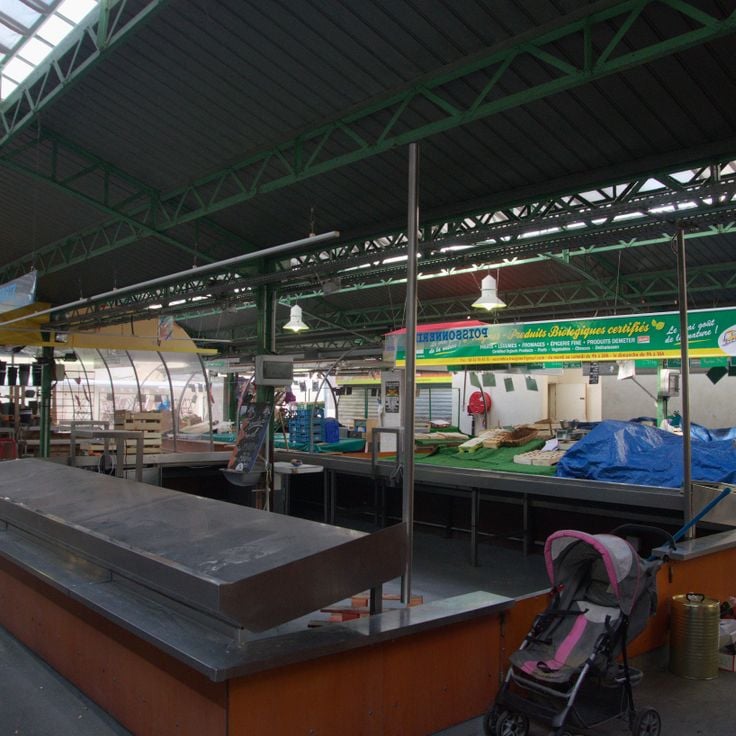
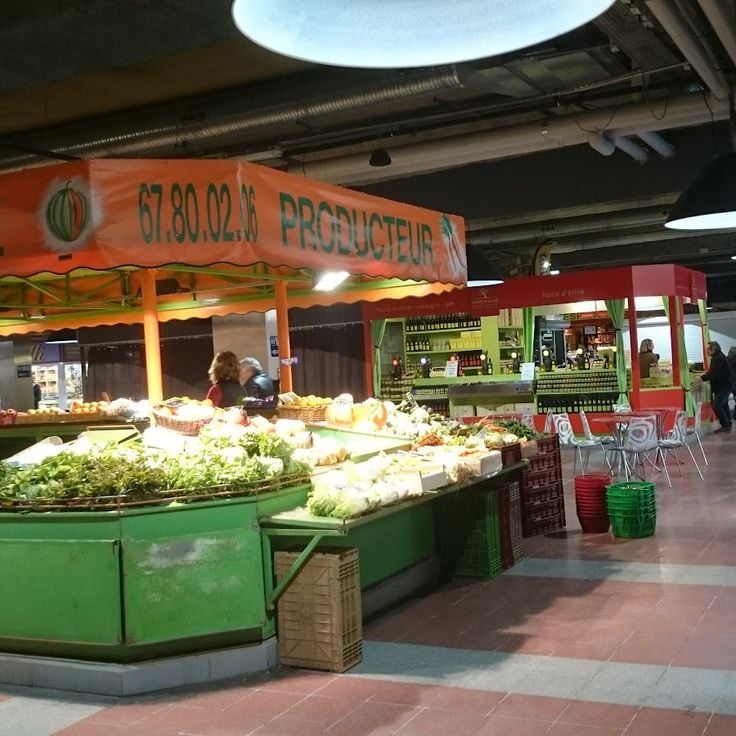
The Marché des Batignolles is a covered market in the 17th arrondissement where regional producers sell their goods. This market is central to daily life in the Batignolles neighborhood, drawing residents who shop for vegetables, fruits, cheese, and other local products. The covered structure protects shoppers from the elements, and the market serves as a gathering place where neighbors encounter each other while selecting fresh items from the vendors.
The Marché des Enfants Rouges is a historic covered market in Paris's Marais district. Small producers and restaurant vendors operate within its walls, offering visitors local products and prepared foods. This market holds an important place in the neighborhood's daily life, attracting both residents and travelers who come for the artisanal goods and local food.
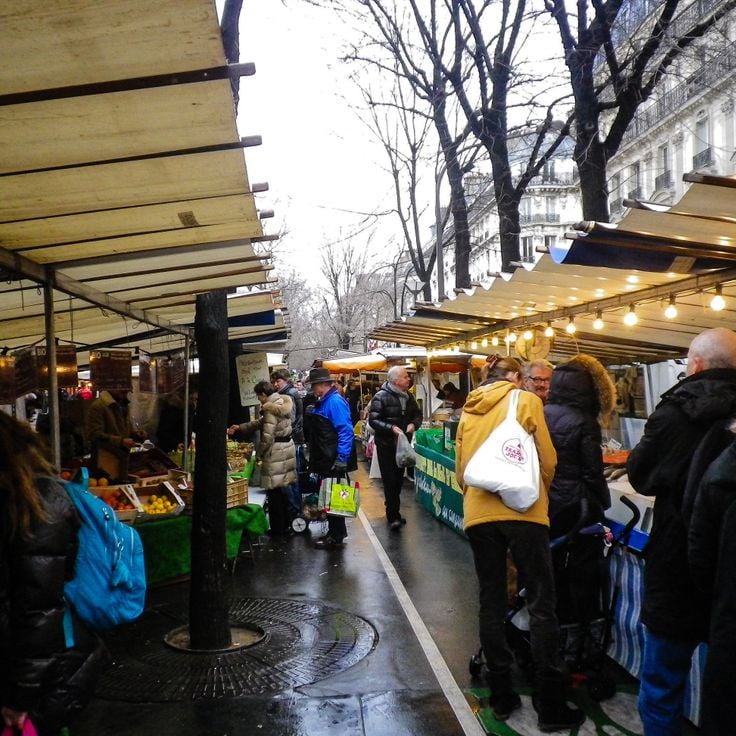
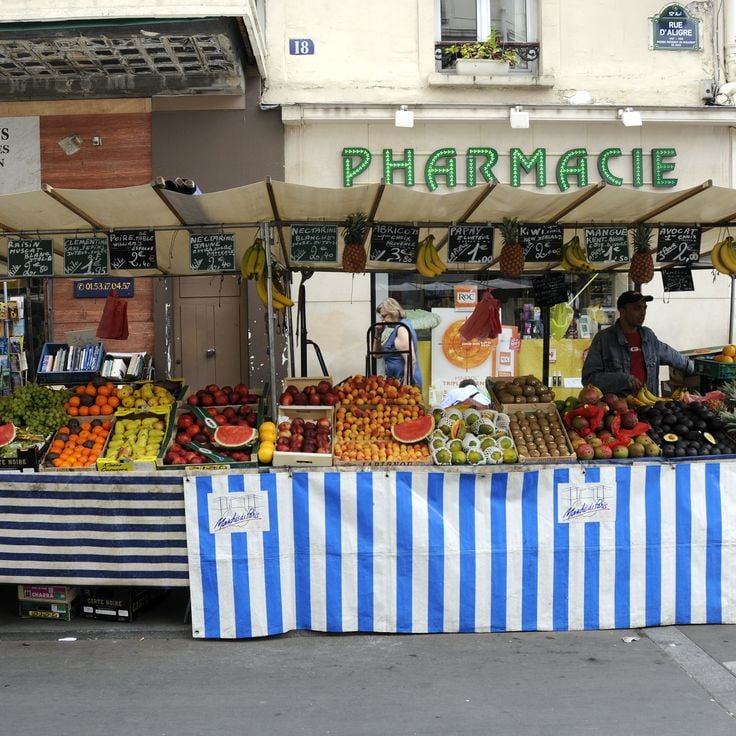
The Marché d'Aligre is a Paris market in the 12th arrondissement that has shaped daily life for local residents across generations. This market brings together tradition and activity, with stalls offering fresh produce, antiques, and local goods. The place carries history and remains an important gathering spot for the neighborhood.
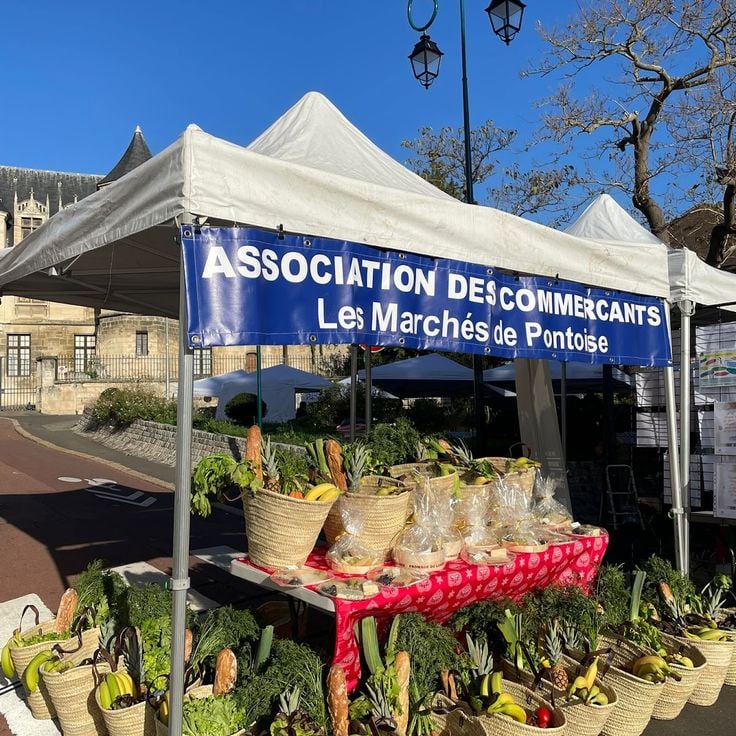
The covered market of Pontoise serves as a gathering place where locals and visitors find fresh fruits, vegetables, and products from the region. This market is woven into the daily life of the city and helps keep local food traditions alive.
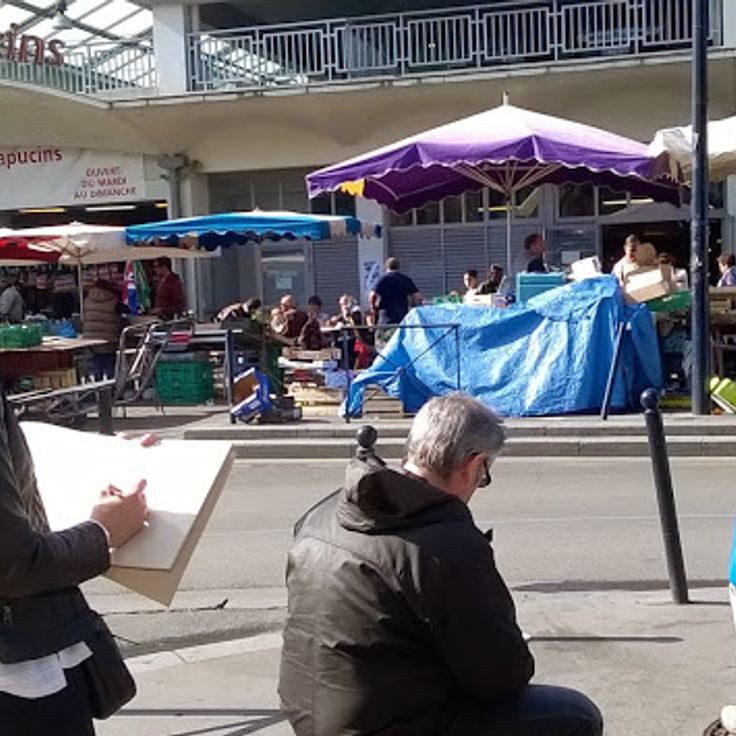
The Marché des Capucins is a market in Bordeaux where fresh fruits, vegetables, flowers, and regional specialties are sold. As one of France's significant food markets, this place shows how the city maintains its food culture. Locals come here daily to buy quality products directly from producers and discover what the region offers.
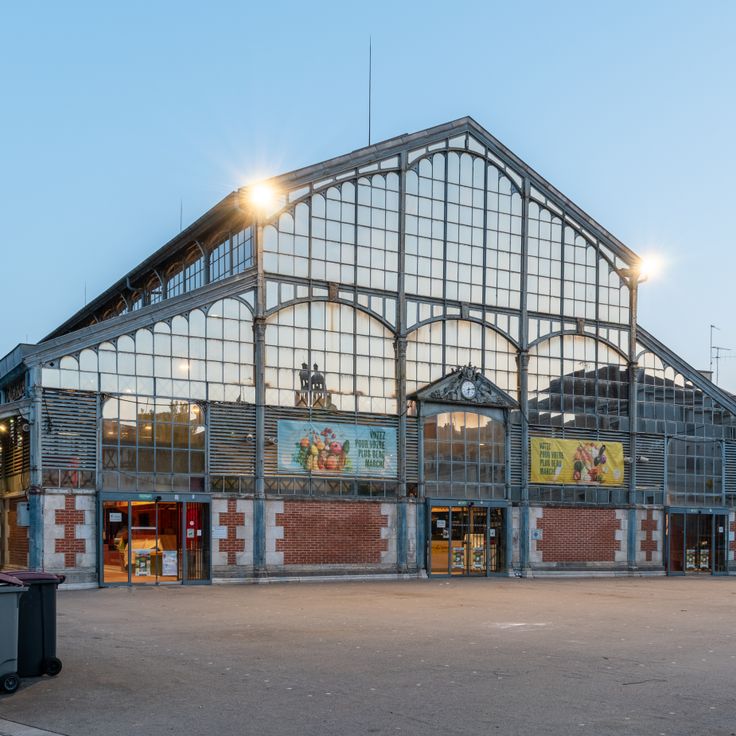
The covered market of Enghien-les-Bains is a central gathering place in Val-d'Oise where locals and visitors browse fresh produce and artisanal goods. This market hall brings together farmers, producers, and small shopkeepers in a traditional setting. The space reflects the character of a classic French market, with its arched roof and busy rhythm of daily commerce. It serves as an important social and economic hub for the community.
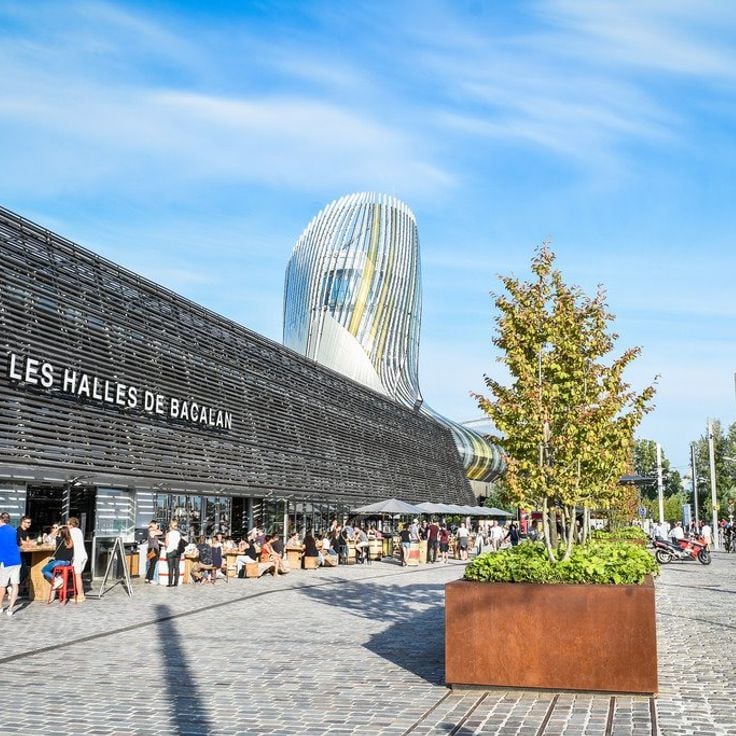
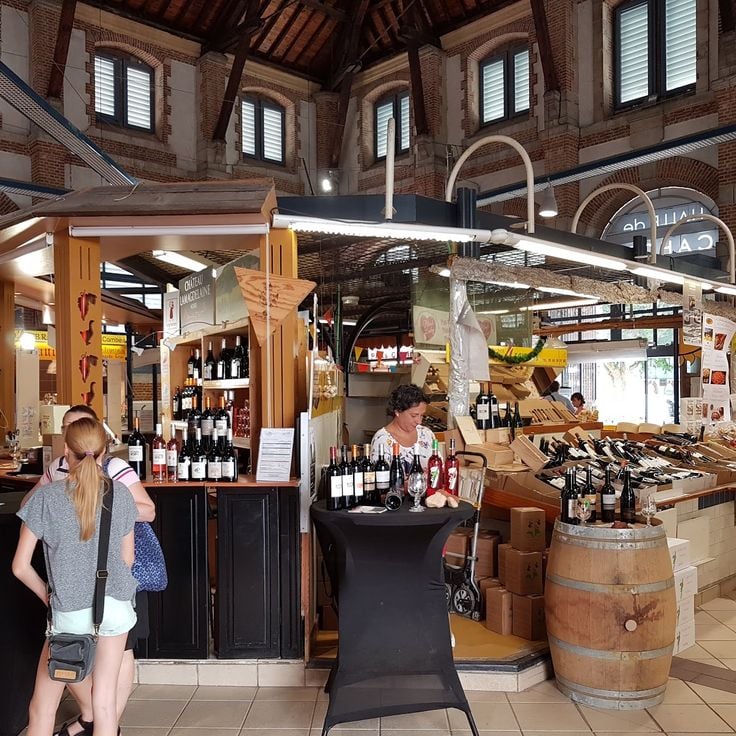
The Halles de Bacalan are renovated market halls in Bordeaux that bring together local producers and restaurants under one roof. This place reflects the city's culinary tradition and offers visitors the chance to discover and enjoy regional specialties. The halls are an important gathering point in the city's life and demonstrate how traditional market culture combines with modern food service.
The covered market of La Rochelle is a place on the Atlantic coast where fishmongers offer fresh catches daily and regional products are sold. The market holds an important place in the daily life of the city and draws both locals and visitors seeking fresh seafood and local specialties.
The Halles de Niort is a market in Nouvelle-Aquitaine where fresh produce is sold and culinary workshops take place. This venue is part of a collection of French markets and covered halls known for their quality products and importance to city life. Visitors can browse local goods and participate in cooking activities.
The covered market of Royan is a coastal marketplace where you find seafood and regional products. It is an important place in the life of the city and shows the connection between the coast and daily shopping. The market offers fresh goods that reflect the sea and the area around Royan.
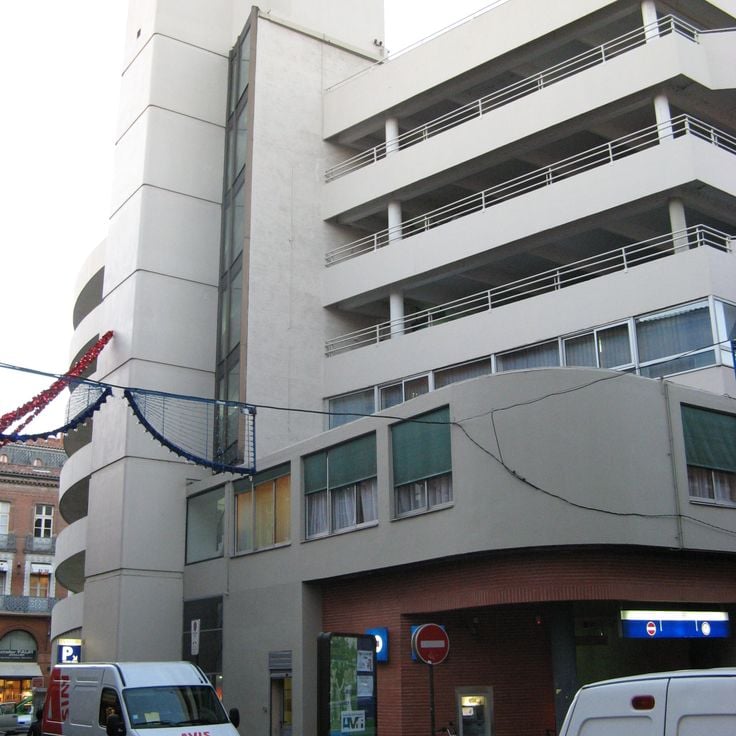
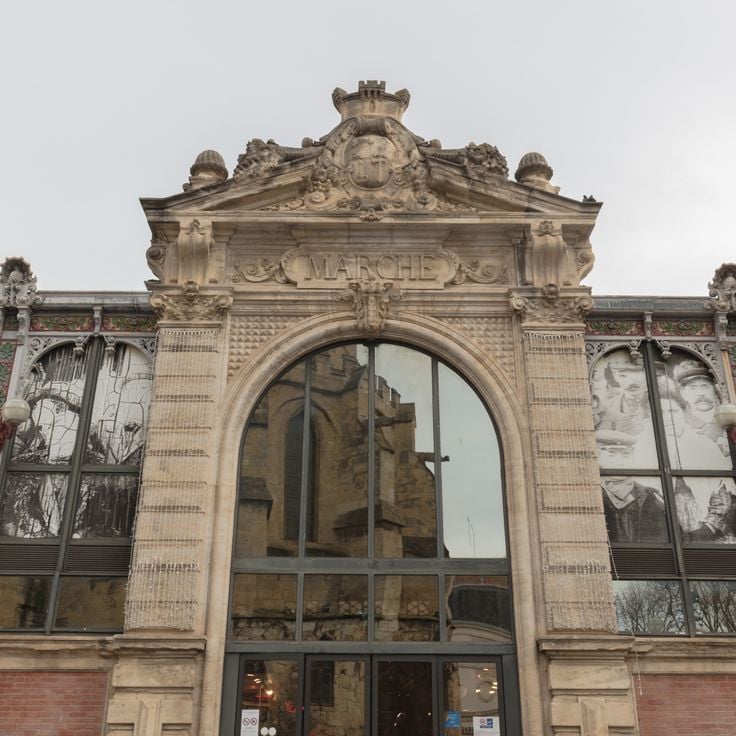
The Marché Victor Hugo in Toulouse is a covered market where you find fresh fruits, vegetables, meat, and cheese of good quality. It is part of the collection of covered markets and food halls that serve as important gathering places in French cities. Here residents and visitors meet to purchase quality products from local sellers.
The Narbonne Market Halls bring together fishmongers, fruit sellers, and local producers under one roof. You can find fresh fish caught from nearby waters, seasonal fruits, and regional specialties that define Mediterranean cooking. The halls are where locals come to shop and gather, and where the daily food culture of this southern French city takes shape. Walking through these spaces gives you a sense of how the people here eat and live.
The market halls of Sète are a vital part of this port city's daily life. You will find fresh fish and Mediterranean seafood here every day, offered by vendors with deep knowledge of their products. Walking through these halls, you experience the maritime heritage of Sète and the rhythms of a city built around the sea. Locals and visitors mix freely, creating a social space that reflects the town's fishing traditions.
The Marche des Carmes in Toulouse brings together fresh produce and specialties from the southwest. This traditional market serves as a gathering place where locals shop for quality goods from regional vendors. The variety of fruits, vegetables, and local products reflects the food traditions of the area.
The covered market of Cahors sits at the heart of this Lot valley town. You will find fresh fruit, vegetables and wines from the surrounding region. This is where locals gather to shop and meet, and where you can taste what the land produces. The market reflects the agricultural traditions of the area.
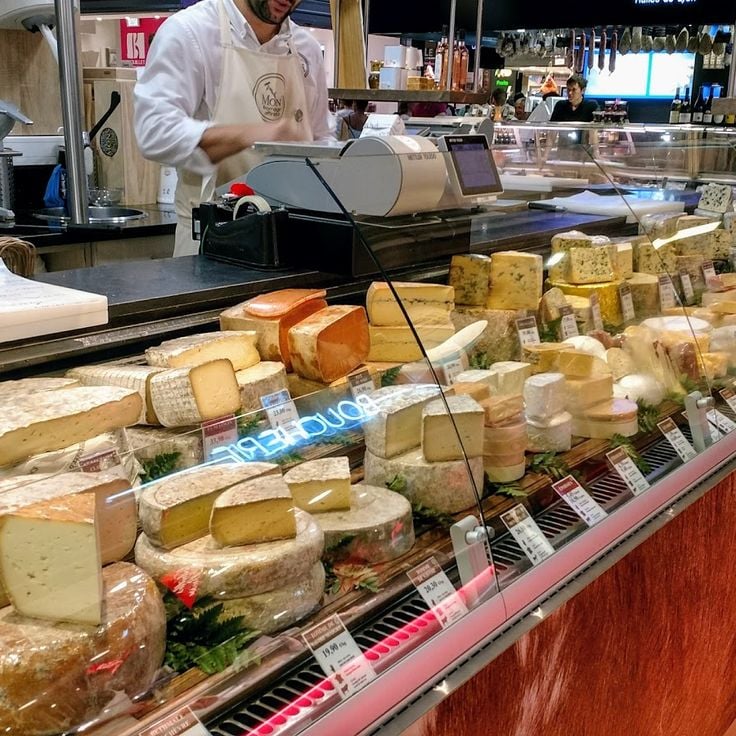
The Halles Paul Bocuse in Lyon brings together cooks, locals, and visitors in one space. Here you find restaurants side by side with stalls run by small producers selling vegetables, meat, cheese, and other food items. The hall connects the city's food culture to everyday life. You walk between the stalls, discover local specialties, and watch how vendors display their goods. This is a place for anyone who appreciates good food.
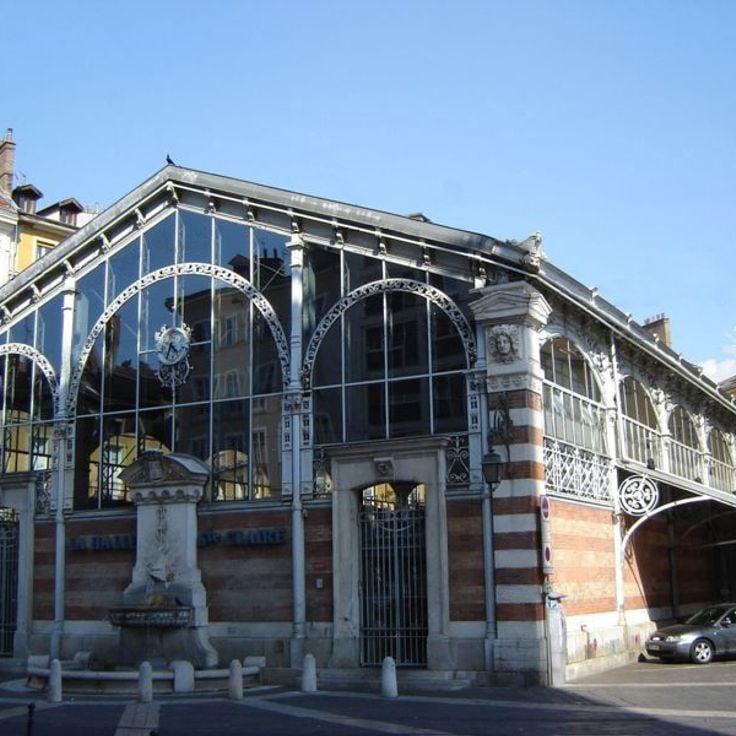
The Halles Sainte-Claire are a key market in Grenoble where fruit, vegetables, and regional Alpine specialties are sold. This place plays an important role in daily city life and shows how residents choose their food and interact with each other.
This covered market in Vienne serves as a gathering place for shoppers seeking fresh regional products from Isère. Local producers sell their goods directly to customers in these halls. The market plays a role in the everyday rhythms of the city, showing how residents shop and connect with one another. You will find vegetables, fruits, cheese, and other regional specialties on display. Walking through these covered spaces gives you a sense of how local food culture and farming traditions shape daily life here.
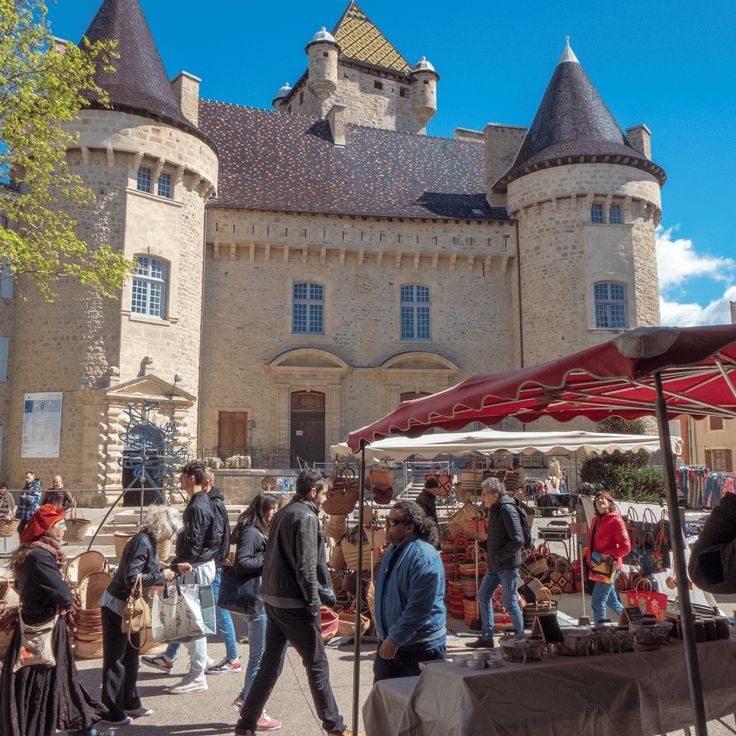
The Halles Mazerat in Aubenas serve as a gathering place for the local food trade. Farmers and merchants display fresh fruits, vegetables, and regional products under the covered structure. This market reflects how French towns keep their food traditions alive through daily commerce. The halls support local agriculture and bring the community together around good food.
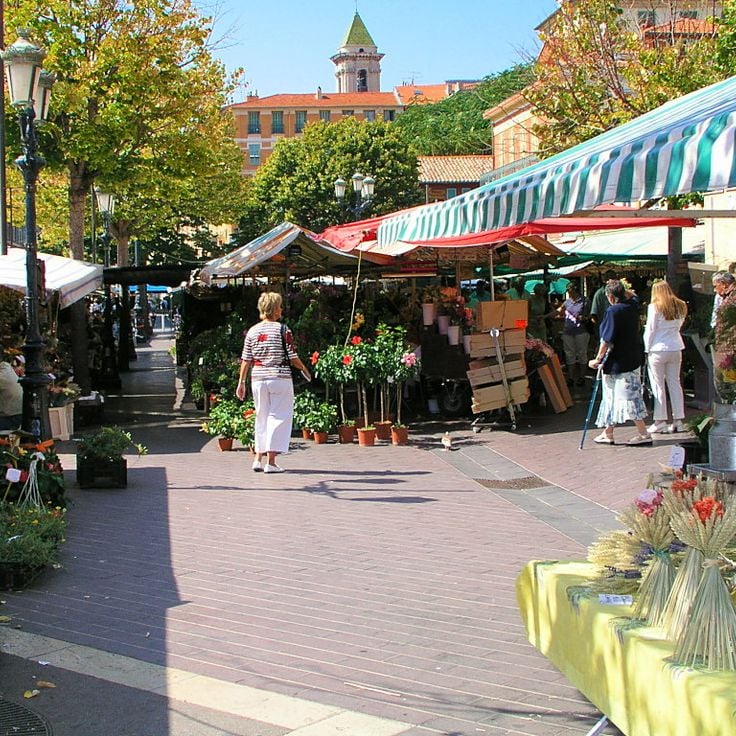
The Marché du Cours Saleya is Nice's main outdoor market. Vendors sell flowers, fruit and vegetables from the Mediterranean region. The market operates daily and draws both locals and visitors. You will find fresh produce, olive oil and regional specialties. The light of the Côte d'Azur and the crowd of shoppers create a lively rhythm throughout the day.
The Halles de Toulon is a central market in the city where fresh fish and Mediterranean products are sold. This place reflects the culinary tradition of the region and draws residents and visitors seeking quality ingredients. The Halles is part of the network of important French markets that form the heart of local life.
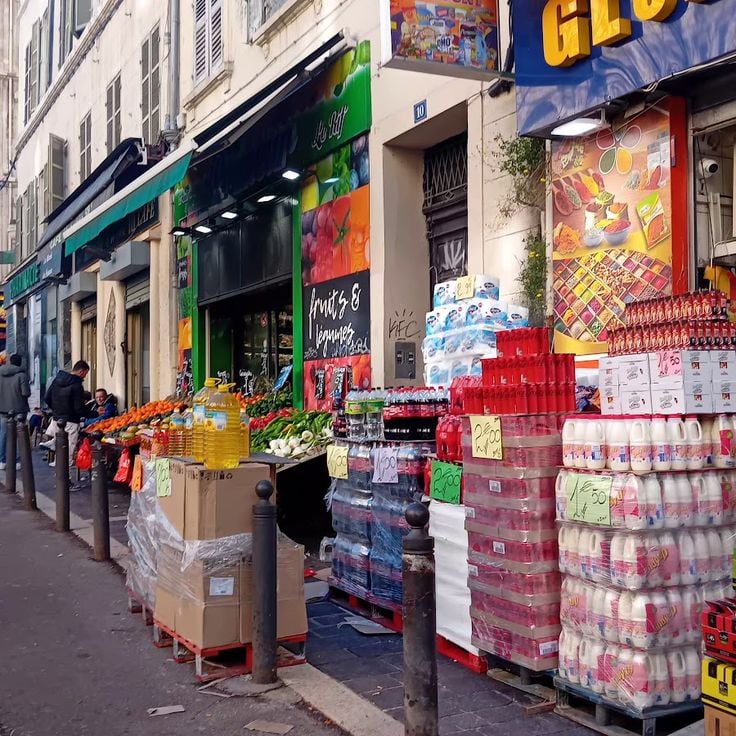
The Noailles covered market is the heart of local food life in Marseille. Here you will find fruit, vegetables, spices and Mediterranean specialties from the region. The market is a lively place where locals come every day to buy fresh produce. The atmosphere is filled with colors and scents typical of southern French cuisine.
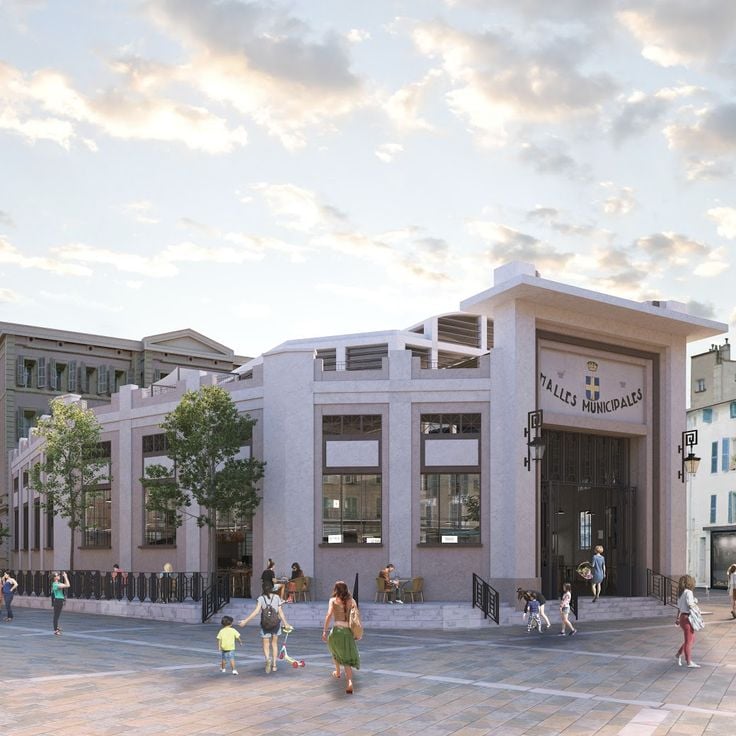
The Halles d'Avignon is a covered market in the heart of the city where you find fresh fruit, vegetables, and products from Provence. Local people come here daily to shop and meet. The vendors know their customers, and the air is filled with the scents of the region. This is a place where market tradition remains alive and the quality of what is sold matters most.
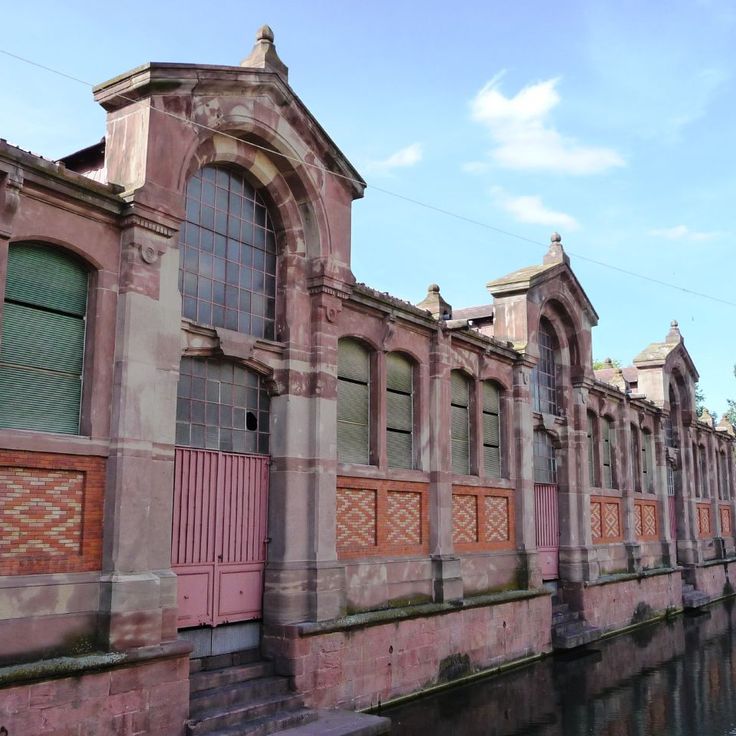
The covered market of Colmar is a lively gathering place in the heart of the city where locals and visitors come together. You will find fresh fruits, vegetables, and regional specialties from Alsace. The market stalls display the culinary traditions of the region and serve as an important meeting point for residents of Colmar.
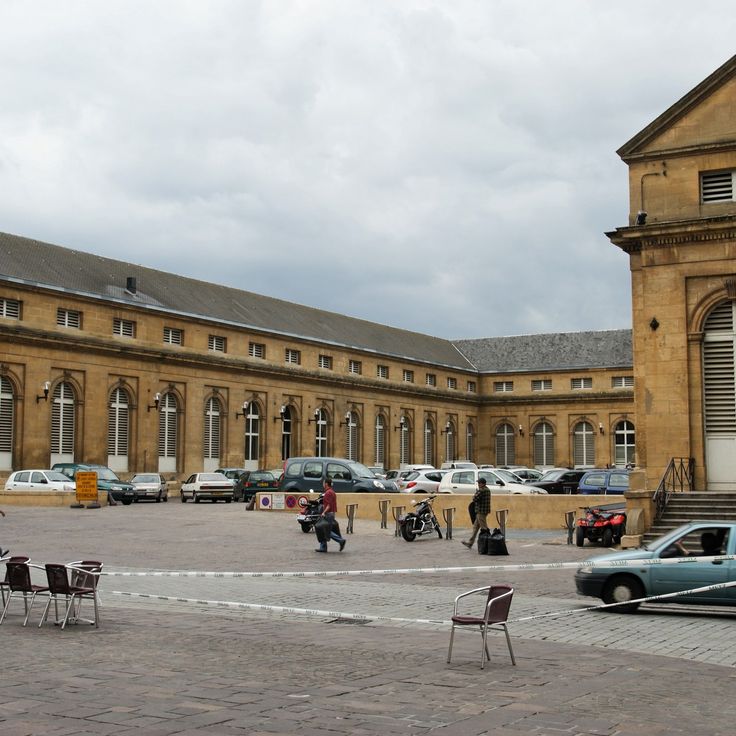
The covered market of Metz is a working place in the heart of the city where fresh products and local specialties from Lorraine are sold daily. Between the stalls you will find fruit, vegetables, meat and cheese from producers in the region. The hall has a lively character and reflects the food culture typical of this French city. People come here to shop, meet, and discover the rich culinary offerings.
The Strasbourg Market Halls sit at the heart of the city, where locals and visitors shop for fresh fruit, vegetables, and Alsatian charcuterie. These halls bring together the region's food producers and reflect how eating well is woven into daily life here. Walking through, you get a real sense of what matters to people in Strasbourg and how they source their food.
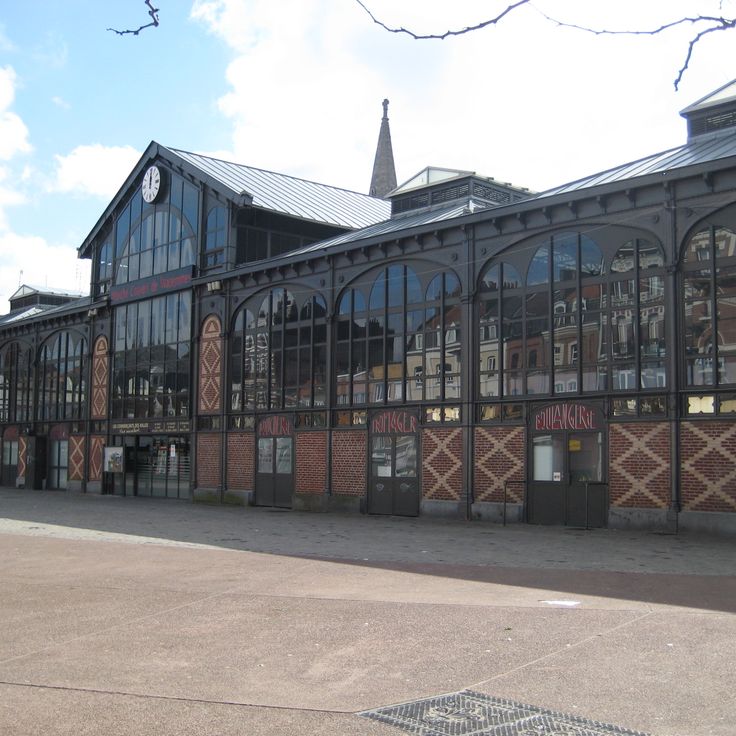
The Halles de Wazemmes in Lille are market halls where you find fruit, vegetables, fish, and regional cheeses. These halls are part of a collection of important French marketplaces that are known for their product quality and their place in city life.
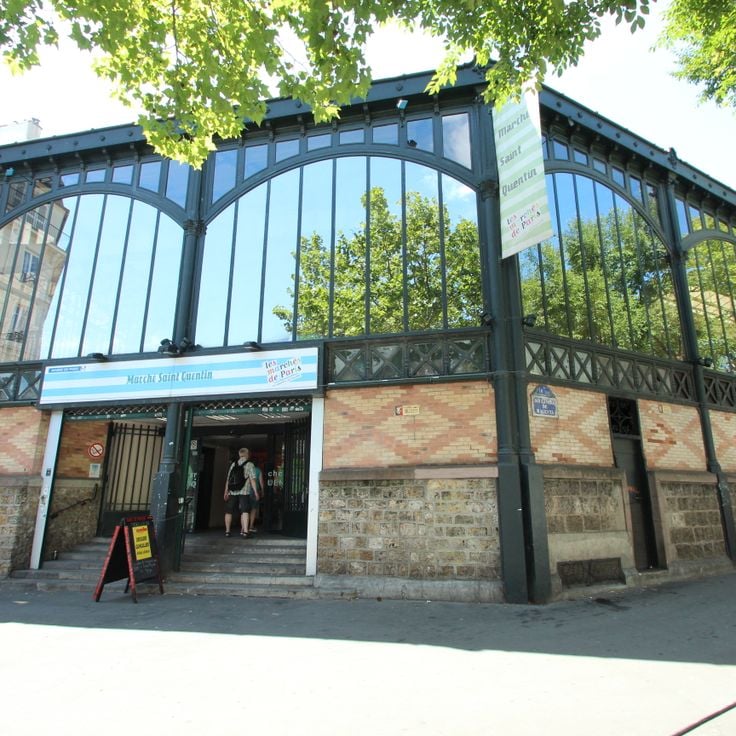
The covered market of Saint-Quentin in the Aisne is a central gathering place for locals and visitors. This market brings together fresh fruit, vegetables, and products from the region within its traditional structure. The hall plays an important role in the daily life of the city and showcases what farmers and producers from the area have to offer.
The Central Halls of Rennes form the heart of food offerings in this Breton city. Here you find fresh fruit and vegetables from the region, along with local Breton specialties. These halls are where residents gather to shop for fresh produce and discover what the area has to offer.
The Halles Saint-François in Quimper serve as a gathering place for the local community. This covered market brings together Breton products and regional specialties. Vendors here display fresh produce, fish, meat, and artisanal goods. The market reflects the culinary traditions of the region and functions as a meeting point for residents and travelers alike.
The Halles of Dijon are a central gathering place where locals and visitors come together to shop for fresh produce and regional goods. You will find fruits, vegetables, and traditional specialties from Burgundy here. These halls have a long history and remain an important part of daily life in the city.
Talensac Market is Nantes' covered market where local growers and vendors sell fresh produce. You walk through rows of fruits, vegetables and products from the Loire region. This is where the city comes to find quality ingredients and connect with local food traditions.
The Marché des Batignolles is a covered market in the 17th arrondissement where regional producers sell their goods. This market is central to daily life in the Batignolles neighborhood, drawing residents who shop for vegetables, fruits, cheese, and other local products. The covered structure protects shoppers from the elements, and the market serves as a gathering place where neighbors encounter each other while selecting fresh items from the vendors.
The Marché des Enfants Rouges is a historic covered market in Paris's Marais district. Small producers and restaurant vendors operate within its walls, offering visitors local products and prepared foods. This market holds an important place in the neighborhood's daily life, attracting both residents and travelers who come for the artisanal goods and local food.
The Marché d'Aligre is a Paris market in the 12th arrondissement that has shaped daily life for local residents across generations. This market brings together tradition and activity, with stalls offering fresh produce, antiques, and local goods. The place carries history and remains an important gathering spot for the neighborhood.
The covered market of Pontoise serves as a gathering place where locals and visitors find fresh fruits, vegetables, and products from the region. This market is woven into the daily life of the city and helps keep local food traditions alive.
The Marché des Capucins is a market in Bordeaux where fresh fruits, vegetables, flowers, and regional specialties are sold. As one of France's significant food markets, this place shows how the city maintains its food culture. Locals come here daily to buy quality products directly from producers and discover what the region offers.
The covered market of Enghien-les-Bains is a central gathering place in Val-d'Oise where locals and visitors browse fresh produce and artisanal goods. This market hall brings together farmers, producers, and small shopkeepers in a traditional setting. The space reflects the character of a classic French market, with its arched roof and busy rhythm of daily commerce. It serves as an important social and economic hub for the community.
The Halles de Bacalan are renovated market halls in Bordeaux that bring together local producers and restaurants under one roof. This place reflects the city's culinary tradition and offers visitors the chance to discover and enjoy regional specialties. The halls are an important gathering point in the city's life and demonstrate how traditional market culture combines with modern food service.
The covered market of La Rochelle is a place on the Atlantic coast where fishmongers offer fresh catches daily and regional products are sold. The market holds an important place in the daily life of the city and draws both locals and visitors seeking fresh seafood and local specialties.
The Halles de Niort is a market in Nouvelle-Aquitaine where fresh produce is sold and culinary workshops take place. This venue is part of a collection of French markets and covered halls known for their quality products and importance to city life. Visitors can browse local goods and participate in cooking activities.
The covered market of Royan is a coastal marketplace where you find seafood and regional products. It is an important place in the life of the city and shows the connection between the coast and daily shopping. The market offers fresh goods that reflect the sea and the area around Royan.
The Marché Victor Hugo in Toulouse is a covered market where you find fresh fruits, vegetables, meat, and cheese of good quality. It is part of the collection of covered markets and food halls that serve as important gathering places in French cities. Here residents and visitors meet to purchase quality products from local sellers.
The Narbonne Market Halls bring together fishmongers, fruit sellers, and local producers under one roof. You can find fresh fish caught from nearby waters, seasonal fruits, and regional specialties that define Mediterranean cooking. The halls are where locals come to shop and gather, and where the daily food culture of this southern French city takes shape. Walking through these spaces gives you a sense of how the people here eat and live.
The market halls of Sète are a vital part of this port city's daily life. You will find fresh fish and Mediterranean seafood here every day, offered by vendors with deep knowledge of their products. Walking through these halls, you experience the maritime heritage of Sète and the rhythms of a city built around the sea. Locals and visitors mix freely, creating a social space that reflects the town's fishing traditions.
The Marche des Carmes in Toulouse brings together fresh produce and specialties from the southwest. This traditional market serves as a gathering place where locals shop for quality goods from regional vendors. The variety of fruits, vegetables, and local products reflects the food traditions of the area.
The covered market of Cahors sits at the heart of this Lot valley town. You will find fresh fruit, vegetables and wines from the surrounding region. This is where locals gather to shop and meet, and where you can taste what the land produces. The market reflects the agricultural traditions of the area.
The Halles Paul Bocuse in Lyon brings together cooks, locals, and visitors in one space. Here you find restaurants side by side with stalls run by small producers selling vegetables, meat, cheese, and other food items. The hall connects the city's food culture to everyday life. You walk between the stalls, discover local specialties, and watch how vendors display their goods. This is a place for anyone who appreciates good food.
The Halles Sainte-Claire are a key market in Grenoble where fruit, vegetables, and regional Alpine specialties are sold. This place plays an important role in daily city life and shows how residents choose their food and interact with each other.
This covered market in Vienne serves as a gathering place for shoppers seeking fresh regional products from Isère. Local producers sell their goods directly to customers in these halls. The market plays a role in the everyday rhythms of the city, showing how residents shop and connect with one another. You will find vegetables, fruits, cheese, and other regional specialties on display. Walking through these covered spaces gives you a sense of how local food culture and farming traditions shape daily life here.
The Halles Mazerat in Aubenas serve as a gathering place for the local food trade. Farmers and merchants display fresh fruits, vegetables, and regional products under the covered structure. This market reflects how French towns keep their food traditions alive through daily commerce. The halls support local agriculture and bring the community together around good food.
The Marché du Cours Saleya is Nice's main outdoor market. Vendors sell flowers, fruit and vegetables from the Mediterranean region. The market operates daily and draws both locals and visitors. You will find fresh produce, olive oil and regional specialties. The light of the Côte d'Azur and the crowd of shoppers create a lively rhythm throughout the day.
The Halles de Toulon is a central market in the city where fresh fish and Mediterranean products are sold. This place reflects the culinary tradition of the region and draws residents and visitors seeking quality ingredients. The Halles is part of the network of important French markets that form the heart of local life.
The Noailles covered market is the heart of local food life in Marseille. Here you will find fruit, vegetables, spices and Mediterranean specialties from the region. The market is a lively place where locals come every day to buy fresh produce. The atmosphere is filled with colors and scents typical of southern French cuisine.
The Halles d'Avignon is a covered market in the heart of the city where you find fresh fruit, vegetables, and products from Provence. Local people come here daily to shop and meet. The vendors know their customers, and the air is filled with the scents of the region. This is a place where market tradition remains alive and the quality of what is sold matters most.
The covered market of Colmar is a lively gathering place in the heart of the city where locals and visitors come together. You will find fresh fruits, vegetables, and regional specialties from Alsace. The market stalls display the culinary traditions of the region and serve as an important meeting point for residents of Colmar.
The covered market of Metz is a working place in the heart of the city where fresh products and local specialties from Lorraine are sold daily. Between the stalls you will find fruit, vegetables, meat and cheese from producers in the region. The hall has a lively character and reflects the food culture typical of this French city. People come here to shop, meet, and discover the rich culinary offerings.
The Strasbourg Market Halls sit at the heart of the city, where locals and visitors shop for fresh fruit, vegetables, and Alsatian charcuterie. These halls bring together the region's food producers and reflect how eating well is woven into daily life here. Walking through, you get a real sense of what matters to people in Strasbourg and how they source their food.
The Halles de Wazemmes in Lille are market halls where you find fruit, vegetables, fish, and regional cheeses. These halls are part of a collection of important French marketplaces that are known for their product quality and their place in city life.
The covered market of Saint-Quentin in the Aisne is a central gathering place for locals and visitors. This market brings together fresh fruit, vegetables, and products from the region within its traditional structure. The hall plays an important role in the daily life of the city and showcases what farmers and producers from the area have to offer.
The Central Halls of Rennes form the heart of food offerings in this Breton city. Here you find fresh fruit and vegetables from the region, along with local Breton specialties. These halls are where residents gather to shop for fresh produce and discover what the area has to offer.
The Halles Saint-François in Quimper serve as a gathering place for the local community. This covered market brings together Breton products and regional specialties. Vendors here display fresh produce, fish, meat, and artisanal goods. The market reflects the culinary traditions of the region and functions as a meeting point for residents and travelers alike.
The Halles of Dijon are a central gathering place where locals and visitors come together to shop for fresh produce and regional goods. You will find fruits, vegetables, and traditional specialties from Burgundy here. These halls have a long history and remain an important part of daily life in the city.
Talensac Market is Nantes' covered market where local growers and vendors sell fresh produce. You walk through rows of fruits, vegetables and products from the Loire region. This is where the city comes to find quality ingredients and connect with local food traditions.
The Marché des Batignolles is a covered market in the 17th arrondissement where regional producers sell their goods. This market is central to daily life in the Batignolles neighborhood, drawing residents who shop for vegetables, fruits, cheese, and other local products. The covered structure protects shoppers from the elements, and the market serves as a gathering place where neighbors encounter each other while selecting fresh items from the vendors.
The Marché des Enfants Rouges is a historic covered market in Paris's Marais district. Small producers and restaurant vendors operate within its walls, offering visitors local products and prepared foods. This market holds an important place in the neighborhood's daily life, attracting both residents and travelers who come for the artisanal goods and local food.
The Marché d'Aligre is a Paris market in the 12th arrondissement that has shaped daily life for local residents across generations. This market brings together tradition and activity, with stalls offering fresh produce, antiques, and local goods. The place carries history and remains an important gathering spot for the neighborhood.
The covered market of Pontoise serves as a gathering place where locals and visitors find fresh fruits, vegetables, and products from the region. This market is woven into the daily life of the city and helps keep local food traditions alive.
The Marché des Capucins is a market in Bordeaux where fresh fruits, vegetables, flowers, and regional specialties are sold. As one of France's significant food markets, this place shows how the city maintains its food culture. Locals come here daily to buy quality products directly from producers and discover what the region offers.
The covered market of Enghien-les-Bains is a central gathering place in Val-d'Oise where locals and visitors browse fresh produce and artisanal goods. This market hall brings together farmers, producers, and small shopkeepers in a traditional setting. The space reflects the character of a classic French market, with its arched roof and busy rhythm of daily commerce. It serves as an important social and economic hub for the community.
The Halles de Bacalan are renovated market halls in Bordeaux that bring together local producers and restaurants under one roof. This place reflects the city's culinary tradition and offers visitors the chance to discover and enjoy regional specialties. The halls are an important gathering point in the city's life and demonstrate how traditional market culture combines with modern food service.
The covered market of La Rochelle is a place on the Atlantic coast where fishmongers offer fresh catches daily and regional products are sold. The market holds an important place in the daily life of the city and draws both locals and visitors seeking fresh seafood and local specialties.
The Halles de Niort is a market in Nouvelle-Aquitaine where fresh produce is sold and culinary workshops take place. This venue is part of a collection of French markets and covered halls known for their quality products and importance to city life. Visitors can browse local goods and participate in cooking activities.
The covered market of Royan is a coastal marketplace where you find seafood and regional products. It is an important place in the life of the city and shows the connection between the coast and daily shopping. The market offers fresh goods that reflect the sea and the area around Royan.
The Marché Victor Hugo in Toulouse is a covered market where you find fresh fruits, vegetables, meat, and cheese of good quality. It is part of the collection of covered markets and food halls that serve as important gathering places in French cities. Here residents and visitors meet to purchase quality products from local sellers.
The Narbonne Market Halls bring together fishmongers, fruit sellers, and local producers under one roof. You can find fresh fish caught from nearby waters, seasonal fruits, and regional specialties that define Mediterranean cooking. The halls are where locals come to shop and gather, and where the daily food culture of this southern French city takes shape. Walking through these spaces gives you a sense of how the people here eat and live.
The market halls of Sète are a vital part of this port city's daily life. You will find fresh fish and Mediterranean seafood here every day, offered by vendors with deep knowledge of their products. Walking through these halls, you experience the maritime heritage of Sète and the rhythms of a city built around the sea. Locals and visitors mix freely, creating a social space that reflects the town's fishing traditions.
The Marche des Carmes in Toulouse brings together fresh produce and specialties from the southwest. This traditional market serves as a gathering place where locals shop for quality goods from regional vendors. The variety of fruits, vegetables, and local products reflects the food traditions of the area.
The covered market of Cahors sits at the heart of this Lot valley town. You will find fresh fruit, vegetables and wines from the surrounding region. This is where locals gather to shop and meet, and where you can taste what the land produces. The market reflects the agricultural traditions of the area.
The Halles Paul Bocuse in Lyon brings together cooks, locals, and visitors in one space. Here you find restaurants side by side with stalls run by small producers selling vegetables, meat, cheese, and other food items. The hall connects the city's food culture to everyday life. You walk between the stalls, discover local specialties, and watch how vendors display their goods. This is a place for anyone who appreciates good food.
The Halles Sainte-Claire are a key market in Grenoble where fruit, vegetables, and regional Alpine specialties are sold. This place plays an important role in daily city life and shows how residents choose their food and interact with each other.
This covered market in Vienne serves as a gathering place for shoppers seeking fresh regional products from Isère. Local producers sell their goods directly to customers in these halls. The market plays a role in the everyday rhythms of the city, showing how residents shop and connect with one another. You will find vegetables, fruits, cheese, and other regional specialties on display. Walking through these covered spaces gives you a sense of how local food culture and farming traditions shape daily life here.
The Halles Mazerat in Aubenas serve as a gathering place for the local food trade. Farmers and merchants display fresh fruits, vegetables, and regional products under the covered structure. This market reflects how French towns keep their food traditions alive through daily commerce. The halls support local agriculture and bring the community together around good food.
The Marché du Cours Saleya is Nice's main outdoor market. Vendors sell flowers, fruit and vegetables from the Mediterranean region. The market operates daily and draws both locals and visitors. You will find fresh produce, olive oil and regional specialties. The light of the Côte d'Azur and the crowd of shoppers create a lively rhythm throughout the day.
The Halles de Toulon is a central market in the city where fresh fish and Mediterranean products are sold. This place reflects the culinary tradition of the region and draws residents and visitors seeking quality ingredients. The Halles is part of the network of important French markets that form the heart of local life.
The Noailles covered market is the heart of local food life in Marseille. Here you will find fruit, vegetables, spices and Mediterranean specialties from the region. The market is a lively place where locals come every day to buy fresh produce. The atmosphere is filled with colors and scents typical of southern French cuisine.
The Halles d'Avignon is a covered market in the heart of the city where you find fresh fruit, vegetables, and products from Provence. Local people come here daily to shop and meet. The vendors know their customers, and the air is filled with the scents of the region. This is a place where market tradition remains alive and the quality of what is sold matters most.
The covered market of Colmar is a lively gathering place in the heart of the city where locals and visitors come together. You will find fresh fruits, vegetables, and regional specialties from Alsace. The market stalls display the culinary traditions of the region and serve as an important meeting point for residents of Colmar.
The covered market of Metz is a working place in the heart of the city where fresh products and local specialties from Lorraine are sold daily. Between the stalls you will find fruit, vegetables, meat and cheese from producers in the region. The hall has a lively character and reflects the food culture typical of this French city. People come here to shop, meet, and discover the rich culinary offerings.
The Strasbourg Market Halls sit at the heart of the city, where locals and visitors shop for fresh fruit, vegetables, and Alsatian charcuterie. These halls bring together the region's food producers and reflect how eating well is woven into daily life here. Walking through, you get a real sense of what matters to people in Strasbourg and how they source their food.
The Halles de Wazemmes in Lille are market halls where you find fruit, vegetables, fish, and regional cheeses. These halls are part of a collection of important French marketplaces that are known for their product quality and their place in city life.
The covered market of Saint-Quentin in the Aisne is a central gathering place for locals and visitors. This market brings together fresh fruit, vegetables, and products from the region within its traditional structure. The hall plays an important role in the daily life of the city and showcases what farmers and producers from the area have to offer.
The Central Halls of Rennes form the heart of food offerings in this Breton city. Here you find fresh fruit and vegetables from the region, along with local Breton specialties. These halls are where residents gather to shop for fresh produce and discover what the area has to offer.
The Halles Saint-François in Quimper serve as a gathering place for the local community. This covered market brings together Breton products and regional specialties. Vendors here display fresh produce, fish, meat, and artisanal goods. The market reflects the culinary traditions of the region and functions as a meeting point for residents and travelers alike.
The Halles of Dijon are a central gathering place where locals and visitors come together to shop for fresh produce and regional goods. You will find fruits, vegetables, and traditional specialties from Burgundy here. These halls have a long history and remain an important part of daily life in the city.
Talensac Market is Nantes' covered market where local growers and vendors sell fresh produce. You walk through rows of fruits, vegetables and products from the Loire region. This is where the city comes to find quality ingredients and connect with local food traditions.
Visiting these markets early in the morning allows you to get the best selection and talk directly with the sellers. Bring a reusable bag and remember to carry cash. Some small producers do not always accept cards.