See the monuments around you in AROpen chests in the app
Around Us is built for your phone — point your camera at the streets and discover the monuments and places around you in augmented reality.Around Us is built for your phone — chests unlock when you walk, explore and capture nearby places.
These gray and simple towns give visitors a real understanding of how Europeans live today.
Here, we suggest a selection of European towns that are rarely mentioned on common tourist routes. These places give a real look at Europe away from the usual pictures. They are good for travelers looking for unusual spots and experiences off the beaten path.
These gray and simple towns give visitors a real understanding of how Europeans live today.
Here, we suggest a selection of European towns that are rarely mentioned on common tourist routes. These places give a real look at Europe away from the usual pictures. They are good for travelers looking for unusual spots and experiences off the beaten path.
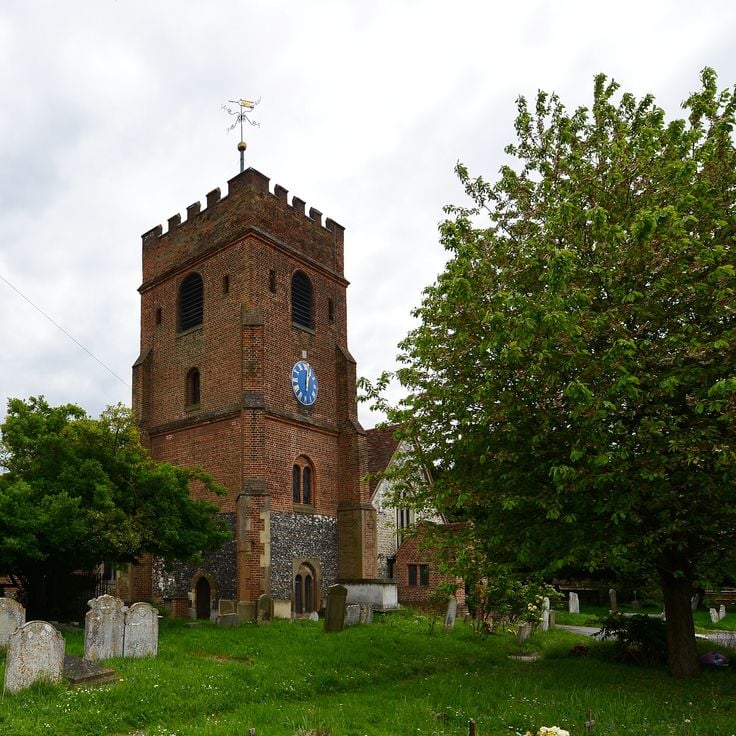
Slough is an industrial town west of London that rarely appears in any travel guide. That is exactly what makes it worth a visit: here you see what an ordinary British town actually looks like, without crowds or staging. The streets are busy, the markets are real, and everyday life moves at its own pace.
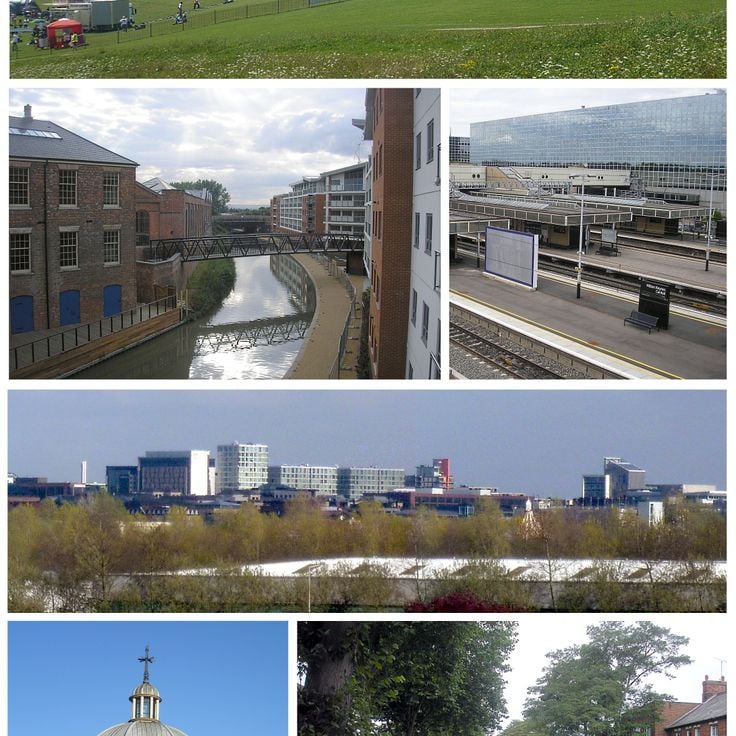
Milton Keynes is a planned city built from scratch in the 1960s. Its streets follow a grid pattern, lined with roundabouts and wide roads that are rarely found in older British towns. Walking through it, you notice open green areas between housing estates and shopping zones. It is not a pretty city in the traditional sense, but it gives an honest picture of how Britain imagined modern urban life.
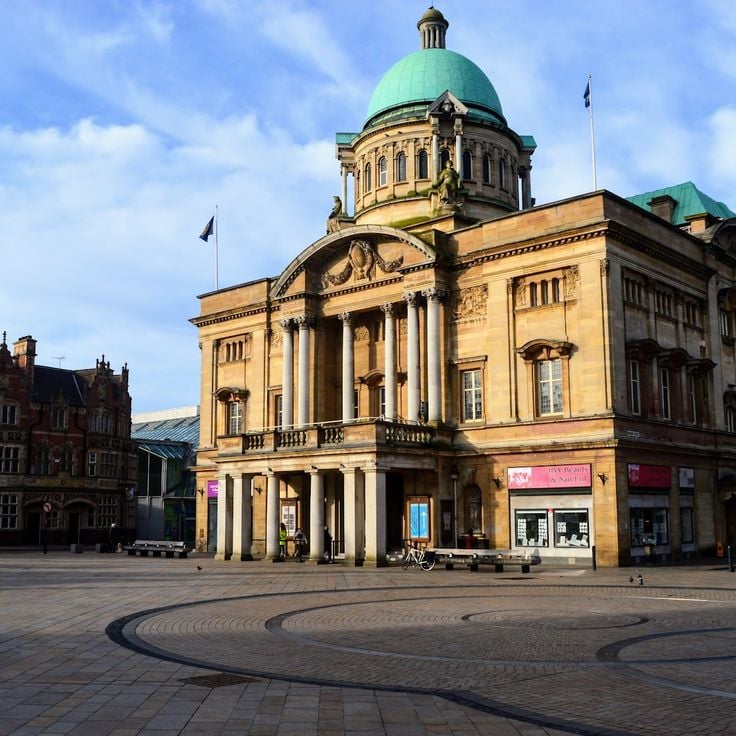
Hull is a port city on the east coast of England that rarely appears on tourist maps. Those who come here find wide streets, old warehouses along the waterfront, and a city that runs at its own pace. Hull is not a backdrop, it is a real place where everyday life simply carries on.
Saint-Étienne is a former industrial city in central France, once known for its coal mines and weapons factories. Today it has a rough, honest feel that is hard to find in more visited cities. Its streets, buildings, and people tell a straightforward story of work and everyday life.
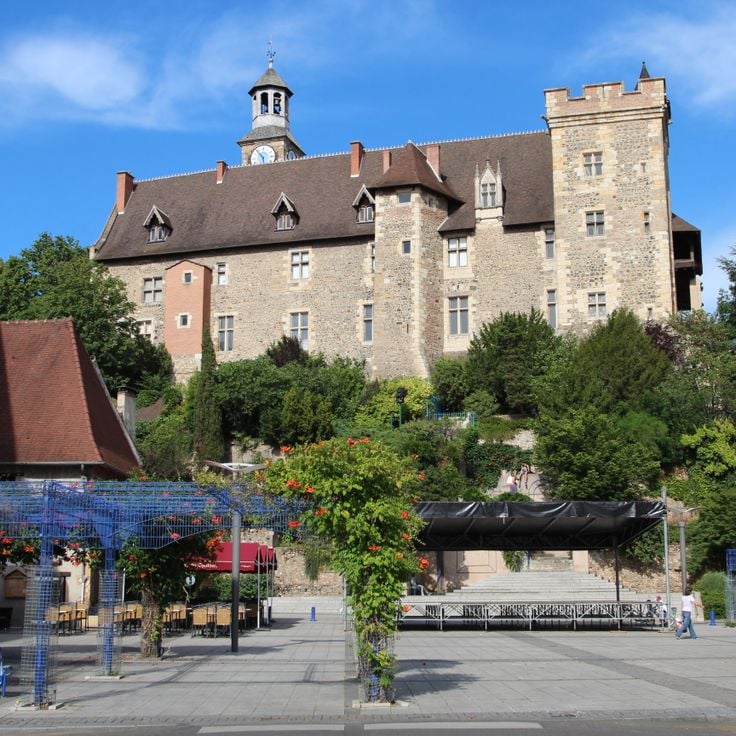
Montluçon is a city in the Auvergne region that was long shaped by metalworking industries. Today, its old center has narrow streets, a medieval castle, and small squares where daily life goes on quietly. For travelers looking beyond the usual tourist trail, Montluçon offers an honest picture of everyday France.
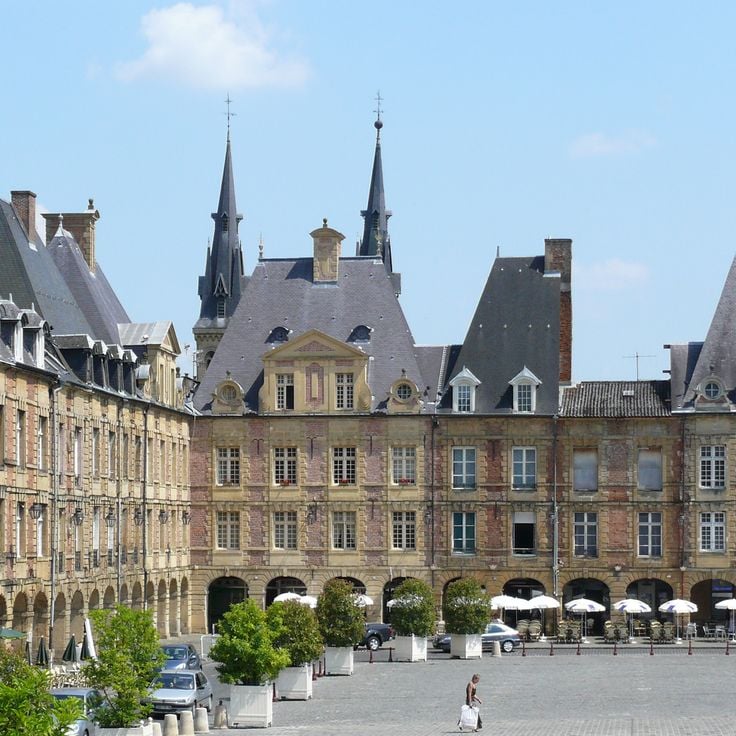
Charleville-Mézières, in the Ardennes in northeastern France, is the birthplace of the poet Arthur Rimbaud. The central Place Ducale, with its uniform 17th-century arcades, looks a lot like the Place des Vosges in Paris. Few tourists make it here, but those who do find a genuine slice of French daily life far from the usual stops.
Nevers sits on the Loire River in a part of France that most travelers simply pass through. Yet the town has a medieval cathedral, old streets to walk, and a slow daily rhythm that feels far from the usual tourist trail. It is the kind of place that rewards those who stop rather than rush.
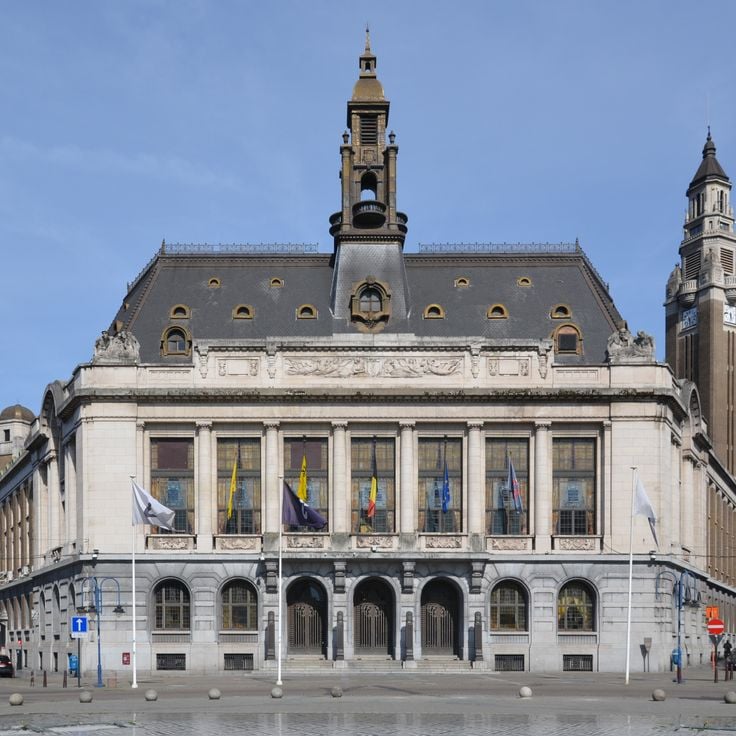
Charleroi sits in the Belgian province of Hainaut and carries the marks of a long industrial past. Walking through the city, you notice old factory buildings, wide streets, and a everyday life that feels far removed from tourist brochures. That is exactly what makes it worth visiting for travelers looking for a side of Belgium that rarely gets attention.
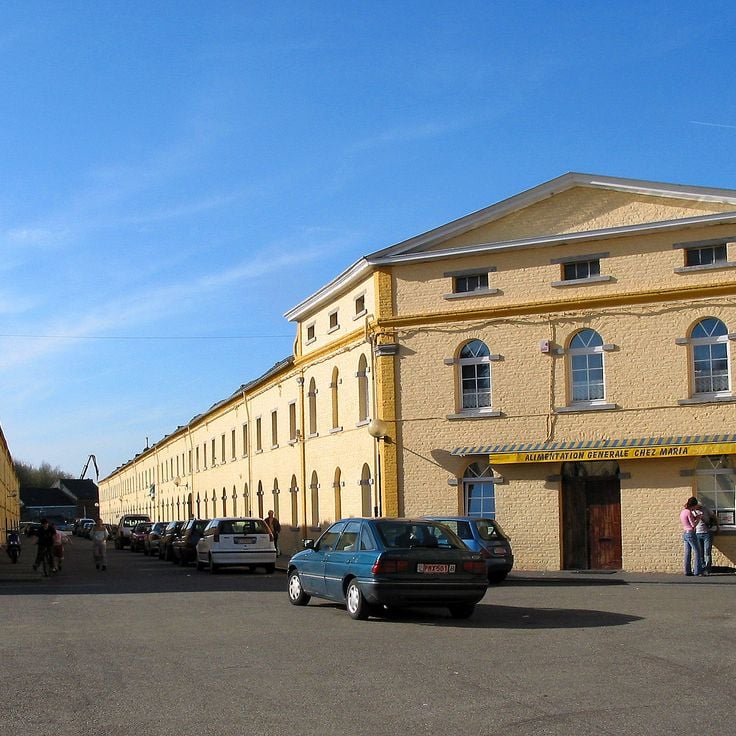
La Louvière is a city in the Belgian province of Hainaut, in the heart of Wallonia. Its past is tied to coal mining and heavy industry, and that history shows in the streets, the buildings, and the way people go about their day. It is the kind of place that does not try to impress you, and that is exactly what makes it worth a visit.
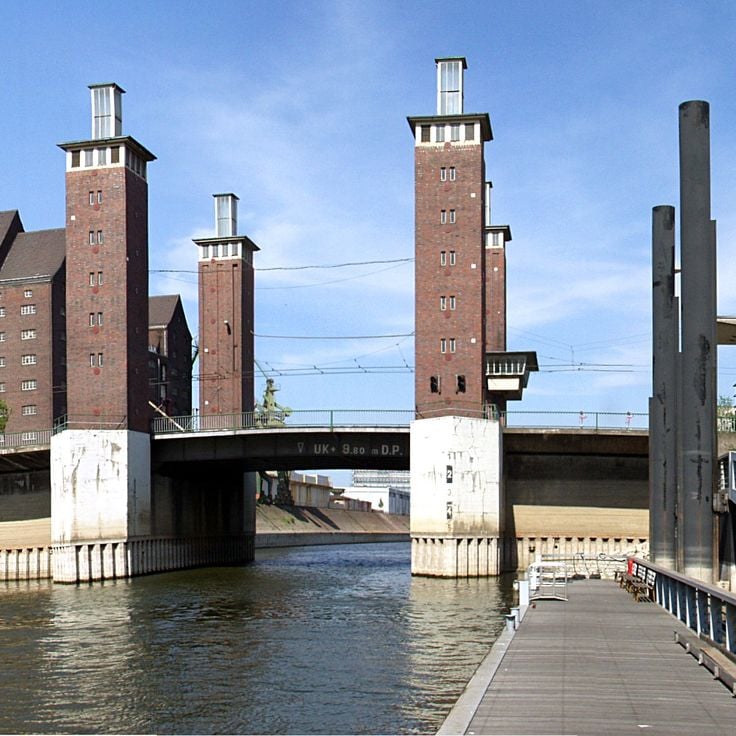
Duisburg sits where the Rhine and Ruhr rivers meet, making it one of the largest inland ports in the world. For a long time, steel was the soul of this city. Today, old industrial sites stand alongside the everyday life of a working city in the Ruhr area. Walking through Duisburg, you get the feeling of a place shaped by labor and slowly finding a new direction.
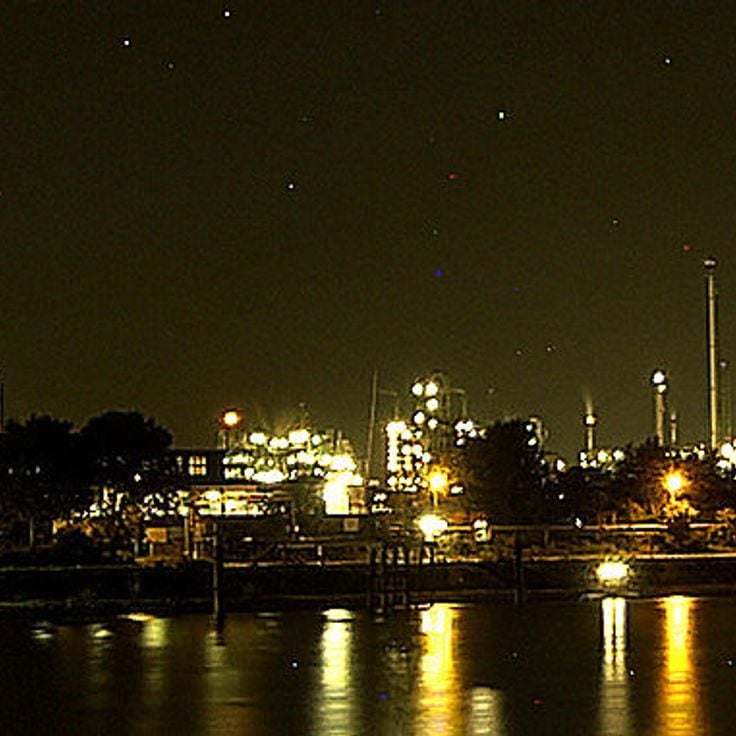
Ludwigshafen sits on the west bank of the Rhine, facing Mannheim. It is best known as a center of the chemical industry, home to one of the largest chemical companies in the world. Walking through the city, you notice wide streets, port infrastructure, and factory buildings. It is not a city that tries to charm you, and that straightforwardness is exactly what makes it worth a visit.
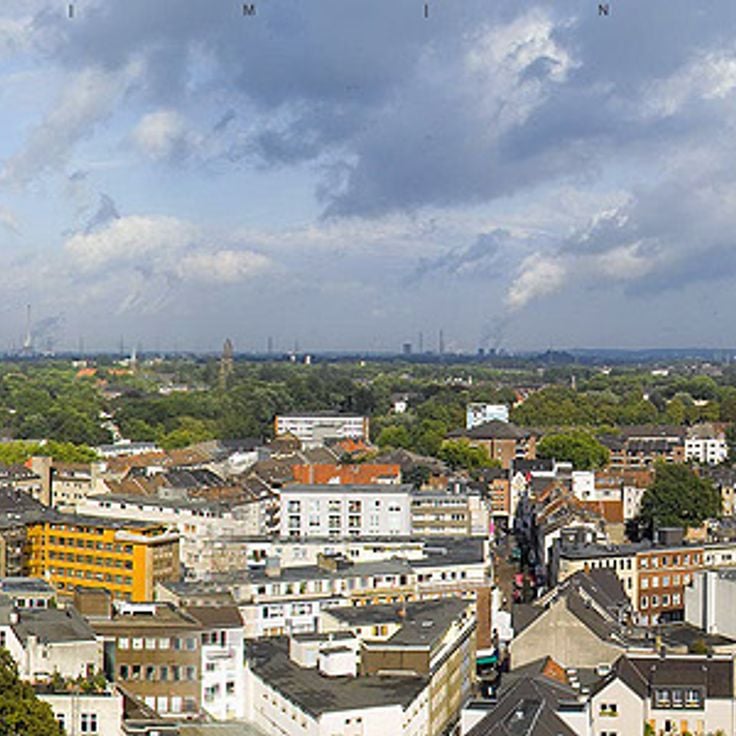
Gelsenkirchen sits in the heart of the Ruhr region and was for a long time defined by coal mining and steel production. Walking through its streets today, you can still see how that past shaped the city: old industrial buildings, wide working-class neighborhoods, and a straightforward way of life. Gelsenkirchen is not a city built for visitors, but for those who want to see what the Ruhr really looks like from the inside.
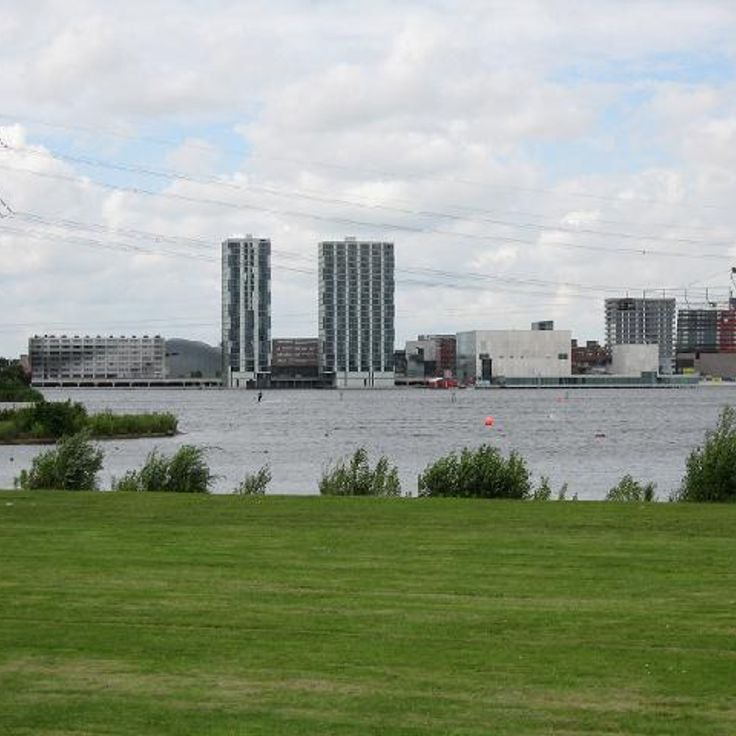
Almere is a Dutch new town built from the 1970s on a polder, land that was reclaimed from the sea. The city looks young because it is: wide streets, experimental buildings, and a sense that everything was designed from scratch. For anyone curious about how the Dutch have shaped their own geography, Almere is a real example of that story.
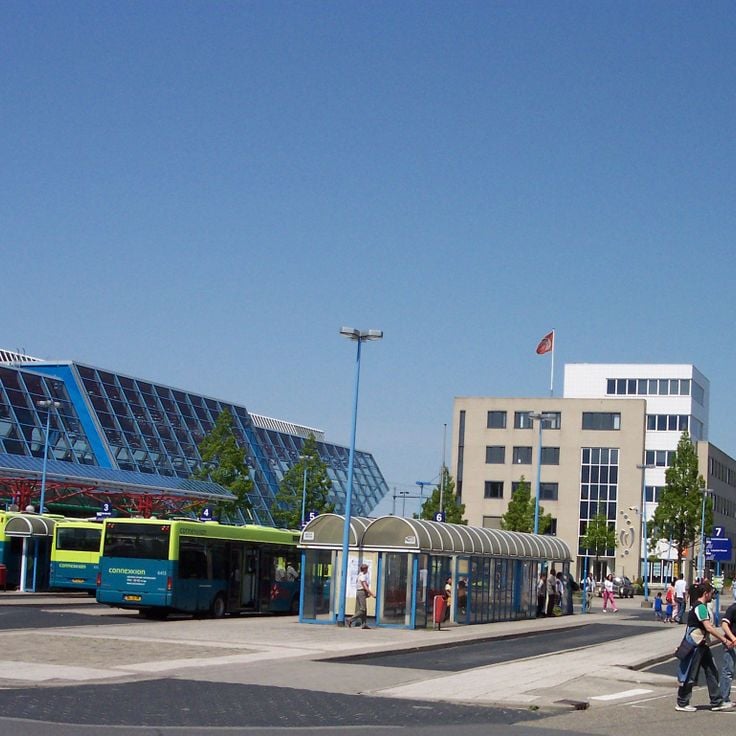
Lelystad is a city in the Netherlands built on land that was once underwater. It serves as the capital of the province of Flevoland, a region created by draining a large bay in the 20th century. Walking through Lelystad, you notice wide roads, young buildings, and a grid that feels deliberate. There are no old churches or winding medieval streets, because the city never had any.
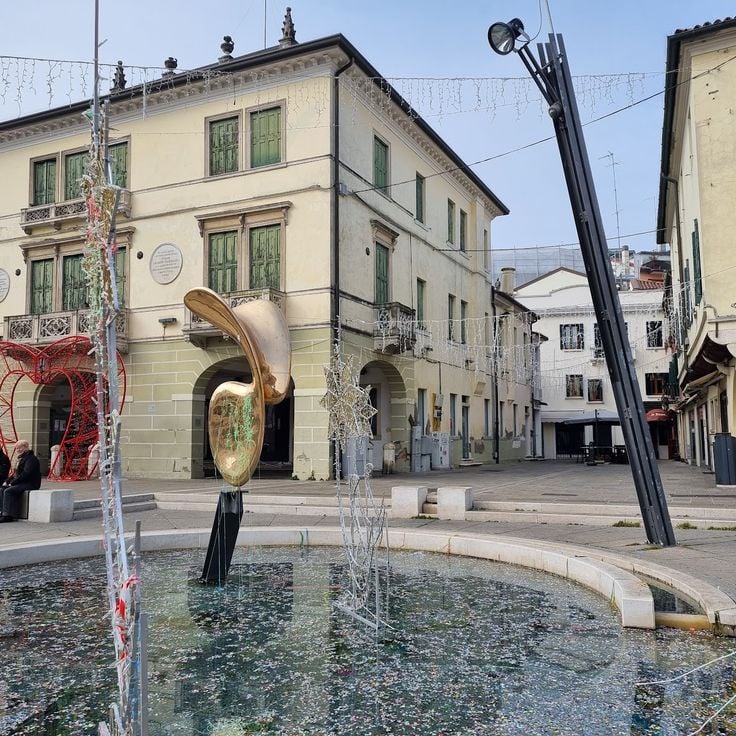
Mestre is the mainland part of Venice, just a short train ride from the lagoon. There are no canals here, no gondolas, no souvenir shops. Instead, you find a working city where Venetians actually live: ordinary streets, local bars, everyday markets. It is the side of Venice that most travelers never see, and that is exactly what makes it worth a visit.
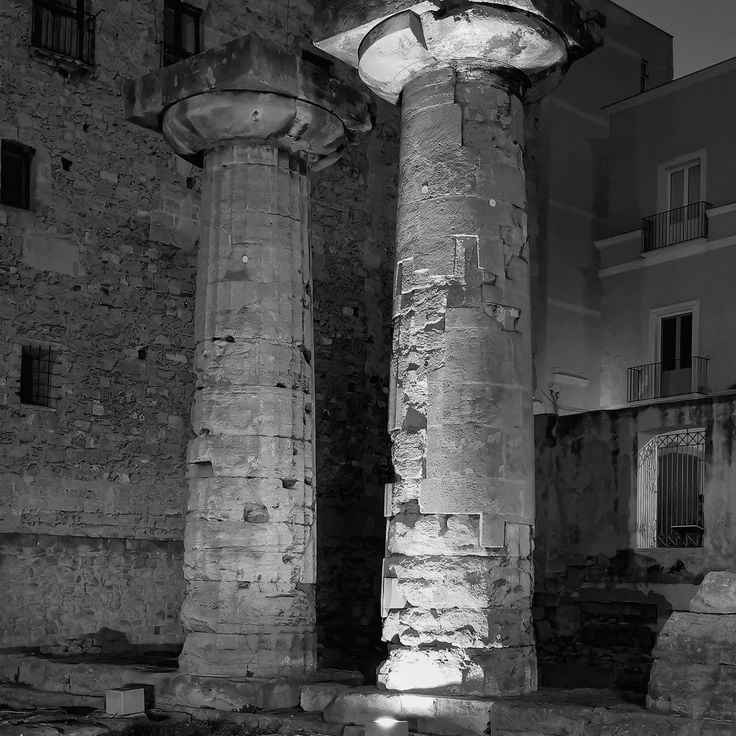
Taranto sits on the heel of Italy, in Puglia, where it opens onto the Mediterranean. The city was once one of the great Greek colonies of the ancient world, and its old town still sits on a small island between two seas. Today the city is known for its steel industry and naval base, which give it a working, unglamorous feel. But behind that, there are ancient ruins, a castle, and a waterfront that tells a long story. It is the kind of place that rewards a slow walk.
Algeciras sits at the southern tip of Spain, just across the water from Gibraltar. Ferries leave regularly for Morocco, making this one of the busiest crossing points between Europe and Africa. There are no famous sights here, but the port life is real and the daily rhythm of the city feels unfiltered and honest.
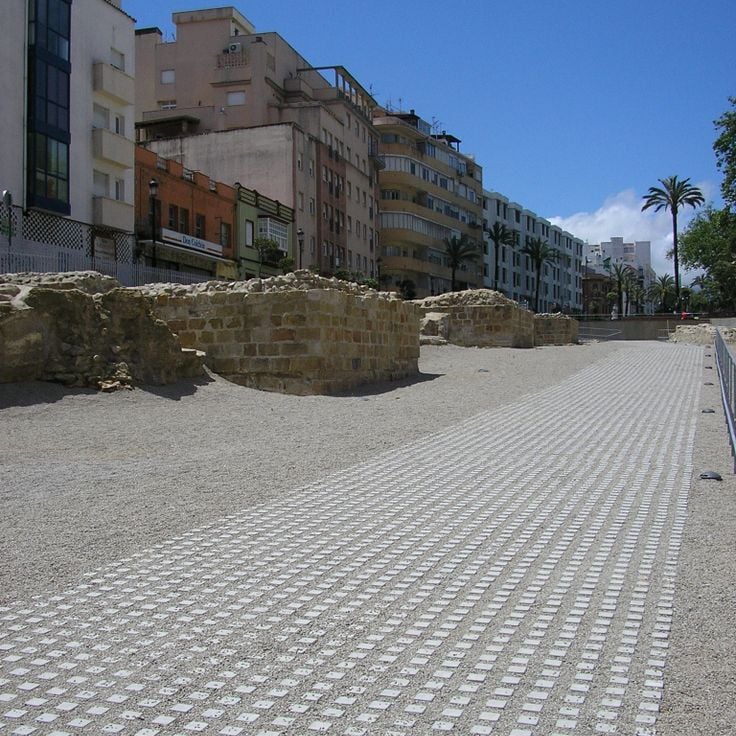
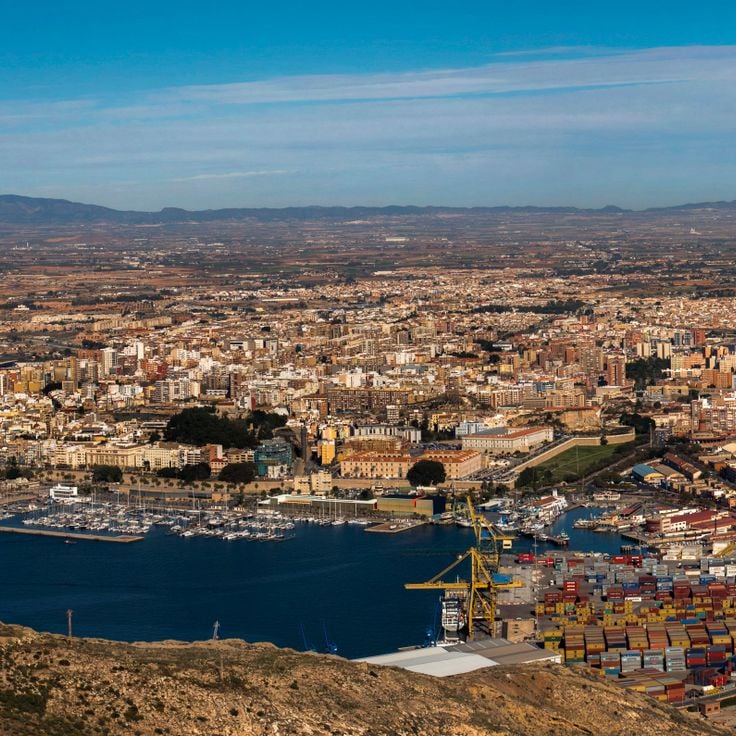
Cartagena sits on the Mediterranean coast of the Murcia region and has been a port city for over 2,000 years. Roman ruins, old fortifications and an active industrial harbor share the same waterfront. Few foreign travelers make it here, which means the city goes about its daily life without putting on a show. Walking through the old center feels genuine, with locals going about their routines among layers of history.
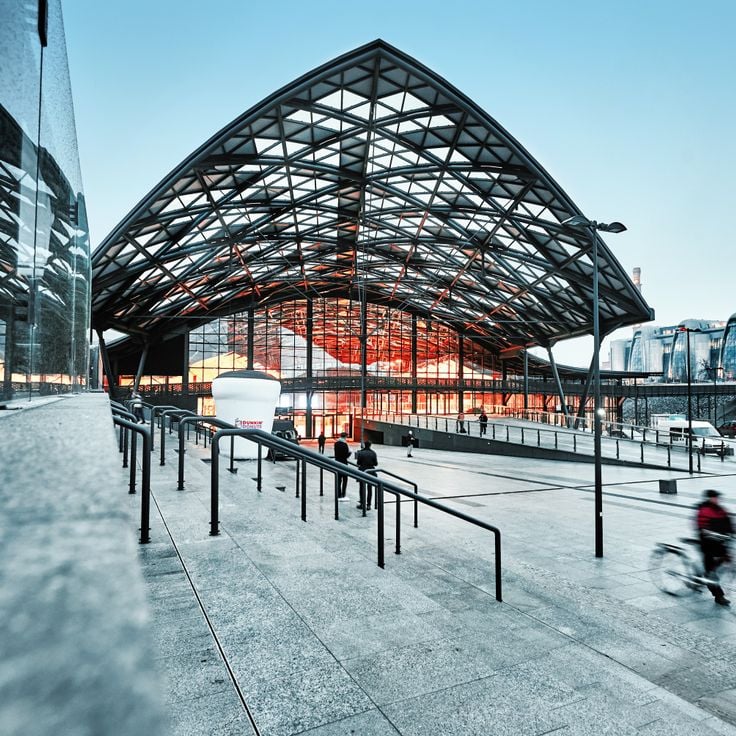
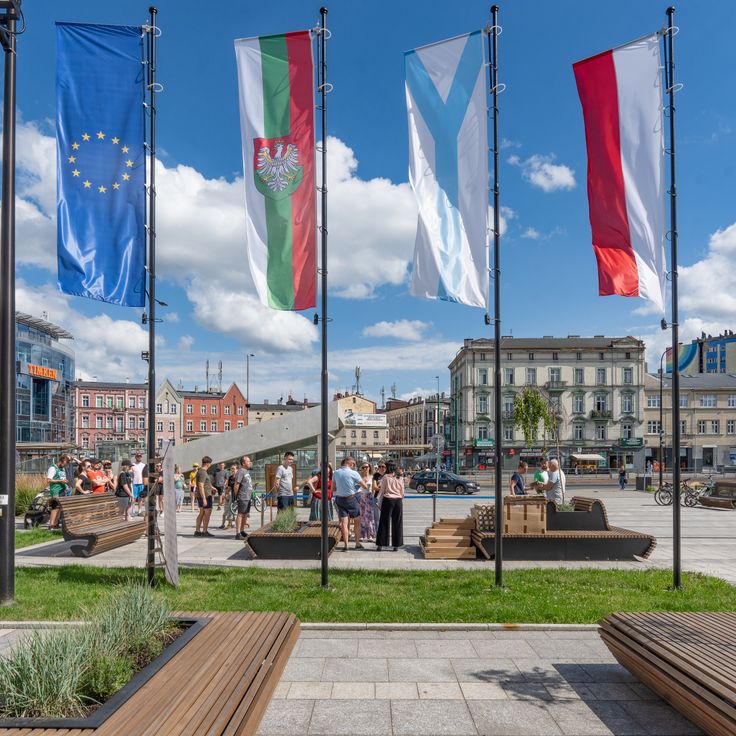
Łódź is one of Poland's largest cities, built on the textile industry that once kept it running day and night. The old factory buildings are now being turned into galleries, restaurants, and spaces where people gather. Walking down Piotrkowska Street, the main artery of the city, you get a sense of a place that carries its past openly while slowly finding a new direction.
Sosnowiec sits in the Silesia region of southern Poland, where coal mining and heavy industry shaped everything for generations. The city still carries that past in its architecture, its wide streets, and the way daily life unfolds without any performance for visitors. Walking through Sosnowiec feels like seeing a part of Poland that most travelers simply pass by.
Most is a city in northern Bohemia that was shaped for decades by coal mining and heavy industry. Coming here means stepping into a place that is rebuilding itself without hiding where it came from. The streets, the buildings, and the daily routines of the people who live here tell a story you rarely find in travel guides.
Galați is a port city in eastern Romania, sitting where the Danube meets the Prut River. The city has been shaped by shipbuilding for centuries, and that industrial character is still easy to feel today. Walking through Galați, you get the sense of a place built not for visitors, but for the people who actually live and work here.
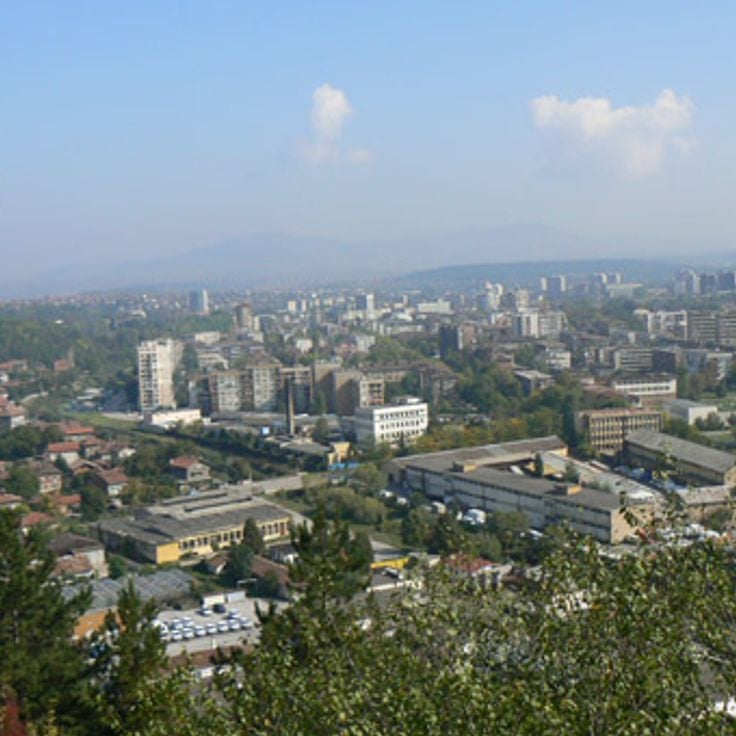
Pernik is a Bulgarian city west of Sofia, shaped by decades of coal mining and steel production. Walking through it, you notice wide Soviet-era avenues, concrete housing blocks, and a pace of life that feels ordinary and unpolished. It is exactly the kind of place that most travel guides skip, which makes it worth a look for those curious about everyday Bulgarian urban life.
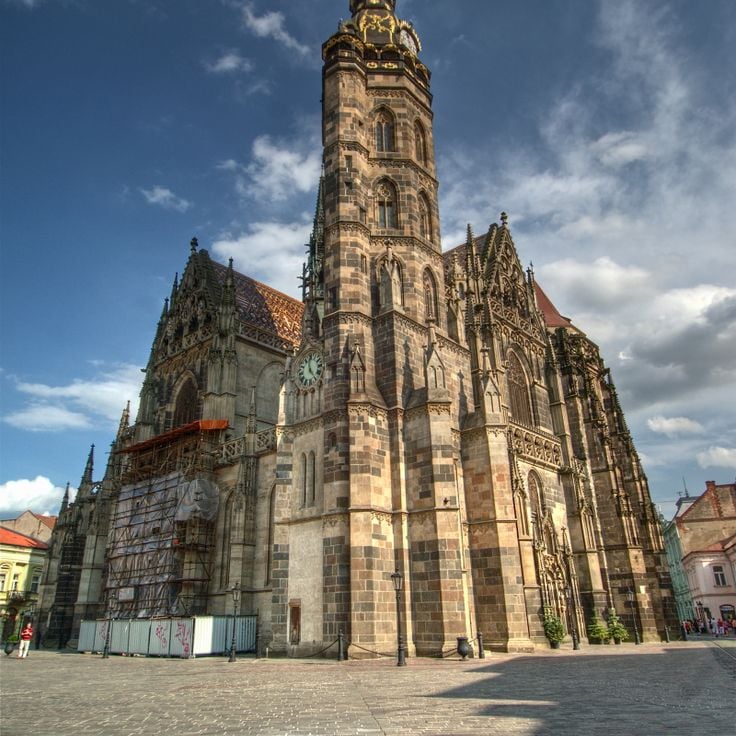
Košice is the second largest city in Slovakia, sitting in the eastern part of the country. Walking through the old town, you notice a Gothic cathedral, cobblestone streets, and a long central promenade where locals go about their day. It rarely appears on tourist maps, which is exactly what makes it worth a visit.
Kragujevac sits in the heart of Serbia, far from the usual travel routes. The city carries a heavy past as a former center of arms production and car manufacturing. Walking through it, you get a sense of everyday Serbian life as it really is, shaped by industry and history rather than tourism.
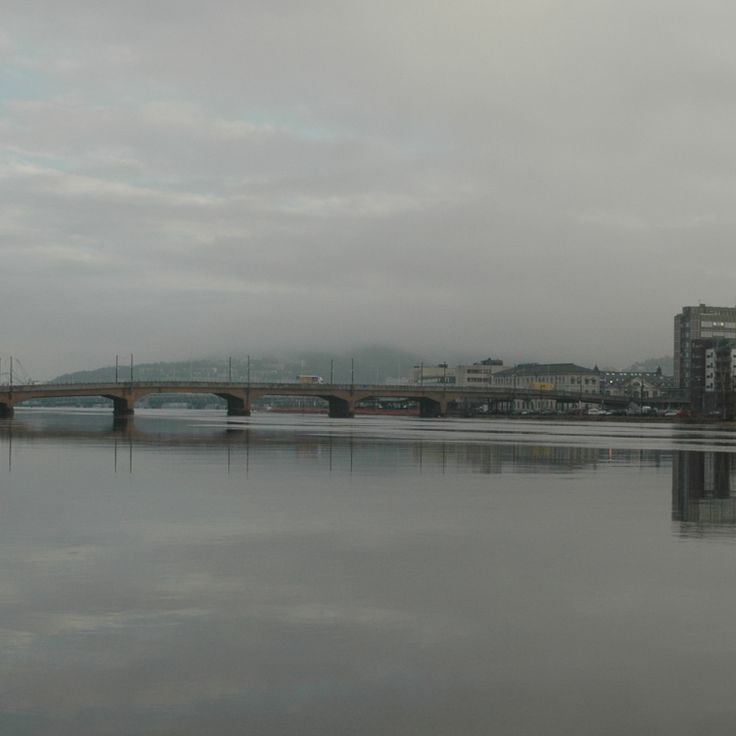
Drammen is a port city near Oslo, sitting along the Drammenfjord. It has a long industrial past, and you can still see traces of it in the old warehouses and factory buildings along the water. The city moves at a slower pace than the capital, and everyday life unfolds along the riverbanks and in the streets of the center.
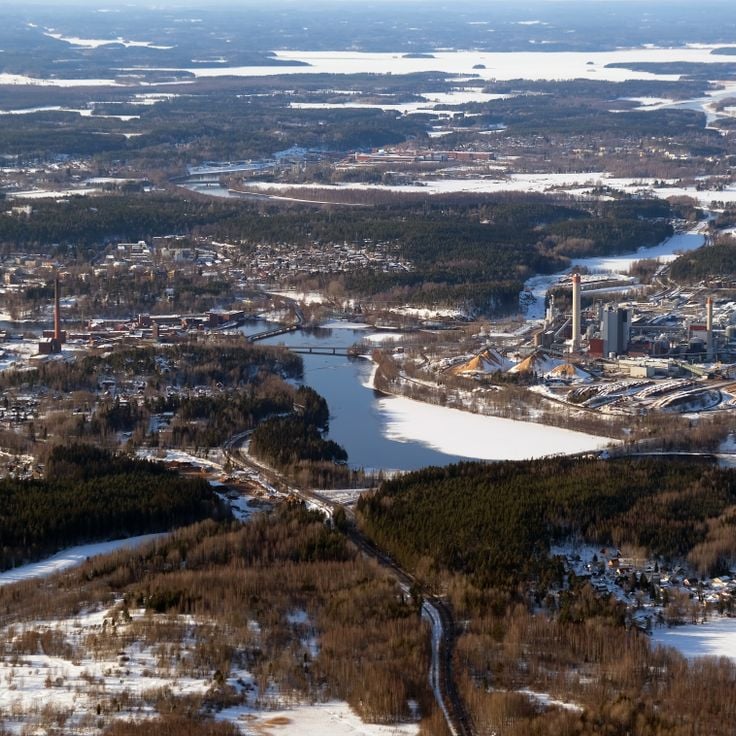
Kouvola sits in southern Finland and has long been known as an industrial town and a rail junction. It rarely appears on travel itineraries, which is part of what makes it worth a visit. Walking through Kouvola gives you a straightforward look at everyday Finnish life, with no crowds and no staged charm.
Slough is an industrial town west of London that rarely appears in any travel guide. That is exactly what makes it worth a visit: here you see what an ordinary British town actually looks like, without crowds or staging. The streets are busy, the markets are real, and everyday life moves at its own pace.
Milton Keynes is a planned city built from scratch in the 1960s. Its streets follow a grid pattern, lined with roundabouts and wide roads that are rarely found in older British towns. Walking through it, you notice open green areas between housing estates and shopping zones. It is not a pretty city in the traditional sense, but it gives an honest picture of how Britain imagined modern urban life.
Hull is a port city on the east coast of England that rarely appears on tourist maps. Those who come here find wide streets, old warehouses along the waterfront, and a city that runs at its own pace. Hull is not a backdrop, it is a real place where everyday life simply carries on.
Saint-Étienne is a former industrial city in central France, once known for its coal mines and weapons factories. Today it has a rough, honest feel that is hard to find in more visited cities. Its streets, buildings, and people tell a straightforward story of work and everyday life.
Montluçon is a city in the Auvergne region that was long shaped by metalworking industries. Today, its old center has narrow streets, a medieval castle, and small squares where daily life goes on quietly. For travelers looking beyond the usual tourist trail, Montluçon offers an honest picture of everyday France.
Charleville-Mézières, in the Ardennes in northeastern France, is the birthplace of the poet Arthur Rimbaud. The central Place Ducale, with its uniform 17th-century arcades, looks a lot like the Place des Vosges in Paris. Few tourists make it here, but those who do find a genuine slice of French daily life far from the usual stops.
Nevers sits on the Loire River in a part of France that most travelers simply pass through. Yet the town has a medieval cathedral, old streets to walk, and a slow daily rhythm that feels far from the usual tourist trail. It is the kind of place that rewards those who stop rather than rush.
Charleroi sits in the Belgian province of Hainaut and carries the marks of a long industrial past. Walking through the city, you notice old factory buildings, wide streets, and a everyday life that feels far removed from tourist brochures. That is exactly what makes it worth visiting for travelers looking for a side of Belgium that rarely gets attention.
La Louvière is a city in the Belgian province of Hainaut, in the heart of Wallonia. Its past is tied to coal mining and heavy industry, and that history shows in the streets, the buildings, and the way people go about their day. It is the kind of place that does not try to impress you, and that is exactly what makes it worth a visit.
Duisburg sits where the Rhine and Ruhr rivers meet, making it one of the largest inland ports in the world. For a long time, steel was the soul of this city. Today, old industrial sites stand alongside the everyday life of a working city in the Ruhr area. Walking through Duisburg, you get the feeling of a place shaped by labor and slowly finding a new direction.
Ludwigshafen sits on the west bank of the Rhine, facing Mannheim. It is best known as a center of the chemical industry, home to one of the largest chemical companies in the world. Walking through the city, you notice wide streets, port infrastructure, and factory buildings. It is not a city that tries to charm you, and that straightforwardness is exactly what makes it worth a visit.
Gelsenkirchen sits in the heart of the Ruhr region and was for a long time defined by coal mining and steel production. Walking through its streets today, you can still see how that past shaped the city: old industrial buildings, wide working-class neighborhoods, and a straightforward way of life. Gelsenkirchen is not a city built for visitors, but for those who want to see what the Ruhr really looks like from the inside.
Almere is a Dutch new town built from the 1970s on a polder, land that was reclaimed from the sea. The city looks young because it is: wide streets, experimental buildings, and a sense that everything was designed from scratch. For anyone curious about how the Dutch have shaped their own geography, Almere is a real example of that story.
Lelystad is a city in the Netherlands built on land that was once underwater. It serves as the capital of the province of Flevoland, a region created by draining a large bay in the 20th century. Walking through Lelystad, you notice wide roads, young buildings, and a grid that feels deliberate. There are no old churches or winding medieval streets, because the city never had any.
Mestre is the mainland part of Venice, just a short train ride from the lagoon. There are no canals here, no gondolas, no souvenir shops. Instead, you find a working city where Venetians actually live: ordinary streets, local bars, everyday markets. It is the side of Venice that most travelers never see, and that is exactly what makes it worth a visit.
Taranto sits on the heel of Italy, in Puglia, where it opens onto the Mediterranean. The city was once one of the great Greek colonies of the ancient world, and its old town still sits on a small island between two seas. Today the city is known for its steel industry and naval base, which give it a working, unglamorous feel. But behind that, there are ancient ruins, a castle, and a waterfront that tells a long story. It is the kind of place that rewards a slow walk.
Algeciras sits at the southern tip of Spain, just across the water from Gibraltar. Ferries leave regularly for Morocco, making this one of the busiest crossing points between Europe and Africa. There are no famous sights here, but the port life is real and the daily rhythm of the city feels unfiltered and honest.
Cartagena sits on the Mediterranean coast of the Murcia region and has been a port city for over 2,000 years. Roman ruins, old fortifications and an active industrial harbor share the same waterfront. Few foreign travelers make it here, which means the city goes about its daily life without putting on a show. Walking through the old center feels genuine, with locals going about their routines among layers of history.
Łódź is one of Poland's largest cities, built on the textile industry that once kept it running day and night. The old factory buildings are now being turned into galleries, restaurants, and spaces where people gather. Walking down Piotrkowska Street, the main artery of the city, you get a sense of a place that carries its past openly while slowly finding a new direction.
Sosnowiec sits in the Silesia region of southern Poland, where coal mining and heavy industry shaped everything for generations. The city still carries that past in its architecture, its wide streets, and the way daily life unfolds without any performance for visitors. Walking through Sosnowiec feels like seeing a part of Poland that most travelers simply pass by.
Most is a city in northern Bohemia that was shaped for decades by coal mining and heavy industry. Coming here means stepping into a place that is rebuilding itself without hiding where it came from. The streets, the buildings, and the daily routines of the people who live here tell a story you rarely find in travel guides.
Galați is a port city in eastern Romania, sitting where the Danube meets the Prut River. The city has been shaped by shipbuilding for centuries, and that industrial character is still easy to feel today. Walking through Galați, you get the sense of a place built not for visitors, but for the people who actually live and work here.
Pernik is a Bulgarian city west of Sofia, shaped by decades of coal mining and steel production. Walking through it, you notice wide Soviet-era avenues, concrete housing blocks, and a pace of life that feels ordinary and unpolished. It is exactly the kind of place that most travel guides skip, which makes it worth a look for those curious about everyday Bulgarian urban life.
Košice is the second largest city in Slovakia, sitting in the eastern part of the country. Walking through the old town, you notice a Gothic cathedral, cobblestone streets, and a long central promenade where locals go about their day. It rarely appears on tourist maps, which is exactly what makes it worth a visit.
Kragujevac sits in the heart of Serbia, far from the usual travel routes. The city carries a heavy past as a former center of arms production and car manufacturing. Walking through it, you get a sense of everyday Serbian life as it really is, shaped by industry and history rather than tourism.
Drammen is a port city near Oslo, sitting along the Drammenfjord. It has a long industrial past, and you can still see traces of it in the old warehouses and factory buildings along the water. The city moves at a slower pace than the capital, and everyday life unfolds along the riverbanks and in the streets of the center.
Kouvola sits in southern Finland and has long been known as an industrial town and a rail junction. It rarely appears on travel itineraries, which is part of what makes it worth a visit. Walking through Kouvola gives you a straightforward look at everyday Finnish life, with no crowds and no staged charm.
Slough is an industrial town west of London that rarely appears in any travel guide. That is exactly what makes it worth a visit: here you see what an ordinary British town actually looks like, without crowds or staging. The streets are busy, the markets are real, and everyday life moves at its own pace.
Milton Keynes is a planned city built from scratch in the 1960s. Its streets follow a grid pattern, lined with roundabouts and wide roads that are rarely found in older British towns. Walking through it, you notice open green areas between housing estates and shopping zones. It is not a pretty city in the traditional sense, but it gives an honest picture of how Britain imagined modern urban life.
Hull is a port city on the east coast of England that rarely appears on tourist maps. Those who come here find wide streets, old warehouses along the waterfront, and a city that runs at its own pace. Hull is not a backdrop, it is a real place where everyday life simply carries on.
Saint-Étienne is a former industrial city in central France, once known for its coal mines and weapons factories. Today it has a rough, honest feel that is hard to find in more visited cities. Its streets, buildings, and people tell a straightforward story of work and everyday life.
Montluçon is a city in the Auvergne region that was long shaped by metalworking industries. Today, its old center has narrow streets, a medieval castle, and small squares where daily life goes on quietly. For travelers looking beyond the usual tourist trail, Montluçon offers an honest picture of everyday France.
Charleville-Mézières, in the Ardennes in northeastern France, is the birthplace of the poet Arthur Rimbaud. The central Place Ducale, with its uniform 17th-century arcades, looks a lot like the Place des Vosges in Paris. Few tourists make it here, but those who do find a genuine slice of French daily life far from the usual stops.
Nevers sits on the Loire River in a part of France that most travelers simply pass through. Yet the town has a medieval cathedral, old streets to walk, and a slow daily rhythm that feels far from the usual tourist trail. It is the kind of place that rewards those who stop rather than rush.
Charleroi sits in the Belgian province of Hainaut and carries the marks of a long industrial past. Walking through the city, you notice old factory buildings, wide streets, and a everyday life that feels far removed from tourist brochures. That is exactly what makes it worth visiting for travelers looking for a side of Belgium that rarely gets attention.
La Louvière is a city in the Belgian province of Hainaut, in the heart of Wallonia. Its past is tied to coal mining and heavy industry, and that history shows in the streets, the buildings, and the way people go about their day. It is the kind of place that does not try to impress you, and that is exactly what makes it worth a visit.
Duisburg sits where the Rhine and Ruhr rivers meet, making it one of the largest inland ports in the world. For a long time, steel was the soul of this city. Today, old industrial sites stand alongside the everyday life of a working city in the Ruhr area. Walking through Duisburg, you get the feeling of a place shaped by labor and slowly finding a new direction.
Ludwigshafen sits on the west bank of the Rhine, facing Mannheim. It is best known as a center of the chemical industry, home to one of the largest chemical companies in the world. Walking through the city, you notice wide streets, port infrastructure, and factory buildings. It is not a city that tries to charm you, and that straightforwardness is exactly what makes it worth a visit.
Gelsenkirchen sits in the heart of the Ruhr region and was for a long time defined by coal mining and steel production. Walking through its streets today, you can still see how that past shaped the city: old industrial buildings, wide working-class neighborhoods, and a straightforward way of life. Gelsenkirchen is not a city built for visitors, but for those who want to see what the Ruhr really looks like from the inside.
Almere is a Dutch new town built from the 1970s on a polder, land that was reclaimed from the sea. The city looks young because it is: wide streets, experimental buildings, and a sense that everything was designed from scratch. For anyone curious about how the Dutch have shaped their own geography, Almere is a real example of that story.
Lelystad is a city in the Netherlands built on land that was once underwater. It serves as the capital of the province of Flevoland, a region created by draining a large bay in the 20th century. Walking through Lelystad, you notice wide roads, young buildings, and a grid that feels deliberate. There are no old churches or winding medieval streets, because the city never had any.
Mestre is the mainland part of Venice, just a short train ride from the lagoon. There are no canals here, no gondolas, no souvenir shops. Instead, you find a working city where Venetians actually live: ordinary streets, local bars, everyday markets. It is the side of Venice that most travelers never see, and that is exactly what makes it worth a visit.
Taranto sits on the heel of Italy, in Puglia, where it opens onto the Mediterranean. The city was once one of the great Greek colonies of the ancient world, and its old town still sits on a small island between two seas. Today the city is known for its steel industry and naval base, which give it a working, unglamorous feel. But behind that, there are ancient ruins, a castle, and a waterfront that tells a long story. It is the kind of place that rewards a slow walk.
Algeciras sits at the southern tip of Spain, just across the water from Gibraltar. Ferries leave regularly for Morocco, making this one of the busiest crossing points between Europe and Africa. There are no famous sights here, but the port life is real and the daily rhythm of the city feels unfiltered and honest.
Cartagena sits on the Mediterranean coast of the Murcia region and has been a port city for over 2,000 years. Roman ruins, old fortifications and an active industrial harbor share the same waterfront. Few foreign travelers make it here, which means the city goes about its daily life without putting on a show. Walking through the old center feels genuine, with locals going about their routines among layers of history.
Łódź is one of Poland's largest cities, built on the textile industry that once kept it running day and night. The old factory buildings are now being turned into galleries, restaurants, and spaces where people gather. Walking down Piotrkowska Street, the main artery of the city, you get a sense of a place that carries its past openly while slowly finding a new direction.
Sosnowiec sits in the Silesia region of southern Poland, where coal mining and heavy industry shaped everything for generations. The city still carries that past in its architecture, its wide streets, and the way daily life unfolds without any performance for visitors. Walking through Sosnowiec feels like seeing a part of Poland that most travelers simply pass by.
Most is a city in northern Bohemia that was shaped for decades by coal mining and heavy industry. Coming here means stepping into a place that is rebuilding itself without hiding where it came from. The streets, the buildings, and the daily routines of the people who live here tell a story you rarely find in travel guides.
Galați is a port city in eastern Romania, sitting where the Danube meets the Prut River. The city has been shaped by shipbuilding for centuries, and that industrial character is still easy to feel today. Walking through Galați, you get the sense of a place built not for visitors, but for the people who actually live and work here.
Pernik is a Bulgarian city west of Sofia, shaped by decades of coal mining and steel production. Walking through it, you notice wide Soviet-era avenues, concrete housing blocks, and a pace of life that feels ordinary and unpolished. It is exactly the kind of place that most travel guides skip, which makes it worth a look for those curious about everyday Bulgarian urban life.
Košice is the second largest city in Slovakia, sitting in the eastern part of the country. Walking through the old town, you notice a Gothic cathedral, cobblestone streets, and a long central promenade where locals go about their day. It rarely appears on tourist maps, which is exactly what makes it worth a visit.
Kragujevac sits in the heart of Serbia, far from the usual travel routes. The city carries a heavy past as a former center of arms production and car manufacturing. Walking through it, you get a sense of everyday Serbian life as it really is, shaped by industry and history rather than tourism.
Drammen is a port city near Oslo, sitting along the Drammenfjord. It has a long industrial past, and you can still see traces of it in the old warehouses and factory buildings along the water. The city moves at a slower pace than the capital, and everyday life unfolds along the riverbanks and in the streets of the center.
Kouvola sits in southern Finland and has long been known as an industrial town and a rail junction. It rarely appears on travel itineraries, which is part of what makes it worth a visit. Walking through Kouvola gives you a straightforward look at everyday Finnish life, with no crowds and no staged charm.
Visiting these towns means seeing Europe as it is built today. Away from the pictures on postcards. Each one tells a story of change, challenges, and people who keep neighborhoods alive. Take your time to walk through the streets without a plan. Go into small shops and talk to the people you meet. You will see that the beauty of a town depends not on its facades but on the life that beats inside.