See the monuments around you in AROpen chests in the app
Around Us is built for your phone — point your camera at the streets and discover the monuments and places around you in augmented reality.Around Us is built for your phone — chests unlock when you walk, explore and capture nearby places.
These French museums that break away from routine offer unusual worlds where shoes, cheeses, and giant machines live together with art and magic.
A selection of French museums that go off the beaten path. These places offer surprising themes, immersive experiences, and strong visual worlds. From the sewers of Paris to the giant machines of Nantes, and museums dedicated to cheese, paper, or shoes, this list offers unusual discoveries. Perfect for those who want to have fun and explore unexpected passions.
These French museums that break away from routine offer unusual worlds where shoes, cheeses, and giant machines live together with art and magic.
A selection of French museums that go off the beaten path. These places offer surprising themes, immersive experiences, and strong visual worlds. From the sewers of Paris to the giant machines of Nantes, and museums dedicated to cheese, paper, or shoes, this list offers unusual discoveries. Perfect for those who want to have fun and explore unexpected passions.
The Musée des Égouts sits beneath the streets of Paris, inside the actual tunnels of the city's sewer network. Visitors walk through these underground passages and learn how the system was built and how it still works today. This is a place that shows a side of Paris most people never see, making it a natural fit in any selection of France's most offbeat museums.
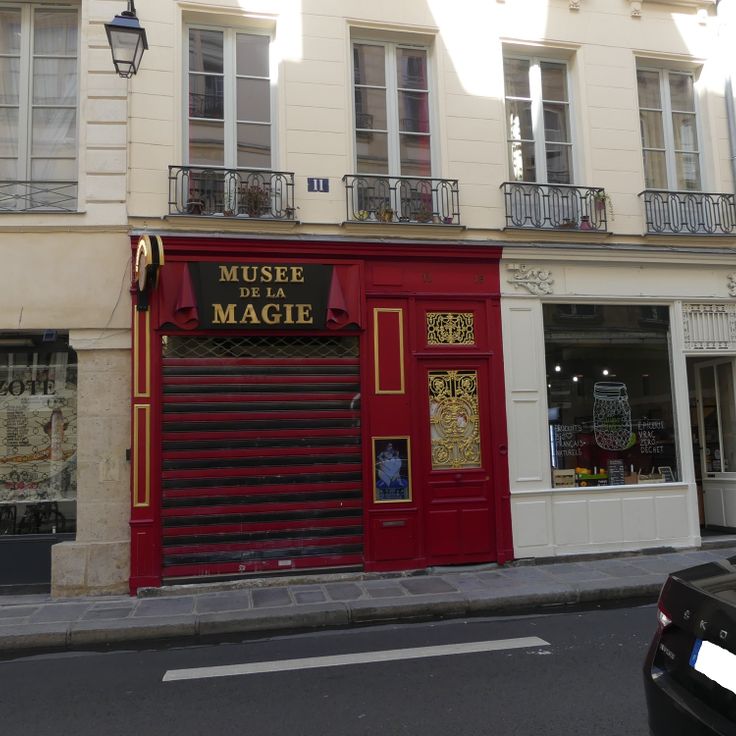
The Musée de la Magie sits inside an old vaulted cellar in the Marais neighborhood of Paris. It brings together automatons, optical illusions, and strange objects tied to the history of magic. Live magic shows take place during the visit, making it a place that appeals just as much to children as to curious adults.
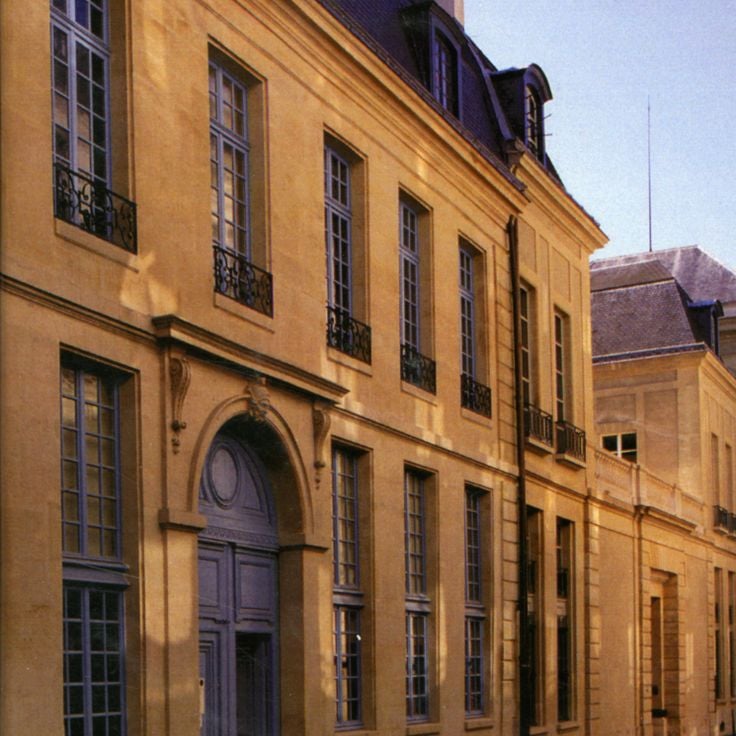
The Musée de la Chasse et de la Nature in Paris is far from a typical museum. Set inside a historic mansion in the Marais district, it brings together old paintings, taxidermied animals, and contemporary art in the same rooms. The staging is deliberately strange, as if the museum wants to leave visitors slightly unsettled. For those looking for offbeat museums in France, this is one of the most thought-provoking stops in Paris.
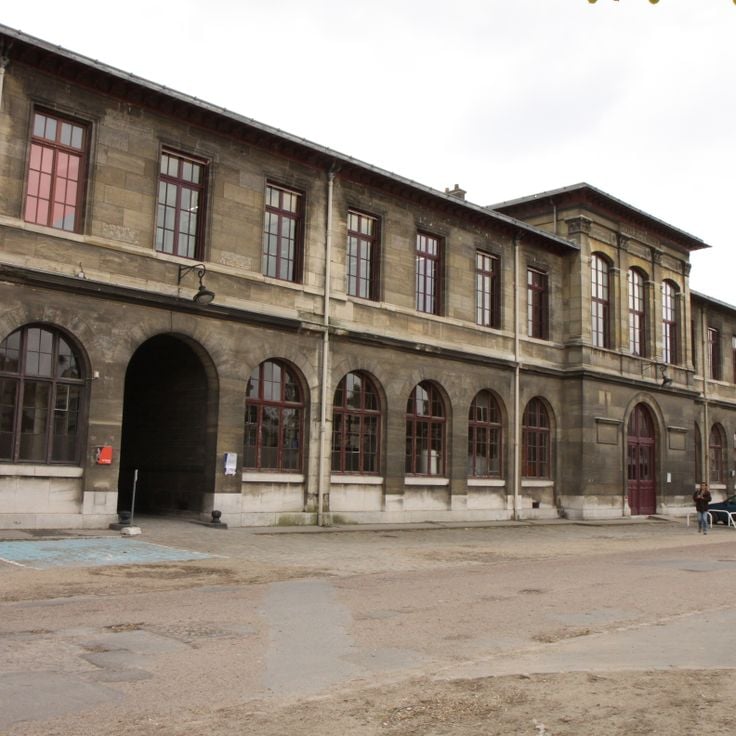
The Musée Fragonard d'Alfort sits inside the National Veterinary School in Maisons-Alfort and houses a collection of animal anatomical specimens from the 18th century. The most famous pieces are the écorchés, animal bodies stripped of their skin and frozen in theatrical poses. Old wooden display cases and low lighting give the whole place a very particular feel.
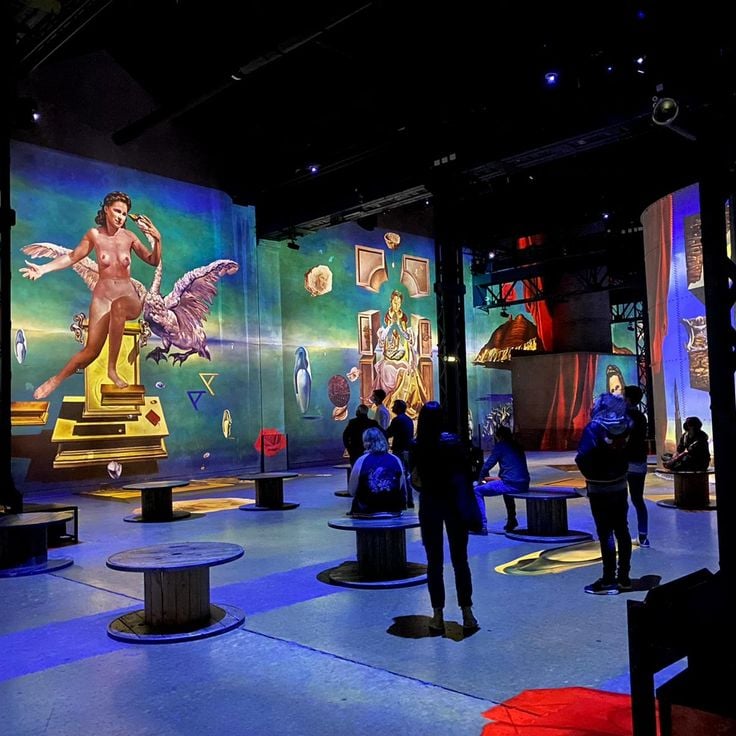
The Atelier des Lumières is a former iron foundry in the 11th arrondissement of Paris, now used as an exhibition space. Paintings are projected as giant images onto the walls, the floor, and the ceiling. Visitors walk through the middle of the works, with music playing around them. It is a different way to experience painting.
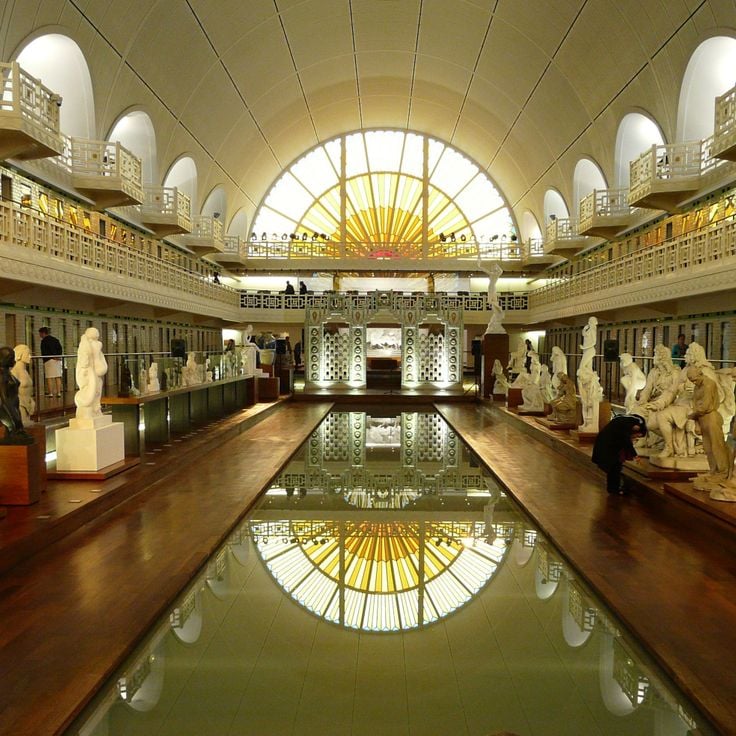
La Piscine in Roubaix is an art museum set inside a 1930s swimming pool. The original tiles, the pool basin, and the large windows that let in natural light are all still there. Paintings, sculptures, and decorative arts are displayed between the old changing cabins and the former pool. Walking through it feels like art and everyday history meeting in an unexpected way.
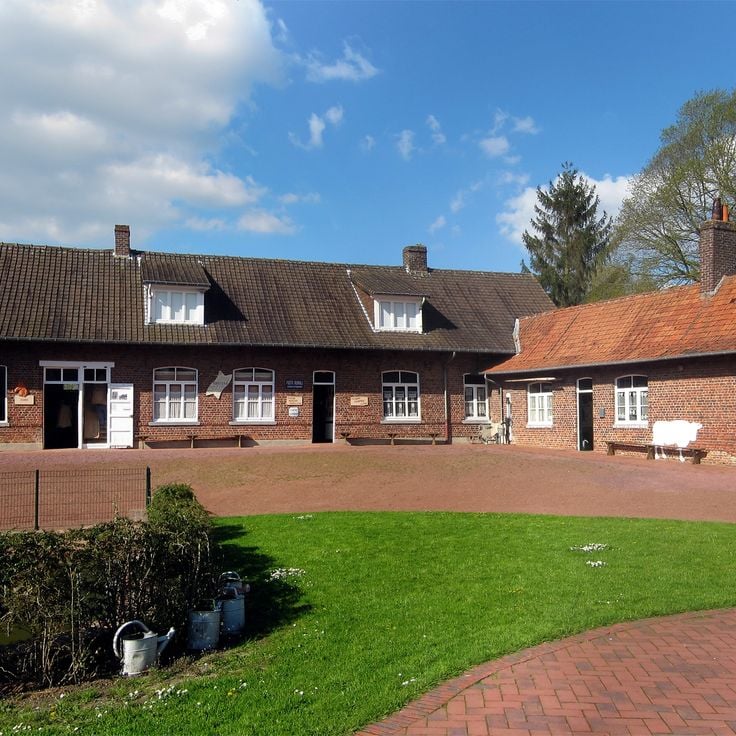
The Musée de la Vie Rurale in Steenwerck brings together everyday objects that once shaped rural life. Tools, furniture, and household items tell the story of how people in northern France worked and lived before farming changed beyond recognition. For those looking beyond the usual museum trail, this place offers a direct and honest look at the countryside as it used to be.
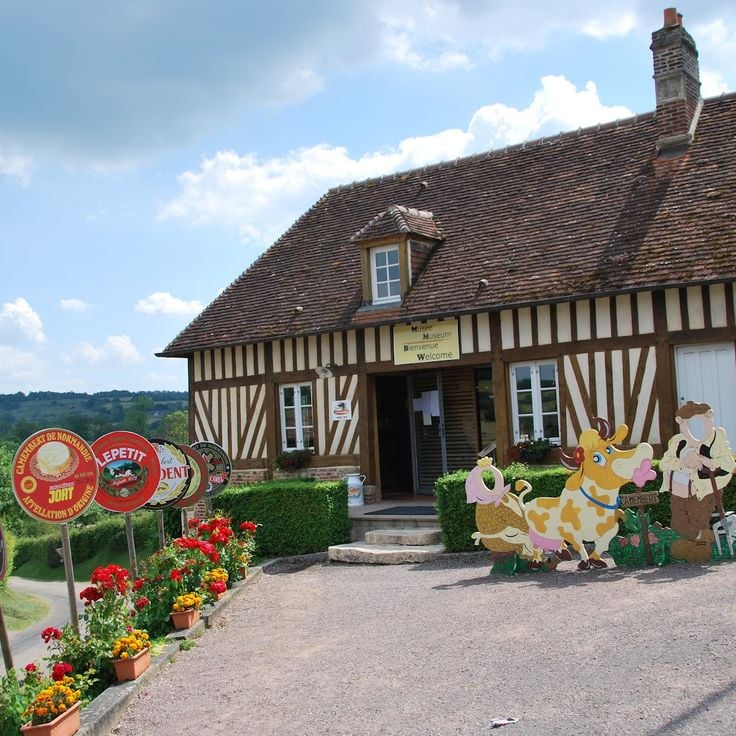
The Musée du Camembert in Vimoutiers traces the story of one of France's most recognized cheeses. The exhibits show how camembert is made, where it comes from, and how the craft has changed over time. Old tools, packaging, and photographs give a sense of what daily life looked like for cheesemakers in the past.
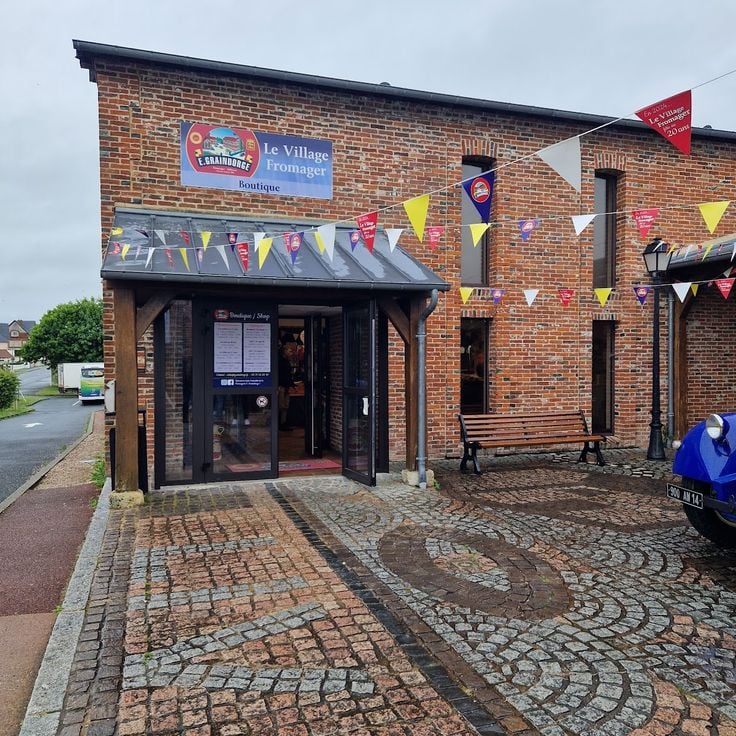
The Musée du Fromage in Livarot is entirely dedicated to the cheeses of Normandy. Visitors learn how cheese has been made for centuries, what role it plays in local farming, and how recipes have changed over time. A good stop for anyone who wants to understand a everyday product up close.
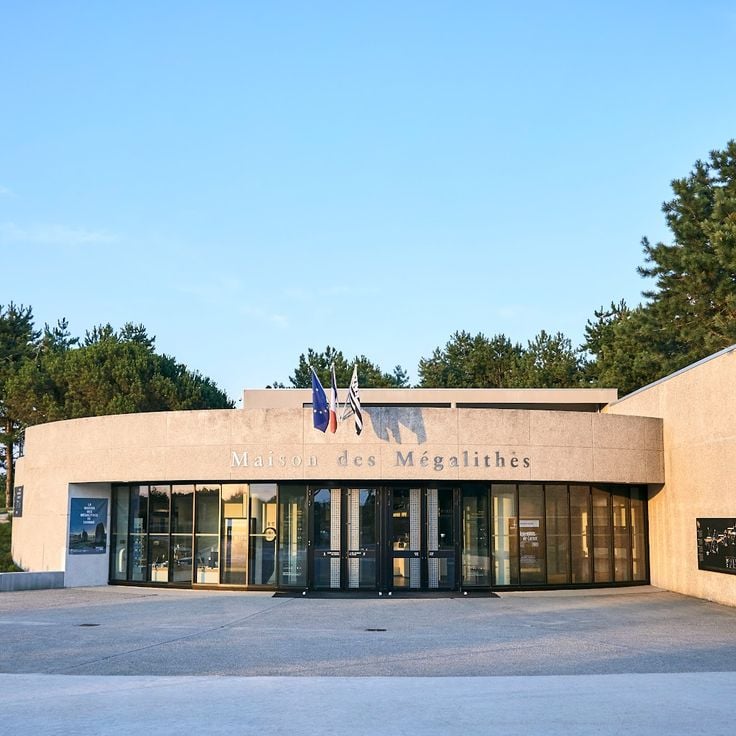
The Maison des Menhirs in Carnac is devoted to the large rows of standing stones that dot the Breton landscape. The museum explains how these stones were raised, who put them there, and what they may have meant to the people who lived here thousands of years ago. It makes for a good starting point before heading outside to walk among the stones.
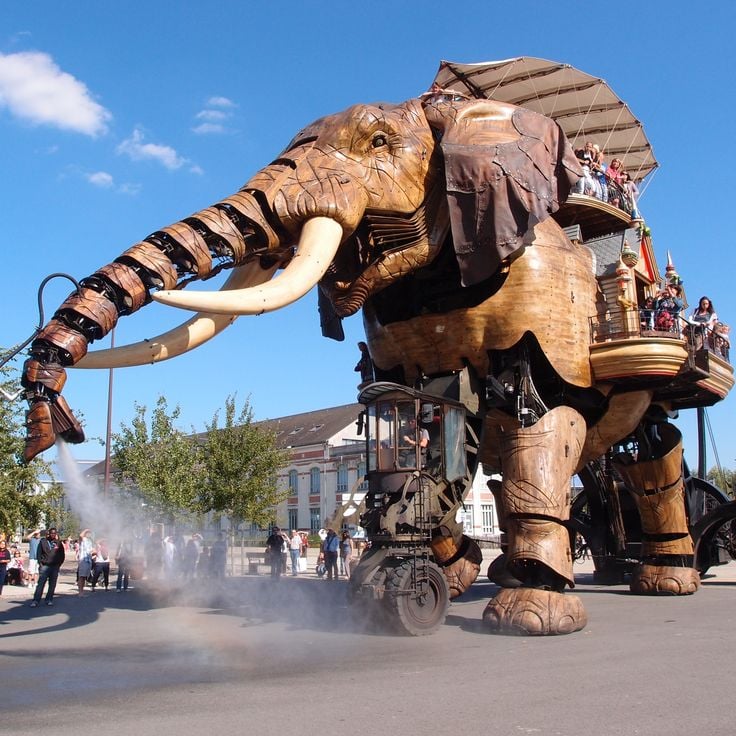
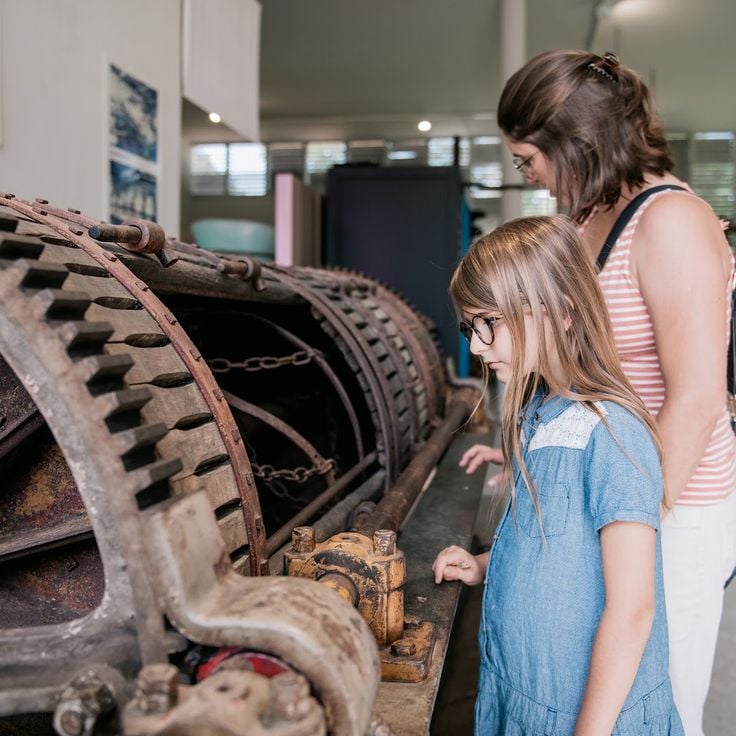
Les Machines de l'île in Nantes is a place where you can watch and even ride giant mechanical animals. A large mechanical elephant carries visitors on its back across the site. The machines draw inspiration from Jules Verne and the work of Leonardo da Vinci. Everything here is built from metal, moves, and makes noise, like living creatures from another world.
The Musée du Vignoble Nantais in Le Pallet is dedicated to the wine-growing traditions of the Nantes region. The museum shows how Muscadet is grown and made, with tools, gestures and daily habits of local wine growers on display. It gives visitors a clear and grounded sense of what life in these vineyards has looked like over the centuries.
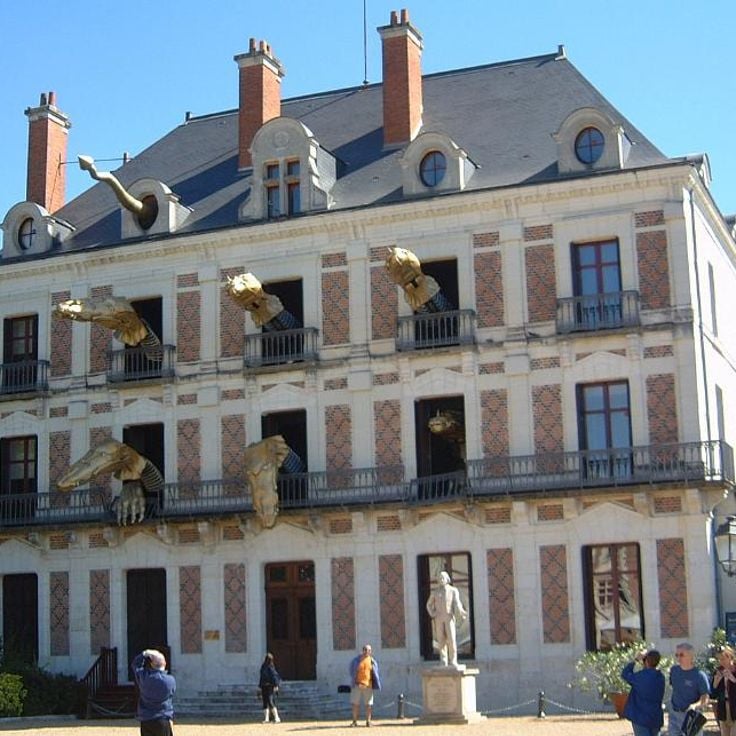
The Maison de la Magie in Blois is a museum dedicated to the art of magic. Mechanical dragons appear from the windows of the facade, and inside you can discover how classic illusions work. The lives of famous magicians are explored, and the experience appeals to both children and adults. It is a playful place that takes you into the world of conjuring.
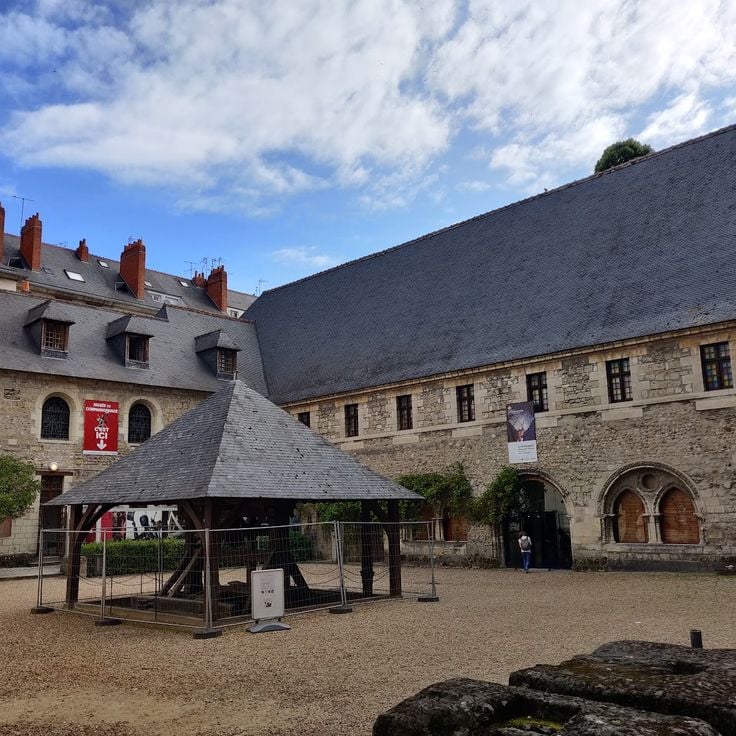
The Musée du Compagnonnage in Tours is dedicated to traveling craftsmen known as compagnons, who spent years moving from town to town to perfect their trade. The museum displays objects made by carpenters, shoemakers, bakers and other craftsmen as proof of their skill. Some pieces are so finely crafted that they seem impossible to have been made by hand alone.
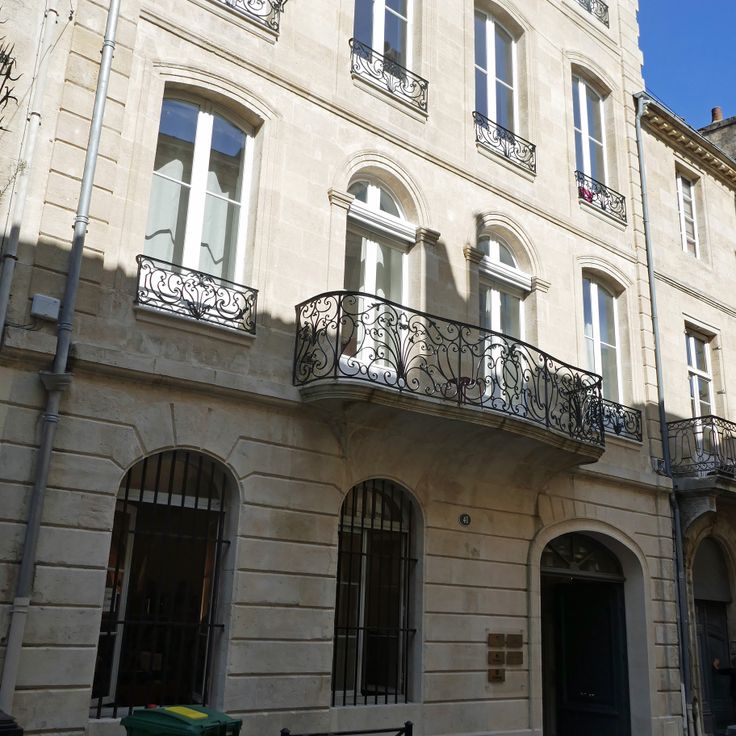
The Musée du Vin et du Négoce is set in old stone cellars in the heart of Bordeaux. It tells the story of the wine trade across centuries, from local merchants to global sea routes. Visitors come away understanding how wine shaped the city and the people who lived in it. It is one of those places that shows just how deeply a single product can mark a city.
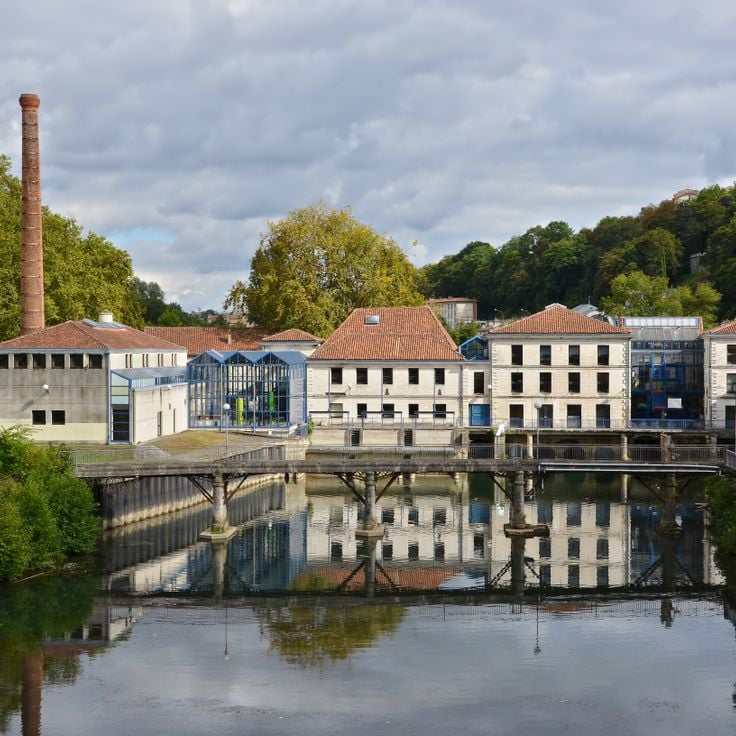
The Musée du Papier in Angoulême shows what can be done with paper, from its industrial past to its place in art and design. The exhibitions trace how paper was made in the region and how artists and designers turned this everyday material into works of their own. It offers a fresh look at something most people handle without a second thought.
The Musée Aeroscopia in Toulouse houses real, full-size aircraft inside a large hangar, including a Concorde. Visitors walk right up to the machines, which gives a very concrete sense of how big they actually are. For anyone curious about the history of aviation, this museum offers an experience far outside the ordinary.
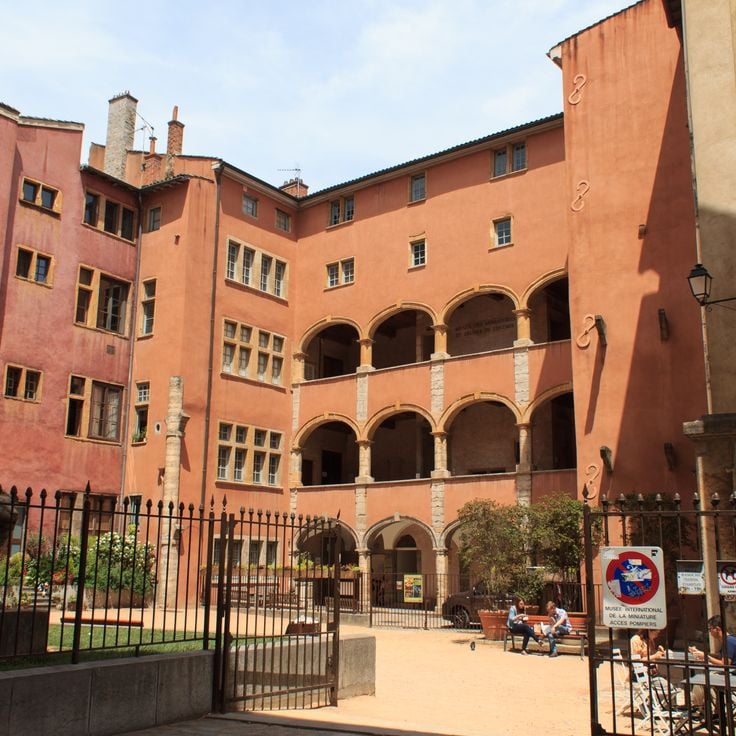
The Musée Miniature et Cinéma in Lyon displays tiny recreations of everyday scenes and film sets, crafted with such care that your eyes start to doubt what they see. Figures, furniture and rooms are so finely made that you stop at every display case, trying to tell what is real from what is built. This museum fits right into a selection of French places that make you look at the world differently.
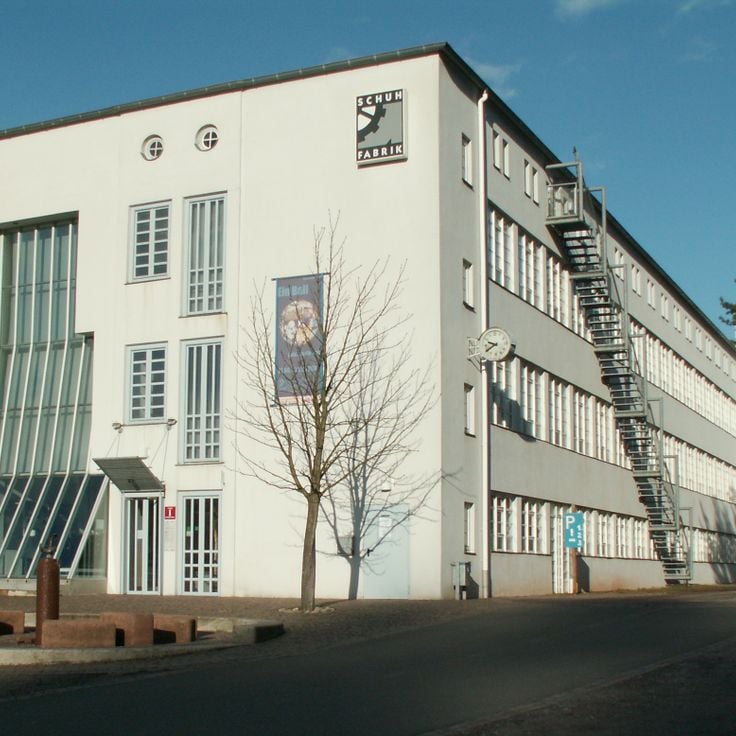
The Musée de la Chaussure in Romans-sur-Isère is entirely devoted to the shoe. The town has a long tradition in shoemaking, and the museum shows how this everyday object has changed over the centuries. Visitors can see models from past eras, unexpected shapes, and craft techniques that have nearly disappeared today.
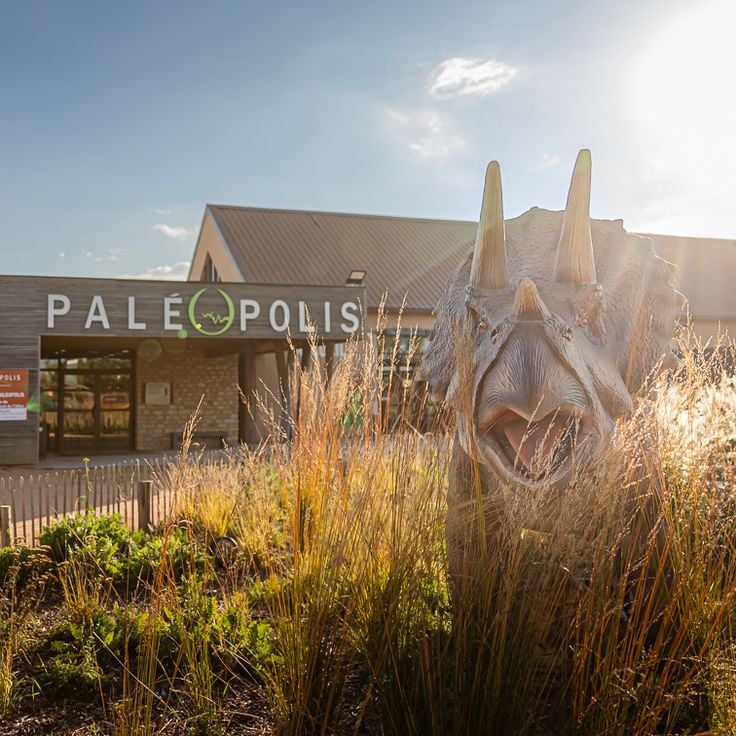
Paléopolis in Gannat is a museum dedicated to prehistory. Visitors come across dinosaurs and other ancient creatures in spaces designed to evoke a world that disappeared millions of years ago. The displays make that distant past easy to grasp and enjoyable for all ages.
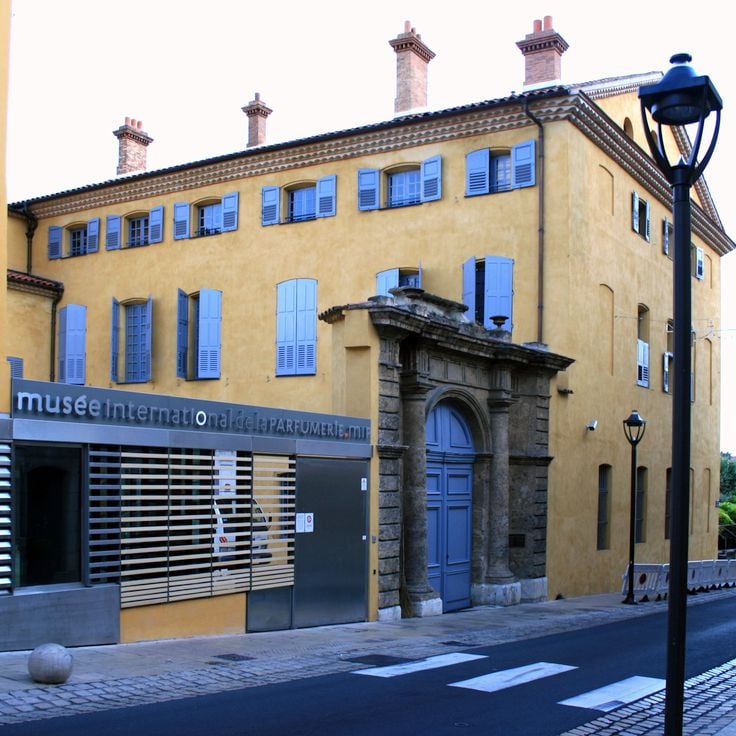
The Musée International de la Parfumerie is in Grasse, a city in southern France where the history of perfume is everywhere. The museum traces the story of fragrance from ancient times to today, through old bottles, raw materials, and distillation tools. What makes this place different from most museums is that you can actually smell your way through it, giving the visit a sensory dimension that is hard to find elsewhere.
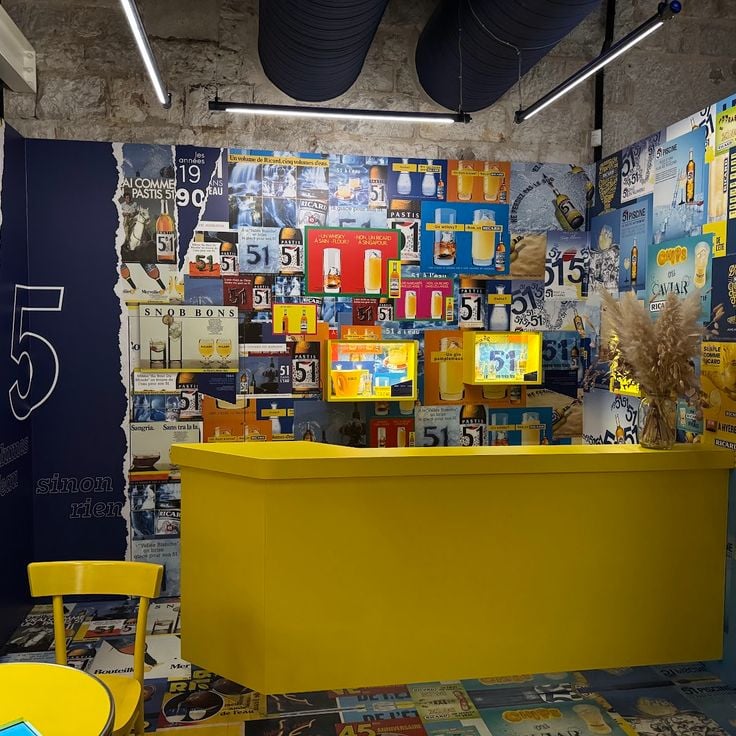
The Musée de l'Anis in Marseille tells the story of anise-based drinks, which have long been part of daily life in the south of France. Visitors learn how these drinks are made, how they have been consumed across generations, and what role they play in the region's everyday culture. A good stop for anyone curious about local food and drink traditions.
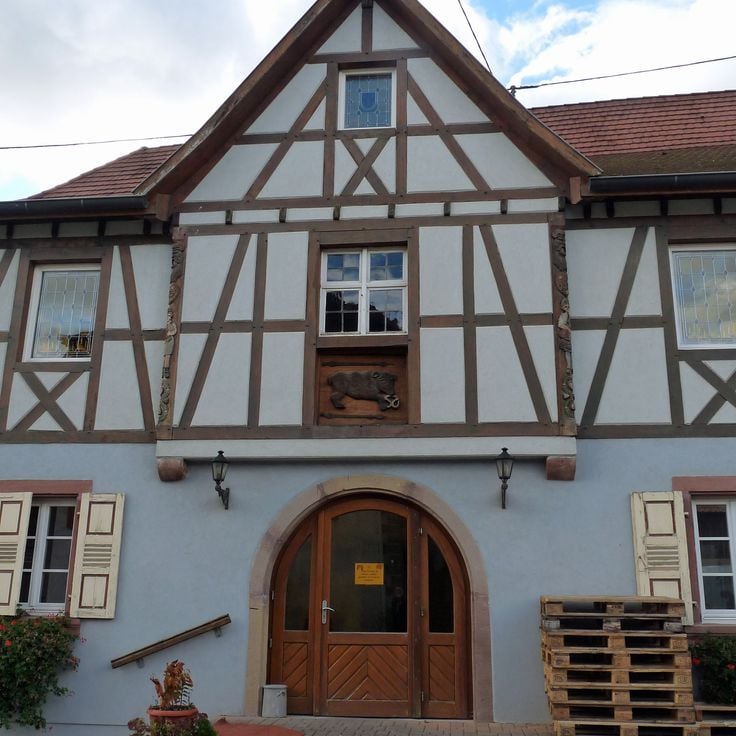
The Musée du Pain d'Épices in Gertwiller is entirely devoted to gingerbread, a specialty that has been made in Alsace for centuries. The displays bring together old molds, hand-painted figurines and traditional recipes that show how this craft was passed down through generations. Walking through the rooms, you can still catch the scent of spices and sugar in the air. This museum fits right into a tour of France's most offbeat places.
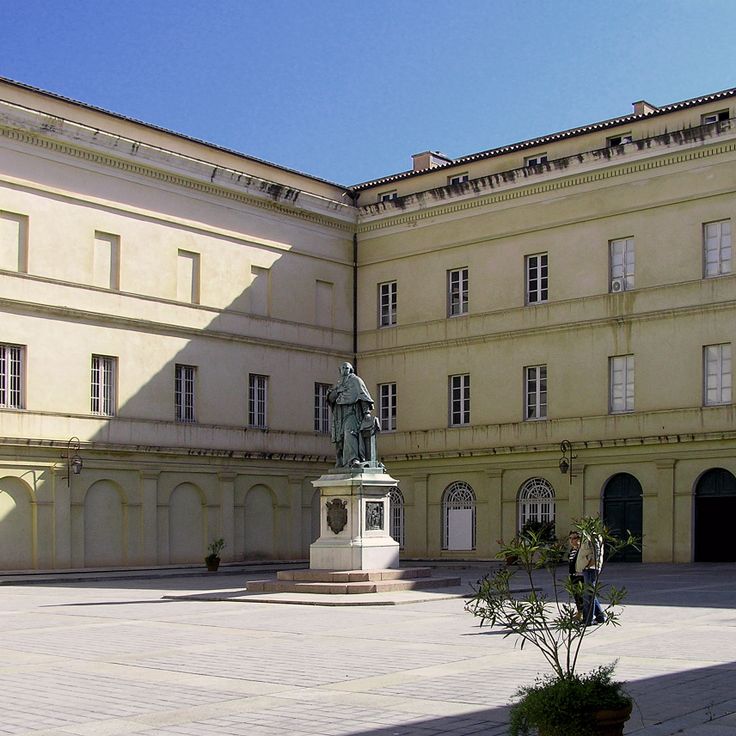
The Musée Fesch in Ajaccio holds one of the largest collections of Italian paintings in France outside the Louvre. Cardinal Fesch, Napoleon's uncle, gathered these works from the 14th to the 19th century over the course of his life. From the street, the building looks plain and easy to walk past, but inside the rooms open up one after another, filled with paintings that feel entirely unexpected in a city like Ajaccio.
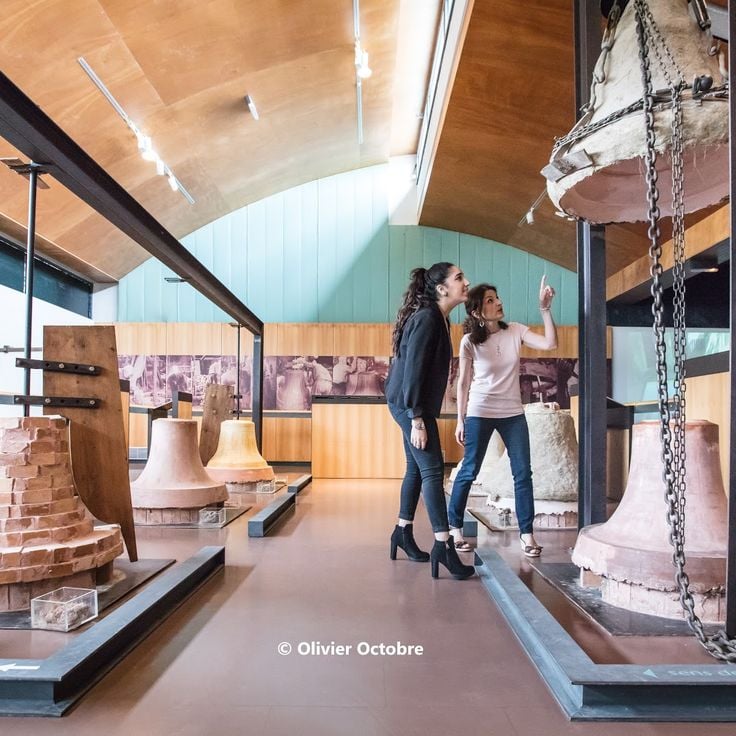
The Musée de la Cloche et de la Sonnaille in Hérépian is entirely devoted to bells of all kinds. From small cowbells worn around animals' necks to large church bells, the collection shows how these objects shaped rural life in France for centuries. As you walk through the rooms, you can see how metal and shape affect the sound produced. A surprising stop for anyone who enjoys museums off the usual path.
The Musée des Égouts sits beneath the streets of Paris, inside the actual tunnels of the city's sewer network. Visitors walk through these underground passages and learn how the system was built and how it still works today. This is a place that shows a side of Paris most people never see, making it a natural fit in any selection of France's most offbeat museums.
The Musée de la Magie sits inside an old vaulted cellar in the Marais neighborhood of Paris. It brings together automatons, optical illusions, and strange objects tied to the history of magic. Live magic shows take place during the visit, making it a place that appeals just as much to children as to curious adults.
The Musée de la Chasse et de la Nature in Paris is far from a typical museum. Set inside a historic mansion in the Marais district, it brings together old paintings, taxidermied animals, and contemporary art in the same rooms. The staging is deliberately strange, as if the museum wants to leave visitors slightly unsettled. For those looking for offbeat museums in France, this is one of the most thought-provoking stops in Paris.
The Musée Fragonard d'Alfort sits inside the National Veterinary School in Maisons-Alfort and houses a collection of animal anatomical specimens from the 18th century. The most famous pieces are the écorchés, animal bodies stripped of their skin and frozen in theatrical poses. Old wooden display cases and low lighting give the whole place a very particular feel.
The Atelier des Lumières is a former iron foundry in the 11th arrondissement of Paris, now used as an exhibition space. Paintings are projected as giant images onto the walls, the floor, and the ceiling. Visitors walk through the middle of the works, with music playing around them. It is a different way to experience painting.
La Piscine in Roubaix is an art museum set inside a 1930s swimming pool. The original tiles, the pool basin, and the large windows that let in natural light are all still there. Paintings, sculptures, and decorative arts are displayed between the old changing cabins and the former pool. Walking through it feels like art and everyday history meeting in an unexpected way.
The Musée de la Vie Rurale in Steenwerck brings together everyday objects that once shaped rural life. Tools, furniture, and household items tell the story of how people in northern France worked and lived before farming changed beyond recognition. For those looking beyond the usual museum trail, this place offers a direct and honest look at the countryside as it used to be.
The Musée du Camembert in Vimoutiers traces the story of one of France's most recognized cheeses. The exhibits show how camembert is made, where it comes from, and how the craft has changed over time. Old tools, packaging, and photographs give a sense of what daily life looked like for cheesemakers in the past.
The Musée du Fromage in Livarot is entirely dedicated to the cheeses of Normandy. Visitors learn how cheese has been made for centuries, what role it plays in local farming, and how recipes have changed over time. A good stop for anyone who wants to understand a everyday product up close.
The Maison des Menhirs in Carnac is devoted to the large rows of standing stones that dot the Breton landscape. The museum explains how these stones were raised, who put them there, and what they may have meant to the people who lived here thousands of years ago. It makes for a good starting point before heading outside to walk among the stones.
Les Machines de l'île in Nantes is a place where you can watch and even ride giant mechanical animals. A large mechanical elephant carries visitors on its back across the site. The machines draw inspiration from Jules Verne and the work of Leonardo da Vinci. Everything here is built from metal, moves, and makes noise, like living creatures from another world.
The Musée du Vignoble Nantais in Le Pallet is dedicated to the wine-growing traditions of the Nantes region. The museum shows how Muscadet is grown and made, with tools, gestures and daily habits of local wine growers on display. It gives visitors a clear and grounded sense of what life in these vineyards has looked like over the centuries.
The Maison de la Magie in Blois is a museum dedicated to the art of magic. Mechanical dragons appear from the windows of the facade, and inside you can discover how classic illusions work. The lives of famous magicians are explored, and the experience appeals to both children and adults. It is a playful place that takes you into the world of conjuring.
The Musée du Compagnonnage in Tours is dedicated to traveling craftsmen known as compagnons, who spent years moving from town to town to perfect their trade. The museum displays objects made by carpenters, shoemakers, bakers and other craftsmen as proof of their skill. Some pieces are so finely crafted that they seem impossible to have been made by hand alone.
The Musée du Vin et du Négoce is set in old stone cellars in the heart of Bordeaux. It tells the story of the wine trade across centuries, from local merchants to global sea routes. Visitors come away understanding how wine shaped the city and the people who lived in it. It is one of those places that shows just how deeply a single product can mark a city.
The Musée du Papier in Angoulême shows what can be done with paper, from its industrial past to its place in art and design. The exhibitions trace how paper was made in the region and how artists and designers turned this everyday material into works of their own. It offers a fresh look at something most people handle without a second thought.
The Musée Aeroscopia in Toulouse houses real, full-size aircraft inside a large hangar, including a Concorde. Visitors walk right up to the machines, which gives a very concrete sense of how big they actually are. For anyone curious about the history of aviation, this museum offers an experience far outside the ordinary.
The Musée Miniature et Cinéma in Lyon displays tiny recreations of everyday scenes and film sets, crafted with such care that your eyes start to doubt what they see. Figures, furniture and rooms are so finely made that you stop at every display case, trying to tell what is real from what is built. This museum fits right into a selection of French places that make you look at the world differently.
The Musée de la Chaussure in Romans-sur-Isère is entirely devoted to the shoe. The town has a long tradition in shoemaking, and the museum shows how this everyday object has changed over the centuries. Visitors can see models from past eras, unexpected shapes, and craft techniques that have nearly disappeared today.
Paléopolis in Gannat is a museum dedicated to prehistory. Visitors come across dinosaurs and other ancient creatures in spaces designed to evoke a world that disappeared millions of years ago. The displays make that distant past easy to grasp and enjoyable for all ages.
The Musée International de la Parfumerie is in Grasse, a city in southern France where the history of perfume is everywhere. The museum traces the story of fragrance from ancient times to today, through old bottles, raw materials, and distillation tools. What makes this place different from most museums is that you can actually smell your way through it, giving the visit a sensory dimension that is hard to find elsewhere.
The Musée de l'Anis in Marseille tells the story of anise-based drinks, which have long been part of daily life in the south of France. Visitors learn how these drinks are made, how they have been consumed across generations, and what role they play in the region's everyday culture. A good stop for anyone curious about local food and drink traditions.
The Musée du Pain d'Épices in Gertwiller is entirely devoted to gingerbread, a specialty that has been made in Alsace for centuries. The displays bring together old molds, hand-painted figurines and traditional recipes that show how this craft was passed down through generations. Walking through the rooms, you can still catch the scent of spices and sugar in the air. This museum fits right into a tour of France's most offbeat places.
The Musée Fesch in Ajaccio holds one of the largest collections of Italian paintings in France outside the Louvre. Cardinal Fesch, Napoleon's uncle, gathered these works from the 14th to the 19th century over the course of his life. From the street, the building looks plain and easy to walk past, but inside the rooms open up one after another, filled with paintings that feel entirely unexpected in a city like Ajaccio.
The Musée de la Cloche et de la Sonnaille in Hérépian is entirely devoted to bells of all kinds. From small cowbells worn around animals' necks to large church bells, the collection shows how these objects shaped rural life in France for centuries. As you walk through the rooms, you can see how metal and shape affect the sound produced. A surprising stop for anyone who enjoys museums off the usual path.
The Musée des Égouts sits beneath the streets of Paris, inside the actual tunnels of the city's sewer network. Visitors walk through these underground passages and learn how the system was built and how it still works today. This is a place that shows a side of Paris most people never see, making it a natural fit in any selection of France's most offbeat museums.
The Musée de la Magie sits inside an old vaulted cellar in the Marais neighborhood of Paris. It brings together automatons, optical illusions, and strange objects tied to the history of magic. Live magic shows take place during the visit, making it a place that appeals just as much to children as to curious adults.
The Musée de la Chasse et de la Nature in Paris is far from a typical museum. Set inside a historic mansion in the Marais district, it brings together old paintings, taxidermied animals, and contemporary art in the same rooms. The staging is deliberately strange, as if the museum wants to leave visitors slightly unsettled. For those looking for offbeat museums in France, this is one of the most thought-provoking stops in Paris.
The Musée Fragonard d'Alfort sits inside the National Veterinary School in Maisons-Alfort and houses a collection of animal anatomical specimens from the 18th century. The most famous pieces are the écorchés, animal bodies stripped of their skin and frozen in theatrical poses. Old wooden display cases and low lighting give the whole place a very particular feel.
The Atelier des Lumières is a former iron foundry in the 11th arrondissement of Paris, now used as an exhibition space. Paintings are projected as giant images onto the walls, the floor, and the ceiling. Visitors walk through the middle of the works, with music playing around them. It is a different way to experience painting.
La Piscine in Roubaix is an art museum set inside a 1930s swimming pool. The original tiles, the pool basin, and the large windows that let in natural light are all still there. Paintings, sculptures, and decorative arts are displayed between the old changing cabins and the former pool. Walking through it feels like art and everyday history meeting in an unexpected way.
The Musée de la Vie Rurale in Steenwerck brings together everyday objects that once shaped rural life. Tools, furniture, and household items tell the story of how people in northern France worked and lived before farming changed beyond recognition. For those looking beyond the usual museum trail, this place offers a direct and honest look at the countryside as it used to be.
The Musée du Camembert in Vimoutiers traces the story of one of France's most recognized cheeses. The exhibits show how camembert is made, where it comes from, and how the craft has changed over time. Old tools, packaging, and photographs give a sense of what daily life looked like for cheesemakers in the past.
The Musée du Fromage in Livarot is entirely dedicated to the cheeses of Normandy. Visitors learn how cheese has been made for centuries, what role it plays in local farming, and how recipes have changed over time. A good stop for anyone who wants to understand a everyday product up close.
The Maison des Menhirs in Carnac is devoted to the large rows of standing stones that dot the Breton landscape. The museum explains how these stones were raised, who put them there, and what they may have meant to the people who lived here thousands of years ago. It makes for a good starting point before heading outside to walk among the stones.
Les Machines de l'île in Nantes is a place where you can watch and even ride giant mechanical animals. A large mechanical elephant carries visitors on its back across the site. The machines draw inspiration from Jules Verne and the work of Leonardo da Vinci. Everything here is built from metal, moves, and makes noise, like living creatures from another world.
The Musée du Vignoble Nantais in Le Pallet is dedicated to the wine-growing traditions of the Nantes region. The museum shows how Muscadet is grown and made, with tools, gestures and daily habits of local wine growers on display. It gives visitors a clear and grounded sense of what life in these vineyards has looked like over the centuries.
The Maison de la Magie in Blois is a museum dedicated to the art of magic. Mechanical dragons appear from the windows of the facade, and inside you can discover how classic illusions work. The lives of famous magicians are explored, and the experience appeals to both children and adults. It is a playful place that takes you into the world of conjuring.
The Musée du Compagnonnage in Tours is dedicated to traveling craftsmen known as compagnons, who spent years moving from town to town to perfect their trade. The museum displays objects made by carpenters, shoemakers, bakers and other craftsmen as proof of their skill. Some pieces are so finely crafted that they seem impossible to have been made by hand alone.
The Musée du Vin et du Négoce is set in old stone cellars in the heart of Bordeaux. It tells the story of the wine trade across centuries, from local merchants to global sea routes. Visitors come away understanding how wine shaped the city and the people who lived in it. It is one of those places that shows just how deeply a single product can mark a city.
The Musée du Papier in Angoulême shows what can be done with paper, from its industrial past to its place in art and design. The exhibitions trace how paper was made in the region and how artists and designers turned this everyday material into works of their own. It offers a fresh look at something most people handle without a second thought.
The Musée Aeroscopia in Toulouse houses real, full-size aircraft inside a large hangar, including a Concorde. Visitors walk right up to the machines, which gives a very concrete sense of how big they actually are. For anyone curious about the history of aviation, this museum offers an experience far outside the ordinary.
The Musée Miniature et Cinéma in Lyon displays tiny recreations of everyday scenes and film sets, crafted with such care that your eyes start to doubt what they see. Figures, furniture and rooms are so finely made that you stop at every display case, trying to tell what is real from what is built. This museum fits right into a selection of French places that make you look at the world differently.
The Musée de la Chaussure in Romans-sur-Isère is entirely devoted to the shoe. The town has a long tradition in shoemaking, and the museum shows how this everyday object has changed over the centuries. Visitors can see models from past eras, unexpected shapes, and craft techniques that have nearly disappeared today.
Paléopolis in Gannat is a museum dedicated to prehistory. Visitors come across dinosaurs and other ancient creatures in spaces designed to evoke a world that disappeared millions of years ago. The displays make that distant past easy to grasp and enjoyable for all ages.
The Musée International de la Parfumerie is in Grasse, a city in southern France where the history of perfume is everywhere. The museum traces the story of fragrance from ancient times to today, through old bottles, raw materials, and distillation tools. What makes this place different from most museums is that you can actually smell your way through it, giving the visit a sensory dimension that is hard to find elsewhere.
The Musée de l'Anis in Marseille tells the story of anise-based drinks, which have long been part of daily life in the south of France. Visitors learn how these drinks are made, how they have been consumed across generations, and what role they play in the region's everyday culture. A good stop for anyone curious about local food and drink traditions.
The Musée du Pain d'Épices in Gertwiller is entirely devoted to gingerbread, a specialty that has been made in Alsace for centuries. The displays bring together old molds, hand-painted figurines and traditional recipes that show how this craft was passed down through generations. Walking through the rooms, you can still catch the scent of spices and sugar in the air. This museum fits right into a tour of France's most offbeat places.
The Musée Fesch in Ajaccio holds one of the largest collections of Italian paintings in France outside the Louvre. Cardinal Fesch, Napoleon's uncle, gathered these works from the 14th to the 19th century over the course of his life. From the street, the building looks plain and easy to walk past, but inside the rooms open up one after another, filled with paintings that feel entirely unexpected in a city like Ajaccio.
The Musée de la Cloche et de la Sonnaille in Hérépian is entirely devoted to bells of all kinds. From small cowbells worn around animals' necks to large church bells, the collection shows how these objects shaped rural life in France for centuries. As you walk through the rooms, you can see how metal and shape affect the sound produced. A surprising stop for anyone who enjoys museums off the usual path.
Visit these museums during the week to avoid crowds and enjoy each discovery fully. Many of these places are small and offer a richer experience when you take your time. Feel free to ask the guardians or curators to tell you the stories behind the objects: they enjoy sharing their passions, and you will find details not mentioned on signs.