See the monuments around you in AROpen chests in the app
Around Us is built for your phone — point your camera at the streets and discover the monuments and places around you in augmented reality.Around Us is built for your phone — chests unlock when you walk, explore and capture nearby places.
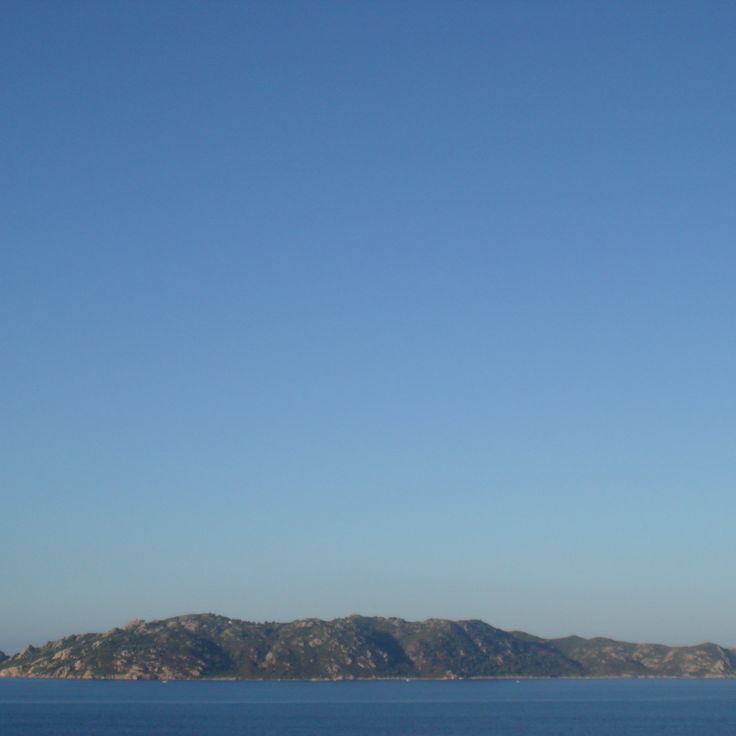
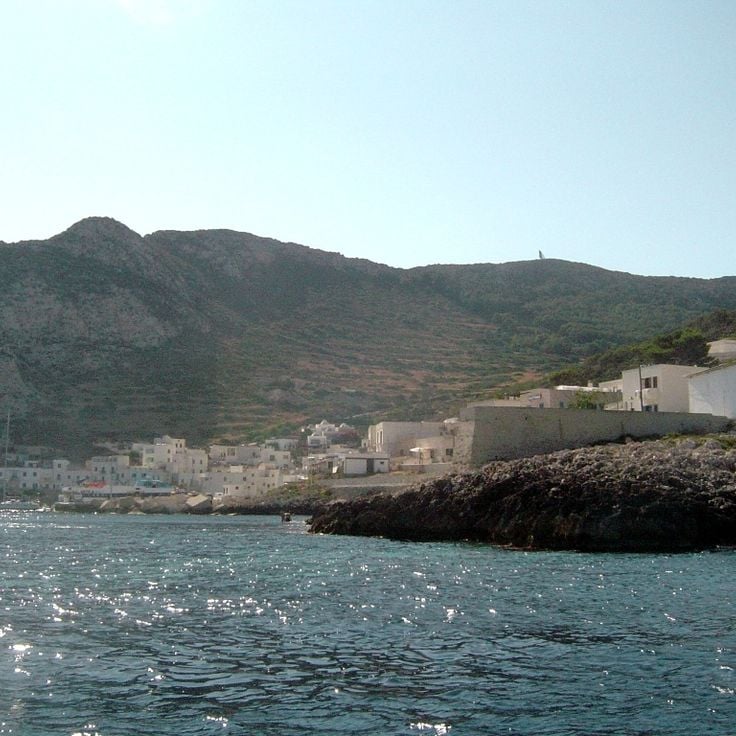
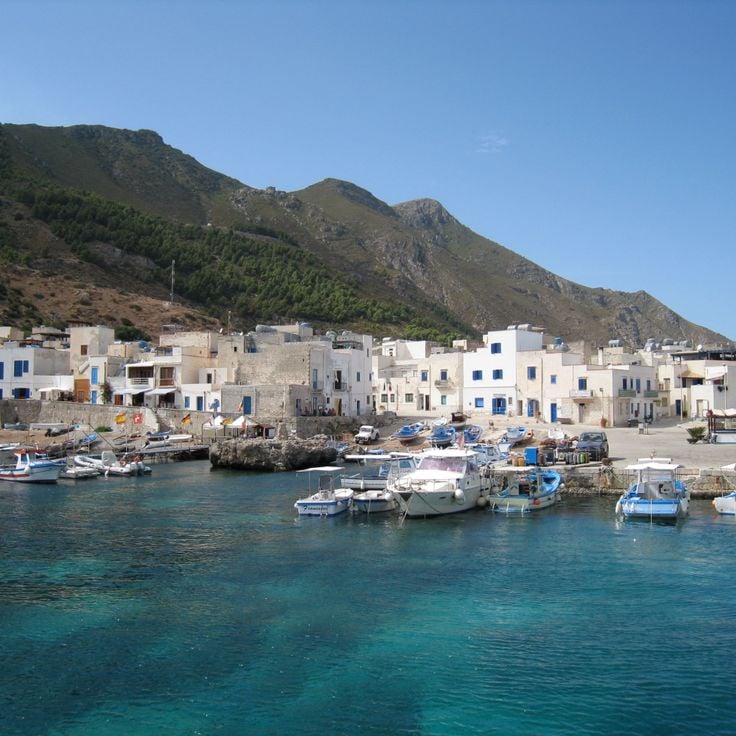
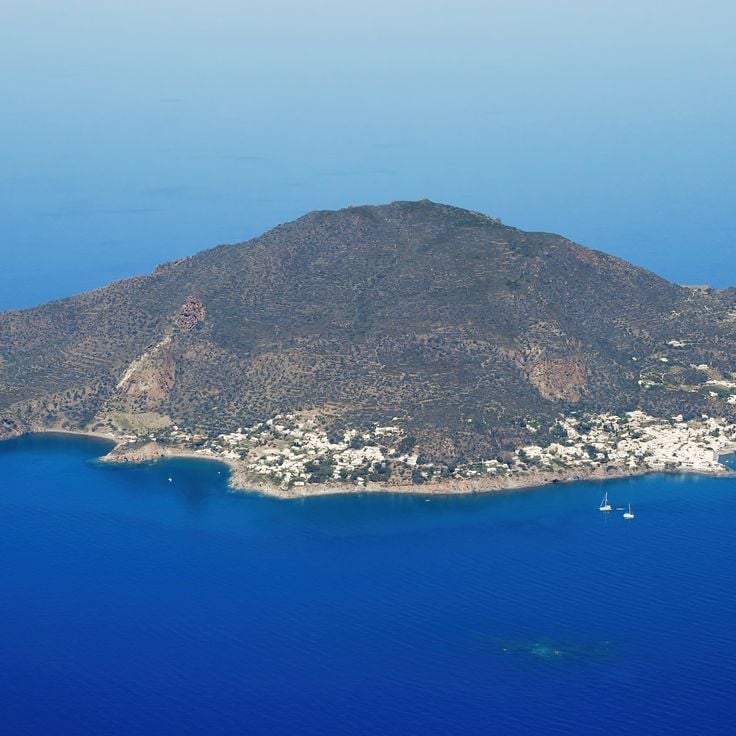
This selection of Italian islands shows different features, from natural hot springs to rocky cliffs and white sandy beaches.
Italy has dozens of islands spread out along all its coasts, from the waters of Tuscany to the edges of the Mediterranean. This collection brings together thirty islands, from the south of Tuscany to Sicily, including Sardinia and Liguria. Some are known all around the world, others stay quiet and less visited, each with its own story.
You can visit islands for their natural hot springs and gardens. Others impress with cliffs that drop into the sea, white sandy beaches, or villages with brightly painted houses. Some keep signs of history, while others have lush, untouched nature. There are places where many people go for a holiday, and others that stay peaceful and away from crowds.
Traveling through the Italian islands offers many experiences. Some spots are lively with local life, and some are calm, where you can forget your worries and enjoy the quiet.
This selection of Italian islands shows different features, from natural hot springs to rocky cliffs and white sandy beaches.
Italy has dozens of islands spread out along all its coasts, from the waters of Tuscany to the edges of the Mediterranean. This collection brings together thirty islands, from the south of Tuscany to Sicily, including Sardinia and Liguria. Some are known all around the world, others stay quiet and less visited, each with its own story.
You can visit islands for their natural hot springs and gardens. Others impress with cliffs that drop into the sea, white sandy beaches, or villages with brightly painted houses. Some keep signs of history, while others have lush, untouched nature. There are places where many people go for a holiday, and others that stay peaceful and away from crowds.
Traveling through the Italian islands offers many experiences. Some spots are lively with local life, and some are calm, where you can forget your worries and enjoy the quiet.
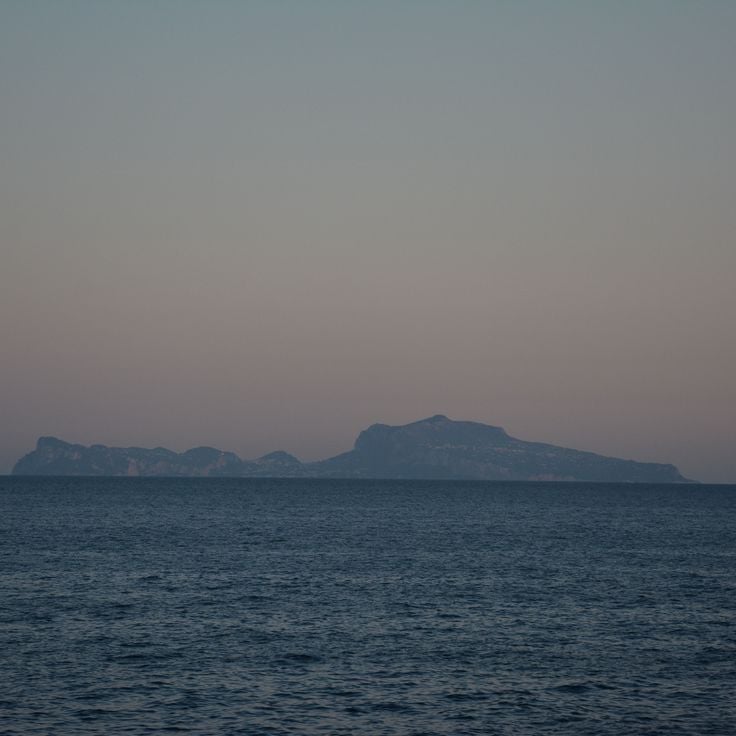
Capri is an island off the coast of Campania, known for its Faraglioni, rocks that rise from the sea, as well as for the Blue Grotto, a sea cave where light tints the water a deep blue. The island has attracted travelers for centuries, and you can feel it in the alleys of the town of Capri, with its cafés, shops, and lively terraces. Higher up, Anacapri offers a slower pace. The coastline is steep and rocky, with wide views over the Tyrrhenian Sea.
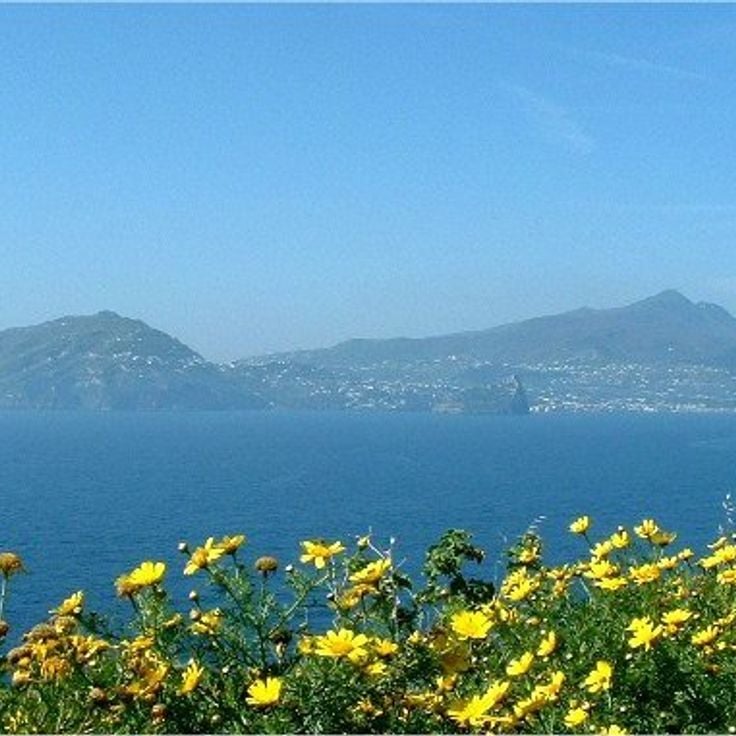
Ischia is a volcanic island off the coast of Campania. For centuries, it's been known for its natural hot springs. Hot water rises from the ground or from the sea, and many visitors come here for that reason alone. The island also has gardens, small fishing villages, and beaches, where daily life moves at a slow and easy pace.
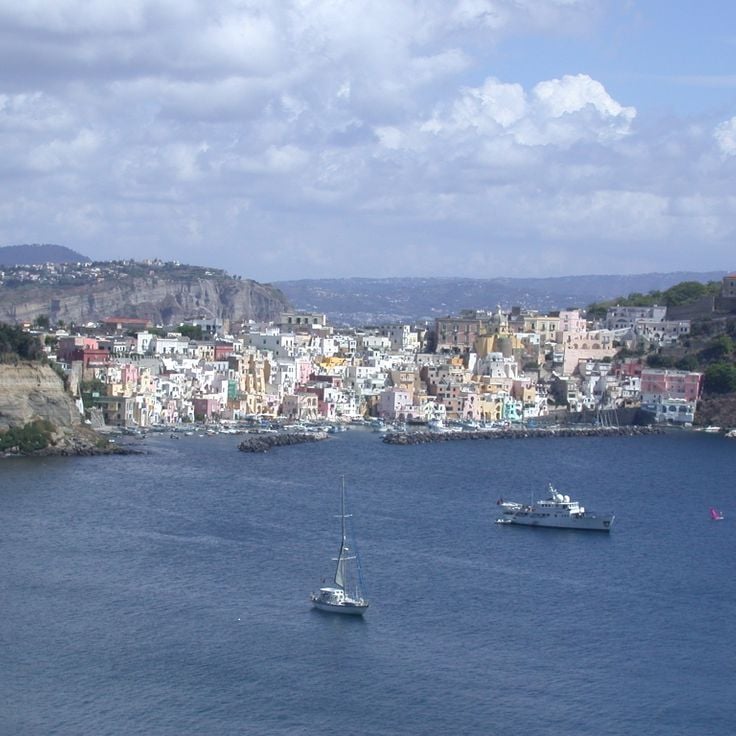
Procida sits in the Gulf of Naples and is one of the smaller islands in the area. It is known for its harbor fronts lined with tall, narrow houses painted in shades of yellow, orange, pink, and red. In 2022, Procida was named Italian Capital of Culture, drawing more visitors than usual. Unlike Capri or Ischia, it has kept a strong local character. Fishermen still work at the docks, the alleys are narrow and shaded, and daily life moves at a slow pace that makes the island feel lived-in rather than put on display.
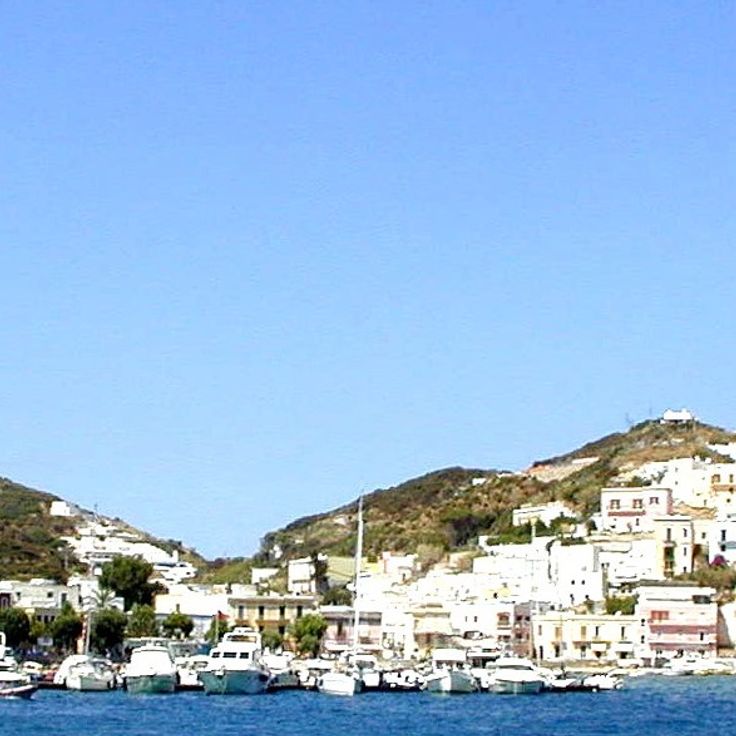
Ponza is an island off the coast of Lazio, known for its steep cliffs that drop into the sea and its small, sheltered coves. The water shifts between blue and green depending on the light. The main town has colorful houses, a lively port, and small restaurants where locals and visitors mix easily. In summer the island fills up, but it keeps a relaxed pace that many other Italian islands have lost.
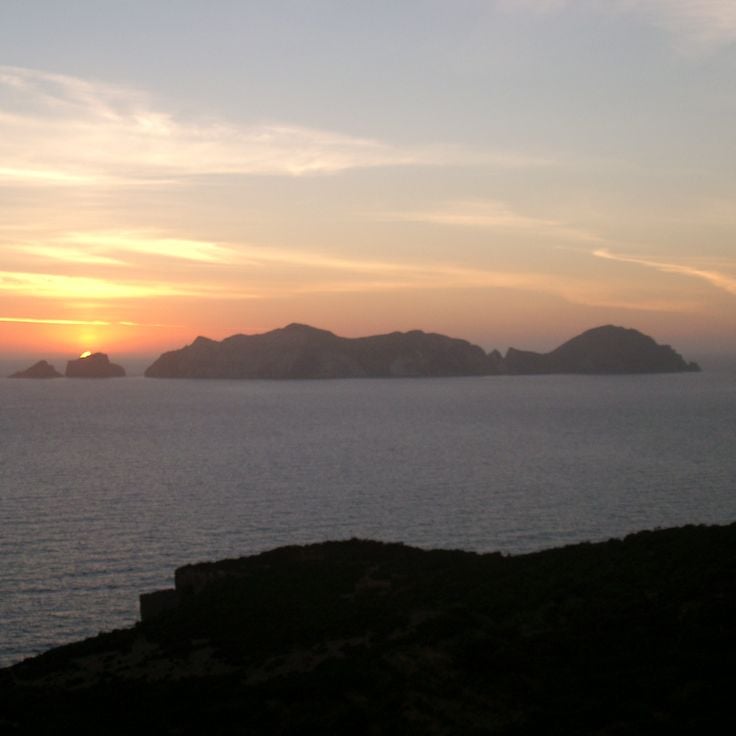
Palmarola lies off the coast of Lazio and can only be reached by boat from the neighboring island of Ponza. The island has no permanent residents and almost no tourist facilities. Those who make the trip find rocky cliffs that drop straight into the sea, small coves with clear water, and a silence that is rare along the Italian coast. Boats stop here in summer, but the island remains largely in its natural state.
Ventotene is a small island in the Tyrrhenian Sea, off the coast of Lazio. The pace of life here is slow. There are few cars, and most people get around on foot or by small scooter through narrow lanes. The old Roman port is carved directly into the rock, and the coastline offers clear water and rich seabeds that draw divers from across Italy. The island is known for its natural reserves and for the quality of its underwater life.
Elba is the largest island in Tuscany, sitting off the Tyrrhenian coast about 6 miles (10 km) from the mainland. It is best known as the place where Napoleon Bonaparte spent a year in exile after his first abdication in 1814. His residences on the island are open to visitors. Beyond this chapter of history, Elba has a varied coastline with sandy beaches, rocky coves, and calm waters. The interior is hilly, with vineyards and small villages where daily life moves at a slow pace.
Giglio is a small island off the Tuscan coast, shaped by granite outcrops and clear water. The medieval village of Giglio Castello sits on a hilltop, surrounded by old stone walls, and looks out over the sea. Down below, the port is where the ferries come in and daily life plays out. Giglio draws visitors who want to dive, hike or simply spend time in a corner of Tuscany that stays largely to itself.
Capraia sits off the Tuscan coast and is part of the Tuscan Archipelago. Almost the entire island falls within a national park, which means the land has stayed largely untouched. Hiking trails wind through low scrubland and along cliffs that drop straight into the sea. The village is small, the pace of life is slow, and far fewer visitors come here than to the other islands nearby.
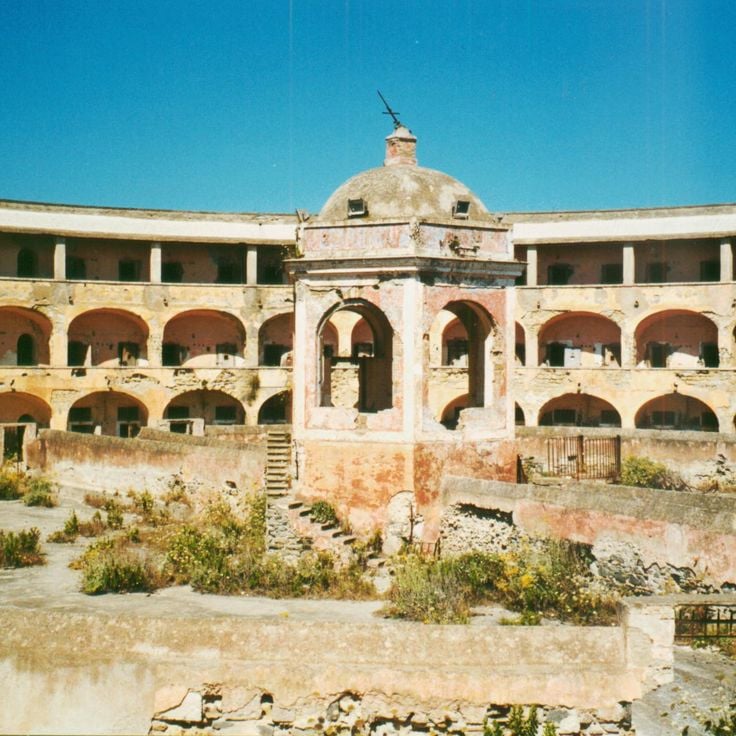
Pianosa is a former prison island off the Tuscan coast. For decades it was closed to the public, which allowed its landscapes and wildlife to develop without human interference. Today it is a protected nature reserve that can only be visited with a permit. Trails wind through low scrubland, and the waters around the island are known for their sea life and transparency.
Montecristo is a small island off the Tuscan coast, made famous by Alexandre Dumas' novel. It is almost entirely off-limits to visitors. Only a very small number of permits are issued each year, making it one of the hardest places to access in all of Italy. The vegetation is thick and wild, with scrubland, old forests, and wildlife that has developed over decades without human interference. Wild goats, seabirds, and rare reptiles live here largely undisturbed. The solitude and remoteness of the island are immediately felt.
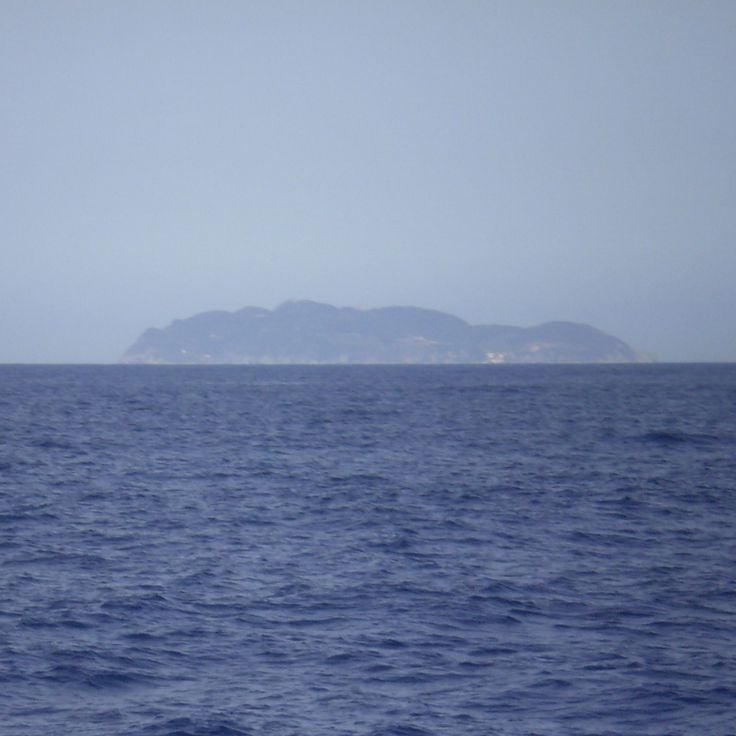
Gorgona is the smallest of the Tuscan islands. It sits off the Ligurian coast and is not open to the public in the usual sense: visits are only possible as part of organized guided tours, booked well in advance. Most of the island operates as a working prison farm, which gives it an unusual character. Those who make the trip find a rugged coastline, dense vegetation and a stillness that is hard to find elsewhere.
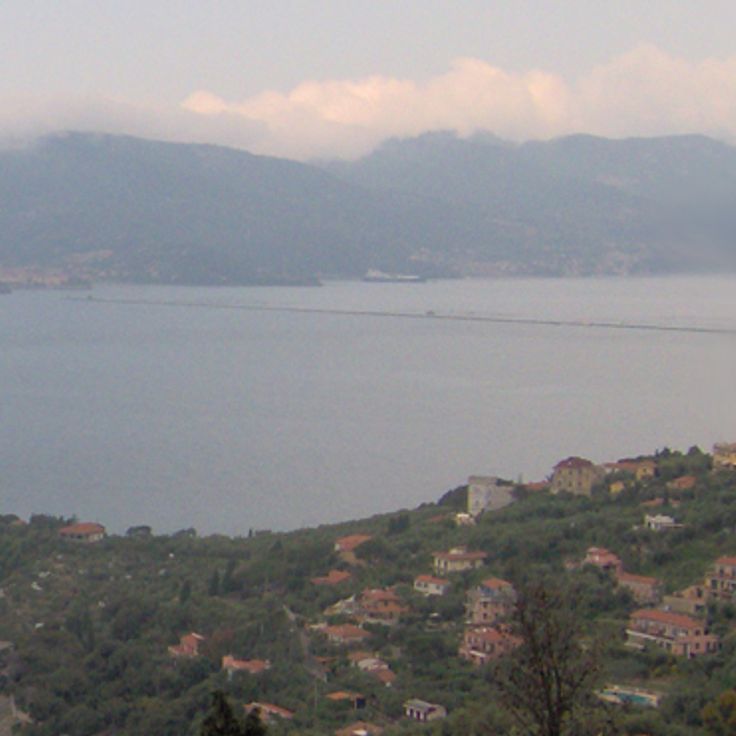
Palmaria sits just off the shore of Portovenere, on the Ligurian coast, and is part of a UNESCO World Heritage site. The island is shaped by cliffs and small coves that drop into the sea. It is largely undeveloped, and the water is never far from view. Narrow paths run along the coast, offering close contact with the sea and the rocky shoreline.
San Pietro is an island off the western coast of Sardinia with an unusual history. Its only town, Carloforte, was founded in the 18th century by Genoese fishermen who had been living in North Africa, and that origin still shapes the place today. You can hear it in the local dialect, taste it in the food, and see it in the architecture. The coastline shifts between red cliffs that drop straight into the sea and sheltered coves with clear water.
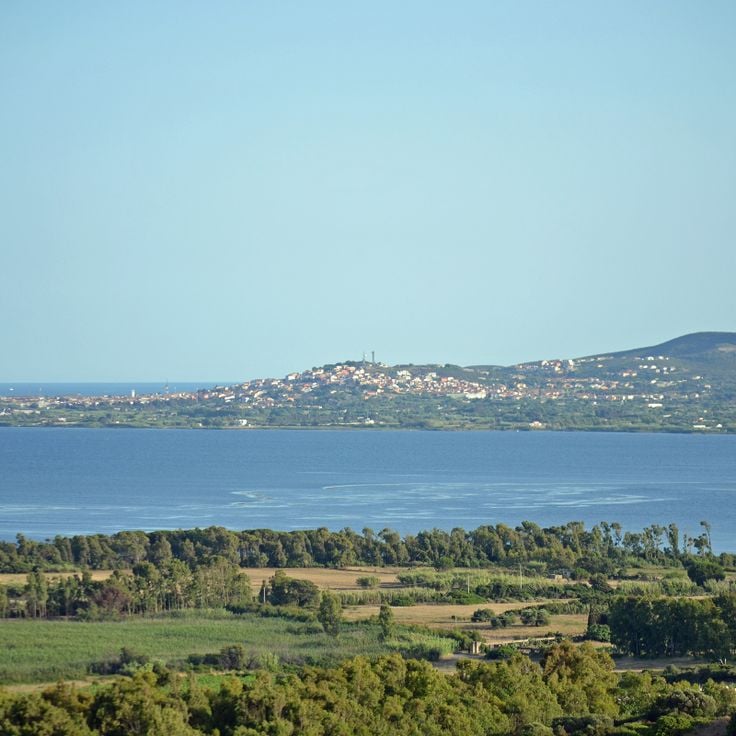
Sant'Antioco is an island in the southwest of Sardinia, connected to the mainland by a causeway that has existed for centuries. The island holds Phoenician and Roman remains, including a tophet and a small archaeological museum in the main town. Along the coast, rocky stretches alternate with sandy beaches that tend to stay less crowded than other parts of Sardinia.
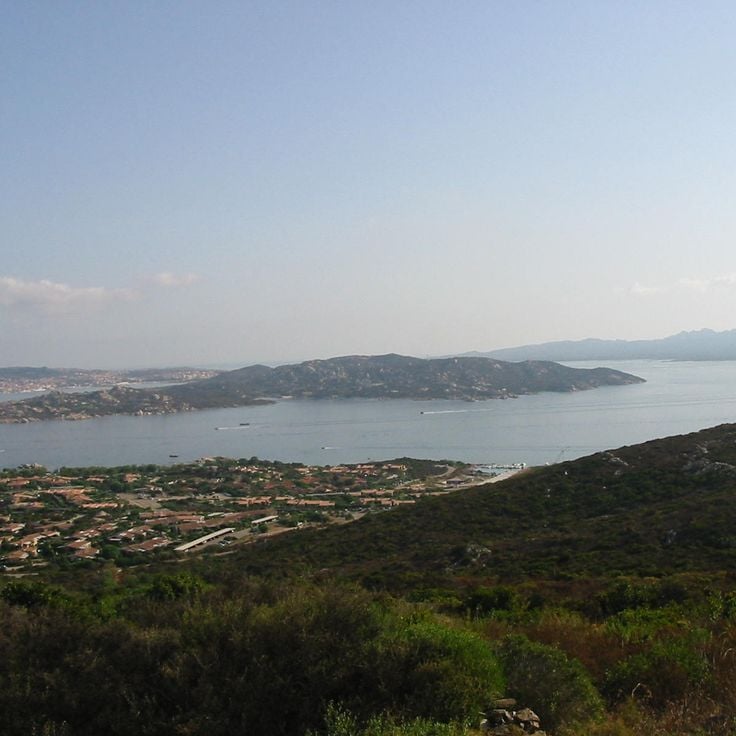
La Maddalena sits off the northern tip of Sardinia, part of a scattered group of small islands. Its shores are lined with sandy beaches where shallow water shifts from pale green to deep blue. The main town has a working harbor, cafés and small shops, and a relaxed pace that picks up in summer when boats arrive from the mainland. Away from the town, rocky paths wind through low scrubland to small coves that are only reachable on foot or by boat.
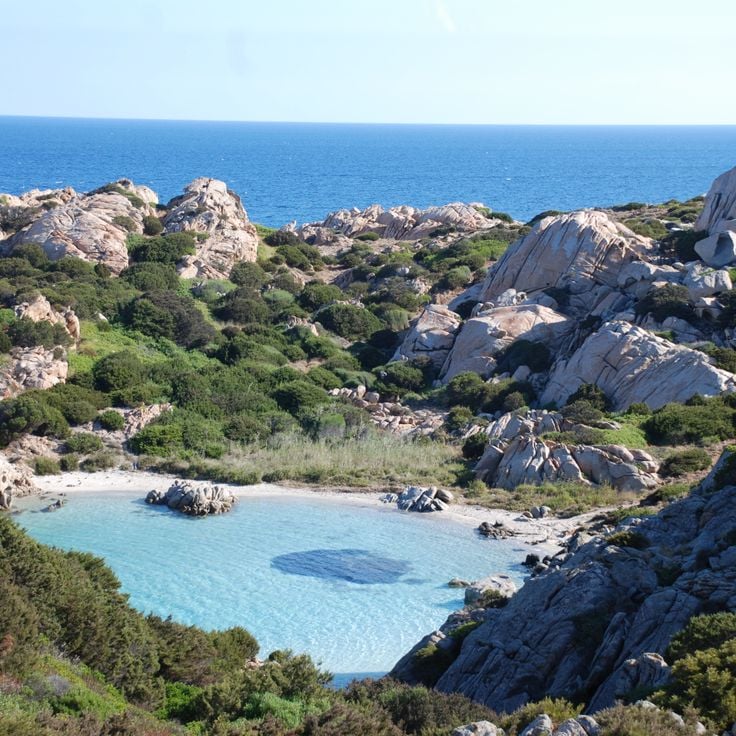
Caprera is an island off the northern coast of Sardinia, connected to the island of La Maddalena by a short causeway. The land is largely untouched, with granite rocks, pine forests, and small coves shaping its character. Caprera is also the place where Giuseppe Garibaldi, one of the key figures of 19th-century Italian unification, spent the last years of his life. His house, known as the Casa Bianca, is now a museum open to visitors.
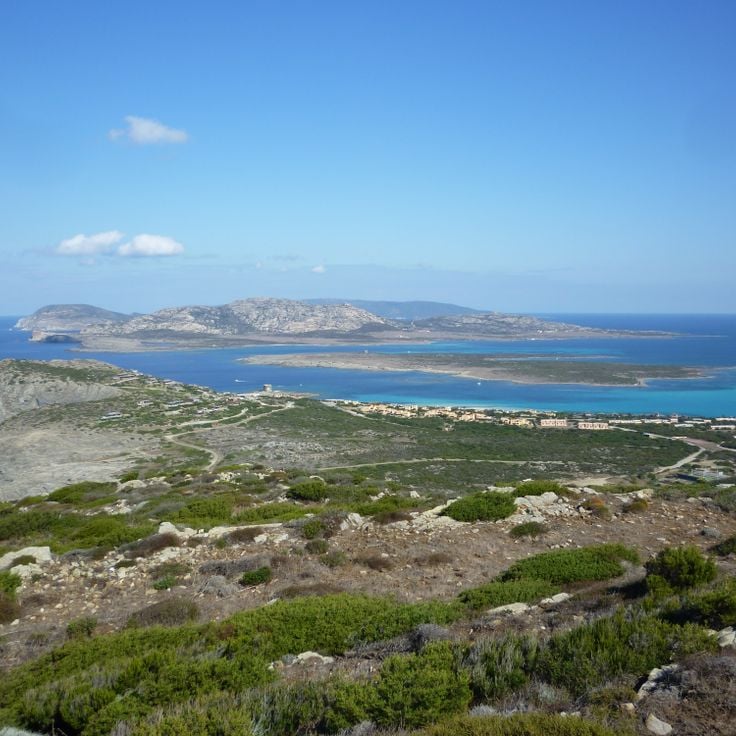
Asinara is an island off the northwestern tip of Sardinia that served for most of the 20th century as a penal colony. Access was closed to the public for decades. Today it is a national park, and visits are allowed but kept limited. The island is known for its white donkeys, which roam freely across the land. Their coat lacks pigment due to a rare genetic trait. Because human activity was restricted for so long, the landscape has stayed largely untouched. The beaches are empty, the water is clear, and the place feels genuinely remote.
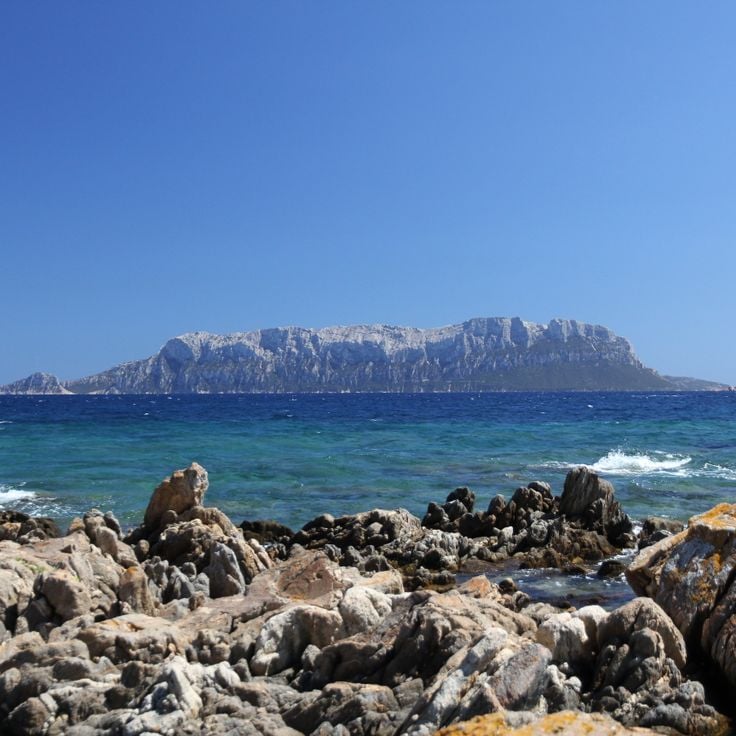
Tavolara is an island off the northeastern coast of Sardinia, shaped by a massive limestone ridge that rises sharply from the sea. The cliffs drop almost vertically into the water, and the contrast between the pale rock and the deep blue sea is immediately noticeable. The water around the island is clear and shallow enough to approach by boat. The island has very few residents and feels raw and largely untouched. A small restaurant and a handful of fishermen are the only real signs of life. Most visitors arrive by boat from Porto San Paolo or Olbia.
Molara is an uninhabited island off the coast of Sardinia. The water around it is clear and calm, making it a popular spot for divers and snorkelers. There are no beach chairs or restaurants here, just rocks, pine trees, and open sea. People who come to Molara are usually looking for nature and solitude.
Levanzo is a small island off the western coast of Sicily where no cars are allowed. Getting around means walking or taking a boat. The paths cross dry hills covered in scrub, past rocky outcrops and down to remote coves. The island has very little construction, and the only village is small and low-key. Near the shore, a cave holds prehistoric drawings that are several thousand years old. Levanzo is part of the Egadi Islands, a short ferry ride from Trapani.
Marettimo is the farthest west of the Egadi Islands, off the coast of Sicily. It is the least visited of the three main islands in the group. The landscape is rocky and hilly, with steep cliffs dropping into the sea and small coves tucked between them. There are very few cars on the island, a handful of houses near the harbor, and trails that lead through the interior. People come here for the walking, the clear water, and the sense of being far from busier places.
Panarea is the smallest of the Aeolian Islands, sitting off the northern coast of Sicily. The island is known for its white cube-shaped houses, narrow footpaths, and small rocky coves. There are no cars here, only three-wheeled vehicles and people on foot. During the day the pace is slow, but in the evening the little lanes fill up with people strolling and sitting at open-air bars. Just offshore, divers can explore ancient sunken ruins lying on the seabed.
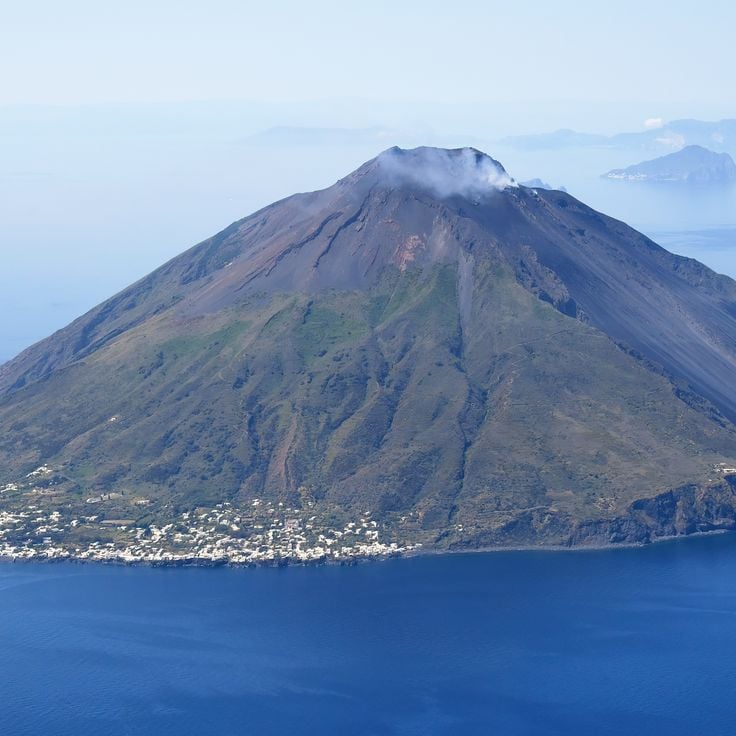
Stromboli is a volcanic island north of Sicily, part of the Aeolian Islands. The volcano at its center has been erupting almost without interruption for centuries. During the day, smoke rises steadily from the summit. At night, visitors can see glowing lava sliding down the slopes. The black sand beaches and the small village at the base give the island a raw, natural feel, with the volcano always present on the horizon above.
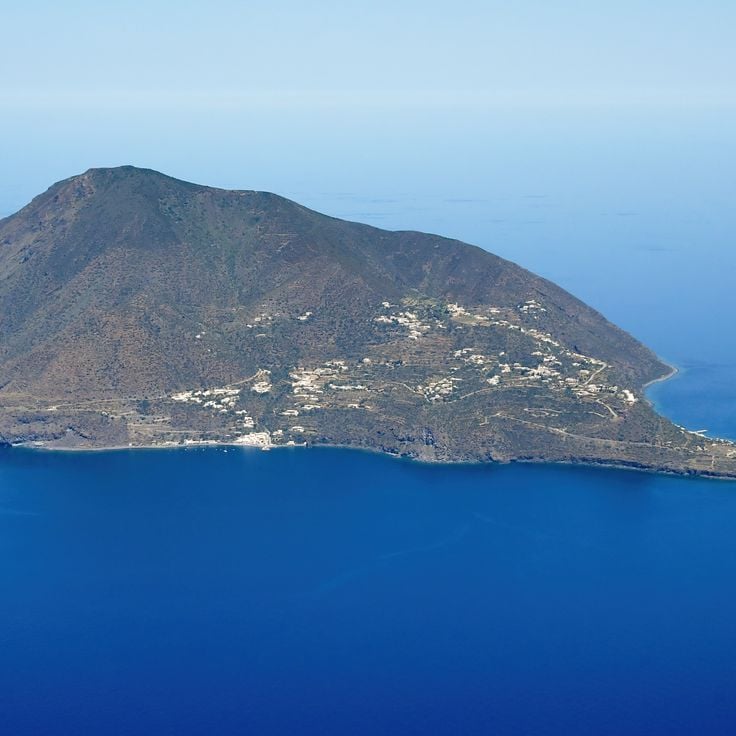
Filicudi is one of the most remote islands in the Aeolian archipelago, off the northern coast of Sicily. Its volcanic origins are visible everywhere: dark rocks, steep slopes, and deep blue water below. There are no large roads and very few cars. Life here moves slowly and simply. The villages are small, the population sparse. Visitors who make the trip find an island that has changed little over time.
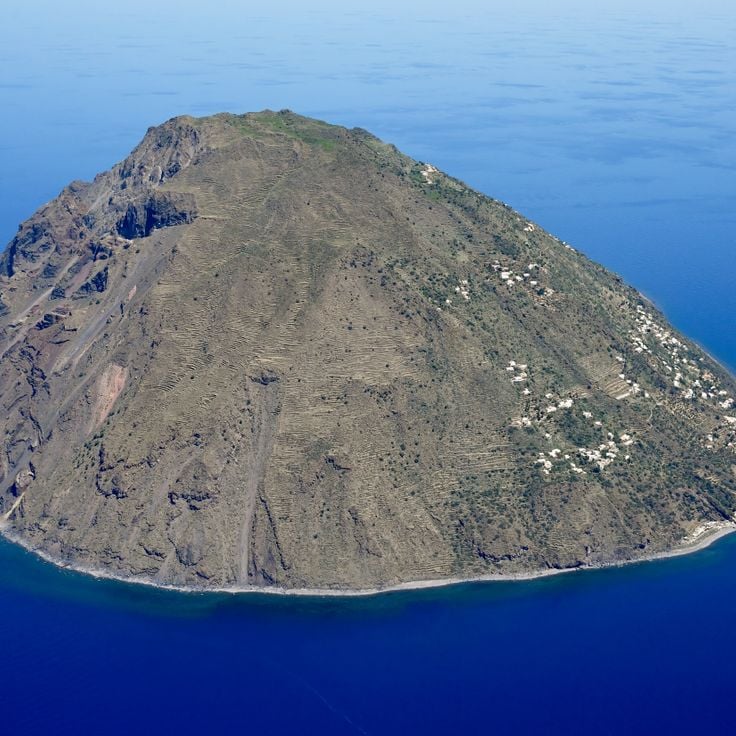
Alicudi is the most remote of the Aeolian Islands, off the north coast of Sicily. There are no roads, no cars, and very few visitors. The houses cling to the slope of an extinct volcano, and the only way to get around is on foot along steep stone paths or by donkey. Life here moves slowly. The island has a small harbor and a handful of year-round residents. For anyone who wants to feel genuinely far from everything, Alicudi offers exactly that.
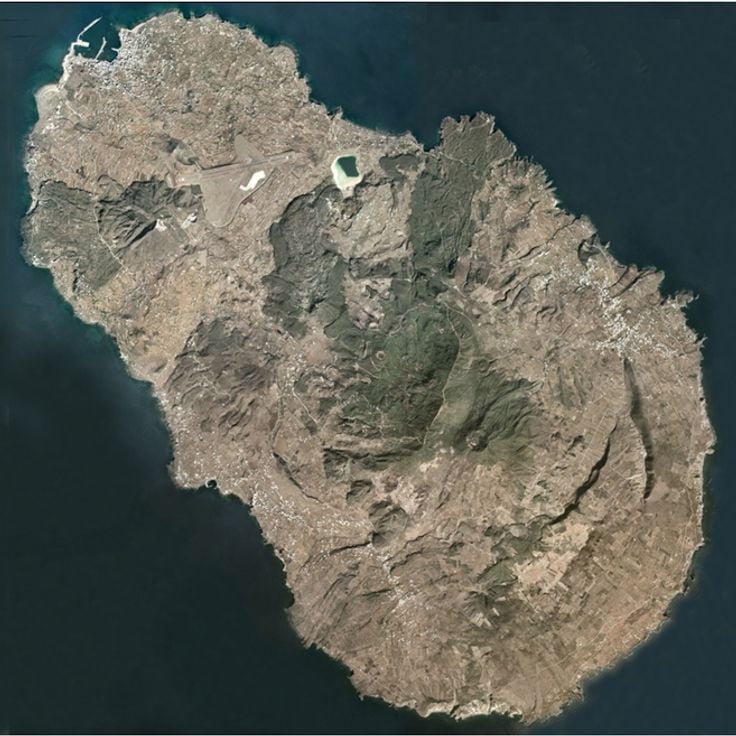
Pantelleria sits between Sicily and Tunisia, closer to Africa than to mainland Italy. The island is volcanic, and it shows: the ground is made of dark lava rock, the hills are rough, and there are no sandy beaches. Instead, there are natural hot springs where you can soak in warm water right next to the sea. The traditional stone houses of the island, called dammusi, have thick walls and domed roofs designed to stay cool in the summer heat. Pantelleria draws fewer visitors than other Italian islands and keeps a slower pace of life.
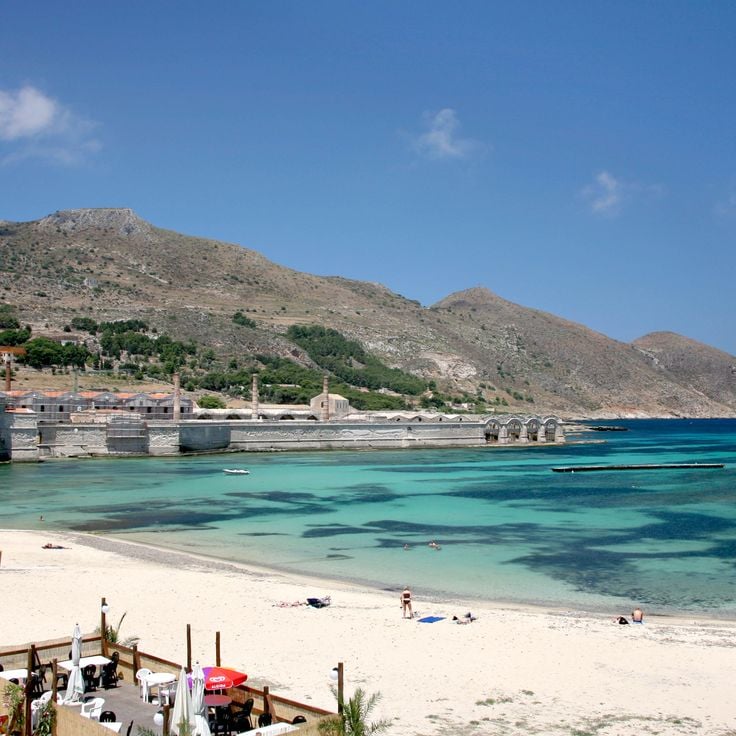
Favignana is the largest of the Egadi Islands, just off the western coast of Sicily. The island is shaped like a butterfly and is easy to explore by bicycle. The coastline shifts between flat rocks, small coves and spots where the water turns a deep green. In the main town, an old tuna processing factory has been turned into a museum, a reminder of the time when tuna fishing shaped everyday life here.
Capri is an island off the coast of Campania, known for its Faraglioni, rocks that rise from the sea, as well as for the Blue Grotto, a sea cave where light tints the water a deep blue. The island has attracted travelers for centuries, and you can feel it in the alleys of the town of Capri, with its cafés, shops, and lively terraces. Higher up, Anacapri offers a slower pace. The coastline is steep and rocky, with wide views over the Tyrrhenian Sea.
Ischia is a volcanic island off the coast of Campania. For centuries, it's been known for its natural hot springs. Hot water rises from the ground or from the sea, and many visitors come here for that reason alone. The island also has gardens, small fishing villages, and beaches, where daily life moves at a slow and easy pace.
Procida sits in the Gulf of Naples and is one of the smaller islands in the area. It is known for its harbor fronts lined with tall, narrow houses painted in shades of yellow, orange, pink, and red. In 2022, Procida was named Italian Capital of Culture, drawing more visitors than usual. Unlike Capri or Ischia, it has kept a strong local character. Fishermen still work at the docks, the alleys are narrow and shaded, and daily life moves at a slow pace that makes the island feel lived-in rather than put on display.
Ponza is an island off the coast of Lazio, known for its steep cliffs that drop into the sea and its small, sheltered coves. The water shifts between blue and green depending on the light. The main town has colorful houses, a lively port, and small restaurants where locals and visitors mix easily. In summer the island fills up, but it keeps a relaxed pace that many other Italian islands have lost.
Palmarola lies off the coast of Lazio and can only be reached by boat from the neighboring island of Ponza. The island has no permanent residents and almost no tourist facilities. Those who make the trip find rocky cliffs that drop straight into the sea, small coves with clear water, and a silence that is rare along the Italian coast. Boats stop here in summer, but the island remains largely in its natural state.
Ventotene is a small island in the Tyrrhenian Sea, off the coast of Lazio. The pace of life here is slow. There are few cars, and most people get around on foot or by small scooter through narrow lanes. The old Roman port is carved directly into the rock, and the coastline offers clear water and rich seabeds that draw divers from across Italy. The island is known for its natural reserves and for the quality of its underwater life.
Elba is the largest island in Tuscany, sitting off the Tyrrhenian coast about 6 miles (10 km) from the mainland. It is best known as the place where Napoleon Bonaparte spent a year in exile after his first abdication in 1814. His residences on the island are open to visitors. Beyond this chapter of history, Elba has a varied coastline with sandy beaches, rocky coves, and calm waters. The interior is hilly, with vineyards and small villages where daily life moves at a slow pace.
Giglio is a small island off the Tuscan coast, shaped by granite outcrops and clear water. The medieval village of Giglio Castello sits on a hilltop, surrounded by old stone walls, and looks out over the sea. Down below, the port is where the ferries come in and daily life plays out. Giglio draws visitors who want to dive, hike or simply spend time in a corner of Tuscany that stays largely to itself.
Capraia sits off the Tuscan coast and is part of the Tuscan Archipelago. Almost the entire island falls within a national park, which means the land has stayed largely untouched. Hiking trails wind through low scrubland and along cliffs that drop straight into the sea. The village is small, the pace of life is slow, and far fewer visitors come here than to the other islands nearby.
Pianosa is a former prison island off the Tuscan coast. For decades it was closed to the public, which allowed its landscapes and wildlife to develop without human interference. Today it is a protected nature reserve that can only be visited with a permit. Trails wind through low scrubland, and the waters around the island are known for their sea life and transparency.
Montecristo is a small island off the Tuscan coast, made famous by Alexandre Dumas' novel. It is almost entirely off-limits to visitors. Only a very small number of permits are issued each year, making it one of the hardest places to access in all of Italy. The vegetation is thick and wild, with scrubland, old forests, and wildlife that has developed over decades without human interference. Wild goats, seabirds, and rare reptiles live here largely undisturbed. The solitude and remoteness of the island are immediately felt.
Gorgona is the smallest of the Tuscan islands. It sits off the Ligurian coast and is not open to the public in the usual sense: visits are only possible as part of organized guided tours, booked well in advance. Most of the island operates as a working prison farm, which gives it an unusual character. Those who make the trip find a rugged coastline, dense vegetation and a stillness that is hard to find elsewhere.
Palmaria sits just off the shore of Portovenere, on the Ligurian coast, and is part of a UNESCO World Heritage site. The island is shaped by cliffs and small coves that drop into the sea. It is largely undeveloped, and the water is never far from view. Narrow paths run along the coast, offering close contact with the sea and the rocky shoreline.
San Pietro is an island off the western coast of Sardinia with an unusual history. Its only town, Carloforte, was founded in the 18th century by Genoese fishermen who had been living in North Africa, and that origin still shapes the place today. You can hear it in the local dialect, taste it in the food, and see it in the architecture. The coastline shifts between red cliffs that drop straight into the sea and sheltered coves with clear water.
Sant'Antioco is an island in the southwest of Sardinia, connected to the mainland by a causeway that has existed for centuries. The island holds Phoenician and Roman remains, including a tophet and a small archaeological museum in the main town. Along the coast, rocky stretches alternate with sandy beaches that tend to stay less crowded than other parts of Sardinia.
La Maddalena sits off the northern tip of Sardinia, part of a scattered group of small islands. Its shores are lined with sandy beaches where shallow water shifts from pale green to deep blue. The main town has a working harbor, cafés and small shops, and a relaxed pace that picks up in summer when boats arrive from the mainland. Away from the town, rocky paths wind through low scrubland to small coves that are only reachable on foot or by boat.
Caprera is an island off the northern coast of Sardinia, connected to the island of La Maddalena by a short causeway. The land is largely untouched, with granite rocks, pine forests, and small coves shaping its character. Caprera is also the place where Giuseppe Garibaldi, one of the key figures of 19th-century Italian unification, spent the last years of his life. His house, known as the Casa Bianca, is now a museum open to visitors.
Asinara is an island off the northwestern tip of Sardinia that served for most of the 20th century as a penal colony. Access was closed to the public for decades. Today it is a national park, and visits are allowed but kept limited. The island is known for its white donkeys, which roam freely across the land. Their coat lacks pigment due to a rare genetic trait. Because human activity was restricted for so long, the landscape has stayed largely untouched. The beaches are empty, the water is clear, and the place feels genuinely remote.
Tavolara is an island off the northeastern coast of Sardinia, shaped by a massive limestone ridge that rises sharply from the sea. The cliffs drop almost vertically into the water, and the contrast between the pale rock and the deep blue sea is immediately noticeable. The water around the island is clear and shallow enough to approach by boat. The island has very few residents and feels raw and largely untouched. A small restaurant and a handful of fishermen are the only real signs of life. Most visitors arrive by boat from Porto San Paolo or Olbia.
Molara is an uninhabited island off the coast of Sardinia. The water around it is clear and calm, making it a popular spot for divers and snorkelers. There are no beach chairs or restaurants here, just rocks, pine trees, and open sea. People who come to Molara are usually looking for nature and solitude.
Levanzo is a small island off the western coast of Sicily where no cars are allowed. Getting around means walking or taking a boat. The paths cross dry hills covered in scrub, past rocky outcrops and down to remote coves. The island has very little construction, and the only village is small and low-key. Near the shore, a cave holds prehistoric drawings that are several thousand years old. Levanzo is part of the Egadi Islands, a short ferry ride from Trapani.
Marettimo is the farthest west of the Egadi Islands, off the coast of Sicily. It is the least visited of the three main islands in the group. The landscape is rocky and hilly, with steep cliffs dropping into the sea and small coves tucked between them. There are very few cars on the island, a handful of houses near the harbor, and trails that lead through the interior. People come here for the walking, the clear water, and the sense of being far from busier places.
Panarea is the smallest of the Aeolian Islands, sitting off the northern coast of Sicily. The island is known for its white cube-shaped houses, narrow footpaths, and small rocky coves. There are no cars here, only three-wheeled vehicles and people on foot. During the day the pace is slow, but in the evening the little lanes fill up with people strolling and sitting at open-air bars. Just offshore, divers can explore ancient sunken ruins lying on the seabed.
Stromboli is a volcanic island north of Sicily, part of the Aeolian Islands. The volcano at its center has been erupting almost without interruption for centuries. During the day, smoke rises steadily from the summit. At night, visitors can see glowing lava sliding down the slopes. The black sand beaches and the small village at the base give the island a raw, natural feel, with the volcano always present on the horizon above.
Filicudi is one of the most remote islands in the Aeolian archipelago, off the northern coast of Sicily. Its volcanic origins are visible everywhere: dark rocks, steep slopes, and deep blue water below. There are no large roads and very few cars. Life here moves slowly and simply. The villages are small, the population sparse. Visitors who make the trip find an island that has changed little over time.
Alicudi is the most remote of the Aeolian Islands, off the north coast of Sicily. There are no roads, no cars, and very few visitors. The houses cling to the slope of an extinct volcano, and the only way to get around is on foot along steep stone paths or by donkey. Life here moves slowly. The island has a small harbor and a handful of year-round residents. For anyone who wants to feel genuinely far from everything, Alicudi offers exactly that.
Pantelleria sits between Sicily and Tunisia, closer to Africa than to mainland Italy. The island is volcanic, and it shows: the ground is made of dark lava rock, the hills are rough, and there are no sandy beaches. Instead, there are natural hot springs where you can soak in warm water right next to the sea. The traditional stone houses of the island, called dammusi, have thick walls and domed roofs designed to stay cool in the summer heat. Pantelleria draws fewer visitors than other Italian islands and keeps a slower pace of life.
Favignana is the largest of the Egadi Islands, just off the western coast of Sicily. The island is shaped like a butterfly and is easy to explore by bicycle. The coastline shifts between flat rocks, small coves and spots where the water turns a deep green. In the main town, an old tuna processing factory has been turned into a museum, a reminder of the time when tuna fishing shaped everyday life here.
Capri is an island off the coast of Campania, known for its Faraglioni, rocks that rise from the sea, as well as for the Blue Grotto, a sea cave where light tints the water a deep blue. The island has attracted travelers for centuries, and you can feel it in the alleys of the town of Capri, with its cafés, shops, and lively terraces. Higher up, Anacapri offers a slower pace. The coastline is steep and rocky, with wide views over the Tyrrhenian Sea.
Ischia is a volcanic island off the coast of Campania. For centuries, it's been known for its natural hot springs. Hot water rises from the ground or from the sea, and many visitors come here for that reason alone. The island also has gardens, small fishing villages, and beaches, where daily life moves at a slow and easy pace.
Procida sits in the Gulf of Naples and is one of the smaller islands in the area. It is known for its harbor fronts lined with tall, narrow houses painted in shades of yellow, orange, pink, and red. In 2022, Procida was named Italian Capital of Culture, drawing more visitors than usual. Unlike Capri or Ischia, it has kept a strong local character. Fishermen still work at the docks, the alleys are narrow and shaded, and daily life moves at a slow pace that makes the island feel lived-in rather than put on display.
Ponza is an island off the coast of Lazio, known for its steep cliffs that drop into the sea and its small, sheltered coves. The water shifts between blue and green depending on the light. The main town has colorful houses, a lively port, and small restaurants where locals and visitors mix easily. In summer the island fills up, but it keeps a relaxed pace that many other Italian islands have lost.
Palmarola lies off the coast of Lazio and can only be reached by boat from the neighboring island of Ponza. The island has no permanent residents and almost no tourist facilities. Those who make the trip find rocky cliffs that drop straight into the sea, small coves with clear water, and a silence that is rare along the Italian coast. Boats stop here in summer, but the island remains largely in its natural state.
Ventotene is a small island in the Tyrrhenian Sea, off the coast of Lazio. The pace of life here is slow. There are few cars, and most people get around on foot or by small scooter through narrow lanes. The old Roman port is carved directly into the rock, and the coastline offers clear water and rich seabeds that draw divers from across Italy. The island is known for its natural reserves and for the quality of its underwater life.
Elba is the largest island in Tuscany, sitting off the Tyrrhenian coast about 6 miles (10 km) from the mainland. It is best known as the place where Napoleon Bonaparte spent a year in exile after his first abdication in 1814. His residences on the island are open to visitors. Beyond this chapter of history, Elba has a varied coastline with sandy beaches, rocky coves, and calm waters. The interior is hilly, with vineyards and small villages where daily life moves at a slow pace.
Giglio is a small island off the Tuscan coast, shaped by granite outcrops and clear water. The medieval village of Giglio Castello sits on a hilltop, surrounded by old stone walls, and looks out over the sea. Down below, the port is where the ferries come in and daily life plays out. Giglio draws visitors who want to dive, hike or simply spend time in a corner of Tuscany that stays largely to itself.
Capraia sits off the Tuscan coast and is part of the Tuscan Archipelago. Almost the entire island falls within a national park, which means the land has stayed largely untouched. Hiking trails wind through low scrubland and along cliffs that drop straight into the sea. The village is small, the pace of life is slow, and far fewer visitors come here than to the other islands nearby.
Pianosa is a former prison island off the Tuscan coast. For decades it was closed to the public, which allowed its landscapes and wildlife to develop without human interference. Today it is a protected nature reserve that can only be visited with a permit. Trails wind through low scrubland, and the waters around the island are known for their sea life and transparency.
Montecristo is a small island off the Tuscan coast, made famous by Alexandre Dumas' novel. It is almost entirely off-limits to visitors. Only a very small number of permits are issued each year, making it one of the hardest places to access in all of Italy. The vegetation is thick and wild, with scrubland, old forests, and wildlife that has developed over decades without human interference. Wild goats, seabirds, and rare reptiles live here largely undisturbed. The solitude and remoteness of the island are immediately felt.
Gorgona is the smallest of the Tuscan islands. It sits off the Ligurian coast and is not open to the public in the usual sense: visits are only possible as part of organized guided tours, booked well in advance. Most of the island operates as a working prison farm, which gives it an unusual character. Those who make the trip find a rugged coastline, dense vegetation and a stillness that is hard to find elsewhere.
Palmaria sits just off the shore of Portovenere, on the Ligurian coast, and is part of a UNESCO World Heritage site. The island is shaped by cliffs and small coves that drop into the sea. It is largely undeveloped, and the water is never far from view. Narrow paths run along the coast, offering close contact with the sea and the rocky shoreline.
San Pietro is an island off the western coast of Sardinia with an unusual history. Its only town, Carloforte, was founded in the 18th century by Genoese fishermen who had been living in North Africa, and that origin still shapes the place today. You can hear it in the local dialect, taste it in the food, and see it in the architecture. The coastline shifts between red cliffs that drop straight into the sea and sheltered coves with clear water.
Sant'Antioco is an island in the southwest of Sardinia, connected to the mainland by a causeway that has existed for centuries. The island holds Phoenician and Roman remains, including a tophet and a small archaeological museum in the main town. Along the coast, rocky stretches alternate with sandy beaches that tend to stay less crowded than other parts of Sardinia.
La Maddalena sits off the northern tip of Sardinia, part of a scattered group of small islands. Its shores are lined with sandy beaches where shallow water shifts from pale green to deep blue. The main town has a working harbor, cafés and small shops, and a relaxed pace that picks up in summer when boats arrive from the mainland. Away from the town, rocky paths wind through low scrubland to small coves that are only reachable on foot or by boat.
Caprera is an island off the northern coast of Sardinia, connected to the island of La Maddalena by a short causeway. The land is largely untouched, with granite rocks, pine forests, and small coves shaping its character. Caprera is also the place where Giuseppe Garibaldi, one of the key figures of 19th-century Italian unification, spent the last years of his life. His house, known as the Casa Bianca, is now a museum open to visitors.
Asinara is an island off the northwestern tip of Sardinia that served for most of the 20th century as a penal colony. Access was closed to the public for decades. Today it is a national park, and visits are allowed but kept limited. The island is known for its white donkeys, which roam freely across the land. Their coat lacks pigment due to a rare genetic trait. Because human activity was restricted for so long, the landscape has stayed largely untouched. The beaches are empty, the water is clear, and the place feels genuinely remote.
Tavolara is an island off the northeastern coast of Sardinia, shaped by a massive limestone ridge that rises sharply from the sea. The cliffs drop almost vertically into the water, and the contrast between the pale rock and the deep blue sea is immediately noticeable. The water around the island is clear and shallow enough to approach by boat. The island has very few residents and feels raw and largely untouched. A small restaurant and a handful of fishermen are the only real signs of life. Most visitors arrive by boat from Porto San Paolo or Olbia.
Molara is an uninhabited island off the coast of Sardinia. The water around it is clear and calm, making it a popular spot for divers and snorkelers. There are no beach chairs or restaurants here, just rocks, pine trees, and open sea. People who come to Molara are usually looking for nature and solitude.
Levanzo is a small island off the western coast of Sicily where no cars are allowed. Getting around means walking or taking a boat. The paths cross dry hills covered in scrub, past rocky outcrops and down to remote coves. The island has very little construction, and the only village is small and low-key. Near the shore, a cave holds prehistoric drawings that are several thousand years old. Levanzo is part of the Egadi Islands, a short ferry ride from Trapani.
Marettimo is the farthest west of the Egadi Islands, off the coast of Sicily. It is the least visited of the three main islands in the group. The landscape is rocky and hilly, with steep cliffs dropping into the sea and small coves tucked between them. There are very few cars on the island, a handful of houses near the harbor, and trails that lead through the interior. People come here for the walking, the clear water, and the sense of being far from busier places.
Panarea is the smallest of the Aeolian Islands, sitting off the northern coast of Sicily. The island is known for its white cube-shaped houses, narrow footpaths, and small rocky coves. There are no cars here, only three-wheeled vehicles and people on foot. During the day the pace is slow, but in the evening the little lanes fill up with people strolling and sitting at open-air bars. Just offshore, divers can explore ancient sunken ruins lying on the seabed.
Stromboli is a volcanic island north of Sicily, part of the Aeolian Islands. The volcano at its center has been erupting almost without interruption for centuries. During the day, smoke rises steadily from the summit. At night, visitors can see glowing lava sliding down the slopes. The black sand beaches and the small village at the base give the island a raw, natural feel, with the volcano always present on the horizon above.
Filicudi is one of the most remote islands in the Aeolian archipelago, off the northern coast of Sicily. Its volcanic origins are visible everywhere: dark rocks, steep slopes, and deep blue water below. There are no large roads and very few cars. Life here moves slowly and simply. The villages are small, the population sparse. Visitors who make the trip find an island that has changed little over time.
Alicudi is the most remote of the Aeolian Islands, off the north coast of Sicily. There are no roads, no cars, and very few visitors. The houses cling to the slope of an extinct volcano, and the only way to get around is on foot along steep stone paths or by donkey. Life here moves slowly. The island has a small harbor and a handful of year-round residents. For anyone who wants to feel genuinely far from everything, Alicudi offers exactly that.
Pantelleria sits between Sicily and Tunisia, closer to Africa than to mainland Italy. The island is volcanic, and it shows: the ground is made of dark lava rock, the hills are rough, and there are no sandy beaches. Instead, there are natural hot springs where you can soak in warm water right next to the sea. The traditional stone houses of the island, called dammusi, have thick walls and domed roofs designed to stay cool in the summer heat. Pantelleria draws fewer visitors than other Italian islands and keeps a slower pace of life.
Favignana is the largest of the Egadi Islands, just off the western coast of Sicily. The island is shaped like a butterfly and is easy to explore by bicycle. The coastline shifts between flat rocks, small coves and spots where the water turns a deep green. In the main town, an old tuna processing factory has been turned into a museum, a reminder of the time when tuna fishing shaped everyday life here.
If you plan to visit several islands, check the boat connections before you go. Some islands do not have regular links, especially outside of peak season. Looking up a local guide or a maritime transport website can help you plan your trips without surprises.