See the monuments around you in AROpen chests in the app
Around Us is built for your phone — point your camera at the streets and discover the monuments and places around you in augmented reality.Around Us is built for your phone — chests unlock when you walk, explore and capture nearby places.
Brazil is a country with many islands that show the richness of its coast. From mangroves in the Amazon to coral reefs in the south.
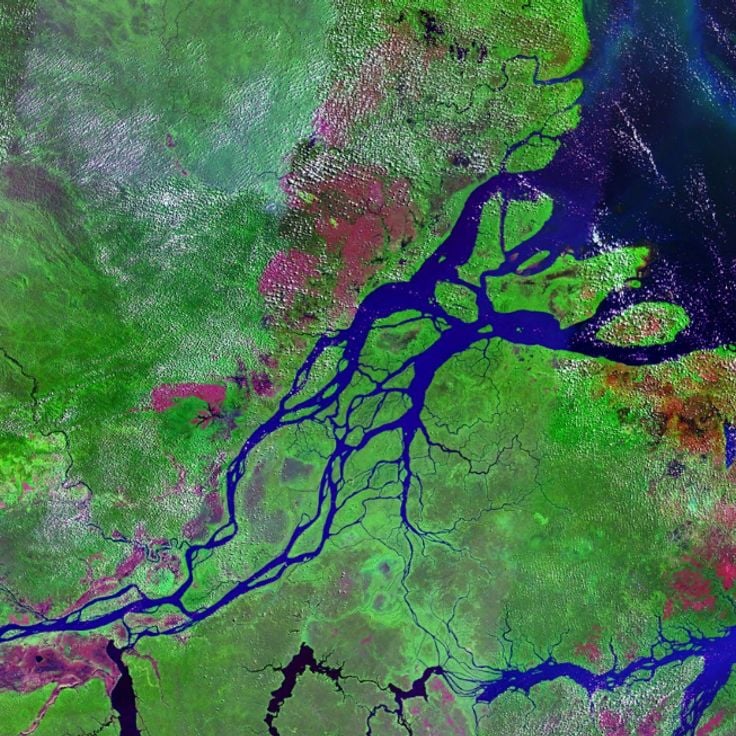
This beautiful country has an archipelago that stretches from north to south, each with its own features. To the north, near the mouth of the Amazon River, Marajó attracts visitors with its mangroves and herds of cattle that graze freely. Further east, the white dunes of Maranhão create moon-like landscapes around islands like Lençóis. Each small island has its own rhythm and its own people, from some fishermen to entire communities living quietly, away from roads. Fernando de Noronha, in the middle of the Atlantic Ocean, offers views of sea life that are hard to find elsewhere: its waters host rays, turtles, and colorful fish that seem to dance under the surface. To the south, Bahia surprises with islands full of colonial history and calm bays. The thick Atlantic Forest covers the islands around Rio de Janeiro and São Paulo. Further south, islands like Florianópolis and Santa Catarina shaped by waves, offer clear water reserves. Whether you are looking for deserted beaches, winding paths among the trees, or places where boat trips are part of daily life, these islands show how people live on their coasts. Each visit reveals a different story of this land and its people.
Brazil is a country with many islands that show the richness of its coast. From mangroves in the Amazon to coral reefs in the south.
This beautiful country has an archipelago that stretches from north to south, each with its own features. To the north, near the mouth of the Amazon River, Marajó attracts visitors with its mangroves and herds of cattle that graze freely. Further east, the white dunes of Maranhão create moon-like landscapes around islands like Lençóis. Each small island has its own rhythm and its own people, from some fishermen to entire communities living quietly, away from roads. Fernando de Noronha, in the middle of the Atlantic Ocean, offers views of sea life that are hard to find elsewhere: its waters host rays, turtles, and colorful fish that seem to dance under the surface. To the south, Bahia surprises with islands full of colonial history and calm bays. The thick Atlantic Forest covers the islands around Rio de Janeiro and São Paulo. Further south, islands like Florianópolis and Santa Catarina shaped by waves, offer clear water reserves. Whether you are looking for deserted beaches, winding paths among the trees, or places where boat trips are part of daily life, these islands show how people live on their coasts. Each visit reveals a different story of this land and its people.
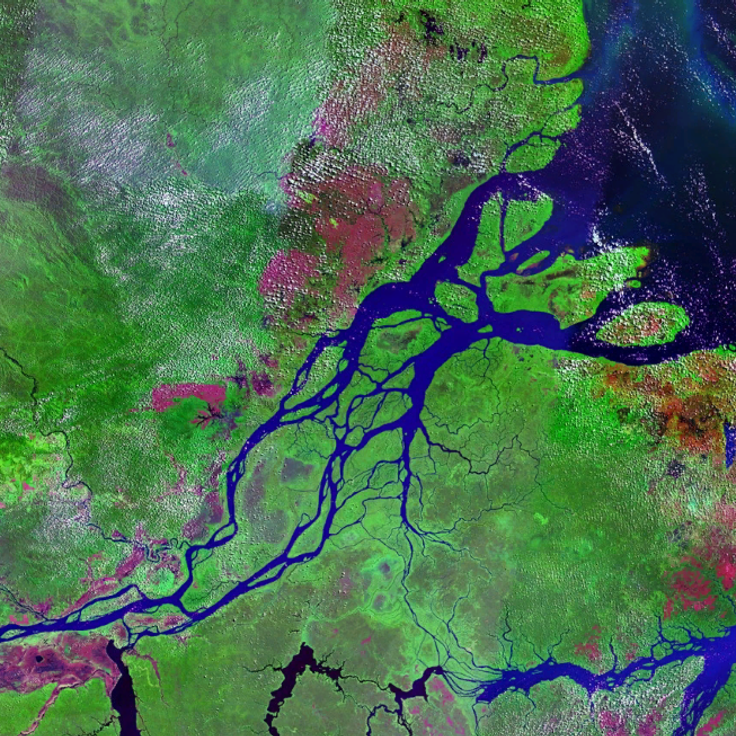
Ilha de Marajó sits at the mouth of the Amazon River in the state of Pará. Buffaloes roam freely along its sandy shores, mangroves line the waterways, and the pace of life here is slow and tied to the river. The island is also home to the ancient Marajoara culture, known for its colorful ceramic work. Travelers who make the trip find a place that feels far removed from the rest of Brazil, shaped by water, wildlife, and a long local history.
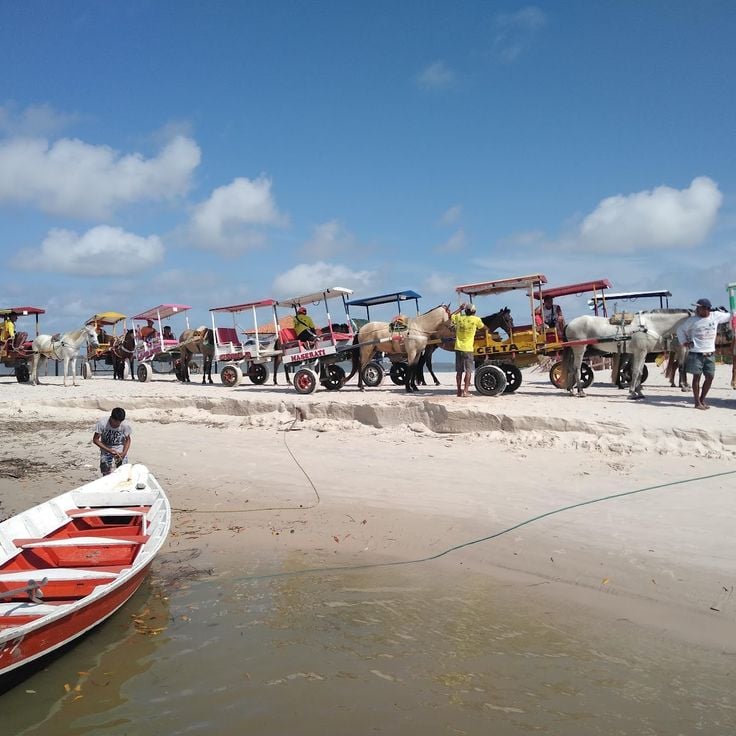
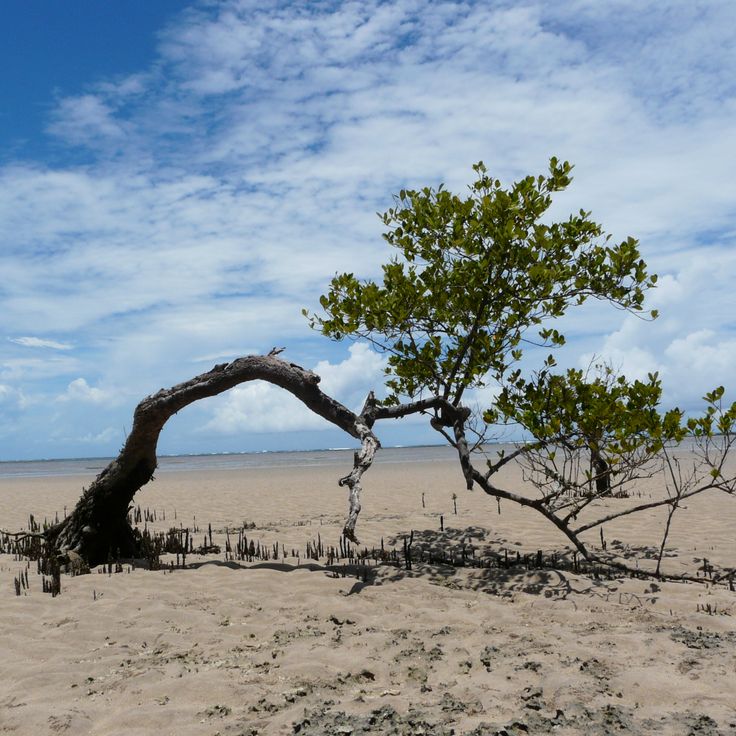
Ilha de Maiandeua, known locally as Algodoal, sits off the coast of Pará in northern Brazil. No cars are allowed here, so the pace of life slows right down. You walk or cycle through the village of Algodoal, past simple wooden houses, small guesthouses and local eateries. Sandy dunes rise at the edges of the island, and Praia da Princesa stretches out as a long open beach where few people gather. Mangroves line the waterways, giving the island a green, tangled border between land and sea.
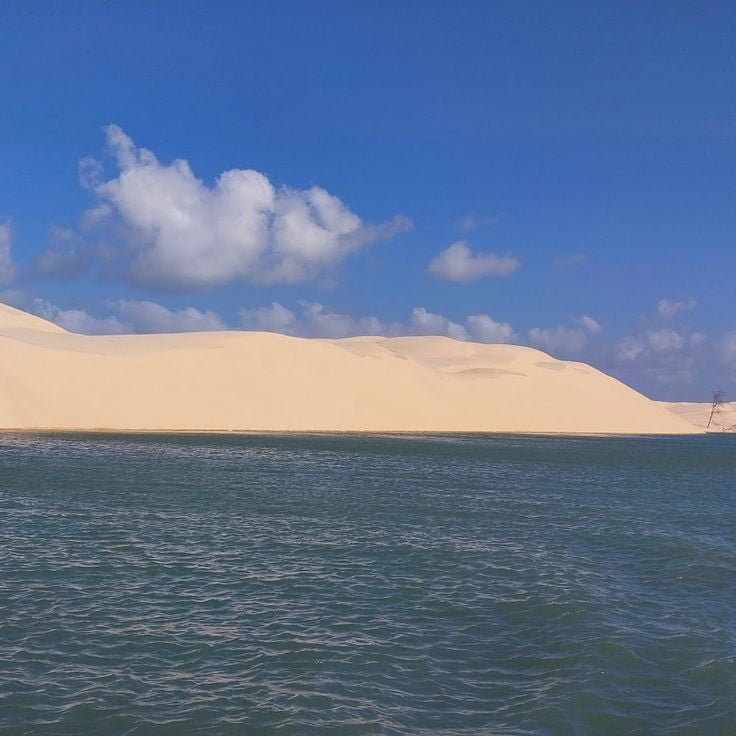
Ilha dos Lençóis sits off the coast of Maranhão, in northern Brazil, as part of the Maiaú archipelago. White dunes cover much of the island, creating a landscape that looks almost like a desert meeting the sea. Small fishing communities have lived here for generations, going about their daily lives with little connection to the outside world. Walking through the dunes or watching the fishermen set out at dawn gives a sense of how remote and self-contained this place really is.
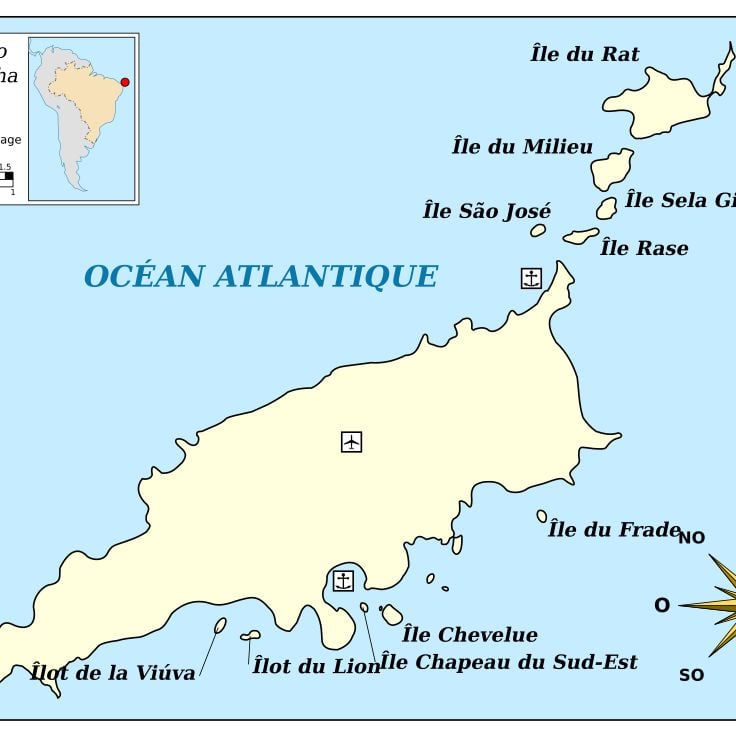
Fernando de Noronha is an archipelago sitting far out in the Atlantic Ocean, off the northeastern coast of Brazil. The water around the islands is warm and clear, and beneath the surface you find sea turtles, manta rays, and schools of tropical fish. On land, rocky cliffs alternate with small sandy beaches, while frigatebirds circle overhead. Access to the island is intentionally limited, which keeps the pace of life slow and the natural surroundings in good shape.
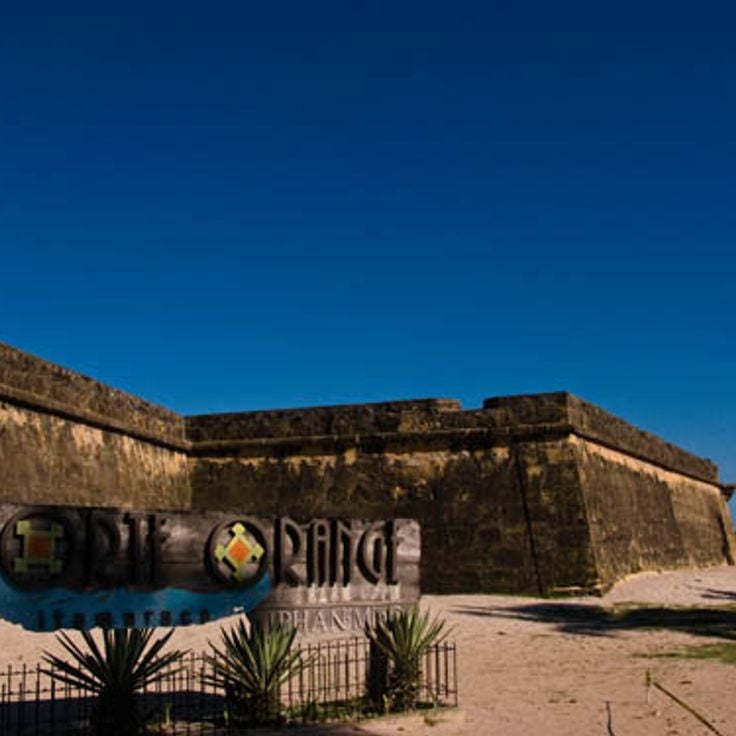
Ilha de Itamaracá sits off the coast of Pernambuco, north of Recife, and is one of the oldest inhabited islands in Brazil. Forte Orange, a 17th-century Dutch fort, still stands near the shore and speaks to the island's colonial past. Mangroves line parts of the coast, and the beaches are simple places, visited more by local families than by tourist groups. Life here moves to the rhythm of fishing and the sea.
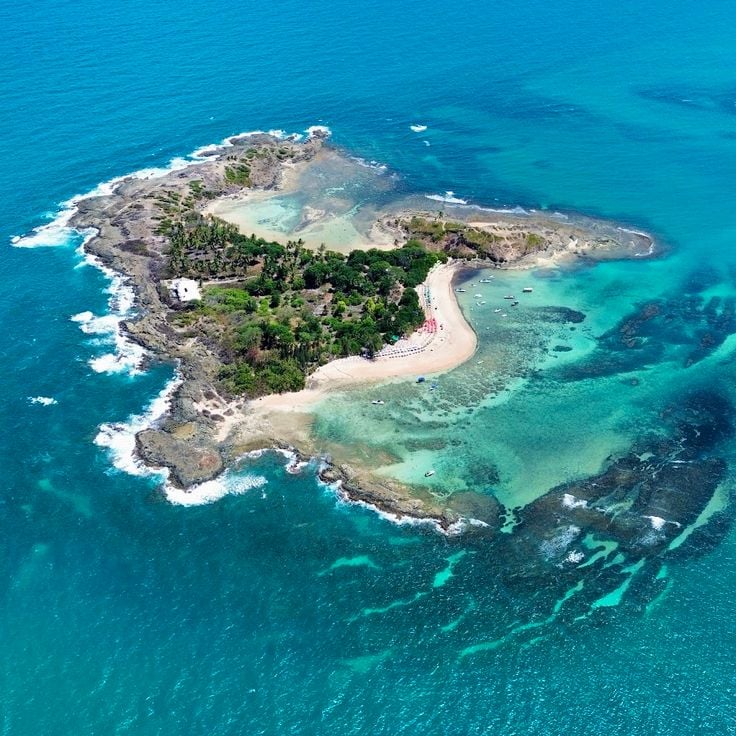
Ilha de Santo Aleixo sits off the coast of Pernambuco and is a small uninhabited island of volcanic origin. Natural rock pools form at low tide, and the water is clear enough to see coral and fish just below the surface. Most visitors arrive by boat from the mainland and spend the day snorkeling or swimming in the shallow pools, making it one of the more rewarding day trips along the northeast coast of Brazil.
Tinharé is an island in southern Bahia, best known for Morro de São Paulo, a village with long sandy beaches, car-free streets, and old colonial fortifications. The island sits in the Cairu archipelago and can only be reached by boat. Daily life here moves slowly: fishermen return in the morning, and visitors walk between the beach bars and the Atlantic shore.
Ilha de Boipeba sits off the coast of Bahia and moves at a pace that its neighbor Morro de São Paulo has long left behind. No cars circulate on the island, and the sandy paths connect small fishing villages where boats are the main form of transport. At low tide, coral reefs emerge from the water and stretch toward the open sea. Coconut groves line the beaches, and the forest comes down close to the shore in several spots.
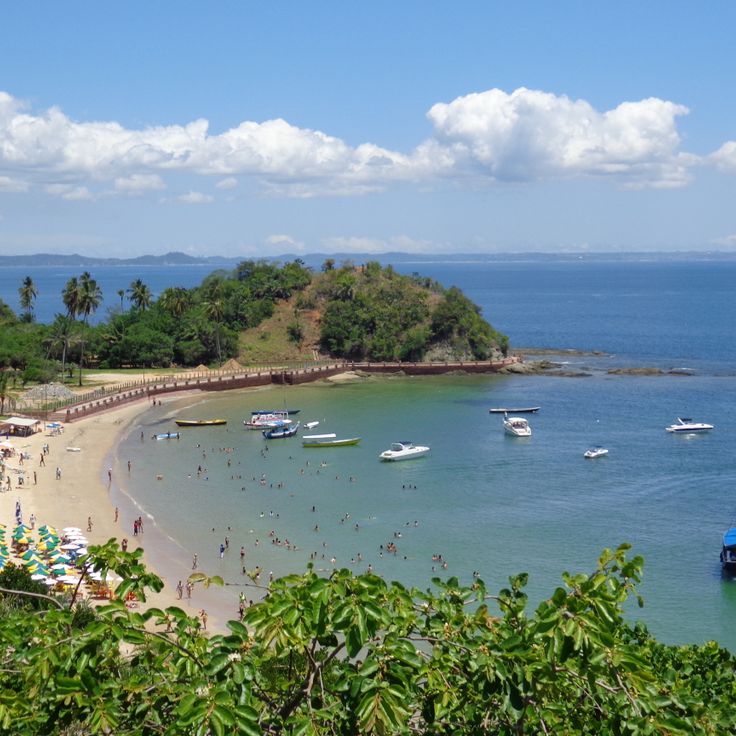
Ilha dos Frades sits in the Bay of All Saints off the coast of Bahia. Its shores are calm and the water gentle, making it a place where fishing villages still set the pace of daily life. Old religious buildings stand alongside simple houses, and the local rhythm follows the tides. Walking around the island gives a clear sense of how coastal communities in this part of Brazil have lived for a long time.
Ilha de Itaparica sits in the Bay of All Saints off the coast of Bahia and is the largest island in this bay. Its shores are lined with beaches, old colonial buildings and small towns where Afro-Brazilian traditions remain part of everyday life. A short ferry ride from Salvador brings you to a place where daily rhythms feel slower and more rooted.
Ilha de Maré sits in the Bay of All Saints, off the coast of Bahia, and is one of the quietest stops in this collection. Fishing communities have lived here for generations, and daily life revolves around the sea. The houses are simple, the paths narrow, and everything moves at the pace of the tides. There are no large resorts or tourist crowds here, just a coastal community that shows what life along the Brazilian shore looks like up close.
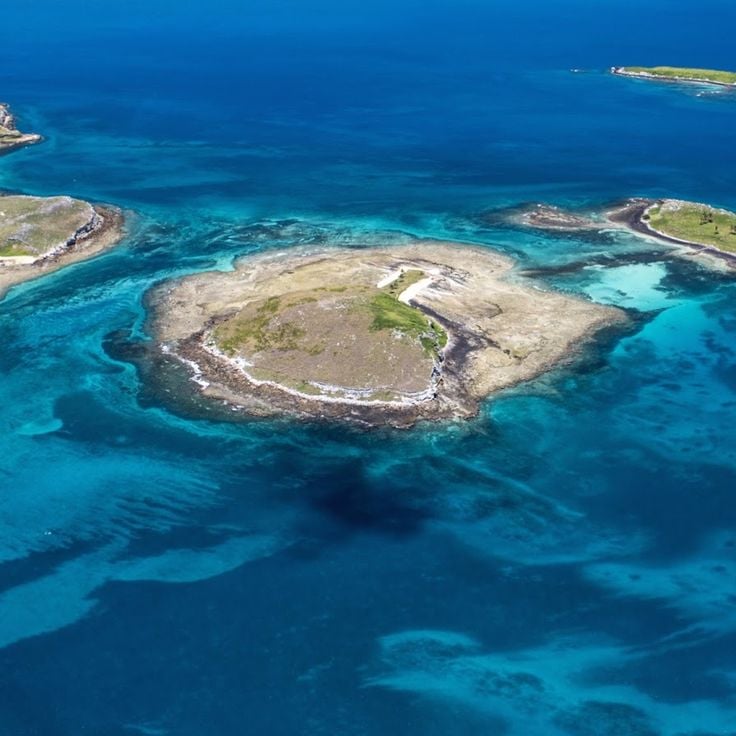
The Abrolhos Archipelago sits off the coast of Bahia and is Brazil's first marine national park. Its coral reefs are among the richest in the South Atlantic, sheltering sea turtles, colorful fish, and a wide range of marine life. From July to November, humpback whales gather here to give birth and nurse their young, making it one of the best places in Brazil to watch them. Frigatebirds and boobies nest on the rocky islands in large colonies. The archipelago can only be reached by boat from the town of Caravelas, which keeps it away from mass tourism.
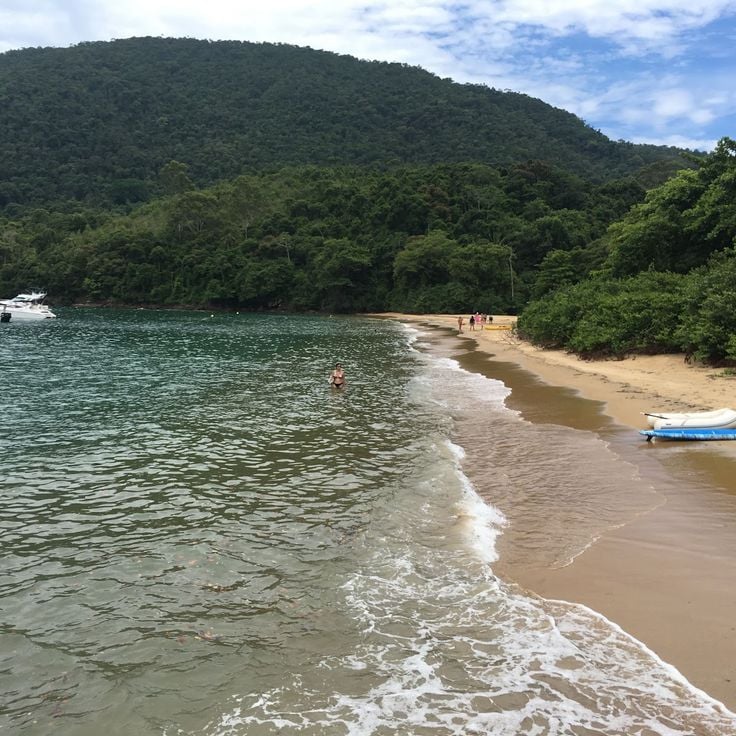
Ilha Grande sits off the coast of Rio de Janeiro and has no roads for cars. You get around on foot or by boat. The Atlantic Forest covers much of the island with dense trees and plants. Hikers find waterfalls, quiet coves and beaches that can only be reached after a long walk. The Gruta do Acaiá is a sea cave at the water's edge that you can visit by small boat.
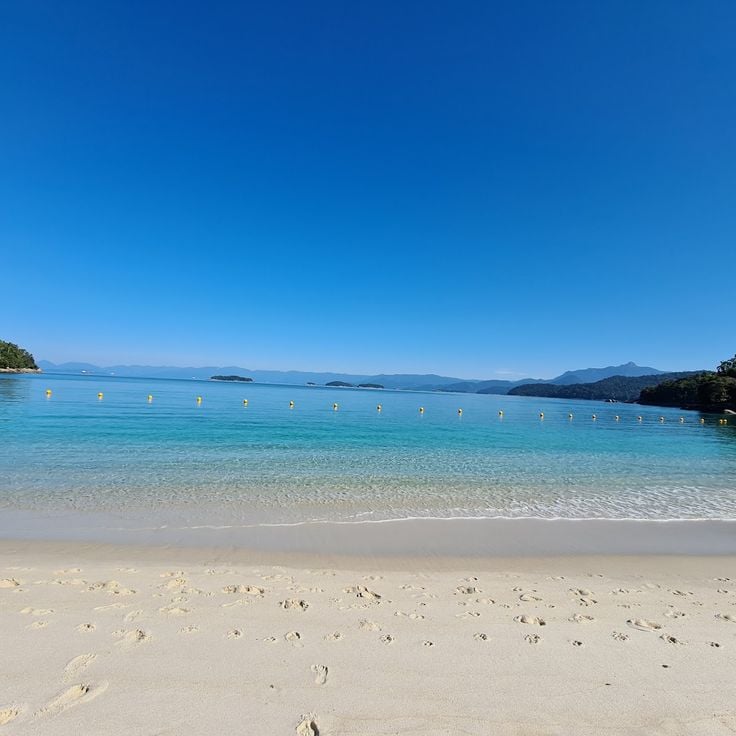
Ilha da Gipóia sits in the bay of Angra dos Reis, south of Rio de Janeiro, and is one of the largest islands in this part of the coast. Its most visited beach, Praia do Dentista, draws boats from the mainland with its clear green-blue water. The island is covered in Atlantic forest, and most people arrive by boat, which gives daily life here a slow, water-bound rhythm.
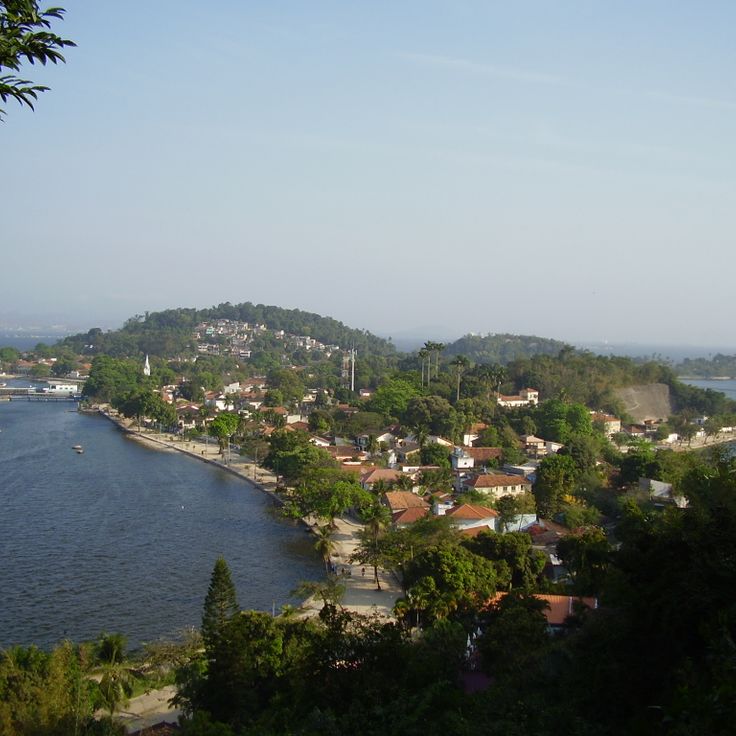
Ilha de Paquetá sits in Guanabara Bay, reachable by ferry from downtown Rio de Janeiro. No cars are allowed on the island, so people get around on foot or by bicycle. The streets are narrow, lined with old houses, and the pace of daily life is slow. It feels like a place that has stayed the same for a long time, while the city across the water has changed around it. Many people from Rio come here on weekends to enjoy the quiet.
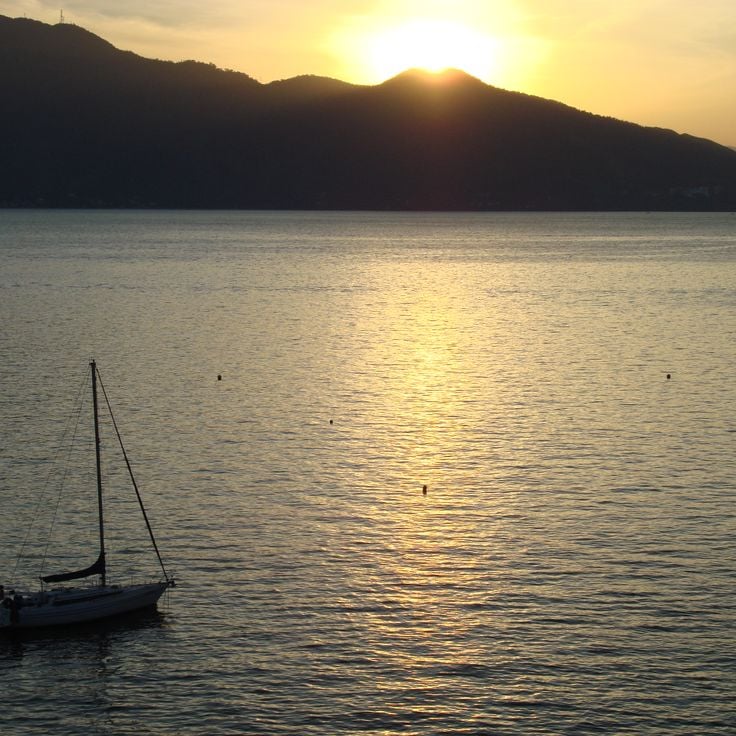
Ilhabela sits off the coast of the state of São Paulo and is one of the largest islands along Brazil's southeastern shore. Dense Atlantic forest covers its mountains, and dozens of beaches line its coast, many of them hard to reach by road. Waterfalls drop through the trees inland, and trails lead through the forest to spots that feel far from the main town. Sailors are drawn here by the winds that run between the island and the mainland, and sailing has long been a big part of life on Ilhabela.
Ilha Anchieta sits off the coast of São Paulo state and was once a prison colony. Today it is a nature park where you can walk forest trails, rest on quiet beaches, and visit the ruins of the old prison. The waters around the island are popular for diving, with fish and corals easy to spot below the surface.
Ilha do Cardoso sits at the southern tip of São Paulo state, where the Atlantic Forest meets the sea. Its beaches see very few visitors, and the mangroves stretch along the inner waterways. The Caiçara communities who live here have fished these waters for generations, and daily life on the island still follows the rhythm of the tides. This is one of those places where the coast feels genuinely untouched.
Ilha do Mel sits off the coast of Paraná and has no cars, no roads, and no traffic. You get around on foot along sandy paths that wind through the forest or along the shore. An 18th-century lighthouse and an old fortress give the island a sense of history. At the southern tip, the Gruta das Encantadas is a sea cave carved into the rock that draws visitors from across Brazil. Life here moves at a slow pace, shaped by the tides and the ferry schedules.
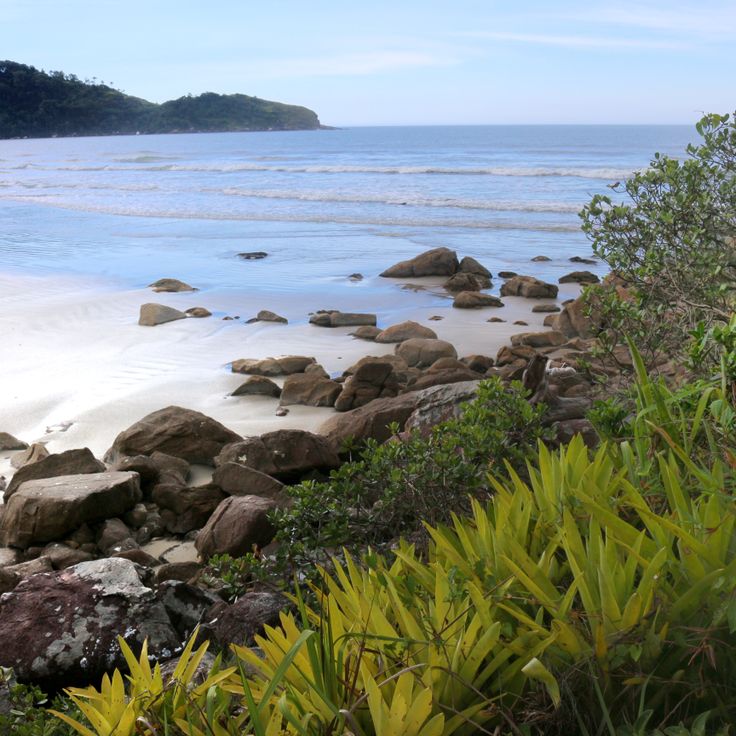
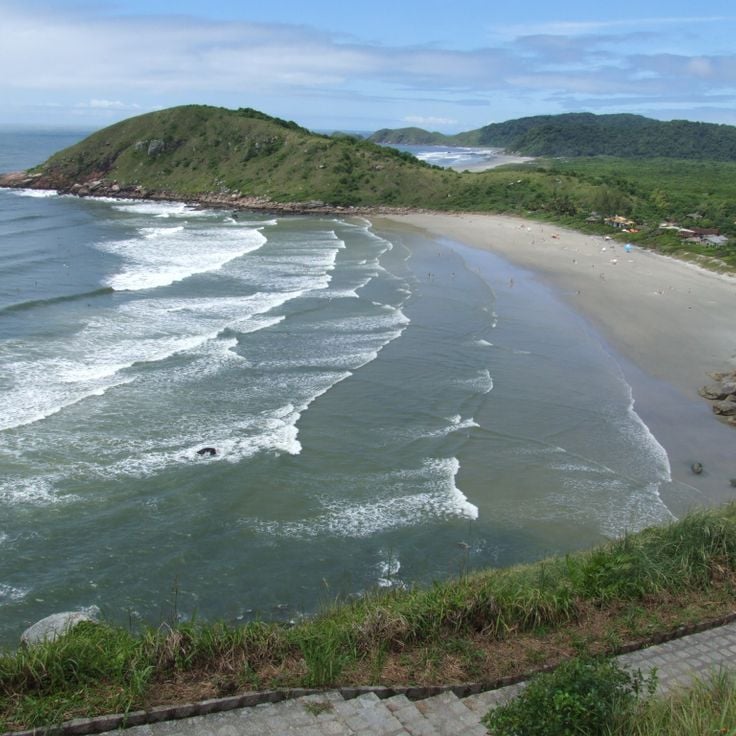
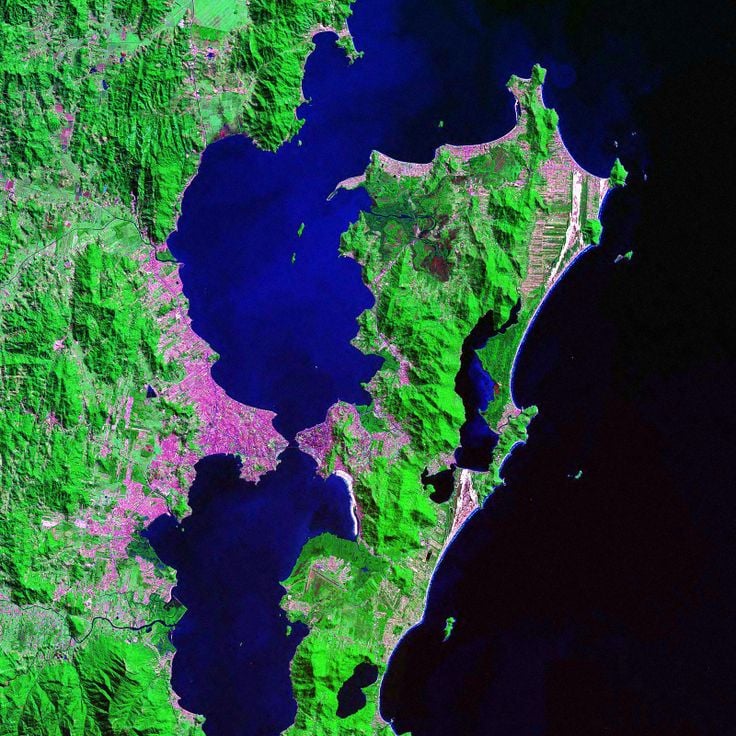
The Ilha de Santa Catarina is the main island of Florianópolis and shows just how varied a single Brazilian island can be. The northern shore has calm lagoons and flat beaches, while the southern coast draws surfers chasing long, open waves. The sand dunes of Joaquina rise sharply from the ground and stretch back toward the interior. In small villages like Santo Antônio de Lisboa, the influence of Azorean settlers is still easy to spot: narrow lanes, whitewashed churches, and lacemakers working with the same techniques brought over centuries ago.
Ilha do Campeche sits just off the coast of Florianópolis and can only be reached by boat. The water around the island is so clear that you can see straight down to the sandy bottom. The beach is made of white sand and is a good place to swim. If you walk into the interior of the island, you will find rock carvings left by people who lived here long ago. This island is one of those places in Santa Catarina where the sea and a sense of deep human history feel surprisingly close together.
Ilha do Arvoredo sits off the coast of Santa Catarina, within a protected marine biological reserve. The water here is very clear, which is why divers and snorkelers come to watch sea turtles, rays, and schools of fish moving through the shallows and depths. The island is uninhabited, and access is strictly controlled, so the natural environment has stayed largely undisturbed. Along the Brazilian coastline, that kind of place is rare.
Ilha dos Lobos is a small rocky island off the coast of Rio Grande do Sul. It is home to a large colony of sea lions and fur seals that rest on the rocks throughout the year. Boats depart from the nearby town of Torres to bring visitors close to the animals. The sea around the island tends to be rough and the wind rarely lets up, giving the place a raw, open feel far removed from a typical beach stop.
Ilha de Marajó sits at the mouth of the Amazon River in the state of Pará. Buffaloes roam freely along its sandy shores, mangroves line the waterways, and the pace of life here is slow and tied to the river. The island is also home to the ancient Marajoara culture, known for its colorful ceramic work. Travelers who make the trip find a place that feels far removed from the rest of Brazil, shaped by water, wildlife, and a long local history.
Ilha de Maiandeua, known locally as Algodoal, sits off the coast of Pará in northern Brazil. No cars are allowed here, so the pace of life slows right down. You walk or cycle through the village of Algodoal, past simple wooden houses, small guesthouses and local eateries. Sandy dunes rise at the edges of the island, and Praia da Princesa stretches out as a long open beach where few people gather. Mangroves line the waterways, giving the island a green, tangled border between land and sea.
Ilha dos Lençóis sits off the coast of Maranhão, in northern Brazil, as part of the Maiaú archipelago. White dunes cover much of the island, creating a landscape that looks almost like a desert meeting the sea. Small fishing communities have lived here for generations, going about their daily lives with little connection to the outside world. Walking through the dunes or watching the fishermen set out at dawn gives a sense of how remote and self-contained this place really is.
Fernando de Noronha is an archipelago sitting far out in the Atlantic Ocean, off the northeastern coast of Brazil. The water around the islands is warm and clear, and beneath the surface you find sea turtles, manta rays, and schools of tropical fish. On land, rocky cliffs alternate with small sandy beaches, while frigatebirds circle overhead. Access to the island is intentionally limited, which keeps the pace of life slow and the natural surroundings in good shape.
Ilha de Itamaracá sits off the coast of Pernambuco, north of Recife, and is one of the oldest inhabited islands in Brazil. Forte Orange, a 17th-century Dutch fort, still stands near the shore and speaks to the island's colonial past. Mangroves line parts of the coast, and the beaches are simple places, visited more by local families than by tourist groups. Life here moves to the rhythm of fishing and the sea.
Ilha de Santo Aleixo sits off the coast of Pernambuco and is a small uninhabited island of volcanic origin. Natural rock pools form at low tide, and the water is clear enough to see coral and fish just below the surface. Most visitors arrive by boat from the mainland and spend the day snorkeling or swimming in the shallow pools, making it one of the more rewarding day trips along the northeast coast of Brazil.
Tinharé is an island in southern Bahia, best known for Morro de São Paulo, a village with long sandy beaches, car-free streets, and old colonial fortifications. The island sits in the Cairu archipelago and can only be reached by boat. Daily life here moves slowly: fishermen return in the morning, and visitors walk between the beach bars and the Atlantic shore.
Ilha de Boipeba sits off the coast of Bahia and moves at a pace that its neighbor Morro de São Paulo has long left behind. No cars circulate on the island, and the sandy paths connect small fishing villages where boats are the main form of transport. At low tide, coral reefs emerge from the water and stretch toward the open sea. Coconut groves line the beaches, and the forest comes down close to the shore in several spots.
Ilha dos Frades sits in the Bay of All Saints off the coast of Bahia. Its shores are calm and the water gentle, making it a place where fishing villages still set the pace of daily life. Old religious buildings stand alongside simple houses, and the local rhythm follows the tides. Walking around the island gives a clear sense of how coastal communities in this part of Brazil have lived for a long time.
Ilha de Itaparica sits in the Bay of All Saints off the coast of Bahia and is the largest island in this bay. Its shores are lined with beaches, old colonial buildings and small towns where Afro-Brazilian traditions remain part of everyday life. A short ferry ride from Salvador brings you to a place where daily rhythms feel slower and more rooted.
Ilha de Maré sits in the Bay of All Saints, off the coast of Bahia, and is one of the quietest stops in this collection. Fishing communities have lived here for generations, and daily life revolves around the sea. The houses are simple, the paths narrow, and everything moves at the pace of the tides. There are no large resorts or tourist crowds here, just a coastal community that shows what life along the Brazilian shore looks like up close.
The Abrolhos Archipelago sits off the coast of Bahia and is Brazil's first marine national park. Its coral reefs are among the richest in the South Atlantic, sheltering sea turtles, colorful fish, and a wide range of marine life. From July to November, humpback whales gather here to give birth and nurse their young, making it one of the best places in Brazil to watch them. Frigatebirds and boobies nest on the rocky islands in large colonies. The archipelago can only be reached by boat from the town of Caravelas, which keeps it away from mass tourism.
Ilha Grande sits off the coast of Rio de Janeiro and has no roads for cars. You get around on foot or by boat. The Atlantic Forest covers much of the island with dense trees and plants. Hikers find waterfalls, quiet coves and beaches that can only be reached after a long walk. The Gruta do Acaiá is a sea cave at the water's edge that you can visit by small boat.
Ilha da Gipóia sits in the bay of Angra dos Reis, south of Rio de Janeiro, and is one of the largest islands in this part of the coast. Its most visited beach, Praia do Dentista, draws boats from the mainland with its clear green-blue water. The island is covered in Atlantic forest, and most people arrive by boat, which gives daily life here a slow, water-bound rhythm.
Ilha de Paquetá sits in Guanabara Bay, reachable by ferry from downtown Rio de Janeiro. No cars are allowed on the island, so people get around on foot or by bicycle. The streets are narrow, lined with old houses, and the pace of daily life is slow. It feels like a place that has stayed the same for a long time, while the city across the water has changed around it. Many people from Rio come here on weekends to enjoy the quiet.
Ilhabela sits off the coast of the state of São Paulo and is one of the largest islands along Brazil's southeastern shore. Dense Atlantic forest covers its mountains, and dozens of beaches line its coast, many of them hard to reach by road. Waterfalls drop through the trees inland, and trails lead through the forest to spots that feel far from the main town. Sailors are drawn here by the winds that run between the island and the mainland, and sailing has long been a big part of life on Ilhabela.
Ilha Anchieta sits off the coast of São Paulo state and was once a prison colony. Today it is a nature park where you can walk forest trails, rest on quiet beaches, and visit the ruins of the old prison. The waters around the island are popular for diving, with fish and corals easy to spot below the surface.
Ilha do Cardoso sits at the southern tip of São Paulo state, where the Atlantic Forest meets the sea. Its beaches see very few visitors, and the mangroves stretch along the inner waterways. The Caiçara communities who live here have fished these waters for generations, and daily life on the island still follows the rhythm of the tides. This is one of those places where the coast feels genuinely untouched.
Ilha do Mel sits off the coast of Paraná and has no cars, no roads, and no traffic. You get around on foot along sandy paths that wind through the forest or along the shore. An 18th-century lighthouse and an old fortress give the island a sense of history. At the southern tip, the Gruta das Encantadas is a sea cave carved into the rock that draws visitors from across Brazil. Life here moves at a slow pace, shaped by the tides and the ferry schedules.
The Ilha de Santa Catarina is the main island of Florianópolis and shows just how varied a single Brazilian island can be. The northern shore has calm lagoons and flat beaches, while the southern coast draws surfers chasing long, open waves. The sand dunes of Joaquina rise sharply from the ground and stretch back toward the interior. In small villages like Santo Antônio de Lisboa, the influence of Azorean settlers is still easy to spot: narrow lanes, whitewashed churches, and lacemakers working with the same techniques brought over centuries ago.
Ilha do Campeche sits just off the coast of Florianópolis and can only be reached by boat. The water around the island is so clear that you can see straight down to the sandy bottom. The beach is made of white sand and is a good place to swim. If you walk into the interior of the island, you will find rock carvings left by people who lived here long ago. This island is one of those places in Santa Catarina where the sea and a sense of deep human history feel surprisingly close together.
Ilha do Arvoredo sits off the coast of Santa Catarina, within a protected marine biological reserve. The water here is very clear, which is why divers and snorkelers come to watch sea turtles, rays, and schools of fish moving through the shallows and depths. The island is uninhabited, and access is strictly controlled, so the natural environment has stayed largely undisturbed. Along the Brazilian coastline, that kind of place is rare.
Ilha dos Lobos is a small rocky island off the coast of Rio Grande do Sul. It is home to a large colony of sea lions and fur seals that rest on the rocks throughout the year. Boats depart from the nearby town of Torres to bring visitors close to the animals. The sea around the island tends to be rough and the wind rarely lets up, giving the place a raw, open feel far removed from a typical beach stop.
Ilha de Marajó sits at the mouth of the Amazon River in the state of Pará. Buffaloes roam freely along its sandy shores, mangroves line the waterways, and the pace of life here is slow and tied to the river. The island is also home to the ancient Marajoara culture, known for its colorful ceramic work. Travelers who make the trip find a place that feels far removed from the rest of Brazil, shaped by water, wildlife, and a long local history.
Ilha de Maiandeua, known locally as Algodoal, sits off the coast of Pará in northern Brazil. No cars are allowed here, so the pace of life slows right down. You walk or cycle through the village of Algodoal, past simple wooden houses, small guesthouses and local eateries. Sandy dunes rise at the edges of the island, and Praia da Princesa stretches out as a long open beach where few people gather. Mangroves line the waterways, giving the island a green, tangled border between land and sea.
Ilha dos Lençóis sits off the coast of Maranhão, in northern Brazil, as part of the Maiaú archipelago. White dunes cover much of the island, creating a landscape that looks almost like a desert meeting the sea. Small fishing communities have lived here for generations, going about their daily lives with little connection to the outside world. Walking through the dunes or watching the fishermen set out at dawn gives a sense of how remote and self-contained this place really is.
Fernando de Noronha is an archipelago sitting far out in the Atlantic Ocean, off the northeastern coast of Brazil. The water around the islands is warm and clear, and beneath the surface you find sea turtles, manta rays, and schools of tropical fish. On land, rocky cliffs alternate with small sandy beaches, while frigatebirds circle overhead. Access to the island is intentionally limited, which keeps the pace of life slow and the natural surroundings in good shape.
Ilha de Itamaracá sits off the coast of Pernambuco, north of Recife, and is one of the oldest inhabited islands in Brazil. Forte Orange, a 17th-century Dutch fort, still stands near the shore and speaks to the island's colonial past. Mangroves line parts of the coast, and the beaches are simple places, visited more by local families than by tourist groups. Life here moves to the rhythm of fishing and the sea.
Ilha de Santo Aleixo sits off the coast of Pernambuco and is a small uninhabited island of volcanic origin. Natural rock pools form at low tide, and the water is clear enough to see coral and fish just below the surface. Most visitors arrive by boat from the mainland and spend the day snorkeling or swimming in the shallow pools, making it one of the more rewarding day trips along the northeast coast of Brazil.
Tinharé is an island in southern Bahia, best known for Morro de São Paulo, a village with long sandy beaches, car-free streets, and old colonial fortifications. The island sits in the Cairu archipelago and can only be reached by boat. Daily life here moves slowly: fishermen return in the morning, and visitors walk between the beach bars and the Atlantic shore.
Ilha de Boipeba sits off the coast of Bahia and moves at a pace that its neighbor Morro de São Paulo has long left behind. No cars circulate on the island, and the sandy paths connect small fishing villages where boats are the main form of transport. At low tide, coral reefs emerge from the water and stretch toward the open sea. Coconut groves line the beaches, and the forest comes down close to the shore in several spots.
Ilha dos Frades sits in the Bay of All Saints off the coast of Bahia. Its shores are calm and the water gentle, making it a place where fishing villages still set the pace of daily life. Old religious buildings stand alongside simple houses, and the local rhythm follows the tides. Walking around the island gives a clear sense of how coastal communities in this part of Brazil have lived for a long time.
Ilha de Itaparica sits in the Bay of All Saints off the coast of Bahia and is the largest island in this bay. Its shores are lined with beaches, old colonial buildings and small towns where Afro-Brazilian traditions remain part of everyday life. A short ferry ride from Salvador brings you to a place where daily rhythms feel slower and more rooted.
Ilha de Maré sits in the Bay of All Saints, off the coast of Bahia, and is one of the quietest stops in this collection. Fishing communities have lived here for generations, and daily life revolves around the sea. The houses are simple, the paths narrow, and everything moves at the pace of the tides. There are no large resorts or tourist crowds here, just a coastal community that shows what life along the Brazilian shore looks like up close.
The Abrolhos Archipelago sits off the coast of Bahia and is Brazil's first marine national park. Its coral reefs are among the richest in the South Atlantic, sheltering sea turtles, colorful fish, and a wide range of marine life. From July to November, humpback whales gather here to give birth and nurse their young, making it one of the best places in Brazil to watch them. Frigatebirds and boobies nest on the rocky islands in large colonies. The archipelago can only be reached by boat from the town of Caravelas, which keeps it away from mass tourism.
Ilha Grande sits off the coast of Rio de Janeiro and has no roads for cars. You get around on foot or by boat. The Atlantic Forest covers much of the island with dense trees and plants. Hikers find waterfalls, quiet coves and beaches that can only be reached after a long walk. The Gruta do Acaiá is a sea cave at the water's edge that you can visit by small boat.
Ilha da Gipóia sits in the bay of Angra dos Reis, south of Rio de Janeiro, and is one of the largest islands in this part of the coast. Its most visited beach, Praia do Dentista, draws boats from the mainland with its clear green-blue water. The island is covered in Atlantic forest, and most people arrive by boat, which gives daily life here a slow, water-bound rhythm.
Ilha de Paquetá sits in Guanabara Bay, reachable by ferry from downtown Rio de Janeiro. No cars are allowed on the island, so people get around on foot or by bicycle. The streets are narrow, lined with old houses, and the pace of daily life is slow. It feels like a place that has stayed the same for a long time, while the city across the water has changed around it. Many people from Rio come here on weekends to enjoy the quiet.
Ilhabela sits off the coast of the state of São Paulo and is one of the largest islands along Brazil's southeastern shore. Dense Atlantic forest covers its mountains, and dozens of beaches line its coast, many of them hard to reach by road. Waterfalls drop through the trees inland, and trails lead through the forest to spots that feel far from the main town. Sailors are drawn here by the winds that run between the island and the mainland, and sailing has long been a big part of life on Ilhabela.
Ilha Anchieta sits off the coast of São Paulo state and was once a prison colony. Today it is a nature park where you can walk forest trails, rest on quiet beaches, and visit the ruins of the old prison. The waters around the island are popular for diving, with fish and corals easy to spot below the surface.
Ilha do Cardoso sits at the southern tip of São Paulo state, where the Atlantic Forest meets the sea. Its beaches see very few visitors, and the mangroves stretch along the inner waterways. The Caiçara communities who live here have fished these waters for generations, and daily life on the island still follows the rhythm of the tides. This is one of those places where the coast feels genuinely untouched.
Ilha do Mel sits off the coast of Paraná and has no cars, no roads, and no traffic. You get around on foot along sandy paths that wind through the forest or along the shore. An 18th-century lighthouse and an old fortress give the island a sense of history. At the southern tip, the Gruta das Encantadas is a sea cave carved into the rock that draws visitors from across Brazil. Life here moves at a slow pace, shaped by the tides and the ferry schedules.
The Ilha de Santa Catarina is the main island of Florianópolis and shows just how varied a single Brazilian island can be. The northern shore has calm lagoons and flat beaches, while the southern coast draws surfers chasing long, open waves. The sand dunes of Joaquina rise sharply from the ground and stretch back toward the interior. In small villages like Santo Antônio de Lisboa, the influence of Azorean settlers is still easy to spot: narrow lanes, whitewashed churches, and lacemakers working with the same techniques brought over centuries ago.
Ilha do Campeche sits just off the coast of Florianópolis and can only be reached by boat. The water around the island is so clear that you can see straight down to the sandy bottom. The beach is made of white sand and is a good place to swim. If you walk into the interior of the island, you will find rock carvings left by people who lived here long ago. This island is one of those places in Santa Catarina where the sea and a sense of deep human history feel surprisingly close together.
Ilha do Arvoredo sits off the coast of Santa Catarina, within a protected marine biological reserve. The water here is very clear, which is why divers and snorkelers come to watch sea turtles, rays, and schools of fish moving through the shallows and depths. The island is uninhabited, and access is strictly controlled, so the natural environment has stayed largely undisturbed. Along the Brazilian coastline, that kind of place is rare.
Ilha dos Lobos is a small rocky island off the coast of Rio Grande do Sul. It is home to a large colony of sea lions and fur seals that rest on the rocks throughout the year. Boats depart from the nearby town of Torres to bring visitors close to the animals. The sea around the island tends to be rough and the wind rarely lets up, giving the place a raw, open feel far removed from a typical beach stop.
Visiting all the islands is very hard. So, take your time and pick your destinations before you go.