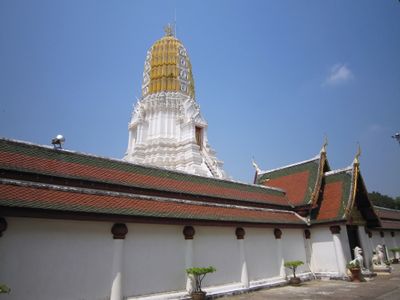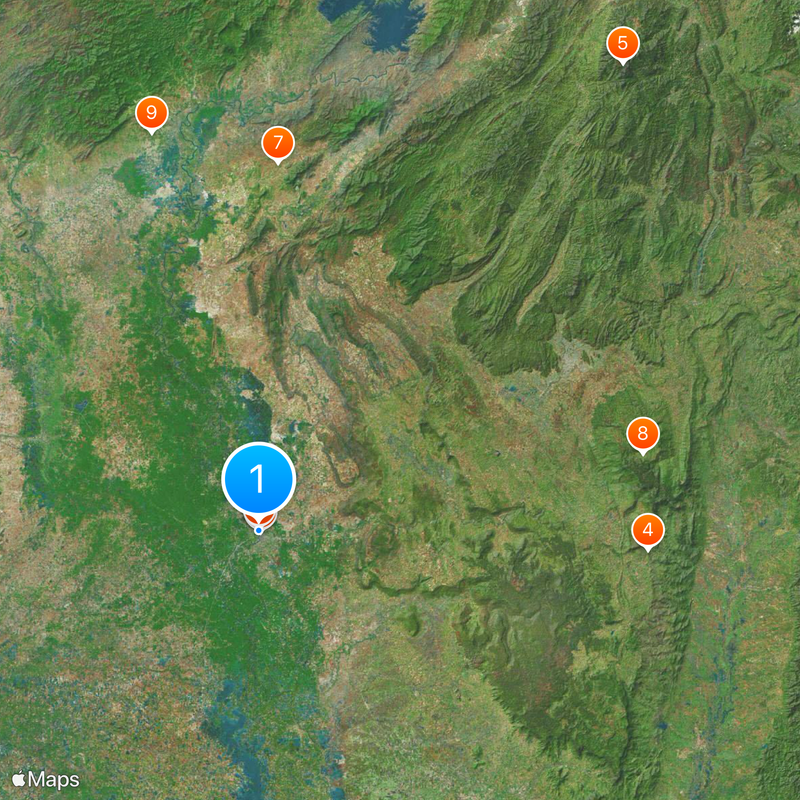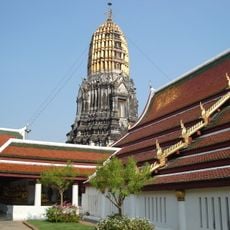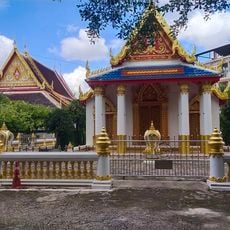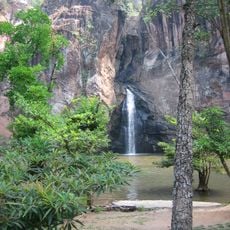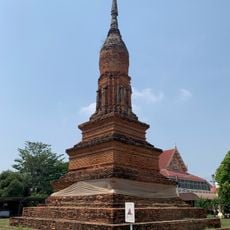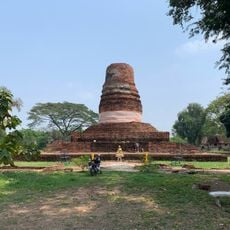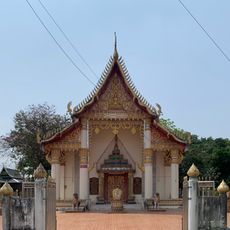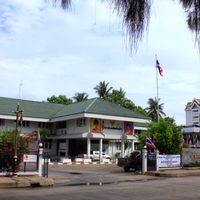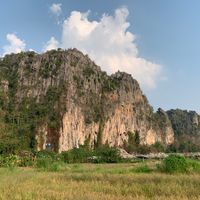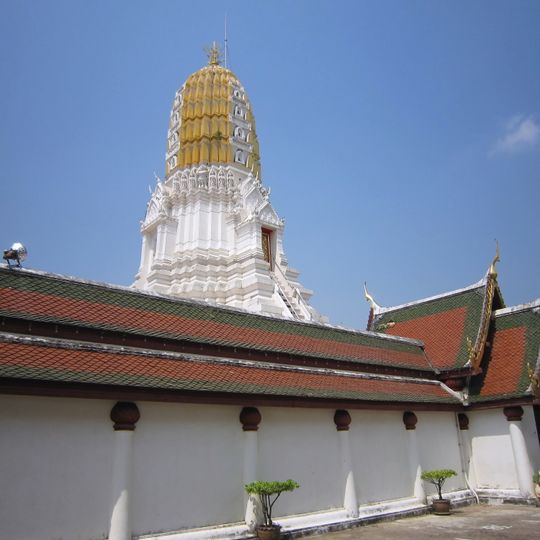
Phitsanulok, Administrative province in central Thailand
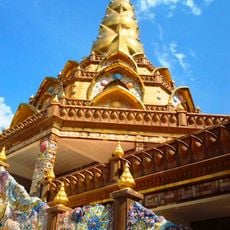
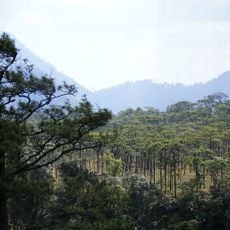
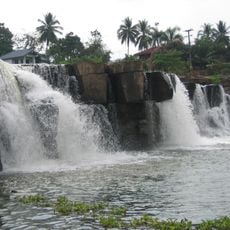
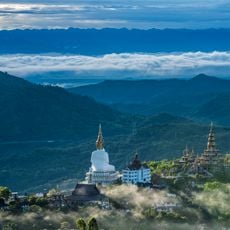
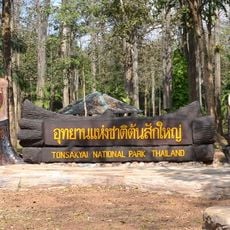
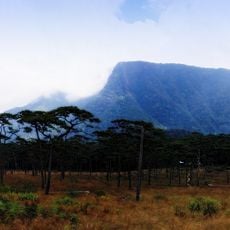
Phitsanulok is an administrative province in central Thailand that stretches from lowland plains to forested mountains, with rivers cutting through the area and creating fertile valleys. The landscape shifts between open rice paddies, dense forest zones, and small towns that sit along the main transport routes.
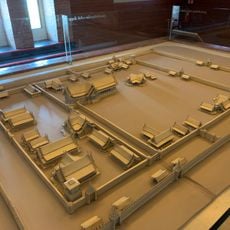
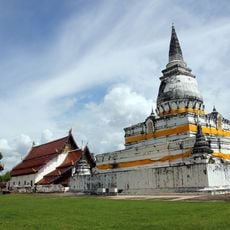
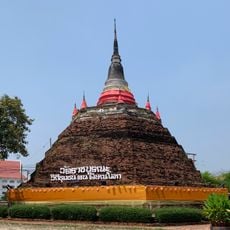
The region was settled by the 11th century and grew into a key point between competing kingdoms that vied for control and influence. Later it served as a linking zone during the rule of Sukhothai and Ayutthaya, shaping its strategic role over centuries.
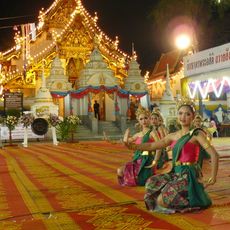
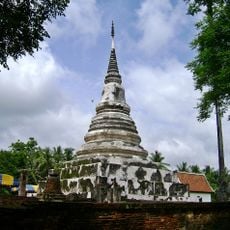
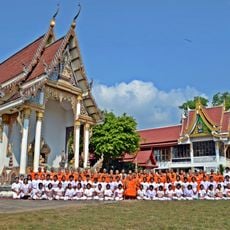
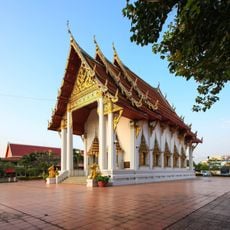
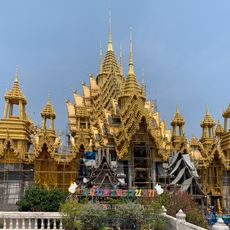
The name comes from Sanskrit meaning "city of Vishnu," though today most residents practice Buddhism and the area centers around temple life and agricultural traditions. Rice farming along the river valleys shapes the local rhythm, with markets selling fresh produce and handmade goods that reflect the rural character of the region.
Travelers reach the province by road, rail, or through the airport, and can move freely between urban centers and rural areas. Most points of interest lie along the main routes, so orientation and access are generally straightforward.
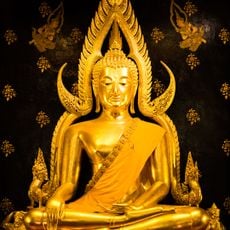
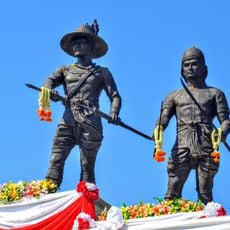
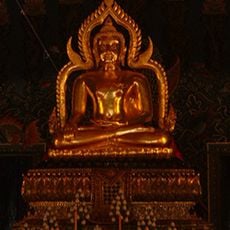
A foundry in the city has cast bronze statues for centuries using inherited methods, and visitors can watch how molten metal is poured into molds and then polished by hand. The workshop shows how each figure takes shape before it moves to temples or private homes across the country.
The community of curious travelers
AroundUs brings together thousands of curated places, local tips, and hidden gems, enriched daily by 90,774 contributors worldwide.