Ashgabat Botanical Garden, Botanical garden in Turkmenistan
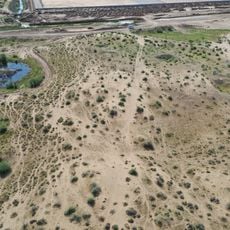
The Ashgabat Botanical Garden holds over 500 plant species from around the world across about 18 hectares, organized into sections representing different climates with greenhouses, gazebos, and sculptures throughout. The layout includes a rose garden, a succulent and desert section with drought-resistant plants, and a conservatory with eight species of palms, some more than 70 years old.
The garden began in 1892 as a specialized botanical station and evolved into a school before officially opening in 1929 as a larger scientific institution. After World War II, it came under the Academy of Sciences of the Turkmen SSR in 1951 and expanded to hold over 4000 plant species during its peak in the mid-20th century.
The garden's name reflects Ashgabat's meaning of love or devotion, connecting to its role as a place where people find peace in nature. A Turkmen section displays native flowers such as tulips and wild poppies, showing visitors the natural beauty of the region's landscape.
Visitors can walk through designated pathways connecting the different themed sections and should allow time to explore the large greenhouses and succulent areas at their own pace. The grounds offer gazebos and benches for resting, plus a cafe serving beverages and light snacks, making it easy to take breaks during your visit.
The garden houses a ginkgo biloba tree over 70 years old, the only one of its kind in Turkmenistan, plus a very old juniper that was growing in the area long before the garden's official founding. These trees demonstrate the deep history of the place and were once used to help strengthen defenses along nearby railway lines.
The community of curious travelers
AroundUs brings together thousands of curated places, local tips, and hidden gems, enriched daily by 90,809 contributors worldwide.