Hodegon Monastery, Byzantine monastery in Constantinople, Turkey
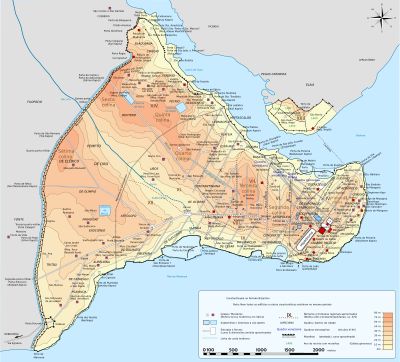
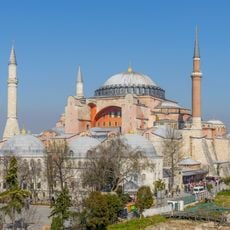
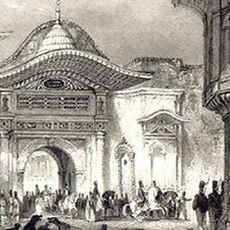
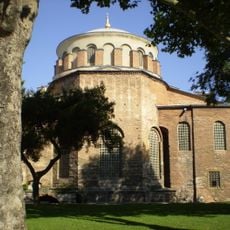
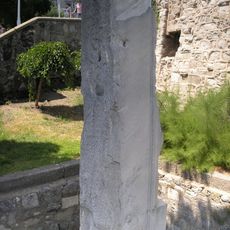
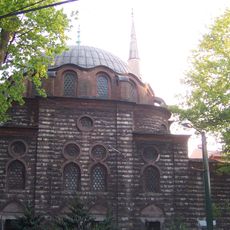
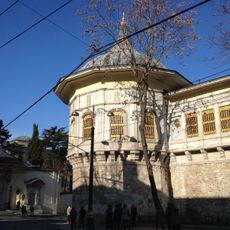
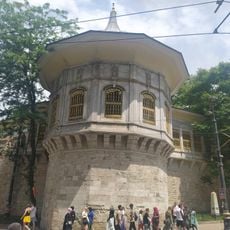
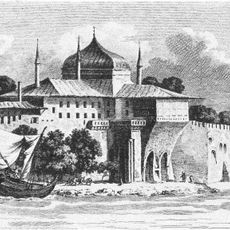
Hodegon Monastery is a Byzantine monastery built east of Hagia Sophia in Constantinople, present-day Istanbul, organized around a sacred well believed to have healing properties. The site once included a church, a chapel, and various monastic buildings, of which only scattered remains survive today.
The monastery was founded in the early 5th century by Pulcheria, sister of the Byzantine emperor Theodosius II, as a shrine dedicated to Mary. It remained an active religious site for over a thousand years until the Ottoman conquest in 1453 brought its monastic life to an end.
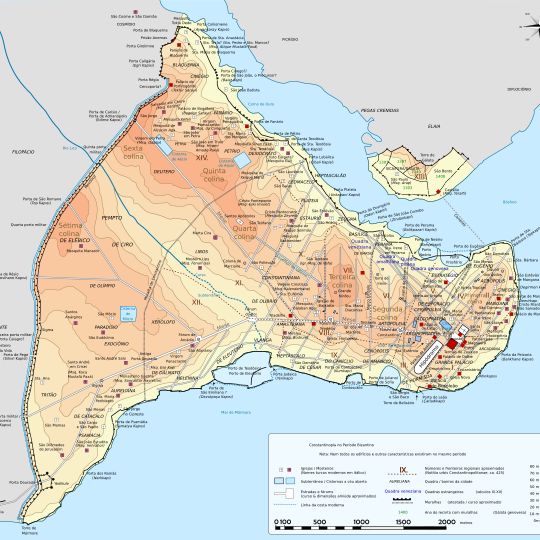
The monastery takes its name from the Greek word for 'guide' or 'one who shows the way', referring to Mary directing pilgrims toward healing. Visitors today can still find the site near the old Byzantine waterfront, where the memory of pilgrimage routes through the city remains faintly visible in the layout of the streets.
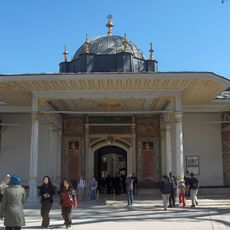
The remains of the monastery are located near Gülhane Park in the Sultanahmet district and can be reached on foot from Hagia Sophia in a few minutes. Visiting in daylight makes it easier to spot the surviving Byzantine stonework among the surrounding structures.
Every Tuesday, the Hodegetria icon kept in the monastery was carried through the streets of Constantinople in a large public procession, a ritual that continued for centuries. Witnesses described the image being balanced upright without any visible support, which drew widespread attention across the city.
The community of curious travelers
AroundUs brings together thousands of curated places, local tips, and hidden gems, enriched daily by 91,897 contributors worldwide.