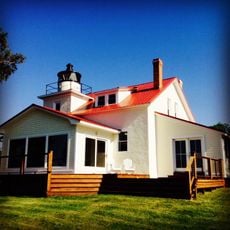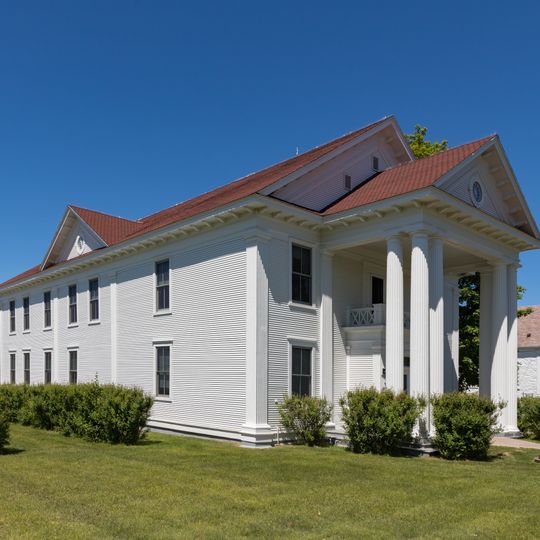
Keweenaw County, Administrative county in Upper Peninsula, Michigan, US
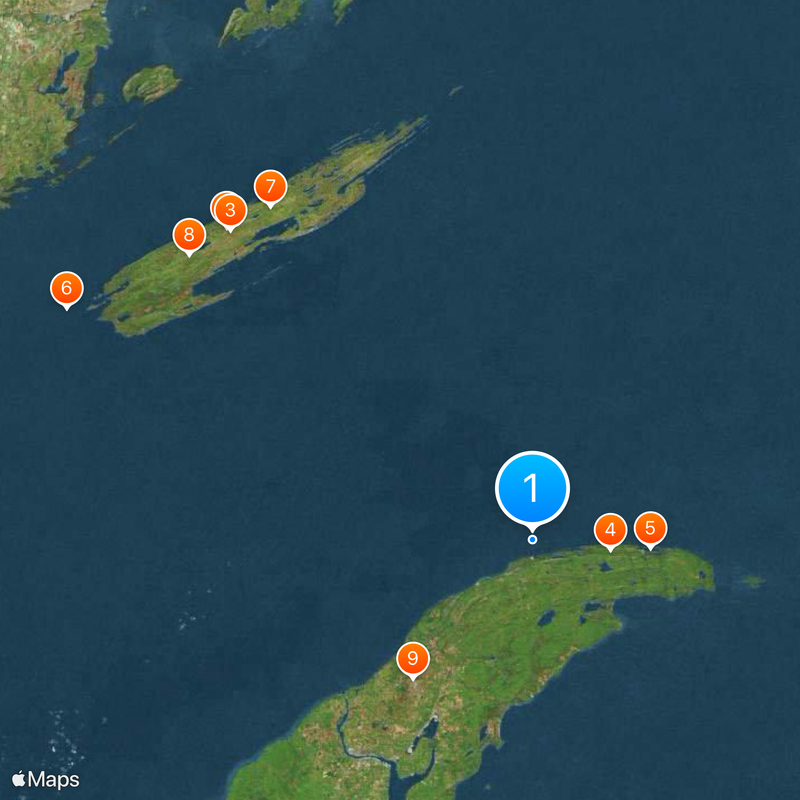
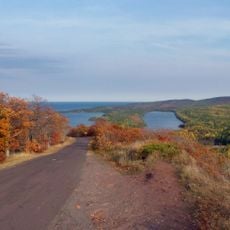
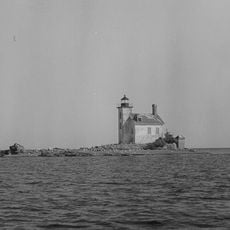
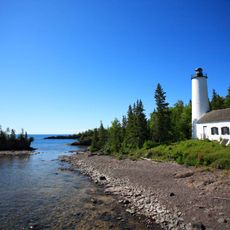
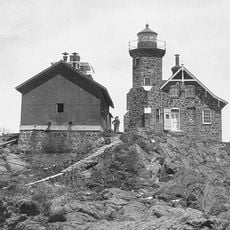
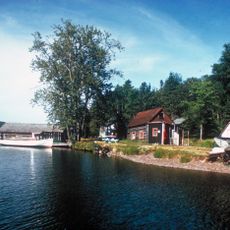
Keweenaw County encompasses the northeastern Keweenaw Peninsula and Isle Royale, with water covering 91 percent of its total territory. The landscape is dominated by Lake Superior, which surrounds and defines the geography of this remote region.
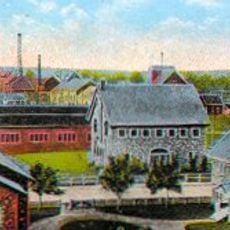
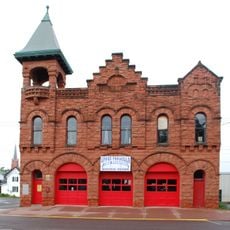
The county was established in 1861 and grew substantially during copper mining, which dominated the economy from the 1840s through the 1960s. When mining declined, the region underwent major economic and social transformation.
The name Keweenaw comes from the Ojibwe language, referencing the traditional portage routes that Native Americans used to cross the peninsula. These passages continue to shape how visitors and residents navigate and understand this landscape.
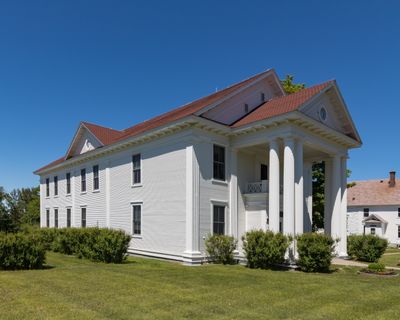
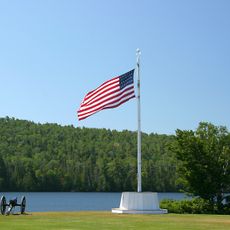
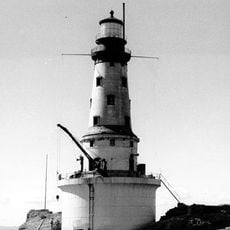
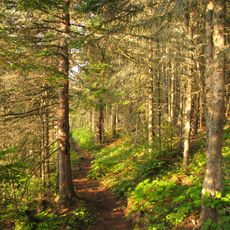
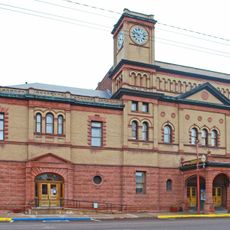
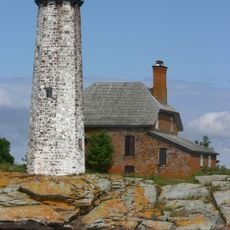
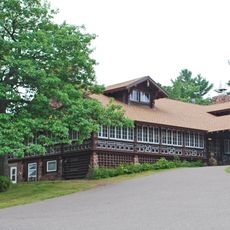
Eagle River serves as the county seat, providing access to two major National Park Service locations: Isle Royale National Park and Keweenaw National Historical Park. Planning ahead is essential here, as infrastructure is limited and spread across remote areas.
Although the county covers about 5,966 square miles total, only about 540 square miles are land. This makes it the county with the highest water-to-land ratio in the entire United States.
The community of curious travelers
AroundUs brings together thousands of curated places, local tips, and hidden gems, enriched daily by 60,000 contributors worldwide.