Community of Madrid, Autonomous community in central Spain
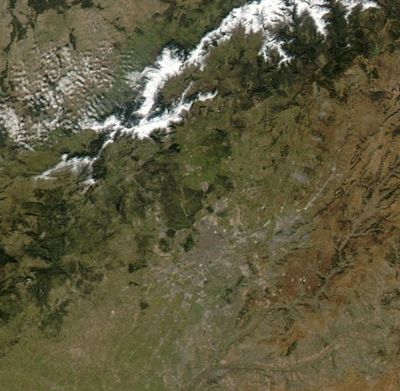
The Community of Madrid is a first-level administrative division in central Spain that stretches from the Sierra de Guadarrama mountains to the Tagus River valley. This territory encloses the capital city along with smaller towns, mountain zones and agricultural areas distributed across an average elevation of around 678 meters.
This territory became an autonomous community in 1983, shifting from a single province into a self-governing administrative unit with regional powers. That restructuring followed the end of dictatorship and was part of the democratic remaking of Spanish state organization.
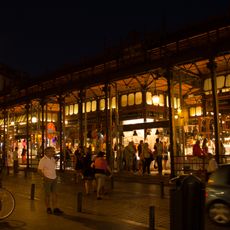
This region shapes itself through a blend of local tradition and international pace that unfolds in neighborhood markets, festivals and everyday routines. Residents maintain the habit of late evening meals, terrace conversations and Sunday walks through parks, shaping the rhythm and mood of daily life.
The public transport network includes metro lines, buses and high-speed rail links that make it possible to reach both the capital and smaller towns across the territory. Visitors can use regional trains to move into mountain areas and surrounding countryside.
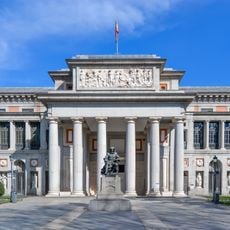
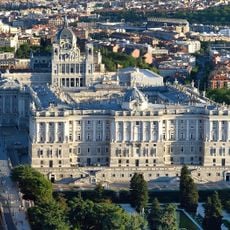
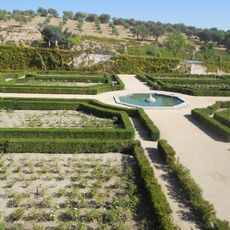
This region holds four World Heritage Sites that range from royal palaces to university districts and designed landscapes. It is also the only area in Spain where a capital city operates under municipal, regional and national governance at the same time.
The community of curious travelers
AroundUs brings together thousands of curated places, local tips, and hidden gems, enriched daily by 60,000 contributors worldwide.