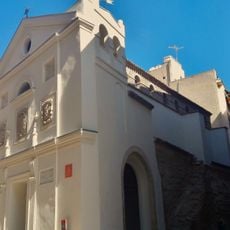
Martyrium de La Alberca, 4th century archaeological site in La Alberca, Murcia, Spain.
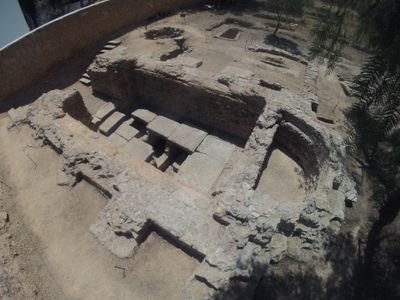
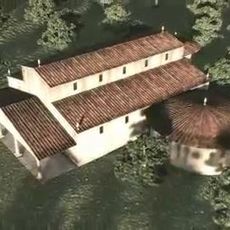
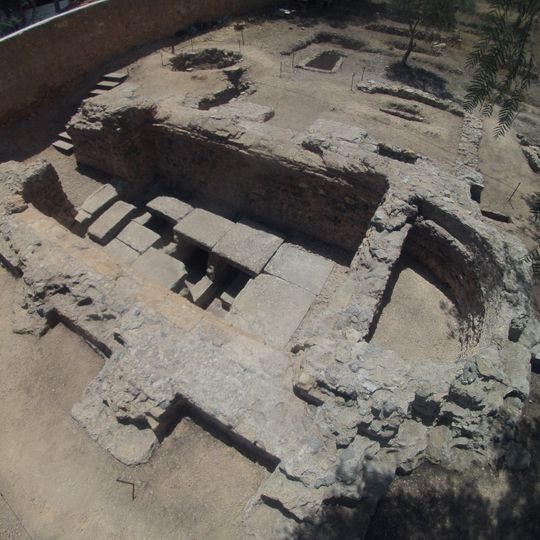
The Martyrium de La Alberca is a rectangular early Christian funerary monument measuring 12 by 7.6 metres, oriented east-west, with five buttresses on each outer wall and five on the western short side. Beneath it lies a rectangular crypt reached by a stairway, holding four limestone tombs and an apse separated by a wall that may have had a fenestrella confessionis. The crypt walls use opus spicatum masonry.
This monument was built during a period when Christian communities were establishing their own burial places and consolidating their faith. Its discovery in 1832 revealed important evidence of late Roman religious life and remains one of the most valuable sites for understanding that era.
The name martyrium comes from the word martyr: this was a private funerary monument built by a rural provincial aristocratic family on its villa estate, not a public church. Its crypt held four limestone tombs and an apse with a fenestrella confessionis, a small window through which the martyr's sarcophagus could be viewed.
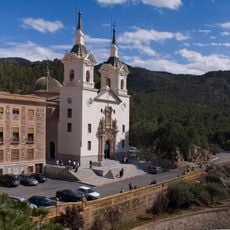
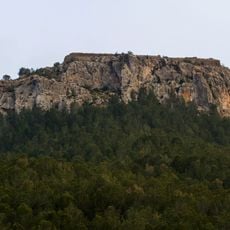
The site is located south of Murcia's center and sits in a countryside setting near mountain ranges. The location works well for combining a visit with exploring the surrounding natural areas or other historical sites in the region.
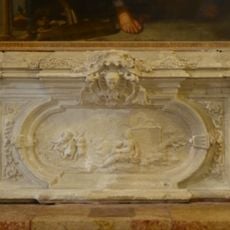
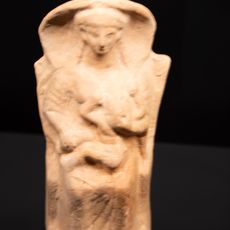
The crypt's polychrome geometric mosaic floor is lost; only Fuentes y Ponte's 19th-century description records it. The 1890 treasure-hunting association looted the site before Torres Balbás could protect it. Pieces from the martyrium are now in the Museo Arqueológico de Murcia.
The community of curious travelers
AroundUs brings together thousands of curated places, local tips, and hidden gems, enriched daily by 95,356 contributors worldwide.