Ralung Monastery, Buddhist monastery in Gyangzê County, China
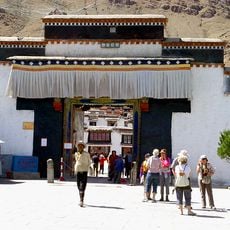
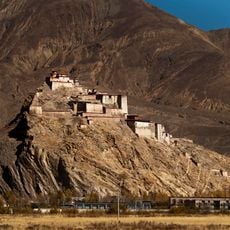
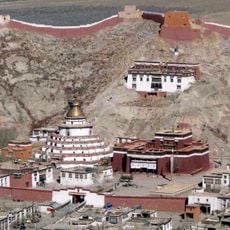
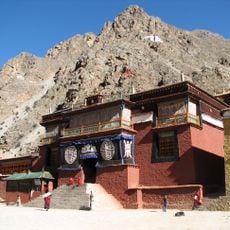
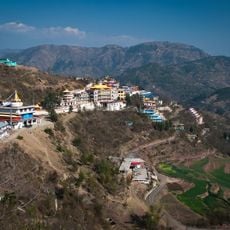
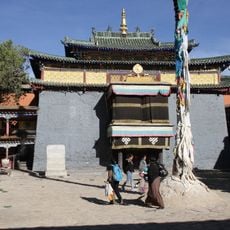
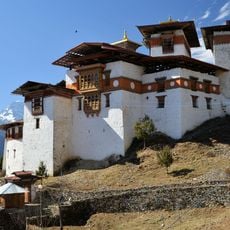
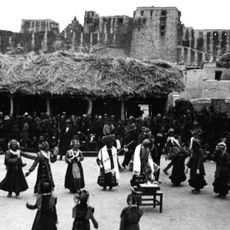
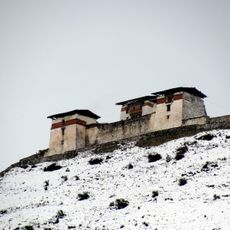
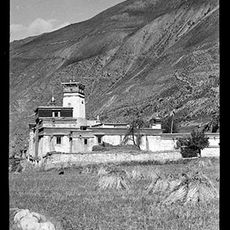
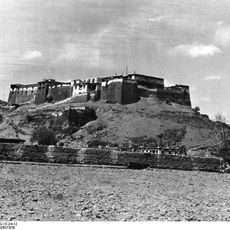
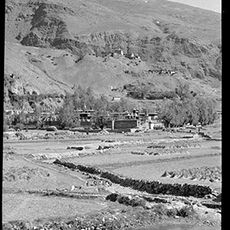
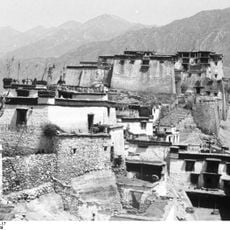
Ralung Monastery is a Tibetan Buddhist monastery in Gyangzê County, China, sitting at high altitude in a remote mountain setting. The site consists of several temples, residential quarters for monks, and open courtyards arranged across the rocky terrain.
Tsangpa Gyare, a disciple of Lingje Répa, founded Ralung Monastery in 1180 as the seat of the Drukpa lineage. Ngawang Namgyal, the 18th abbot, fled Tibet in 1616 after his recognition as Kunkhyen Pema Karpo's reincarnation was challenged by the Tsang governor; he went on to unify Bhutan. The monastery was restored after the Cultural Revolution and had 20 resident monks in the early 21st century.
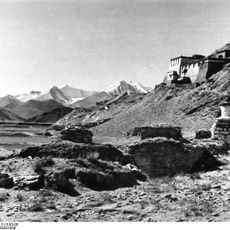
The monastery's name comes from its setting: it is ringed by mountains the way a lotus heart is enclosed by its petals. The Drukpa Kagyu school takes its name from Druk, meaning dragon, and the monastery remains its traditional seat. In the early 21st century about 20 monks lived here, and the Bhutanese monasteries of the same school sometimes send financial support.
The monastery sits in a remote mountain area at high altitude, so it is worth allowing time to acclimatize and arriving in good physical condition. Checking local road and weather conditions before setting out will help make the journey safer and more manageable.
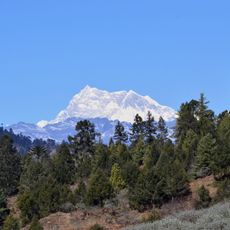
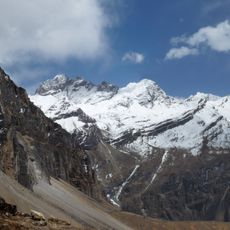
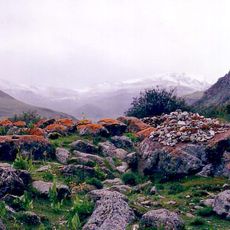
The eight mountains surrounding the monastery are said to mirror eight sacred Buddhist symbols, among them a white conch and an overflowing vase. Pilgrims read this natural arrangement as a sign of the holiness of the site and weave it into their prayer circuits around the grounds.
The community of curious travelers
AroundUs brings together thousands of curated places, local tips, and hidden gems, enriched daily by 94,740 contributors worldwide.