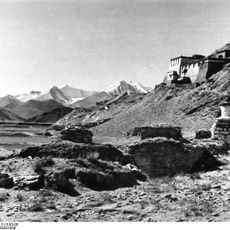
Shalu Monastery, Buddhist monastery in Samzhubzê District, China
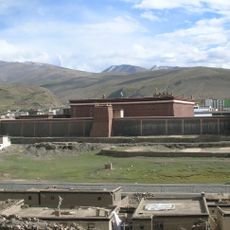
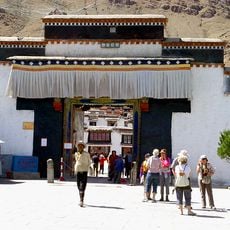
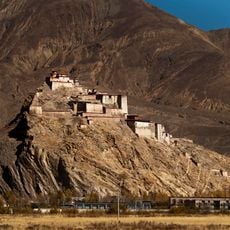
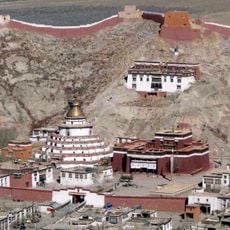
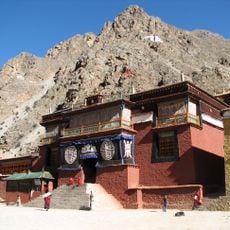
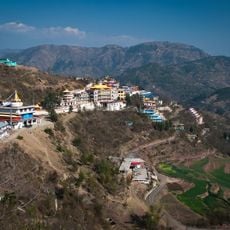
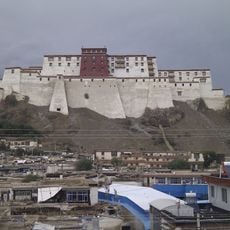
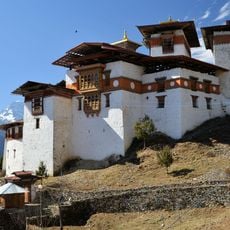
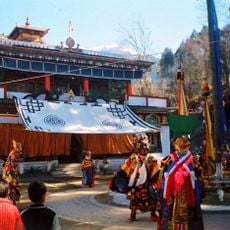
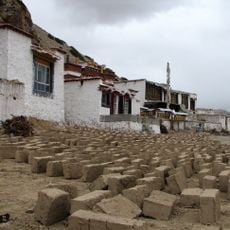
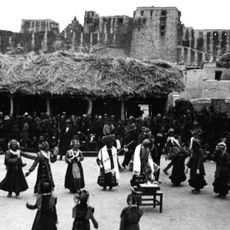
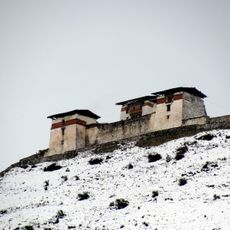
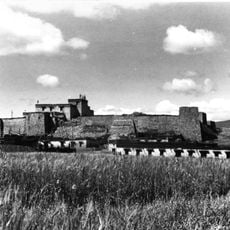
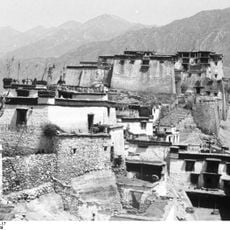
Shalu Monastery is a Buddhist sanctuary in Samzhubzê where multiple buildings merge traditional Han Chinese and Tibetan architectural elements in stone and wood structures. The complex includes temples, auxiliary buildings, and courtyards that form a coherent spiritual environment.
Founded in 1040 by Chetsun Sherab Jungnay, Shalu was the first major monastery built by the noble Tsangpa families during Tibet's Buddhist revival. In 1320 the ruler Zhaba Gyaltsen obtained Yuan support and craftsmen from Emperor Renzong, and the monastery was rebuilt from 1333 with Han Chinese glazed tiles and carpenters after the 1329 earthquake. Buton Rinchen Drub then led it, with some 3,000 resident monks.
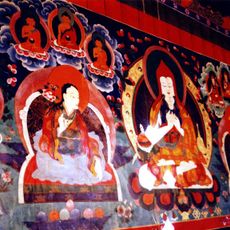
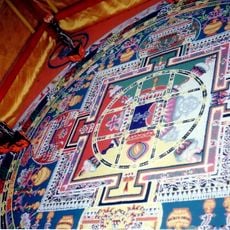
The monastery walls display extensive collections of Buddhist murals representing artistic techniques and religious symbolism of medieval Tibet.
Visitors can reach the monastery via a two-hour drive south from Shigatse, with guided tours available through the main temple complex. It helps to wear comfortable shoes and allow time to explore the different levels and rooms.
The monastery's name comes from the Tibetan word for young barley shoots: when Chetsun Sherab Jungnay asked his teacher to shoot an arrow to fix the site, it landed in a field of sprouting barley. Four relics are kept in the main hall, including a stone basin said to have been the founder's washbasin, which fills with rainwater without overflowing.
The community of curious travelers
AroundUs brings together thousands of curated places, local tips, and hidden gems, enriched daily by 93,721 contributors worldwide.