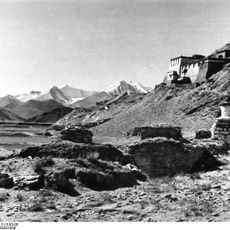
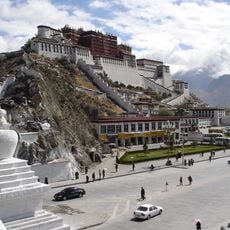
Chushul Chakzam, Iron suspension footbridge near Lhasa, Tibet, China.
The Chushul Chakzam was an iron suspension bridge over the Yarlung Tsangpo in Qüxü County near Lhasa, built in 1430 by Thang Tong Gyalpo. Its central span, about 140 metres, was the longest unsupported span in the world at the time. The bridge was torn down in the 1950s and replaced by a concrete bridge that opened on 1 August 1966.
This bridge was built in the 1430s and became a crucial passage for trade and travel across the valley. Over centuries, structural wear eventually led to the introduction of ferry services as communities adapted to changing conditions.
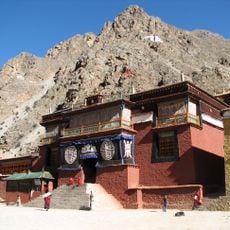
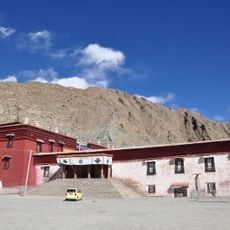
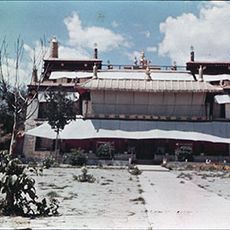
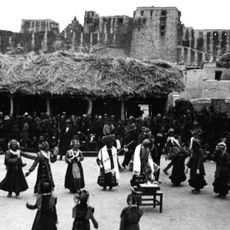
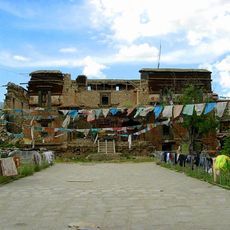
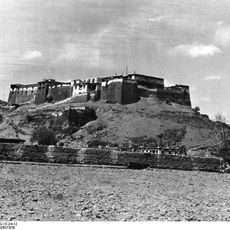
The monastery at the southern bridgehead served as a spiritual center where pilgrims gathered before crossing the sacred river. Buddhist rituals and practices were deeply connected to this location and the journey it enabled for the faithful.
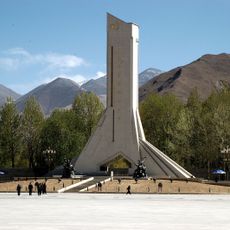
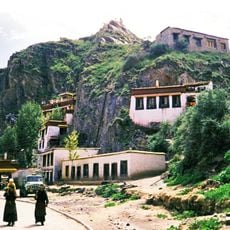
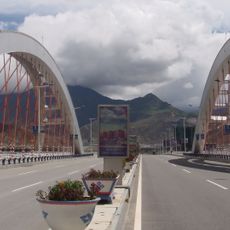
The iron bridge itself no longer stands: it was dismantled in the 1950s and replaced by the concrete Qushui Yaluzangbujiang Bridge, opened on 1 August 1966. Visitors today see the river crossing at that later bridge site in Qüxü County, not a walkable suspension span. The southern bridgehead stood on Chowuri mountain, a pilgrimage site linked to Guru Rinpoche and Trisong Detsen.
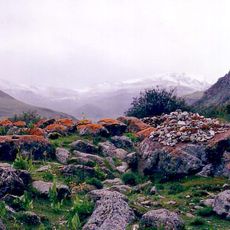
The southern foundation rests on a mountain that served as a meditation site centuries before the bridge was built. This overlapping of sacred geography and engineering creates a location with layered spiritual and practical importance.
The community of curious travelers
AroundUs brings together thousands of curated places, local tips, and hidden gems, enriched daily by 92,789 contributors worldwide.