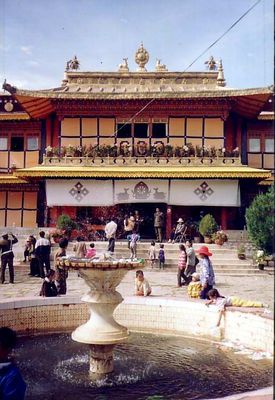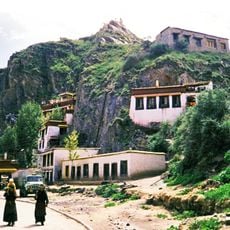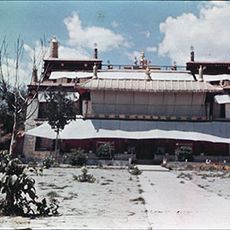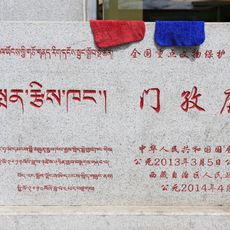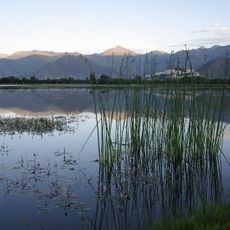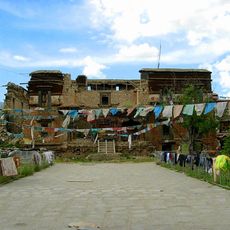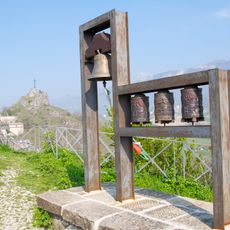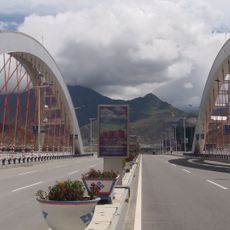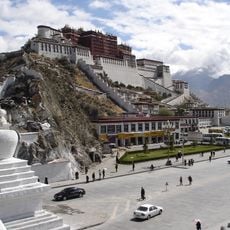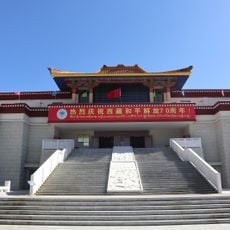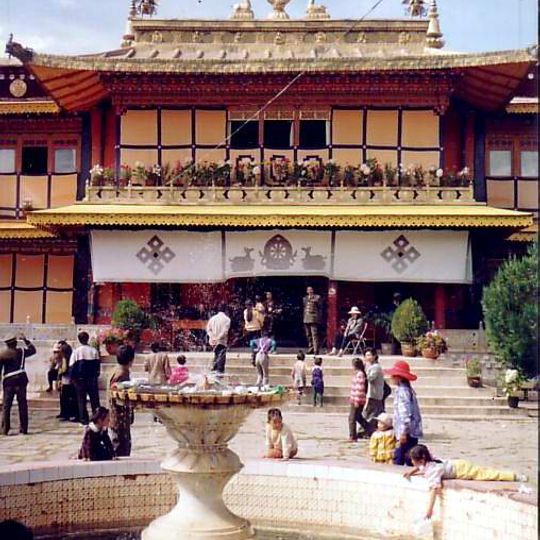
Norbulingka, Summer palace in Lhasa, China.
Norbulingka is a palace complex in Lhasa composed of multiple buildings, gardens, ponds, and traditional Tibetan architectural features spread across extensive grounds. The site contains numerous rooms distributed throughout various structures that served different functions as residences, religious spaces, and administrative areas.
Construction began in the 18th century under a spiritual leader, transforming barren land into a residence for successive leaders of the region. The complex was later expanded and continued to serve this purpose until the mid-20th century.
The name Norbulingka translates to "Jewel Garden," reflecting how the grounds were originally designed as a place of natural beauty and retreat. The palace remains a symbol of Tibetan Buddhist leadership and continues to embody values of harmony between architecture and landscape.
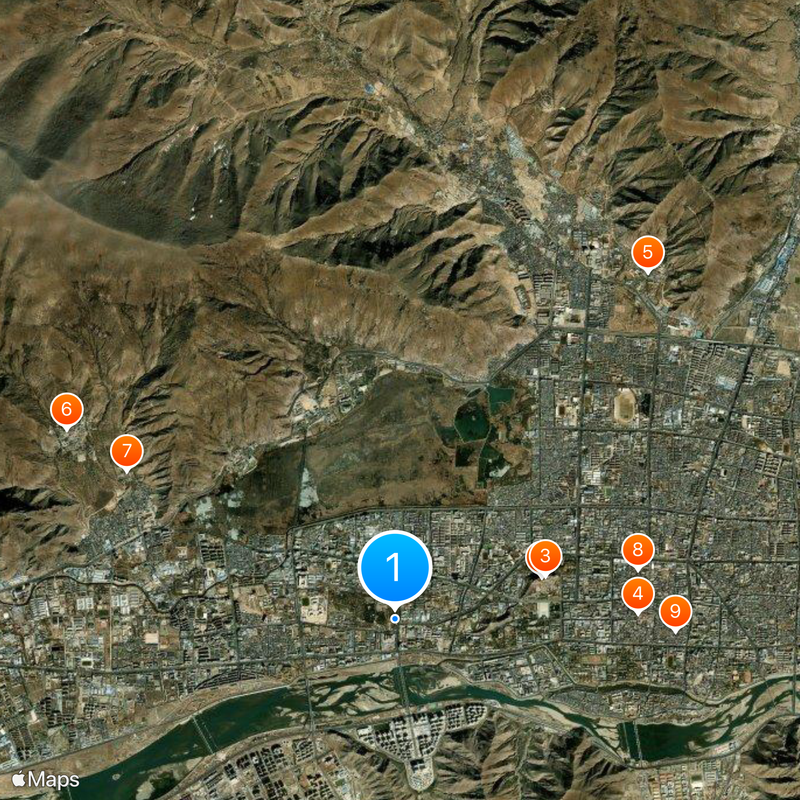
Visitors should plan time to explore both buildings and gardens, as these reveal different areas of the complex. Navigation is easiest by following paths through the gardens and between building clusters, which help orient you within the larger layout.
One building within the complex, constructed in the mid-20th century, features detailed wall paintings depicting the region's history. This structure unusually blends traditional religious architecture with modern residential design elements.
The community of curious travelers
AroundUs brings together thousands of curated places, local tips, and hidden gems, enriched daily by 91,246 contributors worldwide.