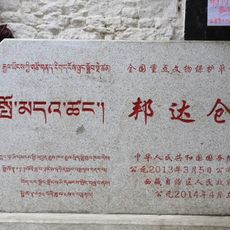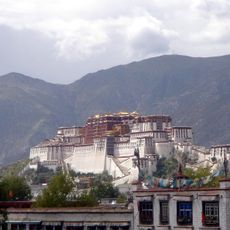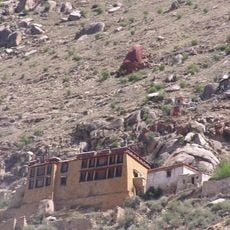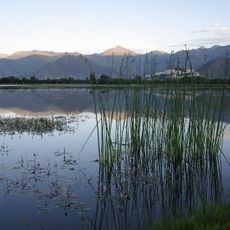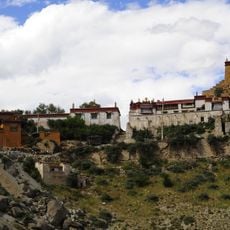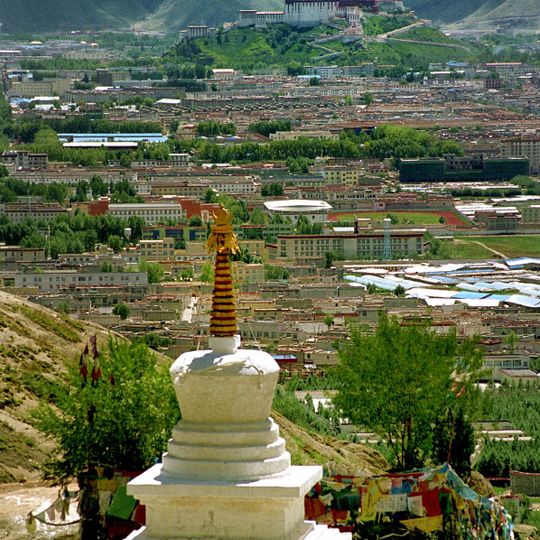
Chupzang Nunnery, Buddhist nunnery on northern hillside of Lhasa, China
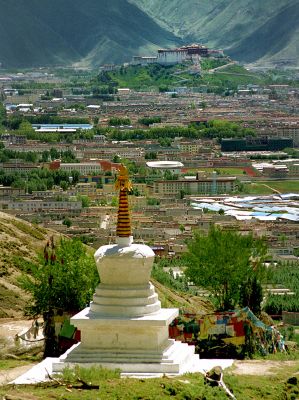
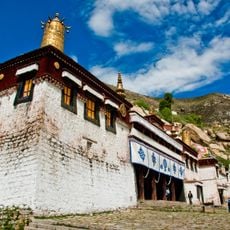
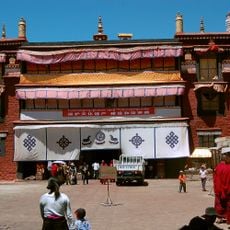
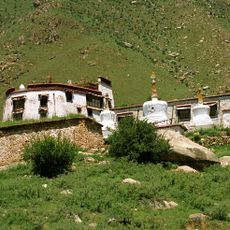
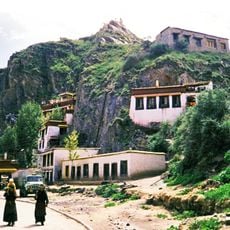
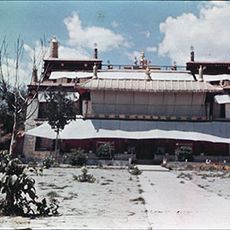
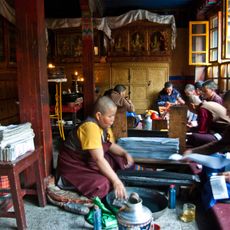
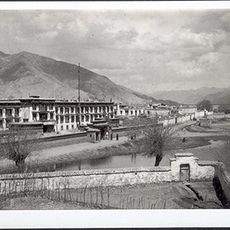
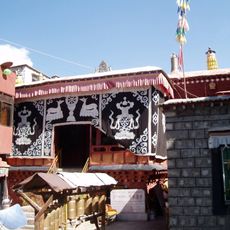
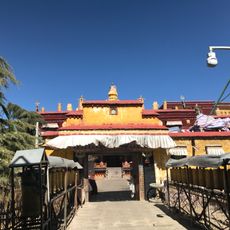
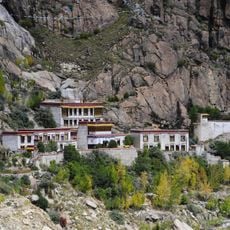
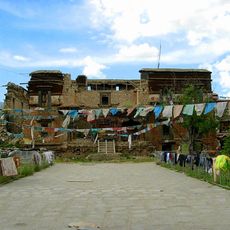
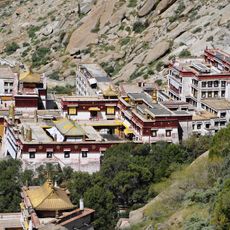
Chupzang Nunnery is a monastic complex on a hillside north of Lhasa featuring stupa fields with stone carvings, main temple buildings, and a dharma courtyard. The site includes residential areas where nuns live in individual quarters.
The site was established in 1665 as a hermitage by Trinlé Gyatso, Tibet's regent, serving monastic purposes. In 1984 it became an exclusive nunnery following extensive restoration work.
The main temple displays statues of Tsongkhapa and his disciples, embodying the school's core teachings. Visitors can observe daily rituals performed here according to the Tibetan lunar calendar.
The nunnery sits about one kilometer from Sera Monastery and is accessible via a 20-minute walk along hillside paths lined with shrubs. The route climbs gradually through natural terrain.
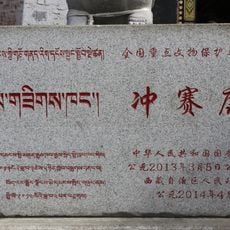
The name Chupzang comes from Tibetan words meaning 'fresh water,' referencing the natural spring that still supplies the site today. This spring influenced the location choice and remains important to daily life here.
The community of curious travelers
AroundUs brings together thousands of curated places, local tips, and hidden gems, enriched daily by 92,451 contributors worldwide.