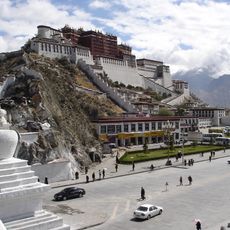
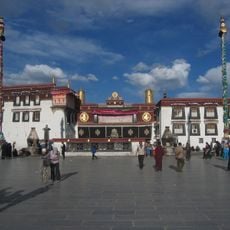
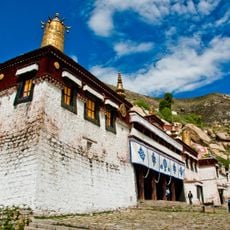
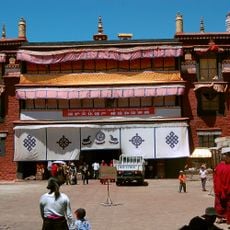
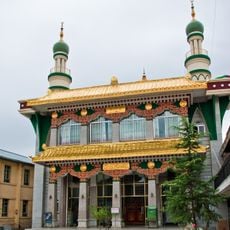
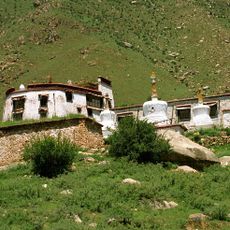
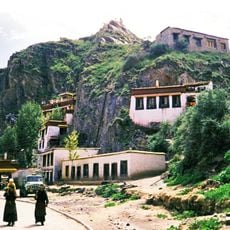
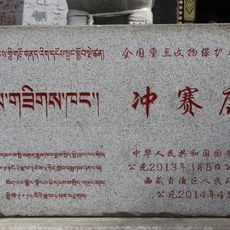
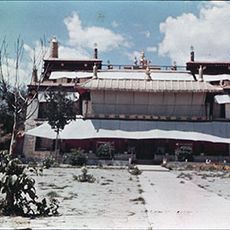
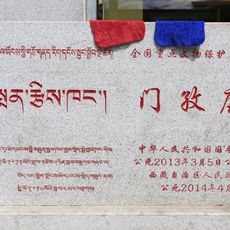
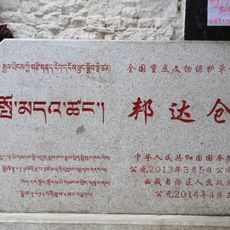
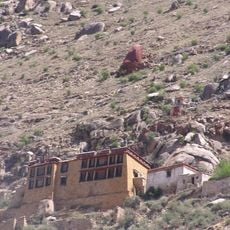
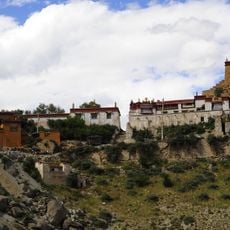
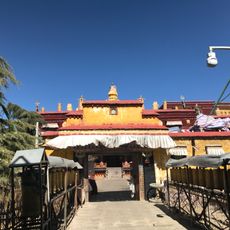
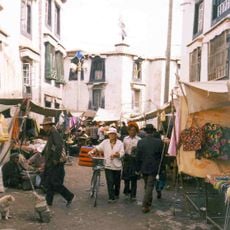
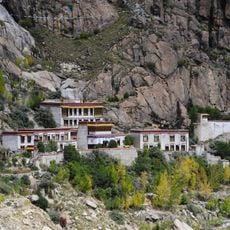
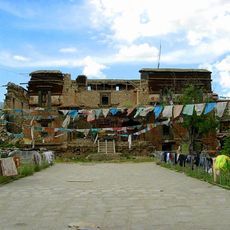
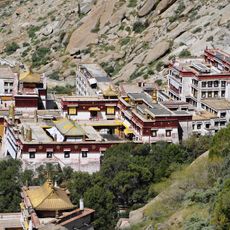
Ani Tsankhung Nunnery, Buddhist temple in Barkhor district, Lhasa, China.
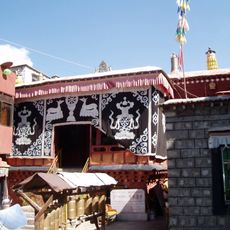
Ani Tsankhung Nunnery is a three-story yellow-walled structure located in Lhasa's Barkhor district. It houses a main prayer hall with a Chenresig statue, residential quarters for more than one hundred nuns, and several meditation spaces.
Kujor Tokden, a close disciple of Tsongkhapa, founded the nunnery in the 15th century around a cave where the 7th-century king Songtsen Gampo had meditated and prayed to ward off flooding of the Lhasa River. The doctor Gewahum meditated here in the 12th century. Early in the 20th century Pabongkhapa Déchen Nyingpo and Ganden throne holder Tampa Dhoedrak enlarged it to its present size.
The nuns perform daily practices that give visitors a sense of active monastic life within the walls. You can observe them tending to the altars and moving through the courtyards during their routines.
The nunnery keeps limited visiting hours and occasionally closes for private ceremonies, so it is wise to check ahead. A simple outdoor restaurant serves local noodle dishes and dumplings during the lunch period.
The meditation cave linked to Songtsen Gampo lies about two metres below ground level and holds a statue of the king. The nunnery's name comes from this retreat: tshamkhung means 'hermitage'. The nuns also print scripture inserts for the Jokhang, and their sweet tea is known in Lhasa for being the weakest.
The community of curious travelers
AroundUs brings together thousands of curated places, local tips, and hidden gems, enriched daily by 93,680 contributors worldwide.