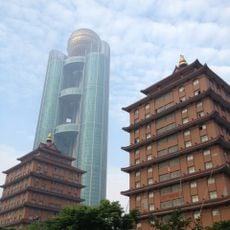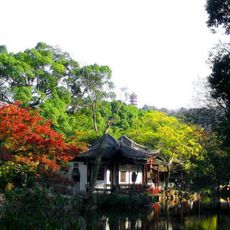
Wuxi Qingmingqiao Historical and Cultural Blocks, Cultural heritage site along Grand Canal in Wuxi, China
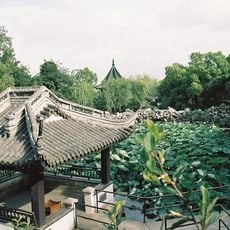
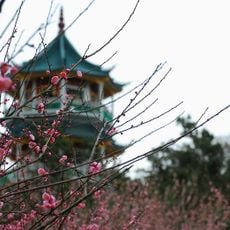
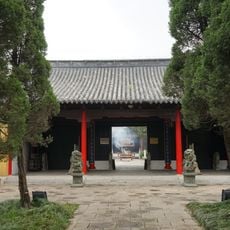
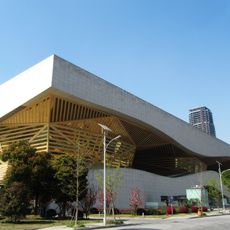
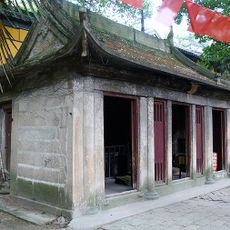
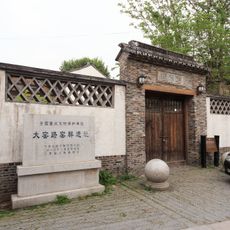
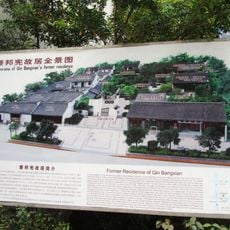
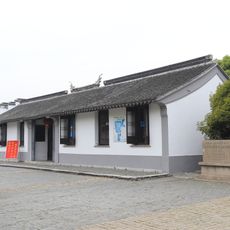
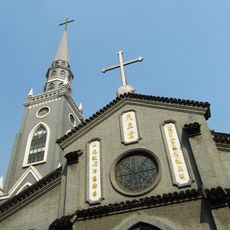
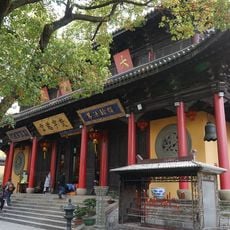
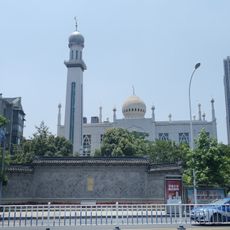
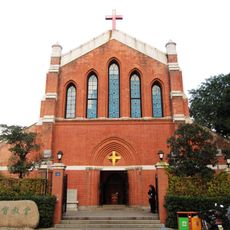
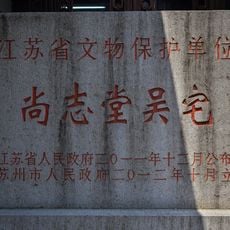
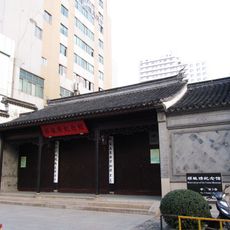
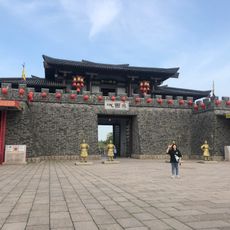
The Qingmingqiao Historical and Cultural Blocks spread along ancient waterways with traditional architecture, stone bridges, and restored buildings from different eras. The layout shows how homes, shops, and public spaces were organized in this historic trade center.
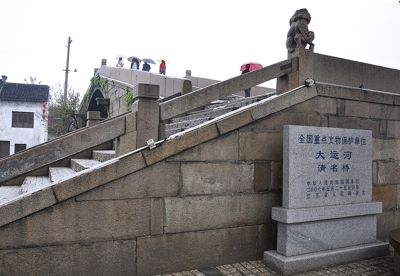
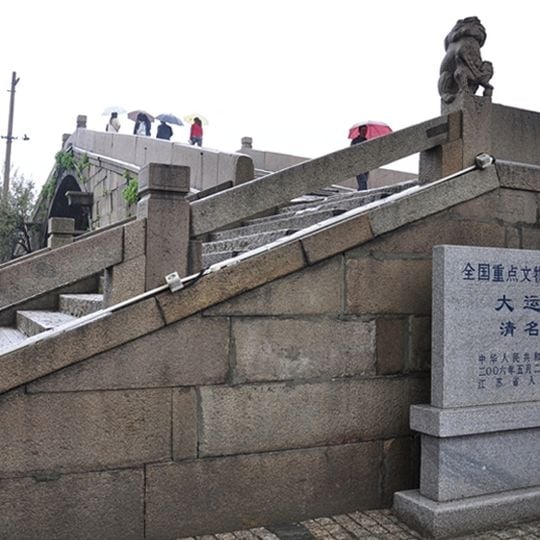
The canal here was rerouted around Wuxi during the Jiajing era of the Ming dynasty to defend against Japanese pirates, and the old course through the city became the Zhihe. The Qingming Bridge was first built in the Wanli era by the two sons of Qin Yao, owner of Jichang Garden, and named Qingning after their names Taiqing and Taining. It was rebuilt in 1666, renamed Qingming in the Daoguang era to avoid the emperor's name, destroyed in 1860 and rebuilt in 1869. The district was inscribed as part of the Grand Canal World Heritage Site in 2014.
The district showcases traditional crafts and local industries through museums dedicated to silk production and ceramic making. Visitors can observe how these crafts shaped the region's identity and economic life over centuries.
The site is best reached by public transportation and can be explored from afternoon through evening hours. Boat tours on the canal offer an alternative way to view the historic buildings and bridges from the water.
On the top platform of Qingming Bridge, a dark red stain on a stone slab is often said to be blood from the Anti-Japanese War. It is in fact the blood of Lu Yunzhong, a follower of Liu Fashui, a collaborator police chief, killed on the bridge.
The community of curious travelers
AroundUs brings together thousands of curated places, local tips, and hidden gems, enriched daily by 93,291 contributors worldwide.