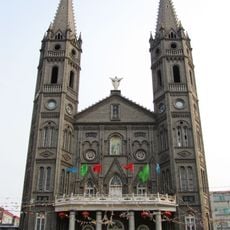
観音堂, Buddhist temple in Changzhi, China
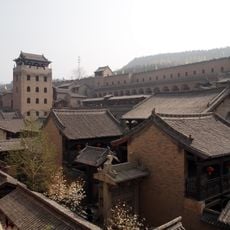
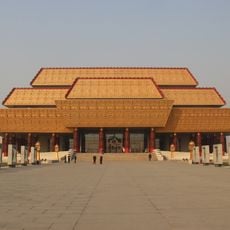
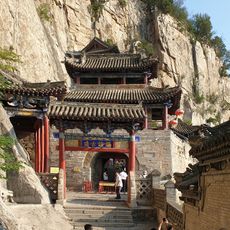
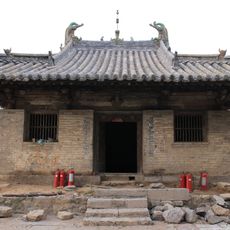
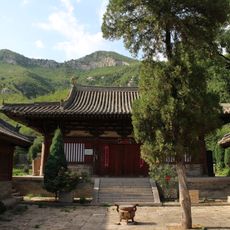
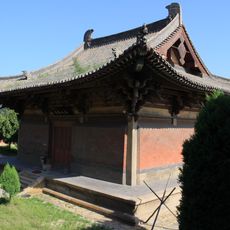
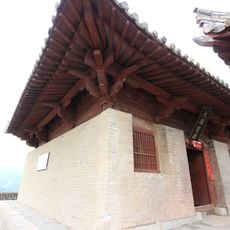
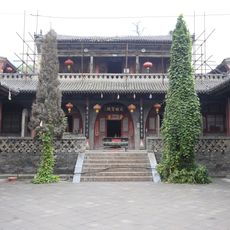
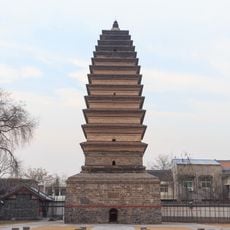
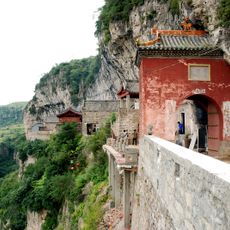
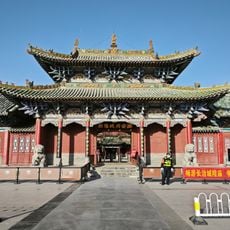
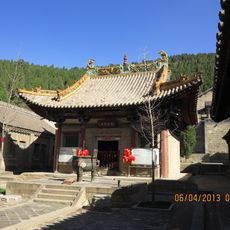
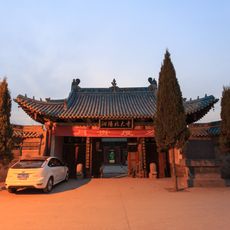
The Guanyin Temple is located in Changzhi and features multiple connected halls with traditional Chinese architectural design. Stone pathways link the buildings together, creating a complex that blends construction styles from different periods.
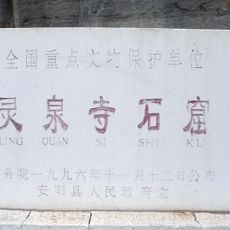
The temple was founded in 1582, the tenth year of the Ming Wanli era, and was repaired during the Qing dynasty. Its main hall, the Guanyin Hall, is the original Ming structure, while the Heavenly King Hall, the Xianting pavilion, the bell and drum towers and the side halls were built under the Qing. The hall's plaque was inscribed in 1583 by Gao Qin, vice minister of war. On 25 June 2001 it was listed as a fifth-batch national key cultural relic protection unit, no. 5-232.
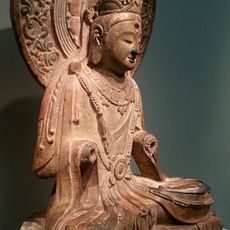
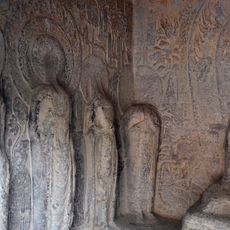
The main hall holds over 500 Ming-dynasty suspended clay sculptures, gilded and painted, covering walls, roof frames, doors and windows. They mix the three teachings: Shakyamuni sits at the centre with Laozi and Confucius flanking him, while Guanyin, Manjushri and Samantabhadra stand on the altar. Look for the eighteen arhats, the twenty-four heavenly deities and the twelve bodhisattvas of perfect enlightenment.
The temple lies in Liangjiazhuang village, Daxinzhuang subdistrict, west of Changzhi's Luzhou district, and faces west, so the entrance is on the east side of the compound. The main hall is the Ming building; the Heavenly King Hall, Xianting pavilion, bell and drum towers and side halls are Qing additions. Allow time to look closely at the wall and ceiling sculptures inside the main hall.
The temple appears as a filming location in the video game Black Myth: Wukong, which brought its Ming-dynasty sculptures to a wide audience. The main hall's plaque, reading "Guanyintang", was inscribed in 1583 by Gao Qin, a vice minister of war.
The community of curious travelers
AroundUs brings together thousands of curated places, local tips, and hidden gems, enriched daily by 94,408 contributors worldwide.