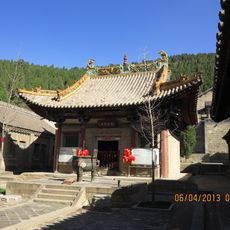
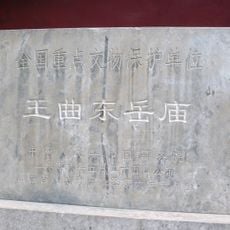
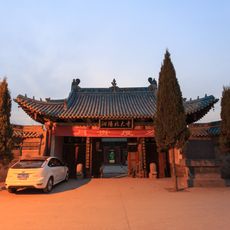
法兴寺, Buddhist temple in Changzi, China
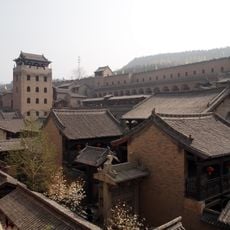
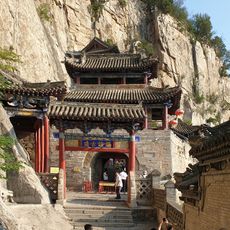
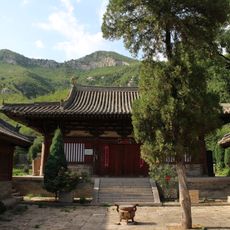
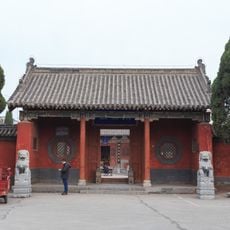
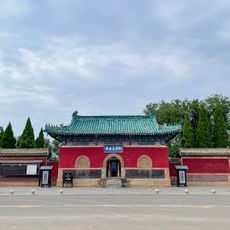
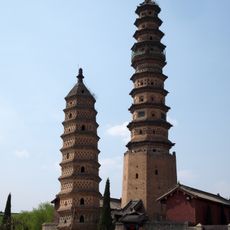
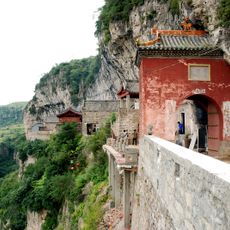
Faxing Temple is a Buddhist sanctuary on Cuiyun Mountain in Changzi County, organized along a north-south central axis with gates, pavilions, and halls arranged in a hierarchical layout. The complex spreads across the slope with multiple levels and follows the classical design principles of Chinese temples.
Faxing Temple was first built during the Later Liang, originally named Cilin Temple. It was renamed Guangde Temple in the Tang dynasty and received the name Faxing Temple during the Zhiping era of the Northern Song. In 1988 it was listed as a Major Historical and Cultural Site Protected at the National Level. The temple was later moved from Mount Cilin to its current site on Cuiyun Mountain because mining-induced subsidence threatened the buildings.
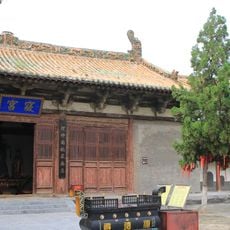
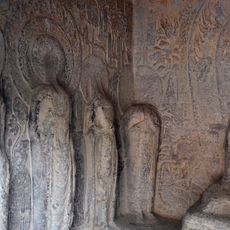
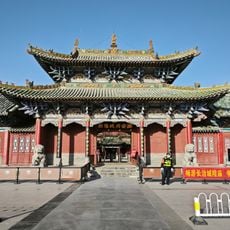
The temple's name changed with its patrons: founded as Cilin Temple, renamed Guangde under the Tang, and called Faxing from the Northern Song Zhiping era. The Yuanjue Hall, built in 1080, holds nineteen Song painted clay sculptures; the hall's name refers to the twelve bodhisattvas of perfect enlightenment, a subject Wuxing carved in the Tang.
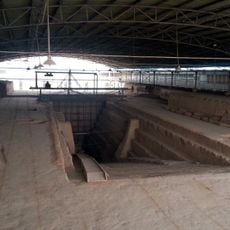
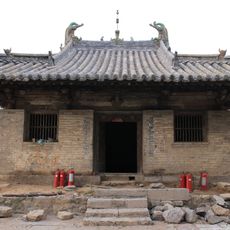
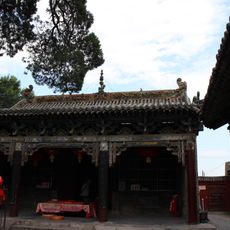
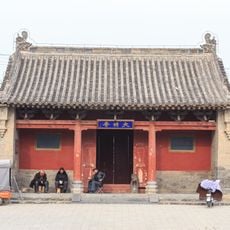
The temple now stands at Cuizhuang village in Cilin town, Changzi County, after being moved from nearby Cilin Mountain because mining subsidence threatened the buildings. The relocated complex keeps its north-south axis, with the stone Sarira Pagoda first, then the Lamp Tower, Yuanjue Hall and Bodhisattva Hall; Guan Gong and Jialan halls flank the sides. Look for the Tang-era inscriptions on the Lamp Tower's lower base.
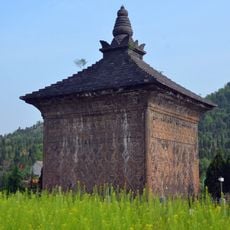
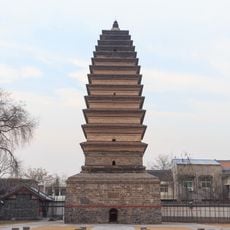
The Sarira Pagoda was built in 673 and displays a distinctive square floor plan, a rare form that few Tang Dynasty structures have survived with in stone. This stone tower stands apart from the rounded or octagonal pagodas more commonly found across China.
The community of curious travelers
AroundUs brings together thousands of curated places, local tips, and hidden gems, enriched daily by 93,819 contributors worldwide.