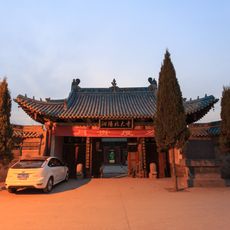
Jidu Temple, National heritage temple in Jiyuan, China
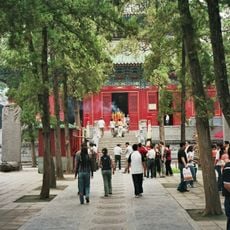
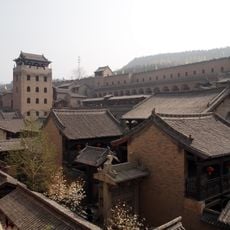
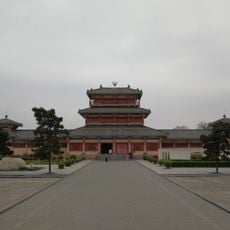
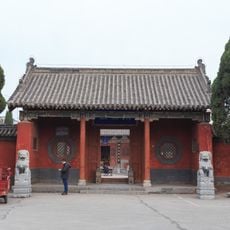
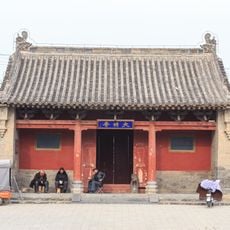
Jidu Temple is a temple complex in Jiyuan whose plan resembles the Chinese character 甲, with four building groups: the Jidu Temple front hall, the Beihai Shrine behind, Tianqing Palace to the west and Yuxiang Court to the east. It covers 86,255 square metres and holds 23 buildings from the Song to Qing dynasties.
The temple was founded in 582 during the Sui Dynasty and served as a site for imperial ceremonies throughout its long history. Imperial envoys performed rituals here regularly until the Qing period, making it an important place for state-sponsored worship.
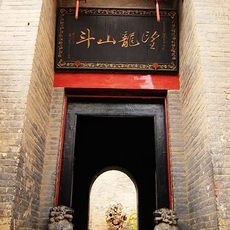
The temple's full name, Jidu Beihai Temple, reflects its dual role: sacrifices to the Ji River god and, from 796, to the North Sea god, since the Ji River pool was believed to connect underground with the North Sea. The name of the main gate, Qingyuan Dongfu, comes from the Ji River's historical title "Qingyuan Gong" (Duke of Qingyuan). A stele of 1068, found in the Dragon Pool in 2003, records an imperial envoy's sacrifice.
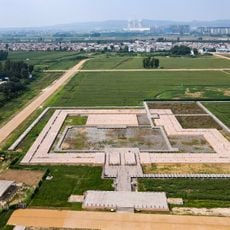
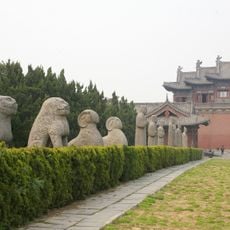
The complex covers 86,255 square metres, so plan a route: the front Jidu Temple, rear Beihai Shrine, west Tianqing Palace and east Yuxiang Court each have their own gates. The main hall survives only as a foundation with column bases about 60 cm across. Look for the Song-dynasty stone balustrade beside the Dragon Pool.
Ancient cypress trees and the green waters of the Ji River surround the temple grounds, creating a natural setting that was intentionally designed. This harmony between the structures and the landscape reveals how classical temple sites were integrated with their natural surroundings.
The community of curious travelers
AroundUs brings together thousands of curated places, local tips, and hidden gems, enriched daily by 94,554 contributors worldwide.