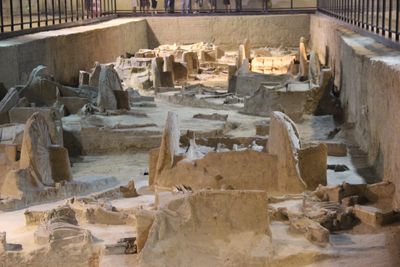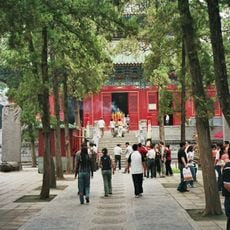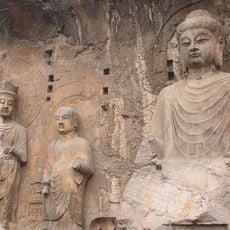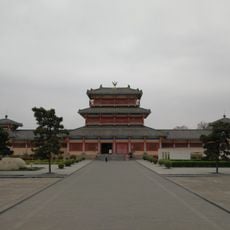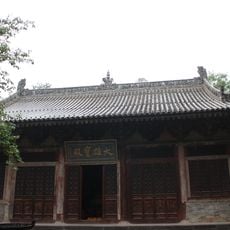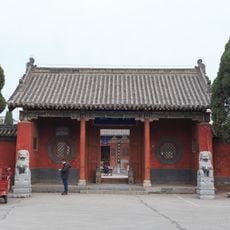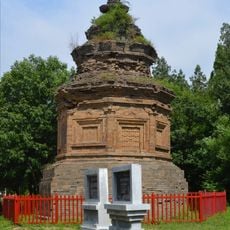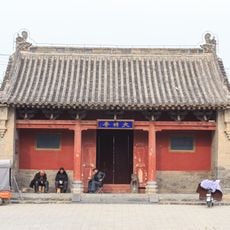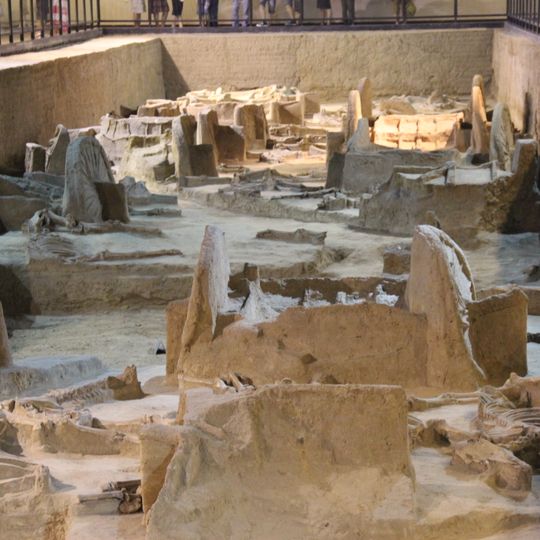
Wangcheng of Eastern Zhou Dynasty, Archaeological site in Luoyang, China.
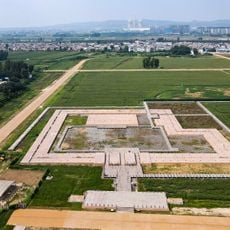
Wangcheng of the Eastern Zhou Dynasty is an archaeological site in Luoyang displaying the foundations and walls of an ancient Chinese capital. The excavations reveal a gridded layout with residential areas, workshops, and administrative buildings organized in a structured pattern.
This settlement served as the Eastern Zhou capital beginning around 771 BC, a period when political power shifted across different regions. The city was eventually abandoned and remained buried until modern excavations brought it back to light.
The excavated objects tell you how residents lived in this ancient capital, with tools, pottery, and household items revealing their daily routines and skills. Walking through the site, you can sense how different classes of people shared the same urban space.
The site is organized as a park where visitors can walk through preserved wall sections and excavated foundation lines along marked paths. It helps to allow time for a leisurely visit and read the informational signs to grasp the city's original layout.
The city was built following a checkerboard street pattern that became a template copied across China for centuries afterward. This rational planning approach was remarkably advanced for its time and shows how early Chinese architects thought systematically about urban organization.
The community of curious travelers
AroundUs brings together thousands of curated places, local tips, and hidden gems, enriched daily by 91,648 contributors worldwide.